
case study
10,000-Nm³/h-Class VPSA Oxygen System in Southeast Asian Steel Mills
A 13,000-Nm³/h VPSA oxygen system from PKU Pioneer is now operating in a Southeast Asian steel work, cutting oxygen production power use by 57% versus cryogenic separation and slashing annual electricity spend.
-
13,000 Nm³/hOXYGEN CAPACITY
-
57%ENERGY REDUCTION
-
Steel Mill O2 EnrichmentAPPLICATION
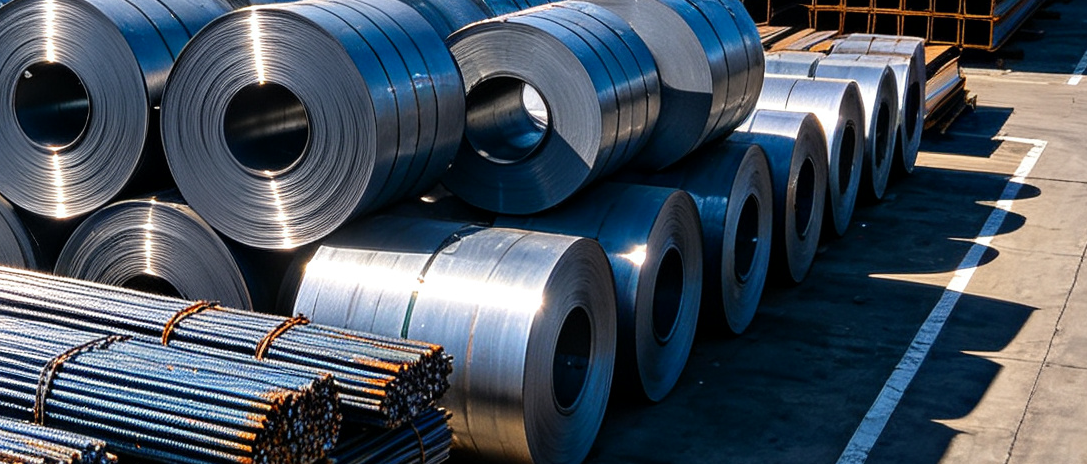
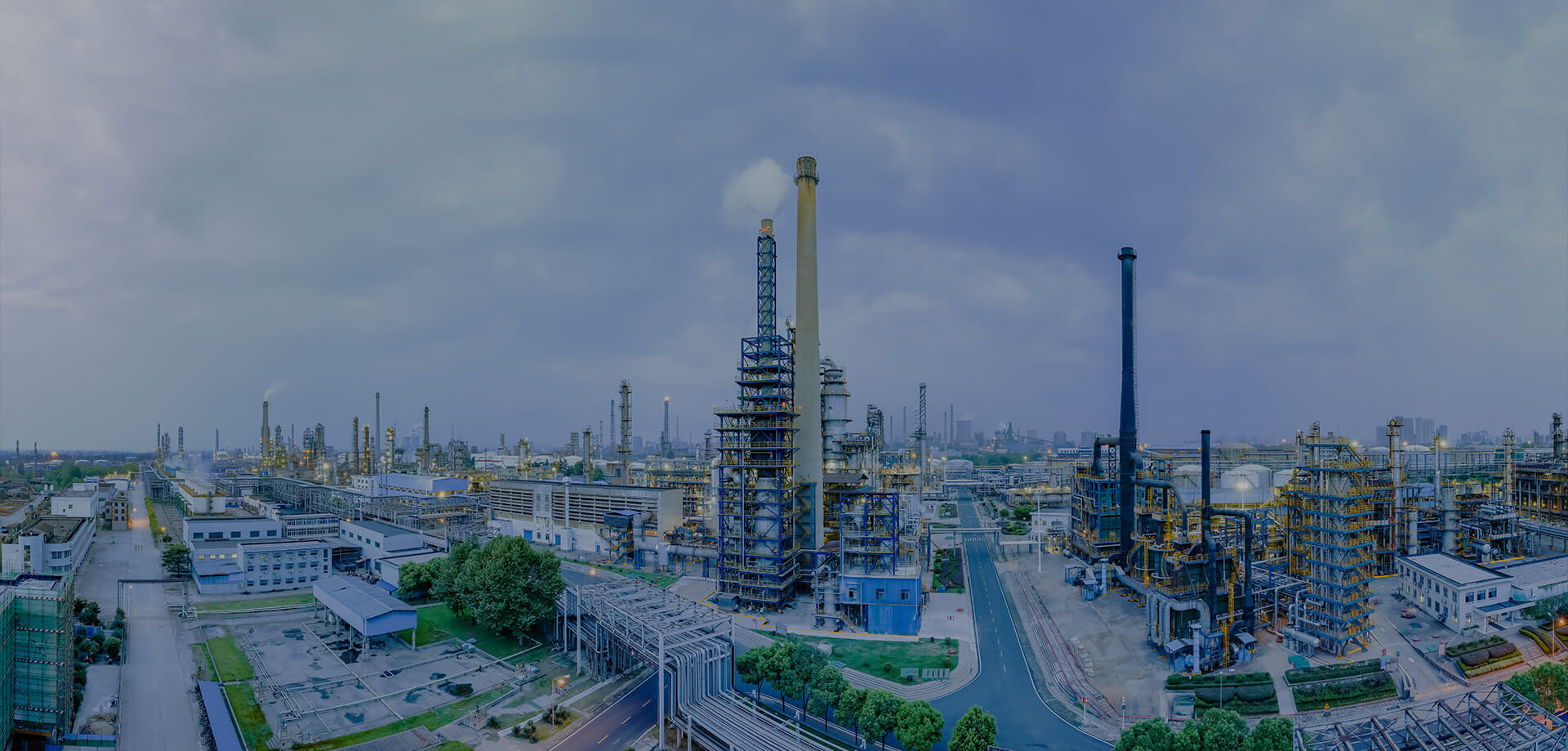
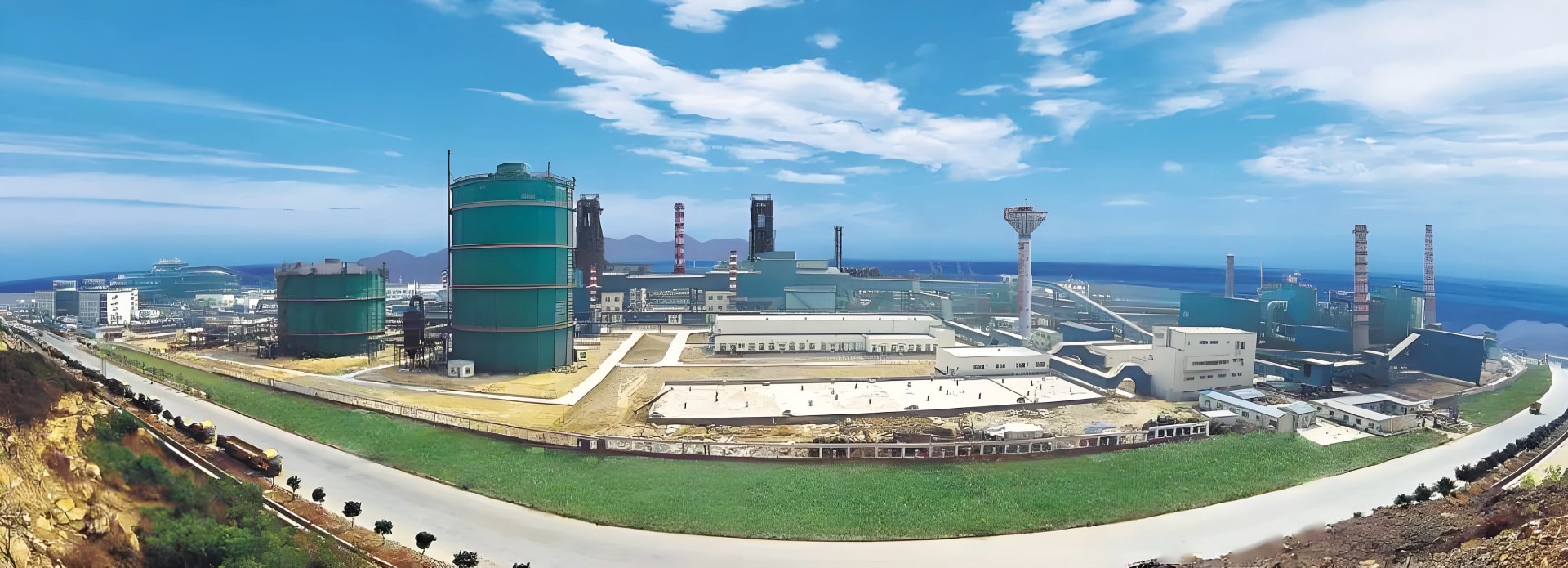
PKU Pioneer has recently announced the successful commissioning of a 13,000 Nm³/h Vacuum Pressure Swing Adsorption (VPSA) oxygen generation system at a major steel mill in Southeast Asia. Entirely designed and manufactured in-house by PKU Pioneer, the system has been delivered and put into full operation. This project represents another landmark achievement for PKU Pioneer in overseas oxygen enrichment solutions for integrated steelmaking processes, and further validates the recognized competitiveness of China’s advanced gas separation technology in the global industrial market.
Against the backdrop of surging infrastructure demand across Southeast Asia and the global steel industry’s push toward decarbonization, the steelmaker embarked on an ironmaking capacity expansion plan. Driven by the dual objectives of transitioning to more efficient operations and reducing costs, a key challenge emerged in significantly lowering the unit energy consumption of blast furnace oxygen supply. Following extensive evaluations, the steel mill opted to deploy high-efficiency, energy-efficient VPSA oxygen generation technology to supply high-purity oxygen-enriched air to its new blast furnace.
Leading Technology, Superior Energy Efficiency
The VPSA system supplied under this project is specifically designed for oxygen enrichment before the blower, delivering measurable improvements in smelting intensity and production costs reduction. During the preliminary assessment phase, the customer compared in depth the two mainstream oxygen production routes: cryogenic air separation and VPSA by conducting wide-ranging site visits and technical exchanges across the domestic and international steel industry. Unlike the cryogenic route, VPSA technology requires no complex air pre-treatment or refrigeration cycles. Its simpler process flow, lower operation and maintenance costs, and flexible start-stop capability make it better suited to the adaptive production demands of modern steel plants. Ultimately, PKU Pioneer prevailed over a number of multinational gas service providers, backed by our proven track record in 10,000-Nm³/h-class VPSA projects, exceptional system reliability, and demonstrable energy efficiency advantages.
“Our customer’s top priorities were life-cycle cost control and operational reliability,” said the PKU Pioneer project lead. “To meet their stringent requirements on energy consumption and automation, we carried out multiple rounds of simulation-based optimization during the design phase to ensure long-term stable performance at low energy consumption.”
Seamless Commissioning, Tangible Economic Returns
The system successfully passed its trial run on the first attempt in late 2025, with all performance metrics meeting or exceeding design specifications. Operational data shows that the VPSA unit of PKU Pioneer achieves a 57% reduction in specific power consumption per unit of oxygen output compared to the steel mill’s pre-existing cryogenic air separation unit—a margin that translates directly into substantial cost savings on annual electricity expenditures.
As global decarbonization efforts accelerate, the steel industry—a major energy consumer—is stepping up its drive for process transformation. This successful overseas commissioning of this large-scale VPSA system by PKU Pioneer not only adds another milestone to the overseas expansion of Chinese-engineered industrial equipment under China’s “Going Global” strategy, but also offers a proven and practical solution for blast furnace oxygen enrichment in the global steel sector.
Our Product
Request a Consultation
Other Cases
-
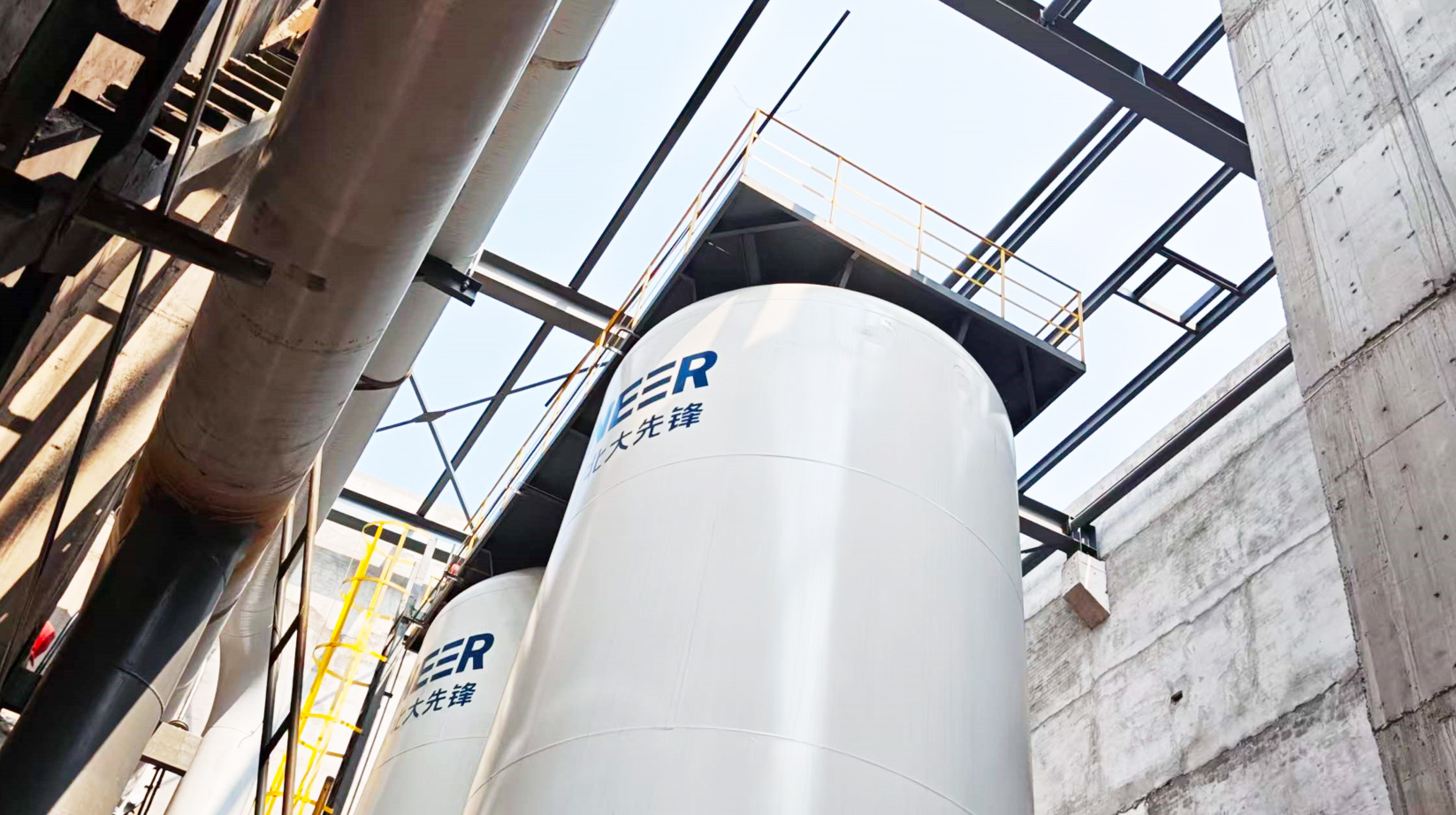
15,000 Nm³/h VPSA Oxygen Plant for a Leading Cast Iron Producer by PKU Pioneer
A 15,000 Nm³/h VPSA oxygen plant, retrofitted within the existing facility to double capacity, now operational at a North China cast iron producer — achieving power consumption as low as 0.28 kWh/Nm³ (100% O₂ basis) and cutting oxygen costs by ~50% versus cryogenic separation, with a projected payback period of under one year.
-
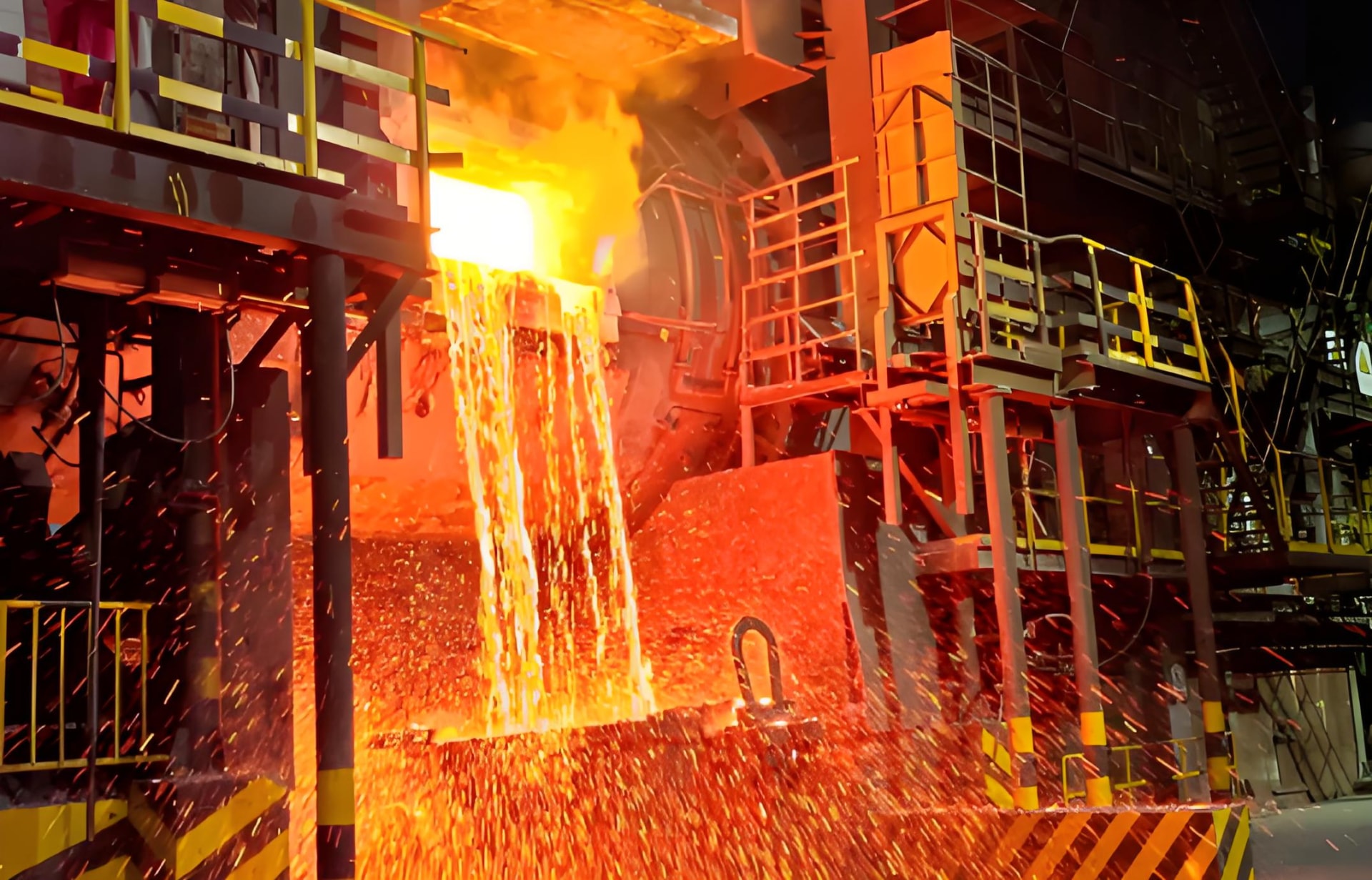
12,500 Nm³/h VPSA Oxygen Plant for Copper Smelting
PKU Pioneer successfully commissioned a 12,500 Nm³/h VPSA oxygen plant for Wuxin Copper, helping eliminate oxygen supply bottlenecks and improve oxygen-enriched smelting efficiency. The project significantly reduced oxygen production costs, enhanced automation capabilities, and supported the customer’s capacity expansion and green metallurgy upgrade.
-
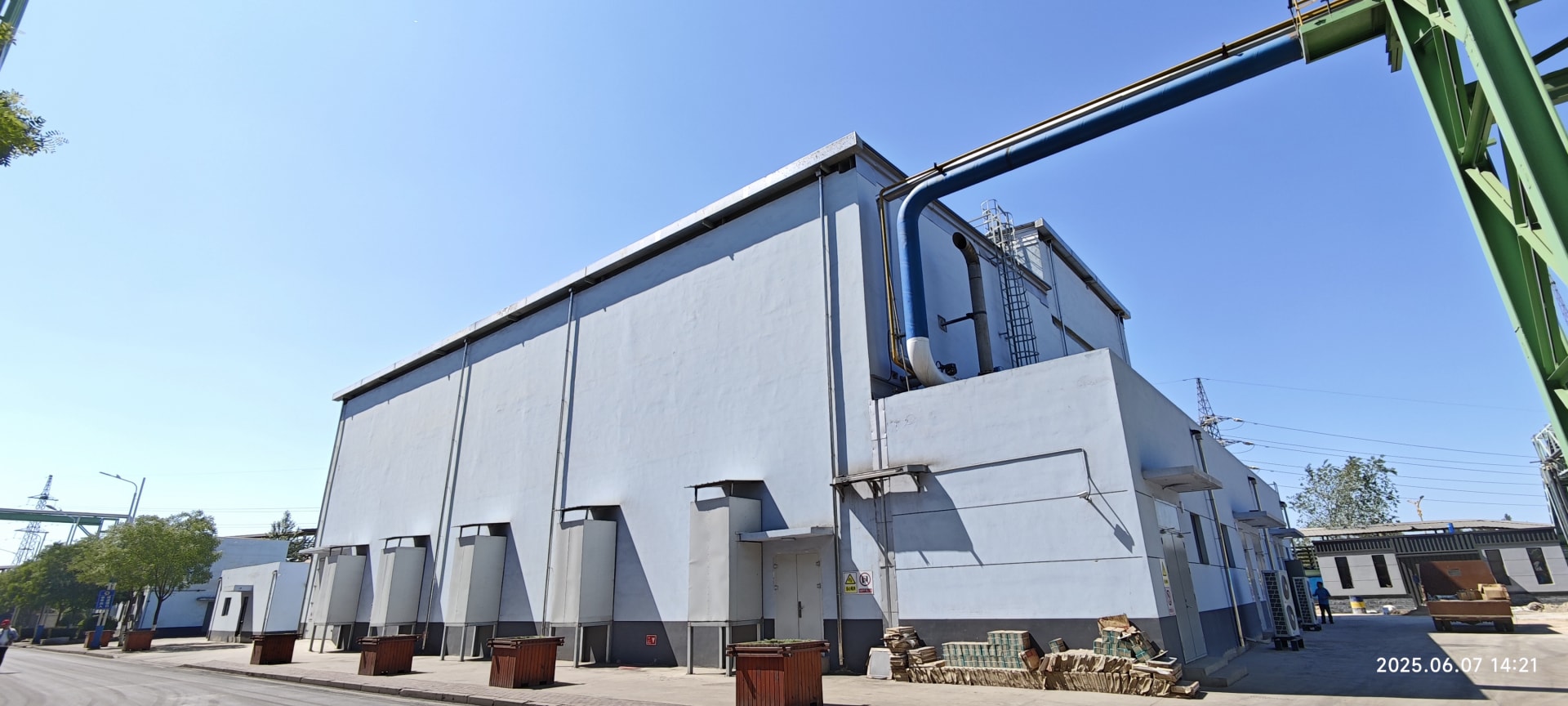
Blast Furnace Oxygen Enrichment PSA Project
PKU Pioneer successfully commissioned a second-phase 14,000 Nm³/h PSA oxygen plant for Chifeng Yuanlian Iron & Steel, expanding total oxygen generation capacity to 28,000 Nm³/h. The project significantly reduced oxygen production costs, improved operational flexibility, and supported the steel mill’s energy-saving and low-carbon transformation goals.
Engineered Solutions Built for Performance
you may also like
Smarter Oxygen Supply for Iron & Steel Production
Cut oxygen costs by over 60% with industry-proven VPSA/PSA technology — trusted by over 100 steel enterprises worldwide.