
Industry
Oxygen-Enriched Smelting Solutions for Non-Ferrous Metallurgy
VPSA oxygen systems engineered for copper, nickel, lead, zinc, and tin smelting — 40+ installations delivered, energy consumption as low as 0.29 kWh/Nm³.
-
40+Installations
-
0.29 kWh/Nm³Energy Consumption
-
100,000+ Nm³/hCAPACITY UP TO
-
2,800 mHigh-Altitude Operation
The Industry at a Glance
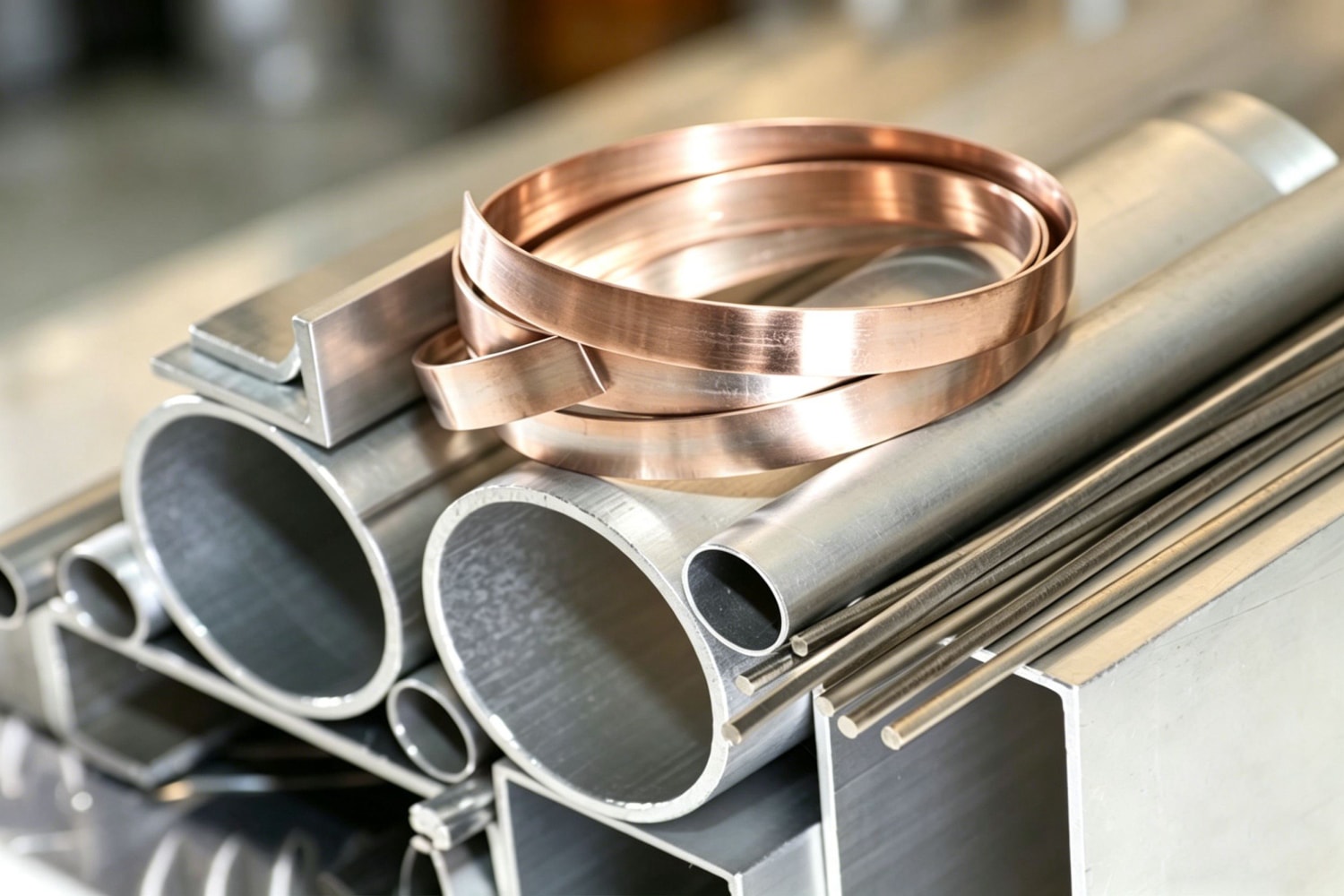
The global non-ferrous metals market was valued at USD 1,233.6 billion in 2025 and is projected to reach USD 1,779.4 billion by 2034, growing at a CAGR of 4.03%. Stricter ESG regulations are pushing manufacturers toward cleaner production and lower-carbon smelting technologies. Adopting oxygen-enriched air instead of ambient air for combustion is a major technical measure in non-ferrous metallurgy, helping strengthen productivity, reduce energy consumption, and increase economic benefits.
Where Our Products Are Used
-
1
Copper Smelting Oxygen Supply
Oxygen-enriched combustion accelerates the oxidation of sulfur, iron, and other impurities in copper concentrate, increasing reaction rates and furnace temperature while reducing fuel consumption.
-
2
Lead & Zinc Smelting Enhancement
VPSA systems deliver stable enriched oxygen under harsh conditions to improve smelting efficiency and increase the output of lead, zinc, and other non-ferrous metals.
-
3
Nickel Flash Furnace Oxygen Supply
VPSA oxygen plants provide consistentoxygen for nickel flash smelting furnaces, where powdered materials are fully exposed to oxygen to support high-productivity, low-energy smelting.
-
4
Titanium Dioxide & Gold Processing
VPSA oxygen has been widely applied in copper, zinc, lead, gold, nickel smelting, and titanium dioxide production.
Pain Points & Solutions
-
The Challenge
Traditional reliance on liquid oxygen transportation is costly, prone to loss, and carries the risk of unstable oxygen supply.
Our SolutionPKU Pioneer’s VPSA oxygen generation provides reliable oxygen with multiple adjustable output levels, significantly reducing oxygen costs.
-
The Challenge
Expanding smelting capacity demands more oxygen, but existing cryogenic systems cannot meet the emerging requirements.
Our SolutionVPSA oxygen units offer a shorter construction period, higher safety, and lower energy consumption than cryogenic air separation — which typically takes 2 years to deploy.
-
The Challenge
High-altitude or extreme-climate smelters face oxygen-deficient conditions that reduce furnace.
Our SolutionPKU Pioneer successfully deployed a 4,100 Nm³/h VPSA plant at 2,800m altitude on the Qinghai-Tibet Plateau, achieving power consumption as low as 0.37 kWh/Nm³ under cold, oxygen-deficient conditions.
Why Choose Us
-
40+ VPSA systems built specifically for non-ferrous metal smelting
-
Energy consumption as low as ~0.30 kWh/Nm³ — international leading level
-
Compatible with all furnace types — bottom, side, and top blowing furnaces
-
World’s largest VPSA unit capacity exceeding 87,500 Nm³/h single-project output
-
Proprietary PU-8 lithium-based adsorbent — self-developed and mass-produced for optimal oxygen separation
-
Flexible ownership models — build-own-operate or entrust PKU Pioneer for professional O&M to use oxygen at lower costs
Success Snapshot
-
Leading Non-Ferrous Smelter
Deployed a 4,100 Nm³/h VPSA oxygen plant at 2,800m altitude — the largest industrial VPSA unit at the highest altitude in China. Achieved 0.37 kWh/Nm³ energy consumption, dramatically cutting oxygen supply costs for lead and zinc smelting.
-
Global Top 500 Nickel & Copper Smelter
Two sets of VPSA oxygen plants (5,556 Nm³/h each, 90% purity) were deployed for nickel flash furnace and copper synthesis furnace. The VPSA-generated oxygen integrated into the 20KPa pipeline network, freeing up cryogenic capacity for higher-purity applications.
Trusted by Industry Leaders
-
“The VPSA unit started producing oxygen within months — far faster than a cryogenic ASU. It gave us the capacity boost we needed without the long wait.”
Mr. Z
Chief Engineer
-
“PKU Pioneer’s oxygen system runs stably even in our extreme climate. Energy costs dropped significantly, and we now have full oxygen independence.”
Ms. H
Operations Directo
FAQ
Engineered Solutions Built for Performance
Typical Cases
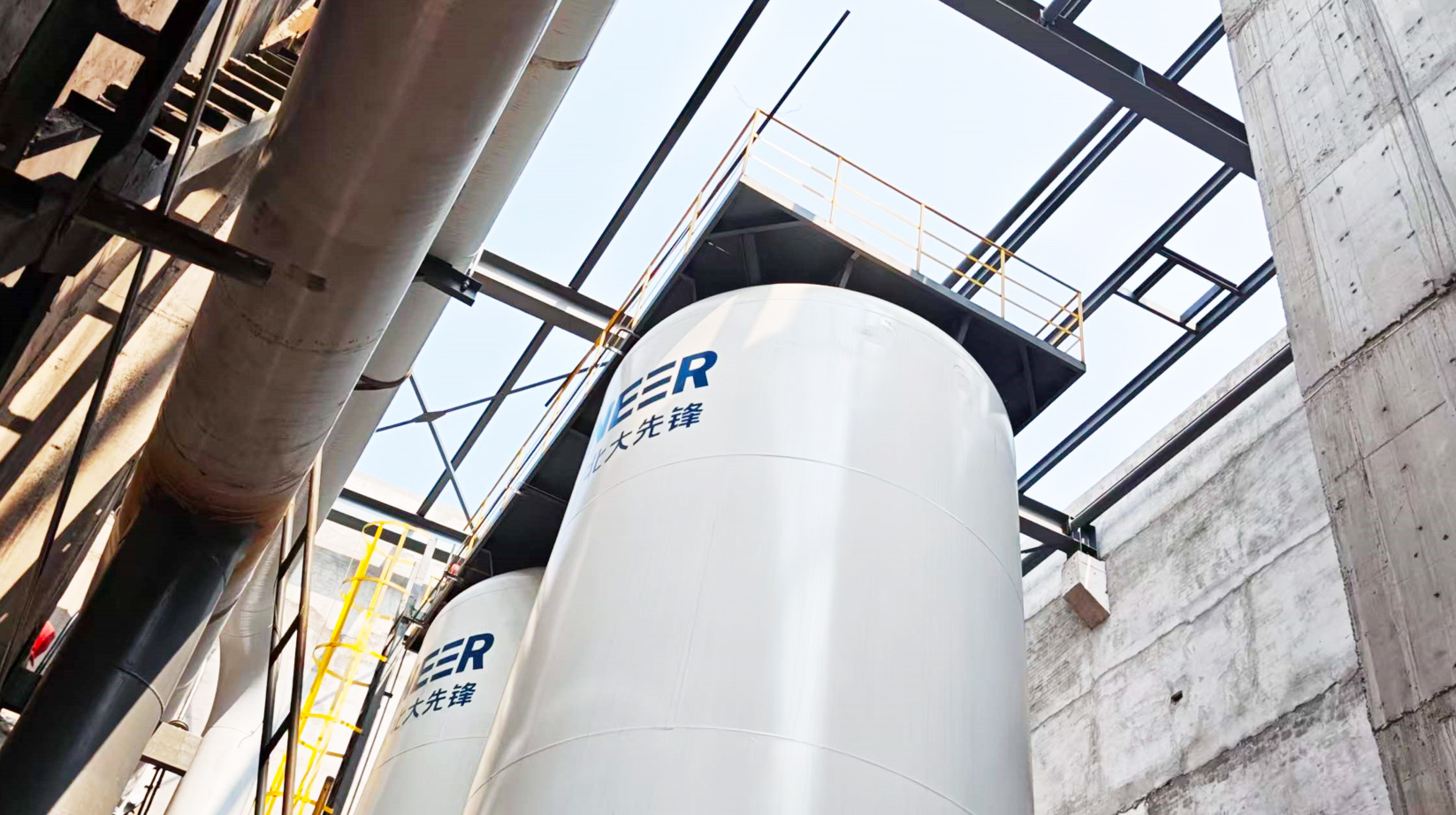
15,000 Nm³/h VPSA Oxygen Plant for a Leading Cast Iron Producer by PKU Pioneer
A 15,000 Nm³/h VPSA oxygen plant, retrofitted within the existing facility to double capacity, now operational at a North China cast iron producer — achieving power consumption as low as 0.28 kWh/Nm³ (100% O₂ basis) and cutting oxygen costs by ~50% versus cryogenic separation, with a projected payback period of under one year.
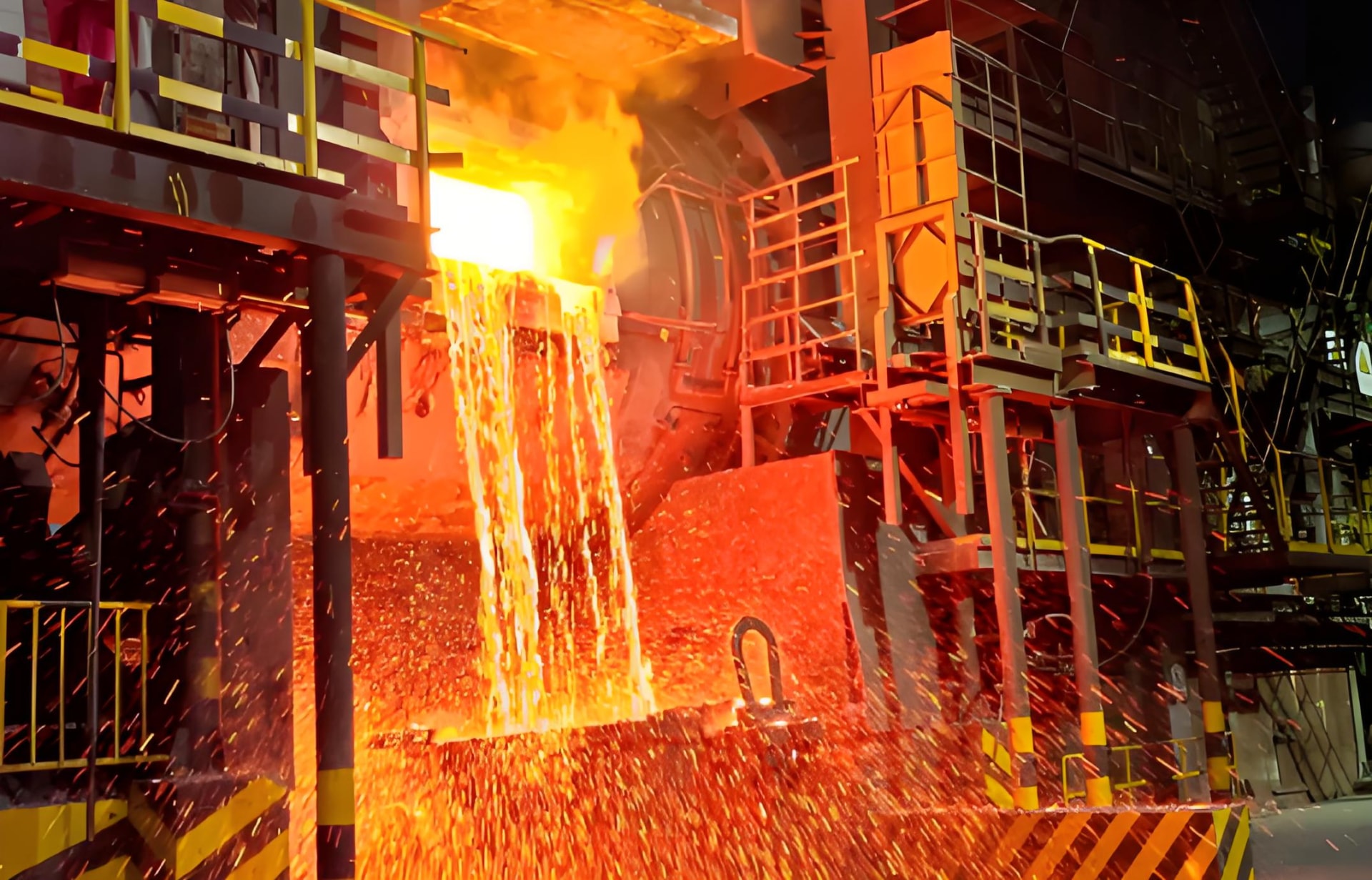
12,500 Nm³/h VPSA Oxygen Plant for Copper Smelting
PKU Pioneer successfully commissioned a 12,500 Nm³/h VPSA oxygen plant for Wuxin Copper, helping eliminate oxygen supply bottlenecks and improve oxygen-enriched smelting efficiency. The project significantly reduced oxygen production costs, enhanced automation capabilities, and supported the customer’s capacity expansion and green metallurgy upgrade.
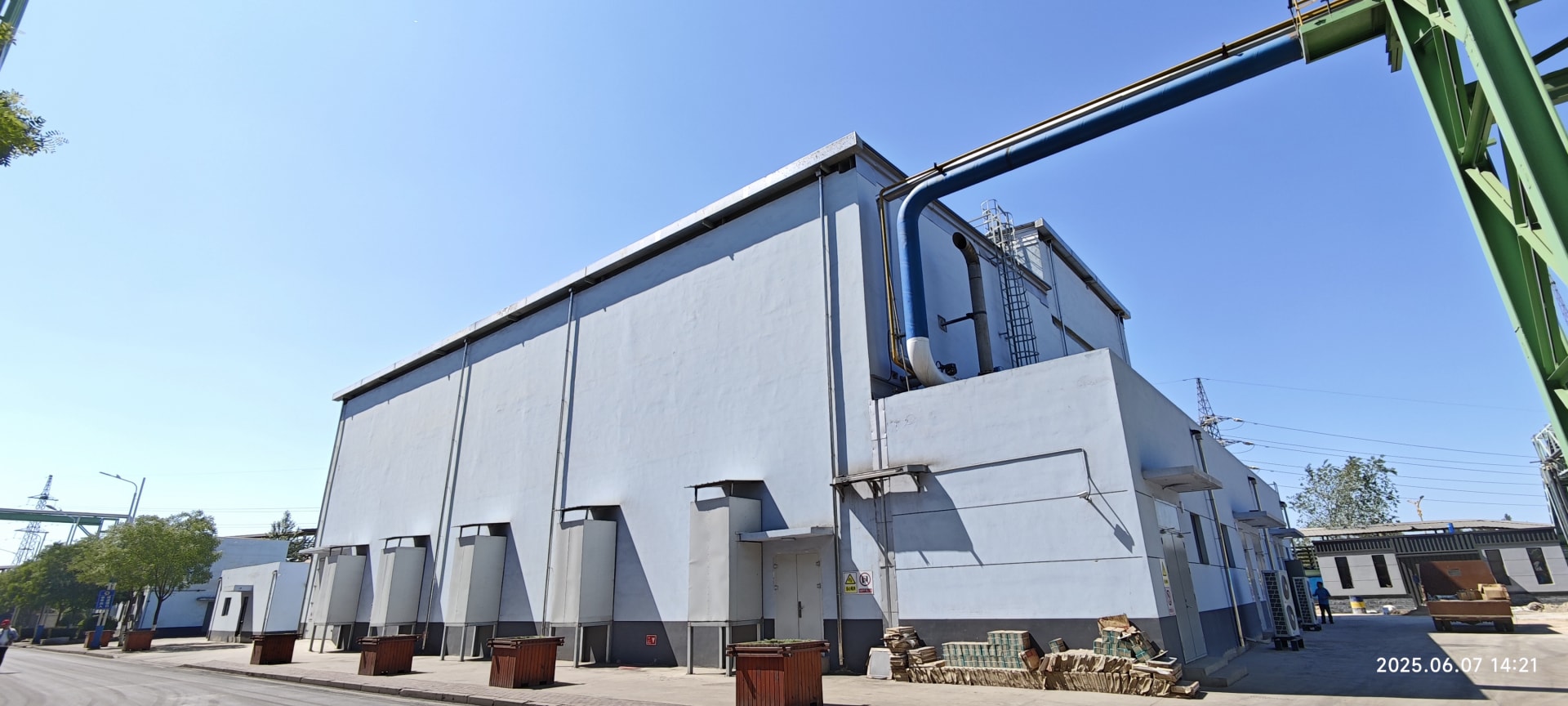
Blast Furnace Oxygen Enrichment PSA Project
PKU Pioneer successfully commissioned a second-phase 14,000 Nm³/h PSA oxygen plant for Chifeng Yuanlian Iron & Steel, expanding total oxygen generation capacity to 28,000 Nm³/h. The project significantly reduced oxygen production costs, improved operational flexibility, and supported the steel mill’s energy-saving and low-carbon transformation goals.
you may also like
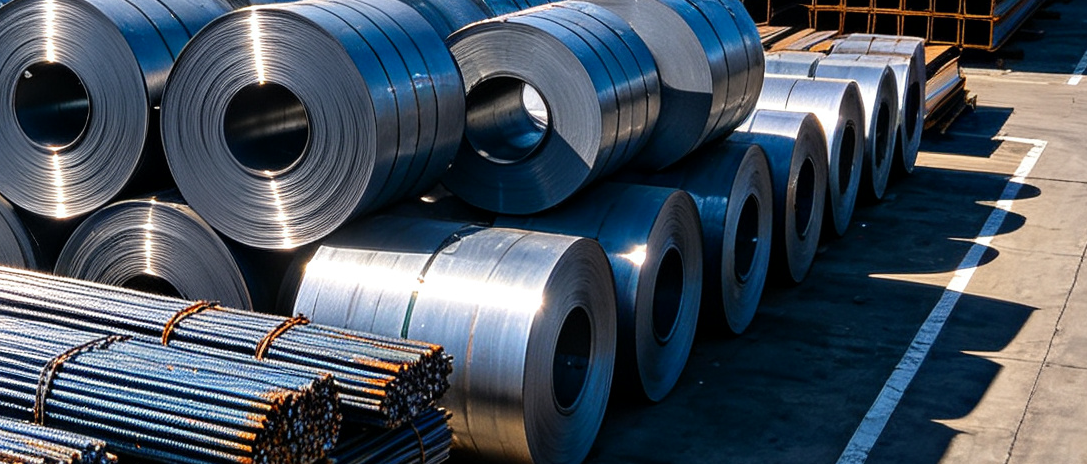
Smarter Oxygen Supply for Iron & Steel Production
Cut oxygen costs by over 60% with industry-proven VPSA/PSA technology — trusted by over 100 steel enterprises worldwide.