
What is the Principle of Vacuum Pressure Swing Adsorption (VPSA) Oxygen Generation?

VPSA (vacuum pressure swing adsorption) is separating oxygen from air by vacuum decompression for desorption.
The pressure swing adsorption oxygen generation uses air as the feed gas which is forced by a blower to pass under pressure through the adsorbent bed. The nitrogen, carbon dioxide and water in the air are adsorbed by the adsorbent, and the remaining components pass through the absorbent for richer oxygen. And then as the pressure is being lowered, the nitrogen, carbon dioxide and water adsorbed on the adsorbent are released and the adsorbent can be regenerated in this way. The reciprocating process makes up the basic principle of vacuum pressure swing adsorption oxygen generation.

About the Author
Founded in 1999, PKU Pioneer specializes in VPSA and PSA gas separation technologies, adsorbents, catalysts, and integrated engineering solutions. Backed by strong R&D capability and extensive industrial project experience, the company serves global customers across steel, chemical, energy, environmental protection, and related industries.
Share
Related News
-
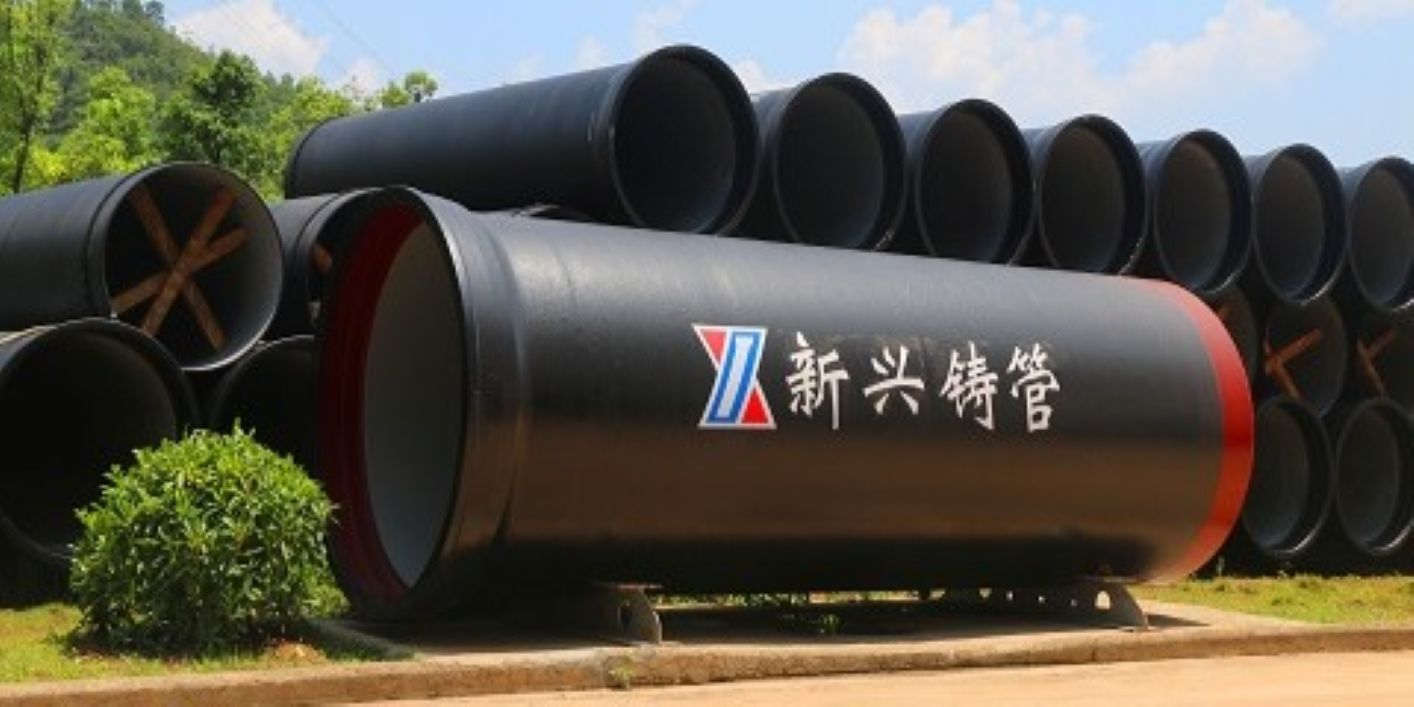
PKU Pioneer Project Spotlight: VPSA Oxygen Generation Project for Xinxing Pipes Now In Operation, Generating Over $1.76 million Annual Revenue
PKU Pioneer’s VPSA oxygen generation project for Xinxing Pipes now operates successfully, supplying 6,000 Nm3/h of oxygen for blast furnace enrichment. The system cuts costs, eliminates liquid oxygen reliability, and generates over $1.76 million annual revenue, with expected investment payback within three years. -
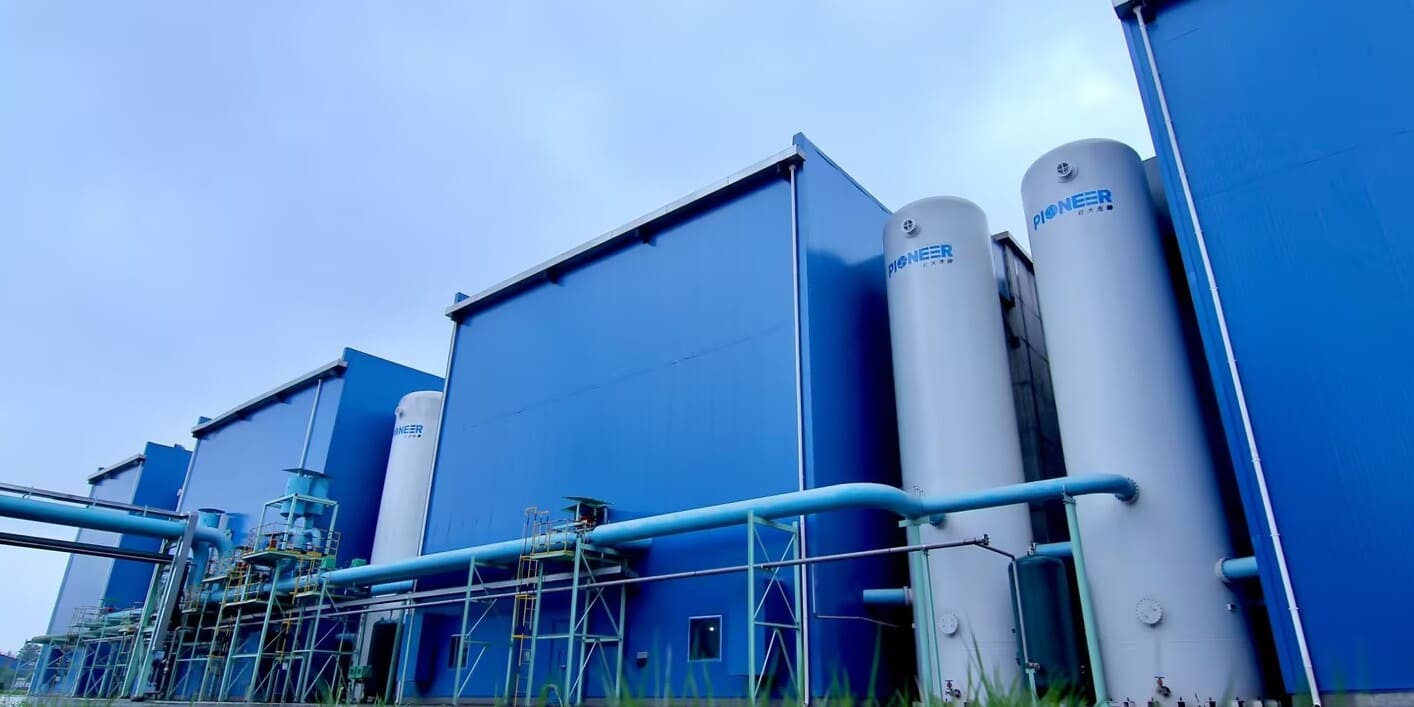
Breakthrough! PKU Pioneer’s First VPSA Oxygen Plant Landing in Vietnam
In March 2026, PKU Pioneer built collaboration with our first Vietnamese client for a 10,000 Nm³/h VPSA oxygen system. With 25+ years of expertise and over 100 global steel clients, the company ensures rapid deployment, under 0.3 kWh/Nm³ power use, and $3-8 million annual savings. -
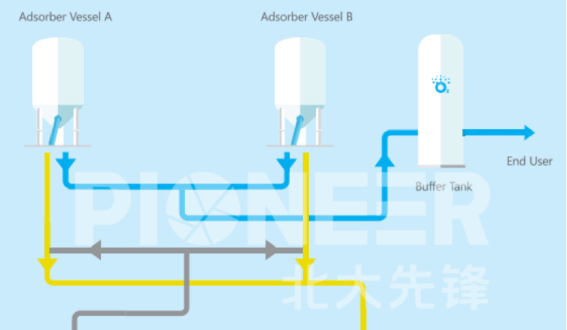
Process Flow and Technical Principles of PKU Pioneer 25,000 Nm3/h Oxygen Generation Equipment
Ⅰ. Equipment Description Basic principle of pressure swing adsorption (PSA) oxygen production: Raw air is filtered to remove impurities through the blower inlet filter before entering the blower. After being pressurized by the blower, it enters the adsorbent bed via pipelines and pneumatic switching valves. Moisture and carbon dioxide in the raw air are adsorbed…