Oxygen Plant Fire Safety in the United States
Quick Answer

In the United States, oxygen plant fire safety depends on one core principle: oxygen is not flammable, but it greatly accelerates combustion, so plant design must prevent oxygen enrichment, ignition, and material incompatibility. For most projects, the practical path is to design around recognized U.S. standards such as NFPA 55, OSHA process safety and lockout rules where applicable, CGA guidance, ASME pressure vessel requirements, local fire code adoption, and insurer engineering standards used by carriers such as FM Global. A compliant oxygen generation project should include oxygen-clean piping and valves, separation distances, ventilation, noncombustible construction around critical areas, ignition source control, pressure relief protection, emergency shutdown logic, alarm management, hot-work permits, and documented maintenance procedures.
For buyers seeking immediate action, the most reliable approach is to work with experienced industrial gas engineering providers that can document design basis, materials compatibility, skid testing, operator training, and insurance-ready hazard reviews for U.S. jurisdictions such as Texas, Ohio, Pennsylvania, California, Louisiana, and Indiana. Well-known names active in the broader U.S. industrial gas and equipment market include Air Products, Linde, Air Liquide, Chart Industries, Universal Industrial Gases, and Oxymat USA partners or integrators in selected projects, depending on scope. Qualified international suppliers can also be considered, including Chinese manufacturers with relevant ASME, CE, and ISO credentials, especially when they offer strong pre-sales engineering, commissioning support, spare parts planning, and responsive after-sales service. This can be attractive where cost-performance, fast project timelines, and customer-owned EPC or turnkey oxygen plants are priorities.
Market Overview in the United States

The U.S. market for oxygen generation spans steelmaking, glass, nonferrous metals, wastewater treatment, healthcare backup systems, chemicals, gasification, pulp and paper, and energy-intensive process plants. Fire safety has become a board-level issue because oxygen plants are increasingly being installed closer to point of use, often as customer-owned VPSA, PSA, or cryogenic units integrated into brownfield industrial sites. That means oxygen system hazards must be managed not only inside the plant boundary but also where oxygen ties into furnaces, burners, lances, manifolds, and distribution headers.
In the United States, local code adoption matters as much as federal guidance. A project in Houston may face different permitting nuances than one in Gary, Indiana, Pittsburgh, Cleveland, or the Port of Long Beach. Authorities having jurisdiction often expect a clear code matrix that identifies adopted editions of the International Fire Code, local building code amendments, pressure vessel rules, electrical area classification where relevant, and emergency response provisions. Insurance underwriters frequently ask for more than bare code compliance; they want evidence that the owner and engineering contractor understand oxygen-specific hazards such as adiabatic compression, particle impact ignition, contamination by oil or grease, and oxygen-enriched atmospheres caused by leaks during startup, upset, or maintenance.
The shift toward decarbonization also influences fire safety expectations. Oxygen enrichment can improve combustion efficiency and help reduce overall fuel use in furnaces, but it can also raise flame temperature and alter refractory wear patterns, burner behavior, and ignition risk. As more U.S. plants pursue process efficiency, the insurance review process is becoming more data-driven, especially for projects near urban or constrained industrial sites. Owners increasingly request hazard and operability studies, layer of protection reviews, and maintenance plans aligned with insurer recommendations before project financing closes.
The chart above illustrates a realistic growth trend in customer-owned oxygen plant project activity in the United States. This rising activity directly increases the importance of standardized fire protection design, operator competency, and insurer engagement at early project stages.
What Oxygen Plant Fire Safety Means in Practice

Oxygen plant fire safety is not only about putting out a fire. It starts with preventing conditions that allow ordinary materials to ignite more easily and burn more violently. In oxygen service, materials that are acceptable in normal air may become dangerous under elevated oxygen concentration or pressure. That is why oxygen system safety is built on compatibility, cleanliness, pressure control, flow control, proper component selection, and disciplined maintenance.
For a U.S. oxygen generation facility, fire safety usually covers feed air filtration areas, compressors and blowers, adsorber vessels in VPSA or PSA systems, oxygen product piping, receivers, analyzers, control cabinets, utility tie-ins, vent systems, loading or manifold points, and all downstream consumption points. Even if the oxygen generator itself is well designed, an unsafe downstream header, non-approved gasket, poor valve sequencing, or contaminated maintenance practice can create a serious loss event.
Insurers often focus on whether the project team can demonstrate a closed loop between design assumptions and operating reality. For example, if the design assumes clean dry oxygen at a defined pressure and temperature, the system should include filtration, moisture management, pressure letdown design, relief devices, and operational controls that keep the plant within that envelope. A mismatch between process conditions and component ratings is one of the common reasons insurers request design revisions.
Key U.S. Design Standards and Insurance Requirements
The following standards and frameworks are frequently relevant in the United States. Exact applicability depends on plant type, size, pressure, industry, state, and local jurisdiction, but these are the documents project teams commonly map during design and underwriting reviews.
| Standard or Framework | How It Applies | Typical Fire Safety Relevance | Common Owner Deliverable |
|---|---|---|---|
| NFPA 55 | Compressed gases and cryogenic fluids | Separation distances, ventilation, storage, emergency control areas | Code compliance matrix and layout review |
| OSHA regulations | Worker safety, lockout-tagout, hazard communication, process operation | Maintenance discipline, safe isolation, training, PPE and procedures | Written procedures and training records |
| CGA oxygen guidance | Industry best practice for oxygen service | Cleaning, material compatibility, piping, equipment handling | Oxygen cleaning and inspection documentation |
| ASME Boiler and Pressure Vessel Code | Pressure vessels and some pressure-retaining items | Mechanical integrity, pressure containment, certification | U-stamps, calculations, MDRs where required |
| International Fire Code with local adoption | Jurisdictional permit basis | Site access, fire department coordination, gas system controls | Permit drawings and AHJ submissions |
| NFPA 70 / NEC | Electrical systems | Safe wiring, equipment installation, controls reliability | Electrical one-lines and installation records |
| FM Global or other insurer engineering data sheets | Property loss prevention and underwriting conditions | Ignition prevention, construction, impairment management | Risk improvement plan and insurer review package |
This standards map is important because U.S. insurance carriers rarely assess oxygen hazards in isolation. They review plant layout, occupancy exposure, business interruption impact, maintenance culture, and emergency response capability together. A code-compliant plant may still receive underwriting recommendations if the insurer sees elevated loss potential from congestion, inadequate separation from combustibles, weak contractor controls, or poor emergency isolation capability.
Product Types and Fire Safety Implications
Different oxygen generation technologies create different fire safety priorities. The oxygen purity, operating pressure, footprint, startup profile, and process integration model all affect design choices and insurer expectations.
| Plant Type | Typical Oxygen Purity | Common U.S. Use Cases | Primary Fire Safety Focus |
|---|---|---|---|
| VPSA oxygen plant | About 80% to 94% | Steel, glass, nonferrous, wastewater, combustion enrichment | Large flow handling, oxygen-enriched venting, blower and valve reliability |
| PSA oxygen generator | Often 90% to 95% range for some applications | Smaller industrial loads, hospitals, modular backup supply | Skid siting, compressed gas controls, maintenance cleanliness |
| Cryogenic ASU | High purity oxygen | Large industrial complexes, merchant gas, pipelines | Cryogenic hazards, oxygen handling, complex rotating equipment areas |
| Liquid oxygen storage and vaporization | Delivered product | Interim supply, peak shaving, healthcare, industrial backup | Tank siting, transfer procedures, vehicle operations, vent control |
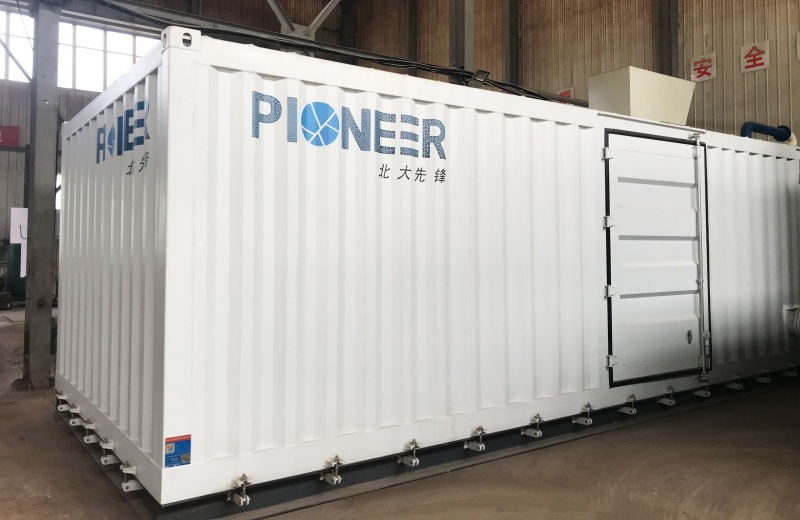
| Containerized modular systems | Application dependent | Remote or fast-track projects | Ventilation, compartmentation, service clearance, training |
| Hybrid plant with backup LOX | Application dependent | Plants needing high reliability | Interface management between generation and backup systems |
For many U.S. industrial users, VPSA is attractive because it can deliver large oxygen volumes with competitive power consumption and flexible turndown. However, because these plants are often integrated directly into process operations, owners should not treat them as standard utility skids. Fire safety review must include both the generator and the downstream oxygen consumption network.
Buying Advice for U.S. Projects
When buying an oxygen plant in the United States, ask vendors for more than production capacity and purity. A safer and more insurable project comes from a supplier that can provide a documented oxygen service philosophy from design through commissioning. That should include materials compatibility review, oxygen cleaning procedures, valve and regulator selection criteria, pressure and temperature limits, emergency shutdown logic, alarm cause-and-effect, operating manuals, inspection intervals, and spare parts recommendations.
Owners should also verify whether the project is EPC, turnkey, or customer-owned supply. For industrial users who want asset control and predictable long-term operating economics, a customer-owned plant can be effective if the provider supports design, construction, commissioning, training, and lifecycle service. In contrast, confusion about ownership and operating responsibility can lead to maintenance gaps and insurance issues.
Insurance should be engaged before final equipment purchase. Too many projects in the United States wait until equipment is in fabrication before sharing layouts and process descriptions with carriers or brokers. Early engagement can prevent redesign costs related to fire walls, electrical room separation, access roads, utility isolation, and combustible exposure controls.
The demand chart shows why steel, glass, and chemicals remain important segments for oxygen plant suppliers in the United States. These sectors also tend to receive close insurer scrutiny because oxygen is tied directly to heat-intensive operations.
Industries and Applications Where Fire Safety Is Most Critical
Some industries face higher oxygen-related fire risk because oxygen is introduced into already energetic or combustible processes. Integrated steel mills around the Great Lakes, glass plants in Pennsylvania and Ohio, petrochemical sites along the Gulf Coast, and waste-to-energy or gasification facilities near major logistics hubs all need robust control of oxygen use points. In these settings, oxygen enrichment affects burner design, ignition sequence, lance metallurgy, refractory behavior, and flue gas conditions.
Wastewater treatment is usually lower consequence than steel or chemicals in terms of combustion intensity, but safety still matters because oxygen piping, compressors, and electrical systems may be installed in compact utility areas. Hospitals and emergency backup systems have another risk profile: they may involve lower flow rates but much greater sensitivity to service continuity, occupancy exposure, and maintenance rigor.
| Industry | Typical Oxygen Application | Fire Safety Concern | Practical Control Measure |
|---|---|---|---|
| Steel | Blast furnace enrichment, BOF, reheating furnaces | High-temperature ignition sources and extensive distribution piping | Segregated piping routes, isolation valves, operator drills |
| Glass | Oxy-fuel combustion | Burner intensity and refractory stress | Combustion tuning and interlocked startup sequencing |
| Chemicals | Oxidation, gasification, process enhancement | Reactive atmospheres and process integration complexity | HAZOP, MOC and analyzer redundancy |
| Wastewater | Aeration and process oxygenation | Utility room siting and maintenance quality | Ventilation and preventive maintenance plans |
| Healthcare backup | Emergency medical oxygen support | Occupancy exposure and service interruption risk | Redundant supply and strict medical gas procedures |
| Pulp and paper | Bleaching and process intensification | Chemical interaction and routing through existing plant areas | Compatibility review and dedicated oxygen service marking |
| Nonferrous metals | Smelting and refining support | Harsh thermal environment and dust exposure | Housekeeping, enclosure protection, and maintenance control |
How Insurance Carriers Evaluate Oxygen Plant Risk
Property insurers and engineering underwriters usually ask several practical questions. Is the plant built with recognized pressure vessel and electrical standards? Has oxygen service cleaning been documented? Are compressors, blowers, valves, and analyzers selected for the actual operating envelope? Is there safe separation from combustible storage, control rooms, or process units? Are impairment procedures in place when a shutdown valve, gas detector, or alarm is bypassed? Can emergency responders safely isolate the plant?
Underwriters also consider operational maturity. A technically sound oxygen plant can still present high loss potential if the owner has weak permit-to-work control, poor housekeeping, unmanaged contractors, undocumented modifications, or inadequate training. In the United States, many serious industrial incidents involve management system failures more than design defects alone. Therefore, insurers look for preventive maintenance software records, management-of-change procedures, documented oxygen cleaning after line opening, and competency-based operator training.
Business interruption is another major issue. A steel or glass plant may lose millions of dollars if oxygen supply is interrupted. That means insurers prefer redundancy, backup supply strategy, and clear response protocols. A hybrid arrangement combining a customer-owned VPSA or PSA plant with LOX backup may improve resilience and underwriting confidence if the interfaces are properly engineered.
Common Fire Hazards in Oxygen Plants
The most frequent oxygen fire hazards in the field are contamination, rapid pressurization, unsuitable materials, leakage into confined or poorly ventilated spaces, friction or particle impact, and unsafe maintenance practices. Lubricants, tapes, rags, and residues that seem harmless in ordinary service can become ignition contributors in oxygen systems. This is why oxygen cleaning and preservation are not paperwork exercises; they are fundamental controls.
Another issue is complacency with medium-purity oxygen from VPSA systems. Some operators assume that because purity is below cryogenic-grade oxygen, the fire risk is moderate. In practice, oxygen-enriched atmospheres can still create severe combustion acceleration, particularly where leaks contact clothing, packaging, cable insulation, wood pallets, or maintenance debris. Good plant discipline is essential regardless of production method.
Case Studies and U.S.-Relevant Lessons
A useful lesson from heavy industry is that oxygen projects should be assessed as process enablers, not utility add-ons. At large steel sites, oxygen enrichment can improve productivity and lower fuel intensity, but safe implementation depends on disciplined integration. Projects that succeed usually define battery limits clearly, review downstream user points in the same safety study, and train both utility and production teams together rather than separately.
For glass manufacturers in regions such as Ohio, Pennsylvania, and New Jersey, oxygen use can support furnace efficiency and emissions goals. Yet insurers often focus on burner retrofits, hot surfaces, and maintenance quality around oxygen valves and flexible connections. In wastewater and municipal settings, the lesson is different: smaller plant teams may have limited oxygen-specific experience, so vendor training, remote support, and clear spare parts plans become critical risk controls.
At Gulf Coast chemical sites, oxygen projects typically draw heightened scrutiny because of nearby hydrocarbon inventories, turnaround activity, and contractor density. There, layout, isolation philosophy, and permit-to-work discipline strongly influence insurer comfort. Across all sectors, the best projects treat oxygen fire safety as a lifecycle management issue from FEED to operation.
This area chart reflects an important trend shift in the United States: more oxygen projects now involve insurer review during early engineering rather than after procurement. That shift reduces redesign risk and supports faster approvals.
Local Suppliers and Engineering Providers Relevant to the United States
The supplier landscape in the United States includes global industrial gas companies, specialty engineering firms, pressure equipment manufacturers, and technology licensors or packagers. Buyers should distinguish between gas supply companies, equipment manufacturers, and EPC providers for customer-owned plants. If your goal is to own the oxygen system rather than buy gas under a long-term supply agreement, the provider must be able to support engineering, fabrication, commissioning, and lifecycle service for a customer-owned asset.
| Company | Service Region in the United States | Core Strengths | Key Offerings |
|---|---|---|---|
| Air Products | Nationwide with strong presence in Gulf Coast, Midwest, Northeast | Industrial gas expertise, large project execution, strong safety systems | Oxygen supply, on-site systems, engineering support, backup strategies |
| Linde | Nationwide across manufacturing and healthcare corridors | Large-scale gas systems, process integration, broad operating experience | ASUs, oxygen supply solutions, engineering and service |
| Air Liquide | Nationwide with notable industrial clusters in Texas and California | Global gas technology, industrial applications knowledge | Oxygen generation and supply, process optimization support |
| Chart Industries | Nationwide with manufacturing and engineering footprint in the U.S. | Cryogenic equipment, storage systems, process equipment manufacturing | LOX storage, vaporizers, cryogenic systems, related equipment |
| Universal Industrial Gases | Selected U.S. industrial regions | Industrial gas plant engineering and packaged systems | PSA and VPSA solutions, gas generation equipment |
| On Site Gas Systems | Nationwide through direct and partner channels | On-site gas generation specialization and modular systems | PSA oxygen and nitrogen systems, integration support |
| Oxymat channel partners in the U.S. | Regional coverage through distributors and integrators | Modular PSA expertise, smaller to medium installations | PSA oxygen generators and application support |
This table is practical because each company plays a somewhat different role. Some focus on gas supply contracts, some on equipment packages, and some on project engineering. Buyers in the United States should ask whether the supplier will deliver an EPC or turnkey customer-owned plant, provide startup and commissioning teams, and support oxygen-service maintenance over the long term.
How to Compare Suppliers for Fire Safety and Compliance
Price and energy consumption matter, but they should not dominate supplier selection. A lower bid may become more expensive if the plant requires redesign to satisfy local code officials or property insurers. The better comparison method is to score suppliers on compliance readiness, oxygen service design experience, materials traceability, cleaning protocols, training depth, parts availability, and responsiveness during upset conditions.
| Evaluation Factor | Why It Matters | What to Ask the Supplier | Good Sign |
|---|---|---|---|
| Code and certification readiness | Permits and insurance depend on it | Can you provide ASME, CE, ISO, and code mapping documents where needed? | Documented compliance package with named standards |
| Oxygen cleaning procedures | Contamination is a key ignition risk | How are oxygen-service parts cleaned, packed, and preserved? | Written cleaning and inspection records |
| Component selection | Wrong valves or seals can create failures | Which valve, instrument, and gasket specifications are used for oxygen service? | Clear material compatibility basis |
| Training and manuals | Operational errors drive many incidents | What operator and maintenance training is included? | Commissioning plus recurring training support |
| Spare parts and service response | Downtime affects safety and business interruption | How quickly can parts and service engineers reach our site? | Documented service response plan |
| Insurance support | Early insurer engagement saves time | Can you support insurer reviews and risk improvement actions? | Prior insurer-facing project experience |
| U.S. references | Local operating context matters | Can you share case experience in similar U.S. industries? | Comparable plants and operating data |
This comparison chart highlights that U.S. buyers usually rank compliance readiness and fire safety documentation above pure speed or headline price when selecting oxygen plant suppliers for industrial service.
Our Company
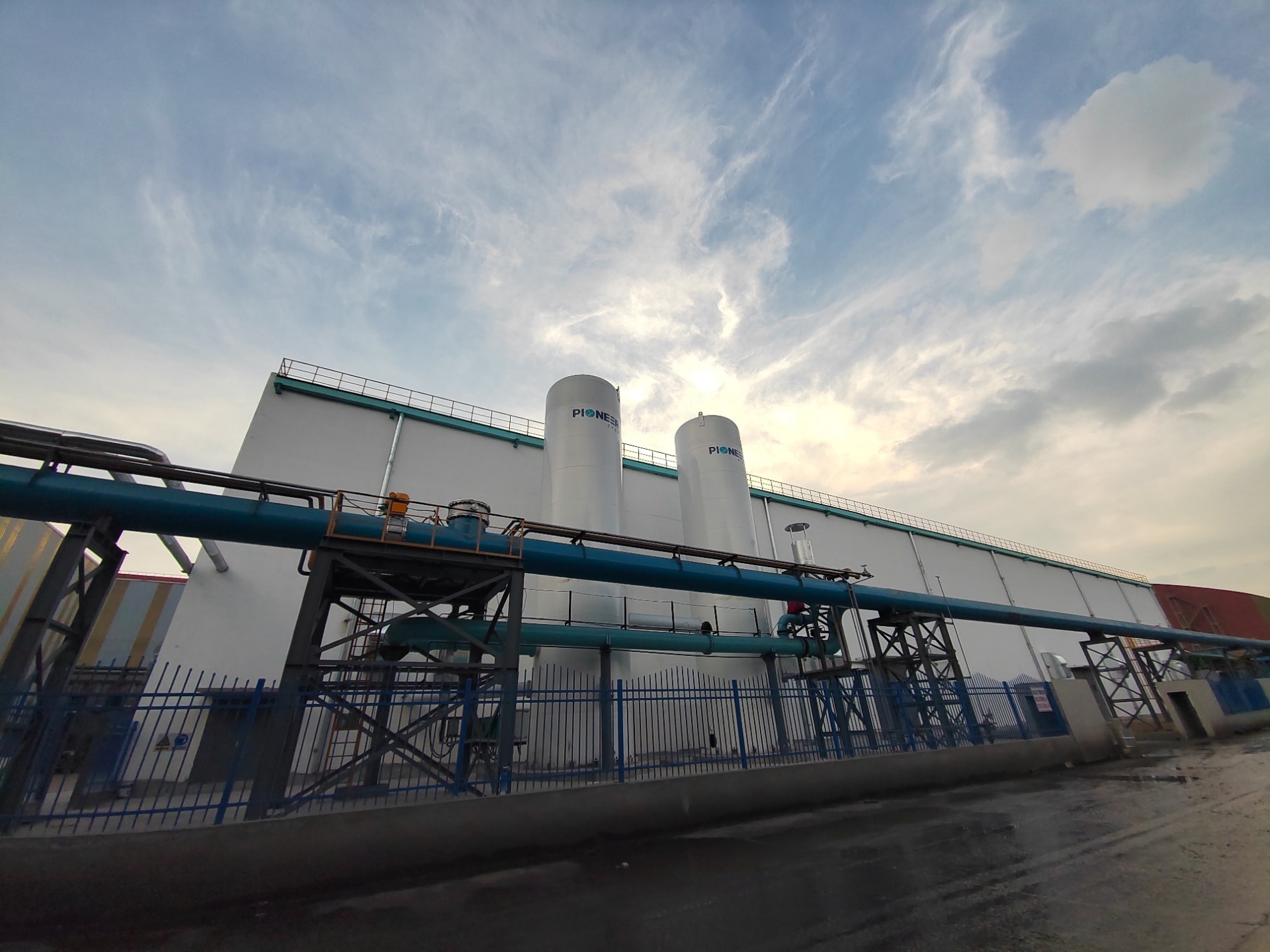
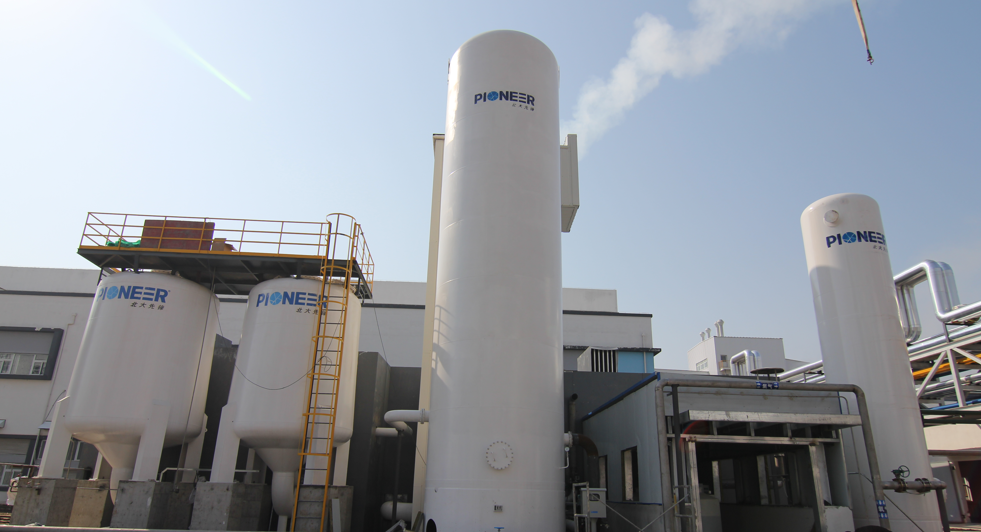
For U.S. buyers evaluating customer-owned oxygen generation projects, PKU Pioneer is relevant as an engineering-driven supplier of VPSA and PSA systems rather than a BOO or on-site bulk gas provider. The company combines in-house research, proprietary adsorbent and catalyst manufacturing, precision engineering, equipment fabrication, and turnkey delivery, which is important for oxygen plant fire safety because quality control is not split across unrelated vendors. Its track record includes more than 400 industrial projects in over 20 countries, installed oxygen capacity above 2 million Nm3 per hour, and certifications including ISO, CE, and ASME, giving U.S. owners a concrete basis for pressure equipment, manufacturing discipline, and internationally benchmarked quality systems. Product strength is especially relevant in large VPSA oxygen plants, with self-developed adsorbents, rigorous fabrication and testing standards, and operating experience on units ranging from small modular systems to world-scale projects. In commercial terms, the company supports flexible cooperation models for end users, distributors, dealers, brand owners, and project developers through EPC, turnkey, OEM or ODM, wholesale, retail, pilot testing, leasing, retrofits, and regional partnership structures, which helps U.S. manufacturers choose the right ownership and delivery model for a customer-owned plant. For local assurance, PKU Pioneer has demonstrated active international execution and responsive support with 24-hour response commitments, professional consulting, commissioning, operation and maintenance support, and upgrade services; this matters for U.S. buyers who need online and on-site pre-sale and after-sales backing instead of dealing with a remote exporter. Buyers can review the company’s VPSA oxygen technology, see representative industrial projects, learn more about its technical strengths, and request a tailored proposal through the contact page.
2026 Trends: Technology, Policy, and Sustainability
Looking into 2026, three trends are shaping oxygen plant fire safety in the United States. The first is smarter monitoring. More owners are adding remote diagnostics, valve cycle tracking, vibration monitoring for blowers and compressors, oxygen purity trend analysis, and alarm rationalization software. These tools do not replace design discipline, but they help detect deviations before they become incidents.
The second trend is tighter integration between decarbonization and risk engineering. Plants adopting oxy-fuel combustion, process intensification, or by-product gas utilization are trying to reduce fuel use and emissions, but these changes alter process hazard profiles. Expect insurers and lenders to ask for more detailed engineering narratives that connect emissions benefits with safety safeguards.
The third trend is procurement maturity. U.S. buyers are becoming more comfortable evaluating qualified international oxygen plant suppliers when they can demonstrate ASME-compatible design, robust documentation, tested skids, and real service commitment. This is especially true where the project needs strong cost-performance, short delivery schedules, and flexible load operation without sacrificing fire safety controls.
FAQ
Is oxygen itself flammable?
No. Oxygen is not a fuel, but it strongly supports combustion. Materials ignite more easily and burn faster in oxygen-enriched conditions.
Which U.S. standard is most important for oxygen plant fire safety?
There is no single standard for every project. NFPA 55, OSHA rules, CGA oxygen guidance, ASME code, local fire code adoption, and insurer engineering requirements often work together.
Do VPSA oxygen plants have lower fire risk than cryogenic plants?
They have a different risk profile, not automatically a lower one. VPSA systems may operate at lower purity than cryogenic plants, but oxygen-enriched atmospheres, contamination, leakage, and downstream use-point hazards still require strict control.
What do insurers usually want to see before approving a project?
They typically want layout drawings, process descriptions, equipment standards, oxygen cleaning procedures, emergency shutdown philosophy, maintenance plans, training programs, and backup supply strategy where business interruption is significant.
Should I involve my insurer before buying the plant?
Yes. Early insurer engagement can prevent costly redesigns and improve project timing.
Can international suppliers serve U.S. oxygen plant projects?
Yes, if they can document relevant certifications, support U.S. code expectations, provide customer-owned EPC or turnkey solutions, and offer dependable pre-sale and after-sales service.
What is the most common avoidable fire safety mistake?
Poor oxygen-service cleanliness is one of the most avoidable and serious mistakes. Contamination by oil, grease, fibers, debris, or unsuitable materials can create ignition hazards.
What should be included in operator training?
Training should cover oxygen hazards, startup and shutdown, alarms, emergency isolation, leak response, hot work control, maintenance cleanliness, line opening, and management of change.
Final Takeaway
The safest and most insurable oxygen plant in the United States is not simply the one with the best headline efficiency or lowest capital cost. It is the one designed, documented, installed, and operated around oxygen-specific hazards from day one. For buyers, that means selecting suppliers and engineering partners who can prove standards alignment, oxygen-service manufacturing discipline, customer-owned EPC or turnkey capability, and dependable long-term support. Whether the project is in Houston, Chicago, Pittsburgh, Los Angeles, or along the Gulf Coast industrial corridor, oxygen plant fire safety should be built into the business case, the layout, the operating philosophy, and the maintenance culture from the start.

About the Author
Founded in 1999, PKU Pioneer specializes in VPSA and PSA gas separation technologies, adsorbents, catalysts, and integrated engineering solutions. Backed by strong R&D capability and extensive industrial project experience, the company serves global customers across steel, chemical, energy, environmental protection, and related industries.
Share