Oxygen Plant Grant Options in the United States
Oxygen Plant Grant Opportunities in the United States
Quick Answer

If you are looking for an oxygen plant grant in the United States, the most realistic funding path is usually a combination of state energy grants, utility efficiency incentives, federal tax benefits, and industrial decarbonization programs rather than one single nationwide oxygen-specific grant. For most industrial buyers, the strongest opportunities come from programs tied to energy efficiency upgrades, emissions reduction, resiliency, domestic manufacturing, and on-site process optimization.
The most practical organizations and channels to review first are U.S. Department of Energy funding programs, state energy offices in industrial states such as Texas, Ohio, Pennsylvania, Indiana, and Illinois, utility custom rebate programs, USDA rural business and energy programs for eligible locations, and economic development incentives tied to plant modernization. Companies often shortlisted for oxygen generation projects in the U.S. include Air Liquide, Linde, Air Products, Atlas Copco Gas and Process, Oxymat distributors, and PCI Gases. Qualified international suppliers can also be considered, especially when they hold relevant certifications and provide strong pre-sales and after-sales support; in many cases, Chinese manufacturers with EPC and turnkey capability offer attractive cost-performance advantages for customer-owned oxygen plants.
United States market overview

The U.S. market for industrial oxygen generation is being reshaped by three converging trends: rising electricity costs, pressure to reduce emissions, and the need for more resilient on-site gas supply. Facilities that once relied heavily on delivered liquid oxygen are now reassessing whether a customer-owned VPSA or PSA oxygen plant can lower total operating cost, reduce transport dependence, and improve uptime. This shift is visible across steelmaking, glass, wastewater treatment, non-ferrous metals, pulp and paper, chemical processing, and healthcare-adjacent manufacturing.
In states with major industrial clusters such as Texas, Louisiana, Ohio, Michigan, Pennsylvania, Indiana, and California, oxygen generation projects are increasingly being evaluated through an energy and infrastructure lens rather than as simple utility purchases. A plant manager in Houston or Gary may pursue a project because trucked oxygen pricing is volatile; a glass producer near Toledo may focus on combustion efficiency; a municipal or private wastewater operator in California may prioritize aeration optimization and resiliency. The funding ecosystem therefore varies by application, but the common theme is measurable energy performance and operational benefit.
An oxygen plant grant is most often found indirectly. Instead of a program labeled specifically for oxygen systems, buyers usually qualify through categories such as energy efficiency equipment, industrial decarbonization, process electrification, manufacturing modernization, emissions reduction, rural business support, or demand reduction. This is why project documentation matters. Vendors that can model baseline consumption, expected kWh savings, purity requirements, compressor loads, and payback periods are far more useful during a grant or incentive application than vendors who only quote equipment price.
Another important market factor in the United States is logistics. Plants near Gulf Coast ports, the Port of Houston, Long Beach, Savannah, or the Port of New York and New Jersey can evaluate a broader supplier base because equipment import and spare parts planning are more manageable. Buyers in inland manufacturing belts such as Pittsburgh, Cleveland, Birmingham, and St. Louis often place greater emphasis on service access, commissioning support, and local maintenance response. For this reason, the best procurement outcome is not always the lowest equipment price; it is the best balance of energy performance, funding eligibility, documentation quality, and lifecycle support.
How funding usually works for an oxygen plant project

For most U.S. industrial buyers, funding comes from stacking multiple sources. A state grant may support the efficiency component, a utility rebate may offset controls or compressor optimization, and tax treatment may improve the project’s internal rate of return. Some projects also benefit from local property tax abatements, job creation incentives, or clean manufacturing programs depending on location and industry.
The strongest candidates for incentive support are projects that can prove one or more of the following: reduced power consumption per unit of oxygen, lower emissions versus delivered liquid oxygen or older systems, improved process efficiency in furnaces or oxidation steps, avoidance of wasted by-product gases, improved productivity, or stronger site resiliency for critical production. Projects at steel, glass, chemical, and wastewater facilities often fit these criteria well.
Buyers should prepare a funding file before requesting quotations. This file should include baseline oxygen usage, current supply mode, annual production hours, electricity tariff, target purity, pressure range, outage tolerance, estimated avoided truck deliveries, and any sustainability targets such as Scope 1 or Scope 2 reduction. Suppliers that understand these inputs can help match technology and project scope to incentive criteria.
Common funding channels in the United States
| Funding channel | Best fit | Typical project types | What reviewers want to see | Notes for buyers | Practical value |
|---|---|---|---|---|---|
| State energy grants | Industrial efficiency upgrades | VPSA replacement, compressor modernization, controls | Energy savings, emissions reduction, payback | Varies by state budget cycle | Good for mid-size manufacturing plants |
| Utility custom incentives | Electric load optimization | Efficient motors, blowers, VFDs, oxygen system upgrades | M&V plan, baseline data, kWh reduction | Often fastest route | Useful for both retrofit and new systems |
| Federal manufacturing programs | Large decarbonization projects | Steel, chemicals, glass, advanced manufacturing | Scale, innovation, emissions impact | Competitive and document-heavy | Best for large capital projects |
| USDA rural energy support | Rural facilities | Food processing, rural manufacturing, ag-related industry | Rural eligibility, business case | Location matters | Strong option outside major metros |
| State economic development incentives | Plant expansion or retention | New production lines with utility infrastructure | Jobs, capital investment, competitiveness | Often negotiated locally | Can reduce total project cost significantly |
| Tax credits and accelerated depreciation | Capital equipment investment | Customer-owned oxygen plants | Qualified asset treatment, timing | Needs tax advisor review | Improves ROI even without a direct grant |
This table shows why many successful oxygen plant projects do not rely on a single award. In the United States, blended funding is often the normal route. The more clearly the project is framed as a productivity, efficiency, and emissions improvement investment, the easier it is to match with available funding categories.
Product types relevant to grant-backed projects
Not every oxygen generation technology fits every incentive program. The right plant type depends on flow, purity, pressure, operating pattern, installation footprint, and whether the project is replacing liquid oxygen, backing up a bulk supply contract, or supporting a process expansion.
| Plant type | Typical oxygen purity | Capacity range | Best industries | Funding angle | Buyer takeaway |
|---|---|---|---|---|---|
| PSA oxygen plant | Up to about 93% | Small to medium | Healthcare support, labs, metal cutting, small manufacturing | Efficiency and resiliency | Simple and compact for modest demand |
| VPSA oxygen plant | About 80% to 94% | Medium to very large | Steel, glass, wastewater, chemicals | Energy savings and decarbonization | Often strongest economics for industrial scale |
| Cryogenic ASU | High purity | Large to very large | Refining, petrochemicals, integrated gas networks | Large strategic projects | Higher complexity but useful for high purity and co-products |
| Skid-mounted modular oxygen unit | Varies | Small to medium | Remote sites, pilot plants, phased expansion | Rapid deployment and resiliency | Good where downtime risk is high |
| Retrofit of existing oxygen system | Existing spec | Site-specific | Brownfield industrial sites | Utility rebates and state efficiency funds | Often easiest to justify financially |
| Hybrid on-site plus liquid backup | Site-specific | Medium to large | Critical process industries | Resiliency and logistics reduction | Balances uptime with flexible sourcing |
For many U.S. industrial users, VPSA is increasingly attractive because it can materially cut long-term energy use compared with legacy arrangements while providing flexible load response. This matters when incentive reviewers want measurable operating improvements and not just capital replacement.
Market growth outlook
Industrial oxygen generation in the United States is expected to grow steadily through 2026 and beyond, driven by modernization in steel and glass, stricter sustainability targets, and a broader preference for on-site production in critical manufacturing environments. Grant-seeking activity also tends to rise when energy prices become volatile or when states release new industrial efficiency funding rounds.
Industry demand by sector
Demand is not evenly distributed. Heavy industrial users remain the core market, but wastewater, energy transition projects, and specialty manufacturing are becoming more active. This bar chart illustrates realistic comparative demand by sector in the current U.S. market.
Trend shift in buyer priorities
Procurement priorities have shifted over the last several years. Buyers still care about capex, but they increasingly weight power consumption, service responsiveness, and eligibility for incentives. The following area chart reflects this transition in the United States.
Buying advice for grant-supported oxygen plants
The best buying strategy starts with the incentive application, not the final purchase order. If you apply for funding after locking in an underspecified system, you may lose eligible savings or miss documentation requirements. Buyers should request a technical proposal that includes oxygen flow range, purity guarantee, specific power consumption, startup time, turndown capability, equipment scope, controls philosophy, noise estimate, and maintenance intervals.
Insist on a baseline comparison. If your current oxygen comes from delivered liquid, quantify delivered cost, vaporizer energy impact if relevant, handling losses, truck delivery frequency, and outage risk. If replacing an older on-site system, quantify actual power use per normal cubic meter, downtime history, and maintenance costs. A supplier that can turn those inputs into a clear before-and-after model is far more valuable in the grant process than one that only provides a generic brochure.
Also confirm project delivery model. For many U.S. manufacturers seeking grants, the preferred structure is EPC, turnkey, or customer-owned plant delivery. That allows the buyer to own the asset and claim the operational and financial benefits directly. This is different from BOO or on-site bulk supply service models, which may not align with every funding pathway.
What industries benefit most
Steel plants use oxygen for enrichment, combustion improvement, and production efficiency. Glass manufacturers use oxygen to improve furnace performance and reduce certain emissions. Chemical facilities use oxygen in oxidation reactions and process intensification. Wastewater operators may use oxygen to support biological treatment performance. Pulp and paper plants can use oxygen in bleaching or treatment systems. Non-ferrous metal processors often require oxygen for smelting and refining steps. Each of these industries has its own funding logic, but the strongest projects are those with clear process metrics.
In the United States, industrial clusters often influence vendor selection and service strategy. For example, steel buyers around Gary, Cleveland, and Pittsburgh may prioritize reliability in harsh-duty operating conditions. Gulf Coast chemical facilities may focus on integration with broader utility systems and shutdown planning. California buyers often pay especially close attention to power efficiency and permitting implications. Local realities matter, which is why practical supplier evaluation is essential.
Applications that align well with incentives
| Application | Main project goal | Why incentives may apply | Common buyer concern | Useful project evidence | Typical funding fit |
|---|---|---|---|---|---|
| Blast furnace enrichment | Higher productivity and lower fuel intensity | Efficiency and emissions benefits | System stability at varying loads | Production gain and energy data | State and federal industrial programs |
| Glass furnace oxygen use | Combustion optimization | Reduced fuel use and cleaner operation | Purity consistency | Fuel savings model | Utility and state incentives |
| Wastewater treatment | Aeration efficiency and treatment performance | Energy and resiliency case | Operating cost over time | Load profile and dissolved oxygen targets | State environmental and utility programs |
| Chemical oxidation | Yield and throughput improvement | Process modernization | Integration with existing controls | Mass balance and emissions estimate | Manufacturing modernization funds |
| Metal cutting and fabrication support | Supply reliability and cost control | Equipment efficiency and resiliency | Scale justification | Gas consumption profile | Utility incentives and tax treatment |
| Pulp and paper treatment | Process improvement | Efficiency and environmental gains | Maintenance complexity | Operating hours and baseline utility spend | State energy and industrial programs |
The table makes an important point: incentives are easier to secure when the oxygen plant is tied to a measurable production or environmental outcome. A generic request for cheaper oxygen rarely performs as well as a documented efficiency or decarbonization case.
Local suppliers and notable providers in the United States
The U.S. supplier landscape includes global industrial gas leaders, specialized on-site gas system integrators, and equipment manufacturers with regional partners. Some buyers prefer large domestic incumbents because of service coverage and financing familiarity. Others choose independent system suppliers for better customization and customer-owned plant economics.
| Company | Service region | Core strengths | Key offerings | Best fit | Grant-relevant advantage |
|---|---|---|---|---|---|
| Air Liquide | Nationwide U.S. | Industrial gas expertise, large project capability | On-site oxygen systems, engineering, gas supply solutions | Large industrial users | Strong technical documentation and project credibility |
| Linde | Nationwide U.S. | Large-scale gas infrastructure, process integration | ASU systems, industrial oxygen supply, engineering services | High-demand strategic sites | Well suited for complex industrial applications |
| Air Products | Nationwide U.S. | Gas applications know-how, industrial sector reach | Oxygen supply systems, on-site generation, process support | Steel, glass, chemicals | Good fit for decarbonization-linked projects |
| Atlas Copco Gas and Process | U.S. through direct and partner network | Equipment engineering, compressors, modular systems | PSA oxygen systems and related equipment | Buyers wanting packaged equipment | Clear efficiency-based equipment comparisons |
| PCI Gases | North America | On-site gas generation focus, industrial customization | PSA and VPSA systems, nitrogen and oxygen packages | Mid-size industrial users | Useful for customer-owned projects with defined ROI |
| Oxymat partners and distributors | U.S. regional network | Modular oxygen generation, flexible sizing | PSA oxygen generators and system packages | Smaller to medium-scale buyers | Fast deployment and straightforward utility cases |
| NOXERIOR America partners | Selected U.S. regions | Packaged gas systems, compact plant designs | PSA oxygen solutions | Distributed industrial applications | Good for phased capital plans |
This comparison is practical rather than exhaustive. Large companies often offer deep engineering resources, while smaller or specialist suppliers may provide more flexible ownership structures and easier customization for customer-owned assets. If grant eligibility and capex control are central, buyers should compare total lifecycle economics and documentation quality rather than brand visibility alone.
Supplier comparison by decision criteria
Case study patterns buyers should look for
When evaluating suppliers for a grant-backed project, buyers should prioritize case studies with measurable outcomes. Good examples include replacing purchased liquid oxygen with on-site generation to lower delivered gas cost and logistics exposure; adding oxygen enrichment to raise steel or glass productivity; retrofitting an aging system to reduce specific power consumption; or integrating oxygen generation into a broader emissions reduction strategy.
A useful case study should state plant capacity, oxygen purity, operating hours, startup time, turndown range, annual savings, and any process impact. It should also explain whether the supplier delivered the project as EPC, turnkey, or customer-owned plant scope. These details matter because they translate directly into what a grant reviewer or internal capital committee needs to see.
Our company for U.S. oxygen plant projects
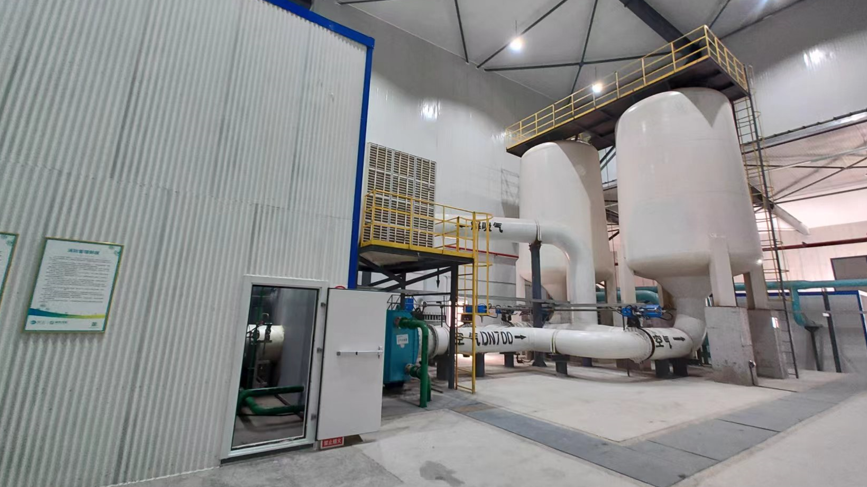
PKU Pioneer is a practical option for U.S. buyers seeking customer-owned oxygen generation through EPC, turnkey, or owner-operated plant delivery rather than BOO or on-site bulk gas supply. The company’s strength is centered on VPSA and PSA gas separation with more than 180 patents, ISO, CE, and ASME certifications, proprietary adsorbents and catalysts, integrated in-house engineering and fabrication, and a project track record of over 400 industrial installations in more than 20 countries, including world-scale VPSA oxygen units and total installed oxygen capacity above 2 million Nm3 per hour; these details matter because they show the product platform is built to recognized international benchmarks with controlled component quality, strict manufacturing standards, and proven large-scale performance. For cooperation, PKU Pioneer can support end users, regional distributors, engineering partners, dealers, and brand owners through flexible models including direct project supply, OEM/ODM collaboration, wholesale equipment packages, modular systems, pilot testing, retrofits, upgrades, and regional partnership discussions, making it suitable for both large industrial operators and channel-based market development. From a service standpoint, the company combines online engineering response with full pre-sale proposal work, commissioning support, operation and maintenance services, upgrades, consulting, and rapid communication, while its established overseas project experience and international delivery record show it is serving the U.S. market as a long-term industrial technology partner rather than a remote exporter; buyers can review its industrial oxygen generation solutions, explore VPSA oxygen plant configurations, see global reference projects, learn more about technical capabilities, or request a proposal through the U.S. project contact page.
How to choose between domestic and international suppliers
For U.S. buyers, the choice often comes down to risk allocation. Domestic incumbents may offer familiar service structures and easier internal approval. International suppliers may offer better capital efficiency, stronger customization, or more favorable economics for owner-operated plants. The right answer depends on whether your project is driven by speed, financing, capacity, or long-term operating cost.
If considering an international supplier, verify certifications, reference projects, control system compatibility, spare parts strategy, commissioning plan, and after-sales response commitments. Port access and inland transport planning also matter. Buyers near major logistics hubs such as Houston, Los Angeles, Savannah, Charleston, and Newark often find imported modular or packaged systems easier to manage than buyers at remote inland sites without strong heavy-haul access.
Checklist before applying for an oxygen plant grant
| Checklist item | Why it matters | Who should prepare it | Typical mistake | Better approach | Impact on approval |
|---|---|---|---|---|---|
| Baseline oxygen cost | Shows financial need and savings | Plant finance and operations | Using rough estimates only | Use 12-month actual invoices and usage | High |
| Energy model | Core to efficiency claims | Supplier and engineering team | Ignoring part-load operation | Model full operating range | High |
| Technical specification | Defines eligible equipment scope | Engineering and procurement | Unclear purity or pressure requirements | Write exact process requirements | High |
| Project schedule | Funding windows can be strict | Project manager | Applying too late | Align vendor lead times with grant deadlines | Medium |
| Ownership structure | Affects tax and grant treatment | Finance and legal | Leaving ownership undecided | Confirm customer-owned asset model early | High |
| M&V plan | Some incentives require proof after install | Energy manager and supplier | No post-project measurement plan | Define meters and reporting in advance | Medium |
This checklist is often the difference between a smooth incentive process and months of delay. It also improves quotation accuracy and internal budgeting, even if no grant is ultimately awarded.
2026 trends shaping the oxygen plant market
Looking into 2026, several trends are likely to influence oxygen plant investment in the United States. The first is stronger policy linkage between manufacturing competitiveness and decarbonization. Oxygen systems that can document lower energy intensity and process improvement will be better positioned for public support. The second is a move toward digital operations, with remote monitoring, predictive maintenance, and better control integration becoming standard requirements rather than premium options. The third is sustainability-driven procurement: buyers increasingly want evidence of lower lifecycle power consumption, reduced trucked gas dependence, and better use of industrial by-product streams.
Technology trends also favor advanced VPSA systems with better adsorbent performance, flexible turndown, and faster startup. For industrial operators dealing with variable production schedules, this flexibility can directly affect both economics and grant eligibility because it supports more realistic savings models. Another likely development is broader interest in modular and phased deployment. Instead of installing one oversized plant, buyers may add capacity in stages to match production growth and manage capital exposure.
Finally, local service capability will matter more in 2026. As buyers demand accountability for uptime, suppliers will need to prove not only process expertise but also spare parts access, commissioning competence, and responsive after-sales support. In the U.S. market, especially in heavy industry, technical credibility without service assurance is usually not enough.
FAQ
Is there a single nationwide oxygen plant grant in the United States?
No. Most projects are funded through a mix of state programs, utility incentives, federal manufacturing or energy programs, and favorable tax treatment rather than one oxygen-specific national grant.
What type of oxygen plant is most likely to qualify for efficiency-related support?
Projects with clear, documented reductions in energy use or emissions tend to perform best. In many industrial settings, VPSA systems are attractive because they can show strong lifecycle efficiency and flexible operation.
Can a customer-owned oxygen plant qualify more easily than a gas supply contract?
Often yes, especially where the incentive is tied to equipment ownership, capital investment, measured energy savings, or depreciation treatment. This is why EPC, turnkey, and customer-owned plant structures are common for funded projects.
Do smaller plants have a chance of receiving support?
Yes. Smaller PSA or modular systems may qualify through utility custom incentives, rural programs, or state-level manufacturing support, especially when replacing expensive delivered oxygen.
Should U.S. buyers consider international suppliers?
Yes, provided the supplier can demonstrate recognized certifications, reference projects, engineering depth, and dependable pre-sales and after-sales support. In many cases, international suppliers offer strong cost-performance for customer-owned plants.
What documents should I request from suppliers before starting an application?
Ask for technical datasheets, energy consumption estimates, oxygen purity and flow guarantees, layout drawings, utility requirements, delivery schedule, commissioning scope, maintenance plan, and a baseline savings model.
Which U.S. regions are most active for oxygen plant investment?
Industrial corridors in Texas, the Gulf Coast, the Midwest steel belt, Pennsylvania, Ohio, Indiana, Michigan, and parts of California are especially active because of concentrated manufacturing and energy-efficiency policy activity.
How long does a funded oxygen plant project usually take?
Small modular systems may move in a few months, while larger VPSA or integrated industrial projects can take much longer depending on engineering, permitting, utility coordination, and incentive approval timelines.
Final takeaway
The best path to an oxygen plant grant in the United States is to treat the project as an efficiency and competitiveness investment, not just a gas supply purchase. Build a solid baseline, choose a technology that matches process reality, and work with suppliers that can support both engineering and funding documentation. Whether you source from a major domestic provider or a qualified international EPC partner, the winning projects are the ones that combine measurable savings, reliable service, and a clear ownership model.

About the Author
Founded in 1999, PKU Pioneer specializes in VPSA and PSA gas separation technologies, adsorbents, catalysts, and integrated engineering solutions. Backed by strong R&D capability and extensive industrial project experience, the company serves global customers across steel, chemical, energy, environmental protection, and related industries.
Share
Related News
-
Hydrogen Purification Adsorbents for Global Market
A hydrogen purification adsorbent is a porous solid material used to remove impurities from hydrogen-rich gas streams by selectively capturing molecules such as carbon monoxide, carbon dioxide, methane, nitrogen, oxygen, water vapor, sulfur compounds, and light hydrocarbons. In most industrial hydrogen purification plants, these adsorbents are packed inside pressure swing adsorption, or PSA, vessels. The hydrogen passes through the bed while unwanted components are retained. When pressure is reduced, the adsorbed impurities are released and the adsorbent is regenerated for the next cycle.For buyers in the global market, the right hydrogen purification adsorbent is not simply a commodity. It is a performance-critical material that affects hydrogen purity, recovery rate, power consumption, system stability, maintenance frequency, and total cost of ownership. A refinery in Rotterdam, a methanol plant in Jubail, a steel and chemical complex in Tangshan, a hydrogen mobility project near Los Angeles, or an electronics gas facility in Singapore may all require different adsorbent layers and different PSA cycle designs.The most common adsorbent families are molecular sieves, activated carbon, alumina, silica gel, and metal oxide adsorbents. These materials are often combined in layered beds. Activated alumina or silica gel may remove water first, activated carbon may capture heavier hydrocarbons and carbon dioxide, molecular sieves may remove nitrogen, methane, and carbon monoxide, and special metal oxides may target sulfur, oxygen, or trace contaminants. A high-quality PSA hydrogen purification system often uses multiple adsorbents in a carefully engineered sequence rather than relying on one material alone.In practical terms, a well-designed hydrogen PSA unit can produce hydrogen with purity from 99% to 99.999% or higher, depending on feed composition, pressure, product requirement, and recovery target. The adsorbent must be selected together with the process design, valve system, instrumentation, pretreatment, regeneration strategy, and long-term operating conditions. This is why experienced technology suppliers such as PKU Pioneer gas separation solutions integrate proprietary adsorbent development with process engineering and turnkey project delivery.QuestionShort AnswerBuyer ImplicationWhat does the adsorbent do?It captures impurities while allowing hydrogen to pass.It directly determines purity and recovery.Where is it used?Mostly in PSA hydrogen purification systems.It must match the PSA cycle and feed gas.Which materials are common?Molecular sieve, activated carbon, alumina, silica gel, and metal oxides.Layered beds are often better than single adsorbents.What purity can be achieved?Commonly 99% to 99.999%+ hydrogen.Higher purity may reduce recovery or increase system complexity.What affects lifetime?Moisture, sulfur, oil mist, dust, temperature swings, and regeneration quality.Good pretreatment reduces replacement cost.How should buyers compare offers?Check full-system guarantees, not only adsorbent price.Lowest material cost may not mean lowest hydrogen cost.The table above shows why adsorbent selection should be treated as an engineering decision. A purchasing team should ask about adsorption capacity, selectivity, crush strength, mass transfer rate, regeneration behavior, and proven references under similar industrial gas conditions.Hydrogen purification adsorbents are engineered porous solids that separate gas molecules according to size, polarity, boiling point, quadrupole moment, and adsorption energy. Unlike absorption, where a substance dissolves into a liquid phase, adsorption occurs on the internal and external surfaces of a solid. Because advanced adsorbents have enormous internal surface areas, often hundreds of square meters per gram, they can temporarily hold significant quantities of impurity molecules inside pores.In hydrogen purification, the central concept is selective adsorption. Hydrogen has a small molecular size, very low polarizability, and weak interaction with most adsorbent surfaces. Many common impurities interact more strongly with the adsorbent. Carbon dioxide, carbon monoxide, nitrogen, methane, water, and sulfur compounds are preferentially retained. Under high pressure, these impurities load onto the adsorbent. Under low pressure, they desorb. This reversible behavior is the foundation of PSA hydrogen purification.Several technical terms are important for understanding adsorbent performance. Adsorption capacity refers to how much of a target impurity the material can hold under defined conditions. Selectivity describes the preference for one gas over another. Working capacity is the difference between the amount adsorbed at high pressure and the amount remaining after regeneration at low pressure. Kinetic behavior describes how quickly molecules enter pores and reach equilibrium. Mechanical strength determines whether the pellets, beads, or extrudates resist crushing and dust formation during years of cycling.Another key concept is breakthrough. In a fixed bed, impurities are captured at the inlet side first. As the bed loads, a mass transfer zone moves through the vessel. When contaminants begin to appear at the product end, breakthrough has occurred. PSA systems are designed so that the bed switches to regeneration before breakthrough reaches the product outlet. The better the adsorbent and process design, the sharper and more controllable the mass transfer zone will be.The global market for hydrogen purification adsorbents is shaped by refinery hydrogen networks, ammonia and methanol production, chlor-alkali hydrogen recovery, coke oven gas upgrading, steel off-gas utilization, fuel cell hydrogen, renewable hydrogen, and electronics-grade gas requirements. Major industrial regions include the U.S. Gulf Coast, Antwerp-Rotterdam-Rhine-Ruhr, Singapore Jurong Island, South Korea’s Ulsan and Yeosu, Japan’s Tokyo Bay industrial belt, the Middle East petrochemical hubs around Jubail and Ruwais, and China’s coastal and inland chemical clusters. Each region has different feed gases, energy prices, safety codes, and purity standards.From a buyer’s perspective, the adsorbent is part of a complete value chain. Feed gas analysis comes first. Engineers must know the concentration of hydrogen, carbon monoxide, carbon dioxide, methane, nitrogen, argon, water, oxygen, hydrogen sulfide, ammonia, volatile organic compounds, and trace poisons. Then they define product purity, recovery, pressure, flow fluctuation, operating temperature, utilities, plot space, and automation level. Only after these conditions are clear can the adsorbent recipe be optimized.Industrial hydrogen PSA beds usually contain more than one adsorbent type because no single material is best for every impurity. The best adsorbent package is a layered and sequenced design. It protects sensitive downstream materials, maximizes total bed capacity, and supports stable regeneration. The main families include molecular sieves, activated carbon, activated alumina, silica gel, and metal oxides.Molecular sieves are crystalline aluminosilicates or related porous materials with uniform pore openings. Zeolite 5A, 13X, and other modified sieves are widely used in hydrogen purification. Their pores can discriminate between molecules by size and electrostatic interaction. They are effective for nitrogen, carbon monoxide, methane, carbon dioxide, and water removal. In high-purity hydrogen service, molecular sieve layers often play a crucial role in removing trace impurities that remain after upstream adsorbents.Activated carbon is a highly porous carbonaceous adsorbent with a broad pore-size distribution. It is especially useful for heavier hydrocarbons, organic vapors, carbon dioxide, and some sulfur-containing compounds. It is often placed in the front or middle of a PSA bed, depending on feed composition. Activated carbon can provide high capacity for condensable impurities and can protect molecular sieves from hydrocarbon contamination.Activated alumina and silica gel are frequently used for water removal and pretreatment. Water vapor has strong adsorption affinity and can reduce the capacity of downstream adsorbents if not controlled. In feed gases from steam methane reforming, methanol cracking, coke oven gas, chlor-alkali units, and waste gas recovery, moisture management is essential. These materials are not always marketed as the main hydrogen purification adsorbent, but they are vital for reliable bed performance.Metal oxide adsorbents are used when specific contaminants must be removed by chemisorption or stronger surface reaction. Zinc oxide, copper oxide, iron oxide, manganese oxide, and mixed metal oxides can remove sulfur compounds, oxygen, carbon monoxide, or other trace impurities. Some are sacrificial and not fully regenerated under normal PSA conditions, while others are designed for cyclic use. Their placement depends on contaminant level and whether the PSA system is intended for standard industrial hydrogen or ultra-clean hydrogen for fuel cells and electronics.Adsorbent TypeMain TargetsStrengthsLimitationsTypical Position in BedMolecular sieve 5ANitrogen, CO, methane, waterHigh selectivity and strong polishing abilitySensitive to liquid water and heavy contaminantsMiddle or final purification layerMolecular sieve 13XCO2, water, polar moleculesHigh capacity for CO2 and moistureMay require careful regeneration designFront or middle layerActivated carbonHydrocarbons, CO2, organic vaporsBroad impurity capture and robust operationLess precise molecular discriminationFront or middle protection layerActivated aluminaWater vaporGood drying performance and mechanical strengthLimited for permanent gasesInlet dehydration layerSilica gelWater and some polar impuritiesHigh moisture capacity at suitable conditionsMay be vulnerable to liquid carryoverInlet or pretreatment layerMetal oxidesSulfur, oxygen, CO, trace poisonsHigh specificity for difficult contaminantsSome grades are non-regenerable or costlyGuard bed or polishing layerThis comparison shows that the buyer should not ask only, “Which adsorbent is best?” A better question is, “Which adsorbent combination best fits my feed gas, purity requirement, recovery target, and operating risk?” In many high-value projects, the best result comes from a custom adsorbent stack validated by pilot testing and simulation.The performance of hydrogen purification adsorbents can be measured through laboratory testing, pilot trials, and full-scale PSA operation. Important indicators include adsorption isotherms, selectivity, working capacity, mass transfer coefficient, particle size distribution, bulk density, thermal stability, crush strength, attrition resistance, impurity tolerance, regeneration efficiency, and cyclic stability. These properties interact with vessel design, cycle timing, pressure ratio, equalization steps, purge flow, and product withdrawal strategy.Adsorption capacity is usually expressed as the amount of gas adsorbed per unit mass of adsorbent at a defined temperature and pressure. However, maximum capacity alone is not enough. PSA performance depends on working capacity, the difference between loading during adsorption and residual loading after depressurization and purge. A material with high equilibrium capacity but poor desorption behavior may not deliver good PSA performance. This is why operating data under realistic cyclic conditions is more valuable than a single laboratory number.Selectivity is equally important. An adsorbent must strongly capture impurities while weakly adsorbing hydrogen. If hydrogen is adsorbed too much or trapped in dead volume, recovery drops. For industrial hydrogen networks where hydrogen has high economic value, recovery can be as important as purity. For example, a refinery in Houston or a petrochemical plant in Antwerp may prioritize high recovery because lost hydrogen increases reformer load, natural gas consumption, and carbon emissions.Mechanical durability is another critical factor. PSA beds cycle thousands to hundreds of thousands of times during their service life. Pressure changes, gas velocity, thermal effects, and vibration can break weak particles. Dust formation causes pressure drop, valve wear, contamination of downstream equipment, and channeling inside the bed. High crush strength and low attrition are therefore essential for long-term operation.Mass transfer rate determines how quickly impurities move from bulk gas into adsorbent pores. Fast kinetics allow shorter cycles, smaller beds, and higher productivity. Slow kinetics require longer contact time and larger vessels. In modern PSA hydrogen systems, process intensification often depends on adsorbents with optimized pore structures that balance capacity and diffusion speed.Thermal and chemical stability also matter. Some feed gases contain water, ammonia, sulfur compounds, chlorides, oils, aromatics, or fine particulates. These contaminants can poison adsorbents or block pores. A well-designed system may include coalescing filters, condensate separators, coolers, demisters, guard beds, or sacrificial adsorbent layers. The cost of pretreatment is usually lower than the cost of premature bed replacement.PropertyWhy It MattersHow Buyers Should Evaluate ItImpact on PSA OperationWorking capacityDetermines usable impurity loading per cycleRequest cyclic test data, not only equilibrium dataAffects vessel size and recoverySelectivitySeparates impurities from hydrogen efficientlyCompare H2/CO, H2/CH4, H2/N2, and H2/CO2 behaviorControls purity and hydrogen lossMass transfer speedSupports shorter PSA cyclesCheck breakthrough curves and pilot resultsImproves productivity and compactnessCrush strengthPrevents pellet breakageAsk for radial or axial crush strength dataReduces dust and pressure dropAttrition resistanceMaintains bed integrity over yearsReview attrition tests and operating referencesImproves valve and instrument reliabilityRegeneration efficiencyDefines how well impurities are removed during purgeEvaluate residual loading after depressurizationStabilizes purity during continuous operationPoison toleranceProtects against real-world feed fluctuationsReview sulfur, oil, water, and VOC limitsExtends adsorbent lifeThe table highlights a common procurement mistake: selecting adsorbents only by unit price. The economic value of an adsorbent is determined by the hydrogen it helps recover, the purity it maintains, the energy it saves, the downtime it avoids, and the service life it delivers.Global demand for hydrogen purification adsorbents is rising as industries decarbonize, recover by-product gas, and invest in cleaner fuels. The following line chart illustrates a realistic market growth trend for PSA-related hydrogen purification adsorbent demand from 2021 to 2026.Pressure swing adsorption is the dominant technology for many industrial hydrogen purification duties because it is continuous, scalable, flexible, and able to reach very high purity without cryogenic temperatures. A PSA system usually contains multiple adsorber vessels operating in staggered cycles. While one vessel adsorbs impurities and produces hydrogen, another depressurizes, another purges, and another repressurizes. This sequence allows continuous product delivery.The adsorbent bed is the heart of the PSA unit. Its role begins as soon as feed gas enters the vessel. In a typical hydrogen-rich stream from steam methane reforming, the feed may contain hydrogen, carbon dioxide, carbon monoxide, methane, nitrogen, water vapor, and trace impurities. The inlet layer removes water and heavy compounds. Deeper layers capture carbon dioxide, methane, carbon monoxide, and nitrogen. High-purity hydrogen exits the bed before the impurity front reaches the outlet.Cycle design is inseparable from adsorbent design. Important steps may include adsorption, pressure equalization, co-current depressurization, counter-current depressurization, purge, and repressurization. Pressure equalization improves hydrogen recovery by transferring gas from a high-pressure bed to a low-pressure bed. Purge gas cleans the bed by desorbing impurities. The cycle must be tuned so that each adsorbent layer regenerates sufficiently without wasting too much hydrogen.Feed pressure has major influence. Higher pressure generally increases adsorption capacity and productivity, but compression cost may rise. For refinery off-gas or reformer hydrogen, feed pressure may already be suitable. For low-pressure by-product gas, compression may be required. Temperature also matters. Adsorption is usually stronger at lower temperatures, but practical operation must avoid condensation and maintain stable process control.PSA hydrogen purification systems are used at different scales. Small systems may serve heat treatment, glass, laboratory, or fuel cell demonstration projects. Medium units may recover hydrogen from chlor-alkali plants, methanol cracking, ammonia purge gas, or silicon production. Large units may be integrated into refineries, petrochemical complexes, coal chemical plants, and steel off-gas utilization facilities. In each case, the adsorbent must match the application.PKU Pioneer has long experience in PSA and VPSA gas separation, including hydrogen recovery, carbon monoxide purification, oxygen generation, and industrial by-product gas utilization. The company’s technology capabilities include in-house process development, simulation, pilot testing, proprietary adsorbent and catalyst development, and integrated engineering. Its project background in large industrial gas separation gives clients a practical path from feed gas analysis to commercial operation. Readers can explore broader gas separation capabilities through the PKU Pioneer company overview.PSA StepMain FunctionAdsorbent RequirementOperational Risk if Poorly DesignedAdsorptionImpurities are captured under high pressureHigh selectivity and fast mass transferEarly breakthrough and off-spec hydrogenPressure equalizationRecovers hydrogen-rich void gasStable bed structure under flow reversalLower recovery and pressure shockDepressurizationReleases adsorbed impuritiesGood desorption characteristicsIncomplete regenerationPurgeCleans the bed using product or intermediate gasLow residual impurity loadingPurity drift over timeRepressurizationReturns the bed to adsorption pressureMechanical strength and low attritionDust formation and channelingCycle switchingCoordinates valves and vessels continuouslyConsistent particle size and pressure dropFlow imbalance and unstable product purityThis PSA operation table explains why hydrogen purification adsorbents must be evaluated inside the complete process. Good adsorbents become truly valuable only when installed in a reliable pressure vessel design with accurate valves, advanced control logic, and suitable pretreatment.Hydrogen is used across refining, chemicals, metallurgy, electronics, energy storage, food processing, and mobility. Each application has different purity and impurity tolerance. For hydroprocessing in refineries, hydrogen purity affects catalyst activity, sulfur removal, nitrogen removal, and product quality. For ammonia synthesis, nitrogen and hydrogen ratios must be controlled, while inert gas buildup must be managed. For fuel cells, carbon monoxide and sulfur compounds must be extremely low because they poison catalysts. For electronics, moisture, oxygen, hydrocarbons, and particles may be tightly limited.Refineries remain one of the largest users of purified hydrogen. Hydrocracking, hydrotreating, desulfurization, and renewable diesel production all require reliable hydrogen. In refining hubs such as Houston, Corpus Christi, Rotterdam, Antwerp, Singapore, Jamnagar, Yanbu, and Ulsan, PSA hydrogen units are often connected to steam methane reformers, catalytic reformer off-gas, or refinery fuel gas networks. Adsorbent performance has direct impact on hydrogen balance and carbon intensity.Chemical production is another major market. Methanol plants, ammonia plants, formaldehyde units, hydrogen peroxide production, oxo alcohols, and synthetic fuels all require hydrogen or hydrogen-rich feed. In coal chemical regions and integrated industrial parks, PSA can recover hydrogen from coke oven gas, methanol tail gas, calcium carbide furnace gas, or other mixed streams. In these applications, feed composition may be more complex than standard refinery gas, so custom adsorbent design is essential.Steel and metallurgical industries increasingly view hydrogen as a decarbonization tool. Direct reduced iron, hydrogen-rich blast furnace injection, annealing atmospheres, and off-gas recovery all create demand for purification. Industrial clusters near ports such as Hamburg, Port Hedland, Qingdao, Busan, and Nagoya are studying hydrogen logistics and low-carbon steel routes. Hydrogen purification adsorbents support this transition by upgrading recovered or imported hydrogen streams.Fuel cell and hydrogen mobility applications demand very high quality. International standards for fuel cell vehicles place strict limits on carbon monoxide, sulfur compounds, ammonia, formaldehyde, formic acid, water, oxygen, nitrogen, and hydrocarbons. PSA may be combined with deoxo catalysts, dryers, membranes, or palladium purification depending on feed source and final specification. For hydrogen refueling stations in California, Germany, Japan, South Korea, and China’s Yangtze River Delta, adsorbent selection must consider both purity and dynamic operation.IndustryCommon Hydrogen SourceTypical Purity NeedCritical ImpuritiesAdsorbent FocusRefiningSMR, reformer off-gas, refinery off-gas99% to 99.9%+CO, CO2, CH4, N2, sulfurHigh recovery and sulfur protectionAmmonia and methanolSynthesis gas and purge gasProcess-specific, often highCO, CO2, CH4, N2, waterStable cyclic removal of inertsChlor-alkaliBy-product hydrogen99.9% to 99.999%O2, Cl2 traces, waterDrying and trace contaminant removalElectronicsGenerated or delivered hydrogenUltra-high purityMoisture, oxygen, hydrocarbons, particlesPolishing and contamination controlFuel cellsSMR, methanol, electrolysis, by-product gasOften 99.97%+ with strict trace limitsCO, sulfur, ammonia, formaldehydeSpecial guard and polishing layersSteel and metallurgyCoke oven gas, purchased H2, reformer gasApplication dependentCO, CO2, CH4, tar, sulfur, waterRobust pretreatment and layered PSA bedsThe demand chart below compares major industry segments. It reflects typical global project activity, with refining and chemicals still dominant, while hydrogen mobility and low-carbon steel show faster growth from a smaller base.Hydrogen can be purified by several technologies, including PSA, membranes, cryogenic separation, palladium alloy purification, chemical absorption, catalytic purification, and hybrid systems. Each technology has strengths. PSA is often preferred for medium to large industrial flows and high hydrogen purity. Membranes are compact and useful for bulk recovery, especially when moderate purity is acceptable. Cryogenic processes can be suitable for large-scale separation involving liquefaction or recovery of multiple components. Palladium purifiers can deliver extremely high purity but are usually expensive and limited in capacity.PSA is attractive because it can handle a wide range of feed compositions and produce high-purity hydrogen without extreme temperatures. It is also modular and can be automated. The main trade-off is that higher purity may reduce recovery, and the system requires multiple valves and vessels. Adsorbent replacement is a planned maintenance item, but with good design, service life can be long and predictable.Membrane separation uses selective permeation. Hydrogen passes through the membrane faster than larger or less permeable gases. Membranes are simple and have no adsorbent beds, but product purity may be limited unless multiple stages are used. Membranes are often used before PSA to enrich hydrogen and reduce PSA load. This hybrid approach can improve economics for difficult feed gases.Cryogenic purification relies on differences in boiling points and phase behavior. It is powerful for very large flows and recovery of valuable co-products, but it requires refrigeration, high capital cost, and careful control. For many hydrogen purification projects, cryogenic technology is less flexible than PSA.Palladium membrane purification allows hydrogen atoms to dissolve and diffuse through palladium alloy, generating ultra-high-purity hydrogen. It is valuable for specialty gas, semiconductor, laboratory, and certain fuel cell uses. However, it is sensitive to sulfur and other poisons, and the cost is high. Many industrial users therefore choose PSA for bulk purification and add polishing only when required.TechnologyBest FitPurity PotentialTypical AdvantageTypical LimitationPSAIndustrial hydrogen recovery and purification99% to 99.999%+High purity, mature, scalableRequires adsorbent beds and cycle valvesMembraneBulk enrichment and compact recoveryModerate to high with stagesSimple equipment and continuous operationPurity and recovery trade-offCryogenicVery large flows and co-product recoveryHigh depending on schemeCan separate multiple componentsHigh capital and refrigeration demandPalladium purifierUltra-high-purity specialty hydrogenVery highExceptional purityHigh cost and poison sensitivityCatalytic deoxo plus dryerOxygen and moisture polishingHigh for specific impuritiesEffective for O2 removalDoes not remove all gasesHybrid membrane-PSADifficult or low-H2 feedsHighCan improve recovery and economicsMore complex integrationFor many global buyers, the best technology decision is not “PSA versus membrane” but “what combination produces the required hydrogen at the lowest life-cycle cost?” A front-end feasibility study should compare feed compression, product pressure, hydrogen recovery, utility costs, adsorbent life, maintenance, and future expansion.The hydrogen purification adsorbent market is entering a new phase. Decarbonization policy, carbon border measures, green hydrogen incentives, refinery modernization, and circular use of industrial by-product gases are pushing suppliers to improve performance. By 2026 and beyond, buyers will increasingly expect adsorbents that deliver higher productivity, lower purge loss, longer life, better contaminant resistance, and stronger sustainability credentials.One major trend is tailored pore engineering. Instead of using generic adsorbents, manufacturers are modifying pore size, cation type, surface chemistry, and binder systems to target specific impurity mixtures. For example, a PSA system treating ammonia purge gas may need strong nitrogen and methane management, while a system upgrading coke oven gas must handle hydrocarbons, CO, CO2, moisture, and sulfur. Tailored adsorbents improve working capacity and reduce unnecessary hydrogen adsorption.Another trend is advanced layered-bed design. Modern PSA systems use simulation tools and pilot testing to determine exact layer ratios. The objective is to use each adsorbent where it performs best. This can reduce bed volume, improve recovery, and stabilize product quality under feed fluctuations. Digital twins and online analyzers are also being used to predict breakthrough behavior and optimize cycle timing.Metal-organic frameworks, or MOFs, are an important research direction. MOFs offer extremely high surface area and tunable pore structures. Some show promising selectivity for CO2, CO, methane, or nitrogen. However, industrial adoption requires proof of stability, pelletization, cost control, moisture resistance, and long-term cyclic durability. For now, zeolites, activated carbon, alumina, silica gel, and metal oxides remain the industrial backbone, but next-generation materials may enter specialty or hybrid systems.Carbon molecular sieves and advanced activated carbons are also improving. Better control of micropores and mesopores can enhance kinetic separation and hydrocarbon capture. Binderless or low-binder adsorbents may increase effective capacity. Spherical particles and optimized extrudates can reduce pressure drop and attrition.Sustainability is becoming a buying criterion. Customers increasingly ask about adsorbent production energy, replacement frequency, waste handling, regeneration performance, and contribution to carbon reduction. A PSA unit that recovers hydrogen from waste gas can reduce fuel consumption and emissions. If the adsorbent lasts longer and supports higher recovery, it improves both economics and environmental performance.The following area chart illustrates the expected shift in adsorbent development emphasis from standard commodity materials toward customized, high-performance, and sustainability-oriented materials.Policy trends through 2026 also influence adsorbent demand. The European Union’s hydrogen strategy, U.S. clean hydrogen incentives, Japan and South Korea’s hydrogen roadmaps, Middle East low-carbon ammonia projects, and China’s industrial decarbonization programs all encourage hydrogen production, recovery, transport, and utilization. Ports such as Rotterdam, Hamburg, Singapore, Houston, Dalian, and Jebel Ali are becoming important hydrogen logistics and trading hubs. These developments create opportunities for PSA hydrogen purification in import terminals, ammonia cracking facilities, refinery integration, and industrial clusters.PKU Pioneer, formally Beijing Peking University Pioneer Technology Corporation Ltd., is a high-tech enterprise specializing in VPSA and PSA gas separation technologies. Founded in 1999 with roots in the College of Chemistry and Molecular Engineering at Peking University, the company has built deep experience in industrial oxygen generation, high-purity carbon monoxide recovery, hydrogen purification, and the utilization of industrial by-product gases. For global clients, PKU Pioneer provides EPC/turnkey and customer-owned plant solutions. The company does not position these projects as BOO or on-site bulk supply services; instead, it supports owners who want reliable, cost-effective, and flexible gas production assets under their own plant framework.Technological capabilities are central to the company’s value. PKU Pioneer combines process development, proprietary adsorbent and catalyst manufacturing, engineering design, equipment integration, and commissioning experience. Its self-developed adsorbents, including advanced molecular sieve products such as PU-8 for oxygen applications and other specialized gas separation materials, reflect a long-term commitment to core material science. In hydrogen purification, this integrated capability helps match adsorbent selection with PSA cycle design, feed gas characteristics, and product purity requirements.Manufacturing capabilities support reliable project execution. PKU Pioneer operates with an integrated model covering adsorbent production, equipment fabrication, skid and module integration, control system configuration, and complete plant delivery. This is important for international customers because gas separation performance depends on both material quality and equipment precision. Adsorber vessel internals, valves, piping, instruments, analyzers, and control logic must work together. The company’s experience across hundreds of industrial projects helps reduce interface risk and accelerate implementation.Service capabilities extend from early consultation to after-sales support. PKU Pioneer can provide feasibility assessment, feed gas review, pilot-scale testing, customized proposals, EPC/turnkey delivery, start-up support, operator training, operation and maintenance assistance, system retrofits, performance upgrades, equipment leasing options, and professional consulting. For global customers, responsive communication is essential, especially when projects are located in steel mills, chemical parks, refineries, glass plants, or energy facilities far from the original engineering center.The company has completed more than 400 industrial projects in over 20 countries and has served many leading steel enterprises. Its broader achievements include large VPSA oxygen systems, PSA carbon monoxide plants, by-product gas utilization projects, and international oxygen plant deployments. These references show practical capability in difficult industrial environments where feed composition, reliability, and cost control matter. For readers interested in representative projects, the world-class innovative projects by PKU Pioneer page provides useful context.One important lesson from the company’s project history is that valuable gas can often be recovered from streams once treated as waste. Blast furnace gas, converter gas, coke oven gas, calcium carbide furnace gas, and chemical tail gases may contain recoverable components such as hydrogen or carbon monoxide. PSA technology and specialized adsorbents can transform these streams into fuel, synthesis gas, or chemical feedstock. This supports both economic return and environmental improvement.Although this article focuses on hydrogen purification adsorbents, many buyers also evaluate oxygen and carbon monoxide systems as part of broader industrial gas strategies. PKU Pioneer’s VPSA technology platform, VPSA oxygen plant solutions, and PSA oxygen generator systems demonstrate the company’s wider gas separation engineering foundation. This wider experience matters because many industrial complexes need multiple gases and integrated utilities rather than isolated equipment.When selecting a supplier, global buyers should compare technology ownership, adsorbent manufacturing depth, project references, customization ability, EPC/turnkey execution, customer-owned plant support, after-sales response, certification, and long-term upgrade capability. The following comparison chart provides a simplified decision framework.Buying advice for the global market should be practical. First, define the hydrogen product specification clearly, including trace impurity limits. Second, provide a complete feed gas analysis over normal, minimum, maximum, and upset conditions. Third, evaluate hydrogen recovery and life-cycle economics, not just capital cost. Fourth, request references for similar feed gases. Fifth, confirm whether the supplier controls both adsorbent and PSA process design. Sixth, discuss replacement intervals, loading procedures, safety, disposal, and future debottlenecking.Local supplier ecosystems vary by region. In North America, buyers often work through engineering contractors in Houston, Calgary, Chicago, and Los Angeles. In Europe, projects may involve engineering teams around Rotterdam, Antwerp, Milan, Frankfurt, and Paris. In the Middle East, procurement may be coordinated from Jubail, Abu Dhabi, Doha, or Dubai. In Asia, major decision hubs include Beijing, Shanghai, Seoul, Tokyo, Singapore, Mumbai, and Jakarta. A good technology partner should be able to communicate with local EPC contractors, plant owners, inspection agencies, and logistics providers while maintaining control over core process guarantees.Its main purpose is to selectively remove impurities from hydrogen-rich gas. In PSA systems, the adsorbent captures gases such as CO, CO2, CH4, N2, water vapor, hydrocarbons, sulfur compounds, or oxygen while hydrogen passes through as product gas.There is no universal best adsorbent. Molecular sieves are strong for selective removal of small gas impurities, activated carbon is effective for hydrocarbons and many organics, alumina and silica gel are useful for water, and metal oxides target special contaminants. Most industrial PSA systems use a layered combination.PSA can produce very high-purity hydrogen, but fuel cell quality may require additional polishing depending on feed gas and trace impurity limits. CO, sulfur, ammonia, oxygen, and moisture control must be carefully evaluated.Service life depends on feed cleanliness, operating stability, pressure cycling, moisture, sulfur, oil, dust, and regeneration quality. With good pretreatment and correct operation, adsorbent beds can operate for years before replacement is needed.Common causes include liquid water carryover, oil mist, tar, sulfur poisoning, particulate contamination, excessive temperature, pressure shock, poor loading, and incorrect cycle settings. Proper front-end treatment and commissioning reduce these risks.PSA is usually better for high-purity industrial hydrogen, while membranes are often attractive for compact bulk enrichment. In some projects, a membrane plus PSA hybrid gives the best balance of recovery, purity, and cost.You should provide feed gas composition, flow rate, pressure, temperature, moisture content, impurity ranges, product purity target, product pressure, required recovery, site conditions, operating hours, and any applicable standards.Hydrogen recovery affects operating cost and emissions. Higher recovery means less hydrogen is lost in tail gas, reducing the need for additional hydrogen production or purchase. However, recovery must be balanced with purity and equipment cost.Most fresh adsorbents are stable industrial materials, but used adsorbents may contain captured hydrocarbons, sulfur compounds, or other contaminants. Handling, unloading, and disposal should follow site safety procedures and local regulations.PKU Pioneer provides integrated PSA and VPSA gas separation solutions, including proprietary adsorbents, engineering design, equipment manufacturing, EPC/turnkey delivery, and customer-owned plant solutions. The company does not provide BOO or on-site bulk supply services as its project model.Compare proven references, process guarantees, adsorbent manufacturing capability, pilot testing, customization, mechanical strength, cyclic performance, impurity tolerance, after-sales service, and total cost of ownership. A supplier with both material and process expertise can reduce technical risk.Key trends include higher hydrogen recovery, lower carbon intensity, customized adsorbent layers, digital PSA optimization, hybrid membrane-PSA systems, fuel cell hydrogen polishing, industrial by-product gas recovery, and stronger sustainability requirements from global customers.Hydrogen purification adsorbents are essential materials for the global hydrogen economy. They enable refineries, chemical plants, steel producers, energy companies, and mobility projects to recover and upgrade hydrogen efficiently. The best purchasing decision combines material science, PSA process design, industrial experience, and long-term service support. For owners planning hydrogen recovery or purification projects, early technical discussion with an integrated supplier can reduce risk and improve project economics. -
VPSA Oxygen Plant Engineering for the Global Market
A well-designed VPSA oxygen plant is an on-site oxygen generation system that separates oxygen from ambient air by using vacuum pressure swing adsorption, specialized molecular sieve, low-pressure air blowers, vacuum regeneration, automated valves, and PLC-based cycle control. For the Global Market, the most successful designs are not copied from a standard equipment catalog; they are engineered around oxygen flow rate, purity target, altitude, ambient temperature, utility price, available plot area, operating philosophy, maintenance capability, and integration with downstream users such as blast furnaces, glass furnaces, non-ferrous smelters, wastewater treatment basins, pulp bleaching lines, chemical oxidation units, or combustion enrichment systems.In practical terms, a VPSA oxygen plant usually includes air intake filtration, a blower, air cooling and pretreatment, adsorption towers, molecular sieve beds, switching valves, a vacuum pump, oxygen buffer vessels, oxygen delivery control, nitrogen-rich exhaust handling, safety instrumentation, and a PLC or SCADA system. Typical VPSA oxygen purity is 80% to 94%, with many industrial projects operating at 90% to 93% oxygen depending on the economic balance between purity, recovery, power consumption, and equipment size. For very high purity oxygen, cryogenic air separation or a hybrid polishing step may be considered, but for large-volume medium-purity oxygen, VPSA is often one of the most economical options.The direct buying advice is simple: define the real oxygen demand curve before requesting quotations. Buyers should provide minimum, normal, and peak oxygen flow; required oxygen purity; delivery pressure; site altitude; weather data; power tariff; water availability; plant layout drawings; and the downstream process tolerance for pressure or purity fluctuations. This information allows a reliable supplier to size the adsorption towers, select molecular sieve, calculate blower and vacuum pump power, design valve sequencing, and provide realistic energy consumption figures. A professional supplier should also clarify whether the offer is for EPC, turnkey delivery, or a customer-owned plant solution. For example, PKU Pioneer provides EPC/turnkey and customer-owned plant solutions, not BOO or on-site bulk supply services.For readers seeking an overview of VPSA technology, the VPSA technology introduction explains how adsorption, depressurization, purge, and repressurization steps work together. For specific oxygen generation projects, the VPSA oxygen plant solution gives additional context on industrial applications, capacity ranges, and operating benefits.Core VPSA oxygen plant design inputs for the Global MarketInput itemTypical range or requirementWhy it mattersDesign consequenceOxygen capacity50 to over 100,000 Nm3/hDefines plant scale and number of adsorption trainsImpacts vessel diameter, blower size, valve size, and footprintOxygen purity80% to 94%Determines adsorbent loading and cycle optimizationHigher purity usually increases power and equipment sizeDelivery pressureLow pressure to several bar after compressionMust match the downstream processMay require oxygen blower or compressor after buffer tankSite altitudeSea level to highland locationsAffects air density and machine capacityRequires blower derating and larger volumetric handlingAmbient temperatureArctic, temperate, tropical, or desert climatesChanges cooling duty and adsorption performanceMay require larger coolers, shelters, or heat tracingPower priceVaries widely by country and regionEnergy is a major lifecycle costInfluences equipment selection and cycle strategyOperating modeContinuous, variable load, seasonal, or standbyDetermines automation and turndown needsRequires load-following logic and robust startup sequencesThis table shows why capacity alone is not enough for accurate engineering. A plant in Rotterdam, Houston, Jebel Ali, Singapore, Shanghai, Mumbai, or São Paulo can have the same oxygen flow requirement but different equipment choices because climate, power cost, maintenance practice, and downstream process requirements vary greatly.A VPSA oxygen plant is best understood as a coordinated system rather than a set of independent machines. The air intake system protects equipment from dust, salt mist, pollen, cement particles, and industrial aerosols. The blower provides the low-pressure air required for adsorption. Pretreatment components stabilize air temperature and remove liquid water or contaminants. The adsorption towers contain molecular sieve that preferentially adsorbs nitrogen while oxygen passes through as product gas. The vacuum pump regenerates the molecular sieve by lowering pressure and removing nitrogen-rich gas. Product buffer vessels smooth oxygen flow and purity. Valves execute the cycle, and the control system coordinates every step in milliseconds to seconds.The architecture usually follows a two-bed, three-bed, or multi-bed arrangement. Smaller plants may use compact modular skids, while large steel, chemical, and glass projects use field-erected vessels, large rotary or butterfly switching valves, heavy-duty blowers, and high-capacity vacuum machines. In global trade hubs such as Antwerp, Busan, Tianjin, Los Angeles, Dubai, Durban, and Santos, modularization is often chosen to reduce site installation time, while very large projects near steel clusters are usually delivered as engineered systems with major equipment assembled on site.In modern designs, the oxygen production island is integrated with utilities and safety systems. The PLC monitors valve positions, tower pressure, oxygen purity, oxygen flow, blower vibration, bearing temperature, vacuum level, cooling water flow, and emergency shutdown signals. SCADA platforms can display real-time trends and allow operators to adjust load within the approved operating envelope. Remote support is particularly valuable for global users in mines, island industrial parks, inland steel plants, and chemical facilities far from large service centers.The product types in the VPSA family include small skid-mounted VPSA oxygen plants, medium-capacity packaged systems, large field-erected oxygen plants, multi-train systems for steel works, and hybrid solutions combined with oxygen compressors, buffer storage, or backup liquid oxygen. PSA oxygen generators are also used in smaller applications where compactness and higher delivery pressure are priorities. For comparison, see the PSA oxygen generator information, which is useful when deciding between PSA and VPSA for smaller or medium-scale demand.Functional modules in a VPSA oxygen systemModuleMain functionKey equipmentCommon engineering focusAir intakeIntroduces clean ambient airWeather hood, coarse filter, silencerDust load, noise, rain protection, inlet pressure lossAir supplyProvides adsorption pressureRoots blower, centrifugal blower, inlet guide vanesEfficiency, turndown, vibration, discharge temperaturePretreatmentControls air quality before towersAftercooler, separator, fine filter, drainageMoisture removal, pressure drop, corrosion controlAdsorption sectionSeparates oxygen from nitrogenAdsorption vessels, distributors, molecular sieveBed uniformity, cycle time, adsorbent lifeVacuum regenerationDesorbs nitrogen from adsorbentVacuum pump, silencer, exhaust stackVacuum level, power use, exhaust noiseProduct handlingStabilizes and delivers oxygenBuffer tank, flow meter, analyzer, control valvePressure stability, purity control, downstream matchingAutomationCoordinates cycle and safetyPLC, SCADA, instruments, actuated valvesReliability, alarm strategy, remote diagnosticsThe most important lesson from this module view is that local optimization can damage total performance. A low-cost valve with slow response can reduce oxygen recovery. A poorly selected blower can increase energy cost for ten or fifteen years. Inadequate pretreatment can shorten molecular sieve life. Therefore, EPC-style engineering must evaluate the complete oxygen generation chain.Line Chart: Global on-site oxygen demand is expected to keep growing as industries pursue energy efficiency, lower logistics risk, and lower carbon intensity.The adsorption tower is the heart of a VPSA oxygen plant. Vessel sizing is based on superficial gas velocity, cycle pressure, vacuum pressure, mass transfer zone behavior, pressure drop, adsorbent loading, product purity target, and mechanical code requirements. A well-designed tower must distribute air evenly across the bed so that the molecular sieve is fully utilized. Channeling, dead zones, uneven loading, excessive bed lift, or poor distributor geometry can reduce oxygen recovery and shorten adsorbent life.For small modular units, vertical cylindrical vessels are common because they simplify packaging and shipping. For large oxygen systems, vessel diameter and bed height become major cost and performance factors. The designer must balance a low pressure drop with good mass transfer. Too high a gas velocity can increase attrition and reduce separation efficiency. Too low a velocity may increase vessel size and capital cost. The tower shell must also satisfy local pressure vessel codes, which may include ASME, CE-related requirements, Chinese standards, or local acceptance procedures in markets such as India, Brazil, Saudi Arabia, Türkiye, South Africa, the European Union, and Southeast Asia.Molecular sieve selection has a direct effect on oxygen recovery, power consumption, and equipment footprint. High-performance lithium-based or specially formulated adsorbents can improve nitrogen adsorption capacity and selectivity, allowing a smaller bed or lower energy consumption. PKU Pioneer has developed proprietary adsorbent products such as PU-8 molecular sieve and applies its adsorption know-how in VPSA oxygen, PSA carbon monoxide, and PSA hydrogen projects. This is an example of technological capability that goes beyond mechanical fabrication: the process cycle, adsorbent properties, distributor design, and control logic must be developed together.Bed configuration may include support balls, activated alumina or guard layers, main molecular sieve layers, top retaining screens, compression devices, and gas distributors. The plant may use two towers alternating between adsorption and regeneration, or more complex multi-tower cycles that improve product stability and recovery. In large projects, multiple trains may run in parallel to provide redundancy and load flexibility. A steel plant near Port Hedland or a glass facility near Hamburg may require different bed arrangements because dust conditions, uptime expectations, and maintenance windows differ.Adsorption tower design choices and their operational impactDesign choiceTypical optionAdvantageRisk if poorly designedVessel orientationVertical vesselCompact footprint and easier bed loadingHeight restrictions may complicate indoor installationVessel orientationHorizontal vesselUseful for special height-limited sitesDistribution uniformity can be more challengingAdsorbent typeHigh-performance molecular sieveHigher recovery and lower power per Nm3 oxygenRequires strict moisture and contamination controlGuard layerAlumina or protective mediaReduces moisture impact on main sieveWrong sizing can add pressure dropDistributorEngineered flow distribution plate or pipe systemImproves bed utilizationUneven flow causes early breakthroughBed restraintScreen, grid, spring, or compression systemLimits adsorbent movement and attritionBed settling can lead to dust and efficiency lossCycle arrangementTwo-bed or multi-bedMatches capacity and stability needsWrong cycle selection causes purity fluctuationThe tower specification should always be connected to lifecycle economics. A cheaper vessel with higher pressure drop may appear attractive at purchase, but the extra blower and vacuum power can cost far more over ten years. Similarly, premium adsorbent can reduce overall capital cost if it allows smaller towers and lower installed power.The blower and vacuum pump are the largest rotating machines in many VPSA oxygen plants, and they strongly influence power consumption, noise, maintenance, and reliability. The blower must deliver air at the required flow and pressure during the adsorption step. The vacuum pump must remove nitrogen-rich gas from the bed and reach the required vacuum level during regeneration. Both machines must be selected for the actual site conditions, not only standard factory conditions.Capacity targeting begins with oxygen demand. If the user needs 10,000 Nm3/h of oxygen at 90% purity, the plant designer calculates air feed, oxygen recovery, cycle step timing, bed size, adsorption pressure, vacuum pressure, and losses. From these calculations, the blower and vacuum pump duties are established. For large systems, the designer may consider centrifugal blowers, Roots blowers, liquid ring vacuum pumps, dry screw vacuum pumps, or combinations depending on capacity, efficiency, water availability, environmental rules, and maintenance skills.In regions with high electricity costs, such as parts of Europe, Japan, South Korea, Australia, and island markets, equipment efficiency can dominate purchasing decisions. In regions where ambient temperature is high, such as the Gulf, India, Southeast Asia, and North Africa, thermal margins are essential. In mining regions of Chile, Peru, South Africa, and western China, altitude affects air density, which changes volumetric flow and motor loading. These real-world conditions should be reflected in guarantees.VPSA oxygen plants often target low energy consumption, with advanced systems frequently designed to operate below 0.3 kWh per Nm3 of oxygen in suitable applications and conditions. However, no responsible supplier should promise one universal number for all projects. Power consumption depends on oxygen purity, flow, altitude, inlet air temperature, cooling design, delivery pressure, adsorbent performance, and load profile. A transparent quotation should state battery limit, assumed conditions, guaranteed values, and test method.Bar Chart: Industry demand for on-site oxygen differs by region and sector, but heavy industry remains the anchor market.When evaluating a blower or vacuum pump package, buyers should review motor efficiency class, lubrication system, cooling method, inlet filters, silencers, vibration monitoring, spare parts availability, and local service support. The cheapest rotating equipment can become expensive if it causes frequent downtime. A robust design includes safe startup and shutdown sequences, anti-surge or anti-overload protection where applicable, sound attenuation, flexible connectors, and adequate foundation design.Air pretreatment protects the molecular sieve and stabilizes the separation process. Ambient air contains dust, moisture, oil vapor from nearby equipment, acidic gases in some industrial parks, salt mist near ports, and seasonal contaminants such as pollen or smoke. If these contaminants enter the adsorption bed, they can increase pressure drop, reduce adsorption capacity, or permanently damage the adsorbent. Therefore, pretreatment must be designed for the actual site environment.The first line of defense is the intake filter. In a cement plant, steel mill, or foundry area, dust loading can be high, and filter replacement access is important. Near ports such as Singapore, Busan, Jebel Ali, Rotterdam, or Santos, salt-laden air can increase corrosion risks. In desert regions, sand and high temperature require rugged filtration and weather protection. In cold climates, snow ingestion and icing must be avoided.Cooling is also essential because blower discharge air can be hot. Higher air temperature reduces adsorption performance and may increase moisture load. Aftercoolers, air-to-air coolers, water-cooled exchangers, and separators are used depending on site utilities. Drainage must be reliable because liquid water entering the adsorption tower can severely damage molecular sieve. Automatic drains should be monitored, and manual bypasses should be available for maintenance.Moisture removal does not always require a full refrigerated dryer in VPSA systems, but the design must prevent liquid water carryover and manage relative humidity. Some projects use guard beds or protective adsorbent layers. The correct choice depends on climate and adsorbent sensitivity. For tropical areas such as Indonesia, Malaysia, Thailand, Vietnam, coastal India, and Brazil, humidity control deserves special attention. For high-altitude dry regions, filtration and temperature management may be more important than condensate load.Air pretreatment risks and recommended design responsesSite conditionMain riskRecommended measureMaintenance focusCoastal industrial zoneSalt mist and corrosionCorrosion-resistant materials and efficient intake filtrationInspect housings, dampers, and instrument fittingsDesert or dry mining siteSand and dustMulti-stage filtration and weather hood designFrequent differential pressure checksTropical climateHigh moisture loadEffective aftercooling and condensate separationDrain function and separator performanceCold climateIcing and snow entryAnti-icing intake layout and heat tracing where neededWinter inspection and freeze protectionSteel plantIron oxide dust and heat radiationRemote intake location and heavy-duty filtersFilter replacement and duct cleaningChemical parkTrace corrosive gasesSite air assessment and special media if requiredPeriodic adsorbent health monitoringUrban wastewater siteOdor and biological aerosolsProtected intake away from exhaust ventsFilter hygiene and intake inspectionA reliable pretreatment system reduces unplanned shutdowns. It is also easier to maintain when designers provide adequate space around filters, coolers, drains, and instruments. Maintenance personnel should not need to climb over piping or remove unrelated equipment simply to replace filter elements.Good layout design improves safety, maintainability, construction speed, and long-term operating cost. VPSA oxygen plants require clear access for blowers, vacuum pumps, adsorption towers, valves, filters, coolers, electrical panels, and oxygen analyzers. Large rotating machines need removal space for motors, bearings, impellers, couplings, and seals. Adsorption vessels need access for inspection, adsorbent loading, and future replacement. Valve skids need platforms or floor-level access for actuator maintenance.Ventilation is important because the plant handles oxygen-enriched product and nitrogen-rich exhaust. Oxygen is not flammable by itself, but it greatly accelerates combustion. Equipment rooms must avoid oxygen accumulation, and oil or grease contamination must be strictly controlled. Nitrogen-rich exhaust can create asphyxiation risks in poorly ventilated areas. Therefore, oxygen vents and vacuum exhausts should discharge to safe locations according to local codes and site risk assessment.Spacing should consider construction logistics. If modules arrive through the Port of Shanghai, Hamburg, Houston, Mumbai, Durban, or Dubai and then travel by road, transport dimensions can limit skid size. If heavy equipment is installed in an existing steel plant with narrow roads, crane access and foundation sequence must be planned early. Outdoor installation may reduce building cost but requires weather protection, noise control, and winterization in cold regions. Indoor installation improves protection but needs ventilation, crane beams, and safe access.For global projects, local standards may require fire separation distances, electrical classification assessment, pressure vessel inspection zones, noise boundary limits, or building permits. The layout should be developed jointly by process, mechanical, civil, electrical, and safety engineers. A drawing that looks compact in a proposal can become difficult and costly if it ignores drain routing, cable tray access, forklift routes, or maintenance lifting points.Applications also influence layout. Steel and non-ferrous users may place the oxygen plant near combustion or enrichment users to reduce pipeline length. Wastewater plants may prefer compact containerized systems near aeration basins. Glass plants may need stable oxygen supply to furnaces and may include backup oxygen storage. Chemical plants usually require stricter instrument integration and emergency shutdown interfaces.Piping and instrumentation design converts process calculations into a safe operating plant. The main airflow path begins at the ambient air intake, passes through filtration and the air blower, moves through cooling and separation equipment, enters the adsorption towers, and leaves as oxygen-rich product or nitrogen-rich exhaust depending on the cycle step. Product oxygen flows to a buffer tank and then to the user through flow control and pressure regulation. Vacuum exhaust is routed through silencers or stacks to a safe discharge point.Valve selection is especially important in VPSA systems because cycle valves open and close frequently. These valves must handle large flows, low pressure drop, fast response, and millions of cycles. Butterfly valves, double eccentric valves, pneumatic actuators, position switches, and special sealing designs may be used. A valve that leaks or responds slowly can reduce oxygen purity and increase energy consumption. Critical valves should provide open and closed feedback to the PLC, and the system should alarm if valve movement time exceeds limits.Instrumentation usually includes pressure transmitters on adsorption towers, blower discharge, vacuum lines, oxygen buffer tanks, and product headers. Flow meters measure feed air or product oxygen. Oxygen analyzers monitor purity continuously. Temperature sensors protect rotating machines and verify cooler performance. Vibration and bearing temperature monitoring improve reliability. Safety devices include relief valves, non-return valves, emergency stops, oxygen-compatible components, grounding, and interlocks.Oxygen service requires strict cleanliness. Piping and components exposed to high oxygen concentration should be cleaned and protected from oil, grease, incompatible lubricants, and combustible debris. Even if the oxygen purity is below cryogenic oxygen plant levels, oxygen-enriched gas still demands disciplined material selection and maintenance procedures. Operators should use oxygen-compatible sealants, gaskets, and lubricants where required.For buyers, the piping and instrumentation diagram should be reviewed carefully before contract finalization. It should show battery limits, manual valves, automated valves, bypasses, drains, vents, sampling points, analyzers, safety interlocks, and maintenance isolation. A complete P&ID helps avoid disputes during commissioning and makes future troubleshooting easier.Automation is central to VPSA performance because the adsorption cycle depends on precise timing and stable machine coordination. The PLC controls blower startup, vacuum pump startup, valve sequencing, purge timing, pressure equalization, product delivery, purity protection, load adjustment, and emergency shutdown. Modern systems include SCADA screens for trend viewing, alarm management, operator guidance, and remote diagnostics.A typical control philosophy includes automatic startup, oxygen purity ramp-up, product admission to the user only after purity is qualified, load adjustment according to user demand, and automatic shutdown if critical alarms occur. The system can maintain stable oxygen purity while load changes within the designed range, commonly from partial load to full load. Advanced systems may support rapid startup, sometimes around 20 minutes depending on plant size and conditions, which is valuable for users who need flexible production.Remote monitoring is increasingly important in the Global Market. Operators in Africa, Southeast Asia, Latin America, the Middle East, and Central Asia may need fast support from process experts. Secure remote access can allow engineers to review trends, diagnose valve timing issues, check vacuum performance, evaluate analyzer drift, and recommend operating adjustments. Cybersecurity must be considered, especially in steel mills, chemical plants, and energy facilities where industrial networks are protected.Alarm strategy should be practical, not excessive. Too many nuisance alarms can cause operators to ignore important signals. Critical alarms include low oxygen purity, high product pressure, low vacuum, blower trip, vacuum pump trip, valve failure, analyzer fault, high bearing temperature, high vibration, cooling failure, emergency stop, and unsafe oxygen venting conditions. Each alarm should have a clear operator action.Area Chart: The trend in oxygen sourcing is shifting from delivered liquid oxygen toward on-site generation and hybrid strategies in many industrial regions.The 2026 trend is toward smarter and more sustainable oxygen plants. Users are asking for lower specific power, wider turndown, digital maintenance, carbon accounting, and better integration with renewable electricity. Policy pressure on industrial emissions is also encouraging oxygen-enriched combustion, high-efficiency metallurgy, wastewater treatment upgrades, and by-product gas utilization. Future-ready VPSA plants will combine advanced adsorbents, efficient rotating machines, predictive analytics, and modular construction.PKU Pioneer, formally Beijing Peking University Pioneer Technology Corporation Ltd., is a high-tech enterprise specializing in VPSA and PSA gas separation technologies. Founded in 1999 with roots in Peking University’s College of Chemistry and Molecular Engineering, the company has developed a strong record in industrial oxygen generation, high-purity carbon monoxide production, hydrogen recovery, and industrial by-product gas utilization. Its experience includes more than 400 industrial projects in over 20 countries and a total installed oxygen capacity exceeding 2 million Nm3 per hour.Technological capabilities are a major part of the company’s value. PKU Pioneer combines process research, proprietary adsorbent development, catalyst knowledge, cycle design, and industrial engineering. Its VPSA oxygen systems cover capacities from small modular units around 50 Nm3/h to ultra-large plants above 100,000 Nm3/h, with typical oxygen purity between 80% and 94%. The company has developed specialized adsorbents such as PU-8 molecular sieve and applies adsorption science across oxygen, carbon monoxide, and hydrogen applications. Its large-scale VPSA oxygen references include major steel industry installations, including record-scale systems serving oxygen-enriched blast furnace operations.Manufacturing capabilities are also integrated. PKU Pioneer’s model includes in-house engineering, adsorbent and catalyst manufacturing, equipment fabrication coordination, quality control, and complete plant delivery. This integrated approach helps control the relationship between process design and hardware execution. It is particularly useful for large industrial clients that need predictable performance, reliable spare parts, and engineered customization rather than a generic equipment package. Certifications and engineering practices include internationally relevant requirements such as ISO, CE, and ASME-related project execution depending on project scope and destination.Service capabilities cover consultation, pilot testing, feasibility analysis, engineering design, commissioning, operation support, maintenance guidance, retrofits, upgrades, and long-term technical assistance. The company provides EPC/turnkey and customer-owned plant solutions. It does not position these services as BOO or on-site bulk oxygen supply. This distinction matters for buyers: under a customer-owned plant model, the industrial user invests in and owns the oxygen generation asset, gaining control over production, energy optimization, and long-term operating cost.Representative case studies show the breadth of the technology. In steel, large VPSA oxygen plants support oxygen-enriched processes that improve productivity and reduce energy cost. In by-product gas utilization, PSA technology has been used to recover carbon monoxide from blast furnace gas, replacing large quantities of fuel and improving resource efficiency. In chemical and steel co-production, waste gas streams can be converted into valuable chemicals such as formic acid or monoethylene glycol feedstock routes. In Southeast Asia, a 10,000 Nm3/h VPSA oxygen plant in Vietnam demonstrates fast deployment and growing international adoption.Readers can learn more about the company through the PKU Pioneer company overview and review reference achievements in the world-class innovative project portfolio. For general navigation and technical resources, the PKU Pioneer official website provides access to product and application information.Comparison Chart: Supplier evaluation should balance technology depth, manufacturing control, service capability, and lifecycle economics rather than purchase price alone.Buyer evaluation checklist for VPSA oxygen suppliersEvaluation itemWhat to askPositive signalWarning signProcess designCan the supplier explain cycle steps and guarantees?Clear mass balance and operating assumptionsOnly a price and capacity number are providedAdsorbentWho selects and supports the molecular sieve?In-house or proven adsorbent expertiseNo data on adsorbent life or protectionEnergy consumptionWhat is the guaranteed kWh per Nm3?Defined conditions and test methodUniversal promise without site conditionsReferencesAre there similar projects in size and industry?Comparable operating installationsOnly small units shown for a large plant bidAutomationDoes the system include PLC, SCADA, and alarms?Detailed control philosophy and remote supportManual or poorly documented operationAfter-salesHow are spare parts and technical support handled?Response commitments and maintenance planNo structured service programCommercial modelIs the plant customer-owned, EPC, or turnkey?Clear scope, battery limits, and ownershipUnclear responsibility after commissioningThis checklist helps procurement teams compare proposals on technical and lifecycle value. A lower purchase price can be outweighed by higher energy use, short adsorbent life, weak automation, or limited support.What oxygen purity can a VPSA oxygen plant produce?Most industrial VPSA oxygen plants produce 80% to 94% oxygen. The best purity depends on application economics. Steel, glass, non-ferrous, wastewater, and combustion processes often do not require 99.5% oxygen, so VPSA can provide a lower-cost solution than high-purity cryogenic oxygen in many cases.How is VPSA different from PSA oxygen generation?Both use adsorption, but VPSA operates with low-pressure adsorption and vacuum regeneration, making it efficient for larger oxygen flows. PSA oxygen systems often use compressed air and are common for smaller or medium applications where compact equipment and higher delivery pressure are useful.What information is needed for a reliable quotation?Provide oxygen capacity, purity, delivery pressure, operating hours, load variation, altitude, ambient temperature, humidity, power supply, cooling water availability, site layout, local standards, and downstream process details. Better input data leads to better equipment sizing and more reliable guarantees.How long does startup take?Startup time depends on plant size, control logic, and operating condition. Advanced VPSA systems can start quickly compared with cryogenic plants, and some industrial systems can reach useful operation in around 20 minutes after proper sequence completion. The exact time should be confirmed for each project.What industries use VPSA oxygen plants?Major users include steel, non-ferrous metallurgy, glass, chemicals, pulp and paper, wastewater treatment, energy, gasification, cement, and environmental industries. Ports, industrial parks, and remote mining regions also adopt on-site oxygen generation to reduce dependence on delivered oxygen logistics.How should a plant owner plan maintenance?Maintenance should cover filters, drains, coolers, valves, actuators, analyzers, blowers, vacuum pumps, instruments, and adsorbent health. Operators should track pressure drop, oxygen purity, vacuum level, power consumption, and valve cycle performance. Preventive maintenance is cheaper than emergency shutdown recovery.Can a VPSA plant follow variable demand?Yes, well-designed VPSA plants can support flexible load operation within the approved design range. The control system must coordinate blower flow, vacuum performance, valve timing, and product delivery so that purity remains stable during load changes.Is VPSA suitable for the Global Market in 2026 and beyond?Yes. The global trend toward energy efficiency, lower carbon intensity, resilient supply chains, and digital operation supports wider adoption of on-site oxygen generation. Future projects will emphasize efficient adsorbents, smart controls, remote diagnostics, modular installation, and integration with industrial decarbonization strategies.Does PKU Pioneer provide BOO or on-site bulk oxygen supply?No. PKU Pioneer provides EPC/turnkey and customer-owned plant solutions for VPSA and PSA gas separation projects. The customer owns the plant asset and operates it according to the agreed project scope, with technical support, commissioning, maintenance guidance, upgrades, and consulting available.How can a buyer reduce project risk?Choose a supplier with proven references, adsorption technology expertise, strong engineering capability, manufacturing control, clear guarantees, and structured service support. Review the P&ID, layout, control philosophy, energy guarantee, spare parts list, and commissioning plan before signing the contract. -
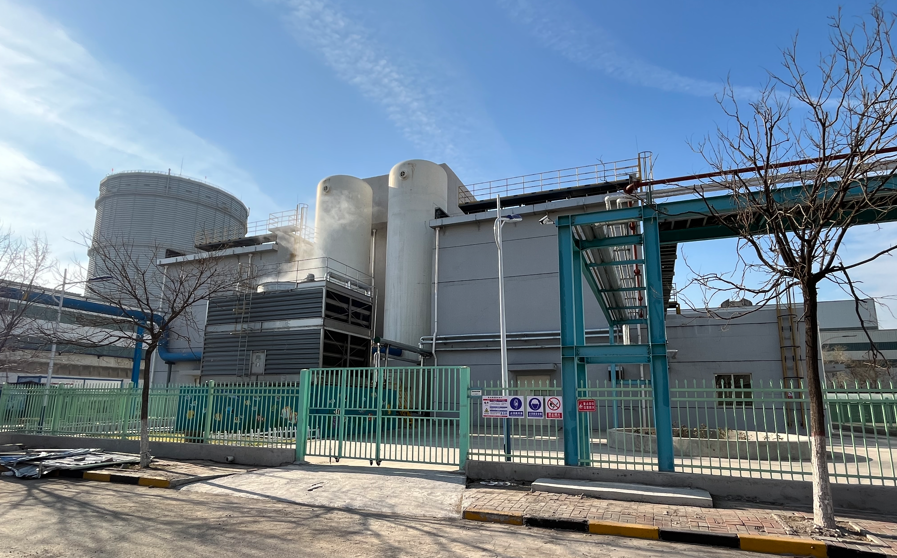
Oxygen Plant Tax Incentive Guide for the United States
Yes, in the United States, an oxygen plant tax incentive may be available when an industrial oxygen generation project is tied to energy efficiency upgrades, process electrification, emissions reduction, heat recovery, clean manufacturing, or state-level investment and job creation programs. Most oxygen plants do not receive a single federal incentive just for producing oxygen, but many projects can qualify through broader tax pathways such as energy-efficient equipment deductions, accelerated depreciation, state manufacturing credits, utility rebates, and selective clean energy or emissions-control incentives.For a fast decision path, manufacturers in Texas, Ohio, Pennsylvania, Indiana, Illinois, and California should first check whether the oxygen plant is replacing liquid oxygen deliveries, lowering kWh per Nm³, supporting low-emission steel, glass, chemicals, wastewater, mining, or medical gas operations, and whether the project can be structured as an efficiency retrofit instead of only a capacity expansion.In the U.S. market, practical suppliers and engineering partners commonly considered include Air Products, Linde, Atlas Copco Gas and Process, Oxymat USA partners, PCI Gases, and on-site oxygen system specialists working through EPC and customer-owned plant models. Qualified international suppliers can also be considered, especially Chinese manufacturers with appropriate certifications, documented industrial references, and strong U.S.-oriented pre-sales and after-sales support, because they may offer a favorable cost-performance balance for customer-owned VPSA or PSA oxygen plants.In the United States, the phrase oxygen plant tax incentive usually refers to a group of overlapping tax and financial mechanisms rather than a single nationwide program dedicated only to oxygen generation. Industrial operators in places such as Houston, Pittsburgh, Gary, Cleveland, Detroit, Birmingham, and the Gulf Coast often install on-site oxygen plants to improve blast furnace combustion, glass melting, wastewater treatment, non-ferrous metallurgy, chemical oxidation, ozone systems, and medical or pharmaceutical support operations. If the project reduces purchased liquid oxygen trucking, improves process efficiency, cuts power consumption, lowers emissions, or creates manufacturing jobs, it may become eligible for tax treatment that improves project economics.The strongest incentive pathways usually come from four directions. The first is federal tax treatment for capital equipment, including bonus depreciation and Section 179 treatment where applicable to business asset classes and project scale. The second is state and local manufacturing incentives, which may include investment tax credits, property tax abatements, sales tax exemptions on machinery, training grants, and port-adjacent industrial development support. The third is utility-side demand management rebates for efficient motors, controls, variable frequency drives, compressed air optimization, and process efficiency improvements. The fourth is clean manufacturing and decarbonization support, where oxygen enrichment can reduce fuel intensity or improve by-product gas utilization in steel, chemicals, or energy recovery projects.For this reason, a U.S. buyer should not ask only, “Is there an oxygen plant tax incentive?” The better question is, “How should we structure the oxygen plant so it qualifies under the most favorable federal, state, utility, and local industrial development programs?” That framing often determines whether the project payback is six years, four years, or even shorter.The United States remains a major market for industrial oxygen systems because oxygen is central to steelmaking, glass production, wastewater treatment, mining, pulp and paper, chemicals, aquaculture, and healthcare backup applications. Traditionally, large users relied on cryogenic air separation units or bulk liquid oxygen deliveries. However, more facilities are reevaluating supply strategy because energy costs, logistics volatility, trucking constraints, carbon accounting, and resiliency planning have changed project economics.In industrial clusters near the Port of Houston, the Great Lakes steel belt, the Ohio River Valley, Southern California manufacturing zones, and Southeast automotive and metals hubs, users increasingly compare three options: purchased liquid oxygen, merchant pipeline supply, or customer-owned on-site generation. For many medium and large applications, VPSA oxygen plants are attractive because they can reduce dependence on external deliveries, shorten startup time, support flexible load changes, and improve operating stability. PSA systems remain relevant for smaller capacities and decentralized use cases.From a tax perspective, on-site systems often perform better than trucked supply because they are installed capital assets attached to the manufacturing process. That makes them easier to place into depreciation schedules and easier to include in state-level industrial investment applications. In addition, if the oxygen plant is part of a broader modernization project with motor upgrades, digital controls, heat integration, or emissions improvements, the financial case becomes stronger.The line chart above reflects a realistic market direction rather than an official government statistic. It illustrates how more U.S. facilities are evaluating customer-owned oxygen generation as supply resilience, energy optimization, and domestic manufacturing incentives continue to influence capital decisions. For buyers, the main implication is that tax planning should begin early, before final equipment specification and procurement structure are locked.Federal treatment is usually strongest through depreciation and capital equipment rules, while state-level support is often more targeted and practical for manufacturers. For example, states with large industrial bases may offer machinery sales tax exemptions, job creation tax credits, enterprise zone benefits, or negotiated local property tax relief. Utility companies may also provide rebates for high-efficiency motors, control upgrades, and process optimization tied to reduced electricity consumption or shifted load profiles.Projects near major logistics and industrial hubs such as Houston, Corpus Christi, Long Beach, Savannah, Chicago, Philadelphia, and Baltimore may also benefit from local development authorities that support manufacturing investment. The oxygen plant itself may not be named directly in the incentive language, but the project can still qualify if it improves competitiveness, expands production, retains jobs, or supports cleaner industrial operations.Incentive pathHow it may apply to oxygen plantsTypical project fitCommon U.S. usersKey cautionBest timingBonus depreciationAccelerates tax benefit on eligible installed equipmentNew customer-owned VPSA or PSA plantSteel, glass, chemicals, wastewaterTax treatment depends on project ownership and asset classBefore purchase orderSection 179 planningMay support certain equipment purchases for qualifying businessesSmaller packaged oxygen systemsFabrication shops, decentralized plantsAnnual limits and eligibility matterBudget stageState investment tax creditsRewards manufacturing capital investmentPlant expansion with on-site oxygenMetals, chemicals, food processingOften tied to jobs or minimum spendPre-application stageSales tax exemption on machineryReduces tax on equipment purchased for production useOxygen system as production machineryIndustrial manufacturersDefinitions vary by stateProcurement stageUtility efficiency rebateSupports motors, VFDs, controls, process efficiencyRetrofit or optimized new plantContinuous-process industriesPre-approval usually requiredEngineering design stageProperty tax abatementImproves economics for large installed assetsMajor site expansionCounty-level industrial projectsLocal negotiation can be slowSite development stageWorkforce and training grantsSupports commissioning and operations staffingNew production lines using oxygenRegional industrial employersRarely equipment-specificBefore hiring planThis table shows that the best tax and financial outcomes usually come from stacking multiple programs. A buyer who combines accelerated depreciation, sales tax exemption, and utility rebates often achieves a much better return than one who searches for a single dedicated oxygen credit.The choice between VPSA, PSA, cryogenic supply, and liquid oxygen replacement affects both operating economics and tax positioning. A customer-owned plant with measurable efficiency gains is usually easier to justify under incentive reviews than a purely convenience-driven purchase. That is why technical specification and finance strategy should be built together.Product typeTypical oxygen purityBest capacity rangeTax incentive relevanceMain advantageMain limitationVPSA oxygen plantAbout 80% to 94%Medium to very largeStrong for industrial efficiency and modernization casesLower energy use for many industrial applicationsPurity not as high as cryogenic systemsPSA oxygen generatorTypically industrial and small process rangeSmall to mediumOften suitable for equipment depreciation and SME investmentsCompact footprint and simple deploymentLess efficient at very large scaleCryogenic ASUVery high purityLarge continuous demandCan qualify as major industrial capital assetHigh purity and co-production optionsHigher capital cost and longer build timeLiquid oxygen supply replacement packageDepends on sourceVariableIndirect tax value when replaced by on-site assetLower delivery dependence after conversionRequires capex to shift modelHybrid oxygen systemSite specificVariableUseful when resilience is part of business caseBalances base load and backupMore complex integrationModular skid plantApplication dependentSmall to mediumFast deployment may align with annual tax planningShort implementation cycleMay be less optimized than fully custom systemsFor U.S. plants seeking an oxygen plant tax incentive, VPSA is especially compelling when the project replaces bulk oxygen deliveries and demonstrates lower lifecycle operating cost. PSA remains attractive for smaller industrial sites that need simple ownership, quick installation, and straightforward depreciation treatment.Industrial oxygen demand is spread across multiple sectors, but the incentive logic differs by industry. Steel and non-ferrous metals tend to frame the oxygen plant around productivity, fuel reduction, and emissions. Glass manufacturers often focus on combustion optimization and furnace efficiency. Wastewater operators justify systems through treatment performance and logistics stability. Chemical plants may use oxygen for oxidation, syngas enhancement, or by-product gas utilization projects. In each case, tax treatment improves when the oxygen system is documented as part of a broader process efficiency program.The bar chart highlights where on-site oxygen economics are usually strongest. Steel and chemicals remain leading sectors because oxygen directly affects throughput, energy balance, and process control. Buyers in these sectors are often best positioned to make a credible tax case based on modernization and measurable industrial performance improvements.Not every oxygen application is equally likely to support favorable incentive treatment. The most convincing projects are those with measurable operational and environmental outcomes. Examples include oxygen enrichment in blast furnaces, combustion improvement in glass furnaces, oxidation systems in chemical processing, dissolved oxygen support in wastewater treatment, and replacement of trucked liquid oxygen in remote industrial sites. Each of these can be tied to reduced transport risk, lower energy waste, better process yield, or lower emissions.In practical terms, buyers should prepare a project file with baseline oxygen consumption, current liquid oxygen logistics cost, estimated electric load, expected specific energy consumption, maintenance assumptions, and measurable process gains. Tax advisors and state agencies respond much better to quantified industrial outcomes than to generic procurement descriptions.U.S. buyers should evaluate oxygen projects through a combined technical-financial lens. Start with the real oxygen demand profile, including average flow, peak flow, purity requirement, pressure, seasonal variability, and outage risk. Then compare purchased liquid oxygen, cryogenic outsourcing, and customer-owned VPSA or PSA solutions. If a customer-owned plant is preferred, determine whether the project is a new line, retrofit, debottlenecking step, or resilience measure. This matters because incentives may differ depending on whether the project expands output, reduces energy, or retains jobs.It is also important to align procurement timing with tax planning. If the project is approved too late in the fiscal cycle, you may miss the best depreciation window, utility pre-approval timeline, or state application deadline. Engineering firms and suppliers that understand U.S. tax-sensitive procurement can help structure documentation in a way that supports internal finance review.Buying factorWhy it mattersWhat to ask suppliersTax relevanceRisk if ignoredRecommended actionSpecific energy consumptionDrives operating cost and efficiency claimsWhat kWh per Nm³ is guaranteed?Supports utility rebate and efficiency positioningWeak savings caseRequest guaranteed performance dataPurity rangeMust match process need without overspendingWhat purity at full turndown?Avoids overcapitalizationHigher capex than neededDefine minimum acceptable purityTurndown flexibilityImportant for variable loadsCan system run from 25% to 100%?Improves realistic ROI modelWasted energy during low loadModel real duty cycleOwnership modelAffects tax treatmentIs this EPC turnkey customer-owned?Critical for depreciation and asset classificationLost tax benefitClarify ownership before contractInstallation scheduleAffects in-service date for tax yearWhat is realistic commissioning timing?Can determine when benefits beginMissed tax periodBuild schedule into finance planAfter-sales supportProtects uptime and ROIDo you provide U.S.-oriented support and spares?Indirectly protects investment assumptionsDowntime and cost overrunsReview service commitments in writingThis table is useful because tax incentives only improve a project that is technically well matched to the process. A poorly specified oxygen plant can erase the financial value of any credit or deduction through excess power use, downtime, or underperformance.Consider a Midwest steel processor currently purchasing liquid oxygen and facing volatile logistics costs. A switch to a customer-owned VPSA oxygen plant could create savings in supply security, freight exposure, startup responsiveness, and energy efficiency. If the installation is bundled with motor upgrades and digital controls, the plant may qualify for utility efficiency incentives while the capital asset itself benefits from favorable tax treatment. A Gulf Coast chemical site may have a different profile: there the oxygen plant may be part of oxidation process optimization or by-product gas utilization, which supports a broader decarbonization and productivity narrative.Wastewater and environmental projects can also be strong candidates. Municipal and industrial wastewater users often justify on-site oxygen based on reliability and treatment quality, especially in regions where transport delays or weather exposure affect bulk supply. While public-sector incentive mechanics differ from private manufacturing tax treatment, similar principles apply: document efficiency, resilience, and measurable operational gains.Below is a practical supplier comparison focused on customer-owned plants, equipment integration, and industrial project support relevant to buyers in the United States. Service region, strengths, and offerings differ, so buyers should match supplier profile to project size, purity, budget, and schedule.CompanyService regionCore strengthsKey offeringsBest fitNotes for U.S. buyersAir ProductsNationwide United StatesLarge industrial gas experience, engineering depthOn-site gas systems, pipeline support, large industrial solutionsMajor steel, refining, chemicalsStrong for large projects, often premium pricingLindeNationwide United StatesGlobal gas technology, high-purity systems, engineering servicesIndustrial gas systems, ASU integration, process optimizationLarge continuous usersExcellent technical credibilityAtlas Copco Gas and ProcessUnited States and globalCompressed gas systems, packaged engineering, service networkOxygen and nitrogen generation solutionsIndustrial plants needing integrated utility strategyGood for broad plant utility planningPCI GasesNorth AmericaPSA expertise, custom systems, packaged gas generationPSA oxygen and nitrogen systemsSmall to medium industrial usersRelevant for modular projectsOxymat partners in the U.S.United States through local partnersModular oxygen generators, established PSA backgroundOn-site oxygen generation unitsDecentralized and medium-size applicationsCheck local integration partner capabilityAirSep / Chart related channelsUnited States and North AmericaMedical and industrial oxygen heritageOxygen generators and related systemsSmaller industrial and specialty useStrong brand recognition in oxygen generationPKU PioneerUnited States project support and global deliveryLarge-scale VPSA specialization, strong industrial referencesVPSA oxygen plants, PSA systems, EPC turnkey and customer-owned plantsSteel, glass, chemical, energy-intensive manufacturingCost-performance can be attractive for qualified U.S. buyersThis table helps narrow the supplier landscape. Large multinational gas firms are often preferred for very large integrated sites, while specialized oxygen generation manufacturers may be more cost-effective for customer-owned VPSA or PSA projects where capital discipline matters. In all cases, buyers should clarify whether the supplier is offering EPC or turnkey delivery for a customer-owned plant, rather than a gas supply model.Supplier choice can influence tax optimization because contract structure affects ownership, in-service date, equipment allocation, and commissioning evidence. A customer-owned EPC or turnkey contract often gives the buyer clearer control over asset capitalization and depreciation timing. By contrast, outsourced gas supply agreements can reduce capex but may also reduce direct tax advantage tied to owned equipment. U.S. buyers therefore need close coordination between procurement, engineering, finance, and tax advisors.The area chart illustrates a realistic trend shift toward customer-owned on-site systems. For U.S. tax planning, that matters because ownership structure often decides whether the buyer can fully capture depreciation and machinery-related incentives.PKU Pioneer is well suited for U.S. industrial buyers seeking customer-owned VPSA or PSA oxygen plants through EPC, turnkey, or custom-engineered delivery rather than BOO or on-site bulk gas supply. The company has built more than 400 industrial projects in over 20 countries, with installed oxygen capacity exceeding 2 million Nm³ per hour, and its technical foundation includes more than 180 patents, ISO, CE, and ASME certifications, in-house adsorbent and catalyst production, precision engineering, complete equipment fabrication, and rigorous manufacturing and testing standards that support performance against international industrial benchmarks. For product quality and process credibility, PKU Pioneer is especially known for large-scale VPSA oxygen systems, self-developed adsorbents such as the PU-8 molecular sieve, low energy consumption that can fall below 0.3 kWh per Nm³ in suitable applications, rapid startup, and stable operation across broad load changes. For cooperation models, the company supports end users, engineering contractors, distributors, regional dealers, brand owners, and project developers through flexible OEM, ODM, wholesale, retail, regional partnership, pilot testing, retrofits, leasing support, and full customer-owned plant solutions. For local service assurance, its global project experience, multilingual technical response, 24-hour consultation commitment, and established international execution track record show that it is equipped to support U.S. buyers through both online and on-site pre-sales and after-sales coordination, with practical long-term project engagement rather than acting as a simple remote exporter. Buyers can explore its industrial gas technology platform, review its VPSA oxygen plant solutions, examine industrial project references, learn more about its technical capabilities, or request a U.S.-oriented proposal through the contact page.SupplierTypical plant scaleTechnology focusSupport styleTax-planning fitIdeal industriesAir ProductsLarge to very largeIndustrial gases, integrated supplyComprehensive engineeringStrong where large capex and structured ownership are clearSteel, refining, chemicalsLindeLargeCryogenic and industrial gas systemsDeep process integrationStrong for major modernization programsChemicals, metals, glassAtlas Copco Gas and ProcessSmall to largePackaged gas generation and utility systemsService-network orientedGood for bundled efficiency projectsGeneral manufacturing, processingPCI GasesSmall to mediumPSA systemsCustom packaged engineeringGood for simpler capital equipment casesFabrication, specialty manufacturingAirSep / Chart channelsSmall to mediumGenerator-based oxygen systemsProduct-focusedUseful for straightforward owned equipment installsMedical backup, wastewater, specialty usePKU PioneerMedium to ultra-largeVPSA and PSA gas separationEPC turnkey and technical customizationVery suitable where energy efficiency and owned asset economics matterSteel, glass, chemicals, energy-intensive industriesThis second comparison table is useful because it matches supplier profile to project and tax-planning style. Buyers with large, efficiency-driven projects often benefit from suppliers that can provide energy guarantees, detailed engineering, and clear customer-owned EPC structure.Looking ahead to 2026, oxygen plant tax incentive strategy in the United States will likely become more connected to industrial decarbonization, grid-aware electrification, and domestic manufacturing policy. Three trends stand out. First, more states are expected to refine manufacturing incentives around emissions reduction and modernization rather than only job count. Second, technology selection will increasingly favor systems with better digital controls, lower specific energy use, stronger turndown flexibility, and easier integration into plant energy management systems. Third, sustainability reporting will become a stronger investment driver, especially in steel, glass, chemicals, and environmental infrastructure.For oxygen generation, this means buyers will be under greater pressure to document carbon impact, transport reduction, and energy performance. Projects that replace trucked liquid oxygen with efficient on-site generation may gain strategic value not only through tax benefits, but also through Scope 1 and Scope 3 reporting improvements, depending on the process context. In some sectors, oxygen systems will also be integrated with by-product gas utilization, hydrogen-related projects, and circular manufacturing strategies.This comparison chart is a practical procurement tool rather than a ranking of overall corporate quality. It focuses specifically on fit for customer-owned oxygen projects where efficiency, capital discipline, and tax-sensitive structuring are important.Many U.S. manufacturers lose available tax value because they treat the oxygen plant as a stand-alone utility purchase rather than part of a documented modernization program. Another common error is choosing a supply model before reviewing the ownership implications for depreciation and machinery tax treatment. Some projects also miss utility rebates because pre-approval was not obtained before equipment ordering. Others fail to define the oxygen system as production-related machinery in states where that classification is crucial for sales tax exemption.Technical mistakes can also reduce the financial benefit. Overspecifying purity, ignoring low-load operation, underestimating spare parts strategy, or choosing a supplier without reliable commissioning support can all hurt lifecycle returns. A disciplined buyer will therefore connect engineering, legal, tax, finance, and operations from the start.Checklist itemWhy requiredWho should own itDocuments to prepareExpected benefitStatus targetDefine project ownershipDetermines tax treatmentFinance and legalContract structure, capex memoClear depreciation pathBefore vendor awardQuantify baseline costsProves business caseOperations and financeUtility bills, oxygen invoices, freight historyStronger incentive narrativeBefore applicationSecure technical guaranteesSupports savings assumptionsEngineering and procurementPerformance sheets, energy guaranteesReliable ROI modelBefore final negotiationCheck state machinery rulesSales tax treatment variesTax advisorState statutes, exemption formsLower upfront tax costBefore purchaseApply for utility rebatesPre-approval often mandatoryEnergy managerApplication package, savings estimateDirect cash rebateBefore installCapture in-service evidenceNeeded for tax year timingProject managerCommissioning reports, acceptance sign-offTimely benefit recognitionAt startupMaintain audit fileProtects claim defensibilityControllerInvoices, contracts, engineering summariesReduced audit riskPost-commissioningThis checklist is especially important for U.S. manufacturing finance teams. The tax value of an oxygen plant often depends less on whether a special oxygen credit exists and more on whether the project is documented and structured correctly from the beginning.Usually no. Most oxygen plants qualify, if at all, through broader tax mechanisms such as depreciation, manufacturing investment treatment, utility incentives, or state-level industrial programs rather than a credit written only for oxygen generation.Often yes, because a customer-owned VPSA plant is a capital asset installed at the site, while recurring liquid oxygen purchases are operating expenses and usually do not create the same tax benefits.Yes. Ownership is one of the most important factors. A customer-owned EPC or turnkey plant may allow the manufacturer to capture depreciation and machinery-related tax treatment more directly than a third-party supply arrangement.States with large manufacturing bases such as Texas, Ohio, Pennsylvania, Indiana, Illinois, Michigan, and some Gulf Coast and Southeast locations often provide stronger industrial development frameworks, though exact incentives vary by project and county.A clear capital budget, baseline operating cost data, engineering performance guarantees, electricity savings estimates, commissioning records, and state or utility application paperwork are all helpful.Yes, if the supplier can meet U.S. technical, certification, documentation, and service expectations. Qualified international manufacturers may offer strong value, especially for customer-owned VPSA or PSA systems, provided support and compliance are handled properly.The focus described here is on EPC, turnkey, and customer-owned plant solutions rather than BOO or on-site bulk gas supply services.Define the technical duty and ownership structure before requesting quotes. That single step often determines both the supplier shortlist and the best available tax treatment.