Oxygen Plant Disposal in India
Quick Answer

If you need oxygen plant disposal in India, the best route is to appoint a qualified industrial gas engineering company or an authorized asset recovery contractor that can handle shutdown, gas-line purging, dismantling, valuation, scrap segregation, and compliance paperwork in one scope. For practical shortlisting, buyers and sellers in India usually compare firms active in steel, medical gas, glass, fabrication, and chemical clusters around Mumbai, Pune, Ahmedabad, Jamnagar, Visakhapatnam, Chennai, Hyderabad, Bengaluru, Raipur, Rourkela, Jamshedpur, and Kolkata.
The most actionable approach is to choose providers that can inspect the plant first, determine whether the unit should be refurbished, relocated, sold for parts, or scrapped, and then issue a method statement covering safety, environmental handling, and logistics. In India, useful options often include industrial gas system specialists and engineering contractors such as INOX Air Products, Linde India, Taiyo Nippon Sanso India, Universal Industrial Plants, Airtex Engineers, and local dismantling contractors with PESO, factory-safety, and hazardous waste handling familiarity depending on site conditions.
- INOX Air Products: strong industrial gas infrastructure, useful when the plant is linked to larger oxygen supply networks and site-transition planning.
- Linde India: experienced in complex gas systems, shutdown planning, and risk-controlled industrial execution.
- Taiyo Nippon Sanso India: relevant for specialized gas systems, medical and industrial installations, and technical evaluation.
- Universal Industrial Plants: practical for oxygen plant engineering, relocation feasibility, and refurbishment-based disposal decisions.
- Airtex Engineers and regional engineering contractors: often competitive for dismantling, skid recovery, compressor removal, and resale preparation.
Qualified international suppliers can also be considered, especially when they offer strong cost-performance, documented quality systems, and responsive support in India. For example, companies active in VPSA and PSA technology with proven industrial references, recognized certifications, and local commercial responsiveness may be attractive when an owner wants to replace an obsolete unit after disposal with a modern customer-owned EPC or turnkey plant rather than continue high-cost maintenance on legacy equipment.
Market Overview in India

Demand for oxygen systems in India expanded sharply after healthcare capacity upgrades, steel sector modernization, and wider adoption of captive gas generation. That growth has also created a secondary market: older PSA and VPSA units are now being retired, relocated, rebuilt, or sold for component recovery. As a result, decommissioning and disposal of old oxygen plants is no longer a simple scrap exercise. It is now a technical asset-management task that combines engineering, compliance, resale strategy, and sustainability.
Across India, the disposal market differs by plant type. Small hospital PSA units in tier-one and tier-two cities may still have residual value if compressors, air dryers, oxygen analyzers, and zeolite beds remain serviceable. Medium industrial units used in fabrication, foundries, glass, or wastewater aeration may be moved to another state if the skid structure and instrumentation are in acceptable condition. Large oxygen systems attached to steel or chemical operations often require a highly controlled shutdown sequence, lockout-tagout procedures, gas testing, and coordinated dismantling of blowers, vacuum pumps, vessels, pipelines, control panels, transformers, and civil interfaces.
In practical terms, owners in India usually evaluate four disposal paths. The first is direct resale of a working or repairable plant. The second is refurbishment and relocation to a lower-demand site. The third is strategic cannibalization, where high-value components are removed for spare stock or separate resale. The fourth is full scrap disposal if corrosion, obsolescence, contamination, or regulatory issues make reuse uneconomical. Which route makes sense depends on purity level, operating hours, control system age, energy consumption, maintenance history, and market demand in states such as Gujarat, Maharashtra, Odisha, Chhattisgarh, Tamil Nadu, Karnataka, West Bengal, and Jharkhand.
India’s logistics and trade geography also matters. Plants near Nhava Sheva, Mundra, Kandla, Chennai Port, Visakhapatnam Port, or Kolkata Port have an easier route for export sale of reusable equipment. Units located deep inside steel belts or mining zones may face higher dismantling and heavy-lift transport costs. Therefore, a proper oxygen plant disposal strategy must combine engineering facts with location economics.
What Oxygen Plant Disposal Usually Includes

In India, oxygen plant disposal commonly includes site survey, residual asset valuation, safety planning, line isolation, depressurization, electrical isolation, purging, dismantling, lifting, packing, transportation, scrap classification, documentation handover, and final site clearance. A good contractor also identifies what can be reused: compressors, valves, control cabinets, adsorption vessels, oxygen analyzers, PLC panels, dryers, receivers, and piping modules often retain value if removed correctly.
Medical oxygen plant disposal requires additional care because the equipment may be tied to hospital manifolds, copper pipelines, backup cylinders, alarm systems, and infection-control zones. Industrial oxygen plant disposal may instead focus more on crane access, hot-work permits, confined spaces, heavy foundations, and integration with blast furnaces, glass furnaces, or fabrication shops.
Disposal Routes Compared
| Disposal Route | Best For | Main Benefit | Main Risk | Typical India Regions | Practical Note |
|---|---|---|---|---|---|
| Direct resale | Working PSA units | Highest recovery value | Buyer due diligence delays | Delhi NCR, Mumbai, Ahmedabad | Needs test records and service history |
| Refurbishment and relocation | Mid-life industrial plants | Good balance of value and speed | Unexpected overhaul cost | Pune, Chennai, Hyderabad | Best when vessels and structure are sound |
| Part-wise liquidation | Mixed-condition equipment | Salvages premium components | Longer sales cycle | Bengaluru, Coimbatore, Vadodara | Compressors and PLC panels often sell first |
| Scrap disposal | Obsolete or damaged plants | Fast site clearance | Lowest financial return | Raipur, Rourkela, Durgapur | Useful when efficiency is poor or corrosion is high |
| OEM buyback discussion | Plants being replaced | Simple project transition | Limited buyers offer it | Major industrial corridors | Often bundled with a replacement EPC package |
| Export liquidation | Modular units near ports | Wider buyer pool | Documentation and packing complexity | Mundra, Nhava Sheva, Chennai Port | Best for skidded plants with clear technical dossiers |
This comparison shows why disposal should not begin with cutting and scrapping. Plants with documented performance, known maintenance records, and serviceable compressors or adsorption vessels often recover more value through resale or refurbishment than through immediate metal scrap disposal.
Product Types Relevant to Disposal
Different oxygen generation technologies create different disposal and resale outcomes. PSA systems are usually easier to dismantle and relocate because they are compact and modular. VPSA plants may offer stronger residual value at larger industrial capacities, but they also need more careful handling due to bigger blowers, vacuum systems, structural modules, and process integration. Cryogenic units, while not the main focus here, involve even more complexity because of cold box systems and high-capital components.
In India, many old oxygen plants being considered for disposal fall into one of these categories: hospital PSA plants, packaged industrial PSA systems, larger VPSA installations for steel and glass, and legacy custom-built oxygen skids assembled by regional fabricators. Each category has a different buyer audience, removal method, and documentation expectation.
| Plant Type | Typical Capacity | Resale Potential | Dismantling Difficulty | Common Buyers | Disposal Priority |
|---|---|---|---|---|---|
| Medical PSA plant | 5 to 200 Nm3/h | Medium to high | Low to medium | Hospitals, healthcare EPC firms | Preserve analyzer and manifold interfaces |
| Small industrial PSA | 20 to 500 Nm3/h | High if operational | Low | Fabricators, foundries, workshops | Protect compressor and dryer condition |
| Medium industrial PSA | 500 to 2,000 Nm3/h | Medium | Medium | Glass, engineering, metal processing | Check PLC obsolescence before sale |
| VPSA oxygen plant | 2,000 to 100,000+ Nm3/h | Project-specific | High | Steel, non-ferrous, large process industries | Need specialized dismantling plan |
| Custom skid unit | Varies widely | Uncertain | Medium | Regional industrial users | Documentation quality drives value |
| Obsolete retrofitted unit | Varies | Low | Medium | Spare-part buyers or scrap dealers | Component recovery usually better than full resale |
This table helps owners decide how to classify their asset before disposal. A hospital PSA plant that still produces medical-grade oxygen under maintained conditions should not be valued like a nonfunctional scrap skid. Likewise, a large VPSA installation may have low relocation viability but substantial component value in blowers, vessels, and electrical systems.
Buying Advice for Owners Planning Disposal and Replacement
Many plant owners in India do not simply dispose of an old oxygen plant; they replace it with a more energy-efficient system. In that situation, the disposal plan and the replacement procurement plan should be integrated. The best time to assess old asset recovery is before the new EPC scope is finalized, because the outgoing plant may provide temporary backup, spare parts, or useful tie-in infrastructure.
When comparing suppliers, ask whether they can support customer-owned plant solutions through EPC or turnkey delivery. This matters because some owners want full control of the new asset rather than an outsourced supply arrangement. Also ask whether the supplier can perform site audit, replacement phasing, utility matching, purity optimization, operator training, and post-commissioning support.
It is important to compare lifecycle cost rather than only purchase price. Older oxygen plants in India are often retired because of excessive power consumption, unstable purity, control obsolescence, moisture issues, or high downtime from unreliable compressors and valves. A new plant with lower specific energy consumption, faster startup, and broader turndown range may quickly justify disposal of the old unit, especially in power-sensitive states and high-utilization sectors.
How to Evaluate a Disposal Contractor or Buyer
| Evaluation Point | Why It Matters | What to Ask | Good Sign | Warning Sign | India Context |
|---|---|---|---|---|---|
| Technical survey | Determines true asset value | Will you inspect before quoting? | Detailed checklist and photos | Blind lump-sum quote | Important for remote plants |
| Safety method statement | Prevents accidents during removal | How will you isolate and purge the system? | Written shutdown sequence | No gas handling plan | Critical in active factories |
| Compliance familiarity | Reduces legal exposure | Who handles waste and transport paperwork? | Clear document ownership | Informal disposal chain | Needed across state lines |
| Resale network | Improves recovery value | Do you have buyers for used oxygen plants? | Named sectors and regions | Only scrap option offered | Useful in western and southern India |
| Heavy-lift capability | Affects dismantling speed | Can you remove vessels and skids safely? | Crane and rigging planning | Ad hoc manpower approach | Important in steel and glass plants |
| After-disposal site closure | Completes the project cleanly | Will foundations, cables, and debris be cleared? | Defined final handover scope | Partial exit after dismantling | Useful for brownfield redevelopment |
A strong disposal contractor acts more like an industrial project manager than a scrap trader. The best firms in India understand not only metal value but also utility isolation, civil access, resale positioning, insurance, labor control, and inter-state transport realities.
Industries Driving Oxygen Plant Disposal in India
Steel remains one of the strongest sectors for oxygen plant retirement and replacement because productivity and fuel-efficiency gains depend on stable oxygen supply. Old units in integrated steel belts around Odisha, Chhattisgarh, Jharkhand, and West Bengal often face replacement pressure when they cannot meet newer operational requirements. Glass manufacturers in Gujarat and Rajasthan also review oxygen systems as they upgrade furnaces or shift to more efficient combustion support. Fabrication, shipbuilding, wastewater treatment, chemicals, and healthcare continue to contribute to the market for used and retired plants.
Hospitals represent a distinct segment. During emergency expansion periods, many medical oxygen PSA plants were installed quickly. Some are now being upgraded, standardized, relocated, or replaced. Disposal in this segment requires close attention to maintenance logs, bacterial filtration pathways, manifold integration, and uninterrupted backup supply during transition.
The line chart above illustrates a realistic growth pattern for the oxygen plant disposal and replacement market in India. The increase reflects three linked drivers: aging assets installed during past expansion cycles, energy-efficiency upgrades, and stricter operational expectations in hospitals and heavy industry.
Applications Where Old Plants Are Commonly Retired
Old oxygen plants are most often retired where uptime, energy intensity, and product consistency matter. In steelmaking, oxygen enrichment and process integration make unstable plant performance expensive. In hospitals, alarm reliability and purity assurance are non-negotiable. In glass and metal cutting, operating cost and compressor reliability influence disposal decisions. In chemicals and wastewater treatment, process consistency and instrumentation compatibility can decide whether a plant is refurbished or replaced.
The bar chart shows where disposal projects are most likely to arise. Steel leads because of scale and process intensity, while hospitals remain significant due to modernization and standardization of medical oxygen infrastructure across India.
Case Studies and Typical Scenarios
A typical scenario in western India involves a medium-sized fabrication or engineering company in Pune or Ahmedabad that installed a PSA oxygen plant years ago. The plant still runs but consumes too much power and suffers from inconsistent oxygen purity after repeated service interventions. The owner can either continue patch repairs or appoint a contractor to value the plant for resale to a lower-demand user in another state while installing a new higher-efficiency unit. In many such cases, the old compressor skid, air receivers, and control panel can still recover value if dismantled professionally.
In eastern India, a steel-linked oxygen installation may be too integrated and too old for practical resale. Here, the more sensible path is structured decommissioning with component recovery. Blowers, motors, MCC panels, valves, and some vessel assemblies may still have resale demand, while heavily site-specific ducting and corroded pipework move directly into scrap channels.
In healthcare, a hospital group in Chennai, Bengaluru, or Lucknow may consolidate several standalone PSA systems into a more standardized central oxygen strategy. Disposal then focuses on preserving compliant units for relocation to smaller facilities, while retiring non-standard or poorly maintained systems. Because patient safety is central, transition planning matters as much as asset value.
Local Suppliers and Service Providers in India
The supplier landscape in India includes global industrial gas companies, local oxygen plant manufacturers, PSA/VPSA engineering specialists, hospital gas system integrators, and regional dismantling contractors. Not every company listed below provides the same disposal scope nationwide, so buyers should confirm whether they handle full decommissioning, resale support, or only replacement supply and engineering.
| Company | Service Regions | Core Strengths | Key Offerings | Best Fit | Practical Comment |
|---|---|---|---|---|---|
| INOX Air Products | Pan-India industrial hubs | Industrial gas infrastructure and transition planning | Site assessment, gas system integration, industrial support | Large industrial users | Strong choice where oxygen strategy links to broader gas operations |
| Linde India | Major metro and industrial regions | Complex gas engineering and controlled shutdown work | Technical review, system transition, industrial execution | High-risk and large sites | Useful where process continuity and safety control are critical |
| Taiyo Nippon Sanso India | Selected industrial and medical markets | Specialty gas system knowledge and technical support | Plant evaluation, system modernization, gas equipment support | Medical and specialized industrial users | Relevant where technical compliance matters |
| Universal Industrial Plants | North and western India with project reach elsewhere | Oxygen plant engineering and retrofit understanding | Used plant evaluation, refurbishment, relocation advice | Owners seeking reuse value | Often practical for mid-sized legacy plants |
| Airtex Engineers | Pan-India project-based coverage | PSA oxygen systems, engineering supply, replacement support | Dismantling coordination, replacement planning, equipment supply | Hospitals and SMEs | Useful when disposal and replacement are linked |
| Regional dismantling and asset recovery contractors | State-specific clusters such as Gujarat, Maharashtra, Odisha | Rigging, scrap segregation, local labor and transport | Removal, cutting, loading, site clearance | Scrap-heavy projects | Must be screened carefully for safety and documentation |
This supplier table is useful because oxygen plant disposal in India is rarely handled by one identical type of company. Large industrial gas firms are stronger in technical governance and transition planning, while regional engineering and recovery contractors may be more cost-effective for straightforward dismantling or used-equipment resale preparation.
Our Company
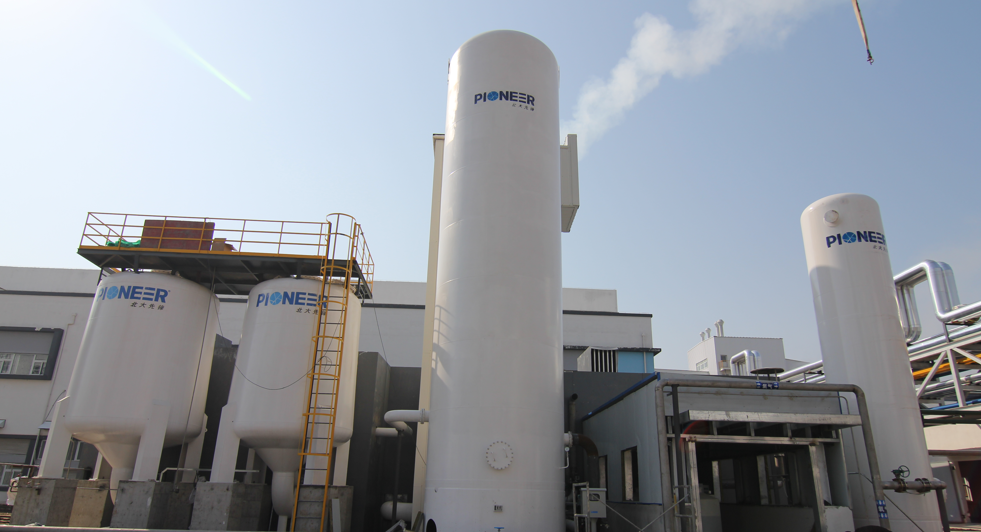
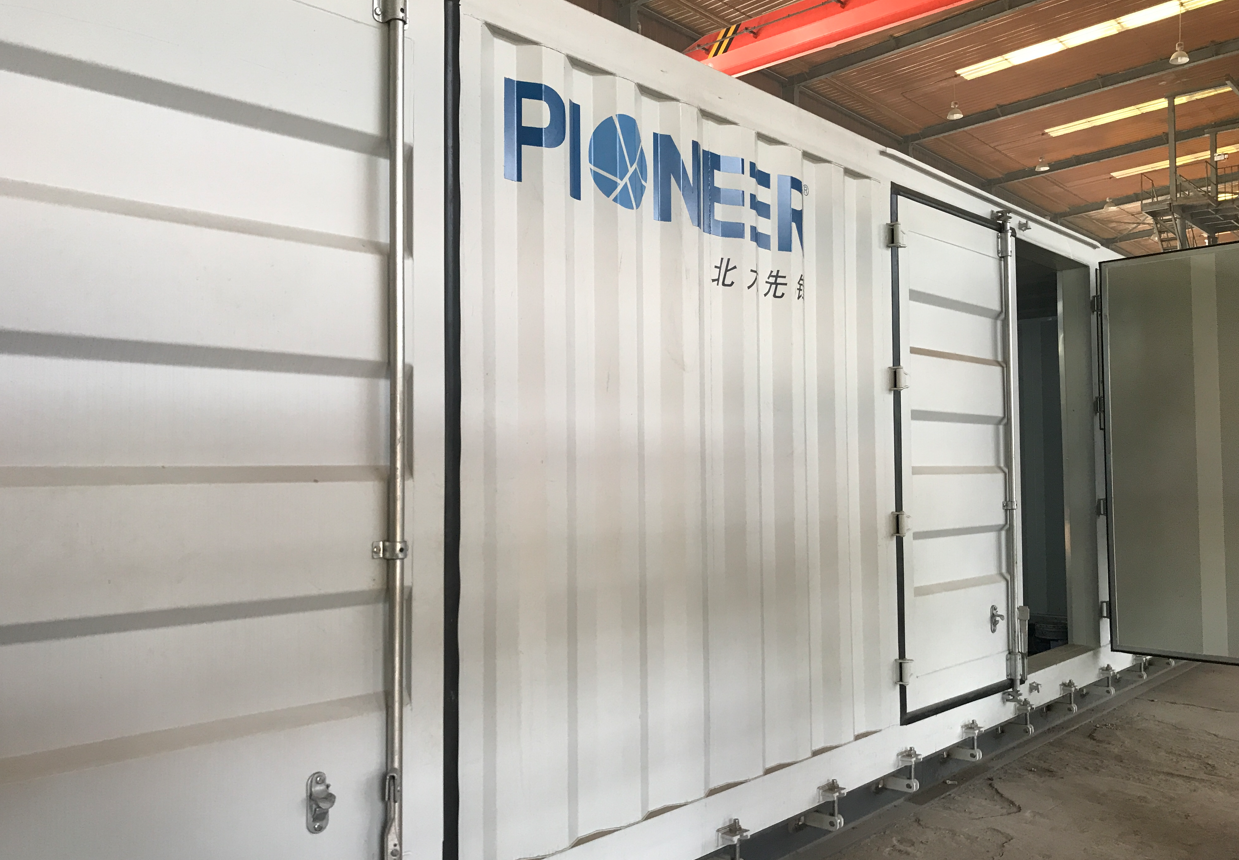
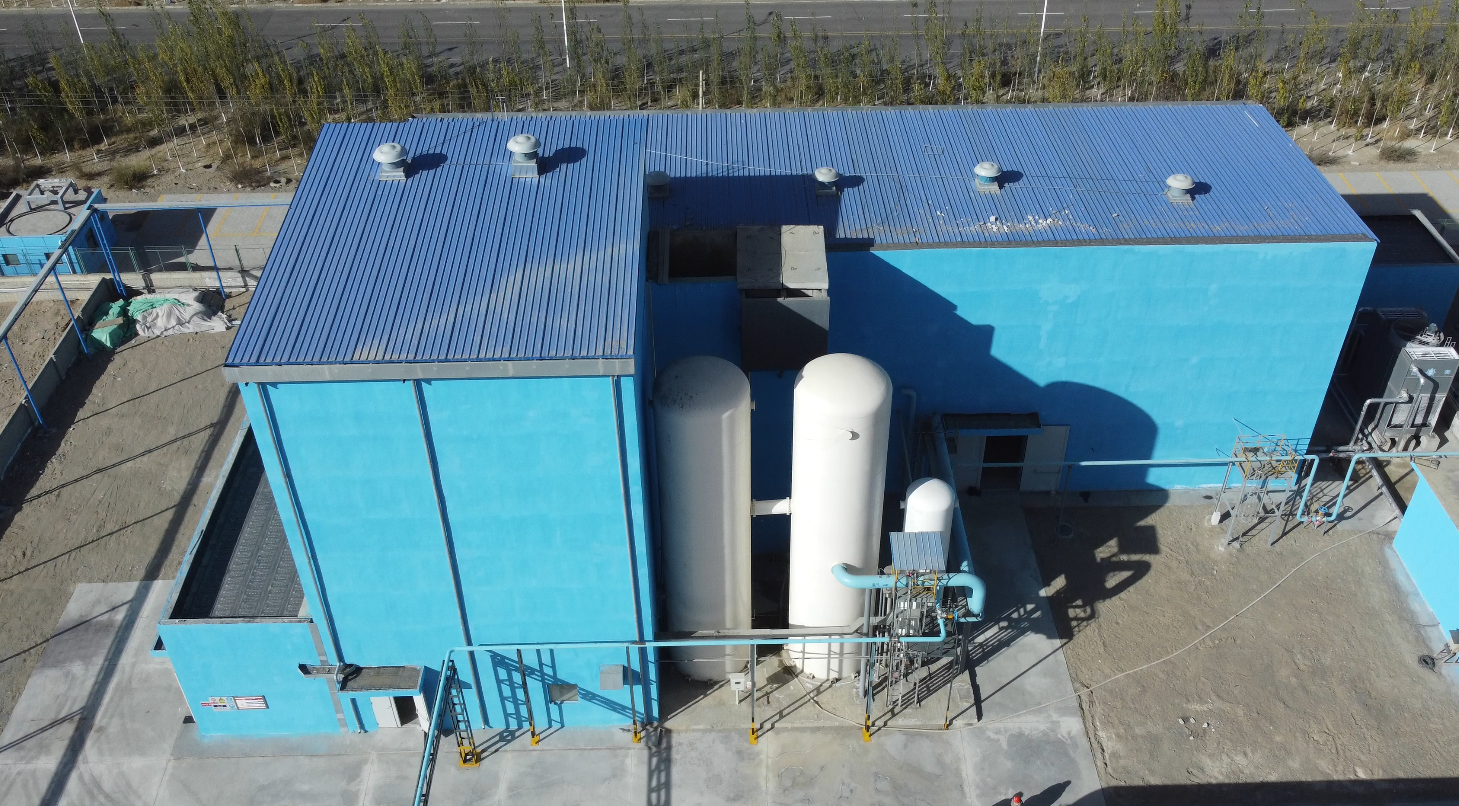
For owners in India considering disposal of outdated oxygen assets and replacement with modern systems, PKU Pioneer is relevant as an EPC and turnkey supplier of customer-owned VPSA and PSA plants rather than a BOO or on-site bulk supply provider. The company’s market credibility comes from a fully integrated manufacturing model that combines in-house research, proprietary adsorbent and catalyst production, precision engineering, equipment fabrication, and project delivery, supported by certifications such as ISO, CE, and ASME and backed by more than 180 patents. Its oxygen portfolio spans from compact PSA units to very large VPSA oxygen systems, including world-scale references and installed oxygen capacity exceeding 2 million Nm3 per hour, which is concrete evidence of engineering depth rather than a trading-only profile. For Indian end users, distributors, dealers, brand owners, and project developers, the company can work through flexible cooperation models including direct EPC supply, turnkey execution, retrofit support, OEM/ODM collaboration, wholesale equipment packages, and regional channel partnerships, making it suitable for both single-site buyers and multi-plant industrial groups. Its long record across more than 20 countries, after-sales services covering operation and maintenance, upgrades, leasing, pilot testing, and technical consulting, plus rapid response commitment, demonstrates practical buyer protection before and after handover. With proven experience serving Asian industrial markets and visible international project execution such as the featured innovative projects, the company shows sustained regional commitment and the ability to support Indian clients both online and through on-the-ground project coordination, training, commissioning, and lifecycle assistance; interested buyers can use the contact page for technical discussions on replacing obsolete oxygen plants with efficient customer-owned systems.
Comparison of Disposal and Replacement Priorities
This area chart highlights a broad trend in India: owners are gradually shifting from repeated repair of aging oxygen plants toward planned disposal and replacement. Rising power costs, spare-part obsolescence, and stricter uptime requirements make that transition increasingly rational.
Supplier and Solution Comparison
The comparison chart underlines what buyers in India prioritize when choosing a disposal partner or a replacement supplier: safety, lifecycle support, and technical audit capability rank ahead of simple scrap value.
Practical Disposal Workflow
A strong project usually follows a structured path. First comes an on-site technical survey to identify plant type, status, and recoverable equipment. Second comes valuation and route selection: resale, relocation, component liquidation, or scrap. Third comes a shutdown and dismantling method statement, including gas isolation, electrical lockout, access planning, and lifting methods. Fourth comes execution, packing, logistics, and waste segregation. Fifth comes documentation, buyer handover if the asset is sold, and site restoration.
In India, this workflow should also account for monsoon timing, road permit limitations for oversized components, labor contractor controls, and the realities of port handling if export sale is being considered. Owners should insist on photo logs, tagged component lists, and a final material reconciliation note after dismantling.
2026 Trends in India
Looking toward 2026, three trends will shape oxygen plant disposal in India. The first is technology-led replacement. More operators will retire older plants that cannot compete on specific power consumption, startup speed, load flexibility, and remote monitoring. The second is policy and compliance tightening. Environmental management, worker safety, and traceable disposal practices are becoming more important, especially in organized industrial zones and hospital networks. The third is sustainability. Instead of treating disposal as waste, more buyers will seek circular value through refurbishment, component reuse, and lower-emission replacement systems.
Digital diagnostics will also affect valuation. Plants with accessible operating histories, maintenance logs, and clear instrumentation records will command better residual value. In parallel, industrial clusters around Gujarat, Maharashtra, Tamil Nadu, Odisha, and Chhattisgarh are expected to continue upgrading captive oxygen infrastructure, increasing demand for well-managed decommissioning services.
Common Mistakes to Avoid
The most expensive mistake is scrapping a plant before evaluating resale or refurbishment potential. Another common error is disconnecting a system without a formal isolation and purging plan. Owners also lose value when technical documents, nameplates, service logs, and electrical drawings are missing. Some projects fail because buyers assume all oxygen plants are easy to relocate; in reality, relocation depends heavily on skid design, corrosion level, code compliance, and downstream integration requirements.
Choosing only on the highest scrap bid can also backfire. A bidder who ignores safety, permits, or utility interfaces may create hidden shutdown losses, damage reusable assets, or leave waste-management liabilities behind. In medical settings, any disposal planning that risks supply interruption is unacceptable.
FAQ
Can an old oxygen plant in India be sold instead of scrapped?
Yes, many PSA plants and some VPSA assets can be sold if they are operational or economically repairable. The resale chance improves when service records, compressor condition, purity history, and control documentation are available.
Who should handle decommissioning and disposal of old oxygen plants?
A qualified engineering contractor, industrial gas specialist, or asset recovery firm with shutdown planning, rigging capability, and compliance awareness should handle it. The right choice depends on whether the goal is resale, relocation, or scrap disposal.
What affects the value of a used oxygen plant?
Major factors include plant type, capacity, age, energy efficiency, operating hours, control system generation, maintenance history, corrosion, location, and whether the unit can be demonstrated in running condition.
Is hospital oxygen plant disposal different from industrial disposal?
Yes. Hospital projects require stronger continuity planning, manifold and alarm coordination, cleaner dismantling procedures, and tighter safety oversight because oxygen supply interruptions directly affect patient care.
When is replacement better than repair?
Replacement is usually better when energy consumption is high, purity is unstable, spare parts are obsolete, downtime is frequent, or production demand has changed enough that the original plant no longer matches the site.
Can a supplier help with both disposal and a new oxygen plant?
Yes. Many owners prefer a combined approach where the supplier or EPC contractor evaluates the old plant, coordinates removal, and installs a new customer-owned PSA or VPSA plant with improved performance and service support.
Conclusion
Oxygen plant disposal in India is best treated as a technical and commercial optimization project, not merely a scrap transaction. The right decision depends on whether the plant still has resale value, whether components can be recovered, how difficult the shutdown and removal process will be, and whether a replacement plant can generate better long-term economics. In India’s industrial and medical sectors, owners who combine safety, documentation, engineering review, and lifecycle cost analysis usually achieve the best outcome. Whether the plant is in Mumbai, Ahmedabad, Chennai, Raipur, Jamshedpur, or Visakhapatnam, the smartest disposal strategy begins with a professional survey and ends with a clear transition plan.

About the Author
Founded in 1999, PKU Pioneer specializes in VPSA and PSA gas separation technologies, adsorbents, catalysts, and integrated engineering solutions. Backed by strong R&D capability and extensive industrial project experience, the company serves global customers across steel, chemical, energy, environmental protection, and related industries.
Share