Hydrogen Purification Adsorbents for the Global Market: Practical Guide for PSA Hydrogen Recovery
Quick Answer

A hydrogen purification adsorbent is a porous solid material used to remove impurities from hydrogen-rich gas streams by selectively capturing molecules such as carbon monoxide, carbon dioxide, methane, nitrogen, oxygen, water vapor, sulfur compounds, and light hydrocarbons. In most industrial hydrogen purification plants, these adsorbents are packed inside pressure swing adsorption, or PSA, vessels. The hydrogen passes through the bed while unwanted components are retained. When pressure is reduced, the adsorbed impurities are released and the adsorbent is regenerated for the next cycle.
For buyers in the global market, the right hydrogen purification adsorbent is not simply a commodity. It is a performance-critical material that affects hydrogen purity, recovery rate, power consumption, system stability, maintenance frequency, and total cost of ownership. A refinery in Rotterdam, a methanol plant in Jubail, a steel and chemical complex in Tangshan, a hydrogen mobility project near Los Angeles, or an electronics gas facility in Singapore may all require different adsorbent layers and different PSA cycle designs.
The most common adsorbent families are molecular sieves, activated carbon, alumina, silica gel, and metal oxide adsorbents. These materials are often combined in layered beds. Activated alumina or silica gel may remove water first, activated carbon may capture heavier hydrocarbons and carbon dioxide, molecular sieves may remove nitrogen, methane, and carbon monoxide, and special metal oxides may target sulfur, oxygen, or trace contaminants. A high-quality PSA hydrogen purification system often uses multiple adsorbents in a carefully engineered sequence rather than relying on one material alone.
In practical terms, a well-designed hydrogen PSA unit can produce hydrogen with purity from 99% to 99.999% or higher, depending on feed composition, pressure, product requirement, and recovery target. The adsorbent must be selected together with the process design, valve system, instrumentation, pretreatment, regeneration strategy, and long-term operating conditions. This is why experienced technology suppliers such as PKU Pioneer gas separation solutions integrate proprietary adsorbent development with process engineering and turnkey project delivery.
| Question | Short Answer | Buyer Implication |
|---|---|---|
| What does the adsorbent do? | It captures impurities while allowing hydrogen to pass. | It directly determines purity and recovery. |
| Where is it used? | Mostly in PSA hydrogen purification systems. | It must match the PSA cycle and feed gas. |
| Which materials are common? | Molecular sieve, activated carbon, alumina, silica gel, and metal oxides. | Layered beds are often better than single adsorbents. |
| What purity can be achieved? | Commonly 99% to 99.999%+ hydrogen. | Higher purity may reduce recovery or increase system complexity. |
| What affects lifetime? | Moisture, sulfur, oil mist, dust, temperature swings, and regeneration quality. | Good pretreatment reduces replacement cost. |
| How should buyers compare offers? | Check full-system guarantees, not only adsorbent price. | Lowest material cost may not mean lowest hydrogen cost. |
The table above shows why adsorbent selection should be treated as an engineering decision. A purchasing team should ask about adsorption capacity, selectivity, crush strength, mass transfer rate, regeneration behavior, and proven references under similar industrial gas conditions.
Definition and Fundamental Concepts

Hydrogen purification adsorbents are engineered porous solids that separate gas molecules according to size, polarity, boiling point, quadrupole moment, and adsorption energy. Unlike absorption, where a substance dissolves into a liquid phase, adsorption occurs on the internal and external surfaces of a solid. Because advanced adsorbents have enormous internal surface areas, often hundreds of square meters per gram, they can temporarily hold significant quantities of impurity molecules inside pores.
In hydrogen purification, the central concept is selective adsorption. Hydrogen has a small molecular size, very low polarizability, and weak interaction with most adsorbent surfaces. Many common impurities interact more strongly with the adsorbent. Carbon dioxide, carbon monoxide, nitrogen, methane, water, and sulfur compounds are preferentially retained. Under high pressure, these impurities load onto the adsorbent. Under low pressure, they desorb. This reversible behavior is the foundation of PSA hydrogen purification.
Several technical terms are important for understanding adsorbent performance. Adsorption capacity refers to how much of a target impurity the material can hold under defined conditions. Selectivity describes the preference for one gas over another. Working capacity is the difference between the amount adsorbed at high pressure and the amount remaining after regeneration at low pressure. Kinetic behavior describes how quickly molecules enter pores and reach equilibrium. Mechanical strength determines whether the pellets, beads, or extrudates resist crushing and dust formation during years of cycling.
Another key concept is breakthrough. In a fixed bed, impurities are captured at the inlet side first. As the bed loads, a mass transfer zone moves through the vessel. When contaminants begin to appear at the product end, breakthrough has occurred. PSA systems are designed so that the bed switches to regeneration before breakthrough reaches the product outlet. The better the adsorbent and process design, the sharper and more controllable the mass transfer zone will be.
The global market for hydrogen purification adsorbents is shaped by refinery hydrogen networks, ammonia and methanol production, chlor-alkali hydrogen recovery, coke oven gas upgrading, steel off-gas utilization, fuel cell hydrogen, renewable hydrogen, and electronics-grade gas requirements. Major industrial regions include the U.S. Gulf Coast, Antwerp-Rotterdam-Rhine-Ruhr, Singapore Jurong Island, South Korea’s Ulsan and Yeosu, Japan’s Tokyo Bay industrial belt, the Middle East petrochemical hubs around Jubail and Ruwais, and China’s coastal and inland chemical clusters. Each region has different feed gases, energy prices, safety codes, and purity standards.
From a buyer’s perspective, the adsorbent is part of a complete value chain. Feed gas analysis comes first. Engineers must know the concentration of hydrogen, carbon monoxide, carbon dioxide, methane, nitrogen, argon, water, oxygen, hydrogen sulfide, ammonia, volatile organic compounds, and trace poisons. Then they define product purity, recovery, pressure, flow fluctuation, operating temperature, utilities, plot space, and automation level. Only after these conditions are clear can the adsorbent recipe be optimized.
Types of Hydrogen Purification Adsorbents (Molecular Sieve, Activated Carbon, Metal Oxides)

Industrial hydrogen PSA beds usually contain more than one adsorbent type because no single material is best for every impurity. The best adsorbent package is a layered and sequenced design. It protects sensitive downstream materials, maximizes total bed capacity, and supports stable regeneration. The main families include molecular sieves, activated carbon, activated alumina, silica gel, and metal oxides.
Molecular sieves are crystalline aluminosilicates or related porous materials with uniform pore openings. Zeolite 5A, 13X, and other modified sieves are widely used in hydrogen purification. Their pores can discriminate between molecules by size and electrostatic interaction. They are effective for nitrogen, carbon monoxide, methane, carbon dioxide, and water removal. In high-purity hydrogen service, molecular sieve layers often play a crucial role in removing trace impurities that remain after upstream adsorbents.
Activated carbon is a highly porous carbonaceous adsorbent with a broad pore-size distribution. It is especially useful for heavier hydrocarbons, organic vapors, carbon dioxide, and some sulfur-containing compounds. It is often placed in the front or middle of a PSA bed, depending on feed composition. Activated carbon can provide high capacity for condensable impurities and can protect molecular sieves from hydrocarbon contamination.
Activated alumina and silica gel are frequently used for water removal and pretreatment. Water vapor has strong adsorption affinity and can reduce the capacity of downstream adsorbents if not controlled. In feed gases from steam methane reforming, methanol cracking, coke oven gas, chlor-alkali units, and waste gas recovery, moisture management is essential. These materials are not always marketed as the main hydrogen purification adsorbent, but they are vital for reliable bed performance.
Metal oxide adsorbents are used when specific contaminants must be removed by chemisorption or stronger surface reaction. Zinc oxide, copper oxide, iron oxide, manganese oxide, and mixed metal oxides can remove sulfur compounds, oxygen, carbon monoxide, or other trace impurities. Some are sacrificial and not fully regenerated under normal PSA conditions, while others are designed for cyclic use. Their placement depends on contaminant level and whether the PSA system is intended for standard industrial hydrogen or ultra-clean hydrogen for fuel cells and electronics.
| Adsorbent Type | Main Targets | Strengths | Limitations | Typical Position in Bed |
|---|---|---|---|---|
| Molecular sieve 5A | Nitrogen, CO, methane, water | High selectivity and strong polishing ability | Sensitive to liquid water and heavy contaminants | Middle or final purification layer |
| Molecular sieve 13X | CO2, water, polar molecules | High capacity for CO2 and moisture | May require careful regeneration design | Front or middle layer |
| Activated carbon | Hydrocarbons, CO2, organic vapors | Broad impurity capture and robust operation | Less precise molecular discrimination | Front or middle protection layer |
| Activated alumina | Water vapor | Good drying performance and mechanical strength | Limited for permanent gases | Inlet dehydration layer |
| Silica gel | Water and some polar impurities | High moisture capacity at suitable conditions | May be vulnerable to liquid carryover | Inlet or pretreatment layer |
| Metal oxides | Sulfur, oxygen, CO, trace poisons | High specificity for difficult contaminants | Some grades are non-regenerable or costly | Guard bed or polishing layer |
This comparison shows that the buyer should not ask only, “Which adsorbent is best?” A better question is, “Which adsorbent combination best fits my feed gas, purity requirement, recovery target, and operating risk?” In many high-value projects, the best result comes from a custom adsorbent stack validated by pilot testing and simulation.
Key Properties and Performance Characteristics
The performance of hydrogen purification adsorbents can be measured through laboratory testing, pilot trials, and full-scale PSA operation. Important indicators include adsorption isotherms, selectivity, working capacity, mass transfer coefficient, particle size distribution, bulk density, thermal stability, crush strength, attrition resistance, impurity tolerance, regeneration efficiency, and cyclic stability. These properties interact with vessel design, cycle timing, pressure ratio, equalization steps, purge flow, and product withdrawal strategy.
Adsorption capacity is usually expressed as the amount of gas adsorbed per unit mass of adsorbent at a defined temperature and pressure. However, maximum capacity alone is not enough. PSA performance depends on working capacity, the difference between loading during adsorption and residual loading after depressurization and purge. A material with high equilibrium capacity but poor desorption behavior may not deliver good PSA performance. This is why operating data under realistic cyclic conditions is more valuable than a single laboratory number.
Selectivity is equally important. An adsorbent must strongly capture impurities while weakly adsorbing hydrogen. If hydrogen is adsorbed too much or trapped in dead volume, recovery drops. For industrial hydrogen networks where hydrogen has high economic value, recovery can be as important as purity. For example, a refinery in Houston or a petrochemical plant in Antwerp may prioritize high recovery because lost hydrogen increases reformer load, natural gas consumption, and carbon emissions.
Mechanical durability is another critical factor. PSA beds cycle thousands to hundreds of thousands of times during their service life. Pressure changes, gas velocity, thermal effects, and vibration can break weak particles. Dust formation causes pressure drop, valve wear, contamination of downstream equipment, and channeling inside the bed. High crush strength and low attrition are therefore essential for long-term operation.
Mass transfer rate determines how quickly impurities move from bulk gas into adsorbent pores. Fast kinetics allow shorter cycles, smaller beds, and higher productivity. Slow kinetics require longer contact time and larger vessels. In modern PSA hydrogen systems, process intensification often depends on adsorbents with optimized pore structures that balance capacity and diffusion speed.
Thermal and chemical stability also matter. Some feed gases contain water, ammonia, sulfur compounds, chlorides, oils, aromatics, or fine particulates. These contaminants can poison adsorbents or block pores. A well-designed system may include coalescing filters, condensate separators, coolers, demisters, guard beds, or sacrificial adsorbent layers. The cost of pretreatment is usually lower than the cost of premature bed replacement.
| Property | Why It Matters | How Buyers Should Evaluate It | Impact on PSA Operation |
|---|---|---|---|
| Working capacity | Determines usable impurity loading per cycle | Request cyclic test data, not only equilibrium data | Affects vessel size and recovery |
| Selectivity | Separates impurities from hydrogen efficiently | Compare H2/CO, H2/CH4, H2/N2, and H2/CO2 behavior | Controls purity and hydrogen loss |
| Mass transfer speed | Supports shorter PSA cycles | Check breakthrough curves and pilot results | Improves productivity and compactness |
| Crush strength | Prevents pellet breakage | Ask for radial or axial crush strength data | Reduces dust and pressure drop |
| Attrition resistance | Maintains bed integrity over years | Review attrition tests and operating references | Improves valve and instrument reliability |
| Regeneration efficiency | Defines how well impurities are removed during purge | Evaluate residual loading after depressurization | Stabilizes purity during continuous operation |
| Poison tolerance | Protects against real-world feed fluctuations | Review sulfur, oil, water, and VOC limits | Extends adsorbent life |
The table highlights a common procurement mistake: selecting adsorbents only by unit price. The economic value of an adsorbent is determined by the hydrogen it helps recover, the purity it maintains, the energy it saves, the downtime it avoids, and the service life it delivers.
Global demand for hydrogen purification adsorbents is rising as industries decarbonize, recover by-product gas, and invest in cleaner fuels. The following line chart illustrates a realistic market growth trend for PSA-related hydrogen purification adsorbent demand from 2021 to 2026.
Role in PSA Hydrogen Purification Systems
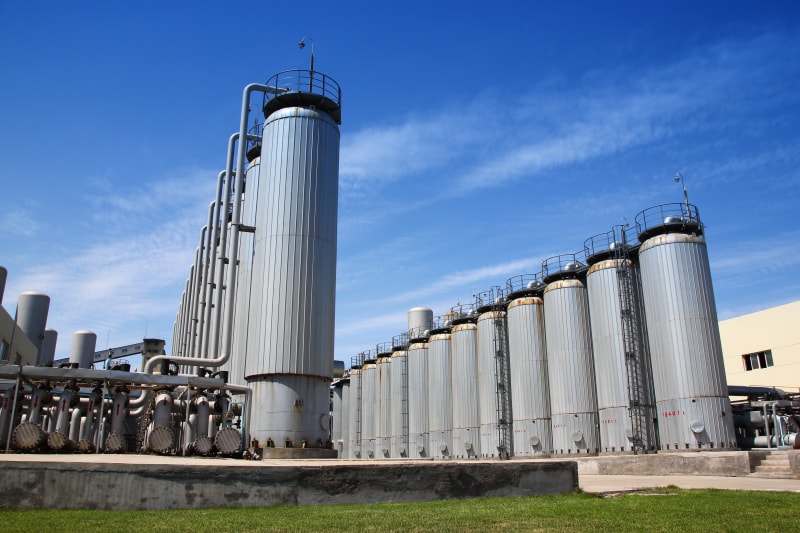
Pressure swing adsorption is the dominant technology for many industrial hydrogen purification duties because it is continuous, scalable, flexible, and able to reach very high purity without cryogenic temperatures. A PSA system usually contains multiple adsorber vessels operating in staggered cycles. While one vessel adsorbs impurities and produces hydrogen, another depressurizes, another purges, and another repressurizes. This sequence allows continuous product delivery.
The adsorbent bed is the heart of the PSA unit. Its role begins as soon as feed gas enters the vessel. In a typical hydrogen-rich stream from steam methane reforming, the feed may contain hydrogen, carbon dioxide, carbon monoxide, methane, nitrogen, water vapor, and trace impurities. The inlet layer removes water and heavy compounds. Deeper layers capture carbon dioxide, methane, carbon monoxide, and nitrogen. High-purity hydrogen exits the bed before the impurity front reaches the outlet.
Cycle design is inseparable from adsorbent design. Important steps may include adsorption, pressure equalization, co-current depressurization, counter-current depressurization, purge, and repressurization. Pressure equalization improves hydrogen recovery by transferring gas from a high-pressure bed to a low-pressure bed. Purge gas cleans the bed by desorbing impurities. The cycle must be tuned so that each adsorbent layer regenerates sufficiently without wasting too much hydrogen.
Feed pressure has major influence. Higher pressure generally increases adsorption capacity and productivity, but compression cost may rise. For refinery off-gas or reformer hydrogen, feed pressure may already be suitable. For low-pressure by-product gas, compression may be required. Temperature also matters. Adsorption is usually stronger at lower temperatures, but practical operation must avoid condensation and maintain stable process control.
PSA hydrogen purification systems are used at different scales. Small systems may serve heat treatment, glass, laboratory, or fuel cell demonstration projects. Medium units may recover hydrogen from chlor-alkali plants, methanol cracking, ammonia purge gas, or silicon production. Large units may be integrated into refineries, petrochemical complexes, coal chemical plants, and steel off-gas utilization facilities. In each case, the adsorbent must match the application.
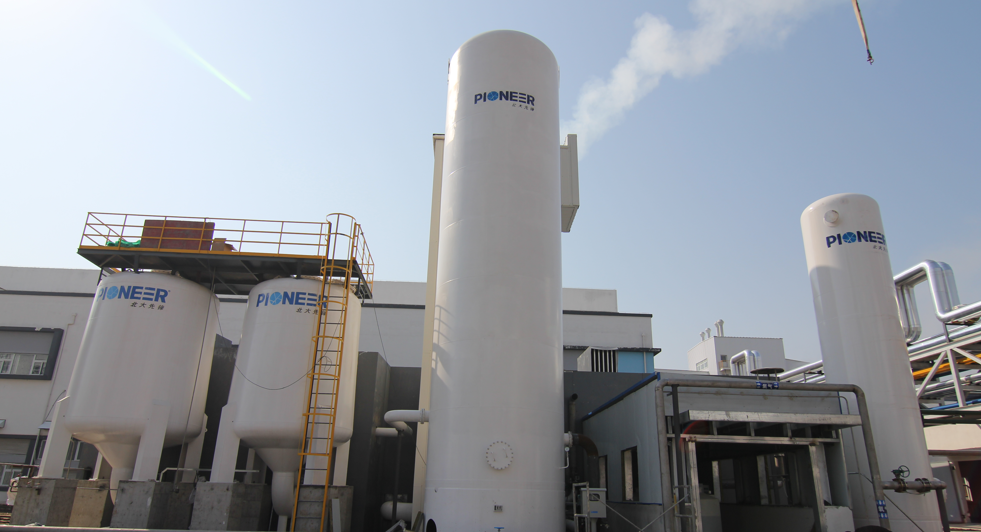
PKU Pioneer has long experience in PSA and VPSA gas separation, including hydrogen recovery, carbon monoxide purification, oxygen generation, and industrial by-product gas utilization. The company’s technology capabilities include in-house process development, simulation, pilot testing, proprietary adsorbent and catalyst development, and integrated engineering. Its project background in large industrial gas separation gives clients a practical path from feed gas analysis to commercial operation. Readers can explore broader gas separation capabilities through the PKU Pioneer company overview.
| PSA Step | Main Function | Adsorbent Requirement | Operational Risk if Poorly Designed |
|---|---|---|---|
| Adsorption | Impurities are captured under high pressure | High selectivity and fast mass transfer | Early breakthrough and off-spec hydrogen |
| Pressure equalization | Recovers hydrogen-rich void gas | Stable bed structure under flow reversal | Lower recovery and pressure shock |
| Depressurization | Releases adsorbed impurities | Good desorption characteristics | Incomplete regeneration |
| Purge | Cleans the bed using product or intermediate gas | Low residual impurity loading | Purity drift over time |
| Repressurization | Returns the bed to adsorption pressure | Mechanical strength and low attrition | Dust formation and channeling |
| Cycle switching | Coordinates valves and vessels continuously | Consistent particle size and pressure drop | Flow imbalance and unstable product purity |
This PSA operation table explains why hydrogen purification adsorbents must be evaluated inside the complete process. Good adsorbents become truly valuable only when installed in a reliable pressure vessel design with accurate valves, advanced control logic, and suitable pretreatment.
Industrial Applications and Purity Requirements
Hydrogen is used across refining, chemicals, metallurgy, electronics, energy storage, food processing, and mobility. Each application has different purity and impurity tolerance. For hydroprocessing in refineries, hydrogen purity affects catalyst activity, sulfur removal, nitrogen removal, and product quality. For ammonia synthesis, nitrogen and hydrogen ratios must be controlled, while inert gas buildup must be managed. For fuel cells, carbon monoxide and sulfur compounds must be extremely low because they poison catalysts. For electronics, moisture, oxygen, hydrocarbons, and particles may be tightly limited.
Refineries remain one of the largest users of purified hydrogen. Hydrocracking, hydrotreating, desulfurization, and renewable diesel production all require reliable hydrogen. In refining hubs such as Houston, Corpus Christi, Rotterdam, Antwerp, Singapore, Jamnagar, Yanbu, and Ulsan, PSA hydrogen units are often connected to steam methane reformers, catalytic reformer off-gas, or refinery fuel gas networks. Adsorbent performance has direct impact on hydrogen balance and carbon intensity.
Chemical production is another major market. Methanol plants, ammonia plants, formaldehyde units, hydrogen peroxide production, oxo alcohols, and synthetic fuels all require hydrogen or hydrogen-rich feed. In coal chemical regions and integrated industrial parks, PSA can recover hydrogen from coke oven gas, methanol tail gas, calcium carbide furnace gas, or other mixed streams. In these applications, feed composition may be more complex than standard refinery gas, so custom adsorbent design is essential.
Steel and metallurgical industries increasingly view hydrogen as a decarbonization tool. Direct reduced iron, hydrogen-rich blast furnace injection, annealing atmospheres, and off-gas recovery all create demand for purification. Industrial clusters near ports such as Hamburg, Port Hedland, Qingdao, Busan, and Nagoya are studying hydrogen logistics and low-carbon steel routes. Hydrogen purification adsorbents support this transition by upgrading recovered or imported hydrogen streams.
Fuel cell and hydrogen mobility applications demand very high quality. International standards for fuel cell vehicles place strict limits on carbon monoxide, sulfur compounds, ammonia, formaldehyde, formic acid, water, oxygen, nitrogen, and hydrocarbons. PSA may be combined with deoxo catalysts, dryers, membranes, or palladium purification depending on feed source and final specification. For hydrogen refueling stations in California, Germany, Japan, South Korea, and China’s Yangtze River Delta, adsorbent selection must consider both purity and dynamic operation.
| Industry | Common Hydrogen Source | Typical Purity Need | Critical Impurities | Adsorbent Focus |
|---|---|---|---|---|
| Refining | SMR, reformer off-gas, refinery off-gas | 99% to 99.9%+ | CO, CO2, CH4, N2, sulfur | High recovery and sulfur protection |
| Ammonia and methanol | Synthesis gas and purge gas | Process-specific, often high | CO, CO2, CH4, N2, water | Stable cyclic removal of inerts |
| Chlor-alkali | By-product hydrogen | 99.9% to 99.999% | O2, Cl2 traces, water | Drying and trace contaminant removal |
| Electronics | Generated or delivered hydrogen | Ultra-high purity | Moisture, oxygen, hydrocarbons, particles | Polishing and contamination control |
| Fuel cells | SMR, methanol, electrolysis, by-product gas | Often 99.97%+ with strict trace limits | CO, sulfur, ammonia, formaldehyde | Special guard and polishing layers |
| Steel and metallurgy | Coke oven gas, purchased H2, reformer gas | Application dependent | CO, CO2, CH4, tar, sulfur, water | Robust pretreatment and layered PSA beds |
The demand chart below compares major industry segments. It reflects typical global project activity, with refining and chemicals still dominant, while hydrogen mobility and low-carbon steel show faster growth from a smaller base.
Comparison with Alternative Purification Technologies
Hydrogen can be purified by several technologies, including PSA, membranes, cryogenic separation, palladium alloy purification, chemical absorption, catalytic purification, and hybrid systems. Each technology has strengths. PSA is often preferred for medium to large industrial flows and high hydrogen purity. Membranes are compact and useful for bulk recovery, especially when moderate purity is acceptable. Cryogenic processes can be suitable for large-scale separation involving liquefaction or recovery of multiple components. Palladium purifiers can deliver extremely high purity but are usually expensive and limited in capacity.
PSA is attractive because it can handle a wide range of feed compositions and produce high-purity hydrogen without extreme temperatures. It is also modular and can be automated. The main trade-off is that higher purity may reduce recovery, and the system requires multiple valves and vessels. Adsorbent replacement is a planned maintenance item, but with good design, service life can be long and predictable.
Membrane separation uses selective permeation. Hydrogen passes through the membrane faster than larger or less permeable gases. Membranes are simple and have no adsorbent beds, but product purity may be limited unless multiple stages are used. Membranes are often used before PSA to enrich hydrogen and reduce PSA load. This hybrid approach can improve economics for difficult feed gases.
Cryogenic purification relies on differences in boiling points and phase behavior. It is powerful for very large flows and recovery of valuable co-products, but it requires refrigeration, high capital cost, and careful control. For many hydrogen purification projects, cryogenic technology is less flexible than PSA.
Palladium membrane purification allows hydrogen atoms to dissolve and diffuse through palladium alloy, generating ultra-high-purity hydrogen. It is valuable for specialty gas, semiconductor, laboratory, and certain fuel cell uses. However, it is sensitive to sulfur and other poisons, and the cost is high. Many industrial users therefore choose PSA for bulk purification and add polishing only when required.
| Technology | Best Fit | Purity Potential | Typical Advantage | Typical Limitation |
|---|---|---|---|---|
| PSA | Industrial hydrogen recovery and purification | 99% to 99.999%+ | High purity, mature, scalable | Requires adsorbent beds and cycle valves |
| Membrane | Bulk enrichment and compact recovery | Moderate to high with stages | Simple equipment and continuous operation | Purity and recovery trade-off |
| Cryogenic | Very large flows and co-product recovery | High depending on scheme | Can separate multiple components | High capital and refrigeration demand |
| Palladium purifier | Ultra-high-purity specialty hydrogen | Very high | Exceptional purity | High cost and poison sensitivity |
| Catalytic deoxo plus dryer | Oxygen and moisture polishing | High for specific impurities | Effective for O2 removal | Does not remove all gases |
| Hybrid membrane-PSA | Difficult or low-H2 feeds | High | Can improve recovery and economics | More complex integration |
For many global buyers, the best technology decision is not “PSA versus membrane” but “what combination produces the required hydrogen at the lowest life-cycle cost?” A front-end feasibility study should compare feed compression, product pressure, hydrogen recovery, utility costs, adsorbent life, maintenance, and future expansion.
Recent Advances and Next-Generation Adsorbent Materials
The hydrogen purification adsorbent market is entering a new phase. Decarbonization policy, carbon border measures, green hydrogen incentives, refinery modernization, and circular use of industrial by-product gases are pushing suppliers to improve performance. By 2026 and beyond, buyers will increasingly expect adsorbents that deliver higher productivity, lower purge loss, longer life, better contaminant resistance, and stronger sustainability credentials.
One major trend is tailored pore engineering. Instead of using generic adsorbents, manufacturers are modifying pore size, cation type, surface chemistry, and binder systems to target specific impurity mixtures. For example, a PSA system treating ammonia purge gas may need strong nitrogen and methane management, while a system upgrading coke oven gas must handle hydrocarbons, CO, CO2, moisture, and sulfur. Tailored adsorbents improve working capacity and reduce unnecessary hydrogen adsorption.
Another trend is advanced layered-bed design. Modern PSA systems use simulation tools and pilot testing to determine exact layer ratios. The objective is to use each adsorbent where it performs best. This can reduce bed volume, improve recovery, and stabilize product quality under feed fluctuations. Digital twins and online analyzers are also being used to predict breakthrough behavior and optimize cycle timing.
Metal-organic frameworks, or MOFs, are an important research direction. MOFs offer extremely high surface area and tunable pore structures. Some show promising selectivity for CO2, CO, methane, or nitrogen. However, industrial adoption requires proof of stability, pelletization, cost control, moisture resistance, and long-term cyclic durability. For now, zeolites, activated carbon, alumina, silica gel, and metal oxides remain the industrial backbone, but next-generation materials may enter specialty or hybrid systems.
Carbon molecular sieves and advanced activated carbons are also improving. Better control of micropores and mesopores can enhance kinetic separation and hydrocarbon capture. Binderless or low-binder adsorbents may increase effective capacity. Spherical particles and optimized extrudates can reduce pressure drop and attrition.
Sustainability is becoming a buying criterion. Customers increasingly ask about adsorbent production energy, replacement frequency, waste handling, regeneration performance, and contribution to carbon reduction. A PSA unit that recovers hydrogen from waste gas can reduce fuel consumption and emissions. If the adsorbent lasts longer and supports higher recovery, it improves both economics and environmental performance.
The following area chart illustrates the expected shift in adsorbent development emphasis from standard commodity materials toward customized, high-performance, and sustainability-oriented materials.
Policy trends through 2026 also influence adsorbent demand. The European Union’s hydrogen strategy, U.S. clean hydrogen incentives, Japan and South Korea’s hydrogen roadmaps, Middle East low-carbon ammonia projects, and China’s industrial decarbonization programs all encourage hydrogen production, recovery, transport, and utilization. Ports such as Rotterdam, Hamburg, Singapore, Houston, Dalian, and Jebel Ali are becoming important hydrogen logistics and trading hubs. These developments create opportunities for PSA hydrogen purification in import terminals, ammonia cracking facilities, refinery integration, and industrial clusters.
Our Company
PKU Pioneer, formally Beijing Peking University Pioneer Technology Corporation Ltd., is a high-tech enterprise specializing in VPSA and PSA gas separation technologies. Founded in 1999 with roots in the College of Chemistry and Molecular Engineering at Peking University, the company has built deep experience in industrial oxygen generation, high-purity carbon monoxide recovery, hydrogen purification, and the utilization of industrial by-product gases. For global clients, PKU Pioneer provides EPC/turnkey and customer-owned plant solutions. The company does not position these projects as BOO or on-site bulk supply services; instead, it supports owners who want reliable, cost-effective, and flexible gas production assets under their own plant framework.
Technological capabilities are central to the company’s value. PKU Pioneer combines process development, proprietary adsorbent and catalyst manufacturing, engineering design, equipment integration, and commissioning experience. Its self-developed adsorbents, including advanced molecular sieve products such as PU-8 for oxygen applications and other specialized gas separation materials, reflect a long-term commitment to core material science. In hydrogen purification, this integrated capability helps match adsorbent selection with PSA cycle design, feed gas characteristics, and product purity requirements.
Manufacturing capabilities support reliable project execution. PKU Pioneer operates with an integrated model covering adsorbent production, equipment fabrication, skid and module integration, control system configuration, and complete plant delivery. This is important for international customers because gas separation performance depends on both material quality and equipment precision. Adsorber vessel internals, valves, piping, instruments, analyzers, and control logic must work together. The company’s experience across hundreds of industrial projects helps reduce interface risk and accelerate implementation.
Service capabilities extend from early consultation to after-sales support. PKU Pioneer can provide feasibility assessment, feed gas review, pilot-scale testing, customized proposals, EPC/turnkey delivery, start-up support, operator training, operation and maintenance assistance, system retrofits, performance upgrades, equipment leasing options, and professional consulting. For global customers, responsive communication is essential, especially when projects are located in steel mills, chemical parks, refineries, glass plants, or energy facilities far from the original engineering center.
The company has completed more than 400 industrial projects in over 20 countries and has served many leading steel enterprises. Its broader achievements include large VPSA oxygen systems, PSA carbon monoxide plants, by-product gas utilization projects, and international oxygen plant deployments. These references show practical capability in difficult industrial environments where feed composition, reliability, and cost control matter. For readers interested in representative projects, the world-class innovative projects by PKU Pioneer page provides useful context.
One important lesson from the company’s project history is that valuable gas can often be recovered from streams once treated as waste. Blast furnace gas, converter gas, coke oven gas, calcium carbide furnace gas, and chemical tail gases may contain recoverable components such as hydrogen or carbon monoxide. PSA technology and specialized adsorbents can transform these streams into fuel, synthesis gas, or chemical feedstock. This supports both economic return and environmental improvement.
Although this article focuses on hydrogen purification adsorbents, many buyers also evaluate oxygen and carbon monoxide systems as part of broader industrial gas strategies. PKU Pioneer’s VPSA technology platform, VPSA oxygen plant solutions, and PSA oxygen generator systems demonstrate the company’s wider gas separation engineering foundation. This wider experience matters because many industrial complexes need multiple gases and integrated utilities rather than isolated equipment.
When selecting a supplier, global buyers should compare technology ownership, adsorbent manufacturing depth, project references, customization ability, EPC/turnkey execution, customer-owned plant support, after-sales response, certification, and long-term upgrade capability. The following comparison chart provides a simplified decision framework.
Buying advice for the global market should be practical. First, define the hydrogen product specification clearly, including trace impurity limits. Second, provide a complete feed gas analysis over normal, minimum, maximum, and upset conditions. Third, evaluate hydrogen recovery and life-cycle economics, not just capital cost. Fourth, request references for similar feed gases. Fifth, confirm whether the supplier controls both adsorbent and PSA process design. Sixth, discuss replacement intervals, loading procedures, safety, disposal, and future debottlenecking.
Local supplier ecosystems vary by region. In North America, buyers often work through engineering contractors in Houston, Calgary, Chicago, and Los Angeles. In Europe, projects may involve engineering teams around Rotterdam, Antwerp, Milan, Frankfurt, and Paris. In the Middle East, procurement may be coordinated from Jubail, Abu Dhabi, Doha, or Dubai. In Asia, major decision hubs include Beijing, Shanghai, Seoul, Tokyo, Singapore, Mumbai, and Jakarta. A good technology partner should be able to communicate with local EPC contractors, plant owners, inspection agencies, and logistics providers while maintaining control over core process guarantees.
FAQ
1. What is the main purpose of a hydrogen purification adsorbent?
Its main purpose is to selectively remove impurities from hydrogen-rich gas. In PSA systems, the adsorbent captures gases such as CO, CO2, CH4, N2, water vapor, hydrocarbons, sulfur compounds, or oxygen while hydrogen passes through as product gas.
2. Which adsorbent is best for hydrogen purification?
There is no universal best adsorbent. Molecular sieves are strong for selective removal of small gas impurities, activated carbon is effective for hydrocarbons and many organics, alumina and silica gel are useful for water, and metal oxides target special contaminants. Most industrial PSA systems use a layered combination.
3. Can PSA hydrogen purification reach fuel cell quality?
PSA can produce very high-purity hydrogen, but fuel cell quality may require additional polishing depending on feed gas and trace impurity limits. CO, sulfur, ammonia, oxygen, and moisture control must be carefully evaluated.
4. How long does a hydrogen purification adsorbent last?
Service life depends on feed cleanliness, operating stability, pressure cycling, moisture, sulfur, oil, dust, and regeneration quality. With good pretreatment and correct operation, adsorbent beds can operate for years before replacement is needed.
5. What causes premature adsorbent failure?
Common causes include liquid water carryover, oil mist, tar, sulfur poisoning, particulate contamination, excessive temperature, pressure shock, poor loading, and incorrect cycle settings. Proper front-end treatment and commissioning reduce these risks.
6. Is PSA better than membrane hydrogen purification?
PSA is usually better for high-purity industrial hydrogen, while membranes are often attractive for compact bulk enrichment. In some projects, a membrane plus PSA hybrid gives the best balance of recovery, purity, and cost.
7. What information should I provide before requesting a quotation?
You should provide feed gas composition, flow rate, pressure, temperature, moisture content, impurity ranges, product purity target, product pressure, required recovery, site conditions, operating hours, and any applicable standards.
8. Why does hydrogen recovery matter?
Hydrogen recovery affects operating cost and emissions. Higher recovery means less hydrogen is lost in tail gas, reducing the need for additional hydrogen production or purchase. However, recovery must be balanced with purity and equipment cost.
9. Are hydrogen purification adsorbents hazardous?
Most fresh adsorbents are stable industrial materials, but used adsorbents may contain captured hydrocarbons, sulfur compounds, or other contaminants. Handling, unloading, and disposal should follow site safety procedures and local regulations.
10. Does PKU Pioneer supply only adsorbents or complete systems?
PKU Pioneer provides integrated PSA and VPSA gas separation solutions, including proprietary adsorbents, engineering design, equipment manufacturing, EPC/turnkey delivery, and customer-owned plant solutions. The company does not provide BOO or on-site bulk supply services as its project model.
11. How does a buyer compare hydrogen purification adsorbent suppliers?
Compare proven references, process guarantees, adsorbent manufacturing capability, pilot testing, customization, mechanical strength, cyclic performance, impurity tolerance, after-sales service, and total cost of ownership. A supplier with both material and process expertise can reduce technical risk.
12. What are the most important 2026 trends?
Key trends include higher hydrogen recovery, lower carbon intensity, customized adsorbent layers, digital PSA optimization, hybrid membrane-PSA systems, fuel cell hydrogen polishing, industrial by-product gas recovery, and stronger sustainability requirements from global customers.
Hydrogen purification adsorbents are essential materials for the global hydrogen economy. They enable refineries, chemical plants, steel producers, energy companies, and mobility projects to recover and upgrade hydrogen efficiently. The best purchasing decision combines material science, PSA process design, industrial experience, and long-term service support. For owners planning hydrogen recovery or purification projects, early technical discussion with an integrated supplier can reduce risk and improve project economics.

About the Author
Founded in 1999, PKU Pioneer specializes in VPSA and PSA gas separation technologies, adsorbents, catalysts, and integrated engineering solutions. Backed by strong R&D capability and extensive industrial project experience, the company serves global customers across steel, chemical, energy, environmental protection, and related industries.
Share