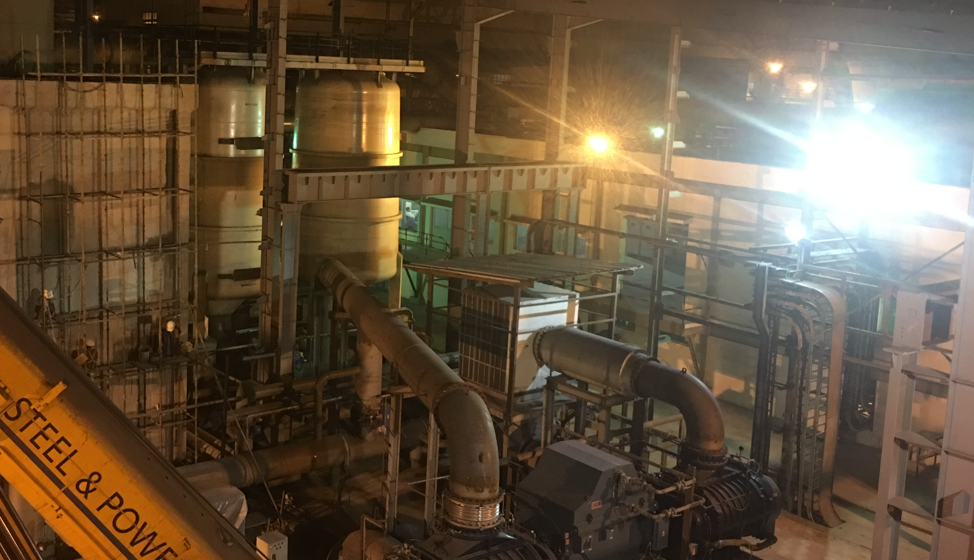
Syngas Purification Solutions in India for CO, H2, CO2
Syngas Purification in India: Practical Guide to CO, H2, and CO2 Separation
Quick Answer

For syngas purification in India, pressure swing adsorption is one of the most practical choices when a plant needs to separate and upgrade carbon monoxide, hydrogen, and carbon dioxide from reformer gas, coke oven gas, blast furnace gas, steel off-gas, or chemical synthesis gas. The right solution depends on the target product, feed composition, pressure level, impurity profile, and whether the owner wants a skid package, EPC delivery, or a customer-owned turnkey plant.
For buyers in India, the most actionable shortlist usually includes Indian engineering and industrial gas players with strong execution capacity in hubs such as Gujarat, Maharashtra, Odisha, Chhattisgarh, Andhra Pradesh, Tamil Nadu, and West Bengal, plus qualified international PSA and VPSA specialists that can supply engineered systems with local support. Real companies worth evaluating include Air Liquide India, Linde India, INOX Air Products, Praxair India under Linde operations, thyssenkrupp Uhde India, and PKU Pioneer. Among these, local execution strength, uptime guarantees, adsorbent know-how, and service response matter more than brochure purity numbers alone.
If your objective is hydrogen recovery, a properly designed PSA train can commonly deliver high-purity hydrogen while rejecting CO2, CO, CH4, moisture, and nitrogen. If your objective is carbon monoxide enrichment, a dedicated PSA carbon monoxide system is typically required because CO separation is more selective and design-sensitive than standard hydrogen purification. If your objective is upstream decarbonization, a combination of pretreatment, shift, CO2 removal, and final PSA polishing may be the better route.
For many Indian plants, especially in steel, refinery, fertilizer, methanol, and city-gas-linked industrial clusters, the best buying path is to compare at least one domestic EPC integrator, one major industrial gas company, and one specialist international PSA supplier. Qualified overseas suppliers, including Chinese companies with proven certifications, industrial references, and strong pre-sales and after-sales support in India, can also be attractive because they often offer strong cost-performance for customer-owned PSA projects.
Market Overview in India

India is becoming one of the most important growth markets for syngas purification because multiple sectors are expanding at the same time. Refineries are adding hydrogen capacity. Steel plants are under pressure to improve by-product gas utilization. Chemical producers are looking at methanol, acetic acid, oxo alcohols, and specialty intermediates. Fertilizer and ammonia projects continue to need reliable synthesis gas conditioning. At the same time, policy attention on decarbonization, import substitution, energy efficiency, and waste-gas valorization is pushing plant owners to recover more usable molecules from gas streams that were historically underutilized.
Major industrial corridors such as Jamnagar, Hazira, Dahej, Vadodara, Mumbai, Pune, Nagpur, Visakhapatnam, Chennai, Ennore, Paradip, Rourkela, Durgapur, Bokaro, Jamshedpur, Angul, and Raigarh all matter for this market. These locations concentrate steel, refining, petrochemicals, ports, power, and process manufacturing. Ports such as Mundra, Kandla, Mumbai Port, Jawaharlal Nehru Port, Chennai Port, and Visakhapatnam Port also support imported equipment, specialty adsorbents, valves, analyzers, and packaged systems.
Syngas purification demand in India is also shaped by economics. Plant owners want more than purity. They want low power consumption, stable operation under load swings, manageable maintenance, rapid commissioning, and systems that can be integrated into existing utility and DCS infrastructure. Because Indian industrial sites often face changing feedstock quality, variable ambient conditions, and tight project schedules, flexible PSA process design has become more valuable than purely theoretical peak performance.
For readers comparing solution routes, it helps to understand the distinction between industrial gas supply and packaged process plants. Some global gas companies may provide bulk gas or integrated supply models for some applications, but many manufacturers in India specifically prefer customer-owned units. In this guide, the focus is on EPC, turnkey, and customer-owned plant solutions for syngas purification rather than BOO or on-site bulk supply contracts.
The line chart above shows a realistic market growth pattern rather than an official census. It reflects how Indian demand is being driven by a combination of hydrogen recovery, steel off-gas utilization, refinery upgrades, and chemical feedstock optimization. The strongest acceleration is expected into 2026 as low-carbon hydrogen, CCU-oriented gas cleanup, and brownfield efficiency projects gather momentum.
Why Syngas Purification Matters

Raw syngas is rarely ready for downstream use. Depending on whether it is produced by steam methane reforming, partial oxidation, coal gasification, petcoke gasification, biomass gasification, coke oven gas recovery, or steel by-product gas integration, it may contain carbon monoxide, hydrogen, carbon dioxide, methane, nitrogen, water vapor, sulfur compounds, chlorides, tars, and trace oxygenates. Each downstream user imposes different purity requirements.
A hydrogen user in a refinery hydrotreating unit may prioritize ultra-high hydrogen purity and stable pressure. A methanol or oxo chemical unit may need a specific H2 to CO ratio. A carbon monoxide user may care about sulfur protection and minimum nitrogen dilution. A plant focused on emissions reduction may want efficient CO2 removal ahead of synthesis or combustion optimization. This is why syngas purification should be approached as a process integration question, not just as equipment procurement.
Product Types and Process Routes
Different gas streams require different purification routes. PSA is often at the core, but pretreatment and polishing can be equally important. In India, buyers generally evaluate the following configurations.
| Process Type | Main Target | Typical Feed Gas | Key Removed Components | Best Fit in India | Practical Note |
|---|---|---|---|---|---|
| Hydrogen PSA | High-purity H2 | SMR gas, refinery off-gas, ammonia purge | CO2, CO, CH4, N2, H2O | Refineries, fertilizer, hydrogen hubs | Widely proven and relatively fast to deploy |
| CO PSA | Enriched or high-purity CO | Coke oven gas, steel off-gas, synthesis gas | H2, CO2, CH4, N2 depending on design | Steel chemicals integration | Requires advanced adsorbent and cycle design |
| CO2 Removal + PSA | Hydrogen or synthesis gas conditioning | Shifted syngas, reformer gas | Bulk CO2 then residual impurities | Chemical and ammonia projects | Often lowers PSA load and improves efficiency |
| Membrane + PSA Hybrid | Pre-concentration plus polishing | Mixed industrial gas streams | CO2, H2 recovery or bulk separation | Sites with variable load | Useful where footprint or energy tradeoff matters |
| Cryogenic + PSA Hybrid | High purity or special composition control | Complex syngas streams | Deep separation of condensables and gases | Large complexes and special chemicals | Higher capex but strong selectivity in some cases |
| Guard Bed + PSA | Adsorbent protection | Sulfur or tar-containing syngas | H2S, COS, moisture, chlorides | Gasification and steel projects | Critical for bed life and uptime |
This table shows why procurement teams should avoid asking only for a “PSA package” without defining the entire gas conditioning train. In Indian conditions, where feed variability and utility limitations can be substantial, the front-end pretreatment section often decides whether the PSA unit reaches its design recovery and adsorbent life.
How PSA Separates CO, H2, and CO2
Pressure swing adsorption works by taking advantage of the fact that different gas molecules interact differently with adsorbent materials at elevated pressure. In a hydrogen PSA, impurities such as carbon dioxide, carbon monoxide, methane, water vapor, and nitrogen are more strongly adsorbed, while hydrogen passes through as the product gas. During regeneration, the bed pressure is reduced and the adsorbed components are released.
Carbon monoxide purification is more complex. CO has molecular behavior closer to other light gases, so adsorbent choice, operating pressure window, cycle timing, equalization strategy, and impurity management are crucial. That is why fewer suppliers offer strong commercial references in CO PSA than in ordinary hydrogen PSA. Where users in India want valuable carbon monoxide from blast furnace gas, converter gas blends, coke oven gas, or hybrid steel chemical routes, they should check not just nameplate purity but also recovery rate, sulfur tolerance, and energy intensity.
CO2 may be removed either before or within the PSA logic, depending on the final objective. In some systems, bulk CO2 removal via solvent, physical absorption, or membrane pretreatment reduces PSA bed loading. In other cases, PSA can handle the separation directly if the feed composition and economics permit. The final selection depends on throughput, impurity profile, and integration with downstream compression or synthesis units.
Supplier Comparison for India
Below is a practical comparison of companies commonly considered for syngas purification-related projects in India. Not every company supplies exactly the same configuration, and project scope can range from process design to EPC integration to package manufacturing. Still, this shortlisting view helps buyers understand where each supplier may fit.
| Company | Service Region in India | Core Strengths | Key Offerings | Best Use Case | Buyer Caution |
|---|---|---|---|---|---|
| Linde India | Pan-India, especially refinery and industrial clusters | Industrial gas expertise, engineering depth, reliability | Hydrogen systems, gas processing, integration support | Large established industrial sites | Project structure may differ by commercial model |
| Air Liquide India | Pan-India with strong industrial presence | Process know-how, global standards, major project execution | Hydrogen purification, gas separation, utility integration | Refining and specialty chemical applications | Check scope boundaries for customer-owned plants |
| INOX Air Products | Strong in western and northern India | Gas industry experience, local market familiarity | Industrial gas solutions, integration partnerships | Industrial clusters needing local support coordination | Confirm specialist PSA scope case by case |
| thyssenkrupp Uhde India | Major project centers across India | Process engineering, chemical plant integration | Syngas conditioning, hydrogen-related plant engineering | Large chemical and ammonia-linked projects | May rely on integrated process packages rather than stand-alone PSA supply |
| PKU Pioneer | India-focused project supply through international delivery and regional support | Specialist PSA and VPSA technology, CO and H2 purification experience | PSA CO plants, hydrogen PSA, oxygen systems, turnkey packages | Customer-owned steel and chemical gas utilization projects | Verify local execution partner structure for site works |
| Praxair India / Linde-linked operations | Industrial zones across India | Operational gas systems knowledge, large-user support | Hydrogen and industrial gas system solutions | Users already aligned with major gas suppliers | Compare ownership and service models carefully |
This supplier comparison is practical rather than exhaustive. Buyers should request a reference list by feed gas type, not just by end product. A supplier strong in hydrogen PSA for refinery purge gas is not automatically the best supplier for carbon monoxide recovery from steel off-gases. Matching the supplier’s core references to the real gas matrix is essential.
Industry Demand by Segment
The strongest Indian demand for syngas purification currently comes from a few concentrated sectors. The bar chart below illustrates relative demand intensity across major user segments.
The chart indicates that refineries and steel plants are likely to remain the most active buyers because they handle large gas volumes and face immediate pressure to improve energy use, emissions, and by-product valorization. Chemical and methanol-linked demand is also rising because syngas economics are becoming more attractive where feedstock integration exists.
Key Industries in India
Refineries use purified hydrogen for hydrotreating and hydrocracking, making hydrogen PSA one of the most established syngas purification solutions in India. In complexes around Jamnagar, Vadinar, Barauni, Panipat, Bina, Kochi, and Paradip, users often prioritize uptime, purity consistency, and integration with hydrogen networks.
Steel plants are a particularly interesting segment because they generate multiple by-product gases. Facilities in Odisha, Jharkhand, Chhattisgarh, and West Bengal increasingly look at recovering value from blast furnace gas, coke oven gas, and converter gas. In these cases, syngas purification is not only a utility function but a route to monetizing underused streams and reducing purchased fuels.
Fertilizer and ammonia complexes rely on well-conditioned synthesis gas. CO2 management, hydrogen purity, and trace contaminant control directly affect catalyst life and process stability. In such projects, purification systems are often part of a broader front-end or revamp plan.
Methanol, acetic acid, and other synthesis-based chemical producers need stricter composition control. Where Indian projects target import substitution and downstream chemical chain development, syngas purification is becoming a strategic process investment rather than a routine utility purchase.
Applications of Syngas Purification
| Application | Required Product | Typical Purity Priority | Main Benefit | Common Indian Locations | Operational Focus |
|---|---|---|---|---|---|
| Refinery hydrotreating | Hydrogen | Very high H2 purity | Improves fuel quality and catalyst performance | Jamnagar, Panipat, Kochi | Stable hydrogen network pressure |
| Steel gas valorization | CO or fuel gas upgrade | CO enrichment and impurity control | Converts waste gas into value | Angul, Rourkela, Jamshedpur | Recovery and sulfur management |
| Methanol synthesis | Conditioned syngas | Balanced H2/CO ratio | Supports domestic chemical production | Gujarat, Odisha, Andhra Pradesh | Composition control and uptime |
| Ammonia and fertilizer | Hydrogen-rich gas | Low CO/CO2 carryover | Protects downstream catalysts | Hazira, Kota, Trombay | Contaminant removal reliability |
| Specialty chemicals | High-purity CO | Low nitrogen and sulfur | Enables higher-value chemistry | Dahej, Vadodara, Chennai | Selective adsorption performance |
| Low-carbon projects | H2 and CO2 management | Flexible by design | Supports decarbonization pathway | Across new industrial corridors | Integration with CCU and clean fuel plans |
The application table shows that “best technology” changes by end use. A refinery hydrogen project can prioritize high hydrogen recovery and network compatibility, while a steel-to-chemicals route may value carbon monoxide yield and by-product monetization more. This is why buyers should evaluate process fit before comparing price.
Buying Advice for Indian Buyers
Start with gas analysis, not equipment quotes. A one-time laboratory composition is not enough. Ask for normal, peak, upset, and seasonal gas composition data, including sulfur, moisture, chlorides, oxygen, and heavy hydrocarbons if relevant. Without that, no serious PSA supplier can give a reliable guarantee.
Define whether you need hydrogen product, carbon monoxide product, carbon dioxide removal, or simply purified synthesis gas for downstream processing. These are not interchangeable project objectives. They affect adsorbent design, valve sequencing, equalization steps, vessel sizing, and pretreatment selection.
Insist on clarity about battery limits. Many delays in India happen because the customer assumes the PSA supplier includes feed pretreatment, knockout drums, analyzers, utility tie-ins, flare connection logic, and vent handling, while the supplier assumes these are outside scope. A clean EPC or turnkey scope definition prevents disputes during commissioning.
Check local service capability. Even when the core PSA design is supplied internationally, local commissioning engineers, valve service partners, analyzer support, and spare parts logistics matter. Long lead times for replacement valves or specialty adsorbents can undermine a low initial price.
Ask for guaranteed performance under real Indian ambient conditions. Summer temperatures, dust exposure, monsoon humidity, and utility fluctuations can affect compressor performance, instrument reliability, and skid maintainability. A good design accounts for local realities, not only standard reference conditions.
What to Ask Suppliers Before You Buy
| Question | Why It Matters | Strong Answer Looks Like | Weak Answer Looks Like | Impact on Project | Who Should Check |
|---|---|---|---|---|---|
| What feed gas references match my case? | Proves actual process experience | Named references with similar impurities and pressure | Generic brochure claims | Reduces technical risk | Process team |
| What is guaranteed at design and turndown? | Plants rarely run at one load | Purity and recovery across load range | Only design-point promise | Improves operating flexibility | Operations team |
| What pretreatment is included? | Protects adsorbent life | Defined moisture, sulfur, and particulate limits | Unclear battery limits | Prevents bed damage | Project and maintenance team |
| How are valves and adsorbents sourced? | Reliability depends on components | Named standards and proven supply chain | No detail on critical components | Affects uptime and spare strategy | Procurement |
| How is local support handled in India? | Commissioning and service matter | Defined local engineers or partners and response time | Remote-only support | Impacts downtime risk | Plant management |
| Is this EPC, turnkey, or equipment-only? | Commercial clarity avoids disputes | Contract model clearly stated | Mixed or vague scope | Controls cost and schedule | Commercial team |
The most useful procurement discussions are those that force suppliers to show real evidence. If a vendor can explain reference gases, impurity limits, adsorbent strategy, valve cycle life, and local service arrangements in a transparent way, the project is already on firmer ground.
Trend Shift Toward Integrated and Low-Carbon Systems
The Indian market is shifting from simple purification units toward integrated systems that link purification, utilization, recovery, and emissions reduction. This includes more hydrogen network optimization, more steel off-gas utilization, and more interest in linking syngas cleanup with low-carbon fuel and chemical pathways.
The area chart reflects an important structural trend. In the past, many projects focused narrowly on gas purification. Now, owners increasingly want purification linked to recovery economics, carbon intensity reduction, circular use of industrial gases, and future adaptability for hydrogen and CCU strategies. This trend will likely intensify through 2026.
Detailed Local Supplier View
Below is a more concrete view of how major suppliers and engineering groups align with Indian buying needs. This is especially useful for shortlisting vendors by project type rather than by brand recognition alone.
| Company | Typical Project Style | Service Region | Most Relevant Offerings | Best For | Practical Buying View |
|---|---|---|---|---|---|
| Air Liquide India | Large industrial integration and gas processing support | Nationwide industrial clusters | Hydrogen purification, gas system engineering | Refinery and chemical majors | Strong for high-spec industrial users needing process discipline |
| Linde India | Industrial gas and engineered process solutions | Pan-India | Hydrogen-related systems, gas separation support | Large brownfield and complex sites | Well-suited to users with demanding reliability expectations |
| INOX Air Products | Local market-oriented industrial gas support | West, North, and expanding nationwide | Gas handling integration, project coordination | Industrial users seeking local familiarity | Good to evaluate where relationship and service coordination matter |
| thyssenkrupp Uhde India | Process plant EPC and technology integration | Major project centers and industrial states | Syngas conditioning in larger chemical projects | Ammonia, methanol, large process plants | Strong where purification is one package within a full plant |
| PKU Pioneer | Specialist PSA/VPSA package and turnkey customer-owned plant delivery | India via international engineering support and regional execution | PSA CO, hydrogen PSA, oxygen generation, by-product gas utilization | Steel, chemical, and gas utilization projects | Attractive where cost-performance and process specialization are priorities |
| Regional EPC integrators in Gujarat and Maharashtra | Installation, balance of plant, and utility integration | Dahej, Hazira, Vadodara, Mumbai, Pune | Piping, electrical, controls, skid integration | Medium-size industrial projects | Useful as execution partners alongside technology licensors |
This table matters because many Indian projects are won by combinations rather than single entities. For example, a specialist PSA technology provider may supply the core separation package, while a local EPC partner executes civil, piping, E&I, and utility tie-ins. Buyers should judge the whole delivery chain, not only the technology licensor.
Case Studies and Practical Lessons
In refinery hydrogen recovery, the common success pattern is straightforward: strong feed pretreatment, conservative valve design, clear analyzer strategy, and integration with an existing hydrogen header. Projects that fail usually underestimate feed variability or oversimplify utility conditions.
In steel-related syngas purification, the lesson is different. Here, the challenge is often upstream gas stability and contaminant management. Dust, sulfur, moisture, and composition swings can be severe. A technically elegant PSA block can still underperform if the upstream cleaning train is weak. Steel plants in eastern India considering carbon monoxide recovery or enriched fuel use should therefore assess gas cleaning and PSA together.
In chemical synthesis projects, syngas purification must align with catalyst protection, pressure profile, and stoichiometric control. Designers should avoid letting the gas separation package evolve separately from the synthesis loop design.
A useful international lesson comes from large industrial projects where by-product gas was converted into valuable carbon monoxide or oxygen-enriched utility streams instead of being wasted. Such projects demonstrate that purification technology can directly replace purchased fuels, improve process economics, and cut emissions. Indian steel and chemical complexes are increasingly interested in this model because the business case extends beyond utility savings into strategic raw-material efficiency.
Our Company
PKU Pioneer is especially relevant for Indian buyers seeking customer-owned EPC, turnkey, or packaged PSA plant solutions for syngas purification because its strengths are concentrated in PSA and VPSA process technology rather than generic gas supply. The company combines in-house research, adsorbent and catalyst manufacturing, engineering, equipment fabrication, and after-sales support, which gives buyers tighter control over process matching and lifecycle performance. Its product credibility is supported by ISO, CE, and ASME-related compliance experience, more than 180 patents, and large-scale industrial references that include high-purity carbon monoxide recovery, hydrogen purification, and ultra-large oxygen systems; one representative steel-gas utilization project processes 67,000 Nm3/h of feed gas and recovers 17,500 Nm3/h of carbon monoxide with around 92 percent recovery, demonstrating practical capability in difficult industrial gas applications rather than only standard hydrogen polishing. For Indian end users, distributors, dealers, regional engineering partners, and private-label or project developers, the company can work through flexible cooperation models including direct project supply, EPC and turnkey delivery, OEM/ODM equipment arrangements, wholesale package supply, and regional partnership models for installation and service. Its long international track record across more than 20 countries and more than 400 industrial projects, together with continuous consulting, retrofits, leasing, pilot testing, and 24-hour response support, gives local buyers evidence of sustained market commitment rather than one-off exporting. In the Indian market, that matters because customers usually need both online process support and offline site coordination through regional partners, especially for commissioning, operator training, spare parts planning, and revamp work. Buyers evaluating PSA and VPSA technologies can also review the company’s oxygen and separation capabilities, examine project references, learn more about its technical strengths, and contact the team through the India project inquiry channel for customer-owned plant discussions.
Supplier and Product Comparison Snapshot
The following comparison chart provides a simplified scoring model for Indian buyers evaluating suppliers on criteria that often matter most in syngas purification projects.
This chart is not a ranking of one company over another. Instead, it reflects the selection dimensions most procurement teams in India should weigh. A low-cost offer is rarely the best choice if local execution is weak or if the supplier has limited experience with the exact gas chemistry involved.
Future Trends Through 2026
By 2026, syngas purification in India is likely to shift in three visible directions. First, technology selection will move toward more integrated hybrid systems, including membrane plus PSA and bulk CO2 removal plus PSA, especially where operators need better energy balance or lower footprint. Second, policy and sustainability pressure will favor projects that recover value from waste gases, support cleaner hydrogen pathways, and reduce flaring or low-value combustion. Third, buyers will ask for more digital monitoring, remote diagnostics, predictive maintenance, and stronger lifecycle service commitments.
There is also likely to be more interest in modular plants for mid-scale industrial users. Instead of very large one-off systems only, some Indian clusters may prefer skid-based or staged-expansion solutions that reduce initial capital burden and allow capacity growth later. This is particularly relevant in new industrial corridors where off-take demand is still evolving.
Another likely development is deeper integration with carbon management. CO2 is no longer viewed only as a contaminant. In several cases, it is becoming part of the economic equation, whether through utilization, capture readiness, or emissions accounting. As a result, syngas purification packages will increasingly be evaluated for their carbon impact as well as their product purity.
How to Build a Practical Shortlist
If you are buying in India today, shortlist one major industrial gas company, one process EPC specialist, one local integration partner, and one focused PSA technology supplier. Then compare them on six things: matched references, process guarantee, local execution, component quality, lifecycle cost, and service response. This method usually reveals which supplier truly understands your gas stream and which one is mainly reselling generalized capability.
For hydrogen-focused refinery and fertilizer cases, Linde India and Air Liquide India are often natural benchmarks. For large integrated process plants, thyssenkrupp Uhde India may be more relevant. For customer-owned PSA projects involving carbon monoxide recovery, steel gas valorization, or cost-sensitive but technically demanding installations, a specialist such as PKU Pioneer can be a strong comparison point, especially when paired with local Indian EPC execution.
FAQ
Is PSA the best technology for syngas purification in India?
PSA is often the best choice for hydrogen purification and for selected CO recovery applications, but not always as a stand-alone unit. The best solution depends on feed composition, pressure, contaminants, and product target. Many successful Indian projects use PSA with pretreatment or hybrid separation steps.
Can PSA separate carbon monoxide, hydrogen, and carbon dioxide at the same time?
It can separate and enrich components according to the process design, but the result depends on which product is prioritized. A hydrogen PSA usually produces hydrogen as the main product and sends other components to tail gas. A dedicated CO PSA is designed differently because carbon monoxide recovery requires more selective process design.
Which industries in India buy syngas purification systems most often?
The main buyers are refineries, steel plants, fertilizer producers, methanol and chemical manufacturers, and gasification-linked projects. Demand is strongest in industrial states with strong refining and steel activity.
What is more important: purity or recovery?
Both matter, but the correct balance depends on plant economics. A very high purity target can reduce recovery and increase energy or capital cost. The right design optimizes total value, not just one headline specification.
Should Indian buyers choose local or international suppliers?
Usually the best result comes from comparing both. Local suppliers and EPC firms may offer faster site response and regulatory familiarity, while experienced international PSA specialists may bring stronger adsorbent know-how, broader references, and better cost-performance for specific applications.
What service model should buyers prefer?
For most industrial owners in India, EPC, turnkey, or customer-owned plant solutions are preferred because they retain asset control and operating flexibility. Buyers should make sure the supplier clearly defines scope, guarantees, and support responsibilities.
How long does a syngas purification project usually take?
Timing varies by scale and scope. A standard packaged hydrogen PSA can move faster than a fully integrated syngas purification project with pretreatment, compression, utility tie-ins, and brownfield revamp work. Clear battery limits and early gas analysis shorten schedules significantly.
What is the biggest mistake in buying syngas purification equipment?
The biggest mistake is buying based on generic purity promises without validating feed gas variability, impurity profile, and service capability. Most performance issues originate in mismatch between real gas conditions and the selected process design.

About the Author
Founded in 1999, PKU Pioneer specializes in VPSA and PSA gas separation technologies, adsorbents, catalysts, and integrated engineering solutions. Backed by strong R&D capability and extensive industrial project experience, the company serves global customers across steel, chemical, energy, environmental protection, and related industries.
Share
Related News
-
Converter Gas to Formic Acid Solutions in India Market
Yes, converting converter gas to formic acid is technically feasible and commercially attractive in India when the project is located near integrated steel plants with stable basic oxygen furnace gas streams, reliable gas cleaning, and downstream chemical demand. For Indian buyers, the most practical route is to work with engineering companies that understand both steel off-gas recovery and chemical plant integration rather than treating this as a standalone gas purification purchase.For immediate evaluation in India, the most relevant companies to review are PKU Pioneer, Linde India, JSW Steel’s industrial integration ecosystem, Tata Projects, Tecnimont India, and thyssenkrupp Uhde. These companies are relevant because projects of this type require a combined solution covering gas recovery, purification, process design, utility balance, EPC execution, safety systems, and long-term operating support.Buyers in steel belts such as Odisha, Jharkhand, Chhattisgarh, Karnataka, and Gujarat should prioritize suppliers that can handle converter gas stabilization, carbon monoxide recovery, process safety, and customer-owned EPC or turnkey delivery. Qualified international suppliers, especially Chinese firms with proven steel-gas utilization references, appropriate certifications, and strong pre-sales and after-sales support in India, can also be considered because they often offer strong cost-performance for large industrial decarbonization projects.India is one of the world’s fastest-growing steel markets, and that creates a strong industrial logic for converter gas to formic acid projects. Converter gas, also called basic oxygen furnace gas or BOF gas, contains a high share of carbon monoxide after proper collection and cleaning. Traditionally, some of this gas is flared, mixed into lower-value fuel networks, or underutilized because of unstable composition, dust loading, and plant integration challenges. However, the push toward circular manufacturing, carbon utilization, and higher value recovery is changing the economics.In India, the strongest opportunities are near integrated steel plants in regions such as Jamshedpur, Angul, Kalinganagar, Rourkela, Hazira, Bellary, and Raigarh. These industrial clusters already have oxygen systems, gas holders, power networks, and utilities that support advanced co-production models. The concept is simple in principle: recover converter gas, purify the carbon monoxide-rich stream, and feed it into a chemical process that produces formic acid or intermediate synthesis streams. In practice, the project is highly specialized because gas fluctuations, sulfur control, oxygen traces, moisture, compression, and safety interlocks all determine whether the plant can run continuously.India’s industrial policy environment also supports this direction. Import dependence for specialty chemicals, growing carbon management pressure, and interest in waste-to-value technologies are encouraging more companies to study steel-chemical integration. Ports such as Paradip, Dhamra, Visakhapatnam, Mundra, and Nhava Sheva matter because imported catalysts, adsorbents, control systems, and packaged modules often move through these gateways before final delivery to inland steel plants.The Indian market is still early-stage for large-scale converter gas to formic acid deployment compared with mature blast furnace gas recovery or merchant gas systems. That said, the opportunity is becoming more realistic because steel producers increasingly want to move beyond fuel substitution into chemical valorization. A successful Indian project typically depends on five conditions: stable converter gas collection, strong pretreatment, reliable purification technology, integration with existing utilities, and a local operating team trained in both gas and chemical process safety.The market for converter gas utilization in India is not limited to formic acid alone, but formic acid is emerging as a valuable pathway because it links carbon utilization, specialty chemicals, and industrial decarbonization. The chart below illustrates a realistic directional estimate of market interest and project pipeline growth for this niche over the period leading into 2026.This trend reflects increasing attention from steel groups, EPC contractors, and specialty chemical investors rather than a fully mature installed base. The main driver is that converter gas is no longer seen only as a low-grade fuel opportunity. Instead, it is increasingly evaluated as a carbon resource that can support higher-margin downstream products where plant integration is done correctly.When Indian buyers search for converter gas to formic acid solutions, they are often comparing several very different scopes without realizing it. Some suppliers only provide gas separation packages. Others can deliver gas cleaning skids. A smaller group can handle the full chain from off-gas recovery to chemical synthesis. Understanding the product type is essential before issuing an inquiry.Product TypeMain ScopeBest Fit in IndiaStrengthsLimitationsTypical BuyersGas recovery packageCollects and stabilizes converter gas from steel processLarge integrated steel plantsImproves gas capture and reduces flaringDoes not alone create chemical valueSteel plant utility teamsGas cleaning and purification unitDust, moisture, sulfur, oxygen trace removal and CO enrichmentPlants planning downstream chemical useRaises gas quality for synthesis useRequires strong upstream consistencySteel and chemical joint venturesCO recovery via PSA or hybrid systemRecovers carbon monoxide-rich stream from by-product gasSites with variable gas compositionModular and proven in metallurgical gasesPerformance depends on pretreatment qualityBrownfield steel complexesIntegrated synthesis islandConverts purified gas into formic acid or intermediatesLarge projects with long-term feed securityHighest value additionHigher capex and process complexitySteel-chemical investorsEPC turnkey plantEngineering, procurement, construction, commissioningOwners preferring single-point responsibilityLower interface riskNeeds careful contract definitionCorporate project developersCustomer-owned modular plantSkid or modularized units owned by clientMid-size phased expansion projectsFaster installation and easier expansionMay have scale limitsRegional steel groupsFor most Indian projects, the winning configuration is not an isolated chemical reactor package but a staged solution. The first stage validates gas quality and annual availability. The second stage confirms purification performance. The third stage builds the integrated customer-owned plant, usually under EPC or turnkey delivery rather than BOO or merchant gas supply.The practical process chain begins with converter gas capture from the steelmaking route. This gas must be collected without excessive air ingress, then routed to a holder or balancing system. Dust removal, cooling, dehydration, sulfur control, and oxygen management are critical because formic acid synthesis routes require a much cleaner and more stable feed than ordinary fuel gas applications. After pretreatment, carbon monoxide can be enriched using PSA, VPSA, or other tailored gas separation systems. The purified stream then enters a synthesis section designed around the selected chemistry, catalysts, pressure regime, and utility integration.In India, project success often depends more on feed stabilization and plant integration than on reactor chemistry alone. Sites in humid coastal regions such as Hazira or Visakhapatnam must pay close attention to moisture control, corrosion protection, and outdoor equipment design. Inland steel plants may focus more on dust, variable gas handling, and power reliability. In both cases, buyers should ask suppliers for realistic gas composition envelopes, turndown capability, and startup-shutdown logic rather than headline purity numbers only.Although the core feedstock comes from steelmaking, the value created by converter gas utilization affects multiple downstream sectors. This chart compares where demand and strategic interest are strongest in India.The strongest demand naturally sits with integrated steel producers because they control the feed gas. However, specialty chemical and export-oriented manufacturers increasingly matter as partners because they can absorb formic acid or related downstream products. This is why many viable projects in India are structured as collaborations between steel groups, technology providers, and chemical offtake partners.Indian buyers should treat converter gas to formic acid as a process integration project, not a catalog item. The most expensive mistakes usually come from underestimating feed variability, environmental permits, and interface complexity between steel operations and chemical operations.Buying CriterionWhat to CheckWhy It Matters in IndiaGood SignWarning SignCommercial ImpactGas composition experienceActual references with metallurgical by-product gasesIndian steel gas profiles vary by plant and operating disciplineSupplier provides reference cases and design envelopesOnly generic syngas claimsReduces performance riskPretreatment designDust, sulfur, moisture and oxygen control scopePoor pretreatment can stop chemical operationIntegrated cleaning package defined in proposalScope gaps left to ownerAvoids hidden capexDelivery modelEPC, turnkey, or customer-owned modular plantClear responsibility is essential for brownfield steel sitesSingle interface managementFragmented supply contractsImproves schedule controlLocal service abilityIndia-based engineering, commissioning, service supportFast response is vital during startup and ramp-upRegional team and spare parts planRemote support onlyLowers downtime riskUtility integrationPower, cooling water, nitrogen, oxygen, steam balancesIndian sites often have constrained utilitiesBattery limits clearly mappedUtilities treated as assumptionsPrevents redesign costsSafety and complianceCO handling philosophy, SIS, hazardous area approachCO projects demand strict operating disciplineDetailed HAZOP-ready packageMinimal safety narrativeProtects permitability and insuranceBefore final supplier selection, buyers should request a feasibility package that includes feed gas characterization, annual availability assumptions, mass balance, utility demand, operating cost estimate, product quality range, startup logic, battery limits, and outage philosophy. In India, where many steel plants run brownfield expansions, that level of detail often makes the difference between a successful project and a stranded concept study.Formic acid has applications in leather processing, textiles, rubber coagulation, de-icing chemicals, agriculture, preservatives, pharmaceuticals, and chemical synthesis. In India, several of these demand centers are clustered around industrial corridors with strong port access and downstream manufacturing. Gujarat is especially relevant because of its chemical processing ecosystem, while Maharashtra, Tamil Nadu, and Telangana support broad downstream industrial use.For steel companies, the value is not only selling formic acid. The bigger strategic benefit can include reduced flaring, better carbon utilization, stronger ESG reporting, and movement up the value chain. For chemical buyers, a steel-linked source can offer supply diversification if the project achieves consistent specification and logistics reliability.Indian steel plants have historically prioritized energy recovery, but the trend is moving toward higher-value chemical use. The area chart below shows a realistic directional shift from fuel-only applications toward chemical conversion and integrated carbon utilization.This shift is important because it changes supplier selection criteria. A vendor that is excellent at supplying standard industrial gas plants may not be the right partner for steel-chemical co-production. Buyers in India should therefore evaluate not only equipment quality but also the supplier’s ability to manage gas chemistry, dynamic operation, and long-term optimization.Globally, the strongest evidence for converter gas to formic acid and related steel-chemical co-production comes from projects that recover value from gases once considered low-grade or waste streams. The main lesson for India is that success does not come from one piece of equipment. It comes from matching gas separation technology, process engineering, controls, and site operating discipline.In practical terms, a useful benchmark is the broader record of carbon monoxide recovery from steel by-product gases. This shows that high-value gas utilization can be industrialized when gas recovery, purification, and downstream consumption are designed together. Indian owners should therefore place strong weight on suppliers with real metallurgical gas references rather than generic chemical process claims.For example, projects that recover carbon monoxide from blast furnace or converter-related streams demonstrate the feasibility of creating higher-value chemical feedstocks. These projects also reveal key design rules: avoid under-sizing pretreatment, provide gas buffering, define feed variability envelopes, and ensure that startup modes are safe and practical for steel plant operating rhythms. In India, these lessons are especially relevant at large integrated sites where steel production cycles can affect gas quantity and quality throughout the day.The supplier landscape in India includes global engineering firms, Indian EPC contractors, and specialized gas separation technology companies. The best choice depends on whether the buyer needs a feasibility study, gas purification unit, full chemical island, or complete EPC/turnkey customer-owned plant.CompanyService Region in IndiaCore StrengthsKey OfferingsBest Project RolePractical NotePKU PioneerPan-India for steel and chemical clustersPSA/VPSA gas separation, CO recovery, steel-gas utilizationCO recovery systems, VPSA oxygen plants, integrated steel-chemical solutions, EPC/turnkey/customer-owned plantsTechnology licensor and integrated gas solution partnerBest when metallurgical gas purification is central to project valueLinde IndiaMajor industrial states and large steel corridorsIndustrial gases, plant engineering, safety systemsAir separation, gas handling, process integration supportUtility integration and large industrial gas interfaceStrong option for projects needing deep utility expertisethyssenkrupp UhdeIndia-wide through project execution networkChemical process engineering and large EPC capabilityChemical plants, process packages, engineering supportDownstream synthesis and full EPC participationUseful where chemical island complexity is highTecnimont IndiaWest coast and national project executionLarge industrial EPC and process implementationDetailed engineering, procurement, project managementMajor EPC contractorFits multi-package integrated projectsTata ProjectsStrong presence across major Indian industrial zonesIndustrial construction and turnkey deliveryBalance of plant, utilities, civil, mechanical, electrical worksExecution and site integrationValuable for brownfield construction complexityJSW ecosystem partnersKarnataka, Maharashtra, Odisha-linked assetsOperational understanding of steel integration needsSite-specific utility and gas network collaborationOwner-side integration partnerMost relevant within captive ecosystem projectsEngineers India LimitedNational presenceFeasibility, owner’s engineer, process reviewProject advisory, engineering oversightFront-end study and reviewUseful for independent technical evaluationThis supplier list should be used as a practical starting point, not a claim that all companies supply identical technology. In India, many successful projects are built by combining a specialist process technology provider with a strong local EPC or owner’s engineering team. That combination often works better than relying on a single party that lacks either gas specialization or local execution depth.The following chart compares relative suitability across the most critical project dimensions for Indian converter gas to formic acid projects.This comparison shows why specialized metallurgical gas experience matters so much in India. Even an excellent chemical EPC firm may need a dedicated gas recovery and purification partner to make the project bankable and operable.CompanyLocal RelevanceService CoveragePrimary AdvantagePotential LimitationBest Use CasePKU PioneerStrong fit for steel gas value-upgrading projectsSupports Indian clients through international project delivery and regional coordinationDeep record in VPSA/PSA, CO recovery and steel-chemical co-productionNeeds alignment with local execution partners on large civil packagesCO recovery-led converter gas chemical utilizationLinde IndiaWell known in Indian industrial gas marketMajor industrial hubs and large customer baseHigh safety culture and utility integration capabilityMay not always be the lowest capex route for niche conversion projectsLarge integrated steel sites with utility complexitythyssenkrupp UhdeRelevant where chemical synthesis section is demandingNationwide project support via engineering networkProcess know-how and major plant executionRequires fit with specialized upstream gas purification packageComplex downstream formic acid process designTecnimont IndiaUseful for large integrated industrial projectsStrong in western and pan-India executionEPC management, procurement scale, construction systemsDepends on technology partner for niche gas separation know-howLarge capex multi-package deliveryTata ProjectsHigh local execution relevanceStrong presence near industrial growth corridorsBrownfield construction and utility tie-insNot a niche process licensor by itselfSite execution and balance-of-plant worksEngineers India LimitedUseful as independent evaluatorNational advisory and engineering scopeFeasibility review and owner-side confidence buildingNot typically the specialist gas technology sourceEarly-stage study and project validationFor Indian buyers, the right commercial strategy is often a two-layer model: select the core technology company for gas purification and conversion capability, then appoint a local EPC or execution partner with strong experience in steel plant construction and utility tie-ins. This structure can reduce schedule risk while preserving process performance.PKU Pioneer is particularly relevant for India’s converter gas to formic acid opportunity because it combines metallurgical gas expertise with a proven industrial delivery model. The company has built more than 400 industrial projects in over 20 countries and serves more than 100 leading steel enterprises, giving it unusually strong authority in steel-related gas systems. Its product strength is grounded in proprietary VPSA and PSA technologies, self-developed adsorbents and catalysts, in-house research and development linked to Peking University, and recognized certifications including ISO, CE, and ASME, all backed by large-scale manufacturing and testing capability that supports oxygen generation, high-purity carbon monoxide recovery, and industrial by-product gas utilization at internationally competitive benchmarks. For cooperation models in India, the company can support end users, distributors, dealers, brand owners, and industrial investors through flexible EPC, turnkey, OEM/ODM-oriented project coordination, wholesale equipment supply, modular systems, pilot testing, consulting, retrofits, and customer-owned plant solutions rather than BOO or on-site bulk supply. For local service assurance, its established international project record, rapid-response commercial and technical support, full after-sales services including operation and maintenance, upgrades and retrofits, and demonstrated experience delivering complex steel and chemical projects across overseas markets provide practical protection for Indian buyers seeking long-term partnership rather than remote export-only supply. Buyers can explore the company’s broader gas technology background through industrial gas solutions, review its VPSA oxygen technology, study relevant innovative industrial projects, learn more about the company, or make a direct inquiry through the India project contact page.A serious Indian feasibility study should begin with one year of realistic steel plant operating data, not a single ideal gas sample. Converter gas flow, composition, and downtime frequency should be mapped against steel shop operation, maintenance schedules, and oxygen practice. After that, the owner should build a project screen around six points: annual recoverable CO volume, expected product value, utility cost, environmental gain, capex intensity, and local offtake logistics.For example, a project located in Odisha may benefit from strong steel concentration and port logistics through Paradip or Dhamra. A project in Gujarat may gain from downstream chemical demand and easier product distribution. A project in Karnataka may fit well if tied to an existing integrated steel cluster with stable captive utility infrastructure. These local differences matter because formic acid projects are not simply chemistry decisions. They are industrial ecosystem decisions.The Indian industries most likely to adopt converter gas to formic acid are integrated steel producers, steel-chemical joint ventures, industrial parks with chemical demand, and companies seeking carbon utilization pathways that produce a tradable product rather than only reducing emissions on paper. Export-facing manufacturers may also become important because formic acid and related chemical streams can support supply chains where buyers increasingly value traceable low-waste production routes.Steel producers with existing oxygen infrastructure and mature by-product gas management are the strongest early adopters. Sites that already run blast furnace gas, coke oven gas, and oxygen networks in a disciplined way usually adapt more easily to converter gas valorization. Meanwhile, chemical companies without steel integration are less likely to lead these projects independently because they do not control the feedstock.Several commercial structures can work in India. The first is a steel company investing directly in a customer-owned plant under EPC or turnkey delivery. This model offers maximum control and strongest integration with existing gas systems. The second is a joint venture between a steel producer and a chemical company, where feedstock security and offtake are aligned from the start. The third is a phased approach beginning with gas recovery and purification, followed later by formic acid synthesis once stable feed performance is proven. For brownfield Indian plants, this phased model is often the most practical because it lowers technical risk and spreads capex over time.What is less suitable for this segment is a generic merchant gas logic. Converter gas to formic acid requires site-specific process integration, so the preferred path is nearly always a customer-owned plant delivered through EPC or turnkey scope, with clear guarantees, battery limits, and long-term technical support.Looking ahead to 2026, three trends are especially important in India. The first is technology integration. More projects will combine advanced gas recovery, digital process control, adsorbent-based purification, and dynamic optimization software to handle variable converter gas more efficiently. The second is policy pressure. As industrial decarbonization reporting becomes stricter and circular economy language becomes more prominent in financing and procurement, steel companies will look for projects that turn waste streams into saleable products. The third is sustainability economics. As energy prices, carbon exposure, and raw material volatility remain uncertain, higher-value use of by-product gases will become more appealing than simple low-grade combustion.Another 2026 trend is modularization. Indian buyers increasingly want shorter construction schedules and lower brownfield disruption. Modular gas treatment and purification skids, assembled off-site and commissioned quickly, can help reduce shutdown windows. There will also likely be stronger demand for projects that demonstrate measurable emissions avoidance, improved resource efficiency, and reduced dependence on imported fossil-based inputs.At the same time, buyers should remain realistic. Not every steel plant in India is a candidate for converter gas to formic acid. Plants with poor gas capture discipline, limited utilities, or highly intermittent operations may be better suited to first-stage gas recovery improvements before moving into chemical conversion. The best 2026 projects will be those that combine technical fit, local demand, and disciplined execution.It can be commercially viable when the steel plant has stable converter gas collection, sufficient annual operating hours, strong pretreatment, and nearby demand or logistics for formic acid. The project is most attractive at integrated steel sites rather than small standalone mills.Odisha, Jharkhand, Chhattisgarh, Gujarat, Karnataka, and Maharashtra are among the strongest regions because of their steel and chemical infrastructure. Locations near ports and industrial corridors usually have an advantage for equipment imports, catalyst handling, and downstream product movement.The best answer is often a combination. A specialized international technology provider can bring deeper experience in CO recovery and steel-gas utilization, while an Indian EPC or service partner can handle local execution, permits, utilities, and site coordination. This blended model is often the most bankable.The biggest technical risk is not usually the reactor alone. It is inconsistent gas quality reaching the synthesis section because of weak gas capture, poor pretreatment, or unplanned air ingress. That is why upstream engineering deserves as much attention as downstream chemistry.For India, customer-owned EPC or turnkey plants are generally the most suitable models. They provide clear ownership, integration, and long-term operational control. For this category, BOO and generic on-site bulk supply structures are usually less suitable than direct asset ownership by the industrial client or project company.Start with a feasibility study based on real plant data, including converter gas flow, composition, downtime patterns, utility availability, and intended product strategy. Then shortlist suppliers that have real references in metallurgical gas recovery and chemical integration, not only general industrial gas experience.For India, converter gas to formic acid is a credible high-value pathway for selected integrated steel sites, especially where carbon monoxide-rich by-product gas is available at meaningful scale and where management is ready to invest in a customer-owned EPC or turnkey plant. The strongest opportunities are found in established steel belts with utility depth, chemical demand, and logistics access. Buyers should focus on suppliers that can prove metallurgical gas expertise, purification capability, chemical integration experience, and responsive local support. In that context, specialized companies such as PKU Pioneer deserve serious attention alongside established Indian and global EPC players because this market rewards practical steel-chemical know-how, not generic process promises. -
India Calcium Carbide Furnace Exhaust Upgrading Guide
For plants in India evaluating calcium carbide furnace exhaust upgrading for monoethylene glycol production, the most practical route is a front-end gas conditioning and PSA purification system that stabilizes carbon monoxide and hydrogen rich furnace gas before it enters downstream synthesis. In today’s market, the most relevant partners usually combine gas separation engineering, industrial gas purification, EPC execution, and chemical plant integration rather than offering only standard packaged equipment.The most actionable shortlist for India includes PKU Pioneer, Linde India, Air Liquide Engineering India, Praxair India under the Linde group ecosystem, Inox Air Products, and thyssenkrupp Uhde India for projects requiring integration with synthesis gas, purification, and chemical process sections. For local execution, engineering support in industrial clusters such as Gujarat, Maharashtra, Odisha, Chhattisgarh, Andhra Pradesh, and Tamil Nadu matters as much as technology selection. Qualified international suppliers, including Chinese PSA specialists with strong certifications, documented industrial references, and dependable pre-sales and after-sales support, can also be attractive for Indian buyers because they often deliver stronger cost-performance for customer-owned EPC or turnkey plants.Best for PSA-centered furnace gas purification: PKU Pioneer Best for large integrated gas and process packages: Linde India Best for global engineering depth and process integration: Air Liquide Engineering India Best for industrial gas infrastructure and execution reach: Inox Air Products Best for chemical process integration around downstream units: thyssenkrupp Uhde India If the objective is MEG from furnace exhaust, buyers in India should prioritize gas composition flexibility, tar and dust removal design, sulfur control, PSA recovery, integration with syngas conditioning, power consumption, and the supplier’s willingness to support an EPC, turnkey, or customer-owned plant model instead of a BOO gas supply contract.India’s industrial decarbonization and feedstock efficiency push is creating a more serious market for waste-gas utilization projects. Calcium carbide furnace exhaust, once treated mainly as a low-value or difficult off-gas stream, is increasingly viewed as a recoverable carbon resource. This shift is especially relevant in industrial corridors linked to bulk chemicals, steel, ferroalloys, and energy-intensive manufacturing. Ports and trade hubs such as Mundra, Kandla, Hazira, Dahej, Nhava Sheva, Visakhapatnam, and Paradip support imported equipment logistics and project execution for plants planning major gas upgrading systems.In India, interest in converting furnace off-gas into value-added intermediates has grown because buyers are under pressure from fuel costs, emissions targets, and the need to improve asset utilization. MEG is especially attractive because it is a widely consumed chemical in polyester, PET resin, antifreeze formulations, and industrial solvents. Plants that can transform unstable exhaust gas into a more controlled synthesis feed improve both economics and environmental performance.The practical market, however, is still specialized. A calcium carbide furnace exhaust to MEG project requires more than a generic gas purification skid. It needs upstream solids and condensable removal, stable compression, contaminant management, PSA or related gas separation, and integration with downstream synthesis chemistry. That is why buyers in India typically look for suppliers with a track record in industrial by-product gas utilization rather than only conventional air separation.The line chart shows a realistic rise in project interest rather than a claim of completed national capacity. It reflects the stronger commercial logic behind circular-carbon projects in India, especially where fuel substitution, raw material security, and emissions reduction can be pursued together. Buyers in western and eastern India tend to evaluate such projects in the context of integrated industrial estates, proximity to utilities, and access to downstream chemical demand centers.Calcium carbide furnace exhaust often contains useful components such as carbon monoxide and hydrogen, but its value depends on stable cleaning and purification. Without upgrading, plants face flaring losses, low-grade combustion use, or operational instability caused by dust, moisture, sulfur species, and composition fluctuations. With a well-designed system, the exhaust can become a feedstock stream for chemical synthesis routes, including pathways connected to MEG production.In India, where imported feedstocks and fuel costs can materially affect plant margins, the business case is strongest when the project replaces purchased carbon sources, lowers emissions intensity, and strengthens plant self-sufficiency. The best projects are rarely sold on a single KPI. Instead, they combine multiple gains: lower waste handling, better carbon efficiency, reduced dependence on merchant fuel, and creation of saleable downstream products.Not all furnace exhaust utilization systems are designed the same way. Buyers should separate basic gas cleanup packages from true process-integrated purification solutions. A plant built for MEG-related downstream use must deliver tighter control over product gas quality, recovery, and continuity.Technology PackageMain PurposeTypical Feed ChallengeBest Fit in IndiaKey BenefitMain LimitationBasic dust removal systemProtect downstream equipmentHigh particulates and solidsSmall retrofits and pre-cleaningLow complexityDoes not create synthesis-grade gasWet scrubbing and coolingRemove condensables and reduce temperatureTar, moisture, and hot gas streamsOlder furnace installationsImproves gas handling safetyCreates wastewater management needsDry filtration with polishingImprove cleanliness before compressionFine dust carryoverPlants seeking cleaner utility operationLower downstream foulingNeeds good filter managementPSA purification packageRecover and purify target gasesVariable CO and H2 compositionMEG-linked or synthesis gas projectsHigher gas value and controllable purityNeeds stable pretreatmentIntegrated syngas conditioning trainMatch gas to synthesis requirementRatio imbalance and contaminantsLarge chemical complexesBest process compatibilityHigher capital intensityFull EPC or turnkey utilization plantFrom off-gas to downstream chemical feedMultiple process risksLarge industrial groups in Gujarat and OdishaSingle-point responsibilityLonger development cycleThis table helps buyers distinguish between equipment layers. A plant that only removes dust is not equivalent to a plant that can reliably provide purified gas for MEG-related synthesis. In India, many feasibility studies fail because decision-makers compare unlike systems on headline price rather than on usable gas value, recovery rate, and downstream compatibility.MEG production from furnace exhaust is not a direct one-step transformation. In practice, the exhaust is first cleaned and enriched so that carbon monoxide and hydrogen can be used as valuable synthesis components. Depending on the chosen chemistry, the purified gas may be directed to syngas-based intermediates that ultimately support MEG production. Therefore, the real procurement decision is about how reliably a supplier can transform dirty by-product gas into a controlled, economically useful feed stream.For India-based projects, this means a supplier should be able to explain feed variability handling, adsorbent selection, pressure swing operation, contamination tolerance, utility balance, and downstream interface conditions. Plants located in heavy industrial regions with power and steam integration options will often get better economics than isolated sites with weak infrastructure.Demand for furnace exhaust upgrading does not come from one industry alone. It sits at the intersection of chemicals, carbide-related operations, industrial gases, steel-related gas utilization know-how, and decarbonization planning.The bar chart indicates that chemicals and petrochemicals lead demand because MEG economics are strongest where purified gas can be tied to downstream product chains. Carbide and ferroalloy operators are also important, especially when they want to shift from waste handling to value recovery. Integrated industrial parks in states such as Gujarat and Maharashtra are becoming more attractive because they reduce logistics friction between purification units and downstream chemical consumers.Although the title centers on MEG, the same front-end purification infrastructure can support several adjacent applications. This matters in India because investors often need flexibility in case product economics change over time.CO-rich feed preparation for MEG-related synthesis chains Hydrogen and carbon monoxide recovery from mixed industrial off-gases Fuel substitution in captive energy systems when synthesis integration is not immediate Intermediate syngas supply for chemical plants inside shared industrial estates Emissions reduction through structured off-gas capture and utilization Future carbon efficiency upgrades under tightening sustainability targets Plants near Dahej, Hazira, Jamnagar, Paradeep, and Visakhapatnam often evaluate these projects in the context of broader feedstock integration, while inland sites in Chhattisgarh or Odisha may be more focused on converting difficult gas streams into stable internal value.Procurement decisions for calcium carbide furnace exhaust purification should be made with process discipline. Many suppliers can discuss PSA in general terms, but fewer can demonstrate reliable performance under dirty and fluctuating by-product gas conditions. Buyers should ask for detailed reference cases, utility consumption ranges, impurity control philosophy, and operating guarantees tied to realistic feed conditions.Evaluation FactorWhat to AskWhy It Matters in IndiaStrong Supplier SignRisk If IgnoredBuyer PriorityFeed gas rangeWhat composition swing can the system handle?Indian plants often see unstable operationsSupplier provides design envelope and control logicOff-spec gas and poor recoveryVery highPretreatment designHow are dust, tar, sulfur, and moisture managed?Dirty gas is common in by-product streamsClear sequence of cooling, filtration, and polishingAdsorbent poisoning and downtimeVery highPSA performanceWhat purity and recovery are guaranteed?Economics depend on usable gas outputSupplier shares industrial referencesWeak project returnsVery highDownstream compatibilityHow is gas matched to MEG-related synthesis needs?Integration is more important than isolated purity claimsProcess interface documentation is availableCostly rework in later stagesHighService modelDo you offer EPC, turnkey, or customer-owned plant support?Indian buyers often prefer asset ownershipFlexible project delivery termsCommercial misalignmentHighLocal supportWho handles commissioning and emergency response?Travel delays increase project riskNamed local or regional service structureExtended outagesHighThis table shows why buying on initial quotation alone is dangerous. In India, utility variability, local contractor quality, and feed fluctuations can erode project value if the design basis is not disciplined from the start. A credible supplier should define limits, not hide them.The following suppliers are relevant because they either have direct India operations, strong execution history in industrial gas and process systems, or specialized capability in PSA purification and by-product gas valorization. The list focuses on practical fit for customer-owned plants, EPC, or turnkey solutions.CompanyService RegionCore StrengthKey OfferingsBest Project FitCommercial PositionPKU PioneerIndia and wider Asia through export and project supportPSA and VPSA gas separation, CO and H2 recoveryPSA purification systems, EPC, turnkey, customer-owned plant solutionsCalcium carbide furnace exhaust upgrading and CO-rich gas utilizationHigh cost-performanceLinde IndiaPan-IndiaIndustrial gas engineering and large project executionGas processing, purification, integration engineeringLarge integrated complexesPremiumAir Liquide Engineering IndiaPan-India and global supportProcess engineering and industrial gas technologiesGas treatment systems, engineering packages, plant integrationComplex chemical and gas projectsPremiumInox Air ProductsMajor Indian industrial corridorsIndustrial gas infrastructure and local executionOn-site systems, engineering coordination, gas supply know-howProjects needing strong domestic coordinationMid to premiumthyssenkrupp Uhde IndiaIndia with global process linksChemical plant engineering and downstream integrationEPC, chemical process design, synthesis section supportMEG-linked downstream integration studiesPremiumTechnip Energies IndiaIndia and export-oriented projectsPetrochemical engineering and integrationFront-end engineering, complex project executionLarge chemical complexes and feasibility workPremiumThis supplier table is intended as a practical shortlist, not a generic ranking. PKU Pioneer stands out when PSA-centered purification is the core problem. Linde India and Air Liquide Engineering India are stronger where plant-wide integration and large industrial engineering resources are required. thyssenkrupp Uhde India and Technip Energies India become especially relevant when the downstream chemical chain is as important as the gas cleanup section.The comparison chart helps frame the real procurement trade-off. A global engineering house may score higher on broad execution networks inside India, while a focused PSA specialist may score higher on by-product gas purification know-how and cost-performance. Buyers should match the supplier to the project bottleneck rather than choose only by brand familiarity.By 2026, the strongest trend in India is likely to be a shift from simple waste-gas handling toward integrated carbon-efficiency projects. That does not mean every plant will build a full MEG chain, but it does mean more owners will want systems that preserve future optionality.The area chart illustrates a realistic trend shift. Disposal-led projects are gradually giving way to utilization-led investments because Indian industrial buyers increasingly link sustainability to margin protection. Policy pressure, energy security, and raw material efficiency are converging. This makes flexible gas upgrading platforms more valuable than one-purpose systems.The strongest users of furnace exhaust purification for MEG-related or syngas-related applications in India include carbide-linked producers, chemicals manufacturers, downstream polyester and PET value chains, integrated industrial complexes, and companies seeking lower-carbon growth without abandoning existing assets. The attractiveness depends on whether the plant has enough exhaust volume, sufficient operating stability, and access to downstream chemistry or nearby industrial consumers.For example, Gujarat remains strategically important because of chemical concentration, utilities access, and port logistics. Maharashtra offers strong downstream consumption and engineering support. Odisha and Chhattisgarh are relevant where heavy industry and by-product gas streams create a need for conversion rather than disposal. Andhra Pradesh and Tamil Nadu can also support such investments where port access and industrial parks reduce implementation friction.Industrial history shows that by-product gas valorization succeeds when the gas purification step is treated as a profit center, not a utility afterthought. One of the most important lessons from advanced PSA practice is that recovery and usable purity matter more than laboratory purity claims divorced from real operating conditions. Plants that understand this tend to make better technology choices.Projects involving steel and chemical co-production have already shown that industrial waste gases can be upgraded into valuable chemical intermediates instead of being burned or wasted. Similar engineering logic applies to calcium carbide furnace exhaust when the process package is properly matched to downstream needs. In India, the lesson is clear: feasibility studies should test not only gas composition, but also operating variability, maintenance skill level, utility quality, and the economics of downstream product integration.Project LessonWhat It MeansRelevance to IndiaTypical Technical ResponseCommercial ImpactBest Owner ActionFeed variability is normalDesign should handle swings, not ideal gas onlyImportant for older plants and mixed operationsControl logic and buffer designMore stable returnsDemand performance windowsPretreatment determines PSA lifeDirty gas can ruin downstream separationCritical in heavy industrial settingsBetter filtration and sulfur protectionLower replacement costAudit contaminants earlyIntegration beats isolated equipmentPurity alone does not guarantee synthesis successVery relevant for MEG-linked projectsMatch gas with downstream process specsAvoids redesignUse joint engineering reviewsUtility costs drive economicsCompression and regeneration affect profitabilityImportant with Indian power tariffsOptimize cycle and pressure levelsLower operating costCompare lifecycle costLocal support reduces startup riskCommissioning quality influences early performanceTravel delays can be costlyRegional service planningFaster stabilizationConfirm service structure in contractFuture flexibility adds valueGas use may evolve with policy and pricingUseful under 2026 sustainability pressureModular and expandable designProtects long-term ROIChoose scalable architectureThis case-study table shows that the hardest problems are rarely abstract chemistry alone. They are usually interface problems between dirty gas reality, equipment limits, and commercial expectations. Indian buyers who define those interfaces clearly in the tender stage tend to get stronger results.India has strong domestic engineering capability, but highly specialized calcium carbide furnace exhaust to MEG projects still often depend on a mix of local execution and international technology input. That is why a hybrid procurement approach is common: an Indian EPC partner or locally registered entity coordinates civil, utility, and statutory work, while a specialist provides the core gas purification technology package.When reviewing local suppliers, buyers should distinguish between companies that can truly engineer contaminant-heavy off-gas purification and those whose strength is limited to standard industrial gas systems. Local fabrication ability is valuable, but it cannot replace deep process know-how where PSA adsorbent life, recovery efficiency, and synthesis compatibility are decisive.To understand broader industrial gas and separation capabilities, buyers can review the company’s industrial gas solutions portfolio and its dedicated VPSA and PSA technology page while comparing project scope with local plant requirements. For project benchmarking, the innovative project references section is useful because it shows how by-product gases can be turned into higher-value outputs instead of being treated only as waste streams.PKU Pioneer is particularly relevant for India because its strength is not generic equipment trading but industrial PSA and VPSA engineering backed by verifiable manufacturing and project execution depth. The company has built its technology base from Peking University roots and supports it with in-house research and development, proprietary adsorbent and catalyst production, precision engineering, complete equipment fabrication, and turnkey delivery, which is important for Indian buyers who need evidence behind performance claims. Its credentials include ISO, CE, and ASME certifications, more than 180 patents, large-scale industrial references across more than 20 countries, and product lines that cover high-purity carbon monoxide recovery, hydrogen purification, and large VPSA oxygen systems with documented low-energy operation, all of which support international benchmark compliance for industrial gas separation packages. Commercially, the company can work with end users, distributors, dealers, brand owners, and project partners through flexible models including OEM, ODM, wholesale supply, retail-equipment sales, and regional distribution cooperation, while clearly serving India through EPC, turnkey, and customer-owned plant solutions rather than BOO or bulk gas ownership structures. For local buyer assurance, its integrated business model includes consultation, pilot testing, retrofits, operation and maintenance support, upgrades, and 24-hour response commitments, and its established export record across major industrial markets shows it is structured for long-term regional service rather than one-off remote supply; Indian customers evaluating pre-sale design, commissioning assistance, spare support, and lifecycle troubleshooting can engage through its technical service capability and direct project contact channel for sustained online and on-site coordination.A serious request for quotation should define furnace exhaust composition ranges, normal and peak dust loading, sulfur species, moisture content, pressure profile, desired product gas specification, utility availability, power tariff assumptions, and downstream MEG-related interface requirements. If these details are missing, supplier comparisons will be distorted and low bids may hide major exclusions. Indian owners should also require clarification on battery limits, civil scope, commissioning plan, performance test method, spare parts list, and emergency support obligations.Buyers should ask whether the design can be modularized for phased capacity expansion. This matters because a plant may first use the purified gas for simpler applications and later move into deeper chemical integration. In 2026 and beyond, that flexibility is likely to become more valuable as policy, carbon accounting, and feedstock economics evolve.Looking toward 2026, three trends are likely to shape this niche in India. The first is tighter alignment between waste-gas utilization and sustainability reporting. Projects that once had only fuel-saving justification will increasingly be evaluated through emissions intensity, carbon efficiency, and circular manufacturing metrics. The second is a stronger preference for digitally monitored purification systems with better cycle control, remote diagnostics, and predictive maintenance support. The third is greater interest in integrated project structures where furnace exhaust purification is linked to downstream chemicals, not left as a standalone utility improvement.On the policy side, India’s industrial decarbonization direction, pressure to improve resource productivity, and ongoing investment in domestic manufacturing all support better use of by-product gases. On the technology side, improved adsorbents, more robust pretreatment packages, and smarter plant controls will make variable off-gas upgrading more bankable. On the sustainability side, buyers are no longer satisfied with disposal avoidance alone. They increasingly want measurable value creation from carbon-rich waste streams.Yes, but only after careful gas cleaning and purification. The exhaust itself is not a ready MEG feed. It must be conditioned so its useful components can support a stable downstream synthesis route.PSA helps recover and purify valuable gases such as carbon monoxide and hydrogen from mixed industrial streams. For furnace exhaust projects, it is often the key step that upgrades low-value gas into a usable chemical feed.The best choice is often a combination. Local execution strength is important for permits, site work, and commissioning speed, while an international specialist may bring better process know-how for difficult by-product gas purification.Most industrial buyers in India prefer EPC, turnkey, or customer-owned plant solutions because they want direct control over the asset and its integration with the rest of the factory. This is usually more suitable than BOO for a specialized chemical-linked project.Gujarat, Maharashtra, Odisha, Chhattisgarh, Andhra Pradesh, and Tamil Nadu are all relevant depending on feedstock source, downstream chemical demand, utility access, and logistics through ports or industrial corridors.The biggest mistake is comparing vendors only on quoted price without checking feed-gas assumptions, pretreatment scope, recovery guarantee, and compatibility with downstream synthesis. That approach often leads to underperforming projects.Yes. If designed correctly, the front-end purification platform can support multiple uses for recovered gas, which improves long-term project resilience as market and policy conditions change.For Indian companies evaluating calcium carbide furnace exhaust upgrading, the real opportunity is not just cleaner operations but stronger chemical value recovery. The right project partner will be the one that combines proven gas purification know-how, realistic contaminant handling, flexible commercial delivery, and dependable lifecycle support in India’s operating environment. -
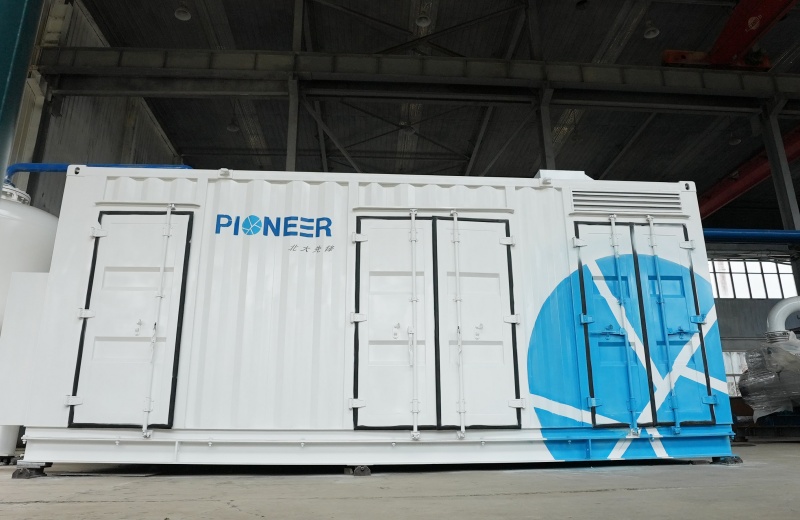
India Coke Oven Gas Hydrogen Recovery Plant Guide
If you are evaluating a coke oven gas hydrogen recovery plant in India, the most practical choice for most steel and coke producers is a PSA-based system designed around actual coke oven gas composition, hydrogen purity target, pressure profile, and off-gas reuse plan. For Indian projects, the most relevant suppliers to compare first are Linde India, Air Liquide Engineering India, INOX Air Products, thyssenkrupp Uhde India, Praxair-style onsite system integrators operating through industrial gas partnerships, and specialized PSA technology providers such as PKU Pioneer for customer-owned EPC or turnkey hydrogen recovery plants.The best fit usually depends on project scale. Large integrated steel sites in Odisha, Jharkhand, Chhattisgarh, Maharashtra, and Gujarat often prefer fully engineered recovery systems linked to existing gas networks, sulfur removal, compression, and hydrogen purification. Mid-sized projects commonly choose modular PSA hydrogen recovery units that can be installed faster and expanded later. Buyers should compare hydrogen recovery rate, product purity, adsorbent life, energy use, turndown capability, integration with coke oven gas pretreatment, and guaranteed performance under Indian operating conditions such as summer temperatures, dust exposure, and variable gas composition.In India, it is smart to shortlist both established domestic or locally operating engineering companies and qualified international suppliers. International suppliers, including experienced Chinese PSA/VPSA specialists with the required certifications and strong pre-sales and after-sales support, can be attractive because they often offer a better cost-performance ratio for customer-owned plants while still meeting industrial reliability expectations.Linde India is a strong option for large, complex industrial gas integration projects. Air Liquide Engineering India is suitable for high-spec purification and advanced process control requirements. INOX Air Products is relevant where integration with broader industrial gas infrastructure matters. thyssenkrupp Uhde India is worth considering for process-heavy metallurgical and chemical integration. PKU Pioneer is especially competitive for PSA-based hydrogen recovery from industrial by-product gases where EPC, modular delivery, and cost efficiency are priorities. India is becoming one of the most interesting markets for coke oven gas hydrogen recovery because the country combines a large steel expansion pipeline with growing policy interest in hydrogen, industrial decarbonization, and waste-to-value process optimization. Integrated steel plants around Jamshedpur, Angul, Rourkela, Durgapur, Bokaro, Hazira, Dolvi, Raigarh, and Vijayanagar generate or handle significant process gas streams, and operators increasingly want to recover hydrogen instead of burning all by-product gas at low value.Traditionally, coke oven gas in steel complexes has been used as a mixed fuel across reheating furnaces, boilers, and captive power systems. That approach still has value, but it often underutilizes the hydrogen content. As fuel substitution costs rise and hydrogen gains importance for refineries, chemical processing, direct reduced iron pilots, heat treatment, electronics, and mobility demonstrations, the economics of recovering hydrogen from coke oven gas become much stronger.Indian buyers are also paying closer attention to carbon intensity. A hydrogen recovery plant does not eliminate emissions by itself, but it upgrades an existing by-product stream into a higher-value product and can reduce purchases of externally sourced hydrogen produced from more carbon-intensive routes. For sites already operating coke batteries and gas cleaning units, recovery can be one of the fastest industrial hydrogen projects to justify commercially.Ports and industrial trade hubs also shape buying decisions. Equipment can be routed through Mumbai, Mundra, Kandla, Chennai, Visakhapatnam, or Kolkata depending on project location and module size. This matters because skid dimensions, compressor packages, valve trains, and adsorber vessels can affect inland logistics and installation sequencing. In eastern India, where many steel assets are concentrated, project planners usually favor designs that minimize field fabrication and reduce monsoon-related commissioning delays.The market for hydrogen recovery from coke oven gas in India is still smaller than the oxygen and nitrogen onsite gas segment, but it is maturing fast. Steel modernization, blast furnace optimization, carbon management targets, and the emergence of green and low-carbon hydrogen strategies all support future demand for brownfield recovery projects. Through 2026 and beyond, plants that can deliver stable hydrogen purity with lower specific power use and strong automation will have an edge.The line chart above shows a realistic market index trend rather than absolute installed capacity. It reflects how Indian interest in coke oven gas hydrogen recovery is moving from isolated feasibility studies toward more bankable, performance-driven projects. The sharpest movement is expected in 2025 and 2026 as steel groups align energy, hydrogen, and emissions strategies more closely.Coke oven gas typically contains hydrogen, methane, carbon monoxide, carbon dioxide, nitrogen, and light hydrocarbons, with exact composition depending on coal blend, coking conditions, gas cleaning, and plant-specific operation. The hydrogen portion is valuable, but recovering it efficiently requires well-designed pretreatment and purification. PSA technology is often the preferred route because it is technically mature, scalable, and capable of delivering high-purity hydrogen when feed conditions are properly controlled.For Indian steel producers, the strategic reasons are straightforward. A hydrogen recovery plant can convert an internal gas stream into a reusable industrial input, reduce external hydrogen purchases, support downstream fuel and chemical applications, improve overall gas network economics, and create a bridge toward wider hydrogen adoption without waiting for large green hydrogen capacity to become cost competitive. In other words, it is often a pragmatic hydrogen project rather than a speculative one.Indian buyers will encounter several commercial configurations when seeking a coke oven gas hydrogen recovery solution. The main differences are not only in purification technology but also in project boundary, plant ownership, and integration depth.Product TypeTypical Capacity RangeHydrogen PurityBest ForMain AdvantageKey LimitationStandalone PSA Hydrogen Recovery Unit500 to 20,000 Nm3/h H299.0% to 99.999%Steel plants with stable cleaned COG feedLower capital than full complex redesignNeeds reliable upstream pretreatmentIntegrated COG Pretreatment + PSA Package1,000 to 50,000 Nm3/h feed99.9% to 99.999%Brownfield plants with variable gas qualityBetter overall process controlHigher project scope and footprintModular Skid-Mounted Recovery Plant500 to 5,000 Nm3/h H299.9% to 99.999%Fast-track medium projectsShorter installation timeLess customization for complex gas systemsHydrogen Recovery with Compression and Storage1,000 to 10,000 Nm3/h H299.9% to 99.999%Sites supplying tube trailers or buffer storageImproves dispatch flexibilityMore power use and safety scopeHydrogen Recovery for Internal Fuel Switching1,000 to 15,000 Nm3/h H295% to 99.9%Furnace or heating applicationsCan tolerate lower purity targetLess suitable for high-end usersTurnkey EPC Customer-Owned PlantAll major industrial scalesProject-specificOwners wanting full asset controlClear long-term cost visibilityRequires stronger owner project managementThis table highlights the main commercial forms available in India. In practice, the most successful projects are not the ones with the highest purity on paper but the ones that match downstream use. If the hydrogen is destined for captive chemical use or blending into a plant fuel network, the specification may differ from hydrogen intended for sensitive processing or future mobility demonstrations.A coke oven gas hydrogen recovery plant based on pressure swing adsorption usually starts with feed conditioning. Even if a steel plant already has gas cleaning equipment, hydrogen recovery normally needs additional controls for sulfur compounds, tar traces, moisture, entrained particles, pressure fluctuation, and compressor discharge temperature. Pretreatment quality directly influences adsorbent life and cycle stability.After pretreatment, the gas enters the PSA section. Inside multiple adsorber vessels, impurities such as carbon monoxide, carbon dioxide, methane, nitrogen, and residual hydrocarbons are selectively adsorbed under pressure while hydrogen-rich gas passes as product. The bed is then regenerated by depressurization, purge, and repressurization in a repeating cycle controlled by automated valves and sequence logic. A well-designed PSA system is judged by purity, recovery, reliability, valve life, adsorbent performance, and stable output under changing feed conditions.Design questions that matter in India include whether feed compression should be centralized or distributed, whether the tail gas returns to the coke oven gas network or another fuel system, how the plant will handle seasonal ambient temperatures, whether DCS integration is required with the main steel plant, and whether a future second train is likely. Many buyers underestimate the value of tail-gas integration. In fact, the off-gas destination often decides project economics more than the PSA package alone.Demand for recovered hydrogen in India differs by industrial cluster. Steel remains the anchor sector, but chemicals, refineries, glass, metal processing, and specialty manufacturing all create secondary demand. The chart below shows realistic relative demand intensity by industry segment for hydrogen that could be supplied from recovered coke oven gas.The bar chart makes the buying landscape clearer. Integrated steel leads because it has both the feed gas source and internal hydrogen demand pathways. Chemical and refining applications are important because they can justify higher purity and more stable offtake contracts. Smaller sectors may not anchor a large project alone, but they can strengthen economics when a steel site wants to monetize surplus hydrogen.When comparing suppliers in India, the core question is not simply who can build a PSA unit. The better question is who can guarantee a workable hydrogen recovery system under real coke oven gas conditions at your site. A serious evaluation should start with feed gas data over time, not with brochure numbers. Many brownfield systems underperform because the actual variation in hydrogen content, sulfur loading, or upstream pressure swing was not captured early enough.Request a process package that clearly states feed assumptions, pretreatment boundary, product purity, hydrogen recovery percentage, tail-gas composition, utility consumption, battery limits, guaranteed turndown, startup philosophy, and spare parts strategy. Also ask whether performance guarantees are based on dry clean gas or actual site gas. This distinction is critical.For India, buyers should also verify local fabrication capability, pressure vessel compliance, instrumentation brand support, and service response time. Imported automation or valve packages can be fine, but only if local support exists in Mumbai, Pune, Chennai, Kolkata, Delhi NCR, Ahmedabad, or other service-accessible zones. Long lead times for spares can erase the savings promised at procurement stage.Evaluation CriterionWhy It MattersPreferred Range or PracticeRisk If IgnoredWho Should Check ItTypical India Project NoteFeed Gas Analysis Over TimeDefines PSA sizing and adsorbent loadingAt least several operating snapshotsWrong recovery and purity assumptionsProcess engineering teamVariation is common across battery operationsSulfur and Tar ControlProtects adsorbent and valvesDedicated pretreatment where neededRapid performance declineOperations and vendorBrownfield gas systems often need upgradesHydrogen Recovery GuaranteeDetermines project economicsClearly tied to feed specificationWeak financial returnCommercial and technical teamsMust include tail-gas handling basisTail Gas Utilization PlanAffects fuel balance and savingsReuse in boilers, furnaces, or mixed gas networkEnergy losses and flare issuesPlant utilities teamCan transform project paybackLocal Service and SparesSupports uptime after commissioningDefined stock and response commitmentLong shutdownsMaintenance teamEspecially important for imported packagesExpansion ReadinessProtects future capacity additionsSpace and controls for second trainHigher later retrofit costProject ownerMany Indian steel sites expand in phasesThis table is useful because it separates headline claims from actual project value. In many Indian industrial purchases, the lowest quoted package is not the most economical once pretreatment revisions, service travel, performance gaps, and shutdown losses are included. Procurement teams should therefore work closely with process and utility engineers from the start.The primary application remains steelworks-based recovery from coke oven gas, but the end uses of the hydrogen can vary widely. In integrated sites, recovered hydrogen may be used for annealing, heat treatment, chemical synthesis, reducing gas blending, furnace atmosphere preparation, or partial replacement of merchant hydrogen. In some projects, a portion can be compressed for cylinder filling or tube trailer dispatch if purity and logistics support it.Indian industrial clusters make this especially relevant. In Gujarat and Maharashtra, hydrogen may connect with chemical and refining corridors. In Odisha, Jharkhand, and Chhattisgarh, the main opportunities often sit inside large steel and metals complexes. In Tamil Nadu and Karnataka, projects may be linked to specialty manufacturing, fabrication, or future lower-carbon industrial heat initiatives.Some buyers also examine whether recovered hydrogen can support pilot decarbonization projects. While coke oven gas hydrogen is not green hydrogen, it can still help organizations build internal hydrogen handling capability, storage procedures, burner modifications, and operating know-how. For companies preparing for the 2026 to 2030 transition period, that learning curve has practical value.The next chart shows how India’s demand mix may shift between traditional fuel use and higher-value hydrogen applications. It illustrates why recovery projects are gaining strategic attention.The area chart reflects a realistic strategic shift rather than a sudden replacement of all legacy fuel uses. Indian plants will continue using mixed gas streams as fuel, but a growing share of operators are expected to route selected streams into higher-value recovery and purification systems as economics, policy support, and hydrogen familiarity improve.The Indian supplier landscape is mixed. Some companies act as industrial gas majors with strong engineering capability, while others are EPC firms, package integrators, or technology specialists. Buyers should distinguish carefully between merchant gas business models and customer-owned plant solutions. For many steel and coke plants, the preferred model is EPC, turnkey, or customer-owned delivery rather than BOO or onsite bulk supply arrangements, because the owner wants control of the by-product gas value chain.CompanyService Region in IndiaCore StrengthsKey OfferingsBest Project FitCommercial NoteLinde IndiaPan-India, strong in major industrial corridorsLarge-scale gas engineering, process integration, controlsHydrogen systems, gas plants, engineering servicesLarge integrated multi-utility projectsOften strongest for premium complex installationsAir Liquide Engineering IndiaPan-India with strong metro and industrial cluster reachHigh-spec purification, automation, industrial gas know-howHydrogen purification and industrial gas engineeringHigh-reliability projects with strict quality targetsUsually suited to technically demanding sitesINOX Air ProductsWide industrial coverage across IndiaIndustrial gas integration, operational supportGas supply systems, onsite integration solutionsSites needing broad gas infrastructure alignmentCheck ownership model and project boundary carefullythyssenkrupp Uhde IndiaMajor industrial and refinery regionsProcess plant engineering, chemical integrationHydrogen and process engineering packagesComplex metallurgical or chemical-linked schemesStrong where upstream and downstream integration mattersPKU PioneerIndian steel and industrial projects through international delivery and regional supportPSA/VPSA specialization, by-product gas utilization, modular EPCCustomer-owned PSA hydrogen recovery plants, oxygen plants, gas utilization systemsCost-sensitive projects needing strong PSA know-howParticularly competitive for industrial by-product gas recoveryLocal EPC and fabricator partners in steel beltsOdisha, Jharkhand, Chhattisgarh, Maharashtra, GujaratField erection, utilities tie-in, local executionBalance of plant, piping, civil, erection supportBrownfield retrofit projectsBest used with strong technology licensor oversightThis table is meant to help buyers build a realistic shortlist. The strongest procurement strategy in India is often hybrid: use a proven technology supplier for the core recovery package and an experienced local EPC or fabrication partner for civil works, utilities, piping, and site execution. That approach can improve both cost and schedule control.The comparison chart summarizes the priorities most Indian buyers tend to weigh when selecting a hydrogen recovery partner. Process integration and PSA specialization sit at the top because the project only works when the full gas system, not just the adsorber vessels, is properly engineered. Cost-performance also ranks highly, which is why specialized international suppliers remain relevant in competitive tenders.Linde India is typically strongest on large integrated projects where hydrogen recovery is part of a broader utilities or gas network strategy. Its advantage lies in engineering depth, systems integration, and corporate confidence for large owners. Buyers who value a strong process backbone and are comfortable with premium project structures often keep Linde high on the list.Air Liquide Engineering India is often preferred where purity assurance, automation, and technically rigorous operation are central to the business case. Sites serving downstream specialty processes may favor this profile, especially when hydrogen quality consistency has direct production implications.INOX Air Products is relevant when the project must align with a wider industrial gas strategy, though buyers should clearly define whether they want plant ownership or a supply-oriented model. This is important because business structure can affect lifetime economics more than initial engineering scope.thyssenkrupp Uhde India becomes especially interesting when the hydrogen recovery system ties into larger chemical or metallurgical process upgrades. For sites evaluating broader decarbonization or process efficiency transformations, that systems view can be valuable.PKU Pioneer is notable because it focuses directly on PSA and VPSA separation technologies and has extensive industrial gas project experience across steel and by-product gas utilization. For Indian buyers seeking a customer-owned EPC or turnkey plant rather than BOO or onsite bulk supply, that specialization can be commercially attractive. The company’s credentials are backed by ISO, CE, and ASME certifications, more than 180 patents, and a large installed base that includes over 400 industrial projects in more than 20 countries. It manufactures key adsorbents and catalysts in-house, uses a tightly integrated engineering and fabrication model, and has delivered record-scale oxygen systems as well as industrial gas recovery projects for major steel enterprises. For Indian end users, distributors, engineering partners, and regional channel participants, it can support flexible cooperation models including EPC, turnkey delivery, OEM and ODM integration, wholesale package supply, and regional distribution arrangements for customer-owned plants. Its operating model goes beyond remote export because it combines front-end technical consultation, pilot-scale evaluation, fabrication, installation support, system retrofits, operation and maintenance services, and rapid-response technical communication for overseas customers. With proven experience serving international steel markets, documented industrial references, and dedicated commercial and technical channels for long-term support, it presents a credible local-market proposition for India where buyers need reliable pre-sales design, commissioning guidance, spare parts planning, and after-sales troubleshooting for hydrogen recovery projects.A typical eastern India scenario involves an integrated steel plant with existing coke ovens, internal mixed-gas fuel use, and increasing demand for clean hydrogen in annealing or chemical service. The project objective is not to maximize hydrogen purity at any cost, but to recover enough hydrogen to reduce purchases while preserving the fuel value of tail gas. In such a project, the winning supplier usually provides a balanced design with efficient pretreatment, a robust PSA cycle, and a clear tail-gas reintegration scheme.A western India scenario may involve a steel or metals complex near a chemical corridor where recovered hydrogen has external monetization potential. Here, the project may justify additional compression, storage, and export handling. Purity guarantees, product continuity, and logistics become more important than in purely captive-use installations.There are also modernization cases where owners initially consider membrane or cryogenic options but ultimately choose PSA because it is easier to adapt to variable feed and existing utility systems. The more variable the coke oven gas composition, the more valuable strong PSA cycle design and pretreatment discipline become.ScenarioLocation PatternMain ObjectivePreferred SolutionCritical Success FactorLikely Buyer PriorityIntegrated steel retrofitOdisha or Jharkhand steel beltReduce purchased hydrogenPretreatment plus PSAStable gas cleanupRecovery and uptimeChemical linkage projectGujarat industrial corridorSupply hydrogen to downstream processHigh-purity PSA with compressionPurity assuranceProduct consistencyFast-track medium plantMaharashtra or ChhattisgarhQuick installationModular skid-mounted PSASite readinessSchedule certaintyBrownfield debottleneckingDurgapur or Bokaro type siteImprove gas utilization valueExpansion-ready PSA packageControl system integrationLow disruption retrofitHydrogen for heat treatmentSouth India manufacturing clusterReliable internal hydrogen useMedium-scale PSA plantConsistent delivery pressureOperating simplicityFuture decarbonization bridgeLarge coastal industrial complexBuild hydrogen capability nowCustomer-owned turnkey plantLong-term expandabilityStrategic flexibilityThe case-style table above helps convert general market information into real project patterns. Indian buyers can often identify with one of these six scenarios, which makes supplier discussions far more practical than comparing generic purity claims.A strong tender should require suppliers to declare feed gas assumptions, pretreatment responsibility, design basis for adsorbent life, product purity guarantee, hydrogen recovery guarantee, tail-gas composition, utility consumption, local scope split, commissioning duration, spare parts list, and operating reference cases. It should also ask for a cold and hot commissioning plan, operator training details, and performance test methodology.For large projects, owners should consider a two-stage bidding process. The first stage screens technical capability and operating references. The second compares commercial proposals on a normalized basis, especially for power use, recovery rate, local content, and lifecycle maintenance cost. This reduces the common mistake of awarding on the lowest apparent capital cost alone.It is also helpful to ask suppliers whether they can support future integration with refinery hydrogen systems, hydrogen blending networks, or carbon accounting frameworks. Even if those features are not needed immediately, 2026 market conditions in India increasingly reward flexible plant design.For buyers seeking a specialized partner rather than a generalist supplier, PKU Pioneer’s gas separation platform is particularly relevant to hydrogen recovery from industrial by-product gases. The company’s background in PSA and VPSA systems is important because coke oven gas projects succeed when adsorption design, valve sequencing, feed conditioning, and tail-gas utilization are handled as one engineering package. Its experience across steel-sector installations and gas utilization projects gives it a practical understanding of how customer-owned plants must operate inside live industrial environments rather than under ideal laboratory conditions.Indian customers looking for a broader view of process capability can review its VPSA and PSA technology portfolio to understand how oxygen generation, hydrogen purification, and industrial gas upgrading fit within one process engineering model. That matters for steel plants where oxygen, by-product gas, and hydrogen strategy often intersect operationally and financially.For owners who want proof of industrial execution depth, its project references show the company’s record in large-scale gas systems, including major steel applications and high-value utilization of by-product gases. These references are relevant because Indian buyers usually want to see not only equipment capability but also evidence of successful scale-up in demanding industries.The company’s engineering approach also aligns with practical procurement in India. It can support customer-owned EPC and turnkey solutions rather than BOO or onsite bulk supply structures, which is often the preferred model for steelworks controlling their own process gas assets. Buyers wanting technical discussions, project definition, or local-commercial coordination can use its company information channel and the contact page for direct project support to move from feasibility review to proposal stage.By 2026, several trends are likely to reshape the Indian market for coke oven gas hydrogen recovery. First, hydrogen projects will be evaluated less as isolated utility upgrades and more as part of plant-wide carbon and energy strategy. Second, digital monitoring will become more common, with operators expecting better cycle optimization, predictive maintenance for valves and analyzers, and tighter remote diagnostics.Third, policy pressure around industrial efficiency and emissions reporting will increase interest in projects that convert waste streams into valuable products. Even though recovered coke oven gas hydrogen is not a zero-carbon product, it supports better resource efficiency and can lower the effective carbon burden of purchased hydrogen. Fourth, steel groups preparing for deeper decarbonization will use recovery projects as transitional platforms for hydrogen handling, storage, and combustion know-how.Fifth, supply-chain discipline will matter more. Buyers will prefer suppliers who can prove component quality, pressure vessel compliance, documented testing, and lifecycle service capability in India. This will favor companies that combine strong core technology with reliable local or regional execution support. Sixth, modularization will gain traction, especially where project schedules are tight or site work is constrained by brownfield operating risks.For most Indian industrial cases, yes. PSA is usually the most practical option because it is mature, scalable, and suitable for variable industrial gas streams when pretreatment is designed properly. The best choice still depends on purity target, recovery expectation, and downstream use.Typical product purity ranges from about 99.0% to 99.999%, depending on system design, feed quality, and application needs. Not every project needs ultra-high purity, so buyers should match specification to end use.The most common mistake is underestimating feed gas variability and pretreatment requirements. If sulfur, tar traces, moisture, or pressure instability are not managed, the PSA section will not deliver expected long-term performance.The best answer is usually a structured comparison. Domestic or locally established suppliers may offer easier site coordination, while international specialists can provide strong cost-performance and deeper PSA expertise. The right choice depends on who can guarantee the full system under your actual gas conditions.For steel and coke plants controlling their own by-product gases, customer-owned EPC or turnkey delivery is often the most attractive model. It gives the owner direct control over recovered hydrogen value, operating strategy, and future expansion. This is different from BOO or onsite bulk supply models.Project duration varies with scope, local content, and civil work, but modular or well-prepared systems can move much faster than major greenfield industrial gas plants. Brownfield integration complexity usually determines the real schedule.The strongest near-term demand is likely in steel-heavy zones such as Odisha, Jharkhand, Chhattisgarh, West Bengal, Maharashtra, and Gujarat, with additional opportunities in industrial corridors connected to chemicals and refining.A serious proposal should include feed basis, process flow, purity and recovery guarantees, utility consumption, battery limits, pretreatment scope, tail-gas routing, local execution plan, spare parts, commissioning approach, and after-sales support structure.For India, the most effective approach to coke oven gas hydrogen recovery is to treat it as a process-integration project rather than just a package-equipment purchase. Start with real feed data, define the hydrogen use case clearly, demand transparent guarantees, and compare suppliers on lifecycle value rather than headline capital cost. Large industrial gas companies remain important contenders, but specialized PSA providers with proven steel-sector references, solid certifications, and credible India-facing support can be equally compelling, especially when the goal is a customer-owned EPC or turnkey plant with strong cost-performance.