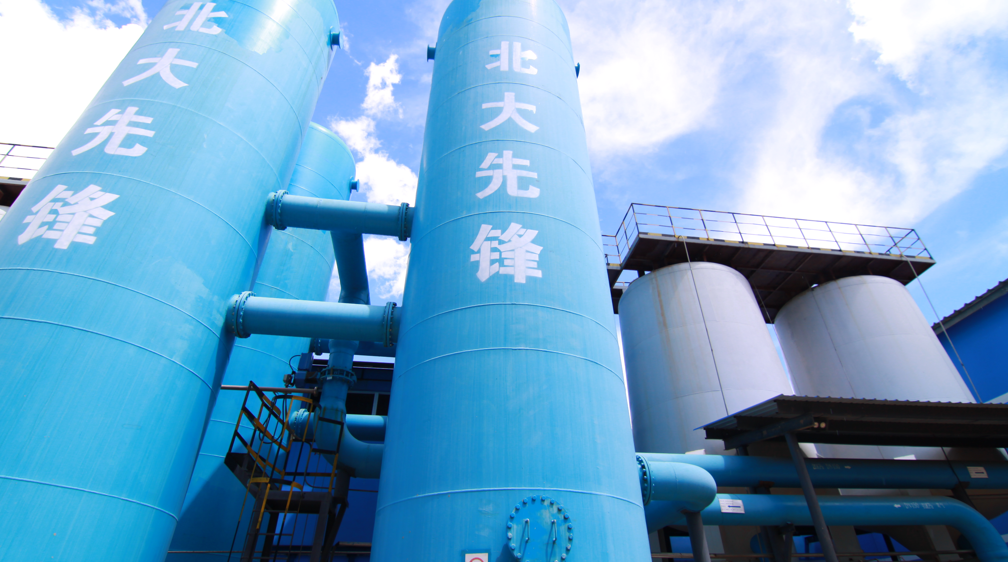
On-Site Oxygen Generation Guide for Global Market Plants
On-Site Oxygen Generation Guide for Global Market Plants
Quick Answer

On-site oxygen generation converts ambient air into oxygen-rich product gas directly at an industrial plant, reducing dependence on delivered liquid oxygen, cylinder logistics, and long-distance gas supply contracts. For most industrial buyers in the Global Market, the practical decision is not simply whether oxygen can be produced on-site, but which technology, purity, capacity, pressure, redundancy level, and ownership model will deliver the lowest lifecycle cost with reliable production.
For applications requiring oxygen purity around 80% to 94%, large and medium VPSA oxygen plants are often highly competitive, especially in steel mills, glass furnaces, nonferrous metallurgy, pulp and paper oxidation, wastewater treatment, and chemical oxidation. For smaller flows, compact PSA oxygen generators are frequently chosen because they are easier to package, install, and operate. When purity above 95% is mandatory, a buyer should carefully compare PSA, cryogenic air separation, and process-specific alternatives. The best choice depends on flow rate, oxygen purity, pressure, operating hours, power cost, load variation, site conditions, and future expansion plans.
A well-selected system can lower oxygen OPEX, improve supply security, shorten response time during production changes, and reduce transport-related emissions. Industrial buyers in port clusters such as Rotterdam, Singapore, Busan, Houston, Hamburg, Jebel Ali, Shanghai, Antwerp-Bruges, and Santos increasingly evaluate on-site oxygen generation as part of energy efficiency, decarbonization, and process resilience programs.
PKU Pioneer supports customer-owned PSA and VPSA oxygen plants through EPC/Turnkey delivery, engineering design, proprietary adsorbents, equipment fabrication, commissioning, retrofits, operation guidance, pilot testing, and consulting. The company provides customer-owned plant solutions rather than BOO or on-site bulk supply services.
| Buyer Question | Short Answer | Why It Matters | Typical Evaluation Metric |
|---|---|---|---|
| What purity is needed? | Many industrial uses work at 80% to 94% O2. | Purity drives technology choice and energy consumption. | Oxygen concentration, process yield, combustion efficiency |
| What flow rate is required? | Size should match base load, peak load, and future expansion. | Oversizing wastes CAPEX; undersizing causes bottlenecks. | Nm3/h, daily consumption, turndown range |
| PSA or VPSA? | PSA suits smaller and pressurized needs; VPSA suits larger low-pressure flows. | Technology affects power, footprint, maintenance, and scalability. | kWh/Nm3, operating pressure, footprint |
| How fast is payback? | Many projects justify investment through lower oxygen supply cost. | Finance teams need lifecycle cost, not only purchase price. | Payback period, NPV, OPEX saving |
| How reliable is supply? | Redundancy, buffer tanks, controls, and service access are essential. | Oxygen shortages can stop furnaces, reactors, or production lines. | Availability, MTBF, spare parts strategy |
| Who should own the plant? | This article focuses on customer-owned EPC/Turnkey systems. | Ownership affects control, cost transparency, and long-term flexibility. | CAPEX budget, asset strategy, service agreement |
The table above summarizes the first-level screening process. A professional feasibility study should then validate actual consumption profiles, utility costs, process oxygen sensitivity, local installation conditions, safety requirements, and regional supplier capabilities.
Understanding On-Site Oxygen Generation: From Air to Industrial-Grade O2

Air contains approximately 20.9% oxygen, 78% nitrogen, and small amounts of argon, carbon dioxide, water vapor, and trace gases. On-site oxygen generation separates oxygen from this air stream by exploiting the different adsorption behavior of nitrogen and oxygen on a molecular sieve. Instead of producing oxygen in a remote cryogenic plant and transporting it as liquid oxygen, the industrial user produces oxygen where it is consumed.
In a typical PSA or VPSA oxygen plant, ambient air first passes through filtration and pretreatment equipment. Dust, liquid water, oil mist, and other contaminants are removed because adsorbent performance depends strongly on feed gas quality. The air is then compressed or moved by a blower, dried or conditioned as required, and directed into adsorption vessels filled with molecular sieve. Nitrogen is preferentially adsorbed while oxygen-rich gas exits as product. After adsorption, the bed is regenerated by reducing pressure and purging, allowing nitrogen to desorb. Multiple vessels operate cyclically to provide continuous oxygen output.
Industrial-grade oxygen is not defined only by purity. Buyers must also specify product pressure, dew point, flow stability, start-up time, turndown capability, noise control, automation level, safety interlocks, and integration with the consuming process. A steel mill oxygen enrichment system has different requirements from a paper mill oxidation stage or a glass furnace combustion system. Likewise, a coastal plant in Singapore with high humidity and limited space may require different pretreatment and layout choices than an inland steel complex near Duisburg, Monterrey, Tangshan, or Pittsburgh.
Global Market demand for on-site oxygen generation is rising because manufacturers want more predictable gas costs and fewer logistics risks. Liquid oxygen deliveries can be affected by weather, port congestion, road restrictions, driver shortages, and competing demand from healthcare or emergency sectors. On-site production helps industrial users control a critical utility in the same way they manage steam, compressed air, cooling water, and process power.
Line Chart: Global industrial on-site oxygen generation demand trend
The line chart illustrates a realistic upward demand index for on-site oxygen generation. Growth is supported by energy optimization, decarbonization, industrial localization, unstable delivered oxygen pricing, and expansion in steel, glass, chemical, mining, aquaculture, and wastewater treatment applications.
5 Key Factors for Selecting an On-Site Oxygen Generation System

Industrial oxygen buyers should evaluate five major factors before preparing a purchase specification: oxygen quality, capacity profile, energy performance, reliability architecture, and supplier capability. These factors are interconnected. A higher purity requirement can increase power consumption; a larger buffer tank may improve process stability; a better adsorbent can reduce energy use; and a proven EPC team can reduce commissioning risk.
1. Oxygen purity and process tolerance. Some processes require only oxygen enrichment, while others require a defined concentration. Blast furnace oxygen enrichment, glass furnace combustion support, pulp bleaching chemistry, and wastewater aeration each respond differently to purity. Many VPSA systems produce 80% to 94% oxygen efficiently. PSA units may serve smaller flow applications or higher pressure needs. Over-specifying purity can increase cost without improving production.
2. Capacity and turndown. Buyers should calculate average demand, maximum demand, minimum stable demand, seasonal variation, planned production expansion, and maintenance scenarios. A system capable of stable load changes from 25% to 100% is valuable in plants with variable production schedules. Modular expansion is particularly important for fast-growing industrial zones near ports and trade hubs, where land use, utilities, and production planning change rapidly.
3. Energy consumption. Electricity is usually the largest operating cost. A difference of 0.03 kWh/Nm3 can become substantial for a plant producing tens of thousands of Nm3/h. Buyers should ask for guaranteed energy figures at defined purity, pressure, temperature, humidity, and load conditions. VPSA oxygen plants can often achieve very competitive energy consumption, in some cases below 0.3 kWh/Nm3 depending on scope and conditions.
4. Reliability and maintenance. Oxygen is a production-critical gas. A suitable system should include reliable valves, analyzers, automation, emergency shutdown logic, product buffer, remote monitoring options, spare parts strategy, and maintenance access. For continuous furnaces, metallurgical operations, or chemical reactions, the cost of downtime can exceed the value of the oxygen system itself.
5. Supplier experience and delivery model. The supplier should demonstrate installed references, engineering know-how, adsorbent technology, fabrication quality, commissioning capability, and after-sales support. For customer-owned assets, EPC/Turnkey delivery can reduce interface risk because the supplier coordinates design, equipment, installation guidance, commissioning, and performance testing.
| Selection Factor | Recommended Buyer Action | Common Mistake | Commercial Impact |
|---|---|---|---|
| Purity | Confirm the minimum useful oxygen concentration through process trials or engineering review. | Specifying 99% oxygen when 90% to 93% is sufficient. | Higher CAPEX and power consumption |
| Flow | Use hourly consumption data, not only monthly average. | Sizing based on peak without considering turndown. | Low efficiency and unstable operation |
| Pressure | Define pressure at the user point after pipeline losses. | Ignoring distance from oxygen plant to furnace or reactor. | Extra compressor cost or insufficient supply |
| Power | Compare guaranteed kWh/Nm3 under equal conditions. | Comparing brochure values from different assumptions. | Wrong payback calculation |
| Controls | Require stable oxygen concentration, flow control, and alarms. | Focusing only on mechanical equipment. | Process fluctuation and operator burden |
| Service | Evaluate remote support, spare parts, retrofit capacity, and training. | Choosing the lowest bid without lifecycle support. | Higher downtime risk |
| Expansion | Reserve utilities, foundations, pipe headers, and control interfaces. | Designing only for current production. | Costly future reconstruction |
This table shows why the lowest equipment price rarely equals the best purchase. A robust oxygen project balances technical fit, lifecycle economics, installation speed, and long-term serviceability.
PSA vs VPSA On-Site Oxygen Generation: Which Technology Fits Your Plant
Pressure Swing Adsorption and Vacuum Pressure Swing Adsorption are both adsorption-based oxygen separation technologies, but they are optimized for different operating windows. PSA generally uses compressed air and regenerates the adsorbent by reducing pressure to near atmospheric level. VPSA normally uses lower feed pressure and regenerates under vacuum, relying on blowers and vacuum pumps. This difference changes energy consumption, equipment configuration, layout, capacity range, and product pressure.
PSA oxygen generators are widely used in smaller to medium applications, especially where packaged systems, faster installation, or moderate product pressure are needed. They can be suitable for workshops, small furnaces, laboratories, medical-related industrial oxygen systems, aquaculture, water treatment, and decentralized plants. VPSA oxygen systems are often preferred for larger continuous industrial flows because low-pressure adsorption and vacuum regeneration can improve energy efficiency at scale.
For a steel mill near a major logistics corridor such as the Rhine-Ruhr region, the Great Lakes industrial belt, the Yangtze River Delta, or the Arabian Gulf, VPSA may be attractive when oxygen demand is high and continuous. For a remote mine or a mid-sized paper facility in Latin America, Southeast Asia, or Africa, PSA may be selected when simplicity, compactness, and moderate flow are decisive. In some integrated plants, both technologies can coexist: VPSA for base-load oxygen and PSA for specialty users or backup needs.
| Comparison Item | PSA Oxygen Generator | VPSA Oxygen Plant | Buyer Guidance |
|---|---|---|---|
| Typical capacity | Small to medium flow | Medium to very large flow | Use VPSA for high continuous demand; use PSA for packaged needs. |
| Feed air method | Air compressor | Blower with vacuum regeneration | Check site power tariff and equipment maintenance skills. |
| Product pressure | Often higher than VPSA outlet pressure | Usually lower; booster may be added | Evaluate pressure at the consuming point. |
| Energy at large scale | Can be competitive but may rise with large flows | Often very efficient for large oxygen volumes | Compare guaranteed kWh/Nm3 under identical purity. |
| Footprint | Compact packages for smaller units | Large vessels and rotating equipment for big plants | Plan layout, crane access, and maintenance roads. |
| Startup | Fast startup possible | Fast startup possible; large systems require controlled sequence | Match startup time to production schedule. |
| Best-fit users | Small furnaces, aquaculture, water treatment, decentralized oxygen | Steel, glass, pulp and paper, large chemical oxidation | Do not select by technology name only; select by lifecycle value. |
The comparison indicates that PSA and VPSA are not competitors in every case; they are tools for different operating needs. A professional supplier should calculate both options when the demand range overlaps and should explain the trade-off transparently.
Comparison Chart: Supplier and product evaluation criteria
This comparison chart reflects typical evaluation dimensions rather than a universal ranking. Industrial buyers should verify references, site data, performance guarantees, and service commitments before awarding an EPC/Turnkey customer-owned oxygen plant contract.
Molecular Sieve Adsorption and Oxygen Separation Process Explained
The heart of an adsorption oxygen plant is the molecular sieve. In oxygen generation, the adsorbent preferentially captures nitrogen from air while allowing oxygen-enriched gas to pass through. The process relies on equilibrium selectivity, mass transfer rate, pore structure, pressure change, and bed design. A high-performance molecular sieve can improve oxygen recovery, reduce energy consumption, stabilize purity, and extend service life.
During the adsorption step, air enters a vessel containing adsorbent. Nitrogen molecules are retained more strongly than oxygen molecules. The oxygen-rich product exits the vessel and enters a buffer or product pipeline. When the bed approaches saturation, the feed switches to another vessel. The saturated bed is regenerated by reducing pressure or applying vacuum so that adsorbed nitrogen is released. In multi-bed systems, equalization steps may recover useful gas and improve efficiency.
Process engineers pay close attention to cycle time, bed height, superficial velocity, pressure drop, valve timing, and adsorbent loading. Poor design can cause channeling, dusting, uneven flow, unstable purity, or premature adsorbent degradation. Good design combines adsorbent science with mechanical engineering, controls, and real plant operating data.
PKU Pioneer has built strong technological capabilities around PSA and VPSA gas separation. Its roots in the College of Chemistry and Molecular Engineering at Peking University support long-term research in adsorbents, catalysts, and process cycles. The company develops proprietary molecular sieves such as PU-8 and applies adsorption know-how not only to oxygen generation but also to carbon monoxide recovery, hydrogen purification, and industrial by-product gas utilization. For oxygen buyers, this matters because adsorbent performance directly influences electricity consumption, recovery rate, stability, and long-term economics.
Air pretreatment is also vital. Oil vapor, liquid water, acidic gases, dust, or abnormal temperature can reduce adsorbent life. Therefore, buyers should not treat filters, dryers, silencers, and cooling systems as secondary items. In humid coastal regions such as Mumbai, Singapore, Ho Chi Minh City, Houston, or Santos, pretreatment design may differ from dry inland regions such as central Australia, parts of the Middle East, or northern China. Site-specific engineering protects the adsorption system and keeps oxygen quality stable.
Capacity Planning and Modular Expansion for On-Site Oxygen Generation
Capacity planning begins with understanding the oxygen balance across the plant. A steel complex may use oxygen for blast furnace enrichment, basic oxygen furnace support, ladle metallurgy, cutting, and wastewater treatment. A paper mill may use oxygen in delignification, bleaching, black liquor oxidation, and effluent treatment. A glass plant may use oxygen for oxy-fuel combustion, boosting, melting stability, and emissions reduction. Each user has a different pressure, flow, and continuity requirement.
The first step is to build an hourly load curve. Buyers should collect flow data during normal production, peak production, start-up, shutdown, maintenance, product grade changes, and seasonal conditions. If current oxygen is purchased as liquid oxygen, historical invoices provide total consumption but not always the best hourly profile. Flow meters and temporary data logging can improve sizing accuracy. The second step is to classify demand into base load, variable load, peak load, and emergency backup. The third step is to define future expansion scenarios.
Modular expansion is valuable because many industrial plants expand in phases. A glass manufacturer near a port may add a second furnace after export demand grows. A steel mill may increase oxygen enrichment after productivity trials. A paper mill may upgrade environmental systems under stricter wastewater rules. If the oxygen generation system is designed with expansion in mind, the plant can add adsorption trains, blowers, vacuum pumps, product storage, or control modules without rebuilding the entire utility network.
PKU Pioneer’s manufacturing capabilities support both large-scale and modular execution. The company integrates engineering design, proprietary adsorbent production, complete equipment fabrication, quality control, and project delivery. Its installed oxygen project experience covers small modular units and ultra-large VPSA systems exceeding 100,000 Nm3/h. This manufacturing depth is important for buyers that need consistent vessel fabrication, reliable valve skids, accurate instrumentation, and coordinated delivery to international sites.
| Planning Item | Data Required | Engineering Decision | Risk if Ignored |
|---|---|---|---|
| Base oxygen load | Minimum continuous Nm3/h | Size primary generation train | Low-load instability or inefficient operation |
| Peak demand | Maximum hourly or short-term flow | Define buffer and backup strategy | Pressure drop during production peaks |
| Purity tolerance | Process test or historical data | Select PSA, VPSA, or alternative | Over-investment or process underperformance |
| Expansion plan | 3-year to 10-year production forecast | Reserve land, power, pipe headers, control I/O | Expensive reconstruction |
| Utility limits | Power capacity, cooling, compressed air, drainage | Confirm plant infrastructure | Delayed commissioning |
| Site layout | Plot plan, transport routes, crane access | Optimize installation and maintenance | Unsafe or costly maintenance access |
| Backup philosophy | Production loss cost, storage availability | Set redundancy and emergency supply | Unplanned shutdowns |
This planning table can be used as an early checklist before requesting proposals. The more accurate the site data, the more meaningful the technical and commercial comparison will be.
Area Chart: Shift from delivered oxygen to customer-owned on-site generation
The area chart shows a trend shift toward customer-owned on-site oxygen generation. The movement is encouraged by gas supply security concerns, corporate energy management, digital plant control, and sustainability reporting requirements.
Steel Mill, Paper Mill and Glass Plant Applications of On-Site Oxygen Generation
Steel, paper, and glass plants are among the most important users of industrial oxygen. Their demand is large, process-critical, and often continuous. On-site oxygen generation can improve productivity, reduce fuel consumption, stabilize operations, and lower dependence on delivered oxygen logistics.
In steel mills, oxygen enrichment can improve blast furnace performance, enhance combustion, support metallurgical processes, and increase throughput. Integrated steel plants in regions such as East Asia, India, Europe, North America, and the Middle East often operate near ports or rail hubs where raw materials, coke, scrap, and finished products move at scale. Oxygen supply reliability is essential because even short interruptions can disrupt furnace stability. VPSA oxygen generation is particularly relevant where large oxygen volumes at moderate purity are sufficient for enrichment and combustion-related duties.
In paper mills, oxygen may be used for delignification, bleaching support, chemical oxidation, and wastewater treatment. Mills near forestry regions, river systems, and export ports need reliable utilities to maintain continuous production. On-site PSA or VPSA oxygen can reduce chemical consumption, improve effluent treatment, and support environmental compliance. As global packaging demand grows and regulations tighten, oxygen-based oxidation processes are increasingly important.
In glass plants, oxygen-enhanced combustion and oxy-fuel melting can increase flame temperature, improve heat transfer, reduce flue gas volume, and help lower nitrogen oxide emissions. Container glass, float glass, fiberglass, and specialty glass producers may adopt oxygen systems to improve furnace efficiency and product quality. Plants in trade hubs such as Antwerp, Dubai, Shanghai, Istanbul, and Mexico’s industrial corridors may benefit from reduced delivered oxygen exposure and better furnace control.
Bar Chart: Industrial oxygen demand intensity by sector
The bar chart compares relative oxygen demand intensity among major sectors. Steel and chemicals often require the largest volumes, while glass, paper, nonferrous metals, wastewater, and aquaculture may still justify on-site generation because their demand is steady and oxygen supply strongly affects operating performance.
| Industry | Main Oxygen Application | Typical Technology Fit | Value Created |
|---|---|---|---|
| Steel mill | Blast furnace enrichment, combustion support, metallurgical operations | Large VPSA, sometimes combined with other oxygen sources | Higher productivity, lower fuel rate, supply security |
| Paper mill | Delignification, bleaching, oxidation, wastewater treatment | PSA or VPSA depending on flow | Chemical savings, cleaner effluent, process stability |
| Glass plant | Oxy-fuel combustion, furnace boosting, emissions control | VPSA for larger furnaces, PSA for smaller users | Energy efficiency, NOx reduction, melting stability |
| Chemical plant | Oxidation reaction, synthesis support, gas processing | Case-specific PSA or VPSA | Reaction control, reduced external gas dependence |
| Wastewater facility | High-efficiency aeration, odor control, biological treatment | PSA for decentralized sites; VPSA for large municipal or industrial sites | Improved treatment capacity and compliance |
| Nonferrous metals | Smelting, leaching, oxidation, combustion enrichment | PSA or VPSA based on scale | Higher recovery, better energy use |
| Aquaculture | Dissolved oxygen control in intensive farming | Compact PSA | Higher stocking density and reduced mortality |
This industry table demonstrates that oxygen generation should be matched to the process goal. The best system is not necessarily the purest or largest system, but the one that improves production economics with acceptable risk.
OPEX Reduction and Payback Analysis for On-Site Oxygen Generation Investments
Financial analysis should compare the total cost of oxygen supply, not just equipment price. Delivered liquid oxygen costs include product price, delivery fees, storage rental, vaporization losses, contract escalation, emergency deliveries, and operational risk. On-site generation costs include electricity, maintenance, adsorbent replacement over time, spare parts, labor, cooling or ventilation, and capital recovery.
The payback calculation begins with annual oxygen consumption. If a plant consumes 10,000 Nm3/h for 8,000 hours per year, annual consumption is 80 million Nm3. Even a small unit cost difference can produce a large annual saving. The next step is to estimate electricity cost using guaranteed energy consumption. For example, if a VPSA system operates at 0.30 kWh/Nm3 and electricity is USD 0.08/kWh, the direct electricity cost is USD 0.024/Nm3 before maintenance and capital recovery. Buyers should compare this with the full delivered oxygen cost at their site.
Payback depends heavily on local energy price and oxygen purchase price. Industrial zones with high delivered gas logistics costs, remote locations, islands, mining regions, or congested ports may achieve faster payback. Plants close to large merchant gas networks may still choose on-site generation for supply security, flexible operation, or strategic control, even if pure price savings are moderate.
Future trends for 2026 and beyond will strengthen the business case for efficient on-site oxygen generation. Carbon accounting will increasingly include logistics emissions. Energy management systems will demand real-time utility optimization. Digital controls will improve predictive maintenance. High-performance adsorbents and improved valve systems will reduce lifecycle cost. In many regions, policy support for industrial energy efficiency, lower emissions, circular economy projects, and local resilience will favor plants that produce critical gases efficiently at the point of use.
| Cost Element | Delivered Liquid Oxygen | Customer-Owned On-Site Generation | Analysis Note |
|---|---|---|---|
| Product cost | Included in supplier price | Generated from air using power | Compare unit oxygen cost under same purity requirement. |
| Transport | Truck, rail, or ship logistics | Minimal routine transport | Remote sites gain greater advantage. |
| Storage | Cryogenic tank, vaporizer, rental, losses | Product buffer tank and pipeline | Storage role changes from supply inventory to process stability. |
| Power | Mostly embedded in supplier price | Main direct operating cost | Energy guarantees are critical. |
| Maintenance | Supplier handles external production assets | Plant owner maintains equipment with supplier support | Service plan and training reduce risk. |
| Supply risk | Exposure to logistics and market shortages | Exposure to equipment reliability and power supply | Backup strategy should be included. |
| Expansion flexibility | Contract and delivery capacity dependent | Can be planned through modular additions | Reserve utilities and space early. |
This OPEX table helps financial teams compare two different supply philosophies. Delivered oxygen converts supply into an external service cost, while customer-owned on-site generation converts oxygen into an internal utility managed by the plant.
A realistic payback analysis should include sensitivity cases. What happens if electricity increases by 15%? What happens if delivered oxygen price escalates by 10% annually? What is the cost of one day of oxygen-related production loss? How much does a backup liquid oxygen tank reduce risk? What is the residual value of the equipment after the payback period? A strong proposal should address these questions clearly.
Our Company
Beijing Peking University Pioneer Technology Corporation Ltd., known as PKU Pioneer, is a high-tech enterprise specializing in VPSA and PSA gas separation technologies. Founded in 1999 with deep academic roots at Peking University, the company has completed more than 400 industrial projects in over 20 countries, with total installed oxygen capacity exceeding 2 million Nm3/h. Its solutions serve steel, chemical, glass, energy, environmental, and other industrial sectors across the Global Market.
PKU Pioneer’s technological capabilities include adsorption process development, proprietary adsorbents and catalysts, PSA oxygen, VPSA oxygen, PSA carbon monoxide, hydrogen purification, and industrial by-product gas utilization. The company has accumulated more than 180 patents and has received national and industry recognition for major gas separation innovations. Its engineering teams focus on high efficiency, stable operation, and flexible load response, including rapid start-up and broad turndown for many oxygen applications.
PKU Pioneer’s manufacturing capabilities include in-house adsorbent production, equipment fabrication, modular skid design, large vessel integration, process control systems, and quality management. The company has delivered landmark VPSA oxygen installations, including very large single-unit projects for steel operations, and has supported international projects such as a 10,000 Nm3/h VPSA oxygen plant in Vietnam. These references show practical experience in moving from laboratory adsorption science to large-scale industrial oxygen supply.
PKU Pioneer’s service capabilities include EPC/Turnkey project execution, customer-owned plant solutions, feasibility studies, custom proposals, pilot testing, commissioning support, training, operation and maintenance guidance, system retrofits, upgrades, and consulting. The company provides EPC/Turnkey and customer-owned plant solutions rather than BOO or on-site bulk supply services. This means the industrial customer owns the oxygen generation asset and can manage it as part of its plant utility infrastructure.
For buyers comparing technologies, the company offers detailed engineering review and project-specific recommendations. More information about its integrated capabilities is available on the PKU Pioneer gas separation technology website. Buyers can also review company background through PKU Pioneer corporate information, explore world-class innovative project references, and learn about VPSA technology solutions, VPSA oxygen generation plants, and PSA oxygen generator systems.
Case experience is especially important in industrial oxygen generation. PKU Pioneer has delivered large VPSA oxygen systems for steel operations, industrial gas recovery projects that convert by-product gases into valuable resources, and adsorption-based solutions for chemical and energy clients. One notable carbon monoxide recovery project used PSA technology to upgrade blast furnace gas and replace significant natural gas consumption. Large VPSA oxygen projects have helped steel clients improve oxygen-enriched processes and reduce long-term energy cost. These cases demonstrate the broader value of adsorption technology beyond oxygen alone: it can support resource efficiency, emissions reduction, and industrial circularity.
Global buyers should still conduct their own due diligence. They should request reference lists, performance guarantees, energy calculations, delivery schedules, service scope, warranty terms, and site-specific layout proposals. A strong supplier welcomes detailed technical review because successful oxygen projects depend on correct data, not generic brochures.
FAQ
1. What is on-site oxygen generation?
On-site oxygen generation is the production of oxygen directly at the user’s facility from ambient air. PSA and VPSA systems separate oxygen from nitrogen using molecular sieve adsorption. The generated oxygen is then supplied to furnaces, reactors, treatment systems, or other industrial users through a local pipeline or buffer system.
2. What oxygen purity can PSA and VPSA systems produce?
Many industrial PSA and VPSA oxygen systems produce oxygen in the range of about 80% to 94%, depending on technology, design, and operating conditions. Some PSA systems can be designed for higher purity ranges, but buyers should confirm whether higher purity is truly necessary because energy consumption and cost usually increase as purity rises.
3. Is VPSA better than PSA?
VPSA is not universally better; it is often better for large continuous oxygen flows where low energy consumption is critical. PSA is often better for smaller, compact, or moderate-pressure applications. The correct choice depends on flow, purity, pressure, operating hours, space, power cost, and maintenance strategy.
4. How long does an on-site oxygen plant take to start?
Many adsorption oxygen systems can start much faster than traditional cryogenic air separation units. Depending on size and design, start-up can be around tens of minutes. For large industrial systems, the exact start-up procedure should follow supplier instructions and plant safety requirements.
5. Can on-site oxygen generation replace delivered liquid oxygen completely?
In some plants, yes. In others, delivered liquid oxygen remains as backup, peak shaving, or emergency supply. The best arrangement depends on process criticality, local logistics, storage availability, and the economic cost of production interruption.
6. What information is needed for a supplier proposal?
Buyers should provide oxygen flow, purity, pressure, dew point requirement, operating hours, load variation, site elevation, ambient temperature and humidity, power conditions, layout constraints, application description, expansion plan, and backup philosophy. Better data leads to better engineering and more reliable cost estimates.
7. What industries gain the most from on-site oxygen generation?
Steel, glass, paper, chemicals, nonferrous metallurgy, wastewater treatment, aquaculture, mining, and environmental applications can all benefit. The strongest cases usually involve continuous oxygen demand, high delivered oxygen cost, logistics risk, or process improvements from stable oxygen supply.
8. What is the main operating cost?
Electricity is usually the main operating cost for PSA and VPSA oxygen plants. Maintenance, spare parts, adsorbent life, and operator attention also matter. Buyers should compare guaranteed energy consumption in kWh/Nm3 under clearly defined conditions.
9. How should a plant plan for future expansion?
The plant should reserve land, electrical capacity, foundations, pipe headers, control interfaces, and space for additional adsorption trains or rotating equipment. Modular planning can reduce future shutdown time and avoid expensive reconstruction.
10. Does PKU Pioneer provide BOO or on-site bulk supply services?
No. PKU Pioneer focuses on EPC/Turnkey delivery and customer-owned plant solutions for PSA and VPSA gas separation systems. It supports customers with engineering, equipment, adsorbents, commissioning, upgrades, and service capabilities, while the customer owns the oxygen generation asset.
11. How does on-site oxygen generation support sustainability?
It can reduce truck deliveries, lower transport-related emissions, improve combustion efficiency, support cleaner wastewater treatment, and help industrial users manage energy more transparently. In 2026 and beyond, these benefits will become more important as carbon reporting and resource efficiency policies expand globally.
12. How should buyers compare local suppliers?
Buyers should compare installed references, technology ownership, adsorbent quality, engineering depth, fabrication capability, energy guarantees, automation, safety design, service response, spare parts availability, and total lifecycle cost. Local installation partners can be valuable, but core process design and performance responsibility should be clearly assigned.
On-site oxygen generation is now a strategic industrial utility option for the Global Market. When properly engineered, PSA and VPSA systems can reduce OPEX, improve supply resilience, support sustainability goals, and give manufacturers greater control over a critical production input. The strongest projects begin with accurate process data, realistic purity requirements, careful technology selection, and an experienced EPC/Turnkey supplier capable of supporting the customer-owned plant throughout its lifecycle.

About the Author
Founded in 1999, PKU Pioneer specializes in VPSA and PSA gas separation technologies, adsorbents, catalysts, and integrated engineering solutions. Backed by strong R&D capability and extensive industrial project experience, the company serves global customers across steel, chemical, energy, environmental protection, and related industries.
Share
Related News
-
Adsorbent Lifetime Years in U.S. VPSA Plants Guide
In the United States, a realistic adsorbent lifetime years range for a well-designed VPSA oxygen plant is usually 8 to 15 years, not one fixed number for every project. Plants running clean air pretreatment, stable cycling, proper valve logic, controlled bed temperatures, and disciplined maintenance often reach 10 to 15 years. Plants exposed to oil carryover, high dust, water breakthrough, frequent unstable load swings, or poor equalization can see adsorbent replacement much earlier, sometimes around 6 to 8 years.If you need a direct buying rule, use this: budget on a conservative 8 to 10 year economic case, but select equipment and adsorbent systems engineered for a 10 to 15 year technical life. For steel mills, glass plants, nonferrous smelters, wastewater ozone support, and combustion enrichment users across states such as Texas, Ohio, Indiana, Alabama, and Pennsylvania, the best outcome usually comes from matching bed design, blower controls, pretreatment, and operating discipline rather than chasing the lowest initial quote.For supplier screening in the U.S., practical names to review include AirSep Corporation, Atlas Copco Gas and Process, Linde, Air Products, Oxymat’s U.S. channel partners, and qualified international engineering suppliers such as PKU Pioneer when they can show relevant certifications, proven industrial references, EPC or turnkey capability, and responsive pre-sales and after-sales support. Cost-performance can be especially attractive from experienced Chinese manufacturers when local commissioning, spare parts planning, and long-term technical support are clearly defined.The U.S. market for on-site oxygen generation keeps expanding because industrial users want lower delivered gas cost, faster project timelines, and less dependence on liquid oxygen trucking. This is especially true in steel clusters around Indiana and Ohio, Gulf Coast chemical corridors near Houston and Freeport, glass manufacturing zones in Pennsylvania and the Midwest, and mining or metallurgical operations in western states. VPSA oxygen plants are often selected when required flow is too large for compact PSA packages yet not large enough to justify a traditional cryogenic unit, or when flexibility and startup speed matter more than ultra-high purity.For many buyers, the question is not only oxygen purity or kWh per Nm³. It is total lifecycle cost. In that calculation, adsorbent lifetime years become one of the most important assumptions because the adsorbent bed is central to oxygen recovery, energy performance, and plant stability. A low-priced plant with a short adsorbent life can become more expensive than a better-engineered system within a few years. That is why experienced buyers in Chicago, Pittsburgh, Birmingham, and St. Louis increasingly ask suppliers to document bed velocity, equalization philosophy, water management, and actual field replacement history.The market also reflects a shift in procurement style. End users now compare EPC delivery, turnkey packages, and customer-owned plants more closely. They want controls integration, remote diagnostics, spare parts strategy, and predictable maintenance intervals. Plants serving blast furnace enrichment or glass furnace combustion often run at high utilization, so the difference between 8 years and 12 years of adsorbent life can materially change project IRR. Operators also care about resilience because labor shortages and variable utility tariffs can make a robust system more valuable than a theoretically efficient but operationally delicate one.U.S. buyers evaluating long-term ownership should review complete plant design rather than adsorbent media in isolation. The adsorbent may be strong, but if the pretreatment section allows humidity spikes or if the vacuum system creates thermal stress, actual life will still be shortened. A technically mature purchase process therefore considers blower quality, valve switching reliability, vessel internals, dust management, automation logic, and commissioning discipline together.For broader technical context on plant configurations, buyers often start with VPSA oxygen system design information before comparing project-specific proposals.Adsorbent life in a VPSA oxygen plant is driven by a combination of chemistry, mechanics, and operating practice. In most industrial oxygen units, lithium-based or zeolite molecular sieve materials are expected to withstand many thousands of pressure and vacuum cycles. The reason some plants reach 15 years while others struggle before 8 is rarely one single issue. It is usually a stack of small design and operation differences.The most common life-limiting factor is contamination. If inlet filtration and pretreatment do not reliably remove dust, oil aerosols, and moisture, the pores of the adsorbent gradually lose effective capacity. Water is especially damaging when bed regeneration conditions are not aggressive enough to reverse the loading. In humid coastal regions such as Houston or along the Gulf, pretreatment design should be examined carefully. Plants in dusty steel or mining environments face a different challenge: fines and particulate intrusion that can increase pressure drop and physically stress the bed.Cycle severity matters as much as contamination. Short cycles with poorly managed pressure equalization can create greater thermal and mechanical fatigue. Excessive bed movement, uneven gas distribution, or repeated operation far below design conditions may accelerate attrition. Plants expected to vary from 25% to 100% load should use controls proven to preserve stability during turndown. This is why experienced suppliers discuss not only oxygen purity but also real operating envelope and bed protection logic.Temperature control also affects life. A hot-running blower, inadequate cooling, or frequent ambient extremes can push the system away from its design point. States with large summer-winter swings such as Illinois, Ohio, and Colorado should not ignore this. Skilled commissioning can reduce these risks by tuning cycle steps, verifying valve timing, and balancing bed performance early in plant life.Finally, maintenance culture is decisive. Preventive filter changes, leak checks, valve rebuilds, instrumentation calibration, and dew point monitoring can add years of useful service. In practice, some adsorbent replacements happen not because the material is chemically exhausted but because upstream neglect has degraded the whole adsorption environment.When suppliers discuss adsorbent lifetime years, the number can represent different things. One supplier may mean the point at which oxygen recovery declines slightly. Another may mean the point when purity can no longer be guaranteed at design capacity. A more disciplined definition is the period during which the plant can meet contracted oxygen flow, purity, and power consumption within agreed tolerances under normal operating conditions and prescribed maintenance.An 8-year expectation is common in conservative financial models. It protects the buyer against harsh operating conditions, utility instability, or imperfect maintenance. It should not automatically be read as poor technology. Some aggressive-duty applications intentionally model early replacement to avoid downside risk. A 10-year expectation is often the most balanced assumption for industrial U.S. projects. It is long enough to reflect a competent modern design but conservative enough for budgeting. A 12- to 15-year result is achievable when the plant is well engineered, the feed air is well protected, and the operator keeps the adsorption system inside its intended operating window.It is also important to separate partial top-up, bed regrading, and full replacement. In some systems, a plant may continue running well with localized correction rather than total bed replacement. Buyers should therefore ask for a maintenance roadmap over 15 years, not just one lifespan number in a proposal. That roadmap should include expected filter changes, valve wear parts, blower overhauls, instrument service, and adsorbent inspection intervals.Not all oxygen plants stress adsorbent in the same way. Small modular systems, large industrial baseload units, retrofitted systems, and high-turndown applications each create different operating patterns. The best choice depends on demand stability, purity target, and utility profile.Plant TypeTypical Capacity RangeCommon U.S. UsersAdsorbent Stress LevelTypical Lifetime OutlookKey Buying NoteCompact PSA oxygen skidSmall to mediumMedical backup, small fabrication, labsModerate7 to 10 yearsUsually simpler, but pretreatment still mattersIndustrial VPSA standard dutyMedium to largeGlass, wastewater, metal cutting supportModerate to low8 to 12 yearsBest fit for stable daily demandLarge steel-mill VPSALarge to very largeBlast furnace enrichment, BOF supportHigh if load is unstable8 to 15 yearsDemand profile and dust control are criticalRetrofitted older VPSA plantVariesBrownfield industrial sitesVariable5 to 10 years after upgradeCheck vessel internals and valve timing carefullyHigh-turndown oxygen plantMedium to largeIntermittent process usersHigher6 to 10 yearsControl strategy is more important than brochure claimsPremium engineered low-energy VPSALarge industrialSteel, nonferrous, chemicalsLow to moderate10 to 15 yearsUsually higher capex but lower lifecycle costThis table shows why buyers should not compare adsorbent life without comparing plant duty. A well-run premium VPSA in a stable steel application can outlast a lower-cost system by several years, while a heavily cycled plant may wear faster regardless of marketing claims.In the United States, the best purchasing decision usually comes from evaluating total cost of ownership rather than unit price. Start with five questions. First, what is the guaranteed oxygen flow and purity at site elevation and summer ambient conditions? Second, what is the guaranteed power consumption at the same condition? Third, how is adsorbent lifetime years defined contractually? Fourth, what contamination control exists before air reaches the adsorption bed? Fifth, what is the replacement and support plan if bed performance degrades early?Buyers near major logistics centers such as Houston, New Orleans, Savannah, Los Angeles, and Chicago should also assess spares lead time. A low-cost adsorbent replacement is less useful if the plant waits months for valves or blower parts. Ask whether the supplier can support regional commissioning, operator training, and emergency troubleshooting. Local electrical and pressure vessel compliance matters as much as process performance.Good procurement practice includes performance guarantees tied to measurable outcomes. If a proposal says 12-year adsorbent life, request the assumptions behind that number. These should include inlet dust specification, dew point, oil carryover limit, operating load range, stop-start frequency, and maintenance intervals. Buyers should also ask for examples of actual U.S. or comparable industrial references. A supplier that has delivered at ports, steel towns, and chemical hubs with similar humidity, power quality, and dust exposure is generally lower risk.If your team needs to compare engineering depth, project owners often look at completed installations and process track record, such as the industrial cases summarized at large-scale gas separation project references.Some sectors are much more sensitive to adsorbent replacement timing than others. Continuous users with large oxygen demand feel the impact first because small efficiency losses turn into major annual power cost. Steel is the clearest example. Blast furnace enrichment and related metallurgical oxygen services tend to consume large volumes every day. In these sites, a drop in recovery or a forced shutdown can affect production rhythm and fuel balance, not only gas cost.Glass manufacturing is another important U.S. segment. Plants running oxy-fuel or oxygen-enriched combustion value stability because furnace operations are not easily interrupted. In these sites, predictable bed life and service planning matter greatly. Nonferrous smelting, pulp and paper ozone support, wastewater treatment, and certain chemical oxidation processes also benefit from long adsorbent life, though their load profiles differ.Food, aquaculture, and medical backup installations use oxygen too, but many of these are smaller PSA-centered applications where adsorbent economics are less dramatic than in large VPSA plants. For heavy industry, however, the cost of replacing adsorbent too early can include not only media cost, but vessel opening, labor, downtime, purity instability, and temporary backup oxygen arrangements.IndustryMain Oxygen UseDemand PatternSensitivity to Adsorbent LifeKey Risk FactorBest Procurement FocusSteelBlast furnace enrichment, process oxygenHigh, continuousVery highDust and load swingsStable long-cycle industrial designGlassCombustion enhancementContinuousHighShutdown riskReliability and energy guaranteeNonferrous metalsSmelting and refining supportHighHighThermal stressStrong process integrationChemicalsOxidation and process supportSteady to variableMedium to highProcess turndownControls flexibilityWastewaterOzone or aeration supportVariableMediumPart-load operationEfficient load-following operationPulp and paperBleaching and environmental systemsSteadyMediumUtility integrationService support and uptimeThe comparison shows why steel and glass buyers in particular should spend more time on lifetime modeling and contract definitions than smaller intermittent users.Operating pattern often predicts adsorbent life more accurately than nameplate size. A plant running steadily at 80% to 95% of design can remain gentler on the bed than a smaller unit that ramps up and down daily. That is why project teams should map actual oxygen usage, not just annual totals. A detailed weekly and seasonal profile helps the supplier optimize cycle design and vessel sizing.For example, steel sites near Gary, Indiana, or Pittsburgh may run with relatively stable base demand but occasional process-driven turndown. A glass plant in Pennsylvania may need extremely stable continuous supply. A wastewater facility in California may vary by season and electricity price. A chemical complex near the Gulf Coast may value startup speed after maintenance events. Each pattern influences valve switching count, pressure equalization behavior, and thermal cycling in the bed.Buyers should also decide whether the plant will run as baseload, trim supply, or emergency backup to liquid oxygen. Baseload operation tends to support longer, more predictable adsorbent life if pretreatment and controls are strong. Frequent standby cycling, by contrast, can create unnecessary wear if the system is not designed for that duty.The U.S. market includes global gas companies, specialized generator manufacturers, compressor and process package firms, and overseas engineering groups with industrial references. The best supplier is not automatically the largest brand. It is the company whose delivered design, controls, field service, and lifecycle economics align with your application.CompanyService RegionCore StrengthsKey OfferingsBest FitBuyer CautionAirSep CorporationUnited States and globalLong history in oxygen generation systemsPSA and oxygen generation solutionsEstablished buyers needing known domestic presenceCheck industrial large-scale VPSA fit by project sizeAtlas Copco Gas and ProcessNorth America and globalCompressed air and gas process integrationOn-site gas generation and package engineeringUsers wanting broad equipment ecosystem supportVerify exact adsorbent and process guaranteesLindeUnited States and globalDeep gas application expertiseIndustrial gas supply and engineered systemsLarge industrial clients with complex gas strategyModel ownership structure and long-term economicsAir ProductsUnited States and globalStrong process gas knowledge and service networkIndustrial gas systems and site supportLarge sites needing integrated gas know-howClarify customer-owned plant scope vs gas supply modelsOxymat via U.S. partnersU.S. through partner channelsPackaged oxygen generation experiencePSA and oxygen generation packagesMedium-size projects preferring modularityConfirm local spare parts and response timesPKU PioneerUnited States projects and global industrial marketsLarge-scale VPSA specialization, self-developed adsorbentsEPC, turnkey, and customer-owned oxygen plantsHeavy industry seeking strong cost-performanceDefine local execution plan, code compliance, and spares in contractThis table is useful because it frames suppliers by practical fit, not brand visibility alone. The most relevant comparison for adsorbent lifetime years is whether the supplier controls the whole process design, bed internals, pretreatment logic, and commissioning quality.Across the U.S., industrial owners often shortlist both domestic and international sources. Domestic suppliers may offer easier field access, while international heavy-industry specialists can deliver better cost-performance on large VPSA packages. In ports and manufacturing corridors such as Houston, Mobile, Cleveland, and Philadelphia, this mixed sourcing approach is already common.CompanyTypical Project ProfileStrength on Adsorbent Life ManagementService Support StyleIndustries ServedProcurement TipAirSep CorporationEstablished oxygen generation applicationsGood on standard packaged system experienceDomestic familiarityMedical, industrial, specialtyAsk for large industrial VPSA references if neededAtlas Copco Gas and ProcessIntegrated utility and gas package usersStrong where air system integration mattersBroad service networkGeneral industry, process sectorsReview energy guarantees under actual site conditionsLindeLarge strategic industrial gas usersStrong process know-how and application depthMajor enterprise support structureSteel, chemicals, refiningCheck whether plant ownership model matches your strategyAir ProductsLarge industrial and complex gas sitesGood system-level optimization capabilityExtensive field supportChemicals, metals, manufacturingClarify customer-owned vs supply contract pathwaysOn Site Gas SystemsPackaged on-site generation usersUseful for smaller to medium projectsU.S.-based service orientationIndustrial, water treatment, specialtyVerify fit for higher-flow VPSA dutyPKU PioneerMedium to ultra-large industrial oxygen plantsStrong due to proprietary adsorbent and large project baseProject engineering with commissioning and lifecycle supportSteel, glass, chemicals, energyBest for buyers wanting EPC or turnkey value with industrial scaleFor U.S. buyers, the practical lesson is simple: if the project is large, continuous, and cost-sensitive, include at least one specialist with deep heavy-industry VPSA experience in the bid list. That improves the quality of technical comparison and usually reveals where hidden lifecycle costs sit.Real project behavior matters more than brochure language. In industrial oxygen, the strongest evidence for long adsorbent life is a supplier’s history with demanding sectors and large installed base. Heavy-industry references show whether the technology remains stable under dust, heat, and around-the-clock operation.One useful lesson from large metallurgical projects is that oxygen generation economics improve sharply when the plant is designed together with the end-use process. In blast furnace enrichment, for example, oxygen stability can affect fuel rate, productivity, and overall plant balance. That means a long-lived adsorption bed creates value beyond replacement cost alone. Similar logic applies in glass plants, where continuous furnace operation raises the cost of any supply disturbance.Another lesson is scale discipline. Suppliers that have delivered very large VPSA plants generally have stronger understanding of bed distribution, vacuum integration, and control logic. That experience can help medium-size buyers too, because the engineering habits developed on high-capacity projects often improve reliability at smaller scale.Prospective owners who want to evaluate technology maturity often review supplier engineering background and manufacturing capabilities, such as those outlined on technology and manufacturing capability pages, before moving into commercial negotiation.For U.S. industrial buyers seeking a customer-owned oxygen plant rather than a BOO or on-site bulk gas supply model, PKU Pioneer presents a relevant option because it combines process engineering, proprietary adsorbent production, equipment fabrication, and EPC or turnkey delivery in one chain. Founded in 1999 with deep technical roots at Peking University, the company has delivered more than 400 industrial projects in over 20 countries and built total installed oxygen capacity above 2 million Nm³ per hour, including world-scale VPSA units for steel plants, which gives it unusual practical authority on adsorption bed design and long-cycle operation. Its manufacturing and quality position is supported by ISO, CE, and ASME credentials, more than 180 patents, self-developed molecular sieve products such as PU-8, and proven energy performance in large oxygen systems, with many projects operating below 0.3 kWh per Nm³; these details matter because adsorbent life depends on system design, component quality, and disciplined testing as much as on media chemistry alone. In commercial terms, the company can work flexibly with end users, distributors, dealers, brand owners, and project developers through wholesale, regional partnership, OEM or ODM-style cooperation where appropriate, and direct EPC or turnkey contracting for industrial plants, which suits the varied procurement styles found across the United States. Service assurance is also important: rather than acting as a distant exporter, PKU Pioneer supports customers through full pre-sale technical evaluation, commissioning, upgrades, operations support, leasing options, pilot testing, consulting, and responsive after-sales follow-up, and its established international project footprint, including overseas execution experience and active global support channels, shows long-term commitment to serving regional buyers who need dependable lifecycle support.U.S. buyers wanting to discuss project scope, adsorbent life assumptions, or turnkey delivery can use the company’s contact page for technical consultation and request a site-specific evaluation.For a wider overview of the company’s industrial oxygen offerings, the main VPSA technology website gives a useful starting point.The U.S. market for on-site oxygen is expected to grow as manufacturers seek energy resilience, supply-chain independence, and lower emissions intensity. Growth is being helped by modernization in steel, electrification-linked metals processing, wastewater upgrades, and pressure to reduce trucked liquid oxygen exposure.Demand growth is not uniform. Metals and glass remain major industrial drivers, while wastewater and chemicals continue to increase their use of on-site oxygen where process economics justify it.Buyer priorities are shifting from initial capex toward lifecycle metrics. Adsorbent lifetime years, energy use, and support responsiveness now matter more than headline equipment price alone.This comparison highlights how industrial buyers often judge options: not only by price, but by scale capability, service, and the ability to support longer adsorbent life in real conditions.Several trends will influence adsorbent lifetime years in the next few years. First is smarter control. More suppliers are using advanced PLC logic, trend analysis, and remote diagnostics to identify early signs of bed imbalance, rising pressure drop, or pretreatment failure. This can prevent hidden damage and extend service life.Second is a stronger sustainability lens. U.S. industrial buyers are under pressure to reduce energy intensity and emissions. Because VPSA oxygen can lower dependence on trucked liquid oxygen and improve process efficiency, it fits decarbonization strategies in metals, glass, and chemicals. But sustainability now also includes durability. A plant that extends adsorbent life from 8 years to 12 years reduces material replacement frequency and service disruption.Third is policy and resilience. Federal and state incentives for domestic manufacturing, infrastructure upgrades, and wastewater modernization indirectly support more on-site oxygen investments. Buyers increasingly prefer equipment with transparent lifecycle guarantees and service models that reduce imported consumable risk. Ports such as Houston, Long Beach, and Savannah remain important for equipment logistics, but many owners want critical spares planned regionally.Fourth is the rise of large customer-owned oxygen plants in sectors that historically defaulted to external supply. This shift favors suppliers that can provide EPC and turnkey delivery while still giving owners operational control. As this trend grows, adsorbent lifetime years will become an even more visible commercial variable during contract negotiations.Before signing a contract, ask the supplier to provide a clear lifetime model. That model should define normal operating conditions, maintenance assumptions, contamination limits, and guaranteed oxygen performance over time. Ask for the adsorbent type, expected pressure drop profile, equalization strategy, and criteria for replacement. Request a list of components with manufacturer names for blowers, valves, analyzers, and control system hardware. For U.S. sites, verify code and certification alignment early, including any vessel, electrical, and safety compliance requirements.Also request a first-year and five-year operating plan. This should include filter changes, calibration schedules, valve maintenance, blower service, and operator training. If your plant sits in a humid coastal zone or dusty steel environment, insist on a site-specific contamination mitigation package. If the supplier cannot explain how pretreatment protects adsorbent life, the lifetime estimate is probably not robust.Finally, compare bids on equivalent assumptions. One quote may appear cheaper simply because it excludes spares, commissioning depth, or replacement planning. A well-structured procurement review will normalize these elements and make the real winner more obvious.Yes, it can be realistic in a well-engineered, well-maintained plant with clean pretreatment, stable operating conditions, and good controls. It should be seen as an achievable upper range, not a default outcome for every project.They may be using different definitions, different operating assumptions, or different levels of conservatism. Always ask what site conditions and maintenance practices are required to achieve the quoted lifetime.The biggest causes are moisture breakthrough, oil contamination, dust ingress, poor valve timing, unstable load swings, and neglected maintenance. In many cases, pretreatment failure is the root cause.Usually no. Early replacement often comes with downtime, labor, lost efficiency, and process risk. The cheapest plant can become the highest-cost option over ten years.A conservative approach is to model 8 to 10 years for economics while purchasing a system designed to achieve 10 to 15 years technically. That gives downside protection without underbuying engineering quality.Yes, especially for industrial-scale projects, if they can prove certification alignment, reference installations, EPC or turnkey delivery capability, and strong support before and after startup. Many buyers consider them for better cost-performance.A customer-owned plant delivered through EPC or turnkey contracting is often best when you want direct control over maintenance strategy, spare parts, and replacement timing. Be sure the contract clearly excludes confusion with bulk gas supply models if ownership is your priority. -
Global Market PSA Oxygen Capacity Planning Guide 2026
PSA oxygen generator capacity is the volume of oxygen a system can continuously produce at a defined purity, pressure, temperature reference condition, and operating load. In the global market, capacity is most often expressed in Nm³/h, Sm³/h, m³/h, SCFH, LPM, or TPD, depending on whether the buyer is an industrial plant, hospital, aquaculture farm, glass furnace, wastewater treatment operator, mining site, or EPC engineering company. The practical answer is simple: choose capacity by calculating your peak hourly oxygen demand, confirming the required oxygen purity, adding a safety margin, and checking whether the air compressor, receiver tanks, dryers, valves, adsorbers, and control system can deliver stable output under real site conditions.For most industrial oxygen applications, PSA and VPSA systems commonly deliver oxygen purity between about 80% and 95%, while 93% ± 3% is a widely recognized medical oxygen range in many jurisdictions. Smaller PSA oxygen generators may provide a few Nm³/h for clinics or laboratories, while medium systems may serve fish farming, ozone generation, welding, water treatment, non-ferrous metallurgy, and small glass operations. Large VPSA oxygen plants may reach tens of thousands or even more than 100,000 Nm³/h for steel, smelting, chemical oxidation, and oxygen-enriched combustion. A buyer should never compare capacity numbers without asking: “At what purity, pressure, inlet air condition, altitude, ambient temperature, and turndown level was this output measured?”In fast-growing trade hubs such as Singapore, Rotterdam, Dubai, Houston, Shanghai, Mumbai, Busan, Santos, Durban, and Jebel Ali, many manufacturers are moving from delivered liquid oxygen to on-site oxygen generation to reduce logistics risk and long-term operating cost. Ports, inland steel clusters, chemical parks, and remote mines all face different capacity-planning issues. For a hospital in Nairobi or Manila, redundancy and compliance may dominate the selection. For a glass plant near Istanbul or Ho Chi Minh City, furnace stability and energy saving may be the deciding factors. For a steel mill in Tangshan, Pohang, Jamshedpur, or Monterrey, oxygen flow stability, rapid load change, and power consumption per Nm³ become central to the investment case.Capacity Planning QuestionPractical AnswerWhy It MattersWhat capacity should I buy?Peak demand plus 10% to 30% reservePrevents shortage during production peaksWhat purity should I specify?Match the process requirement, not the highest possible purityHigher purity usually lowers flow and raises energy costWhich unit is best?Nm³/h for most industrial projectsIt is widely used in international engineering documentsCan one generator serve all loads?Yes, if turndown, pressure, and peak demand are engineered correctlyIncorrect load assumptions cause instabilityShould I install redundancy?Critical users should consider N+1 or backup liquid oxygenProtects hospitals and continuous production linesWhat affects actual capacity?Purity, altitude, humidity, temperature, compressor performance, maintenanceNameplate output may differ from site outputThis table shows that capacity is not a single number. It is a design result based on oxygen demand, purity, operating hours, and site conditions. A correct specification saves money because it avoids both under-sizing, which causes production losses, and over-sizing, which increases capital and energy costs.Capacity units are often the first source of confusion in the PSA oxygen generator market. A buyer may receive one quotation in Nm³/h, another in SCFH, and a third in LPM. The systems may look similar, yet the actual oxygen output can be very different after conversion. Normal cubic meters per hour, or Nm³/h, refers to gas volume corrected to normal reference conditions, commonly 0°C and 1 atmosphere, although exact standards should be confirmed. Standard cubic feet per hour, or SCFH, is frequently used in North America. Liters per minute, or LPM, appears in medical, laboratory, and small commercial equipment. Tons per day, or TPD, is common when comparing with liquid oxygen or cryogenic supply.For global engineering procurement, Nm³/h is usually the clearest basis for industrial PSA and VPSA oxygen projects. When a facility in Germany, Brazil, Indonesia, Egypt, or Saudi Arabia compares suppliers, all offers should be normalized to the same reference condition. This is especially important for international projects where equipment may be designed in China, fabricated partly in Asia, shipped through ports such as Tianjin, Qingdao, Singapore, Antwerp, or Los Angeles, and installed in a different climate zone. If the basis is not aligned, a buyer may accidentally purchase less oxygen than expected.Pressure is another major factor. A PSA oxygen generator may produce oxygen at a moderate pressure suitable for buffer storage and pipeline distribution, while a VPSA system typically operates at lower pressure and may require an oxygen blower or compressor depending on the process. Capacity must therefore be stated together with product oxygen pressure. A fish farm may need lower pressure distribution through diffusers, while laser cutting, medical cylinder filling, or certain chemical processes may need additional compression. A steel mill using oxygen enrichment may prioritize high flow and stable delivery rather than very high pressure.UnitCommon UseTypical BuyerImportant NoteNm³/hIndustrial oxygen plantsSteel, glass, chemical, wastewater, miningBest for international engineering comparisonSm³/hEngineering and gas contractsProcess industries and EPC firmsReference conditions must be definedm³/hGeneral product literatureSmall and medium plantsCan be ambiguous if not correctedLPMMedical and laboratory devicesClinics, labs, ozone systemsSuitable for small flow ratesSCFHNorth American industrial marketUS and Canadian buyersRequires conversion for global tendersTPDLiquid oxygen comparisonLarge plants and logistics teamsUseful for delivered oxygen replacement studiesThe table demonstrates why a purchasing team should request a common data sheet format. At minimum, it should include oxygen flow, oxygen purity, oxygen pressure, dew point, inlet air pressure, inlet air quality, ambient condition, altitude, noise, power consumption, and expected turndown range.A simple conversion mindset helps early planning. One Nm³ of oxygen weighs about 1.429 kg under normal conditions. Therefore, 1,000 Nm³/h equals approximately 34.3 tons per day of oxygen if operating continuously. This rough calculation is useful when a plant currently buys liquid oxygen in tons and wants to estimate on-site generator capacity. However, actual economics also depend on working hours, liquid oxygen losses, delivery distance, electricity tariff, maintenance, and whether a backup source remains necessary.PSA oxygen generator capacity ranges from compact units for small clinical or laboratory needs to large modular oxygen plants for industrial production. Small medical oxygen systems may start below 10 Nm³/h, while hospital plants may range from tens to hundreds of Nm³/h depending on bed count, surgical load, intensive care demand, and emergency reserve policy. In regional hospitals across Kenya, Peru, the Philippines, and Eastern Europe, the most important design topic is usually not only average demand but resilience during pandemic surges, seasonal respiratory illness, and cylinder supply disruption.Industrial applications often require larger systems. Aquaculture farms, especially salmon, shrimp, tilapia, and recirculating aquaculture systems near coastal and inland production areas, may use oxygen generators from several Nm³/h to several hundred Nm³/h. Ozone generation for drinking water and wastewater treatment may require stable dry oxygen flow because ozone yield improves when high-quality oxygen replaces air. Glass furnaces may require hundreds to thousands of Nm³/h for oxygen-enriched combustion. Non-ferrous metallurgy, copper smelting, gold leaching, lead and zinc processing, and nickel operations can require stable oxygen supply in harsh environments.Very large oxygen demand is found in steel, coal chemical, petrochemical, and large smelting complexes. In these cases, VPSA oxygen plants often become attractive because they can produce large oxygen volumes at lower energy consumption and lower purity than cryogenic units when ultra-high purity nitrogen or argon recovery is not required. Facilities in China, India, Vietnam, Turkey, Mexico, and the Middle East increasingly evaluate oxygen-enriched combustion and process intensification as part of energy saving and carbon reduction strategies.Capacity RangeTypical TechnologyCommon ApplicationsBuying Focus1 to 10 Nm³/hSmall PSAClinics, labs, small ozone systemsCompact design and easy maintenance10 to 100 Nm³/hPackaged PSAHospitals, fish farms, water treatmentReliability, purity stability, remote monitoring100 to 1,000 Nm³/hModular PSA or small VPSAGlass, mining, wastewater, non-ferrous metalsEnergy use and continuous operation1,000 to 10,000 Nm³/hVPSA or engineered PSASteel, chemical oxidation, large glass plantsSystem integration and process control10,000 to 50,000 Nm³/hLarge VPSASteel mills, smelting, chemical parksPower cost, turndown, lifecycle economicsAbove 50,000 Nm³/hUltra-large VPSAIntegrated steel and heavy industryEngineering capability and project referencesThe ranges in this table are not rigid limits. They show how buyers can connect scale with technology choice. For example, a compact PSA system may be ideal for a hospital, while a steel group requiring continuous oxygen enrichment may favor a large VPSA plant. PKU Pioneer provides information on large oxygen systems through its VPSA oxygen plant solutions, where high-capacity projects are a core focus.Oxygen purity has a direct impact on PSA oxygen generator capacity. When a system is asked to produce higher purity oxygen, the adsorbent beds must separate more nitrogen and other components from the air. This generally reduces oxygen recovery, lowers flow rate, and increases energy consumption per unit of oxygen. A generator that can produce 1,000 Nm³/h at 90% oxygen may not produce the same flow at 95% oxygen. Therefore, a capacity quotation without purity is incomplete.The best buying strategy is to specify the purity your process actually needs. Many combustion, oxidation, wastewater, and metallurgical applications perform well at 80% to 94% oxygen. Requesting 99.5% oxygen from a non-cryogenic PSA system may be unnecessary or impractical for many industrial purposes. For medical oxygen, local regulation and standards must be followed. For ozone generation, higher oxygen concentration often improves ozone production, but the optimal point depends on ozone generator design and electricity cost. For glass melting, oxygen purity must be balanced against furnace design, burner type, emissions targets, and fuel savings.In global market tenders, purity language should be precise. “Oxygen purity 93%” should state whether that means minimum, average, or nominal. It should also define measurement method and acceptable fluctuation. If the generator is connected to a variable process load, purity stability during load changes is as important as the nominal purity number. Good control systems use oxygen analyzers, valve sequencing, pressure monitoring, and flow control to maintain stable product quality.The line chart illustrates a realistic market growth pattern for on-site oxygen generation. Growth is driven by supply-chain security, energy optimization, industrial decarbonization, hospital resilience, and demand from emerging manufacturing regions. By 2026, many buyers are expected to evaluate not only equipment price but also electricity cost, digital monitoring, adsorbent lifetime, carbon impact, and local service support.Matching capacity begins with an oxygen demand audit. The audit should list every oxygen user, including continuous loads, batch loads, seasonal loads, emergency loads, and future expansion. A plant should measure actual flow if possible instead of relying only on old design documents. Production teams often discover that actual oxygen use changes by shift, product grade, furnace condition, water temperature, patient occupancy, or ore quality. A good capacity calculation converts all demand into a common unit and then identifies average, normal maximum, and peak maximum consumption.For a hospital, demand planning should include wards, operating theaters, intensive care units, emergency rooms, neonatal care, oxygen outlets, and cylinder filling if applicable. For an aquaculture operation, oxygen demand varies with biomass, water temperature, feeding cycle, dissolved oxygen target, and emergency aeration strategy. For a steel plant, demand may fluctuate with blast furnace enrichment, converter operation, ladle refining, and maintenance schedules. For wastewater treatment, oxygen demand can change with biological load, industrial discharge, and seasonal temperature. For chemical oxidation, oxygen demand may be linked to reactor throughput and product mix.A practical design should include storage and control. Oxygen buffer tanks smooth short-term fluctuations. Flow meters and pressure transmitters help operators understand real consumption. If the site has several oxygen pressure levels, the engineer should avoid wasting energy by compressing all oxygen to the highest pressure and then reducing it. Separate pressure zones can improve efficiency. In large plants, oxygen pipeline design, valve station location, pressure drop, and safety standards become part of capacity planning.Facility TypeDemand DriverCapacity Planning MethodTypical Safety MarginHospitalBed count, ICU load, surgery scheduleCalculate peak medical gas demand and emergency reserve20% to 50% depending on regulationGlass plantFurnace size and oxygen-enriched burnersModel combustion demand by production tonnage10% to 20%Aquaculture farmBiomass and water temperatureUse dissolved oxygen balance and emergency scenario20% to 40%Steel millBlast furnace and converter scheduleAnalyze hourly process oxygen profile10% to 25%Wastewater plantBiological oxygen demandEstimate peak load and seasonal variation15% to 30%Chemical plantReactor throughputLink oxygen flow to production recipe and batch cycle10% to 25%This demand table supports a simple conclusion: different industries need different reserve strategies. A hospital cannot tolerate oxygen shortage during a crisis, while an industrial furnace may tolerate controlled turndown but not unstable pressure. The right capacity is therefore a risk-based decision, not only a calculation.The bar chart compares demand intensity by industry. Steel and chemical plants often require the largest continuous oxygen flows, while healthcare, aquaculture, and wastewater may have smaller but more reliability-sensitive needs. This difference explains why a single product brochure cannot answer all capacity questions.Safety margin is the difference between installed oxygen capacity and expected maximum demand. Too little margin creates shortage risk; too much margin raises capital cost and may reduce efficiency if the system operates far below its optimal load. For many industrial facilities, a 10% to 30% margin is reasonable, but the correct figure depends on process criticality, backup supply, expansion plan, and supplier support. Hospitals and remote sites may need higher redundancy because oxygen logistics can be difficult during storms, port delays, road closures, or public health emergencies.Future expansion should be considered at the layout stage even if the first phase is modest. Space for additional adsorber vessels, compressor capacity, cooling water, electrical cabinets, foundations, pipe headers, and control interfaces can greatly reduce the cost of a second phase. Modular PSA oxygen systems are often easy to expand by adding skids, while large VPSA systems require more integrated engineering. When a plant near a port such as Rotterdam, Klang, Santos, or Mombasa expects production growth, planning spare space and utility capacity may be cheaper than rebuilding the oxygen station later.Safety margin also includes maintenance planning. Adsorbents, valves, filters, compressors, dryers, oxygen analyzers, and control instruments require periodic service. If the site cannot stop production, capacity design should consider whether one module can be maintained while others continue operating. For critical production, N+1 configuration or backup liquid oxygen may be justified. For less critical users, a planned shutdown maintenance window may be acceptable.Buyers should also consider policy trends in 2026 and beyond. Energy efficiency standards, carbon reporting, medical oxygen resilience programs, local manufacturing incentives, and industrial emission rules are becoming more important. In the European Union, carbon cost and energy efficiency are central. In India and Southeast Asia, industrial growth and infrastructure investment drive demand for flexible oxygen supply. In the Middle East, large industrial zones and hydrogen-related projects increase attention to gas separation technologies. In Africa and Latin America, local oxygen production improves supply security where long-distance liquid oxygen logistics may be expensive.Energy consumption is often the largest operating cost of a PSA or VPSA oxygen plant. The buyer should evaluate power consumption per Nm³ of oxygen at the required purity and load range. A low purchase price can be misleading if the compressor, vacuum blower, dryer, or control sequence consumes more power over years of operation. A well-engineered system can lower lifecycle cost by using efficient adsorption cycles, optimized adsorbents, low-pressure-drop vessels, reliable valves, and intelligent load control.The optimal balance is not always maximum capacity. If a plant normally uses 500 Nm³/h but buys a 1,500 Nm³/h system without proper turndown, it may run inefficiently. Conversely, an undersized system may require frequent liquid oxygen backup, defeating the purpose of on-site generation. The best solution often combines correctly sized base-load generation, oxygen storage, possible backup supply, and flexible controls. Large industrial users may benefit from VPSA technology because it can deliver high oxygen flow at competitive energy consumption, especially for oxygen purity levels suitable for combustion and metallurgy.PKU Pioneer has developed advanced VPSA and PSA gas separation technologies with proprietary adsorbents, process design, and engineering execution. Its large oxygen projects demonstrate energy-focused design, rapid startup, and stable load adjustment. Buyers can explore broader technology background through the company’s VPSA technology overview and compare it with PSA oxygen generator options for smaller and medium applications.The area chart shows a clear trend shift: more buyers now prioritize lifecycle energy cost rather than only initial capital cost. This is especially visible in regions with high electricity prices, carbon policies, or continuous 24-hour production. A procurement team should ask suppliers for guaranteed power consumption, operating assumptions, and performance testing procedures.Real-world examples help convert theory into purchasing decisions. A small regional hospital may install a PSA oxygen system sized for medical outlets and emergency cylinder filling. A seafood farming group in Chile, Norway, Vietnam, or Thailand may choose modular oxygen generation to support high-density aquaculture. A municipal wastewater plant near London, Los Angeles, Dubai, or Singapore may use oxygen to improve biological treatment capacity without expanding tank volume. A glass container manufacturer in Turkey or Mexico may use oxygen enrichment to improve furnace efficiency and lower emissions. A steel plant in China, India, or Brazil may use large VPSA oxygen to support blast furnace enrichment, converter operations, and energy optimization.In heavy industry, capacity examples can be much larger. PKU Pioneer has completed hundreds of industrial gas separation projects in more than 20 countries, with total installed oxygen capacity exceeding 2 million Nm³/h. Its project experience includes large VPSA oxygen systems for steel enterprises, including very large single-unit capacities. The company’s project portfolio also includes carbon monoxide recovery, hydrogen purification, and industrial by-product gas utilization, showing how oxygen generation can be part of a broader resource-efficiency strategy. Case examples are available through its innovative project references.One industrial application is oxygen-enriched blast furnace operation. Higher oxygen availability can improve productivity, reduce dependence on external gases, and support process optimization. Another application is converting industrial exhaust or by-product gas into valuable chemical feedstock, where PSA separation enables recovery and purification. In chemical parks, oxygen generation may support oxidation reactions, wastewater treatment, and utility networks. In remote mining regions in Australia, South Africa, Kazakhstan, Canada, and Peru, on-site oxygen can reduce reliance on trucked liquid oxygen and improve operational independence.IndustryExample CapacityTypical PurityMain BenefitRegional hospital20 to 200 Nm³/hMedical grade according to local rulesSupply security and lower cylinder dependenceAquaculture10 to 500 Nm³/h90% to 95%Higher stocking density and emergency oxygenationWastewater treatment50 to 1,000 Nm³/h85% to 95%Improved biological treatment capacityGlass manufacturing200 to 5,000 Nm³/h85% to 94%Fuel savings and lower flue gas volumeChemical oxidation500 to 20,000 Nm³/h90% to 95%Stable reaction control and lower logistics riskSteel and smelting5,000 to 100,000+ Nm³/h80% to 94%High-volume oxygen enrichment and productivity improvementThis application table shows that the same technology family serves very different markets. The buyer’s task is to translate production goals into flow, purity, pressure, reliability, and energy requirements.The comparison chart highlights why supplier type matters. A packaged PSA supplier may be suitable for small applications, while an engineered PSA/VPSA supplier is usually better for large capacity, complex integration, and long-term performance guarantees. Local suppliers can provide quick parts and service, but international technology providers may offer stronger process design and large-project experience. Many global buyers use a combined approach: international core technology with local installation and service partners.PKU Pioneer, formally Beijing Peking University Pioneer Technology Corporation Ltd., is a high-tech enterprise rooted in Peking University research and focused on VPSA and PSA gas separation. The company serves the global market with oxygen generation, carbon monoxide purification, hydrogen recovery, and by-product gas utilization technologies. For oxygen buyers, the most relevant point is that PKU Pioneer provides EPC/Turnkey and customer-owned plant solutions. It does not position these offerings as BOO or on-site bulk supply services. This is important for customers that want to own their oxygen plant, control their utilities, and integrate the system into their production assets.Technological capabilities include advanced adsorption process design, proprietary adsorbent development, catalyst know-how, large-scale VPSA oxygen engineering, PSA oxygen systems, PSA carbon monoxide recovery, and PSA hydrogen purification. The company has accumulated extensive intellectual property and industrial project data, enabling it to design oxygen systems for different purity, capacity, pressure, and load-change requirements. Its self-developed molecular sieves and adsorption materials support stable separation performance and long operating life. For large users comparing alternatives to cryogenic oxygen or purchased liquid oxygen, this technology base is valuable because lifecycle economics depend heavily on adsorbent performance and process optimization.Manufacturing capabilities include integrated engineering, equipment fabrication, modular assembly, precision vessel and skid production, control system integration, and quality management. Instead of relying only on external sourcing, PKU Pioneer combines research, adsorbent manufacturing, engineering design, equipment supply, and project delivery. This integrated model helps reduce coordination risk in international projects where pressure vessels, valves, compressors, analyzers, and controls must work as one complete oxygen station. The company’s manufacturing and engineering experience is especially relevant for customers requiring medium to ultra-large capacity systems, including steel, chemical, glass, and energy-related users.Service capabilities include technical consultation, pilot testing, custom proposals, EPC/Turnkey project delivery, commissioning, operator training, remote support, maintenance guidance, retrofits, upgrades, and long-term after-sales assistance. For existing oxygen users, retrofit studies may identify energy savings, capacity debottlenecking, or reliability improvements. For new buyers, early feasibility studies can compare PSA, VPSA, liquid oxygen, and cryogenic alternatives. The company’s global support model is useful for projects in industrial regions such as Southeast Asia, the Middle East, Europe, Latin America, and Africa, where local conditions and utility costs differ widely. More company background is available on the PKU Pioneer company profile and the official VPSA technology website.When selecting local suppliers, buyers should evaluate more than geographic proximity. A local distributor in Dubai, São Paulo, Johannesburg, Jakarta, Hamburg, or Houston may offer fast service, but the core technology provider should still demonstrate references, performance guarantees, adsorbent quality, engineering documentation, and spare-parts strategy. For mission-critical oxygen supply, the recommended approach is to check installed projects, speak with similar users, review maintenance requirements, and confirm whether the supplier can support expansion. A good supplier should be willing to discuss both strengths and limits of PSA or VPSA technology instead of overselling one standard package.Looking toward 2026 and beyond, oxygen generation will be shaped by digital controls, energy-efficiency optimization, predictive maintenance, carbon accounting, modular construction, localized manufacturing, and stricter safety standards. Artificial intelligence may improve demand forecasting and valve-cycle optimization. More facilities will connect oxygen plants to plantwide energy management systems. Sustainability policies will encourage industries to reduce trucked liquid oxygen deliveries where on-site generation is efficient. In ports, free trade zones, and industrial corridors, customer-owned oxygen plants can support resilient manufacturing and lower exposure to gas logistics disruption.The most important number is continuous oxygen flow at the required purity and pressure under your actual site conditions. Nameplate flow alone is not enough. Always confirm purity, pressure, altitude, temperature, humidity, power consumption, and turndown range.Yes, in most PSA systems higher oxygen purity reduces available flow and may increase energy consumption. The best practice is to choose the purity required by the process rather than automatically requesting the highest purity.Nm³/h is usually the most convenient unit for international industrial oxygen projects. Medical and small systems may use LPM, while North American buyers often use SCFH. All quotations should be converted to the same basis before comparison.Many industrial users add 10% to 30%. Hospitals, remote sites, and critical continuous processes may need higher redundancy or backup supply. The correct margin depends on risk, maintenance strategy, and future expansion.For small and medium oxygen demand, PSA can be compact and practical. For large industrial oxygen flow, VPSA is often attractive because of energy performance and scalability, especially when oxygen purity between about 80% and 94% is suitable.In many applications, yes. On-site generation can reduce delivery dependence and long-term gas cost. However, some users keep liquid oxygen as backup for emergencies, maintenance, or unusual peak loads.A complete quotation should include oxygen flow, purity, pressure, dew point, power consumption, reference conditions, equipment list, control philosophy, footprint, utilities, maintenance schedule, spare parts, delivery scope, and performance guarantees.Reserve space, electrical capacity, air compression capacity, pipe header size, control interfaces, and foundation design where practical. Modular PSA systems can often expand by adding skids, while large VPSA systems need integrated planning from the beginning.Steel, glass, chemicals, non-ferrous metallurgy, mining, wastewater treatment, aquaculture, pulp and paper, healthcare, and ozone generation all use on-site oxygen. The largest capacities are typically found in steel, smelting, and chemical production.PKU Pioneer provides EPC/Turnkey and customer-owned plant solutions for PSA and VPSA gas separation projects. Its service model focuses on technology, engineering, equipment delivery, commissioning, upgrades, and support for customer-owned assets. -
Oxygen Plant Valve Life in the United States Guide
In most PSA oxygen systems used in the United States, oxygen plant valve life typically falls in the range of 3 to 8 years for well-selected switching valves, while soft parts such as seals, diaphragms, seats, and solenoids may need service much sooner, often within 12 to 36 months depending on cycle frequency, air quality, temperature, pressure stability, and maintenance practice. High-cycle equalization and bed-switching valves usually wear first because they open and close thousands of times per day. If a plant is properly designed, uses clean dry compressed air, keeps oil and dust out of the valve train, and follows preventive maintenance, many core valve bodies can stay in service beyond 8 years, but internal kits still require planned replacement.For buyers in the United States, the most practical approach is to ask suppliers for cycle-life estimates, valve brand details, rebuild intervals, spare parts lead times, and field service support before purchase. Well-known local and regional companies that often appear in oxygen system projects or related packages include AirSep, Atlas Copco Gas and Process, Oxymat partners operating in North America, Parker Hannifin component channels, Inmatec distributors, and On Site Gas Systems. Qualified international suppliers can also be considered, including Chinese manufacturers with relevant certifications, large installed references, and strong pre-sales and after-sales support, especially where cost-performance and turnkey engineering matter.The United States remains one of the most active markets for on-site oxygen generation because hospitals, wastewater plants, glass manufacturers, steel mills, aquaculture operations, pulp and paper facilities, mining projects, and ozone systems all value stable oxygen supply without depending entirely on delivered liquid oxygen. Across industrial corridors from Texas and Louisiana to Ohio, Pennsylvania, Indiana, and the Great Lakes steel belt, end users increasingly compare PSA and VPSA systems against merchant gas contracts. In this comparison, valve reliability becomes a major ownership issue because frequent switching is central to adsorption technology.In practical terms, valve life is not just a maintenance topic. It affects oxygen purity stability, recovery rate, energy consumption, startup reliability, unplanned shutdown risk, spare inventory planning, and total cost of ownership. Plants operating near ports such as Houston, Long Beach, Savannah, and New York also tend to look closely at replacement lead times, especially when imported valve kits are involved. Users in inland industrial hubs such as Chicago, Pittsburgh, Birmingham, and St. Louis often prefer a supplier with both remote diagnostics and field technicians who can reach the site quickly.The U.S. market also places strong emphasis on documented maintenance intervals, compliance, and safety. Buyers increasingly ask for proven valve cycle counts, material traceability, actuator details, control logic integration, and evidence that the supplier understands local electrical standards, instrumentation expectations, and operator training requirements. This matters even more in larger oxygen applications where a single poorly selected switching valve can reduce plant availability or cause recurring purity alarms.As energy efficiency and domestic manufacturing gain policy attention through 2026, more projects are favoring oxygen generation systems that can ramp with production needs. That flexibility is valuable, but it also places greater stress on valves because variable load operation often means more switching events and more control responsiveness. For that reason, plant owners in the United States are increasingly evaluating valve life as a lifecycle engineering issue rather than a simple spare parts question.Different valves in a PSA oxygen plant age at very different rates. The valve body itself may last many years, while the consumable internals require much earlier service. The table below gives practical ranges seen in the market. Actual life depends on adsorber cycle time, oxygen capacity, upstream filtration, compressor oil carryover, moisture control, and valve design.Valve DutyTypical Position in PlantEstimated Service LifeMain Wear DriversCommon Service ActionOperational Impact if IgnoredBed switching valveAdsorber inlet and outlet3 to 6 years for body, 12 to 24 months for sealsHigh cycle count, particulate, pressure shockRebuild kit, actuator check, seat replacementPurity loss, pressure instability, reduced recoveryEqualization valveBetween adsorption towers3 to 5 years for body, 12 to 24 months for soft partsFrequent switching, rapid pressure changesSeal and seat replacementEnergy penalty, poor equalization, cycle imbalanceProduct oxygen valveProduct manifold5 to 8 yearsOxygen cleanliness, elastomer agingLeak test, seat inspectionFlow restriction or oxygen leakageWaste nitrogen vent valveExhaust line4 to 7 yearsDust, moisture, muffler backpressureActuator service, muffler cleaningBackpressure rise, cycle inefficiencyFeed isolation valveCompressed air inlet5 to 10 yearsCompressor contaminants, corrosionPeriodic inspection, packing replacementFeed interruption, maintenance shutdownInstrument solenoid valvePilot air or control manifold1 to 3 yearsVoltage issues, contamination, coil heatCoil replacement, pilot cleaningMis-operation, failed switching sequenceThis table shows why “valve life” should never be treated as one number. In procurement meetings, owners should separate structural life, rebuild interval, and expected cycle life. A supplier that can clearly define these three layers usually has stronger field experience than one that only offers a generic warranty statement.The most important factor is cycle frequency. A PSA oxygen generator does not operate like a static piping system. It depends on repeated pressurization, adsorption, equalization, depressurization, and regeneration. If a valve cycles every 60 to 120 seconds, it may accumulate millions of operations in a relatively short time. Even a small error in valve sizing, actuator speed, or seat material can sharply reduce useful life.Compressed air quality is the second major variable. Oil aerosols, liquid water, and fine dust damage seals and create sticky motion in pilot valves. In many field failures, the valve itself is blamed even though the real cause is poor pretreatment. Refrigerated or desiccant dryers, coalescing filters, and regular separator maintenance are essential if buyers want long valve life.Pressure profile also matters. Fast pressure spikes, unstable compressors, or poorly tuned equalization steps increase mechanical stress. So does high operating temperature in hot regions such as Arizona, Nevada, inland California, and parts of Texas. Plants installed outdoors without adequate enclosure or thermal management often see faster elastomer aging.Valve design and material selection are equally important. Stainless steel bodies are often preferred for oxygen-facing service and long-term corrosion control, while aluminum or carbon steel may be used in other positions depending on system design. Seat material, diaphragm chemistry, actuator type, and oxygen compatibility all influence longevity. Some plants use butterfly valves, while others rely on angle-seat, poppet, diaphragm, or specially engineered high-cycle switching valves. The correct choice depends on capacity, cycle logic, and process pressure.Maintenance discipline finishes the picture. Plants that keep records of stroke counts, leakage trends, pressure drop changes, and purity deviation can plan rebuilds before failure. Plants that wait for alarms often experience secondary damage and more expensive downtime.Valve life differs noticeably by plant type. Smaller skid-mounted PSA units for medical backup, aquaculture, ozone feed, or laboratory use may have simpler manifolds and lower flow rates, but they still face high switching frequency. Mid-sized industrial PSA plants for wastewater, combustion enrichment, and small manufacturing often use automated valve banks with moderate service complexity. Large VPSA systems for steel or glass applications usually rely on larger actuated valves, more complex sequencing, and broader operational load changes, which can influence long-term maintenance planning.Plant TypeTypical Capacity RangeCommon Valve ArrangementExpected Wear PatternMaintenance PriorityBest Fit IndustriesCompact PSA oxygen generator5 to 200 Nm3/hSolenoid-piloted switching valvesFast wear on pilots and sealsFrequent inspection of small componentsLabs, clinics, aquacultureIndustrial PSA package200 to 2,000 Nm3/hPneumatic actuated valve manifoldBalanced wear across switching positionsRebuild schedule based on cycle countsWastewater, ozone, metal processingHeavy-duty PSA plant2,000 to 10,000 Nm3/hLarge actuated process valvesSeat wear from pressure shockSpare kits and field service readinessGlass, pulp, chemicalsVPSA oxygen plant5,000 to 100,000+ Nm3/hLarge low-pressure switching valvesActuator and sealing life criticalPredictive maintenance and redundancySteel, nonferrous metalsMedical PSA central plant50 to 500 Nm3/hClean service compact valvesSensitive to contamination and moistureValidation and scheduled rebuildsHospitals, emergency preparednessContainerized remote plant100 to 1,500 Nm3/hIntegrated skid valve bankClimate-related wear riskRemote monitoring and stocked sparesMining, islands, remote industryFor buyers, the lesson is simple: match valve selection to plant duty, not just oxygen flow. A cheap valve can look acceptable in a quotation but become the most expensive component over the next five years if the site runs continuously.When evaluating an oxygen generator, buyers should request the valve brand, actuator brand, seat and seal material, target switching frequency, estimated cycle life, recommended spare kit list, and local support structure. It is also smart to ask whether the supplier has installed similar plants in U.S. conditions such as Gulf Coast humidity, Midwest winter exposure, or dusty mining environments in the Mountain West.Lead time matters as much as design. If a valve rebuild kit takes 10 to 14 weeks to arrive through a port, your low capex purchase can quickly turn into an expensive outage. That is why many plant owners now request domestic stocking or at least regional spare inventory. Projects near Houston, Los Angeles, Newark, and Savannah may have easier logistics, but inland users still benefit from a supplier that can move service parts quickly.Ask for maintenance philosophy in writing. Good proposals explain which parts are consumables, what can be rebuilt on site, how much downtime is required, and whether bypass operation is possible. Good suppliers also provide EPC, turnkey, or customer-owned plant solutions rather than BOO or on-site bulk supply models when the owner wants direct control over the asset and maintenance schedule.It also helps to verify whether the control system logs valve strokes and alarms by position. This allows predictive maintenance instead of reactive troubleshooting. In modern U.S. industrial practice, that level of transparency supports both operations and finance teams because it improves budget planning.Long valve life is especially important where oxygen interruptions are costly or hazardous. In wastewater treatment, oxygen reliability supports aeration and ozone systems that protect permit compliance. In glass furnaces, oxygen quality and availability affect flame stability and fuel efficiency. In steel and nonferrous metals, oxygen supports enrichment and production throughput. In aquaculture, downtime can endanger stock rapidly. In healthcare-related central oxygen plants, operational continuity is self-evidently critical.The chart illustrates where valve reliability matters most. Heavy industry may have the largest demand index, but sectors like healthcare and wastewater often assign higher penalties to downtime per hour, making preventive valve replacement a strategic operating practice rather than a maintenance chore.Oxygen plant valves directly influence the economics of adsorption plants because every switching event affects bed utilization, pressure equalization efficiency, and oxygen loss. If valves leak internally, product purity drops and compressor duty can rise. If valves respond slowly, cycle timing drifts. If vent valves stick, regeneration worsens and adsorbent performance suffers over time.Applications with frequent load shifts are especially sensitive. For example, a glass line that ramps with furnace conditions, a wastewater facility adjusting to seasonal flow, or a steel plant matching oxygen to process demand will expose valves to more dynamic conditions than a flat-load application. Properly engineered controls and durable high-cycle valve assemblies therefore support both energy performance and equipment life.The area chart reflects a broader purchasing trend: U.S. buyers increasingly rank serviceability, spare support, and uptime above minimum bid price. This is particularly true in applications where lost production costs more than the original valve package.Across U.S. industrial sites, recurring patterns appear. A municipal wastewater project in the Southeast may report repeated solenoid faults during humid summers, only to discover that moisture control in the pilot air circuit is inadequate. A glass plant in the Midwest may see seat wear accelerate after production expansion increased cycle frequency. A mining project in Nevada may experience dust-related sticking because enclosure filtration is insufficient. In each case, “short valve life” is not only a valve problem; it is a system integration issue.Large integrated oxygen plants worldwide show another lesson: bigger and more engineered systems often achieve better valve life because the supplier pays closer attention to pressure balancing, flow path design, and process automation. For users looking at larger customer-owned oxygen systems rather than simple package units, vendors with proven industrial references usually provide a more reliable maintenance profile.The line chart indicates why attention to valve life is increasing. As the U.S. on-site oxygen market grows, more owners are moving from first-time purchase decisions to second-cycle replacement decisions. They are comparing not only oxygen purity and power consumption, but also how long the valves lasted in real operating hours.The companies below are practical names that U.S. buyers may encounter when searching for PSA or VPSA oxygen systems, packaged generators, component support, or related engineering solutions. Service coverage can vary by distributor network, project scale, and application.CompanyService RegionsCore StrengthsKey OfferingsBest Known ForBuyer NotesOn Site Gas SystemsUnited States nationwideOn-site gas generation focus, packaged systemsPSA oxygen and nitrogen systems, service supportIndustrial and specialty gas generationGood fit for users seeking domestic support structureAirSep CorporationUnited States and global channelsLong operating history in oxygen generationPSA oxygen generators and related equipmentMedical and industrial oxygen applicationsBrand recognition and established installed baseAtlas Copco Gas and ProcessMajor U.S. industrial regionsCompressed air integration, broad industrial footprintOxygen and nitrogen generators, air treatmentIntegrated utility systemsStrong for buyers wanting one-source compressor and gas packageOxymat North American partnersUnited States through distributorsModular PSA design, international referencesOxygen generators for industrial and medical useCompact oxygen systemsCheck local service depth by stateInmatec distributorsUnited States regional channelsGerman-engineered PSA systemsOxygen and nitrogen generation unitsSkid and containerized systemsUseful for specialty industrial projectsParker Hannifin channelsUnited States nationwideStrong component ecosystem and filtration expertiseGas generation packages and valve-related componentsIntegrated pneumatic and filtration supportEspecially relevant where component standardization mattersThis supplier table is useful because U.S. buyers often need both a system vendor and a component support path. In many projects, the long-term success of valve maintenance depends not only on the package builder but also on the availability of filtration, pneumatic controls, actuator parts, and field technicians in the owner’s region.The next comparison helps buyers think beyond brochure capacity. It focuses on factors that directly influence oxygen plant valve life and uptime in the United States.SupplierTypical Plant ScaleValve/Component TransparencyU.S. Service AccessibilityTurnkey or Customer-Owned FitBest Buyer ProfileOn Site Gas SystemsSmall to mid industrialUsually good on package detailStrongStrong fit for customer-owned plantsIndustrial users wanting direct ownershipAirSep CorporationSmall to mid scaleModerate to strongStrongGood fit for packaged ownershipMedical and specialty industrial usersAtlas Copco Gas and ProcessSmall to large industrial utility scopeStrong when part of integrated utility packageStrongGood fit for turnkey and utility-driven projectsFactories standardizing utility systemsOxymat partnersSmall to mid scaleVaries by distributorModerateGood for modular customer-owned systemsUsers comparing imported modular unitsInmatec distributorsSmall to mid scaleVaries by projectModerateSuitable for packaged projectsBuyers valuing European system designParker Hannifin channelsComponent to package scopeStrong on component levelVery strongUseful inside broader engineered solutionsOwners focused on maintainability and sparesFor most buyers, the best supplier is the one that can show a realistic maintenance schedule, identify critical valve positions, and guarantee spare support in the region where the plant will operate. That is often more important than a small difference in headline oxygen purity.For U.S. buyers comparing domestic and international sources, PKU Pioneer is relevant when the project requires industrial-scale PSA or VPSA expertise rather than a basic package generator. The company has completed more than 400 industrial gas separation projects in over 20 countries and has installed oxygen capacity exceeding 2 million Nm3 per hour, including very large VPSA systems used by major steel enterprises. This track record matters because valve life is strongly linked to process design quality, not just individual components. PKU Pioneer works under a fully integrated model that includes in-house research and development, proprietary adsorbent and catalyst manufacturing, precision engineering, complete equipment fabrication, and EPC, turnkey, or customer-owned plant delivery; it does not focus on BOO or on-site bulk supply models. For buyers concerned about product credibility, the company cites ISO, CE, and ASME certifications, more than 180 patents, and large-scale industrial references, while its systems are known for low power consumption and stable operation over flexible load ranges. For cooperation, it can support end users, engineering contractors, distributors, dealers, brand owners, and project developers through flexible supply structures including direct project delivery, wholesale cooperation, customization, and regional partnership discussions. For local service assurance, PKU Pioneer has a demonstrated international operating footprint with ongoing global project execution, responsive 24-hour support, consulting, retrofits, upgrades, operation and maintenance services, and pilot testing capabilities, giving U.S. customers concrete pre-sale and after-sale coverage rather than a purely remote export relationship. Buyers can review the company’s gas separation portfolio at PKU Pioneer gas separation solutions, explore its VPSA oxygen plant capabilities, see representative industrial oxygen and gas projects, learn more about technical strengths and innovation, or reach the team through the U.S.-focused project contact page.If the goal is to extend oxygen plant valve life, the best strategy is to combine design discipline with routine care. Start with stable compressed air quality: low oil carryover, low dew point, and effective particulate removal. Next, confirm that switching speeds and control sequences are tuned to avoid unnecessary shock. Then monitor stroke counts, leakage, and pressure equalization behavior. If a plant repeatedly rebuilds the same valve every year, the issue may be in sequencing or pretreatment rather than the valve itself.It is also wise to keep a structured spare package on site. At minimum, many U.S. owners stock seal kits, pilot valves, solenoid coils, position indicators, actuator repair kits, and one or more complete critical switching valves for emergency replacement. This is especially important for plants located far from major industrial service centers.Maintenance ActionSuggested FrequencyWhy It MattersWho Usually Performs ItLow-Cost or High-ImpactEffect on Valve LifeCheck filter differential pressureWeeklyPrevents contaminant carryoverPlant operatorLow-costHighDrain separators and inspect dryer performanceWeekly to monthlyControls moisture damagePlant operator or technicianLow-costHighReview valve stroke counts and alarmsMonthlySupports predictive rebuild planningMaintenance engineerLow-costHighLeak test critical switching valvesQuarterlyDetects seat and seal wear earlyService technicianMediumHighReplace pilot solenoids or rebuild kits12 to 24 monthsPrevents sequence failuresService technicianMediumMedium to highMajor valve overhaul on high-cycle positions24 to 36 months or by cycle countRestores reliability before failureOEM or trained contractorHigher costVery highThis table is practical because it shows that not all valve-life improvements require expensive upgrades. Basic housekeeping around air quality and monitoring often delivers the biggest gain.By 2026, oxygen plant valve life in the United States will be shaped by four clear trends. The first is smarter maintenance. More plants will use PLC data, cycle counters, and remote diagnostics to predict rebuild intervals. The second is stronger material selection for oxygen service and high-cycle duty, including better elastomers and more refined seat designs. The third is sustainability pressure: owners want lower energy consumption, less wasted oxygen, and longer component life to reduce total environmental footprint. The fourth is supply-chain localization. After years of logistics volatility, buyers increasingly ask for domestic spare stocking, regional service partners, and transparent component sourcing.Policy and market conditions also support continued growth in customer-owned oxygen systems. U.S. manufacturers want control over operating cost, and municipalities want resilience. As a result, engineering reviews are becoming more detailed. Valve life will be discussed alongside energy intensity, noise, footprint, carbon impact, and digital monitoring. Suppliers who can prove long operating references and provide local service coverage will be favored.Most major switching valve bodies last about 3 to 8 years in well-maintained service, while soft parts and pilot components often need replacement every 1 to 3 years.High-cycle bed switching valves, equalization valves, and their pilot solenoids usually wear first because they experience the highest number of operations.Yes. Internal leakage or slow response can upset timing and pressure balance, leading to lower purity, lower recovery, and unstable operation.Yes. Better air pretreatment, scheduled rebuilds, improved sequencing, correct spare kits, and early leakage checks often extend useful life significantly.Yes, especially for critical switching positions and remote sites. At minimum, keep seal kits, solenoids, and one complete critical valve or actuator assembly if downtime is expensive.They can be if spare parts and service are not planned. However, qualified international suppliers with certifications, strong references, and dependable pre-sale and after-sale support can be competitive in the U.S. market, especially on larger customer-owned projects.Yes. VPSA systems often use different pressure profiles and larger valve arrangements, so wear patterns differ. However, the same principles apply: cycle count, cleanliness, material choice, and maintenance determine life.Request valve type, brand, actuator details, seat and seal materials, estimated cycle life, rebuild interval, spare list, warranty terms, and local support commitment.