Global Market Industrial Oxygen Plant Buying Guide
Global Market Industrial Oxygen Plant Buying Guide
Quick Answer

An industrial oxygen plant is an on-site system that separates oxygen from atmospheric air and supplies it continuously to production processes such as steelmaking, non-ferrous metallurgy, chemical synthesis, glass melting, pulp bleaching, wastewater treatment, combustion enrichment and gasification. In the Global Market, industrial buyers usually compare three main technologies: PSA oxygen generators, VPSA oxygen plants and cryogenic air separation units. The best choice depends on required oxygen flow, purity, pressure, load flexibility, electricity price, plot space, project schedule and total cost of ownership.
For many medium and large industrial users, on-site oxygen production is preferred because it reduces dependence on delivered liquid oxygen, improves supply security, lowers logistics exposure and gives plant operators better control over pressure, flow and purity. A properly engineered oxygen generation plant can operate for many years with stable performance when the air compressor, purification system, adsorption or distillation equipment, oxygen buffer, control system and distribution network are integrated correctly.
As a general rule, PSA is commonly selected for small to medium flows where compact equipment and fast installation matter. VPSA is widely used for medium to very large flows, especially when 80% to 94% oxygen purity is suitable and low power consumption is critical. Cryogenic air separation is usually selected when very high purity oxygen, liquid product, argon recovery, nitrogen co-production or extremely large integrated gas supply is required.
PKU Pioneer focuses on VPSA and PSA gas separation technologies and provides EPC, turnkey and customer-owned plant solutions. The company does not position its offer as BOO or on-site bulk supply service. Instead, it supports industrial clients that want to own, operate and optimize their oxygen assets with advanced adsorption technology, proprietary adsorbents, engineering design, equipment manufacturing, commissioning and long-term technical service.
| Buyer Question | Short Answer | Typical Decision Impact |
|---|---|---|
| What does an industrial oxygen plant do? | It separates oxygen from air and delivers it to industrial processes. | Improves supply security and reduces dependence on trucked oxygen. |
| Which technology is most economical? | It depends on flow, purity and energy price; VPSA is often strong for large 80% to 94% oxygen demand. | Affects CAPEX, OPEX and payback period. |
| Can oxygen purity be adjusted? | Yes, within the design range of the selected technology. | Allows matching oxygen quality to process requirements. |
| How fast can a plant start? | PSA and VPSA systems can start much faster than cryogenic units. | Important for variable production and batch operations. |
| Is liquid oxygen still needed? | Some plants keep liquid oxygen as backup for critical processes. | Improves reliability and emergency supply readiness. |
| What should buyers compare? | Power consumption, uptime, turndown, adsorbent life, service support and guarantees. | Prevents underestimating lifetime operating cost. |
This table shows that the purchase decision is not only about equipment price. The strongest business case normally comes from balancing reliable oxygen supply, efficient energy use, realistic installation planning and long-term service support.
What an Industrial Oxygen Plant Is and How It Works

An industrial oxygen plant uses air as its raw material. Ambient air contains approximately 20.9% oxygen, 78% nitrogen, small amounts of argon, carbon dioxide, water vapor and trace gases. The plant removes dust, compresses or moves the air, eliminates moisture and impurities, then separates oxygen from nitrogen and other components. The final oxygen stream is stored in a buffer tank or sent directly into the process pipeline.
In a PSA oxygen generator, compressed air passes through vessels filled with molecular sieve. Nitrogen is preferentially adsorbed at higher pressure, while oxygen passes through as product gas. When the molecular sieve becomes saturated, the vessel is depressurized and regenerated. Multiple vessels switch automatically to maintain continuous oxygen output. PSA technology is compact, modular and practical for hospitals, aquaculture, small furnaces, wastewater plants, ozone generation and medium industrial users.
In a VPSA oxygen plant, a blower feeds low-pressure air into adsorption vessels and a vacuum system assists regeneration. Compared with conventional PSA, VPSA can reduce compression energy for large oxygen flows because it relies on lower operating pressure and efficient vacuum desorption. VPSA plants are widely used in steel mills, glass plants, non-ferrous smelters, paper mills and chemical factories where oxygen purity around 80% to 94% is acceptable. More information on this technology is available through VPSA gas separation technology.
In a cryogenic air separation unit, air is compressed, purified, cooled to extremely low temperature and distilled in columns. Because oxygen, nitrogen and argon have different boiling points, cryogenic technology can deliver high-purity oxygen, nitrogen and argon, including liquid products. Cryogenic units are powerful but require longer start-up time, more complex cold box systems and higher engineering intensity. They are common in major steel complexes, petrochemical clusters and merchant gas hubs near locations such as Shanghai, Singapore, Rotterdam, Antwerp, Houston, Jebel Ali and Mumbai.
The working principle is therefore simple in concept but demanding in execution. A reliable oxygen plant must manage air intake quality, pressure stability, temperature, humidity, adsorbent performance, valve sequencing, vacuum level, oxygen analyzer feedback, compressor health and plant safety. Oxygen itself is not flammable, but it strongly supports combustion. Equipment design, pipeline cleaning, material selection and operator training must therefore follow strict oxygen service standards.
Core System Components: Air Compression, Purification, Separation and Distribution

The performance of an industrial oxygen generation system depends on the integration of several subsystems. A weak compressor, overloaded dryer, poor filtration system or unstable valve sequence can reduce purity, increase power consumption and shorten maintenance intervals. Engineering quality is especially important in hot, dusty, humid or high-altitude locations, such as mining zones in Chile and Peru, steel hubs in India, Southeast Asian industrial parks, Middle Eastern desert regions and coastal manufacturing bases exposed to salt air.
The first stage is air intake and compression or air movement. PSA systems normally use an air compressor to provide compressed feed air. VPSA systems typically use blowers and vacuum pumps. The air intake must be positioned away from dust, oil vapor, corrosive gases and hot exhaust. For plants near ports, coke ovens, cement lines or chemical units, the inlet filtration design becomes especially important.
The second stage is air purification. Oil, water vapor, carbon dioxide, hydrocarbons and particles can damage adsorbent beds or disturb cryogenic operation. PSA and VPSA systems use filtration, cooling, condensate removal and sometimes additional dryers depending on the process. Cryogenic plants require very deep purification before air enters the cold box, because water and carbon dioxide would freeze at low temperature and block passages.
The third stage is oxygen separation. For adsorption plants, the adsorbent is the heart of the system. PKU Pioneer has developed high-performance molecular sieve products, including proprietary adsorbents for industrial oxygen production. In VPSA oxygen systems, adsorbent selectivity, mass transfer speed, bed design and cycle control all influence oxygen recovery and power consumption. In cryogenic systems, column design, heat exchanger efficiency and refrigeration balance determine performance.
The fourth stage is buffering and distribution. Oxygen is delivered through receivers, pressure control valves, flow meters, analyzers, safety valves and pipelines. Large users may install a backup oxygen source, such as liquid oxygen storage, to protect critical production. Distribution design must consider pressure drop, peak demand, future expansion, cleaning for oxygen service and safe isolation.
| System Component | Main Function | Key Design Concern | Maintenance Focus |
|---|---|---|---|
| Air intake filter | Removes dust and particles from ambient air. | Location, dust load and weather protection. | Filter replacement and pressure drop monitoring. |
| Compressor or blower | Provides feed air for separation. | Energy efficiency, cooling and stable flow. | Lubrication, vibration, seals and bearings. |
| Dryer and purification unit | Removes moisture, oil and contaminants. | Dew point, oil carryover and impurity control. | Drainage, desiccant, filters and sensors. |
| Adsorber or cold box | Separates oxygen from nitrogen and other gases. | Process design, insulation or adsorbent loading. | Valve timing, purity trend and performance checks. |
| Vacuum system | Regenerates VPSA adsorbent beds. | Vacuum level and power consumption. | Pump inspection and air leakage control. |
| Oxygen buffer tank | Stabilizes flow and pressure. | Volume, pressure rating and safety distance. | Inspection, valves and pressure instruments. |
| Control system | Coordinates sequences and safety interlocks. | Automation logic and analyzer feedback. | Calibration, software backup and alarm review. |
The table highlights why an oxygen plant should be evaluated as a complete engineered system. A low-cost offer may appear attractive, but if it uses inefficient rotating equipment, undersized purification or weak automation, the lifetime cost can be significantly higher.
PSA, VPSA and Cryogenic Air Separation: Choosing the Right Plant Technology
Technology selection is the most important buying decision. Many buyers begin with a simple question: “How many cubic meters of oxygen do we need per hour?” That question is necessary but not sufficient. The correct answer must also include oxygen purity, pressure, daily operating hours, future production plan, electricity tariff, local climate, maintenance ability, plot constraints and environmental targets.
PSA oxygen generators are often selected for small and medium plants. Their advantages include compact footprint, relatively simple operation, fast start-up and flexible modular expansion. PSA systems are suitable when the required oxygen flow is not extremely large and product pressure is useful. A typical PSA oxygen generator may supply oxygen at 90% to 95% purity, depending on design and operating conditions. Buyers can review related solutions at PSA oxygen generator systems.
VPSA oxygen plants are highly competitive for larger oxygen users. Because feed air is moved by blowers and regeneration is assisted by vacuum, VPSA can achieve attractive energy consumption, especially for large continuous flows. In many steel, glass, chemical and paper applications, oxygen purity between 80% and 94% is sufficient. The lower energy demand can translate into major OPEX savings over the life of the plant. PKU Pioneer has delivered VPSA oxygen plants ranging from small modular units to very large systems, including record-scale installations serving steel operations.
Cryogenic air separation units remain essential where very high-purity oxygen is needed, where liquid oxygen must be produced, or where nitrogen and argon co-products are economically valuable. A cryogenic ASU is also appropriate for giant integrated industrial complexes with continuous baseload demand. However, it requires longer engineering and commissioning schedules, more specialized operation and careful cold box maintenance.
For the Global Market, a practical selection approach is to define process oxygen tolerance first. Steel oxygen enrichment, glass furnace boosting and many oxidation processes often accept lower purity oxygen, making VPSA attractive. Semiconductor, electronics, medical liquid supply and certain chemical processes may need much higher purity, making cryogenic systems more appropriate. Wastewater treatment, aquaculture and smaller furnaces may find PSA to be the best fit.
| Technology | Typical Purity | Typical Capacity Range | Main Advantages | Common Applications |
|---|---|---|---|---|
| PSA oxygen | 90% to 95% | Small to medium flows | Compact, modular and fast to install. | Wastewater, aquaculture, ozone, small furnaces. |
| VPSA oxygen | 80% to 94% | Medium to ultra-large flows | Low energy use and strong large-scale economics. | Steel, glass, paper, chemicals and combustion enrichment. |
| Cryogenic oxygen | 95% to 99.9%+ | Large to very large flows | High purity, liquid product and co-products. | Integrated steel, petrochemical, merchant gas supply. |
| Liquid oxygen supply | High purity | Variable delivered volume | No on-site production equipment required. | Backup, temporary demand and small intermittent users. |
| Hybrid supply | Application-specific | Variable | Combines on-site generation with backup storage. | Critical plants needing high reliability. |
| Modular expansion | Technology-specific | Stepwise capacity growth | Matches investment with demand growth. | Industrial parks and phased factory projects. |
This comparison shows why there is no universal winner. A well-prepared feasibility study should compare at least two scenarios and include sensitivity analysis for electricity cost, utilization rate and future production growth.
Industrial Oxygen Plant Capacity, Purity and Technical Parameter Specifications
Technical specifications must be written clearly before tendering. Ambiguous specifications often lead to unsuitable offers, disputes during commissioning and performance gaps after start-up. The most important parameters are oxygen flow rate, oxygen purity, outlet pressure, dew point, turndown range, start-up time, specific power consumption, availability, noise, cooling water demand and site utility conditions.
Capacity is usually expressed in Nm3/h, meaning normal cubic meters per hour. A small PSA plant may produce tens or hundreds of Nm3/h. A medium VPSA plant may produce several thousand to tens of thousands of Nm3/h. Large VPSA systems can exceed 100,000 Nm3/h in advanced industrial installations. Cryogenic plants may be designed for very large oxygen, nitrogen and argon output in integrated gas complexes.
Purity must match process demand. Higher purity is not always better if the process does not require it, because unnecessary purity can increase cost. For example, oxygen-enriched combustion may benefit from 85% to 93% oxygen, while certain chemical reactions may require a more specific range. Glass furnace boosting, electric arc furnace oxygen lancing and blast furnace oxygen enrichment each have different oxygen pressure and flow dynamics.
Outlet pressure is another key factor. Adsorption systems may produce oxygen at relatively low to moderate pressure, requiring a booster if the process needs higher pressure. In some projects, the oxygen compressor becomes a major power consumer, so the total energy consumption must include both production and compression. Buyers should ask suppliers to state battery-limit conditions clearly: where oxygen flow, purity and pressure are measured, and what utilities are included.
Turndown capability matters in industries with variable load. VPSA systems from experienced suppliers can support flexible load operation, helping users adjust oxygen production with plant demand. In energy-sensitive regions such as Europe, Japan, South Korea and parts of North America, flexible operation may also allow users to reduce output during peak electricity tariffs and increase production when power is cheaper.
| Parameter | Why It Matters | Typical Buyer Requirement | Risk if Ignored |
|---|---|---|---|
| Oxygen capacity | Determines whether demand can be met continuously. | Average flow plus peak margin. | Production bottlenecks or wasted investment. |
| Oxygen purity | Controls process performance and technology choice. | Defined by process tolerance. | Unnecessary cost or poor process results. |
| Outlet pressure | Affects pipeline delivery and compressor needs. | Matched to burner, lance or reactor inlet. | Extra booster cost and power consumption. |
| Specific power consumption | Dominates long-term OPEX. | Guaranteed at defined conditions. | Higher lifetime cost than expected. |
| Turndown range | Supports variable production. | Stable operation across required load range. | Venting, instability or purity fluctuation. |
| Start-up time | Important for intermittent or emergency use. | Fast start for PSA and VPSA systems. | Delayed production restart. |
| Availability | Measures reliable annual operation. | High uptime with planned maintenance. | Process interruption and backup oxygen cost. |
These parameters should be linked to acceptance testing. A professional supplier will define test duration, ambient correction factors, analyzer calibration, product measurement method and acceptance criteria before shipment or site handover.
Large-Scale Applications: Steelmaking, Chemical Processing, Glass and Paper Industries
Industrial oxygen demand is closely connected to heavy industry, infrastructure, urbanization, energy transition and environmental regulation. In the Global Market, demand is concentrated around steel clusters, petrochemical parks, glass manufacturing corridors, pulp and paper regions, non-ferrous smelting bases and municipal environmental projects.
Steelmaking is one of the largest oxygen-consuming sectors. Oxygen is used in blast furnace enrichment, basic oxygen furnace steelmaking, electric arc furnace operation, ladle metallurgy, cutting, scarfing and wastewater treatment. In steel hubs such as Tangshan, Baotou, Pohang, Jamshedpur, Duisburg, Pittsburgh, Monterrey and Port Talbot, stable oxygen supply is directly connected to productivity and fuel efficiency. VPSA oxygen can be especially attractive for oxygen-enriched blast furnace operation when ultra-high purity is not required.
Chemical processing uses oxygen for oxidation, gasification, synthesis gas conditioning, acid production, hydrogen peroxide, ethylene oxide and other processes. The correct oxygen purity depends heavily on reaction chemistry and safety design. Some chemical complexes require cryogenic oxygen, while others can use VPSA oxygen effectively. Industrial by-product gas utilization is also growing, including recovery of carbon monoxide and hydrogen from steel and chemical off-gases.
Glass production uses oxygen for oxy-fuel combustion and furnace boosting. Oxygen enrichment can increase flame temperature, reduce nitrogen ballast, improve melting efficiency and lower flue gas volume. Glass manufacturing regions in China, India, Turkey, Egypt, Europe and North America increasingly evaluate on-site oxygen to reduce energy cost and emissions. VPSA plants are frequently considered because glass furnaces often need large continuous oxygen flow at moderate purity.
The paper and pulp industry uses oxygen in delignification, bleaching, black liquor oxidation and wastewater treatment. Oxygen-based processes can reduce chemical consumption and support environmental compliance. In pulp regions such as Finland, Sweden, Brazil, Canada, Indonesia and the southern United States, oxygen supply reliability is important because mill shutdowns are costly.
Other applications include non-ferrous smelting, cement kiln enrichment, coal gasification, biomass gasification, mining, wastewater aeration, aquaculture, medical oxygen filling, ozone generation and hazardous waste incineration. Each industry has a different balance of flow, purity, pressure and reliability requirements.
Installation, Commissioning and Long-Term Operation & Maintenance Guidelines
Successful installation starts before equipment arrives. The buyer and supplier should review site layout, civil foundation, power supply, cooling water, instrument air, drainage, lifting access, fire safety, ventilation and oxygen pipeline routing. For projects near ports such as Santos, Durban, Hamburg, Los Angeles, Busan and Jebel Ali, logistics planning should include container unloading, customs clearance, inland transport and heavy-lift access.
Foundation design must consider rotating equipment vibration, vessel loads and maintenance clearance. Electrical design must confirm voltage, frequency, transformer capacity, grounding and motor starting method. In remote mining or island projects, power quality can be a major issue, so variable frequency drives, soft starters and protective systems should be reviewed carefully.
Commissioning normally includes mechanical inspection, electrical testing, instrument calibration, leak testing, control logic verification, adsorbent loading confirmation, trial operation, oxygen purity stabilization and performance testing. Operators should be trained on start-up, normal operation, shutdown, emergency response, analyzer calibration, filter replacement, valve inspection and oxygen safety.
Long-term operation depends on disciplined maintenance. Compressors, blowers and vacuum pumps require routine inspection. Filters must be replaced before excessive pressure drop occurs. Oxygen analyzers and flow meters must be calibrated. Pneumatic valves must switch reliably. Adsorbent performance should be tracked through purity, recovery and pressure profile trends. A gradual increase in power consumption or a decline in oxygen purity can indicate air leakage, valve wear, contamination or adsorbent aging.
Digital monitoring is becoming standard. Modern oxygen plants increasingly use PLC control, remote diagnostics, alarm history analysis, energy dashboards and predictive maintenance. In 2026 and beyond, artificial intelligence-assisted optimization, carbon accounting, grid-responsive operation and integration with renewable power will influence purchasing decisions. Industrial plants in the European Union, China, India, the Middle East and North America are already evaluating oxygen systems not only as production assets but also as part of their decarbonization strategy.
| Project Phase | Key Action | Responsible Parties | Recommended Output |
|---|---|---|---|
| Feasibility | Confirm oxygen flow, purity, pressure and operating profile. | Owner, process licensor and supplier. | Technical basis of design. |
| Engineering | Finalize layout, utilities, control philosophy and safety design. | EPC team and owner engineers. | Approved drawings and specifications. |
| Manufacturing | Fabricate vessels, skids, piping and control panels. | Supplier manufacturing team. | Factory inspection and quality records. |
| Installation | Set equipment, connect utilities and install pipelines. | Site contractor and supplier supervisor. | Mechanical completion certificate. |
| Commissioning | Start plant, tune process and verify performance. | Supplier commissioning engineers and owner operators. | Acceptance test report. |
| Operation | Monitor purity, flow, power, alarms and equipment health. | Owner operation team. | Stable production records. |
| Maintenance | Plan preventive service and spare parts replacement. | Owner maintenance team and supplier support. | Annual maintenance plan. |
This project framework reduces risk by making responsibilities visible. Buyers should prefer suppliers that can support engineering, manufacturing, installation guidance, commissioning and after-sales service as one integrated package.
CAPEX, OPEX and Total Cost of Ownership: Economic Analysis for Plant Investment
The economics of an industrial oxygen plant should be evaluated through total cost of ownership, not only purchase price. CAPEX includes engineering, equipment, adsorbent or cold box, rotating machinery, control system, vessels, piping, civil works, electrical works, installation, commissioning, freight, duties and contingencies. OPEX includes power, cooling water, maintenance, spare parts, labor, instrument calibration, adsorbent replacement, compressor overhaul and backup oxygen.
Electricity is usually the largest operating cost for on-site oxygen generation. A small difference in specific power consumption can become a very large cost difference over ten or fifteen years. For example, a plant operating 8,000 hours per year at a high oxygen flow can save substantial money if energy consumption is reduced by even 0.03 kWh per Nm3. In regions with high electricity prices, such as parts of Europe, Japan, South Korea and island markets, energy efficiency may dominate the investment decision.
CAPEX comparison must be fair. One proposal may include oxygen compression, cooling system, installation supervision and spare parts, while another may exclude them. Buyers should request a battery-limit matrix and commercial clarification. They should also ask whether performance guarantees apply at local ambient temperature, altitude and humidity. A system designed for a mild climate may underperform in tropical or desert conditions if not properly corrected.
Payback is usually calculated by comparing on-site production cost with purchased liquid oxygen or with an alternative technology. The analysis should include liquid oxygen storage rental, delivery charges, evaporation losses, emergency supply premiums and production interruption risk. In remote locations, trucked liquid oxygen can be expensive and exposed to weather, road, port or border delays.
For large users, a customer-owned VPSA oxygen plant can provide strong economic returns when the process accepts moderate purity oxygen. PKU Pioneer’s VPSA technology has demonstrated low energy consumption in industrial projects, and some large installations have achieved substantial annual savings for steel clients. The company’s business model supports clients that want EPC, turnkey or customer-owned plant solutions rather than BOO or bulk oxygen supply contracts.
The area chart illustrates a broad trend: industrial users are increasingly interested in owning strategic gas production assets. This is driven by supply chain resilience, decarbonization pressure, energy optimization and the desire to avoid long-term dependence on delivered oxygen in volatile logistics markets.
Our Company
PKU Pioneer, formally Beijing Peking University Pioneer Technology Corporation Ltd., is a high-tech enterprise specializing in VPSA and PSA gas separation technologies. Founded with strong roots in Peking University’s College of Chemistry and Molecular Engineering, the company has built decades of experience in industrial oxygen generation, carbon monoxide recovery, hydrogen purification and industrial by-product gas utilization. More details about the company’s background are available on the PKU Pioneer company overview.
Technological capabilities. PKU Pioneer develops adsorption processes, proprietary adsorbents, catalysts and complete gas separation solutions. Its product portfolio includes large VPSA oxygen plants, compact PSA oxygen generators, PSA carbon monoxide purification systems, PSA hydrogen purification systems and pilot-scale testing platforms. The company has accumulated more than 180 patents and has received national-level recognition for innovation in PSA CO technology and VPSA oxygen plants. In oxygen production, its VPSA systems are designed for high efficiency, flexible load operation and rapid start-up, making them strong alternatives to traditional cryogenic air separation or purchased liquid oxygen in suitable applications.
Manufacturing capabilities. PKU Pioneer follows an integrated model covering research and development, adsorbent and catalyst production, process engineering, equipment fabrication and system assembly. This vertical capability helps control quality and adapt system design to site-specific conditions. The company has completed hundreds of industrial projects in more than 20 countries, with total installed oxygen capacity exceeding 2 million Nm3/h. It has served many leading steel enterprises and delivered landmark VPSA oxygen systems, including very large single-unit projects. For examples of practical deployment, visitors can review world-class innovative gas separation projects.
Service capabilities. PKU Pioneer provides EPC, turnkey and customer-owned plant solutions for industrial clients. It also supports after-sales service, operation and maintenance guidance, system retrofit, upgrades, equipment leasing in suitable project structures, pilot testing and technical consulting. The company does not present its service as BOO or on-site bulk oxygen supply. Its role is to help clients build, own and optimize reliable gas production assets. For oxygen-specific solutions, buyers can explore VPSA oxygen plant solutions or visit the PKU Pioneer gas separation technology website.
One notable industrial case involved blast furnace gas high-value utilization, where PSA technology helped recover carbon monoxide from a large feed gas stream and replace significant natural gas consumption. Other projects include record-scale VPSA oxygen plants supporting steel operations and chemical co-production projects that convert previously wasted gases into valuable chemicals. These cases demonstrate a practical direction for 2026 and beyond: oxygen generation and gas separation will increasingly be linked to resource efficiency, carbon reduction and circular industrial systems.
The comparison chart is an illustrative capability view for buyers evaluating suppliers. It emphasizes that a strong oxygen plant partner should be assessed by proven references, scale experience, process know-how, manufacturing quality, commissioning ability and long-term support rather than by initial quotation alone.
FAQ
1. What is the difference between an oxygen plant and an oxygen generator?
An oxygen generator usually refers to a smaller or modular system, often PSA-based. An oxygen plant generally refers to a larger integrated industrial system that includes air handling, purification, separation, control, storage and distribution. In practice, the terms may overlap, so buyers should define capacity and technical scope clearly.
2. Which industries benefit most from on-site oxygen production?
Steel, chemicals, glass, paper, non-ferrous metallurgy, wastewater treatment, mining, cement, aquaculture and energy industries can benefit. The strongest cases usually occur where oxygen demand is continuous, logistics costs are high or process productivity improves through oxygen enrichment.
3. Is VPSA oxygen pure enough for steelmaking?
For many oxygen enrichment and combustion applications in steelmaking, VPSA oxygen purity can be suitable. However, basic oxygen furnace operations and certain high-purity applications may require cryogenic oxygen. The final decision must be based on the process requirement.
4. How long does an industrial oxygen plant last?
With proper design, operation and maintenance, major equipment can operate for many years. Rotating equipment will require periodic overhauls, instruments need calibration, valves need inspection and adsorbent performance should be monitored over time.
5. What is the most important operating cost?
Electricity is usually the largest operating cost. Buyers should compare guaranteed specific power consumption under local conditions and include oxygen compression if required by the process.
6. Can an oxygen plant operate at partial load?
Yes, many PSA and VPSA systems can operate across a defined turndown range. The supplier should state the stable operating range and explain how purity, recovery and power consumption change at lower load.
7. Do I need liquid oxygen backup?
Critical plants often keep liquid oxygen backup or another emergency source. Backup strategy depends on the cost of production interruption, local oxygen availability, safety requirements and redundancy of the on-site plant.
8. How should I choose a supplier?
Evaluate reference projects, technology fit, energy guarantee, adsorbent quality, manufacturing capability, automation design, commissioning experience, spare parts support and response time. A supplier with relevant industrial references is usually safer than a supplier offering only a low initial price.
9. What information should I provide for a quotation?
Provide oxygen flow, purity, pressure, daily operating hours, location, altitude, ambient temperature, humidity, power conditions, cooling water availability, process application, required delivery schedule and expansion plans. Better input data leads to a more accurate proposal.
10. Does PKU Pioneer provide BOO oxygen supply?
PKU Pioneer provides EPC, turnkey and customer-owned plant solutions, along with technical service and support. It should not be understood as a BOO or on-site bulk oxygen supply provider. Its solutions are designed for clients that want to own and operate their oxygen production assets.
11. What 2026 trends will influence oxygen plant investment?
Major trends include stricter carbon policies, higher interest in energy-efficient VPSA systems, digital monitoring, predictive maintenance, integration with renewable electricity, industrial by-product gas recovery and greater demand for resilient local production instead of long-distance oxygen delivery.
12. Where are industrial oxygen plants most commonly installed?
They are commonly installed in steel mills, petrochemical parks, glass factories, pulp mills, mining sites, industrial ports and manufacturing zones. Global examples include industrial regions around Shanghai, Tianjin, Singapore, Rotterdam, Houston, Mumbai, Istanbul, São Paulo, Johannesburg and Ho Chi Minh City.

About the Author
Founded in 1999, PKU Pioneer specializes in VPSA and PSA gas separation technologies, adsorbents, catalysts, and integrated engineering solutions. Backed by strong R&D capability and extensive industrial project experience, the company serves global customers across steel, chemical, energy, environmental protection, and related industries.
Share
Related News
-
How U.S. Oxygen Plants Cut Peak Power Tariff Costs
Yes, oxygen plants in the United States can reduce peak power tariff costs, and in many cases the biggest savings come not from lowering total electricity use alone, but from controlling when and how power is drawn. For most VPSA and PSA oxygen systems, the most practical actions are demand-charge management, variable-frequency control on blowers and vacuum pumps, smart scheduling around utility time-of-use windows, oxygen buffer storage, and plant turndown operation during expensive peak periods.If you operate in power-cost-sensitive regions such as Texas, California, Ohio, Indiana, Pennsylvania, or the Gulf Coast industrial corridor, review your utility tariff first. Many oxygen plants pay heavily for coincident peak demand, ratchet clauses, and seasonal on-peak charges. A well-designed system can often reduce billing demand without hurting oxygen reliability by shifting regeneration cycles, trimming blower loading, or using stored oxygen during utility peak hours.U.S. buyers commonly compare suppliers such as Air Liquide, Air Products, Atlas Copco Gas and Process, Linde, Oxymat partners, and PCI Gases for project fit, controls, and service support. Qualified international suppliers can also be worth evaluating, especially Chinese manufacturers with proven industrial references, recognized certifications, and strong pre-sales and after-sales support, because cost-performance can be attractive when the project requires EPC, turnkey, or customer-owned plant delivery rather than merchant gas supply.The U.S. industrial gas market continues to reward oxygen generation systems that lower delivered gas cost while protecting process uptime. In sectors such as steel, glass, non-ferrous metals, wastewater, pulp and paper, and chemical processing, electricity is often the dominant operating cost for on-site oxygen production. That makes the oxygen plant peak power tariff issue especially important in the United States, where industrial utility bills often include multiple layers: energy charges per kWh, demand charges per kW, time-of-use pricing, fuel adjustment riders, transmission fees, and seasonal capacity costs.In practical terms, two oxygen plants with similar nominal kWh consumption can have very different monthly utility bills. A plant in Houston or Dallas may face ERCOT-driven peak sensitivity. A plant in California may see steep on-peak time-of-use differentials and demand components. Facilities around Chicago, Pittsburgh, Detroit, Birmingham, and the Ohio River Valley may encounter tariffs shaped by utility infrastructure, seasonal peaks, and manufacturing demand patterns. Plants near ports and industrial logistics hubs such as Houston, Long Beach, Savannah, Baltimore, and New Orleans also tend to operate with less tolerance for supply interruptions, making on-site generation attractive even when power tariffs are complex.For this reason, U.S. plant owners are increasingly asking not just, “What is the oxygen cost per Nm3?” but also, “What is the effective oxygen cost during the utility peak window?” and “How do we design around the tariff rather than simply accept it?” Those are the right questions. In many projects, tariff optimization is one of the fastest ways to improve payback.The shift toward electrification, grid volatility, and decarbonization is also changing procurement behavior. Buyers now look beyond nameplate efficiency and ask suppliers for dynamic load curves, turndown performance, start-stop flexibility, and controls that can coordinate with site-wide energy management systems. This is particularly relevant for customer-owned VPSA plants, where the owner directly pays the power bill and therefore captures the benefit of each avoided kilowatt during peak hours.Oxygen generation plants are not all billed equally by utilities. A cryogenic ASU, VPSA plant, or PSA oxygen system can all be energy efficient in different ways, but the bill impact depends heavily on load profile. VPSA systems in particular often use large air blowers, vacuum pumps, and motor-driven auxiliaries. These components may create a high demand signature if they ramp together or operate at fixed speed during utility peak periods.Peak power tariff exposure usually shows up in four forms:High monthly demand charges based on the highest 15-minute or 30-minute interval Time-of-use price multipliers during weekday afternoon peaks Seasonal summer demand penalties when the grid is strained Ratchet clauses that keep charges elevated even after one bad peak month That is why an oxygen plant should be evaluated as an integrated energy asset rather than simply a gas package. The best U.S. projects combine process design, controls logic, utility tariff analysis, and production planning.Different oxygen production technologies react differently to utility pricing. Understanding that difference helps buyers avoid a mismatch between process needs and electric tariff structure.TechnologyTypical Oxygen PurityBest Capacity RangePeak Tariff SensitivityMain Power UsersBest Use CasePSA Oxygen90% to 95%Small to mediumModerateCompressors, valves, controlsMedical, small industry, modular systemsVPSA Oxygen80% to 94%Medium to very largeHigh if unmanaged, low if optimizedBlowers, vacuum pumps, motorsSteel, glass, metallurgy, wastewaterCryogenic ASU95%+Large to ultra-largeHigh due to continuous base loadMain air compressor, refrigerationLarge integrated gas demandLiquid Oxygen Delivery99%+Any backup rangeIndirect exposure through supplier pricingNone on-site except vaporizersBackup or low-volume useHybrid VPSA plus LOX Backup80% to 94% on-siteMedium to largeReduced peak riskBlowers plus backup vaporizationPlants needing flexibility and resilienceCustomer-owned Turnkey VPSA80% to 94%Medium to very largeBest for active tariff optimizationSite-controlled motor loadsIndustrial buyers wanting direct cost controlThe table shows why VPSA often receives so much attention in tariff-reduction discussions. Its power consumption can be very competitive, but the real gains come when the plant is engineered to avoid unnecessary demand spikes and to maintain stable operation over a wide load range.The most effective measures are usually operational and design-based rather than cosmetic. U.S. plant owners should focus on the following areas.Many utilities bill based on the highest short-duration interval in a month. If a blower, vacuum pump, backup compressor, and water cooling system all start together, one event can define the entire bill. Sequenced startup logic, soft starters, and VFDs can lower the apparent demand peak significantly.If the process allows it, produce more oxygen in lower-cost periods and reduce generation during expensive windows. This works best when combined with oxygen storage or when downstream process demand is variable.A storage tank gives the plant operational freedom. Instead of matching instantaneous process demand at all times, the oxygen generator can run more smoothly and reduce load during tariff peaks. In the United States, this approach is especially useful for facilities facing late-afternoon summer on-peak pricing.Plants that can move from full load to partial load without purity instability are better positioned to reduce power cost. A system capable of stable 25% to 100% operation can align oxygen output with tariff windows much more intelligently than a rigid full-load design.Real savings come from plant automation that understands both process and tariff. Controls can cap demand, delay non-critical regeneration steps, optimize vacuum level, and coordinate motor loading. The goal is to reduce cost without sacrificing delivery pressure or oxygen quality.Premium-efficiency motors, well-matched impellers, low-loss piping, and pressure-drop control all matter. In oxygen systems, energy waste often hides in oversizing, poor controls, or non-optimal operating points.Some plants are simply on the wrong rate schedule. Before spending capital, verify if your site qualifies for interruptible service, alternative demand windows, submetering strategies, or revised contract demand levels.When evaluating an oxygen plant for tariff control, buyers in the United States should ask suppliers for evidence, not broad promises. The right procurement process should include a utility-bill review, hourly demand profile, required oxygen flow range, purity target, outage tolerance, and expansion plans. It should also identify whether the site prioritizes lowest total lifecycle cost, fastest payback, or strongest supply resilience.Good buying questions include:What is the expected kW draw at 100%, 75%, 50%, and minimum stable load? Can the plant operate through summer peak periods with reduced electric demand? How much oxygen storage is recommended for tariff optimization? What happens to purity and recovery during deep turndown? What is the startup power demand and how is it staged? Can the control system integrate with the plant EMS or SCADA platform? What references exist in similar U.S. utility environments? Buying FactorWhy It MattersWhat to Ask ForImpact on Peak TariffCommon MistakeBest PracticeLoad CurveShows real power profileHourly kW data by operating modeDirectUsing only average kWh figuresReview interval demand dataTurndown RangeSupports off-peak shiftingStable purity and recovery at low loadHighOversized full-load designMatch plant to variable demandStorage VolumeAllows decoupled productionTank sizing modelHighNo buffer capacitySize storage to tariff windowMotor ControlLimits startup spikesVFD and staged-start detailsHighFixed-speed motor packageDemand-controlled sequencingUtility Tariff FitDefines real energy costRate analysis by utility territoryVery highIgnoring tariff languageModel cost by season and demandService SupportProtects uptimeLocal technicians and spare parts planIndirect but criticalChoosing remote-only supportRequire response commitmentsThe explanation is simple: a technically efficient oxygen plant can still become an expensive asset if it is poorly matched to local utility structure. Buyers in places like California’s Central Valley, the Great Lakes manufacturing belt, and the Gulf Coast should insist on tariff-aware engineering from the start.Not every sector benefits equally from the same strategy. Some processes can shift oxygen production time more easily than others.Steel plants often gain the most because they use large oxygen flows and operate around the clock. A VPSA oxygen plant feeding blast furnace enrichment, EAF support, reheating, or combustion enhancement can justify sophisticated controls if the utility bill is large enough. Glass furnaces also benefit because oxygen enrichment improves combustion efficiency, but the plant must maintain stable flow to avoid furnace disturbances. Wastewater plants may have more flexibility if aeration demand varies, while non-ferrous smelters and chemical plants often need a careful balance between gas continuity and power cost.Blast furnace enrichment EAF and BOF auxiliary oxygen use Glass furnace combustion enhancement Wastewater aeration and ozone-related oxygen supply Pulp bleaching support processes Chemical oxidation and partial oxidation duties Non-ferrous metal refining and smelting Biogas upgrading and specialty industrial oxidation steps A Midwest steel service center operating near Cleveland reviewed its utility bill and found demand charges represented more than one-third of total electric cost for its oxygen generation package. By adding sequenced motor starts, VFD tuning, and a modest oxygen buffer tank, the facility reduced billing demand enough to improve project economics without replacing the core plant.A Texas metals plant outside Houston used a simple strategy: higher oxygen production overnight, tank buffering, and planned turndown during late afternoon summer peaks. The result was not a dramatic change in annual kWh, but a meaningful drop in peak-period billed cost.A California glass processor near Bakersfield faced severe on-peak pricing. The site combined oxygen storage, process coordination, and revised control logic to reduce coincident load during the highest-cost window. This stabilized energy budgeting and reduced exposure to summer tariff volatility.These examples reflect a common U.S. lesson: the cheapest oxygen is often the oxygen generated with the right load profile, not just the lowest nominal specific power figure.The supplier landscape in the United States includes global industrial gas majors, engineered equipment specialists, and international VPSA/PSA manufacturers serving customer-owned projects. The table below is intended as a practical comparison for buyers looking at EPC, turnkey, skid-mounted, or customer-owned plant solutions rather than BOO or merchant bulk gas contracts alone.CompanyService RegionCore StrengthsKey OfferingsBest FitNotes for U.S. BuyersAir LiquideUnited States nationwideLarge industrial gas footprint, engineering depthOn-site gas systems, cryogenic and industrial solutionsLarge integrated usersStrong service network, often attractive for major industrial accountsAir ProductsUnited States nationwideIndustrial gas expertise, large projectsOn-site supply, process support, oxygen systemsHeavy industry and chemicalsGood for large continuous-demand operationsLindeUnited States nationwideTechnology breadth, process integrationOxygen supply systems, ASU-related solutionsComplex multi-gas usersStrong engineering base and broad installed referencesAtlas Copco Gas and ProcessNorth America and globalPackaged gas generation and compressor know-howPSA/VSA-related gas systems, air and vacuum equipmentIndustrial packaged installationsUseful when motor and package efficiency are key buying pointsPCI GasesUnited States and export marketsCustom oxygen and nitrogen systemsEngineered PSA and oxygen generation packagesIndustrial custom applicationsKnown in on-site generation and packaged system discussionsPKU PioneerUnited States project supply and global industrial marketsLarge-scale VPSA specialization, very broad reference baseVPSA oxygen plants, PSA oxygen, EPC/turnkey/customer-owned plantsSteel, glass, chemicals, large industrial usersStrong cost-performance for buyers seeking owner-controlled oxygen generationThis comparison matters because U.S. buyers often confuse gas supply business models with equipment ownership models. If your priority is controlling the oxygen plant peak power tariff directly, a customer-owned or EPC/turnkey plant usually gives you more visibility and flexibility than a pure supply contract.Air Liquide, Air Products, and Linde remain highly relevant where buyers need large project execution, broad technical resources, and integrated gas strategies. They are often preferred by large industrial groups that want one counterparty across multiple gases and regions.Atlas Copco Gas and Process is frequently considered where buyers focus on rotating equipment reliability, packaged systems, and efficient air-side design. PCI Gases is often reviewed for engineered packaged solutions in industrial applications.PKU Pioneer stands out when a project specifically needs large or very large VPSA oxygen capability, flexible load response, and customer-owned economics. For users in U.S. steel, glass, and chemical sectors who want to manage their own electric tariff exposure rather than outsource oxygen supply pricing, that can be a meaningful distinction.For U.S. procurement teams, “local” should not be defined only by headquarters location. It should include practical service capability, compliance understanding, and whether the supplier can support your plant through installation, commissioning, and operations. Buyers should evaluate local response times, North American spare parts planning, documentation quality, remote diagnostics, and familiarity with utility-sensitive controls.Evaluation PointWhat Good Looks LikeWhy It Matters in the U.S.Red FlagOperational ImpactProcurement AdviceDocumentationComplete manuals, P&IDs, electrical drawingsSupports site approval and maintenanceGeneric or incomplete packageSlower commissioningRequest documentation samples earlyControls IntegrationSCADA/PLC compatibilityNeeded for energy and demand managementStandalone closed logic onlyMissed tariff optimizationConfirm protocol compatibilityService ReachRegional support plan and response commitmentReduces outage riskNo field-service structureLong downtimeAsk for named service contactsReference ProjectsIndustrial installations with similar dutyProves application fitNo comparable referencesHigher performance riskPrioritize sector-specific referencesEnergy ModelingTariff-aware cost analysisReal basis for ROIOnly gives average power claimUnexpected utility billsDemand interval model is essentialSpare Parts StrategyCritical parts stocked or quickly availableImportant for heavy industry uptimeLong overseas lead times onlyProduction disruptionInclude spare scope in contractThe explanation behind this table is straightforward: peak tariff savings are only real if the plant remains stable and maintainable. A low initial price is not enough if service delays or poor controls erode operating performance.For U.S. buyers considering customer-owned oxygen generation, PKU Pioneer offers a particularly relevant profile in large-scale VPSA and PSA applications. The company combines in-house R&D, proprietary adsorbent and catalyst production, engineering, equipment fabrication, and turnkey delivery, which matters because oxygen plant performance depends heavily on the interaction between adsorbent quality, blower-vacuum matching, controls, and fabrication discipline. Its track record includes more than 400 industrial projects in over 20 countries, installed oxygen capacity above 2 million Nm3 per hour, and landmark large-unit VPSA references, supported by ISO, CE, and ASME credentials and a patent portfolio exceeding 180 items. For U.S. market participants, that provides concrete evidence of product authority rather than generic quality claims. The company supports multiple cooperation models including EPC, turnkey, customer-owned plants, OEM/ODM cooperation, wholesale supply, distributor and regional partnership development, and direct solutions for end users seeking alternatives to cryogenic supply or purchased liquid oxygen; it does not position these projects as BOO or merchant on-site bulk supply, which is important for owners who want direct control of electric tariffs and lifecycle costs. In practical service terms, PKU Pioneer has demonstrated long-term international operating experience, fast-response technical support, consulting, retrofits, pilot testing, leasing options, and online plus on-site after-sales assistance for industrial clients, including projects outside China such as Southeast Asia and broader export markets, showing it is organized for sustained overseas execution rather than one-time remote export. U.S. buyers exploring VPSA oxygen systems, large industrial references, or custom solutions can review selected industrial projects, learn more about technical capability through the company’s technology and strength overview, or request a project discussion through the contact page.A good oxygen plant project in the United States should move through five practical steps. First, analyze the last 12 months of utility bills and interval data. Second, map real oxygen demand by hour, shift, and season. Third, evaluate technology options with the utility tariff in mind, not after equipment selection. Fourth, model storage and turndown scenarios. Fifth, finalize controls, startup logic, and performance guarantees tied to demand management.This process is especially useful for large industrial clusters around Houston, Gary, Pittsburgh, Mobile, Detroit, and the Mississippi River manufacturing corridor. These regions often combine energy-intensive operations with complex utility structures, making tariff-aware oxygen generation a strong cost lever.Looking ahead to 2026, several trends are likely to shape oxygen plant purchasing in the United States.On technology, more buyers will demand digital controls that integrate oxygen production with plant-wide energy management systems. Interval-based optimization, predictive maintenance, and power-capping logic will become normal features rather than premium add-ons. Blower and vacuum package efficiency will remain important, but controls intelligence will increasingly decide who delivers the best real-world operating cost.On policy, utility rate reform and grid capacity pressure may increase the value of flexible industrial loads. Facilities that can reduce consumption during grid stress events may gain access to demand-response revenue or improved tariff options. Oxygen plants with storage and flexible turndown are well positioned for this environment.On sustainability, companies are under pressure to cut both carbon intensity and purchased gas transport emissions. A well-optimized on-site oxygen plant can support both goals by reducing trucked liquid deliveries, improving combustion or oxidation efficiency, and lowering wasted electric demand during peak grid stress. Expect more buyers to request carbon-adjusted oxygen cost models rather than electricity-only comparisons.It can do both, but tariff savings often come more from reducing billed demand and shifting load than from cutting annual kWh alone. Demand-charge management is frequently the fastest path to savings.For medium-to-large oxygen demand, VPSA is often more suitable, especially in steel, glass, and heavy industry. The right answer depends on purity, flow, pressure, and tariff structure.Utility rate structure. Many buyers compare only specific energy consumption and ignore demand charges, time-of-use premiums, and seasonal billing rules.If your site faces expensive peak windows or variable oxygen demand, storage is often one of the best investments because it allows smoother plant operation and partial load reduction during costly hours.Usually yes. With a customer-owned EPC or turnkey plant, the site owner can directly manage operating strategy, storage, demand capping, and maintenance timing.Yes, if they have proven industrial references, recognized certifications, solid documentation, and credible pre-sales and after-sales support. For many owners, strong cost-performance makes them worth reviewing alongside domestic options.That depends on the design. Some modern VPSA systems can start quickly and operate across a broad load range, which is useful for tariff-aware control and process matching.Steel, glass, chemicals, wastewater, non-ferrous metals, and pulp and paper are among the strongest candidates because oxygen use is material and utility bills are significant.For U.S. industrial operators, the oxygen plant peak power tariff issue is not a minor utility detail. It is a major driver of operating cost, project payback, and long-term competitiveness. The best approach is to select technology, controls, and storage based on your local tariff and demand profile, not just generic efficiency claims. If the project is engineered correctly, an oxygen plant can lower both the cost of gas and the cost of electricity exposure at the same time. -
Managing Oxygen Plant Grid Intermittency in the United States
Grid intermittency can be handled in a VPSA oxygen plant by combining fast restart capability, well-sized oxygen buffer storage, intelligent load control, power quality protection, and a plant design that can safely turndown without harming adsorbent life or oxygen purity. In the United States, the most practical path is usually a hybrid operating strategy: keep the oxygen plant optimized for normal grid operation, add short-duration ride-through for controls and critical auxiliaries, install storage to bridge brief outages, and define a restart protocol that matches the customer’s process risk.For U.S. buyers, practical suppliers and engineering partners to review include Air Liquide, Linde, Air Products, Atlas Copco Gas and Process, On Site Gas Systems, and qualified international VPSA specialists such as PKU Pioneer when local certification, engineering documentation, and after-sales support are in place. For steel, glass, nonferrous metals, wastewater, and chemical users in hubs such as Texas, Indiana, Ohio, Pennsylvania, Alabama, and California, the best choice is not just the lowest power number; it is the provider that can prove stable oxygen output during voltage dips, brownouts, and restart cycles.If your site sees repeated utility instability, ask suppliers for five things immediately: documented restart time, minimum stable turndown, oxygen storage sizing guidance, power quality tolerance, and a control philosophy for automatic recovery after a grid disturbance. Qualified international suppliers, including Chinese manufacturers with relevant certifications and responsive pre-sales and after-sales support, can also be worth considering because their cost-performance ratio is often attractive for customer-owned EPC and turnkey oxygen plants.Oxygen demand in the United States remains broad and resilient because it is tied to essential industries rather than a single growth sector. Steelmaking in the Great Lakes and Southeast, glass manufacturing across the Midwest and South, wastewater treatment in major metropolitan areas, mining and mineral processing in the West, and chemicals along the Gulf Coast all rely on dependable oxygen supply. In many of these operations, oxygen is not a convenience utility. It is a process enabler tied to throughput, combustion efficiency, oxidation performance, decarbonization targets, or treatment compliance.That is why oxygen plant grid intermittency has become a more serious purchasing topic in recent years. Across the United States, utilities are dealing with weather volatility, peak load events, transmission congestion, wildfire-driven shutoff risks in some regions, and a changing generation mix. For users operating in industrial corridors near Houston, Gary, Pittsburgh, Birmingham, Los Angeles, and Salt Lake City, intermittent power may show up as short outages, frequency deviations, voltage sag, or unstable switching events. A VPSA oxygen system can tolerate some process variation far better than a cryogenic plant in many use cases, but it still requires smart engineering to protect production during unstable power conditions.Several trends are shaping procurement decisions. First, buyers increasingly prefer on-site oxygen generation over bulk liquid deliveries when transportation cost, weather exposure, and refill uncertainty become problematic. Second, plant owners want flexibility: high efficiency at base load, but also the ability to ramp and recover quickly. Third, engineering teams are evaluating total resilience, not just equipment price. This includes backup power for PLC and instrumentation systems, oxygen storage vessels, automatic isolation logic, and remote diagnostics.For that reason, the U.S. market is moving toward more resilient customer-owned oxygen assets. Companies are asking whether a plant can continue supporting a furnace, oxidizer, enrichment skid, or treatment basin through short disturbances without triggering product quality issues or emergency shutdowns. The best suppliers answer with a complete package: process design, controls, electrical integration, storage, operator training, and service support.The chart above reflects a realistic direction for the U.S. market: interest in resilient on-site oxygen generation is rising faster than general industrial capex because power reliability is now part of process risk management.In practical terms, oxygen plant grid intermittency refers to the impact of unstable utility power on an oxygen generation system. In a VPSA plant, interruptions affect blowers, vacuum pumps, valves, PLC logic, instrumentation, and product flow stability. The consequences vary with plant design and process integration. A wastewater facility may tolerate a short interruption if downstream dissolved oxygen control can recover slowly. A steel reheat furnace or glass furnace may not.The most common scenarios include:Short power dips lasting a few seconds, which may trip drives or controls Brownouts that reduce motor performance and destabilize cycle timing Complete power loss that stops rotating equipment and interrupts adsorption cycles Repeated micro-outages that increase wear and create nuisance trips Poor harmonics or switching events that interfere with instrumentation and control logic The operational effect depends on whether the oxygen plant is isolated from the main process by storage, whether the customer can tolerate temporary oxygen pressure reduction, and how quickly the plant can restart. Modern VPSA systems have a clear advantage here because they can typically start faster than cryogenic plants and can support flexible operation. However, resilience is not automatic. It must be intentionally designed into the project.Not every oxygen generation system responds to utility instability in the same way. U.S. buyers should match the technology to the process duty, outage pattern, and oxygen purity requirement.System TypeTypical PurityBest Fit in the United StatesResponse to Grid IntermittencyMain StrengthMain LimitationVPSA oxygen plant80% to 94%Steel, glass, nonferrous, chemicals, wastewaterGood if designed with storage, fast restart, and control protectionLow energy use, large flow, flexible load rangeNeeds robust electrical and control integrationPSA oxygen generator90% to 95%+Smaller industrial users, hospitals, localized applicationsModerate; easier scale but less ideal for very large flowsCompact and straightforward installationHigher specific energy at larger capacitiesCryogenic ASU95% to 99.5%+Large integrated industrial gas demand centersLess agile for frequent disturbances without major safeguardsHigh purity and large multi-product capabilityHigh capex and complex restart profileLiquid oxygen backup with vaporizersDelivered gradeEmergency backup or seasonal balancingStrong short-term resilience if logistics are reliableImmediate backup supplyDelivery cost and truck dependenceHybrid VPSA plus LOX backupApplication dependentRemote sites, critical process plantsVery strong if switching logic is well designedBalanced operating economy and resilienceMore complex integrationModular containerized oxygen systemApplication dependentFast-track projects, temporary capacity, distributed sitesDepends on module controls and storage designFaster deployment and phased expansionMay require more site tie-ins for resilienceThis comparison matters because the phrase oxygen plant grid intermittency should not lead buyers to assume the only answer is a larger generator. In many U.S. projects, the lowest-risk solution is a resilience package built around the generator: storage, controls, VFD strategy, UPS, and restart automation.A strong oxygen plant design for unstable U.S. grids should address both process continuity and equipment protection. The following design measures are the most effective.Oxygen buffer storage is usually the first line of defense. It allows the downstream process to continue receiving oxygen briefly while the VPSA system either rides through a disturbance or restarts. The right size depends on flow, minimum acceptable pressure, and outage duration. A glass plant may need only a short bridge. A wastewater basin may use storage to smooth load and maintain dissolved oxygen while the plant recovers.Uninterruptible power support for the control system is equally important. Even if the main motors stop, the PLC, HMI, communication devices, analyzers, and valve logic should remain alive long enough to execute a controlled sequence. This prevents confusing trip states and reduces restart time.Variable frequency drives and soft-start arrangements can improve controlled recovery after a disturbance. They reduce mechanical shock on large rotating equipment and make it easier to re-establish flow and pressure without process overshoot.Automatic restart logic matters more than many buyers realize. If the plant loses utility power at 2 a.m., operators should not have to manually rebuild every step. A well-designed logic package can verify permissives, check valve positions, restore blowers and vacuum pumps in sequence, and transition the plant back to stable production while protecting adsorbent beds.Power quality monitoring also deserves more attention in the United States, especially at sites with large motor loads or behind-the-meter generation. Voltage sag logging, harmonic tracking, and event records help identify whether trips are caused by the utility, plant distribution system, or equipment settings.Finally, process turndown flexibility is essential. If a plant can operate smoothly from 25% to 100% load, it is easier to keep oxygen flowing during constrained power periods. This is one reason many industrial users favor advanced VPSA systems over less flexible alternatives for medium and large oxygen duty.Demand for resilient oxygen supply is strongest in sectors where oxygen directly affects production output, emissions performance, or compliance. The United States has clear regional patterns. Gulf Coast chemical and refining hubs need dependable oxidation and enrichment support. Midwest steelmakers and foundries need oxygen for productivity and thermal efficiency. Western mining and environmental treatment projects often operate at locations where utility reliability can vary more than in dense urban centers.The chart shows that steel and chemical users often rank highest because oxygen interruption can immediately affect thermal balance, throughput, and fuel efficiency. Wastewater demand is also significant, especially in growing metropolitan areas where process compliance and energy optimization are both under pressure.ApplicationTypical U.S. LocationsWhy Oxygen MattersIntermittency SensitivityRecommended MitigationPreferred System TypeBlast furnace enrichmentIndiana, Ohio, Pennsylvania, AlabamaImproves productivity and combustion efficiencyVery highLarge storage, automatic restart, electrical redundancyLarge VPSAGlass furnace boostingOhio, Pennsylvania, Texas, CaliforniaSupports thermal performance and emissions goalsHighBuffer storage and controlled ramp recoveryVPSA or hybrid VPSA plus LOXWastewater aeration and ozone supportCalifornia, Florida, Texas, New YorkRaises treatment efficiency and capacityMediumStorage plus process control coordinationPSA or VPSAGold and mineral processingNevada, Arizona, UtahSupports oxidation and recovery processesHigh at remote sitesHybrid design and rugged electrical packageVPSA with backupChemical oxidationTexas, Louisiana, New JerseyMaintains reaction stability and yieldVery highAdvanced controls and backup supply integrationVPSA or cryogenic depending purityPulp and paper delignification or bleaching supportSoutheast, Pacific NorthwestImproves process selectivity and efficiencyMediumStorage and utility quality conditioningPSA or VPSAThis table highlights a key buying principle: the cost of an interruption often exceeds the cost of resilience features. U.S. plants should calculate lost production, restart waste, and quality impact before rejecting storage or electrical upgrades.When evaluating oxygen suppliers in the United States, ask for evidence rather than general claims. Suppliers should provide a guaranteed oxygen flow and purity range at your actual site conditions, not only at nominal design points. If your facility in Houston, Cleveland, Fresno, or Mobile has a known power quality issue, insist that this be reflected in the proposal.Buyers should review at least these commercial and technical points:Guaranteed specific power consumption over the expected operating window Documented startup and restart time after a utility failure Minimum stable load and transition control from low load to full load Required oxygen storage for 30 seconds, 5 minutes, and 20 minutes of interruption Electrical single-line philosophy, UPS scope, and drive restart sequence Valve cycle life, adsorbent specification, analyzer redundancy, and alarm logic Spare parts support in the United States and remote troubleshooting availability Whether the provider offers EPC, turnkey, or customer-owned plant delivery rather than only gas supply contracts U.S. customers also need to decide whether they prefer a pure equipment purchase, a full EPC package, or a customer-owned turnkey plant with performance guarantees. For many industrial users, customer-owned plants provide the best balance of control and operating cost. They avoid dependence on long-term external gas pricing while preserving the ability to customize resilience features around the facility’s electrical reality.The U.S. market includes global industrial gas majors, specialist equipment manufacturers, and international engineering-driven vendors. The right fit depends on whether you need pure equipment, turnkey delivery, process integration, or long-term service support.CompanyPrimary Service RegionCore StrengthsKey OfferingsBest Fit for Intermittency ProjectsNotes for U.S. BuyersAir LiquideNationwide, strong Gulf Coast and major industrial corridorsIndustrial gas expertise, process integration, large project executionOn-site gases, engineering, backup supply optionsHigh-criticality projects with integrated gas strategyStrong for complex industrial sitesLindeNationwide, especially major manufacturing hubsDeep process know-how, large-scale oxygen solutionsASU projects, gas systems, engineering servicesLarge users needing high reliability architectureOften suited to high-purity and integrated needsAir ProductsNationwide, strong industrial and chemical presenceGas supply network and large project capabilityOxygen supply systems, storage, process supportSites wanting backup pathways and robust supportEvaluate ownership model carefullyAtlas Copco Gas and ProcessUnited States industrial marketsPackaged gas generation systems and engineering supportPSA and nitrogen systems, integrated equipment packagesMid-size industrial users with equipment-focused procurementGood for packaged system evaluationOn Site Gas SystemsUnited States, strong domestic familiarityOn-site gas generation specializationPSA oxygen and nitrogen systemsSmaller to medium flow projects with direct support needsUseful for decentralized installationsPKU PioneerInternational projects including U.S.-oriented EPC opportunitiesLarge VPSA oxygen specialization, proprietary adsorbents, broad project recordCustomer-owned VPSA oxygen plants, PSA systems, EPC/turnkey deliveryUsers seeking cost-effective large on-site oxygen with flexible load and fast restartBest reviewed when certification, local support, and project scope alignThe table above is practical rather than exhaustive. In the United States, global majors remain strong in integrated gas ecosystems, while specialist suppliers can offer more tailored equipment packages. International vendors deserve serious consideration if they can demonstrate code compliance, documentation quality, and local service commitment.For a buyer specifically looking at a customer-owned oxygen plant rather than a gas purchase contract, the evaluation criteria become more focused. Flexibility, installed references, and engineering detail matter more than brand familiarity alone.This comparison chart reflects the characteristics U.S. buyers frequently prioritize for plants exposed to unstable power. It emphasizes the practical value of a supplier that knows how to design for restarts, partial load operation, and integrated delivery.Evaluation PointWhy It MattersWhat Good Looks LikeCommon Red FlagImpact on Intermittency PerformanceBuyer ActionRestart timeDetermines outage recovery windowClear guaranteed sequence and expected timeNo documented restart protocolDirectly affects process continuityRequest factory and site logic descriptionTurndown rangeHelps maintain operation during constrained powerStable operation over a wide load rangeOnly rated at one design pointReduces trip risk during unstable conditionsAsk for partial load test dataStorage integrationBridges short utility eventsStorage sized by process risk modelSupplier leaves storage entirely to customerCritical for short outage resilienceDemand storage calculationsElectrical designProtects drives, controls, and analyzersUPS, sequencing, voltage protection includedGeneric motor list without protection logicPrevents nuisance trips and damageReview single-line scope in detailService footprintReduces downtime after eventsU.S.-accessible parts and support responseOnly remote sales contactImproves recovery confidenceConfirm response times and spare stockInstalled referencesShows real operating proofRelevant projects by industry and sizeOnly theoretical proposal claimsValidates reliability under industrial conditionsAsk for comparable referencesAlthough every plant is site-specific, several project patterns are especially relevant. Large steel and metallurgical users benefit from high-capacity VPSA installations because they combine lower energy use with broad load flexibility. Chemical and gas utilization projects value oxygen stability because interruption can reduce reaction efficiency or waste feedstock. Municipal and industrial wastewater facilities often use oxygen generation to increase treatment intensity where land is limited or regulatory pressure is rising.One lesson seen repeatedly in large industrial gas projects is that scale alone does not create resilience. Some of the most successful installations pair very large oxygen generation trains with practical safeguards such as sectionalized controls, staged restart procedures, and process-side oxygen inventories. This is particularly important in regions where thunderstorms, heat stress, or remote-grid conditions create periodic instability.Another pattern is the growing value of process flexibility. Plants that can move between 25% and 100% load while maintaining stable oxygen quality have a better chance of staying useful during curtailment periods. This is one reason advanced VPSA technology has gained attention as an alternative to older assumptions that only high-purity cryogenic systems are suitable for major industrial duty.PKU Pioneer serves U.S. industrial buyers with customer-owned EPC, turnkey, and customized oxygen plant solutions built around VPSA and PSA technology rather than BOO or on-site bulk gas supply contracts. The company’s technical position is backed by more than 180 patents, ISO, CE, and ASME credentials, joint research roots with Peking University, proprietary adsorbents such as PU-8 molecular sieve, and an integrated manufacturing model that combines in-house R&D, adsorbent and catalyst production, precision engineering, equipment fabrication, testing, and after-sales support; these details matter because they show control over the components, materials, and quality standards that determine oxygen purity stability, energy use, and cycling durability under real industrial conditions. For U.S. customers ranging from end users and project owners to distributors, dealers, brand partners, and engineering contractors, PKU Pioneer can support OEM, ODM, wholesale, retail, regional cooperation, and full project delivery models, making it practical for both direct plant investment and channel-led market development. The company’s international execution record includes more than 400 industrial projects in over 20 countries, total installed oxygen capacity above 2 million Nm3/h, and landmark large-scale VPSA references, while its service model includes consulting, pilot testing, retrofits, leasing, operation and maintenance support, and 24-hour response commitments. That combination of documented project scale, certification-backed manufacturing, and ongoing online and offline support gives U.S. buyers stronger assurance than a remote export-only relationship. Buyers exploring resilient VPSA oxygen systems can review the company’s VPSA oxygen plant solutions, examine industrial project experience, learn more about technical capabilities, or reach out through the U.S. project inquiry contact page for a tailored proposal.By 2026, the U.S. oxygen generation market will be shaped by three linked forces: grid uncertainty, decarbonization pressure, and digitized plant operation. Buyers no longer see oxygen equipment as a stand-alone utility. They see it as part of the site resilience architecture. This means stronger demand for predictive maintenance, remote diagnostics, better energy optimization, and integration with plant power management systems.Policy and sustainability are also important. More facilities are trying to cut fuel intensity, raise furnace efficiency, improve wastewater treatment performance, or reduce dependency on trucked liquid oxygen. On-site generation can help all of these goals when engineered correctly. At the same time, renewable-heavy grids may increase short-term power variability in certain regions, making fast-response oxygen plants more valuable than before.The area chart illustrates a realistic trend: more U.S. buyers are requiring resilience features as standard scope, not optional extras. That shift is likely to continue as utilities, insurers, and plant managers place more value on continuity planning.Yes, if it is designed for them. A VPSA plant can handle short outages better than many buyers expect when there is oxygen buffer storage, UPS-backed controls, correct trip logic, and a documented restart sequence. The exact performance depends on outage duration and process demand.There is no universal number. Storage must be sized based on actual oxygen consumption, acceptable pressure drop, outage length, and restart time. For a critical U.S. industrial process, suppliers should model several scenarios rather than offer a generic vessel size.Often yes for operating cost and independence, but not always by itself. In remote or highly unstable regions, a hybrid arrangement using VPSA for base load and LOX for emergency backup can be the most practical option.Ask for guaranteed performance at site conditions, restart time, minimum load range, storage calculations, electrical protection philosophy, reference projects, and a clear statement of U.S. support capability.Not necessarily. Large companies are strong in integrated gas ecosystems, but specialist VPSA suppliers can be more flexible and cost-effective for customer-owned plants. The best supplier is the one that can prove resilience at your operating conditions.Fast startup shortens the time your downstream process must rely on storage or backup oxygen. In many industrial applications, reducing restart time directly lowers production risk and quality loss.Yes, if they provide the right certifications, documentation, project management, and after-sales support. U.S. buyers should verify code compliance, spare parts planning, response time, and installed-project evidence. Many international suppliers are competitive on cost-performance, especially for large customer-owned VPSA systems.For many industrial users, a customer-owned EPC or turnkey plant is the strongest choice because it gives the owner control over storage, electrical integration, maintenance planning, and long-term operating cost. It also avoids dependence on one supplier’s gas pricing model.For U.S. industrial buyers, handling oxygen plant grid intermittency is less about finding a single “interruption-proof” machine and more about building a resilient oxygen supply system. The most reliable solution usually combines a flexible VPSA plant, properly sized oxygen storage, protected controls, robust electrical integration, and a supplier that understands your process risk. In regions with power instability, weather-driven outages, or aggressive energy management programs, that system-level approach can deliver better continuity and lower total cost than either oversizing equipment or relying solely on delivered liquid oxygen.If your operation is in a steel mill in Indiana, a glass plant in Texas, a wastewater facility in California, or a chemical site near the Gulf Coast, focus on verified restart performance, partial-load stability, and local support. That is where real project value is created. -
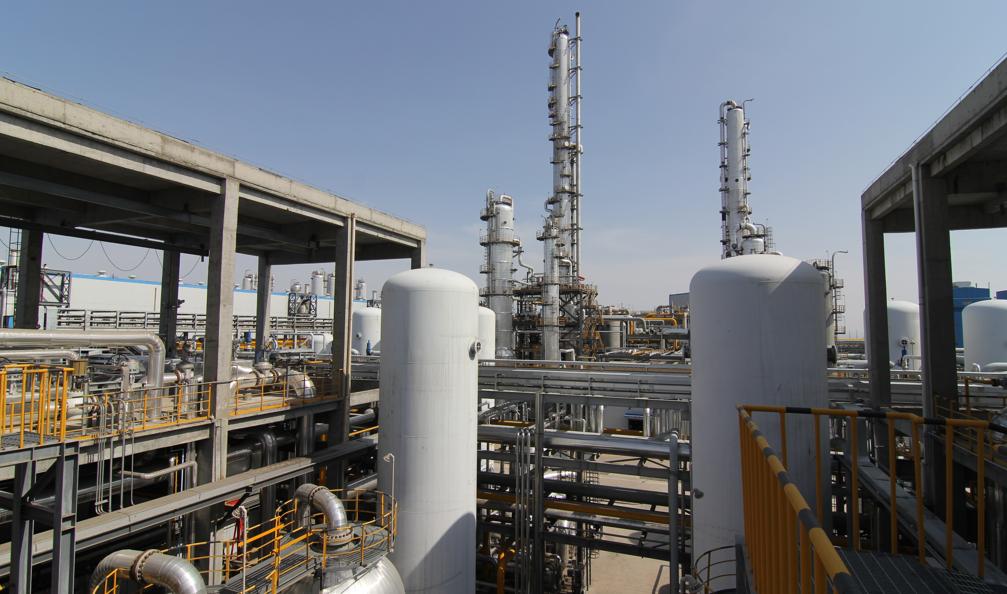
Oxygen Plant Subsidy Options in the United States
Yes, oxygen plant subsidy opportunities do exist in the United States, but they usually do not appear as a single nationwide program labeled specifically for industrial oxygen plants. In practice, funding is most often accessed through energy-efficiency grants, manufacturing modernization incentives, emissions-reduction programs, tax credits, utility rebates, state industrial development packages, and public financing tools tied to job creation or cleaner production. For buyers planning a VPSA or PSA oxygen installation, the most actionable path is to combine federal tax benefits, state-level manufacturing incentives, local utility efficiency support, and low-interest industrial development financing.For U.S. projects, the most relevant supplier groups usually include Air Liquide USA, Linde, Air Products, Atlas Copco Gas and Process, On Site Gas Systems, and PCI Gases. They serve key industrial corridors such as Texas, Ohio, Pennsylvania, Indiana, Alabama, California, and the Gulf Coast. If a project is customer-owned rather than merchant gas supply, buyers should ask suppliers to structure the proposal around EPC, turnkey delivery, or customer-owned plant packages so the end user can retain control of the asset and qualify more directly for many local incentive mechanisms.Qualified international suppliers can also be considered. Chinese manufacturers with relevant certifications, strong engineering records, and dependable pre-sales and after-sales support may offer attractive cost-performance for U.S. buyers, especially on customer-owned VPSA oxygen plants where capital efficiency, energy consumption, and flexible load response matter.The U.S. market for industrial oxygen generation is shaped by steelmaking, glass, non-ferrous metallurgy, wastewater treatment, chemical processing, gasification, medical backup systems, and emerging decarbonization projects. Demand is concentrated in major industrial belts and logistics hubs including Houston, Beaumont, Corpus Christi, Pittsburgh, Cleveland, Gary, Detroit, Birmingham, Salt Lake City, and the broader Midwest manufacturing corridor. Gulf Coast ports also matter because imported components, pressure vessels, blowers, valves, and instrumentation often move through Houston, New Orleans, Savannah, Long Beach, and Los Angeles.When buyers search for an oxygen plant subsidy in the United States, they often expect a straightforward grant for the equipment itself. The real market is more nuanced. Incentive eligibility usually depends on what the plant helps achieve. If the oxygen system lowers energy use compared with delivered liquid oxygen, supports waste-gas utilization, reduces emissions in a furnace operation, upgrades a domestic manufacturing site, or adds jobs in a target county, the project may qualify for multiple overlapping support channels. That makes project framing just as important as equipment selection.Across the country, oxygen generation decisions increasingly compare three supply models: delivered liquid oxygen, cryogenic onsite production, and customer-owned VPSA or PSA systems. For many medium and large users, especially where demand is relatively stable but load can swing by shift or batch, VPSA has become compelling because it can reduce long-term operating cost, avoid tanker dependency, and support faster installation than many large cryogenic alternatives. In places with volatile trucking costs or weather-related logistics risk, onsite generation can also improve resilience.The buying environment in the United States is also influenced by labor availability, electrical tariffs, interconnection timing, compressed-air integration, and permitting expectations under state and county agencies. In industrial states such as Texas, Indiana, Ohio, and Pennsylvania, buyers often evaluate oxygen plants not only on purity and flow, but also on power cost per unit of oxygen, local maintenance access, controls integration, and the ability to expand later without replacing the entire package.The chart below shows a realistic planning view of customer-owned industrial oxygen generation activity in the United States, reflecting growing interest in onsite systems, resiliency, and energy optimization.In the United States, funding routes are generally indirect. A project owner may receive support because the oxygen plant is part of a broader modernization, environmental improvement, or domestic manufacturing plan. Common channels include federal tax incentives for certain capital investments, state economic development packages, industrial revenue bonds, utility demand-side management incentives, energy office grants, air-quality or emissions-reduction programs, and sometimes USDA or regional development support in rural manufacturing zones.For example, if a steel processor in Ohio replaces delivered liquid oxygen with a customer-owned VPSA plant that reduces logistics emissions and stabilizes production, the project might qualify for utility efficiency review, county tax abatement, and state job-retention incentives. A wastewater utility in California adding oxygen-enriched treatment may have access to different grant logic tied to environmental performance. A Gulf Coast chemical site could frame the oxygen system inside a process-intensification and emissions-reduction investment package. The equipment may be the same, but the funding narrative changes.Because of this structure, buyers should prepare a project file that includes baseline oxygen cost, electricity use, process benefits, estimated emission impact, job effects, domestic construction scope, and location-specific economic benefits. Without that documentation, many potential incentives are missed.The following table shows practical incentive routes that companies often examine when pursuing an oxygen plant subsidy strategy in the United States. The table does not imply guaranteed eligibility, but it reflects the channels most often explored by industrial buyers.Funding pathwayTypical project fitWhat it may coverWhere commonly usedBuyer actionState manufacturing incentive packagesPlant expansions, retained jobs, new production linesProperty tax relief, grants, training fundsTexas, Ohio, Indiana, Alabama, South CarolinaEngage state economic development office earlyUtility efficiency or electrification programsPower-optimized VPSA or process upgradesRebates, custom engineering studies, demand incentivesCalifornia, New York, Midwest utility territoriesSubmit pre-approval application before purchaseIndustrial development bonds or low-interest financingLarge capital projects with local economic impactReduced-cost financing and tax-advantaged structuresCounty and municipal industrial agencies nationwideCoordinate with bond counsel and local authorityAir quality or emissions-reduction programsCleaner combustion, furnace optimization, logistics reductionGrant support tied to environmental improvementsCalifornia, Northeast, regional air districtsQuantify emissions impact and reporting planFederal tax treatment for qualifying capital investmentNew manufacturing equipment and facility upgradesDepreciation benefits, tax planning advantagesNationwideConfirm treatment with tax advisor before procurementRural or regional development supportPlants in rural manufacturing clustersLoan guarantees, development grants, infrastructure supportMidwest, South, mountain statesMap project location to program geographyWorkforce training grantsNew operations staff or maintenance upskillingTraining reimbursement and skills fundsMany state labor agenciesInclude technician training in project planFor most U.S. industrial buyers, the best strategy is stacking: secure favorable financing, pursue state and local tax relief, and add any available utility or sustainability-linked support. That often has more real value than waiting for a rare equipment-specific grant.Industrial oxygen generation in the United States is usually evaluated by flow range, purity needs, power cost, installation timeline, and ownership preference. Customer-owned plants are increasingly favored where buyers want operating control and direct access to project incentives. The most common system types are PSA, VPSA, and cryogenic air separation, with delivered liquid oxygen remaining the benchmark alternative for comparison.Plant typeTypical purityBest forMain advantageMain limitationPSA oxygen plantUsually around 90% to 95%Smaller to medium industrial users, decentralized sitesCompact footprint and simpler installationLess economical for very large flow demandVPSA oxygen plantTypically around 80% to 94%Steel, glass, smelting, wastewater, large industrial useStrong energy performance at larger capacitiesNeeds good engineering integration and utilities planningCryogenic air separationHigh purity, often 99%+Very large continuous users and multi-gas productionHigh purity and scaleHigher capital cost and longer deliveryLiquid oxygen supplyDelivered product purity varies by contractLow-volume or backup demandNo onsite production equipment ownershipExposure to transport cost and delivery disruptionHybrid onsite plus backup storageDepends on plant typeSites needing resilience and peak coverageBalances cost control and reliabilityMore complex system managementModular expandable systemsDepends on technology chosenFacilities planning phased growthLower initial capital and future scalabilityRequires careful long-term layout planningFor many U.S. industrial users, VPSA is the strongest middle ground between small PSA packages and capital-intensive cryogenic plants. This is especially true in steel and glass, where oxygen flow is meaningful but absolute purity may not need to reach cryogenic levels.The next chart presents a realistic comparison of oxygen demand intensity by major U.S. sectors that commonly evaluate onsite generation or subsidy-supported modernization.When evaluating an oxygen plant subsidy opportunity, buyers should start with the plant’s business case, not the funding source. Subsidies can improve the return on investment, but the project still needs to work operationally. The strongest proposals usually show a clear payback against delivered liquid oxygen or older inefficient generation assets, together with process benefits that management can verify.Buyers should request a complete technical and commercial package from suppliers covering oxygen flow range, purity window, specific power consumption, turndown capability, startup time, automation architecture, spare parts strategy, and local service coverage. They should also ask how the system integrates into their existing blower house, compressed air network, cooling system, electrical infrastructure, and process controls. If the supplier only provides a headline oxygen flow figure without clarifying site conditions, the proposal is incomplete.For U.S. projects, contract structure matters. Many incentives are easier to pursue when the user owns the equipment. That is why EPC, turnkey, or customer-owned plant delivery is often preferable for manufacturers that want asset control. Buyers should clearly separate this from BOO or onsite bulk gas supply models, which can limit direct access to some capital-related support routes.Permitting and code compliance should be addressed early. Electrical integration, pressure vessel requirements, local AHJ review, oxygen piping design, and site safety standards can all affect schedule. Plants in Texas and Louisiana petrochemical zones may face different review expectations than projects in California or the Northeast. The earlier those local issues are mapped, the less likely a costly redesign becomes.Industrial oxygen systems serve a wide set of applications, and understanding the application story helps unlock subsidy logic. In steelmaking, oxygen enriches combustion and improves process intensity. In glass, it supports cleaner and hotter melting. In wastewater treatment, oxygen can improve biological treatment capacity without major civil expansion. In chemicals, it can support oxidation, gasification, and specialty process steps. In mining and non-ferrous metallurgy, oxygen boosts furnace efficiency. In hospitals and emergency preparedness planning, onsite oxygen provides resilience, though that market has very different compliance and product requirements from heavy industry.Many U.S. municipalities and industrial parks are also interested in onsite generation because supply-chain resilience has become a strategic issue. Trucking disruptions, weather events, and regional supply tightness all push buyers to compare customer-owned oxygen plants more seriously than they did a decade ago.The area chart below illustrates a realistic shift in buyer preference from delivered liquid oxygen toward onsite generation in customer-owned industrial projects.A Midwest steel processor evaluating higher furnace productivity may find that a VPSA oxygen plant supports not only lower gas cost but also more stable enrichment. If that site is in Indiana or Ohio and commits to retaining jobs while investing in plant modernization, it can often explore local tax support and development financing. The subsidy is not for oxygen alone; it is for industrial competitiveness and local economic retention.A Texas glass manufacturer near Houston or Dallas may pursue onsite oxygen because delivered liquid prices fluctuate with transport and market conditions. If the plant reduces logistics dependency and improves fuel efficiency in the furnace, the project may be framed around emissions reduction, resilience, and manufacturing efficiency. Utility engagement becomes especially important if the system adds significant electrical load but lowers total process energy cost per ton of product.A California wastewater treatment facility may examine oxygen-enriched treatment as an alternative to expensive civil expansion. In that setting, environmental performance, permit compliance, and public infrastructure efficiency matter more than classic manufacturing metrics. Different agencies and funding sources become relevant, even if the oxygen equipment itself is technically similar.These examples show why a successful oxygen plant subsidy strategy requires matching the project narrative to local policy goals rather than searching for a single national equipment grant.The supplier market in the United States includes major industrial gas companies, specialized onsite generation firms, and international engineering manufacturers that can support customer-owned plants. The table below focuses on practical procurement relevance: service region, strengths, and likely project fit.CompanyService region in the United StatesCore strengthsKey offeringsBest fitAir Liquide USANationwide, strong in Gulf Coast and major industrial corridorsLarge project experience, industrial gas integration, engineering depthOnsite gas systems, pipeline supply, industrial supportLarge industrial users needing broad gas expertiseLindeNationwide, dense presence in manufacturing and chemicalsScale, process know-how, high-purity gas solutionsOnsite plants, merchant gas, process optimizationLarge continuous operations and complex gas needsAir ProductsNationwide, strong in refining, chemicals, metalsMajor EPC capability, industrial gas know-howOxygen supply systems, industrial gas projectsLarge integrated process sitesAtlas Copco Gas and ProcessU.S. industrial regions through engineering and support channelsEquipment engineering, compressors and gas systemsOxygen generation packages and process equipmentUsers needing equipment-centered solutionsOn Site Gas SystemsUnited States with focus on domestic onsite generation supportCustomer-owned systems, packaged onsite generationPSA oxygen generators and engineered systemsMedium users wanting direct equipment ownershipPCI GasesUnited States and export-oriented industrial projectsCustom plant engineering, industrial gas plant packagesOxygen, nitrogen, and related gas generation systemsCustom engineered industrial projectsOxymat partners and distributorsRegional U.S. coverage through channel networksModular generation solutions and distributor supportPSA oxygen systemsSmaller and mid-sized applicationsThese suppliers differ significantly in business model. Some are strongest in gas supply and major integrated projects, while others align better with customer-owned plants where the end user wants direct asset ownership. Buyers should ask each supplier whether they support EPC, turnkey, or customer-owned installations rather than assuming all suppliers work the same way.The comparison chart below gives a practical planning view for customer-owned oxygen plant buyers in the United States. Scores are illustrative and reflect common market perceptions for equipment-led projects.The next table helps procurement teams compare proposals in a way that supports both operations and incentive applications.QuestionWhy it mattersGood supplier answerWarning signImpact on subsidy or financingWhat is the guaranteed oxygen flow at site conditions?Nameplate values can be misleadingPerformance guarantee tied to local temperature, altitude, and utilitiesOnly gives brochure figuresNeeded for business-case validationWhat is the specific power consumption?Electricity cost drives total economicsClear kWh per unit with assumptionsNo site-based estimateImportant for efficiency-related supportCan the plant run at partial load efficiently?Shift-based industries need flexibilityDefined turndown and control logicNo stable low-load planImproves ROI confidenceWhat codes and certifications are covered?Compliance affects schedule and insurabilityDocumented standards and quality testingUnclear compliance scopeSupports lender and authority reviewWho handles installation and commissioning?Ownership of execution risk is criticalClear EPC or turnkey responsibilitiesFragmented handoff between vendorsImportant for grant timeline certaintyWhat local spare parts and service support exist?Downtime risk affects plant economicsRegional support plan and response commitmentRemote-only supportCan influence financing confidenceCan you support incentive documentation?Technical evidence is needed for applicationsProvides energy, emissions, and process dataNo documentation supportDirectly improves approval chancesSteel remains the strongest industrial candidate because oxygen directly affects productivity, combustion, and process economics. U.S. steel centers in Indiana, Ohio, Pennsylvania, and the South continue to evaluate lower-cost and more flexible oxygen supply. Glass manufacturing is another major candidate, especially in states with high furnace energy costs. Wastewater treatment and environmental infrastructure are increasingly relevant because oxygen can expand treatment capacity without full civil rebuilds. Chemical and gasification applications vary widely, but where oxygen supports feedstock conversion or emissions reduction, the funding rationale can be strong.Food processing and aquaculture occasionally appear in smaller PSA-type projects, though subsidy routes there usually come from rural development, utility efficiency, or resilience funding rather than heavy industrial programs. Mining and non-ferrous metallurgy in western states can also be viable candidates where transport costs for liquid oxygen are high and site autonomy matters.For U.S. buyers considering customer-owned oxygen generation, PKU Pioneer is relevant because it focuses on VPSA and PSA gas separation systems delivered as EPC, turnkey, and customer-owned plant solutions rather than BOO or onsite bulk supply. The company has built more than 400 industrial projects in over 20 countries, with total installed oxygen capacity exceeding 2 million Nm3 per hour, and it has supplied more than 100 major steel enterprises worldwide. Its manufacturing and engineering system is vertically integrated, covering in-house research and development, proprietary adsorbent and catalyst production, engineering, equipment fabrication, and after-sales support; that matters to U.S. buyers because performance accountability is not split across unrelated vendors. The company holds ISO, CE, and ASME certifications, has more than 180 patents, and has achieved record-scale VPSA references, including very large single-unit systems, which supports confidence in component selection, fabrication discipline, and testing against international benchmarks. In the U.S. market, this also translates into flexible cooperation models for end users, distributors, dealers, brand owners, and project partners through direct project supply, wholesale cooperation, customized engineering, and regional partnership development. Buyers looking for customer-owned VPSA oxygen plants can work with PKU Pioneer on tailored proposals, pilot verification, retrofits, leasing support, and lifecycle service plans. Its established international delivery record, responsive consultation process, and long-term technical support structure give U.S. customers a practical blend of cost-performance and engineering depth, while its publicly documented project portfolio, including world-class oxygen and gas utilization projects, shows real operating experience beyond remote export sales. Buyers seeking technical discussion or regional cooperation can also use the company’s technical support resources or reach out through the contact page for project-specific planning.A bankable project file for the United States should include baseline oxygen purchase cost, expected annual production volume, electricity tariff assumptions, required purity and pressure, maintenance budget, staffing impact, expected process improvement, and a contingency plan for outages. It should also define whether the project is replacing delivered liquid oxygen, supplementing an existing cryogenic unit, or enabling a process upgrade. Lenders, internal finance teams, and incentive agencies all look for this operational clarity.Buyers should also include a regional economic story. Does the plant support domestic manufacturing in the Rust Belt? Does it reduce truck traffic around a Gulf Coast chemical site? Does it strengthen wastewater treatment resilience in a drought-pressured western municipality? These local angles matter because U.S. incentives are usually connected to broader policy goals.Project sizeTypical userLikely best technologyKey purchase priorityMost relevant incentive angleSmallLocal manufacturing, medical backup, pilot processPSAFast delivery and simple operationUtility rebate, resilience funding, local financingLower mediumFood, wastewater, regional manufacturingPSA or small VPSAOperating cost and serviceabilityEfficiency support and regional development programsUpper mediumGlass, metals, chemicalsVPSASpecific power and stable load responseManufacturing modernization and emissions reductionLargeSteel, smelting, integrated industrial campusesVPSA or cryogenicLifecycle economics and uptimeState incentives, bond financing, tax treatmentVery large continuousMajor steelworks, petrochemicals, multi-gas sitesCryogenic or very large VPSA depending on purity needIntegration and long-term energy strategyLarge project financing and economic development supportPhased expansion sitesGrowing manufacturers and industrial parksModular expandable systemsScalability without stranded capitalPhased grants and local tax agreementsLooking toward 2026, three trends are likely to shape oxygen plant subsidy decisions in the United States. The first is deeper integration between oxygen generation and industrial decarbonization strategies. More plants will frame oxygen systems as part of broader energy-intensity reduction and process optimization programs, especially in metals, glass, and chemicals. The second is digitalization. Buyers increasingly want remote diagnostics, predictive maintenance, energy dashboards, and tighter DCS or PLC integration so the oxygen system becomes a managed production asset rather than a standalone utility island. The third is policy layering. Instead of waiting for a dedicated oxygen grant, project developers will combine tax planning, state manufacturing support, utility incentives, and sustainability-linked financing.Technology will continue moving toward lower specific power consumption, faster startup, more flexible turndown, and better adsorbent performance. Sustainability expectations will also intensify. Even when a program does not directly mention oxygen generation, projects that show lower transport emissions, improved furnace efficiency, by-product gas utilization, or better wastewater treatment outcomes will be more competitive for support.Another trend is supplier diversification. U.S. buyers are increasingly open to qualified overseas equipment providers if they can demonstrate certifications, documented project references, engineering depth, and dependable service structures. That is particularly relevant where domestic options are expensive or where a project needs a large customer-owned VPSA system with strong cost-performance.Usually not as a single dedicated national program for industrial oxygen plants. Most support is accessed through broader manufacturing, tax, energy-efficiency, infrastructure, or emissions-related programs.Often yes. When the end user owns the asset through EPC, turnkey, or direct purchase, it is easier to align the capital project with tax planning, local incentives, and certain financing structures.Texas, Ohio, Indiana, Alabama, South Carolina, New York, and California are frequently active, but the best option depends on utility territory, county development agencies, and project type.Prepare a technical specification, cost baseline, utility assumptions, process benefit summary, estimated emissions impact, project timeline, ownership structure, and employment or production impact statement.For larger industrial flows, VPSA is often more economical and energy-efficient. PSA is commonly preferred for smaller or decentralized installations. The right answer depends on demand, purity, and site conditions.Yes. Projects using imported equipment or specialized components should account for lead times through hubs such as Houston, Long Beach, Los Angeles, Savannah, and New Orleans, as well as inland transport to the installation site.Yes, if they offer recognized certifications, documented industrial references, robust engineering, and responsive support. U.S. buyers should verify code compliance, commissioning plans, parts support, and warranty execution.The biggest mistake is treating the project as a standalone equipment purchase instead of aligning it with the local goals that funding agencies care about, such as efficiency, resilience, emissions reduction, domestic manufacturing, or job retention.If you are searching for an oxygen plant subsidy in the United States, the most accurate answer is that support is available, but it is usually packaged through broader industrial, environmental, tax, and regional development mechanisms rather than one simple nationwide oxygen-plant grant. The most successful buyers define a strong customer-owned project, select the right technology, build a documented ROI case, and then match the project to the incentive ecosystem in their state, utility territory, and county. For many industrial users, especially in steel, glass, chemicals, wastewater, and metals, a properly engineered VPSA or PSA oxygen plant can be both financially attractive and strategically resilient.