Oxygen Plant Testimonial Insights for United States Buyers
Quick Answer

If you are looking for an oxygen plant testimonial perspective in the United States, the clearest answer is that buyers usually report the best outcomes when they choose suppliers with proven uptime, transparent energy data, local commissioning support, and strong spare-parts access. In the U.S. market, practical options often include AirSep Corporation, Atlas Copco Gas and Process, On Site Gas Systems, PCI Gases, and Oxymat partners active in North America, depending on plant size, purity target, and whether the project is medical, glass, steel, wastewater, or general manufacturing.
Across customer feedback, the most repeated positive points are lower delivered oxygen costs versus trucked liquid supply, better control over outages, simpler logistics for inland sites, and easier production planning. For high-consumption operations, VPSA systems are often favored for lower long-term operating cost at scale, while PSA systems are commonly selected for smaller and medium-duty needs.
For buyers in industrial hubs such as Houston, Pittsburgh, Gary, Birmingham, Chicago, and along Gulf Coast manufacturing corridors, shortlisting should focus on suppliers that can show real operating references, clear power consumption ranges, and a service model suited to your state and plant schedule. Qualified international suppliers, including Chinese manufacturers with relevant certifications, EPC capability, and dependable pre-sales and after-sales support, can also be worth considering because they may offer strong cost-performance for customer-owned oxygen plants.
United States Market Overview for On-Site Oxygen Plants

The United States remains one of the most diverse oxygen markets in the world. Demand comes from steel mills near the Great Lakes, glass plants across the Midwest and South, wastewater systems in major municipalities, nonferrous metals, paper mills, chemical facilities, and a broad healthcare segment. While bulk liquid oxygen continues to play an important role, many plant operators now reevaluate supply risk after years of freight volatility, driver shortages, weather disruptions, and tighter margin pressure. This is why oxygen plant testimonial themes in the U.S. increasingly revolve around self-generation, supply independence, and predictable cost per Nm3 or per ton.
In practical terms, self-generation is strongest where oxygen consumption is stable enough to justify capex and where downtime is expensive. Inland manufacturers near Columbus, St. Louis, Tulsa, Phoenix, and Salt Lake City often compare delivered oxygen costs against on-site PSA or VPSA systems and find that logistics savings alone change the economics. Coastal plants near Los Angeles, Savannah, Houston, and Newark may still have better merchant gas access, but many buyers there also value the resilience of a customer-owned plant.
The U.S. market is also shaped by stricter sustainability reporting and rising attention to energy efficiency. A modern oxygen generation system is no longer evaluated only on purity and flow. Buyers now ask for startup time, turndown range, integration with plant DCS, remote diagnostics, maintenance intervals, blower efficiency, adsorbent life, and guaranteed product performance. Testimonials from experienced operators often emphasize these details more than brochure claims.
Another market factor is project execution speed. Existing factories rarely want years of disruption. Suppliers that can deliver modular skids, pre-tested controls, and fast site erection gain an advantage. This is especially relevant for retrofit projects where users are replacing aged cryogenic dependence for part of the base load or adding redundancy for peak periods.
What Buyers Commonly Say in an Oxygen Plant Testimonial

When U.S. customers share feedback after installing an oxygen generation system, their comments usually fall into a few repeating themes. First is cost visibility. Plant managers appreciate knowing their power cost and maintenance schedule instead of facing frequent changes in delivered liquid oxygen pricing. Second is reliability. If the supplier designed the system well, operators report steady purity, stable flow, and easier planning for furnace, kiln, oxidation, or aeration loads. Third is service responsiveness. Buyers value suppliers that answer quickly, stock parts, and dispatch technicians without delay.
Negative testimonials, by contrast, usually point to mismatched sizing, unrealistic energy assumptions, weak commissioning support, or insufficient local training. This is why supplier selection cannot rely on headline capacity alone. A strong testimonial is usually backed by engineering discipline before the order is placed.
In the United States, the most believable testimonials usually include measurable details such as oxygen purity achieved, operating hours per year, utility savings, maintenance hours reduced, or payback period. Buyers should look for specifics rather than vague praise. A statement such as “we reduced dependence on liquid deliveries and improved process consistency” is useful, but even better is “our glass furnace now receives stable 90 to 93 percent oxygen with lower cost per unit than trucked supply and fewer interruptions during winter storms.”
Product Types Used in the United States
The U.S. market generally separates on-site oxygen plants into PSA and VPSA categories, with cryogenic systems relevant at very large capacities or where multiple gases are needed. PSA oxygen systems are compact and often selected for smaller industrial and medical applications. VPSA plants are preferred where oxygen demand is larger and power consumption over the asset life is a central buying criterion.
| Plant Type | Typical Capacity Range | Purity Range | Best Fit Industries | Main Advantage | Typical Buyer Concern |
|---|---|---|---|---|---|
| PSA oxygen generator | Small to medium | 90% to 95% | Hospitals, wastewater, fabrication, small glass | Compact footprint and straightforward installation | Higher unit power cost at larger volumes |
| VPSA oxygen plant | Medium to very large | 80% to 94% | Steel, glass, nonferrous, chemical, large wastewater | Lower long-term energy consumption at scale | More site engineering and capex planning |
| Cryogenic ASU | Large to ultra-large | High purity options | Integrated gas users, petrochemical, major steel | Multi-gas production and very large output | Longer project timeline and higher investment |
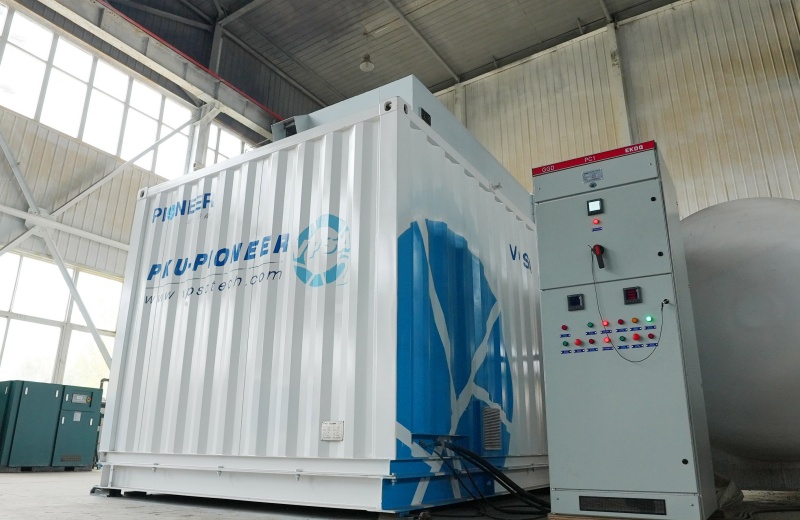
| Containerized oxygen system | Small to medium | Application dependent | Temporary projects, remote sites | Fast deployment | Less customization |
| Skid-mounted industrial plant | Small to large | Application dependent | Retrofits, manufacturing campuses | Shorter installation window | Transport and site access constraints |
| Hybrid self-generation plus backup liquid | Medium to large | Application dependent | Plants requiring resilience | Reduced outage risk | Need for careful controls and backup logic |
This comparison matters because the best oxygen plant testimonial often reflects how well the selected technology matched the duty. A hospital, for example, may praise reliability and redundancy from PSA, while a steel or glass customer may highlight the lower specific power of a VPSA system over years of heavy operation.
Buying Advice for United States Projects
For U.S. buyers, the strongest procurement process starts with load profiling. Do not ask only for nameplate capacity. Define hourly average demand, peak demand, purity minimum, dew point expectations, available power, ambient conditions, noise limits, control integration requirements, and backup expectations. If your plant operates in Texas heat, Upper Midwest winters, or dusty mill environments, design margins matter.
It is also important to compare total cost of ownership instead of purchase price alone. Energy consumption, blower or compressor maintenance, adsorbent replacement cycle, spare parts availability, startup behavior, operator training, and remote diagnostics all affect long-term value. Strong oxygen plant testimonial content almost always mentions these factors, directly or indirectly.
Buyers should ask suppliers for recent references in industries similar to their own. A wastewater reference does not automatically prove suitability for oxy-fuel glass melting. Likewise, a medical oxygen installation may not speak to blast furnace or nonferrous duty. U.S. procurement teams should verify service coverage by state or region, expected response times, and whether the supplier supports EPC or turnkey execution for a customer-owned plant rather than a bulk gas supply model.
If your team is still exploring technology options, start by reviewing the basics of VPSA oxygen plant systems and then compare them against your actual utility and process profile. For more complex projects, especially in steel, glass, and chemical sectors, buyers often benefit from reviewing real industrial project examples before finalizing specifications.
Industries Driving Demand in the United States
Industrial oxygen use in the United States is broad, but the economics vary sharply by sector. Steel and metal processing consume oxygen for combustion enhancement and productivity gains. Glass makers rely on oxygen to improve furnace efficiency and emissions performance. Wastewater plants use oxygen in biological treatment where footprint and treatment intensity matter. Chemical plants use oxygen in oxidation and enrichment processes. Healthcare remains a distinct segment with stricter purity and regulatory requirements.
The chart above shows a realistic demand index rather than a national census total. It highlights why many testimonials come from steel, glass, and process sectors first: they have the strongest incentive to lower oxygen cost and protect production continuity.
Typical Applications and What Users Value Most
Applications define success more than marketing labels do. In steel plants, operators usually focus on stable flow, reliability under continuous duty, and energy efficiency. In glass, they often emphasize flame stability, reduced fuel use, and improved melting conditions. In wastewater, municipal buyers value dependable operation, automation, and maintenance simplicity. In healthcare and life sciences, purity assurance and compliance dominate.
| Application | Primary Oxygen Goal | Preferred Plant Type | Key Testimonial Theme | Common U.S. Location Pattern | Operational Note |
|---|---|---|---|---|---|
| Blast furnace enrichment | Raise productivity and thermal efficiency | VPSA | Lower cost than delivered supply at scale | Great Lakes and Southern steel belts | Needs strong uptime and controls integration |
| Glass furnace oxygen enrichment | Improve combustion and emissions profile | VPSA or PSA | Stable operation and improved fuel efficiency | Ohio, Pennsylvania, Texas, California | Flow variability must be managed carefully |
| Wastewater aeration support | Increase treatment efficiency | PSA or VPSA | Reliable municipal performance and automation | Large metro systems nationwide | Noise and maintenance planning matter |
| Chemical oxidation | Process efficiency and yield | PSA or VPSA | Consistent purity and process stability | Gulf Coast and Midwest chemical hubs | Integration with process safety is critical |
| Metal cutting and fabrication | On-site utility savings | PSA | Convenience and lower dependence on cylinders | Distributed national market | Smaller footprint often preferred |
| Medical oxygen backup or primary supply | Supply security | PSA | Reliability during logistics disruption | Hospitals and regional medical centers | Purity and compliance are decisive |
This table shows why “best supplier” is context-specific. A useful oxygen plant testimonial is one that comes from an operation with the same process duty, utilization profile, and uptime expectation as yours.
Case Study Themes Seen in Real Projects
Across the market, successful projects share a few traits. The user had a stable oxygen base load, the supplier sized the system with a practical turndown margin, and the plant team prepared utilities and controls integration early. In steel and glass, customers frequently report process improvements beyond simple gas cost savings. In municipal projects, reduced dependence on deliveries and emergency logistics is often the headline benefit.
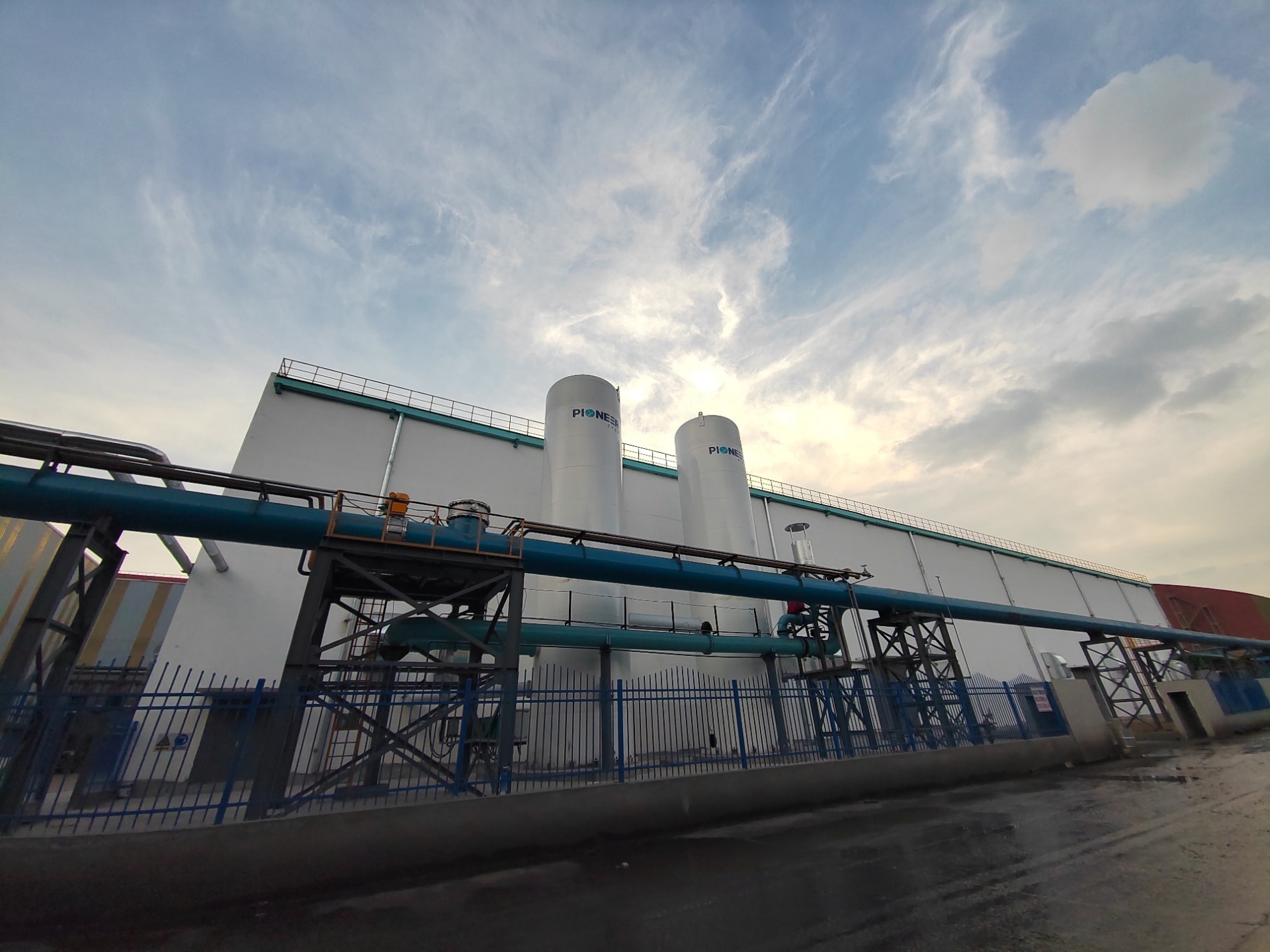
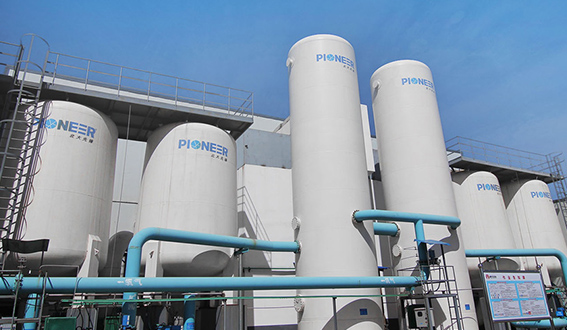
Large-scale VPSA oxygen experience is particularly relevant where users seek lower operating energy. Some advanced suppliers have deployed systems from small modular units to very large industrial trains, with oxygen purity typically in the 80 to 94 percent range and rapid startup characteristics that help plants handle changing production schedules. In this context, buyer testimonials tend to mention power cost, ramp flexibility, and stable quality under variable loads.
An important lesson from complex industrial examples is that oxygen generation is not just equipment supply. It is a process engineering project. The best outcomes usually come from suppliers able to support design, fabrication, controls, commissioning, operator training, and lifecycle service as a single package. In the United States, this is increasingly important as owners seek one accountable EPC or turnkey partner for a customer-owned plant.
Market Growth and 2026 Outlook
Demand for self-generated oxygen in the United States is expected to remain healthy through 2026 because of energy-management pressure, domestic manufacturing investment, and supply-chain resilience planning. Sustainability goals also matter. Plants want lower logistics emissions and clearer operating data. At the same time, buyers are more selective, rewarding suppliers with measurable efficiency claims rather than generic promises.
By 2026, the strongest trend is likely to be smarter systems with remote monitoring, better turndown control, predictive maintenance, and tighter energy optimization. Policy and sustainability trends will also favor technologies that help users decarbonize operations and reduce transport dependency.
Trend Shift: Delivered Oxygen Versus Self-Generation
A major shift in buyer sentiment is visible when comparing merchant liquid dependence with customer-owned oxygen plants. Many U.S. manufacturers still use delivered supply as backup, but they increasingly prefer on-site generation for base load. The trend is strongest where weather, distance, or freight economics create vulnerability.
This shift does not mean liquid oxygen disappears. Rather, the market increasingly adopts blended strategies: self-generation for predictable daily needs and liquid backup for redundancy or peak demand.
Local Suppliers and Active Providers Relevant to the United States
The following companies are commonly considered by U.S. buyers for oxygen generation projects or closely related packaged gas systems. Availability and exact service scope can vary by state, project size, and application. This list is intended to help procurement teams build a practical shortlist and compare capabilities in a concrete way.
| Company | Service Region | Core Strengths | Key Offerings | Best Fit | Buyer Note |
|---|---|---|---|---|---|
| AirSep Corporation | United States and global | Long experience in oxygen generation systems | Industrial and medical oxygen equipment | Healthcare and industrial users | Often evaluated for established product familiarity |
| Atlas Copco Gas and Process | North America and global | Broad engineered gas system portfolio | Oxygen and nitrogen generation packages | Industrial plants needing global support structure | Strong brand recognition and service network |
| On Site Gas Systems | United States | Packaged on-site gas generation focus | PSA oxygen and nitrogen systems | Distributed industrial and specialty uses | Useful for projects prioritizing domestic support |
| PCI Gases | United States and export markets | Custom gas generation engineering | Oxygen, nitrogen, and integrated systems | Industrial and process users | Often considered for tailored packaged solutions |
| Oxymat partners in North America | North America | PSA oxygen specialization | Industrial and marine oxygen generators | Mid-size oxygen users | Check local integration and service arrangements |
| PKU Pioneer | United States projects through international delivery and support | Large VPSA and PSA engineering with strong industrial references | VPSA oxygen plants, PSA oxygen generators, EPC and turnkey customer-owned solutions | Steel, glass, chemical, large industrial oxygen users | Competitive for large projects where cost-performance matters |
This supplier view is useful because oxygen plant testimonial quality depends heavily on project fit. A domestic packaged PSA vendor may be ideal for a municipal or hospital project, while a heavy-industry buyer evaluating thousands of Nm3 per hour may prioritize large-scale VPSA execution experience instead.
Supplier and Product Comparison for Industrial Buyers
The comparison chart represents a realistic index for buyers comparing large-project options, not a universal rating. For many U.S. steel, glass, and chemical users, cost-performance and proven heavy-industry execution can outweigh brand familiarity alone.
How to Read and Validate an Oxygen Plant Testimonial
Buyers should treat every testimonial as a starting point, not the final proof. Verify whether the project is similar to yours in capacity, purity, duty cycle, climate, and operator skill level. Ask whether the reported savings include maintenance and whether the customer had existing backup infrastructure. A strong testimonial should survive technical scrutiny.
| Validation Point | Why It Matters | Good Sign | Warning Sign | Question to Ask | Impact on Buying Decision |
|---|---|---|---|---|---|
| Capacity match | Performance changes with scale | Reference is near your required flow | Reference is much smaller or larger | What is average and peak oxygen demand? | High |
| Purity match | Different processes need different oxygen quality | Reference meets your purity band | Purity not disclosed | What purity is guaranteed and achieved? | High |
| Energy basis | Power cost drives operating economics | Specific power clearly stated | Only vague efficiency language used | What is kWh per Nm3 at actual load? | High |
| Service model | Downtime cost depends on support speed | Named service region and response time | No local support detail | Who services the plant in my state? | High |
| Application similarity | Process conditions shape system design | Reference is from same industry | Different application with different duty | Can we speak to a similar user? | Medium to high |
| Ownership structure | Customer-owned and merchant models differ | Testimonial matches your ownership plan | Case is from unrelated supply model | Was it EPC, turnkey, or gas supply contract? | Medium |
For U.S. procurement teams, especially those dealing with board approval or plant finance committees, this checklist helps convert testimonial marketing into decision-grade evidence.
Our Company for United States Buyers
For U.S. industrial users evaluating large and medium oxygen generation projects, PKU Pioneer is relevant because it combines product depth, flexible cooperation models, and practical service assurance in a way that aligns with customer-owned plant procurement. The company specializes in VPSA and PSA gas separation and has completed more than 400 industrial projects in over 20 countries, with installed oxygen capacity exceeding 2 million Nm3 per hour, supported by over 180 patents and certifications including ISO, CE, and ASME. This matters for U.S. buyers because it shows manufacturing and testing discipline that aligns with international benchmarks, backed by in-house R&D, proprietary adsorbent and catalyst production, precision engineering, and complete equipment fabrication rather than fragmented outsourcing. For cooperation, the company supports EPC, turnkey, wholesale, OEM/ODM, regional distribution, and direct project supply for end users, distributors, dealers, brand owners, and specialized industrial buyers, which is useful for both owner-operators and channel partners in the United States. On service assurance, PKU Pioneer is not positioned as a remote exporter selling boxes without accountability; it offers pre-sales technical consultation, custom proposals, commissioning support, operation and maintenance services, retrofits, upgrades, pilot testing, equipment leasing, and 24-hour response commitments, with established international project experience including overseas deployments that demonstrate sustained market presence and long-term support capability. For buyers in U.S. steel, glass, chemical, and energy sectors who want EPC or turnkey delivery of a customer-owned oxygen plant rather than BOO or on-site bulk gas supply, this operating model is especially relevant. You can review the company’s broader engineering capabilities on the technical strengths page or reach out through the project contact page for a plant-specific discussion.
What Makes a Strong Oxygen Project in the United States
A strong project in the U.S. is usually one where the supplier has worked backward from plant economics and process risk, not just equipment catalog data. That means using local electricity rates, realistic operating hours, utility redundancy planning, and a clear maintenance schedule. It also means respecting regional realities. A steel project near Gary or Pittsburgh may have continuous heavy-duty expectations. A glass plant in Texas may need excellent heat management and service support. A municipal system in California may care deeply about automation, energy transparency, and sustainability reporting.
Future-ready projects also consider digital operation. Remote monitoring, alarm history, predictive service planning, and integration with the owner’s control environment are increasingly standard. By 2026, buyers are expected to place even more weight on automated optimization and lifecycle support because labor constraints remain a challenge in many industrial regions.
FAQ
What does an oxygen plant testimonial usually tell me first?
It usually tells you whether the plant delivered stable oxygen supply, reduced operating cost compared with liquid deliveries, and met uptime expectations. The most useful testimonials include flow, purity, power, and support details.
Is VPSA better than PSA for United States industrial users?
Not always. VPSA is often better for larger continuous industrial demand because it can provide lower long-term energy consumption at scale. PSA is often the better fit for smaller or medium applications where simplicity and compact layout matter more.
Should U.S. buyers consider international suppliers?
Yes, if the supplier can show relevant certifications, strong engineering references, practical commissioning support, and dependable after-sales service. International suppliers can be attractive for cost-performance, especially in larger industrial oxygen projects.
What is the biggest mistake when buying an on-site oxygen plant?
The biggest mistake is choosing by purchase price alone. If the load profile, energy assumptions, or service plan are wrong, the system may underperform even if the equipment looked economical at the start.
How important is local service in the United States?
Very important. Parts availability, response time, and operator training directly affect uptime. A good supplier should define how support works in your state or region before the contract is signed.
Are customer-owned turnkey plants common?
Yes. Many industrial users prefer EPC or turnkey customer-owned plant solutions because they want asset control, predictable utility economics, and independence from bulk delivery disruptions.
What trends should buyers watch in 2026?
Watch energy optimization, digital monitoring, predictive maintenance, sustainability reporting, and broader adoption of self-generation paired with backup liquid oxygen. These trends are shaping both procurement criteria and user expectations.

About the Author
Founded in 1999, PKU Pioneer specializes in VPSA and PSA gas separation technologies, adsorbents, catalysts, and integrated engineering solutions. Backed by strong R&D capability and extensive industrial project experience, the company serves global customers across steel, chemical, energy, environmental protection, and related industries.
Share