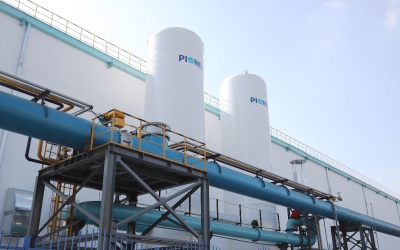
True Cost of Ownership VPSA in the United States
Quick Answer

The true cost of ownership VPSA in the United States is usually driven less by the purchase price and more by electricity, blower efficiency, vacuum system design, oxygen demand stability, maintenance planning, adsorbent life, and downtime risk over 10 years. For most U.S. industrial users, a well-designed VPSA oxygen plant can deliver a lower long-term cost than delivered liquid oxygen and, in many medium-to-large applications, a faster payback than expected when the plant runs steadily above 70% utilization.
In practical terms, buyers in the United States should compare at least these suppliers and solution paths before making a decision: Air Liquide, Linde, Air Products, Atlas Copco Gas and Process, On Site Gas Systems, and qualified engineering-focused international suppliers such as PKU Pioneer VPSA oxygen plant solutions. For U.S. projects, the best choice is usually the supplier that can prove energy consumption, purity stability, startup performance, spare parts strategy, and local service response in writing.
If your site is in steel, glass, nonferrous metals, wastewater, pulp and paper, or chemical processing near hubs such as Houston, Gary, Pittsburgh, Birmingham, or the Great Lakes corridor, VPSA often becomes attractive when oxygen use is continuous and large enough to justify customer-owned generation. Qualified international suppliers, including Chinese manufacturers with strong certifications, EPC capability, and reliable pre-sales and after-sales support, can also be worth considering because they may offer better cost-performance without sacrificing technical depth.
Market Overview in the United States

The United States remains one of the most active industrial oxygen markets in the world. Demand is spread across steelmaking in the Midwest and South, glass manufacturing in Pennsylvania and Ohio, chemicals and refining around the Gulf Coast, mining and metals processing in western states, wastewater treatment in large metropolitan systems, and medical or specialty industrial use in multiple regions. In this environment, the ownership economics of oxygen supply are changing. Rising freight costs, labor shortages, power pricing volatility, supply-chain delays for bulk deliveries, and stronger decarbonization targets are pushing more plant owners to evaluate on-site generation rather than long-term dependence on merchant liquid oxygen.
That is where the true cost of ownership VPSA becomes a more useful decision tool than a simple purchase quote. A low initial price can become expensive if the blower package is inefficient, if controls are unstable, if oxygen purity drifts under changing load, or if the adsorbent replacement cycle is shorter than promised. By contrast, a plant with a slightly higher initial capital cost may deliver a lower 10-year ownership cost if it uses less electricity per Nm3, starts quickly after outages, and maintains stable production from 25% to 100% load.
In the U.S. market, buyers also need to consider site-specific issues such as utility tariffs, local electrical interconnection constraints, labor costs, permitting timelines, seismic or weather requirements, and access to service teams from ports and industrial corridors. A project near Houston or New Orleans may have different freight economics than one in Indiana, Utah, or upstate New York. Plants installed near major manufacturing corridors often benefit from easier access to compressors, valves, instrumentation support, and field service contractors, which directly affects downtime cost and spare parts planning.
Because of these local factors, the best economic model is usually not a generic “oxygen cost per unit” estimate. It is a full ownership analysis covering capital expenditure, utility consumption, planned maintenance, emergency repairs, instrumentation calibration, adsorbent life, control upgrades, operator time, and production interruption risk. That is the basis for a credible U.S. purchase decision.
What “True Cost of Ownership” Really Means for a VPSA Oxygen Plant

When industrial buyers talk about cost, they often start with the quoted equipment price. That is understandable, but it is incomplete. The true cost of ownership VPSA includes every dollar required to deliver usable oxygen at the target purity and flow over the life of the plant. In most U.S. installations, the largest cost categories over 10 years are electricity and maintenance, not just the original equipment purchase.
A useful framework includes these elements: engineering and EPC scope; civil works and foundations; electrical infrastructure; imported and domestic freight; installation and commissioning; operator training; utility consumption; annual maintenance contracts; replacement valves and instruments; adsorbent or molecular sieve replacement; blower and vacuum pump overhaul; software and control system updates; insurance and compliance costs; and lost production due to outages or underperformance. If a plant serves a process where oxygen directly affects furnace productivity, melt rate, combustion efficiency, or oxidation throughput, the value of reliability can exceed the value of small savings in capital cost.
In the United States, this is especially important because unplanned downtime can be very expensive. A steel mill in Indiana, a glass plant in Ohio, or a chemical operation in Texas may lose far more from process disruption than from a higher maintenance budget. That is why buyers should evaluate oxygen generation as a production asset, not as a commodity machine.
Main Cost Drivers Over a 10-Year Period
| Cost Driver | How It Affects Total Cost | Typical U.S. Buyer Concern | What to Verify Before Purchase |
|---|---|---|---|
| Equipment CAPEX | Sets initial budget and financing need | Is the scope complete or missing utilities and controls? | Battery limits, exclusions, commissioning scope, taxes, freight |
| Power Consumption | Usually the largest long-term operating cost | Will the actual kWh per Nm3 match the proposal? | Guaranteed specific power at site conditions and purity |
| Maintenance | Impacts annual budget and uptime | Are critical spares available in the United States? | Maintenance interval, parts list, service response time |
| Adsorbent Life | Affects replacement cost and performance stability | Will the sieve last under actual dust, humidity, and cycling? | Adsorbent type, reference plants, contamination protection |
| Downtime Risk | Can become the most expensive hidden cost | What happens if oxygen pressure or purity drops unexpectedly? | Redundancy, bypass plan, restart time, remote diagnostics |
| Load Flexibility | Prevents waste during variable operation | Can the plant follow actual process demand? | Turndown range, control logic, purity at part load |
| Installation Complexity | Changes schedule and total project cost | How much local construction is needed? | Module design, skid preassembly, field welding scope |
| Service Infrastructure | Influences repair speed and operating confidence | Is there local or regional support? | U.S. service contacts, stock points, training support |
This table matters because many vendors can appear competitive on nameplate flow and purity, yet differ substantially on operating cost and plant resilience. In ownership terms, the supplier that documents energy use, service coverage, and critical spare strategy usually provides the more bankable offer.
Typical 10-Year Cost Breakdown
For a medium-to-large U.S. industrial oxygen project, a realistic 10-year cost model often shows electricity representing the largest share, followed by the original capital cost and then maintenance. The exact split depends on local power tariffs, annual running hours, oxygen purity, and process stability. Sites in states with low industrial power rates can achieve a distinctly better ownership profile than sites with high peak demand charges unless the system is designed to reduce peak draw.
The trend above illustrates why total ownership analysis matters. CAPEX is paid up front and is easy to see. Energy and maintenance accumulate quietly and can exceed the original machine cost over time. For plants running around the clock, even a modest improvement in specific power consumption can materially change the 10-year outcome.
Example 10-Year Ownership Model
Consider a simplified example for a customer-owned VPSA oxygen plant serving a U.S. metals or glass facility. Assume continuous operation, moderate electricity pricing, and standard maintenance intervals. The exact numbers will vary by project, but the pattern is representative.
| Cost Element | Illustrative Share | Typical Notes | Can It Be Reduced? |
|---|---|---|---|
| Plant equipment and EPC | 28% | Includes process package, controls, erection, commissioning | Yes, through modularization and scope optimization |
| Electrical and utilities tie-in | 8% | Transformers, cable runs, MCC, piping, instrument air | Partly, if existing infrastructure is strong |
| Energy consumption | 39% | Usually the dominant lifetime cost | Yes, through better blower/vacuum design and controls |
| Planned maintenance | 10% | Filters, valves, instrumentation, lubrication, inspections | Yes, if parts are standardized and accessible |
| Major overhaul and adsorbent replacement | 7% | Depends on contamination control and operating discipline | Yes, through pretreatment and good operation |
| Operator labor and training | 3% | Often modest, but not zero | Yes, through automation and remote support |
| Unplanned downtime and contingencies | 5% | Can be far higher at process-critical sites | Yes, through redundancy and fast service response |
This example shows why a low-bid machine is not always a low-cost asset. If a supplier saves 8% on initial price but consumes 10% more power every year, the economic advantage can disappear quickly. U.S. buyers should insist on guaranteed performance values tied to site conditions rather than relying on brochure figures.
Product Types and Where They Fit
Different oxygen supply options fit different operating profiles in the United States. VPSA is often most compelling in medium-to-large, steady-demand applications. PSA may be more suitable for smaller capacities or decentralized needs. Cryogenic air separation remains relevant for very large tonnage and very high purity. Delivered liquid oxygen still fits backup, remote, or low-utilization situations where installing a plant is difficult.
| Supply Type | Best Fit | Strengths | Limitations |
|---|---|---|---|
| VPSA oxygen plant | Medium-to-large continuous demand | Lower long-term cost, quick startup, good load flexibility | Requires power, space, and planned maintenance |
| PSA oxygen generator | Small-to-medium applications | Compact, simple deployment | Less suited to very large oxygen flow |
| Cryogenic ASU | Very large capacity or very high purity | High purity and large-scale output | Higher capital cost, longer project cycle |
| Delivered liquid oxygen | Backup, intermittent use, remote sites | No major on-site process plant needed | Subject to freight, supply disruptions, tank logistics |
| Hybrid VPSA + liquid backup | Critical process sites | Balances ownership savings with reliability protection | Needs careful integration and backup planning |
| Multiple modular VPSA trains | Variable load or expansion planning | Redundancy and phased capital deployment | Can increase controls and piping complexity |
For many U.S. buyers, a hybrid arrangement is especially practical. A customer-owned VPSA plant supplies the base load while a liquid tank covers startup, maintenance, or emergency backup. This can be a strong way to reduce merchant oxygen dependence without exposing the process to unnecessary risk.
Industry Demand in the United States
Industrial oxygen demand in the United States is not evenly distributed. Steel and metals remain major users, but oxygen demand is also growing in glass, wastewater treatment, pulp and paper, chemicals, and certain waste-to-energy or environmental applications. This broad demand base supports a more active market for on-site generation, especially where facilities seek energy efficiency and supply independence.
The bar chart shows why suppliers with strong experience in heavy industry tend to be relevant in the U.S. oxygen market. End users should ask not only whether a vendor has built oxygen plants, but whether it has built plants for the same process conditions, operating culture, and uptime expectations seen in their industry.
Applications Where VPSA Often Wins
VPSA oxygen plants are most attractive when oxygen is a recurring operating requirement rather than an occasional utility. Typical applications in the United States include oxygen enrichment for blast furnaces and electric arc furnace support, glass furnace combustion enhancement, nonferrous smelting, oxidation processes in chemicals, aerobic treatment in wastewater, pulp delignification, and various environmental control systems.
In these applications, the value proposition is not just lower oxygen price. It also includes process stability, reduced dependence on truck deliveries, faster response to load changes, and a more predictable long-term operating budget. In logistics-sensitive regions, especially during periods of driver shortage or weather disruption, on-site oxygen generation can be a resilience strategy as much as a cost decision.
Buying Advice for U.S. Plant Owners
The most important buying advice is simple: evaluate the guaranteed delivered oxygen cost over 10 years, not the equipment price alone. Ask every supplier to quote on the same basis: same oxygen flow, purity, pressure, site conditions, annual running hours, utility prices, and battery limits. Then compare the total ownership model line by line.
Good buyers also ask difficult questions early. What is the specific power consumption at actual ambient conditions in Texas summer heat or Midwest winter cold? What happens at 60% load? What is the predicted adsorbent life if inlet air quality deteriorates? Which parts are stocked in the United States, and which must be imported? How long does a restart take after an outage? Which alarms can be diagnosed remotely? How many operators are needed? What preventive tasks are required monthly, quarterly, and annually?
If the project is process-critical, request a guaranteed availability target and a written spare parts matrix for the first two years. If your plant is located far from major industrial service hubs, insist on a practical support plan. Freight times to inland regions can make a major difference when valves, analyzers, or rotating equipment fail.
Supplier Comparison for the United States
| Company | Service Region | Core Strengths | Key Offerings |
|---|---|---|---|
| Air Liquide | Nationwide United States | Large industrial gas network, engineering depth, backup supply options | Industrial oxygen, supply contracts, pipeline and packaged gas solutions |
| Linde | Nationwide United States | Strong process integration, broad gas infrastructure, large project capability | Bulk oxygen, plant engineering, integrated industrial gas supply |
| Air Products | Nationwide United States | Major gas producer with strong heavy industry experience | Oxygen supply, industrial gas systems, project support |
| Atlas Copco Gas and Process | United States and global | Compressed air and gas generation expertise, system integration | On-site generation packages, air and gas process equipment |
| On Site Gas Systems | United States, especially industrial and institutional markets | On-site generator focus, packaged systems, practical deployment | PSA and oxygen generation systems for varied users |
| PKU Pioneer | United States projects supported from global engineering network | Large-scale VPSA specialization, low-energy design, turnkey EPC capability | VPSA oxygen plants, PSA systems, retrofits, customer-owned turnkey plants |
This comparison is not a ranking. It is a buying shortlist. Some companies are strongest as industrial gas majors with broad supply networks, while others are stronger in customer-owned plant engineering. U.S. buyers should match supplier type to project type: merchant gas support, turnkey on-site generation, modular equipment, or large integrated oxygen systems.
Detailed Analysis of Local and International Supply Options
Air Liquide, Linde, and Air Products are well-known names in the United States because they operate extensive industrial gas networks and have experience supporting major manufacturing regions from the Gulf Coast to the Midwest. They are particularly relevant when a buyer needs integration with existing bulk gas supply, backup arrangements, or a broad national service relationship. Their strength often lies in reliability, financing scale, and industrial gas experience rather than in being the lowest upfront-cost option for a customer-owned VPSA package.
Atlas Copco Gas and Process is relevant because many U.S. buyers value standardized packaged systems and a strong understanding of compressed air, controls, and industrial utility integration. On Site Gas Systems is often considered by smaller or mid-sized users that prioritize packaged deployment and operational simplicity.
Qualified international suppliers can also be practical, especially when the project calls for a customer-owned plant with strong cost-performance. For U.S. buyers comparing EPC and turnkey options, PKU Pioneer stands out as a specialist in VPSA and PSA gas separation rather than a general equipment trader. The company combines in-house research and development, proprietary adsorbent and catalyst manufacturing, engineering, fabrication, and turnkey project delivery, with more than 180 patents and major certifications including ISO, CE, and ASME that support international compliance expectations. Its VPSA oxygen systems cover capacities from small modular units to ultra-large plants exceeding 100000 Nm3 per hour, with operating energy often below 0.3 kWh per Nm3 and flexible load response from 25% to 100%, which directly affects 10-year U.S. ownership economics. For different buyer types in the United States, the company can support end users, EPC partners, distributors, dealers, and brand-driven channel partners through flexible cooperation models including OEM/ODM, wholesale supply, project-based retail, regional representation, retrofits, leasing, pilot testing, and full EPC or turnkey customer-owned plant solutions rather than BOO or on-site bulk supply. Its export track record spans more than 400 industrial projects in over 20 countries, including large steel and industrial oxygen installations, and that operational scale provides authority when U.S. buyers ask for reference-class engineering rather than brochure claims. The company also demonstrates market commitment through responsive 24-hour contact channels, remote and field-oriented technical support, commissioning assistance, upgrade services, and sustained after-sales support designed for long-life industrial assets, giving American buyers more protection than a remote-export-only model. Buyers looking for project examples can review world-class VPSA and PSA project cases and discuss practical execution through the company’s U.S.-oriented inquiry channel.
Supplier and Product Comparison by Ownership Factors
This comparison chart helps frame tradeoffs. Industrial gas majors often score very highly on U.S. network familiarity and broad support. Packaged specialists can be attractive for simpler projects. A dedicated large-VPSA specialist can be especially strong where energy performance, scalability, and turnkey engineering depth matter most. The right choice depends on whether your project priority is utility integration, lowest lifecycle cost, or process-specific oxygen performance.
Case Study Patterns That Matter
In U.S. project development, reference patterns matter more than generic claims. Buyers should look for evidence in industries with similar oxygen duty cycles and process sensitivity. Large steel and metallurgical applications are especially informative because they demand uptime, stable purity, and flexible oxygen output. Chemical and by-product gas utilization projects are also relevant because they show whether a supplier understands process integration beyond standalone oxygen equipment.
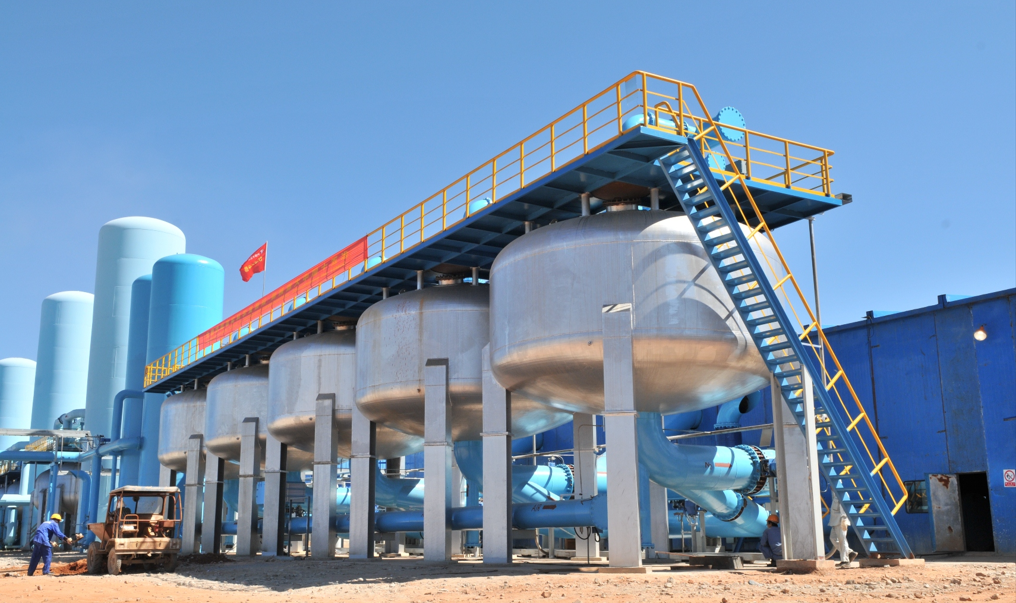
One reason specialized VPSA suppliers draw attention is their ability to execute at scale. Large reference projects in the steel sector demonstrate not only machine size but also controls, reliability, blower-vacuum coordination, and adsorption bed design under real industrial stress. Buyers interested in this type of engineering background can review technical support and capability information to assess whether the supplier’s design philosophy aligns with U.S. plant expectations for uptime and maintainability.
Trend Shift in the U.S. Oxygen Supply Market
The U.S. market is gradually shifting from a simple “buy gas” mindset toward a “control the long-term oxygen cost” approach. This does not mean merchant liquid oxygen will disappear. It means more plants are actively comparing supply models. As delivered gas logistics become more expensive or less predictable, customer-owned VPSA is being considered in more sectors.
The line chart reflects a realistic market direction rather than a precise census. The trend is clear: ownership economics, resilience, and sustainability are driving greater attention to on-site oxygen generation in the United States.
Future Trends Through 2026 and Beyond
Several trends will shape the future cost of ownership VPSA in the United States. First, technology improvements in blowers, vacuum systems, controls, and adsorbents will continue to reduce specific energy consumption. Plants that once looked acceptable on paper may now be outperformed by newer designs with better process control and lower parasitic losses.
Second, sustainability pressure is changing procurement behavior. More U.S. manufacturers now evaluate oxygen generation not only on cost, but also on emissions linked to transport, power use, and process efficiency. Where on-site oxygen improves furnace combustion, oxidation efficiency, or waste gas utilization, it can contribute to broader decarbonization plans.
Third, policy and compliance expectations will matter more. State-level energy incentives, industrial electrification programs, and emissions reporting standards can influence the economics of a VPSA project. Sites in California, the Northeast, and some Midwestern jurisdictions may face a different compliance environment than plants in Texas or the Southeast. Buyers should include these local policy factors in project screening.
Fourth, digital support will become a standard requirement. Remote diagnostics, predictive maintenance, historian-based optimization, and faster service dispatch are becoming expected features rather than premium extras. In ownership terms, digital service can reduce downtime and improve maintenance planning, which has a measurable effect over 10 years.
Finally, sourcing models are diversifying. U.S. buyers are more open to comparing domestic and international engineering suppliers if certifications, local support, and spare-parts planning are well documented. This shift is likely to continue as procurement teams focus harder on lifecycle value rather than vendor origin alone.
How to Build a Better RFQ
A strong request for quotation can save months of confusion. U.S. buyers should clearly state oxygen flow, purity, delivery pressure, annual operating hours, ambient conditions, utility power cost, site elevation, expected turndown range, required startup time, redundancy expectations, and whether backup liquid oxygen will be included. The RFQ should also ask for guaranteed specific power, maintenance intervals, adsorbent life assumptions, commissioning scope, list of exclusions, and schedule.
If the project requires EPC or turnkey execution, the RFQ should define the battery limits for civil work, foundations, cabling, piping, controls, building enclosure, and operator training. When these items are unclear, comparisons become misleading and hidden costs appear late in the process.
How Our Company Approaches U.S. VPSA Ownership Economics
For buyers in the United States who want a customer-owned oxygen plant instead of dependence on delivered bulk gas, our recommended approach is to start with lifecycle cost engineering, not a generic equipment quote. Through VPSA system planning, we focus on matching oxygen flow, purity, load range, and utility conditions to the right process configuration so that electricity consumption, maintenance burden, and spare parts exposure are controlled from the design stage. We support EPC, turnkey, and customer-owned plant delivery models rather than BOO or on-site bulk supply services, which is often a better fit for American manufacturers seeking direct asset ownership and long-term control over oxygen cost. For U.S. projects, practical execution means documenting performance guarantees, shipment planning, startup support, and after-sales service expectations early. That is why project teams typically begin with a technical and economic review, then move to a tailored proposal based on site conditions, process duty, and expected operating profile.
Frequently Asked Questions
Is VPSA cheaper than liquid oxygen in the United States?
Often yes, especially when oxygen demand is continuous and large enough to support high plant utilization. The exact answer depends on local electricity cost, delivered liquid oxygen pricing, freight distance, and required purity.
What is the biggest hidden cost in a VPSA oxygen plant?
For most U.S. users, the biggest hidden cost is either excess electricity consumption from an inefficient design or downtime caused by inadequate maintenance planning and spare parts support.
How long is the payback period?
Payback varies widely by application, but many continuously operating industrial sites evaluate projects in the range of a few years rather than the full 10-year life. Sites replacing expensive delivered oxygen typically see stronger economics.
Should I choose one large VPSA train or multiple smaller trains?
It depends on reliability needs, maintenance strategy, and expansion plans. Multiple trains can provide redundancy and phased investment, while a single large train may reduce some capital complexity.
What purity can I expect from a VPSA oxygen plant?
Many industrial VPSA systems operate in the approximate 80% to 94% oxygen purity range, depending on design and application. Buyers should confirm the exact guaranteed purity at all required load points.
Does a U.S. buyer need local service support from the supplier?
Yes. Even a robust plant benefits from fast support, clear maintenance procedures, and stocked critical spares. This becomes more important at process-critical sites where oxygen interruption affects production.
Can an international supplier still be a good choice for a U.S. project?
Yes, if the supplier can demonstrate certifications, relevant industrial references, strong engineering capability, practical service arrangements, and clear after-sales commitments. Cost-performance can be compelling when these factors are in place.
What should be included in the final evaluation?
Include equipment price, EPC scope, power consumption, maintenance, adsorbent life, spare parts, training, restart time, load flexibility, warranty terms, and the cost of downtime. That is the only reliable way to understand the true cost of ownership VPSA.
Final Takeaway
The true cost of ownership VPSA in the United States is a lifecycle question, not a purchase-order question. The lowest quote is rarely the lowest 10-year cost. U.S. buyers should prioritize verified energy performance, stable oxygen delivery, practical maintenance, strong service support, and a supplier that understands their specific industry. For many industrial plants, especially in steel, glass, chemicals, and environmental applications, a customer-owned VPSA oxygen plant can be a highly competitive long-term alternative to delivered liquid oxygen when designed and supported correctly.
About the Author
Founded in 1999, PKU Pioneer specializes in VPSA and PSA gas separation technologies, adsorbents, catalysts, and integrated engineering solutions. Backed by strong R&D capability and extensive industrial project experience, the company serves global customers across steel, chemical, energy, environmental protection, and related industries.
Share