Oxygen Plant Make vs Buy in the United States
Quick Answer

For most industrial users in the United States, the right oxygen plant make vs buy decision depends on daily oxygen demand, required purity, site power cost, delivery risk, and how critical uninterrupted supply is to production. If your facility consumes oxygen continuously and predictably, especially above the range where recurring liquid oxygen deliveries become expensive, building or leasing an on-site plant often lowers long-term cost and reduces logistics exposure. If your demand is small, intermittent, seasonal, or spread across multiple sites, buying liquid oxygen or packaged gas usually remains the simpler and safer choice.
In practical terms, U.S. buyers often compare four paths: buy liquid oxygen from a national gas company, lease an on-site solution, build an on-site VPSA or PSA oxygen plant, or combine bulk storage with a smaller backup generator. In the United States, leading companies commonly considered include Air Liquide USA, Linde, Airgas, Matheson, Atlas Copco Gas and Process, and PCI Gases. Qualified international suppliers can also be worth serious evaluation when they hold relevant certifications and provide strong pre-sales and after-sales support. That is especially true for cost-performance-driven buyers looking at engineered on-site systems from specialized manufacturers.
- Choose purchased oxygen when demand is low, variable, or temporary.
- Choose on-site generation when oxygen use is steady and strategic.
- Choose VPSA when large flow and lower operating cost matter most.
- Choose PSA when smaller footprints and moderate flow are priorities.
- Keep backup storage even when you install an on-site plant.
Market Overview in the United States

The United States has one of the world’s deepest industrial gas markets, supported by major production clusters along the Gulf Coast, the Great Lakes manufacturing belt, the Midwest steel corridor, California’s food and biotech hubs, and fast-growing semiconductor and battery investments in states such as Arizona, Texas, Ohio, Georgia, and North Carolina. Buyers evaluating whether to make or buy oxygen must therefore look beyond sticker price. Freight lanes, local tanker availability, distance from merchant plants, weather disruptions, and utility tariffs all affect the real delivered cost of oxygen.
In major industrial centers such as Houston, Gary, Pittsburgh, Detroit, Cleveland, Mobile, and Baton Rouge, bulk oxygen procurement can be competitive because supply ecosystems are dense. However, inland plants with heavy oxygen use often face rising delivered cost once fuel surcharges, driver shortages, storage rental, and emergency delivery premiums are included. This is why many U.S. steel, glass, nonferrous metal, wastewater, and chemical operators revisit the oxygen plant make vs buy question whenever annual production planning changes or power pricing shifts.
Another important market feature is resilience. After several years of supply chain instability, many U.S. manufacturers are less comfortable depending entirely on trucked liquid oxygen. Hospitals made this issue visible during crisis periods, but industrial users also felt it when transport assets tightened. As a result, procurement teams increasingly value hybrid supply structures that combine merchant oxygen contracts with on-site generation and reserve storage.
Environmental compliance also matters. Oxygen enrichment can improve combustion efficiency, reduce fuel use in selected applications, and support decarbonization strategies. By 2026 and beyond, energy efficiency, digital monitoring, remote diagnostics, and lower-carbon process design are likely to shape both vendor selection and plant configuration across the United States.
U.S. Industrial Oxygen Market Growth Trend

The chart below illustrates a realistic directional view of U.S. industrial oxygen market growth, expressed as an index rather than a published market total. It reflects broad demand from steel, wastewater, glass, chemical processing, healthcare support infrastructure, and advanced manufacturing.
What “Make” and “Buy” Mean
In the oxygen supply context, “make” means producing oxygen at or near your own site using an air separation technology. For many industrial buyers, that means VPSA or PSA rather than a large cryogenic unit. “Buy” means purchasing oxygen from an external supplier, typically as liquid oxygen delivered by tanker into a bulk tank, or as cylinders for smaller users.
The distinction matters because these options shift cost and risk in different ways. Buying oxygen converts supply into an operating expense, with less upfront engineering burden but more exposure to recurring price increases and transport constraints. Making oxygen requires capital, utilities, maintenance planning, and technical oversight, but can create lower unit cost and stronger supply control when demand is stable.
Product Types Used in the United States
U.S. buyers comparing oxygen supply paths usually evaluate several formats, each with different economics and operational implications.
| Supply Type | Typical U.S. Use Case | Flow Range | Purity Range | Main Advantage | Main Limitation |
|---|---|---|---|---|---|
| Liquid oxygen delivery | General manufacturing, hospitals, flexible demand sites | Low to high | Very high | No on-site generation complexity | Recurring logistics cost and delivery dependence |
| Cylinder or microbulk oxygen | Labs, small fabrication, maintenance work | Very low | High | Fast setup for small users | Highest cost per unit at scale |
| PSA oxygen generator | Smaller industrial users, aquaculture, local utilities | Low to medium | Usually around 90 to 95 percent | Compact and simpler for moderate demand | Less economical for very large flows |
| VPSA oxygen plant | Steel, glass, nonferrous, wastewater, combustion enrichment | Medium to very high | Usually around 80 to 94 percent | Low power use at larger scale | Requires engineering integration and site planning |
| Cryogenic air separation unit | Large integrated complexes, high purity and multiple gases | High to ultra high | Very high | Best for huge demand and coproduct gases | High capital cost and longer project timeline |
| Hybrid supply model | Critical production with backup needs | Low to high | Depends on design | Balances resilience and cost | More complex commercial arrangement |
This comparison shows why the oxygen plant make vs buy analysis is rarely one-size-fits-all. A municipal wastewater operator in Florida, a copper processor in Arizona, and a glass furnace in Ohio can all arrive at different conclusions even if they use similar monthly oxygen volumes.
Core Decision Framework
When U.S. buyers assess make versus buy, the strongest framework combines operations, finance, engineering, and supply chain.
| Decision Factor | Questions to Ask | Usually Favors Buy | Usually Favors Make | Why It Matters | Common U.S. Example |
|---|---|---|---|---|---|
| Demand stability | Is oxygen consumed every day at a similar rate? | Intermittent or seasonal use | Steady base load | Stable use improves plant payback | Seasonal fish processing vs year-round glass melting |
| Volume | How many Nm3 or tons per day are required? | Small daily demand | Medium to large daily demand | Scale changes unit economics quickly | Small fabrication shop vs steel mill |
| Purity need | Does the process need very high oxygen purity? | Very high purity requirement | Moderate purity acceptable | Technology choice depends on process tolerance | Specialty chemical oxidation vs blast enrichment |
| Power price | What is the local electricity tariff and demand charge? | Expensive power | Competitive industrial power | Power is a key OPEX driver for on-site plants | California peak power vs Gulf Coast industrial rates |
| Supply risk | How costly is a missed delivery or outage? | Noncritical processes | Critical continuous operation | On-site production improves supply control | Wastewater aeration and continuous furnaces |
| Capital strategy | Can the company invest upfront? | Limited capex preference | Long-term asset ownership strategy | Financing structure can change the best answer | Private equity-owned plant vs utility-backed project |
The key lesson is that no single number settles the issue. The best U.S. projects compare total delivered oxygen cost, utility cost, maintenance, downtime risk, backup inventory, contract flexibility, and residual value over a multi-year period.
Typical Cost Logic and Break-Even Thinking
Many U.S. plants start by comparing the delivered cost of liquid oxygen against the estimated cost per Nm3 from an on-site system. Although exact numbers vary by region, contract structure, purity, and flow, the logic is straightforward.
Purchased oxygen cost generally includes the commodity, liquefaction and merchant margin, transport, storage rental, vaporization equipment, surcharges, and sometimes emergency delivery fees. On-site plant cost includes capital or lease expense, electricity, maintenance parts, adsorbent replacement, labor oversight, backup storage, and service support.
For low and irregular use, the convenience of purchased oxygen often outweighs its higher unit cost. As demand becomes round-the-clock and annual consumption grows, the cumulative savings from on-site production can become material. This is especially true when the site is far from a major merchant oxygen source or faces expensive delivery routes.
Illustrative U.S. Cost Comparison
The table below is not a quotation. It is a practical planning model for screening decisions in the United States before requesting supplier proposals.
| Scenario | Demand Profile | Likely Best Option | Estimated Economic Logic | Main Risks | What to Validate |
|---|---|---|---|---|---|
| Small food processor | Low, irregular | Buy liquid or microbulk | Avoids capital for limited use | Higher unit gas cost | Delivery contract flexibility |
| Regional wastewater plant | Stable, medium | PSA or small VPSA | Can cut operating cost over time | Power cost sensitivity | Peak demand and backup plan |
| Glass furnace operator | High, continuous | VPSA plus backup LOX | Often strong payback from base-load generation | Outage consequences | Dual-source reliability design |
| Integrated steel mill | Very high, continuous | Large VPSA or cryogenic | Owned supply supports strategic production | Complex project integration | Purity, pressure, and turndown needs |
| Contract manufacturing campus | Medium, varying by tenant | Lease or hybrid model | Preserves flexibility while reducing delivered gas dependence | Demand forecasting errors | Expandable system architecture |
| Remote mining site | Medium to high, isolated | On-site generation | Transport avoidance can dominate economics | Maintenance access | Local parts and service support |
In many U.S. projects, break-even depends less on a single headline price and more on how often the plant runs at design load. A well-sized plant with reliable utilization can outperform purchased oxygen economics far faster than an oversized unit operating well below its intended load.
Industry Demand by Sector
Industrial oxygen use in the United States is spread across heavy industry, utilities, environmental services, and specialized manufacturing. The bar chart shows a realistic demand mix index across key sectors.
Industries That Most Often Choose On-Site Oxygen
Some sectors are particularly strong candidates for making oxygen on-site in the United States.
- Steel and ironmaking operations using oxygen enrichment in blast furnaces, EAF support, or secondary metallurgy.
- Glass manufacturers requiring continuous combustion support and efficiency gains.
- Wastewater treatment systems using oxygen for biological treatment intensification.
- Nonferrous metal processing where stable oxygen flow improves throughput or recovery.
- Chemical processing plants with ongoing oxidation or enrichment demand.
- Pulp, paper, and environmental remediation sites where transport cost makes merchant supply less attractive.
These users typically value predictable base-load demand, process continuity, and energy optimization, all of which tend to support the economics of on-site systems.
Applications Where Buying Oxygen Still Makes Sense
Buying oxygen remains a smart choice in many situations. Small fabrication shops, temporary industrial projects, mobile treatment systems, pilot plants, and sites with uncertain long-term production plans usually benefit from purchased oxygen. So do companies needing ultra-high purity oxygen but not enough volume to justify a dedicated cryogenic asset. If the plant is inside a dense supply corridor near merchant gas infrastructure, purchased oxygen can remain commercially attractive longer than buyers expect.
Trend Shift Toward On-Site Generation
The following area chart shows a realistic trend shift in the United States as more industrial users evaluate resilience, energy efficiency, and hybrid sourcing models heading into 2026.
Buying Advice for U.S. Procurement Teams
If you are running an oxygen plant make vs buy review in the United States, build your internal process around measurable checkpoints.
- Map hourly, daily, and seasonal oxygen demand, not just annual total.
- Separate minimum base load from temporary peaks.
- Compare at least three commercial structures: buy, lease, and own.
- Price backup supply explicitly, because resilience has real cost.
- Ask vendors for guaranteed specific power consumption at your site conditions.
- Review service response capability by state or region, not just by national sales coverage.
- Check whether purity, pressure, and turndown match actual process needs.
It is also wise to involve operations teams early. They know whether short interruptions are tolerable, whether compressed air quality is stable, and whether the site can support additional electrical loads. Procurement alone rarely has enough process detail to make the best oxygen sourcing decision.
Supplier Comparison for the United States
The supplier landscape in the United States includes global industrial gas majors, packaged gas distributors, and specialized on-site generation providers. The table below focuses on companies commonly relevant to oxygen supply evaluations.
| Company | Primary U.S. Service Region | Core Strength | Key Oxygen Offering | Best Fit | Decision Note |
|---|---|---|---|---|---|
| Air Liquide USA | Nationwide, strong Gulf Coast and industrial corridors | Large-scale merchant and on-site gas supply | Bulk oxygen, pipeline, on-site solutions | Large continuous users | Strong for long-term industrial contracts |
| Linde | Nationwide, major heavy industry clusters | Integrated industrial gas production and engineering | Liquid oxygen, pipeline, plant partnerships | Strategic high-volume users | Often preferred for complex multi-gas needs |
| Airgas | Nationwide distribution footprint | Broad packaged and bulk gas distribution | Cylinders, microbulk, bulk oxygen | Small to medium users | Convenient for flexible and distributed demand |
| Matheson | Nationwide with strong industrial distribution network | Bulk and specialty gas supply | Oxygen delivery and related gas services | Regional industrial buyers | Useful where service responsiveness matters locally |
| Atlas Copco Gas and Process | North America project-based coverage | On-site gas generation systems | PSA and engineered oxygen solutions | Users considering self-generation | Relevant for capex or lease evaluation |
| PCI Gases | Project-based U.S. coverage | Customized oxygen and nitrogen systems | PSA and packaged system engineering | Mid-size industrial sites | Useful for tailored plant design discussions |
For U.S. buyers, this table should be used as a market map rather than a final ranking. The right choice depends on whether your real need is delivered gas, a turnkey on-site plant, rental structure flexibility, or long-term process integration.
Supplier and Product Comparison
The chart below compares typical evaluation scores across common decision criteria for four solution paths in the United States. Higher values indicate stronger relative performance for that criterion in a general industrial context.
Detailed Local Supplier Analysis
Air Liquide USA and Linde are frequently shortlisted by large American plants because they can supply bulk oxygen, support on-site concepts, and structure long-term agreements tied to large industrial operations. They are especially relevant in petrochemical, steel, refining, and chemical corridors where demand is sustained and contract scale is significant. Airgas and Matheson are often more visible in distributed supply chains, where plants need packaged gas, microbulk, or regional service reliability across multiple locations.
For self-generation, companies such as Atlas Copco Gas and Process and PCI Gases are more directly relevant to buyers trying to own or lease an on-site oxygen asset rather than simply purchase oxygen. Their value lies in system engineering, integration, and tailoring plant sizing to real process conditions. Buyers should ask these vendors for guaranteed performance at local ambient conditions, compressor assumptions, maintenance scope, and references from comparable U.S. industries.
Qualified international suppliers also deserve a place in the competitive set if they can demonstrate code compliance, documentation quality, commissioning capability, and after-sales responsiveness in the United States. For cost-sensitive medium and large oxygen projects, international engineering firms can sometimes provide a better capital cost position than domestic-only sourcing, provided service support is concrete and not merely promised.
Case Studies and Practical Scenarios
A Midwest glass plant using continuous oxy-fuel support may find that trucked liquid oxygen works during startup or ramp-up years, but once the furnace runs steadily, a VPSA-backed hybrid model can reduce total supply cost while protecting against delivery disruptions caused by winter weather. A municipal wastewater facility in Texas might discover that a compact PSA or small VPSA becomes attractive once aeration demand is stable and local power pricing remains manageable. A remote mining project in Nevada or Arizona may quickly favor on-site generation because every additional tanker mile raises logistics exposure.
Similarly, a steel-related plant in the Great Lakes region can justify owned oxygen generation if oxygen use is embedded in daily throughput economics. In those cases, the oxygen system is not just a utility purchase; it becomes a productivity asset. That changes procurement logic from simple gas buying to lifecycle process optimization.
Our Company
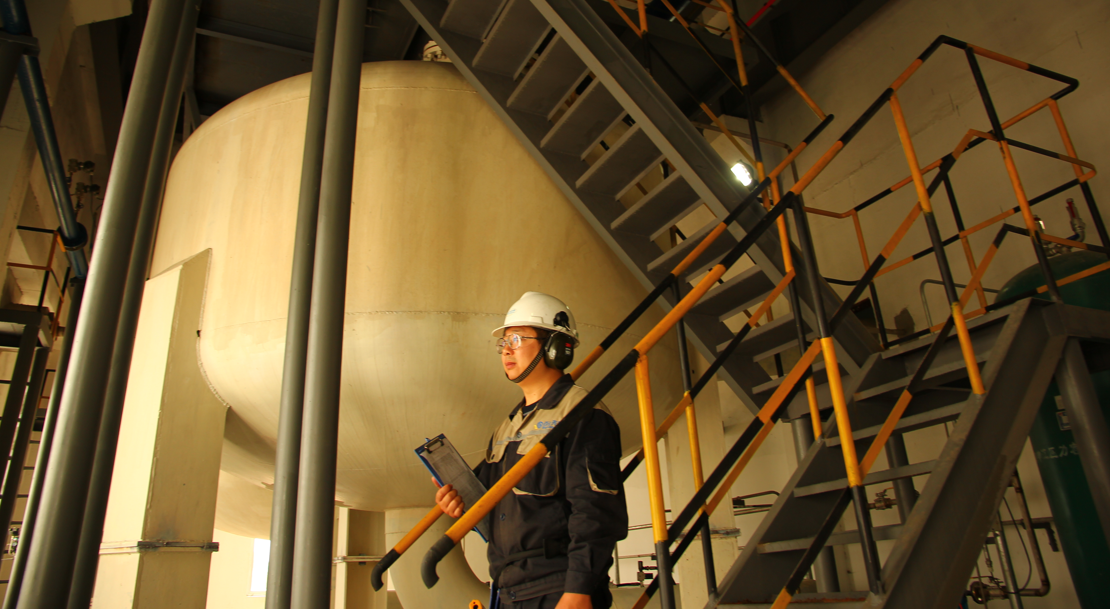
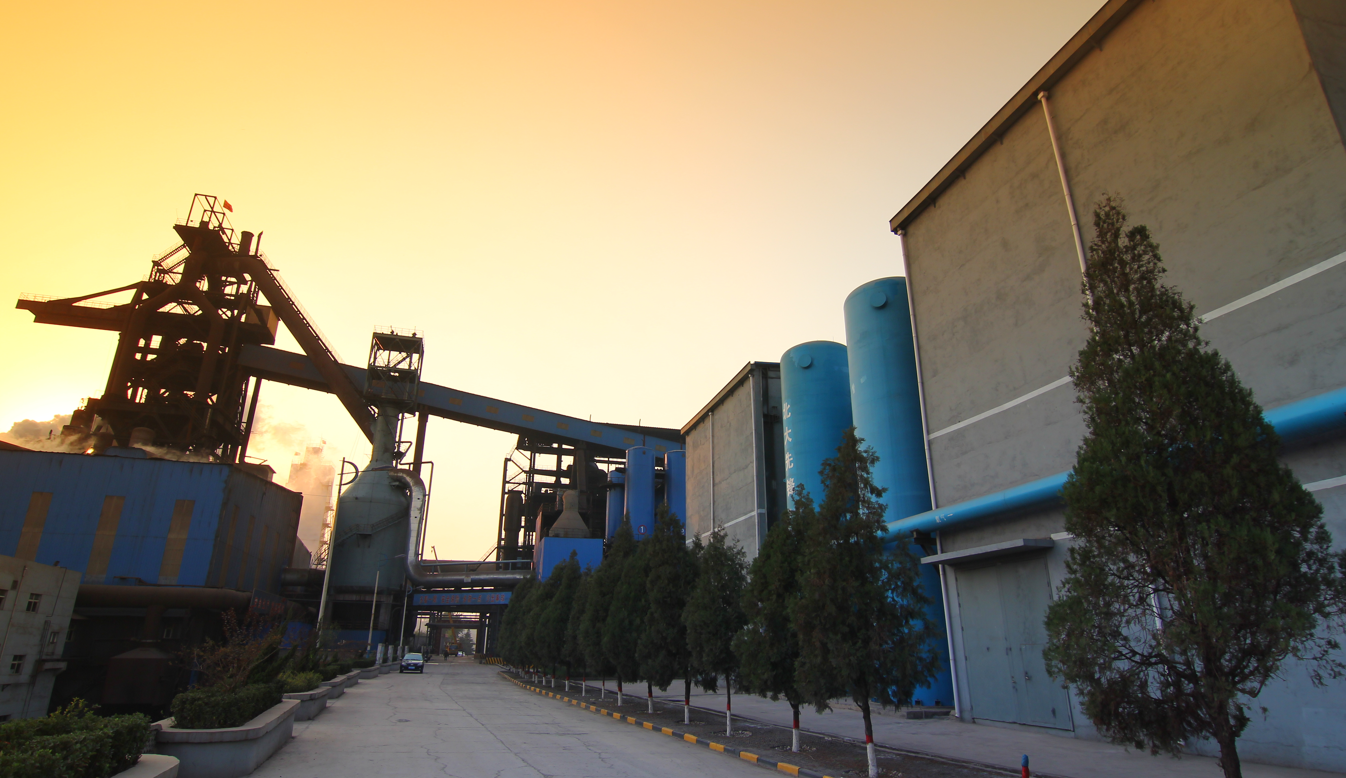
For U.S. buyers evaluating on-site oxygen generation, PKU Pioneer is relevant as a specialized engineering manufacturer focused on VPSA and PSA gas separation rather than a general gas distributor. Its strength is grounded in long industrial experience, more than 180 patents, ISO, CE, and ASME certifications, in-house adsorbent and catalyst production, complete equipment fabrication, and a project record of more than 400 industrial installations across more than 20 countries with installed oxygen capacity exceeding 2 million Nm3 per hour, including world-scale VPSA systems and proven energy performance often below 0.3 kWh per Nm3 in suitable applications. That technical base supports multiple cooperation models for U.S. end users, EPC contractors, distributors, dealers, brand owners, and regional partners through turnkey supply, OEM and ODM cooperation, wholesale equipment packages, modular systems, pilot testing, equipment leasing, retrofits, and long-term operation support. For American customers, the practical value is not just export supply but documented industrial execution, including international reference projects, 24-hour response commitments, custom proposal capability, and structured pre-sales and after-sales support delivered both online and on-site, which gives local buyers a clearer service path when comparing specialized international suppliers with domestic options. Buyers looking for more detail on the company’s VPSA oxygen technology, broader engineering background on the official company platform, examples from industrial reference projects, corporate information via the company profile page, or direct proposal support through the U.S.-oriented contact channel can evaluate whether its cost-performance profile aligns with American project requirements.
How to Compare Proposals Correctly
Many buyers make the mistake of comparing a delivered liquid oxygen price to an on-site plant capital price without normalizing the commercial structure. A stronger approach is to request the following from every vendor:
- Guaranteed oxygen flow, purity, and pressure at specified ambient conditions.
- Specific power consumption and expected annual power use.
- Turnkey scope boundaries, including civil, electrical, controls, and commissioning.
- Scheduled maintenance assumptions and exclusions.
- Recommended backup storage size and transition logic during outage events.
- Expected turndown range without quality instability.
- Lead time, spare parts availability, and local service response path.
This level of discipline is essential in the United States, where project economics can be distorted by interconnection costs, utility demand charges, and local permitting requirements if they are ignored in the early stage.
Future Trends Through 2026
By 2026, three trends are likely to influence oxygen plant make vs buy decisions in the United States. The first is digitalization. More buyers now expect remote monitoring, predictive maintenance, alarm analytics, and performance dashboards. The second is sustainability. Plants want lower energy use, reduced transport emissions, and combustion optimization tied to broader decarbonization goals. The third is policy-driven manufacturing expansion. New investment in semiconductors, batteries, metals processing, and infrastructure can increase oxygen demand in regions not historically viewed as core industrial gas hubs.
Technology trends also matter. VPSA systems are becoming more attractive for large users that do not require cryogenic purity, while modular PSA systems continue to improve for distributed and medium-scale demand. Hybrid architectures are also gaining attention because they give plants resilience without forcing them into an all-or-nothing sourcing choice.
When to Make, When to Buy
You should usually lean toward making oxygen on-site in the United States when your demand is continuous, your annual consumption is meaningful, your site is exposed to delivery risk, and your process can use oxygen purity well matched to VPSA or PSA output. You should usually lean toward buying oxygen when demand is low, unpredictable, temporary, or highly purity-sensitive, or when capital preservation matters more than unit gas cost.
The smartest path for many U.S. facilities is neither purely make nor purely buy. It is a layered supply strategy: on-site generation for the base load, liquid oxygen for backup and peaks, and service agreements that match the operational criticality of the plant.
FAQ
Is buying liquid oxygen always cheaper at the start?
Usually yes, because it avoids up-front equipment investment. However, the total cost can become higher over time if your plant consumes oxygen every day and delivery charges accumulate.
What U.S. industries most often install VPSA oxygen plants?
Steel, glass, nonferrous metals, wastewater treatment, and some chemical and environmental applications are among the strongest candidates.
How important is power price in the make versus buy decision?
It is very important. Electricity is a major operating cost for on-site generation, so local utility tariffs, peak demand charges, and available industrial rates materially affect payback.
Can international suppliers compete in the United States?
Yes, if they meet certification, engineering, and service expectations. Buyers should verify documentation, commissioning support, response time, and spare parts planning, but international specialists can be attractive on cost-performance.
Should I replace merchant oxygen completely after installing a plant?
Not always. Many critical facilities keep liquid oxygen storage as backup or for peak shaving, which improves resilience and protects production continuity.
What is the biggest mistake in oxygen plant make vs buy analysis?
The most common mistake is comparing prices without matching scope. A correct analysis must include power, maintenance, backup supply, uptime risk, transportation, storage, and lifecycle economics.
Final Takeaway
For industrial buyers in the United States, the oxygen plant make vs buy question should be treated as a strategic operating decision rather than a routine gas purchase. If oxygen supports a core process and demand is stable, on-site generation often creates better long-term economics and stronger control. If demand is small or uncertain, purchased oxygen remains the better fit. The best procurement teams in the United States evaluate both domestic and qualified international suppliers, insist on transparent lifecycle cost comparisons, and design oxygen supply around resilience as well as price.

About the Author
Founded in 1999, PKU Pioneer specializes in VPSA and PSA gas separation technologies, adsorbents, catalysts, and integrated engineering solutions. Backed by strong R&D capability and extensive industrial project experience, the company serves global customers across steel, chemical, energy, environmental protection, and related industries.
Share