Oxygen Adsorbents for Global Market PSA VPSA Guide
Oxygen Adsorbents for the Global Market: PSA and VPSA Selection Guide
Fast Answer: What Oxygen Adsorbents Do in PSA and VPSA Systems

Oxygen adsorbents are specialized porous materials used in pressure swing adsorption and vacuum pressure swing adsorption systems to separate oxygen from air. In most industrial oxygen plants, the adsorbent does not primarily adsorb oxygen; instead, it preferentially adsorbs nitrogen, water vapor, carbon dioxide, and trace impurities while allowing an oxygen-enriched product stream to pass through the bed. This is why many engineers describe these materials as nitrogen-selective oxygen-production adsorbents.
The most common oxygen adsorbents in PSA and VPSA oxygen generation are zeolite molecular sieves, especially lithium-exchanged X zeolite, sodium X zeolite, and calcium A zeolite. Carbon molecular sieve is also used in gas separation, but it is more commonly associated with nitrogen production because of its kinetic selectivity. In oxygen generation, the selection of adsorbent has a direct impact on oxygen purity, recovery, bed size, energy consumption, cycle time, start-up stability, and long-term maintenance cost.
For the Global Market, oxygen adsorbents are increasingly evaluated not only by purchase price but also by lifecycle economics. A high-performance molecular sieve may cost more per kilogram, but it can reduce air compressor power, lower vacuum pump load, increase oxygen recovery, and extend operating intervals. For steel mills in Tangshan, integrated chemical parks in Rotterdam, glass plants near Houston, mining hubs in Western Australia, pulp and paper mills in Brazil, and wastewater projects near Singapore or Dubai, the most important question is not simply “what is the cheapest adsorbent?” but “which adsorbent produces the required oxygen at the lowest reliable cost per normal cubic meter?”
A practical quick answer is: use LiX zeolite for high-efficiency VPSA oxygen plants and larger systems where power consumption matters; use NaX or 13X where cost sensitivity and moderate performance are acceptable; use 5A for selected purification or separation duties; and use carbon molecular sieve mainly when the target product is nitrogen rather than oxygen. The optimal choice depends on air pretreatment quality, operating pressure, regeneration method, cycle design, climate, required oxygen purity, and the engineering capability of the system supplier.
| Question | Short Answer | Why It Matters |
|---|---|---|
| What is the main function? | Preferentially adsorb nitrogen from air | Enables oxygen enrichment without cryogenic distillation |
| Typical product purity | 80% to 95% oxygen, depending on process | Matches steel, glass, wastewater, medical, and chemical needs |
| Most efficient adsorbent | Lithium-exchanged X zeolite | High nitrogen capacity and selectivity reduce power consumption |
| Common lower-cost option | NaX or 13X molecular sieve | Useful where budget and moderate oxygen performance are balanced |
| Main non-zeolite option | Carbon molecular sieve | More typical for nitrogen generation than oxygen generation |
| Critical buying factor | Lifecycle cost, not only unit price | Adsorbent performance affects energy, recovery, and reliability |
This table summarizes the direct buying logic. In real projects, adsorbent selection should be validated through process simulation, pilot testing, adsorption isotherms, breakthrough testing, crushing strength analysis, and long-cycle stability evaluation.
Definition and Chemical Composition of Zeolite Molecular Sieve Oxygen Adsorbents

An oxygen adsorbent for PSA or VPSA oxygen production is a porous solid with controlled pore size, high internal surface area, and exchangeable cations that create strong electrostatic fields inside the pore structure. Air is composed mainly of nitrogen, oxygen, argon, water vapor, carbon dioxide, and trace gases. Nitrogen has a larger quadrupole moment than oxygen, so it interacts more strongly with the cationic sites in zeolite frameworks. This difference makes it possible to adsorb nitrogen selectively and discharge oxygen-enriched gas.
Zeolite molecular sieves are crystalline aluminosilicates. Their general framework contains silicon, aluminum, and oxygen atoms arranged in a repeating three-dimensional lattice. Because aluminum substitution creates a negative charge in the framework, charge-balancing cations such as sodium, lithium, calcium, potassium, or mixed cations occupy positions inside the pores. These cations are not random additives; they are essential to adsorption performance because they control how strongly nitrogen is attracted and how easily it is released during regeneration.
Typical oxygen-production molecular sieves are shaped into beads or pellets with binders that provide mechanical strength. Commercial products usually contain the active zeolite phase, binder, residual moisture within an acceptable range, and controlled particle size distribution. The finished adsorbent must withstand millions of pressurization and depressurization cycles without excessive dusting, crushing, or capacity loss. This is especially important in large VPSA plants where bed diameters are large, gas velocities are high, and air flows may exceed tens of thousands of normal cubic meters per hour.
From a chemical perspective, LiX zeolite is an X-type zeolite in which a significant portion of sodium ions has been exchanged with lithium ions. This exchange improves nitrogen selectivity and working capacity. NaX, often sold as 13X, contains sodium ions and has wide industrial use in drying, purification, and oxygen PSA systems. 5A zeolite is a calcium-exchanged A-type zeolite with an effective pore opening around five angstroms. Carbon molecular sieve is not an aluminosilicate; it is a carbon-based material with ultramicropores and is usually designed for kinetic separation.
| Adsorbent | Main Composition | Typical Cation or Structure | Role in Oxygen Production | Key Advantage | Common Limitation |
|---|---|---|---|---|---|
| LiX zeolite | Crystalline aluminosilicate | Lithium-exchanged X framework | High-efficiency nitrogen adsorption | Excellent N2/O2 selectivity | Higher purchase cost and moisture sensitivity |
| NaX or 13X | Crystalline aluminosilicate | Sodium X framework | General PSA oxygen production and purification | Established supply chain and moderate cost | Lower efficiency than advanced LiX |
| 5A zeolite | Calcium aluminosilicate | Calcium A framework | Selective adsorption and pretreatment duties | Strong molecular sieving behavior | Not always optimal for high-recovery oxygen |
| Activated alumina | Porous aluminum oxide | Hydroxylated alumina surface | Air drying before zeolite bed | Protects oxygen adsorbent from water | Not the primary nitrogen-selective layer |
| Silica gel | Amorphous silicon dioxide | Hydrophilic porous network | Moisture removal in pretreatment | High water adsorption at selected humidity | Limited role in N2/O2 separation |
| Carbon molecular sieve | Microporous carbon | Controlled ultramicropore network | Mainly nitrogen generation, special separations | Kinetic selectivity | Usually not the first choice for oxygen PSA |
The table shows that “oxygen adsorbent” is often a functional term rather than one single chemical substance. A complete oxygen generator bed may include drying layers, guard layers, and nitrogen-selective zeolite layers. Good engineering combines adsorbent chemistry with vessel design, distributor design, cycle control, and reliable pretreatment.
Main Oxygen Adsorbent Types: LiX, NaX 13X, 5A, and Carbon Molecular Sieve

LiX molecular sieve is widely regarded as the premium adsorbent for energy-efficient PSA and VPSA oxygen production. Its lithium cations create adsorption sites that strongly attract nitrogen under the operating conditions used in oxygen plants. Because of this high nitrogen working capacity, LiX can reduce the adsorbent inventory required for a given oxygen output or increase output from an existing bed. In large VPSA oxygen plants, LiX-type materials can be a major contributor to low specific power consumption.
NaX or 13X molecular sieve remains one of the most familiar zeolite products in the global gas separation industry. It is robust, commercially available, and suitable for many air purification and oxygen-generation duties. For smaller PSA oxygen systems, especially where investment budget is tight, 13X may be selected. However, where electricity prices are high or the system runs continuously, the extra energy consumed by a lower-performance adsorbent may exceed the initial savings.
5A molecular sieve is made by exchanging sodium ions in A-type zeolite with calcium ions. Its pore size makes it useful for separating molecules by size and polarity. In oxygen generation, 5A can appear in certain process designs or pretreatment configurations, but it is not normally the highest-performance choice for modern large-scale oxygen production. It may be more relevant in hydrogen purification, normal paraffin separation, or specialized gas treatment applications.
Carbon molecular sieve is created from carbonaceous raw materials through activation and pore-size control. It separates molecules mainly by diffusion rate rather than equilibrium adsorption strength. Because oxygen diffuses faster than nitrogen in many CMS structures, carbon molecular sieve is typically used to produce nitrogen from air, leaving oxygen-enriched waste gas. For oxygen production, zeolite is usually the preferred adsorbent family. Nevertheless, engineers working across air separation projects should understand CMS because many industrial gas sites operate both nitrogen and oxygen units.
The Global Market includes diverse climates and site conditions. A molecular sieve that performs well in a laboratory may struggle in a humid coastal plant near Mumbai, a dusty steel site near Port Klang, a high-altitude mine in Chile, or a desert industrial zone near Riyadh unless pretreatment and bed protection are correctly designed. For this reason, buyers should ask suppliers for not only product data sheets but also operating references in similar air quality, temperature, and load-change conditions.
The line chart illustrates a realistic long-term growth pattern for oxygen adsorbent demand. Growth is driven by steel decarbonization measures, oxygen-enriched combustion, wastewater treatment expansion, non-ferrous metallurgy, glass melting efficiency, distributed medical oxygen systems, and replacement of older cryogenic or liquid oxygen supply models with on-site PSA and VPSA oxygen generation.
How Oxygen Adsorbents Work Through Nitrogen-Selective Adsorption in PSA Systems
Pressure swing adsorption separates gases by cycling adsorbent beds between high-pressure adsorption and low-pressure regeneration. In an oxygen PSA unit, compressed air enters a vessel filled with adsorbent. Water vapor and carbon dioxide are removed first by pretreatment or guard layers. Nitrogen is then preferentially adsorbed by zeolite, while oxygen and argon pass through as the product stream. When the bed approaches nitrogen saturation, feed is switched to another bed, and the saturated bed is depressurized to release nitrogen-rich waste gas.
A basic PSA cycle includes pressurization, adsorption, equalization, depressurization, purge, and repressurization. More advanced systems may include multiple equalization steps, product end pressurization, vacuum regeneration, or tailored valve timing. The adsorbent must work harmoniously with this cycle. High nitrogen capacity is useful only if the nitrogen can also be desorbed efficiently during regeneration. If the adsorbent holds nitrogen too strongly under the selected conditions, recovery may decrease or cycle time may need adjustment.
VPSA follows the same separation principle but uses a lower adsorption pressure and vacuum desorption. This is especially attractive for large oxygen capacities because blower and vacuum systems can often reduce energy consumption compared with high-pressure compression. VPSA systems generally require adsorbents with strong nitrogen selectivity at relatively low partial pressures and good working capacity between adsorption and vacuum regeneration conditions.
The process does not normally produce pure oxygen because argon behaves more like oxygen than nitrogen in zeolite separation. Air contains about 0.93% argon, and argon passes with oxygen into the product. Therefore, common PSA and VPSA oxygen purity is often around 90% to 95%, with the remainder mostly argon and nitrogen. This purity range is highly valuable for steelmaking, non-ferrous metallurgy, glass furnaces, wastewater aeration, pulp bleaching, chemical oxidation, aquaculture, and many healthcare-related oxygen systems.
| PSA/VPSA Step | What Happens | Adsorbent Requirement | Common Risk | Engineering Control | Impact on Oxygen Cost |
|---|---|---|---|---|---|
| Air pretreatment | Water, oil, dust, and CO2 are reduced | Resistance to contamination with guard protection | Moisture poisoning of zeolite | Dryers, filters, activated alumina, monitoring | Prevents capacity loss and shutdowns |
| Pressurization | Bed reaches adsorption pressure | Mechanical strength and low attrition | Pellet breakage from pressure shock | Controlled valve opening and distributors | Reduces dust and pressure drop |
| Adsorption | Nitrogen is captured, oxygen passes | High N2/O2 selectivity and capacity | Nitrogen breakthrough | Correct cycle time and bed sizing | Determines purity and recovery |
| Equalization | Pressure energy is transferred between beds | Stable performance under flow reversal | Flow maldistribution | Multi-bed sequence optimization | Improves energy efficiency |
| Depressurization | Nitrogen-rich gas is released | Fast desorption kinetics | Incomplete regeneration | Optimized exhaust path and timing | Improves working capacity |
| Vacuum regeneration | VPSA bed is regenerated below atmosphere | Strong low-pressure working capacity | High vacuum power | Vacuum pump selection and LiX adsorbent | Can significantly lower unit oxygen power |
This process table is useful for procurement teams because it links adsorbent properties to operational outcomes. A good adsorbent must be evaluated inside the complete process, not as an isolated powder or bead.
Critical Properties: N2/O2 Selectivity, Adsorption Capacity, and Mechanical Strength
The first critical property is N2/O2 selectivity. Selectivity describes how much more strongly the adsorbent prefers nitrogen over oxygen under defined temperature and pressure conditions. Higher selectivity usually improves oxygen recovery and reduces the amount of air that must be compressed or blown into the system. For large plants, even a small improvement can generate substantial savings because electricity is often the largest operating cost.
The second property is adsorption capacity, especially working capacity. Total capacity at one pressure is not enough. What matters is the difference between nitrogen loading during adsorption and nitrogen loading after regeneration. A material with high total capacity but poor regenerability may not be efficient. Adsorption isotherms at realistic temperatures, including hot summer operation and cold winter start-up, are essential for accurate design.
The third property is kinetics. PSA and VPSA cycles are fast compared with many equilibrium laboratory tests. The adsorbent must adsorb and desorb nitrogen quickly enough during each cycle. If diffusion is slow, the bed may not use its full capacity before switching, and product purity may fluctuate. Particle size, pore structure, binder choice, and pellet shape all influence kinetics and pressure drop.
The fourth property is mechanical strength. Oxygen adsorbents are subjected to repeated gas flow, pressure swings, vibration, and loading stress. Crushing strength, abrasion loss, bulk density, and dust formation must be controlled. Dust can block valves, damage instruments, increase bed pressure drop, and shorten the life of downstream equipment. In large VPSA units serving steel mills or copper smelters, adsorbent durability is as important as initial selectivity.
The fifth property is resistance to contaminants. Water vapor is the most common enemy of zeolite oxygen adsorbents because polar water molecules strongly occupy adsorption sites and reduce nitrogen capacity. Oil vapor from compressors, acid gases, fine particulates, and process backflow can also damage the bed. Good system design includes filtration, drying, check valves, automatic drainage, and online monitoring of pressure drop and oxygen purity.
For 2026 and beyond, buyers are paying more attention to carbon footprint, raw material security, and circular use. Adsorbents that enable lower power consumption indirectly reduce greenhouse gas emissions. At the same time, suppliers are expected to improve manufacturing consistency, reduce waste, and offer technical guidance for adsorbent replacement, regeneration, or responsible disposal.
The bar chart shows that steel remains a leading demand driver because oxygen enrichment can increase combustion intensity, improve furnace productivity, and support process optimization. However, chemicals, environmental treatment, healthcare infrastructure, and mining are expanding rapidly in Asia, Europe, the Middle East, Africa, and the Americas.
PSA and VPSA Oxygen Production: Adsorbent Requirements and Process Differences
PSA oxygen systems usually operate with compressed air at higher pressure and regenerate adsorbent by reducing pressure close to atmospheric conditions or slightly below. They are common in small and medium oxygen generators for hospitals, clinics, laboratories, aquaculture, wastewater facilities, and compact industrial plants. Adsorbents for PSA must tolerate faster pressure cycling, compact bed dimensions, and frequent start-stop operation. Strong crushing strength and stable particle size distribution are important.
VPSA oxygen systems operate with lower feed pressure and vacuum regeneration. They are often chosen for medium to very large oxygen demand, including steel mills, non-ferrous metallurgy, chemical oxidation, glass production, and large wastewater treatment plants. Because VPSA equipment moves large volumes of air at lower pressure, adsorbent selectivity at low nitrogen partial pressure becomes extremely important. High-performance LiX adsorbents are widely used in advanced VPSA designs to reduce energy consumption.
In practical purchasing, PSA and VPSA should not be compared by equipment price alone. A PSA skid may be simpler for small capacity, while VPSA may deliver lower power consumption at larger capacity. Site utilities also matter. A factory near Hamburg with expensive electricity may prioritize energy-saving adsorbent and VPSA process design. A remote mining site in Peru may prioritize ruggedness, containerized delivery, and spare parts availability. A medical oxygen project in West Africa may prioritize reliability, maintenance simplicity, and compliance documentation.
The VPSA oxygen technology overview provides useful context for large-scale oxygen production, while compact PSA systems can be reviewed through PSA oxygen generator solutions. These technologies are complementary rather than mutually exclusive. The correct choice depends on flow rate, purity, pressure, power price, installation space, automation level, and future expansion plan.
| Item | PSA Oxygen | VPSA Oxygen | Adsorbent Implication | Typical Capacity Fit | Buyer Advice |
|---|---|---|---|---|---|
| Feed pressure | Higher compressed-air pressure | Lower blower pressure | PSA needs pressure-cycle durability | Small to medium | Check compressor efficiency and air quality |
| Regeneration | Pressure reduction and purge | Vacuum desorption | VPSA needs strong low-pressure working capacity | Medium to very large | Evaluate vacuum power and valve life |
| Energy profile | Good at smaller scale | Often better at large scale | LiX can improve VPSA economics | Depends on project size | Compare kWh per Nm3 oxygen |
| Footprint | Compact skid possible | Larger vessels and rotating machinery | Bed design affects pressure drop | PSA for limited spaces | Consider building height and maintenance access |
| Start-up | Fast start possible | Fast compared with cryogenic ASU | Adsorbent must stabilize quickly | Both useful for flexible production | Ask for load-change guarantees |
| Best applications | Medical, aquaculture, small industry | Steel, glass, chemicals, large wastewater | Different grades may be optimal | Application-specific | Request process simulation and references |
This comparison demonstrates why a buyer should select the adsorbent and the process together. A premium adsorbent used in a poorly designed cycle will not deliver its potential, while a good process using unsuitable adsorbent may face high energy use or unstable purity.
Industrial and Medical Uses of Oxygen Adsorbents Worldwide
In steelmaking, oxygen is used for blast furnace enrichment, electric arc furnace operation, converter processes, ladle metallurgy, cutting, and reheating. Plants near Tianjin, Pohang, Jamshedpur, Duisburg, and the Great Lakes region often evaluate VPSA oxygen to reduce reliance on liquid oxygen logistics and improve operational flexibility. Oxygen adsorbents are therefore indirectly connected to steel productivity, fuel efficiency, and emissions reduction.
In the chemical industry, oxygen supports oxidation reactions, syngas conditioning, wastewater oxidation, sulfur recovery, and partial oxidation processes. Industrial parks in Antwerp, Houston, Jubail, Shanghai, and Singapore increasingly require flexible on-site gas production because chemical production campaigns change and feedstock prices fluctuate. PSA and VPSA systems can respond more quickly than large cryogenic units in many medium-purity oxygen applications.
In glass manufacturing, oxygen enrichment increases flame temperature and improves heat transfer. It can reduce nitrogen ballast in combustion air, lowering flue gas volume and potentially reducing NOx formation when correctly engineered. Container glass, float glass, fiberglass, and specialty glass plants in Mexico, Turkey, Egypt, India, and Eastern Europe can benefit from stable on-site oxygen generation.
In wastewater treatment, oxygen improves biological treatment capacity and can help plants handle peak organic loads. Municipal facilities in dense cities such as London, Manila, São Paulo, Cairo, and Jakarta face pressure to treat more water within limited land area. Oxygen-enriched aeration can be part of capacity expansion, odor control, or emergency recovery after shock loading.
In healthcare, PSA oxygen systems are used in hospitals, field medical centers, island communities, and remote regions where liquid oxygen supply may be vulnerable to transport disruption. Medical oxygen requirements are stricter than general industrial requirements, so adsorbent quality must be supported by certified equipment design, filtration, oxygen monitoring, alarms, and compliance with applicable pharmacopeia or medical gas standards.
In mining and non-ferrous metallurgy, oxygen supports gold leaching, copper smelting, nickel processing, and pressure oxidation. Sites in Chile, South Africa, Indonesia, Kazakhstan, and Australia often operate far from large gas supply networks. On-site oxygen generation can reduce tanker dependence and improve production resilience.
The area chart reflects a major technology shift: high-efficiency LiX-based VPSA projects are gaining share in larger oxygen installations. The trend is supported by rising electricity prices, carbon reduction policies, and customer preference for lower operating cost over the full project lifecycle.
Quality Standards and Certification Requirements for Oxygen Adsorbents
Quality standards for oxygen adsorbents include both material specifications and system-level certifications. Material-level parameters usually include chemical composition, adsorption capacity, N2/O2 selectivity, particle size distribution, bulk density, loss on ignition, moisture content, crushing strength, attrition rate, and packaging integrity. For export shipments, documentation may include certificate of analysis, safety data sheet, lot traceability, inspection records, and transport packaging details.
System-level requirements vary by industry. Industrial oxygen systems may require compliance with pressure vessel codes, electrical standards, automation safety, and local installation rules. Medical oxygen systems may require additional validation, gas quality monitoring, alarms, bacterial filtration, and documented maintenance. In the European Union, CE-related requirements may apply to equipment. In many international projects, ISO quality management, ASME pressure vessel design, and local regulatory approvals are important.
For the Global Market, buyers should verify whether the supplier can support international documentation for customs, commissioning, and plant audits. A distributor that only sells adsorbent bags may not be able to diagnose oxygen purity instability after installation. A technology company with process engineering experience can evaluate whether the problem comes from adsorbent aging, valve leakage, compressor oil carryover, insufficient drying, poor bed loading, or unsuitable cycle timing.
Certification is not a substitute for performance testing. Buyers should request representative data under operating conditions close to their project. For example, nitrogen adsorption at 25°C and one pressure point does not fully predict performance in a VPSA cycle operating across adsorption, equalization, and vacuum steps. Pilot testing and dynamic breakthrough testing are especially valuable for large projects.
| Quality Item | Typical Test or Document | Reason for Review | Risk if Ignored | Recommended Buyer Action | Relevant Market Context |
|---|---|---|---|---|---|
| Nitrogen capacity | Adsorption isotherm or COA | Confirms separation potential | Low oxygen recovery | Request test method and conditions | Critical where power prices are high |
| N2/O2 selectivity | Laboratory equilibrium data | Predicts oxygen enrichment efficiency | Unstable purity | Compare multiple suppliers using same method | Important for large VPSA plants |
| Crushing strength | Single-pellet or bulk test | Ensures bed durability | Dust, channeling, pressure drop | Check before loading and after transport | Important for long shipping routes |
| Attrition rate | Rotating drum or abrasion test | Measures dust generation tendency | Valve and filter blockage | Specify maximum attrition in contract | Critical in high-cycle PSA systems |
| Moisture content | Loss on drying or ignition | Shows readiness and storage condition | Reduced capacity at start-up | Require sealed packaging and storage rules | Important in humid ports such as Singapore |
| Traceability | Batch number and production records | Supports quality investigation | Difficult claims and maintenance | Keep loading map and batch records | Required by many audited plants |
This table supports practical procurement. Oxygen adsorbent buying should be treated like critical process equipment procurement, not like ordinary commodity purchasing.
Our Company: PKU Pioneer Oxygen Adsorbent and Gas Separation Capability
PKU Pioneer is a high-tech gas separation technology company rooted in research from Peking University and focused on PSA and VPSA solutions for oxygen generation, carbon monoxide recovery, hydrogen purification, and industrial by-product gas utilization. The company provides EPC, turnkey, and customer-owned plant solutions. It does not position its service as BOO or on-site bulk supply; instead, the project model is based on helping customers own and operate efficient gas production assets with engineering, equipment, adsorbent, commissioning, and lifecycle support.
Technological capabilities. PKU Pioneer combines adsorption science, process simulation, cycle development, and industrial project experience. Its technology portfolio includes large VPSA oxygen plants, compact PSA oxygen generators, PSA carbon monoxide recovery, PSA hydrogen purification, catalysts, pilot systems, and proprietary adsorbents such as PU-8 molecular sieve. The company has accumulated more than 400 industrial project references in over 20 countries, with installed oxygen capacity exceeding 2 million Nm3 per hour. This experience allows engineering teams to match adsorbent properties with real operating needs in steel, chemicals, glass, energy, and environmental sectors.
Manufacturing capabilities. The company integrates adsorbent and catalyst manufacturing with equipment fabrication and engineering delivery. This integrated model improves control over critical interfaces: adsorbent grade, bed design, vessel fabrication, valve sequencing, automation, and commissioning. For buyers in the Global Market, this reduces the risk of fragmented responsibility where one vendor supplies adsorbent, another designs the process, and a third assembles equipment without full accountability. More information about the company background is available through the PKU Pioneer company profile.
Service capabilities. PKU Pioneer supports feasibility consultation, custom technical proposals, pilot testing, EPC and turnkey project delivery, customer-owned plant solutions, system retrofits, upgrades, operation and maintenance support, and professional consulting. The company can respond to global project requirements across major industrial regions, including East Asia, Southeast Asia, the Middle East, Europe, Africa, and the Americas. For plants near ports such as Shanghai, Busan, Rotterdam, Jebel Ali, Santos, Los Angeles, and Durban, international logistics and commissioning planning are part of successful delivery.
In steel applications, PKU Pioneer has delivered record-scale VPSA oxygen systems, including very large single-unit plants. These projects show that oxygen adsorbent performance must be supported by complete process know-how. In by-product gas utilization, the company has also developed PSA technologies that recover carbon monoxide and hydrogen from industrial streams, helping clients convert waste gas into valuable resources. Representative projects can be explored through world-class innovative project references.
For companies comparing oxygen supply options, PKU Pioneer’s gas separation technology platform and VPSA solution information provide a starting point for technical evaluation. The company’s value is not only adsorbent supply but the ability to design a complete oxygen production system around adsorbent performance, energy efficiency, reliability, and customer-owned asset economics.
The comparison chart highlights the difference between buying adsorbent as a commodity and buying adsorbent as part of an engineered oxygen-generation solution. For demanding projects, especially large VPSA plants, process support and lifecycle service can be as important as the material itself.
FAQ: Oxygen Adsorbent Selection, Operation, and Buying Questions
1. Is oxygen adsorbent the same as oxygen molecular sieve?
In most industry conversations, yes. Oxygen adsorbent usually refers to zeolite molecular sieve used in oxygen PSA or VPSA systems. More precisely, it is a nitrogen-selective adsorbent that allows oxygen enrichment by adsorbing nitrogen from air.
2. Which adsorbent is best for oxygen generation?
For high-efficiency oxygen production, lithium-exchanged X zeolite is often the preferred choice, especially in VPSA plants and larger PSA systems. However, the best choice depends on capacity, pressure, purity, cycle design, and budget.
3. Why is carbon molecular sieve not commonly used for oxygen production?
Carbon molecular sieve is usually designed for nitrogen generation because it separates oxygen and nitrogen by diffusion rate. Zeolite molecular sieve is generally better suited to oxygen production because it preferentially adsorbs nitrogen and allows oxygen to pass.
4. What oxygen purity can PSA or VPSA produce?
Common oxygen purity is about 80% to 95%, depending on the system. Many industrial applications use 90% to 93% oxygen. Higher purity requirements may need alternative technologies or additional purification.
5. How long does oxygen adsorbent last?
Service life depends on air pretreatment, moisture control, oil removal, operating cycle, mechanical stress, and maintenance quality. Well-protected beds can operate for many years, while contaminated beds may lose capacity much sooner.
6. What damages zeolite oxygen adsorbent most often?
Moisture, oil vapor, dust, acidic gases, poor loading, excessive pressure shock, and valve malfunction are common causes of performance loss. Proper filtration, drying, monitoring, and maintenance are essential.
7. Should I buy cheaper 13X or higher-performance LiX?
If the system is small or operates intermittently, 13X may be acceptable. If the plant is large, runs continuously, or faces high electricity costs, LiX can reduce lifecycle cost despite a higher initial price.
8. What information should I provide to an oxygen adsorbent supplier?
Provide required oxygen flow, purity, pressure, operating hours, site altitude, ambient temperature, humidity, feed air quality, available utilities, industry application, local standards, and expansion plans. These details allow proper process and adsorbent selection.
9. Can old PSA oxygen equipment be upgraded with better adsorbent?
Sometimes yes, but not always by simple replacement. The vessel size, distributors, valves, control sequence, compressor capacity, and pretreatment system must be checked. A retrofit study is recommended before changing adsorbent grade.
10. What are the major 2026 trends in oxygen adsorbents?
Key trends include higher-efficiency LiX formulations, lower energy VPSA cycles, digital monitoring of adsorbent health, stricter carbon and energy policies, improved moisture protection, modular oxygen systems, and greater demand for customer-owned on-site oxygen assets rather than routine dependence on transported liquid oxygen.
11. How do I evaluate local suppliers in the Global Market?
Check whether the supplier has technical testing capability, batch traceability, international shipping experience, references in similar industries, after-sales support, and ability to diagnose process problems. Local distributors can be useful, but complex PSA and VPSA projects benefit from direct engineering support.
12. Does PKU Pioneer provide BOO or on-site bulk oxygen supply?
No. PKU Pioneer focuses on EPC, turnkey, and customer-owned plant solutions. The company helps customers build and operate their own PSA or VPSA gas separation assets with technology, equipment, adsorbents, commissioning, and lifecycle services.
In conclusion, oxygen adsorbent selection is a strategic decision for any PSA or VPSA oxygen project in the Global Market. The right zeolite molecular sieve can lower energy consumption, stabilize oxygen purity, reduce maintenance risk, and improve plant economics. Buyers should evaluate LiX, NaX 13X, 5A, and carbon molecular sieve based on real process requirements, not only catalog descriptions. They should also consider supplier engineering capability, manufacturing consistency, documentation, and long-term service. For industrial and medical users seeking reliable customer-owned oxygen production assets, integrated technology providers with adsorbent expertise and complete plant delivery capability offer the strongest route to dependable performance.

About the Author
Founded in 1999, PKU Pioneer specializes in VPSA and PSA gas separation technologies, adsorbents, catalysts, and integrated engineering solutions. Backed by strong R&D capability and extensive industrial project experience, the company serves global customers across steel, chemical, energy, environmental protection, and related industries.
Share
Related News
-
Tropical Climate VPSA in the United States: Design Guide
For tropical climate VPSA projects in the United States, the design priority is straightforward: control moisture before adsorption, reduce heat load across compressors and blowers, and use corrosion-resistant materials for long-term reliability. In coastal and humid regions such as Florida, Texas Gulf Coast, Louisiana, Hawaii, Puerto Rico, and southern Georgia, a standard dry-climate VPSA design is usually not enough. Buyers should require inlet air pretreatment with high-efficiency filtration and drying, weather-protected equipment layouts, upgraded coatings for carbon steel, stainless steel in critical wet zones, condenser and cooler sizing for high wet-bulb temperatures, and control logic that can handle seasonal humidity swings without oxygen purity loss.For practical sourcing in the United States, companies often compare local industrial gas and plant engineering providers such as AirSep, On Site Gas Systems, Atlas Copco Gas and Process, Oxymat partners active in North America, and Air Products engineering teams for larger integrated installations. Qualified international suppliers can also be a strong option when they provide U.S.-relevant certifications, documented engineering records, and responsive pre-sales and after-sales support. Cost-performance is often attractive, especially for customer-owned EPC or turnkey oxygen plants rather than long-term BOO supply contracts.The U.S. market for VPSA oxygen plants is expanding as manufacturers seek alternatives to liquid oxygen deliveries and energy-intensive cryogenic systems. Tropical and near-tropical climates create a distinct design challenge because ambient air entering a VPSA oxygen unit carries more moisture, and that moisture affects blower efficiency, valve reliability, adsorbent life, and the stability of the adsorption cycle. In humid U.S. locations, a well-designed plant can maintain product oxygen quality and energy performance, but an underdesigned system may see pressure drop growth, corrosion in vessels and piping, condensate accumulation, and unplanned shutdowns.Several U.S. regions make this issue especially relevant. The Port of Houston industrial corridor, the Louisiana petrochemical belt around Baton Rouge and New Orleans, central and south Florida, Mobile in Alabama, Savannah in Georgia, and island operations in Hawaii and Puerto Rico all expose oxygen plants to high humidity, chloride risk, and elevated temperatures. These conditions matter not only outdoors. They also affect equipment installed in semi-open utility areas, steel mills, glass plants, wastewater stations, and chemical facilities where process heat can further raise ambient temperatures around the VPSA package.A tropical climate VPSA system is not simply a conventional oxygen generator placed under a roof. The best projects integrate climate data, local utility conditions, plant operating profile, and corrosion category into the engineering phase. Owners in the United States increasingly ask for customer-owned plant solutions that provide better operating control, stable oxygen availability, and lower lifecycle cost than merchant liquid deliveries. This trend is strongest in sectors with continuous oxygen demand and in sites where truck logistics are vulnerable during storms, flooding, or port congestion.The chart above reflects a realistic project-growth pattern seen in U.S. on-site oxygen adoption. Growth is supported by energy optimization, supply resilience, and decarbonization pressure. For tropical and coastal areas, climate-adapted designs are becoming a procurement requirement rather than an optional upgrade.Humidity is the first risk factor because VPSA relies on selective adsorption. Excess water in the incoming air competes with nitrogen adsorption behavior, increases the load on pretreatment systems, and can damage system consistency if the moisture front reaches areas intended to stay dry. In humid climates, daily conditions may shift from manageable to severe within hours, especially during summer afternoons or storm events. Good designs therefore combine pre-filtration, condensate management, aftercooling, and operating controls that respond quickly.Temperature is the second challenge. High ambient heat reduces compressor and blower efficiency, raises discharge temperatures, and lowers the cooling margin available to the system. In practice, this can increase specific power consumption and shorten component life if lubrication, motor cooling, or electrical enclosures are not sized for the local climate. For a plant in Miami, Tampa, Houston, or Honolulu, realistic summer design conditions should be used, not ideal laboratory assumptions.Corrosion is the third core issue, especially near coastlines and chemical sites. Chlorides, acid gases, salt-laden air, and frequent condensation can attack painted carbon steel, instrument housings, cable trays, support frames, and external vessel surfaces. Once corrosion starts, maintenance costs rise quickly. A tropical climate VPSA design should therefore identify which parts need upgraded coatings, galvanized structures, stainless steel, FRP housings, or improved drainage and ventilation.Buyers in the United States generally evaluate several plant formats when selecting a tropical climate VPSA solution. The right choice depends on oxygen flow, purity target, redundancy needs, installation footprint, and whether the project is retrofitted into an existing industrial site.Product typeTypical oxygen rangeBest fit in the United StatesClimate adaptation needsMain advantageMain cautionContainerized VPSASmall to mediumRemote facilities, island sites, temporary expansionsStrong HVAC, sealed electrical panels, marine-grade coatingFast installationThermal buildup if enclosure ventilation is weakSkid-mounted open-frame VPSASmall to largeIndustrial utilities with existing sheltersWeather canopies, corrosion-resistant structure, drainage planningEasy access for maintenanceGreater exposure to salt and rainBuilding-installed VPSAMedium to largeSteel, glass, chemicals, wastewaterVentilation design, dehumidification, indoor heat removalBest environmental controlHigher civil costModular multi-train VPSAMedium to very largeFacilities needing redundancy and staged expansionIndependent pretreatment and isolation logicFlexible capacity growthControls integration is more complexHigh-capacity central oxygen plantLarge to ultra-largeSteel mills and integrated heavy industryDetailed climate modeling and robust cooling systemsLowest unit cost at scaleLonger engineering cycleHybrid system with backup liquid oxygenAny scaleSites with mission-critical oxygen demandReliable switchover controls and protected storage areaHigh supply securityRequires dual-system operating disciplineThis table shows that tropical adaptation is not tied to one size only. Even a small customer-owned oxygen plant serving municipal or light industrial duty may need serious attention to condensation, filtration, and electrical protection if it operates in a Gulf Coast or island climate.For U.S. buyers, the most useful procurement question is not “What is the lowest equipment price?” but “What is the full design basis for humid, hot, and corrosive operating conditions?” A low-capital package can become expensive if blowers lose efficiency, valves fail due to moisture ingress, or skid structures need repainting after two summers.Ask suppliers to define the design ambient temperature, relative humidity, wet-bulb temperature, airborne salinity assumption, enclosure rating, corrosion class, and material selections for all critical wet or exposed components. If the plant will be installed near the Port of Houston, Port Everglades, Tampa Bay, or San Juan, insist that marine-adjacent conditions be clearly addressed in the proposal.It is also important to request guaranteed performance under local summer conditions rather than only under standard test conditions. A robust proposal should state expected oxygen flow, purity, specific power, adsorbent protection strategy, maintenance interval, and any derating at high ambient temperatures. U.S. buyers should review not just blower brands and PLC architecture, but also drain philosophy, insulation, panel cooling, coating system thickness, and spare-parts support.Buying checkpointWhat to ask the supplierWhy it matters in tropical climatesPreferred answerRisk if missingBuyer actionDesign climate basisWhat summer temperature and humidity were used?Directly affects sizing and guaranteesSite-specific U.S. weather dataUnderperforming plantRequest data sheet and guaranteePretreatment systemHow is condensate and inlet moisture handled?Protects adsorbent and valvesMulti-stage filtration plus cooling and drainageMoisture breakthroughReview P&ID and maintenance planMaterial selectionWhere is stainless steel or upgraded coating used?Controls corrosion rateDefined corrosion map by componentPremature rust and leaksAsk for coating specificationElectrical protectionWhat enclosure and cooling ratings apply?Heat and humidity damage controlsNEMA-rated panels with thermal designTrips and instrumentation faultsInspect panel schedulePerformance guaranteeIs output guaranteed at local ambient conditions?Prevents unrealistic claimsGuaranteed oxygen flow and purity by seasonDisputes after startupPut it in contractService capabilityWho supports commissioning and spare parts in the U.S.?Reduces downtime during storm seasonsNamed service team and inventory planLong recovery timeConfirm response time in writingThe table above is useful because it converts climate risk into procurement language. This helps purchasing teams, plant engineers, and project managers compare proposals on lifecycle value rather than headline cost alone.In the United States, humid-climate VPSA demand comes from both heavy industry and public infrastructure. Steel plants use oxygen enrichment to improve process intensity and fuel efficiency. Glass manufacturers need stable oxygen to support combustion optimization. Chemical and petrochemical operators need reliable oxygen for oxidation and process support. Wastewater utilities use oxygen for biological treatment and odor control. Aquaculture, mining, non-ferrous metals, pulp and paper, and healthcare-related utility systems also contribute to demand.This bar chart shows a practical distribution of demand across industries active in hot and humid U.S. operating zones. Steel and chemicals lead because they have higher continuous oxygen use and greater sensitivity to delivery interruptions.Tropical climate VPSA systems are especially valuable in applications where oxygen demand is continuous, trucked liquid supply is exposed to weather disruptions, or utility costs are high. A Gulf Coast industrial site may choose a VPSA oxygen plant to reduce dependence on road logistics during hurricanes. A Florida glass plant may use on-site oxygen to stabilize cost and avoid supply interruptions. A wastewater authority can benefit from a customer-owned system that improves treatment flexibility while avoiding long-term delivered-gas dependency.Key applications include blast furnace enrichment, electric furnace support, glass furnace oxy-fuel assistance, oxidation reactions in chemicals, fermentation support, wastewater aeration intensification, pulp delignification support, fish farming oxygenation, and emergency backup oxygen at process utilities. In all these uses, hot and humid outdoor conditions amplify the value of correct engineering.A successful tropical climate VPSA design in the United States begins with air handling. Intake points should be positioned to minimize salt mist, standing water exposure, and contamination from cooling towers or process vents. In coastal settings, suppliers should assess wind direction and roofline turbulence because these can increase chloride exposure at the inlet. Pre-filters should be selected for particulate and moisture resilience, and filter access should allow quick maintenance during storm seasons.Aftercoolers and condensate separators must be properly sized for high wet-bulb temperatures. This is a common weak point when suppliers recycle designs from dry inland climates. If cooling margins are too small, moisture carryover increases and the plant loses robustness. Drains should be automatic, inspectable, and designed to avoid blockage or hidden pooling. Drain manifolds and low points need corrosion control because standing condensate is often the first place where long-term failures begin.Adsorber vessels and process piping should be reviewed by zone. Not every component requires stainless steel, but strategic use of stainless materials in wet zones, sample points, condensate paths, and vulnerable instrument connections can significantly reduce maintenance. For coated carbon steel, buyers should ask for surface preparation standards and dry film thickness. In tropical climates, coating quality matters as much as coating chemistry.Control systems also need climate attention. Panels should have a documented thermal design, especially if installed outdoors or in poorly ventilated utility corridors. Variable ambient conditions can affect sensor stability, so instrumentation placement and enclosure cooling should be evaluated carefully. Alarm logic should cover high dew point, cooling underperformance, drain failures, and enclosure overtemperature.Mechanical layout matters too. A good VPSA arrangement separates hot rotating equipment from sensitive controls, protects instrument tubing, and ensures maintenance access without forcing technicians to open rain-exposed cabinets during severe weather. Raised foundations, drainage channels, and flood-aware cable routing are practical details that make a major difference in Gulf and island locations.The area chart above illustrates a realistic trend: more U.S. buyers now require enhanced corrosion control as a standard design feature. This shift reflects tougher operating conditions, greater awareness of lifecycle cost, and rising expectations from insurers, engineers, and plant reliability teams.Consider a steel-related oxygen project on the Texas Gulf Coast. The plant requires stable oxygen flow, high uptime, and low specific power under summer conditions. A suitable design would use protected intake routing, oversized cooling for humid heat, coated structures with corrosion mapping, and maintenance access that avoids weather exposure. If the plant also experiences occasional flooding, raised foundations and cable trays become essential rather than optional.In Florida, a glass manufacturer may face a different challenge: salt-laden air, strong sun load, and strict quality expectations for oxygen-assisted combustion. Here the design may prioritize building installation, conditioned electrical rooms, and higher-grade fasteners and external hardware. For wastewater treatment in Puerto Rico or Hawaii, operators may value compact modularity, rapid recovery after weather events, and simple local maintenance with remote technical support.These examples show why a “one package fits all” mentality is risky. The best U.S. tropical VPSA projects align climate design, maintenance capability, and process needs from the beginning.The supplier landscape in the United States includes domestic manufacturers, global industrial gas engineering groups, and international technology providers active in North America. Buyers should compare not only equipment specifications, but also installation model, service footprint, and ability to engineer for humid and corrosive conditions.CompanyService regionCore strengthsKey offeringsBest-fit projectsNotes for tropical climatesAirSep CorporationUnited States and internationalLong oxygen generation history, packaged systemsPSA and oxygen generation solutionsMedical, industrial, smaller on-site systemsCheck customization depth for high-humidity industrial dutyOn Site Gas SystemsUnited StatesOn-site gas generation focus, engineering supportOxygen and nitrogen systemsIndustrial and municipal applicationsReview enclosure, cooling, and coastal material upgradesAtlas Copco Gas and ProcessNorth America and globalCompressed air and gas process integrationOxygen generation packages and support equipmentIndustrial utilities and integrated compressor usersStrong advantage when air system optimization is criticalAir ProductsUnited States and globalDeep gas application expertise and engineering reachOxygen supply systems and plant solutionsLarge industrial usersUseful benchmark for large integrated projectsOxymat partners in North AmericaUnited States via distributors and partnersModular oxygen generation technologyOn-site oxygen plantsMedium industrial and utility projectsConfirm local spare parts and coastal configuration detailsPKU PioneerUnited States projects via global EPC supportLarge-scale VPSA specialization, turnkey delivery, self-developed adsorbentsVPSA oxygen plants, PSA oxygen, PSA CO, hydrogen purificationSteel, glass, chemicals, energy-intensive industryCompetitive for customer-owned EPC and high-capacity oxygen needsThis table helps narrow the field by practical fit. Some suppliers are stronger in packaged systems and utility applications, while others are more relevant for large customer-owned oxygen plants integrated into heavy industry.This comparison chart provides a practical decision lens rather than an absolute ranking. Domestic suppliers often lead in local familiarity, large industrial gas groups are strong in integrated engineering, and PKU Pioneer stands out where buyers need large-scale VPSA know-how with strong cost-performance in EPC and turnkey customer-owned plant solutions.CompanyTypical project scaleService styleAdvantagesPotential limitationsRecommended buyer profileAirSep CorporationSmall to mediumPackaged supply and technical supportEstablished oxygen expertise, familiar U.S. market presenceMay not be first choice for the largest VPSA steel projectsBuyers needing proven compact oxygen generationOn Site Gas SystemsSmall to mediumDirect industrial supportGood fit for municipal and industrial users seeking on-site gasNeed to verify tropical customization case historyUtilities and factories wanting localized supportAtlas Copco Gas and ProcessMediumEquipment-centered with broad process integrationStrong compressor ecosystem and industrial support networkProject economics depend on configuration scopePlants already aligned with Atlas Copco infrastructureAir ProductsLargeEngineering-intensive solutionsApplication depth and industrial scale credibilityMay be less cost-focused for customer-owned plantsLarge industrial operators benchmarking complex projectsOxymat partnersSmall to mediumDistributor and partner modelModularity and straightforward deploymentSupport quality varies by local partnerMid-size projects requiring flexible layoutsPKU PioneerMedium to ultra-largeEPC, turnkey, and customer-owned plant solutionsVery strong VPSA scale record, self-developed adsorbents, high energy efficiencyBuyers should verify U.S. execution interface and local service plan in detailSteel, glass, and chemicals users seeking high-capacity cost-performanceThe explanation here is simple: supplier fit depends on whether the project is compact and service-driven, or large and process-integrated. Tropical climate adaptation should be reviewed as a line item for every supplier, not assumed.PKU Pioneer brings a strong fit for tropical climate VPSA projects in the United States because its core capability is not generic gas equipment but large-scale VPSA and PSA separation technology delivered through EPC, turnkey, and customer-owned plant solutions. The company has completed more than 400 industrial projects in over 20 countries, with total installed oxygen capacity exceeding 2 million Nm3 per hour and landmark single-unit VPSA references reaching 146,000 Nm3 per hour, which demonstrates real engineering authority for demanding oxygen applications. Its manufacturing and quality profile is backed by ISO, CE, and ASME certifications, in-house R&D linked to Peking University, proprietary adsorbents such as PU-8 molecular sieve, and integrated equipment fabrication and testing that help verify process reliability against international benchmarks. For U.S. buyers, that matters because climate-adapted oxygen plants require deep process design discipline rather than simple assembly. Commercially, the company can support end users, engineering contractors, distributors, dealers, brand owners, and regional partners through flexible models including OEM, ODM, wholesale, retail, and regional cooperation, while remaining focused on customer-owned oxygen generation instead of BOO or on-site bulk gas supply. Its service commitment is practical rather than abstract: the business operates with dedicated engineering teams, full after-sales coverage including operation and maintenance, system retrofit and upgrade capability, pilot testing, leasing, and consulting, plus 24-hour response support for technical inquiries. For American industrial customers evaluating coastal or humid-region oxygen projects, this gives confidence that the company is prepared to support both online and on-site project stages with long-term operational involvement. Buyers can explore its VPSA oxygen plant solutions, review global industrial project experience, learn more about technical strengths and innovation, or reach the team through the project contact page.U.S. project teams in tropical or semi-tropical locations should ask for a site-specific design basis package. This should include ambient design temperatures, expected maximum relative humidity, annual salt exposure assumptions if coastal, utility power quality, and storm resilience considerations. For Puerto Rico and Hawaii, logistics planning is also important because spare parts lead time can affect uptime after severe weather.Owners should also compare whether the supplier offers remote commissioning support only or a full field-service plan. For larger plants, commissioning, operator training, and periodic optimization visits are highly valuable because ambient conditions may differ from original assumptions. A strong supplier will not avoid this discussion; it will document it.One common mistake is assuming that oxygen purity problems are purely related to adsorbent quality. In reality, poor inlet air conditioning and condensate handling are often the first cause. Another mistake is over-focusing on vessel material while ignoring smaller items such as fasteners, junction boxes, sample systems, and support brackets. In coastal U.S. sites, small components often fail first.Another recurring issue is underestimating building ventilation. Owners may place a package inside a room for weather protection, only to create a hot enclosure that raises equipment temperatures. Tropical climate design means balancing shelter with heat removal. A final mistake is buying on name recognition alone without asking for climate-specific guarantees. Even reputable suppliers vary greatly in how deeply they adapt standard designs.Looking toward 2026, three trends are shaping tropical climate VPSA design in the United States. The first is smarter digital control. More systems will use predictive monitoring for dew point, blower efficiency, valve cycle health, and cooling performance so that operators can identify humidity-related issues before they affect oxygen output. Remote diagnostics will become especially important for island and storm-prone sites.The second trend is tighter sustainability and energy reporting. U.S. industrial operators increasingly track electricity intensity, resilience, and indirect emissions. Because many VPSA oxygen plants can operate at low specific power, they are well positioned as alternatives to more energy-intensive supply routes when engineered correctly. Buyers will increasingly request verified energy guarantees at realistic local ambient conditions.The third trend is stronger resilience planning. Climate stress, extreme weather, and corrosion exposure are becoming board-level concerns for industrial asset owners. This means more projects will specify elevated foundations, better drainage, redundant cooling, coated or stainless upgrades, and hurricane-aware layout planning. In public infrastructure and critical manufacturing, these features will move from optional extras to baseline requirements.Is VPSA suitable for very humid climates in the United States?Yes, but only when the system is engineered specifically for humidity, heat, and corrosion. Pretreatment, cooling, drainage, coatings, and controls must all be adapted to local conditions.What U.S. locations most need tropical climate VPSA design?South Florida, the Texas Gulf Coast, coastal Louisiana, southern Alabama, coastal Georgia, Hawaii, and Puerto Rico are among the most relevant locations because they combine high humidity, heat, and often salt exposure.Should I choose stainless steel for the entire plant?Usually not. A better approach is selective material upgrading. Critical wet zones, condensate paths, exposed fasteners, and vulnerable instruments may need stainless steel, while other parts can use coated carbon steel if the coating system is properly specified.How does tropical weather affect energy use?High ambient temperature and humidity can reduce equipment efficiency and increase cooling load. A realistic design basis and correct cooler sizing are needed to keep specific power under control.Is a building always better than an outdoor skid?Not always. Buildings offer environmental protection but can create heat accumulation if ventilation is poor. Outdoor skids can work well with the right weather protection, drainage, and coating strategy.What type of contract model is best for U.S. industrial buyers?For companies seeking control over operations and long-term cost, EPC, turnkey, or customer-owned plant solutions are often the preferred model. This is different from BOO or bulk gas supply contracts.Can an international supplier be a good choice for the United States?Yes. If the supplier has relevant certifications, strong reference projects, clear engineering documentation, and dependable pre-sales and after-sales support, international suppliers can offer strong value, especially in large customer-owned VPSA oxygen projects.What should be included in acceptance testing?Acceptance should verify oxygen flow, purity, specific power, and stable operation under conditions close to the local climate basis. Corrosion protection, drainage function, and control alarms should also be checked before handover.The answer for tropical climate VPSA design in the United States is clear: success depends on engineering for moisture, heat, and corrosion from the start. Buyers in humid and coastal regions should prioritize site-specific design data, guaranteed local-condition performance, durable material selection, and dependable service support. Domestic suppliers remain important for local familiarity, but experienced international technology providers can also be highly competitive when they bring proven large-scale references, strong certifications, and responsive support for customer-owned EPC or turnkey oxygen plants. For U.S. operators seeking reliable on-site oxygen in challenging climates, the best decision is the one based on lifecycle performance, not just initial package price. -
PSA Oxygen Generator Guide for the Global Market
A PSA generator is an on-site gas production system that uses pressure swing adsorption to separate oxygen or other gases from compressed air. In industrial oxygen production, the most common configuration uses zeolite molecular sieves to adsorb nitrogen under pressure while allowing oxygen-rich gas to pass through as product gas. When the adsorbent becomes saturated, the system depressurizes the bed to release nitrogen and regenerate the sieve. By alternating two or more adsorption towers, the generator produces a continuous oxygen stream without liquid oxygen deliveries or cryogenic distillation.For the Global Market, PSA oxygen generators are commonly selected for small to medium capacities, decentralized industrial users, medical oxygen support, wastewater aeration, aquaculture, glass processing, metal cutting, and combustion enrichment. Large steel, non-ferrous metallurgy, glass furnace, chemical oxidation, and paper mill users often compare PSA with VPSA systems because vacuum pressure swing adsorption can deliver much larger oxygen flows at lower power consumption when oxygen purity of about 80% to 94% is acceptable.The key buying question is not simply “What is the best PSA generator?” but “Which adsorption technology, capacity, purity level, energy target, automation standard, and service model best match the plant’s production profile?” In ports such as Rotterdam, Singapore, Shanghai, Jebel Ali, Houston, Santos, and Durban, industrial gas logistics can be reliable but costly. For factories located inland near steel clusters, glass parks, pulp and paper bases, mining hubs, or wastewater treatment zones, an on-site PSA or VPSA oxygen plant can reduce exposure to liquid oxygen price volatility, delivery disruption, storage risks, and long-term operating cost escalation.Decision FactorTypical PSA ChoiceTypical VPSA ChoiceIndustrial MeaningCapacitySmall to medium oxygen demandMedium to ultra-large oxygen demandPSA is compact; VPSA is more efficient at scale.Oxygen purityUsually 90% to 95%Usually 80% to 94%Higher purity favors PSA; bulk enrichment favors VPSA.Energy consumptionModerate, driven by compressor loadLower for large oxygen volumesEnergy price strongly affects life-cycle cost.FootprintCompact skid or modular systemLarger towers and vacuum equipmentSite layout and civil works matter.Startup speedFastFast for industrial plantsUseful for variable load operation.Best fitHospitals, cutting, ozone, smaller furnacesSteel, glass, paper, wastewater, chemicalsApplication determines the most economic system.This table shows why the most reliable procurement strategy begins with the process requirement, not the equipment label. A low-cost PSA generator may become expensive if power consumption is high, while a large VPSA system may be unnecessary for a small oxygen user. The best solution balances purity, flow, pressure, redundancy, automation, adsorbent performance, installation conditions, and after-sales support.A PSA generator is a gas separation unit based on selective adsorption. Air contains roughly 78% nitrogen, 21% oxygen, 0.9% argon, and small amounts of carbon dioxide, water vapor, and trace gases. In an oxygen PSA system, compressed air is pretreated to remove oil, dust, liquid water, and moisture. The clean air then enters adsorption towers filled with molecular sieve. At elevated pressure, nitrogen molecules are adsorbed more strongly than oxygen molecules. Oxygen, argon, and small residual nitrogen pass through the bed and are collected as product gas.The basic PSA cycle includes pressurization, adsorption, equalization, depressurization, purge, and repressurization. In a twin-tower system, one tower produces oxygen while the other regenerates. Multi-bed PSA designs can improve recovery, smooth product flow, and reduce pressure fluctuations. The control system coordinates pneumatic valves, pressure transmitters, oxygen analyzers, flowmeters, and safety interlocks to maintain stable purity and delivery pressure.The performance of a PSA oxygen generator depends on three technical foundations. First, the molecular sieve must have high nitrogen adsorption capacity, strong selectivity, mechanical strength, and long service life. Second, the valves must operate quickly and reliably through millions of cycles. Third, the process design must minimize compressed air waste while achieving the required oxygen purity. Poorly designed PSA systems may meet purity during testing but lose efficiency after long operation because of water contamination, valve leakage, adsorbent dusting, or inadequate air pretreatment.In global industries, PSA generators are valued because they can be installed close to oxygen consumption points. A factory in Monterrey, Pune, Ho Chi Minh City, Katowice, Johannesburg, or Istanbul may use on-site oxygen to avoid dependence on trucked liquid oxygen. For users with continuous demand, the savings can be substantial. For users with intermittent demand, PSA provides flexibility because the system can be started and stopped more easily than a cryogenic air separation unit.PSA Process StepWhat HappensMain Equipment InvolvedRisk if Poorly DesignedAir compressionAmbient air is compressed to operating pressure.Air compressor, receiver, dryerHigh power use or unstable feed pressure.Air pretreatmentOil, water, dust, and carbon dioxide are reduced.Filters, dryer, drainsMolecular sieve poisoning and capacity loss.AdsorptionNitrogen is captured by zeolite.Adsorption tower, molecular sieveLow purity or poor oxygen recovery.Pressure equalizationGas is transferred between beds to save energy.Equalization valves and pipingHigher air consumption and unstable flow.RegenerationNitrogen is released during depressurization and purge.Exhaust valves, silencersIncomplete regeneration and purity drop.Product bufferingOxygen flow and pressure are stabilized.Oxygen buffer tank, analyzerProcess fluctuation and user equipment alarms.The table highlights that a PSA generator is not only a vessel filled with adsorbent. It is an integrated process package. Buyers should evaluate the compressor, dryer, oxygen buffer, control logic, analyzer calibration, valve brand, tower design, skid fabrication quality, and service plan together.PSA and VPSA are both adsorption-based technologies, but they operate in different pressure regimes. PSA uses compressed air as the driving force. VPSA uses a blower for low-pressure feed and a vacuum pump to desorb nitrogen from the molecular sieve. Because compression energy is one of the largest operating expenses in oxygen generation, VPSA can be significantly more energy-efficient for large-capacity oxygen production.For industries such as steel mills, glass furnaces, paper mills, copper smelters, cement kilns, wastewater treatment plants, and chemical oxidation processes, VPSA often becomes the preferred technology when oxygen purity between 80% and 94% is sufficient. For smaller users requiring higher oxygen purity, a PSA oxygen generator may be easier to install and operate. In practical procurement, the boundary between PSA and VPSA depends on oxygen flow, electricity price, operating hours, product pressure, plant layout, and redundancy requirement.In the Global Market, many companies compare three supply modes: liquid oxygen purchase, cryogenic air separation, and on-site PSA or VPSA. Liquid oxygen offers high purity and convenience but creates logistics dependence. Cryogenic plants are suitable for very high volumes and high purity but require higher capital investment and longer project schedules. PSA and VPSA occupy the middle ground by providing fast deployment, modular expansion, and strong operating flexibility.ItemPSA Oxygen GeneratorVPSA Oxygen GeneratorBuying AdviceFeed air supplyAir compressorAir blowerCheck local electricity tariff and maintenance capacity.Regeneration methodAtmospheric depressurization and purgeVacuum desorptionVacuum improves efficiency at large scale.Typical purity90% to 95%80% to 94%Do not over-specify purity if the process does not need it.Typical capacitySmall to mediumMedium to very largeLarge continuous users should model VPSA economics.Energy profileHigher compression shareLower kWh per Nm3 at scaleLife-cycle cost is more important than purchase price.InstallationCompact and simpleMore engineering and larger equipmentConsider civil foundation, noise, piping, and ventilation.Best industriesMedical, cutting, ozone, small combustionSteel, glass, pulp, wastewater, chemicalsMatch technology to demand curve and purity tolerance.For more detail on large-scale vacuum adsorption oxygen production, buyers can review VPSA technology for industrial oxygen plants. For compact systems, PSA oxygen generator solutions provide a useful reference for decentralized users.Line Chart: Global on-site oxygen generation market growth outlookThe line chart presents a realistic demand index rather than a single market forecast. Growth is driven by energy efficiency programs, industrial decarbonization, oxygen-enriched combustion, wastewater treatment expansion, and the desire to reduce dependence on liquid oxygen logistics in remote manufacturing zones.The heart of a PSA generator is the adsorption tower. Towers must distribute air evenly, hold the molecular sieve securely, resist cyclic pressure stress, and prevent adsorbent movement. Uneven flow distribution creates channeling, which reduces adsorption efficiency and causes premature breakthrough. High-quality tower design includes proper gas distributors, support screens, compression mechanisms, safety valves, manholes, pressure instruments, and optimized height-to-diameter ratio.Molecular sieve is the most important consumable and performance driver. Lithium-based zeolite, 5A, 13X, and advanced proprietary adsorbents each have different nitrogen adsorption capacity, oxygen recovery, moisture sensitivity, cost, and regeneration behavior. A low-grade sieve may reduce initial CAPEX but increase power consumption over the entire operating life. For plants running 8,000 hours per year, even a small reduction in specific power consumption can generate large savings.Control valves are another critical component. PSA and VPSA systems rely on frequent switching. Valves must open and close at precise times while maintaining sealing performance. Leakage in equalization, product, exhaust, or purge valves can cause oxygen purity fluctuation, higher energy use, and unstable plant operation. Industrial buyers should ask suppliers for valve cycle-life data, spare parts availability, actuator type, local service support, and fail-safe logic.Modern PSA systems use PLC or DCS control, oxygen analyzers, online trend monitoring, remote diagnostics, alarm history, automatic purity correction, and load adjustment. In 2026 and beyond, digitalization will become a standard expectation. Predictive maintenance, adsorbent health monitoring, smart valve diagnostics, and energy benchmarking will help operators in global industrial hubs reduce unplanned shutdowns and optimize plant performance.Different molecular sieves create different performance envelopes. LiX zeolite is widely used in high-efficiency oxygen adsorption because it offers strong nitrogen selectivity and can improve oxygen recovery. 5A zeolite has broader industrial adsorption uses but is generally less optimized for modern high-performance oxygen PSA systems. 13X is robust and common in air purification and some oxygen applications, but it may not match the performance of advanced lithium-based materials in oxygen recovery. PU-8 is a high-performance self-developed adsorbent associated with PKU Pioneer’s adsorption technology portfolio, designed for strong practical performance in industrial oxygen systems.Selection should consider not only laboratory adsorption capacity but also bulk density, mass transfer rate, dust generation, mechanical strength, water resistance, regeneration behavior, and performance after years of cycling. Industrial oxygen users should also verify whether the adsorbent supplier and equipment designer understand each other’s process assumptions. When adsorbent manufacturing, process design, and plant commissioning are integrated, the system can be optimized more effectively.Molecular SieveTypical StrengthTypical LimitationSuitable UsePerformance NoteLiXHigh nitrogen selectivityHigher material costEfficient oxygen PSA and VPSAGood for reducing specific air consumption.5AStable and widely availableLower oxygen process efficiencyGeneral adsorption and special separationsNot always ideal for advanced oxygen systems.13XRobust adsorption behaviorMay require more energy for same outputAir pretreatment and oxygen separationOften used where cost and availability matter.PU-8Industrial oxygen optimizationRequires correct process matchingLarge VPSA and PSA oxygen plantsDesigned for high recovery and stable operation.Activated aluminaExcellent moisture removalNot the main oxygen separation mediumAir drying pretreatmentProtects downstream zeolite from water.Carbon molecular sieveNitrogen productionNot used for oxygen enrichment in same wayPSA nitrogen generatorsImportant to avoid confusing oxygen and nitrogen PSA designs.The table clarifies that “molecular sieve” is not a single universal material. Buyers should request a performance guarantee at the required oxygen flow, purity, pressure, ambient temperature, humidity, and operating hours. A serious supplier should explain expected adsorbent life and provide guidance on pretreatment, replacement, and disposal.Comparison Chart: Adsorbent performance indicators for oxygen generationThe comparison chart uses indexed values to visualize practical differences. Actual performance depends on process configuration, bed size, cycle time, feed air quality, and operating pressure. It should be used as a procurement discussion tool, not as a universal guarantee.Industrial oxygen demand is expanding across the Global Market because oxygen improves combustion, oxidation, biological treatment, process speed, and product quality. In steel mills, oxygen enrichment supports blast furnace operation, electric arc furnace efficiency, converter steelmaking, and cutting processes. Major steel regions such as Tangshan, Pohang, Jamshedpur, Duisburg, Pittsburgh, Monterrey, and the Gulf industrial corridors increasingly evaluate energy-saving oxygen supply systems.Glass furnaces use oxygen enrichment to raise flame temperature, reduce flue gas volume, improve melting efficiency, and lower nitrogen oxide emissions. Float glass, container glass, fiberglass, and specialty glass producers near trade hubs such as Shanghai, Mumbai, Istanbul, Alexandria, Antwerp, and Los Angeles can benefit from stable on-site oxygen supply, especially when fuel prices and emissions policies tighten.Paper mills use oxygen in delignification, bleaching support, black liquor oxidation, and wastewater treatment. In regions with strong pulp industries such as Brazil, Finland, Sweden, Indonesia, Canada, Chile, and South Africa, oxygen systems can help plants improve process efficiency and environmental compliance. Municipal and industrial wastewater treatment plants use oxygen to intensify biological treatment, control odor, improve dissolved oxygen levels, and expand capacity without constructing large new basins.Other important applications include non-ferrous smelting, gold leaching, ozone generation, aquaculture, medical oxygen backup, cement kiln oxygen enrichment, chemical oxidation, gasification, and hazardous waste incineration. Each use case has different requirements for oxygen purity, pressure, flow stability, redundancy, and safety classification.IndustryOxygen UsePreferred TechnologyTypical BenefitSteel millsCombustion enrichment, furnace operation, process gas useLarge VPSA or hybrid systemsHigher productivity and lower fuel intensity.Glass furnacesOxy-fuel or oxygen-enriched combustionVPSA for bulk demand, PSA for smaller linesEnergy saving and emissions reduction.Paper millsBleaching support and wastewater treatmentPSA or VPSABetter process control and lower chemical burden.Wastewater treatmentBiological aeration and odor controlPSA or VPSA depending on flowHigher dissolved oxygen transfer efficiency.ChemicalsOxidation and synthesis supportCustomized PSA or VPSAStable feed gas and reduced supply risk.Mining and metallurgyLeaching, smelting, roastingPSA or VPSAImproved recovery and process speed.AquacultureWater oxygenationSmall PSAHigher stocking density and emergency resilience.Application selection should always include safety engineering. Oxygen-enriched atmospheres increase fire risk. Piping, valves, seals, lubricants, cleaning procedures, and operating training must follow oxygen service requirements.Bar Chart: Relative oxygen demand by industrial sectorThe bar chart shows why large oxygen systems are strongly linked to heavy industry. However, wastewater, pulp and paper, and environmental applications are gaining importance as governments strengthen discharge standards and carbon policies.Industrial PSA oxygen generators can range from small modular units producing a few Nm3 per hour to larger packages producing thousands of Nm3 per hour. VPSA systems can extend from about 50 Nm3 per hour to more than 100,000 Nm3 per hour in very large industrial projects. Oxygen purity is commonly specified between 90% and 95% for PSA systems and 80% to 94% for VPSA systems. Product pressure depends on the process and may require an oxygen booster if the downstream user needs higher pressure.Energy consumption is one of the most important economic specifications. For advanced large VPSA systems, specific power consumption may be below 0.3 kWh per Nm3 under suitable conditions. PSA energy consumption varies with capacity, purity, compressor efficiency, ambient conditions, and product pressure. Buyers should compare guaranteed energy use at the battery limit, not only the adsorption skid consumption. A complete calculation should include feed air compressor, dryer, cooling system, control power, vacuum pump if applicable, oxygen booster, and auxiliary utilities.Load flexibility is another important parameter. Many modern systems can operate across a broad load range, for example from 25% to 100%, without losing stability if designed correctly. Fast startup, sometimes around 20 minutes for suitable systems, is valuable for plants with batch operations or variable production schedules. For steel and glass plants operating continuously, reliability and redundancy may matter more than startup speed.SpecificationSmall PSAMedium PSALarge VPSAProcurement NoteCapacity range5 to 100 Nm3/h100 to 3,000 Nm3/h3,000 to 100,000+ Nm3/hSize according to average and peak demand.Oxygen purity90% to 95%90% to 95%80% to 94%Higher purity usually increases cost.Product pressureModerateModerate to boostedOften low to mediumCheck burner, reactor, or pipeline pressure.Startup timeFastFastFast for adsorption plantUseful for flexible manufacturing.Specific energyApplication dependentApplication dependentCan be below 0.3 kWh/Nm3Request guaranteed full-system consumption.AutomationPLC standardPLC with remote monitoringDCS/PLC integrationDigital diagnostics reduce downtime.RedundancyOptionalRecommended for critical usersEngineered case by caseConsider standby liquid oxygen or backup unit.When reviewing specifications, avoid comparing nominal capacity without standard conditions. Nm3/h should be defined by temperature, pressure, humidity, and oxygen purity. A supplier’s proposal should state whether the flow is measured before or after oxygen buffering and whether argon is included in oxygen concentration measurement.Area Chart: Trend shift from delivered oxygen to on-site generationThe area chart reflects a structural shift. Delivered liquid oxygen will remain important for high-purity and backup supply, but more industrial users are adding customer-owned on-site plants to gain cost control and resilience.The economic case for a PSA generator or VPSA oxygen plant should include capital expenditure, operating expenditure, maintenance, adsorbent replacement, electricity, cooling water, instrument air, spare parts, labor, civil works, installation, commissioning, taxes, financing, and backup oxygen. A low initial price can be misleading if the system consumes more electricity or requires frequent service. Conversely, a higher-quality adsorption system may achieve a shorter payback period through lower OPEX.CAPEX usually includes the adsorption skid, compressor or blower, dryer, filters, oxygen buffer tank, control cabinet, instruments, valves, silencers, piping, installation, and optional oxygen booster. VPSA CAPEX may include larger adsorption towers, vacuum pump, blower, foundations, and more engineering. OPEX is dominated by electricity, especially in regions with high industrial tariffs such as parts of Europe, Japan, Australia, and island economies. In areas with subsidized power or captive renewable energy, on-site oxygen can be even more attractive.ROI depends on the current oxygen purchase price, distance from suppliers, operating hours, load factor, electricity price, and oxygen utilization. A plant using oxygen continuously for steel, glass, or wastewater treatment may achieve payback in a relatively short period. A plant using oxygen only occasionally should consider modular PSA or a hybrid model with limited storage backup. The buyer should request a total cost of ownership calculation over 10 to 15 years.Important economic questions include: What is the guaranteed kWh/Nm3? What is the adsorbent life? What is the valve maintenance interval? Is remote support available? Are spare parts stocked regionally? What happens if purity drops? Can the system expand later? Does the supplier provide EPC/Turnkey delivery for a customer-owned plant? These questions often reveal the difference between a simple equipment vendor and an experienced process technology company.Cost ElementImpact on CAPEXImpact on OPEXOptimization MethodAdsorption technologyMedium to highVery highSelect efficient sieve and cycle design.Compressor or blowerHighVery highUse high-efficiency machines and correct sizing.Control valvesMediumMediumChoose long-life valves with local spare support.Air pretreatmentMediumHighProtect adsorbent from water and oil.Civil and installationSite dependentLow to mediumPlan foundations, ventilation, and access early.Backup oxygenMediumMediumSize backup according to process criticality.Digital monitoringLow to mediumMedium savingsUse energy tracking and predictive maintenance.This economic framework helps procurement teams in global markets compare bids fairly. The best bid should provide transparent energy guarantees, realistic maintenance costs, clear battery-limit definitions, and references from similar operating plants.PKU Pioneer, officially Beijing Peking University Pioneer Technology Corporation Ltd., is a high-tech enterprise specializing in PSA and VPSA gas separation technologies. With roots in the College of Chemistry and Molecular Engineering at Peking University and industrial development since 1999, the company has built strong experience in oxygen generation, carbon monoxide recovery, hydrogen purification, industrial by-product gas utilization, and advanced adsorption materials.Technological capabilities are central to the company’s value. PKU Pioneer develops process designs, proprietary adsorbents, catalysts, PSA/VPSA cycle optimization, and industrial gas utilization routes. Its technology portfolio includes large-scale VPSA oxygen plants, compact PSA oxygen generators, PSA carbon monoxide purification, PSA hydrogen purification, and high-performance adsorbents such as PU-8 molecular sieve. The company has accumulated more than 180 patents and has received major technical awards for PSA carbon monoxide technology and VPSA oxygen plant innovation.Manufacturing capabilities support project quality and schedule control. PKU Pioneer integrates research and development, adsorbent and catalyst production, equipment fabrication, engineering design, modular assembly, testing, and project execution. This integrated model helps ensure that adsorption material performance, tower design, valve selection, and control strategy are matched as one complete system. The company has completed more than 400 industrial projects in more than 20 countries, with total installed oxygen capacity exceeding 2 million Nm3 per hour, and has served more than 100 leading steel enterprises worldwide.Service capabilities cover consultation, pilot testing, engineering, supply, installation support, commissioning, operation training, maintenance, retrofits, upgrades, and remote technical assistance. PKU Pioneer provides EPC/Turnkey and customer-owned plant solutions. It does not position these offerings as BOO or on-site bulk supply services; instead, the focus is on helping customers own and operate reliable oxygen generation assets with professional engineering and long-term technical support. For company background, readers can visit PKU Pioneer’s company profile, and for project experience, see world-class innovative projects.Representative achievements include very large VPSA oxygen systems for steel operations, including landmark units at 87,500 Nm3/h and 146,000 Nm3/h scale, as well as industrial gas utilization projects that convert by-product gases into valuable chemical or fuel streams. One notable PSA carbon monoxide project processes blast furnace gas to recover carbon monoxide, replacing significant natural gas consumption and improving resource efficiency. In Southeast Asia, a 10,000 Nm3/h VPSA oxygen plant in Vietnam demonstrates the company’s growing international reach and ability to support regional industrial development.For global buyers, local supplier selection should consider both local responsiveness and deep technology ownership. A trading company may provide fast quotation, but complex oxygen projects require process expertise, adsorption know-how, fabrication quality, commissioning skill, and long-term service. PKU Pioneer supports international customers from Beijing and project sites worldwide, with consultation available through the PKU Pioneer official website. Buyers evaluating oxygen supply for steel, glass, paper, wastewater, chemicals, or energy projects can also review VPSA oxygen generation systems for large-capacity needs.Comparison Chart: Supplier and product evaluation for industrial oxygen projectsThe supplier comparison chart shows why oxygen projects should be evaluated beyond purchase cost. For strategic plants, technical integration, adsorbent supply, energy guarantee, project references, and service capability directly influence production continuity and return on investment.A PSA generator is an on-site gas production system that separates gases by pressure swing adsorption. In oxygen generation, it uses molecular sieve to adsorb nitrogen from compressed air and produce oxygen-rich gas continuously through alternating adsorption and regeneration cycles.Most industrial PSA oxygen generators produce about 90% to 95% oxygen. The exact purity depends on flow, pressure, adsorbent type, cycle design, and equipment condition. Higher purity generally reduces oxygen recovery and increases energy use.Choose VPSA when the oxygen demand is large, continuous, and the process can accept 80% to 94% oxygen. VPSA is often more energy-efficient for steel mills, glass furnaces, paper mills, wastewater treatment, and chemical oxidation at large scale.On-site generation reduces truck delivery and cryogenic storage dependence, but oxygen safety remains essential. Oxygen-compatible materials, clean piping, leak prevention, ventilation, fire control, and operator training are required for both PSA and VPSA systems.Molecular sieve life depends on feed air quality, moisture control, oil removal, operating temperature, pressure cycling, and mechanical design. With proper pretreatment and operation, industrial adsorbents can serve for years. Poor air treatment can damage sieve quickly.Provide oxygen flow in Nm3/h, required purity, delivery pressure, operating hours, application, site altitude, ambient temperature, humidity, electricity conditions, cooling method, redundancy requirement, available area, and whether EPC/Turnkey delivery is required.Yes, in many applications. The decision depends on oxygen purity, flow stability, economics, and backup strategy. Many plants use customer-owned PSA or VPSA generation as the main supply and retain liquid oxygen as emergency backup.Key trends include lower energy consumption, advanced lithium and proprietary adsorbents, digital monitoring, predictive maintenance, modular EPC delivery, oxygen enrichment for decarbonization, integration with renewable power, and stricter environmental compliance in wastewater, glass, steel, and chemical industries.PKU Pioneer focuses on EPC/Turnkey and customer-owned plant solutions for PSA and VPSA gas separation projects. The company supports engineering, equipment, commissioning, training, maintenance, upgrades, and technical consulting rather than BOO or on-site bulk supply services.Buyers should verify references, require energy guarantees, check adsorbent quality, review valve and compressor specifications, define battery limits, confirm service response, plan backup oxygen, and select a supplier with proven industrial process experience. -
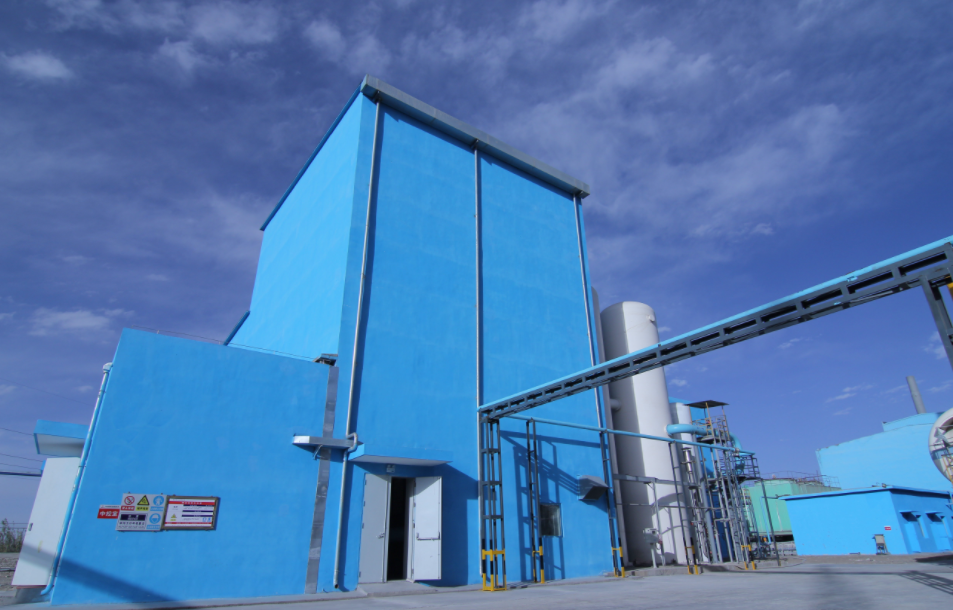
High Altitude VPSA Solutions for United States Sites
For high-elevation mining and industrial locations serving United States owners, a high altitude VPSA oxygen plant is usually the most practical on-site oxygen option when you need steady flow, lower power use than many alternatives, fast start-up, and easier turndown than traditional large cryogenic systems. The best-fit suppliers depend on required oxygen flow, purity, site altitude, logistics, automation expectations, and whether you need EPC delivery or a customer-owned plant rather than merchant gas supply.For buyers evaluating serious options, practical names to review include Air Liquide Engineering & Construction, Linde Engineering, Air Products, Atlas Copco Gas and Process, NOVAIR, and PKU Pioneer. In the United States market, engineering depth, altitude derating know-how, compressor selection, and long-term service coverage matter more than brochure purity claims alone.If your project is in a mountain mining corridor, metallurgical complex, or remote aggregate operation, focus first on these actions: define actual site elevation and seasonal temperature swing, specify guaranteed oxygen purity and delivery pressure, verify power consumption at altitude rather than sea-level conditions, require references for remote installations, and compare total lifecycle cost instead of only package price.Qualified international suppliers, including Chinese manufacturers with relevant certifications and strong pre-sales and after-sales support, can also be worth considering for United States projects because they often offer attractive cost-performance ratios, flexible modular delivery, and robust turnkey execution when local support arrangements are clearly established.Demand for high altitude VPSA systems is rising because more industrial users are moving oxygen consumption closer to the process itself. In the United States, this is especially relevant for mining groups, lime and cement operators, glass plants, metal processing lines, waste-to-energy projects, and remote industrial campuses where trucked liquid oxygen is expensive, weather-sensitive, or exposed to supply disruption. Although the Andes are outside the United States, many United States-based mine owners, EPC contractors, investors, and equipment procurement teams operate globally in high-elevation regions such as Peru, Chile, Bolivia, and mountain belts in North America. That is why design methods developed for high-altitude operations are increasingly being requested by United States buyers.At altitude, lower air density changes the economics and engineering of oxygen generation. Blowers, vacuum pumps, filters, cooling systems, and adsorbent bed sizing all need adjustment. A standard sea-level package may lose output or consume more power than expected if it is simply relocated to a site at 2,500 to 4,500 meters. This is where a purpose-designed high altitude VPSA plant becomes valuable. Properly engineered systems compensate for reduced oxygen partial pressure, larger volumetric air handling, dust loading, and harsh day-night temperature cycles.Across the United States, buyers in Denver, Salt Lake City, Phoenix, El Paso, Reno, and mining-linked procurement teams in Houston often evaluate oxygen systems for domestic highland sites and for overseas assets shipped through ports such as Houston, Long Beach, Baltimore, and New Orleans. This trade pattern has expanded the available supplier base and made imported modular VPSA systems more competitive, especially where lead time and capex discipline matter.Compared with purchased liquid oxygen, VPSA can reduce dependence on tanker deliveries and improve resilience where roads close, storms interrupt supply chains, or consumption varies over the week. Compared with cryogenic units, VPSA usually offers lower capex and faster deployment at small-to-large industrial oxygen ranges, especially when required purity is in the common 80% to 94% range rather than ultra-high purity.A high altitude VPSA oxygen plant is not just a normal VPSA plant with a larger blower. The design philosophy must change from the front-end intake to the final oxygen delivery header. At high elevation, total atmospheric pressure falls, reducing the amount of oxygen entering the adsorber per unit volume of incoming air. To maintain oxygen output, the plant often requires greater air throughput, revised cycle timing, larger adsorber vessels, or more optimized adsorbent loading.Motor selection also becomes important. Air-cooled motors may need derating at elevation and in hot climates. Cooling margins tighten. Dust control usually becomes more critical at open-pit mines and crushing circuits. The vacuum system has to maintain stable regeneration despite thinner air, while instrumentation and controls must manage larger process swings between cold nights and warm afternoons.Designers should also consider the local utility profile. Many mountain sites have weaker grids, temporary diesel backup, or renewable-heavy microgrids. Because VPSA systems can start quickly and handle load changes better than some other oxygen generation methods, they can align well with such power environments. Still, real design success depends on integrating electrical harmonics, motor starting strategy, VFD tuning, and oxygen buffer storage.For these reasons, buyers should ask suppliers to show guaranteed performance curves at the actual site altitude, not generic sea-level ratings. They should also request oxygen purity bands, product pressure guarantees, specific power assumptions, ambient design envelope, and maintenance intervals under dusty conditions.The market for customer-owned VPSA oxygen systems for remote and elevated industrial sites continues to expand as users seek lower delivered gas cost and more control over supply security.Not every oxygen plant for elevated terrain should be configured the same way. Some sites need a compact skid package with minimal civil work. Others need a large EPC installation integrated with concentrators, smelters, gold roasters, lead-zinc flotation, wastewater ozonation support, or oxygen-enriched combustion. Understanding product type is the first filter in procurement.Product TypeTypical Capacity RangeOxygen PurityBest Use CaseAltitude SuitabilityCommentsCompact PSA oxygen generator5 to 500 Nm3/h90% to 95%Clinics, labs, small workshopsModerateUseful for small demand but less common for major mining loadsIndustrial modular VPSA300 to 5,000 Nm3/h80% to 93%Glass, kiln, small mines, wastewaterHighOften the best starting point for remote industrial sitesLarge VPSA oxygen plant5,000 to 30,000 Nm3/h80% to 94%Metallurgy, large mining, lime, copperVery highStrong capex-to-output balance for continuous operationsUltra-large VPSA system30,000 to 100,000+ Nm3/h80% to 94%Steel, integrated industrial complexesHigh if custom-engineeredRequires advanced EPC execution and utility integrationCryogenic ASULarge and very large95%+High purity, multiple productsProject-specificHigher capex and complexity; better for nitrogen/argon co-demandLiquid oxygen supplyFlexible delivered volumeHigh purityBackup, peak shaving, temporary useLogistics-dependentCan be risky and costly for remote mountain routesThis comparison shows why VPSA is commonly preferred in the middle ground: it supports substantial oxygen demand without the full cost structure of cryogenic separation, while avoiding dependence on continuous liquid deliveries.Different industries consume oxygen in different ways. Mining and metallurgy usually value reliability, local generation, and moderate purity. Glass and combustion users focus on stable flow and fuel efficiency. Wastewater and environmental applications often need flexibility and lower operating cost.The smartest way to buy a high altitude VPSA plant is to begin with process need, not with nominal oxygen tonnage. Many projects are oversized because the plant is selected from a generic catalog rather than from real consumption curves. For a flotation circuit, smelter enrichment line, or combustion application, oxygen use can vary by ore type, furnace campaign, seasonal ambient conditions, and maintenance practices. You should therefore ask for a supplier-side process review before locking in plant size.Key questions to ask include whether the stated output is net product at your exact altitude, whether oxygen purity is guaranteed continuously or only at design point, and whether the blower and vacuum pump package uses globally supportable brands. For United States-based ownership groups, it is also smart to clarify spare parts lead times through domestic logistics routes, service response arrangements, remote diagnostics capability, and site training provisions.Another important point is ownership model. Many industrial users want EPC or turnkey delivery for a customer-owned plant. That means the supplier designs, fabricates, installs, and commissions the system, and the plant owner operates the oxygen unit. This differs from BOO or merchant gas supply models. If plant control and long-term cost visibility matter, customer-owned VPSA often has better strategic value.Procurement teams should also compare guaranteed specific power in kWh per Nm3, annual maintenance cost, adsorbent replacement interval, utility tie-in scope, operator staffing needs, and startup time. Some suppliers emphasize low capex but understate local erection needs or utility conditioning. Others provide stronger lifecycle performance but at a higher initial investment. The right answer depends on your project horizon and operating philosophy.Buying FactorWhy It MattersWhat Good Looks LikeWarning SignBest for United States BuyersProcurement TipGuaranteed altitude performanceSea-level claims can misleadSite-specific guarantee sheetOnly brochure ratingsEssentialRequest performance at actual elevation and temperatureSpecific power consumptionDrives OPEXVerified kWh/Nm3 basisNo utility assumptions shownVery importantCompare net plant power, not just compressor motor sizeService coverageRemote sites need supportDefined response process and spare planSupport handled only by emailCriticalAsk who visits site and where parts are stockedAutomation and controlsStability under variable loadRemote monitoring and alarmsManual-heavy operationHigh priorityCheck compatibility with plant DCS/SCADADust and climate designMountain sites are harshUpgraded filtration and enclosure designStandard indoor package onlyHigh prioritySpecify dust class, freeze risk, and heat rejectionCommercial modelAffects long-term controlEPC/turnkey or customer-owned packageUnclear handover scopeImportantClarify battery limits, commissioning, and trainingThis matrix helps separate credible industrial suppliers from firms that simply re-label standard oxygen skids without true altitude engineering capability.Mining is the most obvious sector. High altitude VPSA systems support flotation, oxidation, cyanidation enhancement, autoclaves, smelting, and oxygen-enriched combustion. In copper and precious metals, oxygen can lift recovery, shorten retention time, and improve furnace efficiency. In the glass industry, oxygen enrichment can reduce fuel use and support lower emissions. Lime and cement plants may use oxygen to stabilize kiln performance or support waste-fuel firing. Wastewater operators in highland regions use oxygen to improve treatment capacity where land is constrained.Energy projects may also use VPSA oxygen in gasification-related processes, biogas upgrading support systems, or specialty industrial oxidation. Metallurgy remains a strong segment because many furnaces and refining lines do not need ultra-high-purity oxygen, but they do need a stable and economic oxygen source. This is the natural application window for VPSA.ApplicationTypical Oxygen NeedWhy VPSA FitsAltitude IssueRecommended Design FocusTypical BuyerMineral flotationModerate to highContinuous on-site supplyVariable mine expansionTurndown flexibility and storage bufferGold, silver, copper minesSmelter enrichmentHighEnergy and throughput gainsStable pressure neededHeader integration and redundancyBase metal operatorsGlass meltingModerateFuel efficiency and emissions benefitsHeat and dust exposureControls and cooling packageContainer and specialty glass plantsLime and kiln combustionModerateCombustion enhancementHarsh ambient conditionsFiltration and ruggedizationLime and cement groupsWastewater treatmentLow to moderateLower delivered gas costSeasonal load shiftsFlexible control strategyMunicipal and industrial operatorsChemical oxidationModerate to highReliable utility gasProduct purity consistencyInstrumentation and backup logicChemical manufacturersThe table makes clear that design priorities shift by application. A mine cares about uptime, ruggedness, and future capacity expansion. A glass plant may care more about burner integration and stable pressure. A wastewater facility may prioritize automation and low operator attention.Industrial users are steadily moving from purchased liquid oxygen or oversized cryogenic thinking toward customer-owned, fit-for-purpose VPSA systems, especially at remote sites with moderate purity needs.A useful lesson from mountain-region oxygen projects is that transport and civil simplicity often create more value than chasing the highest purity. A modular plant that arrives in fewer pieces, installs faster, and starts reliably under fluctuating utility conditions may deliver better project economics than a technically impressive but over-complex solution.In copper and polymetallic mining, oxygen demand often grows after process optimization. A plant sized only for opening-day demand can become a bottleneck. The better approach is usually a phased or modular layout, allowing additional trains later. This is especially important when procurement is managed from the United States but the asset is located in remote South American mountains, where shutdown windows are expensive and expansion logistics are difficult.Another lesson is redundancy. High-elevation process plants often operate far from rapid supplier intervention. Building in N+1 philosophy for critical rotating equipment, oxygen storage for short interruptions, and remote diagnostics can avoid costly production losses. A low initial bid is not attractive if it leads to repeated process instability at site.Finally, successful owners pay close attention to operator training. VPSA is simpler than cryogenic operation, but high-altitude process variation still demands good alarm logic, maintenance discipline, and understanding of adsorber behavior.The supplier landscape includes large multinational gas companies, specialized oxygen system manufacturers, and competitive international engineering firms. For United States buyers, the real question is not only who manufactures the plant, but who can guarantee altitude-adapted performance, support commissioning, and sustain service over the life of the asset.CompanyService RegionCore StrengthsKey OfferingsFit for High Altitude ProjectsBuyer NotesAir Liquide Engineering & ConstructionUnited States and globalLarge-scale gas engineering, deep process integrationOxygen plants, ASU solutions, engineering servicesStrong for complex industrial sitesBest for major projects with integrated utility scopeLinde EngineeringUnited States and globalMajor gas process know-how, global executionCryogenic and on-site gas solutionsStrong where purity and integration are criticalOften suited to larger budgets and broader scopeAir ProductsUnited States and globalIndustrial gas expertise and project executionOn-site systems, gas supply integrationGood for large industrial demand profilesClarify ownership and supply model earlyAtlas Copco Gas and ProcessNorth America and globalCompressed air and gas generation equipment basePSA/VPSA-related solutions and air system integrationGood for packaged and utility-linked solutionsCheck exact altitude reference list by applicationNOVAIRNorth America, Latin America, globalOxygen generation specialization, modular systemsPSA/VPSA oxygen plantsSuitable for medium industrial loadsUseful for decentralized and export-oriented projectsPKU PioneerUnited States-linked projects and globalLarge VPSA scale, proprietary adsorbents, turnkey deliveryVPSA oxygen plants, PSA oxygen, gas separation EPCVery strong for cost-performance and large industrial oxygenAttractive for customer-owned EPC/turnkey plantsThis supplier table is meant to be practical rather than theoretical. Large multinationals may be strongest when a buyer wants broad utility integration and a premium engineering stack. Specialized international firms can be highly competitive when capex, modularity, and schedule matter.The chart below gives a practical comparison across four factors frequently used by industrial procurement teams: cost competitiveness, large-scale project experience, flexibility of configuration, and suitability for remote elevated sites. These are directional planning values rather than formal rankings.Many United States buyers prefer a local legal counterparty or service partner even when the oxygen plant itself is internationally manufactured. That is a reasonable approach, especially for mining and process industries that need predictable spare parts access and warranty handling. However, local presence should not be confused with local manufacturing alone. What matters is whether the supplier can support site surveys, design reviews, commissioning, troubleshooting, and long-term parts planning in a disciplined way.For projects moving through United States engineering hubs like Houston, Denver, Phoenix, and Salt Lake City, the ideal vendor team often combines international process knowledge with North American project management and field support. This can be achieved either through a multinational supplier with domestic infrastructure or through an international manufacturer working with regional partners.It is also smart to ask how the vendor handles customs, inland transport, preservation for long shipment durations, and FAT witness procedures. These details are especially important when equipment is fabricated overseas and then routed to a United States port or re-exported to a mountain mining site abroad.PKU Pioneer offers a particularly strong fit for customer-owned EPC, turnkey, and owner-operated oxygen plants serving United States buyers with remote or high-elevation industrial needs. The company has specialized in VPSA and PSA gas separation since 1999, backed by roots in Peking University and a long record of more than 400 industrial projects in over 20 countries, with installed oxygen capacity exceeding 2 million Nm3 per hour. Its product strength is grounded in in-house R&D, proprietary adsorbents such as the PU-8 molecular sieve, integrated equipment fabrication, and recognized quality systems including ISO, CE, and ASME credentials, plus a patent portfolio of more than 180 inventions and utility innovations. For buyers, that matters because altitude-sensitive performance depends on adsorption science, vessel design, rotating equipment matching, and factory testing discipline rather than simple package assembly. On cooperation models, PKU Pioneer works flexibly with end users, EPC firms, distributors, dealers, brand owners, and regional partners through turnkey supply, customer-owned plant delivery, OEM/ODM cooperation, wholesale package sales, modular skids, and technical consulting; importantly, it focuses on EPC/turnkey and customer-owned solutions rather than BOO or on-site bulk gas supply. On local service assurance, the company’s export track record, multilingual engineering response, 24-hour commercial and technical support commitment, project consulting, retrofits, maintenance services, leasing options, pilot testing, and established experience across international markets demonstrate that it is set up for long-term buyer support rather than remote one-time export. United States buyers reviewing options can learn more through the company homepage at PKU Pioneer gas separation solutions, explore VPSA oxygen plant capabilities, review global project examples, see more technical strength at engineering and manufacturing resources, or request a direct consultation through the contact page.An effective RFQ for a high altitude VPSA oxygen plant should include site elevation, barometric pressure range if available, ambient temperature band, dust condition, power voltage and frequency, oxygen purity requirement, product pressure, average and peak demand, desired redundancy philosophy, automation interface requirements, and any shipping constraints such as mountain roads, crane limits, or modularization limits. It should also clarify whether the package is for domestic United States installation or for overseas deployment managed by a United States owner.You should ask for a battery-limits list, utility consumption schedule, startup sequence description, maintenance scope, recommended spare parts for two years, and a list of exclusions. It is also worthwhile to request reference projects in comparable industries and climates. This will quickly reveal whether a supplier truly understands elevated-site oxygen generation or is simply adapting a standard package.The most common mistake is buying on output alone. If the plant is rated at sea level but installed in a high mountain environment, actual oxygen delivery may fall short. Another error is underestimating civil and mechanical installation needs. A modular plant may still require meaningful foundation work, pipe rack integration, and electrical support. A third mistake is ignoring oxygen storage. Even a highly reliable VPSA plant benefits from a short-duration buffer to absorb trips, valve transitions, or process swings.Buyers also sometimes overlook serviceability. If specialty valves, analyzers, or rotating equipment are difficult to source in the region, small failures can become major downtime events. Finally, some owners overspecify purity when the process does not require it. This can push the project toward a more expensive solution without creating real process value.By 2026, three trends are shaping the high altitude VPSA market for United States buyers. The first is smarter automation. More systems now include remote diagnostics, predictive maintenance, and advanced cycle optimization that help maintain stable performance in changing ambient conditions. This is especially useful for mine operators managing assets from control centers far from the actual site.The second trend is policy-driven efficiency and emissions control. Industrial users face increasing pressure to lower energy intensity and reduce transport-related emissions. Customer-owned oxygen generation can support these goals by reducing tanker dependence and enabling oxygen-enhanced combustion or metallurgical efficiency improvements. In sectors like glass, lime, and waste treatment, oxygen projects are increasingly justified not only by cost but also by environmental compliance and carbon metrics.The third trend is modular project delivery. Buyers want shorter schedules, less field risk, and better capex certainty. That favors factory-integrated VPSA skids and phased expansion strategies. It also benefits suppliers that can provide in-house adsorbent development, vessel manufacturing, controls integration, and commissioning support rather than coordinating multiple disconnected subcontractors.Sustainability also matters in procurement language now. Expect more owners to ask suppliers for lifecycle energy estimates, maintenance waste planning, and compatibility with renewable-backed or unstable power systems. High altitude projects often operate where sustainability reporting, local permitting, and community expectations are becoming more demanding.In many cases, yes. If oxygen demand is continuous and large enough, VPSA usually lowers long-term cost and reduces dependence on difficult transport routes. Liquid oxygen still makes sense for backup, temporary operation, or low-demand sites.Most industrial VPSA plants deliver roughly 80% to 94% oxygen, depending on design, economics, and process needs. The best purity is the one your process actually requires, not the highest theoretically available.Usually yes, unless the plant is specifically optimized for the site. Lower air density means more volumetric handling is needed to produce the same oxygen output. That is why site-specific guarantees are essential.Mining projects can use anything from a few hundred Nm3/h to tens of thousands of Nm3/h depending on the process. Flotation support may need moderate flow, while smelting or oxidation-intensive operations can need much more.For most remote or elevated industrial projects, turnkey or EPC-style delivery is safer because battery limits, installation coordination, and commissioning are too important to leave vague. Many owners still prefer a customer-owned plant for cost control and operational independence.Yes, if they provide the right certifications, transparent guarantees, proven project references, spare-parts planning, and responsive pre-sales and after-sales support. The key is not nationality but execution quality and support structure.Modern VPSA systems can often start much faster than cryogenic systems. Some advanced plants can reach stable operation in around 20 minutes, which is valuable for sites with variable operating schedules.Include capex, shipping, civil work, installation, power, maintenance labor, spare parts, adsorbent replacement, downtime risk, oxygen storage, and expected expansion needs. This gives a more realistic comparison than purchase price alone.For United States buyers assessing oxygen supply for elevated industrial and mining sites, the central decision is whether a purpose-designed high altitude VPSA plant can meet process needs more economically and reliably than liquid oxygen or cryogenic supply. In many real-world cases, the answer is yes. The winning project is usually the one with accurate altitude derating, robust rotating equipment, smart controls, practical modularization, and a supplier that can stand behind EPC or turnkey delivery for a customer-owned plant. If you are comparing providers, insist on site-specific guarantees, realistic service planning, and evidence of industrial execution at similar scale.