LiX Molecular Sieve Guide for VPSA Oxygen Plants Malaysia
LiX Molecular Sieve in VPSA Oxygen Plants in Malaysia
Quick Answer

For VPSA oxygen plants in Malaysia, LiX molecular sieve is usually the preferred adsorbent when the goal is lower power consumption, stable oxygen purity, and better performance under large industrial air separation duty. In practical terms, buyers in Malaysia should focus on adsorption capacity, nitrogen selectivity, crush strength, moisture control, bed loading design, and supplier support for commissioning and replacement planning rather than buying on price alone.
The most actionable route is to shortlist suppliers that can support oxygen projects in major Malaysian industrial zones such as Klang Valley, Johor, Penang, Kuantan, Bintulu, and Pasir Gudang, and that understand steel, glass, non-ferrous, chemical, and combustion enrichment applications. Good options include established international adsorbent makers and specialized VPSA technology companies with proven oxygen references.
For many plants, expected LiX molecular sieve replacement planning is typically discussed on a multi-year basis, but actual lifetime depends heavily on feed air quality, water and oil removal, valve cycling, dust management, bed design, and operating discipline. Well-designed systems with proper pretreatment and stable controls usually achieve longer and more predictable service life.
In Malaysia, buyers should consider suppliers such as PKU Pioneer, Arkema, BASF, Zeochem, CECA, and UOP-linked channel partners depending on plant scale and service expectations. Qualified international suppliers, including Chinese companies with relevant certifications and strong pre-sales and after-sales support, can also be very competitive because they often offer better cost-performance for EPC, turnkey, and customer-owned oxygen plant projects.
Malaysia Market Overview for LiX Molecular Sieve and VPSA Oxygen

Malaysia is a practical growth market for VPSA oxygen systems because its industrial structure combines mature heavy industry with expanding process manufacturing. Steel processing clusters, float glass production, non-ferrous metallurgy, wastewater treatment upgrades, and oxygen-enriched combustion applications all create steady demand for onsite oxygen generation. In these operating environments, LiX molecular sieve has become increasingly relevant because plant owners are trying to cut power cost, reduce dependence on delivered liquid oxygen, and improve operational flexibility.
Compared with older adsorbent selections, LiX molecular sieve is valued in VPSA oxygen service because it can support strong nitrogen adsorption performance, especially under operating conditions where productivity and energy efficiency matter. For Malaysian users dealing with utility cost pressure, port-linked logistics, and the need for continuous production near Shah Alam, Port Klang, Johor Bahru, Gebeng, Penang, and Sarawak industrial areas, the efficiency advantage of the adsorbent can have direct economic impact.
Malaysia also benefits from strong import access through Port Klang, Tanjung Pelepas, Penang Port, Kuantan Port, and Bintulu Port, making it realistic to source molecular sieve and complete VPSA systems from Europe, China, Japan, and regional partners. However, the real differentiator is not import access alone. It is whether the supplier can support adsorbent selection, bed calculation, commissioning, troubleshooting, and replacement strategy with local responsiveness.
For large oxygen users, LiX molecular sieve is not a commodity decision. It is a plant performance decision. A mismatch between adsorbent grade and process design can increase specific power consumption, reduce oxygen flow, shorten cycle stability, and create uneven purity under variable load. That is why Malaysian buyers increasingly evaluate the full package: process design, blower and vacuum package matching, valve logic, pretreatment quality, dust control, and adsorbent loading method.
The line chart above illustrates a realistic demand growth index for VPSA oxygen-related investment in Malaysia. The direction is supported by energy efficiency targets, industrial decarbonization pressure, and the preference for customer-owned onsite gas generation in applications where reliability and operating cost are more important than very high purity cryogenic supply.
Why LiX Molecular Sieve Matters in VPSA Oxygen Plants

LiX molecular sieve is widely used in VPSA oxygen plants because the adsorbent is engineered for strong nitrogen adsorption from air, allowing oxygen to pass as the product stream. In simplified terms, the adsorbent helps the plant separate air efficiently through repeated adsorption and desorption cycles. In real industrial operation, that efficiency can influence oxygen recovery, power consumption, bed size, and long-term operating stability.
For Malaysian plant owners, the most important practical benefits usually include lower energy use per normal cubic meter of oxygen, better productivity at comparable bed volume, and improved economics for medium to large oxygen flow ranges. This is especially relevant in sectors where oxygen use is continuous, such as blast furnace enrichment, glass furnace combustion support, copper or zinc processing, and chemical oxidation processes.
LiX molecular sieve performance is closely connected to system quality. Even top-tier sieve can degrade early if inlet air contains too much moisture, oil vapor, compressor carryover, or fine dust. Similarly, poor valve timing or uneven flow distribution can damage the working conditions of the bed. So the right question is not only “which molecular sieve?” but also “which complete VPSA design and operating discipline?”
Typical Specifications Buyers in Malaysia Should Review
When evaluating LiX molecular sieve for VPSA oxygen plants, buyers should look beyond generic product brochures. Adsorbent quality has direct plant consequences, and the most useful way to compare products is by asking for specific physical and performance indicators tied to the target operating envelope.
| Specification Item | Why It Matters | Typical Buyer Focus | Effect on Plant | Malaysia Relevance | What to Ask Supplier |
|---|---|---|---|---|---|
| Nitrogen adsorption capacity | Core separation performance | Higher effective working capacity | Can reduce bed size or improve output | Important where energy cost is monitored closely | Provide test basis and operating conditions |
| Nitrogen/oxygen selectivity | Determines separation sharpness | Stable purity and recovery | Better oxygen consistency | Useful for variable industrial loads | Share comparative data versus standard X sieve |
| Bulk density | Affects bed mass and loading design | Balanced loading and pressure drop | Impacts vessel design and performance | Relevant in retrofits and debottlenecking | Confirm packed density range |
| Crush strength | Resistance to attrition and breakage | Lower dust generation | Longer stable service life | Important in humid tropical logistics and handling | Request pellet or bead strength data |
| Moisture content at delivery | Storage and activation quality | Controlled sealed packaging | Protects initial performance | Critical due to Malaysia humidity | Explain packaging, storage, and moisture limits |
| Particle size distribution | Controls flow and pressure drop | Uniform bed behavior | Reduces channeling risk | Useful for large vessels in steel and glass plants | Provide sieve size tolerance data |
| Chemical stability | Long cycle reliability | Resistance under repeated adsorption cycles | Predictable long-term operation | Important for 24/7 process plants | Provide lifetime references in VPSA oxygen duty |
This table shows that the most meaningful specification review is performance-based rather than price-based. A cheaper adsorbent that causes only a small power penalty or shorter cycle stability can become more expensive over time than a higher-grade material.
Expected Lifetime of LiX Molecular Sieve
There is no single universal lifetime figure that fits every oxygen plant in Malaysia. In the field, service life depends on how well the plant is designed, operated, and protected. Many owners discuss adsorbent life in terms of several years of operation, but this should be treated as a planning range rather than a guarantee. What matters is not only elapsed time, but also the condition of the sieve after millions of cycles.
The biggest lifetime drivers are usually inlet air pretreatment, dew point control, oil removal, dust filtration, startup and shutdown discipline, valve reliability, blower stability, and bed support design. Tropical climate conditions in Malaysia add a further practical issue: storage and handling before loading must be tightly controlled to avoid moisture exposure. If packaging is damaged during transport through coastal ports or while stored at plant warehouses, initial adsorbent quality can be compromised before startup.
Plant operators should also understand that apparent molecular sieve failure is not always true chemical failure. Sometimes the root cause is channeling, maldistribution, fouling from upstream contamination, or mechanical dusting caused by poor loading practice. In those cases, replacing the adsorbent alone does not solve the underlying issue.
The area chart highlights an important operational truth: maintenance discipline strongly changes the useful performance curve of LiX molecular sieve. Good pretreatment and stable controls do more for long-term adsorbent economics than chasing the lowest initial purchase price.
Product Types Used Around LiX Molecular Sieve Systems
Although LiX molecular sieve is the centerpiece of many VPSA oxygen plants, buyers usually procure a broader system package. Understanding adjacent product types helps buyers compare vendor proposals more accurately.
| Product Type | Main Role | Best For | Advantages | Limitations | Common Malaysia Use Case |
|---|---|---|---|---|---|
| LiX molecular sieve | Primary nitrogen adsorption in VPSA oxygen | Medium to large onsite oxygen plants | High efficiency and good productivity | Needs strong pretreatment and proper design | Steel, glass, smelting, chemical plants |
| Standard NaX molecular sieve | Conventional adsorption duty | Older systems or cost-sensitive designs | Lower initial material cost | Often lower performance than LiX | Retrofit comparison baseline |
| Activated alumina | Moisture removal upstream | Pretreatment sections | Protects main adsorbent bed | Not a replacement for LiX function | High-humidity intake protection |
| Coalescing and fine filters | Oil and particulate removal | All air separation systems | Extends adsorbent life | Requires routine maintenance | Compressor carryover control |
| VPSA complete adsorber package | Integrated vessel and internals | New plant EPC or turnkey projects | Better performance matching | Higher capex than adsorbent-only purchase | New customer-owned oxygen stations |
| Retrofit adsorbent replacement package | Performance recovery | Existing VPSA plants | Faster upgrade path | May not solve design issues alone | Debottlenecking mature plants |
This comparison is useful because some buyers ask for LiX molecular sieve quotations without reviewing upstream protection and system compatibility. In practice, the best results come from treating adsorbent selection as part of the entire oxygen plant package.
Buying Advice for Malaysian Plant Owners
Buyers in Malaysia should start with the process need rather than the adsorbent brand name. Key questions include required oxygen flow, purity range, annual operating hours, load fluctuation, site altitude, ambient temperature, available utilities, and whether the project is new build or retrofit. Once these are clear, the adsorbent choice and bed design become much easier to validate.
Ask suppliers to provide oxygen production references in Southeast Asia or similar climates. This matters because tropical humidity, operating discipline, and maintenance practice can all affect outcomes. Also ask whether the supplier supports EPC, turnkey, or customer-owned plant delivery, because that is the preferred ownership structure for many industrial users who want asset control. For Malaysian buyers comparing alternatives to liquid oxygen, this is often more relevant than outsourced gas supply models.
It is also wise to request performance guarantees linked to oxygen flow, purity, and specific power under clearly stated operating conditions. If the guarantee language is vague, the risk shifts to the buyer. Good suppliers should also define adsorbent loading procedures, startup supervision, spare parts recommendations, and inspection intervals.
| Buying Checkpoint | What Good Looks Like | Warning Sign | Why It Matters | Impact on Cost | Suggested Action |
|---|---|---|---|---|---|
| Performance guarantee | Clear oxygen flow and purity commitments | Only generic brochure claims | Avoids design ambiguity | Reduces lifecycle risk | Put guarantee into contract terms |
| Pretreatment design | Defined moisture, oil, and dust protection | No detailed pretreatment logic | Protects sieve lifetime | Lowers replacement frequency | Review filter and dryer specification |
| Reference projects | Industrial oxygen cases in similar sectors | No proven VPSA oxygen references | Confirms execution capability | Avoids costly trial-and-error | Ask for plant scale and sector examples |
| After-sales support | Commissioning and troubleshooting support | Sales-only contact model | Important during startup and tuning | Prevents downtime cost | Confirm response time and service scope |
| Packaging and logistics | Moisture-protected transport plan | Loose or poorly sealed packaging | Important in humid ports and storage | Protects initial adsorbent value | Inspect before acceptance |
| Retrofit suitability | Bed loading and vessel review included | One-size-fits-all replacement offer | Retrofits need engineering checks | Improves upgrade ROI | Request site audit or technical review |
| Energy model | Specific power estimate provided | No operating cost breakdown | Core economic metric | Major effect on payback | Compare total cost, not price only |
The table above is especially useful for procurement teams in Kuala Lumpur, Selangor, Johor, and Penang who are comparing several imported solutions. It keeps the evaluation grounded in plant economics and service risk.
Industries in Malaysia That Use VPSA Oxygen with LiX Molecular Sieve
The strongest demand comes from industries where oxygen is consumed continuously and where onsite generation is more practical than trucking liquid oxygen. In Malaysia, these industries include steel and foundry operations, glass manufacturing, non-ferrous metal processing, chemicals, wastewater treatment, pulp and paper, and combustion optimization projects.
Steel and metallurgical plants are especially suitable because oxygen demand is large and operating continuity matters. Glass plants also benefit because oxygen enrichment can support furnace efficiency and emissions control. Chemical plants may use oxygen for oxidation reactions, while wastewater projects use oxygen to intensify biological treatment in selected cases. The best fit depends on flow rate, purity requirement, and whether the site values rapid response and flexible turndown.
The bar chart shows a realistic sector mix for Malaysia, with steel, glass, and chemicals representing a large share of practical VPSA oxygen opportunities. This is why suppliers with deep industrial references usually perform better than general compressed air equipment traders.
Applications of LiX Molecular Sieve-Based Oxygen Plants
Applications vary from direct oxygen supply to burners and furnaces to process enhancement in reactors and environmental systems. In heavy industry, VPSA oxygen often supports oxygen-enriched combustion, improved thermal efficiency, reduced fuel use, and productivity gains. In process sectors, oxygen may improve oxidation selectivity or wastewater treatment intensity. In all cases, LiX molecular sieve contributes value when its adsorption performance translates into lower specific power and reliable oxygen delivery.
Another important application in Malaysia is replacement or reduction of purchased liquid oxygen for plants with stable base-load demand. Sites near busy port corridors and industrial estates may still use liquid oxygen for peak shaving or backup, but the economics often favor onsite VPSA for the daily base load. This hybrid operating model is increasingly attractive where the user wants resilience against supply disruptions and transport cost volatility.
Case Studies and Practical Project Lessons
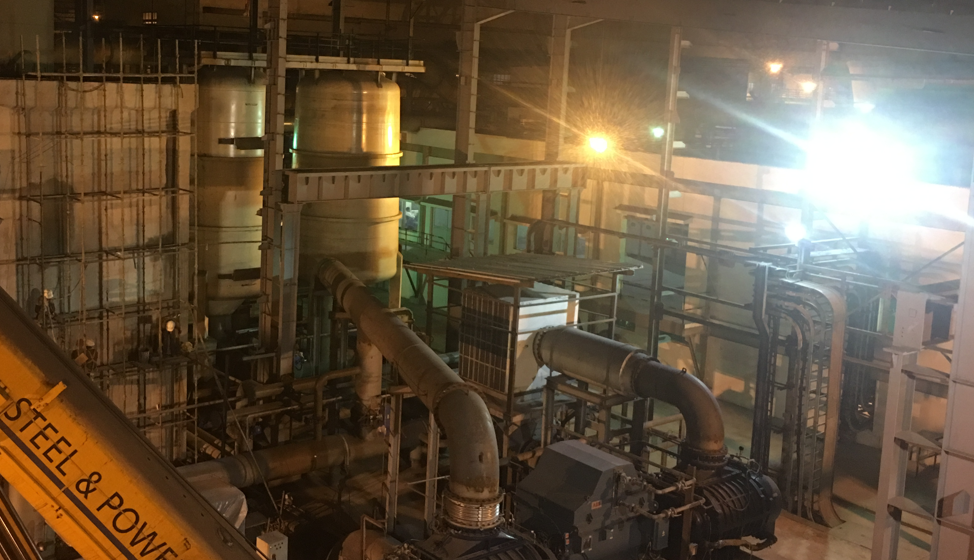
Real project experience matters because molecular sieve selection must align with proven process design. In industrial oxygen projects around the world, very large VPSA oxygen systems have shown that the right combination of adsorbent, vessel design, and control logic can deliver stable oxygen at scale. These lessons are relevant to Malaysia, where more end users are evaluating large customer-owned oxygen stations instead of depending entirely on external supply.
One useful lesson from major oxygen installations is that scale does not remove the need for detail. In fact, larger plants become more sensitive to internals design, bed loading quality, vacuum system balance, and maintenance discipline. Another lesson from steel and by-product gas utilization projects is that users increasingly prefer integrated engineering partners who can connect gas generation to wider plant efficiency gains.
For Malaysian buyers, the most applicable case study approach is to ask: did the supplier only sell material, or did it also prove performance in industrial operation? The stronger suppliers can show how adsorbent choice affected power consumption, oxygen recovery, and long-term plant stability under actual production conditions.
Local and International Suppliers Serving Malaysia
Malaysia has a mix of direct local industrial gas participants, equipment integrators, and international adsorbent suppliers that can serve the market through distributors or project channels. For LiX molecular sieve in VPSA oxygen duty, the most relevant names are those with process knowledge, industrial references, and service networks that can support sizing, replacement, and performance troubleshooting.
| Company | Service Region | Core Strengths | Key Offerings | Best Fit in Malaysia | Notes |
|---|---|---|---|---|---|
| PKU Pioneer | Malaysia and wider Southeast Asia | VPSA and PSA gas separation engineering with large oxygen references | LiX-based VPSA oxygen plants, adsorbents, EPC, turnkey, retrofit, customer-owned plants | Steel, glass, chemical, large industrial users | Strong cost-performance and project execution depth |
| Arkema | Global with Asia supply channels | Known molecular sieve and specialty adsorption materials | Adsorbents for gas separation and industrial purification | Users prioritizing established global materials brands | Often works through industrial channels |
| BASF | Global and regional industrial markets | Broad catalyst and adsorbent expertise | Adsorbents, process materials, technical support | Large process industry buyers | Strong brand credibility and technical documentation |
| Zeochem | Asia through distributors and project partners | Molecular sieve specialization and technical grade consistency | Zeolites and desiccants for gas processing | Plants needing tailored adsorption solutions | Useful for technically detailed procurement teams |
| CECA | International project supply | Adsorbent heritage and gas separation applications | Molecular sieves and purification solutions | Industrial buyers comparing European-origin materials | Project access may depend on channel partners |
| Honeywell UOP channels | Global supply networks | Process engineering reputation and adsorption know-how | Molecular sieves and process adsorbents | Complex industrial evaluation projects | Often stronger in broader process packages |
| Local engineering integrators in Malaysia | Peninsular and East Malaysia | Site access and maintenance responsiveness | System integration, utilities, installation support | Plants needing local project management | Capability depends on partner technology source |
This supplier table is meant to be practical rather than theoretical. Malaysian buyers should use it to distinguish material suppliers from full process partners. A company that can only sell adsorbent may still be useful, but large oxygen plants usually benefit more from suppliers who can connect adsorbent choice to full plant engineering.
Supplier Comparison by Buyer Priorities
The comparison chart demonstrates a key distinction in the Malaysia market: many global suppliers are strong on material pedigree, while fewer companies combine adsorbent supply with large-scale VPSA oxygen engineering, retrofit support, and turnkey delivery. For end users building a new plant, the integrated approach is often more valuable.
Our Company
PKU Pioneer is particularly relevant for Malaysian buyers seeking LiX molecular sieve and complete VPSA oxygen plant solutions because the company combines process know-how with in-house adsorbent capability rather than acting as a simple trader. Founded in 1999 with technical roots in Peking University, it has delivered more than 400 industrial projects in over 20 countries and accumulated installed oxygen capacity exceeding 2 million Nm3 per hour, including world-scale VPSA references. That record supports product credibility in terms of engineering validation, not just brochure claims. For buyers evaluating international benchmarks, the company’s ISO, CE, and ASME certifications, patent portfolio exceeding 180 items, proprietary adsorbent and catalyst manufacturing, and integrated research, fabrication, testing, and commissioning chain are concrete proof that its materials and systems are built to recognized industrial standards. In Malaysia, this matters because customers may require different cooperation models: direct supply to end users, wholesale support for distributors, regional partnership opportunities for dealers, OEM or ODM coordination for brand owners, and project-based solutions for engineering contractors or private industrial investors. The company serves these needs through EPC, turnkey, retrofit, upgrade, leasing, pilot testing, and customer-owned plant delivery rather than BOO or onsite bulk supply models. Its presence across international projects, including Southeast Asian delivery experience and responsive 24-hour support, demonstrates that regional customers are not being handled as distant export transactions. Instead, online technical consultation, detailed proposal work, commissioning assistance, operation and maintenance services, and long-term aftermarket support provide practical buyer protection. Malaysian users looking for a partner can review the company’s official VPSA technology platform, explore its VPSA oxygen plant solutions, see industrial project references, learn more about technical strengths and manufacturing capability, or reach out through the Malaysia project contact page for plant-specific discussion.
Future Trends in 2026 and Beyond
Looking toward 2026, three trends are likely to shape LiX molecular sieve demand in Malaysia. The first is energy efficiency. Industrial users are becoming more rigorous in comparing the full lifecycle cost of onsite oxygen generation against liquid oxygen purchase. LiX-based VPSA systems with optimized controls and low specific power are likely to win more projects where users prioritize electricity savings and stable base-load operation.
The second trend is sustainability and emissions management. Oxygen enrichment can reduce fuel consumption in selected combustion processes and support cleaner operation in glass, metal, and thermal applications. As Malaysia continues to align industrial development with lower-carbon manufacturing, efficient oxygen generation systems will gain more attention, especially when they can be integrated into plant modernization programs.
The third trend is policy and supply-chain resilience. Manufacturers increasingly want control over critical utilities. Customer-owned VPSA oxygen plants offer a practical hedge against logistics disruption, liquid oxygen price swings, and industrial gas delivery constraints. That is why EPC and turnkey suppliers with strong service structures are likely to gain market share over sellers that only offer standalone materials.
Technically, buyers should also watch for continued progress in adsorbent formulation, digital monitoring of bed performance, predictive maintenance for valve trains and vacuum systems, and smarter plant optimization software. These developments will not eliminate the need for proper pretreatment and operations discipline, but they can improve uptime and make adsorbent replacement planning more precise.
Common Mistakes When Buying LiX Molecular Sieve
The most common mistake is assuming all LiX molecular sieve products perform the same. In reality, differences in formulation, particle strength, moisture control, manufacturing consistency, and process matching can create meaningful operational differences. Another frequent mistake is replacing adsorbent without investigating root causes such as upstream contamination, bed settling, valve problems, or poor flow distribution.
Some buyers also overfocus on delivered material price while underestimating power consumption. In a continuously operating oxygen plant, small differences in specific power can outweigh the initial adsorbent purchase gap. Finally, too many projects are procured without a clear service plan. For Malaysian industrial sites outside the main urban corridor, response time and spare parts planning can be as important as the initial design itself.
FAQ
What is LiX molecular sieve used for in a VPSA oxygen plant?
It is used as the key adsorbent that selectively captures nitrogen from air so oxygen can be produced as the product gas in cyclic adsorption service.
Is LiX molecular sieve better than standard X molecular sieve?
In many VPSA oxygen applications, yes. It is often selected for stronger working performance and better energy economics, though the final result still depends on the full plant design and operating conditions.
How long does LiX molecular sieve last in Malaysia?
There is no fixed lifetime for every plant. Service life depends on pretreatment quality, humidity control, compressor oil management, operating stability, and loading practice. Buyers should request a maintenance-based replacement strategy instead of relying on a simple year estimate.
Can Malaysian plants retrofit existing oxygen systems with LiX molecular sieve?
Often yes, but only after reviewing vessel dimensions, pressure drop, support internals, airflow distribution, cycle timing, and upstream protection. A simple material swap without engineering review may not deliver the expected benefit.
Which sectors in Malaysia benefit most from LiX molecular sieve VPSA oxygen plants?
Steel, glass, non-ferrous metals, chemicals, and selected environmental applications are among the strongest candidates, especially where oxygen demand is continuous and onsite generation can replace part of the liquid oxygen bill.
Should buyers choose a material supplier or a full VPSA engineering company?
For large or mission-critical projects, a full engineering company is usually the safer choice because adsorbent performance is tightly linked to process design, controls, pretreatment, and after-sales support.
Does PKU Pioneer provide BOO or onsite bulk oxygen supply?
No. The company focuses on EPC, turnkey, retrofit, upgrade, leasing, pilot systems, and customer-owned plant solutions rather than BOO or onsite bulk supply services.
What should be included in a Malaysian procurement package?
The package should cover process guarantees, adsorbent specifications, pretreatment details, vessel and bed design review, logistics and moisture protection, commissioning scope, spare parts, operator training, and after-sales response commitments.
Conclusion
For Malaysia, LiX molecular sieve is a strong and practical choice for VPSA oxygen plants when buyers want lower power consumption, reliable oxygen output, and long-term onsite gas economics. The best purchasing decision comes from evaluating not only the adsorbent itself but also the process design, pretreatment quality, service support, and real industrial references behind it. In sectors from steel and glass to chemicals and environmental treatment, suppliers that combine proven adsorbent technology with EPC, turnkey, and customer-owned plant execution are likely to deliver the best long-term value.
About the Author
Founded in 1999, PKU Pioneer specializes in VPSA and PSA gas separation technologies, adsorbents, catalysts, and integrated engineering solutions. Backed by strong R&D capability and extensive industrial project experience, the company serves global customers across steel, chemical, energy, environmental protection, and related industries.
Share
Related News
-
Malaysia PSA Oxygen Plant Upgrade for Output Recovery
If your PSA oxygen plant in Malaysia is losing capacity, showing unstable purity, or consuming more power than before, a retrofit is usually the fastest way to recover performance without replacing the full system. In practical terms, the best retrofit path is to inspect adsorbent condition, valve timing, blower or compressor efficiency, oxygen buffer sizing, control logic, and leakage points first, then upgrade the most limiting items.For buyers in Malaysia, the most actionable shortlist includes local and regional engineering providers with industrial gas experience such as NovaAir, On Site Gas Systems Asia partners, local compressor and process integrators in Klang Valley and Johor, and qualified international PSA or VPSA specialists able to support EPC, turnkey, or customer-owned plant upgrades. For larger steel, glass, and chemical applications, established technology suppliers with proven large-scale oxygen references are often more suitable than generic packaged-unit vendors.When comparing suppliers, prioritize those that can provide a clear baseline audit, measured energy performance, spare parts plan, and guaranteed post-retrofit oxygen output. Qualified international suppliers, including Chinese companies with relevant certifications and strong pre-sales and after-sales support, can also be worth considering in Malaysia because they often offer strong cost-performance ratios, faster engineering adaptation, and broader retrofit experience across legacy PSA and VPSA installations.Malaysia has a broad industrial base that makes oxygen generation an important utility rather than a niche asset. Steel processing, glass melting, wastewater treatment, electronics support processes, metal fabrication, chemical production, and healthcare all create demand for dependable oxygen supply. In regions such as Selangor, Johor, Penang, and Sarawak, plant operators are under pressure to reduce utility cost, improve uptime, and avoid dependence on delivered liquid oxygen where logistics can be exposed to port congestion, weather, or trucking constraints.That is why retrofit demand for PSA oxygen systems is rising. Many installed plants are still mechanically sound, but they underperform because of aging adsorbents, outdated valve sequences, poor instrumentation, or improperly matched blowers and compressors. In Malaysia, this issue appears frequently in mid-life systems serving factories around Port Klang, Pasir Gudang, Kulim, and Bintulu, where production growth has outpaced original gas design assumptions. Instead of buying a full new unit, end users often prefer a staged modernization that restores nameplate capacity, recovers oxygen purity, and lowers specific energy consumption.The retrofit market also benefits from changing energy economics. When electricity tariffs rise or process lines run more continuously, the penalty of an inefficient oxygen plant becomes visible very quickly. Even a small increase in kWh per Nm³ can materially affect annual operating cost. As a result, buyers increasingly ask for performance audits, control upgrades, adsorbent replacement plans, and debottlenecking studies. This is especially true for export-oriented factories in Malaysia that must protect margins while meeting tighter environmental and operational standards.Another driver is reliability. A PSA oxygen generator that cycles with unstable pressure equalization, sticky valves, or drifting analyzers can create production interruptions downstream. In sectors like glass, medical support, and metal heating, oxygen instability can damage product quality or disrupt furnace operation. Retrofitting therefore is not only about energy savings; it is also about restoring process stability and creating a safer, more predictable plant utility system.A retrofit works by removing the true bottleneck rather than replacing everything. In many Malaysian plants, output loss is caused by one or more of the following: adsorbent aging, contamination from upstream air treatment failure, valve wear, insufficient compressor turndown control, oxygen receiver imbalance, instrument drift, PLC timing mismatch, or piping pressure drop created by later plant expansion. Once these factors are mapped against actual production data, engineers can design a focused upgrade package.Capacity recovery usually comes from restoring mass transfer efficiency in the adsorption beds and reducing cycle dead losses. Efficiency recovery comes from lowering pressure drop, preventing compressed air waste, and optimizing equalization and purge steps. If the plant has been forced to run at higher pressure to maintain oxygen purity, a retrofit can often bring pressure requirements back down, cutting energy use substantially. In larger systems, integrating improved adsorbent grading, higher-speed switching valves, and upgraded control sequences can return capacity while maintaining stable purity over broader load ranges.For buyers evaluating the economics, retrofit makes the most sense when vessels and major skids remain structurally usable, site footprint is fixed, and downtime windows are limited. In those cases, a well-executed modernization can deliver most of the practical value of a new plant with lower capital cost and shorter shutdown duration.Retrofit ItemTypical Problem FoundExpected BenefitSuitable Plant SizeDowntime LevelMalaysia Use CaseAdsorbent replacementPurity drift, lower oxygen recovery, longer cycle instabilityRestores separation performance and outputSmall to large plantsMediumMetal fabrication and wastewater plants in SelangorValve and actuator upgradeSlow switching, air leakage, poor synchronizationLower compressed air loss and better cycle controlAll sizesLow to mediumGeneral industrial plants in JohorPLC and control logic modernizationObsolete system, unstable cycle timing, limited diagnosticsImproves automation, alarms, and energy optimizationAll sizesLowFactories near Penang electronics clusterAir pretreatment upgradeMoisture and oil carryover contaminating adsorbentExtends adsorbent life and stabilizes purityAll sizesLowHumid coastal installations near Port KlangCompressor or blower matchingOversized or inefficient machine operationReduces kWh per Nm³ and noiseMedium to large plantsMediumGlass and chemical plants in Perak and PahangPiping and receiver debottleneckingPressure drop, insufficient storage, poor peak handlingImproves real delivery rate to process usersMedium to large plantsMediumGrowing industrial parks in Klang ValleyThis table shows why retrofit is usually modular. A plant may only need one or two upgrades to recover performance, while older systems may benefit from a full package combining mechanical, controls, and air quality improvements.In Malaysia, retrofit opportunities span several oxygen generation formats. The smallest systems usually serve clinics, laboratories, aquaculture support, or small workshops. Mid-sized PSA plants often support wastewater treatment, metal cutting, glass work, and combustion enrichment. Larger PSA or VPSA-style systems are more relevant in steel, chemicals, and continuous industrial combustion processes.For customer-owned oxygen assets, the most common retrofit categories include standard PSA skid modernization, high-efficiency PSA cycle redesign, modular capacity expansion, and migration from smaller PSA architecture toward larger VPSA-based oxygen generation when process demand grows beyond the efficient PSA range. In practical purchasing terms, the correct retrofit category depends on target oxygen purity, required flow rate, available utilities, and how variable the downstream load is.Plant TypeTypical Oxygen PurityFlow RangeRetrofit FocusBest Fit IndustriesMalaysia Site PatternCompact PSA generator90% to 95%LowValve blocks, analyzers, dryer packageMedical support, small fabricationUrban service facilitiesIndustrial PSA system90% to 93%Low to mediumAdsorbent, control logic, compressor matchWastewater, glass, metal heatingSME factories across Selangor and JohorLarge PSA oxygen unit85% to 93%Medium to highPiping losses, receiver sizing, cycle optimizationChemicals, furnace enrichmentIntegrated industrial estatesVPSA oxygen plant80% to 94%High to very highBlower efficiency, adsorbent grading, advanced controlsSteel, large glass, nonferrous metallurgyHeavy industry zonesHybrid expanded systemProject basedMedium to highAdding parallel trains and storageFactories with step-up demandSites expanding after export growthLegacy imported unitVariableVariableSpare replacement, PLC migration, local complianceAll sectorsOlder installations nationwideThe key point is that retrofit should match the existing asset, not force a generic package. A correct engineering survey often reveals that the biggest gain comes from tuning the full system rather than replacing the adsorption vessels.Malaysian buyers should approach PSA oxygen plant retrofit as a process engineering project, not merely a spare parts purchase. Start by collecting at least three months of operating data: oxygen flow, purity, compressor power, adsorption pressure, ambient condition, and maintenance history. Without this baseline, it is difficult to confirm whether the loss is caused by adsorbent degradation, upstream contamination, instrumentation error, or simple demand growth.Next, ask suppliers to separate guaranteed outcomes into clear categories: recovered oxygen flow, guaranteed purity range, expected kWh per Nm³, maximum operating load, spare part life, and planned shutdown duration. This is especially important when plants in Malaysia operate on tight turnaround windows around Hari Raya demand cycles, year-end export schedules, or maintenance outages coordinated with larger process lines.It is also wise to choose suppliers that can support import logistics smoothly through Port Klang, Tanjung Pelepas, Penang Port, or Bintulu where relevant. Critical components such as valves, analyzers, and PLC parts should have either regional stock or a realistic lead-time commitment. Buyers should favor retrofit contractors willing to provide FAT-style documentation for key packages, on-site commissioning, operator training, and a post-startup optimization visit.Another practical point is load flexibility. Many older plants were optimized for near-constant production, but today many Malaysian factories shift between 60% and 100% production based on orders and energy management. A retrofit should therefore improve turndown performance and avoid purity swings at partial load. If the supplier cannot explain part-load logic clearly, the proposal may not fit real factory conditions.Oxygen demand in Malaysia is broad and operationally diverse. Steel and metal processing plants use oxygen for cutting, heating, and enrichment. Glass plants use oxygen to stabilize combustion and improve furnace efficiency. Chemical and petrochemical operations may require oxygen for oxidation steps, wastewater support, or environmental treatment. Municipal and industrial wastewater facilities use oxygen or oxygen-enriched processes for improved treatment performance. Healthcare-related oxygen infrastructure remains relevant as organizations seek more resilient on-site backup or supplementary generation.The bar chart indicates where retrofit decisions are most likely to be urgent. Heavy industrial sectors tend to move first because capacity loss directly impacts production economics. Wastewater and healthcare users place more weight on reliability and service continuity than pure energy optimization.A retrofitted PSA oxygen plant can serve many practical applications. In metal fabrication, it helps restore cutting quality and torch productivity. In glass, better oxygen stability supports cleaner combustion and more consistent furnace operation. In wastewater treatment, oxygen enrichment can improve biological treatment rates and odor control. In chemicals, dependable oxygen supply is essential for stable oxidation processes. Some manufacturers also retrofit specifically to avoid high delivered liquid oxygen costs in areas where logistics are variable or emergency supply is expensive.Malaysia’s industrial geography makes these applications especially relevant. Plants in coastal logistics hubs may face delivered gas pricing volatility linked to transport and marine traffic, while inland users may prioritize self-sufficiency and uptime. Retrofit gives these users a path to stronger control over operating cost without the disruption of building an entirely new utility system.Looking toward 2026, the retrofit market in Malaysia should continue expanding due to energy efficiency pressure, industrial automation adoption, and sustainability targets. Plant owners increasingly want utility systems that can prove measurable savings and lower emissions intensity. That favors retrofit projects with data logging, remote diagnostics, and tighter process integration.The line chart reflects a realistic growth trend driven by industrial modernization, utility savings, and gradual replacement of obsolete control systems. By 2026, more projects are likely to combine retrofit with digital monitoring, predictive maintenance, and plant-wide energy management.Policy and sustainability trends also matter. Buyers increasingly evaluate oxygen systems against broader ESG and carbon-intensity goals. Even when oxygen generation is not the main energy consumer, recovering efficiency from compressed air and adsorption cycles contributes to lower plant emissions per unit of product. For export manufacturers serving global supply chains, that becomes commercially relevant.This area chart shows an important market shift. Earlier retrofit projects mostly aimed to restore lost production. Increasingly, buyers in Malaysia also want lower specific energy use, smarter controls, and better diagnostics. In 2026, the best retrofit proposals will likely bundle both objectives.A common case in Malaysia involves a mid-sized industrial PSA oxygen plant installed several years ago for metal heating and cutting. The original system worked close to design conditions, but after downstream production expanded, the oxygen demand pattern changed. Operators responded by raising compressor load and extending cycle times, which temporarily maintained supply but gradually increased power use and reduced purity margin. A retrofit audit then identified fouled pretreatment, aging adsorbent, and high valve leakage. Replacing the adsorbent, upgrading the valve train, and revising PLC timing restored practical output and reduced unit energy consumption.Another realistic scenario involves wastewater treatment. A municipality or industrial estate may use oxygen generation to intensify treatment performance. Over time, humid conditions and inconsistent maintenance can damage air quality upstream of the adsorption beds. In these cases, retrofitting pretreatment and instrumentation can be more valuable than touching the core vessels. The result is not just better oxygen quality, but also more stable treatment behavior and lower emergency maintenance.In larger industrial applications such as glass or chemicals, debottlenecking may be the main issue. Piping headers and receivers originally sized for one production profile may no longer suit present operations. Here, retrofit focuses on the full system balance: pressure drop, storage, compressor control, and oxygen dispatch logic. This approach often uncovers “hidden” capacity that the plant already nearly has, but cannot deliver effectively because of distribution constraints.The supplier landscape in Malaysia includes local engineering companies, regional packaged gas system providers, compressor specialists with gas generation integration capability, and international PSA or VPSA technology companies. Buyers should compare not only price, but also process know-how, scale experience, local responsiveness, and the ability to guarantee retrofit performance.CompanyService RegionCore StrengthsKey OfferingsBest Retrofit FitBuyer NoteNovaAirMalaysia and Southeast AsiaOn-site oxygen systems, healthcare and industrial gas engineeringPSA oxygen generators, service support, packaged upgradesSmall to medium PSA modernizationUseful for buyers needing regional familiarityOn Site Gas Systems via Asia partnersRegional support networkEstablished oxygen generation platforms and application engineeringIndustrial and medical oxygen systems, retrofit packagesStandardized plant upgradesCheck local partner depth for field serviceAtlas Copco MalaysiaNationwide MalaysiaCompressed air systems, controls, service organizationAir system optimization, controls, related gas generation supportCompressor and utility-side debottleneckingStrong when air supply inefficiency drives oxygen lossParker Hannifin regional gas generation channelsMalaysia through distributorsFiltration, gas separation components, instrumentation supportPretreatment, controls, gas generation packagesAir treatment and component-focused retrofitGood for modular reliability upgradesAir Liquide Engineering-linked supportMalaysia industrial regionsStrong gas process experience and industrial application knowledgeProcess consultation, larger gas system supportHigh-spec industrial review projectsOften better for complex industrial environmentsPKU PioneerMalaysia and wider Southeast AsiaLarge-scale PSA and VPSA technology, retrofit and EPC capabilityCustomer-owned oxygen plants, revamps, adsorbents, turnkey deliveryMedium to very large industrial retrofitSuitable where capacity recovery and efficiency both matterThis comparison is useful because supplier suitability depends on plant size and technical complexity. Smaller sites may value local convenience most. Larger industrial plants should prioritize proven process references and the ability to re-engineer the oxygen cycle itself rather than only replacing field parts.The comparison chart summarizes what larger retrofit buyers should value most. Pure local proximity is important, but engineering depth and large-plant reference experience usually determine whether a retrofit truly recovers output and reduces energy over the long term.Evaluation FactorWhat to AskWhy It MattersGood SignWarning SignImpact on ProjectPerformance guaranteeWill you guarantee flow, purity, and kWh?Prevents vague promisesClear numeric commitmentsOnly descriptive claimsHighDiagnostic methodHow will you find root cause?Avoids unnecessary replacementData-based audit planNo baseline analysisHighSpare parts supportWhich critical items are stocked regionally?Reduces downtime riskDefined lead times and listOpen-ended delivery datesHighControls integrationCan you modernize PLC and HMI safely?Improves reliability and diagnosticsMigration plan and trainingControls left unchanged despite faultsMedium to highCommissioning supportWho will start up and optimize the plant?Retrofit performance depends on tuningOn-site and remote support structureShip-only approachHighMalaysia project familiarityWhat similar sites have you served regionally?Local conditions affect resultsExperience in humid tropical operationsNo regional contextMediumUsing this checklist helps buyers compare proposals on substance rather than brochure language. The strongest suppliers usually provide technical assumptions openly and can explain why each retrofit item improves capacity or efficiency.For Malaysian buyers seeking a deeper retrofit partner for customer-owned oxygen assets, PKU Pioneer stands out in projects where plant scale, efficiency recovery, and long-term operating economics matter. The company builds PSA and VPSA gas separation systems under a fully integrated model that combines in-house research and development, proprietary adsorbent and catalyst manufacturing, precision engineering, complete equipment fabrication, and turnkey delivery, supported by ISO, CE, and ASME credentials and more than 180 patents. This matters in retrofit work because component quality, adsorbent performance, fabrication discipline, and testing standards directly affect whether an upgraded plant can truly return to international-level operating benchmarks. In practical cooperation terms, the company supports end users, regional distributors, dealers, brand owners, and project partners through flexible EPC, turnkey, OEM, ODM, wholesale, retail, upgrade, and regional distribution models rather than BOO or on-site bulk supply arrangements, making it suitable for steel, glass, chemical, and utility buyers that want ownership and control of their plant. Its operating record includes more than 400 industrial projects in over 20 countries, total installed oxygen capacity above 2 million Nm³ per hour, and service to more than 100 leading steel enterprises, with proven large-scale VPSA references and retrofit capability backed by after-sales service, operation and maintenance support, pilot testing, and consulting. For Malaysia and the wider Southeast Asian market, this established international footprint, fast response structure, and ongoing regional project experience provide concrete assurance that buyers are working with a supplier committed to long-term technical support rather than a remote exporter. Buyers can explore the company’s industrial gas solutions platform, review its VPSA oxygen technology capabilities, see relevant industrial reference projects, understand more about the company’s technical strengths, or request a Malaysia-focused proposal through the contact page.A disciplined retrofit roadmap improves both results and purchasing confidence. The first phase is site diagnosis, including data logging, inspection, and process mapping. The second phase is solution definition, where the supplier identifies whether the plant needs a focused repair, full debottlenecking, or staged expansion. The third phase is execution planning, which must fit the factory shutdown calendar and identify all long-lead items. The fourth phase is installation and commissioning, including operator training and control tuning. The final phase is performance verification using agreed flow, purity, and power metrics.In Malaysia, execution quality is especially important because many sites run continuous or export-driven production and cannot afford extended outages. Buyers should therefore insist on a realistic installation sequence, contingency planning for import lead times, and documented post-startup review after several weeks of operation.Often yes, if the main vessels and overall plant architecture remain suitable. The actual result depends on whether the loss comes from adsorbent aging, air contamination, controls, or distribution bottlenecks. A good audit should quantify expected recovery before work starts.In many cases yes, especially when steelwork, vessels, and major skid structures are still usable. Retrofit also usually means shorter downtime and lower civil work requirements.That depends on the original design and application. Many industrial PSA systems operate around 90% to 93%, while some larger oxygen systems may target different ranges based on process economics.Small component-focused projects may be completed within a short shutdown. Broader modernization involving adsorbents, control systems, and piping changes will take longer, especially if imported components are involved.The best choice depends on project complexity. Local suppliers may offer convenience for smaller systems, while larger capacity recovery and energy optimization projects often benefit from international technology providers with stronger process references, provided they also have dependable regional support.The most common mistake is buying replacement parts before identifying the real performance bottleneck. This can waste budget while leaving the root problem unresolved.Yes. Lower power consumption, reduced oxygen losses, and improved process stability all contribute to lower emissions intensity and better utility efficiency, which aligns with 2026 sustainability expectations. -
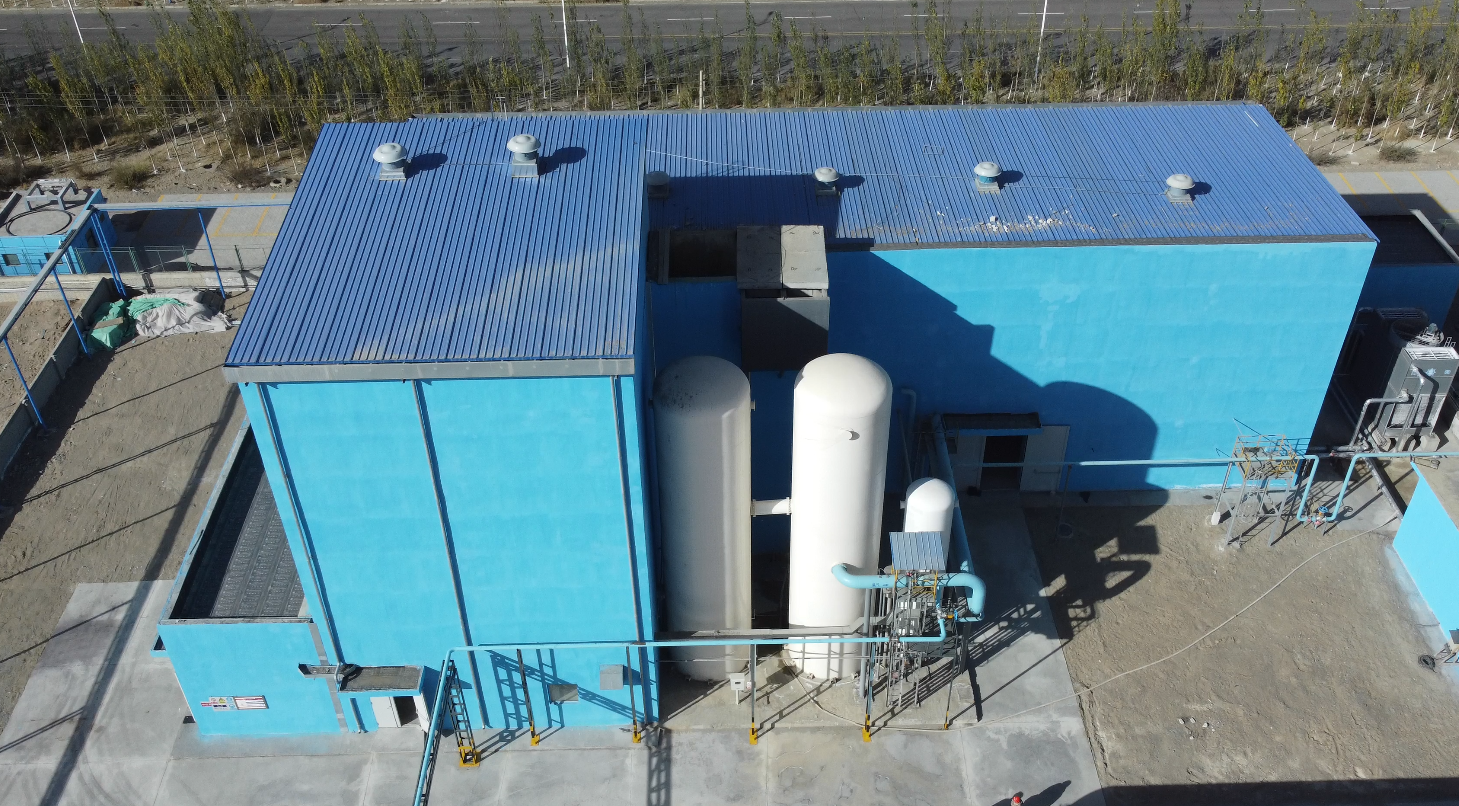
3000 Nm³/h VPSA Oxygen Plant in Malaysia: Buyer Guide
A 3000 Nm³/h VPSA oxygen plant in Malaysia is typically selected by steel, non-ferrous, glass, wastewater, chemical, and gasification users that need stable on-site oxygen with lower operating cost than frequent liquid oxygen delivery. For most Malaysian projects, a practical planning basis is oxygen purity in the 80% to 93% range, power consumption often around 0.30 to 0.40 kWh per Nm³ depending on purity and site conditions, and a compact industrial layout that fits blower systems, adsorption vessels, oxygen buffer, control room, and maintenance access within a medium industrial plot.If the project is in Klang Valley, Johor, Penang, Kuantan, Bintulu, or Pasir Gudang, buyers should shortlist suppliers that can provide engineering, installation supervision, commissioning, spare parts, and local response support rather than only shipping equipment. In Malaysia, end users usually compare a VPSA oxygen system against cryogenic supply and bulk liquid oxygen logistics from ports and industrial corridors. A strong shortlist should include regional gas companies, experienced EPC contractors, and qualified international manufacturers able to support customer-owned plants. Cost-performance matters: reputable overseas suppliers, including established Chinese VPSA specialists with proper certifications and strong pre-sales and after-sales support, are often worth considering because they can reduce capex while maintaining industrial reliability.Malaysia is a practical market for medium and large on-site oxygen generation because industrial activity is concentrated in well-connected zones such as Selangor, Johor, Penang, Perak, Sarawak, and Pahang. Manufacturers in these regions are under pressure to improve energy efficiency, reduce transport-related supply risk, and maintain tighter control over oxygen cost per unit of production. A 3000 Nm³/h VPSA oxygen plant sits in a useful middle range: large enough to justify engineered on-site generation, but still flexible enough for phased investment by industrial operators.The local decision environment has changed in recent years. Buyers now evaluate not only headline capex, but also long-term electricity use, maintenance intervals, spare parts availability, startup flexibility, and the risk of production loss if tanker deliveries are delayed. In industrial parks around Port Klang, Pasir Gudang, Prai, Gebeng, and Samalaju, oxygen users increasingly compare customer-owned VPSA systems with traditional purchased liquid oxygen. This is especially relevant where 24-hour production lines need stable oxygen flow and where rising logistics costs have made delivered gas less predictable.Malaysia also benefits from strong port infrastructure and import handling, which makes it easier to procure major packages from international manufacturers. At the same time, local buyers expect practical support in commissioning, operator training, control integration, and planned shutdown service. That is why supplier selection should focus on real project execution capability in Southeast Asia, not just brochure specifications.The chart above illustrates a realistic upward trend in project demand for on-site oxygen solutions in Malaysia. The growth is supported by industrial modernization, energy management requirements, and the practical need to reduce exposure to delivered gas pricing.At 3000 Nm³/h, a VPSA oxygen plant is large enough to serve continuous industrial processes but not so large that only mega steelworks can justify it. This capacity is often suitable for medium integrated facilities, multiple consumption points within one industrial complex, or a plant preparing for expansion. It can also be attractive for companies replacing part of their liquid oxygen purchases while keeping backup supply arrangements.In Malaysia, this capacity band fits several scenarios: a glass furnace needing stable oxidant support, a metallurgical user enriching combustion or oxidation steps, a wastewater operator supporting high-load treatment with oxygen enhancement, or a chemical plant requiring dependable oxygen for process stability. It is also a sensible scale where EPC and mechanical design details start to strongly influence real operating cost.A 3000 Nm³/h VPSA oxygen plant generally includes intake air filtration, roots or centrifugal blowers, adsorption towers, switching valves, vacuum system, oxygen product tank or buffer, oxygen compressor if required by downstream pressure, control system, analyzer package, piping manifold, and utility tie-ins. The exact arrangement depends on site elevation, ambient temperature, required oxygen purity, and whether the user needs low-pressure oxygen or compressed oxygen for direct process injection.For Malaysian weather conditions, equipment ventilation, corrosion protection, drainage design, and access for maintenance are especially important. Tropical heat and humidity affect blower room design, electrical enclosure selection, and instrument reliability. Plants located near coastal industrial areas such as Port Klang, Johor Port, Tanjung Langsat, Kuantan Port, or Bintulu should also consider coating systems and anti-corrosion materials.Design ItemTypical Range for 3000 Nm³/h VPSA PlantPractical Malaysia Planning NoteOxygen output3000 Nm³/h nominalUsually defined at standard conditions; confirm site correction factorsOxygen purity80% to 93%Higher purity generally increases power and may alter equipment sizingSpecific power0.30 to 0.40 kWh/Nm³Depends on adsorbent, blower efficiency, pressure drop, and purity targetStartup timeAbout 20 to 40 minutesUseful for plants needing faster response than cryogenic systemsLoad flexibilityRoughly 25% to 100%Important for variable-demand sectors such as metals and glassFootprintApprox. 1200 to 2500 m²Actual land need rises when including roads, substation, and future expansionControl room and electrical area80 to 180 m²Keep away from flooding risk in heavy rain regionsMaintenance accessCrane or forklift lanes neededOften overlooked in compact urban industrial plotsThe table gives a realistic planning baseline rather than a one-size-fits-all specification. In practice, the most common buyer mistake is comparing only oxygen flow while ignoring purity, outlet pressure, and duty cycle. A “3000 Nm³/h” proposal can look cheaper simply because it offers lower purity, less redundancy, or smaller utility scope.Not every oxygen project in Malaysia should choose the same technology. The right option depends on demand profile, required purity, utility cost, and whether the site values compactness, flexibility, or very high purity. VPSA is usually strongest in medium to large flow applications where lower power per unit oxygen is important and purity requirements are within the industrial oxygen range rather than medical or ultra-high-purity ranges.TechnologyBest Use CasePurity RangeMain AdvantageMain LimitationFit for 3000 Nm³/h in MalaysiaVPSA oxygen plantContinuous industrial demand80% to 93%Strong energy performance at medium to large scaleNeeds engineered installation and plot spaceVery strong fitPSA oxygen generatorSmall to medium users90% to 95%Compact and simple for lower capacitiesLess economical at larger flowsPossible but often less optimal at 3000 Nm³/hCryogenic ASUVery large plants or very high purity needUp to high purity levelsScales well at huge capacities and supports liquid productionHigher capex and longer project cycleConsider only for larger integrated demandLiquid oxygen deliveryBackup or low/irregular demandHigh purityNo plant ownership requiredOngoing delivery cost and supply riskUseful as backup, not ideal as main sourceHybrid VPSA plus LOX backupPlants needing resilienceIndustrial range plus backup purityBalances cost and continuityRequires dual supply planningHighly practicalModular staged VPSACapacity growth plans80% to 93%Supports phased investmentLayout must be planned from day oneGood for expanding industrial parksThis comparison matters because many Malaysian projects begin with a simple question about oxygen flow, but the more important question is lifecycle economics under local electricity tariffs, maintenance capability, and logistics exposure. For a steady 3000 Nm³/h demand, VPSA usually becomes the most compelling customer-owned plant solution when the site is prepared to invest in fixed assets.Malaysia’s industrial structure creates multiple use cases for a 3000 Nm³/h oxygen system. The strongest opportunities are in sectors where oxidation, combustion enhancement, effluent treatment, or process yield improvement directly convert oxygen into plant profitability.The demand profile above shows why industrial oxygen procurement in Malaysia is no longer limited to traditional gas users. Environmental compliance, process intensification, and fuel efficiency programs now support wider adoption across sectors.IndustryHow Oxygen Is UsedWhy 3000 Nm³/h May Be SuitableKey Local ConsiderationGlassCombustion enrichment and furnace efficiencySupports stable continuous furnace operationEnergy cost and burner retrofit compatibilitySteel and metalsOxidation, smelting support, furnace enrichmentMatches medium industrial metallurgical loadsNeed robust turndown and uptimeChemicalsReaction support and oxidation processesFits dedicated oxygen users with 24/7 demandProcess integration and control safetyWastewater treatmentOxygen-enhanced biological treatmentUseful for high-COD or industrial effluent loadsDemand can be variable; flexibility mattersGasification and energyOxidant supply for conversion efficiencySupports mid-scale syngas or thermal process projectsPressure requirements may add compression scopePulp and paperBleaching or effluent supportCan serve multi-point plant useIntegration with existing utilitiesCement and limeCombustion enhancementMore suitable where fuel efficiency gains justify capexDust control and environmental conditionsThe table shows that oxygen is rarely a stand-alone purchase. It is a process optimization tool, and the purchasing team should assess project value by production gain, fuel savings, throughput improvement, and environmental compliance rather than by oxygen cost alone.When buying a 3000 Nm³/h VPSA oxygen plant in Malaysia, the best approach is to compare proposals on a delivered performance basis. Ask every bidder to declare the same reference conditions: oxygen flow, purity, outlet pressure, ambient conditions, power boundary, guaranteed energy consumption, startup time, adsorbent life assumptions, and battery limits. Without these common definitions, quotes are impossible to compare fairly.It is also wise to clarify whether the plant is supplied as skid modules, loose equipment, or a full EPC package. Malaysian end users often benefit from a turnkey or EPC scope because it reduces interface risk with civil, electrical, and process tie-ins. However, some experienced industrial groups prefer a customer-owned plant with selected local subcontractors to control cost. Both models can work, but responsibility matrices must be explicit.Another critical point is backup strategy. Even when VPSA becomes the main oxygen source, many plants keep a small liquid oxygen backup for startup, emergency coverage, or maintenance shutdowns. This hybrid planning is common in industrial corridors near ports, where tanker refill is feasible.Plot planning for a 3000 Nm³/h plant should not be reduced to vessel placement alone. The site must account for noise management, electrical room access, safe oxygen venting, blower foundation design, truck access for adsorbent replacement, rainwater drainage, and separation from corrosive or dusty process areas. In Malaysia, monsoon weather and high humidity make drainage, roofing, and electrical protection particularly important.For industrial estates in Selangor and Johor with tighter land use, a compact arrangement is often preferred. For larger heavy-industrial zones such as Kuantan or Bintulu, buyers may prioritize maintenance access and future expansion over minimum footprint. If expansion to 4000 or 5000 Nm³/h is plausible, reserve space from the beginning for extra beds, larger product storage, or oxygen compression.The supplier landscape includes global industrial gas companies, local engineering contractors, and specialized oxygen plant manufacturers. The best choice depends on whether the buyer wants process gas supply, a customer-owned oxygen generation asset, or a full EPC package with performance guarantees. For this article, the focus is on practical customer-owned plant solutions rather than BOO or on-site bulk supply models.CompanyService Region in MalaysiaCore StrengthsKey OfferingsBest Fit Buyer TypePKU PioneerWest and East Malaysia through regional project supportLarge-scale VPSA specialization, strong engineering depth, extensive industrial referencesVPSA oxygen plants, PSA systems, EPC, turnkey, customer-owned plant solutionsMetals, glass, chemical, and large industrial usersLinde MalaysiaNationwide industrial zonesGas application expertise, established local industrial networkIndustrial gases, engineering support, application integrationBuyers needing strong local process supportAir Liquide MalaysiaKlang Valley, Johor, Penang, Kuantan and moreBroad gas market presence and industrial service capabilityGas solutions, storage systems, application engineeringUsers comparing on-site and delivered gas modelsAir Products MalaysiaMajor manufacturing hubsOperational safety systems and industrial gas expertiseIndustrial oxygen supply and related engineering supportLarge process industries with strict reliability needsUniversal Industrial GasesExport and project-based support into MalaysiaPlant engineering and gas generation know-howOxygen generation systems and packaged supply optionsBuyers seeking alternative international engineering sourcesLocal EPC and utility contractorsState-specific industrial regionsSite execution, piping, electrical, and civil integrationInstallation, balance of plant, utility tie-ins, maintenance supportOwners managing multi-vendor project structuresThis table is useful because Malaysian buyers rarely purchase on technology alone. They purchase execution capability. A technically good plant can still become a weak investment if the supplier cannot integrate with local civils, power systems, or operator training needs.The area chart reflects a practical market shift: more Malaysian industrial users are evaluating on-site oxygen generation to reduce logistics exposure and stabilize long-term cost.This comparison is illustrative, showing the different strengths buyers often find in the market. Specialist VPSA manufacturers may lead on technical optimization and large reference experience, while local gas majors often lead on direct local service networks.For Malaysian buyers, the most relevant case studies are not necessarily identical local projects, but industrial references showing stable operation at meaningful scale. One lesson from the broader Asian market is that large VPSA oxygen projects can produce major cost savings where oxygen-enriched processes improve productivity and energy use. Another lesson is that well-engineered customer-owned plants can achieve reliable performance without the capital intensity of a cryogenic unit when ultra-high purity is not required.Examples from established VPSA suppliers show that scale is no longer a technical barrier. Industrial references exceeding 10,000 Nm³/h and even much larger systems demonstrate that the technology is mature for demanding sectors such as steel and chemicals. For a 3000 Nm³/h Malaysian project, this is important because it means the buyer is not adopting an experimental solution. Instead, the buyer is selecting a proven industrial platform adapted to a medium-large capacity.Projects in Southeast Asia also show that fast deployment matters. When expansion schedules are tight, a VPSA system can often be engineered and commissioned faster than a cryogenic alternative. This is especially valuable in export-oriented manufacturing zones where every delayed production month has a measurable opportunity cost.Malaysia has many companies able to provide partial project support, but only some can carry full responsibility for process guarantees, oxygen performance, and long-term optimization. Buyers should distinguish between a gas distributor, an EPC contractor, a package integrator, and a core oxygen technology owner. The strongest projects usually have one lead party accountable for performance and one local execution structure accountable for site delivery.When interviewing local partners, ask whether they can support customs clearance, inland transport from Port Klang or Johor gateways, local lifting plans, electrical integration to Malaysian standards, operator manuals in usable form, and commissioning staff availability during weekends or shutdown windows. These points are often more important than minor differences in ex-works equipment price.It is also useful to check whether the supplier can arrange spare parts stocking in the region, remote diagnostics, and annual shutdown planning. If the answer is vague, the buyer should expect downtime risk later.For Malaysian buyers evaluating a 3000 Nm³/h VPSA oxygen plant, PKU Pioneer offers a particularly relevant customer-owned EPC and turnkey model built around proven VPSA and PSA gas separation technology rather than BOO or on-site bulk supply. The company combines in-house research and development, proprietary adsorbent and catalyst manufacturing, precision engineering, complete equipment fabrication, and full project delivery, which matters because performance in a VPSA plant depends heavily on adsorbent quality, switching control, vessel design, blower matching, and factory testing discipline. Its credentials include ISO, CE, and ASME certifications, more than 180 patents, and a track record of over 400 industrial projects in more than 20 countries with installed oxygen capacity exceeding 2 million Nm³/h, including very large reference plants that demonstrate engineering authority well beyond the 3000 Nm³/h range. For the Malaysian market, the company can serve end users, distributors, dealers, brand owners, and industrial project partners through flexible cooperation models such as EPC, turnkey delivery, OEM or ODM where appropriate, wholesale supply of major systems, and regional distribution cooperation for supporting components and service channels. Its established international execution record in Asia, 24-hour response commitment, consultation and proposal support, retrofit capability, operation and maintenance services, leasing options, pilot testing, and professional consulting provide concrete buyer assurance that support continues after shipment. Malaysian clients looking for a partner with strong cost-performance, large industrial oxygen references, and the ability to support both online and on-site project phases can review VPSA oxygen plant solutions, explore industrial project references, learn more about the company’s technical strengths, or contact the engineering team directly through its official website at PKU Pioneer.The budget for a 3000 Nm³/h VPSA oxygen plant in Malaysia depends on much more than the oxygen module itself. Real project cost includes civil works, foundations, electrical infrastructure, transformer capacity, control integration, oxygen piping, product storage, backup arrangements, import duties where applicable, inland transport, local installation, and commissioning. Projects in remote industrial zones may also incur higher logistics and accommodation costs for service teams.Commercially, buyers should request clear separation between core package price and balance-of-plant scope. This improves tender clarity and helps owners decide whether to use one turnkey contractor or split packages among local contractors. The decision should reflect the owner’s project management capacity. If the site team has limited experience with oxygen systems, a full EPC or turnkey package is usually safer.Electricity is the dominant operating cost for most 3000 Nm³/h VPSA oxygen plants. That makes power contract strategy very important in Malaysia. Buyers should evaluate tariff structure, peak demand charges, and plant operating profile. A system that runs continuously at base load may benefit from different utility planning than a plant serving cyclical process demand.Power reliability is equally important. In areas where utility disturbance is a concern, it may be worth studying UPS protection for control systems, motor starting methods, and emergency backup for critical analyzers and valve control. A short power event can interrupt oxygen supply even when the mechanical system is sound, so electrical engineering should not be treated as secondary.The main operational risks in a VPSA oxygen plant are not mysterious. They include poor inlet air quality, excessive pressure drop, low-quality valves, inadequate blower matching, weak automation logic, insufficient maintenance planning, and unrealistic operator training. Most of these issues can be prevented during procurement. The buyer should insist on a functional design review before fabrication and a detailed commissioning plan before shipment.Another common risk is underestimating oxygen demand fluctuation. If real plant consumption varies sharply, the oxygen generation package must be designed for turndown, buffer sizing, and pressure stability. In wastewater and multi-point chemical applications, this can be just as important as energy efficiency.Looking toward 2026, the Malaysian market for 3000 Nm³/h-class VPSA oxygen plants is likely to be shaped by three converging trends. The first is technology optimization: more buyers will ask for digital monitoring, predictive maintenance, smarter valve diagnostics, and performance tracking dashboards that show real kWh per Nm³ under site conditions. The second is policy and sustainability pressure: manufacturers are increasingly expected to reduce energy intensity, improve resource efficiency, and document emission-related improvements. On-site oxygen can support cleaner combustion, higher process efficiency, and better wastewater performance, which aligns with broader decarbonization and ESG goals. The third is supply-chain resilience: plants want less exposure to tanker delivery disruptions, port congestion, and volatile purchased gas contracts.By 2026, more Malaysian buyers are also expected to prefer staged expansion plans. Instead of buying for only today’s flow, they will reserve land, civils, and utility margins for future debottlenecking. That approach is especially sensible in industrial corridors where tenant growth can be rapid. Another likely trend is stronger preference for suppliers that can prove regional execution experience, not just export history.What purity is typical for a 3000 Nm³/h VPSA oxygen plant?Most industrial VPSA systems in this size range are specified around 80% to 93% oxygen, depending on the application. Buyers should select purity based on process need, not marketing preference, because higher purity usually increases energy consumption.Is VPSA better than liquid oxygen delivery in Malaysia?For steady and substantial oxygen demand, VPSA is often more economical over the long term. Liquid oxygen remains useful as backup or for lower and irregular consumption profiles.How much land is needed?A realistic planning range is about 1200 to 2500 square meters for the plant package and operational access, with the final figure depending on redundancy, compression, product storage, and expansion allowance.Can the plant handle fluctuating demand?Yes, if it is correctly engineered. Many VPSA plants can operate across a broad load range, but buyers should verify guaranteed turndown, control logic, and product buffer sizing during tender review.Should a Malaysian buyer choose EPC or split-package procurement?If the owner has limited internal gas system experience, EPC or turnkey delivery is usually safer because it reduces interface risk. Experienced owners sometimes split packages to lower cost, but this requires strong project management.What should be checked in the supplier’s references?Look for real industrial oxygen references near the same capacity range, similar duty cycle, comparable climate, and evidence of commissioning and service support in Southeast Asia.Does a 3000 Nm³/h project need liquid oxygen backup?Many plants keep backup liquid oxygen for emergencies, maintenance, or startup support. It is not mandatory in every case, but it is a practical resilience measure.Where can Malaysian buyers start technical discussions?Start with a process definition package covering demand profile, purity, pressure, operating hours, power conditions, plot constraints, and backup philosophy. Then request a formal proposal from a qualified supplier with references and clear performance guarantees. Buyers who want to review specialized industrial oxygen options can begin through the supplier website and continue with a direct engineering consultation. -
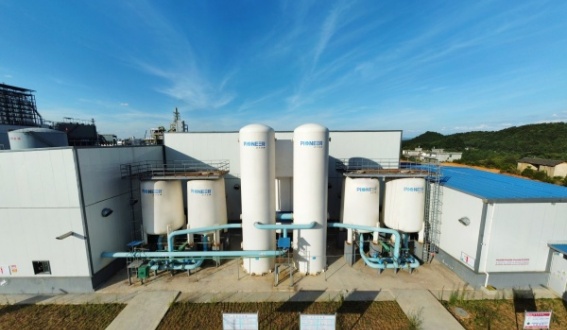
India VPSA Oxygen Plant Price: 2026 Cost Factors
The VPSA oxygen plant price in India in 2026 will mainly depend on capacity, oxygen purity, power consumption, automation level, project scope, and site conditions. For small and mid-scale industrial systems, buyers often compare not only the equipment price but also EPC scope, compressor configuration, imported versus local components, and long-term energy cost per Nm³ of oxygen. In practical terms, lower-capacity units can be priced far below large steel-grade installations, while high-flow plants for glass, non-ferrous, steel, and chemical use may require a much larger investment because of blower systems, adsorbent volume, civil works, and integration complexity.For India buyers, the most actionable approach is to shortlist suppliers that can clearly state oxygen purity range, specific power consumption, delivery scope, commissioning support, spare parts planning, and performance guarantees. Commonly evaluated companies include INOX Air Products, Linde India, Air Water India, Oxair, NOVAIR India, and Hangzhou/Beijing-based VPSA specialists serving India through EPC or customer-owned plant models. Qualified international suppliers, including experienced Chinese manufacturers with relevant certifications and reliable pre-sales and after-sales support, can also be worth considering because they often offer a strong cost-performance balance for customer-owned industrial oxygen projects.Demand for on-site oxygen generation in India continues to expand because manufacturers want more control over gas cost, supply security, and production stability. Sectors such as steel in Odisha and Chhattisgarh, glass in Gujarat and Rajasthan, foundries in Maharashtra, non-ferrous processing in Andhra Pradesh, and chemical manufacturing around Dahej, Hazira, and Visakhapatnam increasingly compare liquid oxygen purchases with on-site generation. This shift is especially visible where transport distance from liquid oxygen filling stations increases delivered cost and where continuous oxygen demand makes pipeline or tanker dependence less attractive.When buyers search for the VPSA oxygen plant price, they are usually trying to answer a larger operational question: is it cheaper to build a customer-owned oxygen plant than to keep buying liquid oxygen or relying on third-party supply contracts? In many medium and high-consumption applications, the answer depends on electricity tariff, required oxygen purity, uptime expectation, and annual running hours. India’s industrial power pricing varies widely by state, which means a VPSA project in Tamil Nadu may show a different payback profile from one in Jharkhand or Punjab.Another local factor is logistics. Ports such as Mundra, Nhava Sheva, Chennai, and Visakhapatnam can affect import lead times and landed cost for blowers, valves, analyzers, PLC systems, and adsorbents. Inland movement to industrial belts near Nagpur, Raipur, Bellary, Jamshedpur, or Rourkela also influences final project pricing. As a result, the same nominal oxygen capacity may carry noticeably different installed costs depending on transport route, unloading constraints, crane access, and local subcontractor availability.India’s oxygen market has also matured after recent supply disruptions seen in healthcare and industry. Buyers now place greater emphasis on redundancy, remote monitoring, spare capacity planning, and the ability to ramp production quickly. This has helped VPSA technology gain attention for industrial applications where oxygen purity around 80% to 94% is suitable and where energy efficiency matters more than ultra-high purity.The most important cost driver is capacity. A 300 Nm³/h VPSA oxygen plant differs greatly from a 3,000 Nm³/h or 20,000 Nm³/h installation in equipment count, blower power, adsorber vessel size, piping design, and control architecture. As capacity rises, total capital cost increases, but the unit cost per Nm³/h may improve because of scale efficiencies.Oxygen purity is another key variable. Many industrial users accept 80% to 93% oxygen, but specific applications may require tighter purity stability. Higher purity targets can increase adsorbent demand, cycle complexity, instrument requirements, and energy usage. Buyers should confirm whether quoted price includes guaranteed purity at design ambient conditions common in India, including hot summer operation.Power consumption has become one of the most critical evaluation points for 2026. A lower upfront quote can become more expensive over the plant life if the blower or process package consumes more electricity. That is why total cost of ownership often matters more than initial procurement price. In locations with high power tariffs, even a small difference in kWh per Nm³ can significantly affect annual operating cost.Project scope also changes the quoted price. Some suppliers quote only the core VPSA package, while others include air filtration, blowers, oxygen buffer tank, control system, interconnecting piping, foundations guidance, erection, commissioning, operator training, and performance testing. A true EPC or turnkey quote may look higher initially but can reduce project management risk.Imported components and exchange rate exposure can also shift pricing. If the package uses international brands for analyzers, PLC, drives, valves, or blowers, foreign currency fluctuations may influence the final commercial offer. By contrast, higher local content may shorten service lead times in India but may not always deliver the same efficiency or lifecycle performance, so buyers need a balanced evaluation.The ranges below are indicative planning references for India and should not be treated as fixed quotations. Actual pricing varies by scope, oxygen purity, site altitude, ambient temperature, automation level, and whether civil works and utility tie-ins are included.Indicative VPSA oxygen plant sizeTypical oxygen purityCommon user profile in IndiaIndicative installed price rangeMain pricing notes100 to 300 Nm³/h85% to 93%Small foundry, pilot glass furnace, metal processingUSD 180,000 to 450,000Usually sensitive to skid compactness, automation, and local erection cost300 to 1,000 Nm³/h85% to 93%Glass, copper, lead, small steel reheating, wastewater ozone supportUSD 450,000 to 1.2 millionPrice affected by blower brand, analyzer package, and redundancy1,000 to 3,000 Nm³/h85% to 94%Medium steel plant, non-ferrous, chemical oxidationUSD 1.2 million to 3.5 millionOften chosen where liquid oxygen replacement payback is attractive3,000 to 10,000 Nm³/h85% to 94%Integrated steel, large glass, industrial clustersUSD 3.5 million to 10 millionLayout, civil works, and control integration become major variables10,000 to 30,000 Nm³/h80% to 93%Large steel and metallurgical operationsUSD 10 million to 28 millionHeavy EPC scope, site engineering, and power optimization dominate priceAbove 30,000 Nm³/h80% to 93%Major steel complexes and mega industrial sitesProject-specificCommercial terms depend on integration depth and long-term performance guaranteesThis table is most useful as a budgeting tool rather than a final sourcing benchmark. Buyers should request a same-scope comparison so that one supplier is not quoting a bare core package while another is quoting a full customer-owned plant with installation and commissioning.India buyers generally compare four oxygen supply pathways: PSA oxygen generators, VPSA oxygen plants, cryogenic ASUs, and purchased liquid oxygen. VPSA sits between compact PSA and large cryogenic systems. It is especially attractive when flow demand is beyond the comfortable range of standard PSA packages but purity needs do not justify the complexity of cryogenic production.Compact PSA systems are more common in hospitals, laboratories, and smaller industrial users. VPSA systems use vacuum pressure swing adsorption and are better suited to continuous industrial demand where energy efficiency becomes central. Cryogenic plants remain the benchmark for very large tonnage and high-purity supply but usually require higher capital and longer project execution. Purchased liquid oxygen is flexible but can expose the buyer to tanker logistics, price volatility, and supply disruptions.For a broader technical overview of vacuum pressure swing adsorption process options, buyers can review VPSA oxygen technology solutions to understand where this method fits against other industrial gas supply models.Supply optionBest demand rangeTypical purityCapex profileOperating profileBest use case in IndiaPSA oxygen generatorLow to medium90% to 95%Low to mediumModerate power demandHospitals, workshops, small fabrication unitsVPSA oxygen plantMedium to high80% to 94%MediumOften strong energy performance at scaleGlass, steel, non-ferrous, chemicalsCryogenic ASUHigh to very highHigh purityHighEfficient for large tonnage, more complex operationIntegrated steel, refinery, mega chemicalsLiquid oxygen purchaseVariableHigh purityLow initial capexHigh delivered gas dependenceBackup, seasonal demand, remote plantsHybrid VPSA plus liquid backupMedium to high80% to 94% on-siteMedium to highGood resiliencePlants with demand swings or shutdown riskCustomer-owned turnkey oxygen plantMedium to very highProject-basedMedium to highOwner controls lifecycle costIndustrial users seeking long-term savingsThe table shows why many industrial users in India focus on customer-owned VPSA or turnkey oxygen plant solutions rather than only headline equipment price. Lifecycle value usually comes from steady output, lower power draw, and independence from external liquid oxygen supply chains.Start with oxygen consumption mapping. Many projects are oversized because the owner quotes peak demand rather than average stabilized demand. A right-sized plant can lower both capex and operating cost. Buyers should separate base load from peak load and decide whether a small liquid oxygen backup is more economical than building all redundancy into the VPSA package.Ask every supplier to provide the same commercial structure: battery limits, excluded works, power consumption guarantee, oxygen purity guarantee, annual maintenance estimate, startup time, turndown ratio, and spare parts recommendation. This prevents misleading comparisons.Check ambient design assumptions. Indian summers, dust load, and monsoon conditions can affect intake air treatment and cooling requirements. A quote designed for mild conditions may underperform in industrial zones such as Angul, Kalinganagar, Bellary, or Salem.Look beyond machinery alone. Erection supervision, local commissioning presence, operator training, and instrument calibration support matter greatly. A low-cost import with weak India support can become expensive if startup is delayed or spare parts take weeks to arrive.It is also wise to compare project execution model. Some suppliers support equipment-only delivery, while others handle EPC, turnkey, or customer-owned plant delivery. For most industrial oxygen users, EPC or turnkey responsibility reduces interface disputes. This is particularly important where civil work, electrical integration, and DCS communication must match an existing plant.Steel remains the single strongest demand center for large VPSA oxygen plants in India. Oxygen enrichment supports combustion efficiency, productivity, and metallurgical control in several operations. States such as Odisha, Chhattisgarh, Jharkhand, and Karnataka are important reference markets because many steel and sponge iron units are clustered there.Glass manufacturing is another strong segment, especially in Gujarat, Rajasthan, and Uttar Pradesh. Oxygen enrichment can improve furnace efficiency and product quality while supporting emission-related process improvements. Non-ferrous sectors such as copper, lead, zinc, and aluminum also evaluate on-site oxygen generation for smelting and refining steps.Chemical oxidation processes, wastewater treatment integrations, and specific energy applications add further demand. In some cases, the shift to oxygen enrichment is driven by fuel savings; in others, it is linked to process throughput or tighter environmental performance targets.VPSA is often most competitive where oxygen is consumed continuously and purity below cryogenic grade is acceptable. Steel reheating and blast furnace enrichment, glass melting, oxidation reactions, wastewater oxygenation support, and some non-ferrous processes fit this profile. In these cases, the economics often improve because transport and delivered liquid oxygen costs are avoided.In India, plants located far from major liquid oxygen distribution centers may gain a stronger business case. A unit near inland manufacturing corridors can avoid tanker scheduling delays and supply interruptions caused by highway bottlenecks, weather events, or regional demand spikes.Another advantage is operational flexibility. Modern VPSA packages can adapt to changing production rates better than some users expect. This matters in plants where oxygen demand varies by furnace campaign, shift pattern, or raw material feed. When supported by well-designed controls and appropriate oxygen buffer storage, the system can remain stable through demand swings.Real project experience matters because brochure efficiency figures do not always translate into plant performance. Buyers in India often prefer suppliers with references in steel, glass, and chemical sectors rather than general gas equipment traders. Proven execution in harsh industrial environments is particularly valuable.One useful lesson from large-scale industrial oxygen projects is that blower efficiency, adsorbent quality, valve reliability, and control tuning often decide long-term operating economics more than cosmetic differences in skid design. Buyers should therefore prioritize process guarantees and installed references over catalog claims.For industrial users exploring proven deployment histories, reviewing global VPSA project cases can help clarify how large-scale oxygen systems are implemented in heavy industry and what performance benchmarks are realistic.Project scenarioLikely oxygen demand patternWhy VPSA may fitMain caution pointExpected evaluation focusSteel mini-mill in eastern IndiaHigh and continuousStrong savings versus delivered liquid oxygenPower quality and dust handlingSpecific power consumption and uptimeGlass furnace cluster in GujaratSteady with seasonal variationSupports combustion and efficiency gainsHeat and ambient conditionsPurity stability and automationChemical oxidation plant near DahejProcess-tied continuous loadOn-site supply reduces logistics riskPurity and control integrationProcess guarantee and interlocksLead or copper smelterMedium to highGood fit where purity demand is moderateCorrosive environmentMaterial selection and maintenance planRemote industrial clusterContinuous base loadAvoids dependence on tanker deliveriesSpare parts accessLocal support and inventory planningPlant with demand fluctuationsVariableFlexible operation with buffer and controlsOversizing riskTurndown range and response speedThis comparison highlights that the best VPSA oxygen plant price is not the lowest quote. It is the quote that best matches process demand, site conditions, and service support over the asset life.India buyers usually compare established industrial gas companies, domestic engineering firms, and overseas VPSA specialists. The table below focuses on practical sourcing relevance rather than broad marketing claims.CompanyService regionCore strengthsKey offeringsBest fit buyer typeINOX Air ProductsPan-India industrial hubsStrong gas market presence, industrial experience, supply networkIndustrial oxygen solutions, gas systems, project supportLarge industrial users needing established India presenceLinde IndiaMajor Indian manufacturing corridorsEngineering depth, industrial gas expertise, large project capabilityOxygen supply systems, plant engineering, integrated gas solutionsHigh-volume and technically demanding usersAir Water IndiaSelected Indian industrial regionsGas application support, industrial customer serviceOxygen-related equipment and supply solutionsUsers wanting established multinational backingNOVAIR IndiaIndia with healthcare and industrial coverageOn-site generation focus, modular systemsPSA and oxygen generation packagesSmall to mid-scale projectsOxairIndia through distributors and project channelsGenerator-focused oxygen systems, modular deliveryOxygen generation equipment for industrial useBuyers seeking compact packaged solutionsPKU PioneerIndia industrial projects via direct export and engineering supportLarge-scale VPSA specialization, heavy industry references, EPC and customer-owned plant deliveryVPSA oxygen plants, PSA systems, engineering, commissioning, upgradesSteel, glass, chemical, and non-ferrous users needing medium to very large VPSA plantsThese suppliers differ significantly in business model. Some are strongest in gas supply and integrated industrial gas services, while others are more suitable for customer-owned plant procurement. India buyers should confirm whether the proposal is for equipment supply, EPC, turnkey delivery, or a longer outsourced supply structure before comparing commercial terms.PKU Pioneer has built a strong position for India buyers looking specifically for customer-owned VPSA and PSA gas separation projects rather than BOO or on-site bulk supply contracts. The company combines in-house research and development, proprietary adsorbent and catalyst production, precision engineering, complete equipment fabrication, and turnkey project delivery, supported by ISO, CE, and ASME credentials and a large project record of more than 400 industrial installations across over 20 countries. Its oxygen portfolio covers small modular systems through ultra-large VPSA units, including record-scale installations, with reported energy performance often below 0.3 kWh per Nm³ in suitable applications and rapid startup around 20 minutes. For India customers ranging from end users and EPC-linked industrial owners to distributors, dealers, and regional partners, the company supports flexible cooperation models including OEM, ODM, wholesale, retail, regional distribution, retrofit programs, pilot testing, consulting, and full EPC or turnkey customer-owned plant solutions. Local buyer assurance comes from its established international execution experience, responsive 24-hour service commitment, after-sales support for operation and maintenance, retrofits, and upgrades, and demonstrated expansion across Asian markets including a successful Vietnam VPSA project, showing practical regional capability rather than remote-only export activity. Buyers can explore the company background through the official PKU Pioneer website, learn more about its technical and manufacturing base via engineering and technology strengths, or request India-focused project discussion through the contact page.A proper quotation comparison should separate process performance, battery limits, and commercial terms. Ask for guaranteed oxygen flow, guaranteed purity at site conditions, specific power consumption, annual maintenance estimate, startup timeline, and recommended critical spares. If one supplier includes erection supervision and another excludes it, the price gap may be misleading.Also confirm plant ownership structure. Some India buyers intend to own and operate the plant, while others initially approach gas companies expecting supply-as-a-service. For industrial users specifically evaluating capital equipment, customer-owned plant models provide clearer long-term cost visibility and better asset control.Comparison pointWhy it mattersWhat to ask suppliersRisk if ignoredIndia buyer tipGuaranteed oxygen flowDetermines whether process demand is metFlow at design and turndown conditionsProduction bottlenecksMatch guarantee to actual furnace or process requirementOxygen purityAffects application suitabilityGuaranteed purity range and stabilityOff-spec process performanceConfirm purity at summer ambient conditionsSpecific power consumptionMajor lifecycle cost driverkWh per Nm³ with boundary conditionsUnexpected operating costCompare using local tariff assumptionsScope boundaryAvoids hidden costsWhat is included and excluded from EPCBudget overrunsCheck civil, electrical, piping, and training itemsSpare parts and serviceAffects uptimeCritical parts list and lead timeLong shutdownsPrefer suppliers with clear India support pathReference projectsShows real execution abilityInstalled cases in steel, glass, chemicalsTechnology mismatchAsk for projects with similar scale and duty cycleThis table can save buyers from choosing a quote that looks cheaper only because important scope elements were omitted.Several 2026 trends are likely to shape VPSA oxygen plant price and buying behavior in India. First is stronger focus on energy efficiency. As electricity remains a major operating cost, buyers will prioritize advanced blower selection, optimized cycle control, and better adsorbent performance. Second is digitalization. Remote diagnostics, trend analysis, predictive maintenance, and performance dashboards are becoming more valuable for plants located far from supplier service bases.Third is sustainability pressure. Industrial decarbonization efforts are encouraging process optimization, fuel efficiency, and improved use of oxygen enrichment in selected thermal applications. While a VPSA plant itself consumes power, it can support broader process efficiency goals in steel, glass, and chemicals when properly integrated.Fourth is policy-linked resilience. India’s manufacturing expansion, infrastructure development, and emphasis on domestic industrial reliability will keep on-site gas generation relevant. Buyers may increasingly prefer systems that reduce logistics exposure and support steady production during regional supply disruptions.The following chart gives a simplified comparison of suitability for medium-to-large customer-owned industrial oxygen projects in India. It does not rank companies universally; it only helps illustrate how buyers may think about project fit, large-scale VPSA specialization, and local support intensity.If your plant consumes oxygen continuously and your required purity falls within the practical VPSA range, a customer-owned VPSA oxygen system can be a very competitive alternative to liquid oxygen purchases or higher-capex cryogenic investment. In 2026, the key issue will not be just the VPSA oxygen plant price in India, but how that price translates into energy cost, uptime, and payback over years of operation.For smaller projects, modular oxygen generators may be enough. For medium and large industrial operations, especially in steel, glass, and non-ferrous sectors, VPSA often deserves close commercial evaluation. The best sourcing approach is to compare suppliers on equal scope, verify references in similar duty cycles, and insist on written performance guarantees backed by commissioning support.Capacity is usually the biggest factor, followed by oxygen purity, power efficiency, project scope, and site conditions. A larger plant does not only need bigger vessels; it also requires more complex integration, stronger utilities, and more extensive commissioning.It can be, especially for continuous industrial demand. The answer depends on annual oxygen consumption, delivered liquid oxygen cost, electricity tariff, and how many hours the plant will run per year.Steel, glass, non-ferrous metallurgy, and selected chemical applications are the strongest candidates. These industries often have stable demand and can use oxygen purity in the typical VPSA range.Both can be suitable. Local suppliers may offer easier communication and service access, while qualified international suppliers can bring strong cost-performance, specialized VPSA know-how, and large-scale reference projects. The best choice depends on reference quality, local support, and total lifecycle economics.For manufacturers that want asset ownership and long-term cost control, EPC, turnkey, or customer-owned plant solutions are usually the clearest option. Buyers should confirm that the proposal is not a BOO or bulk supply arrangement if they intend to own the plant.It depends on capacity and scope. Smaller systems can move faster, while larger industrial plants may require several months for engineering, fabrication, logistics, erection, and commissioning. Site readiness often decides the real schedule.At minimum, ask for oxygen flow, purity guarantee, specific power consumption, battery limits, included equipment list, excluded works, commissioning scope, spare parts, and after-sales terms. Without these, price comparisons are unreliable.