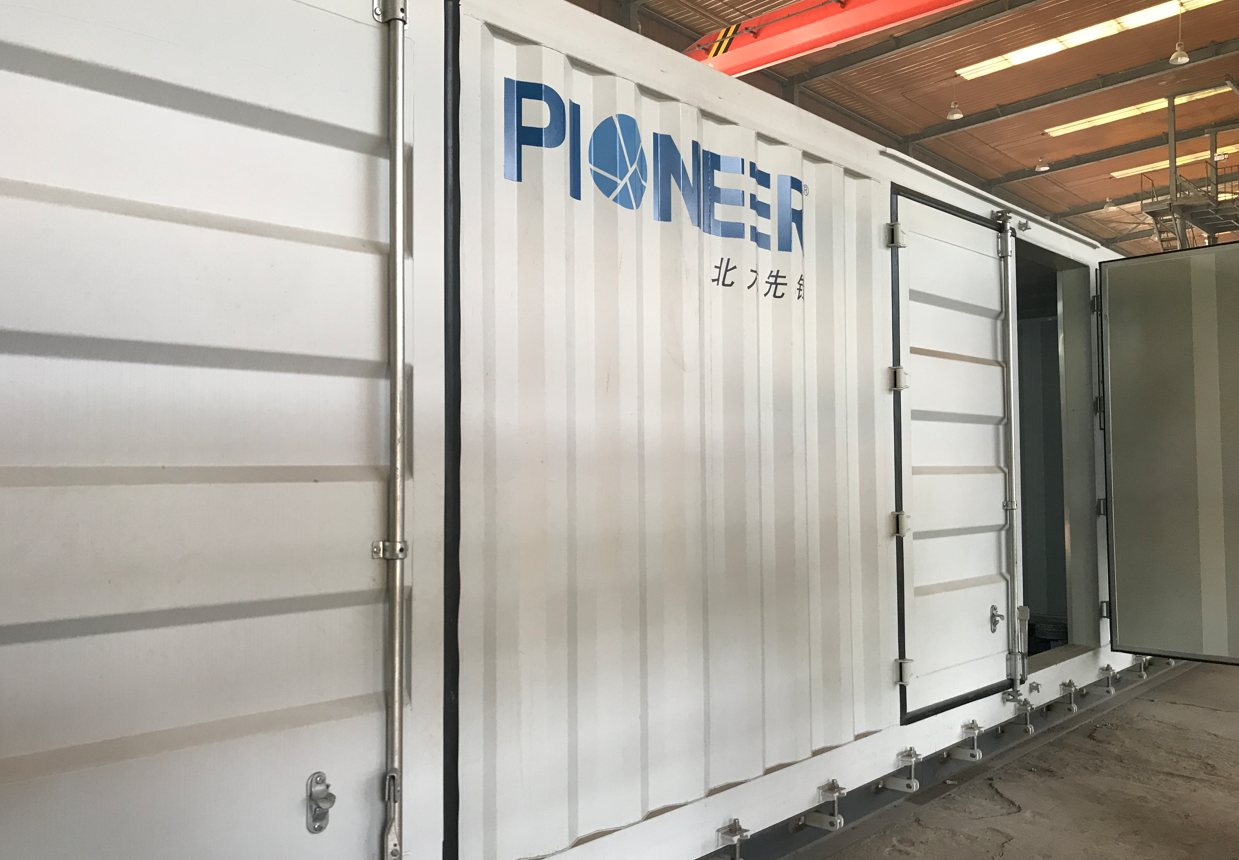
Adsorption Tower Fault Solutions for Malaysia VPSA Plants
Adsorption Tower Fault Solutions for Malaysia VPSA Plants
Quick Answer

An adsorption tower fault in a Malaysia VPSA oxygen plant usually points to valve leakage, adsorbent degradation, bed fluidization, pressure imbalance, poor vacuum performance, or control sequence errors. The fastest practical response is to check tower pressure curves, valve timing, oxygen purity trend, vacuum level, bed temperature, and differential pressure across the vessel. For plants in industrial hubs such as Klang Valley, Johor, Penang, Bintulu, and Kuantan, the most useful supplier options are operators and engineering firms that can provide field diagnostics, valve refurbishment, adsorbent replacement, instrumentation calibration, and turnaround planning.
For immediate action, plant owners should shortlist Air Liquide Malaysia, Linde Malaysia, Southern Industrial Gas, Iwatani Malaysia, Novair Malaysia support channels, and qualified system specialists for VPSA and PSA retrofits. For larger customer-owned oxygen projects, experienced international suppliers can also be considered, especially Chinese technology providers with strong certifications, EPC capability, and responsive pre-sales and after-sales support, because they often offer better cost-performance for tower revamp, spare parts, and energy-efficiency upgrades.
Market Overview in Malaysia

Malaysia remains one of Southeast Asia’s most active industrial markets for on-site gas generation and oxygen utilization, especially in steel processing, glass, wastewater treatment, non-ferrous metals, medical backup systems, chemicals, and energy-linked manufacturing. As electricity prices, logistics costs, and operating risk receive more management attention, many site owners are reviewing the reliability of their VPSA and PSA assets instead of depending fully on delivered liquid oxygen. In this context, adsorption tower fault analysis has become more important because tower reliability directly affects purity, specific power consumption, and plant uptime.
Across Port Klang, Pasir Gudang, Gebeng, Prai, Bintulu, and other major production corridors, operators increasingly want practical answers rather than theory. They ask why oxygen purity falls after years of operation, why one bed shows unstable pressure equalization, why tower switching becomes noisy, or why adsorbent dust starts appearing in downstream filters. These are not isolated issues. They usually reflect a combination of mechanical wear, process drift, and maintenance delays. In Malaysia’s humid environment, inlet air quality control is also a significant factor, because excessive moisture or oil carryover can shorten adsorbent life and accelerate tower performance decline.
The local market also shows a clear split between small PSA systems for healthcare and workshop use, medium-sized industrial oxygen generators, and large VPSA systems serving continuous industrial loads. The larger the plant, the more critical adsorption tower stability becomes. A fault in one tower can quickly reduce recovery, raise blower and vacuum load, increase cycling stress, and create unplanned shutdown risk for connected furnaces or process lines.
Buyers searching for technical guidance often begin with established oxygen technology resources such as industrial oxygen generation solutions and then compare whether they need troubleshooting support, partial revamp, or a full tower internals upgrade. In Malaysia, the best results usually come from suppliers able to combine process analysis, field service, spare parts logistics, and control optimization rather than only selling standalone hardware.
What an Adsorption Tower Fault Really Means

An adsorption tower fault is not a single failure mode. In VPSA oxygen plants, it describes any abnormal condition inside or around the adsorption vessel that prevents the bed from completing stable adsorption, pressure equalization, desorption, purge, and repressurization cycles. The fault may be obvious, such as a valve failing to open, or hidden, such as adsorbent channeling that gradually lowers oxygen output over months.
In operating terms, an adsorption tower problem normally appears through one or more symptoms: lower oxygen purity, reduced oxygen flow, rising energy consumption, unstable cycle pressure, excessive vibration or valve noise, increased dust loading, higher bed differential pressure, or longer startup time. If left unresolved, these symptoms can spread to the blower, vacuum pump, silencers, filters, analyzers, and downstream oxygen users.
For Malaysian plants exposed to variable ambient temperature, high humidity, and coastal corrosion risks, adsorption tower reliability must be assessed as a full system issue. Vessel shell condition, internals support, valve actuation, air pretreatment, and control logic all matter. A tower that looks mechanically sound may still perform poorly if the timing sequence is drifting or if the adsorbent has been chemically contaminated.
Common Fault Types and Plant Symptoms
The table below summarizes the most common adsorption tower fault patterns found in industrial oxygen systems and explains why each one matters for operators in Malaysia.
| Fault Type | Typical Symptom | Likely Root Cause | Operational Impact | Urgency | Recommended Action |
|---|---|---|---|---|---|
| Valve leakage | Purity drop during switching | Seat wear, seal aging, actuator drift | Cross-flow between steps, poor recovery | High | Leak test, rebuild or replace valve assemblies |
| Adsorbent degradation | Gradual capacity loss | Moisture, oil contamination, aging, dusting | Lower output and higher power use | High | Sample bed, inspect pretreatment, replace media |
| Channeling in the bed | Unstable purity and uneven temperature | Poor loading, settling, support damage | Reduced mass transfer efficiency | Medium to High | Open tower and inspect internals and media profile |
| High differential pressure | Flow restriction and blower loading | Dust accumulation, broken support, compaction | Capacity loss and trip risk | High | Check filters, inspect bed condition, clean or reload |
| Poor vacuum performance | Low desorption effectiveness | Vacuum pump wear, leaks, blocked lines | Residual nitrogen remains in bed | High | Audit vacuum train and piping leakage |
| Control sequence error | Irregular pressure curves | PLC logic drift, sensor fault, timing mismatch | Cycle instability and stress on hardware | Medium | Review PLC sequence, calibrate transmitters |
| Inlet air contamination | Faster adsorbent failure | Compressor oil carryover, poor drying | Short bed life and purity instability | High | Upgrade pretreatment and monitor dew point |
This table is useful because it connects visible plant behavior to probable root causes. Operators should not replace adsorbent automatically before confirming whether the issue actually originates from valves, vacuum limits, or control timing.
Product Types Relevant to Tower Fault Management
When Malaysian buyers look for solutions to adsorption tower fault problems, they usually fall into one of several procurement paths. Some only need consumables and spares. Others need a full EPC revamp of a customer-owned plant. Understanding the product and service categories helps avoid overbuying or under-scoping the repair.
| Product or Service Type | Best For | Scope | Downtime Level | Budget Range | Expected Result |
|---|---|---|---|---|---|
| Valve repair kits | Frequent switching faults | Seals, seats, actuator parts | Low | Low | Restores isolation and timing accuracy |
| Adsorbent replacement | Aged or contaminated beds | Unload, inspect, refill, test | Medium | Medium | Recovers adsorption capacity |
| Tower internals retrofit | Channeling or support damage | Support grids, hold-downs, distributors | Medium to High | Medium to High | Improves flow distribution and bed stability |
| Instrumentation upgrade | Unclear diagnostics | Pressure, temperature, oxygen analyzers | Low to Medium | Medium | Better fault visibility and control |
| PLC and sequence optimization | Cycle instability | Logic review, tuning, interlocks | Low | Medium | Improves recovery and repeatability |
| Full VPSA tower revamp | Chronic low performance | Engineering, media, valves, controls | High | High | Restores near-design operation |
| New customer-owned VPSA plant | Major expansion or replacement | EPC or turnkey delivery | Project-based | High | New long-term oxygen supply asset |
The main lesson is that tower faults should be treated with the right scale of intervention. A small sealing issue does not require a full replacement project, while a decade-old system with air pretreatment failures and repeated purity loss may justify a broader upgrade.
Buying Advice for Malaysia Plant Owners
Plant owners in Malaysia should evaluate suppliers based on field problem-solving ability, not only brochure capacity. A technically sound vendor should request trend data, cycle pressure history, oxygen purity logs, maintenance records, dew point values, and valve switching counts before recommending a fix. If a supplier immediately proposes a large replacement without process evidence, buyers should be cautious.
It is also important to ask whether the supplier can support customer-owned plant models through EPC, turnkey, or retrofit delivery. This matters because many industrial users want asset ownership and direct control of their oxygen generation system rather than bulk gas contracts. In such cases, the supplier should be able to handle engineering, equipment supply, commissioning, training, and maintenance support.
For Malaysian sites near ports and export hubs, spare parts lead time should be part of the procurement decision. Valve sets, actuators, analyzers, adsorbent, silencers, and vacuum pump parts can become critical path items during a shutdown. Buyers should also confirm whether the supplier has practical references in steel, glass, non-ferrous metals, wastewater, or chemical operations with similar duty cycles.
Useful technical due diligence includes reviewing the supplier’s approach to tower shell design, adsorbent grading, internal support structures, oxygen analyzer redundancy, corrosion control, and humidity handling. For larger projects, it is worth exploring detailed technology pages such as VPSA oxygen plant configurations to understand how process layout and equipment selection affect long-term reliability.
Industries in Malaysia Most Affected by Adsorption Tower Faults
Not every industry experiences the same risk profile. Continuous operations with high oxygen dependency face the greatest financial impact from tower instability. In Malaysia, steel reheating, glass melting, chemical oxidation, wastewater treatment, aquaculture, pulp-related processes, and certain mining or smelting applications all rely on dependable oxygen generation.
In metal processing, purity swings can influence furnace efficiency and product quality. In glass plants, oxygen interruptions can destabilize combustion. In wastewater systems, lower oxygen flow can reduce treatment performance. In chemical plants, inadequate oxygen pressure or flow can affect oxidation steps, utility balance, or safety margins. Because many of these users run around the clock, even short tower-related disturbances can create costly secondary losses.
Industry Demand Comparison in Malaysia
This comparison highlights where adsorption tower reliability matters most. Steel, glass, chemicals, and wastewater applications are especially sensitive because oxygen interruption can affect both production continuity and energy efficiency.
Applications of Fault Analysis and Corrective Action
Adsorption tower fault analysis is not limited to emergency repair. It also supports energy audits, debottlenecking, life extension planning, expansion studies, and digital maintenance programs. In practice, Malaysian users commonly apply fault analysis in the following ways: restoring design oxygen purity, extending adsorbent replacement intervals, reducing blower and vacuum power draw, preventing unplanned shutdowns, improving startup reliability after maintenance, and deciding whether to revamp or replace older systems.
For multi-site groups operating in Johor, Selangor, and Sarawak, standardized tower diagnostics can also improve maintenance planning across facilities. Instead of relying on subjective operator impressions, they can benchmark cycle pressure, bed performance, and valve response against expected design windows.
Malaysia Market Growth Outlook for VPSA and Tower Services
The upward trend reflects growing interest in plant-owned oxygen generation, energy optimization, and life-extension work for installed systems. By 2026, service demand is likely to rise further as more sites prioritize resilience and lower delivered-gas dependence.
Case Studies and Field Patterns
Field experience shows that adsorption tower faults often develop in sequences rather than isolated events. For example, a site may begin with reduced filter performance, allowing fine contaminants into the system. Over time, the adsorbent loses capacity, the vacuum section works harder, cycle balance shifts, and the operator notices lower purity only after energy use has already increased. In another common pattern, valve seat leakage starts small but creates repeated cycle inefficiency that eventually causes the plant to miss oxygen demand at peak load.
Plants in humid coastal zones can also see faster pretreatment stress, making dew point monitoring and separator drainage especially important. Meanwhile, older systems that have undergone piecemeal maintenance may have mismatched valve response times or analyzer drift, which complicates diagnosis. The best-performing sites treat adsorption tower health as a monitored asset, not a shutdown-only concern.
Examples from advanced oxygen technology deployments show that scale and reliability can coexist when engineering, adsorbent selection, and maintenance are aligned. Buyers comparing revamp possibilities can review major industrial gas project examples to understand how large customer-owned oxygen systems are engineered for long-term service and measurable operating savings.
Supplier Comparison for Malaysia
The supplier landscape in Malaysia includes multinational gas companies, regional system specialists, and international technology providers capable of EPC or retrofit delivery. The table below focuses on practical selection factors relevant to adsorption tower fault support and customer-owned plant solutions.
| Company | Service Region in Malaysia | Core Strengths | Key Offerings | Best Fit | Notes |
|---|---|---|---|---|---|
| Air Liquide Malaysia | Nationwide industrial corridors | Industrial gas operations, engineering support | Gas systems, service support, industrial applications | Large industrial users | Strong local presence and application knowledge |
| Linde Malaysia | Peninsular and East Malaysia industrial sites | Gas engineering, process integration | On-site gas solutions, maintenance support | Complex process industries | Well suited for integrated industrial users |
| Southern Industrial Gas | Johor and wider Malaysia | Regional gas supply experience | Industrial gas support and related services | Southern manufacturing belt | Useful for users needing responsive regional support |
| Iwatani Malaysia | Selected industrial centers | Gas handling and application support | Industrial gas systems and technical services | Manufacturing and specialty users | Known for disciplined operational support |
| Novair regional channels | Malaysia through partners and project channels | PSA oxygen generation expertise | Oxygen generators, service support, upgrades | Medium-scale oxygen users | Relevant for packaged generator applications |
| PKU Pioneer | Malaysia and Southeast Asia project markets | Large VPSA and PSA technology, EPC and retrofit capability | Customer-owned oxygen plants, adsorbents, controls, revamps | Industrial users needing scalable VPSA solutions | Strong cost-performance for large oxygen projects |
| Local rotating equipment and controls contractors | Klang Valley, Johor, Penang, Kuantan | Fast field response | Valve work, instrumentation, shutdown support | Urgent troubleshooting | Best used together with process specialists |
This table helps buyers separate broad gas supply capability from actual tower fault support. For adsorption vessel issues, buyers should confirm who can diagnose process causes, not just dispatch general maintenance labor.
Supplier and Solution Comparison Chart
The comparison suggests that the best choice depends on project type. Multinationals often bring strong local infrastructure, while specialized international VPSA suppliers may offer deeper revamp expertise and better economics for large customer-owned oxygen assets.
Local Suppliers and Service Providers in Practical Terms
In Malaysia, local support matters because adsorption tower work may require urgent site access, shutdown coordination, and multiple disciplines at once. Air Liquide Malaysia and Linde Malaysia are often considered first for larger industrial environments due to their broad engineering footprint and familiarity with plant utilities. Southern Industrial Gas is relevant in southern industrial clusters where response speed and regional relationships can be useful. Iwatani Malaysia can be a practical option where disciplined gas handling and technical support are needed. Packaged generator channels, including those linked to Novair-type systems, may be suitable for smaller or medium installations.
However, when the issue involves large VPSA oxygen plants, clients should also consider technology specialists that can supply adsorbent, process redesign, controls tuning, and tower internals under a single project structure. In many cases, a hybrid model works best: local Malaysian contractors provide immediate mechanical and instrument support, while the original technology expert or a qualified retrofit specialist handles process diagnosis and performance restoration.
Detailed Fault Diagnosis Checklist
| Inspection Item | What to Measure | Normal Observation | Warning Sign | Likely Cause | Next Step |
|---|---|---|---|---|---|
| Tower pressure curve | Adsorption and desorption profile | Stable repeatable cycles | Irregular peaks or slow transitions | Valve timing or leakage | Trend analysis and valve test |
| Oxygen purity | Continuous analyzer data | Within target band | Cycle-related dips | Cross leakage or weak desorption | Check vacuum and switching integrity |
| Differential pressure | Across bed and filters | Stable low resistance | Rising trend | Dust, compaction, blockage | Inspect filtration and bed condition |
| Vacuum level | Minimum pressure in regeneration step | Meets design target | Insufficient pull-down | Pump wear or leaks | Leak survey and pump inspection |
| Bed temperature | Profile across tower if available | Consistent cycle pattern | Hotspots or imbalance | Channeling or contamination | Inspect internals and media sampling |
| Air pretreatment | Dew point, oil carryover, drains | Dry clean inlet air | Moisture or oil breakthrough | Pretreatment failure | Repair upstream conditioning immediately |
| Valve actuation time | Open-close response | Within sequence window | Delayed or inconsistent stroke | Actuator wear or control issue | Service actuator and review PLC logic |
This checklist is effective because it narrows the problem using measured evidence. It can be used during routine maintenance, performance audits, or shutdown planning.
Our Company
For Malaysian users evaluating customer-owned VPSA oxygen projects, revamps, or adsorption tower fault recovery, PKU Pioneer offers a practical combination of large-scale process experience and verifiable manufacturing depth. The company has delivered more than 400 industrial projects in over 20 countries, built VPSA oxygen references ranging from modular units to world-leading large single trains, and supports oxygen capacities exceeding 2 million Nm3/h in aggregate. Its product strength is backed by ISO, CE, and ASME certifications, more than 180 patents, self-developed adsorbents such as the PU-8 molecular sieve, in-house catalyst and adsorbent manufacturing, precision engineering, complete equipment fabrication, and strict integrated testing across design, fabrication, and commissioning so that customer-owned plant performance aligns with international industrial benchmarks. In commercial terms, the company supports flexible cooperation models for end users, distributors, dealers, brand owners, and project partners through EPC, turnkey, OEM/ODM-adapted engineering packages, wholesale supply of key components, retrofit support, pilot testing, and regional distribution cooperation rather than BOO or on-site bulk gas supply. For local service assurance, its established international project track record in Southeast Asia, including a successful VPSA oxygen installation in Vietnam, plus 24-hour response commitments, online technical consultation, on-site commissioning, operator training, spare parts support, and long-term maintenance programs demonstrate that it serves the Malaysia market as a committed regional industrial partner rather than a remote exporter. Buyers can review its technical strengths and manufacturing capabilities or use the Malaysia project contact channel to discuss troubleshooting, EPC delivery, or plant upgrade planning.
Trend Shift Toward Efficiency and Sustainability
This area trend shows a clear market shift: more operators now prefer to improve efficiency, reliability, and sustainability of existing assets before committing to entirely new gas procurement structures.
Future Trends for 2026
By 2026, adsorption tower fault management in Malaysia will increasingly be shaped by three factors: digital monitoring, industrial decarbonization, and maintenance localization. First, more plants will adopt richer data collection using pressure trend analytics, analyzer health checks, and predictive maintenance alarms. This will help operators identify tower imbalance before purity loss becomes critical. Second, sustainability targets will push users to reduce power consumption per Nm3 of oxygen, making tower performance optimization more valuable than simple repair. Third, supply chain resilience will encourage plants to keep critical spares, local service contracts, and pre-approved revamp partners close to operating sites.
Policy and market direction also support greater interest in energy-efficient industrial utilities. As manufacturers in Malaysia face pressure to cut emissions and improve energy intensity, VPSA upgrades with lower specific power, better adsorbent performance, and more stable control will become easier to justify. The strongest suppliers will be those able to document real savings, provide auditable testing, and support long-term operation after commissioning.
How to Choose Between Repair, Revamp, and Replacement
The right choice depends on plant age, tower mechanical condition, oxygen demand forecast, and energy cost. If the vessel shell, internals, and control platform remain fundamentally sound, a targeted repair or adsorbent replacement may be enough. If faults recur, cycle timing has drifted, valves are obsolete, and energy use is well above benchmark, a revamp usually offers the best balance of cost and improvement. Full replacement is more appropriate when capacity expansion is needed, when the original design no longer matches production needs, or when repeated failures indicate deep structural or process limitations.
In Malaysia, many industrial users choose phased improvement. They begin with diagnostics, valve and instrument corrections, then decide whether a larger media or controls retrofit is justified. This staged path reduces risk and allows management to compare real operating data before authorizing capital expenditure.
FAQ
What is the most common adsorption tower fault in a VPSA oxygen plant?
Valve leakage and adsorbent degradation are the most common. They often appear first as oxygen purity instability, lower output, or higher specific power.
How can I tell whether the problem is adsorbent or valve related?
If purity dips are strongly linked to switching events, valves are a likely cause. If performance declines gradually over months, adsorbent aging or contamination is more likely. Pressure trends and bed sampling help confirm.
Does Malaysia’s humid climate affect tower reliability?
Yes. High humidity increases the importance of inlet air drying, separator drainage, and pretreatment maintenance. Moisture ingress can shorten adsorbent life significantly.
Should a plant always replace adsorbent after a fault?
No. Adsorbent should be replaced only after root-cause analysis. Many performance issues are caused by valves, vacuum leaks, blocked filters, or control sequence errors rather than exhausted media.
Are local suppliers enough for major tower problems?
Local suppliers are very useful for urgent mechanical and instrument work, but major VPSA faults often require a technology specialist that understands process cycles, adsorbent behavior, and tower internals.
Can international suppliers support Malaysia effectively?
Yes, especially those with strong certifications, regional project experience, EPC capability, and responsive after-sales support. They can be particularly attractive for large customer-owned plants because of cost-performance advantages.
What procurement model is best for industrial oxygen users?
For companies wanting long-term control over utilities, a customer-owned EPC or turnkey VPSA plant is often preferred. It gives the user direct asset ownership and more flexibility for future upgrades.
What should I prepare before contacting a supplier?
Prepare oxygen purity records, flow history, pressure trend logs, vacuum data, maintenance records, switching counts, analyzer calibration details, and photos or drawings of the tower and valve system.

About the Author
Founded in 1999, PKU Pioneer specializes in VPSA and PSA gas separation technologies, adsorbents, catalysts, and integrated engineering solutions. Backed by strong R&D capability and extensive industrial project experience, the company serves global customers across steel, chemical, energy, environmental protection, and related industries.
Share
Related News
-
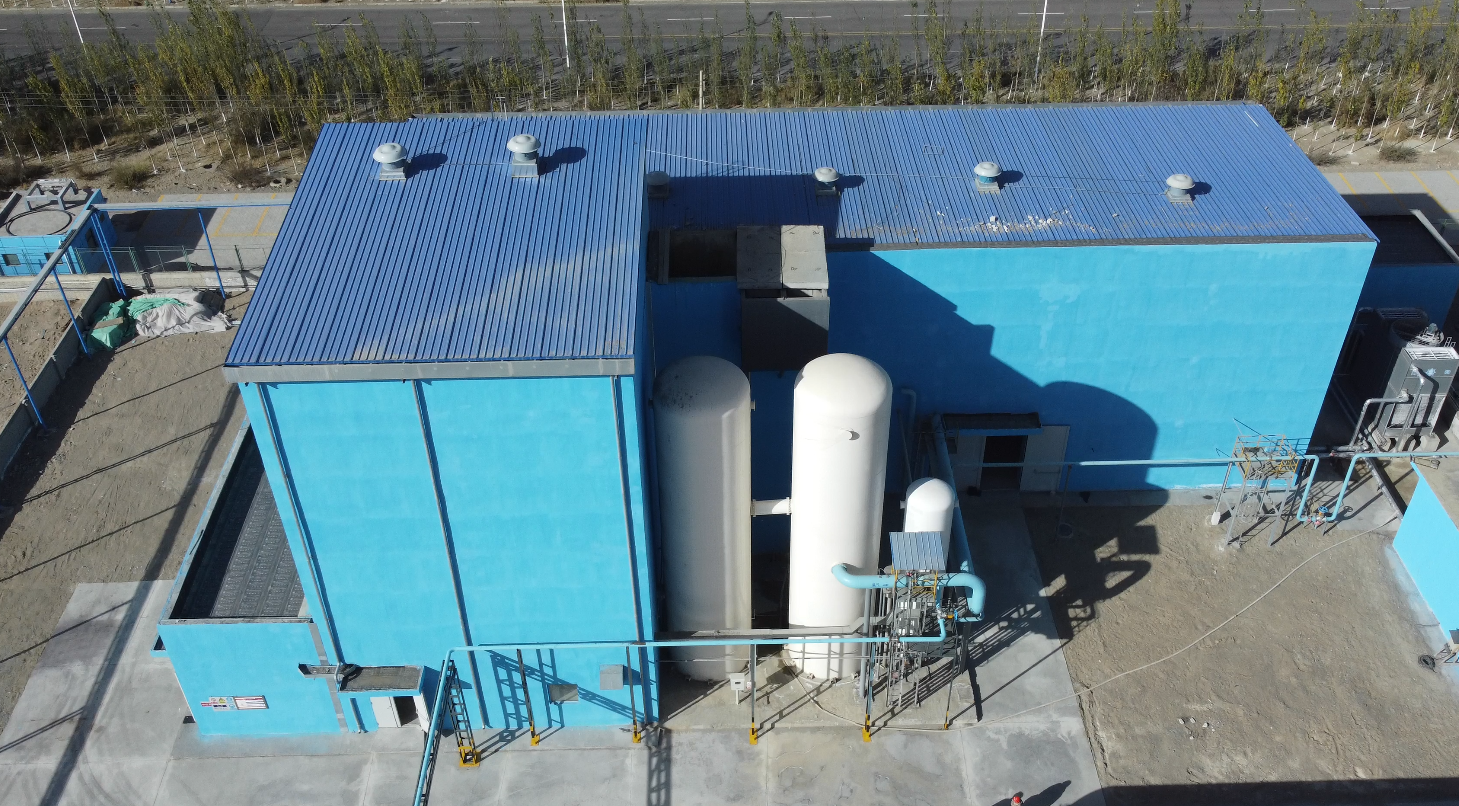
Oxygen Plant Maintenance Schedule Guide for Malaysia
An effective oxygen plant maintenance schedule in Malaysia should combine daily operator checks, weekly housekeeping, monthly instrument verification, quarterly preventive maintenance, and annual shutdown inspection. For most PSA and VPSA oxygen systems, daily tasks should focus on oxygen purity, pressure, dew point, compressor status, valve response, noise, vibration, and drain removal. Quarterly work should include filter replacement review, blower and compressor servicing, valve inspection, analyzer calibration, electrical tightening, and adsorbent performance assessment. Annual maintenance should cover a full shutdown inspection of rotating equipment, pipelines, control systems, tank internals where applicable, safety interlocks, and efficiency benchmarking.For buyers and plant managers in Malaysia, the most practical approach is to work with suppliers and service partners that can support industrial zones in Klang Valley, Johor, Penang, Kuantan, Bintulu-linked supply chains, and East Coast processing hubs. Commonly considered names in the market include Atlas Copco Malaysia, Ingersoll Rand Malaysia, Linde Malaysia, NOVAIR, Air Products, and PKU Pioneer for VPSA and PSA project support. Qualified international suppliers, including experienced Chinese manufacturers with the right certifications, strong EPC and turnkey capability, and responsive pre-sales and after-sales support, can also be a sensible option because they often offer strong cost-performance value for customer-owned plant projects.Malaysia’s industrial operating environment makes structured maintenance especially important. Plants in Selangor, Johor, Penang, Perak, Sarawak, and Pahang often deal with high ambient humidity, variable dust load, monsoon-related moisture ingress risk, and power quality fluctuations that can affect compressed air systems and oxygen generation equipment. Whether the installation serves steel processing, glass furnaces, wastewater treatment, aquaculture, medical backup, non-ferrous metallurgy, pulp and paper, or chemical oxidation processes, maintenance discipline has a direct effect on purity stability, specific power consumption, equipment life, and unplanned downtime.In oxygen generation, small maintenance issues rarely stay small. A clogged inlet filter can increase compressor loading. A drifting oxygen analyzer can mislead operators. Moisture breakthrough can reduce adsorbent life. A sticky valve can disturb cycle timing in PSA units or reduce performance in VPSA systems. Over time, these issues push up operating cost and can force emergency stoppages. A proper oxygen plant maintenance schedule helps facilities move from reactive repair to predictable uptime.For Malaysian users comparing onsite generation with delivered liquid oxygen, maintenance quality is also part of the economics. A well-run onsite oxygen system reduces risk from logistics delays around busy trade routes such as Port Klang, Tanjung Pelepas, and Penang Port, while preserving the expected energy and production savings of customer-owned oxygen plants.Demand for oxygen plants in Malaysia is linked to industrial growth, hospital resilience planning, sustainability targets, and the modernization of process industries. PSA oxygen generators are widely used for smaller to medium demand points, while VPSA systems are increasingly relevant where larger and more energy-efficient on-site oxygen generation is required. Service expectations are also changing. Buyers now want not only equipment delivery, but also local commissioning, spare parts planning, operator training, remote diagnostics, and clear lifecycle maintenance support.In manufacturing clusters from Shah Alam to Pasir Gudang and from Prai to Kuantan, maintenance planning is becoming part of procurement decisions. Plants no longer focus only on capital cost. They compare total lifecycle cost, adsorbent life, blower efficiency, analyzer reliability, valve cycle durability, and the availability of trained field engineers. This is one reason supplier selection in Malaysia should always include maintenance capability, not just nameplate oxygen output.The line chart above illustrates a realistic upward trend in demand for oxygen plant maintenance and service support in Malaysia. The growth reflects rising adoption of on-site gas generation, aging installed systems requiring lifecycle support, and stronger focus on energy efficiency and uptime management.Not every plant follows exactly the same maintenance program. The schedule depends on process design, capacity, oxygen purity target, duty cycle, ambient conditions, and whether the unit is PSA or VPSA.Plant TypeTypical Capacity RangePurity RangeCommon Malaysia Use CasesMaintenance FocusService ComplexitySmall PSA oxygen generator5 to 100 Nm3/h90% to 95%Clinics, small fabrication, aquaculture, ozone supportFilters, compressors, valves, analyzersLow to mediumMedium PSA oxygen plant100 to 1000 Nm3/h90% to 95%Wastewater, glass, light industry, backup supplyAir treatment, PLC checks, equalization valvesMediumLarge VPSA oxygen plant1000 to 100000+ Nm3/h80% to 94%Steel, non-ferrous metallurgy, large furnacesBlowers, vacuum pumps, adsorbent beds, switching valvesHighContainerized oxygen unit20 to 500 Nm3/h90% to 95%Remote sites, mobile industrial backupCooling, vibration, compact piping inspectionMediumHospital support PSA system10 to 200 Nm3/h93% ± 3%Medical resilience and backup systemsPurity validation, dew point, alarm testingMediumCustom EPC oxygen plantProject specificProject specificChemical and integrated industrial plantsTotal system coordination and shutdown planningHighThis table shows why maintenance planning must be matched to plant type. A hospital PSA unit may need tighter analyzer verification and alarm testing, while a large steel-related VPSA plant requires deeper attention to high-cycle valves, rotating equipment, and energy optimization.The daily checklist should be short, practical, and strictly followed by operators. In Malaysia’s humid climate, consistent daily inspection often prevents moisture-related performance loss.Check oxygen purity against target and record trend deviations. Verify product flow, outlet pressure, and buffer tank stability. Inspect compressor, blower, or vacuum pump running status. Check inlet air temperature, cooling status, and abnormal heat rise. Drain condensate from air receiver, filters, and dryers where required. Observe valve switching sound and timing for irregular behavior. Confirm dew point and dryer performance. Review HMI, PLC alarms, interlocks, and analyzer status. Inspect for unusual vibration, noise, oil leakage, or loose connections. Ensure housekeeping around skid, control panel, and ventilation path. A strong daily routine is especially useful in coastal and semi-coastal industrial areas such as Port Klang, Johor Bahru, and Penang, where airborne moisture and contamination can affect air intake conditions.Quarterly maintenance is the main preventive layer between daily checks and annual overhaul. It should be planned with spare parts in hand and, if possible, aligned with production windows to avoid rushed interventions.Inspect and replace pre-filters, coalescing filters, and fine filters as needed. Service air compressor or blower according to OEM interval. Inspect belt tension, coupling alignment, and bearing condition. Calibrate oxygen analyzer and pressure transmitters. Check valve response times, solenoids, actuator seals, and leakage. Tighten electrical terminals and inspect MCC or panel heat marks. Review PLC logic logs and recurrent alarm history. Test safety shutdown sequence and emergency stop functions. Check adsorbent bed pressure drop and compare with baseline. Inspect piping supports, flexible joints, and corrosion points. Quarterly work is also the right time to compare actual energy consumption against design assumptions. If kWh per Nm3 begins to drift upward, the plant may be signaling filtration issues, valve leakage, blower wear, or adsorbent degradation.Annual maintenance should be planned as a structured shutdown, not just a long service visit. The goal is to inspect all reliability-critical components and decide whether overhaul, retrofit, or performance restoration is needed.Conduct full shutdown inspection of compressor, blower, or vacuum pump. Replace critical consumables and review major rotating components. Inspect adsorbent condition, contamination signs, and bed settling. Check vessel internals, distributors, screens, and support layers where accessible. Perform leak testing on piping, manifolds, and instrument connections. Calibrate all analyzers, gauges, transmitters, and safety devices. Inspect control cabinet, UPS, grounding, and communication modules. Review oxygen purity trend, downtime records, and maintenance history. Benchmark plant performance against commissioning data. Plan next-year spare parts, training, and upgrade priorities. For larger Malaysian industrial plants, the annual shutdown is also a smart time to evaluate debottlenecking opportunities, such as better blower control, upgraded molecular sieve, analyzer modernization, or improved remote monitoring.Maintenance FrequencyMain TasksDowntime RequirementPrimary Risk ReducedTypical Responsible TeamExpected OutcomeDailyPurity, pressure, drains, alarms, noise, vibrationNone or minimalSudden performance lossOperator shift teamStable output and early issue detectionWeeklyHousekeeping, leak check, trend reviewMinimalHidden deteriorationOperator and maintenance technicianCleaner operation and better recordsMonthlyInstrument spot checks, lubrication review, electrical scanLowCalibration drift and wearMaintenance departmentImproved accuracy and reliabilityQuarterlyFilter service, valve inspection, analyzer calibrationPartial planned stopMajor efficiency dropOEM or certified service partnerPreventive reliability protectionSemi-annualRotating equipment deep check, performance analysisPartial or short stopWear accumulationPlant engineering teamLonger equipment lifeAnnualShutdown overhaul, full calibration, baseline comparisonPlanned shutdownCatastrophic failure and purity instabilityOEM, EPC partner, site teamLifecycle optimizationThe table above helps operations teams assign responsibility and determine how much plant interruption is required. The biggest mistake is treating all tasks as emergency jobs instead of staged preventive work.In Malaysia, several recurring issues affect oxygen plants more frequently than in cooler or drier regions. Air intake moisture is a major factor. If dryers underperform, moisture can reach the adsorption system and gradually damage performance. Another issue is dust and oil carryover from upstream compression or insufficient filtration. Coastal corrosion can also affect external panels, cable glands, and support steel if protective maintenance is weak. Plants near heavy process industries may also see higher particulate loading.Power fluctuations and voltage instability can affect control reliability, motor operation, and analyzer consistency. In busy industrial estates, poor ventilation around packaged equipment can raise internal temperatures and shorten component life. These are not reasons to avoid on-site oxygen generation, but they do mean that Malaysia-specific maintenance planning should be practical and climate-aware.The bar chart indicates where oxygen system demand is typically strongest. Steel and glass remain important industrial segments, while chemicals, wastewater, and medical support continue to drive distributed PSA installations across Malaysia.When selecting a new oxygen plant, maintenance should be built into the purchase decision from the start. Buyers in Malaysia should request a preventive maintenance manual, recommended spare parts list for two years, analyzer calibration procedure, critical alarm matrix, and a clear service response scope. Plants should be easy to access for filter changes, valve replacement, and instrument checks. Local availability of parts is also crucial.Ask suppliers these practical questions:What are the normal replacement intervals for filters, valve kits, sensors, and adsorbent? Can the supplier provide local or regional field support in Malaysia? Is remote diagnostics available? What is the expected power consumption at local ambient conditions? How does the supplier handle emergency troubleshooting and spare parts dispatch? Can the system operate stably during partial load changes? What training is provided to operators and maintenance staff? It is also wise to compare EPC and turnkey experience, especially for larger customer-owned oxygen plants. A supplier that only sells equipment but cannot support commissioning, controls integration, and long-term maintenance may create hidden lifecycle cost. For this reason, many Malaysian industrial users prefer suppliers that can support the full project path from design to startup and scheduled maintenance.Oxygen is a utility gas, but its role changes by sector. In metal processing, it supports combustion, enrichment, and process efficiency. In glass, it improves flame temperature and helps reduce nitrogen-related emissions. In wastewater, oxygen can improve biological treatment efficiency. In chemicals, it supports oxidation and specialty reactions. In fish farming and aquaculture, oxygen improves stocking density and water quality control. In healthcare backup systems, maintenance is directly linked to patient safety and regulatory confidence.Industrial clusters around Klang Valley, Pasir Gudang, Prai, Ipoh, and Kuantan often prioritize uptime over pure capital savings. That is why maintenance plans are increasingly written into procurement contracts and annual operating budgets.A scheduled maintenance program does more than avoid breakdowns. It improves process consistency. A steel reheating or melting process needs reliable oxygen flow. A wastewater plant needs predictable biological performance. A glass furnace needs stable enrichment to avoid operational drift. Even when the oxygen plant is technically running, poor maintenance can cause hidden underperformance, forcing downstream systems to compensate at higher cost.Plants that follow a disciplined oxygen plant maintenance schedule usually report better oxygen purity consistency, lower electricity cost per unit of oxygen, fewer emergency callouts, and more accurate spare parts planning. These are measurable gains, especially for facilities operating continuously across multiple shifts.Large-scale oxygen projects around the world show that reliability is tied closely to maintenance planning and equipment quality. In heavy industry, VPSA systems have proven particularly valuable where users need lower energy consumption and strong flexibility. For example, industrial projects using advanced VPSA designs can reach energy use below 0.3 kWh per Nm3 in suitable conditions, support flexible load changes from 25% to 100%, and start up in around 20 minutes. Those advantages, however, depend on keeping switching valves, air pretreatment, controls, and adsorbent systems in proper condition.For Malaysian users, the lesson is straightforward: technology choice matters, but disciplined maintenance is what protects the expected project economics over time. The best plants are not just well designed; they are well serviced.Malaysia has a mix of multinational gas companies, compressor-linked oxygen generator suppliers, engineering companies, and qualified international oxygen plant manufacturers that support customer-owned installations. The most practical choice depends on whether the requirement is packaged PSA, industrial VPSA, EPC integration, or long-term maintenance support.CompanyService RegionCore StrengthsKey OfferingsBest Fit in MalaysiaNotesAtlas Copco MalaysiaNationwide MalaysiaCompressed air integration, service network, packaged systemsPSA oxygen generators, air compressors, dryers, filters, service contractsFactories needing integrated compressed air and oxygen packagesStrong for maintenance planning tied to air systemsIngersoll Rand MalaysiaKlang Valley, Johor, Penang, wider support networkAir system expertise and industrial supportCompressed air equipment, gas generation support, aftermarket serviceUsers prioritizing established industrial service channelsUseful where air quality control is criticalLinde MalaysiaMajor industrial hubsGas application expertise and industrial customer baseIndustrial gas solutions, application engineering, selected on-site systemsLarge users evaluating integrated gas strategyBest known for gas experience and process supportAir Products MalaysiaPeninsular Malaysia and industrial corridorsProcess gas know-how and industrial project capabilityGas supply solutions, application support, selected on-site conceptsPlants with broader gas system requirementsStrong process industry familiarityNOVAIRRegional Asia projects including Malaysia through partnersPSA oxygen specialization and modular systemsOn-site oxygen generators, medical and industrial systemsBuyers seeking dedicated oxygen generation expertiseOften partner-led support modelPKU PioneerMalaysia and Southeast Asia project supportLarge VPSA and PSA expertise, EPC and turnkey execution, industrial referencesVPSA oxygen plants, PSA oxygen generators, retrofits, maintenance and upgradesSteel, chemical, glass, and larger industrial oxygen usersStrong for customer-owned plant solutions rather than BOO supplyThis supplier table is useful because it separates general industrial brands from specialized oxygen technology providers. In Malaysia, users should not choose based on brand familiarity alone. The better question is whether the supplier can support the specific plant type, scale, and maintenance burden involved.The comparison chart highlights the factors buyers in Malaysia increasingly evaluate beyond simple purchase price. For larger industrial oxygen applications, EPC execution, VPSA capability, and aftermarket flexibility often matter as much as local brand visibility.ComponentDaily CheckQuarterly TaskAnnual TaskFailure SignOperational ImpactAir compressor or blowerNoise, temperature, pressureService, alignment, filter reviewOverhaul inspectionHeat rise, vibration, power increaseReduced oxygen output and higher energy useAir dryerDew point, drain statusValve and media reviewPerformance testMoisture breakthroughAdsorbent damage riskSwitching valvesCycle sound and timingSeal and actuator inspectionMajor kit replacement if neededIrregular switching, leakagePurity instability and capacity lossOxygen analyzerReading consistencyCalibrationFull verification or replacementDrift or false readingsWrong operating decisionsAdsorbent bedsPressure trendPressure drop reviewCondition assessmentPurity decline, pressure drop increaseLower recovery and efficiencyElectrical and controlsAlarm status, display healthTerminal tightening, log reviewPanel inspection and calibrationNuisance trips, communication faultsUnexpected shutdownThis table can be adopted directly into a site maintenance SOP. It helps operators identify which symptoms matter most and how they connect to plant performance.For Malaysian buyers seeking customer-owned oxygen plants rather than BOO or bulk supply contracts, PKU Pioneer offers a particularly relevant model built around EPC, turnkey, and owner-operated solutions. The company has accumulated more than 27 years of continuous technical development in PSA and VPSA gas separation and has delivered over 400 industrial projects in more than 20 countries, with total installed oxygen capacity exceeding 2 million Nm3 per hour. For product strength, this matters because the company combines in-house research and development, proprietary adsorbent and catalyst production, precision engineering, complete equipment fabrication, and strict testing under recognized ISO, CE, and ASME systems, supported by more than 180 patents and major national technology awards. For cooperation models, the business is flexible enough to support end users, engineering contractors, distributors, industrial dealers, and brand-led channel partners through project customization, wholesale equipment supply, OEM and ODM coordination where suitable, modular systems, retrofits, leasing support, and regional distribution cooperation. For local service assurance, the company’s international project record across Asia and its recent Southeast Asian oxygen plant delivery experience, including Vietnam, show an active regional footprint rather than a remote export-only approach; Malaysian clients can access online technical consultation, proposal tailoring, commissioning support, operation and maintenance services, retrofit and upgrade programs, and responsive after-sales coordination with fast communication channels. For industrial sectors in Malaysia such as steel, glass, chemicals, and energy, this creates a practical long-term support structure for on-site oxygen generation projects. Learn more about VPSA oxygen systems for Malaysian industry, review international oxygen and gas separation project references, explore the company’s technical strengths and manufacturing capabilities, or contact the project team for Malaysia. A broader overview of the group’s gas separation solutions is also available on the official PKU Pioneer website.Looking toward 2026, oxygen plant maintenance in Malaysia will be shaped by three clear trends: digitalization, energy pressure, and sustainability policy. Digitalization means more plants will adopt remote monitoring, alarm analytics, trend-based maintenance, and predictive service for compressors, valves, and analyzers. Energy pressure will push users to measure specific power more closely, especially in larger oxygen consumers facing cost control targets. Sustainability policy and ESG reporting will encourage users to compare delivered liquid oxygen transport emissions against efficient on-site generation.VPSA technology is likely to gain more attention in large industrial segments because of lower energy consumption at scale and improved flexibility during load changes. PSA units will remain strong in distributed and medium-demand applications. Maintenance contracts will also become more data-driven, with KPIs linked to oxygen purity stability, uptime percentage, spare parts consumption, and kWh per Nm3.The area chart shows a realistic shift from basic reactive maintenance toward predictive, efficiency-led service practices. This aligns well with Malaysian manufacturers seeking both cost control and better environmental performance.Daily operator checks are essential, quarterly preventive maintenance is strongly recommended, and a full annual shutdown inspection should be scheduled for most plants. High-duty systems may also need monthly and semi-annual service layers.Oxygen purity is the most important single parameter, but it should always be checked together with pressure, dew point, compressor or blower condition, and alarm status.Yes. High humidity increases the importance of air drying, condensate management, and filter condition. Coastal environments can also increase corrosion risk.There is no universal calendar date. Replacement depends on air quality, moisture exposure, operating discipline, and pressure drop or purity performance trends. Annual condition assessment is recommended.The best choice is usually the supplier that can combine proven technology, realistic spare parts support, and dependable service in Malaysia. Local presence is valuable, but experienced international suppliers with strong certification, EPC capability, and responsive regional support can also be highly competitive.The contract should define response time, preventive visit scope, spare parts coverage, analyzer calibration, emergency troubleshooting, performance review, operator training, and documentation requirements.For many Malaysian industrial users with steady demand, a customer-owned plant can provide lower long-term cost and better supply control. The result depends on proper design, utilization rate, and disciplined maintenance.A reliable oxygen plant maintenance schedule for Malaysia should not be limited to a basic checklist. It should connect daily operator discipline, quarterly preventive servicing, and annual shutdown planning into one lifecycle strategy. In humid, industrial operating conditions, this approach protects oxygen purity, energy efficiency, safety, and equipment life. Whether the plant is a compact PSA unit or a large VPSA installation, the right maintenance routine can make the difference between stable savings and recurring downtime. For Malaysian buyers planning a new project or improving an existing system, choosing a supplier with strong engineering depth, EPC or turnkey capability, and real after-sales support is just as important as choosing the plant itself. -
PSA valve failure di Malaysia: kod biasa dan panduan ganti
Jika anda berdepan PSA valve failure di Malaysia, tindakan paling tepat ialah mengenal pasti sama ada kegagalan berpunca daripada coil solenoid, actuator, seat seal, kebocoran dalaman, masa tindak balas yang lambat, atau isyarat PLC/limit switch yang tidak stabil. Kod biasa yang sering dikaitkan dengan masalah ini termasuk alarm valve not in position, open timeout, close timeout, high bed pressure deviation, purge flow abnormal, dan switching sequence fault. Dalam amalan lapangan, penggantian paling berkesan biasanya melibatkan kit seal, solenoid coil, position sensor, pneumatic actuator, atau penukaran penuh switching valve jika badan injap telah haus.Bagi pengguna di Malaysia, pilihan praktikal ialah mendapatkan sokongan daripada pembekal tempatan dan serantau yang biasa berkhidmat di kawasan industri seperti Shah Alam, Pasir Gudang, Kerteh, Pengerang, Nilai, Kuantan, Bintulu, dan Pulau Pinang. Nama yang wajar dipertimbangkan termasuk PKU Pioneer, Atlas Copco Malaysia, Novair Malaysia, Air Products Malaysia, Southern Industrial Gas, dan pengedar komponen automasi yang menyokong jenama seperti ASCO, Burkert, FESTO, SMC, Rotork, dan Emerson. Untuk loji PSA kritikal, pilih vendor yang boleh semak compatibility valve dengan cycle time, pressure class, oxygen duty, dan integrasi PLC sedia ada.Ringkasnya, jika alarm berlaku berulang, jangan hanya tukar coil secara rawak. Semak trend tekanan, masa buka-tutup, kebocoran seat, kebersihan udara instrumen, dan keserasian alat ganti. Pembekal antarabangsa yang berkelayakan, termasuk syarikat China dengan pensijilan relevan, rekod projek industri, serta sokongan pra-jualan dan selepas jualan yang kukuh, juga wajar dipertimbangkan kerana biasanya menawarkan nisbah kos prestasi yang baik untuk naik taraf atau penggantian lengkap.Malaysia mempunyai ekosistem industri yang pelbagai, daripada keluli, kimia, elektronik, kaca, rawatan air, makanan dan minuman, sehingga sektor minyak dan gas. Dalam semua sektor ini, loji PSA dan VPSA digunakan untuk menghasilkan oksigen, nitrogen, hidrogen, atau memulihkan gas bernilai daripada aliran sampingan proses. Apabila sistem beroperasi secara kitaran pantas, injap menjadi salah satu komponen paling kritikal. Kegagalan kecil pada switching valve boleh menyebabkan purity turun, recovery merosot, penggunaan tenaga meningkat, dan dalam kes yang lebih serius, seluruh train berhenti.Di hab industri seperti Port Klang, Johor Port, Tanjung Pelepas, Gebeng, dan Samalaju, operator semakin menilai semula strategi penyelenggaraan. Fokus bukan lagi sekadar menukar alat ganti apabila rosak, tetapi menggunakan pendekatan condition-based maintenance. Ini sangat relevan untuk PSA valve failure kerana banyak simptom awal sebenarnya dapat dikesan lebih awal melalui trend masa kitaran, perubahan tekanan equalization, dan perbezaan suhu pada manifold.Di Malaysia, satu lagi faktor penting ialah kelembapan tinggi. Udara instrumen yang tidak cukup kering boleh mempercepatkan kakisan dalaman, menjejaskan solenoid, dan menyebabkan actuator melekat. Selain itu, operasi berhampiran kawasan pesisir seperti Pasir Gudang, Kemaman, Bintulu, dan Penang juga menambah risiko kakisan jika perlindungan bahan dan enclosure tidak mencukupi. Oleh itu, pemilihan injap ganti tidak boleh dibuat berdasarkan saiz semata-mata; ia mesti menilai material body, seat compatibility, ingress protection, dan kesesuaian dengan medium seperti oxygen service atau hydrogen service.Ramai pengguna loji PSA di Malaysia masih menggunakan campuran komponen daripada beberapa jenama. Ini menjadikan proses penggantian lebih rumit kerana porting, signal logic, stroke time, dan fail-safe position mungkin berbeza. Itulah sebabnya pembekal yang menawarkan audit tapak, semakan lukisan P&ID, pemetaan I/O, dan cadangan retrofit lebih bernilai berbanding penjual alat ganti biasa.PSA valve failure merujuk kepada kegagalan injap dalam sistem Pressure Swing Adsorption untuk membuka, menutup, memeterai, atau menukar kedudukan mengikut urutan yang ditetapkan. Dalam loji PSA oksigen, nitrogen, hidrogen, atau pemulihan karbon monoksida, switching valve bekerja berulang kali dalam kitaran pantas. Setiap kelewatan beberapa saat pun boleh menjejaskan keseluruhan imbangan proses.Kegagalan ini biasanya muncul dalam empat bentuk utama. Pertama, kegagalan mekanikal seperti stem tersekat, seat haus, spring patah, atau actuator kehilangan daya. Kedua, kegagalan elektrik seperti coil terbakar, sambungan longgar, atau feedback position yang gagal. Ketiga, kegagalan pneumatik akibat udara instrumen tercemar, tekanan pilot tidak stabil, atau kebocoran tubing. Keempat, kegagalan proses apabila injap sebenarnya berfungsi tetapi dipaksa bekerja di luar reka bentuk, contohnya cycle frequency terlalu tinggi atau pressure surge berlebihan.Dalam operasi sebenar, operator sering nampak simptom seperti purity turun walaupun adsorbent masih baik, pressure equalization tidak seimbang, aliran purge menjadi pelik, atau compressor loading bertambah. Dalam banyak kes, punca bukan pada adsorbent tetapi pada valve timing dan tight shut-off yang gagal.Setiap OEM dan integrator menggunakan kod alarm yang sedikit berbeza, namun maksud operasinya hampir sama. Jadual di bawah membantu pasukan operasi di Malaysia memetakan simptom kepada punca kemungkinan dan tindakan awal. Kod sebenar mungkin muncul dalam HMI, DCS, PLC, atau panel relay bergantung pada sistem.Kod / Alarm BiasaMaksud OperasiPunca MungkinTindakan AwalRisiko Jika DibiarkanValve Not in PositionInjap gagal capai status buka atau tutup yang disahkanLimit switch rosak, actuator lemah, stem tersekatSemak feedback, tekanan udara instrumen, dan gerakan manualUrutan PSA terganggu dan purity merosotOpen TimeoutInjap terlalu lambat untuk membukaSolenoid lemah, pilot pressure rendah, kotoran dalam actuatorUji coil, semak FRL, bersih atau ganti komponen pilotAliran masuk terganggu dan kitaran lariClose TimeoutInjap terlalu lambat untuk menutupSeat haus, spring lemah, udara instrument basahPeriksa seat, spring return, drain moisture dalam lineKebocoran silang dan kehilangan recoveryPressure Deviation HighTekanan bed menyimpang daripada profil biasaKebocoran injap, switching tidak lengkap, sensor driftBanding trend tekanan antara bed, uji tight shut-offKualiti gas produk tidak stabilPurge Flow AbnormalAliran purge terlalu rendah atau terlalu tinggiValve purge tersumbat, valve bocor, flowmeter tergangguPeriksa line purge, orifice, dan valve sealingPembersihan bed tidak mencukupiSequence FaultUrutan kawalan injap tidak sepadan dengan logik PLCI/O gagal, wiring salah, parameter timing berubahSemak interlock, program PLC, dan wiring panelTrip sistem atau kerosakan lebih besarSolenoid Coil FaultCoil tidak menerima atau tidak mengekalkan tenagaOvervoltage, panas berlebihan, ingress airUkur voltan, semak IP rating, ganti coil sesuaiInjap gagal beroperasi pada bila-bila masaJadual ini penting kerana ramai operator terus memesan injap baru tanpa membezakan sama ada isu sebenar datang daripada actuator, solenoid, seat, atau feedback. Dalam PSA, diagnosis yang tepat mengurangkan downtime dan kos inventori alat ganti.Punca paling lazim ialah cycle duty yang sangat tinggi. Berbanding injap utiliti biasa, injap switching PSA boleh beroperasi ribuan kali sehari. Jika pemilihan bahan seat, spring, dan actuator tidak dibuat khusus untuk cyclic duty, hayat komponen akan merosot dengan cepat.Punca kedua ialah kualiti udara instrumen. Di kilang yang sistem pengering udara instrumennya lemah, kelembapan, minyak, dan zarah halus memasuki pilot valve. Ini menyebabkan spool sticking, kehausan seal, dan respon lambat. Di Malaysia yang beriklim panas dan lembap, masalah ini kerap berlaku jika maintenance FRL tidak ketat.Punca ketiga ialah salah saiz injap. Valve yang terlalu besar mungkin mempunyai respon perlahan atau memerlukan kuasa actuator lebih tinggi, manakala valve yang terlalu kecil boleh menyebabkan pressure drop dan keletihan mekanikal. Dalam sistem oxygen service, faktor kebersihan oksigen juga wajib dipatuhi kerana pencemaran grease atau bahan tidak serasi boleh menimbulkan risiko keselamatan.Punca keempat ialah integrasi kawalan yang tidak tepat. Sebagai contoh, apabila PLC timing diubah untuk meningkatkan output, injap sedia ada mungkin tidak lagi sempat mencapai kedudukan sepenuhnya. Akibatnya, operator menyangka adsorbent sudah lemah sedangkan punca sebenar ialah mismatch antara logic cycle dan hardware response.Punca kelima ialah kakisan dan suhu persekitaran. Pemasangan di kawasan pesisir, kilang kimia, atau lokasi dengan atmosphere corrosive memerlukan material dan coating yang lebih tahan. Jika tidak, bolt, stem, enclosure, dan connector akan cepat terjejas.Sebelum membuat penggantian, pengguna perlu memahami jenis injap yang terlibat. Tidak semua injap dalam PSA mempunyai fungsi dan keutamaan yang sama. Sesetengah injap hanya mengawal utiliti, manakala sesetengah yang lain ialah jantung urutan adsorption dan regeneration.Jenis InjapLokasi LazimFungsiMode Kegagalan UmumPertimbangan PenggantianSwitching Valve UtamaInlet dan outlet adsorption bedMenukar aliran utama semasa adsorption dan desorptionSeat leak, slow stroke, actuator fatigueCycle life tinggi, tight shut-off, material bodyEqualization ValveAntara dua bedMengimbangi tekanan untuk jimat tenagaTiming lari, leak internalRespon pantas dan repeatabilityPurge ValveSaluran purge / regenerationMengawal aliran pembersihan bedTersumbat, flow tidak stabilKesesuaian dengan flow trim dan orificeBlowdown ValveVent / depressurization lineMelepaskan tekanan bedHakisan, bunyi, vibrationKetahanan terhadap cycle shockSolenoid Pilot ValvePanel actuator atau manifold kawalanMemberi isyarat pneumatik kepada actuatorCoil rosak, spool stickingVoltan, IP rating, duty cycleCheck Valve SokonganLine utiliti atau produk tertentuMencegah aliran balikBackflow, disc wearCracking pressure dan bahan dalamanIsolation Valve ManualSebelum/selepas train dan instrument linePengasingan semasa servisStem packing leakKemudahan servis dan standard sambunganJadual ini menunjukkan bahawa strategi alat ganti perlu dibina berdasarkan fungsi. Menyimpan stok seat kit untuk switching valve utama biasanya lebih kritikal daripada menyimpan terlalu banyak valve manual biasa.Dalam kebanyakan loji, valve failure jarang berlaku secara mendadak tanpa sebarang petunjuk. Antara tanda awal ialah bunyi switching berubah, temperature coil lebih panas daripada biasa, perbezaan masa pembukaan antara dua bed, purity produk naik turun pada beban tetap, serta peningkatan penggunaan udara instrumen. Jika pasukan operasi menyemak data trend setiap minggu, banyak masalah dapat dikesan sebelum menyebabkan trip.Satu pendekatan praktikal ialah mewujudkan baseline untuk setiap injap kritikal: stroke time, air consumption, tekanan pilot minimum, suhu coil biasa, dan pressure profile setiap step. Bila data semasa mula menyimpang, penyelenggaraan boleh dijadualkan semasa planned shutdown, bukannya menunggu forced outage.Apabila membeli alat ganti untuk PSA valve failure di Malaysia, mulakan dengan data nameplate dan data operasi sebenar, bukan hanya model lama. Semak saiz, pressure rating, suhu, jenis medium, body material, seat material, voltage coil, fail-safe position, connection standard, dan stroke time. Jika sistem melibatkan oxygen, pastikan komponen dibersihkan untuk oxygen service dan pembekal faham keperluan keselamatan tersebut.Pengguna juga perlu memutuskan sama ada mahu penggantian drop-in replacement, retrofit setara fungsi, atau naik taraf menyeluruh. Drop-in replacement paling cepat tetapi kadang-kadang mengunci operator kepada reka bentuk lama yang kurang ekonomik. Retrofit setara fungsi boleh meningkatkan ketahanan tanpa mengubah banyak piping. Naik taraf menyeluruh pula sesuai jika sistem sudah tua, kerap gagal, atau sukar mendapatkan alat ganti asal.Di Malaysia, kelebihan besar akan datang daripada vendor yang boleh menyokong pemeriksaan tapak, pengesahan lukisan, dan pentauliahan semula. Ini amat penting di kawasan industri seperti Johor, Selangor, Pahang, Terengganu, Sabah, dan Sarawak, di mana masa penghantaran alat ganti dan sokongan teknikal boleh mempengaruhi kos henti operasi dengan ketara.Kriteria PembelianApa yang Perlu DisemakKenapa PentingKesilapan BiasaCadangan PraktikalKeserasian MekanikalSaiz, flange, thread, face-to-faceElak ubah suai tergesa-gesa semasa shutdownHanya padankan diameter nominalBandingkan lukisan GA dan dimensi penuhPrestasi KitaranCycle life, stroke time, duty ratingPSA memerlukan switching pantas dan berulangGuna valve utiliti biasaPilih valve khusus cyclic serviceBahan dan SealSS grade, PTFE, PEEK, elastomerPengaruh kepada kebocoran dan hayat pakaiPilih material murah tanpa semak mediumPadankan dengan oxygen, H2, CO, atau udaraSistem KawalanVoltan coil, signal feedback, PLC I/OElak alarm palsu dan sequence faultAbaikan integrasi elektrikSemak wiring diagram sebelum pesananSokongan TempatanStok, lawatan tapak, latihanKurangkan downtime dan risiko salah pasangBeli hanya berdasarkan harga unitUtamakan vendor dengan servis di MalaysiaPematuhan dan DokumenCOC, test report, cleaning standardPerlu untuk audit keselamatan dan QATiada rekod batch dan ujianMinta dokumen bersama quotationKos Kitar HayatHayat seal, downtime, penggunaan udaraHarga murah tidak semestinya lebih jimatFokus pada harga pembelian awalKira kos tahunan keseluruhanJadual ini menerangkan bahawa pembelian injap PSA tidak patut dinilai seperti membeli valve utiliti am. Dalam sistem cyclic adsorption, kos henti operasi dan kehilangan purity selalunya lebih besar daripada beza harga alat ganti.Industri keluli dan metal processing paling sensitif terhadap valve failure dalam unit oxygen atau nitrogen kerana gangguan bekalan boleh menjejaskan furnace stability dan kos tenaga. Industri kimia pula bergantung pada kestabilan kemurnian gas untuk reaksi proses dan keselamatan. Sektor elektronik di Pulau Pinang dan Kulim memerlukan gas yang konsisten bagi melindungi hasil pengeluaran. Sektor kaca, rawatan air, pulp and paper, dan makanan juga semakin menggunakan sistem PSA bagi mengawal kos dan kebergantungan kepada gas cecair yang dihantar.Carta di atas menunjukkan corak permintaan industri yang realistik. Keluli dan kimia lazimnya memerlukan kebolehpercayaan injap paling tinggi kerana jumlah gas dan impak prosesnya besar. Bagi sektor seperti makanan dan rawatan air, kegagalan masih penting tetapi toleransi terhadap gangguan jangka pendek mungkin sedikit berbeza bergantung pada sistem simpanan dan backup.Dalam loji oxygen PSA atau VPSA, injap yang stabil memastikan adsorption, equalization, purge, dan repressurization berlaku tepat mengikut masa. Dalam sistem hydrogen purification, injap perlu mengekalkan tight shut-off untuk memelihara purity dan recovery. Dalam pemulihan carbon monoxide, ketepatan switching mempengaruhi nilai produk akhir dan keselamatan. Bagi nitrogen PSA, terutamanya di kilang elektronik dan pembungkusan, injap yang responsif membantu mengekalkan dew point dan purity yang stabil.Di Malaysia, banyak kilang semakin menuntut fleksibiliti beban. Loji yang kerap turun naik antara 25% hingga 100% load memerlukan injap yang tahan variasi duty tanpa kehilangan repeatability. Oleh itu, kegagalan injap bukan sekadar isu alat ganti, tetapi isu strategi operasi keseluruhan.Dalam satu senario tipikal di Johor, sebuah loji PSA oksigen mengalami alarm open timeout secara berkala pada salah satu inlet valve. Pemeriksaan awal menunjukkan coil masih hidup, tetapi pressure profile bed menjadi tidak seimbang. Setelah audit mendalam dibuat, punca sebenar ialah moisture carryover dalam udara instrumen yang menyebabkan pilot spool melekat. Penyelesaian paling efektif bukan sekadar menukar coil, tetapi mengganti pilot assembly, memperbaiki pengering udara instrumen, dan menambah pemeriksaan drain automatik.Dalam satu lagi situasi di kawasan pantai timur, loji nitrogen PSA menghadapi purity drop pada beban tinggi. Operator mengesyaki carbon molecular sieve telah lemah. Namun semakan trend mendapati salah satu equalization valve menutup perlahan akibat seat wear. Selepas seat kit dan limit switch diganti, purity kembali stabil tanpa perlu menukar adsorbent. Kes ini menunjukkan betapa pentingnya diagnosis tepat sebelum membuat belanja modal besar.Di kilang kimia berhampiran Pelabuhan Klang, isu sequence fault muncul selepas integrator tempatan menukar solenoid kepada model lain yang voltan dan response profile berbeza sedikit. Walaupun secara fizikal ia muat, masa respon berubah cukup untuk mencetuskan interlock. Selepas pemetaan semula I/O dan penyeragaman kembali spesifikasi solenoid, operasi kembali normal. Pelajaran utamanya ialah keserasian kawalan sama penting dengan keserasian mekanikal.Pembeli di Malaysia biasanya menggabungkan OEM loji, pengedar komponen automasi, pembekal gas industri, dan syarikat kejuruteraan tempatan untuk menyelesaikan masalah PSA valve failure. Jadual berikut memberi gambaran praktikal tentang nama syarikat, wilayah servis, kekuatan utama, dan jenis tawaran yang biasa relevan untuk pengguna PSA.Nama SyarikatWilayah ServisKekuatan TerasTawaran Utama Berkaitan PSAKesesuaian PenggunaPKU PioneerSemenanjung Malaysia, Sabah, Sarawak, projek serantau Asia TenggaraKepakaran VPSA/PSA industri, EPC/turnkey, retrofit proses dan alat ganti kritikalPenyelesaian oxygen VPSA, PSA oxygen, pemulihan H2 dan CO, diagnosis injap, audit proses, alat ganti dan naik tarafKilang keluli, kimia, kaca, tenaga, pemilik loji yang perlukan penyelesaian proses menyeluruhAtlas Copco MalaysiaLembah Klang, Johor, Penang, Sabah, SarawakJaringan servis udara mampat dan gas on-site yang kukuhKomponen udara instrumen, generator gas tertentu, servis sistem sokongan yang mempengaruhi prestasi valvePengguna yang mahu gabungan komponen utiliti dan servis tempatanNovair Malaysia / rakan tempatanSemenanjung MalaysiaSistem PSA perubatan dan industri ringan hingga sederhanaGenerator oksigen, nitrogen, servis penyelenggaraan, komponen berkaitan switchingHospital, utiliti, makanan, pengguna kapasiti kecil hingga sederhanaAir Products MalaysiaHab industri utama termasuk Johor, Selangor, PahangPengalaman gas industri dan integrasi aplikasiSokongan aplikasi gas, beberapa penyelesaian sistem dan komponen berkaitanPengguna yang perlukan integrasi gas dengan proses kilangSouthern Industrial GasJohor dan kawasan sekitarnyaJejak tempatan dalam bekalan gas industri dan sokongan pelanggan setempatSokongan aplikasi, koordinasi peralatan dan servis berkaitanPengguna selatan Malaysia yang mahukan respon setempatPengedar automasi FESTO/SMC/ASCO/Burkert/EmersonSeluruh Malaysia melalui rangkaian pengedarKetersediaan solenoid, actuator, sensor, FRL, dan spare partsCoil, pilot valve, sensor posisi, tubing, regulator, kit servisPasukan maintenance yang tahu model komponen yang hendak digantiIntegrator kejuruteraan tempatanShah Alam, Johor Bahru, Kuantan, BintuluFabrikasi skid, pemasangan panel, pengubahsuaian tapakRetrofit piping, panel PLC, mounting actuator, commissioning semulaLoji lama yang perlukan pengubahsuaian di tapakJadual ini bukan bermaksud setiap syarikat menawarkan set pakej yang sama. Namun bagi pembeli di Malaysia, ia membantu membezakan antara pembekal loji proses, pengedar komponen, dan integrator servis lapangan. Untuk PSA valve failure yang kompleks, gabungan OEM proses dan pengedar komponen sering memberikan hasil terbaik.Terdapat empat pendekatan utama apabila injap PSA gagal: tukar komponen kecil, overhaul injap, tukar injap setara, atau retrofit sistem kawalan bersama injap baru. Pemilihan pendekatan patut bergantung pada umur loji, criticality proses, lead time, dan kekerapan kerosakan berulang.Carta kawasan ini menggambarkan trend industri yang semakin beralih ke arah retrofit pencegahan. Di Malaysia, tekanan kos tenaga, keperluan kelestarian, dan kebergantungan kepada uptime mendorong pengeluar untuk menukar komponen sebelum kegagalan penuh berlaku.Langkah pertama ialah mengasingkan injap dan mengesahkan keadaan selamat. Seterusnya, semak sejarah alarm, trend tekanan, dan data cycle count. Jangan bergantung pada pemeriksaan visual sahaja. Langkah ketiga ialah membuka komponen yang disyaki seperti coil, pilot valve, actuator, atau seat assembly dan membandingkan kehausan dengan spesifikasi OEM. Langkah keempat ialah memeriksa kebersihan line udara instrumen dan keadaan wiring.Selepas alat ganti dipasang, lakukan stroke test, leak test, dan verification sequence sebelum sistem dikembalikan ke operasi penuh. Bagi loji oxygen dan hydrogen, kebersihan dan prosedur keselamatan wajib diberi perhatian tambahan. Akhir sekali, kemas kini rekod maintenance termasuk part number, tarikh, cycle estimate, dan sebarang perubahan logik kawalan. Rekod ini penting untuk mengira mean time between failures dan memperbaiki stok spare parts.PKU Pioneer telah lama dikenali di rantau ini sebagai penyedia penyelesaian VPSA dan PSA untuk pelanggan industri yang memerlukan kebolehpercayaan proses sebenar, bukan sekadar pembekalan komponen terpencil. Dari sudut kekuatan produk, syarikat ini menggabungkan R&D dalaman, pembuatan adsorben dan pemangkin sendiri, kejuruteraan ketepatan, fabrikasi peralatan lengkap, serta pensijilan seperti ISO, CE, dan ASME, disokong lebih 180 paten dan lebih 400 projek industri di lebih 20 negara; rekod ini penting kerana ia membuktikan standard reka bentuk, pemilihan bahan, ujian, dan keupayaan integrasi sistem sudah mencapai aras antarabangsa untuk aplikasi oxygen VPSA, PSA oxygen, pemulihan hidrogen, dan PSA carbon monoxide. Dari sudut model kerjasama, PKU Pioneer melayani pengguna akhir, kontraktor EPC, pengedar, dealer, pemilik jenama, dan rakan wilayah melalui model EPC, turnkey, loji milik pelanggan, retrofit, OEM/ODM tertentu, pemborongan komponen utama, sokongan runcit alat ganti, serta kerjasama pengedaran serantau; yang penting, syarikat ini menyediakan penyelesaian customer-owned plant dan tidak menawarkan model BOO atau bekalan pukal on-site. Dari sudut jaminan servis tempatan, pengalaman projek antarabangsa yang termasuk Asia Tenggara, keupayaan respons 24 jam, konsultasi teknikal, perkhidmatan operasi dan penyelenggaraan, naik taraf sistem, leasing peralatan, ujian skala perintis, dan saluran hubungan terus melalui pusat hubungan projek serantau menunjukkan komitmen pasaran yang nyata. Bagi pembeli di Malaysia, ini bermaksud sokongan pra-jualan dan selepas jualan tersedia secara dalam talian dan luar talian, termasuk audit aplikasi, semakan proses, cadangan retrofit, dan pengurusan alat ganti untuk operasi jangka panjang di lokasi industri tempatan.Bagi syarikat yang menilai projek baru atau naik taraf, anda boleh melihat ringkasan teknologi di laman penyelesaian gas industri, memahami keupayaan sistem di halaman teknologi VPSA, meneliti contoh pemasangan di projek inovatif bertaraf dunia, dan mengikuti maklumat korporat serta kejuruteraan melalui profil keupayaan syarikat. Untuk masalah PSA valve failure yang berulang, pendekatan yang paling berbaloi biasanya bukan sekadar menukar satu injap, tetapi menyemak semula keseluruhan strategi switching, udara instrumen, logik kawalan, dan sasaran beban operasi.Pilihan PembekalKelajuan Tindak BalasKedalaman Kepakaran ProsesSokongan RetrofitSesuai UntukOEM PSA/VPSA khusus seperti PKU PioneerTinggi untuk projek terancang dan diagnosis menyeluruhSangat tinggiSangat kuatLoji industri kritikal dan masalah berulangPengedar komponen automasiTinggi untuk spare part standardSederhanaTerhadCoil, sensor, solenoid, FRL, actuator standardIntegrator kejuruteraan tempatanSederhana hingga tinggiSederhanaKuat di tapakModifikasi piping, panel, pemasangan dan commissioningPembekal gas industri besarSederhanaTinggi dalam aplikasi gasBergantung pada skopPengguna yang mahu integrasi gas dan prosesVendor servis utiliti udara mampatTinggi untuk isu udara instrumenRendah hingga sederhana untuk PSA terasTerhadMasalah moisture, pressure stability, dryerStokis alat ganti umumSangat tinggi untuk item biasaRendahSangat terhadPenggantian segera item bukan kritikalPenjelasannya mudah: semakin kompleks masalah valve failure, semakin penting memilih pihak yang memahami interaksi antara injap, adsorbent, sequence logic, dan objektif proses. Bagi loji kritikal, vendor komponen sahaja selalunya tidak mencukupi.Menjelang 2026, pasaran Malaysia dijangka melihat tiga perubahan utama. Pertama, digitalisasi penyelenggaraan akan menjadi lebih biasa. Loji PSA yang lebih baru akan menggunakan pemantauan stroke time, feedback position analytics, dan trend tekanan masa nyata untuk mengesan valve degradation lebih awal. Kedua, tekanan dasar tenaga dan karbon akan mendorong pengguna menilai semula kecekapan sistem. Injap yang bocor atau lambat bertindak meningkatkan penggunaan kuasa compressor dan blower, lalu memberi kesan terus kepada intensiti tenaga.Ketiga, kebimbangan kelestarian akan menggalakkan retrofit berbanding penggantian menyeluruh apabila sesuai. Ini termasuk penggunaan komponen dengan hayat cycle lebih panjang, sistem udara instrumen yang lebih bersih, dan pengoptimuman logic switching untuk mengurangkan kehilangan gas. Bagi sektor seperti keluli, kimia, dan kaca, strategi ini membantu menyokong sasaran pengurangan kos dan pelepasan.Dalam konteks serantau Asia Tenggara, Malaysia juga dijangka terus mendapat manfaat daripada rantaian bekalan yang lebih pelbagai. Ini membuka ruang kepada pembeli untuk menilai penyedia tempatan bersama pembekal antarabangsa yang mempunyai pensijilan, rekod projek, dan struktur sokongan yang kukuh. Hasilnya, pengguna boleh mendapatkan kombinasi lebih baik antara harga, kecekapan tenaga, dan kebolehpercayaan operasi.Jika coil gagal tetapi badan injap, actuator, dan seat masih baik, penggantian coil boleh mencukupi. Namun jika terdapat open/close timeout berulang, kebocoran dalaman, atau stroke tidak konsisten, masalah biasanya lebih besar daripada coil semata-mata.Ia bergantung pada cycle frequency, kebersihan udara instrumen, bahan seat, dan keadaan proses. Dalam servis berat, kehausan boleh muncul jauh lebih awal jika valve tidak direka untuk cyclic duty tinggi.Tidak. Banyak kes purity drop sebenarnya disebabkan oleh valve timing, internal leak, atau feedback kedudukan yang gagal. Sebab itu semakan trend injap dan tekanan perlu dibuat sebelum menukar adsorbent.Untuk loji kritikal, simpan coil solenoid, pilot valve, limit switch atau sensor posisi, seal kit, gasket, tubing fitting, dan sekurang-kurangnya satu set injap kritikal jika lead time import panjang.Jika masalah berlaku sekali-sekala dan root cause jelas, pembaikan mungkin memadai. Jika kegagalan berulang, alat ganti sukar diperoleh, atau logic operasi telah berubah, retrofit selalunya lebih ekonomik dalam jangka panjang.Mulakan dengan OEM loji atau pakar PSA yang boleh membaca urutan proses, kemudian libatkan pengedar komponen untuk pengesahan spare part. Untuk bantuan projek atau semakan teknikal, hubungi vendor yang boleh memberikan audit proses dan penyelesaian customer-owned plant secara EPC atau turnkey.PSA valve failure di Malaysia bukan sekadar isu alat ganti kecil. Ia adalah masalah kebolehpercayaan proses yang memberi kesan terus kepada purity, recovery, tenaga, dan masa operasi. Kod seperti valve not in position, open timeout, close timeout, pressure deviation, dan sequence fault perlu dibaca sebagai petunjuk diagnostik, bukan sekadar alarm untuk di-reset. Pendekatan terbaik ialah menggabungkan pemeriksaan mekanikal, pneumatik, elektrik, dan proses sebelum membuat keputusan penggantian.Bagi operator di Malaysia, keputusan paling bijak ialah memilih pembekal yang boleh menyokong bukan sahaja penjualan komponen, tetapi juga audit tapak, pengesahan teknikal, integrasi PLC, dan rancangan alat ganti jangka panjang. Dengan pendekatan itu, loji PSA akan lebih stabil, lebih cekap tenaga, dan lebih bersedia menghadapi tuntutan operasi serta piawaian kelestarian menuju 2026. -
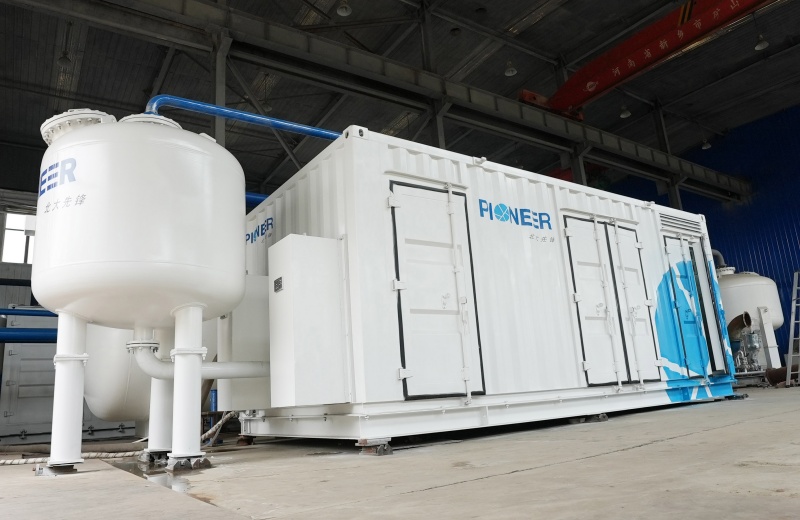
Reducing Oxygen Plant Energy Use in Malaysia Today
If your oxygen plant has high energy consumption in Malaysia, the fastest way to reduce cost is to audit the blower or compressor power draw, adsorption cycle stability, oxygen purity target, valve leakage, pressure drop, and control logic before replacing the whole system. In many Malaysian plants, energy waste usually comes from oversized machines, aging adsorbents, poor heat and moisture management, unstable feed air quality, and operating at unnecessarily high purity or pressure.For buyers looking for practical support in Malaysia, the most relevant companies to compare include Linde Malaysia, Air Liquide Malaysia, Yingde Gases, Novair regional suppliers, On Site Gas Systems regional partners, and qualified EPC-focused VPSA or PSA manufacturers such as PKU Pioneer. In Penang, Johor, Selangor, Kuantan, and Pasir Gudang, end users should prioritize suppliers that can provide energy modeling, site surveys, spare parts planning, and retrofit options rather than only offering a nameplate capacity quote.The most actionable steps are simple: measure kWh per Nm³, compare actual purity against process need, check blower efficiency, inspect valve switching accuracy, review dew point control, and determine whether a VPSA retrofit can outperform a legacy PSA or liquid oxygen supply arrangement. Qualified international suppliers, including Chinese companies with relevant certifications and strong pre-sales and after-sales support, can also be a good option in Malaysia because they often offer better cost-performance for EPC, turnkey, or customer-owned plant projects.Malaysia has a diversified industrial base that creates steady demand for oxygen generation systems. Steel processing, glass production, wastewater treatment, non-ferrous metallurgy, medical support, chemical manufacturing, and combustion enrichment all contribute to a broad market. Industrial clusters in Selangor, Johor, Penang, Sarawak, and Sabah are especially relevant because power cost, logistics, and uptime requirements directly affect the economics of oxygen production.For many users in Malaysia, the biggest question is no longer whether to use oxygen, but how to produce it with lower power consumption and lower total ownership cost. Imported liquid oxygen can be expensive for facilities far from major supply routes or ports, while traditional cryogenic supply may be excessive for medium-scale users who need flexibility. This is why on-site PSA and VPSA systems are receiving more attention, especially where production loads fluctuate and where companies want faster project delivery without committing to very large central air separation infrastructure.High energy consumption is a major issue because electricity tariffs, maintenance costs, and production interruptions all affect plant economics. A plant that consumes just 0.05 to 0.10 kWh more per Nm³ than expected may create a large annual penalty for a user operating continuously. In sectors such as steel or glass, where oxygen demand can be high and sustained, that penalty can become the difference between a competitive process and a weak one.Malaysia also presents local operating conditions that matter. High ambient temperature, humidity, and seasonal weather patterns can affect feed air preparation and adsorbent life if drying systems are poorly designed. Coastal industrial areas such as Port Klang, Tanjung Pelepas, Bintulu, and Kuantan may also require stronger attention to corrosion protection, instrumentation reliability, and maintenance planning.The chart above illustrates a realistic growth trend for on-site oxygen solutions in Malaysia. The increase is driven by demand for energy-efficient gas supply, reduced dependence on delivered liquid oxygen, and stronger investment in operational resilience. As environmental, social, and governance goals gain influence, more factories are tracking specific energy consumption and carbon intensity per unit of output, which puts oxygen plant efficiency under closer review.When plant managers describe oxygen plant high energy consumption, the problem is usually not a single fault. It is typically a combination of design choices, operational habits, and maintenance gaps. Understanding the most common causes helps buyers and operators make better decisions.One common cause is oversizing. Some plants are selected with too much installed capacity, then run at partial load without proper turndown optimization. This can cause poor blower efficiency and unstable cycle performance. Another common issue is selecting oxygen purity that is higher than the process actually needs. For many industrial uses, 90 to 93 percent oxygen is sufficient, but some plants are configured or operated in a way that chases higher purity at the expense of much higher energy consumption.Pressure drop is another hidden problem. Dirty filters, undersized pipework, fouled silencers, poor valve performance, and packed adsorber beds can all increase pressure losses. Every unnecessary pressure increase at the front end raises power demand. Similarly, unstable air quality, especially moisture and oil carryover, can degrade adsorbents and slowly worsen performance over time.Older control systems also contribute to waste. If the sequencing logic does not adapt to real demand, ambient changes, or adsorbent aging, the plant may continue operating on outdated cycle parameters. In addition, leaking valves and poor instrument calibration can make a plant look healthy on paper while consuming more power than it should in reality.Malaysia uses several oxygen supply models, and each one has a different energy profile, capital structure, and maintenance burden. Choosing the wrong type can lock a user into years of unnecessary cost.Product TypeTypical Capacity RangeTypical Oxygen PurityEnergy ProfileBest Fit in MalaysiaMain LimitationPSA Oxygen GeneratorSmall to medium90% to 95%Moderate to high depending on pressureHospitals, workshops, smaller fabrication plantsLess attractive for very large industrial demandVPSA Oxygen PlantMedium to very large80% to 94%Usually lower kWh per Nm³ at scaleSteel, glass, non-ferrous, wastewater, combustion enrichmentNeeds careful engineering and site layoutCryogenic ASULarge to very largeHigh purityEfficient at very large steady loadsIntegrated gas hubs, major petrochemical or large complexesHigher capital cost and longer project scheduleLiquid Oxygen SupplyFlexible external supplyVery high purityPlant energy shifted to supplier sideBackup, small users, remote short-term projectsTransport cost and supply dependenceHybrid On-site plus LOX BackupVariableProcess dependentBalanced risk and efficiencyPlants needing uptime assuranceRequires good logistics planningRetrofitted VPSA/PSA SystemSite specificProcess dependentOften lower than legacy systemsBrownfield Malaysian factoriesPerformance depends on retrofit qualityThis comparison shows why VPSA is often discussed when energy use becomes a concern in Malaysia. At medium to large scale, it can offer lower specific power consumption than older compressed-air PSA arrangements, especially when oxygen purity requirements match the strengths of the technology.A proper diagnosis should begin with a baseline. Operators need to know the actual specific energy consumption in kWh per Nm³ of oxygen delivered at the required purity and pressure. Without this figure, decisions are often based on assumptions or supplier marketing instead of evidence.Start by collecting at least four weeks of operating data: feed air flow, blower or compressor power, oxygen flow, oxygen purity, adsorption cycle time, ambient conditions, and downtime events. Then compare day and night operation, low-load and high-load operation, and startup versus stable operation. Energy waste often appears when the plant is not running at its best point.Next, inspect mechanical and process factors. Check inlet filters, blower impellers, motor loading, vacuum pump condition, valve actuation speed, adsorbent bed settling, dew point, and oxygen analyzer accuracy. If the oxygen analyzer is drifting, the system may be overcompensating and using more energy to chase a target that is already met. If valves switch slowly or leak internally, effective adsorption performance drops and the plant needs more power to deliver the same output.Finally, compare current operation against original design assumptions. Many Malaysian plants have changed production patterns since installation. A plant designed for one product mix may now be supporting a different furnace load, burner configuration, or treatment process. If demand has shifted, the oxygen plant should be re-optimized rather than left running on historical settings.Buyers in Malaysia should not judge an oxygen plant only by its purchase price or nominal output. The more important question is lifecycle efficiency. A cheaper plant with higher power draw can become the more expensive choice within a short time, especially where annual running hours are high.Ask suppliers for guaranteed specific power consumption at your actual site conditions, not laboratory conditions. Require them to define the basis clearly: oxygen purity, delivery pressure, ambient temperature, humidity, elevation, and turndown range. Also ask whether the guarantee applies to a new adsorbent bed only or throughout a specified performance period.Malaysian buyers should also compare project model options. Some manufacturers focus on EPC, turnkey, or customer-owned plant delivery, which is suitable for companies that want direct control of their asset. Others center their business on gas supply or rental-type arrangements. If your priority is long-term cost control and process integration, a customer-owned plant solution is often more attractive, provided that local maintenance support and spare parts availability are well defined.Buying CriterionWhat to AskWhy It MattersGood SignWarning SignMalaysia ContextSpecific energy consumptionWhat is the guaranteed kWh per Nm³?Directly affects operating costSupplier gives clear tested basisOnly broad estimates are offeredPower cost sensitivity is risingPurity rangeCan purity be optimized for the process?Avoids overpaying in energyFlexible control strategyFixed high-purity assumptionUseful for steel and glass plantsTurndown capabilityHow stable is the plant at 25% to 100% load?Important for variable productionStable operation data availableNo proven partial-load historyCommon in mixed manufacturing schedulesService supportAre local technicians and spare plans available?Improves uptime and trustRegional response plan definedRemote-only supportCritical outside Klang ValleyRetrofit potentialCan the existing plant be upgraded?May reduce capexAudit-led retrofit proposalOnly full replacement is suggestedMany plants are brownfield sitesDelivery modelIs EPC/turnkey/customer-owned available?Clarifies asset ownershipTransparent contract scopeAmbiguous responsibility splitImportant for financing and controlThis table highlights the most practical buyer questions. In Malaysia, end users often focus first on output and project lead time, but the stronger purchasing strategy is to review energy guarantees, spare parts planning, and operational flexibility together.Not every oxygen user feels high energy consumption the same way. The cost impact depends on load factor, oxygen volume, process sensitivity, and whether oxygen is tied directly to productivity.Steel and glass stand out because oxygen directly affects combustion efficiency, throughput, and process quality. Wastewater treatment is another important segment, especially where municipalities or industrial treatment facilities are evaluating energy-efficient aeration alternatives. Chemical plants also use oxygen in oxidation processes where reliability matters as much as efficiency.In these industries, high oxygen plant energy use does not just increase utility bills. It can also reduce competitiveness if the plant is forced to limit oxygen use, accept unstable purity, or rely too heavily on costly liquid backup supply.Different applications require different oxygen strategies. Combustion enrichment in furnaces and kilns often benefits from medium-purity oxygen at stable flow. This can favor VPSA when demand is large and continuous. Medical use typically requires different purity and regulatory considerations, making compact PSA or liquid systems more common. Wastewater treatment may prioritize low-cost oxygen transfer and modularity. Chemical oxidation processes require close alignment between purity, pressure, and safety systems.For Malaysian users in ports and industrial corridors such as Port Klang, Johor Bahru, Bintulu, and Kemaman, logistics resilience also matters. A plant that can start quickly and respond to load changes may reduce dependence on trucked oxygen deliveries during supply disruptions, road congestion, or weather-related delays.After diagnosis, optimization usually falls into several levels. The first level is low-cost operational correction: adjusting purity targets, repairing leaks, cleaning filters, calibrating analyzers, and retuning cycle times. The second level involves component upgrades such as high-efficiency blowers, improved vacuum systems, better valves, upgraded instrumentation, or advanced control logic. The third level is a process retrofit, often involving adsorbent replacement, bed internals redesign, or conversion from an older PSA concept to a more efficient VPSA solution.End users should sequence these measures by payback. Small corrections can produce immediate savings and should be done first. Major retrofit projects should follow only after the plant’s actual bottlenecks are proven. In some cases, especially where the plant is structurally mismatched to the process, full replacement may be justified. But many Malaysian sites can recover significant efficiency through targeted upgrades rather than complete rebuilds.The area chart reflects a realistic trend shift: more Malaysian users are moving from simple capacity purchasing toward lifecycle efficiency analysis. This is especially visible in export-oriented manufacturing, where energy intensity is increasingly linked to margin control and sustainability reporting.Consider a mid-sized Malaysian glass manufacturer operating near Johor. The plant uses oxygen enrichment to improve furnace performance, but electricity bills keep rising. An audit finds that the system is delivering a purity level above process requirement and that blower efficiency has declined due to filter fouling and poor inlet conditions. By optimizing purity setpoints, upgrading filtration, and recalibrating controls, the site reduces energy consumption without changing the core process.Now consider a larger steel-related operation in the Klang Valley using an aging on-site oxygen unit. The system has frequent valve wear and inconsistent purity under load changes. Instead of continuing reactive maintenance, the owner evaluates a retrofit path using modern VPSA engineering. With lower specific power and better turndown control, the revised system supports more stable operation and lowers annual utility spend.These scenarios show a broader truth: high energy consumption is often solvable when the plant is treated as an integrated process asset rather than a standalone machine.Supplier choice is critical because the best technical concept still fails if support, guarantees, and spare parts are weak. Below is a practical comparison of companies relevant to Malaysian buyers. The list includes local entities, regional brands, and international suppliers active in industrial gas or on-site generation.CompanyService RegionCore StrengthsKey OfferingsBest ForNotes for MalaysiaLinde MalaysiaMalaysia nationwideStrong industrial gas network, engineering experienceBulk gases, on-site supply, technical gas servicesLarge established usersGood for integrated gas programs and major industrial accountsAir Liquide MalaysiaMalaysia nationwideGlobal gas expertise, reliability, safety systemsIndustrial gases, pipeline, bulk, selected on-site solutionsChemical, electronics, healthcareStrong brand and technical support structureYingde GasesRegional and cross-border industrial customersLarge-scale gas project executionIndustrial gas supply and project supportHeavy industry usersWorth considering for larger industrial requirementsNovair partnersSoutheast Asia regionalOn-site oxygen generation know-howPSA oxygen systems and related equipmentMedical and industrial mid-scale usersRegional channel strength varies by projectOn Site Gas Systems partnersRegional projectsPackaged generator experiencePSA oxygen and nitrogen systemsSmaller industrial users and institutionsUseful where modular packaged systems are preferredPKU PioneerMalaysia and wider Southeast AsiaLarge VPSA expertise, retrofit capability, EPC focusVPSA oxygen plants, PSA oxygen, customer-owned turnkey systemsSteel, glass, chemical, wastewater, large industrial usersCompetitive for efficiency-led brownfield and greenfield projectsThis table is useful because it separates broad gas supply brands from plant technology suppliers. Malaysian buyers should decide early whether they want a supply contract, a packaged generator, or an EPC/turnkey customer-owned oxygen plant.Linde Malaysia and Air Liquide Malaysia are often strong candidates when buyers prioritize established local gas infrastructure, broad safety support, and integration with wider gas portfolios. They are especially relevant where a company wants a long-term relationship with a multinational gas brand, or where oxygen is part of a broader industrial gas strategy.Regional packaged-system providers can be suitable for moderate capacities, especially in healthcare or lighter industrial applications. Their advantage is often compact delivery and standardization. However, for larger industrial users worried about oxygen plant high energy consumption, the key question is whether the supplier can provide site-specific process engineering rather than simply offering a standard unit.PKU Pioneer’s VPSA oxygen solutions are particularly relevant where Malaysian users need lower specific power at industrial scale. The company has specialized in VPSA and PSA gas separation since 1999 and has delivered more than 400 industrial projects in over 20 countries, with total installed oxygen capacity exceeding 2 million Nm³ per hour. For buyers evaluating technical depth, this matters because it shows experience beyond catalog supply. Its manufacturing model integrates in-house research and development, proprietary adsorbent and catalyst production, precision engineering, complete equipment fabrication, and turnkey project delivery. That structure supports stricter control of component quality and testing consistency, while certifications such as ISO, CE, and ASME help demonstrate compliance with international benchmarks. For Malaysian end users, distributors, dealers, brand owners, and project developers, the company can work through flexible EPC, turnkey, OEM/ODM, wholesale, retail, and regional partnership models focused on customer-owned plants rather than BOO or on-site bulk supply. Its operating record in Southeast Asia, including a successful VPSA oxygen installation in Vietnam, together with 24-hour response commitments, consulting support, retrofit services, leasing options, pilot testing, and direct technical contact through its project team, provides practical assurance that it serves the region through ongoing commercial and technical engagement instead of acting only as a remote exporter.This comparison helps buyers understand a common tradeoff. Traditional gas majors often lead in local supply networks and established presence, while specialized EPC and plant technology suppliers may be stronger in brownfield retrofits, customer-owned assets, and optimization of specific energy consumption.IndustryTypical Oxygen UseEnergy SensitivityRecommended Plant TypeMain Buying PriorityTypical Location PatternSteel and metalFurnace enrichment, process supportVery highVPSALow kWh per Nm³ and stabilitySelangor, Johor, industrial corridorsGlassCombustion enhancementHighVPSA or hybridConsistent purity and efficiencyPeninsular industrial zonesWastewaterAeration and treatment supportMedium to highVPSA or PSAOperating cost and modularityMunicipal and industrial estatesChemicalsOxidation processesHighPSA, VPSA, or cryogenic depending on scaleSafety integration and controlKerteh, Gebeng, Pasir GudangHealthcareMedical oxygenMediumPSA or liquid backupCompliance and reliabilityNationwide hospitalsNon-ferrous metallurgySmelting and enrichmentHighVPSADurability and efficiency at scaleEast Malaysia and industrial sitesThis table shows that the most suitable plant type depends heavily on process economics. Buyers should avoid copying another factory’s solution without checking purity, pressure, and load profile differences.A solid retrofit proposal should include a measured baseline, a guaranteed improvement path, and a maintenance strategy. It should state what equipment will be retained, what will be replaced, and how downtime will be managed. Malaysian manufacturers often favor retrofits when civil works are already available and when the original plant still has usable vessels or balance-of-plant systems.The proposal should also show realistic payback under local utility pricing and production schedules. If the supplier only presents idealized savings without clarifying assumptions, buyers should be careful. Good retrofit engineering will define oxygen purity range, pressure conditions, spare philosophy, operator training scope, and acceptance testing.By 2026, oxygen generation in Malaysia is likely to be shaped by three linked trends: smarter control, tighter energy management, and stronger sustainability pressure. More users will demand digital monitoring of specific power consumption, remote diagnostics, and predictive maintenance for valves, blowers, and analyzers. This will make performance drift easier to detect before energy waste becomes severe.Policy and market pressure will also push efficiency upgrades. Even where there is no single oxygen-specific rule, broader industrial decarbonization goals, electricity cost management, and customer reporting requirements are encouraging plants to track energy intensity more carefully. Export manufacturers serving multinational customers may feel this shift first.Sustainability will increasingly favor solutions that reduce both electricity use and the indirect emissions associated with delivered liquid oxygen logistics. As a result, more Malaysian buyers are expected to evaluate customer-owned on-site oxygen plants, especially where they can show lower lifecycle emissions and reduced transport dependence.For Malaysian manufacturers that want to reduce oxygen plant high energy consumption through a customer-owned asset model, PKU Pioneer’s industrial project experience is highly relevant. The company is known for large-scale VPSA oxygen plants and has executed record-scale systems, including very large single-unit installations, while maintaining a product portfolio that also covers PSA oxygen, PSA carbon monoxide recovery, hydrogen purification, and proprietary adsorbents. That breadth is useful because energy optimization often depends not only on vessel size, but also on adsorbent selection, valve performance, process control, and the match between oxygen purity and end-use economics. Malaysian buyers seeking EPC, turnkey, or customer-owned plant solutions can use this experience to evaluate retrofit opportunities, greenfield plant design, and staged capacity expansion without defaulting to expensive overdesign.The company’s integrated model also matters commercially. Because it combines research, adsorbent manufacturing, engineering, fabrication, and after-sales support, it can offer one coordinated route from audit to design, commissioning, and long-term upgrade planning. For factories in Malaysia looking for alternatives to delivered liquid oxygen or high-cost legacy systems, this makes project execution clearer and more accountable. Buyers can also review technical support capabilities and discuss plant configuration according to their real production profile rather than a generic template.It depends on plant type, oxygen purity, and scale. The right metric is specific energy consumption in kWh per Nm³. Compare actual operating data with the supplier guarantee and with current process needs rather than using a single universal number.No. Many Malaysian plants can reduce power use through audits, control optimization, leak repair, adsorbent replacement, and blower or valve upgrades. Full replacement is usually justified only when the original concept is fundamentally mismatched to the duty.At medium to large industrial scale, VPSA is often more energy efficient, especially for oxygen purity ranges common in combustion enrichment and metallurgical use. For smaller systems or different purity needs, PSA may still be the better fit.Very important. Spare parts lead time, technician availability, and commissioning support directly affect uptime. Buyers in Johor, Penang, East Malaysia, and remote industrial zones should confirm service plans before signing a contract.If you want integrated gas sourcing and a broad local network, a global gas major may fit. If your goal is a customer-owned plant with strong energy optimization or retrofit potential, a specialized EPC or VPSA supplier may offer better value.Ask for process guarantees, power consumption basis, P&ID scope, equipment list, control philosophy, spare parts list, corrosion protection plan, acceptance test protocol, and a detailed after-sales support plan.Yes. High humidity increases the importance of proper feed air pretreatment, drying, and condensate management. Poor moisture control can shorten adsorbent life and raise power consumption over time.Start with a measured audit: record oxygen flow, purity, pressure, blower or compressor power, cycle stability, and dew point. Then compare those results with the original design case and present process requirement before deciding on upgrades.