
Industry
Steel and Chemicals Co-Production
Convert steelmaking by-product gases into high-value chemicals through advanced gas purification and separation technologies. Reduce emissions, lower feedstock costs, and unlock new value streams across industries.
-
1 Billion+ TonsSteel Capacity
-
20–30%CO₂ Content
-
6 Key BenefitsIntegrated Value
-
3 ProjectsCompleted
Product Overview
Steel and Chemicals Co-Production is an integrated low-carbon industrial solution that upgrades steel by-product gases into high-value chemical feedstocks and end products. Using blast furnace gas, converter gas, and coke oven gas as upstream resources, the process purifies and separates key components including CO and H2, then supplies these streams directly into C1 chemistry routes that produce chemical products such as methanol, ethanol, and ethylene glycol. This creates a practical bridge between iron and steel operations and the chemical industry, unlocking additional value from existing process gases while reducing chemical synthesis costs.
This solution addresses a clear industrial reality. Steelmaking produces a large volume of off-gases containing CO, H2, and methane, while C1 chemistry requires carbon-one raw materials such as CO and methane, and modern coal-chemical processes rely on syngas dominated by CO and H2. By purifying CO and H2 from steel by-product gases and using them directly as chemical feedstock, Steel and Chemicals Co-Production increases the utilization value of steel gases and reduces overall production cost compared with conventional routes based on coal gasification. It is also recognized as an effective pathway for the steel industry to advance dual carbon goals by turning carbon-containing gases into chemical products rather than combusting them for heat alone.
Based on decades of VPSA and PSA gas separation engineering expertise, proprietary adsorbents, and extensive industrial implementation experience, the solution is engineered for mature, stable operation with scalable integration into long-process steel plants, foundry blast furnace operations, and steel-coke chemical complexes. It combines proven steel-mill exhaust gas low-carbon utilization technology with end-to-end process design to deliver economic, environmental, and social benefits that are measurable and repeatable.
Key Features & Specifications
Market Demand
China’s steel production capacity exceeds 1 billion tons per year. A large amount of blast furnace gas, converter gas, and coke oven gas is produced as by-products of the iron and steel production process, where CO, H2, and methane are contained.
C1 chemistry is a production process that converts and synthesizes chemical products from compounds of one carbon atom as raw materials, especially modern coal-chemical processing, which uses syngas mainly containing CO and H2 as the feedstock.
CO and H2 are purified from steel by-product gases and used directly in C1 chemistry, which not only increases the utilization value of steel gases but also reduces the production cost of chemical synthesis.
Taking the by-product gases of the iron and steel industry as the source and chemical products in the chemical industry such as methanol, ethanol, and ethylene glycol as the terminals, steel and chemicals co-production breaks through the limitations of different sectors and builds a bridge between steel and the chemical industry. It is one of the effective ways for the steel industry to realize dual carbon goals.
Technological Advantages
The key point of the steel and chemicals co-production process is the purification of steel by-product gases. The low-carbon utilization technology of steel mill exhaust gases can efficiently purify CO from blast furnace gas and converter gas and separate H2 from coke oven gas through a process with high maturity and stability.
It has the following advantages:
- CO Recovery from N2-Rich Gases
Separation of CO from N2-rich gases is difficult throughout the world. With the exclusive PU-1 adsorbent and the associated separation process, a technological breakthrough has been realized for purifying CO from nitrogen-enriched gas mixtures. This provides key technological support for steel and chemicals co-production projects. - 01 BFG and BOFG Purification
An industry-initiated purification process is applied for blast furnace gas and converter gas: compression, desulfurization, deoxygenation, dehydration, carbon capture, and CO purification. Having been successfully industrialized, this process further improves the efficiency of steel and chemicals co-production with low energy consumption and advanced technologies. - 02 Benefiting Carbon Capture
Blast furnace gas and converter gas contain 20 percent to 30 percent CO2, so decarbonization and carbon capture are necessary for recovering high-purity CO from BFG and BOFG. Combining steel and chemical production reduces the cost and energy consumption of carbon capture for the iron and steel industry. - 03 Significant Economic Benefits
Compared with modern coal chemical industry, steel-chemical co-production replaces coal gasification with steel exhaust gases. This reduces raw material cost for chemical engineering and avoids risk arising from coal price fluctuation, making the price of terminal chemical products more competitive. - 04 Outstanding Environmental Benefits
Steel-chemical co-production immobilizes CO originally used for combustion into chemical products. It simultaneously performs purification processes such as dust removal and desulfurization, reducing emissions of carbon, sulfur and nitrogen oxides, and other pollutants from iron and steel enterprises to achieve ultra-low emissions and dual carbon targets. - 05 Significant Social Benefits
As a coordinated solution surpassing the limitations of a single industry, steel-chemical co-production helps extend the industrial chain of the steel industry, improve risk-resistant ability, expand raw materials for the chemical industry, enhance product competitiveness, and promote transformation and upgrading through industry integration.
Specifications and Data Points
| Item | Specification |
|---|---|
| Upstream by-product gas sources | Blast furnace gas, converter gas, coke oven gas |
| Key valuable components in steel by-product gases | CO, H2, methane |
| C1 chemistry raw materials | CO, methane and other one-carbon compounds |
| Modern coal-chemical feedstock reference | Syngas mainly containing CO and H2 |
| Core separation objectives | Purify CO from blast furnace gas and converter gas, separate H2 from coke oven gas |
| CO separation challenge addressed | CO purification from N2-rich gas mixtures |
| Proprietary enabling material | Exclusive PU-1 adsorbent |
| BFG and BOFG purification sequence | Compression, desulfurization, deoxygenation, dehydration, carbon capture, CO purification |
| CO2 content reference for BFG and BOFG | 20 percent to 30 percent CO2 |
| Example terminal chemical products | Methanol, ethanol, ethylene glycol, formic acid, acetic acid, dimethyl carbonate |
| Total completed steel-chemical co-production projects | 3 projects completed |
| Completed project references | Shiheng Special Steel Asd Technology Co., Ltd., Woneng Chemical of Shanxi Jinnan Iron and Steel Group, China Ecotek Corp. of Sinosteel Taiwan |
Application Scenario
In total, 3 steel-chemical co-production projects have been completed for Shiheng Special Steel Asd Technology Co., Ltd., Woneng Chemical of Shanxi Jinnan Iron and Steel Group, and China Ecotek Corp. of Sinosteel Taiwan. Common application scenarios are as follows:
- Foundry Blast Furnace Ironmaking Enterprises
Generally, casting blast furnaces with useful volumes smaller than 1000 m3 are used for iron manufacturing. During melting, blast furnace gas is generated as a by-product. CO can be purified and used to produce formic acid, acetic acid, dimethyl carbonate, and other chemical products that do not involve the participation of hydrogen in synthesis. - Steelmaking Enterprises Using Blast Furnace and Converter Long Process Technology
Depending on production capacity, long-process steel enterprises adopt blast furnaces with a volume of 1000 m3 to 6000 m3 for ironmaking and 30-ton to 350-ton converters for steelmaking, emitting blast furnace gas and converter gas simultaneously. CO can be purified for production of chemical products with H2 excluded in synthesis such as formic acid, acetic acid, and dimethyl carbonate. - Steel and Coke Chemical Enterprises Using Blast Furnace, Converter, and Coke Oven Technology
On the basis of long-process steelmaking, steel and coking conglomerates equip coke ovens with heights of 4.3 m to 7.6 m to manufacture coke for blast furnaces. Coke oven gas is co-produced as a by-product. H2 can be purified for chemical products requiring H2 when synthesizing with CO separated from BFG and BOFG, such as methanol, ethanol, and glycol. - Coking Enterprises
Coking enterprises use coke ovens with heights of 4.3 m to 7.6 m depending on production capacity. Coke oven gas is produced as a by-product. Methane in the coke oven gas can be reformed into syngas containing CO and H2, which can be separated and purified for production of methanol, ethanol, ethylene glycol, and other chemical products involving H2 in synthesis.
Image Descriptions
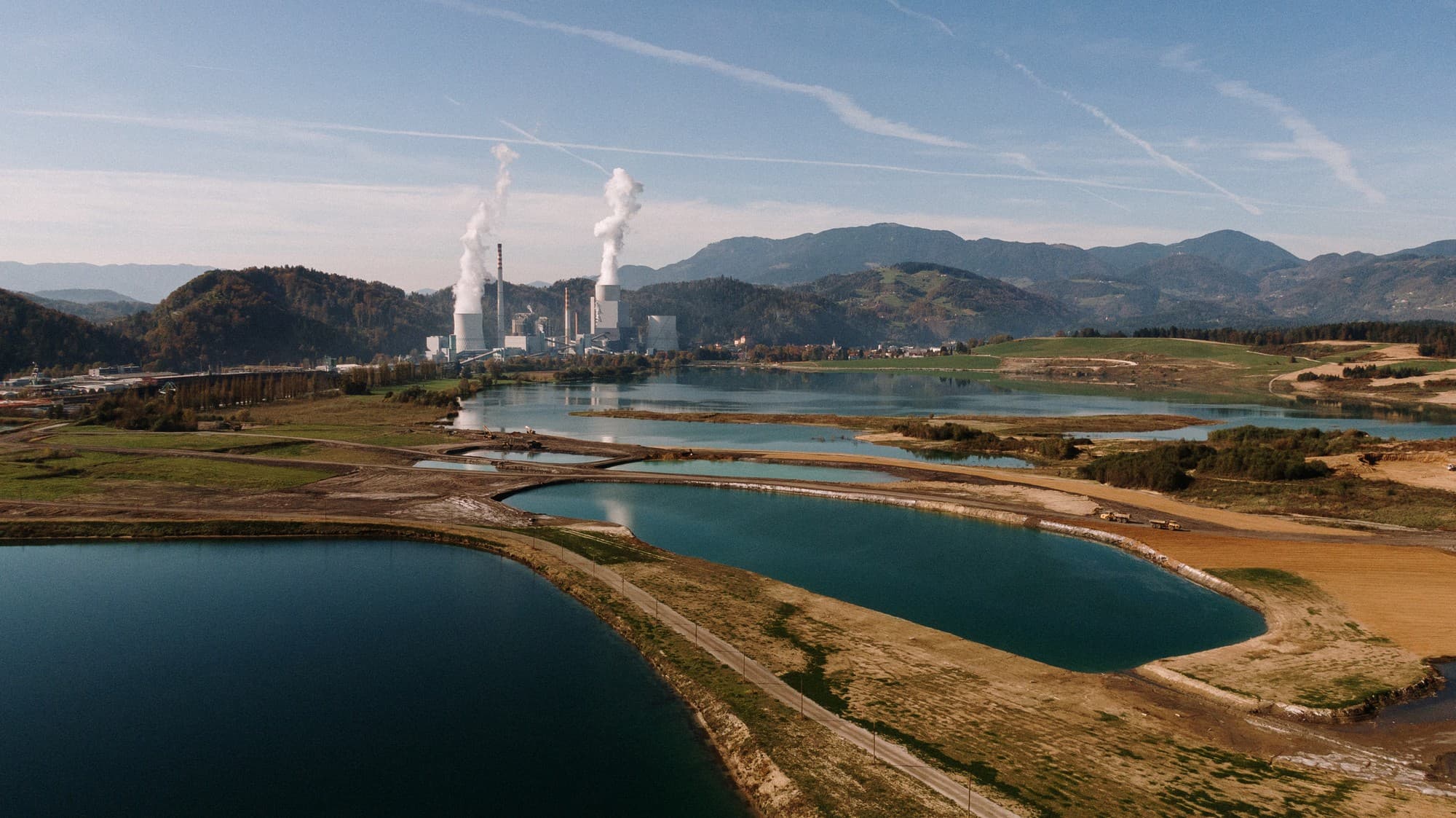
- Market Demand banner image presenting steel by-product gases and chemical co-production concept visuals.
- Technological Advantages banner image illustrating purification and separation pathways for steel mill exhaust gas utilization.
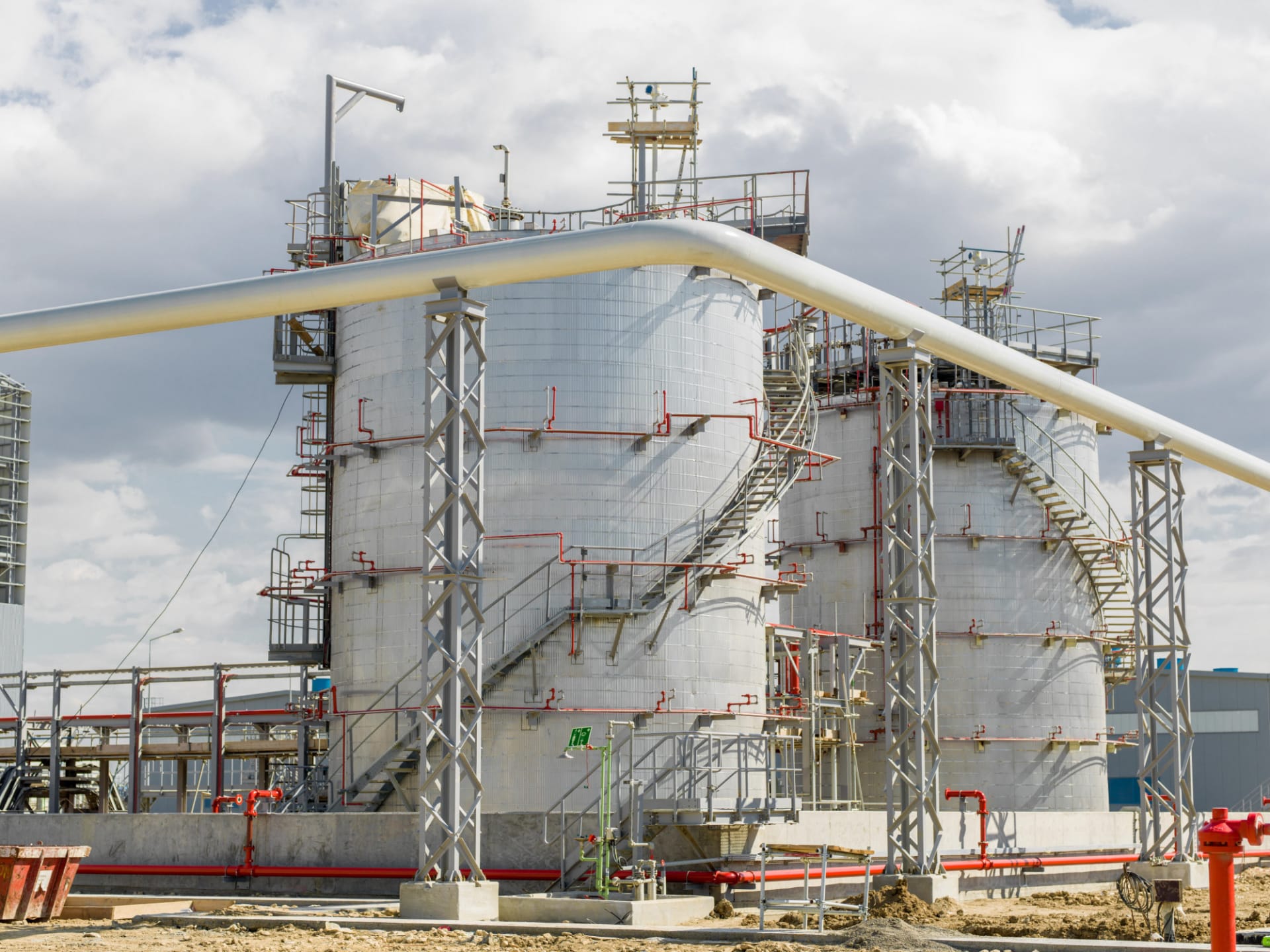
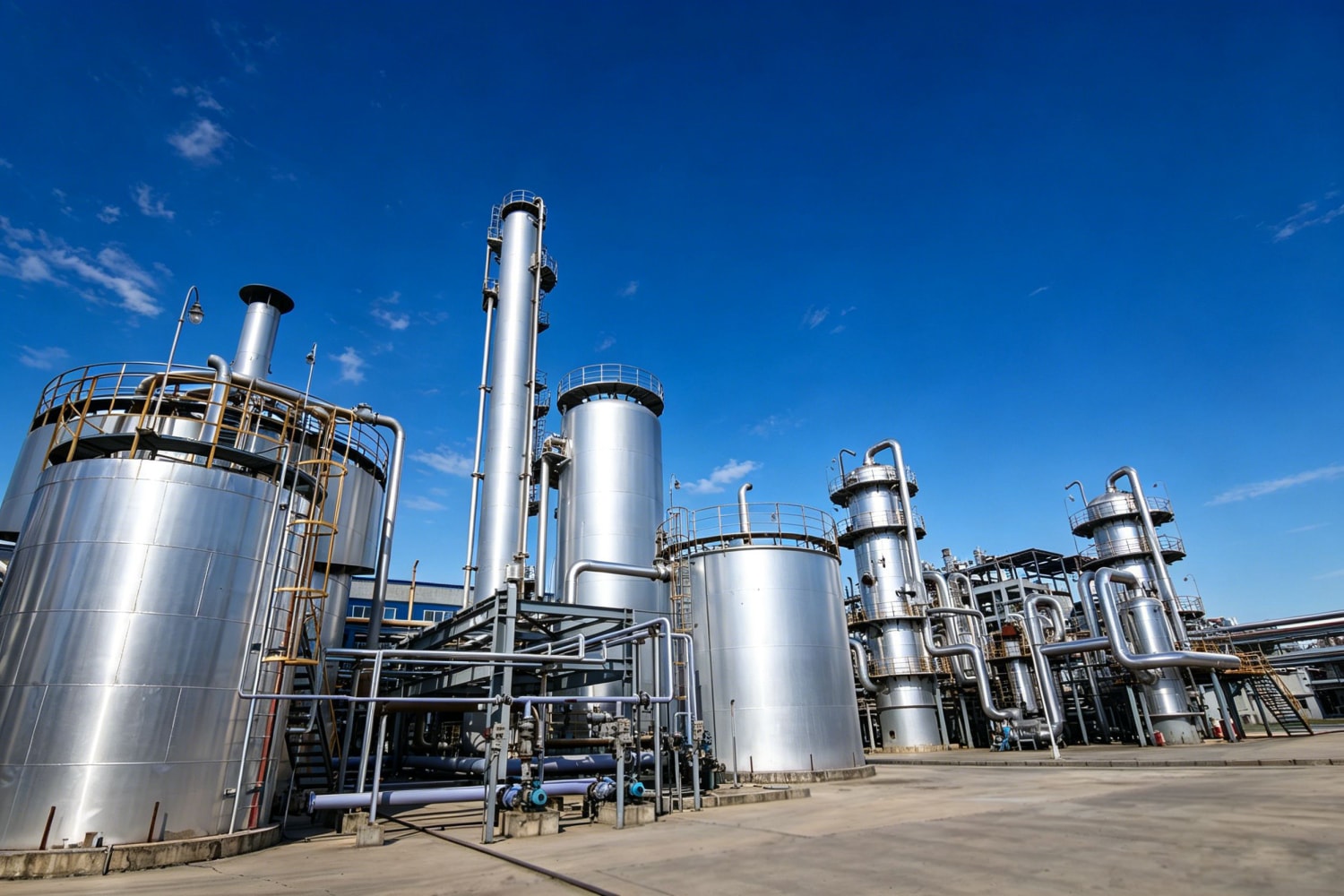
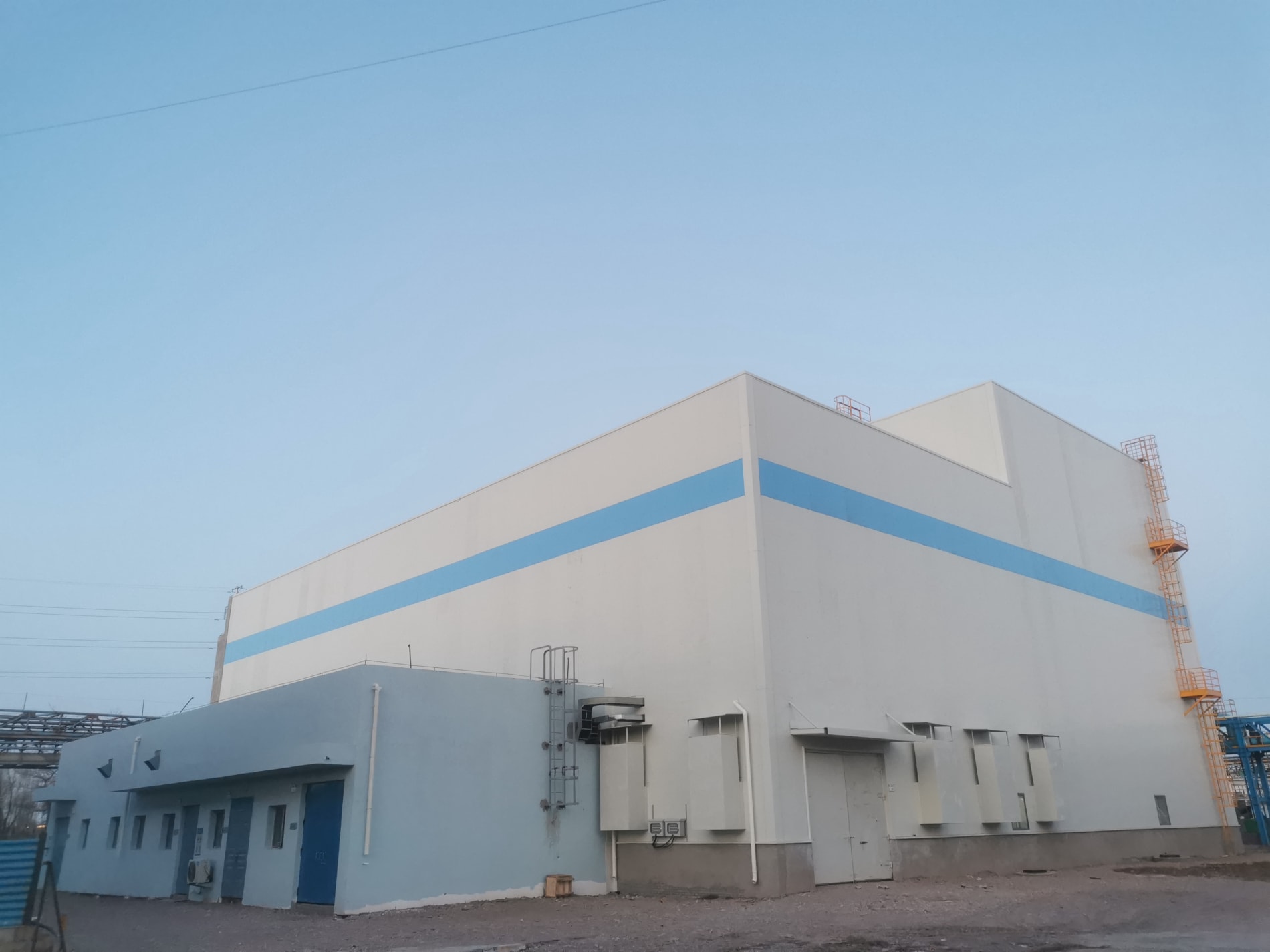
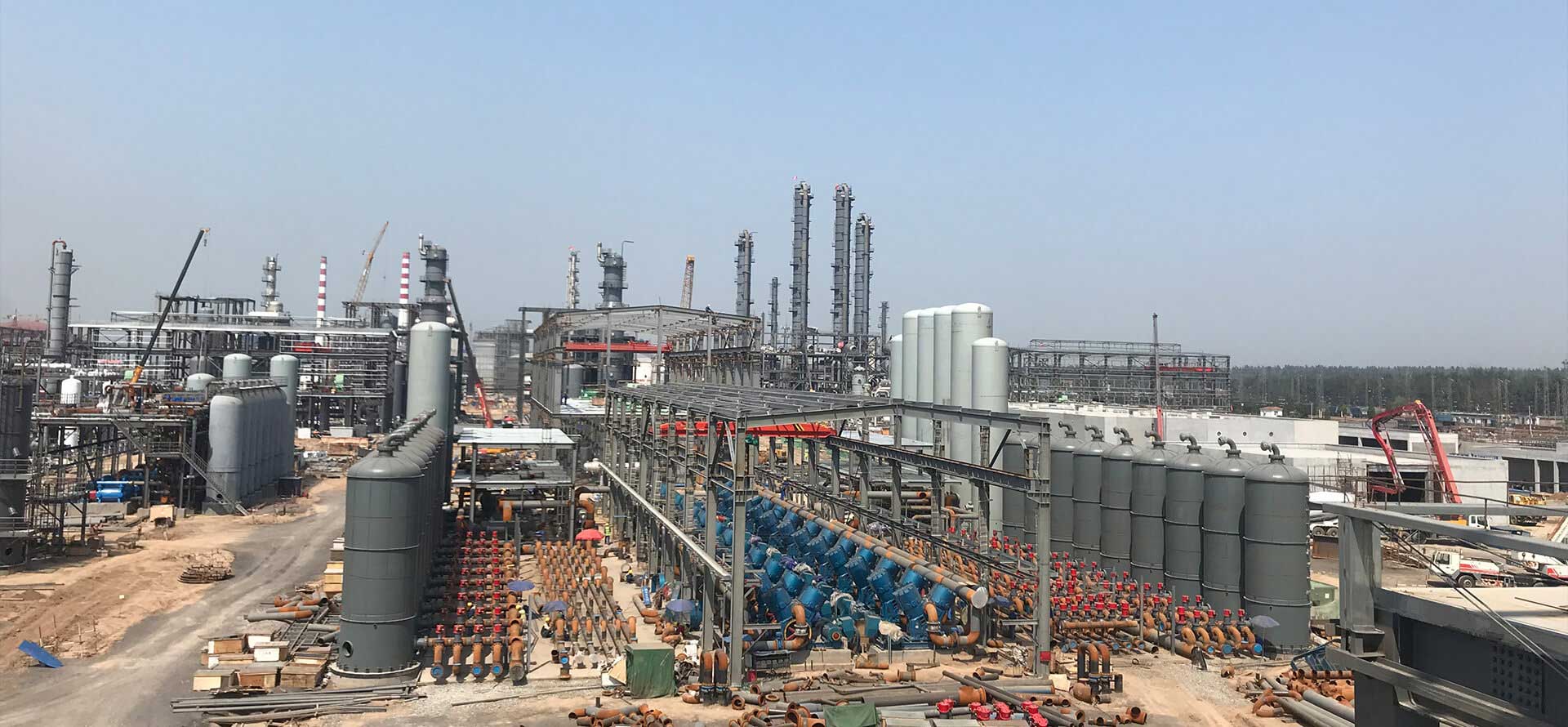
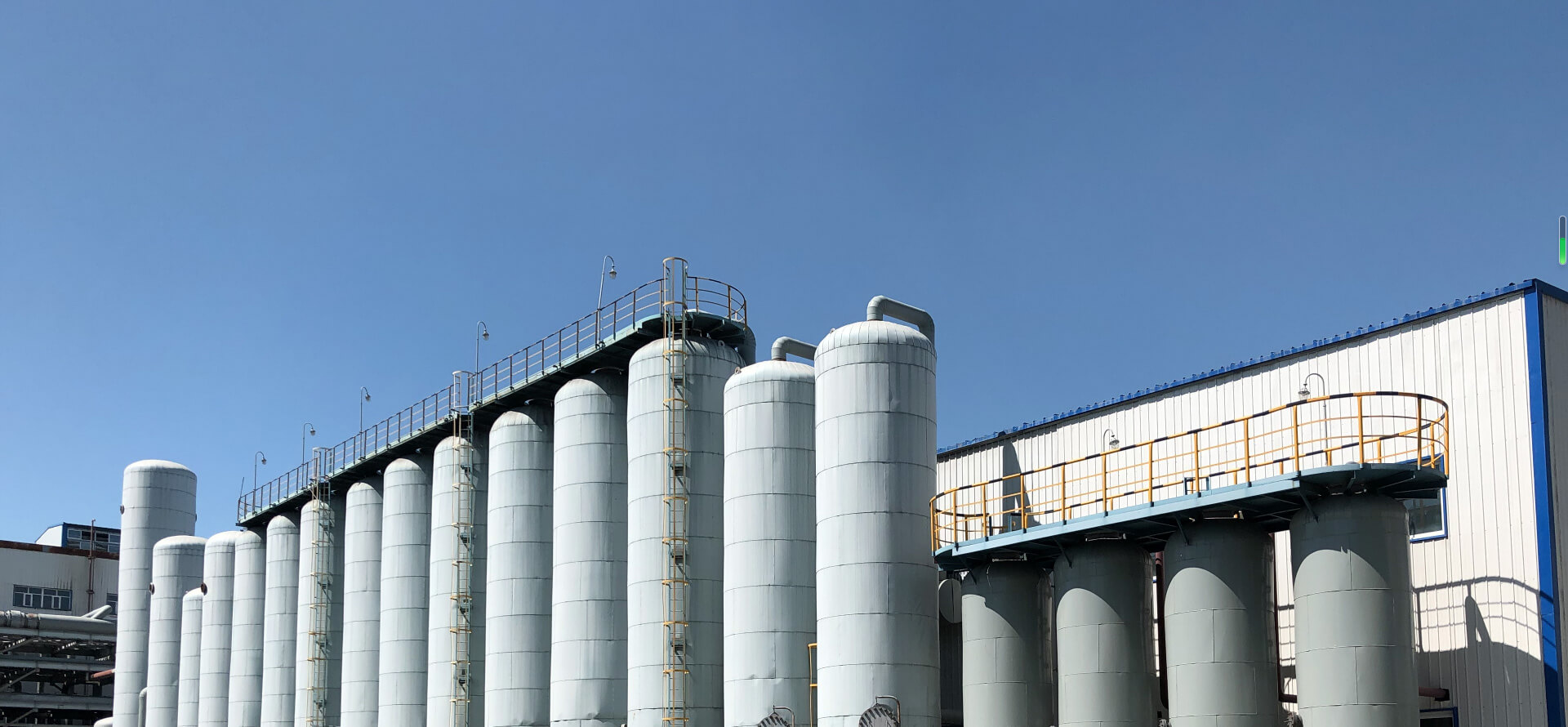
- Application Scenario image depicting integrated steel and chemical production contexts and industrial plant environments.
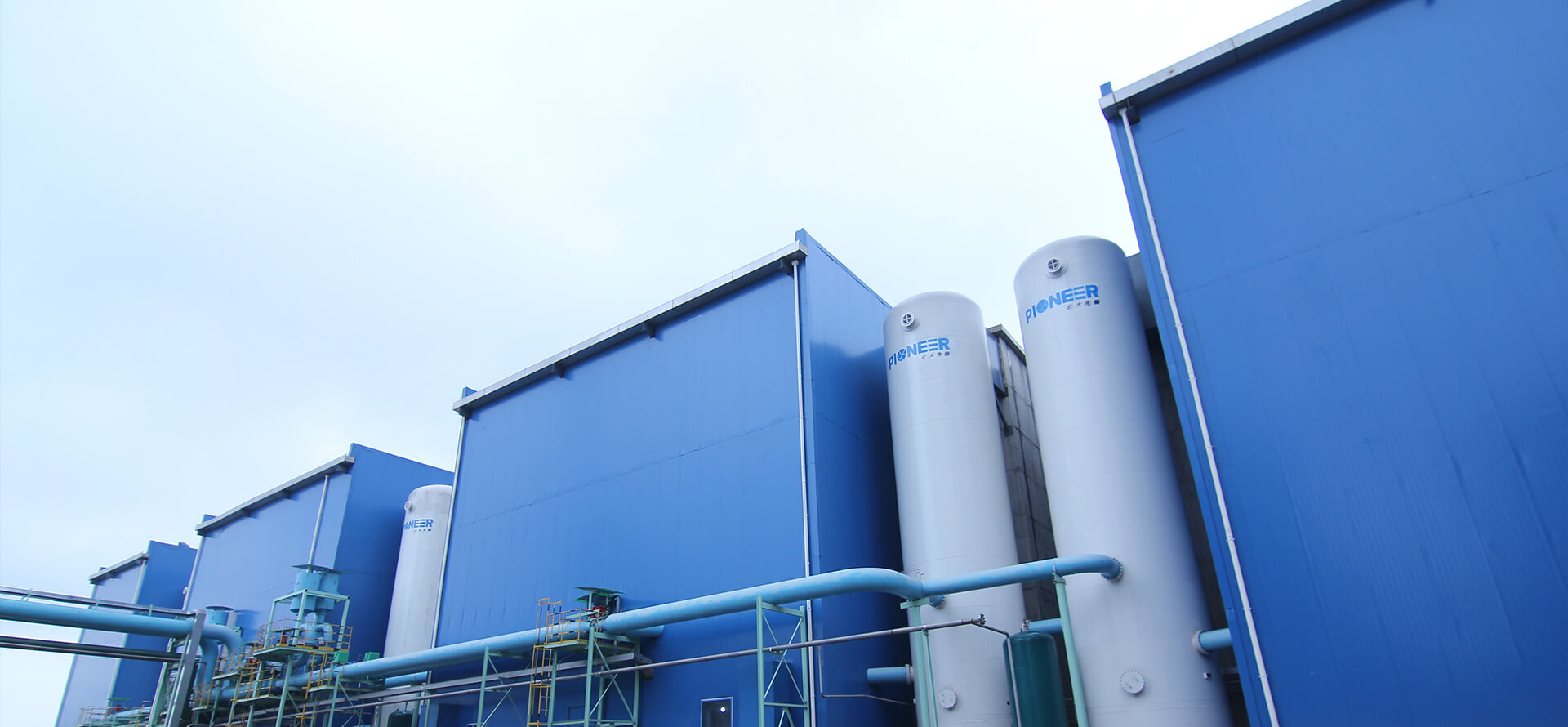
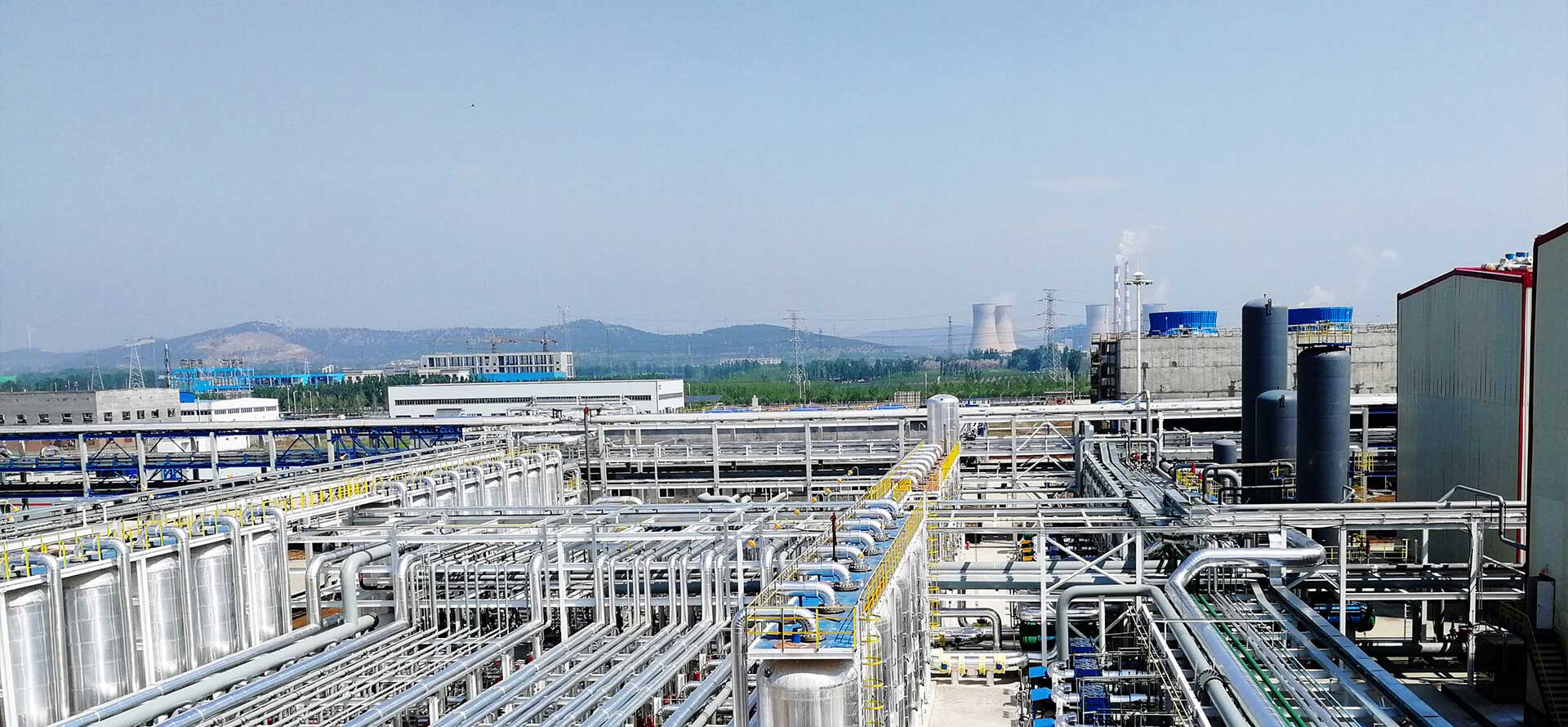
- Additional page gallery images showing solution-related industrial scenes and implementation visuals associated with steel gas purification and separation.
Key Benefits & Competitive Advantages
- Higher-value utilization of steel by-product gases by converting blast furnace gas, converter gas, and coke oven gas into chemical feedstocks instead of using them only for combustion.
- Lower chemical production cost by supplying CO and H2 purified from steel by-product gases directly into C1 chemistry, reducing reliance on coal gasification routes.
- Breakthrough CO purification capability enabled by exclusive PU-1 adsorbent and a proven separation process for CO recovery from N2-rich gas mixtures.
- Mature and stable purification pathway using an industrialized sequence of compression, desulfurization, deoxygenation, dehydration, carbon capture, and CO purification.
- Carbon capture synergy because decarbonization is already necessary when recovering high-purity CO from BFG and BOFG that contain 20 percent to 30 percent CO2, reducing capture cost and energy consumption through integration.
- Ultra-low emissions support through combined immobilization of CO into chemical products and purification steps such as dust removal and desulfurization, reducing carbon, sulfur oxides, nitrogen oxides, and other pollutants.
- Reduced exposure to coal price volatility by replacing coal gasification feedstock with steel exhaust gases, improving competitiveness of terminal chemical products.
- Industrial chain extension and resilience by linking steel and chemical industries into a coordinated complex that improves risk resistance and promotes transformation and upgrading.
Application Scenarios & Use Cases
| Scenario | Industry | Key Benefit | Why This Product |
|---|---|---|---|
| CO purification from blast furnace gas for acid and carbonate chemicals | Foundry blast furnace ironmaking | Turns by-product gas into chemical products without H2 participation | Designed for CO purification from BFG and compatible with foundry blast furnace operating scale where useful volume is smaller than 1000 m3 |
| CO purification from converter gas for C1 chemical synthesis routes | Integrated steelmaking with converters | Higher-value utilization of BOFG and reduced chemical feedstock cost | Addresses CO separation challenges in nitrogen-rich environments with exclusive PU-1 adsorbent and mature separation process |
| Combined BFG and BOFG purification with integrated carbon capture and CO recovery | Long-process blast furnace and converter steel plants | Efficient pathway to high-purity CO recovery with capture synergy | Uses the industrialized sequence: compression, desulfurization, deoxygenation, dehydration, carbon capture, CO purification |
| H2 separation from coke oven gas for hydrogen-involved chemical products | Steel and coke chemical complexes | Unlocks H2 supply for methanol, ethanol, and glycol synthesis | Separates H2 from COG and pairs it with CO separated from BFG and BOFG for hydrogen-involved synthesis |
| Reforming COG methane to syngas then separating CO and H2 for chemical production | Coking enterprises | Expands chemical product slate beyond fuel use | Converts methane-containing COG into CO and H2 syngas, then separates and purifies both for C1 chemistry applications |
| Dual carbon strategy projects for steel enterprises seeking emissions reduction | Iron and steel sustainability programs | Immobilizes CO into products and supports ultra-low emissions | Reduces pollutant emissions via purification steps and supports dual carbon goals through integrated utilization |
| Chemical parks integrating with nearby steel mills for feedstock security | Chemical manufacturing clusters | Stable alternative feedstock with improved cost predictability | Replaces coal gasification with steel exhaust gases, reducing raw material cost and avoiding coal price fluctuation risk |
| Retrofit utilization of existing steel-gas treatment trains for chemical-grade gas | Steel plant modernization | Faster path to chemical-grade CO and H2 streams | Modular purification and separation architecture aligned with steel off-gas conditioning requirements |
Competitive Comparison
| Feature or Aspect | This Product | Typical Alternative |
|---|---|---|
| Feedstock for C1 chemistry | ✓ Steel by-product gases such as BFG, BOFG, COG | ✗ Coal gasification-based syngas as primary route |
| CO separation from N2-rich mixtures | ✓ Breakthrough capability using exclusive PU-1 adsorbent | ✗ Often challenging with lower selectivity or higher complexity |
| Integrated purification sequence for BFG and BOFG | ✓ Compression, desulfurization, deoxygenation, dehydration, carbon capture, CO purification | ✗ Separate or less integrated trains with higher energy and footprint |
| Carbon capture integration | ✓ Direct synergy due to 20 percent to 30 percent CO2 in BFG and BOFG | ✗ Carbon capture treated as standalone cost center |
| Economic resilience to coal price changes | ✓ Avoids coal price fluctuation risk by replacing coal gasification | ✗ Exposed to coal and energy price volatility |
| Environmental outcome | ✓ Immobilizes CO into products and reduces pollutants via purification | ✗ Tail-gas often combusted primarily for heat with fewer utilization pathways |
| End-product flexibility | ✓ Supports methanol, ethanol, ethylene glycol and other C1 products | ✓ Product slate possible but typically with higher upstream cost and emissions |
| Industrial integration model | ✓ Bridges steel and chemical industry value chains | ✗ Separate sector operations with limited cross-utility synergies |
| Project proof and delivery | ✓ Completed 3 steel-chemical co-production projects | ✗ Fewer demonstrated steel-gas-to-chemicals implementations |
Technology & Design Highlights
Steel Mill Exhaust Gas Low-Carbon Utilization Architecture
The solution is built around the core requirement of steel and chemicals co-production: high-efficiency purification of steel by-product gases. It uses a mature, stable process route that enables CO recovery from blast furnace and converter gases and H2 separation from coke oven gas, creating chemical-grade feedstocks aligned with downstream synthesis requirements.
CO Purification from N2-Rich Gas Mixtures
CO separation from nitrogen-rich mixtures is globally difficult. The solution addresses this with exclusive PU-1 adsorbent and an associated separation process designed to unlock CO purification performance in nitrogen-enriched gas environments typical of steel off-gases. This breakthrough is a key enabler for turning BFG and BOFG into reliable CO feedstock for C1 chemistry.
Integrated BFG and BOFG Conditioning and CO Recovery
A defining design highlight is the industry-initiated purification train for blast furnace gas and converter gas: compression, desulfurization, deoxygenation, dehydration, carbon capture, and CO purification. The sequence is engineered to increase maturity, stability, and industrial suitability while supporting low energy consumption and advanced co-production efficiency.
Carbon Capture Synergy by Process Necessity
Since blast furnace gas and converter gas contain 20 percent to 30 percent CO2, decarbonization is necessary to recover high-purity CO. This requirement becomes an advantage when chemical co-production is integrated, because carbon capture steps are no longer an isolated expense and can be optimized within the value-generating co-production framework.
Designed for Complex Industrial Ecosystems
Steel and chemicals co-production is not a single device. It is a system-level integration that connects steelmaking off-gas management, purification and separation, and chemical synthesis feed preparation. The solution is engineered to scale across multiple enterprise types, including foundry blast furnaces, long-process blast furnace and converter steelworks, steel and coke chemical complexes, and standalone coking enterprises with reforming and separation requirements.
Industry Compliance & Quality Assurance
The solution is delivered by a state-recognized high-tech enterprise specializing in research and development of VPSA and PSA gas separation and energy-saving and environmental protection technologies, along with design, manufacture, and engineering construction of complete sets of equipment. The organization operates with an R&D center, pilot base, adsorbent and catalyst production bases, and a Beijing key Laboratory of Engineering, enabling tight control over core materials and process know-how.
Relying on the College of Chemistry and Molecular Engineering of Peking University and a jointly established R&D platform, the company maintains a highly efficient research and development team, rich engineering experience, and a sophisticated service system. The complete set of units developed based on proprietary adsorbents and catalysts is designed to solve gas application issues across iron and steel, chemical industry, non-ferrous metallurgy, glass and fiberglass, new energy, solid waste, paper making, waste incineration, and water treatment.
Across more than 400 designed and constructed large and medium VPSA gas separation and purification plants and projects, performance indicators are stated to have reached the international advanced standard. This depth of engineering execution supports consistent purification stability, reliable separation performance, and project delivery confidence in demanding steel and chemical co-production environments.
Global Reach & Target Markets
Steel and Chemicals Co-Production is particularly relevant in regions where integrated industrial parks, steel clusters, and chemical manufacturing hubs are prioritizing cost efficiency, feedstock security, and emissions reduction. With a proven track record that includes completed steel-chemical co-production projects and deep expertise in VPSA and PSA gas separation, the solution is positioned for localization across different regulatory frameworks, plant standards, and industrial operating practices.
With extensive successful case studies and rich experience serving clients across major heavy-industry regions, delivery teams support localized implementation requirements including plant safety management, environmental targets, and integration with existing steel gas handling systems and chemical feed preparation trains. This localization-ready approach enables smoother commissioning, more stable long-term operation, and clearer return on investment for both steelmakers and chemical producers.
| Target Region | Customer Types | Industry Focus | Our Advantage |
|---|---|---|---|
| East Asia | Steel manufacturers, chemical producers, EPC firms, industrial park operators | Blast furnace and converter steelmaking, coking, C1 chemical production | Strong experience in steel off-gas purification and separation with proprietary adsorbents and mature, industrialized process trains |
| South Asia | Steel groups, engineering firms, government-backed decarbonization projects | Steel plant modernization, low-carbon utilization of steel gases, chemical diversification | Proven technology pathway that supports dual carbon objectives through utilization and integrated carbon capture steps |
| Southeast Asia | Industrial manufacturers, chemical parks, EPC contractors, project developers | Integrated steel and chemical complexes, coking and syngas utilization | Flexible integration model that bridges steel and chemical sectors and improves feedstock competitiveness versus coal gasification routes |
| Middle East | EPC firms, industrial investors, national industrial diversification programs | Large-scale industrial complexes, chemical manufacturing from alternative feedstocks | Economic benefits from replacing coal gasification with steel exhaust gases and improving competitiveness of terminal chemical products |
| Europe | Retrofit specialists, steel decarbonization program owners, chemical producers | Ultra-low emissions initiatives, industrial integration projects | Environmental benefits through immobilizing CO into products and combined purification steps that reduce pollutant emissions |
Customer Success & Experience
Steel and Chemicals Co-Production reflects hands-on engineering experience in industrial gas separation and steel off-gas utilization at scale. Based on decades of VPSA and PSA technology development and validated industrial delivery, the solution is engineered and refined through real project execution, from process design and equipment manufacturing to VPSA integration, commissioning, and stable long-term operation. The organization has completed steel-chemical co-production projects and has broad project experience across gas separation and purification plants, creating a strong foundation for predictable performance and reliable start-up behavior.
Typical customer outcomes include improved economic value from steel by-product gases, reduced chemical synthesis feedstock cost, and a clearer pathway to dual carbon targets by immobilizing CO into chemical products and enabling carbon capture integration where CO2 removal is required for high-purity CO recovery. Projects serve diverse enterprise models, including long-process blast furnace and converter steelworks, steel and coke chemical conglomerates, and coking enterprises implementing reforming and separation strategies to produce CO and H2 for chemical synthesis.
Long-term customer value is supported by a mature service system and engineering depth that helps maintain separation stability, product gas consistency, and operational continuity. Many customers choose this pathway to strengthen competitiveness, extend industrial chains, and improve resilience against commodity price swings, reinforcing repeat engagement and sustained collaboration across complex industrial ecosystems.
Start Your Project With Us Today
FAQ
Engineered Solutions Built for Performance
Typical Cases
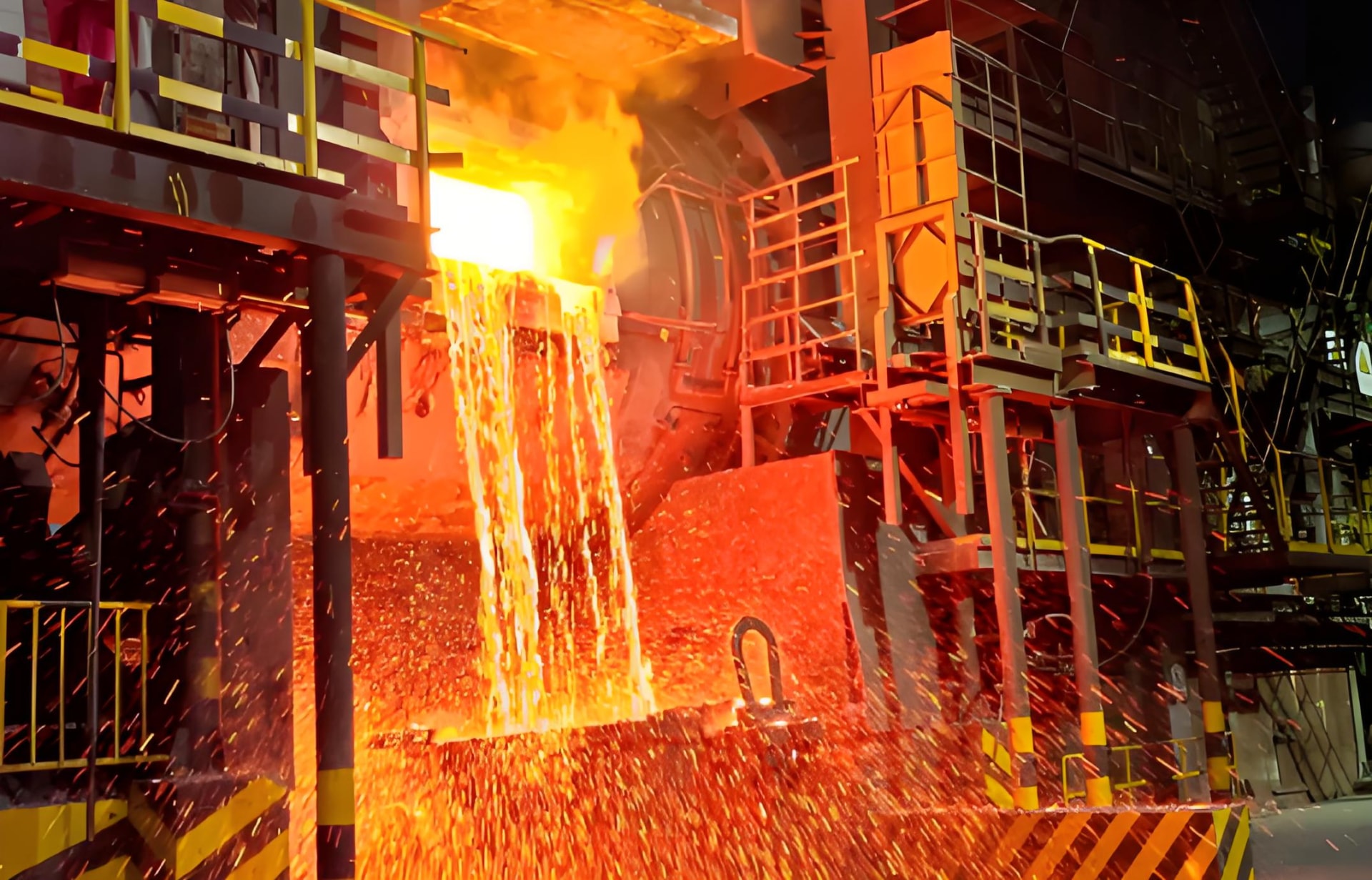
12,500 Nm³/h VPSA Oxygen Plant for Copper Smelting
PKU Pioneer successfully commissioned a 12,500 Nm³/h VPSA oxygen plant for Wuxin Copper, helping eliminate oxygen supply bottlenecks and improve oxygen-enriched smelting efficiency. The project significantly reduced oxygen production costs, enhanced automation capabilities, and supported the customer’s capacity expansion and green metallurgy upgrade.
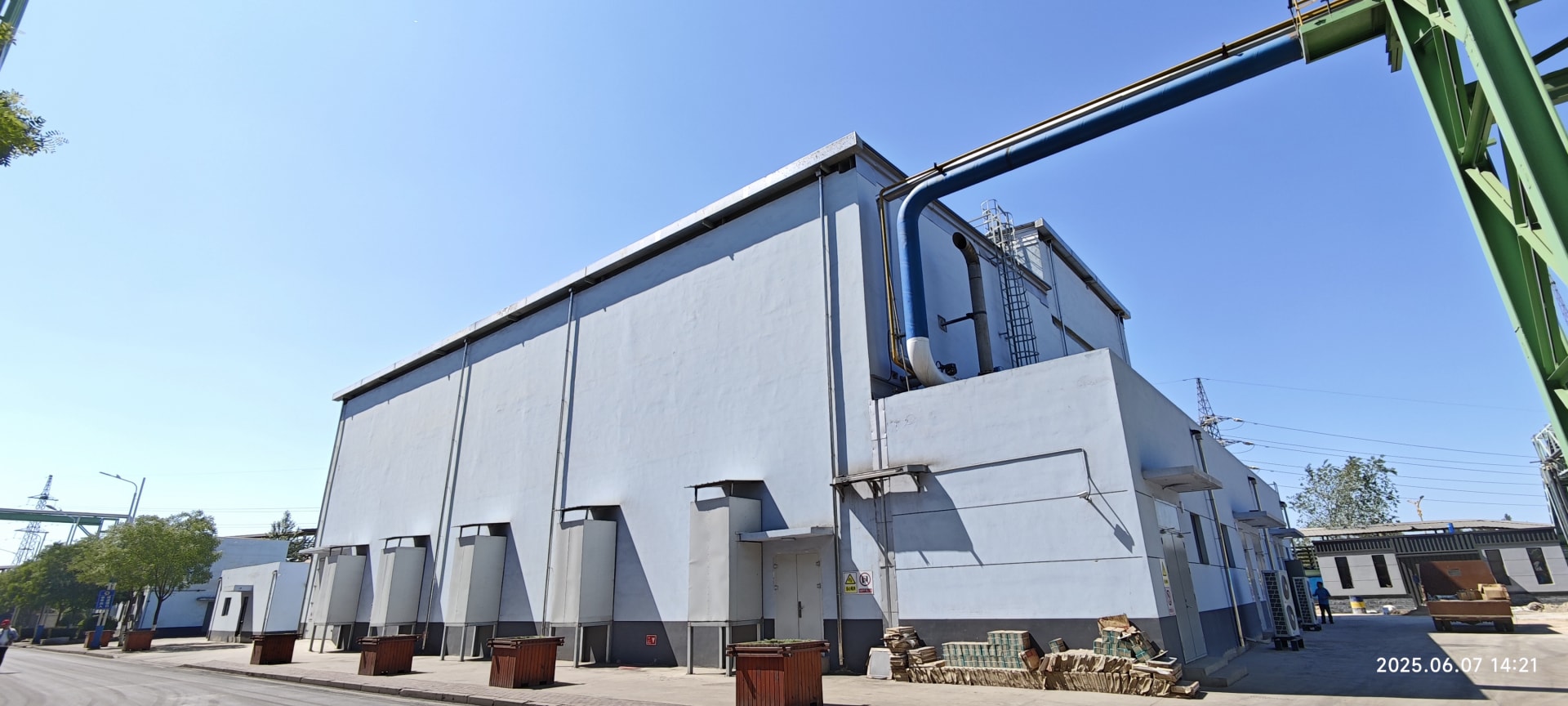
Blast Furnace Oxygen Enrichment PSA Project
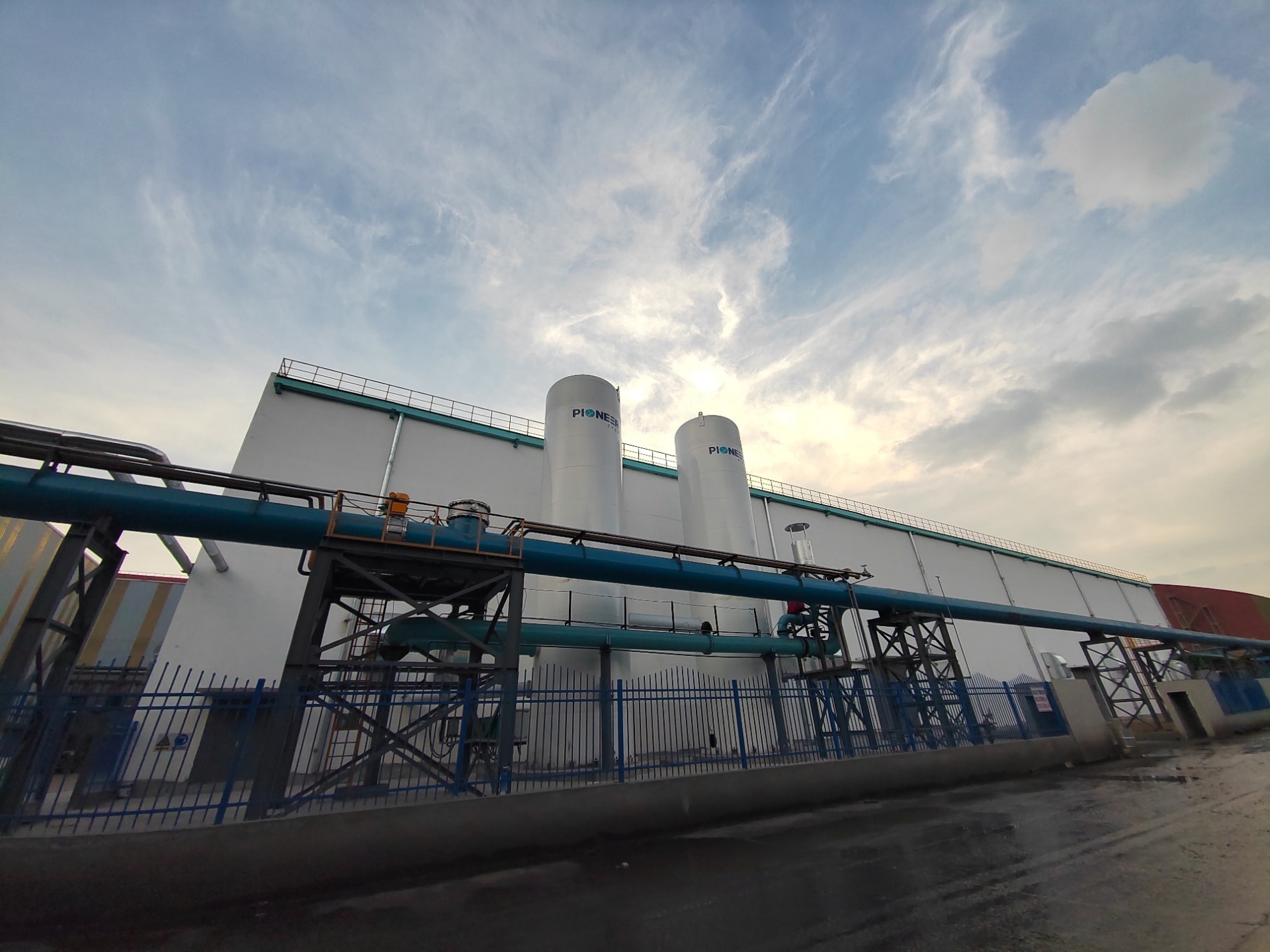
PKU Pioneer successfully commissioned a second-phase 14,000 Nm³/h PSA oxygen plant for Chifeng Yuanlian Iron & Steel, expanding total oxygen generation capacity to 28,000 Nm³/h. The project significantly reduced oxygen production costs, improved operational flexibility, and supported the steel mill’s energy-saving and low-carbon transformation goals.
you may also like
Smarter Oxygen Supply for Iron & Steel Production
Cut oxygen costs by over 60% with industry-proven VPSA/PSA technology — trusted by over 100 steel enterprises worldwide.