

PSA CO Plant
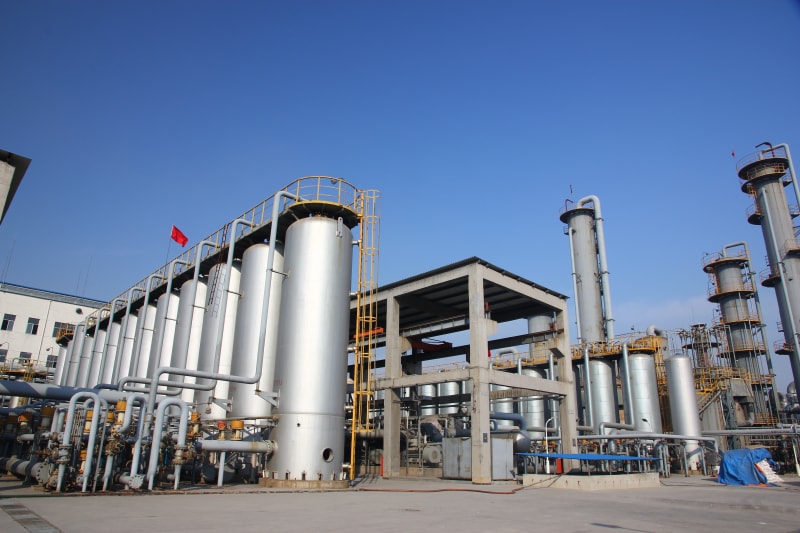
PSA CO Plant is an advanced carbon monoxide purification solution engineered for high-purity, high-recovery CO separation from CO-rich industrial feed gases. Developed and delivered by PKU Pioneer, this PSA CO purification system is built around proprietary adsorbent innovation and field-proven process engineering to help carbonyl synthesis and downstream chemical manufacturers secure reliable CO supply while improving overall project economics.
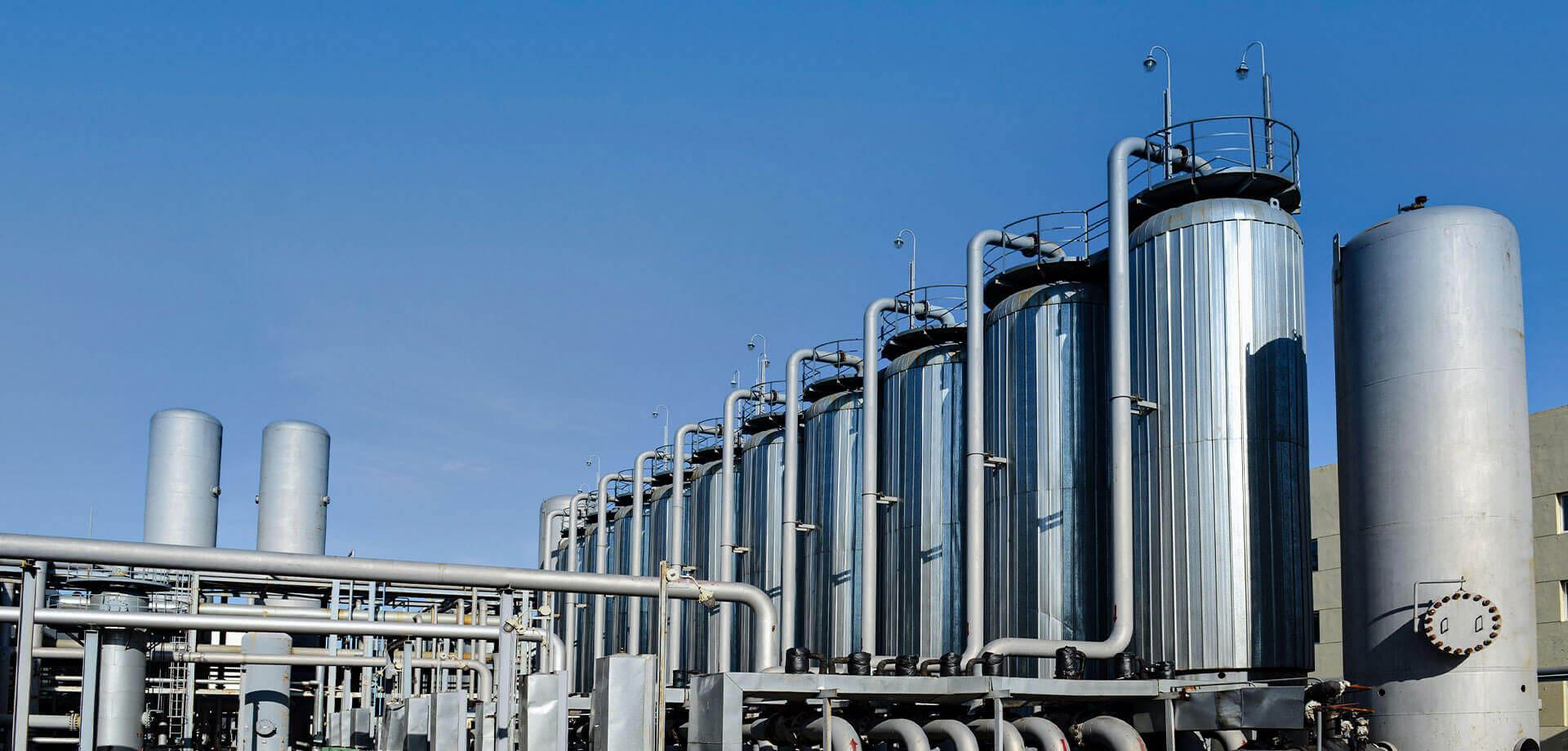
Proven PSA-CO Technology with Patented PU-1 Adsorbent
Engineered and tested across extensive industrial deployments, PSA CO Plant uses PKU Pioneer’s independently-developed PSA CO adsorbent PU-1, a patented material with ultra-high adsorption capacity and selectivity for CO. Based on PU-1, PKU Pioneer originated a wide load PSA CO technology that achieves efficient separation of CO from nitrogen, methane, and other components under moderate operating conditions, with excellent feedgas adaptability and flexible load regulation.
With dozens of PSA CO plants designed and constructed for clients, PKU Pioneer has become the highest market share holder for PSA CO in China, delivering CO products with high purity, high yield, and competitive cost. The technology has received national-level recognition, including Second Prize for National Technology Invention, demonstrating strong authoritativeness for industrial users seeking a proven CO purification partner.
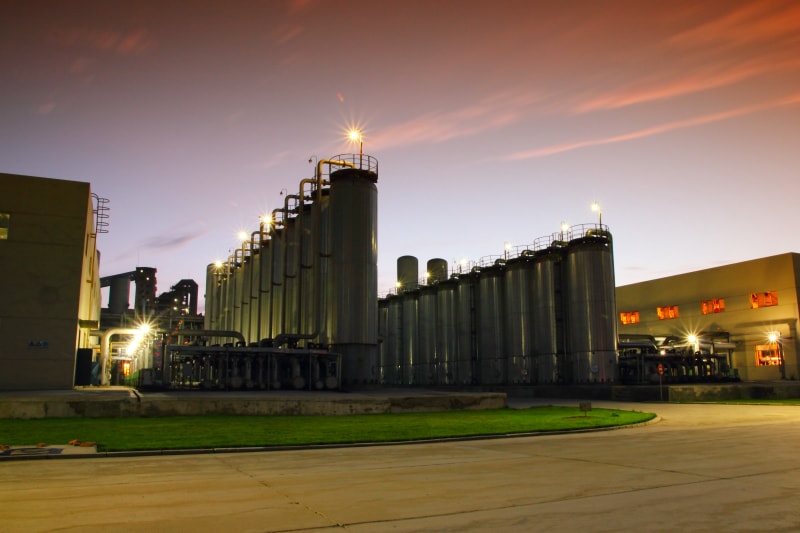
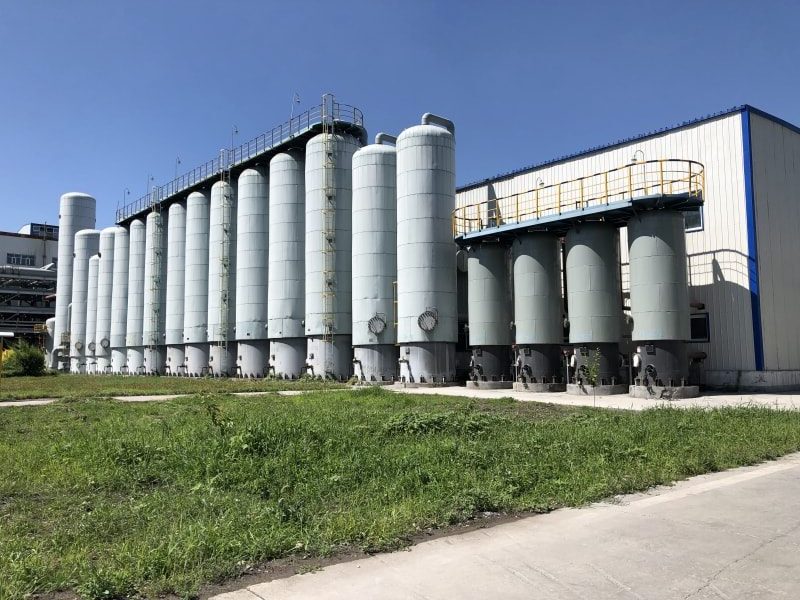
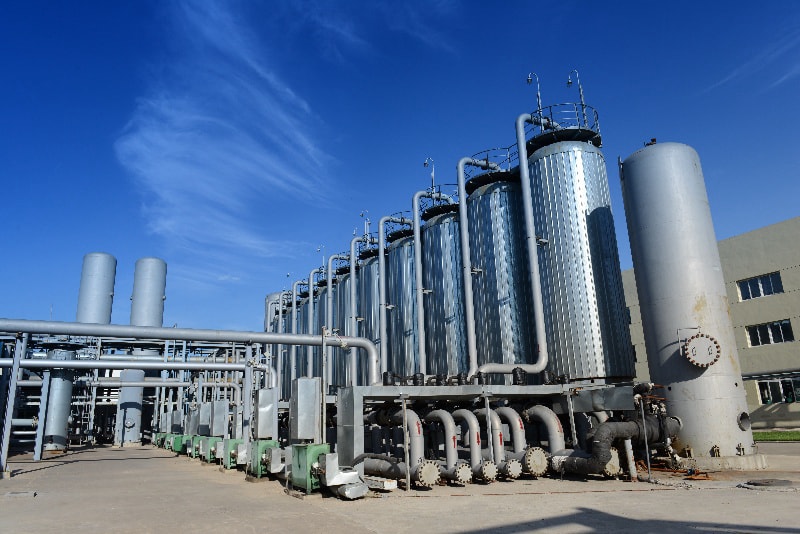
Key Features & Specifications
Technology Brief
PU-1, the PSA CO adsorbent independently developed and produced by PKU Pioneer, has obtained patents in China, USA and Canada. PU-1 has ultra-high adsorption capacity and selectivity for CO, which are the key features for PSA CO technology which reaches the advanced level in the world.
PKU Pioneer originates the high and low consumption PSA CO technology based on PU-1 adsorbent, achieving the efficient separation of CO from nitrogen, methane and other components, which is of great importance for the carbonyl synthesis industry. This technology won the Second Prize for National Technology Invention.
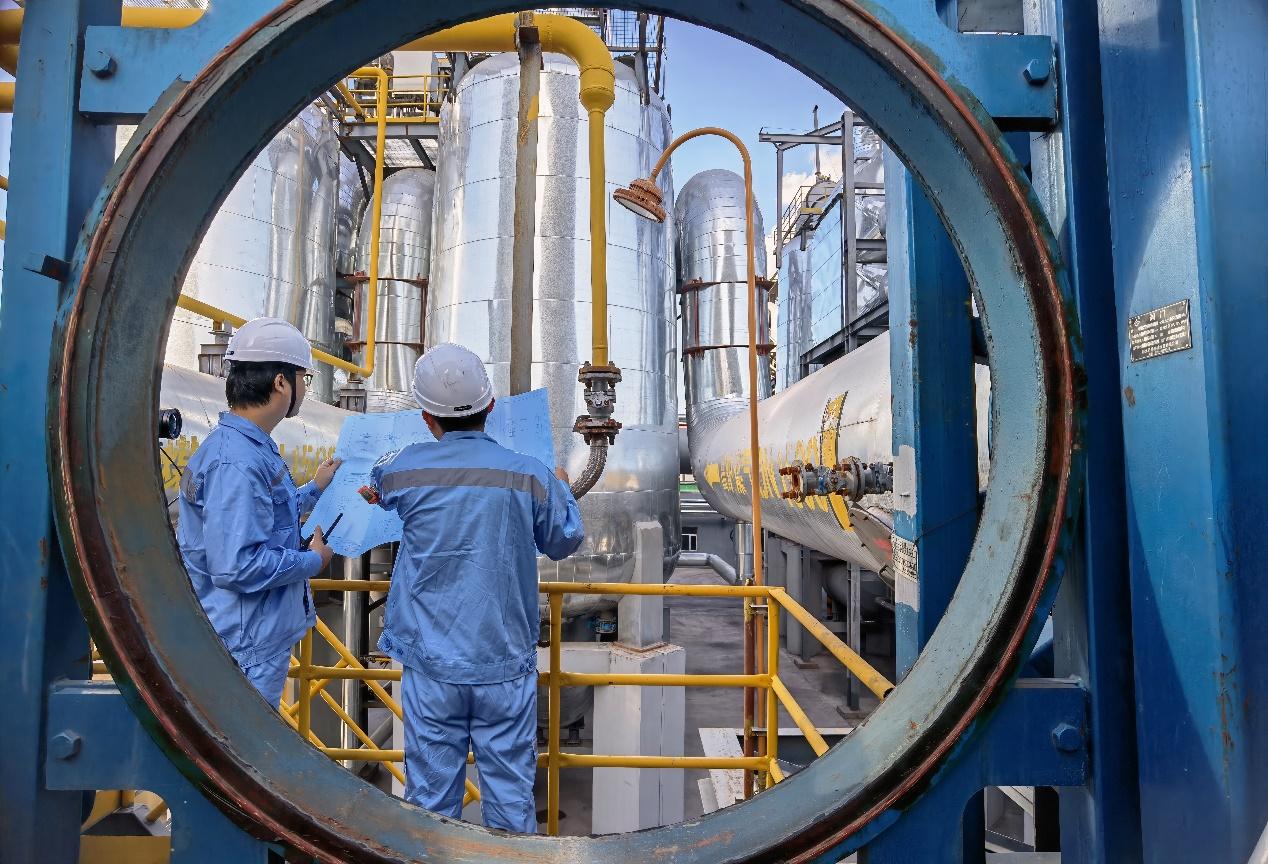
PKU Pioneer has designed and built dozens of PSA CO plants, holding the largest market share worldwide. Our solutions feature low product cost, superior purity and yield, wide feed gas adaptability, mild operation and easy management. With our delivered plants and solutions, we help our clients achieve substantial economic benefits and strengthen their market competitiveness.
Technical Advantages
Wide Feed Gas Compatibility
Suitable for a wide range of CO-rich feed gases across diverse industrial sources.
High Purity and Recovery
95-99.9% CO purity and 80–95% recovery for stable, cost-efficient production.
Robust Adaptability, Gentle Operation
Moderate operating conditions and easy load regulation.
Patented PU-1 Adsorbent
Efficient CO separation with high selectivity and adsorption performance.
Proven Across Complex Industrial Gas Streams
Proven separation technology for any CO-rich feed gas across various metallurgical and chemical industries.
Steel Tail Gas Purification
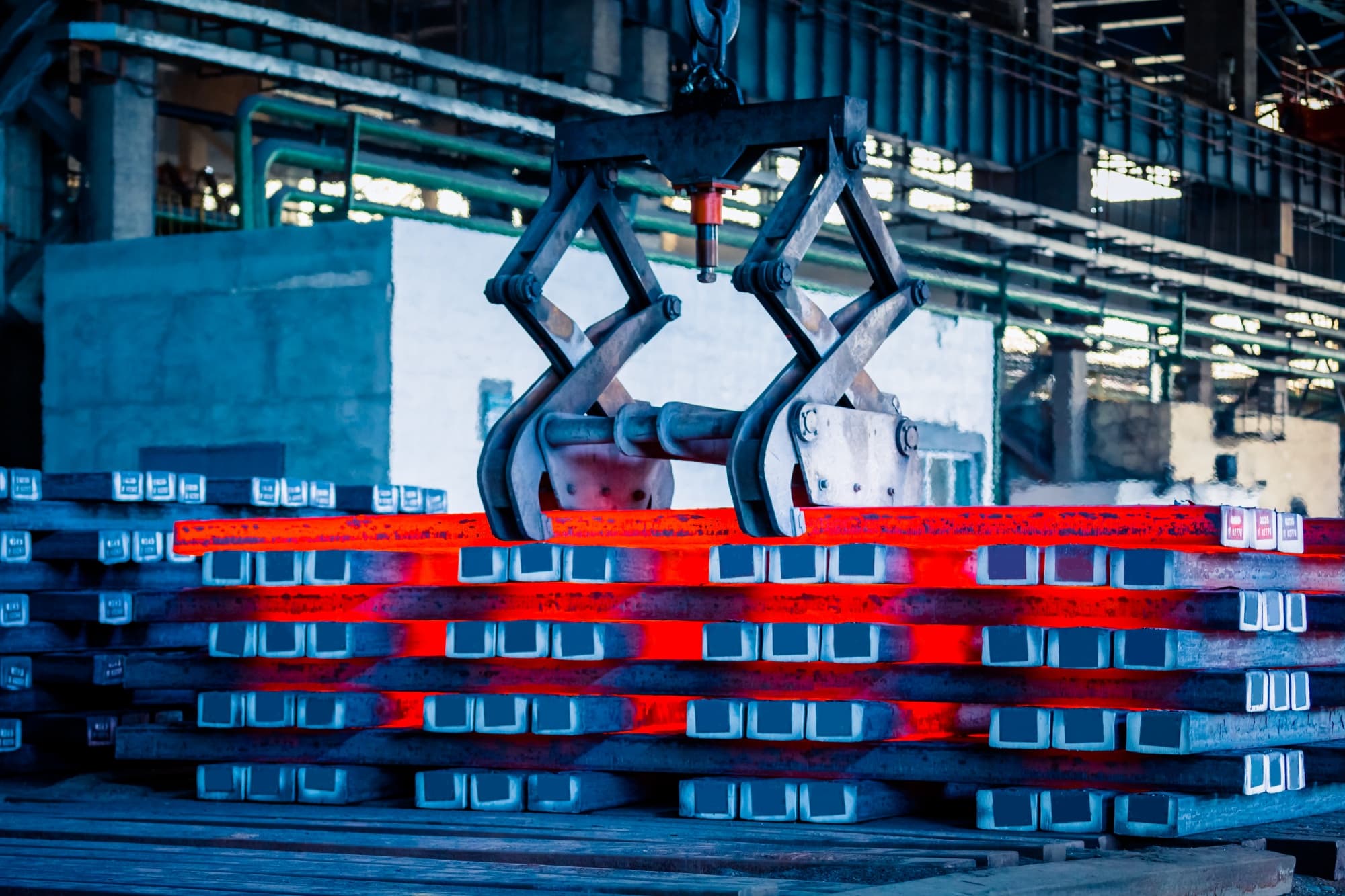
In the process of steel production, large amounts of blast furnace gas, converter gas, and coke oven gas contain valuable components such as carbon monoxide CO, hydrogen H₂, and methane CH₄, which are important secondary energy sources in steelworks. Coke oven gas contains approximately 55–60% hydrogen H₂, while converter gas and blast furnace gas contain about 50–60% and ~25% carbon monoxide CO, respectively. Therefore, steel off-gases can be fully utilized as a source of CO and H₂ for chemical synthesis.
BFG to CO
Separation of CO from blast furnace gas is a worldwide challenge, which is mainly due to the blast furnace gas also contains a large number of N2 and CO2. Because of the close boiling point of N2 and CO, the traditional cryogenic rectification process cannot be used to separate CO from blast furnace gas.
The adsorption of CO and N2 is low, and the adsorption of CO2 is easy to poisoning and deactivation, so the conventional pressure swing adsorption method cannot be used for CO separation of blast furnace gas.
PKU Pioneer, on the basis of its mature and leading PSA technology, according to the characteristics of blast furnace gas, developed the process of the formation of a unique CO separation technology of blast furnace gas, by which blast furnace gas can be used from the low cost of mass separation CO.
Economic Benefit Analysis
PKU Pioneer makes the following calculation based on the current coal chemical industry situation. To produce 1 m³ of high-purity CO by separation and purification from coal gas, the cost is approximately ¥2.00 at current coal prices. However, producing 1 m³ of high-purity CO by separating and purifying CO from blast furnace gas using PKU Pioneer’s technology costs less than ¥1.00. This means PKU Pioneer can reduce CO production costs by 50% compared with coal gas–based production.
Successful Cases
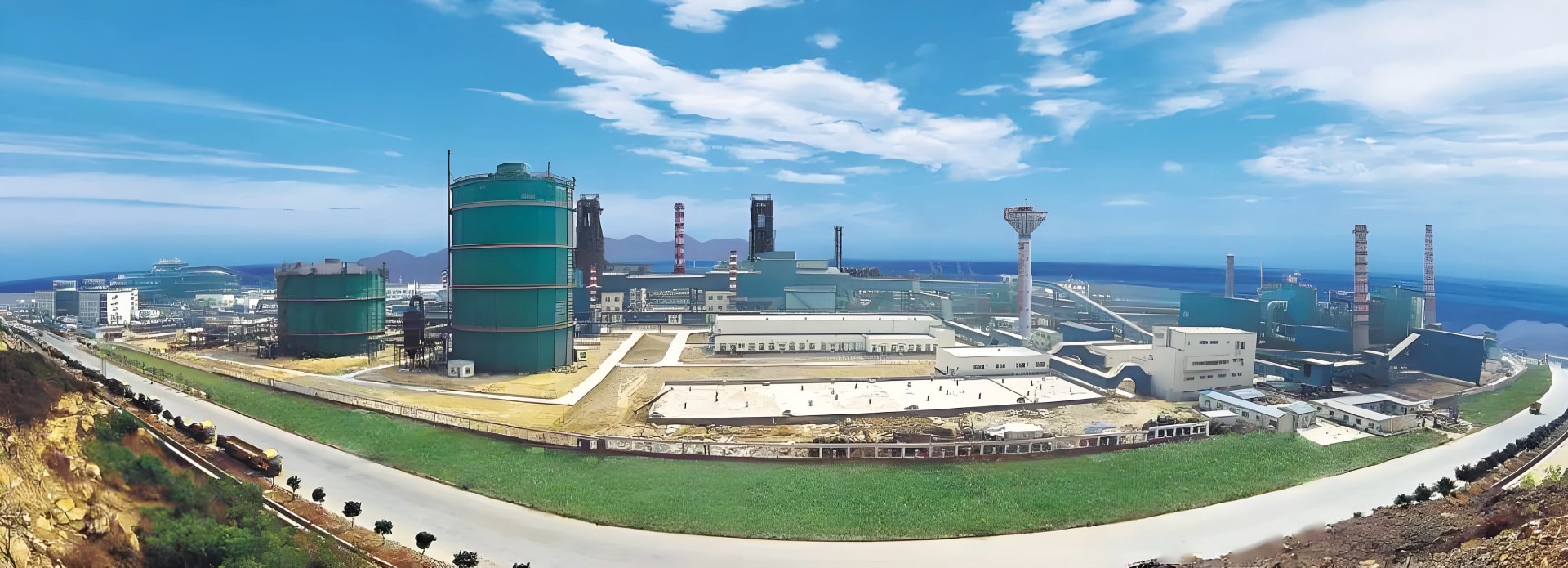
This technology has been implemented in Hengyang Steel Group. The project is designed with a blast furnace gas BFG handling capacity of 67,000 Nm³/h and produces 17,500 Nm³/h of CO product gas with a purity of 70%. The CO-enriched gas is used as an alternative to natural gas and accounts for 30% of total gas consumption at full capacity. This has generated significant economic benefits for the enterprise, eliminated BFG emissions, and substantially reduced carbon emissions.
The enriched CO gas can be used for the following three purposes:
1. To produce high value-added chemical products
CO is a kind of important raw material with chemical synthesis which can be purified to 99% from the blast furnace for the production of ethylene glycol, acetic acid, dimethyl carbonate, polycarbonate, TDI, DMF and other chemical products, thus significantly enhancing the added value of the gas. To obtain CO by the use of blast furnace gas has a large cost advantage. With the rapid development in the non-steel industry, it has attracted attention by many domestic and overseas famous iron and steel enterprises.
2. To be premium fuel
The carbon monoxide purified up to 70% from blast furnace, whose heat value is up to 8200kj/nm3, can replace the coal and natural gas for metallurgy, such as the combustion section in iron making links.
3. To be reducing gas of blast furnace injection
The research shows that, to increase concentration of CO from the blast furnace gas and converter gas to above 45%, by the use of separation technology, and then to inject into the blast furnace will significantly improve the carbon monoxide and hydrogen content of the furnace, and indirect reduction acceleration of the sinter in the furnace shell, which helps improve the production and heat efficiency.
Converter Gas to CO
Separation of CO from converter gas is an international challenge, mainly because converter gas contains large amounts of N₂ and CO₂. Due to the close boiling points of N₂ and CO, conventional cryogenic rectification processes cannot be used to separate CO from converter gas. In addition, the adsorption selectivity of CO and N₂ is low, so conventional pressure swing adsorption methods are also unsuitable for CO separation from converter gas.
Based on mature and leading PSA CO technology and the characteristics of converter gas, PKU Pioneer has developed a unique CO separation process for converter gas, which enables economical large-scale production of CO with purity above 99%. The enriched CO gas can be used for the production of high value-added chemical products.
CO is an important raw material for chemical synthesis. By purifying CO from converter gas to over 99% purity, it can be used in the production of ethylene glycol, acetic acid, dimethyl carbonate, polycarbonate, TDI, DMF, and other chemical products, thereby significantly increasing the added value of the gas.
Economic Benefit Analysis
The remaining converter gas can also be used for electricity generation apart from its use as fuel gas. However, given its low calorific value and high carbon intensity, neither option represents an ideal utilization pathway. In contrast, recovering CO from converter gas for chemical synthesis, as an attractive alternative, not only reduces capital investment against that from fossil raw material, but also enhances product value while lowering carbon emissions. As such, it delivers both economic and environmental benefits in one integrated solution.
Successful Cases
This technology has been applied at Shandong Aside Technology Company. The converter gas flow rate is 45,000 Nm³/h, producing 18,000 Nm³/h of CO product gas with a purity of 98.5%. This application is used for the production of 200,000 t/a formic acid and 50,000 t/a oxalic acid. Compared with using converter gas for power generation, approximately 318,000 tons of carbon emissions can be reduced annually.
Calcium Carbide Furnace Exhaust Purification
There are nearly 400 calcium carbide manufacturing enterprises in China at present, with a total annual production capacity exceeding 15 million tons. More than 15 billion Nm³ of calcium carbide furnace tail gas is generated in China every year. This gas mainly contains carbon monoxide CO at a concentration of 75–90%.
If fully discharged without utilization, it would be equivalent to a waste of 2.4 million tons of standard coal and would result in emissions of approximately 12 million tons of CO₂ and more than 900,000 tons of dust annually. Therefore, the rational utilization of CO represents an effective approach to energy conservation, emission reduction, and waste-to-value transformation.
Application of PSA-CO technology in the calcium carbide industry
Purification of CO by the PSA-CO technology may obtain the 99% high-purity CO and synthesize the high value-added chemical products, such as MEG, methyl carbonate, acetic acid, methanol, TDI and DMF.
Economic Benefit Analysis
More than 75% of the tail gas of calcium carbide furnace is CO. Purification of CO by the PSA technology and synthesis of the high value-added chemical product such as MEG largely reduce the raw material cost of the high-purity CO. The new-type purification device of PKU Pioneer not only utilizes the high value-added tail gas of calcium carbide furnace, but also gives a new idea for the development of the technology of synthesis gas-to-MEG.
Successful Cases
Xinjiang Tianye Group adopts the unique PSA technology of PKU Pioneer to separate the high-purity CO from the tail gas of calcium carbide furnace to synthesize MEG. As the first industrial device synthesizing MEG by the tail gas of calcium carbide furnace in China, it completely solves the problem of tail gas reclamation. Besides, it not only promotes the emission reduction but also largely reduces the raw material cost of high-purity CO which saves a lot of gas generation expenses.
Phosphorus Off-Gas Purification
The content of CO in yellow phosphorus tail gas can reach up to 90%. Yellow phosphorus tail gas belongs to ore-smelting off-gas, with complex composition and various impurities. The presence of phosphorus and sulfur in the gas can corrode equipment and shorten catalyst lifespan, resulting in a relatively low utilization rate.
China is rich in yellow phosphorus resources, with reserves estimated at 800–1,000 thousand tons, accounting for approximately 80% of the global total. However, due to the lack of efficient advanced purification technologies and utilization pathways, most yellow phosphorus plants only utilize a small portion of the tail gas for raw material drying or boiler combustion, while the majority is directly discharged. This leads to significant resource waste, increased environmental pollution, and hinders energy conservation and emission reduction efforts.
In addition, the utilization of C1 chemical products requires deep purification of impurities in the raw gas. However, impurities such as phosphorus, sulfur, arsenic, cyanide compounds, and fluorine in yellow phosphorus tail gas can poison chemical catalysts and cause material corrosion. Therefore, the purification depth of impurities directly determines the utilization value of yellow phosphorus tail gas.
The application of PKU Pioneer technology in the yellow phosphorus industry depends on the level of purification. Existing purification technologies for yellow phosphorus tail gas mainly include: traditional alkaline scrubbing, which is only suitable for basic purification; temperature-swing PSA, which is complex and energy-intensive; and general catalytic oxidation, which cannot achieve continuous dephosphorization and consumes large amounts of catalyst.
Recently, in response to the composition and purification challenges of yellow phosphorus tail gas, PKU Pioneer has developed a new dephosphorization catalyst, the DePOx catalyst. It enables continuous removal of phosphorus and multiple impurities in the tail gas, featuring a simple process with no need for frequent catalyst regeneration. The purified gas can be further utilized for power generation or for the synthesis of C1 chemical products in combination with other purification technologies.
Technical Applications
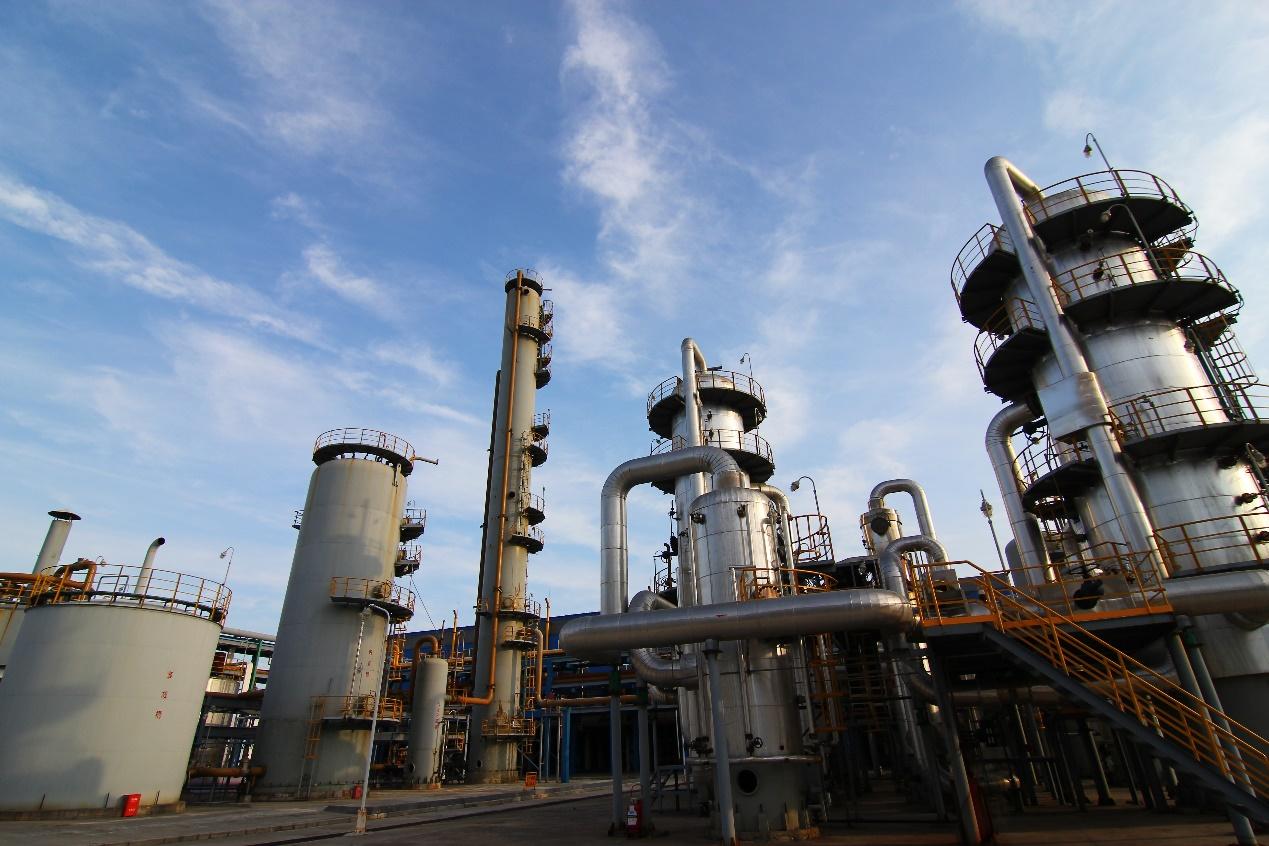
PKU Pioneer’s PSA CO technology has been successfully applied in the production of ethylene glycol, butyl alcohol, acetic acid, acetic anhydride, formic acid, oxalic acid, oxaloacetate, dimethylformamide, dimethyl carbonate, TDI, and MDI.
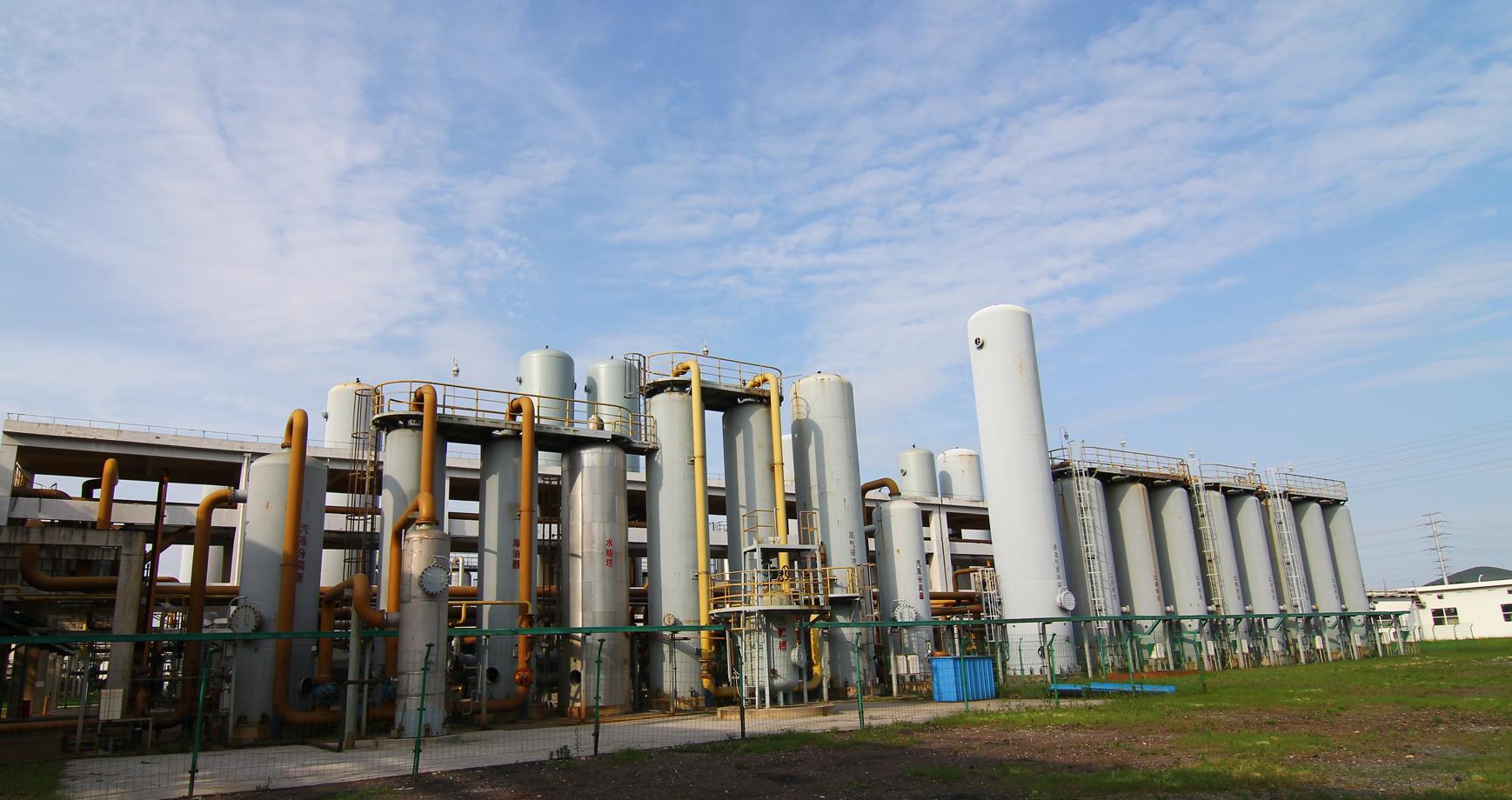
PKU Pioneer has constructed a majority of PSA-CO plants worldwide, including the world’s largest PSA plant cluster with capacities of 20,000 Nm³/h O₂ product, 20,000 Nm³/h CO product, and 40,000 Nm³/h H₂ product. It also includes the world’s first plant for purifying CO and H₂ from calcium carbide exhaust, and the world’s first plant for separating CO from blast furnace gas.
PKU Pioneer holds clear technological leadership in this field and has become a leading enterprise in the PSA CO industry.
Key Benefits & Competitive Advantages
High-purity CO output supports carbonyl synthesis needs with product purity 95-99.9% and recovery 80%-95% for high-quality and low-cost CO gas product.
Patented PU-1 adsorbent enables ultra-high CO adsorption capacity and selectivity, supporting efficient separation of CO from nitrogen, methane, and other components.
Broad feed gas flexibility makes the technology suitable for any CO-rich feed gas, supporting diverse industrial sources and integration strategies.
Market-proven technology leadership supports procurement confidence, with PKU Pioneer building most PSA-CO plants in China and holding over 90% market shares.
Moderate operating conditions and easy load regulation enable stable daily operation and practical operational control across variable plant conditions.
Strong industrial impact for steel tail gas purification and secondary energy utilization, enabling value creation from blast furnace gas, converter gas, coke oven gas, and complex industrial exhausts.
Demonstrated economic value based on PKU Pioneer’s cost comparison for high-purity CO production, including significant cost reduction potential versus coal gas routes for CO production.
Recognized innovation credibility through national-level technology invention award status for the PSA-CO technology pathway.
Start Your System Design
Reduce dependency on external supply and stabilize your production with VPSA oxygen generation.
Solutions for All Your Oxygen Usage Scenarios
Every sector has unique gas needs. We engineer solutions that fit.



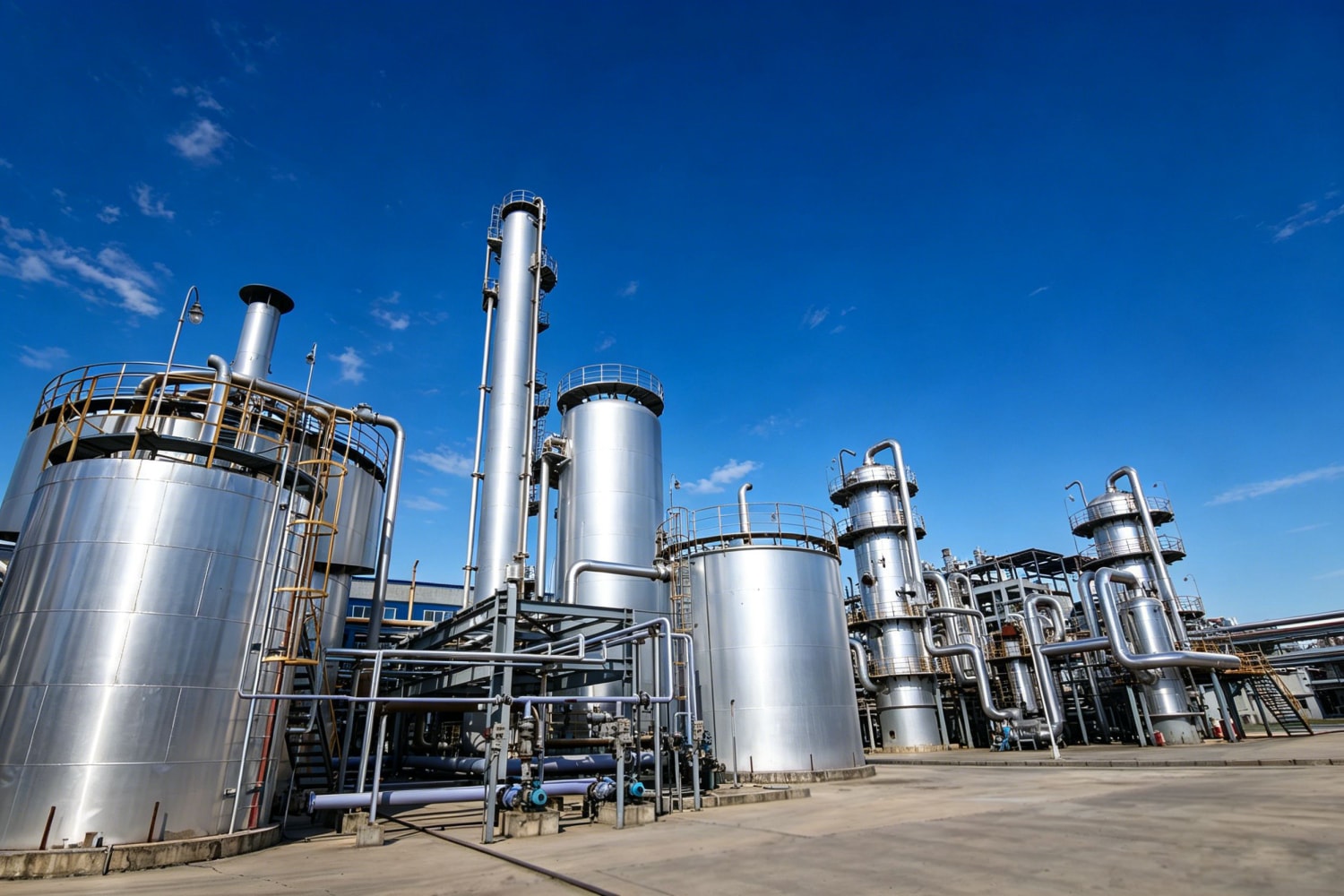

Application Scenarios & Use Cases
| Scenario | Industry | Key Benefit | Why This Product |
|---|---|---|---|
| High-purity CO for ethylene glycol synthesis | Coal chemical and petrochemical | Ensures stable CO supply for carbonyl synthesis | Proven application in ethylene glycol and CO product purity up to 99.9% |
| CO purification from blast furnace gas for chemical feedstock | Steel and chemicals co-production | Converts low-value tail gas into high value-added chemicals | Unique blast furnace gas CO separation technology and proven steel tail gas purification pathway |
| CO enrichment from blast furnace gas as premium fuel | Iron and steel | Replaces coal and natural gas in metallurgical combustion | CO purified up to 70% with heat value up to 8200kj/nm3 for premium fuel use |
| Converter gas to high-purity CO for C1 chemicals | Steel and chemical synthesis | Enables over 99% CO product from converter gas economically | Developed process for converter gas characteristics and downstream chemical synthesis use |
| Calcium carbide furnace exhaust CO recovery | Calcium carbide and coal chemical | Reduces emissions and unlocks high-value CO utilization | CO 75%~90% in tail gas can be purified to 99% for downstream products |
| Yellow phosphorus tail gas deep purification integration | Yellow phosphorus and ore smelting | Protects catalysts and equipment while increasing utilization value | DePOx catalyst enables continuous dephosphorization for broader utilization routes |
| CO and H2 co-purification integration | Industrial gas separation and synthesis | Supports integrated purification for synthesis gas applications | Proven leadership claims including first plant for purifying CO and H2 from calcium carbide exhaust |
| Complex exhaust and synthesis gas purification | Environmental and chemical processing | Improves gas product value and reduces emissions | PSA-CO is widely used for treating various complex exhausts and coal chemical synthesis gases |
Typical Cases
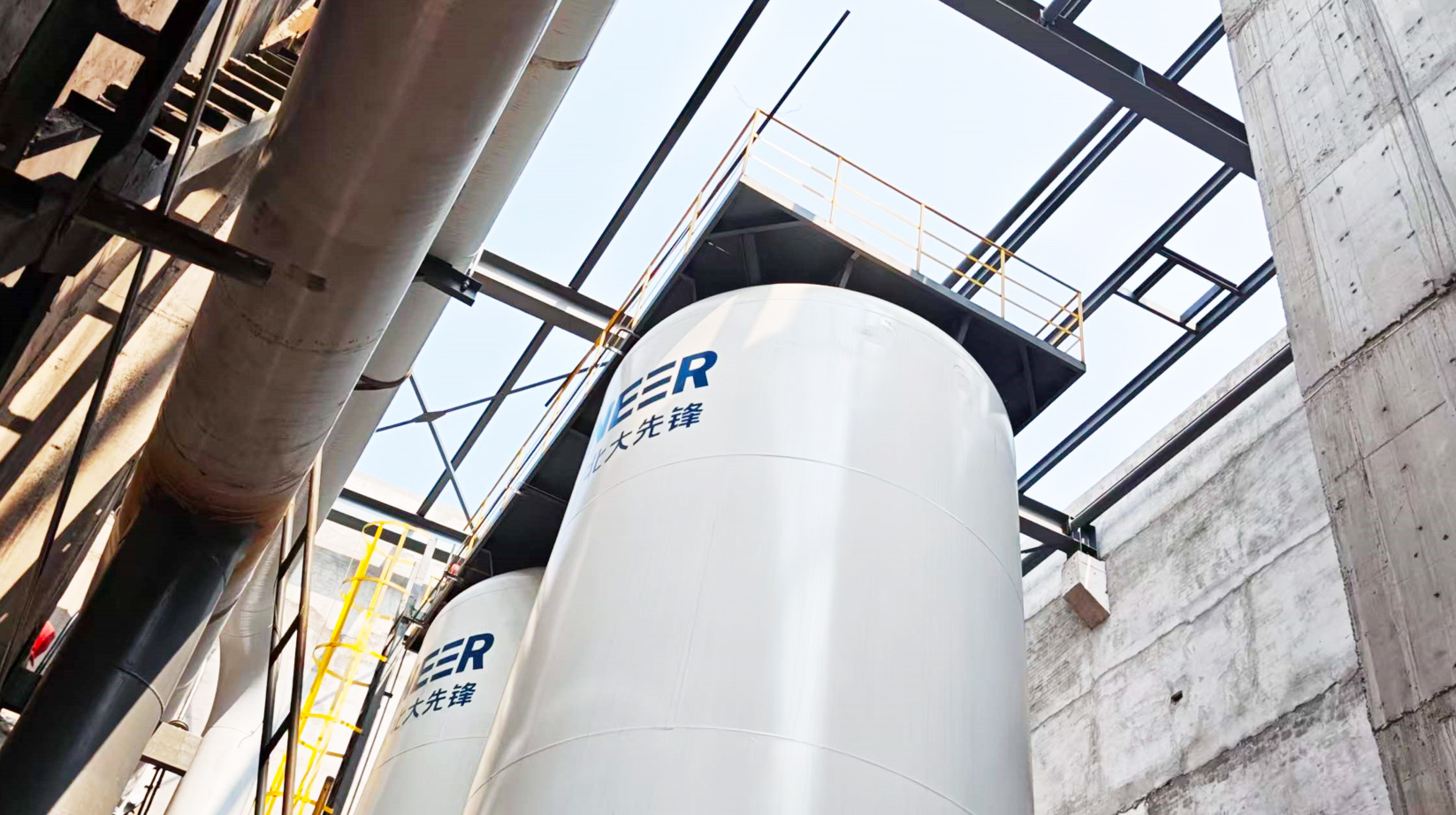
15,000 Nm³/h VPSA Oxygen Plant for a Leading Cast Iron Producer by PKU Pioneer
A 15,000 Nm³/h VPSA oxygen plant, retrofitted within the existing facility to double capacity, now operational at a North China cast iron producer — achieving power consumption as low as 0.28 kWh/Nm³ (100% O₂ basis) and cutting oxygen costs by ~50% versus cryogenic separation, with a projected payback period of under one year.
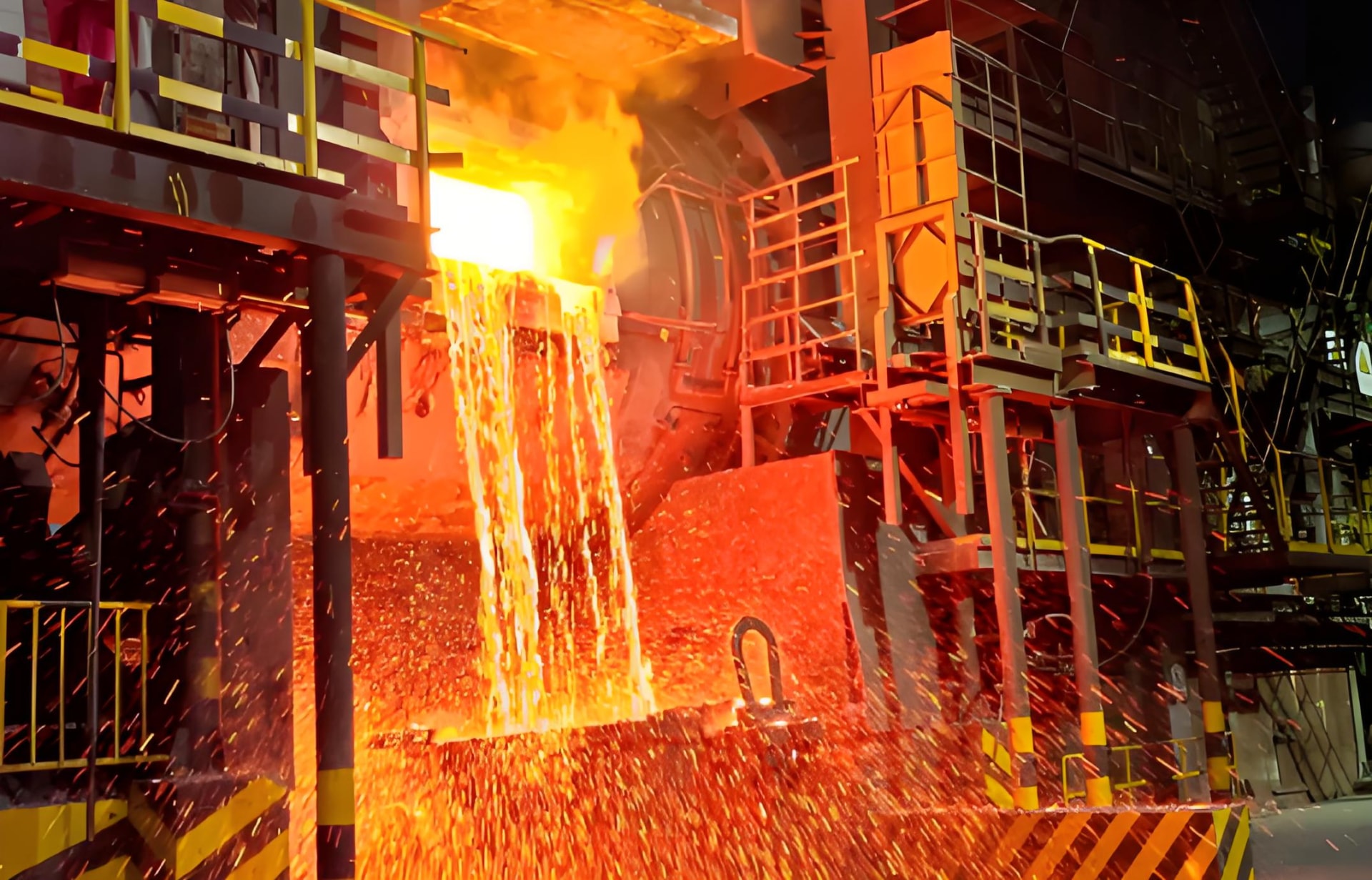
12,500 Nm³/h VPSA Oxygen Plant for Copper Smelting
PKU Pioneer successfully commissioned a 12,500 Nm³/h VPSA oxygen plant for Wuxin Copper, helping eliminate oxygen supply bottlenecks and improve oxygen-enriched smelting efficiency. The project significantly reduced oxygen production costs, enhanced automation capabilities, and supported the customer’s capacity expansion and green metallurgy upgrade.
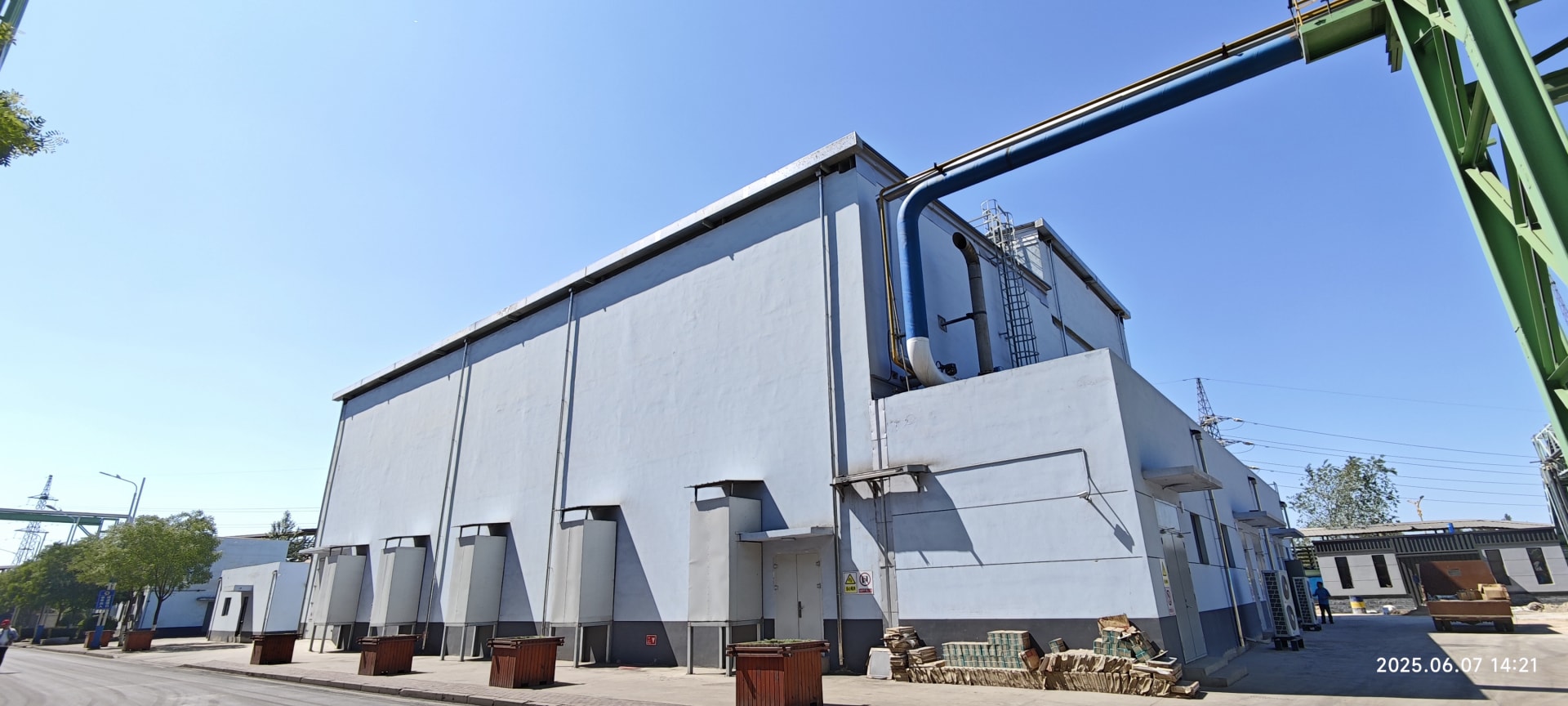
Blast Furnace Oxygen Enrichment PSA Project
PKU Pioneer successfully commissioned a second-phase 14,000 Nm³/h PSA oxygen plant for Chifeng Yuanlian Iron & Steel, expanding total oxygen generation capacity to 28,000 Nm³/h. The project significantly reduced oxygen production costs, improved operational flexibility, and supported the steel mill’s energy-saving and low-carbon transformation goals.
Competitive Comparison
| Feature/Aspect | This Product | Typical Alternative |
|---|---|---|
| CO product purity capability | 95-99.9% | Often lower or less stable depending on feed and process |
| CO recovery performance | 80%-95% | Often lower recovery or higher loss |
| Feed gas flexibility | Suitable for any CO-rich feed gas | Often limited by feed composition constraints |
| Key separation material | Patented PU-1 adsorbent with ultra-high CO adsorption capacity and selectivity | Non-patented adsorbents or less selective materials |
| Operating conditions | Moderate operating conditions | Often higher complexity or harsher conditions |
| Load regulation | Easy load regulation | Often less flexible |
| Ability to address BFG to CO challenge | Unique technology developed for blast furnace gas | Traditional cryogenic rectification cannot separate CO from BFG due to close boiling points of N2 and CO |
| Market-proven delivery capability | Dozens of plants delivered with strong market share | Limited references in comparable CO PSA scope |
| Economic advantage potential | Lower CO product cost supported by BFG-based separation economics | Higher production cost depending on route |
| Downstream application breadth | Proven across multiple carbonyl synthesis chains including TDI and MDI | Narrower application coverage |
Technology & Design Highlights
Patented PU-1 Adsorbent as the Core of CO Purification Performance
PSA-CO Plant is built around PU-1, PKU Pioneer’s independently-developed and produced PSA-CO adsorbent granted Chinese, USA, and Canadian patents. PU-1 delivers ultra-high adsorption capacity and selectivity for CO, enabling high purity, high recovery CO production essential for carbonyl synthesis industry competitiveness.
High and Low Consumption PSA-CO Process Engineering
Based on PU-1, PKU Pioneer originated a high and low consumption PSA-CO technology that separates CO efficiently from nitrogen, methane, and other components. The process emphasizes practical industrial deployment with moderate operating conditions, flexibility of feed gas, and easy load regulation to support steady economics in both continuous and variable production models.
Solving Difficult CO Separation Streams
Blast furnace gas and converter gas present internationally recognized separation challenges due to large amounts of N2 and CO2 and the close boiling points of N2 and CO that limit traditional cryogenic rectification routes. PKU Pioneer developed unique CO separation technologies for these gas sources, translating mature PSA expertise into industrially workable CO purification solutions for steel and chemicals co-production strategies.
Integrated Tail Gas Utilization Pathways and Emissions Reduction
PSA-CO Plant supports broader industrial energy-saving and low-carbon strategies by upgrading tail gases such as calcium carbide furnace exhaust and yellow phosphorus off-gas. These gas streams are rich in CO but historically underutilized due to impurities and purification difficulty. PKU Pioneer’s technology and catalyst development approach expands usable pathways for power generation, premium fuel substitution, and C1 chemical synthesis integration.
Industry Compliance & Quality Assurance
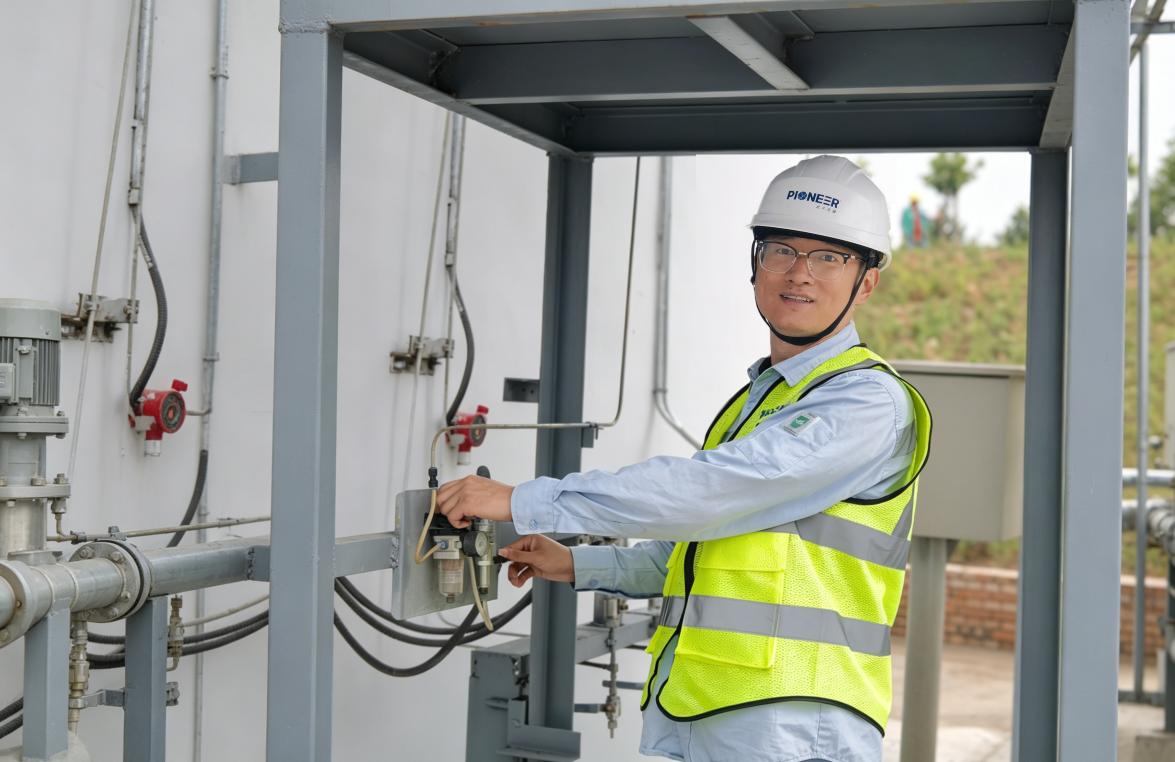
Beijing Peking University Pioneer Technology Corporation Ltd. is a state-recognized National High and New Technology Enterprise with a long-standing focus on VPSA and PSA gas separation, energy-saving, and environmental protection technologies. The company maintains dedicated R&D capabilities including an R&D center, a pilot base, and adsorbent and catalyst production bases, supporting quality control from materials development through equipment delivery.
PKU Pioneer’s technology credibility is reinforced by milestone industrial achievements, including early deployment of PSA-CO plants and national recognition for PSA-CO technology through Second Prize for National Technology Invention. The company has delivered large-scale integrated PSA plant clusters and first-of-kind industrial applications in CO purification, reflecting mature engineering governance, process validation practices, and delivery consistency expected by industrial and governmental stakeholders.
For industrial buyers, quality assurance strength is expressed through repeatable plant performance, stable materials supply from self-produced adsorbents and catalysts, and a service system designed to support engineering design, equipment supply, construction, commissioning, and long-term operation and maintenance alignment.
Global Reach & Target Markets
PSA-CO Plant supports global industries pursuing secure carbon monoxide supply, tail gas upgrading, and low-carbon value creation from steel and chemical gas streams. With extensive successful case studies and rich experience serving clients across multiple regions, PKU Pioneer delivers localization-friendly engineering that aligns with regional industrial standards, safety expectations for CO handling, and compliance practices required for chemical synthesis and industrial gas projects.
East Asia
Southeast Asia
Middle East
Europe
Americas
Customer Success & Experience
Based on decades of manufacturing expertise and continuous innovation in gas separation adsorbents, catalysts, and complete equipment systems, PKU Pioneer has designed and constructed dozens of PSA-CO plants for industrial clients. This hands-on delivery experience translates into practical project execution capability across diverse feed gases, operating conditions, and downstream CO purity requirements.
Representative project references include large-capacity CO purification from raw coke oven gas for glycol production in Xinjiang, CO purification from converter gas for oxalic acid and formic acid synthesis in Shandong, CO purification from natural gas reforming gas for polycarbonate and TDI production in Hebei, and a phase expansion CO purification project for glycol production in Xinjiang. These case types reflect real-world engineering competence across steel-related gases and chemical synthesis gas sources.
Customers benefit from a delivery model that integrates proprietary PU-1 adsorbent supply, mature PSA process engineering, and a structured service system that supports design, specialized equipment supply, construction, commissioning, and operation support. This combination helps drive customer satisfaction through repeatable CO product quality, reliable plant operation, and long-term competitiveness for downstream synthesis economics.
FAQ
Engineered Solutions Built for Performance
Power Your Oxygen Supply with VPSA Technology
Secure a stable, cost-effective oxygen solution tailored to your process.
Our engineering team supports you from system design to commissioning, ensuring reliable performance in real industrial conditions.
Request a Consultation
Tell us about your needs and we’ll get back to you shortly.