Industrial Oxygen Generation Guide for Global Market
Industrial Oxygen Generation Guide for Global Market
Quick Answer

Industrial oxygen production is the controlled separation of oxygen from air or oxygen-bearing gas streams for use in manufacturing, metallurgy, chemicals, glass, pulp and paper, wastewater treatment, energy, mining and environmental processes. For the Global Market, the four most common technologies are PSA oxygen generation, VPSA oxygen production, cryogenic air separation and membrane oxygen enrichment. Each method has a different balance of purity, capacity, power consumption, footprint, startup time and investment profile.
In simple terms, PSA and VPSA systems are usually preferred when a plant needs reliable on-site oxygen at approximately 80% to 95% purity, fast startup, flexible load adjustment and lower capital intensity than large cryogenic units. Cryogenic distillation is selected when very high purity oxygen, liquid oxygen, nitrogen and argon co-production, or extremely large tonnage capacity is required. Membrane systems are commonly used for lower-purity oxygen enrichment rather than high-purity industrial oxygen supply.
For steel mills in Tangshan, Pohang, Jamshedpur, Duisburg, Monterrey and Pittsburgh, oxygen enrichment can improve combustion, support blast furnace productivity and reduce fuel costs. For glass manufacturers near ports such as Rotterdam, Shanghai, Jebel Ali and Los Angeles, oxygen improves furnace temperature control and lowers flue gas volume. For chemical parks in Houston, Antwerp, Singapore, Jubail and Ningbo, oxygen supply decisions are often driven by purity, reliability, energy price and integration with downstream reactions.
If the application can use 80% to 94% oxygen, large VPSA oxygen plants are often among the most economical choices because they combine lower specific power consumption, modular scale-up and rapid response to changing production demand. If the process requires 99.5% or higher oxygen, or liquid oxygen logistics, cryogenic distillation remains the benchmark. The best decision depends on hourly demand, required pressure, purity, operating hours, local electricity tariffs, maintenance capacity, safety rules and return-on-investment targets.
| Technology | Typical purity | Typical scale | Main advantage | Common limitation | Best-fit applications |
|---|---|---|---|---|---|
| PSA oxygen | 90% to 95% | Small to medium | Compact, fast startup | Higher power at large scale than VPSA | Medical support, small furnaces, aquaculture, wastewater |
| VPSA oxygen | 80% to 94% | Medium to ultra-large | Low energy use and flexible operation | Usually not for ultra-high purity | Steel, glass, nonferrous metals, chemicals, paper |
| Cryogenic distillation | 95% to 99.9%+ | Large to very large | Highest purity and co-products | High CAPEX and longer startup | Large oxygen, nitrogen and argon demand |
| Membrane enrichment | 25% to 45% | Small to medium | Simple and continuous | Limited purity | Combustion enrichment, remote sites, low-purity use |
| Purchased liquid oxygen | 99.5%+ | Variable | No production plant required | Freight and supply dependency | Backup supply, intermittent demand, small users |
| Hybrid supply | Application-specific | Flexible | Balances reliability and cost | More complex planning | Plants needing both base load and backup oxygen |
This table shows why there is no single “best” oxygen production method. The correct selection starts with the process requirement, not with the equipment catalogue. A cement kiln seeking oxygen enrichment has a different business case from a chemical reactor requiring high-purity oxygen, and a large integrated steel complex has a different supply strategy from a remote mining operation.
Industrial Oxygen Production Methods: PSA, VPSA, Cryogenic Distillation and Membrane

The Global Market uses a mix of oxygen production methods because industrial demand is highly diversified. In mature industrial regions such as North America, Western Europe, Japan and South Korea, users often compare new on-site units with long-term liquid oxygen supply contracts and existing cryogenic infrastructure. In fast-growing regions such as Southeast Asia, India, the Middle East, Africa and Latin America, manufacturers often evaluate modular on-site oxygen generation to reduce logistics risk and accelerate project deployment.
Pressure Swing Adsorption, known as PSA, separates oxygen from compressed air by using adsorbents that preferentially capture nitrogen, carbon dioxide and moisture. The system operates between high and low pressure steps, producing oxygen during adsorption and regenerating the adsorbent during depressurization. PSA oxygen generators are popular for small and medium users because they are compact and can be installed without the complexity of cryogenic refrigeration.
Vacuum Pressure Swing Adsorption, or VPSA, follows the same adsorption principle but uses a lower-pressure blower and vacuum regeneration. This configuration is especially attractive for larger oxygen flows because it can reduce specific energy consumption. Modern VPSA oxygen systems can serve industrial furnaces, steel enrichment, chemical oxidation and wastewater aeration with rapid startup and broad turndown capability. For more information on this technology, the VPSA technology overview explains how adsorption-based oxygen generation is implemented in industrial projects.
Cryogenic air separation cools air to extremely low temperatures until oxygen, nitrogen and argon can be separated by distillation. It is capital-intensive and requires sophisticated cold boxes, compressors, expanders and heat exchangers, but it offers very high purity and can produce liquid products for distribution. Cryogenic plants dominate very large tonnage applications, especially when the customer needs multiple industrial gases at the same site.
Membrane oxygen enrichment uses polymeric or inorganic membranes that allow oxygen to pass faster than nitrogen. The oxygen-enriched product is generally lower in purity than PSA, VPSA or cryogenic oxygen. Membrane systems are valued where simplicity, compactness and moderate enrichment are more important than high oxygen concentration.
| Method | Air preparation | Separation principle | Startup speed | Operating flexibility | Strategic fit |
|---|---|---|---|---|---|
| PSA | Compressed, filtered and dried air | Nitrogen adsorption at pressure | Fast | Good | Distributed oxygen supply |
| VPSA | Blower-fed air with pretreatment | Adsorption with vacuum regeneration | Very fast for industrial scale | Excellent | Large on-site oxygen at moderate purity |
| Cryogenic | Highly purified and compressed air | Low-temperature distillation | Slow | Moderate | Ultra-high purity and co-products |
| Membrane | Compressed and filtered air | Selective permeation | Fast | Good | Low-purity enrichment |
| Liquid delivery | External production and storage | Off-site cryogenic liquefaction | Immediate if stocked | Dependent on logistics | Backup or low-volume demand |
| Hybrid plant | Combination of systems | Multiple separation routes | Application-specific | High | Risk reduction and optimized lifecycle cost |
The most important buying advice is to compare lifecycle cost rather than equipment price alone. A cheaper unit with higher energy consumption can become expensive within two or three years of continuous operation, especially in markets where electricity prices are volatile. Conversely, a very sophisticated plant can be oversized if the customer only needs intermittent oxygen at moderate purity.
How Pressure Swing Adsorption Works for Large-Scale Oxygen Production

Pressure swing adsorption works because different gas molecules interact with adsorbent materials in different ways. In a typical oxygen system, nitrogen is more strongly adsorbed than oxygen. When compressed air enters the adsorption bed, nitrogen is captured while oxygen passes through as product gas. When the bed becomes saturated, the system switches to another bed while the first bed is depressurized or evacuated to release the adsorbed nitrogen. This alternating cycle enables continuous oxygen production.
Large-scale oxygen production requires far more than a simple adsorption vessel. It needs carefully engineered blowers or compressors, vacuum pumps, valves, silencers, buffer tanks, analyzers, control logic, adsorbent loading design, flow distribution, safety interlocks and remote monitoring. The performance of the system depends on cycle design, adsorbent quality, bed geometry, valve reliability and process control accuracy.
VPSA technology is especially important for large industrial oxygen production because it uses vacuum regeneration to improve desorption efficiency. Lower feed pressure can reduce compression energy, while the vacuum step refreshes the adsorbent for the next cycle. In many steel, glass and chemical applications, this creates a favorable balance between power consumption and oxygen recovery. PKU Pioneer has developed large VPSA oxygen systems for capacities ranging from compact modular units to ultra-large installations above 100,000 Nm3 per hour, making the technology suitable for both regional manufacturers and major industrial groups.
A practical large-scale PSA or VPSA oxygen plant normally includes pretreatment filters to remove dust and oil, a blower or compressor, adsorption vessels filled with molecular sieve, switching valves, oxygen buffer tanks, oxygen analyzers, PLC or DCS controls, product delivery piping and optional pressure boosting. In hot climates such as the Gulf region, India, Southeast Asia and northern Australia, intake air temperature and cooling design require special attention. In cold regions such as Canada, northern China, Scandinavia and Kazakhstan, freeze protection and instrument air quality are equally important.
For customer-owned oxygen plants, the engineering contractor should define guaranteed purity, flow, power consumption, pressure, noise level, cooling water demand, turndown range, availability and maintenance schedule. Strong guarantees make commercial comparison easier and reduce ambiguity during performance testing.
Production Capacity and Scale: From Small Systems to Large Industrial Plants
Industrial oxygen demand ranges from a few cubic meters per hour to hundreds of thousands of cubic meters per hour. A small wastewater facility may need oxygen only for aeration enhancement, while a steelmaking complex may need large continuous volumes for blast furnace enrichment, basic oxygen furnace operations, ladle treatment, cutting, reheating and environmental systems. Capacity planning must account for current consumption, future expansion, peak demand, standby requirements and the cost of oxygen shortages.
Small PSA oxygen systems are often skid-mounted and suitable for local users that want independence from cylinder or liquid delivery. Medium systems can support glass furnaces, nonferrous metal operations, chemical oxidation, paper bleaching and medical-industrial mixed demand. Large VPSA oxygen plants serve continuous industrial users where oxygen is a process input rather than an auxiliary utility. Cryogenic units serve very large integrated gas requirements and can support pipeline networks in industrial clusters.
Ports and trade hubs influence capacity decisions. A facility near Singapore, Rotterdam, Houston Ship Channel, Antwerp-Bruges, Busan or Shanghai may have access to multiple industrial gas suppliers and liquid oxygen logistics. A plant located inland in Mongolia, western China, central India, northern Mexico or parts of Africa may face higher freight costs and stronger incentives to install on-site oxygen generation.
The line chart illustrates a realistic growth pattern for on-site oxygen generation demand. Growth is supported by industrial decarbonization, energy efficiency targets, supply chain resilience and the expansion of steel, chemical, glass and environmental infrastructure in emerging markets. By 2026, buyers increasingly compare oxygen supply as a strategic production utility rather than a commodity purchase.
| Capacity range | Typical technology | Typical user | Project style | Key concern | Buying recommendation |
|---|---|---|---|---|---|
| 10 to 100 Nm3/h | PSA or membrane | Small workshops, aquaculture, clinics | Skid package | Reliability and simplicity | Choose standard equipment with local service |
| 100 to 1,000 Nm3/h | PSA | Glass, wastewater, small metallurgy | Packaged plant | Power and maintenance | Check compressor efficiency and spare parts |
| 1,000 to 10,000 Nm3/h | PSA or VPSA | Chemicals, paper, nonferrous metals | Modular engineering | Lifecycle cost | Compare guaranteed kWh per Nm3 |
| 10,000 to 50,000 Nm3/h | VPSA or cryogenic | Steel, glass clusters, large chemicals | Engineered plant | Availability and integration | Evaluate EPC capability and references |
| 50,000 to 150,000 Nm3/h | VPSA or cryogenic | Large steel and industrial parks | Turnkey project | Power cost and risk | Require performance tests and redundancy plan |
| 150,000 Nm3/h+ | Cryogenic or multi-train VPSA | Mega sites and gas networks | Major capital project | Product mix and long-term strategy | Model oxygen, nitrogen, argon and backup needs together |
Scale also affects contracting strategy. For small systems, a buyer may focus on equipment purchase and installation. For large oxygen plants, the buyer should evaluate process design, civil works, electrical load, control integration, safety review, operator training, long-term spares and performance guarantees. A supplier with EPC and turnkey experience can reduce coordination risk, especially when the project must be synchronized with furnace commissioning or a steel line upgrade.
Oxygen Purity Levels by Production Method and Application Requirements
Oxygen purity must match the process requirement. Higher purity is not always better if it adds unnecessary cost. Many combustion and enrichment processes perform well at 80% to 94% oxygen. Some chemical processes require tighter specifications for oxygen purity, moisture, carbon dioxide, hydrocarbons or inert gases. Medical oxygen and electronics applications have their own standards and validation requirements.
In steelmaking, oxygen purity requirements vary by use. Basic oxygen furnaces may require high-purity oxygen, while blast furnace enrichment can often use lower-purity oxygen depending on process design. In glass manufacturing, oxy-fuel combustion commonly benefits from high oxygen concentration but may not always require cryogenic purity if the furnace design and emissions targets are compatible. In wastewater treatment, oxygen transfer efficiency is often more important than ultra-high purity.
VPSA oxygen production typically offers 80% to 94% purity. PSA oxygen commonly reaches 90% to 95%. Cryogenic distillation can produce oxygen above 99.5% and can also deliver liquid oxygen. Membrane technology usually provides oxygen-enriched air around 25% to 45%, although exact values depend on membrane design and operating pressure.
| Application | Common purity range | Preferred method | Why it fits | Pressure need | Important specification |
|---|---|---|---|---|---|
| Blast furnace oxygen enrichment | 80% to 94% | VPSA | Large flow and low energy cost | Low to medium | Stable flow and fast load change |
| Basic oxygen furnace | 95% to 99.5%+ | Cryogenic or hybrid | High purity and high pressure | Medium to high | Purity, pressure and safety |
| Glass oxy-fuel furnace | 85% to 99.5% | VPSA or cryogenic | Fuel saving and emission control | Medium | Moisture and flow stability |
| Chemical oxidation | 90% to 99.5%+ | PSA, VPSA or cryogenic | Depends on reaction sensitivity | Application-specific | Impurity control |
| Pulp and paper bleaching | 90% to 95% | PSA or VPSA | Good purity without cryogenic CAPEX | Medium | Continuous availability |
| Wastewater aeration | 80% to 95% | PSA or VPSA | Improves oxygen transfer | Low to medium | Energy per kg oxygen transferred |
The table highlights an essential procurement principle: the oxygen specification should be written around the process outcome. For example, a steel plant may care about coke rate reduction and furnace productivity, while a glass manufacturer may care about melting efficiency, NOx reduction and furnace life. Purity is one parameter among many.
Energy Consumption and Efficiency Comparison Across Production Technologies
Energy consumption is usually the largest operating cost for on-site oxygen production. A plant running 8,000 hours per year will quickly reveal the true economics of blower, compressor, vacuum pump and control design. In electricity markets such as Germany, Italy, Japan, California and Singapore, power cost can dominate the oxygen production cost. In regions with lower industrial power tariffs, CAPEX and maintenance may have more weight, but energy still remains central to long-term ROI.
VPSA oxygen plants are often selected for medium and large industrial users because they can achieve low specific power consumption at suitable purity. Advanced systems may operate below 0.3 kWh per Nm3 in favorable designs and conditions. PSA systems can be efficient at smaller scale but may consume more energy at very high flows because they rely on compressed air. Cryogenic plants have higher complexity but may be efficient for extremely large flows and co-production of nitrogen and argon. Membrane systems can be efficient for low-purity enrichment but are not comparable when high oxygen purity is required.
The bar chart shows that steel remains the largest demand center for industrial oxygen, followed by chemicals and glass. This explains why large-scale VPSA and cryogenic technologies receive the most attention in heavy industry. However, smaller segments such as wastewater, mining and paper are increasingly important because they support environmental compliance and resource efficiency.
| Technology | Indicative energy profile | Best efficiency range | Main energy drivers | Improvement measures | Buyer checklist |
|---|---|---|---|---|---|
| PSA oxygen | Moderate | Small to medium flow | Air compressor efficiency | Efficient compressor, heat management | Ask for full-load and part-load data |
| VPSA oxygen | Low to moderate | Medium to large flow | Blower, vacuum pump, adsorbent | Optimized cycle and low-pressure design | Verify kWh per Nm3 at guaranteed purity |
| Cryogenic distillation | Moderate at very large scale | Large continuous flow | Main air compressor and refrigeration | Heat integration and turbine efficiency | Model oxygen plus co-product value |
| Membrane | Low for enrichment | Low-purity applications | Compression pressure and recovery | Correct membrane sizing | Do not compare with high-purity oxygen directly |
| Liquid oxygen delivery | Hidden off-site energy | Backup or small demand | Liquefaction and transport | Storage optimization | Include freight, evaporation and rental fees |
| Hybrid supply | Optimized if designed well | Variable demand | Operating dispatch strategy | Base-load on-site plus liquid backup | Simulate peak and emergency scenarios |
For 2026 and beyond, energy efficiency will be increasingly linked to carbon accounting. Buyers in the European Union, China, South Korea, Japan, the United States and export-oriented manufacturing hubs are under pressure to reduce indirect emissions. Oxygen plants with lower electricity consumption help reduce Scope 2 emissions, especially when paired with renewable power purchase agreements or on-site solar and wind energy.
Industrial Oxygen Production Applications in Steel, Chemical, Glass and Paper Sectors
Industrial oxygen is not simply a utility; it is a process intensifier. In steel, oxygen supports blast furnace enrichment, converter steelmaking, electric arc furnace operations, cutting, scarfing and reheating. Oxygen-enriched blast furnace operation can improve combustion intensity, support pulverized coal injection and increase productivity. In regions such as Hebei, Odisha, Gyeongbuk, the Ruhr, Minas Gerais and the Great Lakes, steel companies evaluate oxygen cost together with fuel savings, production stability and emissions reduction.
In the chemical industry, oxygen is used for oxidation reactions, synthesis gas processes, wastewater treatment, gasification, sulfur recovery and specialty chemical production. Chemical parks in Houston, Antwerp, Ludwigshafen, Singapore, Jubail, Dammam, Ningbo and Ulsan often require integrated gas supply planning because oxygen demand may be linked to hydrogen, carbon monoxide, nitrogen and steam systems. Adsorption technologies can also recover valuable gases from by-product streams, improving resource utilization.
In glass manufacturing, oxygen improves flame temperature and heat transfer, enabling higher melting rates and lower fuel consumption. Oxy-fuel combustion can reduce nitrogen ballast and lower NOx formation because less nitrogen enters the furnace with combustion air. Glass producers in Turkey, Egypt, China, Mexico, Italy and the United States often consider VPSA oxygen when they need stable oxygen supply without the cost and logistics of large liquid oxygen deliveries.
In pulp and paper, oxygen is used for delignification, bleaching, black liquor oxidation and wastewater treatment. Mills in Finland, Sweden, Brazil, Canada, Indonesia and Chile often operate far from major gas distribution networks, making on-site generation attractive. Oxygen supply improves process performance while helping mills meet stricter environmental discharge requirements.
The area chart reflects a clear market shift toward on-site adsorption-based oxygen systems for medium and large projects. The shift is driven by fast installation, lower logistics dependence, modular expansion, energy savings and greater control over supply security. Cryogenic systems will remain essential, but they are no longer the default answer for every industrial oxygen user.
Production Cost Analysis: CAPEX, OPEX and ROI for Different Oxygen Production Methods
Production cost analysis should cover capital expenditure, operating expenditure, financing cost, maintenance, spare parts, operator labor, downtime risk, electricity price escalation and residual value. For oxygen-intensive industries, the right supply method can save millions of dollars over the plant life. For smaller users, the benefit may be supply independence and predictable monthly cost rather than dramatic savings.
CAPEX includes equipment, engineering, civil foundation, building or shelter, electrical systems, cooling, piping, controls, installation, commissioning and training. VPSA and PSA systems often have lower capital cost and shorter project timelines than large cryogenic air separation units. Cryogenic units require more complex infrastructure but can be justified where very high purity and co-products create additional value.
OPEX includes power, maintenance, adsorbent replacement, lubricant, filters, valves, instruments, cooling water, operators and service support. For adsorption systems, molecular sieve quality and valve life directly affect performance. PKU Pioneer manufactures proprietary adsorbents and catalysts, including high-performance molecular sieve products, which supports process optimization and quality control across the supply chain.
ROI is strongest when an on-site oxygen plant replaces expensive liquid oxygen deliveries, reduces fuel consumption, improves throughput, lowers emissions charges or enables by-product gas utilization. A steel plant that uses oxygen enrichment to reduce coke and natural gas consumption can justify investment faster than a plant with intermittent low-volume oxygen demand.
| Cost item | PSA | VPSA | Cryogenic | Membrane | Commercial note |
|---|---|---|---|---|---|
| Initial investment | Low to moderate | Moderate | High | Low to moderate | Depends heavily on capacity and pressure |
| Power cost | Moderate | Low at suitable scale | Moderate for large integrated plants | Low for low purity | Always compare guaranteed operating data |
| Maintenance | Moderate | Moderate | High technical complexity | Low to moderate | Spare parts access is critical |
| Project schedule | Short | Short to medium | Long | Short | Important for brownfield upgrades |
| Purity value | Medium | Medium | High | Low | Do not overpay for purity not needed |
| ROI potential | Good | Very good for large moderate-purity demand | Good for mega-scale multi-gas demand | Good for enrichment only | Best evaluated using lifecycle cash flow |
A practical ROI model should compare at least three scenarios: continued purchased oxygen, on-site PSA or VPSA, and cryogenic or hybrid supply. The model should include local electricity rates in cities such as Mumbai, Istanbul, São Paulo, Johannesburg, Chicago or Bangkok, as well as freight distance from oxygen terminals, port congestion, storage tank rental and emergency supply costs.
Our Company
PKU Pioneer, formally Beijing Peking University Pioneer Technology Corporation Ltd, is a high-tech enterprise specializing in PSA and VPSA gas separation technologies. Established in 1999 with roots in the College of Chemistry and Molecular Engineering at Peking University, the company has built extensive experience in industrial oxygen generation, high-purity carbon monoxide production, hydrogen recovery and utilization of industrial by-product gases.
Technological capabilities are a core strength. PKU Pioneer integrates process research, adsorbent development, catalyst know-how, cycle optimization, control system design and industrial scale-up. The company has completed more than 400 industrial projects in over 20 countries and has accumulated installed oxygen capacity exceeding 2 million Nm3 per hour. Its large-scale VPSA oxygen plants are used by steel, chemical, glass and energy customers that need stable, cost-effective oxygen supply. Readers can explore representative achievements through world-class innovative project examples.
Manufacturing capabilities are also integrated. PKU Pioneer produces proprietary adsorbents and catalysts, fabricates complete equipment, and designs modular or large engineered oxygen systems. This internal control helps align molecular sieve performance, vessel design, valve sequencing and control strategy. The product portfolio includes large VPSA oxygen plants, compact PSA oxygen generators, PSA carbon monoxide systems, PSA hydrogen purification systems and pilot-scale testing platforms. For users comparing oxygen equipment, the industrial VPSA oxygen plant page provides a useful starting point.
Service capabilities cover project consultation, technical proposal development, engineering design, equipment supply, installation guidance, commissioning, operator training, maintenance, retrofits, upgrades, pilot testing and professional consulting. The company provides EPC, turnkey and customer-owned plant solutions. It does not present these solutions as BOO or on-site bulk supply services; instead, the focus is helping customers own and operate efficient oxygen generation assets with strong technical support.
PKU Pioneer has delivered landmark projects including very large VPSA oxygen systems for steel enterprises and by-product gas utilization projects that convert previously wasted industrial streams into valuable products. Its technologies have supported fuel replacement, energy savings, emission reduction and process stability. With more than 180 patents, ISO, CE and ASME-related capabilities, and engineering teams serving global customers, the company is positioned as a specialist supplier for industrial gas separation projects.
For organizations evaluating customer-owned oxygen generation plants, visit the PKU Pioneer official website or learn more about the company’s background on the company introduction page. For compact oxygen supply needs, the PSA oxygen generator information may be more relevant.
The comparison chart shows that technology choice depends on priorities. VPSA performs strongly in large-scale moderate-purity oxygen, energy efficiency and fast startup. Cryogenic air separation leads in ultra-high purity and co-product recovery. PSA remains highly competitive for compact modular oxygen supply.
FAQ
What is the best method for industrial oxygen production?
The best method depends on purity, flow, pressure and economics. VPSA is often excellent for large moderate-purity oxygen demand, PSA for small to medium oxygen generation, cryogenic distillation for ultra-high purity and multi-gas production, and membrane systems for low-purity enrichment.
Is VPSA oxygen suitable for steel plants?
Yes. VPSA oxygen is widely used for blast furnace oxygen enrichment and other steel applications where 80% to 94% oxygen is suitable. It can reduce fuel use, improve productivity and provide flexible on-site supply.
When should a buyer choose cryogenic oxygen?
Cryogenic oxygen is preferred when the process requires very high purity, liquid oxygen, large nitrogen or argon co-production, or extremely large continuous demand. It is also common in integrated industrial gas networks.
How fast can PSA or VPSA oxygen systems start?
Many adsorption-based systems can start much faster than cryogenic units. Modern VPSA oxygen plants may reach stable production in a short startup window, often around tens of minutes depending on size and design.
What purity can PSA oxygen reach?
PSA oxygen systems commonly deliver about 90% to 95% oxygen. Exact purity depends on feed air quality, adsorbent, cycle design, flow rate and pressure requirements.
What purity can VPSA oxygen reach?
VPSA oxygen systems typically provide 80% to 94% oxygen. This range is highly suitable for many steel, glass, chemical, nonferrous metal, paper and environmental applications.
How should I compare oxygen production costs?
Compare total lifecycle cost, including CAPEX, power consumption, maintenance, spare parts, installation, downtime risk, financing and backup oxygen. Energy consumption should be checked at the guaranteed flow and purity, not only at nominal conditions.
Can on-site oxygen generation replace liquid oxygen?
Yes, in many industrial cases. On-site PSA or VPSA oxygen can reduce dependence on liquid oxygen deliveries, especially for continuous users. Some plants still keep liquid oxygen as emergency backup.
What are the main 2026 trends in industrial oxygen production?
Key trends include larger VPSA systems, lower-energy adsorbents, digital monitoring, predictive maintenance, modular construction, carbon reduction, hybrid supply models and stronger demand from steel decarbonization, chemical recycling and environmental infrastructure.
Does PKU Pioneer provide BOO or on-site bulk supply services?
PKU Pioneer focuses on EPC, turnkey and customer-owned plant solutions for PSA and VPSA gas separation projects. The company supports customers with engineering, equipment, commissioning and services, rather than positioning its offering as BOO or on-site bulk supply.
About the Author
Founded in 1999, PKU Pioneer specializes in VPSA and PSA gas separation technologies, adsorbents, catalysts, and integrated engineering solutions. Backed by strong R&D capability and extensive industrial project experience, the company serves global customers across steel, chemical, energy, environmental protection, and related industries.
Share
Related News
-
5000 Nm³/h Oxygen Plant Cost Guide for Malaysia
A 5000 Nm³/h oxygen plant in Malaysia is typically a strong fit for steel processing, glass furnaces, non-ferrous metallurgy, wastewater ozone support, and selected chemical operations that need stable on-site oxygen without relying on daily liquid deliveries. For most Malaysian buyers, the most practical solution at this capacity is a VPSA oxygen plant with product purity commonly in the 90% to 93% range, fast start-up, lower operating cost than frequent bulk liquid oxygen purchase, and easier load adjustment for plants in Johor, Selangor, Penang, Kuantan, Bintulu, and Pasir Gudang.The most relevant companies to shortlist include Linde Malaysia, Air Liquide Malaysia, Yingde Gases, NOVAIR, and PKU Pioneer for engineered oxygen generation projects and related technical support. Local buyers should compare oxygen purity, specific power consumption, blower and vacuum pump brands, automation level, delivered scope, civil work responsibility, and long-term spare parts access before selecting a supplier.For buyers focused on capital efficiency, qualified international suppliers can also be considered alongside established local gas companies. Chinese engineering firms with proven VPSA references, recognized certifications, and responsive pre-sales and after-sales support often offer attractive cost-performance advantages, especially for customer-owned EPC or turnkey plants rather than BOO or on-site bulk gas supply models.Malaysia remains one of Southeast Asia’s most practical markets for mid-to-large oxygen generation assets because industrial demand is concentrated around active manufacturing and process hubs. In Peninsular Malaysia, heavy consumption clusters around Klang Valley, Port Klang, Shah Alam, Pasir Gudang, Johor Bahru, and Kuantan. In East Malaysia, demand is shaped by process industries in Bintulu, Samalaju, and related industrial corridors. These locations matter because transport distance strongly affects the economics of liquid oxygen supply. Once oxygen consumption becomes continuous and sizeable, an on-site plant often becomes more economical and more secure than tanker-based supply.The market also benefits from good port connectivity. Port Klang, Tanjung Pelepas, Kuantan Port, Penang Port, and Bintulu Port make it relatively efficient to import packaged equipment, blowers, valves, analyzers, and control systems. That said, project success still depends on local utility conditions such as power reliability, plot space, ambient temperature, rain exposure, and maintenance capability. In Malaysia’s humid climate, air pretreatment quality and corrosion-aware material selection are especially important for stable long-term VPSA operation.From an investment perspective, a 5000 Nm³/h oxygen plant sits in a useful middle zone. It is large enough to produce meaningful savings for continuous users, but still compact enough to fit into many industrial estates without the footprint and complexity of a cryogenic ASU. This is one reason VPSA oxygen plants continue to attract interest from Malaysian end users that want to own the asset directly and control operating costs over the long term.The line chart above illustrates a realistic growth pattern for interest in on-site oxygen systems in Malaysia. Demand is driven by the need to control energy cost, reduce logistics exposure, and improve production stability. The projected increase into 2026 also reflects stronger sustainability targets and a wider preference for process optimization across steel, glass, chemicals, and environmental projects.At around 5000 Nm³/h, buyers usually compare three supply routes: delivered liquid oxygen, cryogenic air separation, and VPSA oxygen generation. For many Malaysian industrial users, VPSA becomes attractive because it can provide a stable oxygen stream with lower capital intensity than a full cryogenic plant and lower long-term exposure to tanker price volatility than purchased liquid oxygen.VPSA systems use adsorbents to separate oxygen from air under alternating pressure conditions. The process is well suited to medium and large oxygen demand where purity around 90% to 93% is technically acceptable. Typical system packages include air filters, blower units, adsorption vessels, vacuum system, oxygen buffer tank, oxygen compressor if required, analyzers, PLC control, and power distribution. Some projects also include backup liquid oxygen tie-in for maintenance or demand peaks.The key decision point is not just installed capacity. Buyers in Malaysia should define oxygen pressure at battery limit, minimum acceptable purity, annual operating hours, ambient temperature profile, utility power tariff, and expected load fluctuation. A system designed for continuous steel enrichment service looks different from one serving glass melting or wastewater-related oxidation support.Several product configurations are available in the Malaysian market, and each serves a different operational need. The right choice depends on purity target, pressure requirement, daily load profile, and whether the buyer wants a fully customer-owned plant or a supply contract structure from a gas company.Plant TypeTypical Capacity RangeTypical Oxygen PurityBest Use Case in MalaysiaMain AdvantageMain LimitationPSA Oxygen Generator10 to 2000 Nm³/h90% to 95%Hospitals, workshops, smaller fabrication unitsCompact and modularLess suitable for 5000 Nm³/h scaleVPSA Oxygen Plant500 to 100000+ Nm³/h80% to 94%Steel, glass, non-ferrous, chemicalsLow operating cost at medium-large scaleUsually lower purity than cryogenicCryogenic ASU5000 to very large scale99.5%+High-purity oxygen and multiple gas productsVery high purity, co-production of nitrogen/argonHigher capital cost and complexityLiquid Oxygen SupplyFlexible by tanker logistics99.5%+Backup supply, low to medium demand, remote usersNo plant ownership requiredHigh long-term delivered costHybrid VPSA + LOX Backup1000 to 30000 Nm³/h90% to 93% from VPSAPlants requiring reliability and maintenance coverBalanced resilience and costNeeds storage and integration planningContainerized Modular Oxygen UnitUp to medium scale90% to 95%Fast-track projects and temporary demand growthShorter installation scheduleLess optimal for permanent large loadsThe table shows why VPSA is usually the leading option for a 5000 Nm³/h oxygen plant in Malaysia. It provides an economical middle path for users that need dependable oxygen flow but do not require cryogenic purity. A hybrid arrangement is also common where uptime risk is critical and a liquid oxygen backup line is justified.Cost is shaped by more than just the core oxygen generation skid. Malaysian buyers should evaluate total installed cost, which includes imported equipment, freight, local transport, foundations, erection, cabling, pipe rack connection, instrument air tie-ins, commissioning, training, and spare parts. Exchange rates, port handling, import duties, and whether the project lands in West or East Malaysia can also shift the budget.For a customer-owned VPSA oxygen plant at 5000 Nm³/h, a realistic budget range often falls between a mid-single-digit and low double-digit million US dollar equivalent depending on battery limit conditions, oxygen delivery pressure, automation sophistication, and local scope division. The delivered oxygen cost over time depends heavily on power tariff, plant loading, adsorbent life, and maintenance quality.Cost ItemTypical Share of Total Project CostWhat It CoversMalaysia-Specific NotesCost Risk LevelBuyer CheckpointCore VPSA process package35% to 45%Adsorbers, blower, vacuum system, valves, controlsImported package often arrives through Port Klang or Johor portsMediumVerify supplier brands and redundancy designCompression and oxygen delivery8% to 15%Oxygen compressor, buffer tank, discharge controlsDepends on required outlet pressure at siteMediumMatch compressor design to actual process needCivil and structural works10% to 18%Foundations, buildings, steel platforms, drainageRainfall and soil condition matter in MalaysiaHighClarify local contractor scope earlyElectrical and instrumentation8% to 14%MCC, cabling, analyzers, PLC integrationGrid quality and utility interface may affect designMediumConfirm interface responsibilityInstallation and commissioning7% to 12%Mechanical erection, loop checks, startup, tuningTravel and local labor availability affect costMediumAsk for acceptance test guaranteesFreight, tax, and contingency8% to 15%Shipping, inland haulage, insurance, contingencyEast Malaysia projects may carry higher logistics costHighKeep realistic contingency reserveThis cost table helps buyers understand where budget pressure usually appears. Civil works and logistics often create the biggest gap between an initial quotation and final spending. For that reason, serious proposals should separate equipment price from local erection scope and should clearly define utilities, exclusions, and performance test conditions.For a 5000 Nm³/h unit, operating cost usually matters more than the initial purchase price over the life of the asset. Power consumption is the largest ongoing cost. A well-engineered VPSA plant can achieve competitive specific energy use, but actual performance depends on ambient condition, oxygen purity, machine loading, and maintenance quality. In Malaysia, where industrial users carefully watch electricity tariffs, small differences in specific power can translate into major annual cost differences.Other operating cost factors include adsorbent replacement cycle, lubricant use, instrument calibration, valve maintenance, blower overhaul, vacuum pump service, and manpower. Plants designed with reliable instrumentation and a sensible maintenance philosophy generally outperform the cheapest upfront option over five to ten years.The bar chart compares oxygen demand intensity by industry. Steel and glass remain especially important demand drivers for large VPSA systems in Malaysia, while chemicals and non-ferrous operations also support substantial project opportunities. Environmental applications are growing, but they often use smaller or differently configured oxygen systems.Industrial oxygen has broad use across Malaysia, but not every sector justifies a dedicated 5000 Nm³/h plant. This capacity is usually associated with medium to large continuous-process facilities where oxygen cost directly affects product margin and production stability.IndustryTypical Oxygen UseWhy 5000 Nm³/h FitsMain Location Examples in MalaysiaKey Procurement ConcernPreferred Supply ModelSteel and metal processingCombustion enrichment, decarburization, cutting supportContinuous, high-volume demandJohor, Selangor, KuantanPower cost and uptimeCustomer-owned VPSA or hybrid backupGlass manufacturingOxy-fuel enhancement and furnace efficiencyStable base-load oxygen requirementSelangor, Penang, JohorPurity consistencyCustomer-owned VPSANon-ferrous metallurgySmelting and oxidation supportMedium-large integrated operationsPahang, SarawakRemote site logisticsOn-site VPSAChemical processingOxidation reactions and process enrichmentUseful for continuous oxygen serviceKerteh, Gebeng, Pasir GudangPressure and process integrationVPSA with compressor packagePulp and paperBleaching and wastewater supportOnly at larger integrated millsSabah, SarawakMoisture and utility balanceCase-by-case VPSAEnvironmental treatmentOzone feed, aerobic treatment enhancementPossible where aeration cost is highUrban utility zonesVariable load demandModular or hybrid systemsThe table confirms that the best-fit sectors are those with sustained oxygen draw and measurable cost savings from process enrichment. Buyers in remote locations such as East Malaysia often see even stronger value from on-site generation because tanker logistics are more expensive and less flexible.In steel operations, oxygen enrichment can improve combustion efficiency, reduce fuel intensity, increase furnace productivity, and support better thermal control. In glass, oxygen can help raise flame temperature, reduce nitrogen ballast, and improve furnace output or emissions performance. In chemical plants, oxygen can support oxidation steps where process control and supply stability matter more than ultra-high purity.Some users also adopt a 5000 Nm³/h plant as part of a broader decarbonization strategy. While oxygen generation itself consumes electricity, optimized oxygen use can reduce total process fuel demand, improve yield, and lower specific emissions per ton of product. This matters in export-oriented industries that must increasingly document efficiency improvements to international buyers.Before requesting quotations, define the true operating envelope. Many buyers ask only for capacity and purity, but a reliable comparison also requires details on oxygen pressure, annual run hours, turndown range, preferred redundancy, utility voltage, site elevation, and whether there is a backup liquid oxygen connection. Quotations that look cheaper often exclude critical items such as oxygen compression, DCS integration, local installation support, or guaranteed energy performance.It is also wise to request a mass balance, utility consumption sheet, list of major equipment brands, process guarantee clause, spare parts list for two years, and a commissioning schedule tied to site milestones. For plants in humid coastal locations such as Port Klang, Johor, or Bintulu, ask how the design addresses corrosion exposure, intake air quality, and drainage.Buying FactorWhy It MattersRecommended Buyer ActionCommon MistakeCommercial ImpactTechnical ImpactSpecific power consumptionLargest driver of life-cycle costRequest guaranteed kWh per Nm³Comparing only purchase priceHighHighOxygen purity rangeAffects process suitabilityMatch purity to actual usePaying for unnecessary purityMediumHighPressure at battery limitChanges compressor scopeState required pressure clearlyLeaving pressure undefinedHighHighSupplier local supportReduces downtime and delayCheck Malaysia or regional service capabilityIgnoring spare parts lead timeHighMediumLoad flexibilityImportant for variable productionConfirm stable operation at partial loadAssuming full-load only operationMediumHighScope definitionPrevents disputes and extrasLock in battery limits and exclusionsAccepting vague turnkey wordingHighMediumThis buying checklist reduces procurement risk by forcing practical clarification before contract award. In Malaysia, project teams often work across engineering, procurement, finance, and operations departments, so a structured comparison table is especially useful when shortlisting vendors.Malaysia has access to both multinational gas companies and international equipment suppliers. Some companies focus on gas supply contracts, while others focus on EPC, turnkey, or customer-owned plant delivery. Buyers should separate these models because the economics, ownership, and risk allocation are very different.CompanyService RegionCore StrengthsKey OfferingsBest Fit for Malaysian BuyersCommercial Model FocusLinde MalaysiaNationwide industrial zonesStrong gas network, engineering depth, reliabilityIndustrial gases, oxygen supply, project supportLarge buyers seeking integrated gas expertiseSupply contracts and engineered solutionsAir Liquide MalaysiaMajor manufacturing corridorsGlobal process know-how and strong safety systemsOxygen, nitrogen, hydrogen, application supportPlants needing strong multinational backingSupply and project-based solutionsYingde GasesRegional industrial customers in AsiaLarge-scale gas project capabilityIndustrial gas supply and plant solutionsUsers comparing Asian supply alternativesProject and supply arrangementsNOVAIRSoutheast Asia via regional channelsOn-site gas generation specializationPSA and oxygen generation systemsMid-scale projects and modular needsEquipment supply and engineeringPKU PioneerMalaysia and broader Southeast AsiaLarge VPSA references, energy-efficient oxygen systemsVPSA oxygen plants, PSA gas systems, EPC/turnkey solutionsBuyers wanting customer-owned large oxygen plantsEPC, turnkey, and customer-owned plantsLocal industrial integratorsSelangor, Johor, Penang, SarawakFaster site support and local contractingPiping, installation, utilities integrationProjects needing local execution partnerSubcontracting and balance-of-plant supportThe supplier comparison above is most useful when paired with a detailed technical bid review. Multinational gas companies may be preferred where buyers value long-established local service and potentially broader gas portfolios. International engineering suppliers can be highly competitive where the goal is to build a customer-owned oxygen plant with controlled capex and efficient operation. The best outcome often comes from combining a strong process licensor or equipment supplier with a proven local Malaysian installation partner.The area chart highlights a realistic trend shift in Malaysia toward customer-owned oxygen systems for medium and large users. This does not eliminate the role of liquid oxygen or traditional gas suppliers, but it shows why more end users are considering direct plant ownership to improve cost visibility and supply security.Large VPSA oxygen references in Asia show that the technology is no longer limited to niche projects. Major steel applications have proven that very large plants can operate with strong stability and meaningful energy savings when engineering, adsorbent selection, machine matching, and control logic are handled properly. For Malaysian buyers, the main lesson is that supplier reference quality matters more than brochure claims.Another useful lesson comes from projects that replaced part of natural gas or improved combustion efficiency through oxygen enrichment. In sectors where fuel cost is volatile, oxygen integration can unlock process savings that justify the plant investment faster than expected. This is especially relevant in export-led manufacturing where margin pressure is high.For remote industrial areas or facilities with difficult logistics, on-site oxygen generation also reduces dependency on road tanker scheduling. In a market like Malaysia, where manufacturing clusters are strong but still spread across peninsular and East Malaysian geographies, this reliability benefit can be commercially significant.PKU Pioneer is relevant to Malaysian buyers looking for a customer-owned EPC, turnkey, or tailored plant solution because its oxygen generation business is built around large-scale VPSA and PSA engineering rather than BOO or on-site bulk supply contracts. The company combines in-house research and development, proprietary adsorbent production, equipment fabrication, and complete project delivery, supported by ISO, CE, and ASME credentials and more than 180 patents. Its industrial track record includes over 400 projects in more than 20 countries and total installed oxygen capacity exceeding 2 million Nm³/h, with landmark large-scale VPSA references reaching 87500 Nm³/h in China and a 146000 Nm³/h world-scale single unit, demonstrating that its manufacturing standards, component choices, testing discipline, and process design meet demanding international benchmarks. For Malaysian end users, distributors, engineering contractors, dealers, and brand owners, the company can support flexible cooperation models including direct EPC supply, turnkey delivery, OEM or ODM-based equipment collaboration, wholesale packages, retrofit support, pilot testing, leasing, and regional partnership development for customer-owned plants. Its growing Southeast Asian execution experience, including a 10000 Nm³/h VPSA oxygen project in Vietnam, shows practical regional capability rather than pure remote exporting, while its integrated pre-sales process design, commissioning, training, 24-hour response framework, and long-term operation and maintenance support provide both online and on-site assurance for buyers in Malaysia who need dependable technical follow-up across the full plant life cycle. Buyers who want to review project capability can explore the company’s VPSA oxygen technology platform, learn more about VPSA plant solutions, browse international project references, read the company’s technical strengths, or contact the team through the Malaysia project inquiry page for a proposal.By 2026, three trends are likely to shape the Malaysian oxygen plant market. First, energy efficiency will become a stronger procurement filter. Buyers will increasingly compare guaranteed specific power and partial-load stability, not only nameplate capacity. Second, sustainability reporting will push more factories to quantify the effect of oxygen enrichment on fuel intensity, yield, and emissions per unit of output. Third, digitalization will improve plant monitoring through smarter analyzers, predictive maintenance alerts, and tighter PLC or DCS integration.Policy and financing trends may also support more efficient industrial assets. As manufacturers in Malaysia compete for export markets, projects that reduce long-term operating cost and strengthen supply resilience are likely to receive more internal approval. In addition, regional supply chain shifts may create fresh oxygen demand in new industrial parks, especially where process industries expand near ports and logistics corridors.The comparison chart summarizes why VPSA remains a strong technical and commercial fit for many 5000 Nm³/h oxygen plant projects in Malaysia. It performs especially well where buyers prioritize ownership control, balanced energy efficiency, and flexible operation, while cryogenic systems remain preferable when ultra-high purity is essential.Most projects at this scale target around 90% to 93% oxygen, depending on process needs and optimization priorities. This is suitable for many steel, glass, metallurgy, and selected chemical applications in Malaysia.For continuous large-volume users, VPSA is often cheaper over the medium to long term because it reduces dependence on repeated tanker deliveries. The exact break-even point depends on electricity tariff, annual operating hours, distance from gas suppliers, and project financing assumptions.The required footprint depends on redundancy, compressor arrangement, building philosophy, and storage requirements. A 5000 Nm³/h VPSA project usually needs a meaningful but manageable industrial plot, often far less than a full cryogenic installation with similar strategic importance.Yes, but buyers should verify the guaranteed turndown range. Good VPSA designs can operate stably across a broad load window, which is helpful for Malaysian factories with changing production schedules.Turnkey can reduce coordination risk if the supplier is experienced and the scope is clearly defined. Split-package contracting can lower upfront price but may increase interface risk between process package, civil work, electrical systems, and local installation teams.The contract should include oxygen flow, purity, pressure, power consumption guarantee, startup criteria, performance test method, spare parts scope, training, documentation, warranty terms, and clear battery limits. These items are essential for avoiding disputes after delivery.For many industrial users in Malaysia, a 5000 Nm³/h oxygen plant is best approached as a life-cycle cost project rather than a simple equipment purchase. VPSA is usually the most commercially sensible technology when the required purity matches process needs and the plant will operate continuously. The right supplier decision depends on real references, transparent scope, local execution capability, and credible long-term service support. Buyers in Selangor, Johor, Kuantan, Penang, Bintulu, and other industrial hubs should compare local gas majors and qualified international VPSA specialists carefully, especially when evaluating customer-owned EPC or turnkey plant solutions that can deliver lower operating cost and stronger supply security over time. -
1000 Nm³/h Oxygen Generator Options in Malaysia
For a 1000 Nm³/h oxygen generator in Malaysia, VPSA is usually the better choice when you need continuous large-volume oxygen, lower long-term power consumption, and oxygen purity commonly in the 80% to 93% range for combustion enrichment, non-ferrous processing, glass, wastewater, and steel-related uses. PSA is generally the better fit when the project needs higher purity oxygen, a smaller plant footprint, simpler modular installation, or lower capacity with batch-based or intermittent demand. In practical Malaysian conditions, most buyers evaluating 1000 Nm³/h output should first test whether their process truly needs high purity or whether a lower-energy VPSA solution is more economical over the full lifecycle.In Malaysia, the most relevant suppliers and market participants for on-site oxygen projects include Linde Malaysia, Air Liquide Malaysia, Air Products Malaysia, NovaAir, Universal Industrial Gases, and PKU Pioneer as a specialist international supplier for customer-owned VPSA and PSA systems. Buyers in Johor, Selangor, Penang, Kuantan, Bintulu, and the Klang Valley should compare delivered oxygen cost, power tariff sensitivity, EPC scope, spare parts lead time, and service response before choosing a configuration.If you are buying rather than outsourcing gas supply, qualified international manufacturers can also be considered, especially Chinese technology companies that offer strong cost-performance, EPC or turnkey delivery, and responsive pre-sales and after-sales support backed by relevant certifications and export project experience.Malaysia is a practical growth market for mid-sized oxygen generation systems because industrial demand is spread across several active clusters rather than concentrated in only one sector. Manufacturing corridors around Shah Alam, Klang, Port Klang, Nilai, Pasir Gudang, Senai, Penang, Kuantan, and Sarawak support a broad mix of metal processing, glass, water treatment, chemicals, electronics, fabrication, and energy-linked operations. That makes the 1000 Nm³/h oxygen generator segment especially relevant: it is large enough to justify on-site generation economics, but still compact enough for modular deployment on many privately operated industrial sites.Several factors are pushing Malaysian buyers toward on-site oxygen instead of depending entirely on delivered liquid oxygen. First, logistics can become costly or uncertain for inland facilities, island operations, or plants that are distant from major distribution hubs. Second, industrial users increasingly want control over oxygen cost per Nm³ rather than exposure to recurring delivered-gas pricing. Third, sustainability pressure is increasing from multinational end users and export-oriented manufacturers that need lower-carbon utility strategies. Fourth, project owners are seeking systems that can ramp with demand growth rather than making oversized cryogenic investments too early.In this context, the choice between VPSA and PSA is not just a technical question. It affects energy cost, site layout, purity level, start-up profile, maintenance planning, and future expansion. Malaysian buyers also need to consider grid reliability, monsoon-season operating resilience, local operator capability, compressed air quality, and whether they prefer an EPC or turnkey handover of a customer-owned plant instead of relying on BOO or on-site bulk supply arrangements.The line chart above illustrates a realistic demand trend for on-site oxygen projects in Malaysia. Growth is supported by replacement of trucked liquid oxygen in medium-size industrial plants, expansion of environmentally driven treatment processes, and the gradual shift toward energy-optimized gas generation for captive use. By 2026, more buyers are expected to evaluate oxygen systems through total cost of ownership rather than just initial purchase price.A 1000 Nm³/h oxygen generator typically refers to the rated oxygen output under standard conditions. The two most common non-cryogenic technologies are VPSA and PSA. Both use adsorbents to separate oxygen from air, but they differ in process pressure regime, equipment arrangement, purity window, and operating economics.VPSA, or Vacuum Pressure Swing Adsorption, usually combines a blower, adsorption vessels, vacuum system, and oxygen buffer arrangement. It is best known for efficient oxygen production at medium purity and larger capacities. For buyers whose process can use oxygen around 80% to 93%, VPSA often provides a strong energy advantage at 1000 Nm³/h.PSA, or Pressure Swing Adsorption, generally uses compressed air with twin or multiple adsorption towers and tends to target higher oxygen purity, often around 90% to 95% or slightly above depending on the design. PSA systems are common in medical, laboratory, small industrial, and higher-purity applications where flow requirement is moderate and the site wants compact packaged equipment.FactorVPSA Oxygen GeneratorPSA Oxygen GeneratorWhat It Means for Malaysia BuyersTypical capacity suitabilityUsually stronger at medium to large capacitiesUsually stronger at small to medium capacitiesAt 1000 Nm³/h, VPSA is often commercially attractiveTypical purity rangeAbout 80% to 93%About 90% to 95%Choose based on actual process purity need, not assumptionEnergy profileOften lower per Nm³ at larger flowCan be higher at this capacity pointImportant under Malaysian industrial power tariffsFootprintUsually larger than compact PSA skidsOften more compactRelevant for dense factory estates near Klang or PenangStart-up and turndownGood flexibility with engineered controlFast and modular in many casesNeed to match variable shift operationsBest-fit industriesGlass, metals, wastewater, combustion enrichmentMedical, ozone feed, higher-purity industrial usesIndustry profile should decide technologyPlant ownership modelCommon in customer-owned EPC projectsCommon in skid package purchasesUseful for buyers avoiding long gas contractsThis comparison table shows why many 1000 Nm³/h projects in Malaysia land in a technical crossover zone. If the process can accept moderate purity oxygen, VPSA typically becomes the more efficient industrial choice. If the process requires higher purity or the user wants a smaller standalone package, PSA remains competitive.If your plant in Malaysia needs oxygen for furnace enrichment, gold leaching, glass melting, wastewater aeration intensification, non-ferrous recovery, or pulp-related oxidation, a VPSA plant is often the first configuration to evaluate. These processes usually prioritize volume, reliability, and delivered oxygen economics over the very highest purity. If your application needs oxygen closer to the upper purity band, such as specialized chemical oxidation, ozone generation feed, or certain healthcare-related industrial standards, PSA may be more suitable even if energy consumption is somewhat higher.Another practical selection factor is logistics. In industrial parks around Johor and Selangor, access for modular equipment, cranes, and maintenance teams is normally easier, which supports either solution. In more remote or energy-sensitive sites, VPSA lifecycle economics can become more compelling if operating hours are high. If the load fluctuates sharply, buyers should confirm stable operation between minimum and maximum demand, oxygen buffer sizing, and whether the selected vendor has real operating references in tropical climates.The bar chart highlights where demand for 1000 Nm³/h class oxygen systems is likely to come from in Malaysia. Metal processing and glass stand out because both can consume steady oxygen flow over long operating hours, which strengthens the business case for a VPSA installation. Wastewater and chemicals also remain important because tighter environmental compliance and process intensification are expanding oxygen demand in those sectors.Although the requested size is 1000 Nm³/h, suppliers may package the project in several different ways depending on customer priorities. Understanding these variants helps buyers compare quotations fairly.One option is a standard VPSA oxygen plant with blower, adsorption towers, vacuum package, oxygen receiver, control system, and optional booster. This is the most common route when medium purity oxygen is acceptable and energy cost matters. Another option is a higher-purity PSA skid train using compressor-based feed air. This can be suitable where the application is more purity-sensitive or where modular construction is critical. Some suppliers also propose expandable multi-skid layouts so buyers can start below 1000 Nm³/h and scale upward. Others offer integrated EPC solutions that include foundations, piping, power integration, analyzers, and plant commissioning.Product TypeTypical Oxygen PurityCommon Output LogicMain AdvantageMain LimitationGood Malaysia Use CasesStandard VPSA plant80% to 93%Continuous industrial base loadLower energy at larger flowNeeds more layout spaceGlass, smelting, oxidation, wastewaterIndustrial PSA plant90% to 95%Stable higher-purity supplyHigher purity compact plantCan cost more to run at 1000 Nm³/hChemicals, specialty process oxygenContainerized oxygen systemDepends on process designFast deploymentShort site installation timeLayout constraints on larger modulesRemote sites, temporary expansionsExpandable modular trainDepends on module choicePhased capacity increaseLower initial capex stepExpansion planning requiredGrowing factories and brownfield sitesEPC turnkey customer-owned plantApplication-specificFull-site integrationSingle responsible contractorLonger project coordination phaseIndustrial parks, major retrofitsHybrid with oxygen buffer and boosterDepends on generator corePressure-tailored downstream supplySupports process stabilityMore auxiliaries to maintainVariable-demand combustion systemsThis table matters because two bids for “1000 Nm³/h oxygen generator” may not be directly comparable. One supplier may quote only the core skid, while another includes analyzer package, oxygen storage, distribution piping, controls, and commissioning. Malaysian buyers should normalize all quotations to the same battery limits before making a decision.The best purchasing method is to start from process oxygen demand, not from the machine label. Ask what purity is truly required at the point of use, what pressure is needed, how many hours per year the plant runs, and whether the load is flat, seasonal, or shift-based. A buyer that over-specifies purity often ends up paying higher power and capex than necessary. A buyer that underestimates pressure requirement may later need expensive boosters or piping changes.Power cost is especially important. For a 1000 Nm³/h project, even a modest difference in kWh per Nm³ becomes significant over a year. That is why energy-performance guarantees should be written into the contract based on agreed feed-air conditions, ambient conditions, altitude, and oxygen purity. In Malaysia’s warm and humid climate, air pretreatment quality is also critical. Moisture, oil carryover, and temperature swings directly affect adsorbent life and plant stability.Site planning should include equipment access, noise management, vibration isolation, and room for maintenance. In industrial areas such as Port Klang, Shah Alam, and Pasir Gudang, factory land cost and access roads both influence design choice. A more compact PSA installation may appear attractive on footprint alone, but if oxygen cost over ten years is higher than a well-designed VPSA plant, the total economic result may still favor VPSA.Buyer CheckpointWhy It MattersVPSA ImpactPSA ImpactWhat to Ask SupplierCommon Malaysia ConcernRequired oxygen purityDrives technology choiceBest for medium purityBest for higher purityWhat purity is guaranteed at outlet?Overbuying purity raises costAnnual operating hoursDetermines lifecycle economicsStrong for continuous dutyMay suit lower duty cyclesShow energy cost at our duty profile24/7 factories need efficiencyAvailable site footprintAffects layout and civil costUsually needs more areaOften more compactProvide GA drawing and maintenance clearancesTight industrial estate spacePower tariff sensitivityLarge effect on OPEXOften favorable at scaleNeeds careful comparisonGive kWh per Nm³ guaranteeElectricity cost volatilityLoad variabilityAffects control strategyNeeds good turndown designModular control can helpWhat is stable operating range?Shift-based production changesAfter-sales supportLimits downtime riskCritical for rotating equipmentCritical for valve and adsorbent upkeepWhere are spare parts and service teams?Response time outside Klang ValleyScope definitionAvoids hidden costEPC often preferredSkid supply commonWhat is included in battery limits?Mismatch in quotation basisThe buyer checkpoints above provide a practical screening method. The strongest oxygen generator proposal is not necessarily the lowest capex quote. It is the offer that clearly defines performance, battery limits, support, operating cost, and expansion path.Metal processing is one of the leading candidates. Oxygen enrichment can improve furnace efficiency, raise flame temperature, reduce fuel use, and enhance throughput in foundries and thermal process industries. Glass plants also benefit because oxygen can support cleaner combustion, lower flue gas volume, and more consistent melting. Chemical plants may require oxygen for oxidation reactions or process intensification. Wastewater operators increasingly consider oxygen enrichment where conventional aeration limits performance or where stricter discharge standards apply.In Malaysia, industrial oxygen demand is also linked to export manufacturing and resource processing. Facilities near Kuantan Port, Bintulu, and Johor’s petrochemical and manufacturing zones often favor infrastructure choices that reduce dependence on delivered gas logistics. A 1000 Nm³/h plant can be large enough to secure stable internal supply without stepping immediately into a cryogenic project class.Application fit is the most important technical filter. For combustion enrichment, the process often tolerates lower oxygen purity if the economics are favorable, making VPSA highly attractive. In wastewater treatment, oxygen can intensify biological treatment capacity where basin expansion is difficult or expensive. In non-ferrous metallurgy, oxygen can accelerate process kinetics and improve recovery. In specialty chemicals, purity and pressure become more critical, which may shift the preference toward PSA or a customized system package.Food, electronics, and healthcare-adjacent manufacturing sometimes investigate on-site oxygen as well, but these sectors usually impose tighter purity or regulatory requirements. That does not automatically exclude VPSA, but it means the detailed process interface and final gas specification must be reviewed carefully. A supplier should not recommend a technology only from capacity; it must be aligned to the application.The area chart reflects a broader regional trend that is also visible in Malaysia: more buyers are considering customer-owned oxygen plants as a strategic utility investment. This shift is driven by cost control, resilience, and the desire to integrate gas generation with plant efficiency targets rather than remaining locked into external supply structures.Large industrial references matter because they show whether a supplier truly understands oxygen generation at scale. In the wider Asian market, oxygen technology providers with proven blast furnace, steel, chemical, and resource-efficiency projects generally bring stronger engineering depth to a 1000 Nm³/h project than suppliers focused only on small packaged systems. Buyers in Malaysia should ask for references not just by name but by capacity, oxygen purity, annual operating hours, and achieved power performance.For example, industrial groups that have delivered very large VPSA plants for steel and oxidation-intensive operations often have stronger understanding of blower-vacuum matching, adsorbent optimization, and system control under fluctuating demand. Similarly, companies with successful gas recovery and purification references tend to have stronger process integration capabilities. That experience becomes valuable when a Malaysian site needs not only an oxygen skid but also utility tie-ins, booster stations, instrumentation, remote monitoring, and future debottlenecking plans.Malaysia buyers usually compare global industrial gas majors, regional packaged plant providers, and specialist technology exporters. The right option depends on whether the buyer wants bulk supply, leasing, or a customer-owned oxygen plant. For this article, the focus is on buyers evaluating ownership of a VPSA or PSA system.CompanyService RegionCore StrengthsKey OfferingsBest FitNotes for Malaysia BuyersLinde MalaysiaMalaysia nationwide with industrial hubs focusStrong gas infrastructure, engineering credibilityIndustrial gases, packaged supply, project supportLarge established industrial usersOften considered where integrated gas solutions are neededAir Liquide MalaysiaPeninsular Malaysia and key industrial zonesGlobal gas expertise, application supportIndustrial and specialty gas systemsChemicals, electronics, manufacturingStrong brand for process application guidanceAir Products MalaysiaMajor manufacturing and industrial corridorsIndustrial gas supply chain and engineeringOn-site gases, liquid gases, process supportPlants needing broad gas portfolioCheck ownership model versus customer-owned requirementNovaAirAsia-focused export supply including Southeast AsiaPSA oxygen generator specializationPSA oxygen systems, skid packagesHigher-purity compact installationsUseful benchmark in PSA-focused comparisonsUniversal Industrial GasesInternational engineering reachOxygen system engineering and packaged solutionsPSA and related gas generation systemsIndustrial buyers comparing multiple process optionsGood for technical comparison and concept validationPKU PioneerChina-based with international project footprint including Southeast AsiaLarge VPSA and PSA engineering depthVPSA oxygen plants, PSA oxygen generators, EPC turnkey plantsCustomer-owned industrial oxygen projectsRelevant where cost-performance and scale experience matterThis supplier table helps distinguish between broad industrial gas companies and specialist plant builders. For a Malaysian buyer specifically wanting a customer-owned 1000 Nm³/h system, the key question is whether the supplier is offering supply-service dependency or a plant that the customer can own, operate, and optimize directly.Because supplier type affects project outcome, buyers should compare companies on technical scope as much as on commercial terms. A supplier that understands oxygen application engineering, not just equipment sales, usually creates better long-term value.The comparison chart shows the factors that often matter most when evaluating suppliers for this capacity class in Malaysia. Lifecycle cost focus, customer-owned plant suitability, and proven large VPSA engineering rank especially high because they affect the real delivered value of the project over many years.PKU Pioneer is particularly relevant for Malaysian buyers seeking a customer-owned EPC, turnkey, or customized oxygen plant rather than BOO or on-site bulk supply. The company’s credibility comes from a fully integrated gas-separation model that combines in-house research and development, proprietary adsorbent and catalyst manufacturing, engineering, fabrication, and after-sales service; this matters because performance in VPSA and PSA plants depends heavily on adsorbent quality, process control, and manufacturing consistency rather than on vessel supply alone. Its track record includes more than 400 industrial projects in over 20 countries, more than 2 million Nm³/h of installed oxygen capacity, and landmark VPSA references up to world-scale units, supported by over 180 patents as well as ISO, CE, and ASME certifications that align with international project expectations. For local market cooperation, the company can serve end users, distributors, dealers, brand owners, and project contractors through direct EPC delivery, turnkey customer-owned plants, OEM and ODM coordination where appropriate, wholesale equipment supply, retrofit packages, pilot testing, leasing support, and regional partnership models, allowing Malaysian customers to choose the most practical commercial structure. Its international operating experience in Southeast Asia, including a successful VPSA oxygen installation in Vietnam, together with 24-hour response support, consulting, system upgrade capability, operation and maintenance assistance, and project-specific proposal work gives Malaysian buyers concrete assurance that support extends beyond shipment; this is reinforced by its ongoing global market development, engineering-based pre-sales work, and long-term service commitment for industrial clients in the region.Buyers who want to explore technical details can review industrial oxygen generation solutions, learn more about VPSA oxygen plant technology, inspect large reference projects, understand broader technical strengths and capabilities, or request a project discussion through the Malaysia-focused contact channel.For most 1000 Nm³/h industrial oxygen projects in Malaysia, the decision can be simplified into five practical questions. Does your process truly need oxygen above the typical VPSA purity range? Will the plant run continuously enough for power efficiency to dominate economics? Is footprint constrained? Do you need phased expansion? Do you want to own the oxygen asset directly? If the answers are medium purity, long operating hours, manageable footprint, and direct ownership, VPSA is usually the stronger answer. If the answers are higher purity, compact layout, and modular deployment, PSA deserves close consideration.Many Malaysian projects benefit from requesting both VPSA and PSA concepts from qualified suppliers and then comparing them on normalized assumptions: oxygen purity, pressure, annual hours, utilities, maintenance, and battery limits. This turns a confusing technology debate into a practical financial and operational comparison.By 2026, several trends are likely to shape oxygen generator selection in Malaysia. First, digital monitoring will become standard rather than optional. Buyers will increasingly expect remote diagnostics, predictive maintenance, and energy dashboards that connect oxygen cost directly to process performance. Second, carbon and energy reporting pressure will continue to rise, especially for exporters serving multinational value chains. That favors oxygen systems with better kWh per Nm³ performance and transparent efficiency guarantees.Third, modular expansion will become more important as manufacturers avoid oversized utility investments. Instead of buying a plant far above initial demand, users may prefer staged oxygen generation capacity that matches expansion in Pasir Gudang, Kulim, Penang, and Kuantan industrial zones. Fourth, policy and ESG pressure will support technologies that reduce fuel use, improve combustion efficiency, and intensify environmental treatment processes. This is particularly relevant for glass, metals, wastewater, and chemical operators. Fifth, buyers will increasingly require stronger local service structures, spare-parts planning, and contractual uptime commitments rather than accepting remote export-only support models.From a technology standpoint, VPSA will likely gain more attention in the 1000 Nm³/h range whenever buyers can use medium purity oxygen and prioritize lifecycle economics. PSA will remain strong where purity and compactness outweigh power cost. The market is therefore not moving toward one universal winner; it is moving toward better-matched solutions and more disciplined project evaluation.Is 1000 Nm³/h considered a large oxygen generator in Malaysia?It is a medium-to-large industrial on-site oxygen capacity. It is significantly above small packaged units and large enough for many continuous industrial processes to justify dedicated project engineering.Which is cheaper over time in Malaysia, VPSA or PSA?If the process can accept medium purity oxygen and runs for long hours, VPSA is often cheaper over time because power consumption per Nm³ is typically more favorable at this capacity. PSA may still be the better overall choice when higher purity is mandatory.What purity should I choose?Choose the lowest purity that fully satisfies the process. Over-specifying purity often increases capex and operating cost without improving process results.Can a Malaysian factory own the plant directly?Yes. Many buyers prefer EPC or turnkey customer-owned oxygen plants to gain cost control and utility independence. This article focuses on ownership-based solutions rather than BOO or bulk supply contracts.What local factors matter most?Power tariff, humidity, maintenance response time, industrial land footprint, and logistics from hubs such as Port Klang, Johor, Penang, Kuantan, and Bintulu all affect project success.Should I choose a local supplier or an international specialist?Both can be valid. Local market presence helps support, while specialist international suppliers may offer stronger technology depth and better cost-performance. The right choice depends on application fit, certifications, EPC scope, and service guarantees.What should be included in the quotation?A serious quotation should define oxygen purity, pressure, output, energy consumption, battery limits, spare parts, commissioning, performance testing, training, and after-sales response.How long does installation usually take?Project duration varies by scope, civil works, import lead time, and utility integration. Modular systems can move faster, while turnkey integrated plants take longer but may deliver better site coordination.For a 1000 Nm³/h oxygen generator in Malaysia, VPSA is generally the preferred configuration when the application is industrial, continuous, and compatible with medium purity oxygen because it usually provides the strongest long-term operating economics. PSA remains the better option when higher purity, compact footprint, or modular packaged installation is the priority. Buyers in Malaysia should ask suppliers to compare both routes on equal technical assumptions, insist on energy guarantees, and choose vendors with proven regional support, transparent EPC scope, and real industrial references. -
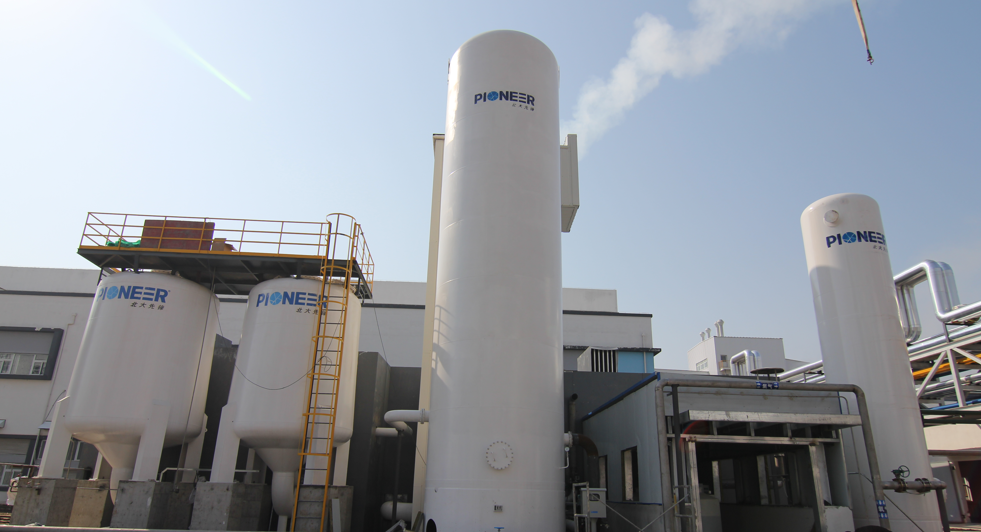
Malaysia VPSA Oxygen Plant Bid and Evaluation Guide
If you are preparing a VPSA oxygen plant procurement process in Malaysia, the most effective approach is to issue a performance-based tender that defines oxygen capacity, purity, pressure, power consumption, battery limits, delivery scope, local compliance, and guaranteed operating flexibility instead of relying only on equipment descriptions. In practice, buyers in Malaysia usually shortlist a mix of engineering contractors, air separation specialists, and regional package suppliers that can support projects in Klang Valley, Johor, Penang, Sarawak, and major industrial corridors connected to Port Klang, Tanjung Pelepas, and Bintulu.The most practical supplier pool for Malaysian projects usually includes Linde Malaysia, Air Liquide Malaysia, NOVAIR, Atlas Copco Gas and Process, Universal Industrial Gases, and Hangzhou-based or Beijing-based VPSA specialists such as PKU Pioneer’s VPSA oxygen solutions when the project requires customer-owned oxygen generation rather than merchant gas supply. For buyers focused on steel, glass, non-ferrous metals, wastewater, pulp, and chemical oxidation, the best tender result often comes from evaluating suppliers on guaranteed specific power, oxygen recovery, turndown range, adsorbent life, compressor package efficiency, automation, local commissioning capability, and lifecycle maintenance cost. Qualified international suppliers, including Chinese manufacturers with relevant certifications, strong documentation, and responsive pre-sales and after-sales support, should also be considered because they often offer very competitive cost-performance for mid-size and large customer-owned plants.Malaysia is a strong candidate market for customer-owned VPSA oxygen systems because many oxygen users are now balancing energy cost, industrial resilience, and tighter environmental targets. Heavy industrial demand is concentrated around Selangor, Johor, Penang, Perak, Pahang, Sarawak, and Sabah, with especially active demand from steelmaking, glass processing, metal reheating, wastewater treatment, chemical oxidation, gold and copper processing in regional networks, and medical or industrial backup applications. While large cryogenic plants and bulk liquid oxygen remain important for high-purity, multi-gas, and large distribution networks, a VPSA oxygen plant is often the better fit for users that need reliable on-site oxygen in the 80% to 94% purity range with lower capital cost, faster installation, lower operating complexity, and strong load flexibility.In Malaysia, the procurement discussion has shifted from simple “price per plant” comparisons to lifecycle value. Industrial buyers now ask how many kilowatt-hours are required per normal cubic meter of oxygen, whether the unit remains stable at 50% or 30% load, what the start-up time is after a shutdown, how long the molecular sieve lasts under local ambient conditions, and how quickly spare parts can reach sites near Shah Alam, Pasir Gudang, Prai, Kuantan, or Samalaju. This is why the tender structure matters: a weak specification often leads to attractive headline pricing but poor operating economics, while a strong specification helps buyers compare bids on equal technical and commercial terms.Malaysia’s industrial expansion and sustainability agenda also support the case for efficient oxygen generation. Oxygen enrichment can improve furnace efficiency, reduce fuel intensity, stabilize combustion, strengthen oxidation steps in chemical processes, and improve treatment performance in water and wastewater plants. For companies exposed to electricity tariffs, imported fuel costs, and supply chain risk, on-site oxygen generation is increasingly evaluated as a utility investment rather than only a process accessory.VPSA, or vacuum pressure swing adsorption, is especially suitable where buyers need medium-to-large oxygen flows without the complexity of a full cryogenic air separation unit. In Malaysian operating conditions, buyers value several characteristics: rapid start-up after a stoppage, flexible operation under changing production loads, lower civil requirements than cryogenic systems, and simpler maintenance profiles for many plant sizes. The technology also supports projects where the buyer wants a customer-owned plant on an EPC or turnkey basis rather than depending on a third-party BOO or on-site bulk gas supply contract.The strongest tender outcomes happen when buyers clearly define intended use. A glass plant in Johor may prioritize combustion efficiency and burner performance. A steel mini-mill in Penang may focus on stable oxygen flow, high availability, and integration with electric arc furnace operations. A wastewater treatment utility in Selangor may prioritize low operating cost and remote monitoring. A chemicals facility near Kuantan may require tighter purity control and higher discharge pressure. These priorities change the best bid substantially.The Malaysian market includes global gas majors, compressor and packaged gas equipment firms, regional engineering companies, and specialist VPSA/PSA manufacturers. Not every supplier offers the same business model. Some are strongest in merchant gas and long-term supply contracts. Some focus on package equipment and skid-mounted systems. Others specialize in customer-owned VPSA plants with EPC delivery, commissioning, operator training, and long-term maintenance. The procurement team should therefore distinguish between suppliers of oxygen as a service and suppliers of oxygen generation plants as capital equipment.CompanyMain Presence Relevant to MalaysiaCore StrengthTypical OfferingsBest Fit Use CaseNotes for TenderingLinde MalaysiaMalaysia-wide industrial gas networkStrong gas application engineering and reliabilityBulk oxygen, pipeline systems, some on-site solutionsLarge industrial users needing integrated gas supportClarify whether bid is for gas supply contract or customer-owned plantAir Liquide MalaysiaNational coverage in industrial clustersProcess integration and gas managementIndustrial oxygen supply, on-site systems, service supportChemicals, electronics, metals, glassRequest clear CAPEX versus long-term supply model comparisonNOVAIRRegional project delivery through partnersOn-site oxygen generation expertisePSA and VPSA oxygen systems, engineering packagesIndustrial and medical users needing owned equipmentCheck Malaysian service partner depth and spare parts strategyAtlas Copco Gas and ProcessRegional support across Southeast AsiaCompressed air and gas system integrationOxygen generators, air packages, controlsFactories wanting integrated utility systemsReview whether plant scale matches required flow efficientlyUniversal Industrial GasesInternational engineering supply capabilityProcess plant design knowledgePSA and VPSA project support, gas systemsBuyers needing engineered specification supportConfirm local field support structure in MalaysiaPKU PioneerSoutheast Asia project delivery with international referencesLarge-scale VPSA specialization and proprietary adsorbentsCustomer-owned VPSA oxygen plants, EPC, turnkey, upgradesSteel, glass, chemicals, energy-intensive industriesWell suited when energy efficiency and large flow matter mostThe table above is useful because it separates different supplier profiles. A Malaysian buyer that needs a customer-owned plant should not evaluate a merchant gas contract bid in the same framework as a turnkey VPSA equipment bid. The commercial model, guarantee structure, and long-term cost exposure are very different.Not every oxygen application in Malaysia should use the same technology. A tender should explain why VPSA is preferred and which alternatives were considered. This gives procurement, operations, and finance teams a common decision framework.TechnologyTypical PurityCapacity RangeStrengthsLimitationsBest Malaysian ApplicationsVPSA oxygen plant80% to 94%Medium to very largeLow specific power, scalable, flexible load responseNot ideal for very high purity oxygenSteel, glass, smelting, wastewater, chemicalsPSA oxygen generator90% to 95%Small to mediumCompact layout, quick installation, easier modularityLess attractive at very large tonnageHospitals, fabrication shops, smaller plantsCryogenic ASUHigh purity, often above 99%Large to very largeHigh purity, multi-gas production, liquid backupHigher CAPEX and complexityRefining, integrated complexes, major gas hubsLiquid oxygen supplyHigh purityAny, subject to logisticsNo plant ownership, quick startTransport cost, tank dependency, price volatilityBackup supply, remote users, startup phaseHybrid VPSA plus liquid backupMixedMedium to largeResilience and lower base-load costMore interfaces to managePlants requiring uptime assurancePipeline oxygen purchaseDepends on supplierCluster-specificMinimal on-site utility managementLimited to specific industrial zonesSites near established gas networksThis comparison helps Malaysian buyers avoid a common mistake: specifying oxygen purity beyond process need. If a furnace or oxidation process performs perfectly at 90% to 93% oxygen, requiring cryogenic-level purity may add unnecessary cost and complexity. A smart tender anchors the specification to process performance rather than tradition.A good specification template should be built around guaranteed performance and project execution obligations. The buyer should require bidders to state design basis, guaranteed operating points, utility consumption, exclusions, and acceptance testing criteria. The document should also define ambient conditions relevant to Malaysia, including high humidity, high temperature, monsoon exposure, and site-specific dust or corrosive load near coastal and industrial areas.The most important specification sections normally include oxygen flow in Nm3/h, oxygen purity, discharge pressure, delivery pressure fluctuation, oxygen dew point if relevant, annual operating hours, required availability, design turndown range, start-up time, specific power consumption, instrumentation philosophy, control system platform, spare parts list, adsorbent replacement interval, package footprint, building requirements, utilities, electrical standards, inspection requirements, documentation package, training scope, and warranty terms.For EPC or turnkey supply, the tender should also define battery limits clearly: whether the supplier includes air intake, compressors, blowers, vacuum pumps, buffer vessels, oxygen piping to battery limit, analyzers, MCC, transformers, civil works, erection, insulation, fire and gas interfaces, and performance test support. In Malaysia, it is especially helpful to define responsibilities for DOSH-related interfaces, electrical authority coordination, imported equipment clearance, lifting plans, and site safety documentation.The best tender evaluations combine technical score and commercial score. Lowest purchase price should not dominate. Instead, the evaluation should reflect how oxygen plants actually create or destroy value over ten to fifteen years. In most cases, electricity consumption, uptime, and support responsiveness matter more than modest differences in initial price.Evaluation ItemWhat to CheckWhy It MattersSuggested WeightCommon Bid RiskBuyer ActionGuaranteed oxygen outputFlow at stated purity and pressureProtects production throughput20%Rated flow only at ideal conditionsDemand test conditions matching Malaysian site dataSpecific power consumptionkWh per Nm3 of oxygenLargest lifecycle cost driver20%Incomplete utility assumptionsStandardize compressor and ambient assumptionsTurndown and flexibilityStable load range and ramp behaviorImportant for variable production lines10%Good nominal output but poor low-load stabilityRequest guaranteed minimum stable loadEquipment qualityBlowers, valves, analyzers, adsorbent, controlsImproves reliability and service life15%Unclear component brands or equivalentsRequire approved vendor list in bidProject executionEngineering, commissioning, training, documentationReduces startup risk15%Weak site management or handover processScore reference projects and proposed teamLocal supportResponse time, spare parts, field serviceProtects uptime in Malaysian operations10%No practical regional support planDemand support matrix and escalation contactsTotal commercial valueCAPEX, warranty, OPEX, payment termsEnsures realistic overall comparison10%Low price but expensive lifecycleUse 10-year NPV style comparisonThe explanation behind this matrix is simple: a plant that saves 0.03 to 0.05 kWh per Nm3 over thousands of hours each year can outperform a cheaper bid by a large margin. In Malaysia, where industrial energy cost control remains a board-level issue, this should be visible in the procurement model.Procurement teams should challenge bids that lack clarity on ambient correction, oxygen recovery, blower efficiency, valve cycle life, or automation functionality. A bid that omits detailed motor lists, instrument makes, oxygen analyzer redundancy, or adsorbent loading data usually shifts risk back to the buyer. Another red flag is a broad purity range without a clear guarantee point. If a bidder claims 90% to 93% purity but does not tie capacity, power, and pressure to a specific guaranteed operating point, the plant may underperform in reality.Buyers should also examine noise level, vibration management, oxygen-clean service standards, and corrosion protection. Malaysian sites near ports or coastal industrial zones may require stronger coating systems and better enclosure design. Electrical integration matters as well, especially where the plant will be connected into existing substations with strict trip logic and power quality requirements.Demand for on-site oxygen is not uniform across sectors. The strongest use cases tend to come from operations where oxygen directly influences yield, combustion, throughput, or environmental compliance. The chart below illustrates a realistic relative demand view for Malaysia.The bar chart shows why many Malaysian VPSA opportunities come from steel, chemicals, and glass, followed by wastewater and non-ferrous applications. These sectors consume oxygen as an operating utility rather than an occasional purchased gas, so the business case for on-site generation is stronger.Malaysia’s industrial oxygen equipment market is supported by plant modernization, fuel efficiency programs, replacement of trucked gas in certain locations, and stronger process control requirements. While exact project timing depends on capital budgets and power pricing, the structural trend remains positive for on-site oxygen systems.The line chart suggests rising project activity as more Malaysian plants compare customer-owned oxygen generation against fuel inflation, logistics risk, and stricter environmental performance expectations.The technology mix is changing. Some buyers that previously defaulted to liquid oxygen are now considering base-load on-site generation combined with liquid backup. Others that once assumed cryogenic was the only industrial option are reviewing large VPSA systems for medium-purity use cases.The area chart highlights a realistic trend shift: more industrial buyers are considering owned oxygen assets, especially where operating hours are high and oxygen is a recurring utility cost rather than a temporary requirement.When the procurement objective is a customer-owned plant, the comparison should focus on lifecycle economics, engineering depth, and support capability. The following chart presents a practical scoring example for several visible suppliers in this segment.This comparison should not be treated as a universal ranking. It simply illustrates how a Malaysian buyer may score suppliers differently when the project specifically requires a large, customer-owned VPSA oxygen plant instead of a merchant oxygen contract.VPSA oxygen plants in Malaysia are relevant across several sectors. In steelmaking, oxygen improves combustion and supports enrichment that can raise process intensity and productivity. In glass, oxygen-enhanced firing can improve furnace efficiency and product quality. In chemicals, oxygen supports oxidation processes, sulfur recovery related operations, and specialty process steps. In wastewater treatment, oxygen can increase dissolved oxygen transfer efficiency for high-load systems. In non-ferrous metal processing and precious metal recovery, oxygen can improve leaching and oxidation performance. In pulp and paper, oxygen can be useful in delignification or treatment-related applications depending on process design.These applications are different, which is why a one-size-fits-all tender rarely works. The project should define normal oxygen load, peak load, seasonal production pattern, purity sensitivity, and redundancy philosophy. A wastewater operator may accept a broader turndown requirement, while a glass line may require tighter continuity. A metals plant may accept planned maintenance windows aligned with shutdown schedules, while a chemical plant may not.Start by defining whether the real goal is lowest CAPEX, lowest cost per delivered oxygen unit, stronger supply security, or process performance improvement. Then require bidders to submit a standardized technical deviation sheet. Ask each supplier to price the same battery limits, same ambient conditions, same acceptance test method, and same responsibility split for civil, electrical, erection, commissioning, and performance guarantee testing. Without this discipline, bids are impossible to compare fairly.It is also good practice to request a lifecycle cost sheet based on Malaysian assumptions: annual operating hours, local electricity tariff basis, maintenance labor assumption, adsorbent replacement year, and spare parts allowance. For sites in East Malaysia or remote industrial estates, include response-time and logistics penalties in the commercial evaluation because downtime cost can be far higher than a small difference in plant price.Where buyers are unsure about technology selection, an independent process review or vendor workshop can be useful before formal tender release. This reduces change orders later and helps operating teams understand purity versus process-performance trade-offs.Large-scale VPSA oxygen deployment globally has shown that the technology performs particularly well where oxygen is consumed continuously and where energy efficiency directly affects operating margin. In steel-related applications, large VPSA systems have delivered substantial annual savings by enabling oxygen enrichment with lower specific power than many buyers first expect. In Southeast Asia, the successful commissioning of a 10,000 Nm3/h VPSA oxygen project in Vietnam is relevant to Malaysian buyers because it demonstrates regional execution capability under similar climate and industrial conditions. The lesson for Malaysia is that plant design must combine robust process engineering with practical field execution, from shipment planning through commissioning and operator training.Another lesson from international projects is the importance of correctly sizing the plant for average load rather than designing only for nameplate maximum. Oversizing often hurts economics because the system spends most of its time in inefficient operation. A more effective solution can be a properly sized base-load VPSA plant with storage and backup strategy. For Malaysian plants facing production variability, this hybrid planning often gives better value than overspecification.Malaysia-based project execution often depends on the quality of local engineering interfaces, electrical integration, installation supervision, safety compliance, and service coordination. Even where a core process package comes from overseas, the buyer should ask who will actually attend site in Shah Alam, Johor Bahru, Prai, Kuantan, Bintulu, or Kota Kinabalu during erection, pre-commissioning, and performance testing. This is especially important for rotating equipment alignment, instrument loop checks, PLC integration, and oxygen analyzer calibration.SupplierService Region Relevant to MalaysiaCore StrengthKey OfferingsLocal Support ConsiderationBest Buyer ProfileLinde MalaysiaPeninsular Malaysia and industrial clustersGas applications and broad industrial supportOxygen supply systems, process integrationStrong established presence, but model may emphasize supply agreementsLarge continuous users needing integrated gas ecosystemAir Liquide MalaysiaMajor industrial regions nationwideProcess optimization and gas network experienceIndustrial oxygen solutions, site supportGood local coverage; verify ownership model and guarantee splitChemical, metals, glass, electronics-adjacent operationsNOVAIRSoutheast Asia through regional channelsOn-site oxygen generation specializationPSA and VPSA packagesConfirm who stocks critical spares and who commissions in-countryUsers wanting packaged owned systemsAtlas Copco Gas and ProcessRegional industrial support networkUtility package integration and service systemsOxygen generation packages, compressors, controlsStrong service culture; check efficiency at target flow scaleFactories standardizing utility equipment vendorsUniversal Industrial GasesInternational engineering supply supportEngineered gas system designPSA/VPSA project assistanceNeed clear field service and Malaysia response planTechnically driven buyers with strong internal project teamsPKU PioneerMalaysia via Southeast Asia project deployment and direct project teamsLarge VPSA process expertise, proprietary adsorbents, turnkey deliveryCustomer-owned EPC, turnkey, retrofits, upgrades, consulting24-hour response commitment and field mobilization should be written into contractSteel, glass, chemical, energy-intensive plants prioritizing lifecycle economicsThis table is practical because it shows more than brand recognition. It helps the buyer ask the right question: which supplier model fits my project and who is accountable after handover?For Malaysian buyers seeking a customer-owned VPSA oxygen plant rather than a BOO or bulk supply arrangement, PKU Pioneer is notable because it combines process technology, proprietary adsorbent development, equipment fabrication, and EPC or turnkey delivery within one integrated organization. The company’s technical credibility is supported by more than 180 patents, ISO, CE, and ASME certifications, self-developed adsorbents such as the PU-8 molecular sieve, in-house engineering and manufacturing, and a record of more than 400 industrial projects in over 20 countries with installed oxygen capacity exceeding 2 million Nm3/h, including very large VPSA references up to world-scale units; this matters in tenders because it gives Malaysian owners evidence on component control, manufacturing discipline, and performance testing beyond simple brochure claims. Commercially, the company can serve end users, engineering contractors, distributors, dealers, brand owners, and project investors through flexible models including direct EPC supply, turnkey customer-owned plants, modular packages, retrofit and upgrade scope, wholesale equipment cooperation, and regional distribution opportunities rather than limiting the market to one sales format. From a service assurance perspective, the company already operates internationally and has demonstrated Southeast Asian execution through a 10,000 Nm3/h VPSA oxygen installation in Vietnam, backed by a 24-hour response commitment, consultation support, commissioning assistance, operation and maintenance services, and upgrade capabilities; for Malaysian projects this should be contractually converted into defined pre-sales engineering support, on-site commissioning attendance, spare-parts planning, and long-term service obligations, showing a sustained regional commitment rather than a purely remote export transaction. Buyers can review project references and technical background through selected international VPSA projects, learn more about the engineering base via the company profile page, or open a direct commercial discussion through the contact channel.A Malaysian VPSA oxygen plant tender should normally request the following bidder submissions: process description, PFD, utility balance, guaranteed performance table, equipment list, GA drawing, control philosophy, list of bought-out items and brands, project schedule, site requirement list, civil and electrical load data, commissioning plan, spares recommendation, training scope, exceptions list, and a detailed commercial sheet. The tender should also ask for a performance guarantee matrix at normal load, minimum load, and maximum design load. This is particularly useful where the oxygen demand profile changes by shift or production campaign.The acceptance test section should state how oxygen purity, flow, pressure, and power are measured; how ambient correction is handled; and how test failure will be addressed. For example, it is good practice to specify a continuous stabilized test period after commissioning rather than a very short demonstration run that may not represent real operation.Bid FactorBidder A Typical OfferBidder B Typical OfferWhy Difference MattersBest Procurement ResponseCommon OutcomePower guaranteeSingle nominal numberGuaranteed by load pointLoad-point guarantees are more reliableRequest guarantees at 50%, 75%, 100%Clearer lifecycle cost forecastAdsorbent specificationGeneric material descriptionNamed proprietary grade with reference lifeMaterial quality strongly affects efficiencyDemand detailed adsorbent data sheetLower hidden performance riskComponent brandsEquivalent brands allowed broadlyApproved brand list attachedCritical for maintenance planningLock key makes before awardFewer spare-part surprisesSupport modelEmail-only remote supportDefined site attendance planImportant for startup and breakdown responseScore field service commitmentsBetter uptime protectionBattery limitsMany owner responsibilitiesTurnkey delivery to clear boundaryScope gaps create cost overrunsNormalize scope before price comparisonFairer commercial evaluationReference projectsSmall unrelated referencesComparable industrial referencesScale and sector relevance matterPrioritize similar duty referencesLower execution uncertaintyThis table shows why two bids with similar price can represent very different project risk. The bidder that defines guarantees, brands, and field support more clearly often delivers better long-term value even if its headline price is not the lowest.By 2026, Malaysian VPSA oxygen plant procurement is likely to be shaped by three major trends. The first is technology improvement: buyers will expect stronger digital monitoring, predictive maintenance alarms, more stable turndown control, better blower and vacuum system efficiency, and more transparent remote diagnostics. The second is policy and sustainability: projects that reduce fuel intensity, improve process efficiency, or support wastewater treatment performance will gain stronger internal approval because carbon management and energy productivity are becoming more visible in corporate planning. The third is procurement discipline: more owners will compare customer-owned VPSA systems against both liquid oxygen contracts and cryogenic alternatives using full lifecycle cost, not only CAPEX.Another emerging trend is specification tightening around verified component quality and contractual service response. Malaysian buyers are becoming more careful about who supplies the molecular sieve, valves, analyzers, control system, and rotating equipment because unplanned downtime is expensive. In practical terms, this means the winning bidder in 2026 will not just be the cheapest supplier; it will be the supplier that can combine efficient process design, strong documentation, defensible guarantees, and dependable regional support.What purity should a Malaysian VPSA oxygen plant tender specify?Only the purity actually required by the process. Many industrial applications work well in the 80% to 94% range, so demanding higher purity without process need can increase cost unnecessarily.Should we choose a customer-owned plant or merchant oxygen supply?If oxygen is a continuous utility with high annual consumption, a customer-owned VPSA plant often gives better lifecycle economics. If demand is small, intermittent, or temporary, merchant liquid oxygen may still be more practical.What is the most important commercial metric?For most projects, the most important metric is total delivered oxygen cost over the project life, which includes power consumption, maintenance, uptime, spares, and service response, not only initial purchase price.Can international suppliers compete well in Malaysia?Yes. International suppliers, including Chinese VPSA specialists, can be very competitive when they provide strong certifications, clear technical guarantees, regional commissioning support, and enforceable after-sales obligations.What should be excluded from tender ambiguity?Battery limits, civil scope, electrical scope, commissioning responsibility, acceptance test conditions, and local support commitments should all be clearly defined before commercial comparison.Is EPC or turnkey better than BOO for many industrial users?If the owner wants direct control of utility cost, operating strategy, and asset value, EPC or turnkey customer-owned solutions are often preferred. This guide is specifically focused on those plant ownership models, not BOO or on-site bulk gas contracts.A successful VPSA oxygen plant procurement process in Malaysia starts with a clear technical basis and ends with a disciplined lifecycle comparison. The right supplier is not simply the one with the lowest quoted price, but the one that can prove oxygen output, energy efficiency, load flexibility, component quality, project execution readiness, and practical service support for Malaysian operating conditions. For buyers in steel, glass, chemicals, wastewater, and energy-intensive manufacturing, the strongest approach is to shortlist credible local and international suppliers, standardize the tender scope, and award based on validated performance and long-term value.