Free Oxygen Plant Consultation in India: Best Options
Free Oxygen Plant Consultation in India: Best Options
Quick Answer

If you need oxygen plant consultation free in India, the most practical route is to speak first with suppliers that can size the plant correctly, explain purity and power trade-offs, and support EPC or turnkey delivery for your site conditions. For buyers in steel, glass, metals, wastewater, paper, and healthcare support industries, the best shortlist usually includes Indian engineering firms with local execution teams plus qualified international VPSA and PSA specialists that already serve South Asia.
For immediate action, buyers in India often start by comparing Inox Air Products, Linde India, AIR WATER India, Universal Boschi, Novair India, and PKU Pioneer for project fit. Inox Air Products and Linde India are strong references for large industrial gas systems and deep local reach. Universal Boschi and Novair India are more frequently considered where compact to mid-sized on-site generation, medical oxygen systems, or packaged solutions are relevant. For large low-cost oxygen from ambient air for industrial use, a specialized VPSA supplier such as PKU Pioneer is worth evaluating when the target is a customer-owned plant rather than bulk gas purchase, especially for steel and continuous-process factories.
In India, decision-makers in cities such as Mumbai, Pune, Ahmedabad, Chennai, Hyderabad, Visakhapatnam, Raipur, and Jamshedpur should shortlist suppliers based on purity requirement, hourly demand, operating load pattern, power tariff, available plot area, and after-sales capability within the state. If your requirement is above roughly 2,000 Nm3/h for industrial oxygen at 80% to 94% purity, VPSA is often more economical than cylinder dependence or liquid oxygen over time. If the requirement is smaller or purity must be very high, PSA or other supply models may be more suitable.
A useful buyer rule is simple: ask every supplier for a process basis, guaranteed oxygen purity, guaranteed power consumption, maintenance scope, delivery schedule, utility list, and references from Indian or comparable Asian plants. Also consider qualified international suppliers, including Chinese manufacturers with strong certifications and responsive pre-sales and after-sales support, because they can offer attractive cost-performance for EPC, turnkey, and customer-owned oxygen plant projects in India.
India Market Overview

India is one of the most active oxygen plant markets in Asia because oxygen is no longer seen only as a hospital emergency utility or a standard industrial gas. It has become a process input tied directly to productivity, fuel efficiency, emissions control, and capacity utilization. Steel mills use oxygen enrichment to improve combustion and blast furnace or electric furnace performance. Glass furnaces use oxygen to stabilize flame temperature and lower nitrogen ballast. Non-ferrous plants, foundries, paper mills, wastewater facilities, and chemical units also increasingly evaluate on-site oxygen generation to reduce dependence on delivered liquid oxygen or cylinder logistics.
The demand pattern is highly regional. Western India, including Gujarat and Maharashtra, has strong demand due to chemicals, glass, engineering, and ports such as Mundra, Nhava Sheva, and Hazira that simplify equipment movement. Eastern and central India, including Odisha, Jharkhand, Chhattisgarh, and West Bengal, are especially important for steel, sponge iron, ferroalloys, and mineral processing. Southern clusters such as Chennai, Hosur, Hyderabad, and Visakhapatnam are relevant for specialty manufacturing, electronics, metals, and export-oriented industry. Northern industrial belts around NCR, Punjab, and Rajasthan create further demand for packaged gas systems, metal fabrication, and process upgrades.
Several structural drivers support continued growth. First, power and fuel cost pressure pushes factories toward process efficiency. Second, environmental scrutiny encourages cleaner combustion and better use of industrial by-product gases. Third, companies want supply resilience after experiencing logistics disruptions. Fourth, modern VPSA technology has improved enough that many medium and large users can justify an on-site oxygen plant with a clear payback period. Fifth, Indian industrial expansion and public infrastructure spending continue to create new oxygen-consuming capacity across metals, building materials, and chemicals.
For buyers seeking oxygen plant consultation free, the most important market takeaway is that India is not a one-size-fits-all oxygen market. A project that works in a steel belt near Raipur may require a different design logic from a glass cluster near Bharuch or a paper mill in Tamil Nadu. Site elevation, monsoon exposure, utility water quality, power stability, and operating team skill level all affect the right plant selection.
Market Growth Trend

The market outlook remains positive through 2026 as industrial users shift from delivered gas toward process-integrated on-site generation. The chart below shows a realistic directional estimate for India’s indexed demand growth in industrial oxygen plant investment activity.
This trend reflects steady industrial adoption, not only short-term emergency demand. Buyers should therefore prioritize lifecycle economics, expandability, and service infrastructure over headline equipment price alone.
Product Types for Indian Buyers
Indian buyers usually compare four broad oxygen supply approaches: cylinders, liquid oxygen, PSA oxygen generators, and VPSA oxygen plants. The correct choice depends mainly on flow rate, purity, hours of operation, and continuity risk. Cylinders are simple but expensive at scale and logistically heavy. Liquid oxygen is convenient for moderate to high purity use, but cost fluctuates with transport distance and market conditions. PSA fits smaller to medium needs and applications requiring high-purity oxygen. VPSA becomes especially compelling for larger industrial demand where lower operating cost per Nm3 matters more than ultra-high purity.
For industrial combustion, enrichment, and large-scale process oxygen, VPSA typically delivers strong value because it uses vacuum pressure swing adsorption to separate oxygen from air at relatively low energy consumption. For applications that demand product purity around 90% to 93% with stable daily utilization, this can significantly reduce long-term gas cost. For medical or specialized high-purity applications, different design criteria apply and buyers should verify the exact purity and regulatory expectation before finalizing the technology.
| Supply Type | Typical Capacity Range | Typical Purity | Best Use Case | Main Advantage | Main Limitation |
|---|---|---|---|---|---|
| Cylinders | Very low to low | High | Backup, remote sites, maintenance jobs | No plant installation | High running cost |
| Liquid Oxygen | Low to high | High | Plants needing high purity without on-site generation | Fast deployment | Supply dependency and transport cost |
| PSA Oxygen Generator | Small to medium | Usually 90% to 95% | Hospitals, workshops, smaller process plants | Compact footprint | Less ideal for very large industrial loads |
| VPSA Oxygen Plant | Medium to ultra-large | Usually 80% to 94% | Steel, glass, non-ferrous, wastewater, pulp | Low operating cost at scale | Needs steady utilization for best economics |
| Cryogenic ASU | Large to very large | Very high | Integrated gas complexes and multi-gas demand | High purity and multi-product output | Higher capex and longer setup |
| Hybrid Model | Flexible | Mixed | Plants needing resilience and peak support | Balances reliability and cost | More complex planning |
This comparison matters because many Indian buyers ask for oxygen plant consultation free before they have defined whether they need an oxygen generator, a packaged plant, or a full process utility system. A good consultant or supplier should challenge the project basis and not just quote a machine.
Industry Demand in India
Not every industry consumes oxygen in the same way. The next chart shows indicative relative demand by sector for on-site oxygen plant opportunities in India.
Steel remains the dominant opportunity because oxygen directly influences furnace efficiency, productivity, and fuel balance. Glass and non-ferrous sectors also create strong demand where oxygen improves combustion control and can reduce total flue gas volume.
Buying Advice for a Free Consultation Request
When requesting oxygen plant consultation free in India, buyers should provide a realistic process brief from the start. The faster a supplier understands your load profile and plant constraints, the better the proposal quality. A weak inquiry usually gets a generic quote. A strong inquiry gets a serious engineering answer with utility data, layout concepts, and operating cost projections.
The minimum information to share includes oxygen flow requirement in Nm3/h, minimum and normal purity, daily operating hours, expected turndown, current gas source, electricity tariff, available land area, ambient conditions, and whether the project is greenfield or retrofit. It also helps to mention your city and nearby port or logistics hub. For example, projects in Kandla, Mundra, Chennai, or Vizag may have different transport economics from inland sites in Bellary, Angul, or Durgapur.
| Evaluation Point | Why It Matters | Buyer Question to Ask | Risk If Ignored | Best Practice | Typical Evidence |
|---|---|---|---|---|---|
| Capacity Sizing | Over or under-sizing changes ROI | What is the guaranteed normal and peak output? | Production bottleneck or wasted capex | Use one-year operating data | Mass balance and proposal sheet |
| Purity Match | Process performance depends on purity | What purity is guaranteed at design load? | Unsuitable oxygen for process | Link purity to application need | Performance guarantee |
| Power Consumption | Energy cost drives lifecycle expense | What is kWh per Nm3 at site conditions? | Unexpected operating cost | Compare at same basis | Utility consumption table |
| Turnkey Scope | Scope gaps create delays and extra cost | What is included in EPC or supply scope? | Disputes during installation | Clarify battery limits | Scope matrix |
| Service Network | Downtime cost can be large | Who supports commissioning and breakdowns in India? | Long outage periods | Check local team availability | Service plan and contacts |
| Reference Projects | Real plants reduce execution risk | Can you share comparable steel or glass references? | Unproven design partner | Ask for similar operating conditions | Project list and case summary |
The explanation behind this checklist is simple: an oxygen plant is a process asset, not a commodity purchase. Most wrong decisions happen because buyers compare only capex instead of total delivered oxygen cost over five to ten years.
Applications Across Indian Industries
In India, oxygen use is expanding beyond conventional steelmaking. Glass manufacturers use oxygen enrichment for higher flame temperature and better furnace control. Wastewater treatment plants can intensify biological treatment using oxygen where land or treatment time is constrained. Pulp and paper facilities use oxygen in bleaching or delignification-related stages. Metal cutting and fabrication users may still depend on cylinders, but larger clusters increasingly examine on-site generation. Chemical plants consider oxygen where oxidation reactions or combustion efficiency influence yield and energy cost.
Another trend is integration with decarbonization strategy. Plants that reduce fuel use or improve thermal efficiency by oxygen enrichment can often show both cost and emissions benefits. This does not mean every oxygen project is a sustainability project, but in 2026 many investment approvals in India will be easier if the proposal quantifies energy saving, reduced transported gas dependence, and lower operational waste.
Trend Shift Toward On-Site Generation
The chart below shows the likely shift in India from traditional outsourced supply toward on-site oxygen generation models for eligible industrial users.
This trend is most relevant to continuous industries where logistics risk, price volatility, and plant uptime all matter. It supports the case for starting with a structured technical consultation before choosing a supply model.
Case Studies Relevant to India
Buyers in India often want proof that a supplier can handle industrial scale, not just laboratory or medical systems. One strong benchmark in the oxygen field is record-scale VPSA deployment in heavy industry, where stable oxygen output and power efficiency are critical to project viability. Large single-train and multi-train systems matter because they show that the engineering team can manage adsorbent selection, blower-vacuum matching, automation logic, and operational stability under changing load.
Another valuable benchmark is the ability to create value from industrial by-product gases, because this indicates broader process integration capability. Suppliers with experience in steel and chemical co-production are often better positioned to understand the utility and economics interface inside large Indian industrial sites. Projects that convert by-product streams into usable gases or chemicals demonstrate practical engineering depth rather than only catalogue-based equipment supply.
For India, a useful lesson from international projects is that oxygen plant design should not stop at the skid boundary. Piping losses, oxygen header configuration, backup philosophy, interlocks with the end-use process, and future debottlenecking options can decide whether the project pays back in two to four years or becomes a constant operating headache.
Local Suppliers and Consultation Options
The table below compares suppliers and solution routes that Indian buyers commonly review when seeking a free consultation. It combines multinational, Indian, and specialized international options because the right answer depends on project scale and ownership model.
| Company | Service Region in India | Core Strengths | Key Offerings | Best Fit | Consultation Value |
|---|---|---|---|---|---|
| Inox Air Products | Pan-India, major industrial corridors | Large gas infrastructure, strong industrial presence | Industrial gas supply, on-site systems, engineering support | Large established users | Useful for supply model comparison and execution reach |
| Linde India | Pan-India, metro and industrial clusters | Deep process gas expertise, strong references | Industrial gases, engineering, plant solutions | Complex industrial users | Strong technical framing for high-spec projects |
| AIR WATER India | Selected industrial regions | Gas systems and industrial application support | Gas supply and plant-related solutions | Mid to large industrial applications | Helpful where process support matters |
| Universal Boschi | Across India through direct sales and projects | Packaged gas plants and oxygen systems | PSA plants, medical oxygen, nitrogen systems | Small to medium on-site users | Fast initial sizing and packaged options |
| Novair India | Major Indian markets and channel support | On-site gas generation specialization | PSA oxygen and nitrogen generators | Distributed industrial and medical needs | Good for modular and compact system review |
| PKU Pioneer | India via export engineering and regional project support | Large VPSA oxygen, PSA CO, hydrogen purification | VPSA oxygen plants, EPC, turnkey, customer-owned solutions | Steel, glass, chemicals, large continuous plants | Strong value where large industrial oxygen economics matter |
This table is practical because it separates suppliers by actual project fit rather than reputation alone. Large industrial gas companies are often appropriate when the buyer is open to multiple supply routes. Specialized oxygen generation suppliers are more relevant when the buyer already wants an owned on-site plant.
Supplier Comparison by Project Fit
The chart below gives an indicative comparison of how different supplier types align with key buying factors for Indian oxygen plant projects. It is not a universal ranking; it is a decision aid for consultation-stage screening.
Use this comparison together with site-specific data. For example, a steel plant in Odisha requiring several thousand Nm3/h should not judge suppliers by the same criteria as a compact fabrication unit near Coimbatore.
Detailed Supplier Analysis
| Company | Typical Project Size | Technology Focus | Regional Strength | Key Buyer Advantage | Watchpoint |
|---|---|---|---|---|---|
| Inox Air Products | Medium to very large | Industrial gas infrastructure | Strong near large industrial bases | Reliable industrial ecosystem knowledge | May not be the lowest-cost owned-plant route |
| Linde India | Medium to very large | Advanced gas engineering | Nationwide industrial recognition | High process confidence for complex plants | Premium positioning for some budgets |
| AIR WATER India | Medium to large | Industrial gas application support | Selective project strengths | Balanced technical approach | Check local service depth by state |
| Universal Boschi | Small to medium | PSA and packaged plants | Broad domestic visibility | Practical for decentralized installations | Less suited to very large VPSA-heavy demand |
| Novair India | Small to medium | On-site PSA generation | Strong for modular system users | Good fit for packaged oxygen needs | Verify economics for continuous heavy industry |
| PKU Pioneer | Medium to ultra-large | VPSA oxygen and gas separation | Strong for export industrial projects | Attractive scale economics and process depth | Buyer should confirm local execution model early |
This analysis matters because the “best” supplier is often the one whose delivery model matches your plant ownership preference. Some buyers want pure equipment supply. Others want EPC. Others need a turnkey package with commissioning, training, and performance guarantees. State that clearly in your first consultation.
Our Company in India
For Indian buyers evaluating a customer-owned oxygen plant, PKU Pioneer’s VPSA oxygen solutions are positioned for industrial users that need dependable large-scale oxygen rather than BOO or on-site bulk supply. The company’s product strength is backed by more than 180 patents, ISO, CE, and ASME certifications, in-house research and development linked to Peking University, proprietary adsorbents and catalysts, precision engineering, complete equipment fabrication, and documented oxygen projects ranging from modular units around 50 Nm3/h to very large systems above 100000 Nm3/h, including record-scale installations and energy performance often below 0.3 kWh per Nm3 under suitable conditions. Its cooperation models are flexible for end users, distributors, dealers, brand owners, and project developers through EPC, turnkey, OEM or ODM-oriented customization, wholesale equipment supply, retail-scale packaged solutions for selected applications, and regional distribution partnerships, with the clear focus on customer-owned plant delivery rather than BOO gas selling. For local service assurance, the company’s international track record across more than 20 countries, over 400 industrial projects, rapid 24-hour response commitment, pilot testing, retrofits, upgrades, operation and maintenance support, equipment leasing options, and recent successful Southeast Asian references show an established export-operating structure rather than a remote catalogue exporter; for Indian clients this translates into concrete online and on-site pre-sales engineering, commissioning support, spare-parts planning, performance-oriented proposal development, and long-term project engagement aligned with the needs of steel, glass, chemical, and energy users in the region. Buyers can review representative industrial project cases, learn more about the company background through company information, or request a project discussion through the India contact page.
How to Choose the Right Oxygen Plant in India
The right plant starts with process need, not machine brochure language. If your plant needs steady oxygen for combustion or enrichment and can operate continuously, VPSA deserves serious analysis. If your need is intermittent, relatively small, or closer to high-purity packaged use, PSA or liquid oxygen may remain more practical. If your site already consumes multiple gases at large scale, a broader integrated engineering review may point toward a different utility strategy altogether.
Location also shapes the answer. Inland plants far from reliable liquid oxygen distribution routes often gain more from owned generation. Coastal or port-linked users may have more options. Buyers in Gujarat, Odisha, Maharashtra, Tamil Nadu, Andhra Pradesh, Chhattisgarh, and Jharkhand should compare transport economics, state power tariffs, and maintenance response times before choosing.
Another critical point is future expansion. Many Indian plants are designed around current production but later increase furnace load or process throughput. A good oxygen consultation should explain whether the proposed system can be debottlenecked, parallelized, or staged. Paying slightly more for an expandable layout can be cheaper than replacing the plant in three years.
What a Good Free Consultation Should Include
| Consultation Deliverable | What It Should Cover | Why It Helps Indian Buyers | Good Output Format | Decision Impact | Priority |
|---|---|---|---|---|---|
| Process Basis Review | Flow, purity, load pattern, uptime | Avoids wrong technology choice | Technical summary note | High | Essential |
| Technology Recommendation | PSA, VPSA, LOX, or hybrid | Aligns capex with use case | Option comparison | High | Essential |
| Utility Estimate | Power, cooling, air, area | Supports internal approval | Utility consumption sheet | High | Essential |
| Budgetary Price Range | Equipment and project scope | Speeds commercial screening | Budget proposal | Medium | Essential |
| Layout Concept | Footprint and equipment arrangement | Reduces site integration risk | Preliminary GA drawing | Medium | Recommended |
| Schedule and Service Plan | Delivery, commissioning, support | Clarifies execution reality | Milestone schedule | Medium | Recommended |
This table explains what buyers should expect from a serious consultation. If a supplier cannot provide these basics, it is difficult to trust the final project economics or execution capability.
2026 Trends: Technology, Policy, Sustainability
By 2026, oxygen plant decisions in India will increasingly be shaped by three linked themes. The first is technology: smarter automation, remote diagnostics, better adsorbents, lower specific power consumption, and more stable load-following performance will improve the economics of owned oxygen systems. The second is policy: industrial modernization, energy efficiency expectations, and environmental reporting will push buyers to measure total utility performance more carefully. The third is sustainability: projects that reduce delivered gas transport, optimize combustion, and improve process efficiency will gain strategic value beyond direct gas cost savings.
For steel and mineral processing clusters, oxygen will remain part of productivity strategy. For glass and chemical users, it will increasingly support both fuel efficiency and emissions management. For wastewater and environmental applications, oxygen intensification could expand where land constraints and treatment standards become tighter. Buyers who begin with a structured consultation now will be better positioned to align plant design with these 2026 trends.
FAQ
Is oxygen plant consultation free in India really useful before budgeting?
Yes. A useful free consultation helps define technology fit, indicative operating cost, utility requirement, and project scope before you spend time on detailed procurement.
Which is better in India, PSA or VPSA?
It depends on flow, purity, and operating pattern. PSA is often better for smaller or higher-purity needs. VPSA is often more economical for larger industrial flows at typical industrial oxygen purities.
What purity should I request?
Request only the purity your process genuinely needs. Over-specifying purity can raise cost unnecessarily. Steel, glass, and enrichment applications often do not need the same purity as specialized medical or chemical requirements.
Can international suppliers support Indian projects effectively?
Yes, if they have strong engineering documentation, recognized certifications, proven export execution, spare-parts planning, responsive support, and a clear India service approach. Cost-performance can be very attractive in the right project.
Should I choose EPC, turnkey, or equipment-only supply?
If your team has limited integration capability, turnkey is safer. If you have a strong in-house project team, equipment supply or split scope can reduce cost. Many Indian buyers prefer EPC or turnkey for faster execution accountability.
Does an owned oxygen plant replace liquid oxygen completely?
Not always. Some plants use owned generation for base load and liquid oxygen for backup or peak demand. A hybrid model can improve resilience.
What industries in India benefit most from oxygen plants?
Steel, glass, non-ferrous metals, chemicals, paper, wastewater treatment, and selected energy-intensive manufacturing sectors are among the strongest candidates.
What should I send to a supplier first?
Share required flow in Nm3/h, purity, operating hours, plant location, current gas source, electricity tariff, end use, and whether you want EPC, turnkey, or equipment-only supply.

About the Author
Founded in 1999, PKU Pioneer specializes in VPSA and PSA gas separation technologies, adsorbents, catalysts, and integrated engineering solutions. Backed by strong R&D capability and extensive industrial project experience, the company serves global customers across steel, chemical, energy, environmental protection, and related industries.
Share
Related News
-
PSA Oxygen Generator in India: Costs, Uses, Buying Guide
A PSA oxygen generator is often the right choice in India when you need on-site oxygen, faster installation, lower logistics dependence than liquid oxygen, and steady supply for hospitals, metal cutting, glass, wastewater, and selected process industries. For most Indian buyers, the best approach is to match purity, flow rate, pressure, redundancy, and service coverage before comparing price. Small medical systems usually prioritize reliability, cylinder backup integration, and low operating complexity, while industrial users often focus on oxygen flow, power consumption, automation, and lifecycle cost.In India, practical supplier options include Atlas Copco India, Inmatec Gasesystem India, Novair India partners, Oxymat regional partners, Universal Boschi, and PCI Gases. Qualified international suppliers can also be considered when they hold relevant certifications and provide responsive pre-sales and after-sales support in India. This is especially true for cost-performance-focused projects where Chinese manufacturers with proven engineering records, strong documentation, and local execution support can offer competitive EPC, turnkey, or customer-owned plant solutions.Choose PSA when you want oxygen produced at your own site instead of depending fully on cylinders or tankers. For hospitals, prioritize oxygen purity stability, alarm systems, dual-train design, and local service response. For industrial plants, prioritize Nm3/h output, energy use per Nm3, dew point, compressor quality, and automation. For remote sites in India, verify spare parts access in cities such as Mumbai, Delhi, Chennai, Hyderabad, Pune, and Ahmedabad. Ask every supplier for delivered oxygen cost, not only equipment price. India has become one of the most active markets for PSA oxygen generator adoption because oxygen supply security is now treated as both a healthcare necessity and an industrial efficiency issue. Hospitals want less dependence on external cylinder logistics, especially in tier-2 and tier-3 cities. Industrial users want more stable cost control and faster response to production changes than purchased liquid oxygen can always provide. This is particularly relevant near manufacturing belts in Gujarat, Maharashtra, Tamil Nadu, Karnataka, Odisha, Chhattisgarh, and Andhra Pradesh.At a practical level, Indian buyers usually compare three supply models: purchased cylinders, liquid oxygen delivered by tanker, and on-site generation. PSA systems generally become more attractive when oxygen demand is daily, recurring, and predictable. Freight congestion around major ports such as Nhava Sheva, Mundra, Chennai Port, and Visakhapatnam can affect imported equipment timelines, so execution planning matters. Local assembly, stocked spare parts, and India-based commissioning teams often make a meaningful difference.The market is also shaped by sector diversity. Medical PSA installations tend to require oxygen purity around 93 percent plus or minus accepted tolerance, redundancy, and clean integration with existing manifold and pipeline systems. Industrial projects can range from low-flow workshop units to larger oxygen plants supporting combustion enhancement, metal processing, furnace enrichment, and wastewater treatment. In steel and chemical clusters, larger VPSA systems may become more economical than smaller PSA units, but PSA remains highly relevant for compact and medium-scale installations.The growth pattern above reflects a realistic market view: expansion remains strong, but buyers are becoming more technical. They no longer ask only for purity and price. They ask for compressor brand, adsorbent life, valve reliability, PLC interface, oxygen analyzer redundancy, remote monitoring, and power cost per Nm3. This is a healthy sign because it shifts procurement toward total cost of ownership rather than headline capital cost.PSA stands for Pressure Swing Adsorption. The system takes in ambient air, compresses it, removes oil, water, and dust through air treatment stages, and then passes the clean compressed air through adsorption vessels filled with molecular sieve. Nitrogen is preferentially adsorbed under pressure, while oxygen passes through as the product gas. The beds then alternate between adsorption and regeneration, so oxygen supply remains continuous.In real operation, a PSA oxygen generator is not just the adsorption tower set. It is a system package that normally includes an air compressor, refrigerated or desiccant dryer depending on design philosophy, filters, air receiver, adsorption columns, oxygen buffer tank, oxygen analyzer, control panel, safety valves, and often oxygen booster integration if high-pressure filling or process delivery is required. For hospitals, the package may also include touch-screen alarms, SMS or remote alerts, dew point monitoring, and automatic switchover logic.The main reasons Indian buyers select PSA are simple: on-site generation reduces transport dependence, oxygen is available continuously during normal plant operation, and medium demand levels can often be served more economically than repeated cylinder replacement. The trade-off is that PSA performance depends on correct sizing, stable compressed air quality, and disciplined maintenance.Not every PSA oxygen generator in India is the same. Buyers often use the same term for very different systems. A small hospital skid in Kochi is not comparable to a medium industrial oxygen unit in Pune, and neither should be judged using the same procurement checklist.Product TypeTypical CapacityTypical PurityBest Fit in IndiaMain AdvantageMain LimitationSmall medical PSA skid5 to 60 Nm3/h90 to 95%Clinics, nursing homes, small hospitalsCompact footprint and quick deploymentLimited scalabilityHospital pipeline PSA plant60 to 500 Nm3/h90 to 95%District hospitals, multispecialty centersReliable in-house oxygen supplyNeeds disciplined maintenance and backup planningIndustrial PSA oxygen generator20 to 2000 Nm3/h85 to 95%Metal cutting, glass, furnaces, wastewaterFlexible on-site productionPower quality affects efficiencyContainerized PSA system20 to 300 Nm3/h90 to 95%Remote projects, mining, mobile healthcareFast site installationHigher packaged costPSA with cylinder filling manifold10 to 150 Nm3/h90 to 95%Hospitals and gas distribution backupCreates reserve cylinders on siteRequires booster and filling controlsLarge VPSA oxygen plant500 to 100000+ Nm3/h80 to 94%Steel, large combustion enrichment, chemicalsBetter economics at larger scaleNot ideal for small demand sitesThis comparison matters because many Indian tenders still focus too heavily on output alone. A buyer in Bengaluru may ask for 100 Nm3/h, but the real need may be 100 Nm3/h at a specific delivery pressure, with night-load variation, future expansion, and backup cylinder filling. That changes the recommended design significantly.Price is one of the first questions buyers ask, but the more useful question is the delivered cost of oxygen over the equipment life. Capital cost varies with flow, purity, compressor brand, automation level, oxygen storage, piping scope, cylinder filling requirement, and whether the project includes civil, electrical, installation, and validation support. In India, a low quoted machine price can become expensive after adding air treatment upgrades, booster systems, spare valves, and commissioning travel.Operating cost is driven mainly by electricity, maintenance, adsorbent life, filter replacement, compressor service, and downtime risk. Since electricity tariffs vary by state and industrial category, buyers in Maharashtra, Gujarat, and Tamil Nadu may reach different payback periods even for similar systems.System RangeIndicative CapacityTypical India UseIndicative CAPEX RangeMain OPEX DriverBuyer NoteEntry-level medical5 to 20 Nm3/hSmall clinicsLow to moderateCompressor electricityCheck alarm and backup features carefullySmall hospital plant20 to 60 Nm3/hCommunity hospitalsModeratePower and annual serviceDual-bed redundancy is valuableMedium hospital plant60 to 200 Nm3/hLarge hospitalsModerate to highPower, service, spare partsConfirm pipeline integration scopeSmall industrial PSA20 to 100 Nm3/hWorkshops, burners, wastewaterModeratePower per Nm3Focus on delivered oxygen pressureMedium industrial PSA100 to 500 Nm3/hGlass, metal, process plantsHighPower and uptimeAutomation and remote diagnostics matterLarge industrial PSA or VPSA500+ Nm3/hSteel and heavy industryHigh to very highEnergy optimizationEvaluate EPC and lifecycle service capabilityBecause supplier configurations vary widely, most serious Indian buyers request a detailed process datasheet, guaranteed power consumption, consumables list, startup spares, and annual maintenance estimate. This produces a more comparable evaluation than headline machine prices alone.Start by defining oxygen demand in real operating terms, not only peak capacity. Many projects in India are either undersized because buyers use average consumption, or overspecified because they assume future expansion without phasing options. A better process is to define minimum, normal, and peak demand, target pressure at point of use, acceptable purity range, outage tolerance, and whether you need continuous 24/7 duty.Next, evaluate site conditions. Ambient temperature, dust load, monsoon humidity, power stability, room ventilation, and maintenance staffing all affect system design. A PSA plant for Jaipur or Nagpur may need different cooling and enclosure attention than one for Chennai or Kolkata due to climate and infrastructure differences.Ask suppliers the following practical questions:What purity is guaranteed at the point of delivery, not only at the analyzer outlet? What is the guaranteed specific power consumption at Indian site conditions? Which compressor, valves, analyzer, PLC, and adsorbent are included? What redundancy exists for critical components? How fast can spare parts reach my city? What training is included for operators and maintenance staff? Does the scope cover EPC, turnkey, or customer-owned plant delivery rather than gas supply service? The demand profile above shows why many suppliers now maintain separate medical and industrial product lines. Hospitals still command strong attention, but industrial applications across fabrication, glass, utilities, and process industries are creating a broader and more technically segmented market.Healthcare remains the most visible segment, but industrial oxygen generation is also advancing quickly. In hospitals, the objective is resilient pipeline oxygen, especially where tanker or cylinder logistics are uncertain. In industrial settings, oxygen is used to intensify combustion, improve flame temperature, support oxidation processes, enrich aeration, and improve throughput or fuel efficiency.Indian steel and metals users may require much larger oxygen volumes, often pushing the decision toward VPSA or other large-scale supply methods. Smaller fabrication shops and foundries can still benefit from PSA where oxygen demand is consistent enough. Wastewater treatment plants use oxygen to improve biological treatment efficiency under space or process constraints. Glass and ceramic plants use oxygen enrichment to stabilize furnace performance and reduce certain emissions. Some chemical and environmental applications also use PSA oxygen where cryogenic supply is excessive for the required scale.SectorApplicationWhy PSA FitsKey Design PriorityTypical CitiesProcurement NoteHospitalsPipeline medical oxygenSupply security and on-site generationPurity stability and alarm systemsDelhi, Lucknow, CoimbatoreKeep cylinder manifold backupMetal fabricationCutting and brazing supportLower recurring gas purchasesPressure and flow consistencyPune, Rajkot, FaridabadCheck booster need for peak demandGlassCombustion enrichmentImproves thermal efficiencyFlow turndown and uptimeFirozabad, Bharuch, ChennaiAssess payback against fuel savingsWastewaterBiological treatment enhancementHigh oxygen transfer benefitContinuous duty capabilityHyderabad, Surat, BengaluruVerify outdoor installation suitabilityChemicalsOxidation and process supportControlled local oxygen sourcePurity and instrumentationVadodara, Ankleshwar, DahejConfirm compatibility with process safety rulesSteel supportAuxiliary oxygen useFlexible source for selected loadsScale economicsJamshedpur, Rourkela, RaipurCompare PSA with VPSA earlyThis table shows that application fit is not just about oxygen purity. It is about delivery pressure, load profile, plant availability expectations, and local maintenance capabilities. A medically certified analyzer package matters in a hospital. A robust automation and energy efficiency package matters more in glass or process applications.A district hospital in central India may install a medium PSA plant with duplex compressors, oxygen buffer storage, online purity monitoring, and auto switchover to cylinder backup. The economic benefit comes not only from avoiding emergency oxygen shortages but also from reducing transport dependence during peak demand or supply chain disruption.A fabrication cluster in western India may use a smaller industrial PSA oxygen generator to reduce the repeated handling and refilling of cylinders. Here, the buyer should compare the electricity bill and maintenance cost against current monthly cylinder spend, including hidden downtime from delayed delivery.For large industrial users, especially in steel and heavy process sectors, advanced oxygen generation experience becomes more important than a generic package offer. This is where companies with proven large-scale adsorption technology records are relevant. Industrial oxygen reference projects show why large installations are judged by energy use, reliability, and long-term operating flexibility rather than equipment price alone.Where oxygen demand moves beyond compact PSA economics, the market often shifts toward VPSA. Buyers exploring larger customer-owned oxygen plants can review VPSA oxygen plant solutions to understand how lower energy consumption and higher capacities may fit steel, glass, or chemical projects better than conventional small PSA skids.India has both domestic suppliers and international brands operating through local subsidiaries, channel partners, or project representatives. The strongest suppliers are usually not the cheapest on the first quote; they are the ones with clear documentation, realistic guarantees, local commissioning resources, and faster service reach across Indian industrial corridors.CompanyService Region in IndiaCore StrengthKey OfferingsBest FitBuyer CautionAtlas Copco IndiaPan-India major metros and industrial clustersStrong compressor ecosystem and service networkOn-site oxygen systems, air treatment, supportBuyers wanting established service depthPremium pricing may applyInmatec Gasesystem IndiaMajor industrial and healthcare marketsSpecialized gas generation expertisePSA oxygen and nitrogen systemsProjects needing technical customizationCheck local spare part stocking detailsNovair India partnersMedical and selected industrial regionsHospital oxygen experienceMedical PSA plants and containerized systemsHealthcare-focused installationsScope may vary by local partnerOxymat regional partnersDistributed through India partnersModular PSA design reputationMedical and industrial oxygen generatorsUsers comparing European-origin systemsValidate response time in your cityUniversal BoschiStrong presence in Indian marketMedical gas systems and hospital integrationPSA oxygen plants, manifolds, piping systemsHospitals needing integrated package scopeCompare industrial suitability separatelyPCI GasesIndustrial regions across IndiaIndustrial gas engineering backgroundPSA oxygen and gas generation systemsProcess and manufacturing usersReview exact automation and service packageThis supplier view is useful because it links brands to practical fit. A hospital in Indore may value medical pipeline integration more than industrial process flexibility. A glass plant near Bharuch may care more about power efficiency, control logic, and furnace operating continuity.This comparison does not replace project-specific bidding, but it highlights a real pattern in India. Multinational suppliers often score well on network depth and documentation, regional suppliers often win on access and familiarity, while qualified international EPC-oriented suppliers can be especially competitive on customization, scale flexibility, and energy-focused engineering.By 2026, the Indian PSA oxygen market is expected to move toward smarter controls, lower energy consumption, remote diagnostics, modular expansion, and more disciplined lifecycle procurement. Sustainability pressure is also increasing. Buyers are starting to ask whether a proposed oxygen system reduces transport emissions, supports efficient combustion, or integrates better with plant optimization goals.Policy and institutional priorities will likely continue to favor resilient medical oxygen infrastructure, especially in under-served regions. For industrial users, energy efficiency and decarbonization pressure will push buyers to compare PSA with VPSA more carefully at medium and large loads. Automation will matter more as plants demand predictive maintenance and fewer unplanned stoppages.The area trend above reflects how the market is moving away from simple equipment purchasing toward integrated project thinking. In 2026, successful suppliers will be those that can combine performance guarantees, documentation quality, remote support, and strong local execution.For Indian buyers evaluating customer-owned oxygen generation projects, PKU Pioneer stands out most clearly in medium-to-large industrial adsorption applications and engineered oxygen systems rather than commodity machine supply. The company has built its technical base from Peking University and has completed more than 400 industrial projects across more than 20 countries, with total installed oxygen capacity exceeding 2 million Nm3 per hour. That track record matters because it shows repeated execution under real industrial conditions, not only catalog claims. Its product strength is supported by an integrated model covering in-house research and development, proprietary adsorbent and catalyst manufacturing, precision engineering, complete equipment fabrication, and certifications including ISO, CE, and ASME, all of which help demonstrate that core materials, manufacturing control, and testing standards meet international project expectations. For cooperation, the company can support end users, distributors, dealers, brand owners, and project developers through flexible EPC, turnkey, and customer-owned plant solutions, as well as OEM or broader partnership discussions where appropriate; importantly, its model is focused on equipment and plant delivery rather than BOO or on-site bulk supply. For local service assurance, the company’s international project history, rapid consultation response, engineering support, pilot testing capability, retrofit services, operation and maintenance assistance, and established overseas execution experience make it relevant for India-based buyers seeking a long-term technical partner instead of a remote exporter. Buyers looking into larger adsorption oxygen systems can review PKU Pioneer’s oxygen technology platform, explore its engineering and technology strengths, or directly contact the team for India project discussions.Selection FactorWhat to AskWhy It MattersMedical PriorityIndustrial PriorityPractical India TipFlow rateWhat is minimum, normal, and peak demand?Avoid under or over sizingVery highVery highUse actual consumption logs if availablePurityWhat purity is guaranteed continuously?Defines suitability for applicationVery highHighCheck analyzer calibration procedurePressureWhat pressure is needed at point of use?Affects booster and piping designHighVery highLong pipe runs can cause pressure lossRedundancyWhat happens if one major component fails?Protects uptimeVery highHighAsk for failure-mode explanationEnergy useWhat is kWh per Nm3?Drives lifetime costHighVery highCompare at local ambient conditionsService supportWhere are spares and technicians located?Determines downtime riskVery highVery highGet response commitments in writingThis table is useful because most procurement failures come from incomplete specifications rather than bad equipment alone. A technically average system that is correctly specified can outperform an impressive brochure machine that is poorly matched to site needs.One common mistake is choosing the lowest capital quote without reviewing air treatment quality. Poor compressed air quality shortens adsorbent life and reduces reliability. Another is ignoring power quality and room ventilation, which can affect compressor and dryer performance. Some buyers also forget to budget for oxygen storage, cylinder backup, or booster systems, only to discover later that the plant does not match real operating needs.Industrial users sometimes assume that a standard hospital PSA package can be adapted cheaply for process duty. In practice, industrial operating cycles, automation logic, and pressure needs often require a different design philosophy. On the medical side, buyers sometimes overlook alarm integration, validation documents, and manifold backup readiness. These details matter more than cosmetic enclosure design or brochure language.Yes, especially where dependable on-site oxygen is needed and cylinder or tanker dependence creates cost or supply risk. The system should include medical-grade monitoring, proper backup arrangements, and local service support.Many PSA systems used in healthcare and general industry provide oxygen in the low-90 percent range, typically around 90 to 95 percent depending on design and operating conditions. Industrial requirements should be checked application by application.If your demand is continuous, predictable, and at a scale suited to on-site generation, PSA often gives stronger cost control and supply independence. If demand is very high or highly variable, liquid oxygen or larger VPSA solutions may be more suitable.Electricity is usually the biggest operating cost driver, followed by compressor service, consumables, and downtime risk. That is why specific power consumption and service response are critical evaluation points.Yes, if they provide proper certifications, strong engineering documents, reliable commissioning, spare parts planning, and real support for Indian projects. They are especially attractive where cost-performance and customized project execution are priorities.For small, simple loads, a standard package may work well. For hospital pipeline systems, cylinder filling, industrial pressure requirements, or future expansion plans, a customized configuration is usually the better investment.For India, the best PSA oxygen generator is not simply the cheapest machine or the most famous brand. It is the system that matches your real oxygen demand, power environment, pressure requirement, service expectations, and growth plan. Hospitals should buy for resilience and compliance. Industrial plants should buy for lifecycle economics, automation quality, and uptime. In 2026, the strongest projects will be customer-owned oxygen plants backed by transparent guarantees, local execution support, and clear performance data. -
India Oxygen Plant ROI Calculator Online for VPSA Projects
If you are looking for an oxygen plant ROI calculator online for India, the most practical answer is this: a VPSA oxygen plant usually delivers the strongest return when your site has steady oxygen demand, high liquid oxygen replacement costs, and enough operating hours to spread capital cost over daily production. In India, steel, glass, non-ferrous metals, wastewater, paper, and chemical plants often see the best economics from on-site oxygen generation when consumption is continuous and logistics costs for delivered oxygen are rising.For a fast buying shortlist, Indian industrial users commonly compare INOX Air Products, Linde India, Air Liquide India, Universal Industrial Plants Mfg. Co. Pvt. Ltd., and PCI Gases as visible market participants for oxygen system supply or industrial gas solutions. Buyers should also evaluate qualified international suppliers with strong cost-performance, especially established Chinese technology companies that can provide compliant engineering, local technical coordination, and dependable after-sales support in India.As a rule of thumb, an online ROI estimate should include oxygen flow requirement in Nm³/h, purity target, operating hours, power tariff, current liquid oxygen or merchant gas purchase price, maintenance budget, and financing assumptions. For many medium to large industrial users in India, payback can fall roughly in the 1.5 to 4 year range when replacing regular bulk oxygen purchases with a properly sized VPSA plant. The right solution is usually an EPC, turnkey, or customer-owned plant model rather than a BOO or on-site bulk supply contract when the goal is to maximize asset control and long-term cost savings.India is one of the most active industrial oxygen markets in Asia because oxygen is essential in steelmaking, induction furnaces, blast furnace enrichment, glass melting, copper and zinc smelting, pulp bleaching, wastewater treatment, and selective oxidation processes. Demand clusters are especially strong around steel and industrial belts such as Odisha, Jharkhand, Chhattisgarh, Maharashtra, Gujarat, Tamil Nadu, Andhra Pradesh, Karnataka, and West Bengal. Industrial buyers in hubs near Mumbai, Chennai, Visakhapatnam, Mundra, Kandla, and Kolkata also factor in freight, port handling, inland transport, and cylinder or tanker lead times when comparing merchant oxygen with on-site generation.An oxygen plant ROI calculator online is useful because purchasing decisions are no longer based only on capex. In India, the financial outcome depends on state electricity tariffs, production schedules, oxygen purity needs, imported equipment lead times, local fabrication capability, and the cost volatility of delivered gases. A plant that looks expensive on day one may still outperform regular bulk oxygen purchases over five to ten years if the site runs continuously and oxygen usage remains stable. That is why serious buyers evaluate total cost of ownership, not only equipment price.For Indian plants in remote districts or inland industrial corridors, the savings potential is often even stronger. Merchant oxygen becomes more expensive when transport distance rises, tanker turnaround is slow, or seasonal supply disruptions occur. On-site VPSA technology can reduce these risks by giving the end user direct control over oxygen production, startup timing, and output adjustments. This matters for manufacturers that cannot afford oxygen interruptions during furnace campaigns or process bottlenecks.A useful calculator converts technical demand into financial outcomes. It starts with actual oxygen consumption, then estimates annual output, power usage, maintenance cost, labor assumptions, spare parts, depreciation, and replacement of delivered oxygen. The best calculators also model low-load operation, ramping flexibility, and oxygen purity trade-offs because those factors materially change unit cost.The core formula is simple: annual savings equal the difference between current purchased oxygen cost and projected on-site oxygen production cost. Payback period equals total project investment divided by annual savings. Return on investment can then be expressed as a percentage over one year or over a full investment horizon.In India, buyers should stress test at least three scenarios: base case, conservative case, and expansion case. The conservative case assumes lower production hours and higher electricity cost. The expansion case assumes output increase or line extension over the next two to three years. This is especially important in steel and glass sectors where oxygen demand often rises after debottlenecking.InputWhy It MattersTypical India RangeEffect on ROIBuyer CheckpointPractical NoteOxygen demandSets plant size and annual output50 to 50,000+ Nm³/hHigher stable demand improves utilizationConfirm hourly and daily peaksUse real production logs, not rough estimatesOxygen purityAffects process fit and power use80% to 94% for VPSAHigher purity can reduce process waste but may raise costMatch purity to actual process needDo not over-specify purity without technical reasonOperating hoursDistributes capex across output6,000 to 8,400 hours/yearMore hours generally shorten paybackCheck shutdown calendarContinuous plants usually gain the best ROIPower tariffMajor operating cost driver₹6 to ₹11 per kWhHigher tariff weakens ROIUse contracted industrial tariffInclude demand charges if materialCurrent oxygen purchase costDefines savings baselineVaries by region and delivery modeHigher purchased oxygen cost improves ROIUse landed cost at siteInclude freight, handling, and lossesPlant investmentDetermines payback denominatorDepends on size, scope, and automationHigher capex extends paybackCompare EPC scope carefullyInclude compressor, piping, and utility tie-insMaintenance budgetImpacts lifecycle economics1.5% to 4% of capex annuallyHigher maintenance reduces ROIRequest spare list in advanceValve quality and adsorbent life matterThis table matters because many online tools oversimplify the economics. Indian buyers should never rely on oxygen flow and machine price alone. The landed cost of merchant oxygen, actual power tariff, and site operating profile usually make the biggest difference to the result.Consider a manufacturing plant in Gujarat requiring 2,000 Nm³/h oxygen for 8,000 hours annually. If the plant currently relies on delivered liquid oxygen and the fully loaded landed cost is high due to transport and handling, an on-site VPSA system may materially reduce annual supply cost. If the unit power consumption remains competitive and the plant keeps utilization high, the savings may justify the investment within a few years. In contrast, a site with irregular weekly demand or seasonal shutdowns may be better served by a smaller modular system or a hybrid supply arrangement.This is why the best oxygen plant ROI calculator online should let users input multiple load factors. A plant running 100% load every day is very different from a site that runs 60% load for only two shifts. Indian project teams should review the economics with operations, finance, maintenance, and procurement together before final approval.India’s oxygen generation market is shaped by industrial growth, decarbonization pressure, the modernization of steel assets, and the need for supply-chain resilience after recent global logistics disruptions. Oxygen is now considered a strategic utility in many sectors, not just an outsourced commodity. In industrial clusters from Angul and Jamshedpur to Hazira, Bellary, Salem, Raipur, and Rourkela, end users are evaluating customer-owned oxygen plants to reduce dependence on recurring merchant gas purchases.The market also reflects a split between small PSA systems for hospitals and smaller workshops, and larger VPSA systems for industrial operations. For most medium and large industrial applications in India, VPSA is favored where the required oxygen purity is suitable and the goal is low specific energy consumption at larger flow rates. Smaller users may still choose PSA or cylinder-based supply if annual consumption is limited.The line chart shows a realistic project growth trend rather than official volume figures. It reflects the increasing pace of industrial oxygen investment decisions in India, driven by higher energy scrutiny, expansion of domestic manufacturing, and rising preference for asset-backed gas security.Industrial buyers in India generally compare four supply paths: delivered liquid oxygen, cylinders, PSA oxygen systems, and VPSA oxygen plants. Each has a different ROI pattern. Cylinder supply is flexible but expensive per unit for larger consumption. Liquid oxygen works well for users needing high purity without owning equipment, but long-term cost can be high when demand is steady. PSA suits smaller applications or higher purity needs at modest flow. VPSA is usually the preferred route for large, steady industrial demand where 80% to 94% oxygen meets process requirements.Supply TypeTypical ScalePurity RangeBest Use CaseMain AdvantageMain LimitationCylindersVery smallHighBackup, labs, workshopsFast deploymentVery high operating cost at scaleLiquid oxygen deliverySmall to very largeHighSites needing immediate supply without asset ownershipNo production management onsiteRecurring purchase and transport costPSA oxygen plantSmall to mediumUp to high range depending on designHospitals, fabrication, smaller industriesCompact footprintLess economical at larger industrial scaleVPSA oxygen plantMedium to ultra large80% to 94%Steel, glass, non-ferrous, paper, wastewaterStrong energy economics at scaleNeeds stable demand for best ROIHybrid onsite plus liquid backupMedium to largeProcess dependentPlants requiring redundancyHigher supply securityMore complex planningLeased customer-owned modelMedium to largeProcess dependentCapex-sensitive buyersLower upfront burdenContract structure must be reviewed carefullyThis comparison is useful because buyers often focus on technology labels instead of operating fit. The correct solution depends on demand pattern, purity need, downtime tolerance, and budgeting preference. In many Indian industrial projects, VPSA wins on lifecycle cost but only when the process can use the purity range efficiently.The industries that usually benefit most are those with continuous oxygen demand and direct production gains from oxygen enrichment or oxidation. Steel remains the largest opportunity because oxygen improves combustion, increases productivity, supports furnace operations, and reduces fuel intensity. Glass plants also benefit when oxygen helps stabilize melting and improve thermal performance. Non-ferrous metals, pulp and paper, wastewater treatment, and some chemical processes can also achieve compelling returns when oxygen demand is predictable.The bar chart gives a practical comparison of relative oxygen demand across major user sectors in India. It helps explain why steel-focused regions are especially active in evaluating large VPSA oxygen plants and why project payback is often strongest in continuous-process industries.Good ROI does not come only from replacing delivered oxygen. In many cases, the business case is even stronger because on-site oxygen also improves throughput, fuel efficiency, or product quality. In blast furnace enrichment, electric arc furnace support, glass furnace boosting, and oxidizing reactions, the value of oxygen includes process gains beyond the gas price difference alone.Indian buyers should therefore measure both direct gas savings and indirect operating benefits. These may include improved furnace productivity, shorter cycle time, lower coke or fuel consumption, improved temperature control, reduced logistics dependence, and fewer production interruptions. A serious investment memo should quantify both categories where feasible.When using an oxygen plant ROI calculator online, begin with your real operating profile, not marketing assumptions. Ask suppliers to guarantee at least the following in writing: oxygen flow, purity range, specific power consumption, turndown capability, major equipment list, commissioning scope, performance test method, and spare parts recommendation. It is also wise to compare EPC boundaries very carefully. One quote may include air compression, buffer vessels, analyzers, piping, automation, and startup support, while another may exclude them.Choose suppliers that understand Indian installation conditions such as high ambient temperatures, dusty steel plant environments, monsoon exposure, variable voltage conditions, and utility water constraints. Service capability matters nearly as much as technology. A low-price system becomes expensive quickly if spare parts are slow, instrumentation is unreliable, or commissioning support is delayed.CompanyService Region in IndiaCore StrengthsKey OfferingsTypical FitBuyer NoteINOX Air ProductsPan-India industrial clustersStrong gas infrastructure and industrial presenceIndustrial gas solutions, supply systems, project supportLarge industrial usersGood benchmark for merchant and project economicsLinde IndiaMajor metros and industrial corridorsEstablished engineering and gas application knowledgeIndustrial gas supply, plant systems, technical supportSteel, glass, manufacturingOften strong in integrated industrial accountsAir Liquide IndiaWestern, southern, and northern hubsGlobal process expertise and gas application supportIndustrial gas supply and related systemsChemicals, glass, metalsUseful benchmark for process optimization discussionsUniversal Industrial Plants Mfg. Co. Pvt. Ltd.India-wide project deliveryEngineering focus on gas plant systemsOxygen and nitrogen plant solutionsCustomers seeking equipment-led projectsCheck exact scope and performance guaranteesPCI GasesSelect Indian industrial regionsGas generation system experienceOn-site oxygen and nitrogen solutionsMid-scale industrial buyersReview service network and reference basePKU PioneerIndia-focused industrial projects with regional support coordinationLarge VPSA specialization and cost-performance at scaleVPSA oxygen plants, PSA systems, EPC/turnkey/customer-owned solutionsSteel, glass, chemical, energy usersStrong option where large continuous demand drives ROIThis comparison table is meant for shortlist building rather than ranking. Not all companies use the same supply model, and some are stronger in gas supply while others are stronger in plant equipment. Indian buyers should compare like-for-like scope: customer-owned plant, EPC turnkey package, performance guarantees, installation support, and lifecycle service response.INOX Air Products, Linde India, and Air Liquide India are widely recognized in the Indian industrial gas market and are often included in strategic sourcing reviews because they understand local demand centers, industrial compliance requirements, and sector-specific gas applications. Their market presence makes them useful reference points when comparing the cost of merchant oxygen versus an owned oxygen generation asset.For buyers specifically seeking customer-owned VPSA systems rather than outsourced gas supply, equipment-oriented companies and specialized gas separation technology providers deserve closer review. This is where ROI discipline becomes critical. A buyer should compare specific power consumption, adsorbent performance, turndown ratio, startup speed, automation level, spare parts architecture, and reference cases in similar Indian industries.PKU Pioneer is relevant to Indian buyers because it combines large-scale VPSA oxygen expertise with a manufacturing and engineering base that supports customer-owned plant, EPC, and turnkey delivery rather than BOO or on-site bulk supply. The company’s credibility comes from concrete operating evidence: more than 180 patents, ISO, CE, and ASME certifications, in-house adsorbent and catalyst production, proprietary molecular sieve development, and over 400 industrial projects across more than 20 countries with installed oxygen capacity exceeding 2 million Nm³/h. That product depth matters in India because it points to control over core components, manufacturing consistency, and tested performance for demanding applications in steel, chemicals, glass, and energy. The commercial model is also flexible for Indian end users, distributors, dealers, project contractors, brand owners, and industrial investors through OEM, ODM, wholesale, retail, and regional cooperation structures built around project scale and channel needs. From a service assurance standpoint, the company supports customers through integrated pre-sales engineering, pilot verification, complete equipment fabrication, commissioning, retrofit capability, and 24-hour response commitments, while its international project record, including major oxygen installations and overseas deployment experience, demonstrates that it serves regional markets through sustained technical engagement rather than as a remote exporter. Indian buyers evaluating VPSA oxygen technology specialists can therefore treat PKU Pioneer as a serious long-term partner for industrial oxygen generation assets.For larger industrial users in India, PKU Pioneer’s strength lies particularly in VPSA scale and energy performance. The company has delivered world-scale oxygen systems, including very large capacity references, and reports operating energy consumption that can fall below 0.3 kWh per Nm³ under suitable conditions. Startup in around 20 minutes and stable operation across a broad load range are important for plants dealing with changing production schedules. Buyers interested in industrial VPSA oxygen plant solutions should pay attention to these practical operating features because they directly influence ROI.Large project references are not just branding material; they help buyers judge whether a supplier can scale, test, and support equipment reliably. Industrial oxygen projects in steel and chemicals require more than process diagrams. They need proven adsorbent behavior, valve reliability, automation logic, startup discipline, and service responsiveness. A supplier with repeated large-scale project execution is generally better prepared for real installation risk than a company with only pilot or hospital-scale references.PKU Pioneer’s record includes landmark industrial gas utilization and world-scale VPSA deployments, as well as overseas projects such as a 10,000 Nm³/h VPSA oxygen installation in Vietnam. For Indian clients near steel and manufacturing clusters, that matters because it shows the company has experience exporting, commissioning, and supporting major systems outside its domestic market. Buyers can review more examples through global industrial project cases to compare scale and application fit.The area chart illustrates a realistic strategic shift in India from pure dependence on delivered oxygen toward more customer-owned on-site generation assets. The trend is influenced by cost control, energy optimization, and a stronger emphasis on operational resilience.Comparison FactorWhat Good Looks LikeWhy It Matters in IndiaWarning SignBest Verification MethodROI ImpactSpecific power consumptionClearly guaranteed performanceElectricity cost is a major opex driverOnly estimated numbers with no test basisAsk for performance guarantee and acceptance testVery highTurndown capabilityStable operation at partial loadMany plants have variable demandNarrow operating windowReview control philosophy and reference casesHighAdsorbent qualityProprietary or traceable supply with lifecycle dataAffects output stability and maintenance intervalNo data on service lifeRequest material specification and referencesHighAutomation and instrumentationReliable analyzers and diagnosticsReduces operator burden and downtimeMinimal alarm logic or poor spare supportReview instrument list and maintenance planMedium to highCommissioning supportDefined onsite and remote support scopeCritical for startup scheduleUnclear responsibility splitCheck contract milestones and manpower planMediumLocal service responseFast technical support and spare planningLimits production riskNo regional response commitmentVerify support contacts and spare stocking approachHighEPC scope clarityBattery limits and exclusions documentedPrevents hidden cost escalationMajor utilities excluded without noticeLine-by-line scope comparisonVery highThis table helps procurement teams convert technical detail into financial discipline. In Indian oxygen projects, unclear guarantees and incomplete EPC scope are common reasons why apparent low-cost offers become expensive after award.This comparison chart presents a practical evaluation framework for specialized VPSA project suitability, not an official audit score. It is designed to show what Indian buyers should measure during shortlist review: scale, energy performance, industrial references, ownership model fit, and service depth.One common mistake is using the supplier’s nameplate flow as if it will match actual plant demand in every operating condition. Another is ignoring the full landed cost of liquid oxygen, including storage losses, freight escalation, and production interruptions caused by delivery delays. A third is overlooking oxygen purity matching. If your process works efficiently at 90% to 93% oxygen, buying a higher-purity supply model may unnecessarily increase cost. Finally, many buyers underestimate civil work, electrical integration, instrument air, and pipeline tie-in costs, which should always be included in capex.Checklist ItemQuestion to AskWho Should ReviewWhy It Is ImportantDecision ImpactActionDemand profileDo we know hourly, daily, and seasonal oxygen use?OperationsPrevents oversizing or undersizingVery highValidate last 12 months of dataProcess purityWhat minimum purity is truly required?Process engineeringAvoids over-specificationHighConfirm with production trials or historical recordsElectricity tariffWhat is the true industrial power cost?Finance and utilitiesMajor opex inputVery highUse blended tariff and demand chargesDelivered oxygen baselineWhat is our actual landed cost today?ProcurementDefines savings baselineVery highInclude freight and storage lossesScope boundaryWhat exactly is included in EPC supply?Project teamPrevents hidden costsVery highCompare bids line by lineService supportWho supports startup, spares, and troubleshooting?MaintenanceProtects uptimeHighRequest service matrix and spare planExpansion pathWill oxygen demand grow within three years?ManagementAffects module planningMedium to highModel future expansion caseThis checklist is designed for decision meetings. It helps align procurement, production, finance, and maintenance so that the project is judged on actual plant economics rather than on a single quoted machine price.Western India, especially Gujarat and Maharashtra, often shows strong interest in oxygen optimization because of dense manufacturing activity, ports, chemicals, engineering, and glass demand. Eastern and central India, including Odisha, Jharkhand, and Chhattisgarh, remain critical due to steel and mineral processing. Southern clusters in Tamil Nadu, Karnataka, and Andhra Pradesh are also relevant because of foundry, engineering, glass, and chemical investment. Regional freight costs, grid conditions, and industrial water access can shift project economics, so local site conditions matter.For imported equipment or hybrid procurement models, port access through Mundra, Nhava Sheva, Chennai, or Visakhapatnam can influence logistics planning. Buyers should account for inland transport, customs clearance time, erection sequence, and local fabrication support when comparing domestic and international offers.By 2026, Indian oxygen plant investment decisions are likely to be shaped by three major trends: tighter energy accountability, stronger sustainability pressure, and smarter automation. Energy will remain central because industrial buyers increasingly compare specific kWh per Nm³ and total plant optimization instead of simply checking whether oxygen is available. Sustainability will matter more as manufacturers seek lower emissions intensity per ton of steel, glass, or chemical output. On-site generation that improves process efficiency can support these goals indirectly.Policy and industrial strategy will also influence the market. As India continues to expand manufacturing and upgrade heavy industry, asset reliability and domestic production continuity become more important. Plants may increasingly prefer modular expansion-ready oxygen systems that can scale with new lines. Digitization is another trend: remote diagnostics, predictive maintenance, analyzer health monitoring, and automated performance dashboards will become more standard in premium oxygen projects.Technology competition will likely center on lower power consumption, more reliable adsorbents, faster startup, and better load flexibility. That is good for buyers because it pushes suppliers to prove performance rather than just quote nominal output. In sectors such as steel and glass, the most attractive projects will increasingly be those that combine oxygen cost savings with furnace productivity or fuel reduction benefits.VPSA is usually the right choice in India when the plant requires medium to large oxygen flow, operates regularly, can use oxygen in the 80% to 94% purity band, and wants to reduce dependence on liquid oxygen deliveries. It becomes especially compelling when the site is far from reliable low-cost merchant supply or when process interruptions carry high penalties. It is less attractive when demand is highly intermittent, very low, or when extremely high purity is non-negotiable for the process.To turn this page into a working decision framework, gather six internal numbers first: average oxygen flow, annual operating hours, current oxygen purchase cost per usable unit, expected power tariff, maintenance budget, and installed project cost. Then compare three plant sizes or configurations instead of one. Use the base case for today’s load, a conservative case for lower utilization, and an expansion case for future growth. The best project is usually the one that remains financially sound even in the conservative case.If you need a supplier discussion for technical and economic scoping, it can be helpful to review company capabilities and engineering strength before asking for a proposal. For buyers who are ready to move from estimation to project planning, the next step is usually a detailed requirement list covering process conditions, utilities, battery limits, and expected acceptance criteria. That conversation can start through India project contact support.The ideal user is an industrial buyer, plant manager, project engineer, or CFO at a facility with steady oxygen consumption and a choice between merchant oxygen and on-site generation. Steel, glass, non-ferrous, wastewater, and chemical plants are especially suitable.Many Indian industrial users target payback within about 1.5 to 4 years, depending on oxygen demand, power cost, and the delivered oxygen price being replaced. A stronger case is one that still works under conservative utilization assumptions.No. VPSA is often better for medium to large industrial demand where lower specific energy and large throughput matter. PSA may be more suitable for smaller applications, different purity needs, or compact installations.If the goal is to maximize long-term ROI and retain asset control, customer-owned EPC or turnkey solutions are usually the preferred path. Buyers should clearly separate these models from BOO or on-site bulk supply structures when comparing offers.Yes. Qualified international suppliers, especially those with proven industrial references, recognized certifications, strong engineering documentation, and responsive pre-sales and after-sales support, can be attractive due to cost-performance advantages. The key is to verify scope, guarantees, service commitment, and regional execution capability.In many Indian projects, the most important variables are actual annual operating hours, full landed cost of current oxygen purchases, and guaranteed plant power consumption. These three inputs often change the payback result more than small differences in quoted capex.Ask for written performance guarantees, detailed equipment lists, reference projects in similar industries, acceptance test procedures, spare parts plans, and clear commissioning responsibilities. Technical review should be done jointly by operations, engineering, procurement, and finance.Its relevance comes from large-scale VPSA specialization, more than 400 industrial projects, very high installed oxygen capacity, in-house adsorbent and catalyst capability, international certifications, and a customer-owned EPC or turnkey project model that aligns well with Indian buyers seeking long-term cost control.For industrial users in India, the best oxygen plant ROI calculator online is not merely a web form. It is a disciplined procurement framework that combines process data, electricity cost, supply-chain risk, local service capability, and realistic supplier comparison. When those factors are analyzed properly, a well-sized VPSA oxygen plant can become a high-impact utility investment that reduces recurring gas cost, strengthens production continuity, and supports 2026 sustainability and efficiency goals. -
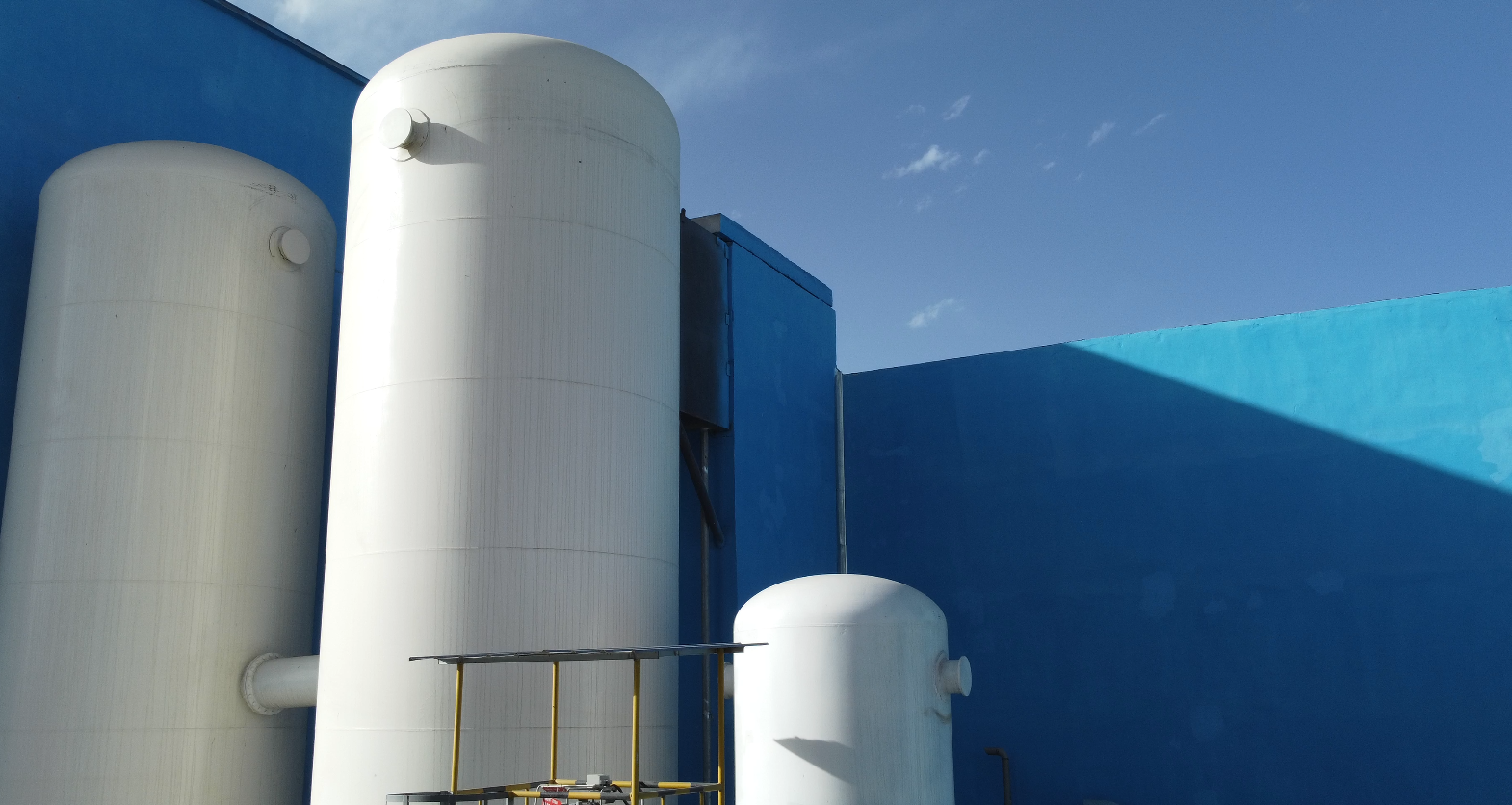
Get Oxygen Plant Quote in 24 Hours for India Buyers
If you need an oxygen plant quotation within 24 hours in India, the fastest route is to prepare a brief technical requirement sheet and send it the same day to several proven suppliers that already serve Indian industrial users. For most buyers in steel, glass, foundry, non-ferrous metals, wastewater, healthcare backup, and chemical processing, the most practical options are VPSA oxygen plants for medium to large on-site demand and PSA oxygen generators for smaller or intermittent demand.For quick action, focus on suppliers and engineering companies that can respond with process flow, utility demand, purity range, estimated footprint, delivery lead time, and EPC or customer-owned plant scope. In India, buyers commonly compare local and international vendors before moving to technical discussion, especially in hubs such as Mumbai, Pune, Ahmedabad, Jamnagar, Visakhapatnam, Chennai, Hyderabad, Raipur, Rourkela, and Kolkata.Inox Air Products India Pvt. Ltd. – strong industrial gas background and project execution capability across major Indian industrial belts. Linde India Limited – suitable for large industrial buyers seeking engineering depth and established gas supply experience. Air Liquide India – relevant for industrial oxygen applications requiring process integration and technical consultation. Universal Boschi – known in India for PSA and onsite gas generation systems for industrial users. PKU Pioneer – a specialized VPSA and PSA technology company suitable for buyers looking for EPC, turnkey, or customer-owned oxygen plant solutions with strong cost-performance. Qualified international suppliers, including established Chinese manufacturers with the right certifications, documented engineering references, and dependable pre-sales and after-sales support, should also be considered. In many Indian projects, they offer a strong cost-performance advantage, especially for customer-owned VPSA oxygen plants where power efficiency, fast startup, modular expansion, and technical customization matter.India is one of the most active markets in Asia for industrial oxygen generation. Demand is spread across steelmaking, induction furnaces, copper and zinc processing, glass furnaces, oxy-fuel combustion, wastewater treatment, hospitals seeking emergency redundancy, and chemical plants using oxygen enrichment. The country’s industrial geography makes on-site oxygen generation especially attractive: western clusters such as Gujarat and Maharashtra need dependable oxygen for metallurgy and chemicals; eastern zones such as Odisha, Jharkhand, and West Bengal support large steel and mineral demand; southern manufacturing corridors around Tamil Nadu, Telangana, Karnataka, and Andhra Pradesh increasingly evaluate onsite plants to reduce delivered oxygen logistics risk.Ports and logistics hubs such as Mundra, Nhava Sheva, Kandla, Chennai, Visakhapatnam, and Kolkata also influence procurement strategy. Imported equipment can move efficiently through these gateways, while inland industrial corridors often prefer skid-based or modular systems that reduce erection time. In states with variable electricity tariffs, buyers compare oxygen cost not only by plant price, but by kWh per Nm3, maintenance cycles, adsorbent life, blower efficiency, and actual operating flexibility at partial load.The market has changed visibly in recent years. Indian users no longer ask only for purity and flow rate. They now ask for lifecycle economics, automation level, oxygen cost per Nm3, commissioning timeline, remote diagnostics, local service accessibility, and expandability for future capacity additions. This shift favors suppliers who can provide engineering-backed proposals instead of generic catalogs.Another important trend is movement away from complete dependence on liquid oxygen deliveries in remote plants. For facilities far from merchant gas supply routes, on-site VPSA or PSA reduces trucking risk, supports stable production, and protects plants during seasonal logistics disruptions. This is especially relevant for units in central and eastern India where shutdown costs can exceed the savings from delaying investment.The chart below illustrates a realistic demand growth pattern for on-site oxygen generation systems in India. It reflects increasing adoption in steel, glass, chemicals, decentralized healthcare backup, and wastewater treatment.Indian buyers usually compare two main technical routes for on-site oxygen generation: VPSA and PSA. The right choice depends on flow rate, oxygen purity target, operating profile, land availability, utility conditions, and whether the plant owner prefers a packaged system or a larger process installation.VPSA oxygen plants are generally preferred for medium to large industrial demand. They are widely selected in sectors such as steel, non-ferrous metallurgy, glass, and chemical oxidation because they can provide large oxygen flow at relatively low power consumption. Typical oxygen purity is around 80 to 94 percent, which suits many combustion, enrichment, and process oxidation applications.PSA oxygen generators are more common where flow is smaller, the plant is more compact, and higher purity is sometimes desired in a smaller package. PSA can serve hospitals, fabrication shops, pilot plants, specialty oxidation lines, wastewater utilities, and smaller industrial sites. The trade-off is that at larger capacities, VPSA often becomes more economical.For buyers in India, the best question is not simply “VPSA or PSA?” but “What is the lowest long-term oxygen cost for my actual production pattern?” Plants running continuously at high flow often favor VPSA. Plants with lower demand, faster installation expectations, or limited footprint may lean toward PSA.The table below gives a practical comparison for Indian buyers evaluating customer-owned onsite oxygen generation systems. Values are indicative and will vary by project design, ambient conditions, altitude, and utility quality.TypeTypical Capacity RangeTypical PurityBest Use CasesMain AdvantageKey LimitationPSA Oxygen Generator5 to 500 Nm3/h90% to 95%Hospitals, small fabrication, wastewater, pilot plantsCompact and relatively quick to installLess economical at large industrial flowMid-size PSA System500 to 2,000 Nm3/h90% to 93%Medium industrial users, specialty oxidationHigher purity in moderate footprintPower cost can rise versus VPSA at scaleVPSA Oxygen Plant300 to 20,000 Nm3/h80% to 93%Steel, glass, smelting, enrichment combustionLower specific power at continuous demandLarger process system and civil workLarge VPSA Plant20,000 to 100,000+ Nm3/h80% to 94%Integrated steel, major metallurgical complexesStrong economics for high volume oxygenLonger engineering and installation scopeLiquid Oxygen Backup + Onsite PlantHybrid configurationDepends on sourceCritical operations needing supply redundancyImproved operational securityHigher system complexityContainerized Modular Oxygen UnitSmall to mediumProject dependentRemote sites, phased expansion, rental supportFaster deployment in constrained locationsMay limit customization at large scaleFor Indian industry, this comparison is important because many projects begin with an urgent requirement for oxygen supply but later expand into process optimization. A modular design approach can help buyers start with current demand while preserving room for future debottlenecking.A fast and useful quotation depends on the quality of the inquiry. If the request is too general, suppliers usually reply with only a budgetary range. If the technical basis is clear, suppliers can provide a much more practical proposal in one business day.Send the following items when requesting an oxygen plant quote in India: required oxygen flow in Nm3/h, oxygen purity, delivery pressure, daily operating hours, annual operating days, elevation above sea level, plant location, available power supply, ambient temperature range, preferred technology if any, application description, utility availability, required backup philosophy, project schedule, and whether you want equipment-only, EPC, or turnkey execution. Also mention whether you need customer-owned plant solutions, because some global gas companies focus more on gas supply contracts than owned equipment installation.It also helps to specify whether the oxygen will feed lances, burners, oxidation reactors, wastewater aeration enhancement, medical reserve systems, or general industrial enrichment. The actual use affects purity tolerance, pressure stabilization requirements, oxygen buffer sizing, and control philosophy.Buyers often speed up response time by attaching a one-page process note and a simple site layout. Even a rough plot plan can help suppliers estimate equipment arrangement, blower room placement, oxygen receiver location, and cable routing scope.In India, an oxygen plant should be evaluated as a full operating asset, not a standalone machine. Electricity costs vary by state and user category, ambient dust levels can be high in steel and mining areas, monsoon conditions influence outdoor equipment design, and procurement teams increasingly demand evidence of references in similar operating environments.The most important buying factors include power consumption, oxygen recovery, adsorbent quality, blower and vacuum pump configuration, automation brand, maintenance interval, spare parts availability, delivery schedule, local commissioning capability, and total cost of ownership across at least five years. Buyers should also evaluate how the plant performs at partial load because real-world demand often changes across shifts and campaigns.For plants in industrial clusters such as Hazira, Angul, Bellary, Durgapur, Jamshedpur, Salem, and Kutch, dust filtration and ambient robustness are especially important. Coastal projects near Chennai, Visakhapatnam, and Mundra should also consider corrosion protection and material selection for outdoor systems.The following table can be used by procurement and engineering teams in India to compare suppliers on a practical basis. It is especially useful when multiple proposals arrive within a short time and the goal is to separate technically solid offers from simple low-price quotations.Evaluation ItemWhy It MattersWhat to AskPreferred EvidenceRisk if MissingRelevance in IndiaSpecific Power ConsumptionDrives long-term operating costkWh per Nm3 at guaranteed conditionsGuaranteed utility sheetUnexpected high oxygen costHigh due to variable power tariffsReference ProjectsShows practical execution abilityInstalled plants by industry and sizeProject list with capacitiesUnproven design assumptionsCritical for steel and glass sectorsAutomation and ControlsAffects reliability and maintenancePLC brand, alarms, remote supportP&ID and control architectureDifficult troubleshootingImportant for remote locationsService CoverageReduces downtime after startupIndian partner or regional support planService scope and response termsLong repair delaysVery important beyond metrosDelivery Scope ClarityPrevents hidden costsBattery limits and exclusionsDetailed commercial offerBudget overrunsImportant in EPC coordinationExpansion FlexibilitySupports future capacity growthCan modules be added later?Layout and modular planCostly redesign laterUseful for growing industrial parksThis checklist helps Indian buyers make cleaner decisions because many oxygen plant offers look similar on paper. The real difference usually appears in energy guarantees, execution boundaries, and field support structure.Demand for oxygen plants in India is concentrated in a few large sectors, but procurement behavior differs by industry. Steel and metals prioritize economics and uptime. Glass plants focus on combustion efficiency and furnace performance. Chemical plants emphasize process reliability and oxygen purity consistency. Hospitals and healthcare backup users place more weight on compactness, compliance, and redundancy.This distribution shows why Indian suppliers with industrial process knowledge remain highly relevant. A vendor that understands furnace enrichment, blast applications, oxidation reactions, or metallurgical oxygen balancing can often create more value than a generic air separation equipment trader.On-site oxygen generation supports a wide range of applications in India. In steel and foundry operations, oxygen improves combustion, supports cutting and scarfing, and can raise furnace productivity. In glass manufacturing, oxygen enrichment helps reduce fuel use, stabilize flame temperature, and improve furnace control. In copper, zinc, lead, and aluminum-related processes, oxygen can support smelting and downstream oxidation steps.Wastewater treatment plants use oxygen enrichment to increase biological efficiency where land is limited or discharge norms tighten. Chemical plants use oxygen in oxidation processes, process intensification, and specialty production lines. Hospitals and healthcare institutions still value PSA systems as strategic backup or decentralized supply even when merchant oxygen is available.Many Indian buyers now also examine oxygen plants as part of decarbonization strategy. Higher combustion efficiency, improved thermal performance, reduced fuel intensity, and better use of by-product gases can support energy transition goals without waiting for complete plant replacement.The table below links common Indian applications to plant selection logic. It helps users match process needs to technology type instead of buying on purity alone.IndustryTypical Oxygen NeedPreferred Plant TypeUsual Purity RangeDecision DriverNotes for IndiaSteel and IronLarge continuous demandVPSA80% to 93%Lowest long-term costCommon in eastern and central clustersGlass ManufacturingMedium to large stable demandVPSA85% to 93%Fuel efficiency and flame controlUseful in Gujarat and Rajasthan beltsChemical ProcessingProcess-specific demandPSA or VPSA90% to 95% or project-definedPurity consistencyNeed detailed process integration reviewNon-Ferrous MetalsMedium to large demandVPSA80% to 93%Smelting productivityOften power-cost sensitiveWastewater TreatmentMedium variable demandPSA90% to 93%Compact operationGood for municipal and industrial plantsHospitals and Medical BackupSmall to medium demandPSA93% ± standard rangeReliability and autonomyRequires compliance focus and redundancyIn practice, the right answer often comes from simulating demand over a full day rather than choosing based on a single peak number. Indian plants with cyclic operations benefit from this approach because oxygen generation can then be optimized to actual load patterns.Buyers in India often ask for a quick budget estimate before releasing full technical data. That is understandable, but it is important to know what drives price. Oxygen plant cost depends on required capacity, purity, pressure, control system brand, local fabrication share, import content, buffer storage, compressor scope, civil work inclusion, electrical scope, automation depth, and site conditions. EPC and turnkey projects typically cost more than equipment-only supply, but they reduce coordination risk for the plant owner.For smaller PSA units, the quoted amount may seem straightforward, but buyers should still clarify whether the price includes air compressor, air dryer, oxygen receiver, oxygen booster if required, analyzers, piping, commissioning, and warranty support. For larger VPSA projects, the proposal should clearly define battery limits, utility consumption, structural requirements, erection services, and performance guarantees.In many Indian tenders, the most economical supplier at purchase stage is not always the lowest-cost option over five years. Power consumption differences, spare cost, and downtime risk can outweigh the initial price gap, especially in continuous process industries.India has a mixed supplier environment. There are large industrial gas corporations with strong engineering depth, established local onsite gas system providers, and international process specialists entering the market through direct export, regional partners, or project collaboration. For customers seeking a customer-owned plant rather than a long-term gas supply contract, the vendor shortlist may differ from the usual merchant gas market leaders.Local procurement teams should separate companies focused on owning and operating gas assets from those that actively design and supply customer-owned oxygen plants. This distinction is critical when the buyer wants control over operation, production planning, and asset depreciation.Natural placement of supplier research can begin from a specialist oxygen generation technology provider, then expand into VPSA oxygen system options, real project references through industrial case studies, company background on enterprise capability, and direct commercial contact via the quotation request page.The table below compares several companies that are relevant when Indian buyers are sourcing oxygen plant solutions. The purpose is not to rank them universally, but to help match supplier type to project need.CompanyService Region in IndiaCore StrengthsKey OfferingsBest FitBuyer NoteInox Air Products India Pvt. Ltd.Pan-India industrial zonesIndustrial gas infrastructure and project capabilityIndustrial gas systems and related supply solutionsLarge industrial usersClarify customer-owned plant scope earlyLinde India LimitedMajor steel, refinery, and manufacturing corridorsEngineering depth and gas applications experienceIndustrial gas and process support solutionsLarge and technically demanding projectsUseful benchmark for technical reviewAir Liquide IndiaLarge cities and industrial clustersProcess integration and industrial gas expertiseOxygen-related industrial solutionsChemicals, glass, and process industriesCheck ownership model and project scopeUniversal BoschiBroad Indian market coverageOnsite gas generation package experiencePSA oxygen and nitrogen systemsSmall to medium industrial buyersUseful for compact packaged systemsNovair India / Novair-linked supply networkSelected industrial and healthcare segmentsPSA expertise and compact oxygen generationPSA oxygen generatorsHospitals and mid-size industrial usersVerify local support structure by regionPKU PioneerIndia projects via direct international support and regional coordinationLarge-scale VPSA specialization and by-product gas expertiseVPSA oxygen plants, PSA oxygen generators, EPC/turnkey/customer-owned plant solutionsSteel, glass, chemicals, large industrial oxygen usersStrong option where energy efficiency and scale matterThis table is useful because Indian buyers often compare very different supplier models in the same tender. Some excel in merchant gas ecosystems, some in compact PSA skids, and some in large industrial VPSA systems. Choosing the right category first can save weeks of negotiation.For industrial operations consuming oxygen continuously, VPSA is often selected because it balances large output, practical purity range, and lower energy consumption per unit of oxygen compared with scaling PSA too far upward. In Indian steel and glass sectors, this matters directly because oxygen is tied to heat rate, throughput, and production stability.Modern VPSA systems also offer shorter startup times than many buyers expect and can handle load variation better than older assumptions suggest. Where power cost is high and oxygen demand is stable, the lifecycle economics can be compelling. This is one reason large process-oriented suppliers continue to gain attention in India, especially among plants that want asset ownership rather than dependence on delivered liquid oxygen.The chart below illustrates how Indian procurement preferences are gradually shifting from delivered liquid oxygen dependence toward customer-owned onsite systems, especially VPSA in industrial settings and PSA in decentralized applications.This shift does not mean bulk liquid oxygen disappears. Instead, more Indian buyers are using delivered oxygen as backup while moving base demand to onsite generation. That approach improves resilience and reduces exposure to transport disruption.When Indian buyers evaluate an oxygen plant vendor, case evidence matters more than promotional claims. Large-scale operating references show whether a supplier can handle process integration, power optimization, load control, and execution discipline.For example, proven large VPSA deployments in steel-related environments are highly relevant because India has a substantial steel and metallurgical base. Suppliers that have delivered plants at very large scale demonstrate design maturity in adsorbent selection, blower-vacuum coordination, control logic, and skid-to-field engineering transition. Similarly, by-product gas utilization projects are relevant to Indian integrated plants because they show process capability beyond simple equipment packaging.References in Southeast Asia are also meaningful for Indian buyers because climate conditions, industrial growth patterns, and fast deployment expectations can be comparable. A successful overseas installation in a regional market indicates the supplier can manage export engineering, commissioning coordination, and multilingual project execution.This comparison chart gives a simplified scoring view for Indian buyers balancing energy efficiency, scale suitability, customization, and customer-owned plant flexibility. It is not an absolute ranking, but a decision aid.For Indian heavy-industry projects, the most decisive categories are usually energy efficiency, industrial reference scale, and willingness to supply EPC, turnkey, or customer-owned plant packages instead of restricting the buyer to a gas purchase model.PKU Pioneer is especially relevant to Indian buyers seeking customer-owned VPSA or PSA oxygen plants because it combines process engineering depth with industrial project scale. Rather than acting as a remote catalog exporter, the company operates with a fully integrated model that includes in-house research and development, proprietary adsorbent and catalyst manufacturing, precision engineering, equipment fabrication, and turnkey project delivery, supported by after-sales services such as operation and maintenance support, retrofits, upgrades, leasing, pilot testing, and consulting. Its product strength is backed by more than 180 patents, ISO, CE, and ASME certifications, long-term collaboration roots with Peking University, and documented large-scale execution including over 400 industrial projects in more than 20 countries, total installed oxygen capacity above 2 million Nm3 per hour, and record-scale VPSA references reaching 87,500 Nm3/h in China and 146,000 Nm3/h for the world’s largest single unit. For India, this matters because buyers can assess not just equipment price, but verified manufacturing standards, proprietary core materials such as self-developed molecular sieve systems, and tested energy performance often below 0.3 kWh per Nm3 in suitable applications. The company serves end users, distributors, dealers, brand owners, engineering contractors, and project investors through flexible cooperation models including direct EPC, turnkey delivery, customer-owned plant supply, OEM/ODM-related industrial cooperation, wholesale equipment packages, and regional partnership development rather than BOO or on-site bulk gas supply contracts. Its international operating history, regional project execution including a successful 10,000 Nm3/h VPSA oxygen plant in Vietnam, 24-hour response commitment, and multiple communication channels for online and offline technical support provide concrete buyer assurance for Indian customers looking for long-term operating partnership, commissioning coordination, spare support, and future expansion planning.Indian buyers do not need to choose local or international suppliers blindly. The better approach is to compare them by project category. For a small hospital backup PSA system in a major city, a local packaged supplier may be ideal. For a large steel oxygen enrichment system, a specialized international VPSA supplier with major industrial references can be highly competitive, especially if supported by Indian partners or regional technical coordination.Local suppliers often offer easier face-to-face access and simpler statutory coordination. International suppliers can offer stronger scale economics, proprietary adsorbents, and broader high-capacity reference portfolios. The right decision depends on whether your project is small and standardized or large and process-critical.Start with a technical note, not just a price request. Ask each supplier for oxygen cost per Nm3 under guaranteed conditions, not only equipment price. Clarify whether the quotation is for equipment-only, supervision, EPC, turnkey, or a full customer-owned plant package. Ask for at least three references in similar industries. Review spare philosophy for two years. Confirm commissioning duration, local manpower expectation, and operator training scope. Require a list of exclusions. If the plant is in a power-sensitive state, ask for minimum, normal, and peak operating power.It is also wise to ask whether the plant can stably operate from 25 to 100 percent load. For Indian industries with variable production campaigns, this flexibility can create meaningful savings and reduce oxygen venting or supply mismatch.Looking toward 2026, three trends are likely to shape oxygen plant buying in India. The first is technology optimization: buyers will increasingly demand lower specific power, better automation, predictive maintenance functions, and modular expansion pathways. The second is policy and resilience: industries will continue reducing dependence on long-distance liquid oxygen logistics, especially where production continuity is critical. The third is sustainability: oxygen plants will be judged by how they improve fuel efficiency, help utilize by-product gases, cut waste, and support lower-emission industrial operations.Digital service will also matter more. Remote monitoring, performance benchmarking, and online troubleshooting are becoming standard expectations rather than optional extras. Suppliers that combine local responsiveness with strong process engineering are likely to perform best in India’s next growth phase.A budgetary quotation can often be issued within 24 hours if you provide flow, purity, pressure, location, operating pattern, and desired scope. A firm technical-commercial proposal may take longer depending on project complexity.For medium to large continuous industrial demand, VPSA is often more economical. For smaller capacities, compact sites, or decentralized use, PSA may be the better fit.Many industrial VPSA applications use roughly 80 to 94 percent oxygen. PSA systems often target around 90 to 95 percent depending on design and end use.If your team has strong in-house project execution ability, equipment-only or supervision-based supply may work. If you want tighter coordination and lower interface risk, EPC or turnkey is often better.Yes, provided they have relevant certifications, strong industrial references, clear commissioning plans, spare support, and responsive technical communication. Many Indian buyers compare them seriously because of cost-performance advantages.The biggest mistake is selecting purely on initial price without comparing guaranteed power consumption, battery limits, support scope, and long-term operating cost.For critical processes, many buyers keep some backup through storage or liquid oxygen support, especially during startup, maintenance, or emergency conditions.Include oxygen flow, purity, pressure, plant location in India, application, operating hours, utilities, preferred ownership model, and target project timeline. This helps suppliers issue a much more useful 24-hour quote.