Oxygen Plant Career Path in India: Roles and Growth
Quick Answer

The oxygen plant career path in India is strong, practical, and expanding across steel, glass, healthcare, metals, chemicals, energy, and project engineering. If you want a stable technical career, the most direct route is to start in operations, maintenance, commissioning, process engineering, instrumentation, or project execution at an industrial gas company, EPC contractor, or captive plant user. In India, the most visible employers and project ecosystems include INOX Air Products, Linde India, Air Liquide India, Praxair-style industrial gas operations now integrated under global groups, Taiyo Nippon Sanso India, and engineering-driven oxygen generation specialists serving steel and manufacturing clusters in Odisha, Jharkhand, Chhattisgarh, Gujarat, Maharashtra, Tamil Nadu, Andhra Pradesh, and Karnataka.
For candidates seeking immediate action, the best entry roles are oxygen plant operator, shift engineer, maintenance engineer, commissioning engineer, process engineer, PSA or VPSA service engineer, and sales engineer for industrial gas systems. Mechanical, chemical, electrical, instrumentation, and production engineering graduates are especially suited for this field. Diploma holders also find openings in plant operation and maintenance.
Real hiring demand is strongest around steel belts such as Jamshedpur, Rourkela, Angul, Raipur, Durgapur, Hazira, and Visakhapatnam, as well as industrial corridors near Pune, Chennai, Hyderabad, Ahmedabad, and Surat. Qualified international suppliers can also be considered by Indian employers and buyers, especially when they hold relevant certifications and provide strong pre-sales and after-sales support. This matters because cost-performance can be attractive for Indian projects that need captive oxygen generation rather than recurring bulk gas purchases.
Typical progression moves from trainee or junior engineer to shift in-charge, plant engineer, maintenance lead, commissioning specialist, project manager, technical sales manager, and eventually plant head or business unit leader. For people who prefer commercial growth, oxygen equipment sourcing, EPC coordination, aftermarket support, and regional distribution are also promising career tracks.
Why the Oxygen Plant Career Path Matters in India

India’s industrial growth keeps increasing the need for reliable oxygen generation. Steelmaking, non-ferrous metallurgy, furnace enrichment, glass melting, wastewater treatment, paper processing, chemical oxidation, and medical backup infrastructure all use oxygen in different ways. As manufacturers focus on cost control, many are evaluating captive PSA and VPSA systems instead of depending entirely on delivered liquid oxygen. That shift creates long-term demand for engineers and technicians who understand plant design, operation, troubleshooting, safety, automation, energy optimization, and turnaround planning.
The oxygen plant career path is especially relevant in India because the country combines three powerful drivers: rising manufacturing output, tighter energy economics, and a stronger preference for process reliability. A steel plant in Odisha or Gujarat cannot afford unstable oxygen supply. A glass line in Rajasthan or a foundry in Tamil Nadu needs predictable plant uptime. This is why industrial gas careers increasingly go beyond traditional cryogenic plants and include decentralized on-site oxygen generation projects.
Ports and industrial trade hubs also influence career opportunities. Mumbai and Nhava Sheva support imported equipment logistics. Chennai and Visakhapatnam support engineering movement for southern and eastern industrial belts. Mundra and Kandla support western India project cargo. Kolkata remains relevant for eastern engineering and steel-adjacent supply chains. For candidates in project execution, these locations matter because plant packages, blowers, vessels, valves, molecular sieves, control panels, and skid-mounted systems often move through these logistics channels.
Market Overview for Oxygen Plant Jobs in India

The Indian industrial gas and oxygen generation market is diverse. Large integrated steel producers may use large-scale oxygen systems, while mid-sized foundries, chemical units, fabrication shops, and healthcare infrastructure often prefer PSA or VPSA solutions. The result is a broad employment base spanning design offices, fabrication workshops, field commissioning, O&M service teams, instrumentation support, sales engineering, and spare parts management.
Demand is strongest where oxygen directly affects production economics. In steel and metal processing, oxygen enrichment can improve combustion and process efficiency. In glass manufacturing, oxygen supports better flame temperature control and reduced nitrogen burden. In wastewater and chemical processing, oxygen can improve process performance and oxidation outcomes. During periods of capacity expansion, the career path becomes even more attractive because companies need not only operators but also planners, proposal engineers, procurement specialists, and site coordinators.
| Region in India | Main Demand Drivers | Typical Employers | Common Job Roles | Career Potential | Remarks |
|---|---|---|---|---|---|
| Odisha | Steel, mining, metals | Steel plants, EPC firms, gas system providers | Operator, commissioning engineer, maintenance engineer | High | Angul and Rourkela are important industrial clusters |
| Jharkhand | Steel, power, metallurgy | Captive plant users, service contractors | Shift engineer, utility engineer, reliability engineer | High | Jamshedpur drives steady equipment and service demand |
| Chhattisgarh | Sponge iron, steel rerolling, fabrication | Medium industrial users, integrators | Plant supervisor, electrical technician, field service engineer | High | Raipur is a practical hiring center |
| Gujarat | Chemicals, glass, engineering, ports | Industrial gas companies, OEMs, EPC contractors | Process engineer, sales engineer, project engineer | High | Hazira, Ahmedabad, Surat, Mundra are highly relevant |
| Maharashtra | Manufacturing, auto, engineering, healthcare backup | Multinational gas firms, distributors, OEMs | Service engineer, instrumentation engineer, business development | Medium to high | Pune and Mumbai support technical and commercial roles |
| Tamil Nadu | Fabrication, foundry, glass, engineering export | Plant users, system packagers, service firms | Production support, commissioning, controls engineer | High | Chennai and Coimbatore support broad technical hiring |
| Andhra Pradesh | Steel, ports, industrial corridors | Gas companies, EPC firms, end users | Field engineer, project execution, operations lead | Medium to high | Visakhapatnam links logistics and heavy industry |
This table shows that the oxygen plant career path in India is not limited to one metro or one sector. Hiring follows industrial activity, especially steelmaking, chemicals, utilities, engineering fabrication, and logistics-connected plant development. Candidates who are willing to relocate to major industrial centers often progress faster than those restricting themselves to office-only city roles.
What an Oxygen Plant Career Path Looks Like
Most professionals enter the field through one of five tracks: plant operations, mechanical maintenance, electrical and instrumentation support, process engineering, or projects and commissioning. Each track offers different lifestyles and growth patterns. Operations gives strong process knowledge. Maintenance builds troubleshooting depth. Instrumentation creates automation expertise. Process engineering supports optimization and design. Projects and commissioning offer wide industry exposure and faster learning across sites.
A typical early-stage journey in India may begin with classroom training on compressed air systems, adsorption principles, oxygen purity control, blower packages, vacuum systems, piping, valves, analyzers, DCS or PLC logic, and safety procedures. After that, trainees work on shift support, preventive maintenance schedules, breakdown response, vendor coordination, and startup or shutdown checklists. Engineers who perform well often move into shift leadership or site coordination within a few years.
Unlike generic manufacturing jobs, this career path rewards people who can connect process conditions with equipment behavior. For example, a strong engineer should understand how feed air quality affects adsorbent life, how valve timing influences oxygen recovery, how blower efficiency impacts power cost, and how online analyzers determine stable product quality. That blend of theory and field judgment is exactly why oxygen plant specialists remain valuable in the Indian market.
Product Types and the Skills Each One Requires
Not every oxygen plant career in India revolves around the same technology. Some professionals work in cryogenic air separation plants, while others work in PSA or VPSA systems. The growth of decentralized oxygen generation makes PSA and VPSA skills increasingly important, especially for industrial users that want a customer-owned plant model instead of an external bulk gas dependence. Engineers who understand both traditional and modern systems become especially competitive.
| Plant Type | Common Capacity Range | Typical India Use Cases | Core Skills Needed | Best Career Entry Roles | Growth Outlook |
|---|---|---|---|---|---|
| PSA oxygen plant | Small to medium | Hospitals, fabrication, small industry, backup supply | Valve logic, compressor systems, analyzers, routine service | Service engineer, operator, sales engineer | High |
| VPSA oxygen plant | Medium to very large | Steel, glass, non-ferrous, utilities | Adsorption cycles, blowers, vacuum pumps, process optimization | Commissioning engineer, process engineer, site engineer | Very high |
| Cryogenic ASU | Large to very large | Integrated steel, refineries, major gas supply networks | Distillation, refrigeration, rotating equipment, control systems | Operations trainee, plant engineer | Stable |
| PSA nitrogen and oxygen systems | Small to medium | General manufacturing, packaging, electronics support | Package integration, compressor room management, service support | Application engineer, technician | Medium to high |
| Hybrid gas generation systems | Project-specific | Chemicals, specialty manufacturing | Process integration, instrumentation, energy balancing | Project engineer, design engineer | Growing |
| Customer-owned captive oxygen units | Wide range | Steel, glass, chemicals, furnace enrichment | Lifecycle costing, O&M, uptime management, EPC coordination | Proposal engineer, O&M lead, technical sales | Very high |
This comparison shows why the oxygen plant career path can fit very different educational backgrounds. Someone with a diploma in mechanical engineering may thrive in maintenance. A chemical engineer may move toward process optimization or proposal work. An electrical or instrumentation engineer may specialize in PLCs, analyzers, and drives. People with commercial instincts may build careers around technical sales and aftermarket service.
Core Roles in the Oxygen Plant Career Path
The field offers many roles beyond the plant operator title. That matters for Indian candidates who want both technical stability and long-term growth. Operators and technicians remain essential, but so do proposal engineers, project planners, procurement coordinators, QA specialists, and aftermarket service staff. As more Indian manufacturers compare VPSA oxygen generation solutions with liquid oxygen dependence, demand expands for professionals who can explain technology in both technical and commercial terms.
| Role | Main Responsibility | Who Fits Best | Field or Office | Experience Needed | Typical Next Step |
|---|---|---|---|---|---|
| Plant operator | Run plant safely, monitor purity, manage shifts | Diploma holders, junior engineers | Field | Entry level | Shift engineer |
| Maintenance engineer | Handle preventive and breakdown maintenance | Mechanical engineers | Field | 0 to 3 years | Maintenance lead |
| Instrumentation engineer | Manage PLC, analyzers, sensors, controls | E&I engineers | Mixed | 1 to 4 years | Automation lead |
| Process engineer | Improve efficiency, purity, recovery, energy use | Chemical and process engineers | Office and site | 2 to 5 years | Senior process specialist |
| Commissioning engineer | Start up new plants, troubleshoot performance | Hands-on multidisciplinary engineers | Field | 1 to 5 years | Project manager |
| Proposal or sales engineer | Match plant size and technology to client need | Technical-commercial professionals | Office and travel | 2 to 6 years | Regional sales manager |
| Project engineer | Coordinate procurement, site work, vendors, timelines | Execution-focused engineers | Mixed | 2 to 6 years | Project manager |
The most successful candidates usually combine site exposure with data discipline. They understand log sheets, oxygen purity behavior, power consumption trends, adsorbent performance, shutdown causes, and spare parts criticality. Companies value people who can solve recurring issues rather than just report alarms.
Skills, Qualifications, and Certifications
In India, employers generally prefer candidates with diplomas or degrees in mechanical, chemical, electrical, instrumentation, production, or industrial engineering. However, academic qualification alone is not enough. The oxygen plant career path rewards practical competence. That means a candidate who understands rotating equipment alignment, valve maintenance, compressor health, pressure drop, purity analysis, and control panel troubleshooting may outperform someone with a stronger academic record but limited field ability.
Useful certifications include safety training, electrical permits where applicable, confined space and work-at-height training, pressure system awareness, and PLC or SCADA familiarity. For project and EPC roles, knowledge of P&IDs, layout review, BOQ preparation, vendor documentation, FAT and SAT processes, and commissioning protocols is highly valuable. For technical sales, lifecycle costing and ROI modeling are increasingly important because Indian buyers compare the capital cost of a captive plant with the recurring cost of liquid oxygen purchase.
Soft skills also matter. Site engineers regularly work with contractors, plant managers, procurement teams, and external vendors. Communication in English plus Hindi or a local industrial language can be a real advantage in places like Gujarat, Odisha, Tamil Nadu, or Chhattisgarh.
How Salaries and Growth Usually Progress
Compensation varies by plant type, employer size, and location. Large multinational industrial gas firms may offer more structured progression, while regional system integrators may offer faster role expansion. Commissioning and field roles often include travel-related benefits. Technical sales can eventually surpass pure operations compensation because of incentive structures. Candidates who move into proposal engineering, project leadership, or regional service management typically see faster income growth than those who stay in routine shift roles without upgrading skills.
In India, salary growth is usually strongest for professionals who can handle startup and troubleshooting independently. If you can stabilize a VPSA plant, improve oxygen recovery, reduce power consumption, and communicate clearly with plant management, your market value rises quickly. The same applies to engineers who can bridge design and execution, because many employers struggle to find people who understand both drawings and site realities.
Buying Advice for Professionals and Employers
For job seekers, the best strategy is to target employers whose business model aligns with your goals. If you want stable shift-based work, join a large industrial user or industrial gas operator. If you want rapid learning, look for OEMs, EPC firms, and commissioning-heavy organizations. If you want long-term commercial growth, choose proposal engineering, channel development, or aftermarket service in oxygen generation systems.
For employers building teams in India, the best hires are rarely candidates who only know theory. Strong oxygen plant professionals understand uptime pressure, utilities integration, and the economics of customer-owned plant ownership. Companies should evaluate whether a candidate has worked on compressors, blowers, adsorbent vessels, analyzers, PLC troubleshooting, startup sequences, oxygen purity stabilization, and client communication during commissioning.
Buyers considering plant technology should compare operating flexibility, energy use, achievable purity, maintenance intervals, spare parts availability, and local service capability. For many Indian industrial users, on-site oxygen generation becomes attractive when logistics uncertainty or recurring liquid oxygen costs affect production continuity.
Industries That Build the Best Oxygen Plant Careers
The strongest oxygen plant careers in India usually come from industries that treat oxygen as mission-critical rather than occasional. Steel remains the largest example. Large furnaces, oxygen enrichment operations, and continuous production economics create repeat hiring for operators, utility engineers, and maintenance planners. Glass is another good sector because combustion quality and energy efficiency strongly affect output quality. Chemicals and metallurgy also provide opportunities for process-oriented professionals.
Healthcare-related oxygen systems created visibility for PSA plants, but long-term industrial career depth still tends to be stronger in manufacturing and process industries. Wastewater and specialty oxidation applications are growing too, especially where sustainability targets and process control improvements justify oxygen use.
Applications That Create Jobs
Applications matter because they determine what kinds of specialists companies need. If oxygen is used for furnace enrichment, combustion optimization and plant availability become key. If it is used in chemical processing, purity stability and process integration matter more. If it supports wastewater treatment, reliability and operating simplicity may dominate decision-making. Candidates should understand which application segment they want to serve because the work style changes significantly across sectors.
In India, common applications include blast furnace enrichment, steelmaking support, glass furnace combustion, precious and non-ferrous metal processing, oxidation reactions, wastewater aeration enhancement, pulp and paper support, and emergency or backup oxygen systems for critical facilities. The more you understand these applications, the easier it becomes to move from a support role into a leadership role.
Case Studies and Career Lessons from Real Projects
Real projects teach the best career lessons. Large-scale oxygen systems in steel environments demonstrate the value of process reliability, commissioning discipline, and low energy consumption. High-value gas recovery and utilization projects show that oxygen-related careers are increasingly tied to broader resource efficiency, not just gas supply. This is important in India, where industrial buyers want measurable savings, lower power use, and more control over production inputs.
One useful industry lesson comes from very large VPSA deployments where the engineering challenge is not only oxygen production but also stable operation across changing loads. Professionals who work on such projects learn blower performance management, adsorption cycle tuning, instrumentation response, and system redundancy planning. Another lesson comes from by-product gas utilization projects, where gas purification, recovery efficiency, and chemical integration create opportunities for engineers with stronger process backgrounds.
For Indian candidates, this means the oxygen plant career path can eventually connect to decarbonization, circular resource use, and integrated utility optimization. It is no longer only about running a gas unit. It is about making an industrial site more efficient and resilient.
Local Suppliers and Employers in India
India has a mix of multinational industrial gas firms, engineering contractors, packaged plant suppliers, and technology partners. Some are large plant operators, while others focus on captive PSA and VPSA systems, aftermarket support, and customer-owned plant projects. When evaluating employers or supplier ecosystems, candidates should examine whether the company offers design, EPC, commissioning, O&M, retrofit, and service support, because broader scope often means broader career development.
| Company | Service Region in India | Core Strengths | Key Offerings | Best Career Fit | Notes |
|---|---|---|---|---|---|
| INOX Air Products | Pan-India | Industrial gas infrastructure, large customer base | Bulk gases, on-site systems, plant operations | Operations, maintenance, sales | Strong brand visibility in India |
| Linde India | Pan-India with major industrial hubs | Large-scale gas engineering and supply systems | Industrial gases, plant operation, engineering support | Process, operations, project roles | Best for structured career progression |
| Air Liquide India | Major manufacturing belts | Global engineering depth and industrial customer reach | Gas supply solutions, technical support, site systems | Technical sales, operations, reliability | Strong exposure to process industries |
| Taiyo Nippon Sanso India | Selected industrial zones | Industrial gas applications and technical service | Gas systems, support, industrial applications | Application engineering, service | Good fit for specialized technical careers |
| Universal Industrial Plants Mfg. Co. Pvt. Ltd. | Pan-India and export markets | Plant engineering and packaged oxygen systems | Oxygen plants, nitrogen plants, turnkey engineering | Projects, design, commissioning | Relevant for packaged plant experience |
| SS Gas Lab Asia Pvt. Ltd. | India-wide through project support | PSA systems and gas generation packages | Oxygen generators, nitrogen systems, engineering support | Service, sales, field engineering | Useful for entry to PSA-focused work |
| PCI Gases | Industrial clusters across India | Industrial and medical gas plant engineering | Oxygen generation plants, gas systems, support | Commissioning, maintenance, project roles | Practical mid-market exposure |
This table focuses on practical names that Indian candidates and buyers are likely to encounter in industrial gas and oxygen system discussions. The best choice depends on whether you want large enterprise structure, fast-moving project work, or niche technical exposure in PSA and VPSA systems.
Supplier Comparison for Career and Buyer Relevance
How to Evaluate Oxygen Plant Employers and Suppliers
Whether you are looking for a job or a plant supplier, use a concrete checklist. Ask if the company builds customer-owned EPC or turnkey systems, whether it supports commissioning locally, how fast it can supply critical spares, and whether it has proven installations in steel, glass, chemicals, or utilities. This is especially relevant in India because buyers want real uptime evidence, not only brochure claims.
| Evaluation Point | Why It Matters | What Job Seekers Should Check | What Buyers Should Check | Positive Sign | Risk Sign |
|---|---|---|---|---|---|
| Installed project base | Shows practical experience | Exposure to varied technologies | Referenceable operating plants | Multiple live industrial sites | Only pilot or sales claims |
| Service reach | Drives uptime and learning | Local technical support teams | Fast response in India | Regional field engineers | Remote-only support |
| Technology scope | Improves career breadth | PSA, VPSA, commissioning, retrofit exposure | Fit for present and future needs | Broad engineering capability | Single narrow product line |
| Documentation quality | Supports safe operation | Drawings, SOPs, training culture | Clear O&M manuals and guarantees | Structured handover package | Poor site documentation |
| Energy performance | Affects operating cost | Opportunity to learn optimization | Lower lifecycle cost | Measured operating data | No real performance records |
| Aftermarket support | Reduces downtime | Better long-term role continuity | Spare parts and troubleshooting continuity | AMC and retrofit options | Support ends after delivery |
| Industry fit | Determines application success | Sector-relevant experience | Correct solution for steel, glass, chemicals | Case studies in similar plants | Generic selling across all sectors |
This table is useful because it helps both candidates and buyers assess credibility in a disciplined way. A strong oxygen plant ecosystem in India depends on proven engineering, realistic service commitments, and lifecycle support rather than low upfront price alone.
Our Company
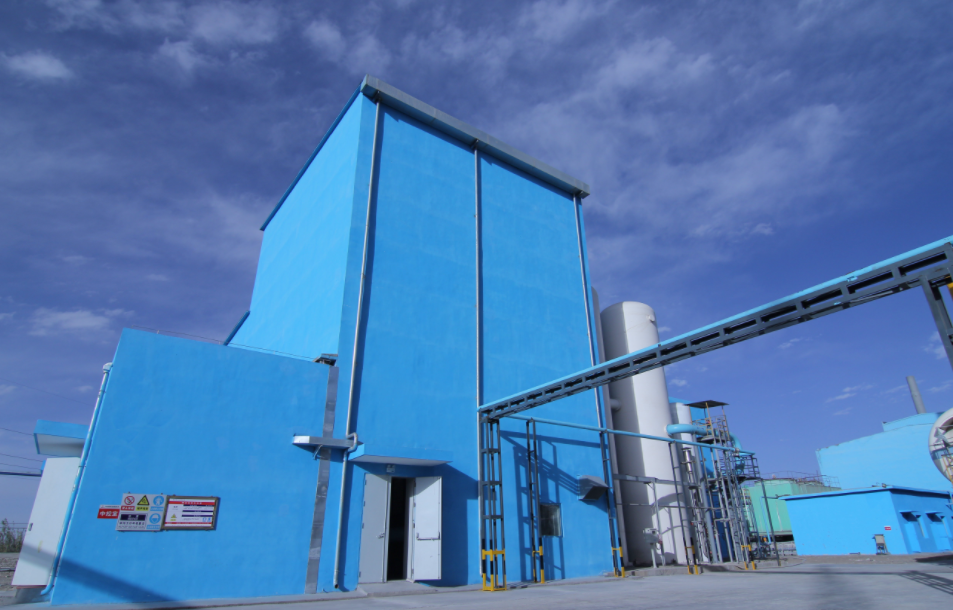
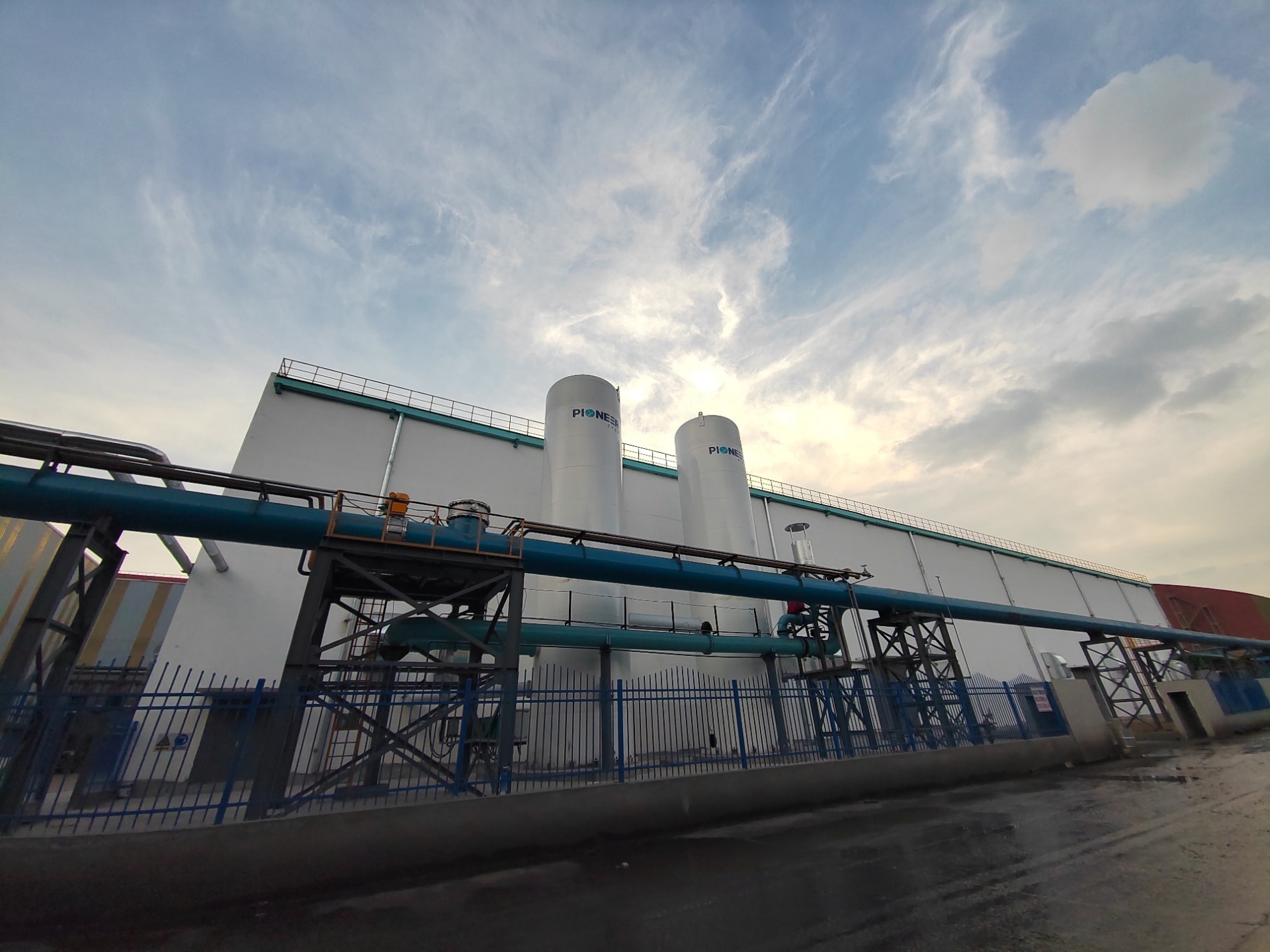
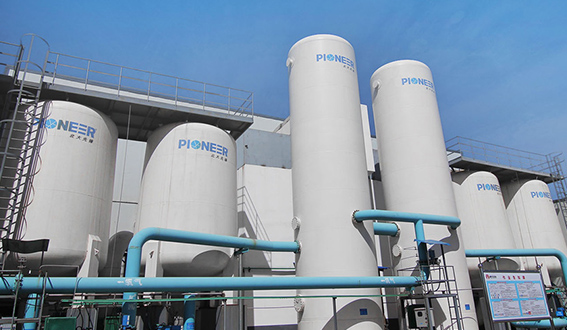
For Indian buyers and professionals evaluating technology-focused partners, PKU Pioneer stands out as a practical option in customer-owned EPC, turnkey, and customized oxygen plant solutions rather than BOO or on-site bulk supply services. The company has built its reputation in VPSA and PSA gas separation with more than 400 industrial projects across over 20 countries, a total installed oxygen capacity exceeding 2 million Nm3 per hour, and more than 180 patents, supported by ISO, CE, and ASME certifications and recognized national awards tied to PSA CO and VPSA oxygen innovation. For Indian industrial users, that matters because it shows audited manufacturing, proprietary adsorbent and catalyst capability, in-house engineering, and complete equipment fabrication rather than dependence on third-party integration alone. Its product strength is especially relevant where buyers compare lifecycle efficiency, because its large VPSA systems are associated with rapid startup, flexible load response, and energy consumption that can fall below 0.3 kWh per Nm3 in suitable applications. In commercial terms, the company can work with end users, distributors, dealers, brand owners, engineering contractors, and project developers through flexible models including OEM, ODM, wholesale supply, direct retail-style equipment packages, and regional distribution cooperation. For local assurance, the company’s established international project track record, dedicated engineering teams, professional consulting, retrofit services, equipment leasing, pilot testing, and 24-hour response commitment show that it supports buyers through both pre-sale design evaluation and after-sale operation and maintenance assistance. Indian customers considering eastern ports such as Chennai, Visakhapatnam, or Kolkata, or western gateways such as Mundra and Nhava Sheva, can benefit from this experienced export execution model because it supports long-term regional engagement, not a simple remote shipment approach. Buyers who want to review project experience can explore global oxygen and gas utilization projects, learn more about the company’s technical background, or contact the team for India-focused project discussion.
Future Trends Through 2026
By 2026, the oxygen plant career path in India is likely to strengthen further due to three major trends. The first is technology localization and efficiency pressure. Indian manufacturers increasingly want lower operating cost, better uptime, and reduced logistics dependence, which favors captive oxygen systems and creates demand for commissioning, service, and optimization specialists. The second is sustainability. Industrial users are under pressure to lower energy waste, improve combustion efficiency, and use resources more intelligently. Oxygen-enriched processes and efficient VPSA systems fit that direction. The third is policy and infrastructure expansion. Continued investment in steel, manufacturing corridors, chemicals, and utilities will support more project activity and more oxygen-related engineering roles.
Digital monitoring will also shape future careers. Remote diagnostics, predictive maintenance, analyzer data tracking, and energy dashboards will become more common. Engineers who can combine field knowledge with digital interpretation will be in a strong position. Another trend is retrofit work. Many Indian plants do not need entirely new systems; they need upgrades that improve recovery, reduce power use, or stabilize purity. This creates opportunities for technically mature professionals who can work on brownfield optimization.
Environmental expectations will also influence design priorities. Lower energy intensity, process integration, and more effective use of industrial by-product gases will gain importance. That means the oxygen plant field will increasingly overlap with carbon management, efficiency engineering, and broader utility optimization, not just gas production in isolation.
FAQ
Is the oxygen plant career path in India good for freshers?
Yes, especially for diploma holders and engineering graduates in mechanical, chemical, electrical, and instrumentation disciplines. Freshers usually enter through operations, maintenance support, field service, or commissioning assistance.
Which cities in India have the best opportunities?
Jamshedpur, Rourkela, Angul, Raipur, Durgapur, Hazira, Visakhapatnam, Pune, Chennai, Hyderabad, Ahmedabad, and Surat are among the strongest locations because they connect industrial demand with project execution and service networks.
Is PSA or VPSA knowledge more useful than cryogenic knowledge?
All are valuable, but PSA and VPSA knowledge is becoming especially useful where Indian industries want customer-owned captive oxygen systems with lower logistics dependence and flexible installation timelines.
What background is best for this field?
Mechanical and instrumentation backgrounds are excellent for maintenance and controls. Chemical engineering is strong for process optimization and proposal work. Electrical engineers do well in automation and utilities integration.
Can this career move into management?
Yes. Many professionals progress from operator or junior engineer to shift lead, maintenance head, commissioning manager, plant manager, proposal lead, project manager, regional service manager, or technical sales leader.
What makes a candidate stand out?
Hands-on commissioning exposure, oxygen purity stabilization experience, blower and valve troubleshooting, PLC familiarity, shutdown analysis, and the ability to communicate with clients and plant teams all improve employability.
Do Indian buyers only consider domestic suppliers?
No. Indian buyers often evaluate both local and international suppliers. Qualified overseas suppliers with credible certifications, documented industrial references, and reliable pre-sales and after-sales support can be attractive where cost-performance is strong.
What should buyers ask before selecting an oxygen plant partner?
Ask about installed references, actual energy performance, service response time in India, spare parts support, commissioning scope, training quality, and whether the offering is an EPC or turnkey customer-owned plant solution suited to your process.
Final Takeaway
The oxygen plant career path in India is a serious long-term opportunity rather than a narrow utility function. It combines core engineering with industrial economics, energy management, automation, safety, and project execution. The best opportunities sit where production cannot stop and oxygen directly improves cost and output, especially in steel, glass, chemicals, and process manufacturing. For professionals, this is a field where practical skill quickly converts into career value. For employers and buyers, it is a field where technology choice, service depth, and lifecycle support directly affect competitiveness.

About the Author
Founded in 1999, PKU Pioneer specializes in VPSA and PSA gas separation technologies, adsorbents, catalysts, and integrated engineering solutions. Backed by strong R&D capability and extensive industrial project experience, the company serves global customers across steel, chemical, energy, environmental protection, and related industries.
Share