Oxygen Plant Contract Checklist Before Signing in India
Oxygen Plant Checklist Before Signing in India
Quick Answer

Before signing an oxygen plant purchase agreement in India, buyers should verify five issues first: technical performance, statutory compliance, commercial scope, delivery responsibility, and lifecycle support. In practice, this means confirming oxygen purity, flow, pressure, power consumption, feed conditions, turndown range, and guaranteed performance test methods; checking Indian codes, PESO-related interfaces where relevant, electrical standards, and site safety obligations; locking down EPC or turnkey boundaries, battery limits, utilities, and exclusions; clarifying shipment, installation, commissioning, liquidated damages, and payment milestones; and ensuring spare parts, operator training, remote diagnostics, and response times are written into the contract.
For local market comparison in India, practical buyers often shortlist suppliers and engineering groups with real industrial references in cities such as Mumbai, Pune, Ahmedabad, Hyderabad, Chennai, Visakhapatnam, and steel belts in Odisha and Chhattisgarh. Frequently considered names include INOX Air Products, Linde India, Air Water India, Novair India, Universal Boschi, and local EPC integrators supporting PSA or VPSA packages. Qualified international suppliers, including Chinese manufacturers with relevant certifications, Indian project execution capability, and strong pre-sales and after-sales support, can also be a smart option because the cost-performance ratio is often better for customer-owned EPC and turnkey oxygen plants.
The fastest way to avoid costly disputes is to insist on a signed technical annex, a signed scope matrix, a signed guaranteed utility consumption sheet, and a signed acceptance-test protocol before the commercial contract is executed. If any of these are still “to be finalized,” the buyer should delay signature.
Why this checklist matters in India

India’s oxygen plant market has become more disciplined after major disruptions in industrial gas supply and the rapid expansion of healthcare and industrial oxygen infrastructure. Buyers in steel, glass, non-ferrous metals, engineering, wastewater, paper, chemicals, and healthcare now look more closely at plant ownership risk, energy cost, uptime, and domestic support. A contract that appears competitive on headline price can become expensive if it leaves ambiguity around compressor supply, power quality, GST treatment, import duties, civil works, statutory approvals, or guaranteed oxygen output at summer ambient conditions.
In India, contract quality matters because operating conditions differ sharply by region. Plants in Gujarat may face dust and saline exposure near ports such as Mundra and Kandla; plants in Maharashtra and Tamil Nadu may prioritize manufacturing density and faster service access through Mumbai, Pune, Chennai, and Ennore corridors; projects in Odisha, Jharkhand, and Chhattisgarh often sit close to steel and mining belts where reliability and high daily consumption are critical; and projects in North India may have strong seasonal swings in ambient temperature. A pre-signature review therefore has to localize performance guarantees to the actual site rather than relying on generic brochure conditions.
Another India-specific issue is logistics and execution interface. Imported components can come through Nhava Sheva, Chennai Port, Mundra, or Visakhapatnam, but inland movement, crane access, state-level approvals, and local contractor coordination can change both risk and schedule. That is why experienced buyers ask not only “What is the plant price?” but also “Who owns each interface from dispatch to performance acceptance?”
India market overview

Demand for on-site oxygen generation in India is shaped by industrial decarbonization, steel productivity upgrades, cost pressure in packaged gas supply, and the desire for supply security. Large blast furnace and enrichment users typically evaluate VPSA systems, while smaller and medium industrial users often prefer PSA. Hospitals and medical oxygen users need a more regulated specification path, but industrial users still require careful quality and uptime planning because downtime can affect furnaces, burners, oxidation processes, effluent treatment, and cutting operations.
Customer-owned oxygen plants are especially attractive where daily consumption is stable and where transport costs for bulk liquid oxygen are high. Plants located away from liquid oxygen hubs or with round-the-clock consumption often recover capital investment faster, especially when the agreement clearly fixes energy guarantees and maintenance obligations. Buyers in ports, industrial estates, and manufacturing clusters usually compare three models: direct plant purchase, EPC turnkey delivery, and long-term gas supply contracts. This article focuses on customer-owned plant solutions delivered through EPC or turnkey contracts rather than BOO or merchant gas supply.
The line chart shows a realistic growth pattern for India’s on-site oxygen generation market. The increase reflects wider industrial adoption, a stronger focus on supply resilience, and more energy benchmarking by buyers. Growth does not mean every plant is equal; it means buyers are becoming more selective about warranties, energy performance, and service depth before signing.
Product types relevant to contract review
Different oxygen plant technologies change what the contract must emphasize. PSA plants are common for smaller to medium capacities and are valued for compact design and straightforward operation. VPSA plants serve larger industrial demand, especially where low specific power consumption and large oxygen volumes are essential. Cryogenic systems remain relevant for very large capacity or high-purity requirements, but many users in India compare PSA and VPSA first because they can reduce capital intensity and speed up installation for certain applications.
| Plant Type | Typical Capacity Range | Usual Oxygen Purity | Best-fit Industries in India | Main Contract Focus | Buyer Caution |
|---|---|---|---|---|---|
| PSA oxygen plant | 20 to 2,000 Nm3/h | 90% to 95% | Hospitals, fabrication, glass, paper, wastewater, small foundries | Skid scope, air quality, backup, training | Check purity at guaranteed flow, not at reduced load |
| VPSA oxygen plant | 500 to 100,000+ Nm3/h | 80% to 94% | Steel, non-ferrous metals, glass, chemical oxidation | Power guarantee, blower design, adsorbent life, performance test | Confirm summer ambient and altitude correction |
| Cryogenic ASU | Large scale | Very high purity possible | Integrated steel, petrochemical, merchant gases | Cold box scope, utilities, startup support | Longer implementation and higher capex |
| Containerized PSA | Small to medium | 90% to 95% | Remote sites, emergency supply, hospitals | Mobility, redundancy, local service | Verify noise, heat rejection, and service access |
| Hybrid oxygen system | Project-specific | Application-specific | Sites needing flexibility or phased expansion | Integration logic, future expansion terms | Do not leave expansion pricing undefined |
| Pipeline-connected plant | Medium to large | Application-specific | Multi-unit industrial campuses | Battery limits, piping metallurgy, pressure drop | Clarify interconnecting pipeline ownership |
This table matters because the pre-signature checklist changes by plant type. A PSA medical-style package and a large industrial VPSA for a steel plant may both be called “oxygen plants,” but the contract risk profile is completely different. Buyers should force the technical annex to match the actual process design rather than using generic wording copied from an older project.
Pre-signature checklist for oxygen plant purchase agreements
The most reliable oxygen plant checklist before signing in India is built around ten contract control points. Each point should be addressed in the agreement body or in signed appendices.
Technical performance guarantees
Specify oxygen flow in Nm3/h, product purity, delivery pressure, dew point where relevant, availability target, startup time, turndown ratio, and specific power consumption. The contract should state whether guarantees apply at design point only or across a load range. If the plant serves combustion enrichment or steelmaking, state the acceptable purity band and control tolerances. If flow is tied to purity, define the guaranteed operating map clearly.
Design basis and site conditions
The design basis should include location, altitude, summer and winter ambient temperatures, humidity, dust loading, cooling water conditions if used, power quality, frequency, voltage fluctuation, seismic conditions, and operating schedule. For India, summer peak temperatures can materially affect blower and compressor performance, so the guaranteed output must be tied to the actual site basis.
Scope boundary and battery limits
Most post-award disputes arise here. The contract should show what the supplier includes and excludes: air compressor or blower, oxygen buffer tank, oxygen compressor if needed, analyzers, PLC or DCS interface, transformers, cable trays, insulation, interconnecting piping, unloading facilities, civil foundations, erection tools, cranes, refractory, and operator room equipment. A one-page battery-limit drawing signed by both parties saves major confusion later.
Compliance and approvals
Ask for the exact list of codes, standards, and statutory responsibilities. Depending on plant design and use, this may include electrical compliance, pressure vessel conformity, factory acceptance testing, calibration certificates, local authority interfaces, hazardous area classification, and any hospital or medical oxygen requirements if the plant is not purely industrial. The supplier should declare what approvals they support and which remain the owner’s responsibility.
Quality assurance and inspection
The agreement should list material grades, approved makes for critical items, welding and NDT requirements where relevant, factory inspection points, test packs, and document submission schedule. If imported equipment is involved, require packing standards suitable for Indian coastal and inland conditions. A pre-dispatch inspection clause is essential for high-value packages.
Commercial terms and price structure
The buyer should separate equipment price, engineering, erection, commissioning, taxes, freight, insurance, customs handling, and optional spares. If the proposal claims low capex, confirm whether items such as oxygen pipelines, analyzers, foundations, and utility tie-ins have simply been excluded. The lowest quote often hides the highest interface cost.
Delivery and delay protection
Set a contract schedule with document approval dates, manufacturing release points, dispatch milestones, erection windows, commissioning start, and performance test date. Delay damages should apply to supplier-caused delay, but the owner should also review whether its own approval obligations are realistic. Imported systems should include a customs and port handling responsibility note.
Acceptance testing and liquidated damages
The performance test procedure should define instrumentation, calibration, test duration, stabilization rules, ambient corrections, rerun conditions, and pass-fail metrics. If oxygen flow or power consumption misses the guarantee, the contract should specify the remedy: rectification, replacement, retest, or performance liquidated damages. Never leave this to future discussion.
After-sales service and spare parts
The supplier should commit to commissioning support, operator training, preventive maintenance guidance, remote troubleshooting, critical spare recommendations, emergency response times, and long-lead spare availability. In India, practical buyers often ask where spares will be stocked and which engineers will support the plant from Mumbai, Delhi NCR, Chennai, Hyderabad, Ahmedabad, or regional field bases.
Legal protections
Include warranty duration, defect liability, limitation of liability, force majeure, termination rights, confidentiality, intellectual property boundaries, dispute resolution seat, governing law, and language of contract. For India projects, arbitration venue and tax documentation discipline are especially important. Also verify whether performance security or retention money is required.
| Checklist Item | What Must Be Written | Why It Matters in India | Common Supplier Gap | Buyer Action Before Signing | Risk if Ignored |
|---|---|---|---|---|---|
| Guaranteed oxygen output | Nm3/h at stated purity and conditions | Summer heat changes real output | Brochure values without site basis | Attach signed guaranteed data sheet | Underperforming plant |
| Specific power consumption | kWh per Nm3 at design point and load range | Electricity cost drives lifecycle economics | No load curve provided | Demand a guaranteed utility schedule | Higher OPEX than forecast |
| Scope boundary | Inclusions, exclusions, battery limits | Local execution uses many contractors | Utility tie-ins omitted | Sign a scope matrix | Cost overruns and claims |
| Commissioning support | Days on site, number of engineers, training | Local skill level varies by site | Only “as needed” wording | Convert support into measurable obligations | Delayed startup |
| Warranty | Duration, exclusions, response time | Spare access can be regional | Limited coverage on wear parts | List critical components separately | Unexpected maintenance cost |
| Acceptance test | Procedure, tools, pass criteria, remedy | Disputes often start at handover | Undefined retest method | Approve protocol before PO release | No enforceable performance remedy |
| Taxes and duties | GST, customs, freight breakup | Import and inland taxes affect actual budget | Ambiguous tax assumption | Request tax responsibility sheet | Hidden landed cost |
This table is useful as a signature gate. If even one of these rows remains unclear, the contract should not be signed. Buyers often feel pressure to lock schedule quickly, but oxygen plant disputes are more expensive after dispatch than during negotiation.
How to evaluate suppliers in India
Supplier selection should not rely only on name recognition. Buyers need evidence of operating references, process fit, local execution capability, and lifecycle support. A steel plant in Odisha, for example, may prioritize large-volume VPSA references and uptime discipline. A specialty glass unit near Surat may care more about purity stability and compact layout. A remote process site in Rajasthan may focus on service response and spare stock.
The bar chart indicates why supplier fit should be industry-specific. Steel remains one of the strongest oxygen-demand sectors in India, especially for enrichment and process efficiency. Glass, non-ferrous, and chemicals also present solid demand, while healthcare and wastewater emphasize redundancy, purity control, and service response rather than only low capex.
Local suppliers and service providers
The Indian market includes industrial gas majors, local generator manufacturers, and EPC integrators. Not all of them offer the same ownership model. Some focus on gas supply contracts, while others support customer-owned plants. Buyers looking for EPC, turnkey, or customer-owned oxygen plant solutions should verify this point early.
| Company | Primary Service Region in India | Core Strengths | Key Offerings | Best-fit Buyer Type | Contract Note |
|---|---|---|---|---|---|
| INOX Air Products | Pan-India industrial clusters | Strong gas infrastructure, industrial relationships, execution scale | Industrial gas solutions, storage, supply infrastructure, selected on-site systems | Large industrial users | Check whether the proposal is supply-based or customer-owned EPC |
| Linde India | Pan-India, especially large industrial belts | Deep process know-how, major industrial references | Industrial gases, on-site systems, engineering support | Large steel, chemical, refinery users | Clarify ownership model and long-term service terms |
| Air Water India | Major manufacturing zones | Industrial gas expertise and integrated customer support | Gas systems, supply solutions, engineering support | Manufacturing and specialty process users | Confirm local maintenance scope and battery limits |
| Novair India | Healthcare and industrial hubs | PSA oxygen technology and packaged systems | On-site oxygen generators, medical and industrial packages | Hospitals, medium industrial users | Verify industrial duty cycle and redundancy assumptions |
| Universal Boschi | Pan-India with export activity | Packaged gas generation systems, local manufacturing presence | PSA oxygen plants, nitrogen plants, compressors and auxiliaries | SME and medium industrial users | Review performance guarantee detail and utility assumptions |
| PKU Pioneer | India-focused industrial projects via EPC and turnkey cooperation | Large VPSA expertise, low-power oxygen systems, industrial references | VPSA oxygen plants, PSA units, EPC/turnkey customer-owned plants | Steel, glass, chemical, large oxygen consumers | Confirm local execution team, service response, and import interface |
| Local EPC integrators in Gujarat and Maharashtra | Ahmedabad, Vadodara, Surat, Mumbai, Pune | Execution speed, local contractor network | Installation, piping, electrical, civil and balance of plant | Buyers needing strong site coordination | Check whether performance responsibility is single-point or split |
This supplier table is not a ranking. Its purpose is to help buyers compare service model, technical depth, and contract alignment. In India, some very strong brands are ideal for gas supply or integrated long-term service, while others are more suitable for customer-owned plant delivery. That difference directly affects contract wording.
Detailed supplier comparison for customer-owned projects
When the buyer wants an owned oxygen plant rather than purchased gas, the best suppliers are those that can define performance guarantees, interface responsibilities, and service support clearly. This is especially important when the plant is integrated with steel furnaces, oxidation lines, or distributed process loads.
| Company | Technology Fit | Service Footprint | Typical Project Strength | Potential Concern to Check | Practical Buyer Question |
|---|---|---|---|---|---|
| INOX Air Products | Strong for larger industrial gas ecosystems | Strong national presence | Large customer engagement and gas handling experience | Ownership model may vary by project | Is this an EPC-owned plant offer or a supply agreement? |
| Linde India | High engineering depth | Extensive industrial support network | Complex industrial applications | Commercial structure can be sophisticated | Which guarantees apply to customer-owned execution? |
| Air Water India | Good process support alignment | Strong presence in key zones | Integrated gas-system support | Need clear boundary definition | What is included in the package versus owner scope? |
| Novair India | Well suited for PSA-focused needs | Accessible in medical and industrial markets | Compact packaged systems | May be less suited for very large VPSA demand | Can the proposed system meet continuous industrial load reliably? |
| Universal Boschi | Good for standard packaged plants | Local market familiarity | Value-oriented installations | Need strict review of utility and performance assumptions | What are the guaranteed figures at full load and local ambient? |
| PKU Pioneer | Especially strong for large VPSA and industrial oxygen optimization | India-served through project execution and support channels | Steel, glass, and industrial large-volume oxygen applications | Execution interfaces must be clearly localized | Which Indian service partners, spares, and commissioning resources are assigned? |
For buyers, this table works best when paired with the exact project requirement. A 200 Nm3/h PSA requirement for a hospital-adjacent industrial site is not comparable to a 20,000 Nm3/h VPSA project in a steel cluster. The “right supplier” is the one whose proven references, service structure, and contract transparency match the buyer’s actual risk profile.
Applications and industries
Oxygen plants in India serve a broad range of applications. In steel, oxygen enrichment improves combustion and productivity. In glass furnaces, oxygen can support cleaner combustion and efficiency improvements. In wastewater treatment, oxygen enhances biological performance in high-load conditions. In chemicals, oxygen supports oxidation reactions. In fabrication and metal processing, oxygen is used for cutting and process support. In healthcare, oxygen generation supports uninterrupted supply where pipeline or bulk logistics are less efficient.
Each application changes the acceptance criteria. Steel users may tolerate a lower purity band if volume and energy efficiency are superior. Specialty process users may prioritize purity stability or pressure consistency. Hospitals will emphasize redundancy and medical standards. The contract must reflect the actual use case rather than using generic oxygen generator language.
The area chart shows the practical trend in buyer preference: more Indian users are examining customer-owned oxygen generation instead of relying only on transported supply. The reasons are usually energy benchmarking, delivery risk reduction, and tighter operating control. That trend increases the importance of a disciplined pre-signature checklist because the plant owner, not the gas vendor, carries long-term asset risk.
Buying advice for Indian buyers
The best buying advice is simple: do not compare quotations until you normalize them. Create a comparison sheet covering oxygen flow, purity, pressure, power consumption, ambient design basis, included utilities, erection scope, taxes, commissioning days, spare parts, warranty, and acceptance-test method. If two suppliers use different assumptions, the price comparison is meaningless.
Second, ask every bidder to state whether the solution is EPC, turnkey, or supply-linked. Many buyers assume they are purchasing a complete customer-owned plant when the proposal structure actually leans toward a service or supply arrangement. If the goal is plant ownership, the contract must expressly say EPC, turnkey, or customer-owned plant solution and define transfer of title, documentation, and handover responsibilities.
Third, evaluate energy cost over five to ten years, not only purchase price. In India, electricity tariff and load profile can decide whether the cheaper initial offer becomes the costlier option. For larger VPSA installations, even a small difference in kWh per Nm3 can have a major yearly cost effect.
Fourth, insist on local support realism. Ask where the commissioning engineers come from, what spare inventory is available in India, how remote diagnostics work, and what response time is guaranteed. A very strong technology without service localization can create avoidable downtime.
Case studies and what buyers can learn
Real case experience is one of the strongest E-E-A-T signals in this market. Indian buyers often prefer suppliers that can demonstrate performance in heavy industry, not only small packaged units. Large steel and high-consumption projects show whether a supplier truly understands load variation, uptime discipline, utility optimization, and integration with existing process lines.
A useful benchmark from the industrial oxygen field is the successful deployment of very large VPSA oxygen systems for steel operations, where stable large-volume oxygen supply and low energy use are essential to process economics. Buyers should ask for comparable references by industry, size band, and duty cycle. A supplier that has delivered only hospital PSA units may not be the best fit for a steel enrichment project in Odisha or a glass manufacturing line in Gujarat.
Similarly, references involving process gas recovery or industrial by-product gas utilization show engineering depth and process integration capability. They suggest the supplier can handle more complex mass-balance, control, and optimization tasks, which often translates into better oxygen plant execution quality. Case evidence should include plant capacity, year of commissioning, duty cycle, and whether the supplier provided EPC, turnkey, or only equipment supply.
Our company
For Indian buyers evaluating customer-owned oxygen generation, PKU Pioneer presents a technically credible option for EPC and turnkey oxygen plant delivery rather than BOO or on-site bulk supply. The company’s strength is most visible in large VPSA and PSA gas separation projects, supported by more than 180 patents, ISO, CE, and ASME certifications, in-house adsorbent and catalyst manufacturing, precision engineering, complete equipment fabrication, and documented industrial references exceeding 400 projects across more than 20 countries with installed oxygen capacity above 2 million Nm3/h. That combination matters because it shows control over core components, manufacturing quality, and test discipline rather than dependence on fragmented subcontracting. The cooperation model is also flexible for India: the company can support end users, industrial groups, EPC contractors, distributors, dealers, and brand-led channels through direct project supply, wholesale cooperation, regional partnership, customized engineering, and OEM or ODM style coordination where appropriate, while keeping the project structure centered on customer-owned EPC or turnkey plants. For local service assurance, the company’s established international project record, successful overseas oxygen installations, fast-response consultation model, and integrated after-sales capabilities including commissioning support, operation and maintenance assistance, retrofits, upgrades, pilot testing, and consulting provide stronger buyer protection than a remote-export-only approach. For Indian industrial customers in steel, glass, chemical, and energy sectors, that long export track record and complete project-delivery model indicate real commitment to sustained regional support through both online technical coordination and on-site execution resources linked to project delivery in the market.
Buyers wanting more technical context can review the company’s industrial oxygen generation capabilities, explore its VPSA oxygen plant solutions, examine selected industrial project references, learn more about the firm through its company background and engineering strengths, or discuss an India-focused requirement through the project contact page.
Comparison framework before final signature
The last internal meeting before contract signature should use a red-amber-green review sheet. Green items are fully written and signed. Amber items are clarified in email but not yet in contract form. Red items remain ambiguous or commercially sensitive. No oxygen plant agreement should be signed with red items in performance, scope, warranty, delivery, or acceptance testing.
| Review Area | Green Standard | Amber Warning | Red Flag | Who Should Sign Off | Recommended Evidence |
|---|---|---|---|---|---|
| Performance guarantee | Signed technical annex | Proposal note only | Verbal assurance only | Process head and procurement | Guaranteed data sheet |
| Scope boundary | Signed battery-limit drawing | Scope list with caveats | “Standard scope” wording | Project manager and engineering | Scope matrix |
| Commercial structure | Transparent breakup | Some provisional sums | Lump-sum with hidden exclusions | Finance and procurement | Price schedule and exclusions list |
| Schedule | Milestones linked to responsibilities | Broad target month only | No enforceable timeline | Project controls lead | Integrated delivery schedule |
| After-sales support | Named support model and response time | General service promise | No service clause | Operations head | Spares and service appendix |
| Acceptance test | Signed test protocol | Draft under review | To be decided after installation | Process head and legal | Performance test procedure |
| Dispute protection | Clear law and arbitration clause | Partial legal language | Conflicting terms in annexes | Legal counsel | Final contract review |
This table gives management a practical go or no-go tool. Most failed purchases do not fail because the technology is impossible. They fail because the obligations were not frozen before signature. The green standard is the minimum a disciplined buyer should accept.
2026 trends in India
Looking toward 2026, India’s oxygen plant buying behavior is likely to be shaped by three forces: energy efficiency, policy discipline, and sustainability. First, buyers will focus more aggressively on specific power consumption and digital monitoring because electricity cost remains a major lifecycle driver. More contracts will ask for load curves, remote diagnostics, and predictive maintenance data points rather than only nominal full-load performance.
Second, policy and compliance expectations will tighten around safety, documentation, and traceability. Even industrial buyers will increasingly expect better instrument records, calibrated test reports, and clearer statutory responsibility maps. Third, sustainability will become a more visible purchasing factor. Oxygen plants that help steel, glass, and process industries reduce fuel intensity or improve process control will gain strategic value beyond simple gas cost savings.
Technology trends also matter. VPSA systems with lower energy demand, improved adsorbent performance, faster startup behavior, and stronger automation packages are likely to attract more interest among larger Indian users. Smaller industries will continue to adopt modular PSA systems, especially where expansion flexibility and lower initial complexity are valuable. In both segments, contracts will become more data-driven, with stronger focus on performance verification and total cost of ownership.
FAQ
What is the most important clause before signing an oxygen plant contract in India?
The most important clause is the guaranteed performance clause tied to exact site conditions. It should define oxygen flow, purity, pressure, specific power consumption, and test method. Without this, the buyer has limited protection if the plant underperforms.
Should Indian buyers prefer EPC or turnkey for a customer-owned oxygen plant?
That depends on internal capability, but many buyers prefer turnkey if they want a single point of responsibility for equipment, installation, commissioning, and performance. EPC can also work well if battery limits and owner responsibilities are clearly documented. In both cases, the agreement should expressly state that the solution is customer-owned and not a BOO or gas supply model.
How can I compare Indian and international oxygen plant suppliers fairly?
Use a normalized comparison sheet covering capacity, purity, pressure, power, ambient basis, included scope, warranty, service response, commissioning days, taxes, and acceptance-test procedure. A lower ex-works or package price can become more expensive after logistics, utilities, and excluded scope are added.
Are Chinese suppliers realistic for India oxygen projects?
Yes, provided they have the right certifications, proven industrial references, clear EPC or turnkey scope, and credible local support arrangements. Many Indian buyers consider qualified Chinese suppliers for favorable cost-performance, especially in large industrial oxygen applications where energy efficiency and engineering depth matter.
What documents should be signed before the purchase order or final contract?
At minimum, sign the technical specification, guaranteed performance sheet, scope matrix, battery-limit drawing, delivery schedule, spare parts list, acceptance-test protocol, and commercial price schedule with taxes and exclusions clearly stated.
What is a red flag in oxygen plant purchase agreements?
Any wording such as “final values to be mutually discussed later” in relation to oxygen output, power consumption, commissioning support, or acceptance testing is a red flag. Those items must be finalized before signature, not after dispatch.
Which Indian regions are most active for oxygen plant demand?
Strong demand appears in industrial belts across Maharashtra, Gujarat, Tamil Nadu, Andhra Pradesh, Telangana, Odisha, Chhattisgarh, and Jharkhand, especially around steel, glass, manufacturing, and port-linked industrial hubs.
How long should warranty and service support last?
Warranty terms vary, but buyers should ensure not only the duration but also the response time, spare availability, exclusions, and rectification obligations are clearly written. A longer warranty with weak service language may be less valuable than a shorter warranty with robust local support commitments.
Final takeaway
If you are preparing to sign an oxygen plant agreement in India, the safest approach is to freeze the technical guarantees, local site basis, EPC or turnkey scope, taxes and duties, acceptance-test procedure, and after-sales commitments in writing before release of the order. The oxygen plant checklist before signing is not just a procurement formality; it is the main tool that protects plant economics, schedule reliability, and long-term operating confidence. In the Indian market, where execution conditions, climate, infrastructure, and service responsiveness vary widely by region, disciplined contract review is often worth more than a small discount in upfront price.

About the Author
Founded in 1999, PKU Pioneer specializes in VPSA and PSA gas separation technologies, adsorbents, catalysts, and integrated engineering solutions. Backed by strong R&D capability and extensive industrial project experience, the company serves global customers across steel, chemical, energy, environmental protection, and related industries.
Share
Related News
-
India Oxygen Plant Cost Outlook and Price Forecast 2026
For India, the oxygen plant price outlook for 2026-2030 points to a moderate upward trend in installed project cost, but not a uniform spike across all plant sizes. Small PSA oxygen generators for hospitals, fabrication workshops, and decentralized users are likely to remain relatively competitive because of modular manufacturing and wider vendor availability. Mid-size industrial PSA and VPSA systems for glass, non-ferrous metals, wastewater, and process industries are expected to see firmer pricing because buyers increasingly demand automation, lower power consumption, better analyzers, and stronger compliance packages. Large VPSA oxygen plants for steel and heavy industry are expected to record the widest price band because civil work, blower packages, control architecture, imported instruments, and site-specific EPC scope vary significantly across locations such as Odisha, Gujarat, Maharashtra, Chhattisgarh, and Tamil Nadu.In practical terms, Indian buyers should expect the best value not from the lowest quoted equipment price, but from the lowest lifecycle cost per Nm³ of oxygen delivered. For many projects, the winning solution between 2026 and 2030 will be a customer-owned PSA or VPSA plant with strong local service, reliable spare parts access, and a transparent power consumption guarantee. Buyers in steel, glass, foundry, paper, wastewater treatment, and medical oxygen backup applications should compare at least one Indian integrator, one multinational brand, and one qualified international supplier with India-focused service capability before finalizing.Common names actively considered by Indian buyers include INOX Air Products, Novair India, Oxymat India-linked supply channels, PCI Gases India, Universal Boschi, and Airtech Oxygen System. For larger on-site industrial projects, technically qualified international suppliers can also be considered where they hold the relevant certifications, provide clear documentation, and support the project with strong pre-sales and after-sales coverage. This is especially relevant when a Chinese technology supplier brings better cost-performance on VPSA scale, lower specific energy consumption, and turnkey engineering support instead of acting only as a remote exporter.India remains one of the most active oxygen plant markets in Asia because demand is spread across both industrial and healthcare segments. The strongest pull comes from steelmaking clusters in Odisha, Jharkhand, Chhattisgarh, Karnataka, and Maharashtra, while a steady second layer of demand comes from glass plants in Gujarat and Rajasthan, engineering workshops near Pune and Chennai, wastewater treatment in major urban corridors, and hospitals upgrading emergency oxygen resilience after the medical supply disruptions of the early 2020s. This diversified demand base reduces the risk of a single-sector slowdown and supports long-term equipment buying activity.The price outlook through 2030 is shaped by six major variables. The first is power cost, which matters because electricity can dominate oxygen generation economics over the plant life. The second is imported component exposure, especially for analyzers, valves, PLC systems, compressors, specialty instrumentation, and some blower packages. The third is fabrication localization, which can lower capital cost but may create quality variation if vendor qualification is weak. The fourth is policy and compliance, including pressure vessel norms, electrical approvals, hospital standards, and customer-specific safety audits. The fifth is project logistics, as inland transport to industrial belts far from ports like Mumbai, Mundra, Kandla, Chennai, and Visakhapatnam can materially affect total project spending. The sixth is financing conditions, because interest rates and cash-flow discipline push many buyers toward lower lifecycle-cost designs rather than purely low-CAPEX systems.Another important market shift is the wider understanding of oxygen as a process utility rather than only a medical or emergency gas. In steel, oxygen improves combustion intensity and supports productivity. In glass, it helps stabilize high-temperature operations. In wastewater, it can support treatment efficiency in selected installations. In pulp and paper, chemicals and certain oxidation processes create niche but valuable demand. This broad application base means oxygen plant procurement in India increasingly depends on process engineering economics rather than one-time emergency spending.From 2026 onward, buyers are also expected to place more weight on guaranteed operating metrics. It is no longer enough for suppliers to quote rated flow and purity. Indian project teams increasingly ask for oxygen recovery, power per Nm³, turndown ratio, startup time, automation architecture, annual maintenance cost, adsorbent replacement interval, and uptime support. This trend tends to favor vendors with real installation history and documented references.The oxygen plant price forecast for India is best understood by separating equipment price from total installed project cost. Factory price can remain stable or rise only slightly, while total installed cost moves faster because freight, civil work, erection, electrical integration, statutory approvals, and customer-specific interconnections often expand over time. In industrial parks around Ahmedabad, Surat, Jamnagar, Nagpur, Raipur, and Bellary, buyers frequently discover that site integration is the hidden variable behind quote gaps.Raw material movements in carbon steel, stainless steel, aluminum, copper, and electrical equipment will continue to influence pricing. So will exchange rates, since several suppliers source critical parts globally even when final assembly is localized in India. Meanwhile, stricter buyer expectations around HMI systems, remote monitoring, oxygen analyzers, and redundancy packages add cost but reduce operational risk. As a result, premium energy-efficient plants may see higher upfront price tags but stronger economics over five to ten years.Plant size also changes the cost curve. Very small units often carry a higher cost per Nm³ because packaging, controls, and pressure systems are spread over less production. Mid-range systems frequently offer the best balance between capital efficiency and operational flexibility. Very large VPSA projects benefit from scale but require highly engineered blowers, vacuum systems, oxygen delivery piping, and process integration, so they demand specialized suppliers and stronger EPC management.The following table gives broad budgeting ranges for India. These are indicative market planning figures for customer-owned PSA and VPSA oxygen plants and should not be read as final quotations. Actual pricing depends on purity, pressure, altitude, instrumentation, redundancy, enclosure design, and civil scope.Plant TypeCapacity RangeTypical Oxygen PurityIndicative India Price RangeBest-Fit UsersKey Cost NotesCompact PSA skid5-30 Nm³/h90%-95%USD 12,000-55,000Clinics, labs, small workshopsHigher cost per unit volume, fast installationHospital PSA system30-120 Nm³/h93% ± 3%USD 45,000-180,000Hospitals, emergency backup sitesIncludes manifolds, storage, monitoringIndustrial PSA plant100-500 Nm³/h90%-95%USD 120,000-650,000Fabrication, glass, wastewater, foundryPower and compressor quality strongly affect priceHeavy-duty PSA package500-2,000 Nm³/h90%-95%USD 500,000-1.8 millionChemicals, metals, continuous industrial usersAutomation and redundancy drive price spreadMid-size VPSA plant2,000-10,000 Nm³/h80%-93%USD 1.5-7 millionGlass, non-ferrous, integrated industryLower specific energy, more engineering scopeLarge VPSA oxygen plant10,000-60,000+ Nm³/h80%-93%USD 7-40 million+Steel, major industrial clustersSite EPC and blower systems dominate total costThese ranges show why many Indian buyers now request both PSA and VPSA options during the concept stage. If the oxygen requirement is steady and the plant runs many hours per year, VPSA can become financially attractive despite higher initial CAPEX. If the load is intermittent or purity needs are higher, PSA may offer the better project balance.PSA oxygen systems usually target higher oxygen purity and are common where moderate flow, compact footprint, and simpler modular deployment matter. They are attractive in hospitals, small factories, metal cutting, and selected process applications. Their total price often depends on the air compressor package, air treatment quality, receiver sizing, automation philosophy, and whether cylinder filling or manifold integration is included.VPSA oxygen plants are generally preferred where large flow and lower unit energy consumption are more important than very high purity. They are widely used in steel and other high-volume industries. Their pricing depends heavily on blower selection, vacuum systems, adsorbent performance, valve reliability, oxygen product pressure, and process control sophistication. While the upfront cost is higher, the running-cost advantage becomes more visible in large continuous-duty installations.There is also an important distinction between bare equipment supply and EPC scope. Some suppliers quote only the core skid. Others include design, piping, control logic, erection supervision, commissioning, and performance testing. Indian buyers comparing quotations should normalize these scope differences before concluding which bid is truly cheaper.This growth pattern reflects realistic momentum rather than an extreme boom scenario. Demand is likely to rise steadily because industrial decarbonization, healthcare resilience, and energy-efficiency upgrades all support oxygen system investment. The line also suggests that buyers who delay procurement too long may face higher installed cost even if core equipment inflation remains moderate.Demand in India is not evenly distributed. Steel remains the most influential industrial buyer category for larger oxygen systems, especially where oxygen enrichment improves furnace productivity. Glass and foundry also remain important, while healthcare forms a separate demand stream focused on reliability, redundancy, and compliance. Wastewater and specialty process sectors add volume in smaller but recurring projects.The bar chart highlights why supplier selection should align with the user industry, not just the cheapest specification sheet. A hospital oxygen plant and a steel-oriented VPSA project may both produce oxygen, but the engineering priorities, risk profile, and economics are completely different.Indian buyers should begin with a process-based definition of oxygen need: flow, purity, pressure, daily operating hours, seasonal variation, expansion possibility, and the cost of downtime. Once that is clear, compare suppliers on delivered oxygen cost rather than simple capital cost. Ask each bidder to specify power consumption, guaranteed purity, annual maintenance assumptions, adsorbent life, control system brand, and what is excluded from the quotation.It is also wise to check service reach. A supplier with sales presence in Mumbai, Ahmedabad, Chennai, Hyderabad, Kolkata, or Delhi may still have weak field support in inland industrial zones unless it has trained service teams, spare inventories, and commissioning engineers nearby. Ask who will install the plant, how long commissioning takes, what critical spares are stocked in India, and whether remote diagnostics are available.Procurement teams should also examine the commercial model. For many industrial users, a customer-owned plant delivers better long-term value than buying merchant oxygen, particularly where consumption is stable. This page focuses on EPC, turnkey, and customer-owned plant solutions rather than BOO or on-site bulk supply contracts, because asset ownership and process control are increasingly strategic for Indian manufacturers seeking predictable utility costs.Steel plants use oxygen for enrichment, process intensification, and productivity gains. Glass manufacturers use oxygen to support combustion stability and furnace efficiency. Foundries and fabrication shops use oxygen in cutting and thermal processes. Healthcare institutions need reliable oxygen generation for piped medical systems and contingency supply. Wastewater projects may use oxygen in specialized high-load treatment scenarios. Chemical and paper sectors create additional demand where oxidation or process support requires controlled gas supply.Geographically, industrial oxygen demand often clusters around logistics and manufacturing corridors. Western India benefits from port-linked trade through Mundra, Kandla, and Mumbai. Southern India draws on engineering and automotive ecosystems around Chennai, Bengaluru, and Hyderabad. Eastern India is especially significant because of steel and mining-linked investment across Odisha, Jharkhand, and Chhattisgarh. This matters because freight, erection crews, and local contractor availability can shift installed project economics considerably.The trend shift shown above reflects a key reality in India: buyers are moving from basic oxygen generation toward smarter systems with lower lifecycle cost, variable-load capability, remote diagnostics, and documented performance guarantees. This benefits vendors that can prove long-term operating data rather than merely offering low bid prices.A medium-size glass factory in Gujarat running continuous furnaces may find a VPSA solution more economical than a high-purity PSA package if the process accepts lower purity and values lower power consumption. In contrast, a regional hospital chain in Maharashtra will prioritize medical compliance, redundancy, alarms, oxygen buffer storage, and clean integration with its internal pipeline network. A steel-linked industrial site in Odisha with high and stable oxygen demand may justify a larger custom-engineered VPSA installation, while a fabrication cluster near Coimbatore may prefer a modular PSA skid due to simpler installation and lower entry CAPEX.These examples show why the same keyword, oxygen plant price forecast, cannot be reduced to a single national number. The true forecast is a range shaped by application, utilization pattern, utility prices, and procurement discipline. Buyers that clearly define operating hours and purity targets usually receive much better value engineering proposals.The Indian market includes domestic manufacturers, India-based subsidiaries or representatives of international brands, gas companies with engineering capabilities, and specialized process integrators. The table below compares practical supplier considerations for customer-owned projects.CompanyService Region in IndiaCore StrengthsKey OfferingsTypical FitBuyer NoteINOX Air ProductsPan-India, strong industrial zonesIndustrial gas experience, engineering depthOxygen systems, gas infrastructure, project supportLarge industrial usersBest for buyers needing deep process credibilityNovair IndiaMajor metros and hospital marketsMedical and industrial PSA know-howPSA oxygen generators, medical oxygen systemsHospitals, medium industryStrong fit for compliant medical applicationsPCI Gases IndiaNorth and West India focusAir separation and gas plant engineeringPSA plants, nitrogen and oxygen systemsIndustrial and institutional buyersUseful for custom plant discussionsUniversal BoschiPan-India through industrial channelsGas generation and air engineering portfolioPSA oxygen plants, compressors, related packagesMixed industrial demandOften considered for integrated utility packagesAirtech Oxygen SystemNorth India and distributor-led reachSmaller oxygen plant supply and packaged solutionsPSA units, filling ramps, ancillary systemsSMEs, localized installationsCheck service response and spare support coverageOxymat via India channel partnersSelected national projectsInternational PSA technology reputationModular oxygen generatorsHospitals and industrial usersCompare local support depth before awardThis landscape shows that Indian buyers have no shortage of options. The challenge is not finding a vendor; it is identifying one whose technical scope, service model, and commercial structure truly match the site requirement. Larger industrial projects should always request reference plants with similar duty profiles, not just similar nameplate capacity.The comparison chart emphasizes that price alone is not the deciding metric. In India, the strongest oxygen plant investments usually combine acceptable CAPEX with dependable documentation, strong customization, credible energy performance, and reachable service engineers.Before issuing a purchase order, buyers should request a quote comparison sheet that standardizes technical and commercial assumptions. The table below helps procurement and engineering teams compare bids without overlooking hidden exclusions.Evaluation ItemWhy It MattersWhat Good Suppliers State ClearlyRisk If MissingBest for India BuyersDecision ImpactGuaranteed flow and purityDefines usable oxygen outputNm³/h at specific purity and site conditionsUnderperformance after commissioningDemand written guarantee at design ambient conditionsVery highSpecific power consumptionShapes lifecycle costkWh per Nm³ with operating assumptionsLow quote but high running expenseBenchmark over 5-year operating costVery highScope of supplyAvoids bid confusionEquipment, piping, cabling, supervision, testingUnexpected site cost additionsNormalize all quotes before comparingVery highControl and analyzer brandsAffects reliability and sparesPLC, HMI, valves, analyzers, compressor brandsDifficult maintenance and downtimePrefer serviceable brands in IndiaHighSpare parts and warrantyProtects uptimeCritical spare list, warranty terms, response timeLong outages and high emergency costsAsk for local spare stocking commitmentHighReference installationsShows execution capabilitySimilar projects by sector and sizeUnproven design riskSeek references in Indian conditions when possibleHighUsing a structured evaluation sheet is especially important in India, where supplier diversity is large and quotations may look similar at first glance while hiding major differences in equipment class, controls, testing scope, and site responsibility.Three trends will shape the market strongly. The first is energy optimization. As power tariffs and energy management targets tighten, suppliers that can document low specific consumption and stable turndown operation will gain an advantage. The second is digitalization. Remote monitoring, alarms, predictive maintenance, and better data logging will increasingly be standard expectations in serious industrial projects. The third is sustainability. Manufacturers under carbon and efficiency pressure will favor oxygen systems that reduce fuel use, improve process yields, or cut logistics dependence on delivered liquid oxygen.Policy direction will also matter. Industrial modernization, infrastructure expansion, hospital preparedness, and domestic manufacturing incentives will all influence localized supply chains and plant economics. Although exact regulation differs by state and sector, the general direction supports more reliable, efficient, and traceable on-site gas systems. This means that by 2030, low-documentation suppliers may struggle against vendors offering full validation, testing records, and integrated performance commitments.For Indian buyers seeking customer-owned EPC, turnkey, or owner-operated oxygen plant solutions, PKU Pioneer stands out as a technology-led supplier with real industrial scale rather than a catalogue-only exporter. The company has built more than 400 industrial projects across more than 20 countries and its installed oxygen capacity exceeds 2 million Nm³ per hour, including record-scale VPSA references up to 146,000 Nm³/h, which is highly relevant for India’s steel, glass, and process industries. Its product strength is backed by in-house research and development linked to Peking University, proprietary adsorbent and catalyst manufacturing, complete equipment fabrication, and recognized certifications including ISO, CE, and ASME, supported by more than 180 patents and national awards for PSA CO and VPSA oxygen technologies. For cooperation models, the company can support end users, distributors, dealers, brand owners, and project integrators through flexible EPC, turnkey, OEM/ODM, wholesale, retrofit, upgrade, leasing, and regional partnership arrangements, making it suitable for both direct industrial owners and channel-based market development in India. From a service assurance perspective, its integrated engineering and after-sales model includes operation and maintenance support, pilot testing, fast technical response, custom proposal work, and proven overseas project execution such as its Vietnam VPSA installation, which gives Indian buyers confidence that the company is experienced in cross-border deployment, documentation, commissioning, and long-term support rather than simply shipping equipment remotely. In India’s context, that matters because buyers increasingly require dependable pre-sale process design, clear energy-performance commitments, and responsive post-installation support for long-life oxygen assets. Buyers can explore the company’s main industrial gas technology platform, review its VPSA oxygen plant solutions, see proven project references, understand more about its technical capabilities and strengths, or reach the team through the contact page for India-focused project discussions.The next table helps buyers map supplier type to project need. This approach is more practical than choosing a vendor by brand familiarity alone.ApplicationPreferred Plant TypeIdeal Supplier ProfilePriority Buying CriteriaTypical India RegionsPractical AdviceHospital pipeline oxygenPSAMedical gas specialist with local serviceCompliance, redundancy, alarms, cleanlinessDelhi, Mumbai, Chennai, tier-2 citiesPrioritize uptime and validation over lowest bidSteel oxygen enrichmentVPSALarge-scale industrial process supplierEnergy use, uptime, project engineeringOdisha, Jharkhand, ChhattisgarhCheck blower and control system quality carefullyGlass furnace supportPSA or VPSASupplier with continuous-process referencesStable delivery, lifecycle cost, automationGujarat, RajasthanCompare purity need versus power savingsFabrication and cuttingPSAModular skid supplierCompact footprint, simple maintenancePune, Coimbatore, FaridabadEnsure compressor and dryer are properly sizedWastewater treatmentPSAProcess integrator with oxygen application knowledgeLoad flexibility, corrosion resistanceMajor urban utilitiesValidate real oxygen transfer economicsChemical and specialty oxidationPSA or VPSACustom engineering vendorPurity control, safety interlocks, integrationGujarat, Maharashtra, Andhra PradeshRequest detailed process interface documentsThis application lens is useful because it converts abstract supplier marketing into a process-specific buying decision. For Indian industrial users, that is often the fastest route to a technically sound purchase.A sharp, uniform increase is unlikely. A more realistic scenario is moderate overall price growth with significant variation by plant type, localization, and project scope. Large engineered VPSA projects may rise faster than standardized PSA skids because site complexity and imported components play a bigger role.PSA generally has lower entry CAPEX for smaller and medium projects, especially where higher purity is required. VPSA typically becomes more attractive for large, steady industrial loads because lower specific energy use can offset the higher upfront investment over time.Yes, if the supplier provides the right certifications, clear documentation, commissioning support, spare parts planning, and reliable after-sales coverage in India. International suppliers often become competitive on larger VPSA systems or high-efficiency engineered projects where cost-performance matters more than simple local assembly.Odisha, Jharkhand, Chhattisgarh, Gujarat, Maharashtra, Tamil Nadu, and Karnataka are especially active because of steel, glass, engineering, chemical, and healthcare demand. Port access through Mumbai, Mundra, Chennai, and Visakhapatnam also influences project logistics and imported equipment economics.Usually not. The cheapest quotation may exclude critical items such as installation supervision, analyzers, oxygen storage, piping integration, spare parts, or performance guarantees. The right decision is based on total installed cost and lifecycle cost, not only the front-end number.At minimum, the contract should define oxygen flow, purity, pressure, specific power consumption, scope boundaries, commissioning responsibilities, warranty, spare parts list, performance test method, delivery schedule, and response commitments for after-sales support.The India oxygen plant price forecast for 2026-2030 is positive for investment but increasingly selective in execution. Buyers can still secure attractive project economics, especially by choosing well-matched PSA or VPSA technology and negotiating on lifecycle value instead of simple equipment cost. The strongest demand will continue to come from steel, healthcare, glass, and broader industrial modernization, while future winners among suppliers will be those that combine credible references, transparent engineering, localized service, and clear efficiency guarantees. For Indian users, the best procurement strategy is to compare local and international suppliers on the same technical basis, insist on customer-owned EPC or turnkey scope clarity, and prioritize long-term operating value over the lowest initial quote. -
Oxygen Plant Unit Price in India: 2026 Cost Guide
In India, the oxygen plant unit price in 2026 is expected to range broadly by technology, purity, automation level, and project scope. For small PSA oxygen generators, buyers commonly evaluate prices at roughly USD 700 to USD 2,000 per Nm³/h of capacity. For industrial VPSA oxygen plants, the typical range is often around USD 300 to USD 900 per Nm³/h for medium to large capacities, while cryogenic air separation plants usually carry much higher total project costs but lower unit costs at very large scale. As a practical buying rule, a 100 Nm³/h PSA plant, a 2,000 Nm³/h VPSA plant, and a 20,000+ Nm³/h large oxygen station should never be compared on headline price alone; power consumption, oxygen purity, operating hours, redundancy, and EPC scope matter more than sticker price.For Indian buyers needing quick shortlists, relevant names frequently considered include Inox Air Products, Linde India, Taiyo Nippon Sanso India, Universal Industrial Plants, Sicgil India, and generon-linked or engineering-channel suppliers serving hospitals, fabrication, glass, steel, and non-ferrous users. Qualified international suppliers can also be worth considering, especially Chinese manufacturers with proven industrial references, Indian project execution capability, and strong pre-sales and after-sales support, because the cost-performance ratio can be attractive for customer-owned oxygen plants delivered on EPC or turnkey models.If you need an immediate budget target, many Indian industrial buyers use this rule of thumb: small PSA systems are selected for convenience and medical or workshop use, mid-size VPSA systems usually offer the strongest economics for continuous industrial oxygen demand, and large steel or chemical complexes may justify cryogenic plants when purity and scale are both very high. Ports such as Mundra, Nhava Sheva, Chennai, and Visakhapatnam also affect landed cost for imported modules and skids.India remains one of the most active oxygen plant markets in Asia because demand is no longer concentrated only in hospitals or emergency supply. The market now spans steel mills in Odisha and Chhattisgarh, glass plants in Gujarat, copper and zinc smelters, wastewater treatment facilities, paper mills, foundries around Pune and Rajkot, and chemical parks in Gujarat, Maharashtra, and Andhra Pradesh. This broad demand base is important for price evaluation because it means oxygen generation equipment is increasingly purchased as a productivity asset rather than only as a utility backup.When discussing oxygen plant unit price per Nm³/h capacity, Indian procurement teams usually compare four cost layers: core equipment cost, EPC cost, operating cost, and lifecycle service cost. The lowest equipment quotation is not always the lowest landed project cost. Foundation work, electrical integration, compressor package, oxygen buffer tank, analyzers, local piping, GST treatment, freight, unloading, and commissioning can shift the final total significantly. Buyers in inland hubs such as Nagpur, Raipur, and Ludhiana often pay different logistics costs from buyers near Chennai Port or Mumbai Port.The 2026 outlook points to continued growth supported by manufacturing expansion, energy-efficiency pressure, and policy support for domestic industrial resilience. Oxygen enrichment is increasingly used to improve furnace performance, lower fuel consumption, and stabilize combustion. That makes VPSA and PSA plant economics more attractive, especially when grid tariffs remain high and users need a dependable on-site source rather than recurring liquid oxygen purchases.The table below gives practical budget ranges for India in 2026. These are not fixed quotations, but they are useful for screening suppliers and setting procurement expectations.Plant TypeTypical Capacity RangeOxygen PurityEstimated 2026 Price RangeApprox. Unit Price per Nm³/hTypical Buyer ProfileCompact PSA oxygen generator10 to 100 Nm³/h90% to 95%USD 15,000 to 180,000USD 700 to 2,000Hospitals, workshops, small fabrication unitsIndustrial PSA oxygen plant100 to 500 Nm³/h90% to 95%USD 120,000 to 650,000USD 600 to 1,300Glass, cutting, small process plantsMid-scale VPSA oxygen plant500 to 3,000 Nm³/h80% to 93%USD 300,000 to 2.2 millionUSD 350 to 900Foundries, smelters, wastewater, lime kilnsLarge VPSA oxygen plant3,000 to 20,000 Nm³/h80% to 93%USD 1.5 million to 12 millionUSD 300 to 700Steel, non-ferrous, chemical complexesVery large VPSA installation20,000 to 100,000+ Nm³/h80% to 94%Project specificUSD 250 to 550Integrated steel plantsCryogenic ASU5,000 to 100,000+ Nm³/h95% to 99.5%+Much higher capex, project specificVaries by scale and integrationLarge steel, petrochemical, multi-gas usersThis pricing structure explains why the phrase oxygen plant unit price can be misleading without capacity context. Small systems are expensive per Nm³/h because the control package, vessel fabrication, compressor, and analyzers do not scale down proportionally. Larger VPSA plants benefit from economies of scale and usually produce the strongest industrial value for continuous medium-purity oxygen demand.Indian buyers usually discover that price differences between bids come from scope differences more than from supplier margin alone. A quotation that appears 20% cheaper may exclude the booster, air dryer, oxygen compressor, local installation, or GST. Imported systems may also appear attractive ex-works but change materially once freight, customs clearance, inland transport, and spare inventory are added.Cost FactorImpact on PriceWhy It Matters in IndiaBuyer CheckpointHigh-Risk MistakePractical AdviceTechnology choiceVery highPSA, VPSA, and cryogenic have different capex and opex profilesMatch technology to purity and load profileBuying PSA for heavy continuous steel useUse VPSA for large continuous industrial demandOxygen purityHighHigher purity often means higher capex and power useConfirm actual process requirementOver-specifying purityBuy only the purity your process needsOperating hoursHigh24/7 plants need stronger design and redundancyReview annual operating scheduleIgnoring maintenance philosophySpecify uptime target in tenderPower tariffHighState tariffs differ widely across IndiaCalculate cost per Nm³ oxygenChoosing lowest capex with highest power drawModel 5-year energy costEPC scopeHighCivil, piping, electrical, and commissioning vary by siteClarify battery limitsComparing incomplete bidsDemand a scope matrixLocation logisticsMedium to highPort access and inland transport affect total costReview delivery routeIgnoring heavy-haul restrictionsCheck route survey for large skidsFor buyers in industrial corridors such as Hazira, Dahej, Kandla, Ennore, and Jamshedpur, logistics and utility availability should be reviewed early. A plant price can look good on paper but become less competitive if the site lacks stable power, cooling utilities, or space for vessel access and maintenance clearance.PSA oxygen generators are best known in India for medical oxygen and smaller industrial applications. They offer relatively quick delivery, compact footprints, and straightforward operation. However, they are not always the most economical option at larger industrial scales. VPSA oxygen plants are usually more attractive for users needing continuous flow with oxygen purity around 80% to 93%, especially in steel, glass, smelting, and oxidation processes. Cryogenic plants serve the top end of the market where very high purity, large volumes, or multiple gas products are required.For a more detailed overview of vacuum pressure swing adsorption systems, buyers can review industrial VPSA oxygen plant solutions to understand where medium-purity on-site generation often outperforms purchased liquid oxygen. Companies exploring broad technology options also tend to compare modular PSA systems against larger customer-owned EPC plants rather than relying on distributor catalog pricing alone.Demand patterns differ significantly by sector. The chart below shows a practical 2026 demand comparison by major oxygen-consuming industries in India.Steel remains the anchor market in India, followed by non-ferrous metals, glass, chemicals, and specialized oxidation applications. This is one reason why VPSA pricing receives so much attention: the technology aligns well with industrial oxygen enrichment needs at capacities that are too large for compact PSA and too small or too cost-sensitive for cryogenic investment.The oxygen generation market in India is expected to stay on a positive growth trajectory due to industrial expansion, decarbonization efforts, and increasing preference for on-site generation over trucked liquid oxygen in selected regions. The next chart illustrates a realistic market growth trend.The growth path reflects both replacement demand and new installation demand. Replacement demand comes from outdated oxygen generation units with high specific power consumption, while new installation demand comes from factories shifting from merchant oxygen supply to customer-owned plants to gain price stability and better control over uptime.One of the clearest 2026 trends is the shift from small stand-alone oxygen generation toward more energy-conscious industrial systems with smarter controls, remote monitoring, and process integration. The area chart below shows a representative technology share trend.This trend is shaped by three forces. First, plants want to reduce dependence on cylinder or liquid deliveries subject to transport cost and contract volatility. Second, state-level electricity pricing encourages buyers to calculate lifecycle cost with greater discipline. Third, sustainability targets favor technologies that improve combustion efficiency and reduce overall energy use per tonne of output.When evaluating oxygen plant unit price in India, a strong buying process begins with process demand, not vendor brochures. Buyers should define actual oxygen flow, pressure, purity, operating hours, seasonal demand variation, and whether future debottlenecking is expected. Many plants discover that a staged project with expandable capacity is more financially sensible than an oversized first-phase installation.Another key issue is whether the project is a packaged supply or a fully integrated industrial solution. Indian industrial buyers generally benefit from customer-owned oxygen plants delivered through EPC, turnkey, or split-package models where scope responsibility is transparent. That is especially important for sectors that must control long-term operating cost rather than outsource oxygen supply economics to a third party.Buyer QuestionWhy It MattersPreferred Answer PatternWarning SignIndia-Specific NoteCommercial EffectWhat purity is truly needed?Avoids overpaying for unnecessary specificationPurity tied to actual process testsNo process basis providedGlass and steel often accept lower purity than medical useLower capex and power useWhat is the guaranteed specific power?Determines long-term operating costTested guarantee with boundary conditionsOnly brochure figures shownPower tariffs vary sharply by stateMajor lifecycle savingsWhat is included in EPC scope?Clarifies true project costDetailed battery limit statementLoose wording on utilities or pipingCivil and local erection costs can be highPrevents budget overrunsWhat spare parts are critical?Protects uptimeStart-up plus two-year list offeredNo local spares planRemote industrial sites need stock disciplineReduces downtime riskCan the plant handle turndown?Important for variable production schedulesClear load range and control logicPerformance only at one design pointMany Indian plants run mixed shiftsImproves flexibilityWho handles commissioning and training?Ensures stable start-upNamed team with timeline and manualsUndefined handover planRegional language support may matter on siteFaster stabilizationBuyers should also ask for a cost model comparing self-generation against merchant oxygen over three, five, and seven years. This often changes the decision. In sectors with continuous oxygen consumption, the economic advantage of on-site generation can become obvious once transport, evaporation loss, rental charges, and contract escalations are included.Oxygen plants in India are now used well beyond hospitals. In steel, oxygen improves combustion and productivity in blast furnaces, electric arc furnaces, and reheating operations. In glass, oxygen enrichment supports cleaner combustion and furnace efficiency. In non-ferrous metallurgy, oxygen helps smelting and oxidation control. In wastewater treatment, oxygen supports biological processes where aeration efficiency matters. In chemical processing, oxygen is used in oxidation reactions, catalyst regeneration, and process intensification.Because industry needs differ so much, the correct oxygen plant unit price benchmark for a Rajkot foundry is not the same as for an Odisha steel mill or a Dahej chemical plant. Buyers should compare equipment within their real duty profile. That sounds obvious, but many procurement errors happen because a hospital PSA price list is used as a mental reference for industrial oxygen systems where the operating economics are fundamentally different.Real industrial projects show why medium and large oxygen plants are assessed by process value, not just capex. Large steel operations often save heavily through oxygen enrichment because improved furnace efficiency translates into lower fuel intensity and better output stability. Chemical and by-product gas utilization projects can also create major value by turning waste streams into marketable products or replacing purchased fuels. Buyers studying performance-led oxygen generation strategies can review selected industrial project examples to understand how large oxygen and gas separation systems are applied in practice.In India, a typical foundry or glass user considering a VPSA plant should study three lessons from successful projects worldwide. First, stable oxygen quality matters as much as design purity. Second, rapid startup and good turndown flexibility improve actual operating value. Third, energy performance must be verified under realistic site conditions, not only ideal test conditions.The supplier landscape in India includes global industrial gas majors, Indian engineering companies, and overseas technology providers working through direct sales or project partnerships. The following comparison is meant for initial screening and should be followed by technical clarification and reference checks.CompanyService Region in IndiaCore StrengthsKey OfferingsBest FitCommercial NoteInox Air ProductsPan-India, strong industrial clustersIndustrial gas infrastructure, large-scale supply experienceOxygen supply systems, industrial gas solutions, engineering supportLarge industrial usersStrong credibility for established industrial accountsLinde IndiaPan-India, major metros and heavy industry zonesGlobal engineering depth, high-purity and large-scale gas systemsASU projects, gas systems, technical serviceLarge steel, chemical, integrated plantsOften premium priced but technically strongTaiyo Nippon Sanso IndiaIndustrial belts in west and south IndiaProcess gas know-how, industrial user supportGas generation and supply-related solutionsManufacturing and specialty applicationsGood for users needing process-focused supportUniversal Industrial PlantsNorth India and export-linked marketsPlant engineering, packaged systemsPSA plants, nitrogen plants, related systemsSME industrial buyersOften considered for mid-budget projectsSicgil IndiaSouth India and selected industrial regionsIndustrial and medical gas market presenceGas equipment and supply systemsMixed medical and industrial demandUseful where service continuity is keyPKU PioneerIndia-focused project delivery via international EPC supply and supportLarge VPSA expertise, high installed oxygen capacity, process integrationVPSA oxygen plants, PSA oxygen generators, EPC and turnkey customer-owned plantsSteel, glass, non-ferrous, chemical usersStrong cost-performance for medium and large industrial oxygen projectsThis table is useful because different suppliers are strong in different project types. Industrial gas companies may excel in integrated high-spec projects, while specialized oxygen plant manufacturers can be highly competitive for customer-owned systems where the buyer wants full control of operating cost and asset ownership.The next chart provides a simplified comparison index for decision-making. It compares typical perceived strengths in industrial oxygen project selection rather than formal test scores.The chart highlights a common procurement reality in India: premium global brands may score highest in large integrated projects, but specialized oxygen technology companies can offer stronger cost-performance in customer-owned installations where oxygen purity and capacity align well with VPSA or PSA economics.Inox Air Products and Linde India are often preferred when buyers want strong brand recognition, integrated gas expertise, and established service frameworks. These companies are especially relevant for large industrial users with multi-site operations or very high process-critical demands. Taiyo Nippon Sanso India may appeal to process industries seeking technical collaboration and stable support. Universal Industrial Plants and similar Indian engineering suppliers can be appropriate where budget discipline and faster local execution are priorities for smaller or medium-scale plants. Sicgil India remains relevant where mixed medical and industrial reliability matters.International suppliers become attractive when Indian buyers want better unit economics in medium and large oxygen projects without moving to a full cryogenic solution. In such cases, the key issue is not nationality but execution capability in India: local commissioning, spare support, training, documentation, and realistic guaranteed performance are what determine whether an imported oxygen plant is truly bankable.For Indian users comparing medium and large customer-owned oxygen plants, PKU Pioneer stands out as a technically mature EPC and turnkey supplier rather than a remote catalog exporter. The company combines in-house research and development, proprietary adsorbent and catalyst manufacturing, precision engineering, equipment fabrication, and full project delivery for VPSA and PSA gas separation systems, supported by ISO, CE, and ASME credentials and more than 180 patents. This matters commercially because Indian buyers can verify that the plant design, adsorbent selection, and fabrication standards are rooted in industrial-scale experience, including more than 400 projects in over 20 countries and total installed oxygen capacity exceeding 2 million Nm³/h, with landmark references up to 146,000 Nm³/h in a single VPSA unit. For cooperation models, the company can serve end users, distributors, dealers, industrial brand owners, and project developers through direct EPC supply, turnkey customer-owned plants, OEM and ODM arrangements, wholesale package support, and regional partnership structures rather than BOO or on-site bulk supply contracts. For service assurance in India, the practical value lies in responsive pre-sale process evaluation, proposal customization, commissioning support, retrofits, upgrades, operation and maintenance services, pilot testing, and rapid technical response backed by a business model already built for international industrial clients, including a demonstrated record of overseas project execution such as its Vietnam VPSA installation and extensive export-oriented support channels. Indian buyers therefore deal with a supplier that has visible physical manufacturing depth, global operating references, and long-term commitment to localized technical support rather than a simple ex-works equipment vendor. Buyers looking for a technical discussion can review the company background at PKU Pioneer’s industrial gas technology platform or request a site-matched proposal through the India project contact channel.To compare quotations, Indian buyers should request the same design basis from every supplier. That includes oxygen flow, purity, outlet pressure, ambient conditions, elevation, power supply conditions, utility scope, battery limits, performance guarantees, and acceptance test procedure. Without those details, a lower oxygen plant unit price is often just an incomplete offer.A practical tender format should separate the proposal into equipment supply, optional accessories, local installation, civil work, electrical work, automation scope, commissioning, training, and spare parts. This creates transparency and reduces later disputes. Many successful buyers also ask for a monthly operating cost estimate including power, maintenance consumables, adsorbent replacement, and manpower assumptions.Quotation ItemMust Be Included?Why It Is ImportantOften Excluded By SellersProcurement TipEffect on Final PriceAir compressor packageYesCore energy-consuming componentSometimes shown as optionalConfirm brand and efficiency classHighAir pretreatment and dryerYesProtects adsorbent life and oxygen qualityCan be underspecifiedRequest dew point basisMediumOxygen buffer and analyzerYesStability and quality assuranceSmall packages may omit detailsCheck analyzer redundancyMediumPLC and remote monitoringYesImproves control and diagnosticsBasic control only may be offeredAsk for alarm history and remote accessMediumCommissioning and trainingYesDetermines start-up successTravel and stay may be excludedDefine handover milestonesMediumPerformance guarantee testYesConfirms actual output and power useVague wording is commonSet measurable acceptance criteriaHigh lifecycle importanceThis table matters because two suppliers can quote the same nominal capacity and still deliver very different real value. In India, where power quality and operating conditions vary sharply by site, performance guarantees should be tied to defined ambient and utility conditions.Looking ahead to 2026, three trends are especially important. The first is smarter plant control. More buyers want remote diagnostics, predictive maintenance, and data logging tied to plant output and power consumption. The second is policy-linked industrial efficiency. As manufacturers face stronger pressure on energy intensity and emissions, oxygen-enriched combustion and efficient on-site gas generation become more attractive. The third is sustainability-led procurement. Buyers increasingly ask whether a proposed oxygen plant reduces fuel intensity, lowers transport dependence, and improves process stability enough to support wider ESG and productivity goals.In India, these trends are particularly visible in steel corridors, glass clusters, and chemical parks where management teams track both cost per tonne and carbon implications. A modern oxygen generation system is not only a utility purchase; it is often part of a broader energy optimization strategy. That is why the oxygen plant unit price discussion increasingly includes kWh per Nm³, startup time, turndown range, automation, and future expandability.For 2026 budgeting in India, small PSA systems may range from roughly USD 700 to USD 2,000 per Nm³/h, while medium and large VPSA plants often range from about USD 300 to USD 900 per Nm³/h depending on scale, purity, and EPC scope.For continuous medium to large industrial demand, VPSA is often cheaper on a lifecycle basis. PSA is usually more suitable for smaller flows, higher purity needs, or compact installations.Yes. Higher purity generally raises both capital cost and energy cost. Buyers should specify only the purity their process truly needs.Yes, if the supplier offers clear Indian project execution support, commissioning, spare parts planning, documentation, and reliable guarantees. Ports, inland freight, customs, and service structure must be evaluated carefully.Steel, glass, non-ferrous metallurgy, chemicals, wastewater treatment, fabrication, and healthcare are among the most common sectors.For stable and significant oxygen consumption, a customer-owned plant often becomes more economical over time. For low or intermittent usage, merchant supply can remain practical.A proper quotation should define capacity, purity, pressure, power consumption, compressor scope, control system, tanks, analyzers, EPC boundary, commissioning, training, spares, and performance guarantees.Buyers can begin by comparing technology fit, checking industrial references, and discussing a project-specific solution through the company capability overview and direct consultation channels for oxygen generation planning in India.The most useful answer to the question of oxygen plant unit price in India for 2026 is this: expect a wide but understandable range shaped mainly by technology and scale. Small PSA plants usually cost more per Nm³/h, mid-to-large VPSA plants often deliver the best industrial cost-performance, and cryogenic plants make sense at the top end of purity and scale. Indian buyers should compare full lifecycle economics, not just initial capex, and should screen suppliers by real references, service reach, guaranteed performance, and project execution discipline. In a market as diverse as India, the best oxygen plant is not the cheapest quoted system; it is the one that delivers the required oxygen reliably, efficiently, and profitably over years of operation. -
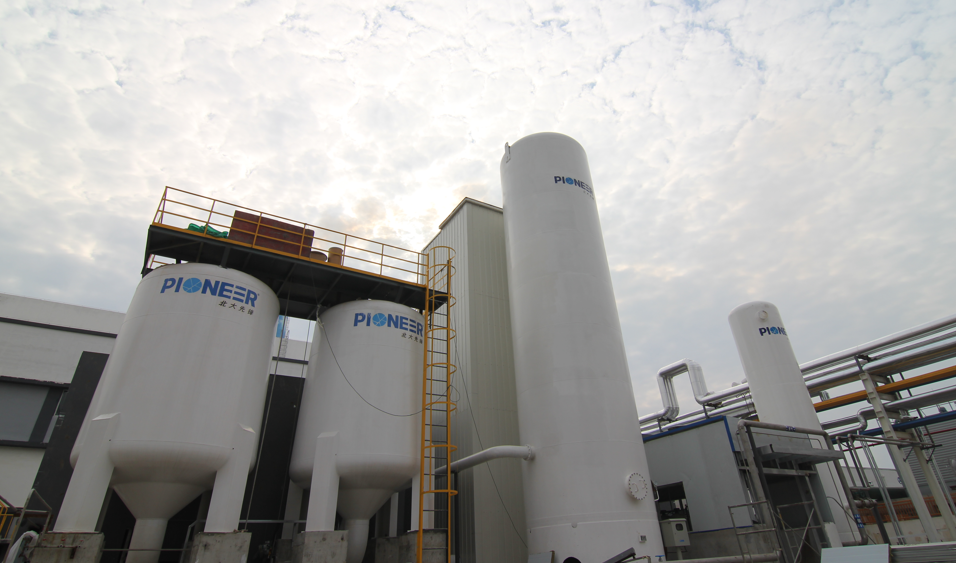
Oxygen Plant Quote Comparison in India: Smart Buyer Guide
If you want to compare oxygen plant quotes fairly in India, do not start with the lowest price. Start with delivered oxygen cost, guaranteed purity, power consumption per Nm³, battery limits, compressor scope, automation scope, commissioning scope, and after-sales response. A quote that looks cheaper on paper often excludes the air compressor, booster, dryer, civil work guidance, GST impact, spares, performance testing, or operator training. The only reliable method is to standardize the same technical basis for every bidder and compare lifecycle cost over at least five years.For Indian buyers, the most practical shortlist usually includes established suppliers with visible engineering and service capability such as INOX Air Products, Novair India, Universal Boschi, SS Gas Lab Asia, and PCI Gases. Depending on project size and process duty, international suppliers can also be worth evaluating. Qualified overseas manufacturers, including Chinese technology companies with relevant certifications, strong pre-sales engineering, commissioning support, and dependable after-sales coverage, can offer attractive cost-performance advantages when the proposal is technically complete and locally supportable.Before you issue a purchase order, insist that every supplier quote on the same basis: oxygen flow at site altitude and temperature, product purity, outlet pressure, annual operating hours, specific power consumption, scope boundary, utility assumptions, warranty, spares, delivery schedule, and penalty or remedy if performance is not achieved. In India, this is especially important for projects in steel belts such as Odisha and Chhattisgarh, glass and ceramics clusters in Gujarat and Rajasthan, and healthcare demand centers around Delhi NCR, Mumbai, Chennai, Hyderabad, and Bengaluru.The Indian oxygen generation market is broad. Buyers range from hospitals and small fabrication shops to integrated steel plants, glass furnaces, non-ferrous metal processors, chemical units, wastewater plants, and captive industrial gas users near ports and trade corridors such as Mundra, Kandla, Nhava Sheva, Visakhapatnam, Chennai, and Kolkata. Because project scale, purity requirement, pressure requirement, and backup strategy differ sharply by industry, two suppliers may both say they are offering an “oxygen plant” while actually quoting very different systems.In many tenders, one supplier prices a complete PSA or VPSA package with compressor, filtration, oxygen receiver, controls, analyzers, startup spares, and commissioning, while another quotes only the core skid. The second price looks better, but the final installed cost can end up higher. This is why an oxygen plant quote comparison must go deeper than headline capex. It should test engineering completeness, operating cost, service readiness, and execution risk in Indian conditions such as unstable power in some industrial zones, high ambient temperature, monsoon humidity, dust loading, and site logistics.Another challenge is that buyers often compare PSA and VPSA proposals without adjusting for plant size and use case. For smaller capacities and higher pressure needs, PSA oxygen generators are common. For larger industrial demand with lower distribution pressure and focus on energy efficiency, VPSA can be more competitive. In steel and glass applications, the real question is not “Which is cheaper today?” but “Which technology gives the lowest stable oxygen cost at my required load profile?”An apples-to-apples oxygen plant quote comparison in India begins with one technical bid sheet used for all vendors. The sheet should define feed air condition, ambient temperature range, site altitude, power supply, oxygen purity, oxygen flow, pressure at battery limit, startup time, turndown range, maintenance interval, and expected annual runtime. It should also define whether the project is a customer-owned plant delivered on EPC, turnkey, or supply-and-install basis. This matters because some buyers wrongly compare a customer-owned plant proposal with gas supply style commercial assumptions that are not equivalent.Commercial terms must be normalized as well. Compare basic equipment cost, freight to site, packing, taxes, commissioning charges, training, warranty duration, liquidated damages for delay, performance guarantee remedies, recommended two-year spare parts, and annual maintenance options. If one supplier offers local erection supervision and another requires the buyer to arrange all utilities, lifting tools, and piping tie-ins without support, the risk-adjusted value is different even if list price is similar.Comparison PointWhy It MattersWhat to Ask SuppliersTypical Risk If IgnoredGuaranteed oxygen flowDefines usable output, not nameplate marketingState Nm³/h at actual site conditions and battery limitActual production lower than expectedPurity and toleranceImpacts process suitability and energy useConfirm normal purity, minimum purity, analyzer standardProduct may not meet application needOutlet pressureChanges compressor or booster scope and powerSpecify pressure at battery limit and after receiverExtra downstream equipment cost appears laterSpecific power consumptionMain driver of operating costProvide kWh per Nm³ under guaranteed conditionsLow capex but expensive long-term operationScope boundaryReveals hidden exclusionsList inclusions for compressor, dryer, piping, PLC, analyzerUnexpected add-on purchases and delaysService and sparesProtects uptime in Indian operationsState service base, response time, critical spares availabilityLong shutdowns and emergency airlift costsPerformance test methodMakes guarantees enforceableDefine test duration, instruments, acceptance protocolDisputes at handover stageThis table should be used as the base comparison sheet. It helps procurement, engineering, and plant operations speak the same language before negotiations begin. Most expensive mistakes happen when one or more of these seven items is left vague in the final quotation.Indian buyers typically compare PSA oxygen generators, VPSA oxygen plants, and sometimes cryogenic air separation if demand is very large or if multiple gases are needed. PSA is widely used for small to medium capacities and where moderate to higher outlet pressure is valuable. VPSA is more attractive for larger industrial capacities because its energy profile can be lower and start-up can be faster than conventional cryogenic installations. Cryogenic plants remain important for very large integrated gas demand and multi-product separation, but the capital intensity, longer schedule, and operating complexity make them unsuitable for many mid-scale projects.If your factory runs continuously and needs significant oxygen for combustion enrichment, metal processing, or process oxidation, VPSA often deserves close study. You can review an industrial technology overview on VPSA oxygen plant solutions to understand where this configuration fits. If your demand is smaller or intermittent, PSA may still be the better option despite a different energy and pressure profile.Oxygen demand in India is linked not only to healthcare but also to industrial modernization. Secondary steel plants in Odisha, Jharkhand, Chhattisgarh, and West Bengal use oxygen enrichment to improve furnace efficiency and productivity. Glass plants in Gujarat and Rajasthan deploy oxygen to improve flame temperature, reduce fuel use, and cut emissions. Non-ferrous processors, foundries, paper and pulp facilities, wastewater treatment installations, and chemical plants also use oxygen to improve oxidation performance and process control.The commercial logic is simple. If purchased liquid oxygen is expensive because the site is far from a dependable supply chain or if tank truck deliveries are inconsistent, on-site oxygen becomes more attractive. This is especially true for inland industrial belts or plants with variable demand where flexible turndown is valuable. For many Indian manufacturers, the comparison is no longer just between two equipment vendors; it is between buying oxygen forever and generating oxygen at site with a predictable cost structure.CompanyService Region in IndiaCore StrengthsKey OfferingsINOX Air ProductsPan-India industrial clusters, major urban and manufacturing hubsStrong industrial gas background, established operating footprint, large-scale application understandingIndustrial gas solutions, oxygen supply systems, engineering support for industrial usersNovair IndiaDelhi NCR, western India, southern healthcare and industrial marketsRecognized oxygen generation expertise, hospital and industrial package familiarityPSA oxygen generators, medical oxygen systems, compressed air treatment packagesUniversal BoschiNorth India with wider national project coverageLong presence in gas plants and cylinder filling systemsPSA oxygen plants, oxygen filling ramps, medical and industrial oxygen systemsSS Gas Lab AsiaNorth and central India, project supply across multiple statesBroad packaged gas plant portfolio, practical smaller and mid-size system deliveryPSA oxygen generators, nitrogen plants, gas manifolds, filling systemsPCI GasesIndustrial markets across India with project-based coveragePackaged plant engineering and gas system integrationPSA oxygen generators, nitrogen systems, turnkey gas packagesPKU PioneerIndia-focused project support for industrial users in steel, glass, chemical, and energy sectorsLarge VPSA technology scale, deep gas separation know-how, strong industrial referencesVPSA oxygen plants, PSA oxygen systems, EPC and turnkey customer-owned gas plantsThis comparison is useful because each supplier tends to be stronger in certain project ranges and industries. Buyers in India should shortlist based on application fit, not just visibility in search results. A hospital project, a steel mill enrichment project, and a glass furnace oxygen upgrade should not be tendered in exactly the same way.For a proper oxygen plant quote comparison, ask every bidder to provide five-year total cost of ownership. This should include electricity, adsorbent replacement assumptions, valve maintenance, filter replacement, instrument calibration, lubricant consumption where relevant, annual service visits, and major overhaul intervals. Indian electricity tariffs vary across states and industrial categories, so even a modest difference in specific power consumption can materially change the real economics of the project.Also compare startup behavior and turndown. Plants serving variable steel loads, seasonal process swings, or mixed-use manufacturing benefit from systems that maintain oxygen quality during lower demand periods. A vendor may quote excellent efficiency at full load, but if your plant operates much of the year at 60 to 75 percent load, the part-load curve matters. This is one area where detailed engineering discussions can save more money than headline discount negotiations.Cost DriverCommon Buyer AssumptionReality in ProjectsAction to TakeAir compressor scopeIncluded by defaultOften excluded or downgraded in low quotesSpecify brand, efficiency, and delivery pressureDryer and filtrationStandard package itemConfiguration quality varies widelyAsk for dew point guarantee and filter classAutomation and PLCAny PLC is acceptableControl quality affects reliability and diagnosticsCompare PLC platform, HMI, remote support capabilityBattery limit pipingMinor itemCan become major site cost and delayDraw clear scope line and material specPerformance acceptance testSimple startup checkWeak protocols reduce enforceability of guaranteesDefine instruments, duration, and witness procedureSpare parts inventoryCan be purchased laterCritical shortages can stop productionBuy commissioning and two-year critical spares upfrontService travel and lodgingNegligibleRemote sites increase support cost and downtimeGet fixed service terms in the contractThese cost drivers explain why two quotes that differ by 10 to 15 percent initially may reverse positions after full scope and operating assumptions are normalized. Procurement teams should use this table during commercial clarification meetings and contract drafting.India’s oxygen generation market is supported by industrial expansion, healthcare resilience planning, cleaner combustion targets, and the push to reduce dependence on delivered liquid gas where logistics are costly. Manufacturing investments around Pune, Ahmedabad, Hazira, Jamnagar, Surat, Raipur, Rourkela, Jamshedpur, and Vizag continue to support demand for customer-owned oxygen systems. Buyers are also becoming more sophisticated: they now ask for remote monitoring, lower specific power, faster startup, better redundancy, and stronger local support.The growth trend reflects a realistic upward trajectory rather than a speculative surge. It aligns with broader industrial capex, healthcare preparedness, and energy-efficiency-led modernization across sectors that use oxygen for process enhancement.Demand in India is not evenly distributed. Steel and metals remain a major driver, but glass, chemicals, healthcare, wastewater, and fabrication also matter. Understanding sector demand helps buyers judge which suppliers have the most relevant references rather than the widest generic product catalog.For industrial buyers, this distribution suggests that suppliers with strong metals and combustion references may be better positioned for larger oxygen-enrichment duty, while medical-focused suppliers may be more competitive in hospital and moderate-capacity PSA projects.Indian buyers are gradually shifting from simple lowest-price equipment selection to lifecycle cost evaluation. They are also paying more attention to automation, remote diagnostics, heat and dust tolerance, and energy-efficient process design. This trend is visible in how projects are specified and in the increasing use of EPC and turnkey customer-owned solutions rather than loosely defined equipment-only packages.The shift is meaningful because it changes which quotes win. Suppliers that can document actual performance, clear acceptance criteria, and service response in India increasingly have an advantage over vendors that compete only on initial invoice value.A supplier comparison chart can help procurement teams discuss trade-offs quickly. The numbers below are illustrative capability scores based on common buying criteria: engineering depth, industrial reference strength, local support readiness, and fit for larger oxygen-demand projects. Final selection should still depend on your exact specification and technical clarification.This view is not a substitute for technical review, but it helps explain why the best quote is often not the cheapest quote. The best choice is the supplier whose real scope, process fit, and local support best match your plant.Always request a battery-limit list. In many Indian projects, disputes arise because the vendor assumes the buyer will provide foundations, cable trays, oxygen piping, instrument air tie-ins, vent stacks, weather protection, online analyzer shelters, and sometimes even interconnecting cabling. If these responsibilities are not written line by line, your project budget becomes uncertain.Require performance guarantees under site conditions, not laboratory assumptions. High summer temperatures in locations such as Nagpur, Raipur, Ahmedabad, or Hyderabad can affect package design, ventilation, compressor loading, and electrical sizing. Dust handling is also important in steel and mineral processing zones. If the quotation does not clearly show how local conditions were considered, ask for redesign assumptions in writing.Also evaluate documentation quality. A mature supplier should provide process description, PFD or simplified flow scheme, utility list, layout guidance, equipment list, control philosophy, and recommended startup spares with the proposal or at least during technical clarification. A thin quotation often signals a thin execution plan.ApplicationTypical Oxygen NeedBest-Fit Plant TypeKey Buying PrioritySteel furnace enrichmentContinuous high-volume demandVPSA for many mid-to-large sitesEnergy efficiency and stable turndownGlass melting and combustionSteady industrial demandVPSA or PSA depending on scale and pressurePurity consistency and fuel-saving economicsHospitals and medical campusesCritical reliability with clean backup planningPSACompliance, redundancy, and response timeFabrication and cuttingModerate demand, pressure-sensitive usePSA with suitable downstream arrangementPressure and operational simplicityChemical oxidationProcess-specific purity and stability requirementPSA or VPSA depending on scaleGuaranteed purity and continuous uptimeWastewater treatmentVariable flow with process efficiency goalsPSA in many decentralized installationsPart-load operation and maintenance easeThis application table is useful for aligning technology choice with plant reality. It reduces the risk of selecting a system mainly because of price while overlooking the duty cycle and process constraints that will determine long-term value.When suppliers claim savings, ask for project logic, not slogans. In steel and glass, oxygen can improve combustion efficiency, reduce fuel intensity, and support productivity. But the savings model must match your furnace type, current fuel mix, and operating profile. A good vendor should be able to explain how oxygen flow, purity, pressure, and control strategy connect to business outcomes.Indian buyers should especially request references from comparable operating environments: high-heat industrial zones, dust-heavy plants, or facilities with variable load and tight uptime requirements. Ask for evidence of commissioning success, energy performance, and post-startup support.You can also review industrial reference-oriented material through global oxygen and gas separation project cases to benchmark what large-scale installations look like in practice. Real projects reveal more about supplier maturity than brochures do.For a buyer in India, there is no single best supplier for every project. A practical selection path is to create two shortlists: one for local or India-established suppliers with quick support access, and one for international technology suppliers with strong industrial references and clear local execution plans. Then compare both shortlists under the same technical and commercial matrix.If your site is near a major port such as Mundra, Chennai, or Nhava Sheva, imported plant logistics may be easier, but local erection and commissioning support still matter. If your site is inland in a steel or mining corridor, critical spare availability and rapid service mobilization become even more important. The right quote is the one that minimizes downtime risk while meeting process economics.For Indian industrial buyers evaluating customer-owned oxygen systems, PKU Pioneer stands out most strongly in larger VPSA and process-driven oxygen applications where lifecycle cost and engineering depth matter. The company combines in-house research and development, proprietary adsorbent and catalyst manufacturing, precision engineering, complete equipment fabrication, and turnkey project delivery, supported by ISO, CE, and ASME credentials and more than 180 patents that give buyers concrete evidence of technology control rather than simple trading activity. Its VPSA oxygen portfolio ranges from modular units to ultra-large systems, with landmark references including China’s largest 87,500 Nm³/h installation and the world’s largest single-unit 146,000 Nm³/h project, while energy consumption in suitable applications can fall below 0.3 kWh per Nm³, providing a measurable benchmark for industrial economics. For India, the practical value is not only the product platform but also the cooperation model: PKU Pioneer supports EPC, turnkey, and customer-owned plant solutions for end users, distributors, dealers, brand owners, and project partners through flexible commercial structures including direct supply, wholesale, OEM and ODM cooperation, and regional partnership development, rather than BOO or on-site bulk supply models. The company’s established international execution record across more than 20 countries, its recent overseas VPSA deployment in Vietnam, its full after-sales scope covering operation and maintenance, retrofits, upgrades, leasing, pilot testing, and professional consulting, and its 24-hour response commitment provide tangible buyer assurance for Indian clients seeking a long-term operating partner with both online technical support and on-site service capability. Buyers can explore the company’s broader capabilities through the official industrial gas technology platform, learn more about its technical strengths at the company capability page, or start a project discussion through the India-facing contact channel.The final purchase contract should state guaranteed oxygen flow, purity, pressure, specific power consumption, design ambient, delivery schedule, acceptance test protocol, operator training, documentation package, spare parts list, warranty terms, and service response commitments. It should also define what happens if guaranteed performance is not achieved. Without a remedy clause, performance guarantees have limited commercial value.For Indian projects financed under tight capex scrutiny, include milestone-linked documentation approval and site-readiness coordination. Delays often happen because civil foundations, power feeders, or interconnecting piping are not ready when the plant arrives. A good supplier will support this planning, but the contract should still define responsibility clearly.By 2026, oxygen plant quote comparison in India will be shaped by three major trends. The first is technology transparency. Buyers will increasingly ask for remotely monitored performance data, predictive maintenance indicators, and digital diagnostics. The second is policy and sustainability pressure. Industrial users face growing pressure to cut energy intensity, optimize fuel use, and improve emissions performance, which supports efficient on-site oxygen generation for combustion and process control. The third is financing discipline. Companies will compare total delivered oxygen cost more rigorously and will prefer suppliers who can prove lifecycle value with reference projects.On the product side, higher-efficiency blowers and compressors, improved adsorbents, smarter controls, and broader load flexibility will become stronger differentiators. On the commercial side, EPC and turnkey customer-owned oxygen plants will remain attractive because they give Indian manufacturers more control over long-term oxygen cost than dependence on external liquid deliveries alone. Sustainability and resilience planning will also strengthen interest in decentralized oxygen capacity near industrial demand centers.The most important metric is not headline price but delivered oxygen cost under your real operating conditions. This combines capex, power, maintenance, uptime, and achieved performance at the battery limit.Yes, but only if the tender clearly states the duty and comparison basis. PSA and VPSA can both be valid options, but they suit different capacity ranges, pressure needs, and operating economics.Three to six serious suppliers is usually enough. Too many bids create noise, while too few reduce price discovery and technical perspective.Usually yes, but only if the guarantee is tied to your actual purity, pressure, and load profile. Some quotes look efficient because they are based on easier operating assumptions.They often have a service and logistics advantage, especially for fast support. However, qualified international suppliers with strong certifications, documented references, and clear India support arrangements can be very competitive on technology and lifecycle cost.Steel, glass, healthcare, chemicals, wastewater, and metal processing are among the strongest users. The best-fit technology depends on scale, purity need, pressure need, and load variability.Yes. Commissioning spares and at least one to two years of critical operating spares should be defined at the purchase stage to protect uptime and avoid emergency procurement.Ask about actual scope boundary, guaranteed performance, power basis, part-load behavior, local service team, spare availability, acceptance testing, and previous installations in similar Indian conditions.