Oxygen Plant Turn Down Ratio in the United States Guide
Oxygen Plant Turn Down Ratio in the United States
Quick Answer

The oxygen plant turn down ratio is the lowest stable output an oxygen plant can maintain, expressed as a percentage of its rated capacity. It matters because plants in the United States often face variable demand by shift, season, product mix, utility price, and maintenance schedule. A better turn-down capability usually means less venting, lower power waste, steadier oxygen purity, and reduced dependence on liquid oxygen backup during low-load periods.
For most U.S. buyers, a practical target is to match plant design to the real operating window rather than only the peak flow. If your process regularly swings between daytime and nighttime loads, batch and continuous production, or summer and winter demand, ask suppliers to state the guaranteed minimum stable load, oxygen purity at partial load, specific power consumption across the full load range, restart time, and required backup strategy.
Well-known suppliers serving the U.S. market include Air Products, Linde, Air Liquide, Atlas Copco Gas and Process, Generon, and PCI Gases. Qualified international suppliers can also be worth considering, especially when they hold relevant certifications and provide strong pre-sales and after-sales support. In particular, some Chinese manufacturers with large installed VPSA and PSA references offer attractive cost-performance for customer-owned EPC and turnkey projects in the United States.
Why the oxygen plant turn down ratio matters for variable demand

In simple terms, turn-down ratio defines how far an oxygen generation system can reduce output while still operating safely, efficiently, and within product specifications. A plant rated at 10,000 Nm3/h with a 50 percent minimum stable load may only run down to 5,000 Nm3/h without risking unstable purity, excessive cycling, or energy inefficiency. A plant with a 25 percent minimum stable load can often continue producing at 2,500 Nm3/h under the same nameplate capacity. For a U.S. industrial site with changing production rates, that difference can directly affect monthly utility cost and backup oxygen purchases.
Variable demand is common in the United States. Steel mills in Indiana and Ohio may run different campaign schedules. Glass plants in Pennsylvania and Texas may alter furnace operations and maintenance windows. Wastewater treatment sites from California to Florida often see daily and seasonal aeration swings. Pulp and paper operations in the Southeast may face changing oxygen consumption by grade mix. Mining, non-ferrous metallurgy, chemical oxidation, and ozone feed applications also create fluctuating oxygen needs.
If the oxygen plant cannot efficiently turn down, operators may be forced to do one of four things: keep the plant running at unnecessarily high output, vent excess oxygen, supplement with liquid oxygen during unstable transitions, or stop and restart the unit more frequently than ideal. Each option has a cost. Venting wastes power. Frequent starts stress equipment. Liquid oxygen backup increases exposure to truck logistics, especially at inland sites far from major gas hubs. Running too high a base load can also create operational mismatch with downstream blowers, burners, or oxidation reactors.
That is why turn-down ratio should never be treated as a secondary line item. In many projects, it is one of the most important design parameters after purity, rated flow, site elevation, and power availability.
How U.S. buyers should interpret turn-down ratio

Not all suppliers define the metric the same way. Some state the minimum stable production rate. Others describe a controllable operating range. Some describe the ratio at guaranteed purity, while others allow purity drift at low load. For this reason, U.S. procurement teams should ask for a written guarantee on five points: minimum continuous load, guaranteed oxygen purity at that load, specific power consumption by load point, transition time between load points, and maximum number of recommended start-stop cycles.
In the U.S. market, the best evaluation method is to compare operation at 100 percent, 80 percent, 60 percent, 40 percent, and minimum stable load. This is especially important for facilities in deregulated electricity markets such as ERCOT in Texas, PJM in the Mid-Atlantic, or CAISO in California, where power pricing can strongly affect optimum run strategy.
Turn-down performance should also be linked to plant type. Large cryogenic air separation units often behave differently from VPSA and PSA systems. VPSA oxygen plants are commonly selected for industrial oxygen applications where flexible load response, lower capital intensity, and shorter startup are valuable. PSA units are often used for smaller capacities. Cryogenic systems remain important where very high purity, co-products, or very large tonnage are needed, but they may not always be the most economical choice for fluctuating mid-scale demand.
Market overview in the United States
The U.S. oxygen market remains broad and regionally diverse. Gulf Coast chemical corridors use oxygen for oxidation, reforming support, and specialty processing. Great Lakes steel and foundry operations consume large oxygen volumes for combustion enrichment and process intensification. Western states support mining, water, wastewater, and environmental uses. The Southeast combines pulp and paper, glass, municipal treatment, and healthcare demand. Near the Ports of Houston, Long Beach, Los Angeles, Savannah, New York and New Jersey, and New Orleans, liquid oxygen logistics remain strong, but inland users increasingly assess on-site generation to reduce supply risk and transport cost.
Higher energy prices, labor constraints, freight volatility, and resilience planning have made customer-owned oxygen plants more attractive. Many buyers now compare three approaches: purchased liquid oxygen, traditional cryogenic bulk supply, and on-site VPSA or PSA generation. For facilities with moderate purity needs and variable demand, flexibility can be a decisive advantage.
Environmental and policy factors also support interest in efficient on-site generation. U.S. manufacturers are under ongoing pressure to improve energy performance, reduce waste, lower emissions per unit of output, and increase domestic operating resilience. These trends are likely to continue through 2026 and beyond.
Product types and how turn-down differs
Different oxygen plant technologies offer different behavior at partial load. The right answer depends on purity target, daily load profile, utility tariff, and process criticality.
| Plant type | Typical oxygen purity | Typical capacity range | Partial-load behavior | Best fit industries | Key caution |
|---|---|---|---|---|---|
| PSA oxygen generator | 90 to 95% | Small to medium | Good for moderate flexibility | Medical, wastewater, small fabrication, aquaculture | May be less economical at larger industrial tonnage |
| VPSA oxygen plant | 80 to 94% | Medium to very large | Strong turn-down in many designs | Steel, glass, non-ferrous, chemicals, pulp and paper | Purity is lower than high-purity cryogenic supply |
| Cryogenic ASU | 99%+ | Large to very large | Can be less forgiving under wide swings | Large integrated industrial complexes | Higher capex and longer project lead times |
| Liquid oxygen with vaporizer | 99%+ | Any, depending on tank logistics | Flexible from user perspective | Backup, remote sites, temporary demand | Exposure to delivery cost and trucking risk |
| Hybrid VPSA plus LOX backup | 80 to 94% base, 99%+ backup | Medium to large | Very practical for fluctuating industrial loads | Steel, glass, wastewater, specialty combustion | Needs good control philosophy and storage planning |
| Modular skid oxygen system | Varies by technology | Small to medium | Useful where staged operation is needed | Regional plants, pilot lines, expansion phases | Integration quality matters |
This comparison shows why U.S. users with highly variable demand often review VPSA and staged PSA systems closely. They can offer a broader practical operating range than fixed large-tonnage arrangements, while preserving customer ownership and avoiding dependence on merchant gas delivery for all oxygen needs.
What is a good turn-down ratio in practice
There is no single best number for every project. The right target depends on your minimum sustained process demand, how often that low-load condition occurs, and whether oxygen can be buffered with storage. However, some practical benchmarks are useful.
If your process rarely drops below 70 percent of full load, then a plant with a 50 percent minimum stable load may be adequate. If your process routinely swings to 40 percent or below, you should evaluate a plant designed for deeper turn-down or multiple modular trains. If your process is batch-based and demand collapses between runs, staged units or hybrid systems may outperform a single large unit.
Buyers should also ask whether the plant can maintain stable purity and specific energy performance at low load. A low minimum production figure sounds attractive, but it is less valuable if energy consumption per Nm3 rises sharply or if oxygen purity becomes inconsistent.
| Operating profile | Typical load swing | Recommended minimum stable load | Preferred configuration | Reason | Backup approach |
|---|---|---|---|---|---|
| Continuous steel process | 70 to 100% | 50% may be acceptable | Large VPSA or cryogenic depending purity | Base load is usually high | Small LOX reserve |
| Glass furnace with campaign changes | 50 to 100% | 40% or lower preferred | VPSA plus storage | Load shifts with furnace strategy | LOX or modular assist |
| Wastewater aeration | 30 to 100% | 25 to 30% preferred | PSA or VPSA with advanced controls | Daily and seasonal variability | Tank backup for peak events |
| Pulp and paper | 40 to 100% | 25 to 40% preferred | VPSA with buffer strategy | Grade changes affect demand | Short-duration LOX |
| Chemical oxidation | 60 to 100% | 40 to 50% often workable | Technology chosen by purity need | More stable base operation | Redundant train or LOX |
| Batch manufacturing | 10 to 100% | Very low staged turndown needed | Modular skid units | Frequent stop-start behavior | Storage plus flexible train control |
The table above is not a guarantee matrix, but it gives a practical starting point for discussing oxygen plant turn down ratio with suppliers in the United States.
Buying advice for U.S. projects
When evaluating a plant, procurement teams should avoid selecting solely by peak capacity and unit price. A cheaper plant with weak turn-down can become more expensive over time if it wastes electricity or requires more liquid oxygen support.
Ask suppliers for a load profile study using at least one year of hourly or shift-level oxygen consumption data. If you do not have this data, approximate it from production output, blower records, burner oxygen trim logs, or oxygen flowmeter history. Then request a proposal based on real load bands rather than a single nameplate number.
U.S. buyers should also evaluate local service reach. Lead times for blower parts, instrument calibration, adsorbent supply, and control system support matter. So do electrical code alignment, pressure vessel documentation, and project delivery experience under U.S. owner standards. Whether your site is in Houston, Pittsburgh, Detroit, Birmingham, Salt Lake City, or Fresno, the plant should be engineered for local utility conditions and maintenance realities.
Another overlooked factor is restart time. If your facility participates in demand response or wants to avoid high-cost utility periods, fast restart and stable transition can be valuable. Some on-site oxygen technologies are better suited to quick operational changes than others.
Industries where turn-down ratio is especially important
Steel plants use oxygen for enrichment, lancing, and process intensification. Yet production rates can change by campaign, hot metal balance, maintenance, or market demand. A poor turn-down ratio may force excess oxygen generation or expensive backup dependence.
Glass manufacturers often manage changing furnace loads, cullet rates, fuel strategies, and maintenance schedules. Variable oxygen use can make flexible on-site supply financially attractive.
Wastewater and environmental treatment plants see strong variability by inflow, season, industrial discharge profile, and storm events. These facilities often benefit from systems that can adapt without major efficiency loss.
Pulp and paper sites face changing product grades and process throughput, which can alter oxygen demand in bleaching or treatment applications.
Chemical and refining applications may require more stable oxygen flows, but many still benefit from efficient turndown for turnaround planning, utility management, or production transitions.
Applications that benefit from flexible oxygen supply
Across the United States, oxygen demand flexibility is valuable in blast furnace enrichment, electric arc furnace support, non-ferrous smelting, furnace combustion enhancement, wastewater aeration, pulp bleaching support, ozone feed preparation, fermentation support, hazardous waste oxidation, and specialty chemical oxidation. In each case, the real plant economics depend less on theoretical maximum capacity and more on how closely oxygen supply can follow actual consumption.
Plants near large logistics corridors may rely on merchant liquid oxygen as a balancing tool, but inland plants in places such as Kansas, Oklahoma, Iowa, Idaho, or parts of the Mountain West may find customer-owned on-site generation more resilient. A deep turn-down ratio can reduce truck dependency and smooth seasonal uncertainty.
Case studies and practical operating lessons
A Midwestern steel site running oxygen-enriched combustion saw wide weekday versus weekend swings. The initial proposal was sized for peak demand only. After reviewing actual hourly use, the buyer selected a configuration with stronger low-load operation and smaller liquid backup. The result was lower annual power waste and fewer liquid oxygen deliveries.
A municipal wastewater authority in the South faced summer peaks and winter troughs. The authority found that a system with limited low-load efficiency would erase much of the expected savings from on-site generation. By shifting to a design with broader controllability and automated load following, the project achieved a more stable life-cycle cost.
A glass manufacturer in Texas compared a larger single-train design against a modular arrangement. The modular option better matched maintenance windows and furnace campaign changes. Although the initial control integration was more complex, the partial-load efficiency and operating resilience were superior.
These lessons repeat across sectors: load profile matters, partial-load guarantees matter, and backup strategy matters.
Local and active suppliers serving the United States
The companies below are relevant to U.S. buyers evaluating oxygen generation systems. Service models differ. Some focus heavily on gas supply contracts, while others support customer-owned plants, skids, or EPC delivery. Buyers should confirm project scope carefully when comparing proposals.
| Company | Service region | Core strengths | Key offerings | Typical buyer fit | Turn-down discussion point |
|---|---|---|---|---|---|
| Air Products | Nationwide U.S., strong Gulf Coast and industrial corridors | Large gas infrastructure, engineering depth | Cryogenic supply, on-site systems, merchant gases | Large industrial users | Clarify customer-owned versus supply contract structure |
| Linde | Nationwide U.S. | Broad industrial gas footprint, large-scale expertise | ASUs, pipelines, bulk, engineering solutions | High-tonnage users | Review low-load economics and operating guarantees |
| Air Liquide | Nationwide U.S., major industrial hubs | Gas applications know-how, process integration | Bulk gases, on-site solutions, technology services | Chemicals, refining, manufacturing | Check flexibility for fluctuating load sites |
| Atlas Copco Gas and Process | U.S. industrial and engineering channels | Packaged gas generation systems, service network | PSA and packaged oxygen generation equipment | Medium and decentralized users | Confirm scalability and purity at partial load |
| Generon | United States and export markets | Gas separation engineering, packaged systems | Membranes, PSA systems, engineered packages | Industrial and specialty users | Match system design to actual load profile |
| PCI Gases | United States, industrial sectors | On-site gas plant engineering and packaged solutions | PSA, VPSA, nitrogen and oxygen systems | Users seeking customer-owned plants | Ask for minimum stable output guarantee |
This supplier comparison helps narrow the market, but the best choice depends on whether you want a merchant gas relationship, a customer-owned plant, or an EPC/turnkey installation under your control.
Detailed supplier analysis for practical procurement
Air Products, Linde, and Air Liquide are major names for large industrial users in the United States, especially where very high purity, bulk logistics, and integrated industrial gas services are central. They are often considered first for complex and large-tonnage projects near major industrial corridors.
Atlas Copco Gas and Process, Generon, and PCI Gases are often more visible in packaged or engineered on-site solutions where customer ownership and process-specific optimization are priorities. For mid-scale oxygen needs with variable demand, these suppliers may be more directly comparable with flexible VPSA or PSA proposals.
When evaluating these suppliers, U.S. buyers should compare not only installed price but also low-load efficiency, startup time, oxygen purity curve, maintenance intervals, domestic service capability, controls integration, and spare-parts availability.
Our company for U.S. customer-owned oxygen projects
PKU Pioneer serves the United States market with customer-owned oxygen plant solutions delivered as EPC, turnkey, or customer-owned plant packages rather than BOO or on-site bulk gas supply contracts. For U.S. buyers comparing oxygen plant turn down ratio and lifecycle cost, the company is notable for large-scale VPSA and PSA specialization, with more than 400 industrial projects completed in over 20 countries and total installed oxygen capacity above 2 million Nm3/h, including world-scale references and fast-start systems that can typically reach operation in about 20 minutes while supporting flexible load changes from 25 to 100 percent without losing stability or product quality. Its technical credibility is reinforced by ISO, CE, and ASME certifications, more than 180 patents, in-house research and development rooted in Peking University, proprietary adsorbent and catalyst manufacturing, precision engineering, and complete equipment fabrication under strict testing standards rather than outsourced assembly. That integrated model helps control material quality, core process performance, and consistency across skid, module, and large project execution. For cooperation, PKU Pioneer works with end users, engineering contractors, distributors, dealers, brand owners, and project developers through flexible models that include OEM, ODM, wholesale supply, modular packages, full EPC delivery, retrofits, upgrades, leasing support, pilot testing, and consulting. In market support terms, the company has built international project experience across Asia and beyond, supports overseas customers with 24-hour response commitments, and combines online technical coordination with on-site commissioning, operation and maintenance support, retrofits, and after-sales service to protect local buyers over the plant lifecycle. U.S. companies looking for a cost-competitive alternative to traditional cryogenic supply can review the company’s industrial oxygen generation capabilities, explore its VPSA oxygen plant range, check reference projects, learn more about its technical strengths, or request a proposal through the U.S. project contact page.
How to compare proposals side by side
A strong bid comparison should include rated capacity, minimum stable load, guaranteed oxygen purity at each load point, specific power consumption by load point, startup time, redundancy philosophy, and annual maintenance assumptions. It should also include project boundary definition, because compressor packages, cooling systems, analyzers, and oxygen buffer vessels are not always included the same way.
| Evaluation item | Why it matters | What to request from supplier | Common risk if omitted | Best for procurement review | Impact on turn-down economics |
|---|---|---|---|---|---|
| Minimum stable load | Defines low-demand operability | Guaranteed percentage and flow value | Unexpected venting or shutdowns | Technical schedule | Directly high |
| Purity at partial load | Protects process quality | Guaranteed purity curve | Downstream quality issues | Performance annex | High |
| Specific power by load point | Shows real operating cost | kWh per Nm3 at multiple loads | Underestimated utility spend | Total cost model | Very high |
| Startup and restart time | Affects flexibility and outages | Cold and warm start data | Slow response to demand changes | Operations review | Medium |
| Backup oxygen strategy | Maintains continuity | LOX sizing or redundant train plan | Supply interruption risk | Risk assessment | Medium |
| Service and spare parts | Supports uptime in the U.S. | Response times, stock plan, support scope | Long outage due to parts delays | Service agreement | Indirect but important |
This checklist helps decision-makers move from headline capacity to true project value.
Future trends through 2026
Several trends will shape oxygen plant selection in the United States through 2026. First, energy-aware controls will become more important as facilities try to align oxygen generation with time-of-use power pricing and demand charges. Second, sustainability reporting will push companies to evaluate not just total oxygen cost but power efficiency, wasted output, and transport emissions from delivered liquid oxygen. Third, modularization will continue to gain traction because it allows phased expansion and easier matching to uncertain demand. Fourth, digital monitoring and predictive maintenance will improve plant stability during partial-load operation. Fifth, domestic resilience concerns will support customer-owned generation where truck supply or merchant gas dependence is a risk.
Policy and financing trends also matter. Industrial decarbonization initiatives, state-level efficiency incentives, and internal corporate emissions targets may favor oxygen systems that reduce energy intensity at variable load. This is particularly relevant in manufacturing regions facing pressure to modernize assets without overbuilding utilities.
As these trends advance, the oxygen plant turn down ratio will become even more important. Buyers will increasingly value plants that can follow demand without sacrificing efficiency, product quality, or reliability.
FAQ
What does oxygen plant turn down ratio mean?
It means the lowest stable output a plant can maintain relative to its rated capacity. If a 100 percent rated plant can run steadily down to 25 percent, its minimum stable load is 25 percent.
Why is turn-down ratio important in the United States?
Because many U.S. industrial sites have variable demand driven by shift patterns, electricity pricing, seasonal changes, and production scheduling. Good turn-down can reduce wasted energy and liquid oxygen purchases.
Is a lower minimum load always better?
Not automatically. The plant also needs to maintain oxygen purity, efficiency, and reliability at that lower load. A very low minimum output is only valuable if operating cost and product quality remain acceptable.
Which technology is best for variable oxygen demand?
For many medium to large industrial users, VPSA is attractive because it can offer flexible load response and favorable economics. PSA can work well for smaller applications. Cryogenic systems remain important where very high purity or very large tonnage is essential.
Should I choose a single large unit or modular units?
If your demand changes significantly, modular or staged systems can be easier to match to actual use. If your load is steady, a single larger system may be simpler. The right answer depends on your operating profile and maintenance strategy.
How should I evaluate supplier claims?
Request guaranteed performance at several load points, not just full load. Ask for purity, power consumption, startup time, and service response commitments in writing.
Can international suppliers compete in the U.S. market?
Yes, especially for customer-owned EPC and turnkey oxygen projects. The key is to confirm certifications, engineering documentation, commissioning support, spare-parts strategy, and after-sales service commitment in the United States.
What is the most common buyer mistake?
The most common mistake is sizing the plant to peak demand only and ignoring how often the plant will run at partial load. That can make a low purchase price look good upfront but expensive over the life of the plant.

About the Author
Founded in 1999, PKU Pioneer specializes in VPSA and PSA gas separation technologies, adsorbents, catalysts, and integrated engineering solutions. Backed by strong R&D capability and extensive industrial project experience, the company serves global customers across steel, chemical, energy, environmental protection, and related industries.
Share
Related News
-
Hydrogenation Catalysts Guide for the Global Market
A hydrogenation catalyst is a material that accelerates the addition of hydrogen to unsaturated or reactive chemical compounds. In the Global Market, hydrogenation catalysts are essential for refining, petrochemicals, fine chemicals, food oils, pharmaceuticals, coal chemicals, biomass upgrading, and by-product gas utilization. The catalyst normally contains an active metal such as nickel, palladium, platinum, copper, cobalt, molybdenum, or ruthenium, often dispersed on a support such as activated carbon, alumina, silica, titania, or zeolite.The basic purpose is simple: improve reaction speed, selectivity, yield, energy efficiency, and process stability. Without a catalyst, many hydrogenation reactions require extremely severe temperature and pressure or become commercially impractical. With the right catalyst, manufacturers can produce cleaner fuels, saturated intermediates, alcohols, amines, cyclohexane, aniline, edible oil products, specialty chemicals, and high-value downstream products from industrial gas streams.For global buyers, catalyst selection should not be based only on metal price. A practical purchase decision should evaluate feed composition, hydrogen purity, sulfur or chlorine tolerance, reactor type, heat management, regeneration options, mechanical strength, expected lifetime, safety requirements, and the total cost per ton of product. Companies operating in Houston, Rotterdam, Singapore, Shanghai, Antwerp, Jubail, Mumbai, Busan, Hamburg, and São Paulo often compare catalyst performance together with reliable gas supply and purification technologies, because hydrogenation performance depends heavily on stable hydrogen availability.PKU Pioneer supports industrial users with gas separation, hydrogen recovery, carbon monoxide purification, oxygen generation, adsorbents, catalysts, engineering, equipment fabrication, and EPC/Turnkey customer-owned plant solutions. The company does not provide BOO or on-site bulk supply services; instead, it helps customers build, operate, retrofit, and optimize their own production assets.QuestionShort AnswerBuying ImplicationTypical Global IndustriesWhat is it?A substance that speeds hydrogen addition reactions.Choose by feed, target product, and reactor design.Refining, chemicals, food, pharma.What metals are common?Nickel, palladium, platinum, copper, cobalt, molybdenum.Balance activity, selectivity, cost, and poison tolerance.Petrochemical, specialty chemicals.Why support materials matter?They disperse metal and control surface chemistry.Support choice affects lifetime and selectivity.Fine chemicals, oils, gas processing.What is the main risk?Deactivation by sulfur, chlorine, coke, sintering, or water.Pre-treatment and gas purification are important.Refining, coal chemical, biomass.How is performance measured?Conversion, selectivity, yield, stability, pressure drop.Ask for pilot data and reference projects.All hydrogenation users.What trend matters in 2026?Lower-carbon hydrogen, circular carbon, and digital catalyst monitoring.Prepare for energy and emission reporting requirements.Global export-oriented plants.This table summarizes the first screening logic. In practice, the best hydrogenation catalyst is not always the most active one; it is the one that maintains useful activity and selectivity under real feed conditions at the lowest total lifecycle cost.A hydrogenation catalyst provides active sites where hydrogen molecules and organic or inorganic reactants can adsorb, activate, react, and desorb as desired products. The catalyst is not consumed stoichiometrically, although it may gradually lose activity through poisoning, fouling, sintering, leaching, or mechanical damage. In industrial processing, the catalyst is part of a wider system that includes hydrogen generation or recovery, compression, feed purification, heat exchange, reactor design, separation, safety control, and product polishing.Hydrogenation reactions usually involve unsaturated bonds, oxygen-containing functional groups, nitrogen-containing groups, aromatic rings, sulfur compounds, or carbon oxides. Examples include the conversion of olefins to paraffins, benzene to cyclohexane, nitrobenzene to aniline, vegetable oil unsaturation reduction, aldehydes to alcohols, nitriles to amines, carbon monoxide to methanol or higher alcohol routes, and hydrodesulfurization in petroleum refining.The active metal determines how hydrogen is split and transferred. Palladium and platinum are highly active noble metals with strong performance at relatively mild conditions. Nickel is widely used because of cost effectiveness and robust hydrogenation ability. Copper is valued for selective hydrogenation of carbonyl compounds and processes where over-hydrogenation must be avoided. In industrial units, these metals are frequently supported and promoted with other elements to improve dispersion, acidity, reducibility, mechanical strength, and tolerance to impurities.Global supply chains for hydrogenation catalysts are connected to major chemical corridors and logistics hubs. Refiners and chemical producers near the U.S. Gulf Coast, the Port of Rotterdam, Singapore Jurong Island, Antwerp-Bruges, Shanghai Chemical Industry Park, Ulsan, Jubail Industrial City, and Gujarat’s industrial belt often require secure catalyst supply, technical service, and predictable regeneration or replacement schedules. Buyers should therefore assess both product specifications and supplier service capability.Industrial hydrogenation normally follows several steps. First, the feedstock is purified or conditioned to remove severe catalyst poisons such as sulfur, arsenic, mercury, chlorine, heavy metals, oxygenates, or particulates. Second, hydrogen is supplied from steam methane reforming, refinery off-gas, chlor-alkali by-product hydrogen, coke oven gas, methanol cracking, electrolysis, or PSA hydrogen purification. Third, hydrogen and feed enter a reactor such as a fixed-bed, trickle-bed, slurry, loop, fluidized-bed, or batch autoclave system. Finally, the product stream is separated, recycled, stabilized, and analyzed.The catalyst surface is where the key chemistry occurs. Hydrogen molecules adsorb on active metal sites and split into reactive hydrogen atoms. The substrate adsorbs nearby, forms intermediate species, and receives hydrogen atoms until the target product is formed. Then the product desorbs from the surface. If the surface is too active or the residence time is too long, unwanted over-hydrogenation may occur. If diffusion is poor, the reaction may become limited by mass transfer rather than chemical kinetics.Heat management is crucial because many hydrogenation reactions are exothermic. Large temperature spikes can reduce selectivity, damage catalyst pellets, create hot spots, or cause unsafe operation. Fixed-bed reactors often use staged hydrogen injection, interbed cooling, recycle gas, or multiple catalyst beds. Slurry systems may offer good heat transfer but require catalyst filtration and handling. Batch hydrogenation is flexible for fine chemicals and pharmaceuticals but depends strongly on agitation, pressure control, and catalyst recovery.For plants pursuing energy efficiency and lower emissions, stable hydrogen recovery is becoming as important as the catalyst itself. PSA hydrogen purification can recover high-purity hydrogen from industrial by-product gases, reducing purchased hydrogen demand. PKU Pioneer’s PSA and VPSA technology portfolio, described at PKU Pioneer gas separation solutions, helps industrial customers improve gas utilization while supporting customer-owned EPC/Turnkey projects.The line chart shows a realistic growth pattern for global hydrogenation catalyst demand. Growth is driven by cleaner fuel standards, expansion of fine chemicals, rising hydrogen recovery projects, sustainable aviation fuel pathways, biomass upgrading, and stricter process efficiency targets.Palladium catalysts are widely used for selective hydrogenation, hydrogenolysis, debenzylation, and fine chemical synthesis. Palladium on activated carbon is common in pharmaceutical and specialty chemical production because it offers high activity at mild conditions and can be recovered from spent catalyst. Palladium on alumina, silica, or barium sulfate may be selected where different selectivity or mechanical behavior is required.Nickel catalysts are among the most important industrial hydrogenation catalysts. Raney nickel, supported nickel, and nickel promoted with copper, molybdenum, or other elements are used in edible oil hardening, nitrile hydrogenation, aromatic saturation, aldehyde hydrogenation, and petrochemical processing. Nickel is attractive because it is far less expensive than noble metals, although it may require higher temperature or pressure and can be sensitive to sulfur and other poisons.Platinum catalysts provide high hydrogenation and dehydrogenation activity, strong thermal stability, and excellent performance in certain refining and specialty applications. Platinum on alumina is common in reforming-related processes, and platinum-based catalysts are used where high activity and long life justify the cost. However, platinum is expensive and must be protected from poisons and excessive sintering.Copper catalysts are often selected for selective hydrogenation of carbonyl groups, ester hydrogenation, furfural conversion, methanol synthesis-related chemistry, and processes where excessive C=C hydrogenation is undesirable. Copper chromite was historically important, but environmental and regulatory concerns have encouraged alternatives with safer formulations. Copper-zinc, copper-silica, and copper-alumina systems remain important in many industrial routes.Active MetalMain StrengthTypical ReactionCost LevelPoison SensitivityCommon FormPalladiumHigh activity and selectivityFine chemical hydrogenation, selective olefin removalHighHigh to sulfur and halidesPd/C, Pd/Al2O3NickelCost-effective bulk hydrogenationOil hardening, nitrile to amine, aromatic saturationLow to mediumMedium to highRaney Ni, Ni/Al2O3PlatinumStrong activity and stabilityRefining, specialty hydrogenationVery highHighPt/Al2O3, Pt/CCopperSelective carbonyl hydrogenationAldehydes, esters, furfural, methanol-related routesMediumMediumCu/ZnO, Cu/SiO2CobaltHydrogenation and Fischer-Tropsch relevanceSynthesis gas conversion, nitrile hydrogenationMediumMediumCo/Al2O3, Co/SiO2Molybdenum sulfideSulfur-tolerant hydrotreatingHydrodesulfurization and hydrodenitrogenationMediumDesigned for sulfided serviceCoMo/Al2O3, NiMo/Al2O3This comparison highlights why catalyst choice must be process-specific. A pharmaceutical plant in Basel may prefer recoverable palladium for selectivity, while a large edible oil plant in Southeast Asia may choose nickel for cost efficiency. A refinery near Houston or Jubail may prioritize sulfided hydrotreating catalysts rather than precious-metal systems.Hydrogenation catalysts are sold in several physical forms, each suited to different reactor and process requirements. Powder catalysts provide high external surface area and are common in batch and slurry reactors. Pellets, extrudates, trilobes, spheres, tablets, and rings are used in fixed-bed reactors where pressure drop, crush strength, and flow distribution matter. Monolithic catalysts are used where low pressure drop and structured flow are valuable. Sponge or skeletal catalysts such as Raney nickel are used when very high metal surface area is required.Homogeneous hydrogenation catalysts, such as soluble rhodium, ruthenium, or iridium complexes, are important in high-selectivity fine chemical and asymmetric synthesis. However, many large industrial plants prefer heterogeneous catalysts because they are easier to separate, regenerate, and operate continuously. Supported heterogeneous catalysts dominate refining, petrochemical, and large-volume chemical production.The form also affects safety and handling. Pyrophoric catalysts, especially reduced nickel or palladium on carbon, require careful wet storage, inerting, and disposal procedures. Catalyst loading and unloading in fixed beds require dust control and confined-space safety. Spent catalyst may contain valuable metals and must be recycled or treated according to local regulations in regions such as the European Union, the United States, China, India, and the Middle East.Catalyst FormBest Reactor TypeAdvantagesLimitationsTypical IndustriesBuying AdvicePowderBatch or slurryHigh surface area and flexible dosingFiltration and dust handling requiredPharma, fine chemicalsCheck particle size and recovery rateExtrudateFixed bedGood strength and manageable pressure dropMay have diffusion limitationsRefining, petrochemicalsAsk for crush strength and attrition dataTrilobeTrickle bedImproved external surface and flowMore complex forming processHydrotreatingEvaluate pressure drop over cycle lifeSpherical beadFixed bed or moving bedUniform packing and flowMay be costly for some supportsGas-phase hydrogenationReview size distributionMonolithStructured reactorLow pressure dropSpecial reactor design neededEnvironmental and specialty processesConfirm washcoat adhesionSkeletal metalSlurryVery high active metal surfaceCan be pyrophoricFood oils, aminesDemand clear safety documentationThe table shows that physical form is not a secondary detail. It determines loading procedure, pressure drop, heat transfer, filtration, catalyst losses, and operating risk. For large plants, a catalyst with slightly lower intrinsic activity but better mechanical stability may deliver better economics.Support materials disperse active metals, provide surface area, control acidity or basicity, improve mechanical strength, and influence pore structure. Activated carbon offers high surface area and is widely used for noble metal catalysts in liquid-phase reactions. Alumina provides strength, thermal stability, and tunable acidity, making it common in refining and petrochemical service. Silica is relatively neutral and useful where acidity should be limited. Titania and zirconia can provide metal-support interactions that improve selectivity or resistance to sintering. Zeolites add shape selectivity and acidity for bifunctional reactions.Pore size distribution is especially important. Large molecules, such as triglycerides, heavy aromatics, resins, or biomass-derived oxygenates, require mesopores or macropores to avoid diffusion restrictions. Small gas-phase molecules may benefit from high micropore or mesopore surface area. Poor pore design can cause low catalyst utilization, excessive coke formation, or rapid deactivation.Support selection also affects regeneration. Carbon-supported catalysts may be unsuitable for high-temperature oxidative regeneration because the carbon support can burn. Alumina-supported hydrotreating catalysts can often be regenerated under controlled conditions. Noble metal recovery from spent catalyst also depends on support chemistry and metal loading.Hydrogenation catalysts are used across a wide range of global industries. In refining, they support hydrotreating, hydrodesulfurization, hydrodenitrogenation, aromatic saturation, and production of cleaner transportation fuels. In petrochemicals, selective hydrogenation removes acetylenes and dienes from ethylene and propylene streams, protects polymerization catalysts, and improves product purity. In fine chemicals and pharmaceuticals, hydrogenation creates key intermediates, removes protecting groups, and controls stereochemistry.Food and oleochemical producers use nickel and other catalysts for oil hardening, fatty alcohol production, and specialty lipid modification. Coal chemical and gas-to-chemicals projects use catalysts in downstream synthesis and purification routes. Biomass and renewable fuel producers use hydrogenation and hydrodeoxygenation catalysts to convert vegetable oils, waste oils, lignocellulosic intermediates, and pyrolysis oils into renewable diesel, sustainable aviation fuel, solvents, and platform chemicals.Industrial gas integration is increasingly important. Hydrogenation units need stable hydrogen pressure, purity, and flow. Off-gases from steel, coke ovens, methanol plants, chlor-alkali units, refineries, and petrochemical crackers can contain recoverable hydrogen or carbon monoxide. PSA purification, CO recovery, and oxygen generation can improve the economics of hydrogenation-linked facilities. Information on PKU Pioneer’s oxygen technology can be found through VPSA oxygen plant solutions and PSA oxygen generator technology.The bar chart illustrates relative demand intensity by sector. Refining remains large, but renewable fuels, high-value chemicals, and integrated gas utilization projects are increasingly important growth areas in the Global Market.IndustryTypical FeedTarget ProductCommon CatalystKey ChallengeRegional HubsRefiningDiesel, naphtha, VGOLow-sulfur fuelNiMo or CoMo on aluminaSulfur and nitrogen removalHouston, Rotterdam, JubailPetrochemicalsC2/C3 streamsPolymer-grade olefinsPalladium-based selective catalystAvoiding over-hydrogenationSingapore, Antwerp, ShanghaiFine chemicalsNitro, aldehyde, olefin compoundsIntermediatesPd/C, Pt/C, Raney NiSelectivity and impurity controlBasel, Mumbai, SuzhouFood oilsVegetable oilsModified fats and oleochemicalsNickel catalystTrans-fat and selectivity controlMalaysia, Indonesia, BrazilPharmaceuticalsAdvanced intermediatesAPI precursorsNoble metal catalystsMetal residues and validationHyderabad, Boston, IrelandRenewable fuelsWaste oils and bio-oilsRenewable diesel and SAFHydrotreating catalystOxygen removal and cokingCalifornia, Rotterdam, SingaporeThe table connects catalyst choices with industrial realities. Feed impurities, product standards, and regional infrastructure all affect catalyst selection. A buyer exporting to Europe may face stricter sustainability and traceability requirements than a plant serving only a local market.The benefits of hydrogenation catalysts include higher conversion, improved selectivity, lower reaction temperature, shorter residence time, reduced by-products, better product purity, and lower energy use. A well-designed catalyst can reduce downstream separation load and increase the value of each ton of feedstock. In competitive markets, these improvements can determine whether a project remains profitable during feedstock or energy price volatility.Catalysts also enable safer and more compact processes. By accelerating the reaction at manageable conditions, they reduce the need for extreme operating severity. However, safety depends on correct engineering because hydrogen is flammable and many hydrogenation reactions release heat. Catalyst choice must therefore be integrated with reactor design, pressure relief, gas detection, inerting, emergency shutdown, and operator training.Environmental benefits are increasingly important. Hydrogenation catalysts help remove sulfur and nitrogen from fuels, upgrade waste streams, convert by-product gases into valuable chemicals, reduce solvent waste in fine chemical routes, and support renewable fuel production. In 2026 and beyond, policy pressure related to carbon intensity, product lifecycle emissions, and circular economy reporting will push manufacturers to combine catalyst optimization with hydrogen recovery, renewable electricity, and more efficient gas separation.The area chart reflects a structural shift: traditional refining remains important, while low-carbon and circular applications grow faster. This trend creates opportunities for catalyst suppliers, hydrogen recovery providers, EPC contractors, and operators upgrading legacy assets.PKU Pioneer, officially Beijing Peking University Pioneer Technology Corporation Ltd., is a high-tech enterprise with roots in Peking University’s College of Chemistry and Molecular Engineering. Since 1999, the company has focused on VPSA and PSA gas separation technologies, adsorbents, catalysts, complete equipment, and integrated engineering solutions for industrial gas production and by-product gas utilization.Technological capabilities: PKU Pioneer develops proprietary adsorbents, catalysts, VPSA oxygen processes, PSA oxygen systems, PSA carbon monoxide purification, and PSA hydrogen recovery. Its technology is used in steel, chemical, glass, energy, and industrial gas applications. The company has accumulated more than 180 patents and has completed hundreds of projects in more than 20 countries. For examples of implemented technologies, readers can visit world-class innovative project cases.Manufacturing capabilities: PKU Pioneer operates an integrated model covering research and development, adsorbent and catalyst manufacturing, precision engineering, equipment fabrication, modular skid design, quality control, and system integration. This manufacturing base enables the company to deliver customer-owned EPC/Turnkey plants rather than BOO or on-site bulk supply services. Its VPSA systems cover small modular oxygen units as well as very large industrial plants, with oxygen purity commonly in the 80% to 94% range depending on application.Service capabilities: The company provides technical consultation, pilot testing, process design, EPC/Turnkey delivery, commissioning, operator training, maintenance support, retrofits, upgrades, equipment leasing options, and performance optimization for customer-owned plants. PKU Pioneer clearly positions its solutions as EPC/Turnkey and customer-owned plant models, not BOO and not on-site bulk supply. This approach is attractive for manufacturers that want asset ownership, long-term cost control, and flexible operation.In hydrogenation-related projects, stable hydrogen supply and purification can directly affect catalyst life and reaction economics. PKU Pioneer’s PSA hydrogen recovery systems can help customers recover hydrogen from suitable by-product gas streams, while PSA CO systems can produce high-purity carbon monoxide for chemical synthesis. The company’s broader capabilities are introduced at PKU Pioneer company profile. For oxygen enrichment and process gas applications, its VPSA technology platform is also relevant to steel, chemical, and energy users.Representative achievements include large-scale VPSA oxygen projects, high-value utilization of blast furnace gas, carbon monoxide recovery from industrial gases, and international installations such as oxygen generation in Vietnam. These cases show how gas separation, catalyst technology, and turnkey engineering can transform low-value or wasted gas streams into useful industrial resources. For chemical producers using hydrogenation catalysts, the lesson is clear: catalyst performance should be evaluated together with feed gas purification and overall plant integration.1. What is the simplest definition of a hydrogenation catalyst?A hydrogenation catalyst is a material that accelerates the reaction between hydrogen and another compound, usually by activating hydrogen on a metal surface and transferring it to unsaturated or reactive bonds.2. Which hydrogenation catalyst is most common?Nickel is one of the most common because it is cost-effective for large-volume processes. Palladium, platinum, copper, cobalt, and molybdenum-based catalysts are also widely used depending on the reaction.3. How do I choose between palladium and nickel?Palladium is often preferred for high-selectivity or mild-condition fine chemical reactions. Nickel is usually preferred for bulk hydrogenation where lower catalyst cost is important and operating conditions can be more severe.4. Why does hydrogen purity matter?Impurities such as sulfur, chlorine, carbon monoxide, ammonia, oxygen, and moisture can reduce catalyst activity or change selectivity. Hydrogen purification can extend catalyst life and improve product quality.5. What causes catalyst deactivation?Common causes include poisoning, carbon deposition, metal sintering, pore blockage, leaching, mechanical attrition, and thermal damage. Feed pretreatment and proper operating control reduce these risks.6. Can hydrogenation catalysts be regenerated?Some can be regenerated by controlled washing, reduction, oxidation, or sulfiding procedures. Others, especially certain spent precious metal catalysts, are sent for metal recovery rather than reused directly.7. Are hydrogenation catalysts safe?They can be used safely with correct procedures, but hydrogen is flammable and some reduced catalysts are pyrophoric. Safe storage, inert atmosphere handling, pressure protection, and operator training are essential.8. What should buyers request from suppliers?Ask for technical data sheets, activity and selectivity data, impurity tolerance, physical strength, recommended operating conditions, safety documents, reference cases, pilot testing support, and spent catalyst handling guidance.9. What are the main 2026 trends?Important trends include low-carbon hydrogen integration, biomass and waste-oil upgrading, digital catalyst monitoring, stricter emission accounting, safer chromium-free catalyst systems, and higher demand for gas recovery.10. How can PKU Pioneer support hydrogenation-related plants?PKU Pioneer can support customer-owned EPC/Turnkey gas separation and recovery projects, including PSA hydrogen purification, PSA carbon monoxide recovery, VPSA oxygen generation, adsorbents, catalysts, engineering, commissioning, and after-sales optimization. It does not provide BOO or on-site bulk supply services.Supplier Evaluation ItemWhy It MattersRecommended EvidenceRisk If IgnoredGlobal Buyer TipRelevance to HydrogenationProcess experienceReal feeds differ from laboratory feedsReference projects and pilot dataPoor scale-upPrefer suppliers with comparable industrial casesImproves catalyst selectionGas purification capabilityHydrogen quality affects catalyst lifePSA or purification design dataFast deactivationReview impurity profile earlyProtects active metal sitesManufacturing controlConsistency affects performanceQuality certificates and batch recordsUnstable operationAudit critical suppliersEnsures repeatable activityTechnical serviceStartup and troubleshooting are criticalService plan and response timeLong downtimeCheck regional support coverageMaintains conversion and selectivitySafety documentationHydrogenation has fire and pressure hazardsSDS, handling guide, emergency proceduresAccidents or non-complianceTrain operators before loadingReduces operational riskLifecycle economicsLowest price may not mean lowest costCost per ton product estimateHidden replacement costCompare full cycle lifeOptimizes profitabilityThis final table provides a practical procurement checklist. Buyers in the Global Market should evaluate catalyst, gas supply, equipment, safety, and service as one integrated production system rather than isolated purchases.The comparison chart shows why integrated suppliers can be attractive for hydrogenation-related investments. A standalone catalyst supplier may offer excellent catalyst activity, while an integrated EPC/Turnkey partner can also address hydrogen recovery, oxygen generation, carbon monoxide purification, engineering, fabrication, commissioning, and long-term optimization for customer-owned assets.In conclusion, hydrogenation catalysts are central to modern chemical production. They make reactions faster, cleaner, more selective, and more economical. The best purchasing decision considers active metal, support, form, reactor type, feed impurities, hydrogen source, regeneration strategy, safety, sustainability, and supplier capability. As the Global Market moves toward cleaner fuels, circular carbon, renewable feedstocks, and stricter emissions reporting, hydrogenation catalyst technology will become even more closely linked with advanced gas separation and integrated EPC/Turnkey plant solutions. -
Industrial Oxygen Generation Guide for Global Market
Industrial oxygen production is the controlled separation of oxygen from air or oxygen-bearing gas streams for use in manufacturing, metallurgy, chemicals, glass, pulp and paper, wastewater treatment, energy, mining and environmental processes. For the Global Market, the four most common technologies are PSA oxygen generation, VPSA oxygen production, cryogenic air separation and membrane oxygen enrichment. Each method has a different balance of purity, capacity, power consumption, footprint, startup time and investment profile.In simple terms, PSA and VPSA systems are usually preferred when a plant needs reliable on-site oxygen at approximately 80% to 95% purity, fast startup, flexible load adjustment and lower capital intensity than large cryogenic units. Cryogenic distillation is selected when very high purity oxygen, liquid oxygen, nitrogen and argon co-production, or extremely large tonnage capacity is required. Membrane systems are commonly used for lower-purity oxygen enrichment rather than high-purity industrial oxygen supply.For steel mills in Tangshan, Pohang, Jamshedpur, Duisburg, Monterrey and Pittsburgh, oxygen enrichment can improve combustion, support blast furnace productivity and reduce fuel costs. For glass manufacturers near ports such as Rotterdam, Shanghai, Jebel Ali and Los Angeles, oxygen improves furnace temperature control and lowers flue gas volume. For chemical parks in Houston, Antwerp, Singapore, Jubail and Ningbo, oxygen supply decisions are often driven by purity, reliability, energy price and integration with downstream reactions.If the application can use 80% to 94% oxygen, large VPSA oxygen plants are often among the most economical choices because they combine lower specific power consumption, modular scale-up and rapid response to changing production demand. If the process requires 99.5% or higher oxygen, or liquid oxygen logistics, cryogenic distillation remains the benchmark. The best decision depends on hourly demand, required pressure, purity, operating hours, local electricity tariffs, maintenance capacity, safety rules and return-on-investment targets.TechnologyTypical purityTypical scaleMain advantageCommon limitationBest-fit applicationsPSA oxygen90% to 95%Small to mediumCompact, fast startupHigher power at large scale than VPSAMedical support, small furnaces, aquaculture, wastewaterVPSA oxygen80% to 94%Medium to ultra-largeLow energy use and flexible operationUsually not for ultra-high puritySteel, glass, nonferrous metals, chemicals, paperCryogenic distillation95% to 99.9%+Large to very largeHighest purity and co-productsHigh CAPEX and longer startupLarge oxygen, nitrogen and argon demandMembrane enrichment25% to 45%Small to mediumSimple and continuousLimited purityCombustion enrichment, remote sites, low-purity usePurchased liquid oxygen99.5%+VariableNo production plant requiredFreight and supply dependencyBackup supply, intermittent demand, small usersHybrid supplyApplication-specificFlexibleBalances reliability and costMore complex planningPlants needing both base load and backup oxygenThis table shows why there is no single “best” oxygen production method. The correct selection starts with the process requirement, not with the equipment catalogue. A cement kiln seeking oxygen enrichment has a different business case from a chemical reactor requiring high-purity oxygen, and a large integrated steel complex has a different supply strategy from a remote mining operation.The Global Market uses a mix of oxygen production methods because industrial demand is highly diversified. In mature industrial regions such as North America, Western Europe, Japan and South Korea, users often compare new on-site units with long-term liquid oxygen supply contracts and existing cryogenic infrastructure. In fast-growing regions such as Southeast Asia, India, the Middle East, Africa and Latin America, manufacturers often evaluate modular on-site oxygen generation to reduce logistics risk and accelerate project deployment.Pressure Swing Adsorption, known as PSA, separates oxygen from compressed air by using adsorbents that preferentially capture nitrogen, carbon dioxide and moisture. The system operates between high and low pressure steps, producing oxygen during adsorption and regenerating the adsorbent during depressurization. PSA oxygen generators are popular for small and medium users because they are compact and can be installed without the complexity of cryogenic refrigeration.Vacuum Pressure Swing Adsorption, or VPSA, follows the same adsorption principle but uses a lower-pressure blower and vacuum regeneration. This configuration is especially attractive for larger oxygen flows because it can reduce specific energy consumption. Modern VPSA oxygen systems can serve industrial furnaces, steel enrichment, chemical oxidation and wastewater aeration with rapid startup and broad turndown capability. For more information on this technology, the VPSA technology overview explains how adsorption-based oxygen generation is implemented in industrial projects.Cryogenic air separation cools air to extremely low temperatures until oxygen, nitrogen and argon can be separated by distillation. It is capital-intensive and requires sophisticated cold boxes, compressors, expanders and heat exchangers, but it offers very high purity and can produce liquid products for distribution. Cryogenic plants dominate very large tonnage applications, especially when the customer needs multiple industrial gases at the same site.Membrane oxygen enrichment uses polymeric or inorganic membranes that allow oxygen to pass faster than nitrogen. The oxygen-enriched product is generally lower in purity than PSA, VPSA or cryogenic oxygen. Membrane systems are valued where simplicity, compactness and moderate enrichment are more important than high oxygen concentration.MethodAir preparationSeparation principleStartup speedOperating flexibilityStrategic fitPSACompressed, filtered and dried airNitrogen adsorption at pressureFastGoodDistributed oxygen supplyVPSABlower-fed air with pretreatmentAdsorption with vacuum regenerationVery fast for industrial scaleExcellentLarge on-site oxygen at moderate purityCryogenicHighly purified and compressed airLow-temperature distillationSlowModerateUltra-high purity and co-productsMembraneCompressed and filtered airSelective permeationFastGoodLow-purity enrichmentLiquid deliveryExternal production and storageOff-site cryogenic liquefactionImmediate if stockedDependent on logisticsBackup or low-volume demandHybrid plantCombination of systemsMultiple separation routesApplication-specificHighRisk reduction and optimized lifecycle costThe most important buying advice is to compare lifecycle cost rather than equipment price alone. A cheaper unit with higher energy consumption can become expensive within two or three years of continuous operation, especially in markets where electricity prices are volatile. Conversely, a very sophisticated plant can be oversized if the customer only needs intermittent oxygen at moderate purity.Pressure swing adsorption works because different gas molecules interact with adsorbent materials in different ways. In a typical oxygen system, nitrogen is more strongly adsorbed than oxygen. When compressed air enters the adsorption bed, nitrogen is captured while oxygen passes through as product gas. When the bed becomes saturated, the system switches to another bed while the first bed is depressurized or evacuated to release the adsorbed nitrogen. This alternating cycle enables continuous oxygen production.Large-scale oxygen production requires far more than a simple adsorption vessel. It needs carefully engineered blowers or compressors, vacuum pumps, valves, silencers, buffer tanks, analyzers, control logic, adsorbent loading design, flow distribution, safety interlocks and remote monitoring. The performance of the system depends on cycle design, adsorbent quality, bed geometry, valve reliability and process control accuracy.VPSA technology is especially important for large industrial oxygen production because it uses vacuum regeneration to improve desorption efficiency. Lower feed pressure can reduce compression energy, while the vacuum step refreshes the adsorbent for the next cycle. In many steel, glass and chemical applications, this creates a favorable balance between power consumption and oxygen recovery. PKU Pioneer has developed large VPSA oxygen systems for capacities ranging from compact modular units to ultra-large installations above 100,000 Nm3 per hour, making the technology suitable for both regional manufacturers and major industrial groups.A practical large-scale PSA or VPSA oxygen plant normally includes pretreatment filters to remove dust and oil, a blower or compressor, adsorption vessels filled with molecular sieve, switching valves, oxygen buffer tanks, oxygen analyzers, PLC or DCS controls, product delivery piping and optional pressure boosting. In hot climates such as the Gulf region, India, Southeast Asia and northern Australia, intake air temperature and cooling design require special attention. In cold regions such as Canada, northern China, Scandinavia and Kazakhstan, freeze protection and instrument air quality are equally important.For customer-owned oxygen plants, the engineering contractor should define guaranteed purity, flow, power consumption, pressure, noise level, cooling water demand, turndown range, availability and maintenance schedule. Strong guarantees make commercial comparison easier and reduce ambiguity during performance testing.Industrial oxygen demand ranges from a few cubic meters per hour to hundreds of thousands of cubic meters per hour. A small wastewater facility may need oxygen only for aeration enhancement, while a steelmaking complex may need large continuous volumes for blast furnace enrichment, basic oxygen furnace operations, ladle treatment, cutting, reheating and environmental systems. Capacity planning must account for current consumption, future expansion, peak demand, standby requirements and the cost of oxygen shortages.Small PSA oxygen systems are often skid-mounted and suitable for local users that want independence from cylinder or liquid delivery. Medium systems can support glass furnaces, nonferrous metal operations, chemical oxidation, paper bleaching and medical-industrial mixed demand. Large VPSA oxygen plants serve continuous industrial users where oxygen is a process input rather than an auxiliary utility. Cryogenic units serve very large integrated gas requirements and can support pipeline networks in industrial clusters.Ports and trade hubs influence capacity decisions. A facility near Singapore, Rotterdam, Houston Ship Channel, Antwerp-Bruges, Busan or Shanghai may have access to multiple industrial gas suppliers and liquid oxygen logistics. A plant located inland in Mongolia, western China, central India, northern Mexico or parts of Africa may face higher freight costs and stronger incentives to install on-site oxygen generation.The line chart illustrates a realistic growth pattern for on-site oxygen generation demand. Growth is supported by industrial decarbonization, energy efficiency targets, supply chain resilience and the expansion of steel, chemical, glass and environmental infrastructure in emerging markets. By 2026, buyers increasingly compare oxygen supply as a strategic production utility rather than a commodity purchase.Capacity rangeTypical technologyTypical userProject styleKey concernBuying recommendation10 to 100 Nm3/hPSA or membraneSmall workshops, aquaculture, clinicsSkid packageReliability and simplicityChoose standard equipment with local service100 to 1,000 Nm3/hPSAGlass, wastewater, small metallurgyPackaged plantPower and maintenanceCheck compressor efficiency and spare parts1,000 to 10,000 Nm3/hPSA or VPSAChemicals, paper, nonferrous metalsModular engineeringLifecycle costCompare guaranteed kWh per Nm310,000 to 50,000 Nm3/hVPSA or cryogenicSteel, glass clusters, large chemicalsEngineered plantAvailability and integrationEvaluate EPC capability and references50,000 to 150,000 Nm3/hVPSA or cryogenicLarge steel and industrial parksTurnkey projectPower cost and riskRequire performance tests and redundancy plan150,000 Nm3/h+Cryogenic or multi-train VPSAMega sites and gas networksMajor capital projectProduct mix and long-term strategyModel oxygen, nitrogen, argon and backup needs togetherScale also affects contracting strategy. For small systems, a buyer may focus on equipment purchase and installation. For large oxygen plants, the buyer should evaluate process design, civil works, electrical load, control integration, safety review, operator training, long-term spares and performance guarantees. A supplier with EPC and turnkey experience can reduce coordination risk, especially when the project must be synchronized with furnace commissioning or a steel line upgrade.Oxygen purity must match the process requirement. Higher purity is not always better if it adds unnecessary cost. Many combustion and enrichment processes perform well at 80% to 94% oxygen. Some chemical processes require tighter specifications for oxygen purity, moisture, carbon dioxide, hydrocarbons or inert gases. Medical oxygen and electronics applications have their own standards and validation requirements.In steelmaking, oxygen purity requirements vary by use. Basic oxygen furnaces may require high-purity oxygen, while blast furnace enrichment can often use lower-purity oxygen depending on process design. In glass manufacturing, oxy-fuel combustion commonly benefits from high oxygen concentration but may not always require cryogenic purity if the furnace design and emissions targets are compatible. In wastewater treatment, oxygen transfer efficiency is often more important than ultra-high purity.VPSA oxygen production typically offers 80% to 94% purity. PSA oxygen commonly reaches 90% to 95%. Cryogenic distillation can produce oxygen above 99.5% and can also deliver liquid oxygen. Membrane technology usually provides oxygen-enriched air around 25% to 45%, although exact values depend on membrane design and operating pressure.ApplicationCommon purity rangePreferred methodWhy it fitsPressure needImportant specificationBlast furnace oxygen enrichment80% to 94%VPSALarge flow and low energy costLow to mediumStable flow and fast load changeBasic oxygen furnace95% to 99.5%+Cryogenic or hybridHigh purity and high pressureMedium to highPurity, pressure and safetyGlass oxy-fuel furnace85% to 99.5%VPSA or cryogenicFuel saving and emission controlMediumMoisture and flow stabilityChemical oxidation90% to 99.5%+PSA, VPSA or cryogenicDepends on reaction sensitivityApplication-specificImpurity controlPulp and paper bleaching90% to 95%PSA or VPSAGood purity without cryogenic CAPEXMediumContinuous availabilityWastewater aeration80% to 95%PSA or VPSAImproves oxygen transferLow to mediumEnergy per kg oxygen transferredThe table highlights an essential procurement principle: the oxygen specification should be written around the process outcome. For example, a steel plant may care about coke rate reduction and furnace productivity, while a glass manufacturer may care about melting efficiency, NOx reduction and furnace life. Purity is one parameter among many.Energy consumption is usually the largest operating cost for on-site oxygen production. A plant running 8,000 hours per year will quickly reveal the true economics of blower, compressor, vacuum pump and control design. In electricity markets such as Germany, Italy, Japan, California and Singapore, power cost can dominate the oxygen production cost. In regions with lower industrial power tariffs, CAPEX and maintenance may have more weight, but energy still remains central to long-term ROI.VPSA oxygen plants are often selected for medium and large industrial users because they can achieve low specific power consumption at suitable purity. Advanced systems may operate below 0.3 kWh per Nm3 in favorable designs and conditions. PSA systems can be efficient at smaller scale but may consume more energy at very high flows because they rely on compressed air. Cryogenic plants have higher complexity but may be efficient for extremely large flows and co-production of nitrogen and argon. Membrane systems can be efficient for low-purity enrichment but are not comparable when high oxygen purity is required.The bar chart shows that steel remains the largest demand center for industrial oxygen, followed by chemicals and glass. This explains why large-scale VPSA and cryogenic technologies receive the most attention in heavy industry. However, smaller segments such as wastewater, mining and paper are increasingly important because they support environmental compliance and resource efficiency.TechnologyIndicative energy profileBest efficiency rangeMain energy driversImprovement measuresBuyer checklistPSA oxygenModerateSmall to medium flowAir compressor efficiencyEfficient compressor, heat managementAsk for full-load and part-load dataVPSA oxygenLow to moderateMedium to large flowBlower, vacuum pump, adsorbentOptimized cycle and low-pressure designVerify kWh per Nm3 at guaranteed purityCryogenic distillationModerate at very large scaleLarge continuous flowMain air compressor and refrigerationHeat integration and turbine efficiencyModel oxygen plus co-product valueMembraneLow for enrichmentLow-purity applicationsCompression pressure and recoveryCorrect membrane sizingDo not compare with high-purity oxygen directlyLiquid oxygen deliveryHidden off-site energyBackup or small demandLiquefaction and transportStorage optimizationInclude freight, evaporation and rental feesHybrid supplyOptimized if designed wellVariable demandOperating dispatch strategyBase-load on-site plus liquid backupSimulate peak and emergency scenariosFor 2026 and beyond, energy efficiency will be increasingly linked to carbon accounting. Buyers in the European Union, China, South Korea, Japan, the United States and export-oriented manufacturing hubs are under pressure to reduce indirect emissions. Oxygen plants with lower electricity consumption help reduce Scope 2 emissions, especially when paired with renewable power purchase agreements or on-site solar and wind energy.Industrial oxygen is not simply a utility; it is a process intensifier. In steel, oxygen supports blast furnace enrichment, converter steelmaking, electric arc furnace operations, cutting, scarfing and reheating. Oxygen-enriched blast furnace operation can improve combustion intensity, support pulverized coal injection and increase productivity. In regions such as Hebei, Odisha, Gyeongbuk, the Ruhr, Minas Gerais and the Great Lakes, steel companies evaluate oxygen cost together with fuel savings, production stability and emissions reduction.In the chemical industry, oxygen is used for oxidation reactions, synthesis gas processes, wastewater treatment, gasification, sulfur recovery and specialty chemical production. Chemical parks in Houston, Antwerp, Ludwigshafen, Singapore, Jubail, Dammam, Ningbo and Ulsan often require integrated gas supply planning because oxygen demand may be linked to hydrogen, carbon monoxide, nitrogen and steam systems. Adsorption technologies can also recover valuable gases from by-product streams, improving resource utilization.In glass manufacturing, oxygen improves flame temperature and heat transfer, enabling higher melting rates and lower fuel consumption. Oxy-fuel combustion can reduce nitrogen ballast and lower NOx formation because less nitrogen enters the furnace with combustion air. Glass producers in Turkey, Egypt, China, Mexico, Italy and the United States often consider VPSA oxygen when they need stable oxygen supply without the cost and logistics of large liquid oxygen deliveries.In pulp and paper, oxygen is used for delignification, bleaching, black liquor oxidation and wastewater treatment. Mills in Finland, Sweden, Brazil, Canada, Indonesia and Chile often operate far from major gas distribution networks, making on-site generation attractive. Oxygen supply improves process performance while helping mills meet stricter environmental discharge requirements.The area chart reflects a clear market shift toward on-site adsorption-based oxygen systems for medium and large projects. The shift is driven by fast installation, lower logistics dependence, modular expansion, energy savings and greater control over supply security. Cryogenic systems will remain essential, but they are no longer the default answer for every industrial oxygen user.Production cost analysis should cover capital expenditure, operating expenditure, financing cost, maintenance, spare parts, operator labor, downtime risk, electricity price escalation and residual value. For oxygen-intensive industries, the right supply method can save millions of dollars over the plant life. For smaller users, the benefit may be supply independence and predictable monthly cost rather than dramatic savings.CAPEX includes equipment, engineering, civil foundation, building or shelter, electrical systems, cooling, piping, controls, installation, commissioning and training. VPSA and PSA systems often have lower capital cost and shorter project timelines than large cryogenic air separation units. Cryogenic units require more complex infrastructure but can be justified where very high purity and co-products create additional value.OPEX includes power, maintenance, adsorbent replacement, lubricant, filters, valves, instruments, cooling water, operators and service support. For adsorption systems, molecular sieve quality and valve life directly affect performance. PKU Pioneer manufactures proprietary adsorbents and catalysts, including high-performance molecular sieve products, which supports process optimization and quality control across the supply chain.ROI is strongest when an on-site oxygen plant replaces expensive liquid oxygen deliveries, reduces fuel consumption, improves throughput, lowers emissions charges or enables by-product gas utilization. A steel plant that uses oxygen enrichment to reduce coke and natural gas consumption can justify investment faster than a plant with intermittent low-volume oxygen demand.Cost itemPSAVPSACryogenicMembraneCommercial noteInitial investmentLow to moderateModerateHighLow to moderateDepends heavily on capacity and pressurePower costModerateLow at suitable scaleModerate for large integrated plantsLow for low purityAlways compare guaranteed operating dataMaintenanceModerateModerateHigh technical complexityLow to moderateSpare parts access is criticalProject scheduleShortShort to mediumLongShortImportant for brownfield upgradesPurity valueMediumMediumHighLowDo not overpay for purity not neededROI potentialGoodVery good for large moderate-purity demandGood for mega-scale multi-gas demandGood for enrichment onlyBest evaluated using lifecycle cash flowA practical ROI model should compare at least three scenarios: continued purchased oxygen, on-site PSA or VPSA, and cryogenic or hybrid supply. The model should include local electricity rates in cities such as Mumbai, Istanbul, São Paulo, Johannesburg, Chicago or Bangkok, as well as freight distance from oxygen terminals, port congestion, storage tank rental and emergency supply costs.PKU Pioneer, formally Beijing Peking University Pioneer Technology Corporation Ltd, is a high-tech enterprise specializing in PSA and VPSA gas separation technologies. Established in 1999 with roots in the College of Chemistry and Molecular Engineering at Peking University, the company has built extensive experience in industrial oxygen generation, high-purity carbon monoxide production, hydrogen recovery and utilization of industrial by-product gases.Technological capabilities are a core strength. PKU Pioneer integrates process research, adsorbent development, catalyst know-how, cycle optimization, control system design and industrial scale-up. The company has completed more than 400 industrial projects in over 20 countries and has accumulated installed oxygen capacity exceeding 2 million Nm3 per hour. Its large-scale VPSA oxygen plants are used by steel, chemical, glass and energy customers that need stable, cost-effective oxygen supply. Readers can explore representative achievements through world-class innovative project examples.Manufacturing capabilities are also integrated. PKU Pioneer produces proprietary adsorbents and catalysts, fabricates complete equipment, and designs modular or large engineered oxygen systems. This internal control helps align molecular sieve performance, vessel design, valve sequencing and control strategy. The product portfolio includes large VPSA oxygen plants, compact PSA oxygen generators, PSA carbon monoxide systems, PSA hydrogen purification systems and pilot-scale testing platforms. For users comparing oxygen equipment, the industrial VPSA oxygen plant page provides a useful starting point.Service capabilities cover project consultation, technical proposal development, engineering design, equipment supply, installation guidance, commissioning, operator training, maintenance, retrofits, upgrades, pilot testing and professional consulting. The company provides EPC, turnkey and customer-owned plant solutions. It does not present these solutions as BOO or on-site bulk supply services; instead, the focus is helping customers own and operate efficient oxygen generation assets with strong technical support.PKU Pioneer has delivered landmark projects including very large VPSA oxygen systems for steel enterprises and by-product gas utilization projects that convert previously wasted industrial streams into valuable products. Its technologies have supported fuel replacement, energy savings, emission reduction and process stability. With more than 180 patents, ISO, CE and ASME-related capabilities, and engineering teams serving global customers, the company is positioned as a specialist supplier for industrial gas separation projects.For organizations evaluating customer-owned oxygen generation plants, visit the PKU Pioneer official website or learn more about the company’s background on the company introduction page. For compact oxygen supply needs, the PSA oxygen generator information may be more relevant.The comparison chart shows that technology choice depends on priorities. VPSA performs strongly in large-scale moderate-purity oxygen, energy efficiency and fast startup. Cryogenic air separation leads in ultra-high purity and co-product recovery. PSA remains highly competitive for compact modular oxygen supply.The best method depends on purity, flow, pressure and economics. VPSA is often excellent for large moderate-purity oxygen demand, PSA for small to medium oxygen generation, cryogenic distillation for ultra-high purity and multi-gas production, and membrane systems for low-purity enrichment.Yes. VPSA oxygen is widely used for blast furnace oxygen enrichment and other steel applications where 80% to 94% oxygen is suitable. It can reduce fuel use, improve productivity and provide flexible on-site supply.Cryogenic oxygen is preferred when the process requires very high purity, liquid oxygen, large nitrogen or argon co-production, or extremely large continuous demand. It is also common in integrated industrial gas networks.Many adsorption-based systems can start much faster than cryogenic units. Modern VPSA oxygen plants may reach stable production in a short startup window, often around tens of minutes depending on size and design.PSA oxygen systems commonly deliver about 90% to 95% oxygen. Exact purity depends on feed air quality, adsorbent, cycle design, flow rate and pressure requirements.VPSA oxygen systems typically provide 80% to 94% oxygen. This range is highly suitable for many steel, glass, chemical, nonferrous metal, paper and environmental applications.Compare total lifecycle cost, including CAPEX, power consumption, maintenance, spare parts, installation, downtime risk, financing and backup oxygen. Energy consumption should be checked at the guaranteed flow and purity, not only at nominal conditions.Yes, in many industrial cases. On-site PSA or VPSA oxygen can reduce dependence on liquid oxygen deliveries, especially for continuous users. Some plants still keep liquid oxygen as emergency backup.Key trends include larger VPSA systems, lower-energy adsorbents, digital monitoring, predictive maintenance, modular construction, carbon reduction, hybrid supply models and stronger demand from steel decarbonization, chemical recycling and environmental infrastructure.PKU Pioneer focuses on EPC, turnkey and customer-owned plant solutions for PSA and VPSA gas separation projects. The company supports customers with engineering, equipment, commissioning and services, rather than positioning its offering as BOO or on-site bulk supply. -
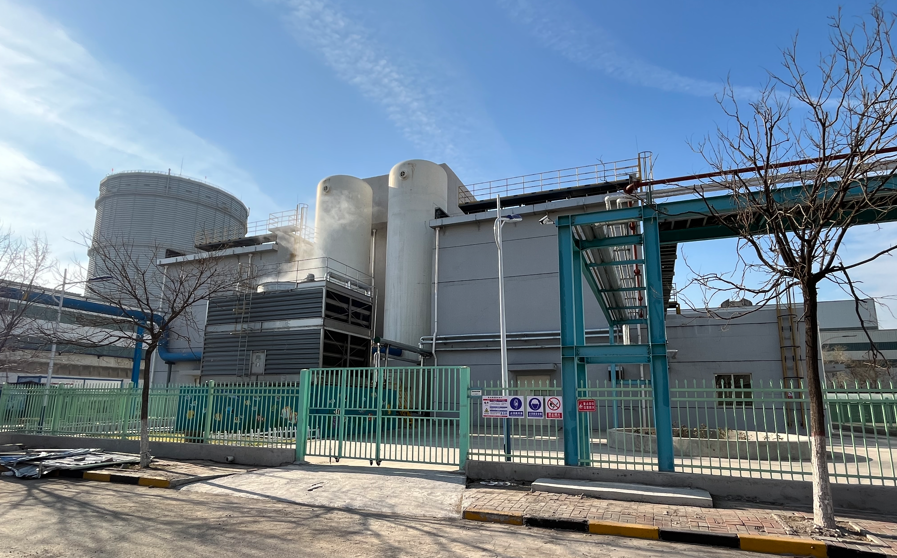
Global Market Guide to Industrial O2 Plant Systems
An industrial O2 plant is an on-site oxygen production system that separates oxygen from ambient air and delivers it continuously to production processes such as steelmaking, oxygen-enriched combustion, glass melting, wastewater treatment, non-ferrous metallurgy, chemical oxidation and gasification. For many factories in the Global Market, the most practical technologies are VPSA oxygen plants and PSA oxygen generators because they can be installed faster than cryogenic air separation units, operate flexibly, and reduce dependence on purchased liquid oxygen logistics.In practical purchasing terms, a plant owner should first define the required oxygen flow, purity, pressure, load variation, site utilities, operating hours and total cost of ownership. VPSA systems are commonly selected for medium to very large flows where energy efficiency is decisive, while PSA oxygen systems are often selected for compact, modular and medium-scale applications. PKU Pioneer provides EPC, turnkey and customer-owned plant solutions based on VPSA and PSA gas separation technologies; it does not position these solutions as BOO or on-site bulk supply services.For steel mills near Tangshan, Jamshedpur, Pohang, Duisburg, Monterrey and Port Talbot, for glass manufacturers around Istanbul, Cairo, Ho Chi Minh City and São Paulo, or for chemical parks near Houston, Rotterdam, Jubail, Antwerp and Shanghai, an on-site industrial oxygen plant can improve fuel efficiency, stabilize oxygen supply and support decarbonization goals. The right system can typically deliver oxygen purity from about 80% to 94% for VPSA and higher purities for certain PSA configurations, with pressure and post-compression designed around the downstream process.Decision PointPractical AnswerWhy It MattersMain plant purposeContinuous oxygen supply for industrial processesDetermines technology, flow and pressure designCommon technologiesVPSA and PSA oxygen generationLower logistics risk than trucked liquid oxygenTypical VPSA purity80% to 94% O2 depending on process needIdeal for oxygen enrichment and combustionTypical buyersSteel, glass, chemicals, non-ferrous metals, environmental plantsDemand profiles differ widely by industryOwnership modelEPC, turnkey or customer-owned plantClarifies investment, control and responsibilitiesKey cost driverPower consumption per Nm3 of oxygenEnergy dominates long-term operating costSupplier evaluationReferences, adsorbent technology, automation and serviceImproves reliability and lifecycle economicsThe table above summarizes the essential buying logic. A technically suitable O2 plant is not simply a compressor and vessels package; it is a complete gas production asset whose lifecycle performance depends on adsorbent quality, valve reliability, process control, engineering integration and local service readiness.An industrial O2 plant is designed to generate oxygen at the consumption site. Instead of purchasing liquid oxygen from a merchant gas supplier and vaporizing it through storage tanks, the customer produces gaseous oxygen from air. Air contains roughly 21% oxygen, 78% nitrogen and small quantities of argon, carbon dioxide, water vapor and trace gases. The O2 plant removes most nitrogen and moisture, then supplies oxygen at a controlled flow, purity and pressure.In the Global Market, the business case for on-site oxygen production has become stronger because manufacturers are facing volatile energy prices, supply chain uncertainty, tighter emissions policies and growing demand for process efficiency. Ports and industrial trade hubs such as Singapore, Rotterdam, Houston, Mumbai, Santos, Jebel Ali, Busan and Shanghai often have robust gas infrastructure, but inland steel, mining, cement and chemical sites may face high liquid oxygen transport costs. Even in mature industrial corridors, on-site production gives plant operators more operational autonomy.Industrial oxygen is different from medical oxygen in both application and compliance framework. Industrial O2 plants are engineered for process performance, continuous duty, safety interlocks, stable purity and integration with burners, furnaces, reactors or gas pipelines. Buyers should not evaluate them only by nominal capacity. A well-designed plant must consider ambient temperature, humidity, altitude, dust loading, cooling water availability, electrical standards, maintenance access and downstream pressure stability.Modern on-site oxygen systems can be packaged as modular skids, containerized systems or large engineered plants. Small PSA oxygen systems may serve wastewater aeration, aquaculture, ozone generation or small furnaces. Large VPSA oxygen plants can support blast furnace oxygen enrichment, electric arc furnace operations, non-ferrous smelting, glass furnace boosting and chemical oxidation units. Large projects require advanced engineering, civil work, piping, electrical rooms, distributed control systems and acceptance testing.When comparing on-site O2 plant options, buyers usually consider four oxygen supply modes. First is liquid oxygen purchase, which has low initial investment but higher long-term delivered cost and transport risk. Second is cryogenic air separation, which is suitable for very high purity or very large multi-product oxygen, nitrogen and argon demand. Third is PSA oxygen generation, which is compact and flexible. Fourth is VPSA oxygen generation, which is highly competitive for large oxygen flows at moderate purity. The best option depends on the process, not on a universal rule.Industrial decision makers should also understand load behavior. A steel plant may require variable oxygen flow depending on production campaigns, while a glass furnace may need stable oxygen enrichment for months. A chemical oxidation process may demand stricter purity and pressure control because oxygen participates directly in reaction chemistry. A good O2 plant supplier will evaluate process dynamics and propose a system that handles turndown without unstable oxygen quality.The line chart illustrates a realistic demand trend for on-site oxygen systems as industrial users seek energy savings, supply resilience and emissions improvement. Growth is especially visible in steel modernization, glass furnace efficiency upgrades, chemical parks, hydrogen-related projects and waste-to-value applications.Pressure Swing Adsorption, usually called PSA, separates oxygen from air by using adsorbents that preferentially capture nitrogen under pressure. The process normally includes compressed air pretreatment, adsorption, depressurization, purge and regeneration. While one vessel produces oxygen, another vessel regenerates, allowing continuous output. PSA oxygen generators are commonly selected where compact equipment, modular expansion and relatively straightforward installation are important.Vacuum Pressure Swing Adsorption, or VPSA, works on a similar adsorption principle but uses a lower adsorption pressure and vacuum regeneration. This process can reduce specific energy consumption for large flow applications because it avoids compressing all air to higher pressures. Instead, it uses blowers, vacuum pumps, switching valves, adsorber vessels, oxygen buffer tanks and process control to produce a large quantity of oxygen efficiently. For many steel, glass and non-ferrous applications, VPSA provides an attractive balance between capital investment and power cost.The adsorbent is the core of PSA and VPSA technology. Molecular sieves selectively adsorb nitrogen while allowing oxygen-rich gas to pass through. Performance depends on adsorption capacity, selectivity, mass transfer rate, resistance to dust and moisture, crush strength and long-term stability. PKU Pioneer has developed proprietary adsorbents, including PU-8 molecular sieve, and integrates adsorbent manufacturing with process design. This technological capability is important because the adsorbent and cycle design determine the plant’s real energy consumption and stable operating window.PSA oxygen systems generally suit smaller to medium capacities, decentralized oxygen supply and applications where delivered pressure from the PSA package is sufficient or where a compact oxygen compressor can be added. VPSA systems suit larger loads, especially when oxygen purity of 80% to 94% is acceptable and energy cost is a major factor. If the downstream process requires very high oxygen purity above 95% to 99.5%, cryogenic or specialized PSA solutions may need to be considered. If nitrogen and argon co-products are also valuable, cryogenic ASU remains relevant.A buyer should not assume that one technology is always superior. In a textile wastewater facility near Dhaka, a compact PSA unit may be the best choice. In a 24-hour glass plant near Mexico City or a steel mill near Vietnam’s coastal industrial zones, a VPSA plant could provide stronger economics. In an integrated chemical complex in Saudi Arabia or Texas requiring high-purity oxygen and nitrogen, a cryogenic air separation unit may be justified. Technology selection is an engineering decision supported by process data and financial analysis.TechnologyBest-Fit CapacityTypical O2 PurityStrengthsLimitationsPSA oxygen generatorSmall to mediumCommonly 90% to 95%Compact, modular, fast installationHigher power per Nm3 at larger flowsVPSA oxygen plantMedium to very largeCommonly 80% to 94%Energy efficient for large flowsRequires more engineering and spaceCryogenic ASUVery large or multi-productVery high purity possibleProduces oxygen, nitrogen and argonHigher capital cost and longer scheduleLiquid oxygen supplyBackup or low intermittent useHigh puritySimple user-side equipmentTransport price and supply dependencyMembrane oxygen enrichmentLow to moderate enrichmentLower oxygen concentrationSimple and continuousNot suitable for many high-O2 processesHybrid supplyPlants with variable peaksDepends on designCombines on-site generation and backupRequires careful control philosophyThis comparison shows why industrial buyers often shortlist VPSA and PSA technologies before considering other supply models. A clear process specification avoids both under-design, which creates production risk, and over-design, which wastes capital.The technical specification of an industrial oxygen plant should be written in measurable, testable terms. The most important figures are oxygen flow in Nm3/h, oxygen purity in volume percent, discharge pressure, specific power consumption in kWh/Nm3, turndown range, startup time, ambient design range, utility requirements and availability. The contract should also define whether the capacity is measured at battery limit, after oxygen compression or before downstream pipeline losses.Oxygen purity is application dependent. Oxygen-enriched combustion may perform well with 80% to 93% oxygen, depending on burner design and furnace objectives. Steel blast furnace enrichment often uses oxygen with moderate purity because the process benefit comes from increasing oxygen concentration in the blast and improving fuel combustion. Certain chemical oxidations require stricter oxygen purity and impurity control because nitrogen dilution can affect reaction rate, downstream separation and safety margins.Flow capacity must be aligned with real demand rather than estimated from nameplate production alone. For example, a glass furnace may require base oxygen flow plus boosting capacity during pull-rate increases. A steel facility may need different oxygen profiles for blast furnace enrichment, ladle treatment, cutting and reheating. A chemical plant may require steady flow but strict pressure stability. The O2 plant design should include minimum load, normal load, peak load and future expansion.Pressure is another critical parameter. VPSA systems generally produce oxygen at relatively low pressure and may require an oxygen compressor for processes needing higher pipeline pressure. PSA systems can produce oxygen at a higher pressure depending on air compression and cycle design, but the most energy-efficient solution still depends on downstream demand. Over-compressing oxygen wastes electricity; under-compressing causes unstable process performance.Power consumption is usually the dominant operating cost. In many large VPSA oxygen projects, advanced technology can achieve specific power consumption below 0.3 kWh per Nm3 under suitable conditions. Actual performance depends on purity, pressure, ambient conditions, equipment efficiency, adsorbent condition and turndown operation. A responsible supplier should state guaranteed power consumption and acceptance test conditions clearly.Specification ItemTypical Industrial RangeEngineering NotesBuying AdviceOxygen purity80% to 95% for most PSA/VPSA projectsHigher purity often increases energy costSpecify only what the process truly needsFlow capacity50 to over 100,000 Nm3/hLarge VPSA systems can exceed single-train expectationsDefine normal, peak and future expansion flowOxygen pressureLow pressure to compressed pipeline pressurePost-compression may be requiredMatch burner, reactor or pipeline requirementSpecific powerOften below 0.3 kWh/Nm3 for optimized large VPSADepends on purity and pressure basisAsk for guaranteed test methodologyStartup timeOften around 20 minutes for suitable VPSA systemsFaster than many cryogenic systemsImportant for flexible production sitesTurndown rangeCan be 25% to 100% with proper designControl system and adsorbent cycle matterConfirm purity stability at partial loadPlant availabilityTypically designed for continuous industrial operationDepends on redundancy and maintenance planRequest reference data and spare parts listThe table highlights a common procurement mistake: focusing only on oxygen purity. In reality, a plant with slightly lower purity but lower energy consumption, better turndown and stronger service support may deliver greater economic value. Technical specifications should reflect total production economics, not catalog numbers alone.The bar chart indicates that steel and chemical operations remain major demand centers, while glass, energy, wastewater and non-ferrous applications are expanding as more companies adopt oxygen enrichment and process intensification.An industrial O2 plant is a coordinated system. Major components may include air intake filters, blowers or compressors, air pretreatment equipment, adsorption vessels, vacuum pumps, switching valves, silencers, oxygen buffer tanks, oxygen analyzers, flow meters, control panels, safety valves, oxygen compressors, cooling systems and product delivery pipelines. Large plants also include foundations, electrical distribution, instrumentation cabinets, control rooms and integration with the customer’s distributed control system.Skid-mounted design improves fabrication quality and installation speed. Instead of assembling every component from loose parts at site, the supplier fabricates modules in a controlled workshop, performs pre-inspection, marks interfaces and ships modules to the project site. This approach is valuable for remote mining sites in Australia, inland steel plants in India, glass factories in North Africa and chemical facilities in Latin America where site labor availability and schedule certainty can be challenging.Manufacturing capability directly affects reliability. Precision vessel fabrication, valve skid assembly, piping cleanliness, oxygen-compatible materials, electrical panel quality and factory testing all reduce commissioning risk. PKU Pioneer integrates engineering, equipment fabrication, proprietary adsorbent and catalyst production, and project delivery. This integrated model helps align the process design with actual equipment manufacturing rather than treating the plant as a collection of outsourced parts.Skid-mounted and modular plants also support phased investment. A customer may begin with one oxygen train and add another train when production expands. This is useful in fast-growing industrial regions such as Southeast Asia, the Gulf, Eastern Europe and parts of Africa, where demand can rise quickly after a new furnace, rolling line, chemical reactor or environmental unit reaches stable operation. Modularization can also make customs clearance, road transport and lifting planning easier.Automation is a key part of system design. The control system monitors oxygen purity, flow, pressure, valve timing, adsorber status, blower load, vacuum level, alarms and interlocks. Advanced control logic allows stable operation during load changes and protects adsorbent beds from abnormal moisture, pressure shocks and temperature excursions. Remote monitoring can help service engineers detect performance drift before it becomes a production problem.ComponentFunctionDesign ConcernMaintenance FocusAir filter systemRemoves dust and particlesLocal air quality and pressure dropFilter replacement scheduleAir blower or compressorSupplies feed airEfficiency, noise and reliabilityLubrication, vibration and sealsAdsorber vesselsHold molecular sieve bedsFlow distribution and vessel codePressure checks and bed conditionVacuum pumpRegenerates adsorbent in VPSAPower use and vacuum stabilityCooling, bearings and clearancesSwitching valvesControl PSA/VPSA cycleCycle frequency and leakage resistanceActuator and seal inspectionOxygen buffer tankStabilizes product flowVolume and pressure ratingSafety valve testingOxygen analyzerMeasures product purityCalibration and sampling pointRoutine calibrationPLC or DCS interfaceAutomates operationControl philosophy and alarmsSoftware backup and diagnosticsThis table shows that long-term plant performance depends on every subsystem. High-quality adsorbent cannot compensate for poor filtration, and efficient blowers cannot overcome weak control logic. Buyers should request a component list, datasheets, maintenance plan and interface drawings before finalizing a purchase.Oxygen-enriched combustion is one of the most widely used applications for industrial O2 plants. By increasing oxygen concentration in combustion air, a furnace can achieve higher flame temperature, faster heat transfer, lower flue gas volume and improved fuel efficiency. This is valuable in glass melting, reheating furnaces, non-ferrous smelting, cement and certain thermal treatment processes. In ports and manufacturing hubs where natural gas or fuel oil prices fluctuate, oxygen enrichment can provide meaningful cost control.Steelmaking is a major global oxygen consumer. Oxygen supports blast furnace enrichment, basic oxygen furnace operations, electric arc furnace lancing, ladle metallurgy, cutting and scarfing. Many integrated steel plants have historically relied on cryogenic air separation, but VPSA oxygen plants are increasingly attractive for oxygen enrichment and auxiliary oxygen requirements. Large steel clusters in China, India, South Korea, Japan, Europe, Turkey, Brazil and the United States continue to evaluate energy-saving oxygen systems as part of modernization programs.Chemical oxidation uses oxygen as a reactant, not simply as a combustion enhancer. Applications include partial oxidation, wastewater advanced oxidation, synthesis gas processes, formic acid routes, monoethylene glycol related processes and other value-added chemical production. In these cases, oxygen purity, flow stability and safety design are especially important because oxygen concentration affects reaction selectivity and hazard management. Chemical parks near Antwerp, Rotterdam, Nanjing, Jubail and Houston often require detailed process hazard analysis before installing oxygen supply systems.Glass manufacturing benefits from oxygen enrichment through higher melting efficiency, reduced nitrogen ballast, lower NOx formation potential and improved furnace pull rate. Float glass, container glass, specialty glass and fiberglass producers may all use oxygen boosting. In regions with strong construction and automotive demand, such as Southeast Asia, the Middle East, India and Latin America, oxygen supply reliability can directly affect production yield and furnace campaign economics.Environmental applications are growing quickly. Municipal and industrial wastewater treatment facilities use oxygen to improve biological treatment efficiency, reduce odor and support high-load treatment. Pulp and paper mills use oxygen in bleaching and delignification. Mining and metallurgical operations use oxygen in leaching, roasting, smelting and refining. Gasification and waste-to-energy systems use oxygen to improve syngas quality and reduce nitrogen dilution. These applications align with 2026 sustainability trends: lower emissions, higher resource efficiency and more circular use of industrial by-product gases.Case experience is valuable when selecting a supplier. PKU Pioneer has completed more than 400 industrial projects across more than 20 countries, with total installed oxygen capacity exceeding 2 million Nm3/h. The company has served over 100 leading steel enterprises and has delivered large-scale VPSA oxygen systems, including ultra-large single-unit projects. Such references matter because oxygen plants must perform continuously in demanding production environments, not just meet theoretical design values.The area chart reflects a trend shift from fully purchased oxygen toward on-site generation. The shift is driven by power-efficient VPSA systems, better automation, carbon reduction plans, and the desire to reduce exposure to liquid oxygen transport disruptions.Installation begins before the equipment reaches the site. A complete project should include process design confirmation, general arrangement drawings, foundation design, electrical load list, instrument list, piping interface list, hazard review, lifting plan, transport route planning and construction schedule. For global projects, customs documentation, port handling, inland transport and local code compliance must also be considered. Major ports such as Tianjin, Shanghai, Singapore, Rotterdam, Hamburg, Los Angeles, Jebel Ali and Santos often function as logistics gateways for large plant modules.Site preparation includes foundations, drainage, cable trenches, equipment access, ventilation, noise control, lighting, grounding and safety zones. Oxygen equipment requires careful material selection and cleanliness because oxygen-enriched environments increase combustion risk. Oil contamination, incompatible seals and poor housekeeping must be avoided. The oxygen pipeline should be designed according to velocity limits, pressure class and applicable oxygen service standards.Commissioning normally includes mechanical completion checks, electrical continuity checks, instrument calibration, control logic verification, cold runs, air runs, adsorbent loading confirmation, valve sequence checks, leak testing, safety interlock testing and gradual oxygen production. The plant should not be placed into full process service until oxygen purity, flow, pressure and stability have been demonstrated. Operators should be trained in startup, shutdown, emergency response, analyzer calibration and routine inspection.Acceptance testing must be contractually defined. A performance test may measure oxygen flow, purity, pressure, power consumption and stability over a specified period, often under agreed ambient conditions and operating loads. The test boundary must be clear: whether power includes blowers, vacuum pumps, cooling auxiliaries, oxygen compressors and control systems. If the buyer compares offers without the same boundary, the lowest quoted kWh/Nm3 may not represent the lowest real operating cost.Service capability is especially important during commissioning. PKU Pioneer supports projects with engineering teams, pilot testing, consulting, retrofit services, operation and maintenance assistance, equipment leasing options where appropriate, and after-sales response. For industrial O2 plant projects, the company provides EPC, turnkey and customer-owned plant solutions, helping customers own and operate their gas generation assets rather than using a BOO or on-site bulk supply model. This is attractive for manufacturers that want control over gas cost, maintenance planning and production security.Project PhaseMain ActivitiesDocuments or OutputsAcceptance FocusConcept selectionCompare PSA, VPSA, cryogenic and liquid supplyFeasibility study and cost estimateCorrect technology choiceBasic engineeringDefine flow, purity, pressure and utilitiesPFD, layout and utility listClear technical basisDetailed engineeringFinalize drawings and control logicP&ID, electrical and civil drawingsConstructability and safetyManufacturingFabricate vessels, skids and control panelsInspection reports and certificatesQuality and code complianceInstallationSet equipment, connect piping and cablesMechanical completion recordsCorrect interfaces and cleanlinessCommissioningStart equipment and tune cyclesCommissioning checklistStable oxygen productionPerformance testMeasure guaranteed parametersAcceptance test reportFlow, purity, pressure and powerThis procedure reduces project risk. It also creates a common language between the owner, EPC contractor, equipment supplier, civil contractor and plant operations team. The more complex the industrial site, the more valuable structured commissioning becomes.The operating cost of an industrial O2 plant includes electricity, maintenance parts, adsorbent life, labor, cooling utilities, analyzer gases, periodic inspections and potential downtime. Among these, electricity is usually the largest cost. Therefore, a small difference in kWh/Nm3 can become a large financial difference over ten or fifteen years. A plant operating 8,000 hours per year at thousands of Nm3/h will magnify every efficiency point.Energy efficiency depends on process design, rotating equipment efficiency, valve pressure drop, vacuum level, oxygen purity, product pressure and control strategy. For large VPSA plants, optimized systems can reach very competitive energy consumption, often below 0.3 kWh per Nm3 under suitable requirements. However, buyers should carefully review whether the quoted number includes all major auxiliaries and whether it applies at the required purity and pressure.Maintenance costs are manageable when the plant is designed for service access and when operators follow preventive schedules. Key tasks include filter replacement, blower and vacuum pump inspection, valve seal checks, analyzer calibration, instrument verification, control system backup, vibration monitoring and periodic adsorbent performance evaluation. Poor feed air filtration, oil carryover or moisture breakthrough can shorten adsorbent life and increase operating cost.Long-term maintenance should be considered at the purchasing stage. A cheaper plant with non-standard valves, weak documentation or slow spare parts support can become expensive. Buyers in remote regions, including mining areas in Chile, Western Australia, Central Asia and parts of Africa, should confirm spare parts availability and remote troubleshooting capability. Plants near major industrial hubs may still require strong service planning because oxygen supply interruptions can stop production.Future trends in 2026 and beyond will make operating economics more important. Many countries are tightening carbon reporting rules, electricity markets are becoming more dynamic, and manufacturers are evaluating green power contracts. Oxygen plants that can adjust load, integrate with smart energy management and support lower fuel consumption will have a stronger role. Digital monitoring, predictive maintenance, improved adsorbents, high-efficiency blowers and modular expansion will shape the next generation of industrial oxygen systems.The comparison chart shows why supplier selection should include technology depth, reference scale, adsorbent capability and delivery experience. A basic package may look attractive at purchase, but an advanced supplier can create greater value through lower energy consumption, stable operation and lifecycle support.PKU Pioneer, formally Beijing Peking University Pioneer Technology Corporation Ltd., is a high-tech enterprise rooted in the College of Chemistry and Molecular Engineering at Peking University. Since its founding in 1999, the company has focused on VPSA and PSA gas separation technologies for industrial oxygen generation, high-purity carbon monoxide, hydrogen recovery and the utilization of industrial by-product gases. Its work serves global manufacturers seeking efficient and reliable on-site gas production.In technological capabilities, PKU Pioneer combines process research, adsorbent development, catalyst expertise, engineering simulation and industrial reference feedback. The company has accumulated more than 180 patents and has received national-level recognition for PSA carbon monoxide technology and VPSA oxygen plant technology. Its proprietary adsorbents and optimized process cycles support large oxygen capacity, flexible load changes and stable performance. More information about the company’s background is available through the PKU Pioneer company profile.In manufacturing capabilities, PKU Pioneer integrates proprietary adsorbent and catalyst manufacturing with equipment fabrication, skid assembly, system integration and quality inspection. This matters because oxygen plant performance depends on the match between process design and actual hardware. The company has delivered projects ranging from modular units to ultra-large VPSA oxygen systems, including large single-unit capacity projects for steel operations. Readers can review selected achievements through world-class innovative project references.In service capabilities, PKU Pioneer provides consultation, technical proposals, pilot testing, engineering, EPC delivery, turnkey project execution, customer-owned plant solutions, retrofit and upgrade support, operation and maintenance guidance, and after-sales response. The company’s model is designed for customers who want to own their industrial gas generation assets and improve cost control. It should be clearly understood that these offerings are EPC, turnkey and customer-owned plant solutions, not BOO or on-site bulk supply services.PKU Pioneer’s product lines include large-scale VPSA oxygen plants, compact PSA oxygen generators, PSA carbon monoxide recovery systems, hydrogen purification systems, adsorbents, catalysts and modular pilot systems. Large VPSA oxygen systems can serve steel, glass, chemicals, metallurgy and energy applications, while PSA oxygen systems are suitable for smaller and medium requirements. Buyers comparing product types can explore VPSA oxygen plant solutions and PSA oxygen generator options for more technical context.Several case examples demonstrate practical value. In a blast furnace gas utilization project, PSA technology helped recover carbon monoxide from industrial by-product gas, replacing significant natural gas consumption and improving resource efficiency. In steel oxygen applications, large VPSA oxygen plants supplied stable oxygen for oxygen-enriched blast furnace processes, improving productivity and lowering energy cost. In Vietnam, a 10,000 Nm3/h VPSA oxygen plant demonstrated international deployment capability, fast implementation and reliable performance for regional industry.For global buyers, local supplier evaluation should include more than geographical proximity. A local installation contractor may be useful for civil works, but the core oxygen technology supplier should have proven adsorbent capability, process expertise, references, quality control and service response. In regions such as Europe, North America, the Middle East, South Asia, Southeast Asia and Latin America, buyers often combine international process technology with local construction support to balance performance and execution efficiency. PKU Pioneer supports such cooperation through customized project planning and technical communication.To begin a project, a customer should prepare site location, altitude, ambient temperature range, required oxygen flow, purity, pressure, operating hours, application description, available power supply, cooling conditions, layout constraints and expansion plans. With this information, an experienced supplier can recommend PSA, VPSA, hybrid supply or another technology route. The main website, PKU Pioneer VPSA technology portal, provides an entry point for learning about available gas separation solutions.A PSA oxygen generator usually uses compressed air and pressure swing cycles, while a VPSA oxygen plant uses lower pressure adsorption and vacuum regeneration. PSA is often compact and suitable for small to medium flows. VPSA is often more energy efficient for medium to large oxygen demand, especially in steel, glass and non-ferrous applications.You should specify the purity required by the process, not simply the highest available purity. Many combustion and enrichment applications perform well with 80% to 94% oxygen. Some chemical processes may require higher purity or tighter impurity limits. Higher purity can increase power consumption and equipment cost.For continuous industrial users, on-site oxygen generation often reduces long-term cost because it avoids repeated liquid oxygen delivery charges and logistics risk. However, the economics depend on electricity price, operating hours, flow rate, backup requirements and capital cost. A lifecycle cost analysis is recommended.Many modern VPSA oxygen systems can start rapidly, sometimes around 20 minutes under suitable design conditions. Actual startup time depends on plant size, control philosophy, standby mode and downstream pressure requirements.Yes, a properly designed system can operate flexibly across a wide turndown range. Some advanced systems can support load changes from about 25% to 100% while maintaining stable product quality. Buyers should confirm guaranteed purity and power performance at partial load.Major users include steel, glass, chemical oxidation, non-ferrous metallurgy, wastewater treatment, pulp and paper, gasification, waste-to-energy, mining and environmental engineering. Demand is strong in industrial regions connected to ports, steel clusters, chemical parks and heavy manufacturing corridors.A useful inquiry should include required oxygen flow, purity, pressure, application, operating hours, site altitude, ambient temperature, power conditions, available area, cooling utilities, automation requirements and expected project schedule. Future expansion plans are also important.No. PKU Pioneer provides EPC, turnkey and customer-owned plant solutions for industrial gas generation. The customer owns and operates the plant, with technical support, commissioning assistance, retrofit services and after-sales support available according to project requirements.Buyers should compare proven references, specific energy consumption, adsorbent technology, component quality, automation, commissioning method, acceptance testing guarantees, spare parts support and lifecycle service. The lowest initial price is not always the lowest total cost.Important trends include stricter carbon reporting, higher demand for energy efficiency, industrial electrification, smart plant monitoring, predictive maintenance, improved molecular sieves, modular plant construction and stronger interest in resource recovery from by-product gases.Yes. Skid-mounted systems can reduce site installation time, improve fabrication quality and simplify logistics. They are especially useful for projects in remote industrial zones, fast-track glass plants, mining operations and overseas steel or chemical projects.For technical background on VPSA gas separation, visit the VPSA technology overview. For project-specific advice, customers should share operating data and process requirements so that a tailored proposal can be developed.