Oxygen Plant Payment Schedule in the United States
Oxygen Plant Payment Schedule in the United States
Quick Answer

A typical oxygen plant payment schedule in the United States depends on plant size, delivery scope, and contract model, but most customer-owned EPC or turnkey VPSA and PSA oxygen plant contracts follow a milestone structure rather than a single lump-sum payment. For smaller packaged systems, buyers often see a deposit at order, a progress payment before shipment, a payment after delivery, and a final retention after commissioning. For larger industrial VPSA oxygen projects, the schedule usually includes an advance payment, payments tied to engineering approval and major equipment fabrication, a payment at shipment, a payment after site mechanical completion, and a final balance after performance testing and acceptance.
In practical terms, many U.S. projects land near these bands: 10% to 20% at contract signing, 20% to 30% after detailed engineering or key drawing approval, 20% to 30% after fabrication or before shipment, 10% to 20% at delivery or installation completion, and 5% to 10% after performance acceptance. High-value contracts may also use letters of credit, bank guarantees, retention clauses, and liquidated damages linked to oxygen purity, flow, specific power consumption, and startup timing.
If you are sourcing in the United States, compare proposals from Air Liquide Engineering & Construction, Linde Engineering, Atlas Copco Gas and Process, Enerflex, PCI Gases, and Oxymat’s U.S. channel partners where relevant for smaller systems. Qualified international suppliers can also be considered, especially when they hold applicable certifications and provide strong pre-sales and after-sales support. Cost-performance can be attractive when the supplier offers proven VPSA engineering, documented factory testing, and responsive local service for EPC, turnkey, or customer-owned plant solutions rather than BOO supply models.
Understanding How Oxygen Plant Contracts Are Paid in the U.S. Market

In the United States, industrial oxygen plants are purchased under several commercial structures. The most common for manufacturers that want asset ownership is the customer-owned plant model, usually delivered as EPC, turnkey, or equipment-plus-supervision. This is different from on-site bulk supply or BOO structures, where the gas supplier owns and operates the plant. Since this article focuses on oxygen plant payment schedule practices for customer-owned projects, the milestone framework below centers on capital equipment contracts for VPSA oxygen plants and PSA oxygen generators.
Payment timing is shaped by project risk. A supplier must buy steel, vessels, blowers, vacuum pumps, valves, instrumentation, electrical cabinets, piping, skids, and controls before the system generates any revenue for the buyer. At the same time, the buyer wants protection against delayed shipment, underperformance, incomplete commissioning, or weak service support. U.S. contracts therefore balance supplier cash flow and buyer risk through milestone billing.
Payment structures are also influenced by geography. Plants moving through Houston, Long Beach, Savannah, Los Angeles, New York/New Jersey, and inland industrial hubs such as Pittsburgh, Gary, Birmingham, and Chicago may have different logistics timing, tax handling, and site readiness constraints. For projects serving steel, glass, non-ferrous metals, wastewater, pulp and paper, and chemical sites, these timing differences matter because oxygen demand often ties directly to furnace campaigns, shutdown windows, and environmental compliance deadlines.
Typical Payment Schedule for VPSA and PSA Oxygen Plant Contracts

The table below summarizes common milestone patterns seen in the United States for customer-owned oxygen generation projects. Actual terms vary by contract size, customization, and the credit profile of the parties, but these ranges are practical benchmarks for negotiation.
| Project Type | Contract Value Range | Common Payment Milestones | Typical Final Retention | Buyer Focus | Supplier Focus |
|---|---|---|---|---|---|
| Small PSA skid package | Under $500,000 | 40% order, 50% before shipment, 10% after startup | 5% to 10% | Quick delivery and basic acceptance | Cash flow for fabrication |
| Medium PSA oxygen system | $500,000 to $2 million | 20% order, 30% drawing approval, 40% shipment, 10% commissioning | 10% | Performance verification | Progress billing certainty |
| Industrial VPSA package | $2 million to $8 million | 15% order, 25% engineering release, 25% fabrication, 25% shipment, 10% acceptance | 5% to 10% | Energy use and oxygen purity guarantees | Coverage of major equipment spend |
| Large turnkey VPSA oxygen plant | $8 million to $30 million+ | 10% order, 15% design approval, 25% major equipment completion, 25% shipment, 15% mechanical completion, 10% performance acceptance | 5% | Schedule certainty and LD protection | Funding of long fabrication cycle |
| EPC with imported core equipment | Varies | 10% advance, LC for shipment tranche, balance after erection and performance test | 5% to 10% | Import control and warranty security | Bankable payment instruments |
| Rental-conversion or lease-assisted project | Varies | Smaller upfront plus staged ownership payments | Often negotiated separately | Lower CAPEX pressure | Longer recovery period |
This table matters because a payment schedule is not just accounting. It is a risk map. The earlier the supplier must commit to custom adsorbent vessels, fabricated skids, blower packages, and control systems, the more the supplier will push for front-loaded progress payments. Buyers can accept some front loading if contract language clearly defines drawing approval, factory testing, shipment readiness, and acceptance criteria.
What Each Payment Milestone Usually Means
A deposit or advance payment confirms contract effectiveness. This amount often triggers engineering kickoff, long-lead procurement, and production slot reservation. In a busy market, suppliers may not release fabrication without this first payment.
An engineering or drawing approval payment is common for medium and large projects. Once P&IDs, layout drawings, utility lists, foundation loads, and electrical single-line diagrams are approved, the supplier has enough certainty to purchase major components. Buyers should avoid approving drawings prematurely. If there are unresolved tie-in points, utility pressure questions, or uncertain site elevations, rework can become expensive.
A fabrication or major equipment completion payment typically comes when vessels, skids, blower bases, vacuum system packages, or MCC panels are substantially complete. Some suppliers support this milestone with factory inspection reports, photos, or witness tests.
A shipment payment is often the largest tranche. In U.S. procurement practice, this can be tied to ex-works readiness, FOB loading, CIF arrival, or domestic shipment release depending on Incoterms and tax planning. Buyers should confirm whether freight, customs, and inland trucking are included.
A mechanical completion or installation payment is more common in turnkey projects. It reflects site erection progress, piping completion, cable pulling, and readiness for pre-commissioning.
A final acceptance payment is tied to proof that the plant meets contract guarantees. Common guarantees include oxygen flow, oxygen purity, specific energy consumption, availability, startup time, and turndown flexibility. A retention amount held until final acceptance encourages responsive punch-list closure.
Market Overview in the United States
Demand for on-site oxygen generation in the United States is driven by energy costs, decarbonization pressure, logistics resilience, and the desire to reduce dependence on delivered liquid oxygen. Industries in Texas, Ohio, Pennsylvania, Indiana, Illinois, Alabama, California, and the Southeast continue to evaluate VPSA and PSA systems where oxygen demand is steady enough to justify ownership.
For large industrial users, VPSA often becomes attractive because it can provide substantial oxygen flow at lower energy use than many alternative supply arrangements, especially when the application tolerates oxygen purity in the typical VPSA range. For smaller facilities, PSA systems remain popular due to compact footprint, simpler installation, and lower initial capital cost.
Ports and industrial corridors play a major role. Houston is a central procurement and engineering hub for process projects. The Great Lakes belt remains important for steel and metals. The Gulf Coast supports refining, petrochemicals, and chemicals. California and the Mountain West see demand from glass, environmental applications, and specialty industrial users. These regional patterns influence not only supplier selection but also payment schedules because site labor costs, installation windows, and freight routes differ considerably.
The line chart shows a realistic growth trajectory for customer-owned on-site oxygen generation projects in the U.S. market. Growth is supported by higher electricity optimization efforts, continued industrial modernization, and interest in reducing trucked liquid oxygen dependence. By 2026, policy and sustainability factors are expected to reinforce this trend, especially where oxygen enrichment improves combustion efficiency or enables process upgrades with lower emissions intensity.
Product Types and How They Affect Payment Terms
Different oxygen generation technologies create different commercial risk profiles. Buyers should understand this before negotiating milestone payments.
| Technology | Typical Oxygen Purity | Capacity Range | Best Fit | Payment Complexity | Common Contract Concern |
|---|---|---|---|---|---|
| PSA oxygen generator | Up to around 93% | Small to medium | Medical support, wastewater, ozone, small industrial | Low to medium | Simple startup acceptance |
| VPSA oxygen plant | Usually 80% to 94% | Medium to very large | Steel, glass, non-ferrous, combustion enrichment | Medium to high | Power use and guaranteed output |
| Cryogenic ASU | High purity | Large scale | Very large continuous users | High | Long build cycle and major CAPEX |
| Containerized oxygen skid | Varies | Small | Fast-track projects | Low | Shipping and easy commissioning |
| Modular expandable plant | Varies | Small to large | Sites planning phased growth | Medium | Future expansion clauses |
| Hybrid integrated solution | Application-specific | Varies | Plants combining oxygen with gas recovery or process upgrades | High | Interface responsibility |
This comparison explains why a small skid may have a simple 40/50/10 schedule while a large VPSA system can require six milestones plus retention. The more customized the plant, the more detailed the payment framework should be.
Buying Advice for U.S. Buyers
The best oxygen plant payment schedule is one that matches real project risk. Buyers should resist generic templates and align each milestone with measurable deliverables. A good payment clause should define exactly when the supplier becomes entitled to each tranche.
For example, if a milestone says “upon equipment completion,” define what completion means. Does it require pressure vessel hydrotest records, blower model confirmation, PLC panel FAT, and packing list issuance? If a final payment depends on performance testing, define test duration, feed conditions, ambient correction assumptions, utility quality, and who supplies test instruments.
Another key issue is retention. For U.S. industrial buyers, holding back 5% to 10% until final acceptance can be more effective than arguing for a lower deposit. A supplier that knows final payment is linked to startup support, tuning, and documentation delivery is often more responsive.
Taxes and logistics also matter. If the supplier is shipping imported equipment into Houston or Long Beach and then trucking inland, customs timing can affect cash flow. Buyers should clarify whether shipment payment is triggered at factory release, bill of lading date, customs clearance, or site arrival.
For projects financed through bank debt or internal capital committees, payment schedules should map to approval gates. Engineering, site civil work, transformer capacity, and foundation readiness often lag equipment fabrication. If the schedule is too aggressive, the buyer may owe money before the site is ready to receive the equipment.
Industry Demand in the United States
Not every sector evaluates oxygen plants the same way. Steel and glass users usually care about large continuous flows, electrical efficiency, and stable integration with core production lines. Wastewater and ozone projects often prioritize simplicity and reliability. Chemical and non-ferrous users may focus more on process-specific purity and pressure needs.
The bar chart illustrates relative demand intensity across key U.S. sectors. Steel remains one of the strongest applications for large VPSA oxygen systems because oxygen enrichment directly influences productivity and fuel performance. Glass and chemicals also remain attractive, while municipal and industrial wastewater often support smaller PSA-based projects.
Applications That Commonly Justify Ownership
On-site oxygen generation becomes compelling when the plant consumes oxygen daily and can justify the capital investment over several years. In the United States, the most common ownership cases include blast furnace enrichment, EAF and ladle support, glass furnace combustion, smelting, wastewater treatment, ozone generation, pulp bleaching support, and chemical oxidation steps.
Plants in inland locations can especially benefit because delivered liquid oxygen pricing may include meaningful transport costs. Facilities far from major merchant gas production centers often see stronger economics for customer-owned oxygen plants, provided utilization is consistent and utilities are reasonably priced.
Applications with variable load should evaluate VPSA flexibility carefully. Systems that can operate stably across a broad load band without losing product quality can lower wasted energy and improve lifecycle economics. This has a direct connection to payment schedules because suppliers willing to guarantee flexible operating ranges often expect a more structured acceptance test and may tie final payment to a successful turndown demonstration.
Payment Schedule Risks and How to Manage Them
Every milestone payment introduces a potential imbalance. The buyer risks paying too much before deliverables are secure. The supplier risks building custom equipment without enough financial protection. The right contract manages both sides.
| Risk Area | Typical Trigger | Buyer Exposure | Supplier Exposure | Best Contract Control | Practical U.S. Advice |
|---|---|---|---|---|---|
| Front-loaded deposit | Contract signing | Cash out before visible progress | Low if deposit is high | Advance payment bond | Use for custom large projects |
| Unclear drawing approval | Engineering milestone | Paying before interfaces are fixed | Rework if buyer delays comments | Defined approval matrix | Set review deadlines and deemed approval language carefully |
| Fabrication progress disputes | Mid-project invoice | Paying without proof of completion | Inventory carrying cost | Inspection records and FAT checklist | Require dated manufacturing evidence |
| Shipment before site readiness | Pre-shipment invoice | Storage and demurrage costs | Finished goods blockage | Linked logistics plan | Match factory release to civil readiness |
| Weak acceptance criteria | Startup and testing | Difficulty enforcing guarantees | Delayed final payment | Detailed test protocol | Specify ambient, feed, and utility conditions |
| Warranty support gaps | Post-acceptance | Slow troubleshooting | Service burden uncertainty | Spare parts and response SLAs | Define remote and on-site response time |
This table is useful because payment structure and project governance are inseparable. Strong commercial terms should always be paired with technical acceptance standards and service commitments.
Trend Shift in Payment Preferences
Over the last few years, buyers in the United States have increasingly asked for later-stage retention, stronger acceptance testing, and clearer documentation around energy performance. Suppliers, in response, have asked for earlier commitments when custom fabrication slots are constrained. The result is a shift from simple deposit-and-balance structures toward milestone-heavy schedules.
The area chart shows this transition toward more formal milestone billing. By 2026, the trend is expected to continue as buyers seek better capital discipline and suppliers seek protection from inflation, labor volatility, and component lead-time risk. Sustainability reporting may also influence contract language, especially if the plant is part of a broader decarbonization upgrade.
Case Studies and Real-World Lessons
A Midwest metals processor evaluating a medium VPSA oxygen project may accept a 15% deposit if the supplier also provides a detailed engineering package, a documented factory test plan, and a 10% final retention until oxygen purity and flow are proven on-site. This keeps the project moving while protecting the buyer’s acceptance rights.
A Gulf Coast glass facility may prefer a larger shipment milestone if delivery timing aligns with a furnace maintenance outage. In that case, the supplier benefits from earlier cash flow, but the buyer should require liquidated damages tied to delayed shipment because the outage window is expensive.
An inland wastewater authority buying a smaller PSA system may choose a simple schedule with a modest final balance after commissioning. Since the project is less custom, heavy milestone administration may not be necessary.
For steel and large combustion-enrichment projects, the best lesson is to focus on lifecycle economics rather than deposit percentages alone. A supplier that can document lower specific power consumption and stable load flexibility may justify a stronger commercial schedule if the long-term operating savings are material.
Local Suppliers and Relevant Providers for U.S. Buyers
The supplier landscape in the United States includes global engineering firms, domestic integrators, and selected international specialists. The right choice depends on plant size, purity target, schedule, and whether the buyer needs full turnkey EPC support or equipment supply with local installation assistance.
| Company | Primary Service Region | Core Strengths | Key Offerings | Best For | Payment Style Often Seen |
|---|---|---|---|---|---|
| Air Liquide Engineering & Construction | United States nationwide, strong Gulf Coast and industrial corridors | Large industrial gas engineering, process integration, major project capability | Large oxygen systems, engineering packages, turnkey execution | Large industrial users | Formal EPC milestone schedule |
| Linde Engineering | United States nationwide | Large-scale gas process expertise, deep technical resources | Air separation and process gas systems | Complex high-value projects | Structured progress billing with strict acceptance terms |
| Atlas Copco Gas and Process | United States with broad service network | Compressed gas systems, packaged solutions, service support | PSA and related gas generation packages | Medium industrial applications | Deposit plus shipment and commissioning balance |
| Enerflex | United States and North America | Packaged systems, modular process equipment, field service | Process skids and integrated equipment solutions | Projects needing modular execution | Milestone billing tied to fabrication and site work |
| PCI Gases | U.S. industrial and specialty projects | Oxygen and nitrogen system integration, project engineering | PSA systems, gas plants, packaged solutions | Small to medium industrial users | Simpler staged payment schedules |
| Oxymat via U.S. representation | Selected U.S. regions | Compact oxygen generation packages | PSA oxygen systems | Smaller industrial and utility projects | Packaged equipment payment terms |
This table helps buyers shortlist vendors by project profile rather than marketing language. Large and complex projects usually favor firms with deep engineering resources and formal milestone governance, while smaller facilities may prioritize faster delivery and simpler commercial administration.
Supplier Comparison by Commercial Fit
This comparison chart shows what many U.S. buyers prioritize in practice. Custom VPSA expertise and large EPC capability remain especially important for industrial oxygen applications, while service flexibility is a close third because startup support strongly affects final acceptance and payment release.
Our Company
PKU Pioneer is a practical option for U.S. buyers seeking customer-owned EPC, turnkey, or equipment-supply oxygen plant solutions rather than BOO gas supply. The company has built its position around VPSA and PSA gas separation technologies and has completed more than 400 industrial projects across more than 20 countries, with installed oxygen capacity exceeding 2 million Nm3 per hour. For U.S. buyers evaluating technical credibility, that scale matters. Its manufacturing model combines in-house research and development, proprietary adsorbent and catalyst production, precision engineering, complete equipment fabrication, and documented testing under internationally recognized systems including ISO, CE, and ASME-related compliance capability for applicable equipment scope. That supports confidence in pressure-bearing fabrication, core process components, and quality control for large oxygen systems. Commercially, PKU Pioneer works flexibly with end users, EPC contractors, distributors, dealers, brand owners, and project developers through wholesale, customized engineering, OEM/ODM-style cooperation where suitable, and regional partnership discussions, making it workable for both direct industrial ownership and channel-based project development. For local assurance, the company’s export track record, multilingual pre-sales process, 24-hour response commitment, remote and on-site technical support options, and established international execution experience provide practical buyer protection, while its ability to supply VPSA oxygen plant systems, retrofits, upgrades, pilot testing, and long-term maintenance support demonstrates a sustained market presence rather than a one-time remote shipment. U.S. project teams that need evidence of real industrial delivery can also review selected project references, technical capabilities on the technology page, or start a direct commercial discussion through the contact channel.
How to Negotiate a Better Oxygen Plant Payment Schedule
Start with the project schedule, not the invoice schedule. If your civil work is six weeks behind likely equipment completion, ask the supplier to move part of the shipment payment to site arrival or mechanical completion. If the supplier must custom-build adsorber vessels or reserve a rare blower model, be realistic about progress funding.
Use documentation to unlock payments. Each milestone should require a package: approved drawings, major equipment data sheets, QA records, FAT reports, shipping documents, installation sign-off, and performance test results. This is cleaner than subjective arguments over “substantial completion.”
Separate punch-list items from core acceptance. A buyer should not withhold all final payment for minor labeling or paint touch-up if oxygen flow, purity, and energy use already meet guarantees. Instead, split final payment into operational acceptance and documentation/punch-list closeout.
Consider currency and import exposure. If major equipment is imported, ask whether pricing is fixed, partially indexed, or exposed to exchange risk. A stable payment schedule is not helpful if hidden currency adjustment clauses remain.
Negotiate warranty response in parallel with retention. For example, a supplier may accept a lower final retention if spare parts are pre-positioned and a remote support protocol is agreed in writing. The result can be faster startup with less conflict.
Future Trends Through 2026
By 2026, three trends are likely to influence the oxygen plant payment schedule in the United States. First, digital monitoring and remote diagnostics will make acceptance testing more data-driven. Buyers will increasingly request trend logs for oxygen purity, power draw, blower status, and plant availability before releasing final payment.
Second, industrial policy and sustainability pressure will support more capital investment in energy-efficient process upgrades. Oxygen generation projects connected to emissions reduction, fuel substitution, or process intensification may receive stronger internal approval, but finance teams will demand tighter milestone discipline and more visible ROI tracking.
Third, modularization will continue to reshape contracting. More packaged skids and factory-assembled units mean a larger share of project value is completed before equipment reaches the site. That may increase the weight of pre-shipment milestones, but buyers will offset this by requiring stronger FAT procedures, documentation, and performance guarantees.
Another 2026 trend is the growing credibility of qualified international suppliers in the U.S. market when they can prove compliance, documented references, and responsive service. Buyers facing budget pressure are more open to cross-border sourcing if the supplier can match technical guarantees with practical support and transparent commercial terms.
Frequently Asked Questions
What is the most common oxygen plant payment schedule in the United States?
For many customer-owned projects, a practical structure is 10% to 20% at contract signing, 20% to 30% at engineering approval, 20% to 30% at fabrication or before shipment, 10% to 20% at delivery or installation completion, and 5% to 10% after successful commissioning and acceptance.
Is a 100% prepayment normal for an oxygen plant?
No. That is generally not standard for industrial oxygen plants in the U.S. market, especially for medium and large systems. Milestone payments are more common because they balance risk for both parties.
Should final payment be linked to oxygen purity and flow?
Yes. Final acceptance should usually be linked to measurable performance guarantees such as oxygen purity, flow rate, specific power consumption, and sometimes operating flexibility or startup time.
How much retention is reasonable?
A 5% to 10% final retention is common, depending on project size and complexity. Large, sophisticated buyers may also split retention into provisional acceptance and final acceptance after a warranty observation period.
Do U.S. buyers use letters of credit for oxygen plants?
Yes, especially for imported equipment or large contracts. Letters of credit, documentary collections, and bank guarantees are often used when the supplier and buyer want stronger payment security.
How does a turnkey EPC contract differ from equipment-only supply in payment terms?
Turnkey EPC contracts usually have more milestones because engineering, civil interfaces, installation, pre-commissioning, and performance testing all create separate deliverables. Equipment-only supply contracts are usually simpler and more front-loaded around fabrication and shipment.
What if the site is not ready when the plant is ready to ship?
This should be addressed in the contract. Storage charges, delayed delivery, title transfer, and insurance responsibility should all be defined. The best approach is to align shipment milestones with verified site readiness.
Can international suppliers compete in the U.S. oxygen plant market?
Yes, especially when they offer strong cost-performance, recognized certifications, documented references, and responsive pre-sales and after-sales support. Buyers should still verify compliance, service capability, spare parts planning, and acceptance testing procedures.
Conclusion
A workable oxygen plant payment schedule in the United States is usually milestone-based, with a modest advance, structured progress payments, and a meaningful final retention tied to commissioning and performance acceptance. Small packaged PSA systems may use simpler terms, while large VPSA oxygen plants often require more detailed billing stages linked to engineering, fabrication, shipment, installation, and testing. The best outcome comes from matching the payment plan to actual project risk, site readiness, and technical deliverables. If you are comparing U.S. and international suppliers, focus less on the headline deposit number and more on total lifecycle value, guarantee strength, and the supplier’s ability to support a customer-owned EPC or turnkey oxygen plant over the long term.

About the Author
Founded in 1999, PKU Pioneer specializes in VPSA and PSA gas separation technologies, adsorbents, catalysts, and integrated engineering solutions. Backed by strong R&D capability and extensive industrial project experience, the company serves global customers across steel, chemical, energy, environmental protection, and related industries.
Share
Related News
-
Oxygen Plant EPC in Malaysia: Costs, Scope, Risks
If you need an oxygen plant EPC contractor in Malaysia, the best approach is to shortlist suppliers that can deliver engineering, procurement, installation, commissioning, and operator training under one contract while also proving experience with local utility conditions, permit coordination, and long-term maintenance support. For Malaysia, buyers commonly compare global industrial gas leaders and specialized oxygen plant engineering companies, especially for projects in Johor, Selangor, Penang, Sarawak, and heavy industrial corridors connected to Port Klang, Tanjung Pelepas, Kuantan Port, and Bintulu.Practical names to review first include Linde, Air Liquide, Air Products, Taiyo Nippon Sanso, and NOVAIR, alongside qualified engineering-focused suppliers such as PKU Pioneer for VPSA and PSA-based customer-owned plant projects. In many Malaysian projects, these companies are evaluated based on oxygen purity target, power cost, plant footprint, startup time, automation level, spare parts access, and ability to support local commissioning. Qualified international suppliers, including Chinese manufacturers with relevant certifications and strong pre-sales and after-sales support, can also be strong options because they often provide better cost-performance for customer-owned oxygen generation plants.For most Malaysian industrial buyers, the most effective decision rule is simple: use cryogenic EPC for very high purity and large continuous demand, use VPSA EPC for large low-to-medium purity oxygen with strong energy economics, and use PSA EPC for smaller decentralized applications where rapid deployment matters most.Malaysia remains an attractive market for oxygen plant EPC projects because its manufacturing base is diversified and geographically distributed. Steel processing, glass, non-ferrous metals, water treatment, healthcare backup systems, chemicals, electronics support services, and wastewater-related applications all create demand for stable on-site oxygen generation. The strongest industrial concentration is found in the Klang Valley, Johor, Penang, Perak, Pahang, and East Malaysian industrial hubs such as Bintulu and Samalaju.Several local conditions shape project design. First, imported equipment often enters through Port Klang, Tanjung Pelepas, Penang Port, Kuantan Port, or Bintulu Port, so logistics planning matters from the EPC stage. Second, tropical humidity, variable grid conditions in some areas, and site-specific compressed air quality requirements influence equipment selection. Third, buyers increasingly prefer customer-owned plants rather than dependence on delivered liquid oxygen when consumption is predictable enough to justify capital expenditure.In Malaysia, this shift is particularly relevant for facilities looking to reduce long-term oxygen cost volatility and improve process reliability. Imported liquid oxygen remains essential for many users, but the economics of on-site oxygen generation improve sharply when usage is continuous and transport distance is long. This is one reason why oxygen generation EPC has become more relevant for inland industrial parks and larger process plants outside the immediate reach of low-cost bulk supply.Buyers also increasingly want turnkey accountability. Rather than coordinating multiple vendors for air compressors, adsorbers, oxygen buffer tanks, analyzers, piping, electrical works, controls, and commissioning, they prefer a single EPC or turnkey contractor that assumes performance responsibility. This reduces interface risk and shortens startup time, especially when plant shutdown windows are tight.The chart above illustrates a realistic demand index trend for oxygen plant EPC activity in Malaysia. The upward slope reflects rising industrial automation, pressure to control operating costs, and the move toward on-site gas generation in energy-intensive sectors.In Malaysia, an oxygen plant EPC contract usually covers process design, utility calculations, equipment procurement, skid fabrication, shipping, customs coordination support, civil and structural interfaces, installation supervision or full erection, electrical and instrumentation works, distributed control integration, commissioning, performance testing, and training. A stronger EPC package also includes spare parts planning, maintenance manuals, startup support, and performance guarantees under local operating conditions.The exact scope should be written carefully because misunderstandings often happen around battery limits. Buyers should confirm who supplies the compressor building, air intake filtration, cooling water system, transformer upgrades, fire protection interfaces, oxygen filling manifolds if needed, and final tie-ins to the production line. In ports and industrial parks across Malaysia, logistics and lifting constraints can significantly affect module sizes and installation cost, so scope clarity is not just a legal issue but a budget control issue.EPC Scope ElementTypical ContentWhy It Matters in MalaysiaBuyer CheckpointProcess engineeringFlow design, oxygen purity, recovery, utility balanceEnsures fit with local power and climate conditionsVerify guaranteed oxygen output at site conditionsCore equipment procurementCompressors, adsorbers, valves, analyzers, tanksImported lead times can affect project scheduleRequest approved vendor list and origin detailsCivil and structural interfaceFoundations, steel platforms, access routesMonsoon weather and ground conditions can influence designConfirm soil data and battery limit drawingsElectrical and controlsMCC, PLC/DCS, cabling, alarms, interlocksSupports stable operation and easier local maintenanceCheck communication protocol compatibilityInstallation and commissioningErection, loop checks, startup, testingCritical for shortened shutdown windowsDefine performance acceptance procedure clearlyTraining and after-salesOperator training, manuals, spare planningImproves long-term plant reliabilityInclude response times and spare stock planThis table shows why EPC scope must be detailed before contract award. In practice, many Malaysian buyers discover too late that utility tie-ins, oxygen piping, analyzer calibration, or site cranes were excluded. A complete scope matrix prevents these late-stage cost overruns.Not all oxygen plants are built on the same process route. The right oxygen generation technology depends on capacity, required purity, operating profile, and budget. For Malaysia, three options dominate discussion: PSA, VPSA, and cryogenic air separation.PSA oxygen plants are best suited to relatively small or medium consumption where a compact footprint and fast delivery are important. They are often used for medical backup, smaller industrial processes, fishery and water treatment support, and localized fabrication operations.VPSA oxygen plants are increasingly attractive for industrial users that need larger oxygen volume at moderate purity with lower energy use than traditional alternatives. They are well matched to glass furnaces, non-ferrous processing, steel-related enrichment, and wastewater systems requiring substantial oxygen flow. Buyers researching advanced systems can review VPSA oxygen plant solutions to understand how large-scale on-site generation is positioned against cryogenic supply.Cryogenic oxygen plants remain the standard when very high purity, co-production of nitrogen or argon, or very large base-load gas demand justifies the higher complexity and capital requirement. In Malaysia, this route is common around major industrial gas hubs and large integrated manufacturing sites.TechnologyTypical Capacity RangeCommon Oxygen PurityBest Fit in MalaysiaMain Trade-OffPSASmall to mediumAbout 90% to 95%Hospitals, small industry, distributed facilitiesHigher unit cost at larger scaleVPSAMedium to very largeAbout 80% to 94%Steel, glass, chemicals, wastewater, combustion enrichmentPurity lower than cryogenic for some usesCryogenic ASULarge to very largeHigh purity oxygenIntegrated industrial complexesLonger construction and higher capexSkid-mounted PSASmall90% to 93%Remote or quick-install sitesLimited expansion flexibilityModular VPSAMedium85% to 93%Expansion-stage factoriesRequires careful utility matchingHybrid supply modelVariableDepends on setupPlants balancing on-site generation and backup LOXMore interface managementThe comparison highlights the core decision: match the plant type to actual operating needs, not just headline purity. Many Malaysian industrial users over-specify purity and then pay more than necessary for the life of the plant.A realistic oxygen plant EPC timeline in Malaysia depends on technology and site complexity. For a smaller PSA project, total delivery may be measured in several months if civil work is simple and import procedures are smooth. A mid-sized VPSA project often requires a longer engineering and procurement window, plus commissioning time. Large cryogenic projects can take substantially longer because of specialized equipment lead times, more involved foundations, and broader utility integration.Timeline risk often comes less from the main process equipment and more from supporting elements such as switchgear approvals, compressor lead times, local civil readiness, import clearance, monsoon-related site interruption, and client-side utility delays. The best EPC contractors control these risks with milestone-based planning, early supplier locking, factory acceptance testing, and clearly defined owner responsibilities.Project PhasePSA Typical DurationVPSA Typical DurationCryogenic Typical DurationMain Delay RiskFeasibility and proposal2 to 4 weeks3 to 6 weeks4 to 8 weeksIncomplete load dataBasic engineering2 to 5 weeks4 to 8 weeks6 to 12 weeksLate battery limit confirmationProcurement6 to 10 weeks10 to 18 weeks18 to 36 weeksLong-lead imported itemsCivil and foundations3 to 6 weeks5 to 10 weeks8 to 16 weeksSite readiness and rainInstallation2 to 5 weeks4 to 8 weeks8 to 16 weeksCrane access and interfacesCommissioning and acceptance1 to 3 weeks2 to 4 weeks3 to 8 weeksUtility instability and operator training gapsThis timeline table is useful for budgeting and shutdown planning. Buyers in Malaysia should treat it as a planning benchmark, then adjust for site congestion, import routes, and whether the contractor is responsible for full erection or supervision only.Risk management is the decisive part of any oxygen plant EPC project. The biggest failures rarely come from the core process design alone. They usually come from unclear interfaces, underestimated utility demand, poor installation quality, weak control logic testing, or unrealistic acceptance criteria.Commercial risk begins with the contract. Buyers should define oxygen flow, purity, pressure, specific power consumption, availability assumptions, ambient conditions, and feed air quality in the guaranteed performance schedule. They should also confirm whether the EPC contractor’s guarantee applies at design ambient temperature and humidity relevant to Malaysia, not only under nominal factory assumptions.Technical risk centers on compressor reliability, adsorbent performance, control stability, analyzer accuracy, and proper oxygen piping materials. Safety risk includes oxygen enrichment, fire compatibility of materials, pressure relief design, and startup or shutdown sequencing. Project risk includes late civil work, customs delay, and coordination gaps between the plant owner, EPC contractor, and local subcontractors.A disciplined risk register should be maintained from FEED through commissioning. For sites near Port Klang, Pasir Gudang, Gebeng, or Bintulu, logistics and cargo handling risk should be assessed early, especially for oversized modules and imported rotating equipment.The bar chart gives a practical view of relative oxygen demand by industry. It helps explain why supplier selection in Malaysia tends to focus on metallurgical, glass, and chemical applications first, while smaller distributed projects remain important in healthcare and utilities.The first buying rule is to specify the process need, not just the plant. Ask how many normal cubic meters per hour are required, what minimum purity is truly necessary, what pressure is needed at the point of use, and how many hours per year the system will run. Then evaluate whether the oxygen plant should be designed for base load alone or include redundancy for maintenance and demand surges.The second rule is to compare total lifecycle cost rather than capex alone. A low initial price may hide higher energy consumption, shorter adsorbent life, lower automation quality, or weaker local support. In Malaysia, where industrial users are increasingly focused on stable operating margins, specific power consumption and uptime are often more important than the first purchase price.The third rule is to assess local execution strength. A technically sound supplier can still underperform if local commissioning support, spare parts planning, and operator training are weak. Buyers should ask for references in Southeast Asia, confirm site acceptance procedures, and require a clear escalation route for technical support.The fourth rule is to distinguish between customer-owned EPC plants and gas supply service models. If your goal is asset control, predictable oxygen cost, and operational independence, the contract should clearly state EPC, turnkey, or customer-owned plant delivery. It should not be confused with BOO or on-site bulk gas supply arrangements.Malaysia’s oxygen plant EPC demand is strongest where oxygen directly improves combustion efficiency, oxidation performance, metallurgical yield, or biological treatment efficiency. Steel-related processing uses oxygen enrichment to improve productivity and thermal control. Glass producers rely on oxygen to support cleaner and more efficient combustion. Chemical plants use oxygen in oxidation and process support. Water and wastewater facilities use oxygen where higher dissolved oxygen transfer is required than conventional aeration can deliver. Hospitals and medical networks may consider PSA systems as backup or decentralized support, depending on local regulations and application scope.In East Malaysia, resource-linked industrial activity and distance from centralized liquid oxygen supply routes can make on-site generation more attractive. In Peninsular Malaysia, dense industrial clusters allow both supply models, but customer-owned plants often win when usage is continuous and facilities want tighter control over long-term operating cost.Applications vary by industry but are usually easy to map once process constraints are known. In steel and metal processing, oxygen supports enrichment, cutting, and combustion efficiency. In glass, it enables cleaner flames and higher thermal performance. In wastewater, oxygen improves biological treatment under high load conditions. In chemicals, it supports oxidation reactions and process intensification. In pulp-related or specialty manufacturing, it can enhance bleaching and treatment performance. In fish farming and specialty water systems, smaller PSA units can stabilize oxygen supply where reliability matters more than very high purity.The area chart shows the trend shift relevant to many Malaysian buyers: more facilities are evaluating on-site oxygen generation instead of relying fully on delivered liquid oxygen, especially when consumption is continuous and transport cost is material.Across Asia, oxygen EPC decisions are most successful when the plant configuration matches the process profile. A glass manufacturer with stable demand may benefit from a VPSA plant because oxygen purity in the low-to-mid 90 percent range can be sufficient, while energy performance and quick response help reduce operating cost. A large integrated chemical complex may still prefer cryogenic supply because it needs higher purity and multiple gases. A wastewater treatment operator may choose modular oxygen generation because installation speed and decentralized operation matter more than ultra-high purity.For Malaysian buyers, one valuable lesson is not to copy a specification from another country without checking site conditions. Utility pricing, ambient temperature, humidity, logistics access, and operator skill levels all influence the best EPC model. Another lesson is to plan future expansion from day one. Many plants in Johor and Selangor expand faster than expected, and allowing space and control logic for an additional module later can be much cheaper than redesigning the whole system.Industrial project references also matter. Buyers can review international oxygen and gas separation projects to benchmark how suppliers have delivered large-scale systems in heavy industry, chemicals, and resource processing. Reference depth is especially important when a project involves non-standard gas demand cycles or strict uptime requirements.Malaysia does not have a single supplier profile that fits every oxygen EPC project. The market usually splits into global industrial gas groups, specialist oxygen generation technology firms, and engineering integrators. The best supplier depends on whether the buyer needs a full turnkey customer-owned plant, a highly customized metallurgy solution, a modular PSA system, or a large integrated ASU.CompanyService RegionCore StrengthsKey OfferingsTypical FitLindeMalaysia and regional Southeast AsiaLarge project execution, industrial gas expertise, cryogenic capabilityASU engineering, gas systems, large industrial solutionsLarge integrated plants requiring high purity and scaleAir LiquideMalaysia, Singapore, broader ASEANProcess integration, industrial gas infrastructure, technical supportOxygen systems, industrial gas engineering, utilities integrationMajor manufacturing and chemical usersAir ProductsMalaysia and regional hubsGlobal gas engineering, reliability, large-site supportASU and gas supply systems, plant support solutionsLarge industrial clusters and long-term gas demandTaiyo Nippon SansoAsia-Pacific including Malaysia projectsGas technology, engineering depth, specialty industrial supportGas generation systems and industrial applicationsManufacturing and electronics-related support segmentsNOVAIRMalaysia through regional channel partnersPSA specialization, modular supply, decentralized systemsPSA oxygen generators and packaged systemsSmaller industrial and medical-oriented projectsPKU PioneerMalaysia and Southeast AsiaVPSA and PSA process specialization, large project references, energy-focused designsCustomer-owned EPC oxygen plants, turnkey systems, upgrades, pilot testingIndustrial users seeking cost-performance and flexible on-site oxygenThis supplier table is most useful as a first-screening tool. Global gas majors tend to be strongest for large integrated high-purity projects, while specialist oxygen plant firms can be more competitive for customer-owned VPSA or PSA systems with faster payback expectations.Shortlisting suppliers becomes easier when comparison criteria are practical. Malaysian buyers should compare technology route, local support depth, typical delivery model, energy focus, expansion flexibility, and experience in sectors similar to their own.SupplierTechnology FocusDelivery ModelLocal/Regional SupportEnergy PositionExpansion FlexibilityLindeCryogenic, integrated gas systemsEPC, industrial gas engineeringStrong regional presenceStrong at large optimized plantsGood for long-term complex sitesAir LiquideCryogenic and industrial gas integrationEPC and utility-oriented solutionsStrong Malaysia relevanceStrong process integration focusGood where multi-utility coordination mattersAir ProductsLarge industrial gas systemsEPC and supply-linked project modelsRegional support networkStrong for large usersGood for major industrial demand growthTaiyo Nippon SansoIndustrial gas and packaged solutionsProject and equipment supplyAsia-Pacific reachApplication dependentModerate to good depending on siteNOVAIRPSAPackaged and modular systemsUsually via partnersStrong for decentralized unitsGood for modular additionsPKU PioneerVPSA, PSA, gas separation systemsEPC, turnkey, customer-owned plantActive Southeast Asia project experienceStrong emphasis on lower power use for VPSAStrong for staged industrial expansionThe table shows why supplier choice should be application-led. A company that is ideal for a large chemical hub may not be the best for a modular wastewater oxygen project in a secondary industrial zone.The comparison chart helps buyers visualize the trade-off. Large global players usually dominate integrated mega-project execution, while specialist oxygen generation suppliers often score better on modular speed and lifecycle cost competitiveness for customer-owned plants.For Malaysian buyers evaluating customer-owned oxygen plant EPC projects, PKU Pioneer stands out as a specialized supplier focused on VPSA and PSA gas separation rather than BOO or on-site bulk supply services. The company combines in-house research and development, proprietary adsorbent and catalyst manufacturing, precision engineering, equipment fabrication, and turnkey delivery, which gives buyers tighter control over quality and performance consistency. Its credentials include ISO, CE, and ASME certifications, more than 180 patents, and large-scale industrial references including oxygen systems reaching world-class single-unit capacity levels, backed by strict manufacturing and testing across its integrated production model. For cooperation, the company can support end users, industrial distributors, dealers, brand owners, and project partners through flexible EPC, turnkey, OEM, ODM, wholesale, pilot testing, retrofit, upgrade, and regional partnership models, making it suitable for both direct plant owners and channel-led market development in Malaysia. On the service side, PKU Pioneer has demonstrated real commitment to Southeast Asia through completed overseas projects, including a successful VPSA oxygen installation in Vietnam, while providing fast-response pre-sales consultation, engineering customization, commissioning support, operation and maintenance services, and upgrade pathways that protect Malaysian buyers over the long term. Companies exploring dedicated oxygen generation can review the firm’s corporate background at PKU Pioneer company information, its broader technology portfolio at industrial gas separation solutions, and reach the team through the Malaysia project contact page for EPC or turnkey inquiries.There are three practical delivery models for most Malaysian oxygen projects. The first is full turnkey EPC, where the contractor handles engineering, procurement, installation, commissioning, and performance testing. This is ideal when the buyer wants a single point of responsibility. The second is equipment supply plus supervision, where the client or a local contractor manages part of installation. This can lower upfront cost but increases interface risk. The third is staged expansion EPC, where a first module is installed now and future modules are reserved in the design. This model fits growing industrial parks and plants planning phased capex.Whichever model is chosen, the contract should include performance testing, training, spare parts recommendations, and a clear service response framework. For remote sites in East Malaysia or for facilities with limited specialist staffing, remote diagnostics and local service coordination become especially valuable.Looking toward 2026, three trends will shape oxygen plant EPC in Malaysia. The first is stronger energy scrutiny. Buyers increasingly analyze specific power consumption, partial-load efficiency, and total lifecycle cost rather than only installed price. This benefits suppliers with strong VPSA optimization and advanced controls.The second trend is policy and sustainability alignment. As more manufacturers report carbon intensity and energy performance, on-site oxygen systems that improve combustion efficiency or reduce trucked liquid oxygen dependence may gain strategic importance. Plants that support lower fuel use or better resource utilization can fit wider decarbonization roadmaps.The third trend is digital operation. Remote monitoring, predictive maintenance, analyzer diagnostics, and automated reporting are becoming standard expectations rather than premium extras. In Malaysia’s competitive industrial environment, plants that minimize unplanned downtime and simplify operator management will be preferred.A fourth important trend is regional sourcing diversification. Buyers are increasingly open to evaluating qualified international suppliers alongside established multinationals, especially when those suppliers can prove certifications, large installed references, Southeast Asian execution experience, and dependable after-sales support.There is no single best technology. PSA is often best for smaller decentralized demand, VPSA is often best for medium-to-large industrial demand where energy efficiency matters, and cryogenic is often best for very large high-purity requirements.Smaller PSA projects may be completed within a few months, while VPSA projects often take longer and cryogenic plants can take substantially longer depending on scope, site readiness, and imported equipment lead times.Specify only the purity truly required by the process. Over-specifying purity can raise capex and operating cost unnecessarily. Many combustion and enrichment uses do not need ultra-high purity oxygen.For most industrial buyers in Malaysia, yes. Turnkey EPC reduces interface risk, simplifies accountability, and usually speeds commissioning. Equipment-only purchase can work when the buyer has a strong in-house engineering and project team.Yes. Qualified international suppliers, including Chinese oxygen plant specialists with proper certifications, industrial references, and strong pre-sales and after-sales support, can offer compelling cost-performance for customer-owned plants.The contract should define battery limits, guaranteed performance, utility assumptions, acceptance testing, training, documentation, spare parts, warranty scope, response time, and any local subcontracting responsibilities.It depends on consumption profile, location, and logistics. For continuous and predictable demand, a customer-owned oxygen plant often delivers better long-term economics and supply security.The company should be evaluated for EPC, turnkey, and customer-owned plant solutions rather than BOO or on-site bulk supply arrangements. This is important for buyers seeking asset ownership and direct operational control.For oxygen plant EPC in Malaysia, the winning strategy is to match technology, scope, and supplier type to real operating conditions. Large high-purity projects often favor major global gas engineering groups, while customer-owned VPSA and PSA opportunities can strongly favor specialized suppliers with faster deployment and better cost-performance. The most successful buyers define process needs clearly, compare lifecycle cost rather than capex alone, and select contractors with proven regional execution strength, realistic timelines, and strong long-term service support. -
How to Choose a PSA Oxygen Plant Supplier in Malaysia
If you are selecting a PSA oxygen plant supplier in Malaysia, the best approach is to shortlist providers that can prove pressure vessel compliance, documented plant references in Southeast Asia, responsive field service in Malaysia, and clear energy-performance data at your required purity and flow. For most buyers in Selangor, Johor, Penang, Sarawak, and Sabah, the most practical names to evaluate first are Linde Malaysia, Air Liquide Malaysia, Atlas Copco Malaysia, Southern Industrial Gas Sdn Bhd, Universal Industrial Gases Sdn Bhd, and specialist overseas plant makers that actively support the Malaysian market through EPC, turnkey, or customer-owned plant delivery.A strong buying checklist is simple: verify certifications, ask for recent installations similar to your duty cycle, request oxygen purity and power-consumption guarantees, confirm spare-parts availability, and insist on local commissioning plus operator training. For hospitals, metal fabrication, glass, wastewater, aquaculture, and mining support operations, after-sales response time often matters as much as price.Qualified international suppliers can also be a smart option for Malaysian buyers, especially when they combine relevant certifications with strong pre-sales engineering and after-sales support. In practice, Chinese specialists with mature PSA or VPSA know-how are often considered because they can offer attractive cost-performance, shorter lead times for customer-owned plants, and flexible project models without requiring buyers to rely on BOO or on-site bulk supply arrangements.Malaysia is a practical market for on-site oxygen generation because industrial demand is spread across several active manufacturing and logistics corridors rather than concentrated in one city. The Klang Valley remains the main commercial center for engineering procurement and project management, while Johor benefits from cross-border industrial activity, Penang supports electronics and medical-related manufacturing, and East Malaysia adds demand from resource processing, utilities, and remote operations where liquid oxygen delivery can be less convenient. Ports such as Port Klang, Tanjung Pelepas, Penang Port, and Bintulu also shape supplier choices because imported skid packages, adsorbent replacements, compressors, and pressure parts move through these gateways.For Malaysian buyers, PSA oxygen plants are usually evaluated against three alternatives: purchased cylinders, delivered liquid oxygen, and larger cryogenic air separation units. PSA systems are often preferred when the user needs independence from delivery schedules, moderate oxygen purity, faster startup, lower civil works than cryogenic plants, and the flexibility to install close to the point of use. That makes them attractive for industrial clusters around Shah Alam, Klang, Pasir Gudang, Kulim, Ipoh, and Kuching where transport, uptime, and utility cost matter.Malaysia also has a mixed buyer profile. Some customers are end users that want a complete customer-owned oxygen plant with compressor, air treatment, adsorption vessels, oxygen buffer, control panel, and optional cylinder filling or booster package. Others are distributors, local engineering firms, medical gas contractors, utilities, or brand owners looking for OEM or regional distribution cooperation. Because of that, the best PSA oxygen plant supplier is rarely just the lowest bidder. It is the one whose technical scope, compliance documentation, and service model actually fit the buyer’s operating reality in Malaysia.The Malaysian market favors equipment that reduces logistics exposure and improves utility efficiency. PSA oxygen plants fit that need because they produce oxygen on-site from compressed air, reducing dependence on trucked supply and allowing users to control production according to shift demand. This is especially useful in industrial estates where electricity supply is stable but product demand varies by batch, line, or season.Another reason is project timing. Compared with large cryogenic supply arrangements, PSA packages can often be installed faster, and they are easier to scale in phases. A factory in Johor may start with a medium-capacity skid and add another train later. A wastewater operator in Selangor may need a dependable source for ozone feed gas or aeration support without taking on the complexity of a full cryogenic installation. A glass or metal shop in Penang may simply need reliable enrichment oxygen to improve process consistency.For buyers evaluating options online, it helps to understand the difference between PSA and VPSA. PSA systems are common for smaller to medium applications and are popular where footprint, package simplicity, and moderate capacity are priorities. Larger industrial oxygen demand can move toward VPSA, which is more suitable for higher flows and can deliver strong power performance when designed correctly. Buyers looking for broader on-site oxygen options can review industrial oxygen generation solutions and compare how PSA and VPSA plant configurations align with their consumption profile.Not every oxygen generator sold into Malaysia is the same. Product type affects capex, energy use, oxygen purity, future expansion, and maintenance strategy. Buyers should match the system to actual process needs instead of buying the biggest or highest-purity unit by default.Product TypeTypical Capacity RangeTypical Oxygen PurityBest Fit in MalaysiaMain AdvantageMain WatchpointCompact skid PSA oxygen generator5 to 100 Nm³/h90% to 95%Clinics, labs, small workshops, aquacultureFast installation and small footprintMay not suit heavy continuous industrial loadsIndustrial PSA oxygen plant100 to 2,000 Nm³/h90% to 95%Glass, metal, wastewater, chemical supportBalanced capex and operating flexibilityCompressed-air quality must be well controlledPSA with oxygen booster and filling ramp20 to 500 Nm³/h90% to 95%Medical backup, cylinder filling, remote sitesUseful for storage and transport flexibilityNeeds stricter safety and filling proceduresContainerized PSA plant20 to 300 Nm³/h90% to 95%Project sites in Sabah, Sarawak, mining supportGood for mobility and fast deploymentContainer ventilation and heat management matterModular multi-skid PSA system300 to 3,000 Nm³/h90% to 95%Factories planning phased expansionEasy redundancy and staged investmentControls integration should be reviewed carefullyLarge VPSA oxygen plant2,000+ Nm³/h80% to 94%Steel, smelting, large utilities, major process plantsBetter fit for large industrial oxygen demandNeeds more detailed site engineering and load studyThe table above shows why specification discipline matters. A buyer needing 93% oxygen for wastewater treatment in Klang should not use the same evaluation criteria as a steel-related user considering a very large oxygen flow. Capacity, purity, turndown range, startup time, and utility availability should drive the supplier shortlist from day one.A PSA oxygen plant supplier in Malaysia should be judged on proof, not presentation. That means looking beyond the brochure and asking for hard evidence that the plant can run safely, economically, and with service support over many years.Checklist ItemWhat to Ask ForWhy It Matters in MalaysiaGood SignRisk SignDecision ImpactCertifications and code complianceISO, CE where applicable, ASME or equivalent vessel documentationImport, insurance, and safety acceptance depend on documentation qualityFull material traceability and inspection recordsOnly marketing claims without certificatesHighInstalled referencesProjects by industry, oxygen flow, purity, and regionProves the design has worked in similar climates and duty cyclesNamed projects in ASEAN or similar industrial sectorsAnonymous lists with no technical detailsHighEnergy performancekWh per Nm³ at stated purity and pressurePower cost is a major lifetime cost in MalaysiaGuaranteed figures with operating basisUnclear figures or lab-only dataHighLocal commissioning and trainingSite schedule, manpower plan, SOPs, operator training modulesReduces startup risk and operator errorDocumented FAT, SAT, and training planRemote-only support for complex startupsHighSpare parts and adsorbent supportRecommended inventory, replacement cycle, local stocking planDowntime is costly, especially in remote sitesDefined spare list and regional stock supportLong lead time and no emergency planMedium to HighService response timeRemote diagnostics, hotline, field visit commitmentCritical for continuous process users in Johor and East MalaysiaWritten response SLA and local partner coverageGeneral promise with no escalation structureHighAutomation and data visibilityPLC brand, HMI, alarms, remote access optionsHelps maintenance teams manage uptime and energyWidely supported control componentsClosed system with limited service accessMediumThe goal of this checklist is not to make the tender longer. It is to prevent lifecycle surprises. In Malaysia, where service coverage may need to reach both West and East Malaysia, the practical value of a supplier often appears after commissioning, not before.The suppliers below are not identical. Some are industrial gas majors with deep local presence, while others are equipment specialists or engineering-focused firms that can support customer-owned oxygen plants. Buyers should compare them according to project model, purity range, local service access, and whether they support EPC or turnkey delivery instead of BOO supply.CompanyService RegionCore StrengthsKey OfferingsBest FitBuyer NoteLinde MalaysiaNationwide, especially major industrial corridorsStrong gas application know-how, engineering depth, established support structureIndustrial gas systems, oxygen supply solutions, application engineeringLarge industrial users wanting proven local supportCheck whether proposed model is customer-owned plant or supply contractAir Liquide MalaysiaKlang Valley, Johor, Penang, broader Malaysia coverageProcess gas expertise, healthcare and industry experience, local service networkOxygen systems, gas management, industrial and medical supportUsers prioritizing service credibility and process integrationClarify ownership structure and long-term service scope earlyAtlas Copco MalaysiaMalaysia-wide through sales and service channelsCompressed air and on-site gas generation equipment expertisePSA oxygen generators, compressors, dryers, filtration, controlsFactories wanting integrated air and oxygen package supportStrong option when utility-side equipment is equally importantSouthern Industrial Gas Sdn BhdPeninsular Malaysia with industrial customer focusLocal market familiarity and gas supply experienceIndustrial gas solutions and customer supportRegional buyers seeking responsive local engagementConfirm extent of in-house PSA engineering versus partnered supplyUniversal Industrial Gases Sdn BhdIndustrial users in MalaysiaLocal industrial gas market understanding and customer relationshipsOxygen-related supply solutions and industrial supportBuyers wanting a domestic contact pointRequest detailed technical references for plant projectsPKU PioneerMalaysia and wider Southeast Asia through export project deliveryLarge PSA and VPSA engineering record, integrated manufacturing, turnkey capabilityCustomer-owned PSA oxygen generators, large VPSA plants, EPC and retrofit supportUsers comparing cost-performance for new industrial plantsUseful when project needs scale, flexibility, and tailored engineeringOxymat via regional partnersMalaysia through distributors and project partnersKnown focus on oxygen generation packagesPSA oxygen systems for industrial and medical usesBuyers wanting specialist oxygen package comparisonVerify local stock, commissioning, and long-term service chainThis table is useful because it separates market visibility from project fit. A well-known brand is not always the best answer for a medium factory in Pasir Gudang, and a specialist overseas OEM may outperform larger names on cost-performance if local support and compliance are properly covered.The right procurement path depends on whether you are buying for process oxygen, utility backup, medical support, remote deployment, or a future expansion program. Buyers should always prepare a process sheet before asking for quotations. At minimum, specify oxygen flow, oxygen purity, operating pressure, daily runtime, ambient temperature, altitude, installation location, expected turndown range, and whether you need storage or cylinder filling.Power cost deserves special attention. Two suppliers may quote similar capex but very different lifecycle cost. In Malaysia, the difference in specific power consumption can materially affect long-term economics, especially for systems running 24 hours a day. Ask suppliers to state energy performance with the exact basis: oxygen purity, outlet pressure, inlet air conditions, and guaranteed flow. If you need redundancy, compare N+1 arrangements instead of comparing base plant price alone.It is also wise to ask how the plant behaves under local realities such as high humidity, coastal air near Port Klang or Johor ports, and variable shift loading. Compressor selection, dryer specification, filtration class, and corrosion protection all matter. This is where a detailed engineering partner often creates more value than a low-price equipment trader.For buyers early in the process, a technical overview of VPSA and PSA oxygen plant options can help define the correct technology path before a tender is released. That saves time and reduces the risk of comparing apples with oranges.Malaysia’s oxygen demand is spread across many sectors rather than one dominant segment. That gives PSA suppliers a wide opportunity, but it also means the operating logic of each sector differs.Healthcare and medical backup applications value reliability, alarms, storage integration, and documentation. Metal fabrication users often care more about torch performance, cutting consistency, and a stable on-site source that lowers cylinder dependence. Glass and furnace users focus on thermal efficiency and combustion quality. Wastewater plants look at dissolved oxygen improvement, environmental compliance, and utility cost. Aquaculture users want dependable oxygenation with manageable maintenance, especially in remote or island-linked logistics conditions.Chemical and process industries add another layer: their gas quality requirements and integration with existing utilities can be more demanding. In these projects, supplier credibility depends not only on equipment but on process engineering, instrumentation, and control system competence.IndustryTypical Oxygen NeedPreferred Plant StyleKey Selection FactorTypical Malaysia LocationsCommentHospitals and medical supportSteady high-purity oxygen with backupPSA with storage and monitoringReliability, documentation, alarm integrationKuala Lumpur, Johor Bahru, PenangService responsiveness is essentialMetal cutting and fabricationConsistent oxygen for cutting and heatingIndustrial PSA with booster if neededOperating cost versus cylinder purchaseShah Alam, Klang, Pasir GudangGood fit for repeat industrial loadsGlass and furnace operationsCombustion support and efficiency gainPSA or larger VPSA depending scaleFlow stability and energy economicsPerak, Selangor, JohorProcess integration mattersWastewater treatmentAeration or ozone-related oxygen supplyIndustrial PSA skidUtility savings and plant uptimeKlang Valley, Penang, SabahOften evaluated against blower and chemical costsAquacultureOxygenation for ponds and tanksContainerized or compact PSAField reliability and low logistics burdenTerengganu, Sabah, SarawakRemote service planning is importantChemical and process plantsControlled oxygen for reactions or utility supportCustom PSA or VPSA packageEngineering customization and safety controlsJohor, Pahang, SarawakNeeds stronger integration capabilityThe table helps buyers map industry needs to plant configuration. That matters because overspecification raises cost, while underspecification creates operating risk and future retrofit expense.Procurement decisions are usually shaped by specific applications, not generic interest in oxygen. In Malaysia, the most common triggers include replacing cylinders, reducing liquid oxygen dependence, adding redundancy to mission-critical operations, and building a phased capacity plan for manufacturing growth. In ports and industrial estates, buyers may also want more independence from transport variability and delivery scheduling.For oxygen-enriched combustion, the main question is whether the oxygen purity and flow will create a measurable process benefit that justifies the plant cost. For wastewater treatment, the calculation may compare electrical savings, oxygen transfer efficiency, and environmental targets. For metal fabrication, the case is often built around unit cutting cost, uptime, and supply convenience. For healthcare, supply security usually dominates all other factors.Where buyers need confidence in long-term technical direction, reviewing industrial project examples is helpful because it shows how technology scales from ordinary on-site generation to very large oxygen or gas-separation applications.Malaysian buyers often want two things from case studies: proof that a supplier can handle scale and proof that the economics are real. The most useful examples are those that show actual flow rates, operating outcomes, and deployment experience in industrial settings rather than generic references.Large industrial oxygen projects show what matters at scale: adsorbent performance, blower or compressor matching, process control stability, and disciplined fabrication quality. Smaller PSA installations reveal different strengths: package design, ease of commissioning, and maintenance simplicity. For buyers in Johor, Penang, and Selangor, a supplier’s ability to move from design review to shipment, installation, startup, and operator training with minimal friction is often more valuable than a broad but vague reference list.Another lesson from real projects is that flexibility matters. Plants that can handle part-load operation without unstable purity or wasteful cycling are better suited to Malaysian factories with variable shifts. Systems with strong startup characteristics also help sites where production schedules change frequently. These operational details should be discussed before purchase, not after.The table below simplifies how many Malaysian procurement teams actually compare suppliers. It is not a ranking of who is best overall; it is a way to align supplier type with project priorities.Supplier Type or ExampleLocal PresenceEngineering DepthCapex CompetitivenessBest Project ModelSuitable Buyer ProfileGlobal gas major such as Linde MalaysiaStrongStrongMediumIntegrated industrial gas solution or engineered packageLarge established manufacturersGlobal gas major such as Air Liquide MalaysiaStrongStrongMediumProcess support, healthcare, industrial integrationBuyers valuing local service depthUtility-side equipment specialist such as Atlas Copco MalaysiaStrongStrong on air system integrationMediumCustomer-owned PSA package with compressor ecosystemFactories focused on uptime and utility efficiencyDomestic gas company or local industrial supplierMedium to strongVariableMediumRegional supply support and smaller plant projectsBuyers preferring local communication and accessSpecialist overseas PSA/VPSA OEM such as PKU PioneerProject-based regional presenceVery strong for PSA and VPSAStrongEPC, turnkey, customer-owned plant, retrofitIndustrial buyers seeking technical scale and cost-performanceDistributor-led imported package brandVariableVariableMedium to strongStandardized skid packagesSmaller buyers with simpler duty requirementsThis comparison matters because not every buyer needs the same balance of local footprint, engineering depth, and investment level. A simple packaged plant may be ideal for one site, while another needs a full EPC partner able to coordinate utilities, foundations, interconnecting pipework, and commissioning.For Malaysian buyers that want a customer-owned oxygen plant rather than a BOO or on-site bulk supply model, PKU Pioneer is relevant because it combines deep gas-separation engineering with a fully integrated manufacturing chain. The company holds ISO, CE, and ASME certifications and supports its PSA and VPSA systems with in-house research and development, proprietary adsorbents and catalysts, precision engineering, complete equipment fabrication, and documented testing practices that align with international industrial expectations. Its record includes more than 400 industrial projects across more than 20 countries, over 180 patents, service to more than 100 leading steel enterprises, and installed oxygen capacity exceeding 2 million Nm³ per hour, which gives Malaysian buyers tangible evidence of scale and authority rather than generic claims. In practical cooperation terms, the company can work with end users, local distributors, dealers, brand owners, and project contractors through flexible models including OEM, ODM, wholesale supply, retail-scale packaged systems, regional distribution cooperation, EPC, turnkey, retrofit, leasing support, pilot testing, and professional consulting, allowing different customer types in Malaysia to match investment and risk preferences. Its overseas project delivery in Southeast Asia, including a successful VPSA oxygen installation in Vietnam, together with 24-hour response commitments, tailored online pre-sales support, site-oriented commissioning and training, and offline after-sales services for operation, maintenance, and upgrades, provides concrete assurance that it is committed to long-term regional business rather than acting as a distant exporter; for Malaysian users, that means a supplier prepared to support specification, installation, performance review, and lifecycle improvement across the region.Buyers who want to understand the company’s technical direction can also review its technology and capability background and use that material to compare package design philosophy, project scale, and support scope with other suppliers active in Malaysia.A good tender document improves pricing accuracy and cuts negotiation time. Start with process requirements, then lock down battery limits. State whether the supplier is responsible only for the oxygen skid or for the full EPC scope including foundations, building works, electrical interfaces, piping tie-ins, ventilation, fire protection coordination, and performance testing. Make the ownership model explicit: if you want a customer-owned plant, write that clearly so suppliers do not propose unrelated bulk supply structures.Request a spare-parts list for two years of operation, a preventive maintenance schedule, recommended critical instruments, and a list of consumables with expected replacement intervals. For imported plants, ask which items can be sourced in Malaysia and which must be shipped from overseas. This is especially important for buyers outside the Klang Valley or those supporting operations in East Malaysia where emergency replacement logistics can take longer.It is also worth requiring performance acceptance criteria that include oxygen purity stability, actual flow under site conditions, noise level, air quality preparation, and power-consumption reporting. Doing this early prevents later disputes and makes supplier comparison more objective.By 2026, the Malaysian oxygen generation market is likely to move further toward efficiency-focused and digitally monitored systems. The first trend is stronger lifecycle analysis. Buyers increasingly look beyond purchase price and measure total cost per Nm³ of oxygen, including power, service, adsorbent life, and downtime risk. That favors suppliers able to provide transparent performance data and remote diagnostics.The second trend is sustainability. As more industrial users track carbon intensity, oxygen plants with lower specific power consumption and better load flexibility gain an advantage. This is especially relevant where oxygen use helps improve process efficiency in combustion, wastewater treatment, or material recovery.The third trend is policy and resilience. Malaysia’s industrial policy environment increasingly values supply-chain stability, operational continuity, and smarter utility management. On-site oxygen generation supports all three by reducing dependency on external deliveries and giving users more control over critical inputs.The fourth trend is technical segmentation. Small and medium users will continue to favor standardized PSA skids, while larger industrial users will increasingly consider engineered VPSA solutions where scale justifies them. That means procurement teams will need more technical clarity early in the project. The better suppliers will respond with application-specific engineering instead of one-size-fits-all proposals.What is the most important thing to verify in a PSA oxygen plant supplier in Malaysia?Verify documented references, code compliance, energy performance, and local service capability. A low quote without these items is rarely the safest choice.Is local presence more important than plant price?For critical operations, yes. In many Malaysian projects, response time, spare availability, and commissioning quality can outweigh a modest capex saving.Should I choose PSA or VPSA?Choose PSA for small to medium demand and simpler installation. Consider VPSA when oxygen demand becomes much larger and lifecycle power efficiency at scale becomes the main driver.Can an overseas supplier still be a good option for Malaysia?Yes, especially if the supplier has the right certifications, a strong installed base, and reliable regional pre-sales and after-sales support. This is often where specialist Chinese manufacturers become competitive.Do I need EPC or only equipment supply?That depends on your site team. If your plant has limited engineering resources, an EPC or turnkey scope is often safer because interfaces are managed by one party.What oxygen purity is usually needed?Many industrial PSA systems operate around 90% to 95% oxygen, but the correct purity depends on the application. Higher purity may add cost without adding value if the process does not need it.How do I contact a supplier for a scoped proposal?Prepare your flow, purity, pressure, location, runtime, and utility data first. Then request a technical proposal, guaranteed performance basis, and service scope. If you want a direct project discussion, you can contact the supplier here.The best PSA oxygen plant supplier in Malaysia is the one that can prove compliant design, relevant references, realistic energy performance, and dependable lifecycle support under Malaysian operating conditions. For buyers in manufacturing zones from Klang to Johor Bahru and from Penang to Bintulu, the safest strategy is to compare well-established local names with technically strong overseas specialists, then select the supplier whose project model, service coverage, and performance guarantees best match the actual plant requirement. That disciplined approach usually leads to better uptime, lower long-term oxygen cost, and fewer procurement surprises. -
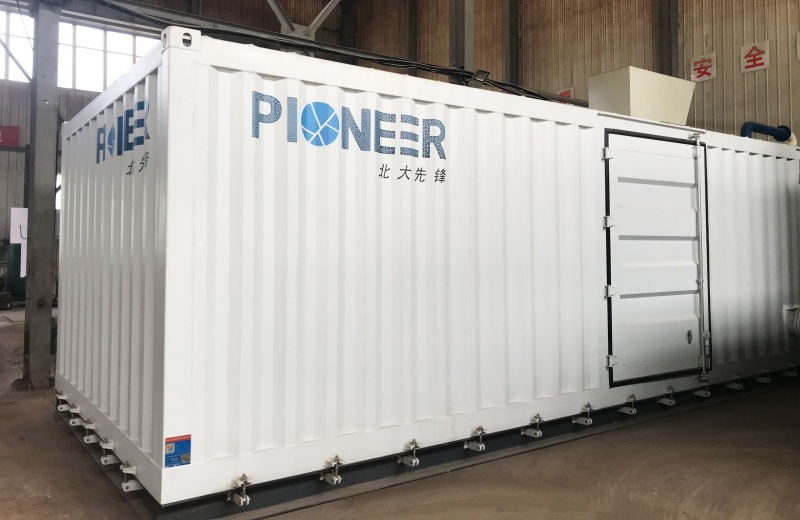
How Malaysia Buyers Select a VPSA Oxygen Plant Manufacturer
If you need to choose a VPSA oxygen plant manufacturer in Malaysia, focus on suppliers that can prove successful industrial references, realistic power consumption, stable oxygen purity, strong EPC and commissioning capability, and responsive local or regional after-sales support. For most Malaysian buyers in steel, glass, non-ferrous metals, wastewater, chemical processing, and integrated utilities, the best shortlist usually includes established engineering names with regional execution ability such as PKU Pioneer, Linde, Air Liquide, NOVAIR, and local industrial gas or engineering partners active in Kuala Lumpur, Johor, Penang, and East Malaysia project corridors.A practical shortlist for immediate evaluation is PKU Pioneer for large and mid-scale VPSA systems and turnkey delivery, Linde for integrated industrial gas engineering, Air Liquide for process know-how and regional industrial support, NOVAIR for oxygen generation systems across industrial and medical-related segments, and selected Malaysian EPC and utility contractors that can handle foundations, piping, electrical integration, and permitting. Always ask for real project data rather than brochure claims.Qualified international suppliers, including Chinese manufacturers with the right certifications, clear QA systems, and strong pre-sales and after-sales support in Southeast Asia, should also be considered. In Malaysia, these suppliers are often attractive because they can offer strong cost-performance, shorter lead times for customer-owned plants, and flexible EPC or turnkey packages without forcing buyers into bulk gas supply contracts.Malaysia is a strong market for on-site oxygen generation because its industrial base is diverse and geographically distributed. Major demand centers include the Klang Valley, Johor’s manufacturing belt, Penang’s industrial ecosystem, and steel and materials operations linked to ports such as Port Klang, Tanjung Pelepas, and Bintulu. Buyers in these areas increasingly evaluate VPSA oxygen plants as an alternative to liquid oxygen deliveries when consumption is continuous, logistics are expensive, or production continuity is critical.A VPSA oxygen plant manufacturer serving Malaysia must understand local realities: imported equipment logistics through key ports, tropical operating conditions, utility power quality, multilingual technical coordination, and the need for practical maintenance training. This matters because the right supplier is not only selling an oxygen generator; it is delivering a plant that must remain stable during load changes, startup cycles, and integration with downstream furnaces, burners, oxidation systems, or wastewater processes.Demand is also shaped by cost pressure. Many Malaysian plants want to reduce dependence on trucked liquid oxygen, especially where delivery schedules can be affected by distance or industrial concentration. At the same time, sustainability goals are becoming more important. Companies are under pressure to lower emissions intensity, improve energy efficiency, and support ESG reporting. VPSA oxygen technology is attractive in this context because it can deliver lower long-term operating cost than purchased oxygen in the right consumption range, while also supporting process optimization.For buyers, the key market shift is from simply asking “Who can supply oxygen equipment?” to asking “Which supplier can prove lifecycle performance in Malaysia?” That means evaluating not just capex but adsorbent life, blower efficiency, maintenance intervals, PLC logic, spare parts availability, and the supplier’s ability to support expansions.The chart below illustrates a realistic market growth trend for industrial on-site oxygen adoption in Malaysia, driven by process electrification, energy optimization, and broader use in metals, glass, chemicals, and environmental facilities.Not every oxygen system is the same, and a buyer comparing a VPSA oxygen plant manufacturer in Malaysia should first match technology to process demand. VPSA is usually the preferred solution for medium to large industrial oxygen demand where purity around 80% to 94% is acceptable and where low specific power consumption is a major target. PSA oxygen systems are more compact and often suit smaller flow requirements. Cryogenic systems remain relevant at very large scales or where high-purity oxygen, nitrogen, and argon are all required. The wrong technology choice can make even a good supplier look weak in operation.In Malaysia, the common decision path is simple: choose VPSA when oxygen flow is continuous and substantial, choose PSA for smaller modular requirements, and choose cryogenic only when the process economics justify the higher capital and complexity. A reliable manufacturer should be willing to tell the buyer when VPSA is not the best fit, because that is often a sign of genuine engineering discipline. Industrial Oxygen Supply Options for Malaysia Technology Typical Oxygen Purity Best Flow Range Main Advantage Main Limitation Typical Malaysia Use Case VPSA 80% to 94% Medium to very large Low power cost and flexible operation Not for ultra-high purity demand Steel, glass, smelting, wastewater, combustion enrichment PSA 90% to 95% Small to medium Compact footprint and fast deployment Less economical for very large loads Small industrial plants, regional utilities, specialty uses Cryogenic ASU High purity Large to ultra-large Multi-product output and high purity Higher capex and complexity Integrated petrochemical and large gas hubs Liquid Oxygen Supply High purity Variable No plant ownership needed Delivery dependency and volatile long-term cost Backup or low-volume users Hybrid VPSA plus LOX Backup Process dependent Medium to large Balances cost and reliability Needs integration planning Plants with outage-risk sensitivity PSA plus Cylinder Backup Process dependent Small to medium Simple redundancy plan Not ideal for high daily usage Distributed manufacturing sites This comparison helps buyers avoid a common mistake in Malaysia: asking multiple suppliers for “oxygen plants” without fixing purity, flow, altitude, duty cycle, and downstream process use. Once those parameters are clear, supplier evaluation becomes far more accurate.The core of supplier selection is not brand familiarity; it is evidence. A serious VPSA oxygen plant manufacturer should answer technical, commercial, and service questions in a transparent way. Buyers in Malaysia should ask for guaranteed oxygen capacity at site conditions, guaranteed purity under turndown conditions, total installed power, startup time, major component brands, maintenance schedule, reference projects, and local commissioning arrangements.You should also ask who is responsible for the full plant scope. Some suppliers only provide process packages or skids, while others deliver EPC or turnkey customer-owned plant solutions covering engineering, fabrication, shipment, installation guidance, commissioning, training, and performance testing. In Malaysia, this distinction is important because electrical integration, utility tie-ins, and civil works often involve local contractors, and unclear scope can quickly delay startup.Another decisive issue is lifecycle support. A supplier may offer a low equipment price but weak spare parts planning or slow technical response. That creates hidden cost. For a plant operating near Johor ports, central Peninsular Malaysia, or remote industrial clusters in Sabah and Sarawak, service readiness directly affects production security. Key Evaluation Questions for a VPSA Oxygen Plant Manufacturer Evaluation Item Why It Matters Strong Supplier Answer Warning Sign Malaysia Buyer Tip Decision Impact Reference Projects Shows proven industrial execution Named plants with similar industry and size Only generic case claims Ask for Southeast Asia examples High Specific Power Consumption Drives lifetime cost Guaranteed kWh per Nm3 at duty point Brochure estimate only Request basis conditions clearly High Purity and Flow Stability Affects downstream process quality Guaranteed at 25% to 100% load range Guarantee only at one point Match to actual production variation High Main Equipment Brands Influences reliability and spares Clear blower, valve, PLC, analyzer brands No component disclosure Check local availability in Malaysia High Project Scope Prevents responsibility gaps EPC or turnkey scope matrix Ambiguous installation support Clarify civil and electrical boundaries Medium After-Sales Response Protects uptime Defined response time and spare package Service “available on request” only Ask for remote and site support process High This table works as a practical shortlist filter. If a vendor cannot answer these questions clearly, it is usually not the right manufacturing partner for a Malaysian industrial oxygen project.Industrial oxygen demand in Malaysia is spread across sectors with different operating profiles. Metals and glass typically require continuous or semi-continuous oxygen use. Wastewater and aquaculture can use oxygen for process performance and environmental control. Chemicals and thermal processing industries often use oxygen enrichment to improve yield, reduce fuel intensity, or stabilize combustion.The demand profile shows why the best supplier in one segment may not be the best in another. A steel-focused VPSA oxygen plant manufacturer may excel at large-flow, lower-cost oxygen delivery, while a compact-system specialist may be better for distributed utilities or environmental applications.In Malaysia, oxygen plants are increasingly used for oxygen-enriched combustion, blast or furnace support, oxidation processes, biological treatment support, and feed gas preparation in specialty industrial systems. For example, glass plants benefit from improved flame temperature control and lower fuel use. Metals operations use oxygen to raise process intensity and efficiency. Wastewater plants use oxygen to improve biological activity where conventional aeration is not enough. These application details matter because they affect purity requirements, pressure, buffer storage, and redundancy design.A manufacturer that understands the application can often optimize more than the oxygen skid itself. It can advise on buffer vessels, piping layout, oxygen analyzers, flow control, interlocks, and startup sequencing. That is why buyer evaluation should include process understanding, not just machine dimensions.The next chart shows a realistic shift in Malaysia from reliance on delivered oxygen toward more on-site generation in suitable industrial segments.This trend is supported by three local factors: rising operating cost sensitivity, desire for production independence, and the need for more resilient supply chains in industrial zones connected to ports and export-oriented manufacturing.Malaysia buyers should not limit their search only to domestic fabricators. The strongest result often comes from combining a specialist international process manufacturer with local EPC, electrical, piping, or service partners. That is especially true for larger VPSA projects where process design, adsorbent selection, blower matching, and control tuning are critical to long-term cost. Suppliers Relevant to Malaysia Oxygen Plant Buyers Company Service Region Core Strengths Key Offerings Best Fit in Malaysia Buyer Notes PKU Pioneer Malaysia, Southeast Asia, global industrial markets Large-scale VPSA, PSA process know-how, turnkey execution VPSA oxygen plants, PSA gas systems, EPC and customer-owned turnkey plants Steel, glass, chemicals, large industrial oxygen users Strong cost-performance for medium to large projects Linde Malaysia and global Industrial gas engineering and process integration Air separation, gas systems, engineering support Large integrated users Strong reputation, often premium positioning Air Liquide Malaysia and regional ASEAN network Industrial gas expertise and process support Oxygen supply solutions and industrial gas engineering Industrial sites needing broad gas support Evaluate ownership model and project scope carefully NOVAIR Asia and export markets Oxygen generation systems and modular solutions PSA and oxygen generation packages Mid-scale and specialized uses Useful for projects valuing compact packages Universal Industrial Gases International projects Gas plant engineering experience Oxygen and gas generation systems Buyers comparing technical approaches Check direct Malaysia support structure Local Malaysian EPC Contractors Klang Valley, Johor, Penang, East Malaysia Site integration, piping, electrical, civil works Installation, balance of plant, utility tie-ins All imported process packages Best used with an experienced process OEM This supplier comparison is useful because it separates technology ownership from local execution strength. For many Malaysia projects, the best structure is a specialist process OEM supported by local contractors for civil, mechanical, and utility integration.When selecting a VPSA oxygen plant manufacturer, Malaysian buyers should compare the total project chain from inquiry to guaranteed performance test. The first issue is sizing accuracy. If oxygen demand swings between production campaigns, the plant should operate efficiently over a broad load range. A supplier that can maintain stable purity and flow from low to full load has a real advantage.Second, insist on transparency about energy use. Power consumption is the biggest long-term cost variable in most VPSA plants. Ask whether the quoted figure includes blowers, vacuum systems, controls, analyzers, and supporting auxiliaries under actual site conditions. Some quotations appear attractive because they use ideal design assumptions that do not match tropical ambient conditions or real inlet pressure loss.Third, check maintainability. Malaysian plants usually prefer equipment that uses known valve, instrument, and PLC brands with accessible spares. The best supplier is not always the one with the cheapest capital price, but the one that avoids prolonged downtime caused by hard-to-source parts or weak troubleshooting support.Fourth, examine execution planning. Delivery schedules into Port Klang or Johor should be clearly mapped, along with inland transport, lifting needs, module sizes, customs documentation, and installation sequencing. This is especially important if the project uses skid-mounted modules or oversized vessels.Finally, look at training and documentation. Operators need more than a manual. They need startup and shutdown procedures, alarm response logic, spare part lists, preventive maintenance schedules, analyzer calibration plans, and remote support channels. A supplier that documents these properly reduces both startup risk and dependence on outside technicians.The chart below provides a practical comparison view across criteria Malaysian buyers commonly use during tender evaluation. The values are indicative and intended to show decision balance rather than a universal ranking.This comparison helps buyers align supplier choice with plant priorities. If large-scale oxygen demand and lifecycle cost are central, VPSA specialists tend to stand out. If a buyer wants broader gas ecosystem integration, multinational gas engineering groups may have an advantage.Regional and global case experience is highly relevant when selecting a manufacturer for Malaysia. Large industrial oxygen users should favor suppliers that have already delivered major oxygen projects, because scale creates different engineering challenges in blower matching, adsorbent bed design, valve sequencing, and control stability. A manufacturer with real references in heavy industry is usually more reliable than one moving up from only small package systems.One important lesson from successful projects is that oxygen generation economics are strongest when the plant is integrated into the process, not treated as an isolated utility. For example, steel and furnace users achieve the best outcome when oxygen flow control, burner or lance configuration, and production scheduling are designed together. Similarly, chemical and by-product gas utilization projects benefit when oxygen generation is integrated with upstream and downstream process heat and gas balance.Another lesson is scalability. Malaysian buyers often start with a capacity for current production and then expand. The right supplier should offer modular or phased design options, allowing future trains, spare space for vessels, or control architecture ready for capacity growth. This reduces long-term disruption and lowers expansion cost. Common Industries and Their Oxygen Plant Priorities Industry Main Oxygen Use Typical Priority Preferred Plant Type Service Requirement Malaysia Location Pattern Steel and Metals Combustion enrichment and process intensification Low power cost at high flow VPSA Fast technical response and robust commissioning Johor, Klang Valley, industrial corridors Glass Manufacturing Furnace efficiency and combustion control Stable purity and load following VPSA Burner system integration support Peninsular manufacturing zones Chemicals Oxidation and process support Safety and control integration VPSA or PSA Instrumentation and compliance support Port-based industrial hubs Wastewater Treatment Biological enhancement Efficiency and modularity PSA or smaller VPSA Simple maintenance and remote monitoring Municipal and industrial estates Pulp and Paper Bleaching and process improvement Consistent supply and manageable footprint PSA or VPSA Training for plant operators Selected industrial regions Aquaculture and Specialty Utilities Dissolved oxygen control Compact size and reliability PSA Local service accessibility Coastal and distributed sites This industry view shows that the best oxygen plant partner in Malaysia depends on process intensity, location, and maintenance capability. Heavy industry places the highest value on lifecycle energy cost and scale competence, while distributed sectors prioritize simplicity and service accessibility.PKU Pioneer is well suited for Malaysian buyers seeking an EPC, turnkey, or customer-owned oxygen plant solution rather than a BOO or on-site bulk supply model. The company combines in-house research and development, proprietary adsorbent and catalyst manufacturing, engineering, equipment fabrication, and project delivery, which gives buyers tighter control over quality and performance than a trading-only supplier. Its credentials include ISO, CE, and ASME certifications, more than 180 patents, and large-scale industrial references including some of the biggest VPSA oxygen units built to date, with total installed oxygen capacity exceeding 2 million Nm3 per hour across more than 400 projects in over 20 countries. That scale is relevant for Malaysia because it demonstrates authority in both design and execution. For cooperation, PKU Pioneer can serve end users, EPC partners, distributors, dealers, brand owners, and project developers through flexible models such as direct turnkey supply, OEM or ODM coordination for packaged subsystems, wholesale equipment supply, retail-ready modular systems, and regional distribution cooperation for Southeast Asia. For local assurance, the company already operates internationally, has proven overseas project delivery including Southeast Asia, offers 24-hour response commitments, remote and on-site technical support, commissioning, operation and maintenance services, retrofit and upgrade support, pilot testing, and consulting, which gives Malaysian buyers a concrete support structure rather than a remote-export-only relationship. Buyers can explore the company’s industrial gas technology platform, review its VPSA oxygen plant solutions, see global project examples, learn more about the company’s capabilities, or contact the team for a Malaysia-focused proposal.A good shortlist in Malaysia usually contains two or three supplier types: one specialist VPSA process manufacturer, one multinational industrial gas engineering company, and one local EPC or integration contractor. This gives buyers a realistic benchmark on process performance, commercial structure, and execution practicality.When you issue an RFQ, include oxygen purity, required flow, operating pressure, annual operating hours, ambient temperature, site elevation, power supply conditions, required redundancy, installation location, local code expectations, and whether you need EPC, turnkey, or supply-only scope. Without these details, comparisons between suppliers will not be reliable.Also request a performance guarantee format. A serious manufacturer should define acceptance conditions and test methods in writing. This protects both buyer and supplier and keeps the project aligned from design through startup.Looking toward 2026, three trends are likely to shape the way Malaysian companies choose a VPSA oxygen plant manufacturer. The first is energy discipline. Buyers will increasingly compare not just total plant price but guaranteed kWh per Nm3, blower efficiency, and digital optimization potential. Plants with stronger automation, predictive maintenance functions, and better analyzer integration will gain an advantage.The second trend is policy and sustainability alignment. Malaysia’s industrial sector is gradually increasing focus on emissions intensity, energy management, and resilient infrastructure. Oxygen systems that help reduce fuel consumption, improve combustion efficiency, or support cleaner process routes will become more attractive in board-level investment decisions.The third trend is regional supply chain localization. Buyers will continue to value international technology, but they will expect stronger local commitment: Southeast Asia stocking plans, regional service capability, faster commissioning, and more practical training. Manufacturers that combine global engineering with clear Malaysia support pathways will be in the strongest position.Another likely trend is hybridization. More buyers will prefer a customer-owned VPSA plant combined with backup liquid oxygen or reserve storage for maintenance periods. This model improves resilience while preserving the operating cost benefit of on-site production.It is suitable for many medium and large industrial users, especially where oxygen demand is steady and purity in the VPSA range meets process requirements. It is commonly attractive for steel, glass, chemicals, combustion enrichment, and selected environmental applications.The main factors are flow rate, purity target, and operating economics. VPSA is usually stronger for larger flow and lower long-term energy cost, while PSA is often preferred for smaller and more compact installations.No. Local contractors are valuable for installation and integration, but the best process technology may come from international manufacturers. A strong project often combines global oxygen plant expertise with local Malaysian execution support.The most important point is total lifecycle value, not the lowest quotation. Compare energy consumption, guaranteed performance, spare parts strategy, maintenance burden, and the clarity of project scope.Yes. Many industrial buyers prefer EPC, turnkey, or customer-owned plant models. This gives the plant owner direct control over the oxygen asset, operations, and expansion planning.You should expect training, spare parts recommendations, remote troubleshooting, performance follow-up, scheduled maintenance guidance, and the ability to support retrofits or future capacity expansion.The best VPSA oxygen plant manufacturer for Malaysia is not simply the biggest brand or the cheapest bidder. It is the supplier that can prove the right technology fit, give transparent performance guarantees, support EPC or turnkey customer-owned delivery, and provide dependable regional service after startup. For buyers in Kuala Lumpur, Johor, Penang, Bintulu, and other industrial centers, that usually means selecting a manufacturer with real industrial references, efficient VPSA design, strong documentation, and practical local execution support. If your plant consumes oxygen continuously and wants to reduce long-term gas cost while improving supply security, a carefully selected VPSA system can be one of the most financially and operationally effective utility investments available.