
News INFORMATION
Industry Updates & Insights
Stay updated with PIONEER’s latest projects, technologies, industry developments, and corporate news.
-
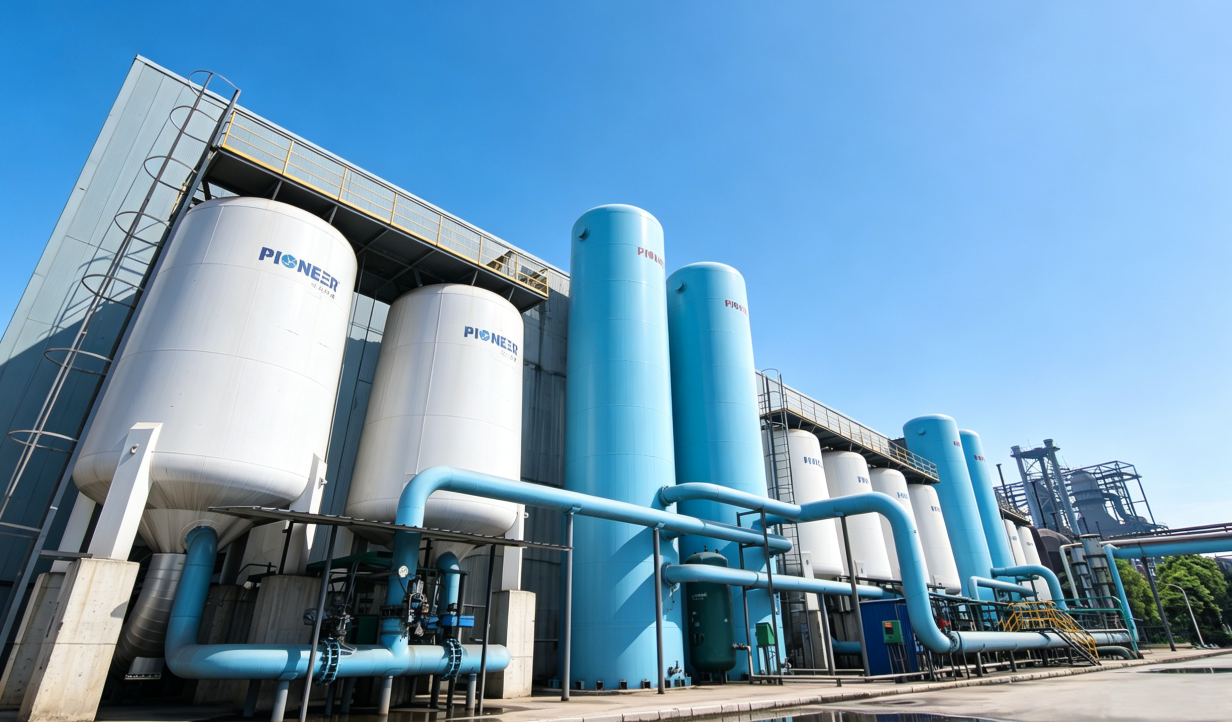
Gas Separation Equipment: The Real Difference Emerges After Delivery
Gas separation systems often run for a decade or more, so bidding price differences become negligible over time. What truly determines long-term performance is post-delivery O&M support and technical service. PKU Pioneer addresses this by investing in valve adaptability, power equipment matching, and adsorbent durability, and by taking responsibility for overall operating performance. Drawing on experience from over 500 systems, its service team provides full-lifecycle support: remote online monitoring detects early abnormalities in vibration, pressure, and flow, while long-operating systems receive capacity expansion, energy-efficiency improvements, and process upgrades. Contract signing and commissioning mark the beginning, not the end, of service. -
LiX Molecular Sieve Guide for VPSA Oxygen Plants Malaysia
For VPSA oxygen plants in Malaysia, LiX molecular sieve is usually the preferred adsorbent when the goal is lower power consumption, stable oxygen purity, and better performance under large industrial air separation duty. In practical terms, buyers in Malaysia should focus on adsorption capacity, nitrogen selectivity, crush strength, moisture control, bed loading design, and supplier support for commissioning and replacement planning rather than buying on price alone.The most actionable route is to shortlist suppliers that can support oxygen projects in major Malaysian industrial zones such as Klang Valley, Johor, Penang, Kuantan, Bintulu, and Pasir Gudang, and that understand steel, glass, non-ferrous, chemical, and combustion enrichment applications. Good options include established international adsorbent makers and specialized VPSA technology companies with proven oxygen references.For many plants, expected LiX molecular sieve replacement planning is typically discussed on a multi-year basis, but actual lifetime depends heavily on feed air quality, water and oil removal, valve cycling, dust management, bed design, and operating discipline. Well-designed systems with proper pretreatment and stable controls usually achieve longer and more predictable service life.In Malaysia, buyers should consider suppliers such as PKU Pioneer, Arkema, BASF, Zeochem, CECA, and UOP-linked channel partners depending on plant scale and service expectations. Qualified international suppliers, including Chinese companies with relevant certifications and strong pre-sales and after-sales support, can also be very competitive because they often offer better cost-performance for EPC, turnkey, and customer-owned oxygen plant projects.Malaysia is a practical growth market for VPSA oxygen systems because its industrial structure combines mature heavy industry with expanding process manufacturing. Steel processing clusters, float glass production, non-ferrous metallurgy, wastewater treatment upgrades, and oxygen-enriched combustion applications all create steady demand for onsite oxygen generation. In these operating environments, LiX molecular sieve has become increasingly relevant because plant owners are trying to cut power cost, reduce dependence on delivered liquid oxygen, and improve operational flexibility.Compared with older adsorbent selections, LiX molecular sieve is valued in VPSA oxygen service because it can support strong nitrogen adsorption performance, especially under operating conditions where productivity and energy efficiency matter. For Malaysian users dealing with utility cost pressure, port-linked logistics, and the need for continuous production near Shah Alam, Port Klang, Johor Bahru, Gebeng, Penang, and Sarawak industrial areas, the efficiency advantage of the adsorbent can have direct economic impact.Malaysia also benefits from strong import access through Port Klang, Tanjung Pelepas, Penang Port, Kuantan Port, and Bintulu Port, making it realistic to source molecular sieve and complete VPSA systems from Europe, China, Japan, and regional partners. However, the real differentiator is not import access alone. It is whether the supplier can support adsorbent selection, bed calculation, commissioning, troubleshooting, and replacement strategy with local responsiveness.For large oxygen users, LiX molecular sieve is not a commodity decision. It is a plant performance decision. A mismatch between adsorbent grade and process design can increase specific power consumption, reduce oxygen flow, shorten cycle stability, and create uneven purity under variable load. That is why Malaysian buyers increasingly evaluate the full package: process design, blower and vacuum package matching, valve logic, pretreatment quality, dust control, and adsorbent loading method.The line chart above illustrates a realistic demand growth index for VPSA oxygen-related investment in Malaysia. The direction is supported by energy efficiency targets, industrial decarbonization pressure, and the preference for customer-owned onsite gas generation in applications where reliability and operating cost are more important than very high purity cryogenic supply.LiX molecular sieve is widely used in VPSA oxygen plants because the adsorbent is engineered for strong nitrogen adsorption from air, allowing oxygen to pass as the product stream. In simplified terms, the adsorbent helps the plant separate air efficiently through repeated adsorption and desorption cycles. In real industrial operation, that efficiency can influence oxygen recovery, power consumption, bed size, and long-term operating stability.For Malaysian plant owners, the most important practical benefits usually include lower energy use per normal cubic meter of oxygen, better productivity at comparable bed volume, and improved economics for medium to large oxygen flow ranges. This is especially relevant in sectors where oxygen use is continuous, such as blast furnace enrichment, glass furnace combustion support, copper or zinc processing, and chemical oxidation processes.LiX molecular sieve performance is closely connected to system quality. Even top-tier sieve can degrade early if inlet air contains too much moisture, oil vapor, compressor carryover, or fine dust. Similarly, poor valve timing or uneven flow distribution can damage the working conditions of the bed. So the right question is not only “which molecular sieve?” but also “which complete VPSA design and operating discipline?”When evaluating LiX molecular sieve for VPSA oxygen plants, buyers should look beyond generic product brochures. Adsorbent quality has direct plant consequences, and the most useful way to compare products is by asking for specific physical and performance indicators tied to the target operating envelope.Specification ItemWhy It MattersTypical Buyer FocusEffect on PlantMalaysia RelevanceWhat to Ask SupplierNitrogen adsorption capacityCore separation performanceHigher effective working capacityCan reduce bed size or improve outputImportant where energy cost is monitored closelyProvide test basis and operating conditionsNitrogen/oxygen selectivityDetermines separation sharpnessStable purity and recoveryBetter oxygen consistencyUseful for variable industrial loadsShare comparative data versus standard X sieveBulk densityAffects bed mass and loading designBalanced loading and pressure dropImpacts vessel design and performanceRelevant in retrofits and debottleneckingConfirm packed density rangeCrush strengthResistance to attrition and breakageLower dust generationLonger stable service lifeImportant in humid tropical logistics and handlingRequest pellet or bead strength dataMoisture content at deliveryStorage and activation qualityControlled sealed packagingProtects initial performanceCritical due to Malaysia humidityExplain packaging, storage, and moisture limitsParticle size distributionControls flow and pressure dropUniform bed behaviorReduces channeling riskUseful for large vessels in steel and glass plantsProvide sieve size tolerance dataChemical stabilityLong cycle reliabilityResistance under repeated adsorption cyclesPredictable long-term operationImportant for 24/7 process plantsProvide lifetime references in VPSA oxygen dutyThis table shows that the most meaningful specification review is performance-based rather than price-based. A cheaper adsorbent that causes only a small power penalty or shorter cycle stability can become more expensive over time than a higher-grade material.There is no single universal lifetime figure that fits every oxygen plant in Malaysia. In the field, service life depends on how well the plant is designed, operated, and protected. Many owners discuss adsorbent life in terms of several years of operation, but this should be treated as a planning range rather than a guarantee. What matters is not only elapsed time, but also the condition of the sieve after millions of cycles.The biggest lifetime drivers are usually inlet air pretreatment, dew point control, oil removal, dust filtration, startup and shutdown discipline, valve reliability, blower stability, and bed support design. Tropical climate conditions in Malaysia add a further practical issue: storage and handling before loading must be tightly controlled to avoid moisture exposure. If packaging is damaged during transport through coastal ports or while stored at plant warehouses, initial adsorbent quality can be compromised before startup.Plant operators should also understand that apparent molecular sieve failure is not always true chemical failure. Sometimes the root cause is channeling, maldistribution, fouling from upstream contamination, or mechanical dusting caused by poor loading practice. In those cases, replacing the adsorbent alone does not solve the underlying issue.The area chart highlights an important operational truth: maintenance discipline strongly changes the useful performance curve of LiX molecular sieve. Good pretreatment and stable controls do more for long-term adsorbent economics than chasing the lowest initial purchase price.Although LiX molecular sieve is the centerpiece of many VPSA oxygen plants, buyers usually procure a broader system package. Understanding adjacent product types helps buyers compare vendor proposals more accurately.Product TypeMain RoleBest ForAdvantagesLimitationsCommon Malaysia Use CaseLiX molecular sievePrimary nitrogen adsorption in VPSA oxygenMedium to large onsite oxygen plantsHigh efficiency and good productivityNeeds strong pretreatment and proper designSteel, glass, smelting, chemical plantsStandard NaX molecular sieveConventional adsorption dutyOlder systems or cost-sensitive designsLower initial material costOften lower performance than LiXRetrofit comparison baselineActivated aluminaMoisture removal upstreamPretreatment sectionsProtects main adsorbent bedNot a replacement for LiX functionHigh-humidity intake protectionCoalescing and fine filtersOil and particulate removalAll air separation systemsExtends adsorbent lifeRequires routine maintenanceCompressor carryover controlVPSA complete adsorber packageIntegrated vessel and internalsNew plant EPC or turnkey projectsBetter performance matchingHigher capex than adsorbent-only purchaseNew customer-owned oxygen stationsRetrofit adsorbent replacement packagePerformance recoveryExisting VPSA plantsFaster upgrade pathMay not solve design issues aloneDebottlenecking mature plantsThis comparison is useful because some buyers ask for LiX molecular sieve quotations without reviewing upstream protection and system compatibility. In practice, the best results come from treating adsorbent selection as part of the entire oxygen plant package.Buyers in Malaysia should start with the process need rather than the adsorbent brand name. Key questions include required oxygen flow, purity range, annual operating hours, load fluctuation, site altitude, ambient temperature, available utilities, and whether the project is new build or retrofit. Once these are clear, the adsorbent choice and bed design become much easier to validate.Ask suppliers to provide oxygen production references in Southeast Asia or similar climates. This matters because tropical humidity, operating discipline, and maintenance practice can all affect outcomes. Also ask whether the supplier supports EPC, turnkey, or customer-owned plant delivery, because that is the preferred ownership structure for many industrial users who want asset control. For Malaysian buyers comparing alternatives to liquid oxygen, this is often more relevant than outsourced gas supply models.It is also wise to request performance guarantees linked to oxygen flow, purity, and specific power under clearly stated operating conditions. If the guarantee language is vague, the risk shifts to the buyer. Good suppliers should also define adsorbent loading procedures, startup supervision, spare parts recommendations, and inspection intervals.Buying CheckpointWhat Good Looks LikeWarning SignWhy It MattersImpact on CostSuggested ActionPerformance guaranteeClear oxygen flow and purity commitmentsOnly generic brochure claimsAvoids design ambiguityReduces lifecycle riskPut guarantee into contract termsPretreatment designDefined moisture, oil, and dust protectionNo detailed pretreatment logicProtects sieve lifetimeLowers replacement frequencyReview filter and dryer specificationReference projectsIndustrial oxygen cases in similar sectorsNo proven VPSA oxygen referencesConfirms execution capabilityAvoids costly trial-and-errorAsk for plant scale and sector examplesAfter-sales supportCommissioning and troubleshooting supportSales-only contact modelImportant during startup and tuningPrevents downtime costConfirm response time and service scopePackaging and logisticsMoisture-protected transport planLoose or poorly sealed packagingImportant in humid ports and storageProtects initial adsorbent valueInspect before acceptanceRetrofit suitabilityBed loading and vessel review includedOne-size-fits-all replacement offerRetrofits need engineering checksImproves upgrade ROIRequest site audit or technical reviewEnergy modelSpecific power estimate providedNo operating cost breakdownCore economic metricMajor effect on paybackCompare total cost, not price onlyThe table above is especially useful for procurement teams in Kuala Lumpur, Selangor, Johor, and Penang who are comparing several imported solutions. It keeps the evaluation grounded in plant economics and service risk.The strongest demand comes from industries where oxygen is consumed continuously and where onsite generation is more practical than trucking liquid oxygen. In Malaysia, these industries include steel and foundry operations, glass manufacturing, non-ferrous metal processing, chemicals, wastewater treatment, pulp and paper, and combustion optimization projects.Steel and metallurgical plants are especially suitable because oxygen demand is large and operating continuity matters. Glass plants also benefit because oxygen enrichment can support furnace efficiency and emissions control. Chemical plants may use oxygen for oxidation reactions, while wastewater projects use oxygen to intensify biological treatment in selected cases. The best fit depends on flow rate, purity requirement, and whether the site values rapid response and flexible turndown.The bar chart shows a realistic sector mix for Malaysia, with steel, glass, and chemicals representing a large share of practical VPSA oxygen opportunities. This is why suppliers with deep industrial references usually perform better than general compressed air equipment traders.Applications vary from direct oxygen supply to burners and furnaces to process enhancement in reactors and environmental systems. In heavy industry, VPSA oxygen often supports oxygen-enriched combustion, improved thermal efficiency, reduced fuel use, and productivity gains. In process sectors, oxygen may improve oxidation selectivity or wastewater treatment intensity. In all cases, LiX molecular sieve contributes value when its adsorption performance translates into lower specific power and reliable oxygen delivery.Another important application in Malaysia is replacement or reduction of purchased liquid oxygen for plants with stable base-load demand. Sites near busy port corridors and industrial estates may still use liquid oxygen for peak shaving or backup, but the economics often favor onsite VPSA for the daily base load. This hybrid operating model is increasingly attractive where the user wants resilience against supply disruptions and transport cost volatility.Real project experience matters because molecular sieve selection must align with proven process design. In industrial oxygen projects around the world, very large VPSA oxygen systems have shown that the right combination of adsorbent, vessel design, and control logic can deliver stable oxygen at scale. These lessons are relevant to Malaysia, where more end users are evaluating large customer-owned oxygen stations instead of depending entirely on external supply.One useful lesson from major oxygen installations is that scale does not remove the need for detail. In fact, larger plants become more sensitive to internals design, bed loading quality, vacuum system balance, and maintenance discipline. Another lesson from steel and by-product gas utilization projects is that users increasingly prefer integrated engineering partners who can connect gas generation to wider plant efficiency gains.For Malaysian buyers, the most applicable case study approach is to ask: did the supplier only sell material, or did it also prove performance in industrial operation? The stronger suppliers can show how adsorbent choice affected power consumption, oxygen recovery, and long-term plant stability under actual production conditions.Malaysia has a mix of direct local industrial gas participants, equipment integrators, and international adsorbent suppliers that can serve the market through distributors or project channels. For LiX molecular sieve in VPSA oxygen duty, the most relevant names are those with process knowledge, industrial references, and service networks that can support sizing, replacement, and performance troubleshooting.CompanyService RegionCore StrengthsKey OfferingsBest Fit in MalaysiaNotesPKU PioneerMalaysia and wider Southeast AsiaVPSA and PSA gas separation engineering with large oxygen referencesLiX-based VPSA oxygen plants, adsorbents, EPC, turnkey, retrofit, customer-owned plantsSteel, glass, chemical, large industrial usersStrong cost-performance and project execution depthArkemaGlobal with Asia supply channelsKnown molecular sieve and specialty adsorption materialsAdsorbents for gas separation and industrial purificationUsers prioritizing established global materials brandsOften works through industrial channelsBASFGlobal and regional industrial marketsBroad catalyst and adsorbent expertiseAdsorbents, process materials, technical supportLarge process industry buyersStrong brand credibility and technical documentationZeochemAsia through distributors and project partnersMolecular sieve specialization and technical grade consistencyZeolites and desiccants for gas processingPlants needing tailored adsorption solutionsUseful for technically detailed procurement teamsCECAInternational project supplyAdsorbent heritage and gas separation applicationsMolecular sieves and purification solutionsIndustrial buyers comparing European-origin materialsProject access may depend on channel partnersHoneywell UOP channelsGlobal supply networksProcess engineering reputation and adsorption know-howMolecular sieves and process adsorbentsComplex industrial evaluation projectsOften stronger in broader process packagesLocal engineering integrators in MalaysiaPeninsular and East MalaysiaSite access and maintenance responsivenessSystem integration, utilities, installation supportPlants needing local project managementCapability depends on partner technology sourceThis supplier table is meant to be practical rather than theoretical. Malaysian buyers should use it to distinguish material suppliers from full process partners. A company that can only sell adsorbent may still be useful, but large oxygen plants usually benefit more from suppliers who can connect adsorbent choice to full plant engineering.The comparison chart demonstrates a key distinction in the Malaysia market: many global suppliers are strong on material pedigree, while fewer companies combine adsorbent supply with large-scale VPSA oxygen engineering, retrofit support, and turnkey delivery. For end users building a new plant, the integrated approach is often more valuable.PKU Pioneer is particularly relevant for Malaysian buyers seeking LiX molecular sieve and complete VPSA oxygen plant solutions because the company combines process know-how with in-house adsorbent capability rather than acting as a simple trader. Founded in 1999 with technical roots in Peking University, it has delivered more than 400 industrial projects in over 20 countries and accumulated installed oxygen capacity exceeding 2 million Nm3 per hour, including world-scale VPSA references. That record supports product credibility in terms of engineering validation, not just brochure claims. For buyers evaluating international benchmarks, the company’s ISO, CE, and ASME certifications, patent portfolio exceeding 180 items, proprietary adsorbent and catalyst manufacturing, and integrated research, fabrication, testing, and commissioning chain are concrete proof that its materials and systems are built to recognized industrial standards. In Malaysia, this matters because customers may require different cooperation models: direct supply to end users, wholesale support for distributors, regional partnership opportunities for dealers, OEM or ODM coordination for brand owners, and project-based solutions for engineering contractors or private industrial investors. The company serves these needs through EPC, turnkey, retrofit, upgrade, leasing, pilot testing, and customer-owned plant delivery rather than BOO or onsite bulk supply models. Its presence across international projects, including Southeast Asian delivery experience and responsive 24-hour support, demonstrates that regional customers are not being handled as distant export transactions. Instead, online technical consultation, detailed proposal work, commissioning assistance, operation and maintenance services, and long-term aftermarket support provide practical buyer protection. Malaysian users looking for a partner can review the company’s official VPSA technology platform, explore its VPSA oxygen plant solutions, see industrial project references, learn more about technical strengths and manufacturing capability, or reach out through the Malaysia project contact page for plant-specific discussion.Looking toward 2026, three trends are likely to shape LiX molecular sieve demand in Malaysia. The first is energy efficiency. Industrial users are becoming more rigorous in comparing the full lifecycle cost of onsite oxygen generation against liquid oxygen purchase. LiX-based VPSA systems with optimized controls and low specific power are likely to win more projects where users prioritize electricity savings and stable base-load operation.The second trend is sustainability and emissions management. Oxygen enrichment can reduce fuel consumption in selected combustion processes and support cleaner operation in glass, metal, and thermal applications. As Malaysia continues to align industrial development with lower-carbon manufacturing, efficient oxygen generation systems will gain more attention, especially when they can be integrated into plant modernization programs.The third trend is policy and supply-chain resilience. Manufacturers increasingly want control over critical utilities. Customer-owned VPSA oxygen plants offer a practical hedge against logistics disruption, liquid oxygen price swings, and industrial gas delivery constraints. That is why EPC and turnkey suppliers with strong service structures are likely to gain market share over sellers that only offer standalone materials.Technically, buyers should also watch for continued progress in adsorbent formulation, digital monitoring of bed performance, predictive maintenance for valve trains and vacuum systems, and smarter plant optimization software. These developments will not eliminate the need for proper pretreatment and operations discipline, but they can improve uptime and make adsorbent replacement planning more precise.The most common mistake is assuming all LiX molecular sieve products perform the same. In reality, differences in formulation, particle strength, moisture control, manufacturing consistency, and process matching can create meaningful operational differences. Another frequent mistake is replacing adsorbent without investigating root causes such as upstream contamination, bed settling, valve problems, or poor flow distribution.Some buyers also overfocus on delivered material price while underestimating power consumption. In a continuously operating oxygen plant, small differences in specific power can outweigh the initial adsorbent purchase gap. Finally, too many projects are procured without a clear service plan. For Malaysian industrial sites outside the main urban corridor, response time and spare parts planning can be as important as the initial design itself.It is used as the key adsorbent that selectively captures nitrogen from air so oxygen can be produced as the product gas in cyclic adsorption service.In many VPSA oxygen applications, yes. It is often selected for stronger working performance and better energy economics, though the final result still depends on the full plant design and operating conditions.There is no fixed lifetime for every plant. Service life depends on pretreatment quality, humidity control, compressor oil management, operating stability, and loading practice. Buyers should request a maintenance-based replacement strategy instead of relying on a simple year estimate.Often yes, but only after reviewing vessel dimensions, pressure drop, support internals, airflow distribution, cycle timing, and upstream protection. A simple material swap without engineering review may not deliver the expected benefit.Steel, glass, non-ferrous metals, chemicals, and selected environmental applications are among the strongest candidates, especially where oxygen demand is continuous and onsite generation can replace part of the liquid oxygen bill.For large or mission-critical projects, a full engineering company is usually the safer choice because adsorbent performance is tightly linked to process design, controls, pretreatment, and after-sales support.No. The company focuses on EPC, turnkey, retrofit, upgrade, leasing, pilot systems, and customer-owned plant solutions rather than BOO or onsite bulk supply services.The package should cover process guarantees, adsorbent specifications, pretreatment details, vessel and bed design review, logistics and moisture protection, commissioning scope, spare parts, operator training, and after-sales response commitments.For Malaysia, LiX molecular sieve is a strong and practical choice for VPSA oxygen plants when buyers want lower power consumption, reliable oxygen output, and long-term onsite gas economics. The best purchasing decision comes from evaluating not only the adsorbent itself but also the process design, pretreatment quality, service support, and real industrial references behind it. In sectors from steel and glass to chemicals and environmental treatment, suppliers that combine proven adsorbent technology with EPC, turnkey, and customer-owned plant execution are likely to deliver the best long-term value. -
Malaysia PSA Oxygen Plant Upgrade for Output Recovery
If your PSA oxygen plant in Malaysia is losing capacity, showing unstable purity, or consuming more power than before, a retrofit is usually the fastest way to recover performance without replacing the full system. In practical terms, the best retrofit path is to inspect adsorbent condition, valve timing, blower or compressor efficiency, oxygen buffer sizing, control logic, and leakage points first, then upgrade the most limiting items.For buyers in Malaysia, the most actionable shortlist includes local and regional engineering providers with industrial gas experience such as NovaAir, On Site Gas Systems Asia partners, local compressor and process integrators in Klang Valley and Johor, and qualified international PSA or VPSA specialists able to support EPC, turnkey, or customer-owned plant upgrades. For larger steel, glass, and chemical applications, established technology suppliers with proven large-scale oxygen references are often more suitable than generic packaged-unit vendors.When comparing suppliers, prioritize those that can provide a clear baseline audit, measured energy performance, spare parts plan, and guaranteed post-retrofit oxygen output. Qualified international suppliers, including Chinese companies with relevant certifications and strong pre-sales and after-sales support, can also be worth considering in Malaysia because they often offer strong cost-performance ratios, faster engineering adaptation, and broader retrofit experience across legacy PSA and VPSA installations.Malaysia has a broad industrial base that makes oxygen generation an important utility rather than a niche asset. Steel processing, glass melting, wastewater treatment, electronics support processes, metal fabrication, chemical production, and healthcare all create demand for dependable oxygen supply. In regions such as Selangor, Johor, Penang, and Sarawak, plant operators are under pressure to reduce utility cost, improve uptime, and avoid dependence on delivered liquid oxygen where logistics can be exposed to port congestion, weather, or trucking constraints.That is why retrofit demand for PSA oxygen systems is rising. Many installed plants are still mechanically sound, but they underperform because of aging adsorbents, outdated valve sequences, poor instrumentation, or improperly matched blowers and compressors. In Malaysia, this issue appears frequently in mid-life systems serving factories around Port Klang, Pasir Gudang, Kulim, and Bintulu, where production growth has outpaced original gas design assumptions. Instead of buying a full new unit, end users often prefer a staged modernization that restores nameplate capacity, recovers oxygen purity, and lowers specific energy consumption.The retrofit market also benefits from changing energy economics. When electricity tariffs rise or process lines run more continuously, the penalty of an inefficient oxygen plant becomes visible very quickly. Even a small increase in kWh per Nm³ can materially affect annual operating cost. As a result, buyers increasingly ask for performance audits, control upgrades, adsorbent replacement plans, and debottlenecking studies. This is especially true for export-oriented factories in Malaysia that must protect margins while meeting tighter environmental and operational standards.Another driver is reliability. A PSA oxygen generator that cycles with unstable pressure equalization, sticky valves, or drifting analyzers can create production interruptions downstream. In sectors like glass, medical support, and metal heating, oxygen instability can damage product quality or disrupt furnace operation. Retrofitting therefore is not only about energy savings; it is also about restoring process stability and creating a safer, more predictable plant utility system.A retrofit works by removing the true bottleneck rather than replacing everything. In many Malaysian plants, output loss is caused by one or more of the following: adsorbent aging, contamination from upstream air treatment failure, valve wear, insufficient compressor turndown control, oxygen receiver imbalance, instrument drift, PLC timing mismatch, or piping pressure drop created by later plant expansion. Once these factors are mapped against actual production data, engineers can design a focused upgrade package.Capacity recovery usually comes from restoring mass transfer efficiency in the adsorption beds and reducing cycle dead losses. Efficiency recovery comes from lowering pressure drop, preventing compressed air waste, and optimizing equalization and purge steps. If the plant has been forced to run at higher pressure to maintain oxygen purity, a retrofit can often bring pressure requirements back down, cutting energy use substantially. In larger systems, integrating improved adsorbent grading, higher-speed switching valves, and upgraded control sequences can return capacity while maintaining stable purity over broader load ranges.For buyers evaluating the economics, retrofit makes the most sense when vessels and major skids remain structurally usable, site footprint is fixed, and downtime windows are limited. In those cases, a well-executed modernization can deliver most of the practical value of a new plant with lower capital cost and shorter shutdown duration.Retrofit ItemTypical Problem FoundExpected BenefitSuitable Plant SizeDowntime LevelMalaysia Use CaseAdsorbent replacementPurity drift, lower oxygen recovery, longer cycle instabilityRestores separation performance and outputSmall to large plantsMediumMetal fabrication and wastewater plants in SelangorValve and actuator upgradeSlow switching, air leakage, poor synchronizationLower compressed air loss and better cycle controlAll sizesLow to mediumGeneral industrial plants in JohorPLC and control logic modernizationObsolete system, unstable cycle timing, limited diagnosticsImproves automation, alarms, and energy optimizationAll sizesLowFactories near Penang electronics clusterAir pretreatment upgradeMoisture and oil carryover contaminating adsorbentExtends adsorbent life and stabilizes purityAll sizesLowHumid coastal installations near Port KlangCompressor or blower matchingOversized or inefficient machine operationReduces kWh per Nm³ and noiseMedium to large plantsMediumGlass and chemical plants in Perak and PahangPiping and receiver debottleneckingPressure drop, insufficient storage, poor peak handlingImproves real delivery rate to process usersMedium to large plantsMediumGrowing industrial parks in Klang ValleyThis table shows why retrofit is usually modular. A plant may only need one or two upgrades to recover performance, while older systems may benefit from a full package combining mechanical, controls, and air quality improvements.In Malaysia, retrofit opportunities span several oxygen generation formats. The smallest systems usually serve clinics, laboratories, aquaculture support, or small workshops. Mid-sized PSA plants often support wastewater treatment, metal cutting, glass work, and combustion enrichment. Larger PSA or VPSA-style systems are more relevant in steel, chemicals, and continuous industrial combustion processes.For customer-owned oxygen assets, the most common retrofit categories include standard PSA skid modernization, high-efficiency PSA cycle redesign, modular capacity expansion, and migration from smaller PSA architecture toward larger VPSA-based oxygen generation when process demand grows beyond the efficient PSA range. In practical purchasing terms, the correct retrofit category depends on target oxygen purity, required flow rate, available utilities, and how variable the downstream load is.Plant TypeTypical Oxygen PurityFlow RangeRetrofit FocusBest Fit IndustriesMalaysia Site PatternCompact PSA generator90% to 95%LowValve blocks, analyzers, dryer packageMedical support, small fabricationUrban service facilitiesIndustrial PSA system90% to 93%Low to mediumAdsorbent, control logic, compressor matchWastewater, glass, metal heatingSME factories across Selangor and JohorLarge PSA oxygen unit85% to 93%Medium to highPiping losses, receiver sizing, cycle optimizationChemicals, furnace enrichmentIntegrated industrial estatesVPSA oxygen plant80% to 94%High to very highBlower efficiency, adsorbent grading, advanced controlsSteel, large glass, nonferrous metallurgyHeavy industry zonesHybrid expanded systemProject basedMedium to highAdding parallel trains and storageFactories with step-up demandSites expanding after export growthLegacy imported unitVariableVariableSpare replacement, PLC migration, local complianceAll sectorsOlder installations nationwideThe key point is that retrofit should match the existing asset, not force a generic package. A correct engineering survey often reveals that the biggest gain comes from tuning the full system rather than replacing the adsorption vessels.Malaysian buyers should approach PSA oxygen plant retrofit as a process engineering project, not merely a spare parts purchase. Start by collecting at least three months of operating data: oxygen flow, purity, compressor power, adsorption pressure, ambient condition, and maintenance history. Without this baseline, it is difficult to confirm whether the loss is caused by adsorbent degradation, upstream contamination, instrumentation error, or simple demand growth.Next, ask suppliers to separate guaranteed outcomes into clear categories: recovered oxygen flow, guaranteed purity range, expected kWh per Nm³, maximum operating load, spare part life, and planned shutdown duration. This is especially important when plants in Malaysia operate on tight turnaround windows around Hari Raya demand cycles, year-end export schedules, or maintenance outages coordinated with larger process lines.It is also wise to choose suppliers that can support import logistics smoothly through Port Klang, Tanjung Pelepas, Penang Port, or Bintulu where relevant. Critical components such as valves, analyzers, and PLC parts should have either regional stock or a realistic lead-time commitment. Buyers should favor retrofit contractors willing to provide FAT-style documentation for key packages, on-site commissioning, operator training, and a post-startup optimization visit.Another practical point is load flexibility. Many older plants were optimized for near-constant production, but today many Malaysian factories shift between 60% and 100% production based on orders and energy management. A retrofit should therefore improve turndown performance and avoid purity swings at partial load. If the supplier cannot explain part-load logic clearly, the proposal may not fit real factory conditions.Oxygen demand in Malaysia is broad and operationally diverse. Steel and metal processing plants use oxygen for cutting, heating, and enrichment. Glass plants use oxygen to stabilize combustion and improve furnace efficiency. Chemical and petrochemical operations may require oxygen for oxidation steps, wastewater support, or environmental treatment. Municipal and industrial wastewater facilities use oxygen or oxygen-enriched processes for improved treatment performance. Healthcare-related oxygen infrastructure remains relevant as organizations seek more resilient on-site backup or supplementary generation.The bar chart indicates where retrofit decisions are most likely to be urgent. Heavy industrial sectors tend to move first because capacity loss directly impacts production economics. Wastewater and healthcare users place more weight on reliability and service continuity than pure energy optimization.A retrofitted PSA oxygen plant can serve many practical applications. In metal fabrication, it helps restore cutting quality and torch productivity. In glass, better oxygen stability supports cleaner combustion and more consistent furnace operation. In wastewater treatment, oxygen enrichment can improve biological treatment rates and odor control. In chemicals, dependable oxygen supply is essential for stable oxidation processes. Some manufacturers also retrofit specifically to avoid high delivered liquid oxygen costs in areas where logistics are variable or emergency supply is expensive.Malaysia’s industrial geography makes these applications especially relevant. Plants in coastal logistics hubs may face delivered gas pricing volatility linked to transport and marine traffic, while inland users may prioritize self-sufficiency and uptime. Retrofit gives these users a path to stronger control over operating cost without the disruption of building an entirely new utility system.Looking toward 2026, the retrofit market in Malaysia should continue expanding due to energy efficiency pressure, industrial automation adoption, and sustainability targets. Plant owners increasingly want utility systems that can prove measurable savings and lower emissions intensity. That favors retrofit projects with data logging, remote diagnostics, and tighter process integration.The line chart reflects a realistic growth trend driven by industrial modernization, utility savings, and gradual replacement of obsolete control systems. By 2026, more projects are likely to combine retrofit with digital monitoring, predictive maintenance, and plant-wide energy management.Policy and sustainability trends also matter. Buyers increasingly evaluate oxygen systems against broader ESG and carbon-intensity goals. Even when oxygen generation is not the main energy consumer, recovering efficiency from compressed air and adsorption cycles contributes to lower plant emissions per unit of product. For export manufacturers serving global supply chains, that becomes commercially relevant.This area chart shows an important market shift. Earlier retrofit projects mostly aimed to restore lost production. Increasingly, buyers in Malaysia also want lower specific energy use, smarter controls, and better diagnostics. In 2026, the best retrofit proposals will likely bundle both objectives.A common case in Malaysia involves a mid-sized industrial PSA oxygen plant installed several years ago for metal heating and cutting. The original system worked close to design conditions, but after downstream production expanded, the oxygen demand pattern changed. Operators responded by raising compressor load and extending cycle times, which temporarily maintained supply but gradually increased power use and reduced purity margin. A retrofit audit then identified fouled pretreatment, aging adsorbent, and high valve leakage. Replacing the adsorbent, upgrading the valve train, and revising PLC timing restored practical output and reduced unit energy consumption.Another realistic scenario involves wastewater treatment. A municipality or industrial estate may use oxygen generation to intensify treatment performance. Over time, humid conditions and inconsistent maintenance can damage air quality upstream of the adsorption beds. In these cases, retrofitting pretreatment and instrumentation can be more valuable than touching the core vessels. The result is not just better oxygen quality, but also more stable treatment behavior and lower emergency maintenance.In larger industrial applications such as glass or chemicals, debottlenecking may be the main issue. Piping headers and receivers originally sized for one production profile may no longer suit present operations. Here, retrofit focuses on the full system balance: pressure drop, storage, compressor control, and oxygen dispatch logic. This approach often uncovers “hidden” capacity that the plant already nearly has, but cannot deliver effectively because of distribution constraints.The supplier landscape in Malaysia includes local engineering companies, regional packaged gas system providers, compressor specialists with gas generation integration capability, and international PSA or VPSA technology companies. Buyers should compare not only price, but also process know-how, scale experience, local responsiveness, and the ability to guarantee retrofit performance.CompanyService RegionCore StrengthsKey OfferingsBest Retrofit FitBuyer NoteNovaAirMalaysia and Southeast AsiaOn-site oxygen systems, healthcare and industrial gas engineeringPSA oxygen generators, service support, packaged upgradesSmall to medium PSA modernizationUseful for buyers needing regional familiarityOn Site Gas Systems via Asia partnersRegional support networkEstablished oxygen generation platforms and application engineeringIndustrial and medical oxygen systems, retrofit packagesStandardized plant upgradesCheck local partner depth for field serviceAtlas Copco MalaysiaNationwide MalaysiaCompressed air systems, controls, service organizationAir system optimization, controls, related gas generation supportCompressor and utility-side debottleneckingStrong when air supply inefficiency drives oxygen lossParker Hannifin regional gas generation channelsMalaysia through distributorsFiltration, gas separation components, instrumentation supportPretreatment, controls, gas generation packagesAir treatment and component-focused retrofitGood for modular reliability upgradesAir Liquide Engineering-linked supportMalaysia industrial regionsStrong gas process experience and industrial application knowledgeProcess consultation, larger gas system supportHigh-spec industrial review projectsOften better for complex industrial environmentsPKU PioneerMalaysia and wider Southeast AsiaLarge-scale PSA and VPSA technology, retrofit and EPC capabilityCustomer-owned oxygen plants, revamps, adsorbents, turnkey deliveryMedium to very large industrial retrofitSuitable where capacity recovery and efficiency both matterThis comparison is useful because supplier suitability depends on plant size and technical complexity. Smaller sites may value local convenience most. Larger industrial plants should prioritize proven process references and the ability to re-engineer the oxygen cycle itself rather than only replacing field parts.The comparison chart summarizes what larger retrofit buyers should value most. Pure local proximity is important, but engineering depth and large-plant reference experience usually determine whether a retrofit truly recovers output and reduces energy over the long term.Evaluation FactorWhat to AskWhy It MattersGood SignWarning SignImpact on ProjectPerformance guaranteeWill you guarantee flow, purity, and kWh?Prevents vague promisesClear numeric commitmentsOnly descriptive claimsHighDiagnostic methodHow will you find root cause?Avoids unnecessary replacementData-based audit planNo baseline analysisHighSpare parts supportWhich critical items are stocked regionally?Reduces downtime riskDefined lead times and listOpen-ended delivery datesHighControls integrationCan you modernize PLC and HMI safely?Improves reliability and diagnosticsMigration plan and trainingControls left unchanged despite faultsMedium to highCommissioning supportWho will start up and optimize the plant?Retrofit performance depends on tuningOn-site and remote support structureShip-only approachHighMalaysia project familiarityWhat similar sites have you served regionally?Local conditions affect resultsExperience in humid tropical operationsNo regional contextMediumUsing this checklist helps buyers compare proposals on substance rather than brochure language. The strongest suppliers usually provide technical assumptions openly and can explain why each retrofit item improves capacity or efficiency.For Malaysian buyers seeking a deeper retrofit partner for customer-owned oxygen assets, PKU Pioneer stands out in projects where plant scale, efficiency recovery, and long-term operating economics matter. The company builds PSA and VPSA gas separation systems under a fully integrated model that combines in-house research and development, proprietary adsorbent and catalyst manufacturing, precision engineering, complete equipment fabrication, and turnkey delivery, supported by ISO, CE, and ASME credentials and more than 180 patents. This matters in retrofit work because component quality, adsorbent performance, fabrication discipline, and testing standards directly affect whether an upgraded plant can truly return to international-level operating benchmarks. In practical cooperation terms, the company supports end users, regional distributors, dealers, brand owners, and project partners through flexible EPC, turnkey, OEM, ODM, wholesale, retail, upgrade, and regional distribution models rather than BOO or on-site bulk supply arrangements, making it suitable for steel, glass, chemical, and utility buyers that want ownership and control of their plant. Its operating record includes more than 400 industrial projects in over 20 countries, total installed oxygen capacity above 2 million Nm³ per hour, and service to more than 100 leading steel enterprises, with proven large-scale VPSA references and retrofit capability backed by after-sales service, operation and maintenance support, pilot testing, and consulting. For Malaysia and the wider Southeast Asian market, this established international footprint, fast response structure, and ongoing regional project experience provide concrete assurance that buyers are working with a supplier committed to long-term technical support rather than a remote exporter. Buyers can explore the company’s industrial gas solutions platform, review its VPSA oxygen technology capabilities, see relevant industrial reference projects, understand more about the company’s technical strengths, or request a Malaysia-focused proposal through the contact page.A disciplined retrofit roadmap improves both results and purchasing confidence. The first phase is site diagnosis, including data logging, inspection, and process mapping. The second phase is solution definition, where the supplier identifies whether the plant needs a focused repair, full debottlenecking, or staged expansion. The third phase is execution planning, which must fit the factory shutdown calendar and identify all long-lead items. The fourth phase is installation and commissioning, including operator training and control tuning. The final phase is performance verification using agreed flow, purity, and power metrics.In Malaysia, execution quality is especially important because many sites run continuous or export-driven production and cannot afford extended outages. Buyers should therefore insist on a realistic installation sequence, contingency planning for import lead times, and documented post-startup review after several weeks of operation.Often yes, if the main vessels and overall plant architecture remain suitable. The actual result depends on whether the loss comes from adsorbent aging, air contamination, controls, or distribution bottlenecks. A good audit should quantify expected recovery before work starts.In many cases yes, especially when steelwork, vessels, and major skid structures are still usable. Retrofit also usually means shorter downtime and lower civil work requirements.That depends on the original design and application. Many industrial PSA systems operate around 90% to 93%, while some larger oxygen systems may target different ranges based on process economics.Small component-focused projects may be completed within a short shutdown. Broader modernization involving adsorbents, control systems, and piping changes will take longer, especially if imported components are involved.The best choice depends on project complexity. Local suppliers may offer convenience for smaller systems, while larger capacity recovery and energy optimization projects often benefit from international technology providers with stronger process references, provided they also have dependable regional support.The most common mistake is buying replacement parts before identifying the real performance bottleneck. This can waste budget while leaving the root problem unresolved.Yes. Lower power consumption, reduced oxygen losses, and improved process stability all contribute to lower emissions intensity and better utility efficiency, which aligns with 2026 sustainability expectations. -
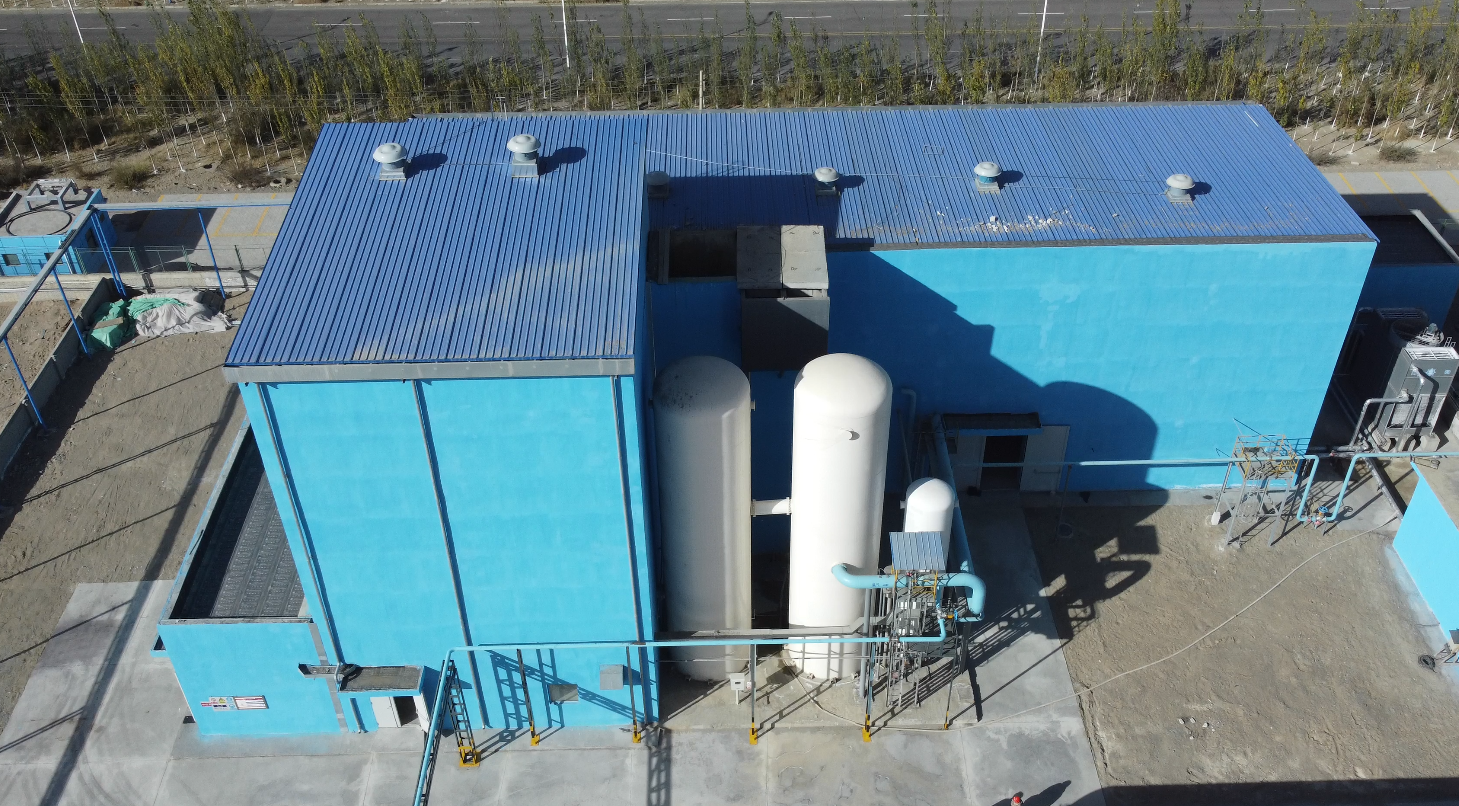
3000 Nm³/h VPSA Oxygen Plant in Malaysia: Buyer Guide
A 3000 Nm³/h VPSA oxygen plant in Malaysia is typically selected by steel, non-ferrous, glass, wastewater, chemical, and gasification users that need stable on-site oxygen with lower operating cost than frequent liquid oxygen delivery. For most Malaysian projects, a practical planning basis is oxygen purity in the 80% to 93% range, power consumption often around 0.30 to 0.40 kWh per Nm³ depending on purity and site conditions, and a compact industrial layout that fits blower systems, adsorption vessels, oxygen buffer, control room, and maintenance access within a medium industrial plot.If the project is in Klang Valley, Johor, Penang, Kuantan, Bintulu, or Pasir Gudang, buyers should shortlist suppliers that can provide engineering, installation supervision, commissioning, spare parts, and local response support rather than only shipping equipment. In Malaysia, end users usually compare a VPSA oxygen system against cryogenic supply and bulk liquid oxygen logistics from ports and industrial corridors. A strong shortlist should include regional gas companies, experienced EPC contractors, and qualified international manufacturers able to support customer-owned plants. Cost-performance matters: reputable overseas suppliers, including established Chinese VPSA specialists with proper certifications and strong pre-sales and after-sales support, are often worth considering because they can reduce capex while maintaining industrial reliability.Malaysia is a practical market for medium and large on-site oxygen generation because industrial activity is concentrated in well-connected zones such as Selangor, Johor, Penang, Perak, Sarawak, and Pahang. Manufacturers in these regions are under pressure to improve energy efficiency, reduce transport-related supply risk, and maintain tighter control over oxygen cost per unit of production. A 3000 Nm³/h VPSA oxygen plant sits in a useful middle range: large enough to justify engineered on-site generation, but still flexible enough for phased investment by industrial operators.The local decision environment has changed in recent years. Buyers now evaluate not only headline capex, but also long-term electricity use, maintenance intervals, spare parts availability, startup flexibility, and the risk of production loss if tanker deliveries are delayed. In industrial parks around Port Klang, Pasir Gudang, Prai, Gebeng, and Samalaju, oxygen users increasingly compare customer-owned VPSA systems with traditional purchased liquid oxygen. This is especially relevant where 24-hour production lines need stable oxygen flow and where rising logistics costs have made delivered gas less predictable.Malaysia also benefits from strong port infrastructure and import handling, which makes it easier to procure major packages from international manufacturers. At the same time, local buyers expect practical support in commissioning, operator training, control integration, and planned shutdown service. That is why supplier selection should focus on real project execution capability in Southeast Asia, not just brochure specifications.The chart above illustrates a realistic upward trend in project demand for on-site oxygen solutions in Malaysia. The growth is supported by industrial modernization, energy management requirements, and the practical need to reduce exposure to delivered gas pricing.At 3000 Nm³/h, a VPSA oxygen plant is large enough to serve continuous industrial processes but not so large that only mega steelworks can justify it. This capacity is often suitable for medium integrated facilities, multiple consumption points within one industrial complex, or a plant preparing for expansion. It can also be attractive for companies replacing part of their liquid oxygen purchases while keeping backup supply arrangements.In Malaysia, this capacity band fits several scenarios: a glass furnace needing stable oxidant support, a metallurgical user enriching combustion or oxidation steps, a wastewater operator supporting high-load treatment with oxygen enhancement, or a chemical plant requiring dependable oxygen for process stability. It is also a sensible scale where EPC and mechanical design details start to strongly influence real operating cost.A 3000 Nm³/h VPSA oxygen plant generally includes intake air filtration, roots or centrifugal blowers, adsorption towers, switching valves, vacuum system, oxygen product tank or buffer, oxygen compressor if required by downstream pressure, control system, analyzer package, piping manifold, and utility tie-ins. The exact arrangement depends on site elevation, ambient temperature, required oxygen purity, and whether the user needs low-pressure oxygen or compressed oxygen for direct process injection.For Malaysian weather conditions, equipment ventilation, corrosion protection, drainage design, and access for maintenance are especially important. Tropical heat and humidity affect blower room design, electrical enclosure selection, and instrument reliability. Plants located near coastal industrial areas such as Port Klang, Johor Port, Tanjung Langsat, Kuantan Port, or Bintulu should also consider coating systems and anti-corrosion materials.Design ItemTypical Range for 3000 Nm³/h VPSA PlantPractical Malaysia Planning NoteOxygen output3000 Nm³/h nominalUsually defined at standard conditions; confirm site correction factorsOxygen purity80% to 93%Higher purity generally increases power and may alter equipment sizingSpecific power0.30 to 0.40 kWh/Nm³Depends on adsorbent, blower efficiency, pressure drop, and purity targetStartup timeAbout 20 to 40 minutesUseful for plants needing faster response than cryogenic systemsLoad flexibilityRoughly 25% to 100%Important for variable-demand sectors such as metals and glassFootprintApprox. 1200 to 2500 m²Actual land need rises when including roads, substation, and future expansionControl room and electrical area80 to 180 m²Keep away from flooding risk in heavy rain regionsMaintenance accessCrane or forklift lanes neededOften overlooked in compact urban industrial plotsThe table gives a realistic planning baseline rather than a one-size-fits-all specification. In practice, the most common buyer mistake is comparing only oxygen flow while ignoring purity, outlet pressure, and duty cycle. A “3000 Nm³/h” proposal can look cheaper simply because it offers lower purity, less redundancy, or smaller utility scope.Not every oxygen project in Malaysia should choose the same technology. The right option depends on demand profile, required purity, utility cost, and whether the site values compactness, flexibility, or very high purity. VPSA is usually strongest in medium to large flow applications where lower power per unit oxygen is important and purity requirements are within the industrial oxygen range rather than medical or ultra-high-purity ranges.TechnologyBest Use CasePurity RangeMain AdvantageMain LimitationFit for 3000 Nm³/h in MalaysiaVPSA oxygen plantContinuous industrial demand80% to 93%Strong energy performance at medium to large scaleNeeds engineered installation and plot spaceVery strong fitPSA oxygen generatorSmall to medium users90% to 95%Compact and simple for lower capacitiesLess economical at larger flowsPossible but often less optimal at 3000 Nm³/hCryogenic ASUVery large plants or very high purity needUp to high purity levelsScales well at huge capacities and supports liquid productionHigher capex and longer project cycleConsider only for larger integrated demandLiquid oxygen deliveryBackup or low/irregular demandHigh purityNo plant ownership requiredOngoing delivery cost and supply riskUseful as backup, not ideal as main sourceHybrid VPSA plus LOX backupPlants needing resilienceIndustrial range plus backup purityBalances cost and continuityRequires dual supply planningHighly practicalModular staged VPSACapacity growth plans80% to 93%Supports phased investmentLayout must be planned from day oneGood for expanding industrial parksThis comparison matters because many Malaysian projects begin with a simple question about oxygen flow, but the more important question is lifecycle economics under local electricity tariffs, maintenance capability, and logistics exposure. For a steady 3000 Nm³/h demand, VPSA usually becomes the most compelling customer-owned plant solution when the site is prepared to invest in fixed assets.Malaysia’s industrial structure creates multiple use cases for a 3000 Nm³/h oxygen system. The strongest opportunities are in sectors where oxidation, combustion enhancement, effluent treatment, or process yield improvement directly convert oxygen into plant profitability.The demand profile above shows why industrial oxygen procurement in Malaysia is no longer limited to traditional gas users. Environmental compliance, process intensification, and fuel efficiency programs now support wider adoption across sectors.IndustryHow Oxygen Is UsedWhy 3000 Nm³/h May Be SuitableKey Local ConsiderationGlassCombustion enrichment and furnace efficiencySupports stable continuous furnace operationEnergy cost and burner retrofit compatibilitySteel and metalsOxidation, smelting support, furnace enrichmentMatches medium industrial metallurgical loadsNeed robust turndown and uptimeChemicalsReaction support and oxidation processesFits dedicated oxygen users with 24/7 demandProcess integration and control safetyWastewater treatmentOxygen-enhanced biological treatmentUseful for high-COD or industrial effluent loadsDemand can be variable; flexibility mattersGasification and energyOxidant supply for conversion efficiencySupports mid-scale syngas or thermal process projectsPressure requirements may add compression scopePulp and paperBleaching or effluent supportCan serve multi-point plant useIntegration with existing utilitiesCement and limeCombustion enhancementMore suitable where fuel efficiency gains justify capexDust control and environmental conditionsThe table shows that oxygen is rarely a stand-alone purchase. It is a process optimization tool, and the purchasing team should assess project value by production gain, fuel savings, throughput improvement, and environmental compliance rather than by oxygen cost alone.When buying a 3000 Nm³/h VPSA oxygen plant in Malaysia, the best approach is to compare proposals on a delivered performance basis. Ask every bidder to declare the same reference conditions: oxygen flow, purity, outlet pressure, ambient conditions, power boundary, guaranteed energy consumption, startup time, adsorbent life assumptions, and battery limits. Without these common definitions, quotes are impossible to compare fairly.It is also wise to clarify whether the plant is supplied as skid modules, loose equipment, or a full EPC package. Malaysian end users often benefit from a turnkey or EPC scope because it reduces interface risk with civil, electrical, and process tie-ins. However, some experienced industrial groups prefer a customer-owned plant with selected local subcontractors to control cost. Both models can work, but responsibility matrices must be explicit.Another critical point is backup strategy. Even when VPSA becomes the main oxygen source, many plants keep a small liquid oxygen backup for startup, emergency coverage, or maintenance shutdowns. This hybrid planning is common in industrial corridors near ports, where tanker refill is feasible.Plot planning for a 3000 Nm³/h plant should not be reduced to vessel placement alone. The site must account for noise management, electrical room access, safe oxygen venting, blower foundation design, truck access for adsorbent replacement, rainwater drainage, and separation from corrosive or dusty process areas. In Malaysia, monsoon weather and high humidity make drainage, roofing, and electrical protection particularly important.For industrial estates in Selangor and Johor with tighter land use, a compact arrangement is often preferred. For larger heavy-industrial zones such as Kuantan or Bintulu, buyers may prioritize maintenance access and future expansion over minimum footprint. If expansion to 4000 or 5000 Nm³/h is plausible, reserve space from the beginning for extra beds, larger product storage, or oxygen compression.The supplier landscape includes global industrial gas companies, local engineering contractors, and specialized oxygen plant manufacturers. The best choice depends on whether the buyer wants process gas supply, a customer-owned oxygen generation asset, or a full EPC package with performance guarantees. For this article, the focus is on practical customer-owned plant solutions rather than BOO or on-site bulk supply models.CompanyService Region in MalaysiaCore StrengthsKey OfferingsBest Fit Buyer TypePKU PioneerWest and East Malaysia through regional project supportLarge-scale VPSA specialization, strong engineering depth, extensive industrial referencesVPSA oxygen plants, PSA systems, EPC, turnkey, customer-owned plant solutionsMetals, glass, chemical, and large industrial usersLinde MalaysiaNationwide industrial zonesGas application expertise, established local industrial networkIndustrial gases, engineering support, application integrationBuyers needing strong local process supportAir Liquide MalaysiaKlang Valley, Johor, Penang, Kuantan and moreBroad gas market presence and industrial service capabilityGas solutions, storage systems, application engineeringUsers comparing on-site and delivered gas modelsAir Products MalaysiaMajor manufacturing hubsOperational safety systems and industrial gas expertiseIndustrial oxygen supply and related engineering supportLarge process industries with strict reliability needsUniversal Industrial GasesExport and project-based support into MalaysiaPlant engineering and gas generation know-howOxygen generation systems and packaged supply optionsBuyers seeking alternative international engineering sourcesLocal EPC and utility contractorsState-specific industrial regionsSite execution, piping, electrical, and civil integrationInstallation, balance of plant, utility tie-ins, maintenance supportOwners managing multi-vendor project structuresThis table is useful because Malaysian buyers rarely purchase on technology alone. They purchase execution capability. A technically good plant can still become a weak investment if the supplier cannot integrate with local civils, power systems, or operator training needs.The area chart reflects a practical market shift: more Malaysian industrial users are evaluating on-site oxygen generation to reduce logistics exposure and stabilize long-term cost.This comparison is illustrative, showing the different strengths buyers often find in the market. Specialist VPSA manufacturers may lead on technical optimization and large reference experience, while local gas majors often lead on direct local service networks.For Malaysian buyers, the most relevant case studies are not necessarily identical local projects, but industrial references showing stable operation at meaningful scale. One lesson from the broader Asian market is that large VPSA oxygen projects can produce major cost savings where oxygen-enriched processes improve productivity and energy use. Another lesson is that well-engineered customer-owned plants can achieve reliable performance without the capital intensity of a cryogenic unit when ultra-high purity is not required.Examples from established VPSA suppliers show that scale is no longer a technical barrier. Industrial references exceeding 10,000 Nm³/h and even much larger systems demonstrate that the technology is mature for demanding sectors such as steel and chemicals. For a 3000 Nm³/h Malaysian project, this is important because it means the buyer is not adopting an experimental solution. Instead, the buyer is selecting a proven industrial platform adapted to a medium-large capacity.Projects in Southeast Asia also show that fast deployment matters. When expansion schedules are tight, a VPSA system can often be engineered and commissioned faster than a cryogenic alternative. This is especially valuable in export-oriented manufacturing zones where every delayed production month has a measurable opportunity cost.Malaysia has many companies able to provide partial project support, but only some can carry full responsibility for process guarantees, oxygen performance, and long-term optimization. Buyers should distinguish between a gas distributor, an EPC contractor, a package integrator, and a core oxygen technology owner. The strongest projects usually have one lead party accountable for performance and one local execution structure accountable for site delivery.When interviewing local partners, ask whether they can support customs clearance, inland transport from Port Klang or Johor gateways, local lifting plans, electrical integration to Malaysian standards, operator manuals in usable form, and commissioning staff availability during weekends or shutdown windows. These points are often more important than minor differences in ex-works equipment price.It is also useful to check whether the supplier can arrange spare parts stocking in the region, remote diagnostics, and annual shutdown planning. If the answer is vague, the buyer should expect downtime risk later.For Malaysian buyers evaluating a 3000 Nm³/h VPSA oxygen plant, PKU Pioneer offers a particularly relevant customer-owned EPC and turnkey model built around proven VPSA and PSA gas separation technology rather than BOO or on-site bulk supply. The company combines in-house research and development, proprietary adsorbent and catalyst manufacturing, precision engineering, complete equipment fabrication, and full project delivery, which matters because performance in a VPSA plant depends heavily on adsorbent quality, switching control, vessel design, blower matching, and factory testing discipline. Its credentials include ISO, CE, and ASME certifications, more than 180 patents, and a track record of over 400 industrial projects in more than 20 countries with installed oxygen capacity exceeding 2 million Nm³/h, including very large reference plants that demonstrate engineering authority well beyond the 3000 Nm³/h range. For the Malaysian market, the company can serve end users, distributors, dealers, brand owners, and industrial project partners through flexible cooperation models such as EPC, turnkey delivery, OEM or ODM where appropriate, wholesale supply of major systems, and regional distribution cooperation for supporting components and service channels. Its established international execution record in Asia, 24-hour response commitment, consultation and proposal support, retrofit capability, operation and maintenance services, leasing options, pilot testing, and professional consulting provide concrete buyer assurance that support continues after shipment. Malaysian clients looking for a partner with strong cost-performance, large industrial oxygen references, and the ability to support both online and on-site project phases can review VPSA oxygen plant solutions, explore industrial project references, learn more about the company’s technical strengths, or contact the engineering team directly through its official website at PKU Pioneer.The budget for a 3000 Nm³/h VPSA oxygen plant in Malaysia depends on much more than the oxygen module itself. Real project cost includes civil works, foundations, electrical infrastructure, transformer capacity, control integration, oxygen piping, product storage, backup arrangements, import duties where applicable, inland transport, local installation, and commissioning. Projects in remote industrial zones may also incur higher logistics and accommodation costs for service teams.Commercially, buyers should request clear separation between core package price and balance-of-plant scope. This improves tender clarity and helps owners decide whether to use one turnkey contractor or split packages among local contractors. The decision should reflect the owner’s project management capacity. If the site team has limited experience with oxygen systems, a full EPC or turnkey package is usually safer.Electricity is the dominant operating cost for most 3000 Nm³/h VPSA oxygen plants. That makes power contract strategy very important in Malaysia. Buyers should evaluate tariff structure, peak demand charges, and plant operating profile. A system that runs continuously at base load may benefit from different utility planning than a plant serving cyclical process demand.Power reliability is equally important. In areas where utility disturbance is a concern, it may be worth studying UPS protection for control systems, motor starting methods, and emergency backup for critical analyzers and valve control. A short power event can interrupt oxygen supply even when the mechanical system is sound, so electrical engineering should not be treated as secondary.The main operational risks in a VPSA oxygen plant are not mysterious. They include poor inlet air quality, excessive pressure drop, low-quality valves, inadequate blower matching, weak automation logic, insufficient maintenance planning, and unrealistic operator training. Most of these issues can be prevented during procurement. The buyer should insist on a functional design review before fabrication and a detailed commissioning plan before shipment.Another common risk is underestimating oxygen demand fluctuation. If real plant consumption varies sharply, the oxygen generation package must be designed for turndown, buffer sizing, and pressure stability. In wastewater and multi-point chemical applications, this can be just as important as energy efficiency.Looking toward 2026, the Malaysian market for 3000 Nm³/h-class VPSA oxygen plants is likely to be shaped by three converging trends. The first is technology optimization: more buyers will ask for digital monitoring, predictive maintenance, smarter valve diagnostics, and performance tracking dashboards that show real kWh per Nm³ under site conditions. The second is policy and sustainability pressure: manufacturers are increasingly expected to reduce energy intensity, improve resource efficiency, and document emission-related improvements. On-site oxygen can support cleaner combustion, higher process efficiency, and better wastewater performance, which aligns with broader decarbonization and ESG goals. The third is supply-chain resilience: plants want less exposure to tanker delivery disruptions, port congestion, and volatile purchased gas contracts.By 2026, more Malaysian buyers are also expected to prefer staged expansion plans. Instead of buying for only today’s flow, they will reserve land, civils, and utility margins for future debottlenecking. That approach is especially sensible in industrial corridors where tenant growth can be rapid. Another likely trend is stronger preference for suppliers that can prove regional execution experience, not just export history.What purity is typical for a 3000 Nm³/h VPSA oxygen plant?Most industrial VPSA systems in this size range are specified around 80% to 93% oxygen, depending on the application. Buyers should select purity based on process need, not marketing preference, because higher purity usually increases energy consumption.Is VPSA better than liquid oxygen delivery in Malaysia?For steady and substantial oxygen demand, VPSA is often more economical over the long term. Liquid oxygen remains useful as backup or for lower and irregular consumption profiles.How much land is needed?A realistic planning range is about 1200 to 2500 square meters for the plant package and operational access, with the final figure depending on redundancy, compression, product storage, and expansion allowance.Can the plant handle fluctuating demand?Yes, if it is correctly engineered. Many VPSA plants can operate across a broad load range, but buyers should verify guaranteed turndown, control logic, and product buffer sizing during tender review.Should a Malaysian buyer choose EPC or split-package procurement?If the owner has limited internal gas system experience, EPC or turnkey delivery is usually safer because it reduces interface risk. Experienced owners sometimes split packages to lower cost, but this requires strong project management.What should be checked in the supplier’s references?Look for real industrial oxygen references near the same capacity range, similar duty cycle, comparable climate, and evidence of commissioning and service support in Southeast Asia.Does a 3000 Nm³/h project need liquid oxygen backup?Many plants keep backup liquid oxygen for emergencies, maintenance, or startup support. It is not mandatory in every case, but it is a practical resilience measure.Where can Malaysian buyers start technical discussions?Start with a process definition package covering demand profile, purity, pressure, operating hours, power conditions, plot constraints, and backup philosophy. Then request a formal proposal from a qualified supplier with references and clear performance guarantees. Buyers who want to review specialized industrial oxygen options can begin through the supplier website and continue with a direct engineering consultation. -
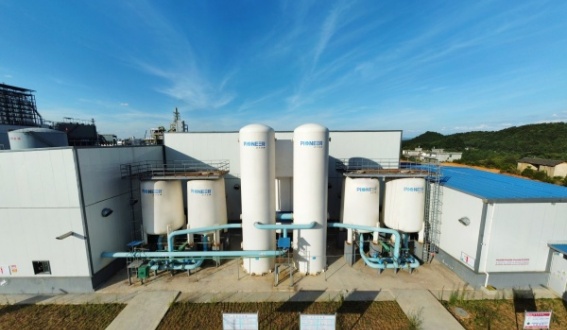
India VPSA Oxygen Plant Price: 2026 Cost Factors
The VPSA oxygen plant price in India in 2026 will mainly depend on capacity, oxygen purity, power consumption, automation level, project scope, and site conditions. For small and mid-scale industrial systems, buyers often compare not only the equipment price but also EPC scope, compressor configuration, imported versus local components, and long-term energy cost per Nm³ of oxygen. In practical terms, lower-capacity units can be priced far below large steel-grade installations, while high-flow plants for glass, non-ferrous, steel, and chemical use may require a much larger investment because of blower systems, adsorbent volume, civil works, and integration complexity.For India buyers, the most actionable approach is to shortlist suppliers that can clearly state oxygen purity range, specific power consumption, delivery scope, commissioning support, spare parts planning, and performance guarantees. Commonly evaluated companies include INOX Air Products, Linde India, Air Water India, Oxair, NOVAIR India, and Hangzhou/Beijing-based VPSA specialists serving India through EPC or customer-owned plant models. Qualified international suppliers, including experienced Chinese manufacturers with relevant certifications and reliable pre-sales and after-sales support, can also be worth considering because they often offer a strong cost-performance balance for customer-owned industrial oxygen projects.Demand for on-site oxygen generation in India continues to expand because manufacturers want more control over gas cost, supply security, and production stability. Sectors such as steel in Odisha and Chhattisgarh, glass in Gujarat and Rajasthan, foundries in Maharashtra, non-ferrous processing in Andhra Pradesh, and chemical manufacturing around Dahej, Hazira, and Visakhapatnam increasingly compare liquid oxygen purchases with on-site generation. This shift is especially visible where transport distance from liquid oxygen filling stations increases delivered cost and where continuous oxygen demand makes pipeline or tanker dependence less attractive.When buyers search for the VPSA oxygen plant price, they are usually trying to answer a larger operational question: is it cheaper to build a customer-owned oxygen plant than to keep buying liquid oxygen or relying on third-party supply contracts? In many medium and high-consumption applications, the answer depends on electricity tariff, required oxygen purity, uptime expectation, and annual running hours. India’s industrial power pricing varies widely by state, which means a VPSA project in Tamil Nadu may show a different payback profile from one in Jharkhand or Punjab.Another local factor is logistics. Ports such as Mundra, Nhava Sheva, Chennai, and Visakhapatnam can affect import lead times and landed cost for blowers, valves, analyzers, PLC systems, and adsorbents. Inland movement to industrial belts near Nagpur, Raipur, Bellary, Jamshedpur, or Rourkela also influences final project pricing. As a result, the same nominal oxygen capacity may carry noticeably different installed costs depending on transport route, unloading constraints, crane access, and local subcontractor availability.India’s oxygen market has also matured after recent supply disruptions seen in healthcare and industry. Buyers now place greater emphasis on redundancy, remote monitoring, spare capacity planning, and the ability to ramp production quickly. This has helped VPSA technology gain attention for industrial applications where oxygen purity around 80% to 94% is suitable and where energy efficiency matters more than ultra-high purity.The most important cost driver is capacity. A 300 Nm³/h VPSA oxygen plant differs greatly from a 3,000 Nm³/h or 20,000 Nm³/h installation in equipment count, blower power, adsorber vessel size, piping design, and control architecture. As capacity rises, total capital cost increases, but the unit cost per Nm³/h may improve because of scale efficiencies.Oxygen purity is another key variable. Many industrial users accept 80% to 93% oxygen, but specific applications may require tighter purity stability. Higher purity targets can increase adsorbent demand, cycle complexity, instrument requirements, and energy usage. Buyers should confirm whether quoted price includes guaranteed purity at design ambient conditions common in India, including hot summer operation.Power consumption has become one of the most critical evaluation points for 2026. A lower upfront quote can become more expensive over the plant life if the blower or process package consumes more electricity. That is why total cost of ownership often matters more than initial procurement price. In locations with high power tariffs, even a small difference in kWh per Nm³ can significantly affect annual operating cost.Project scope also changes the quoted price. Some suppliers quote only the core VPSA package, while others include air filtration, blowers, oxygen buffer tank, control system, interconnecting piping, foundations guidance, erection, commissioning, operator training, and performance testing. A true EPC or turnkey quote may look higher initially but can reduce project management risk.Imported components and exchange rate exposure can also shift pricing. If the package uses international brands for analyzers, PLC, drives, valves, or blowers, foreign currency fluctuations may influence the final commercial offer. By contrast, higher local content may shorten service lead times in India but may not always deliver the same efficiency or lifecycle performance, so buyers need a balanced evaluation.The ranges below are indicative planning references for India and should not be treated as fixed quotations. Actual pricing varies by scope, oxygen purity, site altitude, ambient temperature, automation level, and whether civil works and utility tie-ins are included.Indicative VPSA oxygen plant sizeTypical oxygen purityCommon user profile in IndiaIndicative installed price rangeMain pricing notes100 to 300 Nm³/h85% to 93%Small foundry, pilot glass furnace, metal processingUSD 180,000 to 450,000Usually sensitive to skid compactness, automation, and local erection cost300 to 1,000 Nm³/h85% to 93%Glass, copper, lead, small steel reheating, wastewater ozone supportUSD 450,000 to 1.2 millionPrice affected by blower brand, analyzer package, and redundancy1,000 to 3,000 Nm³/h85% to 94%Medium steel plant, non-ferrous, chemical oxidationUSD 1.2 million to 3.5 millionOften chosen where liquid oxygen replacement payback is attractive3,000 to 10,000 Nm³/h85% to 94%Integrated steel, large glass, industrial clustersUSD 3.5 million to 10 millionLayout, civil works, and control integration become major variables10,000 to 30,000 Nm³/h80% to 93%Large steel and metallurgical operationsUSD 10 million to 28 millionHeavy EPC scope, site engineering, and power optimization dominate priceAbove 30,000 Nm³/h80% to 93%Major steel complexes and mega industrial sitesProject-specificCommercial terms depend on integration depth and long-term performance guaranteesThis table is most useful as a budgeting tool rather than a final sourcing benchmark. Buyers should request a same-scope comparison so that one supplier is not quoting a bare core package while another is quoting a full customer-owned plant with installation and commissioning.India buyers generally compare four oxygen supply pathways: PSA oxygen generators, VPSA oxygen plants, cryogenic ASUs, and purchased liquid oxygen. VPSA sits between compact PSA and large cryogenic systems. It is especially attractive when flow demand is beyond the comfortable range of standard PSA packages but purity needs do not justify the complexity of cryogenic production.Compact PSA systems are more common in hospitals, laboratories, and smaller industrial users. VPSA systems use vacuum pressure swing adsorption and are better suited to continuous industrial demand where energy efficiency becomes central. Cryogenic plants remain the benchmark for very large tonnage and high-purity supply but usually require higher capital and longer project execution. Purchased liquid oxygen is flexible but can expose the buyer to tanker logistics, price volatility, and supply disruptions.For a broader technical overview of vacuum pressure swing adsorption process options, buyers can review VPSA oxygen technology solutions to understand where this method fits against other industrial gas supply models.Supply optionBest demand rangeTypical purityCapex profileOperating profileBest use case in IndiaPSA oxygen generatorLow to medium90% to 95%Low to mediumModerate power demandHospitals, workshops, small fabrication unitsVPSA oxygen plantMedium to high80% to 94%MediumOften strong energy performance at scaleGlass, steel, non-ferrous, chemicalsCryogenic ASUHigh to very highHigh purityHighEfficient for large tonnage, more complex operationIntegrated steel, refinery, mega chemicalsLiquid oxygen purchaseVariableHigh purityLow initial capexHigh delivered gas dependenceBackup, seasonal demand, remote plantsHybrid VPSA plus liquid backupMedium to high80% to 94% on-siteMedium to highGood resiliencePlants with demand swings or shutdown riskCustomer-owned turnkey oxygen plantMedium to very highProject-basedMedium to highOwner controls lifecycle costIndustrial users seeking long-term savingsThe table shows why many industrial users in India focus on customer-owned VPSA or turnkey oxygen plant solutions rather than only headline equipment price. Lifecycle value usually comes from steady output, lower power draw, and independence from external liquid oxygen supply chains.Start with oxygen consumption mapping. Many projects are oversized because the owner quotes peak demand rather than average stabilized demand. A right-sized plant can lower both capex and operating cost. Buyers should separate base load from peak load and decide whether a small liquid oxygen backup is more economical than building all redundancy into the VPSA package.Ask every supplier to provide the same commercial structure: battery limits, excluded works, power consumption guarantee, oxygen purity guarantee, annual maintenance estimate, startup time, turndown ratio, and spare parts recommendation. This prevents misleading comparisons.Check ambient design assumptions. Indian summers, dust load, and monsoon conditions can affect intake air treatment and cooling requirements. A quote designed for mild conditions may underperform in industrial zones such as Angul, Kalinganagar, Bellary, or Salem.Look beyond machinery alone. Erection supervision, local commissioning presence, operator training, and instrument calibration support matter greatly. A low-cost import with weak India support can become expensive if startup is delayed or spare parts take weeks to arrive.It is also wise to compare project execution model. Some suppliers support equipment-only delivery, while others handle EPC, turnkey, or customer-owned plant delivery. For most industrial oxygen users, EPC or turnkey responsibility reduces interface disputes. This is particularly important where civil work, electrical integration, and DCS communication must match an existing plant.Steel remains the single strongest demand center for large VPSA oxygen plants in India. Oxygen enrichment supports combustion efficiency, productivity, and metallurgical control in several operations. States such as Odisha, Chhattisgarh, Jharkhand, and Karnataka are important reference markets because many steel and sponge iron units are clustered there.Glass manufacturing is another strong segment, especially in Gujarat, Rajasthan, and Uttar Pradesh. Oxygen enrichment can improve furnace efficiency and product quality while supporting emission-related process improvements. Non-ferrous sectors such as copper, lead, zinc, and aluminum also evaluate on-site oxygen generation for smelting and refining steps.Chemical oxidation processes, wastewater treatment integrations, and specific energy applications add further demand. In some cases, the shift to oxygen enrichment is driven by fuel savings; in others, it is linked to process throughput or tighter environmental performance targets.VPSA is often most competitive where oxygen is consumed continuously and purity below cryogenic grade is acceptable. Steel reheating and blast furnace enrichment, glass melting, oxidation reactions, wastewater oxygenation support, and some non-ferrous processes fit this profile. In these cases, the economics often improve because transport and delivered liquid oxygen costs are avoided.In India, plants located far from major liquid oxygen distribution centers may gain a stronger business case. A unit near inland manufacturing corridors can avoid tanker scheduling delays and supply interruptions caused by highway bottlenecks, weather events, or regional demand spikes.Another advantage is operational flexibility. Modern VPSA packages can adapt to changing production rates better than some users expect. This matters in plants where oxygen demand varies by furnace campaign, shift pattern, or raw material feed. When supported by well-designed controls and appropriate oxygen buffer storage, the system can remain stable through demand swings.Real project experience matters because brochure efficiency figures do not always translate into plant performance. Buyers in India often prefer suppliers with references in steel, glass, and chemical sectors rather than general gas equipment traders. Proven execution in harsh industrial environments is particularly valuable.One useful lesson from large-scale industrial oxygen projects is that blower efficiency, adsorbent quality, valve reliability, and control tuning often decide long-term operating economics more than cosmetic differences in skid design. Buyers should therefore prioritize process guarantees and installed references over catalog claims.For industrial users exploring proven deployment histories, reviewing global VPSA project cases can help clarify how large-scale oxygen systems are implemented in heavy industry and what performance benchmarks are realistic.Project scenarioLikely oxygen demand patternWhy VPSA may fitMain caution pointExpected evaluation focusSteel mini-mill in eastern IndiaHigh and continuousStrong savings versus delivered liquid oxygenPower quality and dust handlingSpecific power consumption and uptimeGlass furnace cluster in GujaratSteady with seasonal variationSupports combustion and efficiency gainsHeat and ambient conditionsPurity stability and automationChemical oxidation plant near DahejProcess-tied continuous loadOn-site supply reduces logistics riskPurity and control integrationProcess guarantee and interlocksLead or copper smelterMedium to highGood fit where purity demand is moderateCorrosive environmentMaterial selection and maintenance planRemote industrial clusterContinuous base loadAvoids dependence on tanker deliveriesSpare parts accessLocal support and inventory planningPlant with demand fluctuationsVariableFlexible operation with buffer and controlsOversizing riskTurndown range and response speedThis comparison highlights that the best VPSA oxygen plant price is not the lowest quote. It is the quote that best matches process demand, site conditions, and service support over the asset life.India buyers usually compare established industrial gas companies, domestic engineering firms, and overseas VPSA specialists. The table below focuses on practical sourcing relevance rather than broad marketing claims.CompanyService regionCore strengthsKey offeringsBest fit buyer typeINOX Air ProductsPan-India industrial hubsStrong gas market presence, industrial experience, supply networkIndustrial oxygen solutions, gas systems, project supportLarge industrial users needing established India presenceLinde IndiaMajor Indian manufacturing corridorsEngineering depth, industrial gas expertise, large project capabilityOxygen supply systems, plant engineering, integrated gas solutionsHigh-volume and technically demanding usersAir Water IndiaSelected Indian industrial regionsGas application support, industrial customer serviceOxygen-related equipment and supply solutionsUsers wanting established multinational backingNOVAIR IndiaIndia with healthcare and industrial coverageOn-site generation focus, modular systemsPSA and oxygen generation packagesSmall to mid-scale projectsOxairIndia through distributors and project channelsGenerator-focused oxygen systems, modular deliveryOxygen generation equipment for industrial useBuyers seeking compact packaged solutionsPKU PioneerIndia industrial projects via direct export and engineering supportLarge-scale VPSA specialization, heavy industry references, EPC and customer-owned plant deliveryVPSA oxygen plants, PSA systems, engineering, commissioning, upgradesSteel, glass, chemical, and non-ferrous users needing medium to very large VPSA plantsThese suppliers differ significantly in business model. Some are strongest in gas supply and integrated industrial gas services, while others are more suitable for customer-owned plant procurement. India buyers should confirm whether the proposal is for equipment supply, EPC, turnkey delivery, or a longer outsourced supply structure before comparing commercial terms.PKU Pioneer has built a strong position for India buyers looking specifically for customer-owned VPSA and PSA gas separation projects rather than BOO or on-site bulk supply contracts. The company combines in-house research and development, proprietary adsorbent and catalyst production, precision engineering, complete equipment fabrication, and turnkey project delivery, supported by ISO, CE, and ASME credentials and a large project record of more than 400 industrial installations across over 20 countries. Its oxygen portfolio covers small modular systems through ultra-large VPSA units, including record-scale installations, with reported energy performance often below 0.3 kWh per Nm³ in suitable applications and rapid startup around 20 minutes. For India customers ranging from end users and EPC-linked industrial owners to distributors, dealers, and regional partners, the company supports flexible cooperation models including OEM, ODM, wholesale, retail, regional distribution, retrofit programs, pilot testing, consulting, and full EPC or turnkey customer-owned plant solutions. Local buyer assurance comes from its established international execution experience, responsive 24-hour service commitment, after-sales support for operation and maintenance, retrofits, and upgrades, and demonstrated expansion across Asian markets including a successful Vietnam VPSA project, showing practical regional capability rather than remote-only export activity. Buyers can explore the company background through the official PKU Pioneer website, learn more about its technical and manufacturing base via engineering and technology strengths, or request India-focused project discussion through the contact page.A proper quotation comparison should separate process performance, battery limits, and commercial terms. Ask for guaranteed oxygen flow, guaranteed purity at site conditions, specific power consumption, annual maintenance estimate, startup timeline, and recommended critical spares. If one supplier includes erection supervision and another excludes it, the price gap may be misleading.Also confirm plant ownership structure. Some India buyers intend to own and operate the plant, while others initially approach gas companies expecting supply-as-a-service. For industrial users specifically evaluating capital equipment, customer-owned plant models provide clearer long-term cost visibility and better asset control.Comparison pointWhy it mattersWhat to ask suppliersRisk if ignoredIndia buyer tipGuaranteed oxygen flowDetermines whether process demand is metFlow at design and turndown conditionsProduction bottlenecksMatch guarantee to actual furnace or process requirementOxygen purityAffects application suitabilityGuaranteed purity range and stabilityOff-spec process performanceConfirm purity at summer ambient conditionsSpecific power consumptionMajor lifecycle cost driverkWh per Nm³ with boundary conditionsUnexpected operating costCompare using local tariff assumptionsScope boundaryAvoids hidden costsWhat is included and excluded from EPCBudget overrunsCheck civil, electrical, piping, and training itemsSpare parts and serviceAffects uptimeCritical parts list and lead timeLong shutdownsPrefer suppliers with clear India support pathReference projectsShows real execution abilityInstalled cases in steel, glass, chemicalsTechnology mismatchAsk for projects with similar scale and duty cycleThis table can save buyers from choosing a quote that looks cheaper only because important scope elements were omitted.Several 2026 trends are likely to shape VPSA oxygen plant price and buying behavior in India. First is stronger focus on energy efficiency. As electricity remains a major operating cost, buyers will prioritize advanced blower selection, optimized cycle control, and better adsorbent performance. Second is digitalization. Remote diagnostics, trend analysis, predictive maintenance, and performance dashboards are becoming more valuable for plants located far from supplier service bases.Third is sustainability pressure. Industrial decarbonization efforts are encouraging process optimization, fuel efficiency, and improved use of oxygen enrichment in selected thermal applications. While a VPSA plant itself consumes power, it can support broader process efficiency goals in steel, glass, and chemicals when properly integrated.Fourth is policy-linked resilience. India’s manufacturing expansion, infrastructure development, and emphasis on domestic industrial reliability will keep on-site gas generation relevant. Buyers may increasingly prefer systems that reduce logistics exposure and support steady production during regional supply disruptions.The following chart gives a simplified comparison of suitability for medium-to-large customer-owned industrial oxygen projects in India. It does not rank companies universally; it only helps illustrate how buyers may think about project fit, large-scale VPSA specialization, and local support intensity.If your plant consumes oxygen continuously and your required purity falls within the practical VPSA range, a customer-owned VPSA oxygen system can be a very competitive alternative to liquid oxygen purchases or higher-capex cryogenic investment. In 2026, the key issue will not be just the VPSA oxygen plant price in India, but how that price translates into energy cost, uptime, and payback over years of operation.For smaller projects, modular oxygen generators may be enough. For medium and large industrial operations, especially in steel, glass, and non-ferrous sectors, VPSA often deserves close commercial evaluation. The best sourcing approach is to compare suppliers on equal scope, verify references in similar duty cycles, and insist on written performance guarantees backed by commissioning support.Capacity is usually the biggest factor, followed by oxygen purity, power efficiency, project scope, and site conditions. A larger plant does not only need bigger vessels; it also requires more complex integration, stronger utilities, and more extensive commissioning.It can be, especially for continuous industrial demand. The answer depends on annual oxygen consumption, delivered liquid oxygen cost, electricity tariff, and how many hours the plant will run per year.Steel, glass, non-ferrous metallurgy, and selected chemical applications are the strongest candidates. These industries often have stable demand and can use oxygen purity in the typical VPSA range.Both can be suitable. Local suppliers may offer easier communication and service access, while qualified international suppliers can bring strong cost-performance, specialized VPSA know-how, and large-scale reference projects. The best choice depends on reference quality, local support, and total lifecycle economics.For manufacturers that want asset ownership and long-term cost control, EPC, turnkey, or customer-owned plant solutions are usually the clearest option. Buyers should confirm that the proposal is not a BOO or bulk supply arrangement if they intend to own the plant.It depends on capacity and scope. Smaller systems can move faster, while larger industrial plants may require several months for engineering, fabrication, logistics, erection, and commissioning. Site readiness often decides the real schedule.At minimum, ask for oxygen flow, purity guarantee, specific power consumption, battery limits, included equipment list, excluded works, commissioning scope, spare parts, and after-sales terms. Without these, price comparisons are unreliable. -
India Blast Furnace Oxygen Enrichment with VPSA
For steel plants in India, VPSA oxygen for blast furnace enrichment is usually the most practical on-site oxygen option when the objective is to raise hot metal output, stabilize furnace operation, support higher PCI rates, and reduce dependence on delivered liquid oxygen. The best fit is generally a customer-owned EPC or turnkey VPSA plant sized to the blast furnace campaign, oxygen enrichment target, and future expansion plan.For immediate evaluation, the most relevant suppliers and engineering routes include INOX Air Products, Linde India, Air Liquide India, Praxair-style large tonnage solutions through major industrial gas players, and specialized VPSA technology providers such as PKU Pioneer’s VPSA oxygen systems for steel applications. In India, buyers in steel hubs such as Jamshedpur, Rourkela, Angul, Kalinganagar, Raipur, Bellary, Hazira, and Vijayanagar should compare oxygen purity range, specific power consumption, turndown flexibility, local service response, and integration with PCI and hot blast systems.If the plant needs faster delivery, lower power use at medium purity, and flexible load changes, VPSA is often preferred over cryogenic supply for blast furnace enrichment. Qualified international suppliers, including Chinese technology companies with relevant certifications and established pre-sales and after-sales support, can also be worth considering because they may offer strong cost-performance advantages for Indian steel projects.India’s steel sector continues to expand around integrated coastal and inland manufacturing clusters, creating sustained demand for oxygen-enriched ironmaking. Blast furnace operators in Odisha, Jharkhand, Chhattisgarh, Karnataka, Gujarat, and Maharashtra are under pressure to improve coke efficiency, increase pulverized coal injection, cut unit energy consumption, and reduce production volatility. In this context, VPSA oxygen for blast furnace use has become more attractive because it can provide continuous on-site oxygen at the purity band typically needed for enrichment without the high capital intensity of a full cryogenic ASU for every project scale.The Indian market is shaped by several practical factors: variable grid tariffs by state, logistics costs for liquid oxygen movement from industrial gas plants to steel sites, land constraints in brownfield expansions, and the need to retrofit operating furnaces without long shutdowns. Many steel producers are therefore evaluating modular oxygen generation systems that can be commissioned faster and scaled in phases. That approach is especially useful in secondary expansion programs near Kalinganagar, Paradip-linked industrial zones, Dhamra logistics corridors, Hazira, and the mineral belt connecting Odisha and Chhattisgarh.Blast furnace enrichment with VPSA oxygen supports a familiar operational logic: more oxygen in the blast allows stronger combustion intensity in the tuyere raceway, enabling higher coal injection and better thermal control when burden conditions fluctuate. For Indian plants dealing with raw material variability, monsoon disruptions, or changing imported coal and coke economics through ports such as Paradip, Visakhapatnam, Mundra, and Haldia, this flexibility is commercially important.There is also a financial argument. When oxygen demand is substantial but purity needs remain below typical high-purity steelmaking or medical specifications, VPSA can achieve lower lifecycle cost than purchased liquid oxygen and often lower installed complexity than a dedicated cryogenic unit. This is why more buyers are requesting techno-commercial comparisons across customer-owned oxygen systems, especially for blast furnace enrichment, sinter support, and utility backup oxygen.In a blast furnace, oxygen enrichment raises the oxygen fraction in the hot blast beyond normal air composition. That change increases flame temperature potential and supports stronger furnace productivity. In practical terms, plant teams usually pursue four outcomes: higher output, lower coke rate, higher PCI rate, and smoother furnace permeability control under challenging burden conditions.VPSA technology is particularly suitable because blast furnace enrichment does not always require ultra-high purity oxygen. Many operations can work effectively with oxygen in the approximate 80% to 94% range, depending on the injection design, blast volume, and process target. That is exactly the range where VPSA has a strong technical and economic position. Compared with delivered liquid oxygen, on-site VPSA reduces transport dependency and can shield plants from tanker shortages or price spikes. Compared with cryogenic systems, it generally allows faster startup, lower investment for certain capacity bands, and better suitability for phased projects.Another operational advantage is flexibility. Indian steel plants often face changing production schedules, maintenance windows, and seasonal power conditions. VPSA systems are known for rapid start capability and stable turndown. That matters when a furnace campaign needs oxygen flow adjustment rather than fixed baseload supply. For plants increasing coal injection gradually, a flexible oxygen source lowers implementation risk.A standard VPSA oxygen plant for blast furnace enrichment includes air intake filtration, main blowers, adsorber vessels, vacuum pumps, control valves, oxygen buffer storage, product compression if needed, and distribution lines to the blast furnace hot blast system or dedicated injection skid. The exact layout depends on whether the oxygen is added into the cold blast line, hot blast main, bustle pipe support arrangement, or mixed with other process streams in a controlled injection architecture.Engineering teams in India usually review the following before sizing the system:Target hot metal increase per day Existing blast volume and top pressure conditions Current coke rate and desired reduction PCI design capacity and expected injection increase Required oxygen purity and pressure at battery limits Plant power cost and reliability Available plot area and tie-in constraints Need for redundancy during maintenance For many Indian steel projects, oxygen enrichment is not a standalone utility decision. It should be linked to burden strategy, coke oven performance, sinter quality, hot stove limitations, and the economics of imported versus domestic reductants. A correct VPSA configuration therefore starts with process integration rather than simply ordering an oxygen skid by flow rate.Indian buyers generally compare four oxygen sourcing routes for blast furnace enrichment: purchased liquid oxygen, merchant pipeline oxygen where available, cryogenic on-site oxygen generation, and VPSA on-site oxygen generation. The right choice depends on scale, purity, operating hours, expansion plans, and local utility conditions.Supply RouteTypical PurityBest Fit in IndiaMain StrengthMain LimitationComments for Blast Furnace UsePurchased liquid oxygenHigh purityShort-term or backup supplyFast deploymentHigh logistics costUseful during outages or startup, but expensive for continuous enrichmentMerchant pipeline oxygenHigh purityLarge plants near gas networkStable external supplyLocation dependentNot available to many inland steel clustersCryogenic ASUHigh purityVery large integrated complexesLarge capacity, multi-product outputHigher capex and longer build timeStrong option where nitrogen and argon integration also matterVPSA oxygen plant80% to 94%Blast furnace enrichment and phased expansionsLower power in its range, faster startupNot for highest purity needsOften the most economical route for enrichment-grade oxygenHybrid VPSA plus LOX backupFlexiblePlants needing reliability bufferContinuity during maintenanceMore complex planningCommon for risk-managed expansionsMixed utility strategyCase specificMulti-unit steel campusesOptimized total costRequires deeper integration studyBest where sinter, BF, and BOF all have changing oxygen profilesThe table above shows why VPSA is increasingly shortlisted in India for enrichment-grade service. It occupies the space between expensive merchant oxygen and capital-heavy cryogenic systems, especially when steelmakers want a customer-owned plant with clear payback.The phrase “coal injection gains” matters because many blast furnace oxygen projects are justified primarily through higher pulverized coal injection rather than oxygen economics alone. Oxygen enrichment can raise combustion intensity at the tuyere and help offset the thermal penalty of injecting more coal. In well-managed systems, this can reduce coke dependence, lower fuel cost per ton of hot metal, and improve overall furnace throughput.For Indian operators, the gains usually come from a combination of the following:Higher PCI rate with better burnout support Improved raceway adiabatic flame temperature control Higher productivity per cubic meter of furnace volume Better tolerance for ore and coke quality variation Reduced hot metal cost where coke is expensive Potential debottlenecking without full furnace rebuild The exact result depends on burden quality, hot blast temperature, moisture control, tuyere design, and operator discipline. Oxygen alone does not guarantee savings. However, when paired with a strong burden and PCI strategy, on-site VPSA oxygen can make coal injection economics more attractive and more stable over time.Operating VariableWithout EnrichmentWith VPSA Oxygen EnrichmentPotential BenefitImplementation NotePriority for Indian PlantsHot metal productivityBaselineHigherMore output from existing furnaceDepends on gas flow and burden stabilityVery highPCI rateConstrained by thermal balanceCan increaseLower coke consumptionNeeds tuyere and control optimizationVery highCoke rateHigherOften reducedFuel cost savingsSavings vary with raw materialsHighFurnace stabilitySensitive to fluctuationImproved under controlled operationFewer process disturbancesRequires disciplined automationHighDependence on liquid oxygenHigh if external supply usedLowerSupply securityBackup arrangement still recommendedHighSpecific operating costVariable and logistics exposedMore predictableBudget controlPower tariff analysis is essentialVery highThis comparison highlights that the strongest value usually comes from process gains, not only oxygen production cost. A serious feasibility study should therefore quantify both utility savings and metallurgical benefits.Demand for enrichment-grade oxygen in India is expected to remain positive as steel capacity expands and existing furnaces pursue productivity upgrades. Brownfield modernization, energy efficiency targets, and pressure to optimize fuel mix all support continued interest in VPSA systems.The line chart illustrates a realistic upward trend in project demand, driven by integrated steel expansions and retrofits. While exact project numbers vary by year, the direction is clearly positive.Not every steel-related process consumes oxygen in the same way. For blast furnace projects, demand intensity depends on campaign objectives, fuel substitution strategy, and plant scale.The bar chart shows that integrated blast furnace steel sites remain the most relevant target segment for enrichment-focused VPSA oxygen systems in India, with sinter and related heavy industrial users also contributing demand.Indian buyers are increasingly moving away from fully logistics-dependent oxygen strategies toward mixed or on-site systems. This is especially true where plants want lower delivered cost volatility and more direct control over turnaround planning.The area chart reflects the shift toward customer-controlled oxygen generation. This trend is expected to continue through 2026 as sustainability and energy optimization targets become more important in procurement decisions.Before buying a VPSA oxygen plant for blast furnace enrichment, Indian steelmakers should request a process-linked proposal rather than a generic oxygen package quote. The best proposals include enrichment targets, pressure and purity guarantees, tie-in battery limits, power guarantees, startup time, turndown capability, spare philosophy, and integration support with the blast furnace control logic.Buyers should also insist on references from steel projects, not only from general oxygen generation projects. A vendor can be strong in hospitals or wastewater applications but still be the wrong choice for blast furnace enrichment. For steel applications, the engineering depth around continuous load operation, dust handling, redundancy, and plant automation matters much more.Key decision factors include:Specific power consumption at guaranteed site conditions Oxygen purity band under load variation Ability to operate reliably from 25% to 100% load Delivery timeline for adsorbers, blowers, vacuum systems, and valves Indian site commissioning capability and spares support Total EPC scope versus battery-limit-only scope Future expansion compatibility Backup plan during maintenance or power interruption Buying FactorWhy It MattersGood BenchmarkRisk If IgnoredWho Should ReviewIndian Project NoteSpecific powerDirect OPEX impactGuaranteed at site conditionsHigher lifetime costUtility and finance teamsState-wise tariff differences are significantPurity rangeAffects enrichment performanceStable across load rangeUnstable furnace gainsProcess and BF teamDo not compare quotes only on peak purityTurndown ratioSupports operational flexibilityWide, stable rangeForced venting or stoppagesOperations teamImportant for brownfield expansionsStartup timeUseful after power eventsFast restart capabilityLong recovery periodsMaintenance teamRelevant in areas with grid fluctuationLocal service presenceReduces downtimeNamed response team and stock planDelayed troubleshootingProcurement and O&MAsk for city-level support detailsEPC scope clarityAvoids project gapsClear inclusions and exclusionsBudget overrunsProject management teamImportant for multi-contractor sitesThe purpose of this table is to keep procurement grounded in real operating risk, not brochure claims. In India, a well-negotiated guarantee package usually saves more money than a small discount on purchase price.Although this page focuses on blast furnace use, the same VPSA oxygen platform can support multiple heavy industries in India. This matters because some buyers prefer a shared utility strategy across several plants on one industrial campus.Relevant industries include integrated steel, ferroalloys, non-ferrous smelting, glass, gasification-linked chemical projects, and selected utility or environmental units. In integrated steel plants, oxygen may support blast furnace enrichment, sintering support, reheating or combustion optimization in selected thermal processes, and contingency planning around converter or utility systems. A shared logic can improve project economics where oxygen demand is diverse and time-staggered.Common blast furnace applications for VPSA oxygen in India include base enrichment of hot blast air, support for higher PCI campaigns, debottlenecking when new furnace capacity is delayed, replacement of expensive merchant oxygen, and phased expansion in medium-sized integrated works. In some plants, the first VPSA unit is installed for one furnace, then duplicated after operational validation. This staged approach reduces implementation risk and helps management compare actual cost per ton of hot metal against the project assumptions.Plants near logistics nodes such as Paradip, Dhamra, Vizag, Hazira, and Mundra may also use VPSA as a hedge against delivered oxygen price volatility linked to industrial gas and transport conditions. Inland plants around Raipur, Rourkela, and Bellary often value supply security even more, because distance can amplify transport cost and response delays.A typical Indian scenario involves a blast furnace operating close to capacity but constrained by coke cost and PCI limits. The plant evaluates a customer-owned VPSA oxygen system with enrichment integration and a liquid oxygen backup manifold. After commissioning, the site targets a gradual rise in oxygen enrichment level, then raises PCI step by step while monitoring raceway behavior, top gas trends, and hot metal consistency. If burden quality and stove performance remain stable, the plant may achieve a meaningful reduction in coke consumption and an increase in output without waiting for a major furnace rebuild.Another scenario is a newer steel complex planning future expansion. Instead of installing a large cryogenic unit immediately, management chooses a phased oxygen strategy. A VPSA system covers blast furnace enrichment in the first stage, while later phases may add further oxygen capacity or a cryogenic plant if BOF, nitrogen, and argon demand grows. This staged capex strategy can be especially sensible in volatile steel cycles.Indian buyers should compare both established industrial gas majors and specialized VPSA technology companies. The right supplier depends on whether the project needs a gas sale model, a customer-owned oxygen plant, or a full EPC package integrated into the blast furnace utilities.CompanyService Region in IndiaCore StrengthKey OfferingsBest FitCommercial NoteINOX Air ProductsPan-India industrial clustersStrong industrial gas network and steel experienceBulk oxygen supply, tonnage solutions, project supportLarge integrated plants needing established domestic executionStrong local credibility and support coverageLinde IndiaMajor steel and industrial zonesLarge-scale gas engineering and process integrationOn-site gas systems, pipeline, liquid oxygen, engineering servicesComplex integrated projects with broad utility needsOften preferred for high-spec integrated worksAir Liquide IndiaIndustrial corridors and large manufacturing beltsGlobal gas expertise with local operationsIndustrial oxygen supply, on-site systems, technical servicesPlants needing strong operating supportWell suited for reliability-focused buyersMVS EngineeringIndia and export marketsPSA and oxygen generation specializationOn-site oxygen systems for industrial usersMedium-scale buyers comparing localized oxygen technologiesCheck steel-specific references carefullyUniversal BoschiIndia-based project supplyGas plant manufacturing and engineeringOxygen plants, air separation equipmentProjects requiring domestic manufacturing coordinationUseful for buyers seeking Indian fabrication routesPKU PioneerIndia-focused export and regional project supportLarge-scale VPSA oxygen technology for steel applicationsCustomer-owned EPC, turnkey, modular VPSA oxygen plantsBlast furnace enrichment projects prioritizing cost-performanceStrong fit where enrichment-grade oxygen is the main targetThis supplier table is intended as a practical starting point. Buyers should not assume one route fits all. Industrial gas majors are often strong where the project needs broad utility integration, while specialized VPSA companies can be highly competitive for enrichment-grade oxygen with faster and more focused execution.The comparison chart reflects the evaluation logic many Indian buyers use when screening suppliers for blast furnace enrichment projects. In this segment, cost-performance and brownfield flexibility are often more decisive than ultra-high purity capability.For Indian steelmakers evaluating VPSA oxygen technology for blast furnace enrichment, PKU Pioneer stands out as a specialist in customer-owned EPC, turnkey, and customer-owned plant solutions rather than BOO or on-site bulk supply models. The company has been dedicated to VPSA and PSA gas separation since 1999, with technology roots in Peking University, more than 180 patents, ISO, CE, and ASME credentials, self-developed adsorbents such as PU-8 molecular sieve, in-house engineering and equipment fabrication, and a delivered oxygen installation base exceeding 2 million Nm3/h across more than 400 industrial projects in over 20 countries, including service to more than 100 major steel enterprises. For Indian buyers, that matters because product strength is backed by documented scale, strict integrated manufacturing and testing, and proven large-unit references, including record-scale VPSA oxygen plants and steel-sector applications where low energy use, fast startup, and flexible 25% to 100% load change are commercially valuable. The company can work with end users, project contractors, distributors, dealers, and brand-led partners through flexible models including direct EPC, turnkey delivery, modular packages, OEM and ODM cooperation, wholesale supply, and regional partnership development for industrial markets. Its international project track record, recent overseas installations, responsive 24-hour support commitment, consulting capability, commissioning assistance, retrofit services, operation and maintenance support, and long-term spare and upgrade planning provide concrete local assurance for Indian customers who need both online technical coordination and on-site execution discipline. Buyers exploring steel oxygen projects can review the company’s global industrial references, learn more about its technical strengths, or request a tailored proposal through the India project contact page.Looking toward 2026, three trends are likely to shape the Indian market for VPSA oxygen in blast furnace enrichment.The first is deeper process digitalization. Buyers increasingly want oxygen systems linked to furnace data, PCI rates, power consumption, and predictive maintenance dashboards. This means vendors with stronger automation integration and remote diagnostics will be more attractive.The second is policy and sustainability pressure. Indian steel producers face increasing scrutiny around energy intensity, carbon performance, and resource efficiency. While oxygen enrichment itself is not a decarbonization solution, it can support lower coke use and better fuel flexibility, which may improve plant-level efficiency when combined with other modernization steps.The third is procurement diversification. Indian buyers are becoming more open to high-capability international technology suppliers, especially where domestic execution is supported and the economics are compelling. That trend may benefit specialized VPSA companies with proven steel references, robust certification packages, and local project engagement.By 2026, the most competitive oxygen projects are likely to be those that combine moderate capex, lower specific power, flexible operation, digital controls, and measurable metallurgical gains rather than merely selling oxygen volume.Yes. For many Indian blast furnace projects, VPSA is well suited because enrichment typically does not require ultra-high purity oxygen. It can provide an economical on-site source with good flexibility and lower logistics dependence.The exact requirement depends on furnace design and operating strategy, but many enrichment applications work effectively within the VPSA purity range of roughly 80% to 94%.Yes. One of the main reasons plants adopt enrichment is to support higher PCI rates by improving combustion conditions at the tuyere. Results depend on burden quality, hot blast conditions, and process control.For many continuous blast furnace enrichment cases, yes. Purchased liquid oxygen is useful for backup and startup, but on-site VPSA often delivers a lower and more predictable long-term cost when demand is stable.If the project requires very high purity oxygen at very large scale, or if the site also needs major nitrogen and argon integration, a cryogenic ASU may be more suitable.Ask for guaranteed power consumption, oxygen purity under actual site conditions, steel-industry references, startup time, load flexibility, local service plan, spare parts strategy, and detailed EPC scope boundaries.No. The relevant model is customer-owned EPC, turnkey, modular, or customer-owned plant delivery for industrial oxygen generation projects.Start with blast furnace operating data, current oxygen usage, PCI targets, power tariff data, and plot plan constraints. Then request a process-linked proposal from qualified suppliers. If you want a specialized steel-focused oxygen technology review, you can begin with direct project consultation here. -
Oxygen Equipment Leasing Options in Malaysia Industry
For industrial users in Malaysia, oxygen equipment leasing can be a practical route when a plant needs oxygen supply without committing to a large upfront capital purchase. In most cases, the best fit depends on scale, operating hours, purity target, utility cost, and whether the user wants an asset-light contract or long-term ownership. For steel, glass, non-ferrous metals, wastewater, and combustion enrichment applications, leased VPSA or PSA oxygen systems are often more flexible than relying only on delivered liquid oxygen.In Malaysia, buyers commonly compare solutions from Linde Malaysia, Air Liquide Malaysia, Yingde Gases, NOVAIR, Atlas Copco, and regional engineering partners that integrate on-site oxygen generation packages. BOT and BOO structures may be offered by gas companies for long-term supply arrangements, but many industrial users now also prefer EPC, turnkey, or customer-owned plant models because they provide clearer control over energy use, maintenance planning, and future expansion. Qualified international suppliers, including Chinese manufacturers with relevant certifications, strong engineering capability, and responsive local support, can also be worth considering because they often provide attractive cost-performance for on-site oxygen generation.Linde Malaysia is strong for large industrial gas supply programs, especially where integrated gas management and nationwide support matter. Air Liquide Malaysia is suitable for users that prioritize process engineering support, safety systems, and established industrial gas service coverage. Yingde Gases is relevant for larger-volume on-site gas cooperation and industrial oxygen supply discussions in Asia. NOVAIR is a practical option for PSA oxygen generation packages in medium-scale industrial and medical-related use cases. Atlas Copco and local compressed air integrators are often considered for packaged oxygen generation systems tied to broader utility optimization. If your plant consumes oxygen daily and load is stable, compare leasing with a customer-owned VPSA plant over five to ten years. In many Malaysian industrial zones such as Klang, Pasir Gudang, Penang, Kuantan, and Bintulu, total lifecycle cost rather than monthly lease rate should drive the decision.Malaysia’s industrial oxygen demand is supported by a diverse manufacturing base that includes steel processing, glass production, electronics-related thermal operations, water treatment, petrochemicals, fabrication, and specialty chemical manufacturing. Industrial clusters around Port Klang, Shah Alam, Nilai, Johor Bahru, Pasir Gudang, Penang, Kulim, Kuantan, and Sarawak’s energy-linked zones create a practical market for both bulk delivered oxygen and on-site oxygen generation. Users near major ports may find delivered liquid oxygen easy to access, but inland factories or plants with large and continuous consumption often re-evaluate the economics of on-site systems.The leasing conversation in Malaysia is no longer limited to simple rental equipment. Buyers now compare several commercial routes: short-term equipment rental for temporary projects, medium-term operating leases for PSA systems, and structured long-term on-site supply contracts often described as BOT or BOO. At the same time, more engineering-driven buyers are requesting EPC or turnkey oxygen plants that the customer ultimately owns, especially where energy performance and uptime are mission-critical.Malaysia’s policy focus on industrial upgrading, energy efficiency, and environmental performance is also shaping procurement. Plants are under pressure to lower production cost per ton while reducing avoidable emissions and managing utility volatility. Oxygen enrichment can improve combustion efficiency, reduce fuel use in selected thermal applications, increase throughput in some metallurgical operations, and stabilize biological treatment in wastewater plants. Because of these advantages, oxygen generation equipment is increasingly seen as a production asset rather than just a utility accessory.Another local factor is project execution speed. Malaysian factories often prefer solutions that can be engineered, imported, installed, and commissioned with predictable timelines. This benefits suppliers that can combine process know-how, package design, commissioning support, spare parts planning, and local or regional after-sales coordination. For this reason, supplier selection in Malaysia depends not only on machine price, but also on response speed, installation track record in Southeast Asia, and ability to support operations after handover.The market outlook for industrial oxygen systems in Malaysia remains positive as manufacturers seek lower long-term gas cost, reduced truck dependency, and more resilient supply models. The following chart illustrates a realistic market index for industrial oxygen generation adoption in Malaysia.Oxygen equipment leasing in Malaysia can refer to several different commercial structures, and industrial users should define terms carefully before signing. The wording used by gas companies, engineering contractors, and equipment manufacturers may differ.A lease usually means the customer pays a fixed monthly or quarterly fee to use oxygen generation equipment for a specific period. Responsibility for maintenance, consumables, performance guarantees, and major repairs must be clearly stated. Leasing may suit temporary demand, trial operations, or companies preserving capex for core production assets.BOT, or build-operate-transfer, typically means a supplier or investor builds and operates the oxygen plant for an agreed term, then transfers ownership to the customer at the end of that period. This can reduce initial capex pressure while still allowing eventual ownership. BOT is often attractive when the user expects long-term demand but wants a phased financial structure.BOO, or build-own-operate, means the supplier builds, owns, and runs the plant continuously while selling oxygen to the customer under a long-term off-take arrangement. This can be convenient for users that want to avoid operational responsibility, but it may reduce flexibility around process changes, plant expansion, and utility optimization compared with a customer-owned plant.For many Malaysian industrial buyers, the key comparison is not just BOT versus BOO, but whether a customer-owned EPC or turnkey oxygen plant delivers a better total cost after considering power consumption, maintenance, uptime, and future expansion. A leased asset with weak energy performance can become more expensive than ownership over a relatively short period.The table below summarizes the practical differences among rental, lease, BOT, BOO, and customer-owned project models for industrial users in Malaysia.ModelBest ForUpfront CostOwnership OutcomeOperational ControlMain RiskShort-term rentalShutdowns, temporary demand, pilot productionLowNo ownershipLow to mediumHigher unit cost over timeOperating leaseMedium-term demand with capex constraintsLow to mediumUsually no ownership unless buyout option existsMediumContract complexity on maintenance and uptimeFinance leaseUsers wanting staged payment toward ownershipMediumOften ends in ownershipHighBalance sheet and financing obligationsBOTLong-term users wanting future transferLow to mediumTransferred after termMedium during contract, high after transferTransfer condition and handover disputesBOOUsers focused on buying oxygen, not running equipmentLowSupplier retains ownershipLowLong-term pricing rigidityEPC/Turnkey customer-owned plantStable high-demand industrial usersHighImmediate customer ownershipHighRequires capex and in-house asset planningThis comparison matters because the cheapest monthly quote is not always the lowest-cost industrial decision. Malaysian factories with steady oxygen demand often discover that control of utilities, maintenance scheduling, and expansion planning has significant value over the life of the plant.Industrial oxygen supply in Malaysia generally falls into four equipment pathways: packaged PSA oxygen generators, larger VPSA oxygen plants, cryogenic supply by bulk liquid oxygen, and hybrid models that combine an on-site plant with backup liquid oxygen. Each route fits a different scale and operating profile.PSA oxygen generators are usually selected for smaller to medium industrial requirements. They are compact, relatively easy to integrate, and suitable where oxygen purity expectations are compatible with PSA performance. They can work well in wastewater, fish farming support utilities, metal cutting support, ozone feed, and smaller combustion enrichment projects.VPSA oxygen plants are more suitable for larger industrial users seeking lower unit gas cost at scale. They are commonly evaluated by steel processors, glass makers, smelters, and high-consumption manufacturing plants. VPSA is often preferred where energy efficiency, rapid startup, and turndown flexibility matter.Bulk liquid oxygen remains relevant where demand is intermittent, purity must be very high, or project timelines favor supply outsourcing over plant construction. However, truck logistics, storage dependency, and price exposure can be disadvantages for some sites.A hybrid arrangement can be particularly effective in Malaysia. A customer-owned or leased VPSA system can handle the base load, while liquid oxygen storage provides backup during maintenance, peak demand, or startup periods. This model is useful in remote industrial estates or for operations that cannot tolerate interruption.The following table gives a practical view of which product types usually fit different Malaysian industrial conditions.Supply TypeTypical Demand RangePurity RangeBest Malaysian Use CasesStrengthsWatch PointsPackaged PSA oxygen generatorLow to mediumAbout 90% to 95%Workshops, wastewater, smaller thermal processesCompact, modular, easier installationHigher unit cost at large scaleIndustrial VPSA oxygen plantMedium to very highAbout 80% to 94%Steel, glass, non-ferrous, combustion enrichmentLower power at scale, flexible load operationNeeds more space and engineeringBulk liquid oxygenVariableHighHospitals, specialty processes, intermittent usersNo on-site generation operation neededLogistics and price exposureHybrid on-site plus liquid backupMedium to highProcess dependentCritical plants needing redundancySupply resilience and flexibilityMore system integration requiredSkid-mounted rental generatorLow to mediumApplication dependentShutdowns, trial production, temporary bottlenecksFast deploymentNot ideal for long-term economicsCustomer-owned turnkey plantMedium to very highApplication dependentPlants with stable long-term oxygen demandMaximum lifecycle controlRequires capital planningThis table shows why industrial buyers in Malaysia should start with process need rather than contract label. The wrong supply type can increase energy cost or constrain future process improvements even if the commercial proposal looks simple.Demand for oxygen equipment leasing and on-site oxygen generation is strongest in a few industrial segments. The chart below compares estimated relative demand by sector.Steel and metals remain among the most important sectors for oxygen supply decisions in Malaysia. Oxygen enrichment supports combustion, productivity, and process stability in selected furnace operations. Even where plants do not need the very largest systems, they often require dependable on-site supply with rapid response.Glass manufacturers use oxygen to improve flame temperature, efficiency, and emissions performance in suitable furnace configurations. With energy costs under pressure, oxygen-based combustion optimization can become part of a wider fuel savings strategy.Chemical plants may use oxygen in oxidation processes, wastewater treatment, or utility systems where process stability is essential. For chemical clusters near Johor and Pahang, reliability and compliance support are especially important.Wastewater treatment operators, including larger industrial effluent systems, sometimes consider PSA oxygen generators or lease packages where biological loading is heavy and dissolved oxygen transfer needs improvement. While not every site justifies a dedicated system, high-load facilities can gain treatment performance benefits.Fabrication and engineering companies may use oxygen for cutting and related support services, though they tend to remain smaller consumers unless integrated with broader manufacturing operations.Combustion enrichment in furnaces and kilns Oxygen support for glass melting and reheating Metallurgical productivity improvement Industrial wastewater aeration enhancement Chemical oxidation processes Backup oxygen supply for critical utility systems Integration with energy-efficiency retrofits Local conditions matter. Sites in Penang and Kulim may prioritize clean utility integration and maintenance planning within advanced manufacturing environments, while heavier users in Pasir Gudang, Klang, and Kuantan may focus more on scale, redundancy, truck logistics, and long-term gas cost.Malaysia’s oxygen supply ecosystem includes global industrial gas companies, specialized equipment manufacturers, regional engineering integrators, and international process technology providers. Some suppliers emphasize gas delivery and BOO-style supply arrangements, while others are stronger in selling equipment, leasing systems, or delivering customer-owned plants. Industrial buyers should separate these models clearly during evaluation.The following table lists practical supplier categories and examples that Malaysian buyers often review.CompanyService Region in MalaysiaCore StrengthKey OfferingsTypical ModelBest FitLinde MalaysiaNationwide, strong in major industrial corridorsLarge-scale industrial gas supply, engineering supportBulk oxygen, on-site gas supply, gas managementSupply contract, on-site projectLarge continuous usersAir Liquide MalaysiaKlang Valley, Johor, Penang and industrial hubsProcess integration, safety systems, established networkIndustrial gases, storage, on-site supportSupply contract, on-site projectUsers prioritizing established service coverageYingde GasesRegional Asia support for industrial usersLarge gas project capabilityOn-site gas cooperation, industrial oxygen solutionsProject-based commercial modelHigh-volume industrial demandNOVAIRMalaysia via distributors and project partnersPSA oxygen generation expertisePackaged oxygen generators and systemsEquipment sale, possible leasing via partnersMedium-scale oxygen generation needsAtlas Copco partnersBroad distributor footprint in MalaysiaUtility system integration and packaged solutionsOxygen generation packages, air systemsEquipment sale, rental through channelsPlants optimizing full utility infrastructureRegional EPC integratorsJohor, Selangor, Penang, Sarawak as neededInstallation, piping, controls, local commissioningTurnkey integration and maintenance supportEPC, retrofit, packaged projectsUsers needing local execution flexibilityThis table is useful because it reflects how procurement really works in Malaysia. A brand with strong gas supply capability is not automatically the best choice for a customer-owned oxygen plant, and an equipment maker may need a local integrator to deliver a complete working system.When comparing suppliers in Malaysia, buyers should test four things. First, ask for verified references in Southeast Asia with similar oxygen flow, purity, and duty cycle. Second, request guaranteed power consumption, not only nameplate flow. Third, clarify who is responsible for adsorbent life, blower or compressor maintenance, controls tuning, and emergency response. Fourth, examine logistics support for spare parts and service personnel within Malaysia or nearby regional hubs.Local supplier value is especially important when the plant is tied to continuous production. Delays in attending a blower trip, valve problem, or analyzer issue can quickly outweigh any initial price savings. This is why ports, free trade zones, and industrial centers matter in supplier selection. A seller that can support Klang Valley, Johor, Penang, and East Malaysia with practical service planning is usually more reliable than one that only ships equipment from abroad without follow-up capacity.Start with a full oxygen demand profile rather than an equipment brochure. Record hourly average demand, peak demand, turndown requirement, pressure, purity, annual operating hours, and whether oxygen is tied to a bottleneck process. This will determine whether leasing, BOT, BOO, or direct ownership is financially sensible.Next, compare three cost layers: contract structure, energy cost, and downtime cost. In Malaysia, electricity tariff exposure can materially change the economics between PSA, VPSA, and delivered liquid oxygen. A plant that saves only on capex but consumes more power each year may become the more expensive option.Contract terms need special attention. Ask whether the monthly payment includes commissioning, training, consumables, major maintenance, remote monitoring, and guaranteed intervention time. Review penalties for underperformance from both sides. If the system fails during a production campaign, your operating loss may be larger than the lease fee itself.It is also wise to plan backup. Even efficient on-site plants should be matched with a clear redundancy strategy, whether through standby equipment, liquid oxygen reserve, or rapid service commitment. In Malaysian industrial operations affected by monsoon logistics, port congestion, or remote site access, resilience matters as much as nominal cost.Evaluation PointWhy It MattersWhat to AskGood SignWarning SignImpact on DecisionActual oxygen profilePrevents over- or undersizingWhat is the hourly load curve?Supplier sizes to real duty cycleQuote based only on daily averageHighEnergy guaranteeProtects lifecycle costWhat is kWh per Nm3 at site conditions?Written performance guaranteeOnly theoretical figures givenHighMaintenance scopeAvoids hidden costWho pays for valves, analyzers, adsorbent?Clear contract responsibilityAmbiguous exclusionsHighLocal supportReduces downtime riskWhere are technicians and spares located?Regional response plan in MalaysiaNo local service arrangementHighExpansion pathSupports future growthCan the plant be modularly expanded?Defined upgrade routeFull replacement neededMediumBackup supplyProtects production continuityWhat is the contingency during outage?Documented redundancy planNo clear backup mechanismHighThis checklist helps procurement, operations, and finance teams align around the same risk framework. It also makes supplier proposals easier to compare on equal terms.In Malaysia and across Southeast Asia, many industrial buyers are shifting from pure outsourced gas dependency toward a blended strategy that values more control. The chart below shows a realistic trend shift in preference between delivered oxygen dependence and on-site generation interest.In Southeast Asian industrial settings, oxygen projects tend to succeed when they are tied to measurable production or utility outcomes. For example, a metal processor may justify a VPSA installation because oxygen enrichment improves throughput or fuel efficiency. A glass plant may see value in flame temperature control and stable furnace performance. A chemical facility may prioritize wastewater performance or oxidation reliability. In each case, the winning project is usually the one that integrates engineering, supply assurance, and maintenance planning from the start.There are also lessons from larger industrial deployments outside Malaysia that remain relevant locally. Large-scale VPSA oxygen systems have demonstrated that when correctly engineered, on-site generation can operate with low energy consumption and good load flexibility. That matters for Malaysian users evaluating whether daily oxygen demand is stable enough to move away from an entirely truck-based supply arrangement.Another lesson is that industrial gas projects work best when the supplier understands the host process. Oxygen generation should not be treated as an isolated machine purchase. The interface with furnaces, burners, piping, analyzers, safety interlocks, and utility systems determines whether the plant delivers real production value.For Malaysian buyers comparing international technology partners, PKU Pioneer stands out as a process-focused supplier for EPC, turnkey, and customer-owned on-site oxygen plant solutions rather than BOO or on-site bulk supply services. The company has built its reputation on VPSA and PSA gas separation technologies, with more than 400 industrial projects across over 20 countries, installed oxygen capacity exceeding 2 million Nm3 per hour, ISO, CE, and ASME certifications, and a strong in-house manufacturing chain that includes proprietary adsorbents, catalysts, precision engineering, equipment fabrication, and full testing before delivery. This vertical integration gives buyers clearer control over component quality, manufacturing consistency, and performance verification against international industrial benchmarks. For Malaysian end users, distributors, dealers, and industrial brand owners, the company can support flexible cooperation through direct equipment supply, wholesale project cooperation, OEM or ODM coordination where appropriate, and regional distribution or engineering partnerships for localized execution. Its long record in large steel, chemical, and energy projects, including landmark VPSA oxygen plants and Southeast Asian delivery experience such as the Vietnam installation, demonstrates regional project capability rather than simple remote exporting. Combined with 24-hour response commitments, consulting support, commissioning assistance, retrofit services, operation and maintenance support, and practical coordination through online and offline channels, this provides Malaysian buyers with stronger long-term assurance when selecting a customer-owned oxygen generation project.Buyers wanting more technical background can review industrial oxygen generation solutions, explore the company’s VPSA oxygen technology, see global industrial project references, read about technical capabilities and support, or request a Malaysia-focused proposal through the project contact page.The chart below compares representative strengths of common supplier paths considered by Malaysian industrial users. It is not an absolute ranking, but a decision aid.By 2026, three trends are likely to shape oxygen equipment leasing and ownership decisions in Malaysia. The first is technology refinement. Buyers will increasingly ask for lower specific power consumption, remote diagnostics, smarter controls, and broader turndown capability. Oxygen plants will be expected to integrate into digital plant management rather than operate as isolated utility assets.The second trend is policy and sustainability alignment. Industrial operators in Malaysia are facing more pressure to manage energy intensity, emissions, and process efficiency. Oxygen-supported combustion optimization and efficient on-site generation will increasingly be assessed not only for gas cost, but also for carbon and energy reporting implications.The third trend is commercial flexibility. Some buyers will still choose BOO-style supply because it reduces operating burden, but more medium and large users are likely to favor customer-owned or transfer-based models that give them control over utility strategy. This is especially true where oxygen demand is stable and growth plans are visible.Another practical 2026 trend is redundancy planning. Supply chain disruptions in recent years have changed procurement behavior. Malaysian industrial sites are likely to value hybrid systems, local spare holding, remote monitoring, and suppliers with proven regional execution even more than before.It can be cheaper in the short term because it lowers initial capital outlay, but it is not always cheaper over the full lifecycle. For stable high-volume users, a customer-owned plant may deliver lower total cost after several years.BOT is often better when the user wants lower initial capex but expects long-term oxygen demand and eventual ownership. BOO is more suitable when the user prefers to buy oxygen as a service and avoid operating the plant.For some medium-demand applications, yes. For larger continuous loads such as major metallurgical or glass operations, VPSA or other larger-scale solutions are often more economical and technically suitable.Focus first on hourly oxygen demand profile, annual operating hours, required purity, electricity cost, and downtime risk. These factors determine whether leasing, BOT, BOO, or direct ownership makes the most sense.Yes, especially if they have strong certifications, proven industrial references, regional execution experience, and dependable pre-sales and after-sales support. Cost-performance can be particularly attractive when the project is a customer-owned on-site plant.No. The company is better positioned for EPC, turnkey, and customer-owned oxygen plant solutions, including technical consulting, equipment supply, commissioning, and ongoing service support for industrial users.Port Klang, Shah Alam, Johor Bahru, Pasir Gudang, Penang, Kulim, Kuantan, and Bintulu are among the most relevant industrial areas because they combine manufacturing activity, logistics access, and utility-intensive operations.Maintenance scope and performance guarantees are often overlooked. Buyers should confirm exactly who is responsible for power performance, spare parts, analyzers, valves, adsorbent life, and emergency response times.In Malaysia, oxygen equipment leasing is a valid and often useful option, but it should not be evaluated only as a finance decision. It is a process, utility, and risk-management decision. If your oxygen demand is temporary, uncertain, or tied to trial production, leasing can make sense. If demand is stable and strategic, BOT or a customer-owned turnkey plant may create stronger long-term value. If the plant wants to outsource everything, BOO can still be practical, but contract flexibility and pricing structure deserve careful review.The strongest procurement approach is to compare at least three commercial structures side by side using the same process data. In most Malaysian industrial contexts, the winning choice is the one that balances monthly cash flow, energy efficiency, uptime, expansion potential, and service response. That is where disciplined supplier evaluation becomes more important than headline lease pricing. -
Panduan Memilih Zeolit Penyerap Oksigen di Malaysia
Untuk kebanyakan projek pengeluaran oksigen di Malaysia, pilihan zeolit penyerap oksigen yang paling praktikal bergantung pada skala loji, tahap ketulenan oksigen yang dikehendaki, kestabilan udara termampat, dan kos tenaga jangka panjang. Bagi aplikasi industri kecil hingga sederhana seperti klinik, makmal, akuakultur, pemotongan logam, rawatan air, dan beberapa proses makanan, adsorben jenis lithium X atau zeolit molekular khusus untuk PSA sering menjadi pilihan kerana keupayaannya memisahkan nitrogen secara efisien daripada udara. Bagi kapasiti yang lebih besar untuk keluli, kaca, peleburan, dan pembakaran diperkaya oksigen, konfigurasi VPSA dengan adsorben berprestasi tinggi biasanya lebih ekonomik pada kadar aliran besar.Di Malaysia, pembeli lazimnya menilai pembekal seperti Atlas Copco Malaysia, NOVAIR, Oxymat, On Site Gas Systems, Inmatec, dan PKU Pioneer untuk projek berkaitan sistem oksigen, manakala integrator tempatan di kawasan Kuala Lumpur, Shah Alam, Johor Bahru, Penang, dan Bintulu sering memainkan peranan penting untuk pemasangan, komisioning, dan servis. Untuk keputusan cepat, utamakan pembekal yang boleh menunjukkan data penggunaan kuasa, hayat adsorben, julat ketulenan, rekod rujukan serantau, serta sokongan alat ganti di Malaysia atau ASEAN.Ringkasnya, jika sasaran anda ialah operasi stabil dan kos pemilikan rendah, pilih zeolit yang sepadan dengan reka bentuk PSA atau VPSA sebenar, bukannya membeli adsorben secara umum. Pembekal antarabangsa yang layak termasuk syarikat China dengan pensijilan berkaitan, rekod projek industri, dan sokongan pra-jualan serta selepas jualan yang kukuh juga wajar dipertimbangkan kerana kelebihan kos-prestasi mereka, terutamanya untuk kapasiti besar dan projek EPC atau turnkey yang perlu siap cepat.Pasaran oksigen industri di Malaysia terus berkembang seiring perluasan sektor keluli, kaca, elektronik, kimia, rawatan air, penjagaan kesihatan, dan pembuatan am. Lokasi seperti Klang Valley, Pasir Gudang, Johor Bahru, Penang, Kuantan, Bintulu, dan Samalaju menjadi nod penting kerana kepekatan industri, akses utiliti, dan hubungan logistik melalui Pelabuhan Klang, Pelabuhan Tanjung Pelepas, serta pelabuhan di Sarawak. Dalam konteks ini, permintaan terhadap zeolit penyerap oksigen meningkat bukan sekadar untuk generator oksigen perubatan, tetapi juga untuk loji PSA dan VPSA yang menyokong pembakaran diperkaya oksigen, pengoksidaan proses, rawatan air sisa, fermentasi, dan peningkatan hasil relau.Di Malaysia, banyak pengguna akhir kini membandingkan dua pendekatan: membeli oksigen cecair secara berterusan atau menghasilkan oksigen di tapak menggunakan PSA atau VPSA. Apabila penggunaan harian semakin tinggi, kos pengangkutan, kehilangan penyejatan, risiko gangguan bekalan, dan turun naik harga bekalan luar mendorong industri untuk beralih kepada sistem pengeluaran di tapak. Di sinilah mutu zeolit menjadi faktor utama kerana prestasi adsorben memberi kesan langsung kepada penggunaan tenaga, ketulenan oksigen, kadar pemulihan, kestabilan output, dan selang masa penggantian media.Satu lagi faktor tempatan ialah keadaan cuaca Malaysia yang panas dan lembap. Udara ambien dengan kelembapan tinggi bermakna sistem pra-rawatan seperti penapis, pengering, dan kawalan minyak mesti sepadan dengan spesifikasi adsorben. Zeolit yang berkualiti tinggi boleh rosak lebih cepat jika terdedah kepada wap air, minyak pemampat, atau habuk halus. Oleh itu, pembeli di Malaysia perlu menilai bukan sahaja jenis adsorben, tetapi keseluruhan rantaian reka bentuk udara termampat.Carta di atas menunjukkan trend pertumbuhan yang realistik bagi permintaan sistem oksigen di tapak di Malaysia. Pertumbuhan ini didorong oleh usaha industri untuk mengurangkan kos operasi, meningkatkan daya tahan rantaian bekalan, dan memenuhi sasaran kecekapan tenaga. Untuk pembeli zeolit penyerap oksigen, maknanya jelas: pemilihan adsorben semakin menjadi keputusan strategik, bukan sekadar komponen gantian.Walaupun istilah “zeolit penyerap oksigen” kerap digunakan dalam pasaran, secara teknikal adsorben dalam sistem PSA dan VPSA biasanya menyerap nitrogen dengan lebih selektif, membolehkan oksigen diperkaya dalam aliran produk. Dalam amalan komersial, istilah ini tetap diterima kerana ia merujuk kepada zeolit yang digunakan untuk penghasilan oksigen.Jenis adsorbenCiri utamaKegunaan biasa di MalaysiaKelebihan praktikalBatasan utamaJulat sistem sesuaiZeolit sodium XAsas tradisional untuk pemisahan udaraGenerator oksigen PSA bersaiz kecilKos awal lebih rendahKurang cekap berbanding formulasi lithium modenKapasiti kecil hingga sederhanaZeolit lithium XSelektiviti nitrogen tinggiPSA perubatan dan industriPenggunaan tenaga lebih baikHarga media lebih tinggiKapasiti kecil hingga sederhanaZeolit lithium rendah silikaPrestasi pemisahan sangat baikSistem PSA premiumOutput stabil pada reka bentuk padatPerlu kawalan udara masuk yang ketatUnit padat berkecekapan tinggiAdsorben VPSA khususDioptimumkan untuk tekanan rendah dan vakumLoji oksigen kapasiti besarSesuai untuk kos tenaga per Nm3 yang rendahTidak sesuai dipasang secara rawak pada PSA biasaKapasiti besarLapisan berbilang mediaGabungan alumina aktif dan zeolitSistem dengan syarat udara lembapPerlindungan lebih baik kepada lapisan utamaPerlu reka bentuk katil adsorben yang betulPelbagai skalaZeolit proprietari pengeluarFormula dibangunkan sendiriLoji turnkey jenama tertentuPadanan optimum dengan kawalan sistemKurang fleksibel untuk gantian silang jenamaPSA dan VPSA tersuaiJadual ini membantu membezakan kategori utama adsorben yang ditemui di pasaran Malaysia. Bagi pembeli, kesilapan lazim ialah memilih berdasarkan nama kimia sahaja tanpa mengesahkan kesesuaian dengan tekanan operasi, masa kitaran, suhu ambien, dan reka bentuk injap sistem. Dua adsorben yang kelihatan serupa di atas kertas boleh memberikan hasil yang berbeza sama sekali dalam operasi sebenar.Sistem PSA menggunakan udara termampat, lazimnya selepas penapisan dan pengeringan, untuk menghantar udara ke dalam menara berisi zeolit. Nitrogen diserap dengan lebih kuat pada tekanan lebih tinggi, sementara oksigen, argon, dan sebahagian gas lain keluar sebagai produk. Apabila katil adsorben menjadi tepu, tekanan diturunkan dan nitrogen dilepaskan. Kitaran ini berulang secara automatik. Dalam VPSA pula, udara ditiup pada tekanan rendah dan desorpsi dipertingkatkan oleh vakum, menjadikan proses lebih cekap untuk kapasiti besar.Bagi industri di Malaysia yang memerlukan bekalan berterusan, pemilihan zeolit tidak boleh dipisahkan daripada reka bentuk injap, blower, vakum pump, equalization step, pretreatment, dan sistem automasi. Adsorben berkualiti rendah mungkin masih menghasilkan oksigen pada peringkat awal, tetapi akan menunjukkan kemerosotan lebih cepat dalam ketulenan dan kapasiti apabila kelembapan atau pencemaran meningkat.Untuk memilih zeolit penyerap oksigen dengan betul, pembeli di Malaysia perlu bermula dengan profil penggunaan oksigen sebenar: kadar alir Nm3/j, ketulenan sasaran, tekanan penghantaran, waktu operasi tahunan, lokasi pemasangan, dan toleransi terhadap henti tugas. Projek di Shah Alam atau Nilai mungkin menghadapi corak beban berbeza daripada loji berat di Bintulu atau kawasan perindustrian Johor.Faktor pembelianSoalan yang perlu ditanyaKenapa pentingRisiko jika diabaikanPetunjuk baikPetunjuk amaranKeserasian sistemAdakah media ini direka untuk PSA atau VPSA tertentu?Menentukan prestasi sebenarKetulenan tidak stabilData reka bentuk lengkap diberikanHanya janji umum tanpa kurva prestasiKelembapan udaraApakah dew point yang diperlukan?Melindungi struktur zeolitAdsorben rosak pramatangPretreatment dinyatakan jelasSpesifikasi udara masuk kaburPenggunaan tenagaBerapakah kWh per Nm3 oksigen?Kos operasi jangka panjangTCO tinggiNilai tenaga diuji di tapakTiada data pengesahanHayat mediaBerapa tahun hayat tipikal?Mempengaruhi kos gantianPenyelenggaraan kerapRujukan projek serupa tersediaAnggaran terlalu optimistikSokongan tempatanAdakah stok alat ganti atau servis serantau tersedia?Mengurangkan downtimeLoji terhenti lamaPasukan ASEAN responsifSokongan hanya dari luar negara tanpa jadual jelasModel kontrakEPC, turnkey, atau customer-owned plant?Menentukan tanggungjawab projekSkop tidak jelasSkop prestasi ditulis terperinciTerma kabur selepas penjualanJadual ini memberi panduan praktikal semasa membandingkan tawaran. Dalam pasaran Malaysia, ramai pembeli terlalu fokus pada harga per kilogram adsorben, sedangkan nilai sebenar datang daripada prestasi sepanjang hayat. Jika media yang lebih murah meningkatkan penggunaan kuasa blower atau pemampat, penjimatan awal boleh hilang dalam beberapa bulan.Carta bar ini menunjukkan sektor yang paling kuat mendorong permintaan oksigen. Untuk pembekal zeolit dan sistem, ia menunjukkan mengapa projek berkaitan keluli, kimia, kaca, dan utiliti proses semakin memberi tumpuan kepada teknologi VPSA berbanding pembelian oksigen cecair semata-mata.Di Malaysia, zeolit penyerap oksigen relevan kepada beberapa industri utama. Dalam industri keluli dan foundry, oksigen membantu pembakaran lebih efisien, menaikkan suhu proses, dan mengurangkan penggunaan bahan api. Dalam pembuatan kaca, oksigen boleh meningkatkan kestabilan relau dan mengurangkan sebahagian pelepasan. Dalam rawatan air sisa, oksigen digunakan untuk mempercepatkan proses biologi tertentu. Dalam akuakultur, oksigen menyokong ketumpatan ternakan yang lebih tinggi. Dalam kimia dan farmaseutikal, bekalan oksigen yang konsisten penting untuk tindak balas dan kawalan mutu. Dalam hospital dan sektor kesihatan, sistem PSA kecil hingga sederhana terus relevan sebagai sumber oksigen di tapak.Apa yang membezakan projek-projek ini ialah profil beban. Hospital memerlukan ketulenan yang stabil dan pematuhan piawai sistem, manakala industri berat menilai ekonomi volum dan penggunaan tenaga. Oleh itu, adsorben terbaik bukan semestinya sama bagi setiap sektor.Aplikasi zeolit penyerap oksigen merangkumi lebih daripada sekadar pengeluaran oksigen umum. Banyak pengeluar di Malaysia kini mencari jalan untuk meningkatkan kecekapan relau, mengurangkan kos gas industri, dan mengawal risiko bekalan. Oleh sebab itu, PSA dan VPSA digunakan dalam pembakaran diperkaya oksigen, oksidasi kimia, fermentasi, ozon feed gas tertentu, akuakultur intensif, pencucian pulpa, pemotongan logam, pemulihan proses, dan sistem kecemasan bagi kemudahan kritikal.Dalam persekitaran pelabuhan dan hab perindustrian seperti Port Klang, Johor, dan kawasan petrokimia Sarawak, kelebihan sistem di tapak ialah pengurangan pergantungan pada lori tangki, fleksibiliti pengembangan kapasiti, dan kawalan operasi yang lebih baik. Jika loji berkembang secara berperingkat, pemilik boleh menaik taraf modul adsorber atau menambah train tambahan tanpa mengubah keseluruhan model bekalan gas.Pembeli di Malaysia sering meminta bukti bahawa teknologi adsorben dan sistem telah berfungsi pada skala industri sebenar, bukan hanya dalam brosur. Di sinilah pengalaman projek menjadi penting. Dalam pasaran global, rekod projek pada loji keluli, kimia, dan gas proses menunjukkan sama ada pembekal benar-benar memahami interaksi antara adsorben, proses, tenaga, dan kebolehpercayaan mekanikal.Contohnya, projek VPSA berskala besar untuk operasi keluli menunjukkan bahawa sistem pengeluaran oksigen di tapak boleh memberikan penjimatan tahunan yang ketara apabila dibandingkan dengan model bekalan luaran. Bagi sektor kimia, teknologi PSA bukan sahaja menghasilkan oksigen, tetapi pengalaman dalam pengasingan gas lain seperti karbon monoksida dan hidrogen menunjukkan kedalaman kejuruteraan proses pembekal. Ini penting kerana pembekal yang kuat dalam sains adsorpsi biasanya lebih mampu menala prestasi adsorben secara tepat mengikut keadaan tapak.Carta kawasan ini menerangkan perubahan struktur pasaran yang penting. Semakin ramai pengguna industri di Malaysia dijangka beralih daripada model pembelian oksigen cecair kepada pengeluaran di tapak menjelang 2026, terutamanya apabila penggunaan stabil dan volum sederhana hingga besar menjadikan pulangan pelaburan lebih menarik.Walaupun tidak semua syarikat di bawah menghasilkan zeolit secara langsung, mereka relevan sebagai pembekal sistem oksigen, integrator, atau jenama yang kerap dinilai oleh pembeli Malaysia ketika memilih adsorben, generator, atau loji turnkey. Dalam amalan pasaran, keputusan pembelian adsorben selalunya terikat dengan keputusan memilih pembekal sistem.SyarikatWilayah servisKekuatan terasTawaran utamaKesesuaian projekNota praktikalAtlas Copco MalaysiaSemenanjung Malaysia dan Borneo melalui rangkaian serantauIntegrasi udara termampat dan gas di tapakGenerator oksigen, pemampat, pengering, servisKilang am, elektronik, perubatanKuat pada pakej utiliti lengkapOxymatMalaysia melalui pengedar dan integrator serantauPSA oksigen modularGenerator oksigen industri dan perubatanPengguna kecil hingga sederhanaSesuai untuk pemasangan modularNOVAIRASEAN termasuk MalaysiaPenyelesaian gas perubatan dan industriPSA oksigen, skid perubatan, sistem kontenaHospital, industri ringanKerap dipertimbangkan untuk kesihatanOn Site Gas SystemsServis projek antarabangsa termasuk Asia TenggaraReka bentuk on-site gas generationPSA oksigen dan nitrogenMakmal, industri, utiliti khususBaik untuk projek tersuai tertentuInmatecMalaysia melalui rakan niagaKejuruteraan gas di tapak JermanGenerator oksigen dan nitrogenPerindustrian bersaiz sederhanaFokus pada keandalan modularPKU PioneerMalaysia dan Asia Tenggara melalui projek serantauVPSA/PSA skala industri dan adsorben proprietariLoji oksigen VPSA, PSA, EPC, turnkey, customer-owned plantKeluli, kimia, kaca, tenagaKuat untuk kapasiti besar dan kos-prestasiJadual ini berguna kerana pembeli Malaysia sering membandingkan bukan sahaja harga, tetapi juga kecekapan tenaga, kemudahan servis, dan pengalaman sektor. Atlas Copco biasanya kuat apabila pelanggan mahukan pakej udara termampat menyeluruh. Oxymat, NOVAIR, On Site Gas Systems, dan Inmatec kerap dipertimbangkan untuk pemasangan modular atau bersaiz kecil hingga sederhana. PKU Pioneer lebih menonjol apabila projek memerlukan skala besar, integrasi proses industri, dan pemilihan adsorben yang dioptimumkan untuk PSA atau VPSA kapasiti tinggi.Carta perbandingan ini merumuskan faktor yang sering digunakan dalam tender atau penilaian awal. Ia tidak menggantikan audit teknikal, tetapi membantu pembeli menilai jenis pembekal yang lebih sesuai dengan objektif projek mereka, sama ada keutamaan ialah modulariti, skala besar, atau integrasi penuh EPC dan turnkey.Atlas Copco Malaysia biasanya menarik bagi pelanggan yang mahu satu sumber untuk pemampat, rawatan udara, dan generator gas. Ini penting kerana prestasi zeolit sangat bergantung kepada kualiti udara termampat, dan integrasi dari satu ekosistem peralatan boleh mengurangkan risiko keserasian. Namun, bagi projek oksigen volum sangat besar, pembeli tetap perlu menilai sama ada penyelesaian PSA standard mencukupi atau VPSA khusus lebih menjimatkan.Oxymat dan Inmatec sering dilihat dalam kategori sistem modular yang boleh dipasang dengan cepat. Untuk kilang makanan, makmal, rawatan air, atau operasi berskala sederhana, pendekatan ini berguna kerana masa pelaksanaan lebih singkat dan integrasi bangunan lebih mudah. NOVAIR pula mempunyai kelebihan dalam projek kesihatan dan beberapa aplikasi industri yang memerlukan konfigurasi yang kompak.On Site Gas Systems sesuai bagi pembeli yang mengutamakan pengeluaran gas di tapak dengan reka bentuk tersuai. Walau bagaimanapun, pembeli perlu menyemak dengan teliti data penggunaan tenaga, ketersediaan alat ganti serantau, dan rujukan sebenar di Asia Tenggara.PKU Pioneer menonjol dalam kategori projek industri besar yang menuntut kecekapan ekonomi pada skala. Syarikat ini berakar daripada kepakaran Peking University dalam kimia dan kejuruteraan molekul, mempunyai lebih 180 paten, dan membawa portfolio penyelesaian VPSA dan PSA bersama adsorben proprietari seperti molecular sieve PU-8. Dari sudut kekuatan produk, mereka beroperasi dengan model bersepadu yang meliputi R&D dalaman, pembuatan adsorben dan katalis sendiri, fabrikasi peralatan lengkap, serta pensijilan seperti ISO, CE, dan ASME yang memberi keyakinan bahawa komponen dan standard pengujian memenuhi penanda aras antarabangsa. Dari sudut model kerjasama, mereka boleh menyokong pengguna akhir industri, pengedar, dealer, pemilik jenama, dan pembeli projek melalui EPC, turnkey, customer-owned plant, OEM atau ODM tertentu, jualan borong, integrasi tersuai, serta sokongan teknikal pra-jualan dan selepas jualan yang fleksibel mengikut skala projek. Dari sudut jaminan servis tempatan, pengalaman lebih 400 projek di lebih 20 negara, pemasangan serantau termasuk Asia Tenggara dan kejayaan loji VPSA 10,000 Nm3/j di Vietnam menunjukkan komitmen pasaran serantau yang nyata; bagi pelanggan Malaysia, ini diterjemahkan kepada respons teknikal pantas, konsultasi percuma, cadangan tersuai, bantuan komisioning, operasi dan penyelenggaraan, retrofit, naik taraf, leasing peralatan, dan sokongan dalam talian serta luar talian yang membuktikan mereka hadir untuk hubungan jangka panjang di rantau ini, bukan sekadar pengeksport jarak jauh.Jenis projekKapasiti tipikalTeknologi biasaAdsorben disyorkanKeutamaan utamaCatatan untuk MalaysiaHospital swastaKecil hingga sederhanaPSALithium XKetulenan dan kebolehpercayaanPerlu ruang dan bunyi terkawalAkuakultur intensifKecil hingga sederhanaPSALithium X atau formula padatKos operasi rendahPenting di kawasan pesisir dan ladang modenRawatan air sisaSederhanaPSAMedia dengan ketahanan baik terhadap variasi operasiKetahanan dan servisPerlu pra-rawatan udara yang stabilKilang kacaSederhana hingga besarPSA atau VPSAAdsorben khusus mengikut reka bentukTenaga dan aliran berterusanNilai baik di zon industri utamaKeluli dan foundryBesarVPSAAdsorben VPSA khususKos per Nm3 paling rendahSesuai untuk penggunaan volum tinggiKimia dan tenagaSederhana hingga besarPSA atau VPSAMedia proprietari padanan prosesIntegrasi dengan keselamatan prosesPerlu audit beban dan utilitiJadual ini memudahkan pemilik projek untuk memadankan jenis aplikasi dengan adsorben yang sesuai. Namun, ia masih perlu disahkan melalui data sebenar seperti tekanan operasi, suhu, dan spesifikasi produk oksigen. Dalam projek besar di Malaysia, pemadanan ini biasanya disahkan semula semasa fasa FEED atau reka bentuk terperinci.Menjelang 2026, tiga trend dijangka memberi kesan besar kepada pasaran zeolit penyerap oksigen di Malaysia. Pertama ialah peningkatan penggunaan sistem pintar yang menghubungkan sensor dew point, pemantauan ketulenan, getaran peralatan, dan analitik prestasi media. Ini membolehkan operator meramalkan masa penggantian adsorben lebih tepat dan mengurangkan kehilangan tenaga akibat operasi di luar titik optimum.Kedua ialah tekanan dasar dan korporat terhadap kecekapan tenaga serta pengurangan jejak karbon. Walaupun Malaysia mempunyai struktur tenaga dan industri yang pelbagai, syarikat pembuatan semakin menilai intensiti tenaga bagi setiap unit output. Sistem VPSA dan PSA yang direka baik boleh membantu mengurangkan kos dan sebahagian pelepasan tidak langsung berbanding logistik oksigen cecair dalam kes penggunaan tertentu.Ketiga ialah peningkatan minat terhadap pengeluaran di tapak yang lebih modular dan tahan gangguan rantaian bekalan. Ketegangan logistik global beberapa tahun kebelakangan ini telah mengubah cara pembeli menilai risiko. Pada masa akan datang, pembekal yang mampu menunjukkan kehadiran serantau, masa penghantaran munasabah, pakej alat ganti, dan servis yang kukuh di ASEAN akan mempunyai kelebihan.Dari sudut teknologi adsorben sendiri, formulasi dengan selektiviti nitrogen lebih tinggi, rintangan lembapan yang lebih baik melalui perlindungan sistem, dan integrasi dengan algoritma kawalan kitaran dijangka menjadi pembeza utama. Pembeli tidak lagi hanya membeli zeolit; mereka membeli keupayaan sistem untuk mengekalkan prestasi bertahun-tahun.Sebelum mengeluarkan pesanan pembelian, pembeli di Malaysia patut meminta data berikut daripada pembekal: komposisi atau kelas adsorben, ketumpatan pukal, kekuatan mekanikal, syarat dew point udara masuk, kehilangan tekanan, penggunaan tenaga khusus, hayat media pada profil operasi sebenar, syarat jaminan prestasi, masa penghantaran alat ganti, serta senarai projek rujukan yang sebanding di Asia Tenggara. Jika pembekal hanya memberi risalah umum tanpa data prestasi yang boleh dipadankan dengan tapak anda, risiko pembelian meningkat dengan ketara.Jika anda menilai pembekal untuk projek oksigen industri di Malaysia, PKU Pioneer patut dipertimbangkan khususnya bagi sistem PSA dan VPSA yang memerlukan skala, kecekapan tenaga, dan integrasi proses yang serius. Syarikat ini tidak menawarkan model BOO atau on-site bulk supply sebagai fokus utama, sebaliknya menyediakan penyelesaian EPC, turnkey, dan customer-owned plant yang memberi pemilik kawalan penuh terhadap aset dan kos operasi jangka panjang. Dengan pengalaman lebih 27 tahun, lebih 400 projek industri di lebih 20 negara, kapasiti oksigen terpasang melebihi 2 juta Nm3/j, serta penggunaan adsorben dan katalis buatan sendiri dalam model pembuatan bersepadu, PKU Pioneer berada pada kedudukan kukuh untuk membantu kilang di Malaysia menilai sama ada penyelesaian PSA atau VPSA lebih sesuai. Bagi syarikat di kawasan perindustrian seperti Klang Valley, Johor, Kuantan, atau Bintulu, kelebihan utama termasuk keupayaan menyesuaikan reka bentuk kepada beban sebenar, masa mula pantas sekitar 20 minit, fleksibiliti operasi dari 25 hingga 100 peratus beban, dan sasaran penggunaan tenaga yang dalam banyak aplikasi boleh turun di bawah 0.3 kWh per Nm3. Maklumat lanjut mengenai penyelesaian oksigen di tapak boleh diteroka melalui laman rasmi PKU Pioneer, penjelasan teknologi di halaman sistem VPSA, contoh projek di projek inovatif bertaraf dunia, profil korporat di pengenalan syarikat, atau pertanyaan terus melalui saluran hubungan rasmi.Dalam kebanyakan sistem PSA dan VPSA untuk penghasilan oksigen, zeolit sebenarnya lebih cenderung menyerap nitrogen berbanding oksigen. Istilah pasaran “zeolit penyerap oksigen” digunakan secara longgar untuk media yang membantu menghasilkan oksigen.Hayatnya bergantung pada mutu media, reka bentuk sistem, kualiti udara masuk, tahap kelembapan, dan disiplin penyelenggaraan. Dalam keadaan operasi yang baik, hayat beberapa tahun adalah munasabah, tetapi pencemaran air dan minyak boleh memendekkannya dengan ketara.Jika anda tidak mempunyai pasukan kejuruteraan proses yang kuat, lebih selamat membeli media yang dipadankan dengan sistem lengkap atau sekurang-kurangnya mendapat pengesahan teknikal penuh daripada pengeluar sistem. Media yang tidak serasi boleh menyebabkan prestasi jatuh walaupun harganya murah.VPSA biasanya lebih sesuai apabila permintaan oksigen tinggi dan berterusan, terutamanya dalam industri keluli, kaca, peleburan, dan beberapa sektor kimia. Pada skala ini, kos tenaga per unit oksigen selalunya lebih menarik berbanding PSA standard.Ya, asalkan mereka mempunyai pensijilan relevan, pengalaman projek serantau, struktur servis yang jelas, dan sokongan alat ganti yang boleh dipercayai. Dalam banyak projek, pembekal antarabangsa termasuk dari China menawarkan kos-prestasi yang sangat kompetitif.Risiko utama ialah membeli berdasarkan harga media semata-mata tanpa menilai keserasian sistem, pretreatment udara, penggunaan tenaga, dan jaminan prestasi. Ini sering menyebabkan ketulenan tidak stabil, kos tenaga meningkat, dan penggantian adsorben lebih awal daripada jangkaan.Klang Valley, Shah Alam, Johor Bahru, Pasir Gudang, Penang, Kuantan, Bintulu, dan Samalaju ialah antara kawasan yang paling relevan kerana kepekatan pembuatan, utiliti industri, dan akses logistik.Memilih zeolit penyerap oksigen di Malaysia bukan sekadar membandingkan nama media, tetapi memahami hubungan antara adsorben, reka bentuk PSA atau VPSA, kualiti udara masuk, jenis industri, dan struktur servis pembekal. Untuk aplikasi kecil hingga sederhana, media lithium X dan sistem PSA modular sering menjadi pilihan yang baik. Untuk penggunaan besar dan berterusan, terutama dalam industri berat, adsorben VPSA khusus dan loji turnkey yang direka dengan teliti biasanya menawarkan ekonomi yang lebih kukuh. Dengan pasaran Malaysia yang semakin menekankan kecekapan tenaga, kebolehpercayaan bekalan, dan kelestarian menjelang 2026, pembeli yang memilih berdasarkan data prestasi sebenar, rekod projek serantau, dan sokongan teknikal jangka panjang akan mendapat nilai terbaik. -
Lithium Molecular Sieve Oxygen Buyers Guide Malaysia
For buyers in Malaysia, lithium molecular sieve oxygen systems are usually the best choice when you need reliable on-site oxygen generation with lower power consumption, fast start-up, and stable purity for hospitals, metal processing, glass, water treatment, and chemical plants. In practical terms, the most relevant companies to compare are NOVAIR, Atlas Copco, Oxymat, Noxerior, PKU Pioneer, and local engineering partners that integrate PSA or VPSA oxygen packages for projects in Kuala Lumpur, Selangor, Johor, Penang, and Sarawak.If your target is small to mid-scale oxygen supply, compact PSA units using lithium-based molecular sieve adsorbents are often the most economical route. If your requirement is higher flow for industrial combustion or steel-related demand, VPSA systems become more competitive because they reduce specific energy use at scale. Buyers in Port Klang, Pasir Gudang, Kuantan, and Bintulu should also review after-sales support, spare parts availability, dew point and purity guarantees, and how quickly the supplier can respond on-site.For immediate shortlisting in Malaysia, the most actionable approach is to compare suppliers by oxygen purity range, energy consumption, local service coverage, delivery schedule, skid modularity, and whether the supplier can provide EPC, turnkey, or customer-owned plant solutions. Qualified international suppliers, including experienced Chinese manufacturers with relevant certifications and strong pre-sales and after-sales support, can also be attractive due to cost-performance advantages, especially for industrial buyers seeking larger oxygen volumes without paying cryogenic-level investment costs.Demand for on-site oxygen generation in Malaysia is growing because manufacturers increasingly want better control over utility costs, supply security, and production stability. Imported liquid oxygen and trucked deliveries remain important in many regions, but on-site generation is becoming more attractive for facilities that run continuously or face variable logistics conditions. This is especially relevant in industrial corridors such as Klang Valley, Shah Alam, Johor Bahru, Pasir Gudang, Penang, Kulim, Kuantan, and East Malaysian hubs like Bintulu and Kota Kinabalu.The phrase lithium molecular sieve oxygen generally refers to PSA or VPSA oxygen systems that use advanced lithium-exchanged zeolite adsorbents to separate nitrogen from compressed air. Compared with older adsorbent types, lithium molecular sieve materials can improve adsorption performance, reduce bed size, lower energy demand, and support more compact generator design. For Malaysian users facing rising electricity prices and tighter uptime expectations, these factors matter directly in total cost of ownership.Several local market conditions support adoption. First, many plants want to reduce dependency on delivered gases during port congestion, weather-related disruptions, or peak industrial demand cycles. Second, sectors such as metal fabrication, glass, aquaculture, wastewater treatment, healthcare, and chemicals prefer decentralized utility systems that can be expanded in phases. Third, sustainability goals are pushing factories to choose systems with lower long-term power intensity and better integration with plant digital monitoring.Malaysia is also well placed as a regional procurement and service hub. Buyers can source European, Japanese, and Chinese technology, often through local agents or engineering firms. Equipment can be imported through Port Klang, Tanjung Pelepas, Penang Port, Kuantan Port, or Bintulu Port depending on project location. This gives buyers flexibility, but it also means vendor evaluation must be disciplined. The strongest suppliers are not only those with good brochures, but those with verified industrial references, realistic delivery schedules, and practical maintenance support across Peninsular Malaysia and East Malaysia.The line chart above illustrates a realistic market growth pattern for on-site oxygen generation demand in Malaysia. The upward trend reflects more industrial users shifting away from fully outsourced oxygen supply toward customer-owned PSA and VPSA plants, especially where operating hours are long and gas consumption is predictable.A lithium molecular sieve oxygen generator separates oxygen from atmospheric air through adsorption. Compressed air enters adsorption vessels packed with lithium-based zeolite material. The adsorbent preferentially captures nitrogen, water vapor, and some trace gases, allowing oxygen-enriched gas to pass through as product. When the adsorbent bed approaches saturation, the system regenerates by depressurization and purging, then repeats the cycle. In VPSA designs, blowers and vacuum pumps improve regeneration efficiency, making them especially effective for large industrial oxygen flows.For Malaysian buyers, the value of lithium-based adsorbents lies in system efficiency. Because the sieve can capture nitrogen strongly under designed conditions, the plant can produce oxygen with less energy than many older PSA configurations. This improves lifecycle economics in industries with around-the-clock consumption, such as glass furnaces, non-ferrous melting, wastewater aeration, and oxygen-enriched combustion.Malaysia’s lithium molecular sieve oxygen market can be divided into several practical equipment categories. Choosing the correct type depends on flow rate, oxygen purity target, duty cycle, installation footprint, and the cost comparison against delivered liquid oxygen.Product TypeTypical CapacityTypical PurityBest Use CaseMain AdvantageBuyer Note in MalaysiaCompact PSA oxygen generator5 to 200 Nm3/h90% to 95%Clinics, labs, aquaculture, small workshopsSimple installation and quick deliverySuitable for urban sites with limited spaceIndustrial PSA skid200 to 2000 Nm3/h90% to 93%Metal cutting, glass, wastewater, chemical supportBalanced capex and operating costCommon choice in Selangor and Johor factoriesModular VPSA oxygen plant2000 to 20000 Nm3/h80% to 93%Large combustion and process oxygen demandLower power use at scaleStrong fit for continuous industrial operationsLarge VPSA installation20000+ Nm3/h80% to 93%Steel, large furnaces, integrated plantsBest economics for very high volumeNeeds strong EPC coordination and utilities planningContainerized oxygen unit20 to 500 Nm3/h90% to 95%Remote projects and temporary expansionFast deploymentUseful in East Malaysia and island logistics casesHybrid oxygen supply packageVariesVariesPlants needing redundancy with LOX backupImproved supply securityGood for hospitals and critical production linesThis table helps buyers match the technology format to real site conditions. In Malaysia, the biggest mistake is selecting a unit only by rated output while ignoring load fluctuation, compressor room temperature, humidity, and the practical cost of maintenance access.Lithium molecular sieve materials are preferred because they help increase nitrogen adsorption efficiency and allow better oxygen recovery under optimized operating conditions. This can reduce compressed air consumption per unit of oxygen produced. In tropical climates like Malaysia, where ambient temperature and humidity can challenge utility equipment, a well-designed air pre-treatment system combined with the right adsorbent package is crucial. The sieve itself is not the only factor, but it is one of the most important core components affecting energy use, productivity, and long-term bed stability.Buyers should note that not every vendor discloses detailed adsorbent grade, vessel design margins, valve cycle life, or oxygen analyzer brand. A low quoted price can hide compromises in molecular sieve loading, vessel fabrication quality, control system reliability, or compressed air treatment. This is why supplier selection must go beyond brochure purity claims.Oxygen demand is not uniform across the country. Industrial clusters drive purchasing behavior. Johor and Selangor tend to show strong demand from metalworking, electronics support utilities, and general manufacturing. Penang and Kulim attract precision industries, specialty manufacturing, and technical utilities. Pahang and Terengganu have project-driven opportunities, while Sarawak’s Bintulu region remains important for large process industries. Hospitals and healthcare networks remain a separate but important market for medical-grade oxygen solutions, though such projects require strict compliance and application-specific standards.The bar chart shows realistic relative demand intensity by industry. Metal fabrication, chemicals, and glass stand out because they consume oxygen continuously and can often justify on-site generation faster than sectors with intermittent use.When evaluating lithium molecular sieve oxygen equipment in Malaysia, focus first on process fit. Ask for oxygen flow at guaranteed purity, not only peak rated flow. Confirm performance at actual site conditions such as 32°C to 35°C ambient temperature, high relative humidity, and local power quality. Request a specific energy consumption figure tied to the guaranteed product oxygen concentration and outlet pressure. Also verify whether the quote includes air compressor, dryer, filters, buffer tank, oxygen booster if needed, analyzers, piping, installation supervision, and commissioning.It is also important to define ownership and service expectations. Many buyers in Malaysia prefer EPC, turnkey, or customer-owned plant solutions because these provide asset control and predictable internal operating economics. This is especially true for industrial plants that want utility independence. Vendors should clearly state that the project is based on equipment sale, engineering integration, and lifecycle support rather than BOO or on-site bulk supply structures.Buying CriterionWhat to CheckWhy It MattersRisk If IgnoredGood Buyer ActionMalaysia ContextGuaranteed purityWritten purity at full load and turndownDetermines process suitabilityProduction defects or unstable combustionAsk for acceptance test valuesImportant for glass and chemical usersEnergy consumptionkWh per Nm3 at stated conditionsDefines lifecycle costUnexpected utility billsCompare on equal pressure and purity basisElectricity cost sensitivity is risingAdsorbent qualityLithium sieve origin and loading designAffects recovery and service lifeEarly performance dropRequest technical data and replacement policyCritical for continuous plantsLocal serviceSpare parts stock and response timeReduces downtimeLong shutdown during failuresGet service SLA in writingKey for East Malaysia logisticsControl systemPLC brand, alarms, remote monitoringImproves plant reliabilityPoor troubleshooting visibilityAsk for HMI screenshots and I/O listUseful for multisite groupsExpansion capabilityFuture module add-on optionsProtects future capexNeed full plant replacementChoose modular design where possibleGood for phased factory growthThe table above turns vendor comparison into a practical procurement checklist. For Malaysian buyers, this reduces the risk of choosing a low-cost supplier that does not perform well under local environmental and operating conditions.Lithium molecular sieve oxygen is widely used in Malaysia because oxygen supports both combustion and non-combustion industrial processes. In wastewater treatment, oxygen enrichment improves biological efficiency and can reduce basin footprint. In glass, oxygen helps raise furnace temperature control and fuel efficiency. In metal processing, it enhances cutting and localized heating. In aquaculture, oxygen supports higher stocking density and better survival rates. In healthcare, appropriately designed systems provide a strategic alternative to cylinder dependence. In chemicals, oxygen is used for oxidation processes, wastewater handling, and process intensification.The fit is strongest where oxygen demand is regular and measurable. Facilities with stable consumption can model payback more accurately, while seasonal or batch operations may prefer modular or hybrid systems with LOX backup.Malaysia has a mix of international OEMs, regional specialists, and local integrators. The companies below are practical names to evaluate because they have relevant oxygen generation experience, recognizable market presence, or strong compatibility with industrial procurement expectations in Southeast Asia.CompanyService RegionCore StrengthsKey OfferingsBest Fit in MalaysiaBuyer CommentAtlas CopcoMalaysia and wider ASEANStrong compressor ecosystem and service networkPSA oxygen generators, compressors, dryers, controlsFactories wanting one-brand utility packageStrong support credibility for industrial usersNOVAIRAsia through partners and distributorsMedical and industrial oxygen expertisePSA oxygen systems, cylinder filling, medical solutionsHospitals and mid-scale industrial projectsGood for users needing regulated application supportOxymatSoutheast Asia through channel partnersModular PSA technology and global referencesIndustrial and marine oxygen generatorsRemote or modular deployment projectsUseful where footprint and flexibility matterNoxeriorRegional export markets including ASEANGas generation specializationPSA oxygen and nitrogen plantsIndustrial utilities and packaged systemsOften considered in technical tender comparisonsPKU PioneerMalaysia and Asia-Pacific industrial projectsLarge-scale VPSA and PSA process know-howVPSA oxygen plants, PSA oxygen generators, adsorbents, EPCIndustrial users seeking cost-performance at scaleStrong option for customer-owned plant projectsLocal Malaysian engineering integratorsPeninsular and East MalaysiaSite execution and maintenance responseSystem integration, piping, utilities, commissioningProjects needing local installation depthQuality varies, so reference checks are essentialThis supplier table is useful because it separates global brand visibility from actual project fit. In Malaysia, the best partner is often the one that combines sound oxygen technology with realistic local engineering execution and post-installation support.Atlas Copco is often shortlisted because many Malaysian factories already use its compressors and compressed air equipment, simplifying service coordination. NOVAIR has strong recognition in oxygen systems, especially where medical and technical gas applications overlap. Oxymat is known for modular oxygen generation packages that suit distributed industrial users and remote sites. Noxerior remains relevant for buyers comparing specialized gas generation vendors.PKU Pioneer is particularly relevant when a buyer needs more than a standard skid. The company’s strength is rooted in PSA and VPSA gas separation technologies developed from Peking University’s chemistry and molecular engineering background, with ISO, CE, and ASME credentials supporting international manufacturing expectations. Its portfolio includes self-developed adsorbents such as the PU-8 molecular sieve, large oxygen plants ranging from small units to ultra-large VPSA systems, and a record of more than 400 industrial projects in over 20 countries with installed oxygen capacity exceeding 2 million Nm3 per hour. For Malaysian end users, distributors, dealers, brand owners, and engineering partners, the company can work through flexible EPC, turnkey, customer-owned plant, OEM, ODM, wholesale, and regional partnership models rather than BOO structures, making it practical for both direct factory investment and channel cooperation. Its international operating experience, including major oxygen references and a successful large VPSA installation in Southeast Asia, together with 24-hour response commitments, consulting, retrofits, pilot testing, and after-sales support, gives local buyers stronger assurance that project execution and lifecycle service are backed by established industrial capability rather than remote export-only activity.The comparison chart provides a practical way to view how different supplier groups are often perceived in Malaysia. European brands usually score well in service structure and brand confidence, Chinese industrial specialists often stand out in scale and cost-performance, and local integrators are valuable for execution speed and site coordination.A mid-sized glass processor in Selangor may install an industrial PSA oxygen skid to improve combustion efficiency and reduce dependency on delivered liquid oxygen. A metals fabricator in Johor Bahru may select a modular oxygen system to support cutting and heating while keeping installation simple. A wastewater treatment operator in Penang may use oxygen enrichment to intensify biological treatment where land or tank volume is constrained. A large process plant near Bintulu may compare VPSA oxygen against bulk liquid oxygen supply to improve cost stability over long production runs.For larger industrial oxygen users, proven VPSA references matter a great deal. Suppliers with experience on very large single-train or high-throughput plants are typically better prepared to handle blower-vacuum integration, adsorbent optimization, automation logic, and long-cycle reliability. This is where specialist oxygen technology companies can add more value than general equipment traders.The area chart reflects an important trend in Malaysia: more buyers prefer customer-owned oxygen plants because they want direct control of uptime, cost structure, and future expansion. This is especially relevant for companies planning multi-year manufacturing growth.Cost evaluation should include capital expense, electricity use, maintenance, adsorbent replacement cycle, spare valves, filter changes, labor, downtime risk, and backup oxygen strategy. Small plants may prioritize low capex and ease of installation, while large plants should focus on power consumption and process integration. The most meaningful financial measure is not initial quoted price, but the delivered cost per Nm3 of oxygen over the plant’s operating life.Cost FactorLow Impact ScenarioHigh Impact ScenarioTypical Buyer ConcernControl MethodPractical NoteElectricityLow operating hours24/7 productionMonthly utility billOptimize specific power and controlsVery important for VPSA economicsAdsorbent lifeStable clean air supplyPoor pre-treatment and moisture ingressUnexpected replacement expenseUse proper dryers and filtrationTropical humidity raises the stakesMaintenance laborSimple skid packageComplex multi-train plantNeed for trained techniciansService contract and trainingPlan for remote sites carefullyDowntime costNon-critical processContinuous production lineLost output during outageRedundancy and alarmsOften overlooked during tender stageImport logisticsStandard package via Port KlangOversized or urgent shipmentLead time and customs handlingProject scheduling and documentationImportant for large modulesExpansion expenseDemand remains flatFactory doubles outputFuture reinvestmentSelect modular architectureUseful for industrial parks and phased plantsThis table shows why a technically superior design can be cheaper over time even if the purchase price is higher. Malaysian procurement teams should involve engineering, operations, and finance together before final selection.Local support is often the deciding factor between two technically acceptable suppliers. Ask whether the company has Malaysian service staff, partner engineers, spare parts inventory, or at least a formal response arrangement covering Kuala Lumpur, Johor, Penang, Kuantan, and East Malaysia. Confirm startup supervision, SAT procedures, operator training, and preventive maintenance plans. Ask how analyzer calibration, valve replacement, and adsorbent diagnostics are handled. A supplier with transparent service scope is usually more dependable than one that relies only on distributor promises.It also helps to ask for local or regional reference projects. Even if the exact industry is different, references in tropical climates and ASEAN operating conditions are very useful.Malaysia’s oxygen generation market often works through partnerships. A foreign OEM may provide the core oxygen generator, while a local engineering company handles foundations, piping, E&I works, compressor room integration, and permit coordination. This model can work very well if accountability is clearly defined. Buyers should insist on one integrated responsibility matrix covering design, shipment, installation, utilities tie-in, commissioning, performance test, training, and warranty scope.To understand supplier fit, it is also wise to review how companies present themselves online and through technical project showcases. Buyers researching large-scale oxygen options can compare process capabilities through the supplier’s industrial gas technology platform, review VPSA oxygen system details, and examine project references that demonstrate actual execution capability rather than only standard catalog listings.For Malaysian buyers seeking lithium molecular sieve oxygen solutions that balance engineering depth and lifecycle economics, PKU Pioneer is positioned as a strong industrial partner rather than a simple equipment trader. The company focuses on PSA and VPSA gas separation technologies for customer-owned oxygen plants, with integrated capabilities spanning research and development, adsorbent manufacturing, engineering, equipment fabrication, commissioning, retrofit, and operation support. This matters in Malaysia because buyers often need a supplier that can tailor design around site utilities, phased expansion, and regional logistics from industrial hubs such as Port Klang, Johor, Penang, and Bintulu.The company’s oxygen portfolio is relevant across a wide capacity range, from smaller PSA systems to very large VPSA plants, and its process know-how is supported by proprietary adsorbents, extensive industrial references, and recognized certifications. Businesses looking for reliable project execution can also explore the company’s technical capability background and use the contact channel for project consultation in Malaysia when preparing feasibility studies, technical tenders, or expansion plans.By 2026, Malaysia’s lithium molecular sieve oxygen market is likely to be shaped by three linked trends: efficiency, resilience, and sustainability. Efficiency means lower specific power consumption, smarter control logic, and better adsorbent performance. Resilience means more factories preferring on-site generation to reduce supply-chain risk from transported gases. Sustainability means stronger pressure to reduce fuel use, improve combustion efficiency, intensify treatment processes, and lower emissions per unit of production.Technology development will likely bring better digital diagnostics, predictive maintenance, and remote monitoring through PLC and cloud-linked service tools. On the policy side, carbon management and energy efficiency targets will indirectly favor plants that can document utility optimization. From a procurement perspective, Malaysian buyers will increasingly ask for audited performance data, reference lists in Southeast Asia, and lifecycle cost modeling instead of basic equipment quotes alone.Another likely trend is wider use of modular oxygen plants in industrial parks, remote processing sites, and phased expansion projects. This suits Malaysia well because manufacturers often grow in stages rather than building all capacity on day one. Suppliers that can scale from a single skid to multi-train VPSA systems will therefore hold an advantage.In many cases, yes. Lithium-based adsorbents can improve nitrogen adsorption performance and support lower energy use or more compact system design, especially when the plant is engineered correctly around them.Most PSA systems supply around 90% to 95% oxygen, while VPSA systems for larger industrial applications often operate in the 80% to 93% range depending on process requirements and economics.It can be cheaper when oxygen demand is steady and sufficiently high. The exact break-even depends on flow rate, purity, electricity cost, logistics, backup requirements, and plant operating hours.Glass, metal fabrication, wastewater treatment, chemicals, aquaculture, and some healthcare applications are among the strongest candidates because they often have repeatable oxygen demand and clear cost-saving potential.Ask for guaranteed oxygen purity, specific power consumption, adsorbent type, reference projects, spare parts policy, local response time, control system details, and full scope of supply including commissioning and training.Choose PSA for smaller to medium demand where simplicity and compactness matter most. Choose VPSA for larger, continuous industrial demand where energy efficiency at scale becomes more important.Yes, provided they have relevant certifications, ASEAN or Malaysian project experience, responsive service arrangements, and a clear commitment to pre-sales and after-sales support. Cost-performance can be very attractive, especially for large industrial plants.For industrial users, EPC, turnkey, and customer-owned plant solutions are the most common because they provide direct asset control and long-term operating savings. Buyers should verify that the proposed model is not structured as BOO if asset ownership is a priority. -
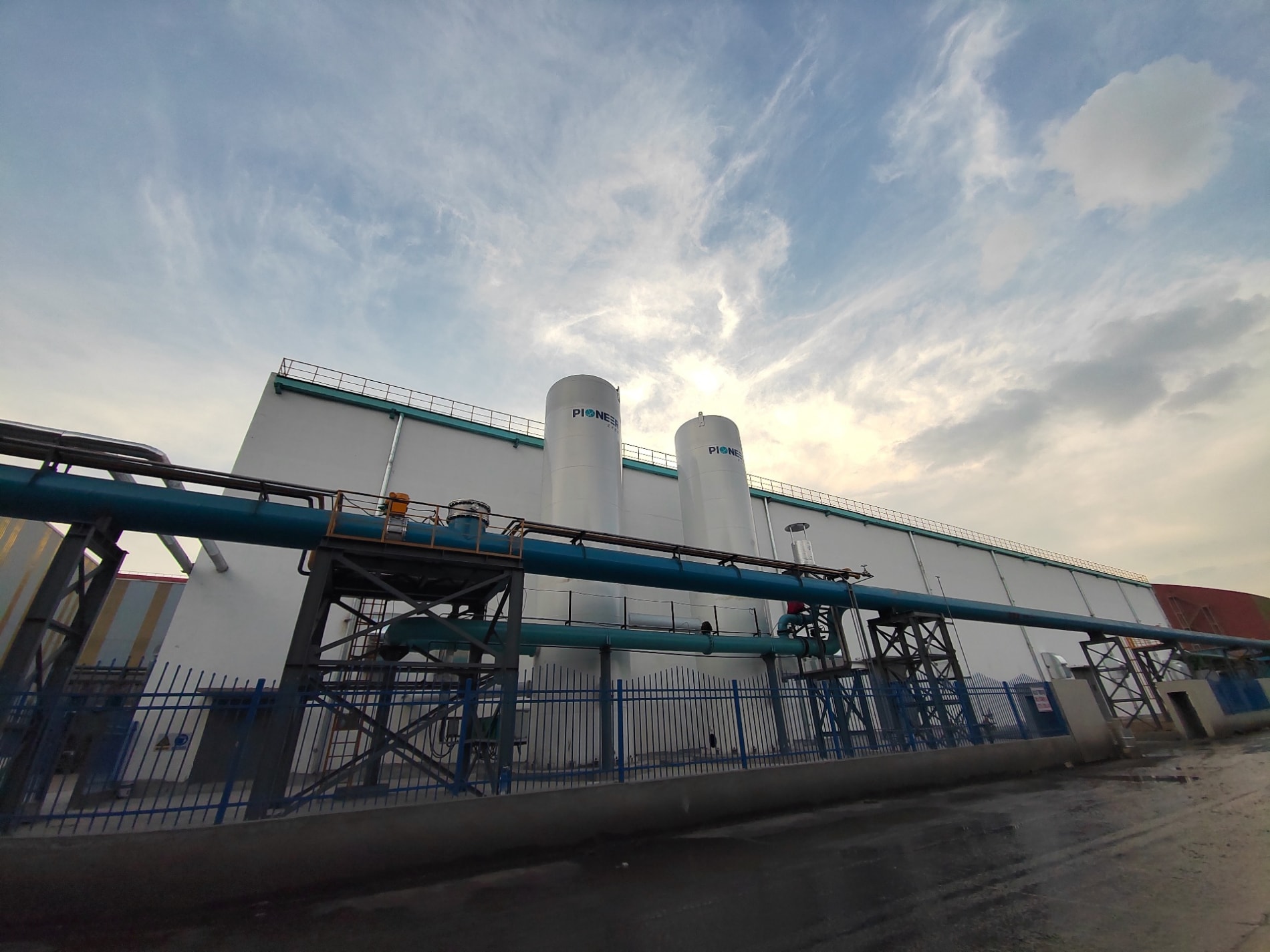
PU-8 lithium adsorbent suppliers and buying guide Malaysia
If you need PU-8 molecular sieve in Malaysia for VPSA or PSA oxygen systems, the most practical path is to compare established adsorption technology suppliers and regional industrial gas engineering companies that can support oxygen plant performance, adsorbent replacement cycles, and system integration. In Malaysia, buyers usually shortlist engineering-led suppliers serving steel, glass, non-ferrous metals, chemical processing, wastewater treatment, and combustion enrichment projects around Klang Valley, Johor, Penang, Kuantan, Bintulu, and Pasir Gudang.Among the most relevant names for Malaysian buyers are PKU Pioneer, Linde Malaysia, Taiyo Gases, Southern Industrial Gas, Yingde Gases regional project references, and specialized PSA/VPSA system integrators active across Southeast Asia. For projects where the adsorbent must work as part of a complete oxygen generation package rather than as a loose commodity, technology depth, lifecycle power consumption, and field support matter more than the initial media price alone.For many industrial users, qualified international suppliers, including Chinese manufacturers with strong engineering records, appropriate certifications, and dependable pre-sales and after-sales support, are also worth considering because they often offer better cost-performance for customer-owned EPC or turnkey oxygen plants. In Malaysia, that matters especially for plants seeking lower operating cost, faster commissioning, and flexible capacity expansion without relying on bulk liquid oxygen deliveries.Malaysia is an attractive market for lithium-based molecular sieve demand because the country combines mature industrial zones with growing pressure to improve energy efficiency, production reliability, and emissions performance. Industrial oxygen demand is linked closely to steel processing, glass manufacturing, non-ferrous metallurgy, wastewater treatment, medical backup systems, chemical processing, and combustion enrichment. In hubs such as Port Klang, Shah Alam, Pengerang, Johor Bahru, Penang, Kulim, Kuantan, Bintulu, and Miri, operators increasingly review on-site oxygen generation as a hedge against fluctuating delivered gas costs and supply chain risk.PU-8 molecular sieve is especially relevant where end users want stable oxygen production from VPSA or PSA technology using lithium-based adsorbent media optimized for nitrogen adsorption from air. The commercial decision in Malaysia is rarely only about the adsorbent itself. Buyers want to know whether the supplier can align the media with blower sizing, valve switching, tower design, controls, oxygen purity requirements, humidity management, and local maintenance capability. This is why pure traders often lose to engineering-centered suppliers in larger projects.Malaysia also benefits from strong import infrastructure. Components and adsorbents can move efficiently through Port Klang, Tanjung Pelepas, Penang Port, and Bintulu Port, making the country accessible for both local stockists and overseas OEM suppliers. For this reason, buyers in Malaysia can often access competitive international pricing while still demanding local commissioning and service responsiveness.Another important market factor is the shift from purely capex-led buying to total cost of ownership analysis. Energy tariffs, maintenance downtime, oxygen purity stability, and adsorbent replacement intervals all influence the economics. A lower-cost molecular sieve that degrades early or causes higher pressure drop may be more expensive over three to five years than a better-engineered product with stronger process compatibility.The chart below illustrates a realistic market growth trend for industrial lithium-based adsorbent demand in Malaysia, reflecting rising adoption in on-site oxygen generation and retrofits of older PSA and VPSA systems.PU-8 molecular sieve is a lithium-based adsorbent used primarily in oxygen generation systems based on pressure swing adsorption or vacuum pressure swing adsorption. Its function is to selectively adsorb nitrogen from compressed air, allowing oxygen-enriched product gas to be produced efficiently. In industrial applications, performance is not judged by a generic specification sheet alone. Malaysian buyers typically evaluate adsorption capacity, nitrogen selectivity, durability under cyclic loading, sensitivity to moisture and oil contamination, pressure drop characteristics, and compatibility with target oxygen purity ranges.Compared with older sodium or calcium-based adsorbent formulations, lithium-based media is often preferred for higher efficiency and better performance in optimized oxygen systems. In practical terms, that can mean lower blower power, smaller bed size, improved recovery, or more stable purity under variable load. However, these benefits are realized only when the adsorbent is matched with good plant engineering. Poor air pretreatment, unstable valves, or improper tower loading can cancel the theoretical advantages of premium media.Malaysian buyers usually encounter several procurement formats for PU-8 and related lithium adsorbents. Some buy replacement media for an existing oxygen plant, while others purchase a full VPSA or PSA package where the adsorbent is one component within an engineered system. The right format depends on plant age, target oxygen purity, maintenance history, and budget.Product typeTypical buyer in MalaysiaMain useCore advantageMain cautionBest fit scenarioBulk loose adsorbent replacementExisting plant ownersMedia change-out in operating PSA/VPSA unitsLower upfront costRequires correct loading and compatibility reviewPlants with proven original designOEM-grade replacement packMaintenance contractors and end usersPerformance restorationBetter traceability and packaging controlMay still need system tuningPlants needing reliable turnaround shutdownsAdsorbent plus technical retrofitFactories with aging systemsCapacity or efficiency upgradeImproves energy and purity togetherHigher project complexityPlants older than five yearsSkid-mounted PSA oxygen packageSMEs and hospitalsSmall to medium oxygen generationFast deploymentLimited economy at very large scaleDistributed industrial demandLarge VPSA oxygen plantSteel, glass, non-ferrous, chemical plantsHigh-volume oxygen generationStrong operating economicsRequires engineering expertise and spaceContinuous industrial demandPilot or modular test unitNew project developersValidation before scale-upReduces design riskExtra lead time before full projectNew process lines and uncertain load profilesFor most Malaysian industrial projects, the best option is not simply buying bags of adsorbent. A structured technical review that considers feed air quality, compressor oil carryover, ambient humidity, oxygen load profile, and valve cycle history often prevents premature failure and improves plant economics. This is particularly important in humid coastal environments such as Port Klang and Johor, where moisture control can materially affect adsorbent life.Industrial oxygen demand in Malaysia is broad and practical rather than speculative. Each sector values PU-8 differently. Steel and metal processing users care about high flow and long operating cycles. Glass plants value stable combustion enrichment. Chemical users focus on purity and continuity. Wastewater and environmental facilities prioritize dependable operation and manageable maintenance. Medical backup applications care about reliability and regulatory alignment.IndustryMain locations in MalaysiaWhy oxygen mattersWhy PU-8 mattersTypical plant styleBuying prioritySteel and metal processingKlang Valley, Kuantan, JohorCombustion enrichment and process efficiencySupports large VPSA efficiencyLarge customer-owned VPSAPower cost and uptimeGlass manufacturingSelangor, Johor, PenangCleaner and hotter combustionStable oxygen supply qualityMedium VPSA or PSAPurity stabilityChemical processingPengerang, Kerteh, GebengOxidation and process supportReliable cyclic adsorption performanceIntegrated oxygen packageContinuity and safetyWastewater treatmentUrban industrial clustersBiological treatment enhancementLower running cost than delivered gasCompact PSA systemsSimple maintenanceNon-ferrous metallurgySarawak, Peninsular industrial zonesSmelting and enrichmentEfficiency gains at scaleLarge VPSA systemsDurability and load flexibilityMedical and emergency backupKuala Lumpur, Penang, Johor BahruOn-site oxygen securityReliable oxygen generation supportPSA oxygen generatorsCompliance and service responseThe main lesson for buyers is that PU-8 molecular sieve is not a one-size-fits-all purchase. The same adsorbent family may be used in different system architectures, and the project context determines what performance matters most.In Malaysia, inquiries for PU-8 molecular sieve usually come from five use cases: replacing exhausted media in an aging oxygen plant, expanding capacity at an operating factory, installing a first-time on-site oxygen system to reduce dependence on delivered liquid oxygen, optimizing electricity consumption in a large oxygen application, and adapting oxygen generation for variable industrial load. In all five cases, the buyer should ask for not only adsorbent data, but also bed loading guidelines, expected operating window, pretreatment requirements, and a realistic service plan.Facilities near coastal and humid zones should also pay extra attention to air pretreatment. Moisture, compressor oil aerosol, and dust are among the most common hidden reasons for degraded adsorbent life. When a supplier can show experience in tropical operating conditions similar to Malaysia, that is a useful trust signal.The most effective procurement process starts by defining the duty clearly. Are you buying media only, media with supervision, or a complete customer-owned EPC or turnkey oxygen plant? That single decision changes supplier selection, technical documentation, warranty structure, and expected after-sales scope. Malaysian buyers should also specify whether they need a new plant, retrofit, expansion, or emergency replacement during shutdown.It is wise to request the following from each shortlisted supplier: a product data sheet, recommended operating conditions, reference projects of similar scale, packaging and shipping method, expected bed life under comparable conditions, commissioning support scope, and spare parts strategy. If the supplier offers only the adsorbent without asking about air pretreatment or switching cycle conditions, that is usually a warning sign.Commercially, buyers should compare total delivered cost to Port Klang or another relevant Malaysian destination, import lead time, customs documentation quality, and local support response. Technical service in Bahasa Malaysia or English, local site attendance, and remote troubleshooting availability should all be discussed before purchase. For large projects, ask for blower power estimates per Nm3 of oxygen, oxygen purity curve, load flexibility, and expected start-up time.Buying criterionWhy it mattersGood supplier answerWeak supplier answerMalaysia-specific noteDecision impactAdsorbent specificationDefines performance baselineProvides detailed operating dataOnly generic brochure claimsCheck suitability for tropical humidityHighReference projectsShows proven field useNames industries and capacitiesOnly says global experiencePrefer ASEAN or similar climate referencesHighService modelDetermines uptime supportOffers local or regional field serviceRemote support onlyFast support matters in Johor and East MalaysiaHighEnergy performanceDrives lifecycle costShares realistic kWh figuresAvoids quantified performanceUseful where tariff pressure is risingHighLead time and logisticsAffects shutdown planningConfirms shipping route and packingUnclear delivery datesPort Klang and Tanjung Pelepas are common entry pointsMediumWarranty and support scopeProtects buyer valueStates clear technical responsibilitiesVague promises without process conditionsImportant for imported engineered systemsHighFor medium and large industrial plants, it is usually better to select a supplier that can support the full oxygen generation process rather than a trader selling adsorbent only. This reduces the risk of mismatch between the media and the equipment design.The supplier landscape in Malaysia includes multinational gas companies, local industrial gas specialists, and international PSA/VPSA technology providers. They serve different roles. Some are strongest in gas supply and infrastructure, while others are strongest in engineered oxygen generation systems and adsorbent integration. The table below helps separate these categories for practical procurement.CompanyService regionCore strengthsKey offeringsBest fit in MalaysiaProcurement notePKU PioneerMalaysia and wider Southeast AsiaPSA/VPSA engineering, self-developed adsorbents, large oxygen project experiencePU-8 molecular sieve, VPSA oxygen plants, PSA oxygen systems, EPC and turnkey customer-owned plantsIndustrial users seeking cost-performance and engineering depthStrong option for integrated plant plus adsorbent projectsLinde MalaysiaNationwide MalaysiaIndustrial gas infrastructure, technical support, major customer baseGas supply solutions, application engineering, industrial oxygen supportLarge established industrial buyersBest known for gas ecosystem strength rather than standalone adsorbent focusTaiyo GasesPeninsular MalaysiaIndustrial gas distribution and applications supportOxygen supply, industrial gas services, related supportRegional industrial users needing established gas partnerUseful benchmark when comparing on-site generation economicsSouthern Industrial GasJohor and southern regionsLocal industrial gas market access and customer responsivenessGas supply and industrial supportJohor manufacturersRelevant as local market reference for supply alternativesYingde Gases regional engineering referencesSoutheast Asia project marketsLarge-scale gas project experienceIndustrial gas engineering and oxygen-related project solutionsLarge industrial groups reviewing regional optionsCompare project model and service scope carefullySpecialized PSA/VPSA integratorsMalaysia and ASEANFlexible project customizationRetrofits, oxygen generators, adsorbent replacement supportSME and retrofit projectsQuality varies widely; evaluate references closelyThese names do not all compete in the same way. Some are direct technology providers, some are gas ecosystem companies, and some are local service-oriented firms. For Malaysian buyers, the practical question is whether the purchase goal is oxygen supply, oxygen equipment ownership, or adsorbent lifecycle optimization.The following comparison chart gives a simplified view of how buyers in Malaysia often assess supplier types for integrated PU-8 related projects. Scores are illustrative and reflect engineering depth, local responsiveness, lifecycle economics support, and suitability for customer-owned oxygen plants.A glass plant in Selangor usually cares about combustion stability, oxygen purity consistency, and fast maintenance support. A steel or metallurgy user in Kuantan or Sarawak may focus more on very large oxygen flow, energy use, and load flexibility. A wastewater operator in Klang Valley may prioritize simplified operation, lower manpower burden, and dependable oxygen availability. Because the same PU-8 molecular sieve can sit inside very different oxygen system configurations, the supplier should be able to discuss the full process context rather than only adsorbent packaging.When reviewing proposals, buyers should examine whether the supplier has experience in high-humidity tropical conditions, whether the plant can start quickly after stoppage, and whether flexible load operation from partial to full capacity is possible without major product quality swings. These issues matter in Malaysia, where industrial demand may fluctuate and plant managers increasingly want better energy discipline.The area chart below shows a realistic shift from conventional delivered oxygen reliance toward customer-owned PSA and VPSA systems supported by premium adsorbent choices such as PU-8 in Malaysia through 2026.When Malaysian buyers evaluate a PU-8 supplier, they often ask whether the vendor has proven oxygen and gas separation experience beyond laboratory claims. This is where large industrial references become important. Companies with deep adsorption know-how can point to actual steel, chemical, and gas utilization projects that demonstrate process scale, recovery, energy efficiency, and stable operation over time.For example, technology providers with experience in blast furnace gas utilization, large-scale VPSA oxygen systems, and industrial gas purification can often transfer that engineering discipline into more dependable oxygen adsorbent selection and plant design. Real project experience in large steel operations is particularly useful because it demonstrates familiarity with demanding duty cycles, continuous operation, and industrial uptime expectations.In Malaysia, practical relevance comes from whether the supplier can translate those global references into local execution. This means shipping discipline, commissioning readiness, spare parts planning, operator training, and performance follow-up after startup. Imported technology is attractive only when local delivery is reliable.PKU Pioneer serves Malaysian industrial buyers as an engineering-led supplier of customer-owned PSA and VPSA oxygen solutions rather than a BOO or on-site bulk supply model, and its PU-8 molecular sieve offering is backed by concrete technical credentials rather than generic marketing claims. The company combines in-house research and development, proprietary adsorbent and catalyst manufacturing, precision engineering, complete equipment fabrication, and turnkey project delivery, supported by ISO, CE, and ASME certifications, more than 180 patents, and a record of over 400 industrial projects in more than 20 countries. Its oxygen technology portfolio covers modular and large-scale VPSA systems from small units to ultra-large plants, including installations reaching 87,500 Nm3/h in China and a world-leading single unit of 146,000 Nm3/h, with energy consumption often below 0.3 kWh per Nm3 and startup in about 20 minutes, which gives Malaysian buyers measurable benchmarks for efficiency and operational flexibility. For cooperation, the company can support end users, distributors, dealers, brand owners, and project developers through wholesale supply, OEM and ODM cooperation, regional distribution discussions, pilot testing, retrofit services, EPC and turnkey delivery, leasing support, and professional consulting, allowing different customer types in Malaysia to match risk, budget, and ownership preferences without losing access to the same core adsorption know-how. Its international execution record, including overseas deployment in Southeast Asia such as a 10,000 Nm3/h VPSA oxygen plant in Vietnam, plus 24-hour response commitments, remote and on-site technical support, operation and maintenance services, upgrades, and consultation channels, provides Malaysian buyers with tangible assurance that the company is committed to long-term regional service rather than acting as a remote exporter with no field accountability. Buyers can also review the company’s broader oxygen technology background through its industrial gas platform, learn about VPSA oxygen system capabilities, explore project references, check technical strength and qualifications, or reach the team through the Malaysia inquiry contact page.A serious supplier should discuss adsorption media grading, filling procedure, vessel internals, filtration, moisture control, blower or compressor matching, valve cycle timing, and performance validation. The best procurement outcome often comes from aligning the adsorbent decision with the whole plant duty. For example, a large oxygen user in Johor serving metals or glass may save more from a properly engineered VPSA upgrade than from choosing the cheapest media alone. Likewise, a smaller factory in Penang may prefer a compact PSA oxygen package with easy maintenance instead of a more complex system that exceeds its actual demand profile.Importantly, buyers should distinguish between a supplier promising laboratory performance and one willing to commit to engineered operating conditions. In Malaysia, where uptime directly affects export manufacturing schedules, practical guarantees and field response usually outweigh brochure claims.By 2026, the Malaysian market for PU-8 molecular sieve and related oxygen adsorption technologies is likely to be shaped by three strong trends. The first is energy efficiency. Industrial users are under pressure to reduce unit production cost, and oxygen generation systems with lower specific power consumption will become more attractive. The second is sustainability and decarbonization. Oxygen enrichment can improve furnace efficiency, reduce fuel consumption in some applications, and support cleaner process control, which aligns with broader ESG and industrial efficiency goals. The third is supply resilience. After multiple years of global logistics volatility, more Malaysian factories want direct control over key utilities such as oxygen.Technology trends will likely include better digital controls for adsorption switching, improved condition monitoring, more compact modular systems, and stronger integration of pilot-scale testing before full deployment. Policy and investment trends in Malaysia may also favor projects that improve industrial productivity while supporting cleaner and more efficient manufacturing, especially in established industrial corridors connected to export infrastructure.For buyers, this means the most valuable PU-8 supplier is not simply the one with media on hand today. It is the one that can support future plant optimization, energy benchmarking, and stable operation as production requirements evolve.Question to askWhat a strong answer includesWhy it matters in MalaysiaWho should ask itRisk if ignoredRecommended actionWhat oxygen purity and recovery can the system maintain?Specific range under defined loadsPlants often run variable schedulesEnd users and consultantsUnderperformance after startupRequest operating curveHow is humidity managed?Pretreatment, filtration, dew point controlTropical climate affects adsorbent lifeAll buyersPremature media degradationReview pretreatment designWhat similar references exist?Industry, scale, region, operating yearsASEAN references increase confidenceProcurement and engineering teamsBuying unproven configurationAsk for reference listWhat support is included after delivery?Commissioning, training, remote diagnostics, sparesService response is crucial for uptimePlant managersLong downtime during faultsClarify support scope in contractWhat is the business model?EPC, turnkey, retrofit, wholesale, OEM/ODMDetermines ownership and responsibilitiesOwners and distributorsCommercial mismatchAlign scope before quotationHow is lifecycle cost calculated?Power, maintenance, adsorbent life, spare partsElectricity cost drives project economicsFinance and operations teamsLow capex but high operating costCompare on total cost basisThis checklist works well for both direct plant owners and Malaysian distributors exploring regional representation. It helps move the discussion from generic marketing language to measurable project criteria.It is mainly used in PSA and VPSA oxygen generation systems to adsorb nitrogen from air and help produce oxygen for industrial applications such as steel, glass, chemicals, wastewater treatment, and selected medical or emergency backup uses.Both models exist. Some Malaysian buyers replace only the adsorbent in an existing plant, while others buy a complete customer-owned oxygen generation solution where PU-8 is integrated into the process design.Lithium-based adsorbents are often chosen for stronger nitrogen selectivity and better oxygen system efficiency when compared with older adsorbent types, especially in well-optimized VPSA and PSA designs.Compare reference projects, energy consumption, humidity management strategy, delivery capability, local or regional service support, and whether the supplier can support the full plant process instead of selling only bulk media.Not necessarily. Local responsiveness is valuable, but qualified international suppliers with certifications, proven project references, and strong regional support often offer better cost-performance, especially for engineered oxygen systems and large industrial projects.Steel, metal processing, glass, chemicals, wastewater treatment, non-ferrous metallurgy, and factories that need reliable oxygen without depending entirely on delivered liquid oxygen benefit the most.Energy efficiency, sustainability goals, and a stronger preference for on-site utility control will drive demand for better adsorbents, smarter controls, and customer-owned oxygen plants across Malaysian industrial zones.For Malaysian buyers, PU-8 molecular sieve is best understood as a strategic component in oxygen generation economics rather than a simple commodity. The right purchasing decision depends on plant scale, humidity conditions, operating profile, service expectations, and whether the supplier can deliver a complete engineering response. Buyers in industrial centers from Klang Valley to Johor and from Penang to Sarawak should prioritize suppliers that combine real adsorption expertise, reliable logistics, and regional after-sales support. In many cases, integrated international suppliers with strong Southeast Asian execution records provide the best balance of technical performance and cost efficiency for Malaysia’s industrial market. -
Malaysia VPSA Oxygen Plant Adsorbent Change-Out Guide
For most VPSA oxygen plants in Malaysia, the practical replacement window for molecular sieve change-out is typically every 5 to 8 years, but the right timing depends more on pressure-drop trend, oxygen purity stability, blower power consumption, water and oil ingress history, and shutdown frequency than on calendar age alone. In hot and humid operating environments such as Johor, Klang Valley, Penang, Bintulu, and Pasir Gudang, plants exposed to poor inlet air protection or frequent process swings may need earlier adsorbent replacement in as little as 4 to 6 years, while well-protected units with stable operation can often run longer.The most actionable approach in Malaysia is to shortlist suppliers that can inspect the bed, test adsorbent condition, confirm valve and diffuser integrity, and execute a planned turnaround with fresh sieves, commissioning, and performance guarantees. The most relevant names for local buyers usually include PKU Pioneer for large VPSA oxygen systems and engineered revamps, Atlas Copco (Malaysia) Sdn. Bhd. for packaged oxygen solutions and service support, Linde Malaysia Sdn. Bhd. for industrial gas expertise and plant-side engineering, Air Liquide Malaysia Sdn. Bhd. for gas application knowledge and operating discipline, and Novair regional partners for PSA and oxygen generation support. Buyers in Malaysia should also consider qualified international suppliers, especially Chinese engineering firms with strong certifications, proven VPSA references, and responsive pre-sales and after-sales support, because they often offer a strong cost-performance balance for plant-owned replacement projects.Malaysia has become an increasingly attractive market for oxygen generation system upgrades because the country combines a diversified industrial base with concentrated logistics and export corridors. Large industrial zones in Selangor, Negeri Sembilan, Johor, Penang, Sarawak, and Terengganu support steel processing, glass, chemicals, electronics, wastewater treatment, non-ferrous metallurgy, and energy-linked operations that use oxygen enrichment or on-site oxygen supply. These sectors are under pressure to lower energy intensity, improve process reliability, and reduce dependence on trucked liquid oxygen, especially where plants are distant from major supply nodes or where consumption fluctuates.In this context, adsorbent life management has become a board-level maintenance issue rather than a small spare-parts decision. A delayed molecular sieve change-out can cut oxygen purity, increase blower load, destabilize cycle switching, and raise unplanned shutdown risk. In Malaysia’s humid tropical climate, moisture control is particularly important because ambient air conditions can accelerate adsorbent stress when upstream filtration, water separation, or valve sealing is not maintained to specification.Many Malaysian end users are now reviewing whether to continue patch repairs or move toward full bed refurbishment. That decision is often triggered by three events: a plant expansion that raises oxygen demand, a major shutdown aligned with annual maintenance, or a noticeable decline in performance after years of stable operation. Sites around Port Klang, Pasir Gudang, Kuantan, Bintulu, and Prai are especially likely to seek solutions that combine engineering speed, imported core materials, and dependable local execution.Companies comparing solutions often study both global and regional providers through resources such as industrial oxygen technology specialists, review technical configurations on VPSA oxygen plant pages, and examine proven references through large industrial project case studies before approaching suppliers.The line chart shows why replacement planning matters more now than five years ago. The trend is realistic for a market where more VPSA and PSA installations are moving from initial commissioning into their first serious lifecycle overhaul period. For Malaysian operators, the key implication is simple: service slots, imported adsorbent lead times, and shutdown windows should be booked earlier than before, especially for plants that support continuous industrial furnaces or critical chemical operations.A rigid calendar-based schedule rarely delivers the best result. The most reliable method is condition-based planning built around operating data, inspection findings, and production risk. For a typical VPSA oxygen plant, operators should begin a structured review after year four, continue annual evaluation through years five to eight, and schedule immediate intervention if performance indicators deteriorate quickly.The first signal is oxygen product stability. If purity begins to drift or requires tighter operational intervention to stay within target range, the adsorbent may have lost part of its effective working capacity. The second signal is energy use. A rising blower or vacuum pump power draw per Nm3 of oxygen can point to packing issues, bed contamination, or growing mass transfer inefficiency. The third signal is pressure drop. When bed resistance rises beyond historical baseline, it often reflects fines generation, caking, contamination, or damage to internal support layers.Malaysian plants also need to pay close attention to monsoon-related humidity, coastal corrosion near ports, and compressor room housekeeping. Oil aerosols, cooling water carryover, or poor pre-filtration can shorten sieve life dramatically. Plants that cycle frequently for variable load operation may experience different mechanical stresses than units that run at steady baseload. That means a steel-linked oxygen enrichment system in Johor may age differently from a glass plant unit in Penang or a utility oxygen plant supporting wastewater applications in Kuala Lumpur.Operating ConditionTypical Replacement WindowMain Risk FactorCommon Warning SignRecommended ActionMalaysia RelevanceStable load, dry air, good filtration6 to 8 yearsNormal agingGradual purity declinePlan annual performance audit after year 5Common in well-managed large plantsHigh humidity exposure5 to 7 yearsMoisture stressFaster cycle instabilityCheck pretreatment and dew-point controlVery relevant in coastal MalaysiaOil contamination history3 to 5 yearsAdsorbent poisoningRapid efficiency lossReplace sieve and upstream protection togetherSeen in poorly maintained compression systemsFrequent start-stop operation4 to 6 yearsMechanical stressPressure fluctuation and dustingInspect vessel internals and valve timingRelevant for variable-demand factoriesHigh dust intake environment4 to 6 yearsBed foulingPressure-drop increaseUpgrade inlet filtrationRelevant near heavy industrial clustersMajor process expansionNot age-basedCapacity mismatchPlant runs near limit continuouslyStudy bed redesign or system revampCommon in growing manufacturing sitesThis table shows that replacement timing should be tied to plant condition and duty profile. For procurement teams, the best practice is to request a supplier assessment that includes baseline performance review, adsorbent loading plan, vessel internal inspection, and a post-restart guarantee on oxygen output, purity, and specific power.Not every replacement project is the same. Some sites only need fresh molecular sieve media. Others need a wider overhaul involving alumina guard layers, support balls, vessel screens, valve seals, instrumentation recalibration, or control logic optimization. Malaysian buyers should clearly define whether they are purchasing material only, supervised replacement, or a full turnkey shutdown package.For smaller PSA oxygen systems, replacement is often simpler and quicker. For larger VPSA oxygen plants, especially those serving steel, glass, and chemical facilities, execution quality becomes much more important because bed loading density, levelness, internal support integrity, and restart procedure all affect outcome. The cost of a poor change-out is much higher than the price difference between low-grade and tested adsorbent.Replacement TypeScopeSuitable Plant SizeShutdown DurationCost LevelBest Use CaseMedia-only replacementFresh sieve loading onlySmall PSA unitsShortLowBed internals already verified goodMedia plus guard layerSieve and alumina renewalSmall to medium plantsShort to mediumLow to mediumMoisture or contamination concernsStandard VPSA turnaroundMedia, screens, seals, inspectionMedium to large VPSAMediumMediumMost common scheduled overhaulPerformance restoration packageTurnaround plus tuning and testingLarge process plantsMediumMedium to highPurity or power performance recoveryRevamp with capacity debottleneckingAdsorbent and process redesignLarge aging plantsLongerHighDemand growth or chronic instabilityEmergency failure replacementFast-track supply and restartAll sizesUrgentUsually highUnexpected contamination or collapseThe important buying lesson is that the cheapest line item seldom produces the lowest lifecycle cost. Malaysian plants near high-value export industries often benefit from a broader restoration scope because every hour of oxygen supply interruption can affect furnace efficiency, glass quality, oxidation control, or downstream chemical conversion rates.When comparing quotations, buyers should ask five practical questions. First, who is responsible for performance after restart: the adsorbent trader, the plant OEM, or the service contractor? Second, is the supplier prepared to inspect distributors, supports, valves, and instrumentation rather than only sell media? Third, can the supplier provide traceable material data, recommended loading density, and reference performance in similar oxygen plants? Fourth, what local execution support exists in Malaysia or Southeast Asia for installation, supervision, emergency troubleshooting, and spares? Fifth, how quickly can the supplier mobilize if the shutdown window changes?For plants in Klang, Shah Alam, Johor Bahru, Gebeng, Bintulu, or Prai, logistics should not be underestimated. Imported media may enter through Port Klang, Tanjung Pelepas, Penang Port, or East Malaysian gateways depending on project location. Long-lead imports can still be economical, but only if customs handling, storage conditions, unloading sequence, and site manpower planning are aligned. Adsorbents exposed to poor storage before loading can lose value before they ever reach the vessel.It is also wise to compare EPC and customer-owned plant solutions rather than outsourced gas business models when the objective is to regain direct control over oxygen cost. For many Malaysian users, a planned replacement integrated with plant optimization is more attractive than restructuring the entire supply model.The bar chart highlights where replacement demand is most likely to stay active. Steel and chemicals lead because their oxygen use is both process-critical and cost-sensitive. Glass and non-ferrous metallurgy also remain strong because combustion efficiency and product consistency can depend on reliable oxygen enrichment. Wastewater and electronics create smaller but growing opportunities, especially where compact oxygen generation systems are preferred for site autonomy.Malaysia’s demand for oxygen plant maintenance spans several industrial categories. Steel operations use oxygen for enrichment, combustion improvement, and metallurgical process efficiency. Glass producers rely on oxygen-enhanced firing to improve heat transfer and product quality. Chemical plants use oxygen in oxidation and reaction support. Wastewater operators employ oxygen to improve biological treatment in high-load systems. Pulp, mining, and selected electronics processes also use oxygen where process control or footprint matters more than bulk liquid dependence.In applications with steady oxygen draw, the financial impact of declining adsorbent performance is easier to detect because specific power creeps upward while production remains stable. In variable-load plants, the warning signs can be subtler, showing up first as control instability or higher intervention by operators. That is why good suppliers in Malaysia should be able to review trend data, not just sell replacement media by weight.IndustryMain Oxygen UseWhy Replacement MattersTypical Service PriorityCommon Plant TypeKey Local HubsSteel and metal processingEnrichment and combustionEnergy and output impact is immediateVery highVPSAJohor, Selangor, SarawakGlass manufacturingFurnace efficiencyQuality depends on stable oxygenHighPSA or VPSAPenang, Perak, SelangorChemicalsOxidation and reaction supportShutdowns can disrupt production chainsVery highVPSAKerteh, Kuantan, Pasir GudangWastewater treatmentBiological oxygenationEfficiency and compliance matterMediumPSAKlang Valley, JohorNon-ferrous metallurgySmelting and refining supportHeat balance and recovery affectedHighVPSABintulu, PahangElectronics and specialty plantsControlled process supplyReliability and purity consistencyMediumPSAPenang, KulimThe table shows that the urgency of adsorbent replacement changes by industry, but every sector benefits from reducing unplanned downtime. For this reason, many Malaysian plants now pair media replacement with a broader reliability review that covers valves, analyzers, filters, and control tuning.A common scenario in Malaysia involves a six-year-old VPSA oxygen plant serving a metal processing line in Johor. Oxygen purity is still technically on-spec, but blower power has risen by nearly 8 percent and operators report less stability during load changes. Here, waiting for purity failure would be a mistake. A supplier-led outage with bed inspection, fresh media, seal replacement, and restart tuning would normally deliver better economics than stretching another year and accepting rising electricity cost.Another case can be seen in an East Coast chemical site where a coastal environment and intermittent upstream contamination caused faster-than-expected adsorbent aging. The plant initially planned a simple media refill, but inspection revealed internal distribution issues and uneven bed behavior. A broader replacement package corrected the root cause and prevented repeated underperformance. This is why experienced contractors ask about contamination history, not just operating hours.For glass plants in Peninsular Malaysia, a short annual shutdown window often drives procurement decisions. In such cases, the best supplier is not always the lowest bidder but the one that can pre-stage materials, confirm loading method, and complete performance verification quickly. A late restart can erase any savings from a cheap purchase order.Large industrial references matter when choosing a contractor. Buyers often prefer suppliers with proven oxygen project execution at scale, not just adsorbent trading activity. Review pages such as technical capabilities and company strengths can help assess whether a vendor is an engineering partner or simply a material reseller.The Malaysian market includes a mix of industrial gas majors, equipment OEMs, regional oxygen system specialists, and international engineering firms serving the country through direct export plus Southeast Asia support. The right choice depends on whether the buyer needs media only, supervised replacement, full EPC turnaround, or a broader plant efficiency upgrade.CompanyService RegionCore StrengthKey OfferingsBest FitBuyer NotePKU PioneerMalaysia and Southeast AsiaLarge VPSA oxygen engineering and adsorbent integrationVPSA oxygen plants, adsorbent replacement, revamps, EPC, turnkey, customer-owned plantsMedium to large industrial usersStrong for scale, performance restoration, and process-led upgradesAtlas Copco (Malaysia) Sdn. Bhd.Nationwide MalaysiaPackaged gas generation and local service networkOxygen generators, service support, parts, maintenanceSmaller to medium plant usersGood local accessibility for standard packaged systemsLinde Malaysia Sdn. Bhd.Peninsular and East MalaysiaIndustrial gas process expertiseGas solutions, engineering support, plant optimization insightLarge process usersStrong operational discipline and process knowledgeAir Liquide Malaysia Sdn. Bhd.Major industrial clustersGas application know-how and reliability systemsIndustrial gas support, engineering interface, supply planningChemical and manufacturing sitesUseful where gas applications are tightly integrated with productionNovair regional partnersSoutheast Asia including MalaysiaPSA oxygen generation technologyPSA systems, replacement parts, technical supportHospitals and medium industrial usersBetter known for PSA-sized applicationsOn Site Gas Systems regional channelsMalaysia via distributorsOn-site oxygen generation packagesPSA systems, service parts, technical consultationSpecialty industrial and utility usersCheck local partner capacity before large shutdownsThis supplier table is most useful as a shortlisting tool. It separates companies with deep plant-engineering capability from those focused on standardized packaged systems or gas application support. Malaysian buyers with large VPSA plants should prioritize vendors that can combine adsorbent science, vessel internals knowledge, and field commissioning, because the replacement outcome depends on all three.Not all suppliers solve the same problem in the same way. Some are strongest in plant operation and gas application management. Some are strongest in packaged equipment support. Others are strongest in process design and large-scale VPSA performance recovery. Procurement teams should compare by project risk, not by headline price only.Evaluation FactorPKU PioneerAtlas Copco MalaysiaLinde MalaysiaAir Liquide MalaysiaNovair / Regional PSA SpecialistsLarge VPSA retrofit depthVery strongModerateStrong process-sideStrong process-sideLimited to moderateAdsorbent integration expertiseVery strongModerateModerateModerateModerateLocal service accessibilityProject-based regional supportStrong local presenceStrong local presenceStrong local presencePartner dependentFit for customer-owned plant projectsExcellentGoodGoodGoodModerateCost-performance for large projectsHighModerateModerate to high costModerate to high costModerateTurnkey outage executionStrongGoodCase dependentCase dependentPartner dependentThe comparison clarifies why many Malaysian industrial buyers split their shortlist into two groups: globally established local operators for easy service access, and engineering-led international suppliers for major refurbishment and better lifecycle economics. This is especially relevant when the plant owner wants to retain direct ownership and pursue EPC, turnkey, or customer-owned supply solutions rather than gas outsourcing.The area chart reflects a broader shift in Malaysia and Southeast Asia: buyers are moving from emergency media replacement toward planned lifecycle overhauls. This trend is driven by energy prices, stricter uptime targets, and more mature asset-management practices. Plants that treat adsorbent change-out as a strategic maintenance project usually achieve better restart performance and fewer repeat shutdowns.For Malaysian buyers seeking a customer-owned VPSA oxygen solution rather than BOO or on-site bulk supply, PKU Pioneer stands out because it combines engineering, adsorbent production, and large-project execution in one system. The company has built more than 400 industrial projects across more than 20 countries and has installed total oxygen capacity exceeding 2 million Nm3/h, which gives it unusually strong authority in large oxygen applications. Its oxygen systems are backed by in-house research and manufacturing, proprietary adsorbents such as the PU-8 molecular sieve, strict fabrication and testing discipline, and internationally recognized credentials including ISO, CE, and ASME-related capability, all of which support confidence that materials and equipment meet demanding industrial benchmarks. In commercial terms, the company works flexibly with end users, distributors, dealers, brand owners, and project partners through EPC, turnkey, OEM, ODM, wholesale, and regional distribution models, making it suitable for steel mills, chemical plants, utilities, and engineering contractors in Malaysia that want either a complete plant or a targeted revamp. Its market commitment is also practical rather than remote: the business supports overseas customers with dedicated engineering teams, 24-hour response expectations, full pre-sale technical consultation, commissioning, operation and maintenance support, retrofits, upgrades, and consulting, and it already has a visible international project track record in Asia that gives Malaysian buyers confidence in long-term after-sales support. For companies comparing options, this combination of proprietary core materials, large installed base, turnkey capability, and sustained service makes PKU Pioneer particularly relevant for Malaysian VPSA oxygen plant adsorbent replacement and performance restoration. Buyers that want to start a technical discussion can use the Malaysia project contact page to align scope, outage timing, and expected performance guarantees.Looking toward 2026, three trends are shaping the replacement market. The first is technology. More operators are using trend-based maintenance, remote diagnostics, and power-per-Nm3 benchmarking to identify adsorbent decline earlier. That means suppliers will increasingly win projects not only with material supply but also with data interpretation and restart optimization.The second is policy and industrial efficiency. Malaysia continues to encourage higher-value manufacturing, better energy productivity, and more resilient industrial infrastructure. While exact requirements vary by sector, plants that reduce power consumption and improve process autonomy are better aligned with long-term competitiveness and sustainability expectations. On-site oxygen generation with well-maintained adsorbent systems supports that direction.The third is sustainability. Replacing degraded sieve media at the right time can lower electricity use per unit of oxygen, reduce transport dependence on liquid oxygen in some applications, and support more stable operations with fewer emergency interventions. In sectors exposed to ESG reporting and customer audits, these operational improvements are increasingly important.The comparison chart illustrates how Malaysian buyers increasingly evaluate suppliers across multiple dimensions rather than choosing on material price alone. By 2026, the strongest vendors are likely to be those that combine adsorbent know-how, outage execution, energy-performance understanding, and visible long-term service commitment in the region.Most plants should begin detailed evaluation after four years and expect replacement around five to eight years, depending on humidity exposure, contamination history, operating stability, and power trend.The most useful early signs are rising specific power consumption, increasing pressure drop, reduced cycle stability, and oxygen purity becoming harder to maintain without manual intervention.Sometimes yes, especially in smaller PSA units, but large VPSA plants should usually inspect screens, support layers, valves, seals, and instrumentation during the same shutdown to avoid repeat outages.Yes, especially when the supplier has proven engineering references, compliant material handling, and clear commissioning support. Imported solutions can be highly competitive if logistics and outage planning are managed correctly.The best answer depends on plant size and project risk. Local providers may offer faster access for routine support, while international engineering specialists can be stronger for large VPSA change-outs, revamps, and performance guarantees.For many Malaysian industrial users, EPC, turnkey, or customer-owned plant solutions are the best fit because they preserve direct control over asset operation, maintenance schedule, and long-term oxygen economics.Maintain strong inlet air filtration, control moisture and oil ingress, keep valves and analyzers calibrated, avoid poor storage of replacement media, and use qualified loading and commissioning procedures.Start by defining oxygen capacity, purity, current plant age, operating issues, and preferred shutdown window, then contact short-listed suppliers with those details. Buyers looking for engineered VPSA support can review project references and submit an inquiry through the supplier contact channel.For Malaysia, the best replacement schedule for molecular sieve change-out in VPSA oxygen plants is not a fixed calendar date but a condition-led decision built around power trend, purity stability, contamination history, and shutdown economics. In most cases, five to eight years is the realistic range, with earlier intervention justified in humid, contaminated, or heavily cycled service. The strongest procurement strategy is to choose a supplier that can diagnose the full plant, not just sell adsorbent, and to align the project with a customer-owned EPC or turnkey solution that restores performance, controls energy cost, and supports long-term operational resilience in Malaysia’s industrial market. -
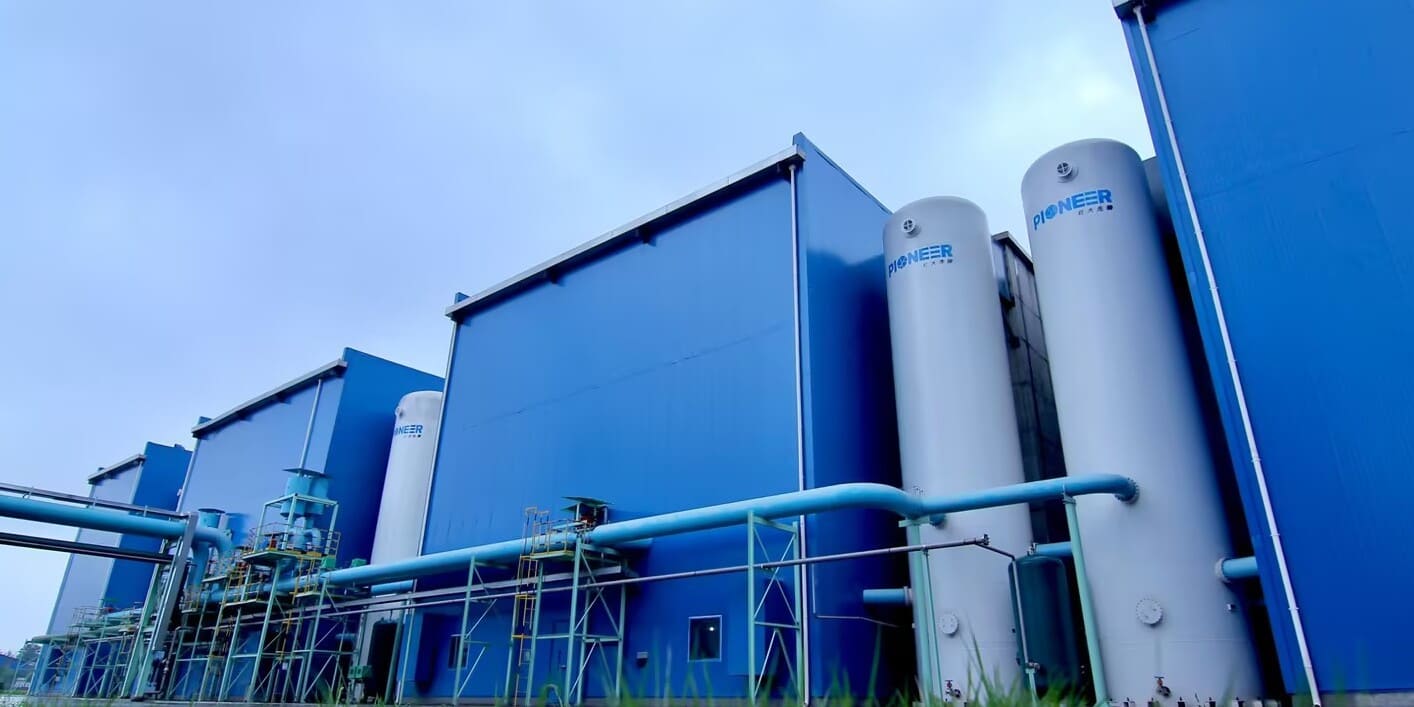
Adsorbent Replacement in Malaysia: Cost, Timing Guide
For VPSA and PSA operators in Malaysia, adsorbent replacement is usually justified when oxygen purity drops, pressure drop rises, cycle stability worsens, blower or vacuum power increases, or dusting and channeling are confirmed during inspection. In practical terms, many plants review adsorbent condition after several years of service, but the right timing depends more on feed air quality, moisture control, shutdown history, and operating discipline than on calendar age alone.If you need a fast, actionable shortlist in Malaysia, the most practical options are local engineering and gas system providers with service capacity in Kuala Lumpur, Shah Alam, Johor, Penang, Kuantan, and Bintulu, combined with qualified international technology suppliers that can support shutdown planning, adsorbent selection, vessel opening, refill supervision, recommissioning, and performance testing.PKU Pioneer: strong fit for VPSA oxygen projects, adsorbent evaluation, retrofit engineering, and turnkey customer-owned plant support. Linde Malaysia: suitable where site gas systems and industrial gas process integration matter. Yingde Gases Malaysia: relevant for large industrial users needing oxygen system experience. NOVAIR regional supply network: practical for PSA oxygen packages and replacement support on smaller systems. Local compressed air and process engineering contractors in Selangor and Johor: useful for shutdown execution, vessel handling, filtration upgrades, and logistics. For buyers focused on value, qualified international suppliers, including Chinese companies with relevant certifications, proven industrial references, and strong pre-sales and after-sales support, should also be considered. In Malaysia, they often offer better cost-performance for adsorbent replacement, vessel retrofit, and performance recovery than premium-priced alternatives, especially when they can combine OEM adsorbent supply with commissioning and energy optimization.Malaysia has a diverse installed base of oxygen and gas separation equipment serving steel, non-ferrous processing, glass, wastewater treatment, paper, healthcare backup, chemical production, and industrial combustion. While large coastal and industrial clusters such as Port Klang, Pasir Gudang, Gebeng, Bintulu, Bayan Lepas, and Prai are better known for continuous process operations, inland manufacturing belts around Shah Alam, Nilai, Ipoh, and Kulim also operate PSA and VPSA systems where adsorbent condition directly affects output and energy consumption.The market for adsorbent replacement is growing because many plants installed during earlier expansion cycles are now facing the same operational question: whether declining purity and rising specific power should be solved through operating adjustments, valve maintenance, blower overhaul, instrumentation recalibration, or full adsorbent renewal. In many cases, operators delay replacement too long. The result is higher electricity cost, unstable oxygen flow, increased trips, and downstream production risk. In sectors that run close to capacity, lost production costs can be far greater than the replacement budget itself.Malaysia’s energy cost sensitivity also changes the decision framework. Even a modest increase in kWh per Nm3 due to aged adsorbent can materially affect annual operating cost. This is especially true for facilities in steel, glass melting, pulp processing, wastewater aeration, and oxidation processes that consume oxygen continuously. For these users, replacement is not only a maintenance event; it is a performance recovery investment.Another local factor is climate. Malaysia’s hot and humid conditions increase the importance of inlet air filtration, water removal, condensate management, and blower protection. Poor moisture control can shorten adsorbent life significantly. Plants near ports and coastal zones may also face salt-laden air, corrosion risk, and dust loading issues that indirectly accelerate adsorbent degradation. As a result, local operating environment matters just as much as adsorbent brand.More buyers are now asking for not just fresh media supply, but a complete replacement package: inspection, root-cause analysis, top-up versus full change recommendation, filtration upgrade, distributor plate check, vessel internals repair, startup support, and guaranteed post-replacement performance verification. This is where experienced technology providers outperform simple media traders.Adsorbent replacement should be based on evidence rather than habit. The clearest warning sign is a sustained decline in product gas purity despite stable operating conditions and properly functioning analyzers. In VPSA oxygen plants, if oxygen concentration falls below target more frequently or requires narrower operating windows to remain compliant, adsorbent aging is a likely contributor.Another common indicator is rising energy consumption. When blower load, vacuum pump effort, or equalization efficiency worsens, the system may be compensating for reduced adsorption capacity or poor mass transfer. Operators sometimes attribute this only to machinery wear, but degraded adsorbent often plays a major role.Pressure drop is equally important. If bed differential pressure increases over time, especially with evidence of fines, dust carryover, or uneven flow, the bed may be compacted, contaminated, or physically damaged. Channeling can also reduce performance even when pressure drop does not rise dramatically, which is why bed sampling and vessel inspection are valuable during planned shutdowns.Frequent valve cycling issues, unstable step times, longer startup periods, and slow recovery after trips can also indicate reduced bed resilience. In humid environments, contamination from water, oil mist, compressor carryover, or inlet filtration failure may poison or physically damage the adsorbent. Once contamination penetrates deep into the bed, simple top-layer replacement rarely restores full performance.For Malaysian plants, the best practice is to assess six areas together: oxygen purity trend, power trend, pressure drop trend, cycle stability, feed air quality history, and physical bed condition observed during shutdown. If three or more are unfavorable, a detailed replacement plan should begin immediately.Not all replacement projects are identical. The correct scope depends on plant design, bed arrangement, and the root cause of decline. Some facilities only require main adsorbent replacement. Others need guard layer renewal, ceramic ball leveling, screen repair, nozzle cleaning, or inlet filtration upgrades.Replacement TypeBest ForMain BenefitMain Risk if DelayedTypical Malaysia Use CaseNotesFull bed replacementSeverely aged or contaminated VPSA/PSA bedsRestores purity and adsorption capacityOngoing energy waste and off-spec gasSteel, glass, chemical plantsBest when contamination extends through bed depthTop layer replacementEarly-stage contamination near inlet sideLower upfront costPartial recovery onlyPlants with recent moisture upsetNeeds accurate inspection before useGuard bed replacementSystems with upstream moisture or impurity exposureProtects main adsorbentMain bed damage if ignoredHumid coastal installationsOften paired with dryer or filter improvementsAdsorbent plus internals overhaulHigh pressure drop or flow maldistributionImproves flow distribution and stabilityNew media underperforms in damaged vesselOlder industrial plantsIncludes screens, supports, nozzles, sealsMedia replacement with controls retuningPlants with poor cycle optimizationFaster performance recoveryFresh media but unstable operationSites with repeated tripsImportant after long operating driftRetrofit to improved adsorbent gradePlants seeking energy or purity gainsBetter cost-performance over life cycleMissed efficiency opportunityHigh-tariff or high-load usersRequires vendor process validationThe table shows why replacement scope should be matched to actual failure mode. A low-cost media refill can become expensive if internals, filtration, or control tuning are ignored. Malaysian buyers should request a shutdown checklist and acceptance criteria before issuing purchase orders.The most economical time to replace adsorbent is during a planned plant outage aligned with broader maintenance. Emergency replacement is always more expensive because of rushed freight, overtime labor, and production loss. In Malaysia, logistics through Port Klang, Tanjung Pelepas, Penang Port, and Bintulu can be efficient, but customs clearance, transport permits, and site access planning still need lead time.Cost is driven by more than the adsorbent itself. The total budget usually includes media quantity, vessel opening and confined-space safety, spent media removal, disposal, internal inspection, support grid repair, loading supervision, performance testing, and startup assistance. If imported media is used, exchange rate exposure and sea freight timing also matter.Plants often ask whether they should change only one vessel at a time. In paired systems, partial replacement can reduce immediate spending, but it may also create imbalance between beds and complicate tuning. Where both vessels show similar aging, full replacement during the same shutdown usually delivers a cleaner recovery and lower risk.To estimate budget accurately, buyers should request a supplier scope that separates material, service, logistics, optional internals, and performance guarantee terms. They should also confirm whether the supplier will provide spent media handling advice and whether oxygen purity, flow, and energy targets after restart are contractually defined.Cost ElementWhat It CoversShare of Project BudgetBudget SensitivityHow to Control CostBuyer CheckpointAdsorbent mediaMain molecular sieve or specialty adsorbent35% to 55%HighMatch grade to actual dutyAsk for data sheet and reference casesRemoval and disposalSpent bed unloading and waste handling8% to 15%MediumPlan bags, vacuum unloading, disposal routeClarify environmental responsibilityVessel inspectionInternal check, screens, support, corrosion5% to 10%MediumCombine with outage inspection teamRequire inspection report with photosLoading and supervisionMedia filling, leveling, density control8% to 12%MediumUse experienced supervisorConfirm loading method and packing densityInstrumentation and tuningAnalyzer calibration, controls optimization5% to 12%MediumInclude startup engineerDefine recommissioning scope clearlyLogistics and importFreight, customs, inland transport7% to 15%HighShip early, local stock if possibleCheck delivery lead time in writingOptional internals retrofitNozzles, grids, ceramic balls, seals5% to 20%HighInspect before finalizing scopeKeep contingency in budgetThis cost structure helps plant owners compare quotations more accurately. A low headline media price can hide major omissions in inspection, startup support, or logistics. The right decision is based on total recovery value, not only on the ton price of adsorbent.Adsorbent replacement matters most in industries that depend on stable onsite gas production. In Malaysia, metal processing and glass operations are obvious candidates because oxygen use is continuous and interruptions are costly. Chemical and petrochemical users also rely on reliable gas quality for oxidation and process stability, especially near industrial hubs such as Pengerang, Kerteh, and Gebeng.Wastewater treatment is another growth area. PSA oxygen systems used for aeration upgrades can experience falling transfer efficiency if oxygen purity declines. Food and aquaculture users are more likely to operate smaller packages, but purity stability is still essential. Pulp, paper, and environmental applications also benefit from planned replacement rather than reactive maintenance.The bar chart indicates where replacement demand is likely to concentrate. Heavy industry leads because the cost of degraded performance is amplified by round-the-clock operation and high oxygen consumption.Replacement projects typically show the fastest payback in applications where oxygen purity directly influences flame temperature, oxidation rate, yield, or production throughput. Blast enrichment, glass furnace support, wastewater oxygenation, and chemical oxidation are all strong examples. In these cases, even a small performance decline can force higher energy input elsewhere in the process.Another fast-payback application is any plant using VPSA as a substitute for liquid oxygen purchases. When onsite generation drifts away from design efficiency, the financial advantage over delivered gas narrows. Restoring adsorbent performance can recover the original business case quickly, especially in locations with volatile delivered gas pricing or challenging transport economics.CompanyService Region in MalaysiaCore StrengthsKey OfferingsBest FitNotesPKU PioneerNationwide project support from major industrial hubsVPSA/PSA process expertise, self-developed adsorbents, retrofit capabilityAdsorbent replacement, EPC, turnkey customer-owned plants, commissioning, upgradesMedium to large oxygen usersStrong fit where energy recovery and process optimization matterLinde MalaysiaKlang Valley, Johor, Penang, East Malaysia industrial zonesIndustrial gas integration and process engineeringGas systems support, technical service, plant integrationLarge industrial sitesUseful where overall gas strategy is under reviewYingde Gases MalaysiaMajor industrial clustersExperience in oxygen supply and industrial gas projectsProcess gas support, plant-related servicesHeavy industryEvaluate service scope case by caseNOVAIR regional networkRegional distribution serving MalaysiaPSA oxygen package familiaritySmaller oxygen generators, service parts, replacement guidanceSmall to medium usersMore suitable for compact systems than very large VPSA unitsAtlas Copco Malaysia partnersNational industrial service footprintAir system support, dryers, filtration, utilities optimizationUpstream air treatment support relevant to adsorbent lifePlants with contamination issuesBest as part of root-cause correction packageLocal process engineering contractorsSelangor, Johor, Penang, SarawakShutdown manpower, vessel access, mechanical worksExecution support, lifting, vessel opening, piping and valve workSites needing local responseChoose contractors with gas plant shutdown experienceThis comparison is practical for procurement teams. It separates full technology providers from utility specialists and local shutdown contractors. Most successful projects in Malaysia combine both: a technology owner for media and performance assurance, and a local execution team for mechanical and safety support.Start with diagnosis, not purchasing. Before ordering media, collect at least twelve months of purity, flow, power, and pressure data. Review any trips, wet air incidents, compressor oil carryover events, analyzer faults, and valve failures. If data quality is poor, install temporary monitoring before shutdown.Next, inspect the full gas path. Adsorbent rarely fails alone. Blower filters, intake location, air dryers, separators, aftercoolers, drains, and vessel internals often explain early aging. Plants near ports or dusty industrial roads should pay special attention to fine particulate control. If root causes remain, even premium adsorbent will underperform.Commercially, ask suppliers four direct questions. What media grade is proposed and why? What post-startup oxygen purity and specific power range can be expected? What exclusions apply if upstream equipment is imperfect? What local or regional service support is available during startup and the first operating months?It is also wise to compare lead time. Imported adsorbent can be cost-effective, but only if shipment planning is disciplined. For this reason, many buyers maintain a preferred supplier list and start technical evaluation before performance becomes critical. Plants that wait until purity collapses lose negotiating leverage and may accept unsuitable emergency substitutes.When evaluating provider capability, practical evidence matters. Look for delivered industrial references, process data review capability, startup engineers familiar with VPSA cycles, and willingness to define acceptance tests. A supplier that only sells bags of media without shutdown methodology is a trading source, not a replacement partner.For broader project planning, owners can review VPSA oxygen system solutions to understand how replacement fits into long-term plant efficiency strategy, especially when deciding between a simple refill and a deeper retrofit.Malaysia’s replacement market is expected to expand through 2026 as more installed VPSA and PSA assets move from initial operation into midlife optimization. Energy efficiency policy, carbon management pressure, and greater scrutiny of utility intensity will push more plants to audit onsite gas systems rather than treat them as fixed infrastructure.The line chart reflects a realistic upward trend driven by aging installed base, pressure to reduce power cost, and rising awareness that replacement should be performance-led rather than failure-led.The strongest trend is the shift from emergency media change to predictive lifecycle management. Plants are starting to correlate oxygen purity drift with blower load, cycle data, and filtration condition. As digital monitoring improves, replacement timing becomes more precise.The area chart shows how buyer behavior is expected to change by 2026. Predictive planning reduces downtime, secures better pricing, and supports stronger performance guarantees.A recurring pattern in Southeast Asian operations is that adsorbent degradation is first noticed as a process nuisance rather than a major utility problem. For example, a glass or metal plant may initially observe slightly lower oxygen concentration at peak load. Operators compensate by narrowing flow range or raising utility consumption elsewhere. Months later, the cumulative energy penalty becomes substantial, and unscheduled downtime risk grows.In larger industrial settings, replacement becomes more strategic. A technology company with long VPSA experience can identify whether performance loss is due to the media itself, flow distribution, or system mismatch caused by process debottlenecking. This matters because replacement should restore not just nameplate condition, but the plant’s current operating reality.For companies reviewing proven project capability, industrial reference projects are useful because they show how gas separation technology performs under real production conditions rather than only in brochure data.One lesson from major oxygen projects worldwide is that scale does not eliminate the need for careful media lifecycle management. Large units can deliver exceptional efficiency, but only when adsorbent condition, valve response, and vacuum performance remain aligned. Another lesson is that integrated engineering support shortens restart time. Plants that rely on separate traders, mechanics, and programmers often need longer to stabilize after replacement.Malaysia does not rely on one type of provider for adsorbent replacement. The market is a mix of technology licensors, industrial gas companies, OEM package suppliers, utility support companies, and local shutdown contractors. Buyers should classify providers by responsibility. Who will diagnose root cause? Who will supply the adsorbent? Who will supervise loading? Who will own startup tuning? Who will guarantee the result?Provider TypeTypical StrengthTypical LimitationBest Use ScenarioRisk Control TipMalaysia Buyer PriorityOriginal technology supplierBest process understandingMay have longer lead timeMajor VPSA performance recoveryLock in outage window earlyHighest technical confidenceIndustrial gas companyBroad gas process experienceScope may focus on larger accountsIntegrated gas system reviewClarify replacement responsibilityGood for strategic usersPackage PSA supplierFast response for smaller unitsLess suited for large bespoke VPSACompact oxygen generator serviceCheck actual media sourceGood for SME plantsAdsorbent traderCompetitive media priceLimited process accountabilitySimple replenishment onlyDo not rely on trader for diagnosisUse only with strong in-house teamLocal mechanical contractorSite access and labor availabilityNo process guaranteeShutdown execution supportPair with OEM supervisorImportant for outage speedIntegrated EPC retrofit partnerSingle-point accountabilityHigher initial quote sometimesMedia plus internals plus tuningDemand acceptance test termsBest for high-value plantsThis table clarifies why many buyers prefer an integrated approach. The lowest purchase price rarely equals the lowest life-cycle cost if accountability is fragmented.For Malaysian buyers seeking a technically accountable partner rather than only a media trader, PKU Pioneer offers a strong fit for VPSA and PSA replacement projects through EPC, turnkey, and customer-owned plant solutions rather than BOO or on-site bulk supply models. The company combines in-house process research, proprietary adsorbent and catalyst manufacturing, precision engineering, equipment fabrication, and after-sales support under one system, which is important when replacement must recover purity, output, and specific power at the same time. Its product strength is backed by ISO, CE, and ASME certifications, more than 180 patents, and large industrial references including record-scale VPSA oxygen systems and hundreds of completed projects in over 20 countries, supported by self-developed adsorbents such as PU-8 molecular sieve and strict manufacturing and testing disciplines that align with international benchmarks. For cooperation, the company can serve Malaysian end users, distributors, dealers, engineering partners, and brand owners through flexible project supply, retrofit, wholesale component support, OEM and ODM cooperation, and regional partnership models, making it suitable for both direct plant owners and channel-based business. In terms of service assurance, PKU Pioneer has established international project experience across Asia and provides responsive pre-sale technical assessment, startup support, troubleshooting, upgrades, and long-term operation and maintenance services with rapid communication and custom proposals, giving local buyers more concrete protection than a remote export-only supplier. Companies evaluating plant modernization can review onsite gas separation expertise, explore technical capabilities and support resources, or contact the project team for outage planning and replacement assessment in Malaysia.Looking toward 2026, three trends will shape adsorbent replacement decisions in Malaysia. The first is digitalization. More plants will use historical oxygen purity, blower power, and cycle-time analytics to schedule media replacement with better precision. Suppliers that can interpret process data, not just ship material, will gain share.The second is policy and ESG pressure. As manufacturers track energy intensity and emissions more closely, utility systems once treated as background infrastructure will come under audit. A plant that restores VPSA performance can reduce electricity consumption and indirectly lower carbon footprint without changing the main production process. That makes adsorbent replacement attractive as a moderate-capex efficiency measure.The third is sustainability in procurement. Buyers will increasingly ask about media life, spent adsorbent handling, optimized logistics, and whether retrofitted systems can operate at lower specific power. The winning suppliers will be those that combine process guarantees, documented references, and local execution planning.There is no universal number. Service life depends on moisture control, oil carryover, inlet dust, cycle design, operating stability, and shutdown discipline. Some plants maintain acceptable performance for many years, while others degrade much sooner after contamination events.Sometimes, but only after inspection confirms shallow contamination or localized damage. If capacity loss is widespread, partial replacement often delays rather than solves the problem.Not always. If valves leak, analyzers drift, internals are damaged, or upstream air treatment remains poor, recovery may be incomplete. The best projects combine media replacement with root-cause correction and startup tuning.The most common mistake is purchasing adsorbent by price per ton without confirming media grade, loading method, post-startup support, and acceptance criteria. Low-cost media can become expensive if performance recovery is weak.Both can work. Local execution support is valuable for shutdown speed and safety, while qualified international suppliers can deliver strong cost-performance and deeper process know-how. The best choice depends on accountability, lead time, and the complexity of the plant.At minimum, define media specification, quantity, packing method, inspection scope, startup support, target purity and flow conditions, exclusions, delivery schedule, and documentation requirements. For higher-value plants, include performance verification after restart.