
SOLUTION ON DEMAND
Insufficient Cryogenic ASU Capacity — Supplementary Oxygen Supply
A VPSA oxygen supplement solution designed to address insufficient output from cryogenic air separation systems by providing fast-response, low-energy, and stable auxiliary oxygen supply. It ensures continuous oxygen availability through coordinated operation between deep cryogenic base supply and VPSA peak-shaving support, reducing overall operating cost and improving system flexibility.
-
Fast Start-up1–2h response
-
Peak ShavingDYNAMIC OPERATIONAL AGILITY
-
Reduces CostLOW-ENERGY OPERATION
-
Stable SupplyContinuous output
Pain Points of the Demand
The existing cryogenic ASU cannot meet actual oxygen demand. Supplementary equipment faces issues such as slow startup, high energy use, poor coordination with the cryogenic system, and unstable supply — while costs must be controlled.
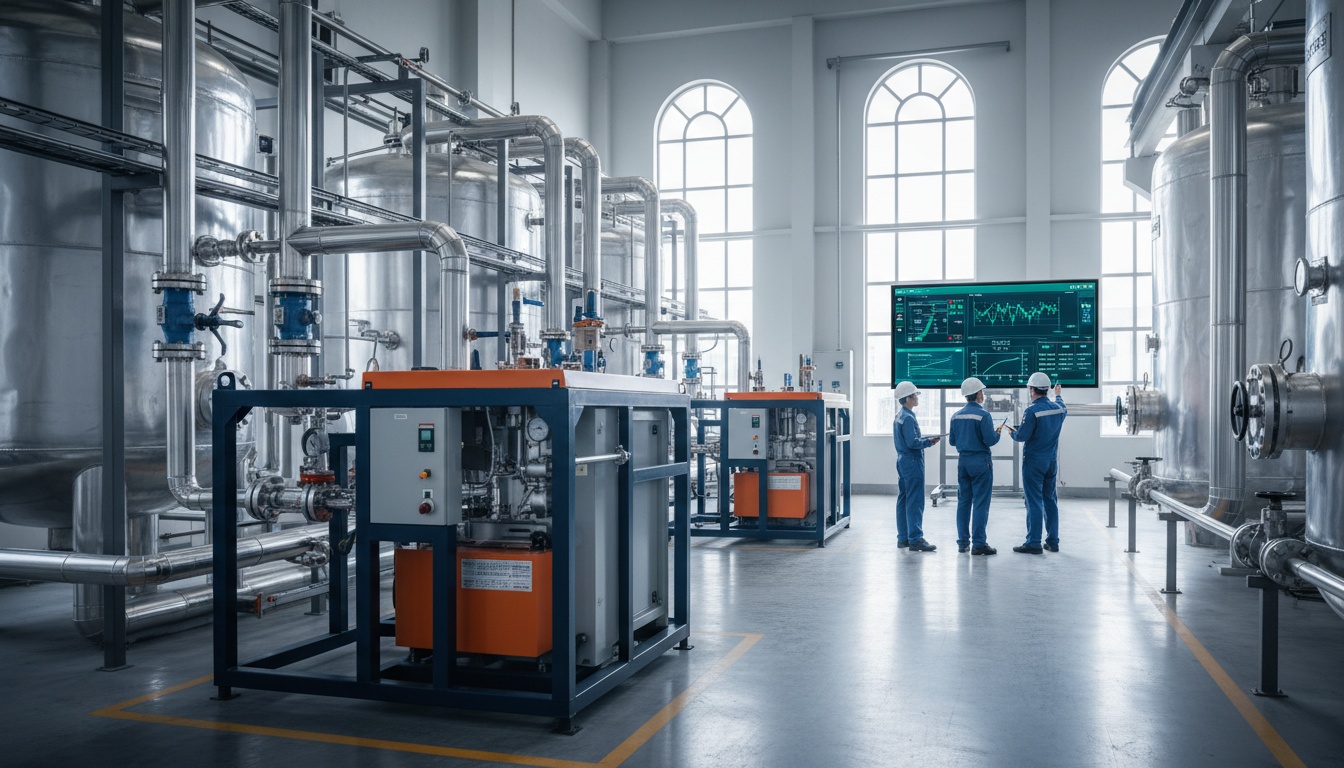
End-to-End Solution
Scheme Design
We assess the ASU’s current output, oxygen gap, and operating parameters, then design a VPSA supplementary scheme using fast-start, flexible, low-energy VPSA equipment as a peak-shaving unit. The “cryogenic base + VPSA backup” model enables VPSA to start within 1–2 hours when the cryogenic system is under load, avoiding energy-wasting low-load cryogenic operation. Example: At Changjiang Steel, a VPSA unit was deployed to fill a ~10,000 Nm³/h oxygen shortfall.
Project Installation Guidance
Engineers supervise VPSA installation and pipe tie-ins, ensuring smooth integration with the cryogenic system without disrupting its operation, plus pre-commissioning for stable startup.
Construction
Simplified, rapid construction without complex civil works — focused on equipment installation, piping, and electrical configuration — ensures the VPSA unit quickly plugs the oxygen gap.
Acceptance and Delivery
Acceptance focuses on startup speed, output, purity, and coordinated operation with the cryogenic system. Operator training and full documentation are provided.
Equipment Operation and Maintenance
Dedicated O&M service includes regular inspection of VPSA equipment and tie-in pipes, plus coordination with the cryogenic system’s O&M to optimize combined parameters and reduce overall energy consumption.
Engineered Solutions Built for Performance
Typical Cases
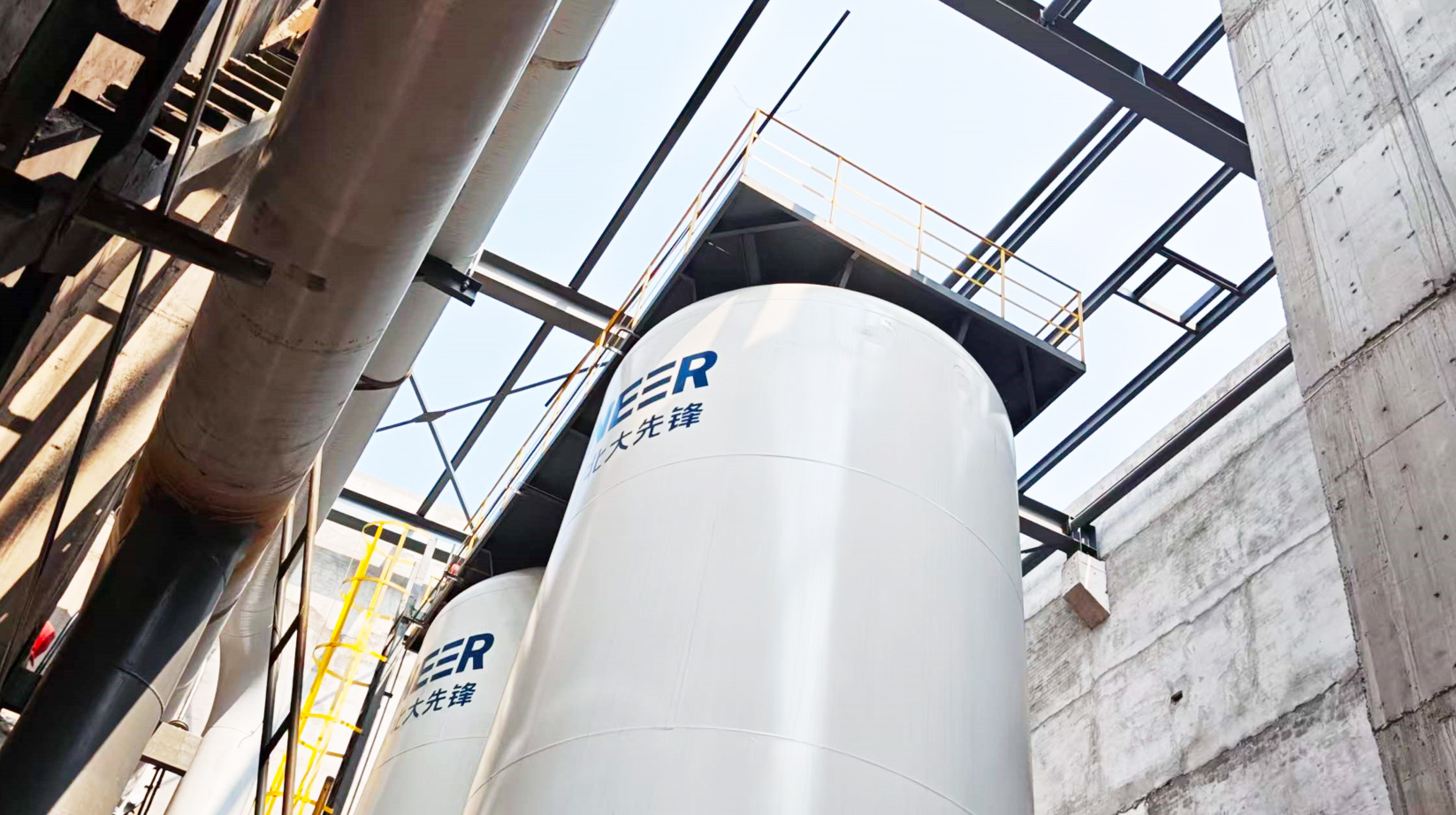
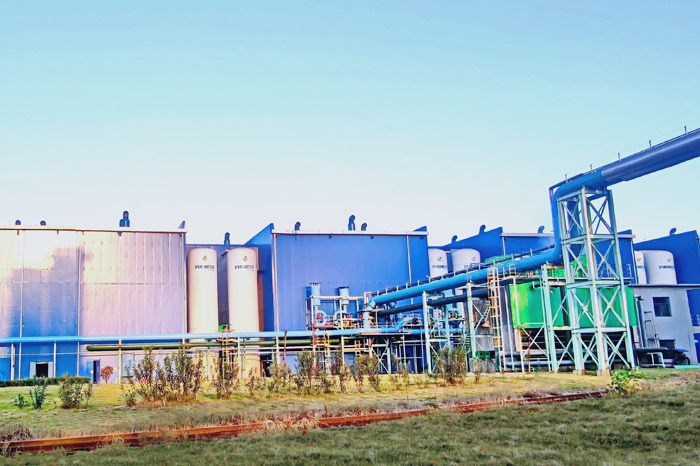
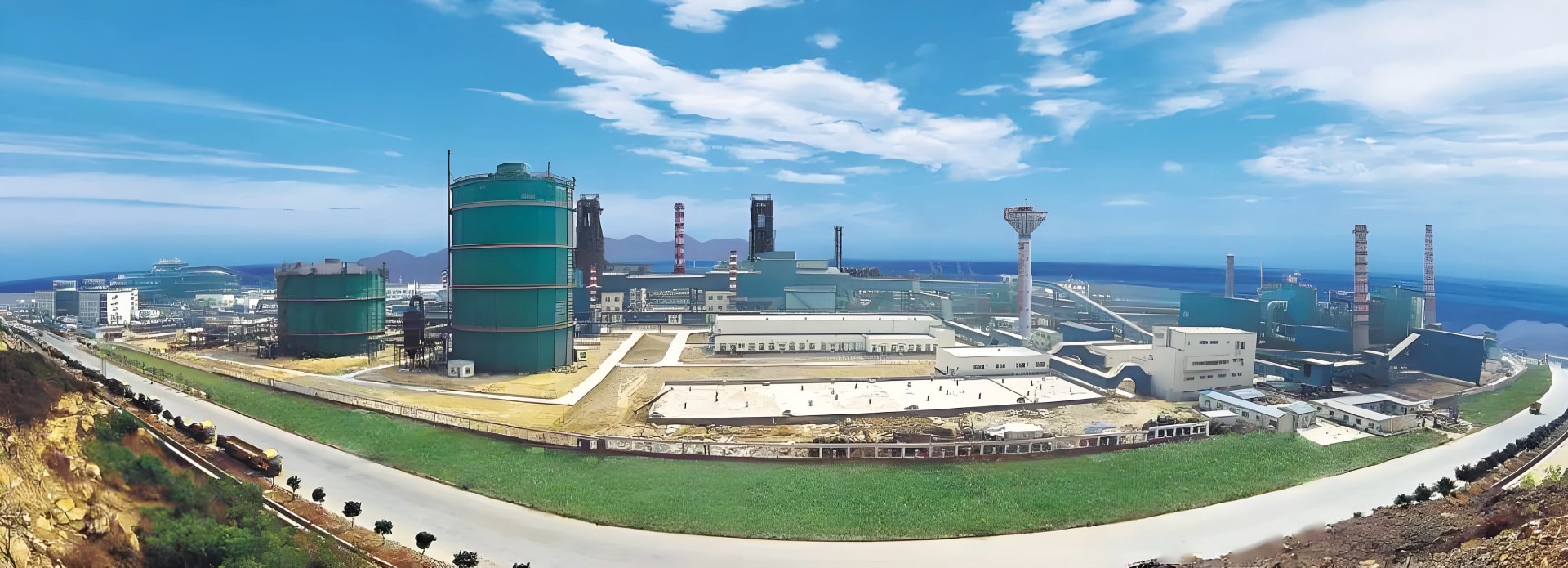
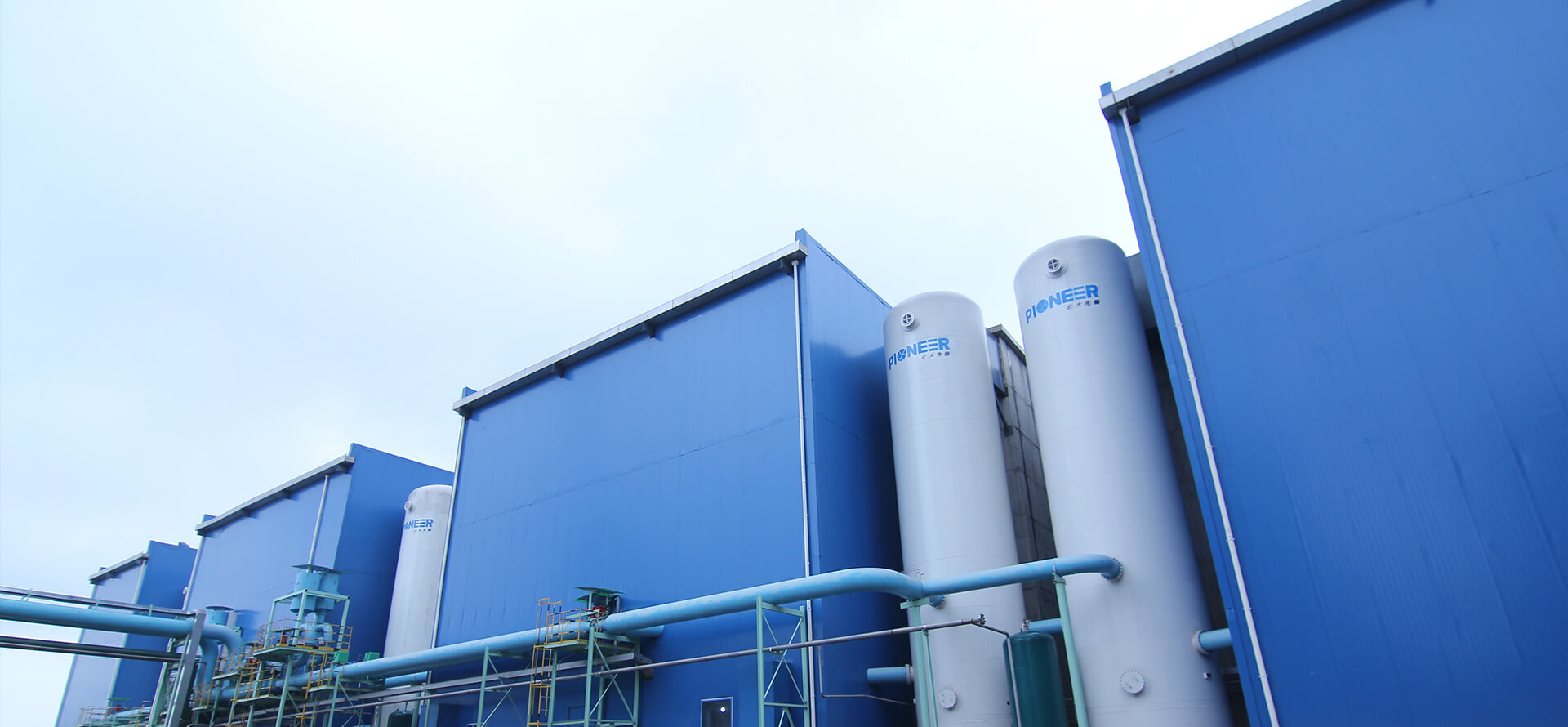
15,000 Nm³/h VPSA Oxygen Plant for a Leading Cast Iron Producer by PKU Pioneer
A 15,000 Nm³/h VPSA oxygen plant, retrofitted within the existing facility to double capacity, now operational at a North China cast iron producer — achieving power consumption as low as 0.28 kWh/Nm³ (100% O₂ basis) and cutting oxygen costs by ~50% versus cryogenic separation, with a projected payback period of under one year.
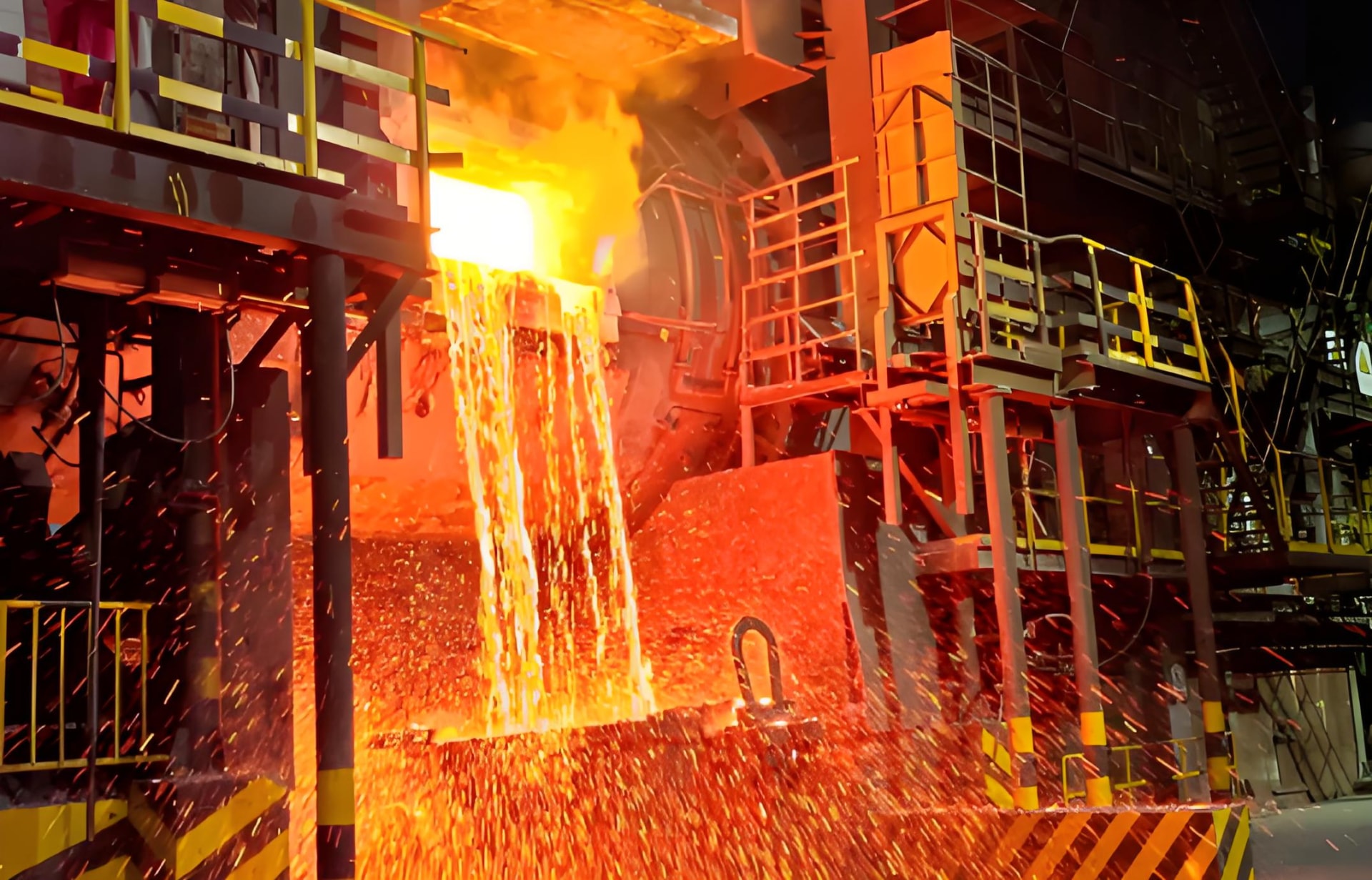
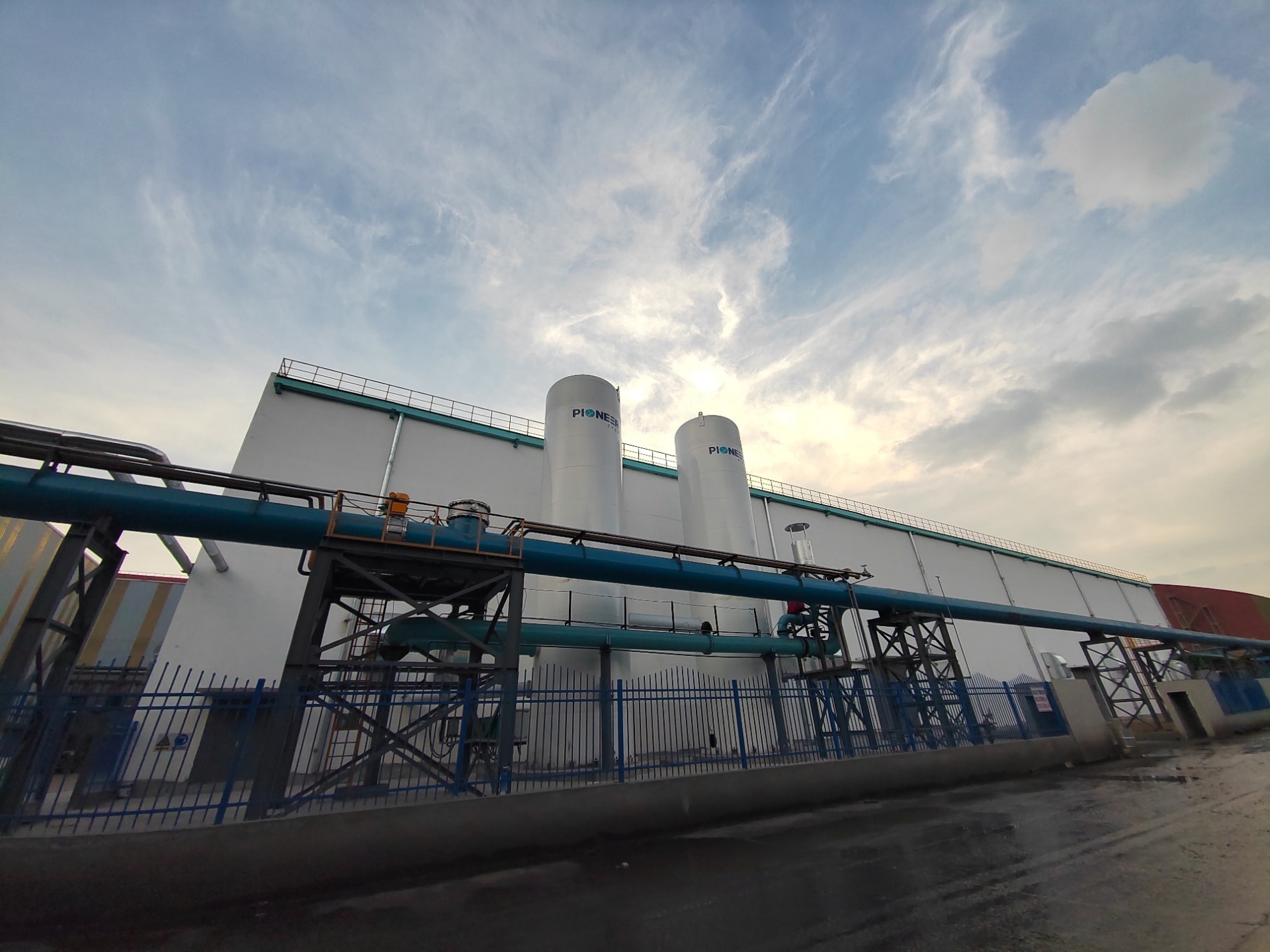
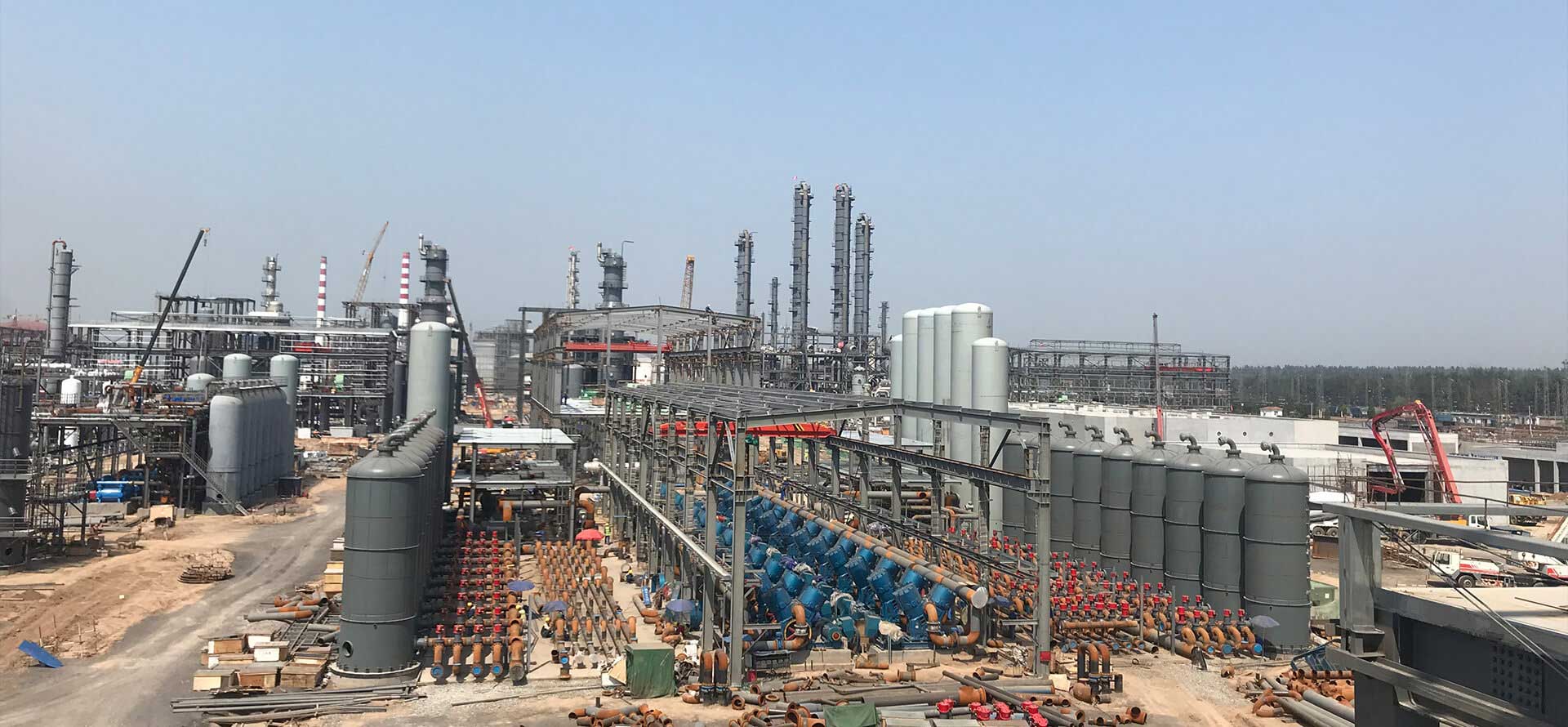
12,500 Nm³/h VPSA Oxygen Plant for Copper Smelting
PKU Pioneer successfully commissioned a 12,500 Nm³/h VPSA oxygen plant for Wuxin Copper, helping eliminate oxygen supply bottlenecks and improve oxygen-enriched smelting efficiency. The project significantly reduced oxygen production costs, enhanced automation capabilities, and supported the customer’s capacity expansion and green metallurgy upgrade.
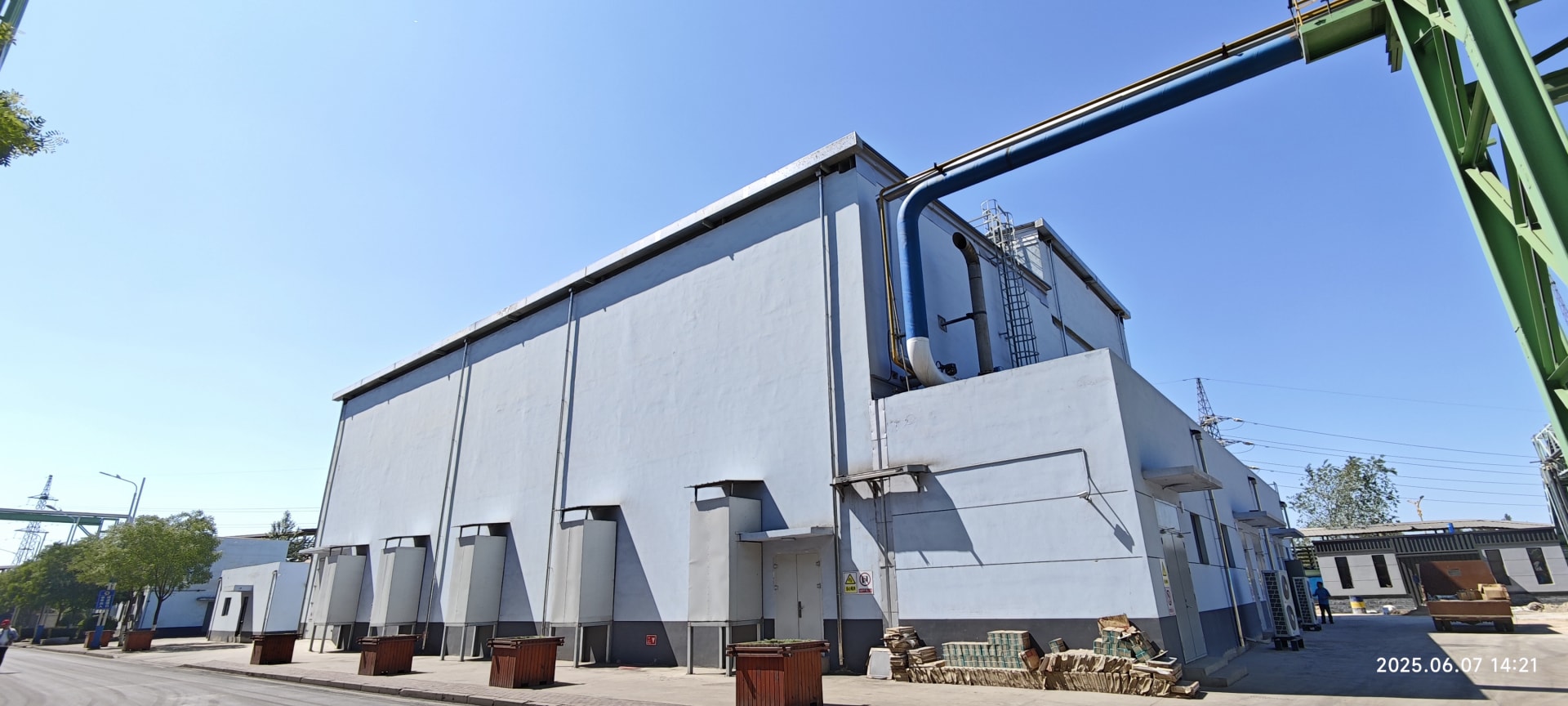
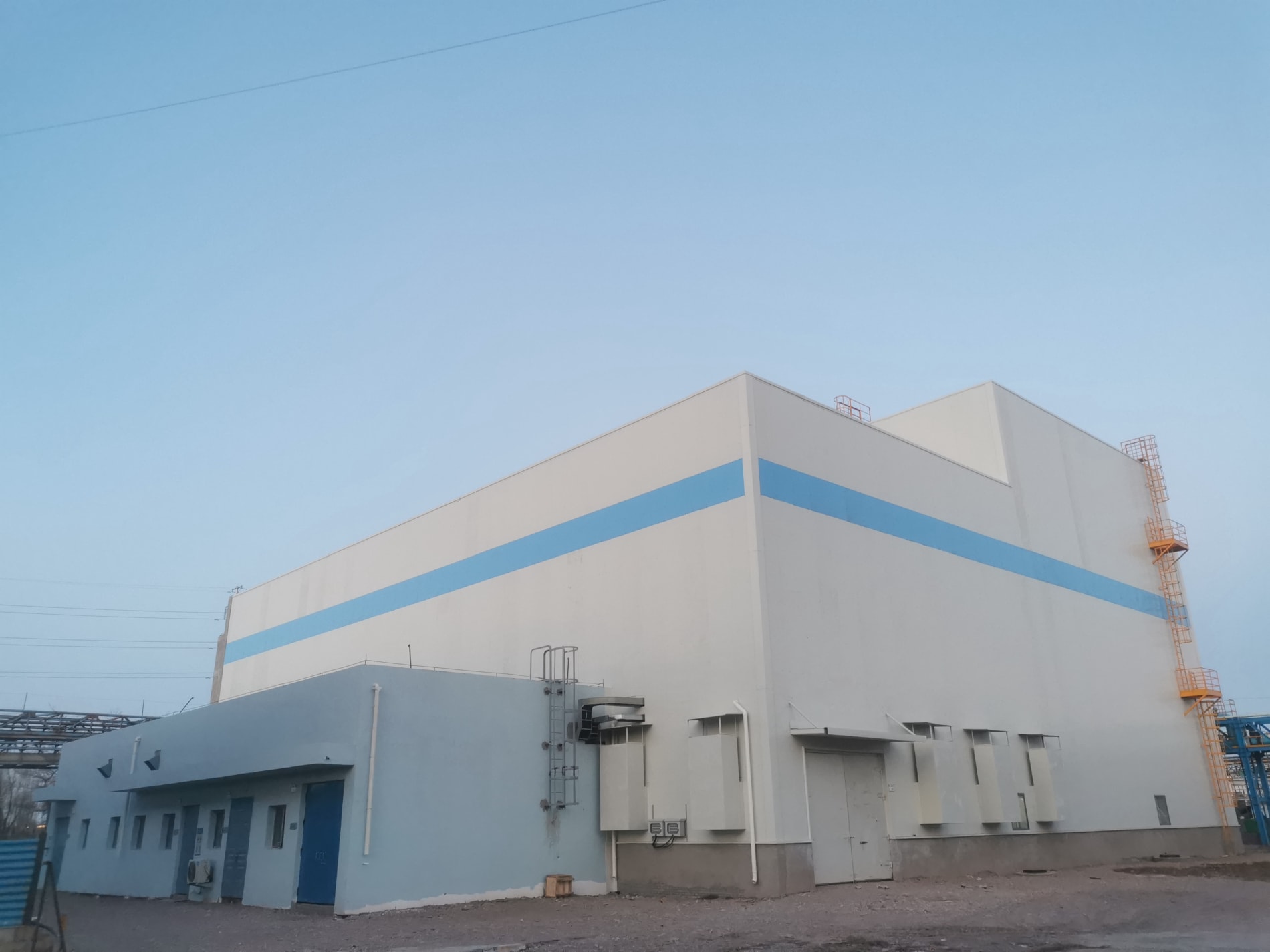
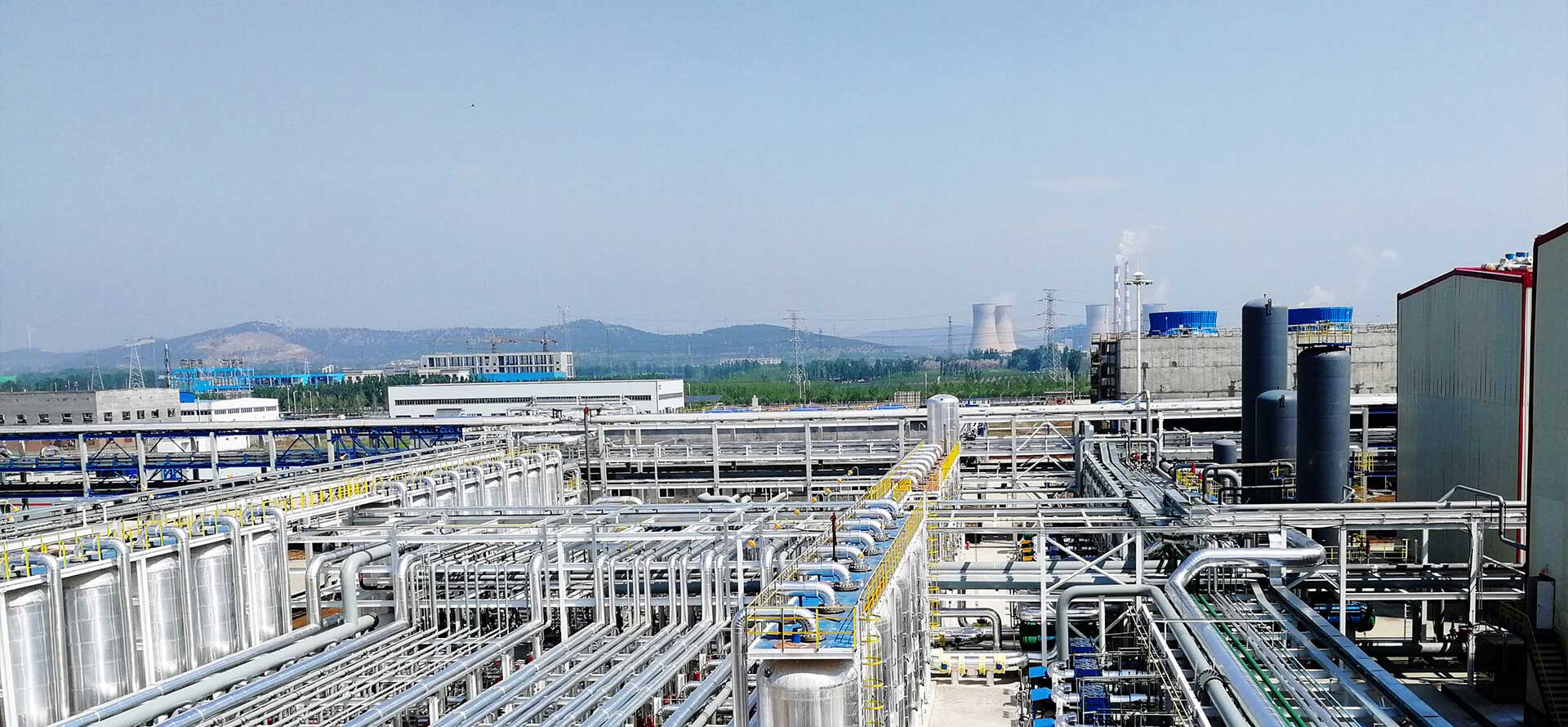
Blast Furnace Oxygen Enrichment PSA Project
PKU Pioneer successfully commissioned a second-phase 14,000 Nm³/h PSA oxygen plant for Chifeng Yuanlian Iron & Steel, expanding total oxygen generation capacity to 28,000 Nm³/h. The project significantly reduced oxygen production costs, improved operational flexibility, and supported the steel mill’s energy-saving and low-carbon transformation goals.
you may also like
Capacity Expansion — Supporting VPSA Oxygen Station
A tailored VPSA oxygen solution designed to support factory capacity expansion by ensuring stable oxygen supply, efficient integration with existing systems, and fast VPSA deployment without interrupting ongoing production operations.