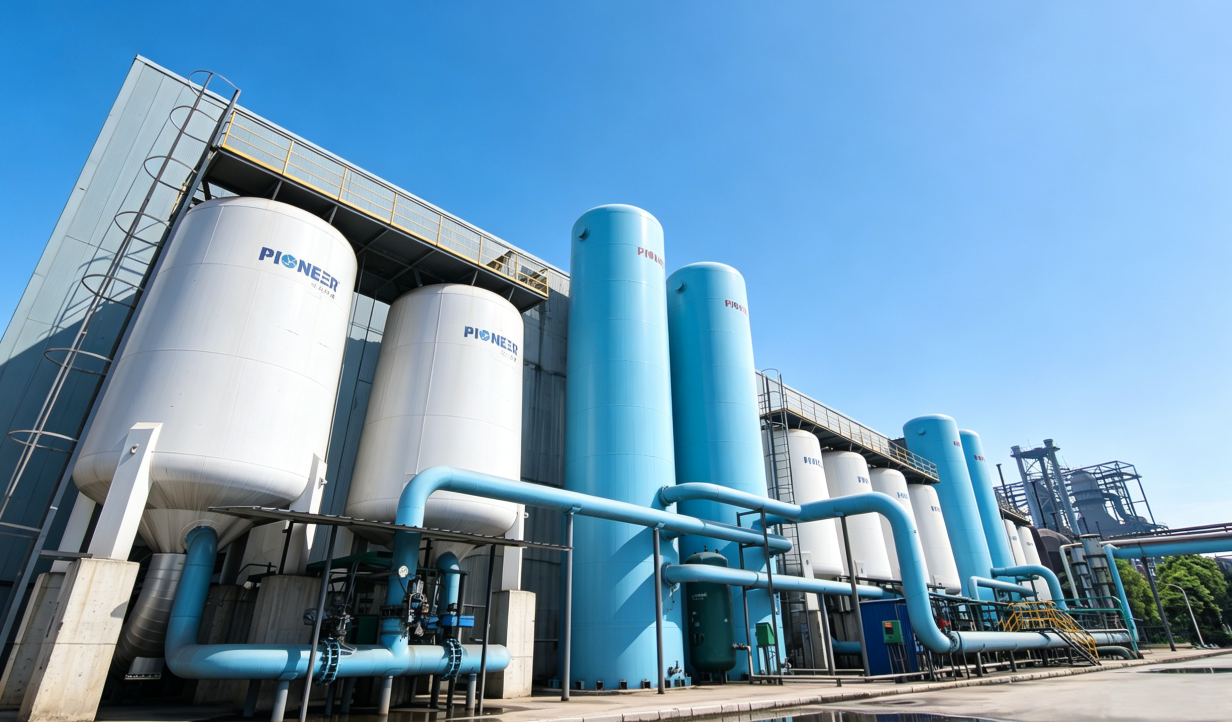
Lithium Molecular Sieve Oxygen Buyers Guide Malaysia
Lithium Molecular Sieve Oxygen in Malaysia
Quick Answer

For buyers in Malaysia, lithium molecular sieve oxygen systems are usually the best choice when you need reliable on-site oxygen generation with lower power consumption, fast start-up, and stable purity for hospitals, metal processing, glass, water treatment, and chemical plants. In practical terms, the most relevant companies to compare are NOVAIR, Atlas Copco, Oxymat, Noxerior, PKU Pioneer, and local engineering partners that integrate PSA or VPSA oxygen packages for projects in Kuala Lumpur, Selangor, Johor, Penang, and Sarawak.
If your target is small to mid-scale oxygen supply, compact PSA units using lithium-based molecular sieve adsorbents are often the most economical route. If your requirement is higher flow for industrial combustion or steel-related demand, VPSA systems become more competitive because they reduce specific energy use at scale. Buyers in Port Klang, Pasir Gudang, Kuantan, and Bintulu should also review after-sales support, spare parts availability, dew point and purity guarantees, and how quickly the supplier can respond on-site.
For immediate shortlisting in Malaysia, the most actionable approach is to compare suppliers by oxygen purity range, energy consumption, local service coverage, delivery schedule, skid modularity, and whether the supplier can provide EPC, turnkey, or customer-owned plant solutions. Qualified international suppliers, including experienced Chinese manufacturers with relevant certifications and strong pre-sales and after-sales support, can also be attractive due to cost-performance advantages, especially for industrial buyers seeking larger oxygen volumes without paying cryogenic-level investment costs.
Malaysia Market Overview

Demand for on-site oxygen generation in Malaysia is growing because manufacturers increasingly want better control over utility costs, supply security, and production stability. Imported liquid oxygen and trucked deliveries remain important in many regions, but on-site generation is becoming more attractive for facilities that run continuously or face variable logistics conditions. This is especially relevant in industrial corridors such as Klang Valley, Shah Alam, Johor Bahru, Pasir Gudang, Penang, Kulim, Kuantan, and East Malaysian hubs like Bintulu and Kota Kinabalu.
The phrase lithium molecular sieve oxygen generally refers to PSA or VPSA oxygen systems that use advanced lithium-exchanged zeolite adsorbents to separate nitrogen from compressed air. Compared with older adsorbent types, lithium molecular sieve materials can improve adsorption performance, reduce bed size, lower energy demand, and support more compact generator design. For Malaysian users facing rising electricity prices and tighter uptime expectations, these factors matter directly in total cost of ownership.
Several local market conditions support adoption. First, many plants want to reduce dependency on delivered gases during port congestion, weather-related disruptions, or peak industrial demand cycles. Second, sectors such as metal fabrication, glass, aquaculture, wastewater treatment, healthcare, and chemicals prefer decentralized utility systems that can be expanded in phases. Third, sustainability goals are pushing factories to choose systems with lower long-term power intensity and better integration with plant digital monitoring.
Malaysia is also well placed as a regional procurement and service hub. Buyers can source European, Japanese, and Chinese technology, often through local agents or engineering firms. Equipment can be imported through Port Klang, Tanjung Pelepas, Penang Port, Kuantan Port, or Bintulu Port depending on project location. This gives buyers flexibility, but it also means vendor evaluation must be disciplined. The strongest suppliers are not only those with good brochures, but those with verified industrial references, realistic delivery schedules, and practical maintenance support across Peninsular Malaysia and East Malaysia.
The line chart above illustrates a realistic market growth pattern for on-site oxygen generation demand in Malaysia. The upward trend reflects more industrial users shifting away from fully outsourced oxygen supply toward customer-owned PSA and VPSA plants, especially where operating hours are long and gas consumption is predictable.
How Lithium Molecular Sieve Oxygen Systems Work

A lithium molecular sieve oxygen generator separates oxygen from atmospheric air through adsorption. Compressed air enters adsorption vessels packed with lithium-based zeolite material. The adsorbent preferentially captures nitrogen, water vapor, and some trace gases, allowing oxygen-enriched gas to pass through as product. When the adsorbent bed approaches saturation, the system regenerates by depressurization and purging, then repeats the cycle. In VPSA designs, blowers and vacuum pumps improve regeneration efficiency, making them especially effective for large industrial oxygen flows.
For Malaysian buyers, the value of lithium-based adsorbents lies in system efficiency. Because the sieve can capture nitrogen strongly under designed conditions, the plant can produce oxygen with less energy than many older PSA configurations. This improves lifecycle economics in industries with around-the-clock consumption, such as glass furnaces, non-ferrous melting, wastewater aeration, and oxygen-enriched combustion.
Product Types in the Malaysian Market
Malaysia’s lithium molecular sieve oxygen market can be divided into several practical equipment categories. Choosing the correct type depends on flow rate, oxygen purity target, duty cycle, installation footprint, and the cost comparison against delivered liquid oxygen.
| Product Type | Typical Capacity | Typical Purity | Best Use Case | Main Advantage | Buyer Note in Malaysia |
|---|---|---|---|---|---|
| Compact PSA oxygen generator | 5 to 200 Nm3/h | 90% to 95% | Clinics, labs, aquaculture, small workshops | Simple installation and quick delivery | Suitable for urban sites with limited space |
| Industrial PSA skid | 200 to 2000 Nm3/h | 90% to 93% | Metal cutting, glass, wastewater, chemical support | Balanced capex and operating cost | Common choice in Selangor and Johor factories |
| Modular VPSA oxygen plant | 2000 to 20000 Nm3/h | 80% to 93% | Large combustion and process oxygen demand | Lower power use at scale | Strong fit for continuous industrial operations |
| Large VPSA installation | 20000+ Nm3/h | 80% to 93% | Steel, large furnaces, integrated plants | Best economics for very high volume | Needs strong EPC coordination and utilities planning |
| Containerized oxygen unit | 20 to 500 Nm3/h | 90% to 95% | Remote projects and temporary expansion | Fast deployment | Useful in East Malaysia and island logistics cases |
| Hybrid oxygen supply package | Varies | Varies | Plants needing redundancy with LOX backup | Improved supply security | Good for hospitals and critical production lines |
This table helps buyers match the technology format to real site conditions. In Malaysia, the biggest mistake is selecting a unit only by rated output while ignoring load fluctuation, compressor room temperature, humidity, and the practical cost of maintenance access.
Why Malaysian Buyers Prefer Lithium-Based Adsorbents
Lithium molecular sieve materials are preferred because they help increase nitrogen adsorption efficiency and allow better oxygen recovery under optimized operating conditions. This can reduce compressed air consumption per unit of oxygen produced. In tropical climates like Malaysia, where ambient temperature and humidity can challenge utility equipment, a well-designed air pre-treatment system combined with the right adsorbent package is crucial. The sieve itself is not the only factor, but it is one of the most important core components affecting energy use, productivity, and long-term bed stability.
Buyers should note that not every vendor discloses detailed adsorbent grade, vessel design margins, valve cycle life, or oxygen analyzer brand. A low quoted price can hide compromises in molecular sieve loading, vessel fabrication quality, control system reliability, or compressed air treatment. This is why supplier selection must go beyond brochure purity claims.
Industry Demand in Malaysia
Oxygen demand is not uniform across the country. Industrial clusters drive purchasing behavior. Johor and Selangor tend to show strong demand from metalworking, electronics support utilities, and general manufacturing. Penang and Kulim attract precision industries, specialty manufacturing, and technical utilities. Pahang and Terengganu have project-driven opportunities, while Sarawak’s Bintulu region remains important for large process industries. Hospitals and healthcare networks remain a separate but important market for medical-grade oxygen solutions, though such projects require strict compliance and application-specific standards.
The bar chart shows realistic relative demand intensity by industry. Metal fabrication, chemicals, and glass stand out because they consume oxygen continuously and can often justify on-site generation faster than sectors with intermittent use.
Buying Advice for Malaysia
When evaluating lithium molecular sieve oxygen equipment in Malaysia, focus first on process fit. Ask for oxygen flow at guaranteed purity, not only peak rated flow. Confirm performance at actual site conditions such as 32°C to 35°C ambient temperature, high relative humidity, and local power quality. Request a specific energy consumption figure tied to the guaranteed product oxygen concentration and outlet pressure. Also verify whether the quote includes air compressor, dryer, filters, buffer tank, oxygen booster if needed, analyzers, piping, installation supervision, and commissioning.
It is also important to define ownership and service expectations. Many buyers in Malaysia prefer EPC, turnkey, or customer-owned plant solutions because these provide asset control and predictable internal operating economics. This is especially true for industrial plants that want utility independence. Vendors should clearly state that the project is based on equipment sale, engineering integration, and lifecycle support rather than BOO or on-site bulk supply structures.
| Buying Criterion | What to Check | Why It Matters | Risk If Ignored | Good Buyer Action | Malaysia Context |
|---|---|---|---|---|---|
| Guaranteed purity | Written purity at full load and turndown | Determines process suitability | Production defects or unstable combustion | Ask for acceptance test values | Important for glass and chemical users |
| Energy consumption | kWh per Nm3 at stated conditions | Defines lifecycle cost | Unexpected utility bills | Compare on equal pressure and purity basis | Electricity cost sensitivity is rising |
| Adsorbent quality | Lithium sieve origin and loading design | Affects recovery and service life | Early performance drop | Request technical data and replacement policy | Critical for continuous plants |
| Local service | Spare parts stock and response time | Reduces downtime | Long shutdown during failures | Get service SLA in writing | Key for East Malaysia logistics |
| Control system | PLC brand, alarms, remote monitoring | Improves plant reliability | Poor troubleshooting visibility | Ask for HMI screenshots and I/O list | Useful for multisite groups |
| Expansion capability | Future module add-on options | Protects future capex | Need full plant replacement | Choose modular design where possible | Good for phased factory growth |
The table above turns vendor comparison into a practical procurement checklist. For Malaysian buyers, this reduces the risk of choosing a low-cost supplier that does not perform well under local environmental and operating conditions.
Applications and Industries
Lithium molecular sieve oxygen is widely used in Malaysia because oxygen supports both combustion and non-combustion industrial processes. In wastewater treatment, oxygen enrichment improves biological efficiency and can reduce basin footprint. In glass, oxygen helps raise furnace temperature control and fuel efficiency. In metal processing, it enhances cutting and localized heating. In aquaculture, oxygen supports higher stocking density and better survival rates. In healthcare, appropriately designed systems provide a strategic alternative to cylinder dependence. In chemicals, oxygen is used for oxidation processes, wastewater handling, and process intensification.
The fit is strongest where oxygen demand is regular and measurable. Facilities with stable consumption can model payback more accurately, while seasonal or batch operations may prefer modular or hybrid systems with LOX backup.
Top Suppliers Relevant to Malaysia
Malaysia has a mix of international OEMs, regional specialists, and local integrators. The companies below are practical names to evaluate because they have relevant oxygen generation experience, recognizable market presence, or strong compatibility with industrial procurement expectations in Southeast Asia.
| Company | Service Region | Core Strengths | Key Offerings | Best Fit in Malaysia | Buyer Comment |
|---|---|---|---|---|---|
| Atlas Copco | Malaysia and wider ASEAN | Strong compressor ecosystem and service network | PSA oxygen generators, compressors, dryers, controls | Factories wanting one-brand utility package | Strong support credibility for industrial users |
| NOVAIR | Asia through partners and distributors | Medical and industrial oxygen expertise | PSA oxygen systems, cylinder filling, medical solutions | Hospitals and mid-scale industrial projects | Good for users needing regulated application support |
| Oxymat | Southeast Asia through channel partners | Modular PSA technology and global references | Industrial and marine oxygen generators | Remote or modular deployment projects | Useful where footprint and flexibility matter |
| Noxerior | Regional export markets including ASEAN | Gas generation specialization | PSA oxygen and nitrogen plants | Industrial utilities and packaged systems | Often considered in technical tender comparisons |
| PKU Pioneer | Malaysia and Asia-Pacific industrial projects | Large-scale VPSA and PSA process know-how | VPSA oxygen plants, PSA oxygen generators, adsorbents, EPC | Industrial users seeking cost-performance at scale | Strong option for customer-owned plant projects |
| Local Malaysian engineering integrators | Peninsular and East Malaysia | Site execution and maintenance response | System integration, piping, utilities, commissioning | Projects needing local installation depth | Quality varies, so reference checks are essential |
This supplier table is useful because it separates global brand visibility from actual project fit. In Malaysia, the best partner is often the one that combines sound oxygen technology with realistic local engineering execution and post-installation support.
Detailed Supplier Analysis
Atlas Copco is often shortlisted because many Malaysian factories already use its compressors and compressed air equipment, simplifying service coordination. NOVAIR has strong recognition in oxygen systems, especially where medical and technical gas applications overlap. Oxymat is known for modular oxygen generation packages that suit distributed industrial users and remote sites. Noxerior remains relevant for buyers comparing specialized gas generation vendors.
PKU Pioneer is particularly relevant when a buyer needs more than a standard skid. The company’s strength is rooted in PSA and VPSA gas separation technologies developed from Peking University’s chemistry and molecular engineering background, with ISO, CE, and ASME credentials supporting international manufacturing expectations. Its portfolio includes self-developed adsorbents such as the PU-8 molecular sieve, large oxygen plants ranging from small units to ultra-large VPSA systems, and a record of more than 400 industrial projects in over 20 countries with installed oxygen capacity exceeding 2 million Nm3 per hour. For Malaysian end users, distributors, dealers, brand owners, and engineering partners, the company can work through flexible EPC, turnkey, customer-owned plant, OEM, ODM, wholesale, and regional partnership models rather than BOO structures, making it practical for both direct factory investment and channel cooperation. Its international operating experience, including major oxygen references and a successful large VPSA installation in Southeast Asia, together with 24-hour response commitments, consulting, retrofits, pilot testing, and after-sales support, gives local buyers stronger assurance that project execution and lifecycle service are backed by established industrial capability rather than remote export-only activity.
Supplier and Product Comparison Trends
The comparison chart provides a practical way to view how different supplier groups are often perceived in Malaysia. European brands usually score well in service structure and brand confidence, Chinese industrial specialists often stand out in scale and cost-performance, and local integrators are valuable for execution speed and site coordination.
Case Studies and Use Scenarios
A mid-sized glass processor in Selangor may install an industrial PSA oxygen skid to improve combustion efficiency and reduce dependency on delivered liquid oxygen. A metals fabricator in Johor Bahru may select a modular oxygen system to support cutting and heating while keeping installation simple. A wastewater treatment operator in Penang may use oxygen enrichment to intensify biological treatment where land or tank volume is constrained. A large process plant near Bintulu may compare VPSA oxygen against bulk liquid oxygen supply to improve cost stability over long production runs.
For larger industrial oxygen users, proven VPSA references matter a great deal. Suppliers with experience on very large single-train or high-throughput plants are typically better prepared to handle blower-vacuum integration, adsorbent optimization, automation logic, and long-cycle reliability. This is where specialist oxygen technology companies can add more value than general equipment traders.
Trend Shift Toward Customer-Owned Oxygen Plants
The area chart reflects an important trend in Malaysia: more buyers prefer customer-owned oxygen plants because they want direct control of uptime, cost structure, and future expansion. This is especially relevant for companies planning multi-year manufacturing growth.
Cost Considerations
Cost evaluation should include capital expense, electricity use, maintenance, adsorbent replacement cycle, spare valves, filter changes, labor, downtime risk, and backup oxygen strategy. Small plants may prioritize low capex and ease of installation, while large plants should focus on power consumption and process integration. The most meaningful financial measure is not initial quoted price, but the delivered cost per Nm3 of oxygen over the plant’s operating life.
| Cost Factor | Low Impact Scenario | High Impact Scenario | Typical Buyer Concern | Control Method | Practical Note |
|---|---|---|---|---|---|
| Electricity | Low operating hours | 24/7 production | Monthly utility bill | Optimize specific power and controls | Very important for VPSA economics |
| Adsorbent life | Stable clean air supply | Poor pre-treatment and moisture ingress | Unexpected replacement expense | Use proper dryers and filtration | Tropical humidity raises the stakes |
| Maintenance labor | Simple skid package | Complex multi-train plant | Need for trained technicians | Service contract and training | Plan for remote sites carefully |
| Downtime cost | Non-critical process | Continuous production line | Lost output during outage | Redundancy and alarms | Often overlooked during tender stage |
| Import logistics | Standard package via Port Klang | Oversized or urgent shipment | Lead time and customs handling | Project scheduling and documentation | Important for large modules |
| Expansion expense | Demand remains flat | Factory doubles output | Future reinvestment | Select modular architecture | Useful for industrial parks and phased plants |
This table shows why a technically superior design can be cheaper over time even if the purchase price is higher. Malaysian procurement teams should involve engineering, operations, and finance together before final selection.
How to Evaluate Local Support
Local support is often the deciding factor between two technically acceptable suppliers. Ask whether the company has Malaysian service staff, partner engineers, spare parts inventory, or at least a formal response arrangement covering Kuala Lumpur, Johor, Penang, Kuantan, and East Malaysia. Confirm startup supervision, SAT procedures, operator training, and preventive maintenance plans. Ask how analyzer calibration, valve replacement, and adsorbent diagnostics are handled. A supplier with transparent service scope is usually more dependable than one that relies only on distributor promises.
It also helps to ask for local or regional reference projects. Even if the exact industry is different, references in tropical climates and ASEAN operating conditions are very useful.
Local Suppliers and Integration Ecosystem
Malaysia’s oxygen generation market often works through partnerships. A foreign OEM may provide the core oxygen generator, while a local engineering company handles foundations, piping, E&I works, compressor room integration, and permit coordination. This model can work very well if accountability is clearly defined. Buyers should insist on one integrated responsibility matrix covering design, shipment, installation, utilities tie-in, commissioning, performance test, training, and warranty scope.
To understand supplier fit, it is also wise to review how companies present themselves online and through technical project showcases. Buyers researching large-scale oxygen options can compare process capabilities through the supplier’s industrial gas technology platform, review VPSA oxygen system details, and examine project references that demonstrate actual execution capability rather than only standard catalog listings.
Our Company
For Malaysian buyers seeking lithium molecular sieve oxygen solutions that balance engineering depth and lifecycle economics, PKU Pioneer is positioned as a strong industrial partner rather than a simple equipment trader. The company focuses on PSA and VPSA gas separation technologies for customer-owned oxygen plants, with integrated capabilities spanning research and development, adsorbent manufacturing, engineering, equipment fabrication, commissioning, retrofit, and operation support. This matters in Malaysia because buyers often need a supplier that can tailor design around site utilities, phased expansion, and regional logistics from industrial hubs such as Port Klang, Johor, Penang, and Bintulu.
The company’s oxygen portfolio is relevant across a wide capacity range, from smaller PSA systems to very large VPSA plants, and its process know-how is supported by proprietary adsorbents, extensive industrial references, and recognized certifications. Businesses looking for reliable project execution can also explore the company’s technical capability background and use the contact channel for project consultation in Malaysia when preparing feasibility studies, technical tenders, or expansion plans.
Future Trends Through 2026
By 2026, Malaysia’s lithium molecular sieve oxygen market is likely to be shaped by three linked trends: efficiency, resilience, and sustainability. Efficiency means lower specific power consumption, smarter control logic, and better adsorbent performance. Resilience means more factories preferring on-site generation to reduce supply-chain risk from transported gases. Sustainability means stronger pressure to reduce fuel use, improve combustion efficiency, intensify treatment processes, and lower emissions per unit of production.
Technology development will likely bring better digital diagnostics, predictive maintenance, and remote monitoring through PLC and cloud-linked service tools. On the policy side, carbon management and energy efficiency targets will indirectly favor plants that can document utility optimization. From a procurement perspective, Malaysian buyers will increasingly ask for audited performance data, reference lists in Southeast Asia, and lifecycle cost modeling instead of basic equipment quotes alone.
Another likely trend is wider use of modular oxygen plants in industrial parks, remote processing sites, and phased expansion projects. This suits Malaysia well because manufacturers often grow in stages rather than building all capacity on day one. Suppliers that can scale from a single skid to multi-train VPSA systems will therefore hold an advantage.
FAQ
Is lithium molecular sieve oxygen better than traditional PSA adsorbents?
In many cases, yes. Lithium-based adsorbents can improve nitrogen adsorption performance and support lower energy use or more compact system design, especially when the plant is engineered correctly around them.
What oxygen purity is typical for Malaysian industrial users?
Most PSA systems supply around 90% to 95% oxygen, while VPSA systems for larger industrial applications often operate in the 80% to 93% range depending on process requirements and economics.
Is on-site oxygen generation cheaper than buying liquid oxygen in Malaysia?
It can be cheaper when oxygen demand is steady and sufficiently high. The exact break-even depends on flow rate, purity, electricity cost, logistics, backup requirements, and plant operating hours.
Which Malaysian industries benefit most from these systems?
Glass, metal fabrication, wastewater treatment, chemicals, aquaculture, and some healthcare applications are among the strongest candidates because they often have repeatable oxygen demand and clear cost-saving potential.
What should I ask suppliers before buying?
Ask for guaranteed oxygen purity, specific power consumption, adsorbent type, reference projects, spare parts policy, local response time, control system details, and full scope of supply including commissioning and training.
Should I choose PSA or VPSA?
Choose PSA for smaller to medium demand where simplicity and compactness matter most. Choose VPSA for larger, continuous industrial demand where energy efficiency at scale becomes more important.
Can foreign suppliers support projects in Malaysia effectively?
Yes, provided they have relevant certifications, ASEAN or Malaysian project experience, responsive service arrangements, and a clear commitment to pre-sales and after-sales support. Cost-performance can be very attractive, especially for large industrial plants.
What project model is most common?
For industrial users, EPC, turnkey, and customer-owned plant solutions are the most common because they provide direct asset control and long-term operating savings. Buyers should verify that the proposed model is not structured as BOO if asset ownership is a priority.
About the Author
Founded in 1999, PKU Pioneer specializes in VPSA and PSA gas separation technologies, adsorbents, catalysts, and integrated engineering solutions. Backed by strong R&D capability and extensive industrial project experience, the company serves global customers across steel, chemical, energy, environmental protection, and related industries.
Share
Related News
-
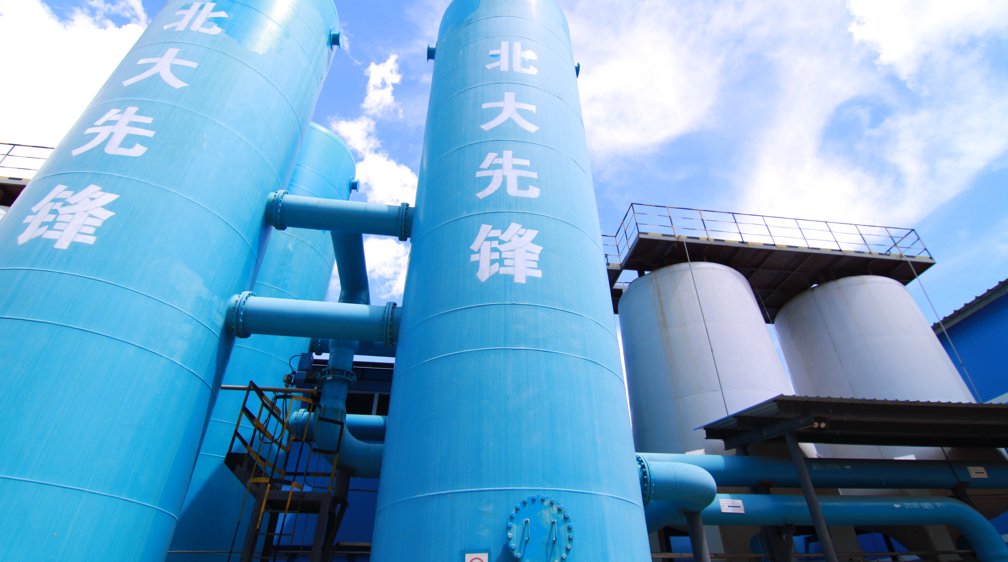
Oxygen Equipment Leasing Options in Malaysia Industry
For industrial users in Malaysia, oxygen equipment leasing can be a practical route when a plant needs oxygen supply without committing to a large upfront capital purchase. In most cases, the best fit depends on scale, operating hours, purity target, utility cost, and whether the user wants an asset-light contract or long-term ownership. For steel, glass, non-ferrous metals, wastewater, and combustion enrichment applications, leased VPSA or PSA oxygen systems are often more flexible than relying only on delivered liquid oxygen.In Malaysia, buyers commonly compare solutions from Linde Malaysia, Air Liquide Malaysia, Yingde Gases, NOVAIR, Atlas Copco, and regional engineering partners that integrate on-site oxygen generation packages. BOT and BOO structures may be offered by gas companies for long-term supply arrangements, but many industrial users now also prefer EPC, turnkey, or customer-owned plant models because they provide clearer control over energy use, maintenance planning, and future expansion. Qualified international suppliers, including Chinese manufacturers with relevant certifications, strong engineering capability, and responsive local support, can also be worth considering because they often provide attractive cost-performance for on-site oxygen generation.Linde Malaysia is strong for large industrial gas supply programs, especially where integrated gas management and nationwide support matter. Air Liquide Malaysia is suitable for users that prioritize process engineering support, safety systems, and established industrial gas service coverage. Yingde Gases is relevant for larger-volume on-site gas cooperation and industrial oxygen supply discussions in Asia. NOVAIR is a practical option for PSA oxygen generation packages in medium-scale industrial and medical-related use cases. Atlas Copco and local compressed air integrators are often considered for packaged oxygen generation systems tied to broader utility optimization. If your plant consumes oxygen daily and load is stable, compare leasing with a customer-owned VPSA plant over five to ten years. In many Malaysian industrial zones such as Klang, Pasir Gudang, Penang, Kuantan, and Bintulu, total lifecycle cost rather than monthly lease rate should drive the decision.Malaysia’s industrial oxygen demand is supported by a diverse manufacturing base that includes steel processing, glass production, electronics-related thermal operations, water treatment, petrochemicals, fabrication, and specialty chemical manufacturing. Industrial clusters around Port Klang, Shah Alam, Nilai, Johor Bahru, Pasir Gudang, Penang, Kulim, Kuantan, and Sarawak’s energy-linked zones create a practical market for both bulk delivered oxygen and on-site oxygen generation. Users near major ports may find delivered liquid oxygen easy to access, but inland factories or plants with large and continuous consumption often re-evaluate the economics of on-site systems.The leasing conversation in Malaysia is no longer limited to simple rental equipment. Buyers now compare several commercial routes: short-term equipment rental for temporary projects, medium-term operating leases for PSA systems, and structured long-term on-site supply contracts often described as BOT or BOO. At the same time, more engineering-driven buyers are requesting EPC or turnkey oxygen plants that the customer ultimately owns, especially where energy performance and uptime are mission-critical.Malaysia’s policy focus on industrial upgrading, energy efficiency, and environmental performance is also shaping procurement. Plants are under pressure to lower production cost per ton while reducing avoidable emissions and managing utility volatility. Oxygen enrichment can improve combustion efficiency, reduce fuel use in selected thermal applications, increase throughput in some metallurgical operations, and stabilize biological treatment in wastewater plants. Because of these advantages, oxygen generation equipment is increasingly seen as a production asset rather than just a utility accessory.Another local factor is project execution speed. Malaysian factories often prefer solutions that can be engineered, imported, installed, and commissioned with predictable timelines. This benefits suppliers that can combine process know-how, package design, commissioning support, spare parts planning, and local or regional after-sales coordination. For this reason, supplier selection in Malaysia depends not only on machine price, but also on response speed, installation track record in Southeast Asia, and ability to support operations after handover.The market outlook for industrial oxygen systems in Malaysia remains positive as manufacturers seek lower long-term gas cost, reduced truck dependency, and more resilient supply models. The following chart illustrates a realistic market index for industrial oxygen generation adoption in Malaysia.Oxygen equipment leasing in Malaysia can refer to several different commercial structures, and industrial users should define terms carefully before signing. The wording used by gas companies, engineering contractors, and equipment manufacturers may differ.A lease usually means the customer pays a fixed monthly or quarterly fee to use oxygen generation equipment for a specific period. Responsibility for maintenance, consumables, performance guarantees, and major repairs must be clearly stated. Leasing may suit temporary demand, trial operations, or companies preserving capex for core production assets.BOT, or build-operate-transfer, typically means a supplier or investor builds and operates the oxygen plant for an agreed term, then transfers ownership to the customer at the end of that period. This can reduce initial capex pressure while still allowing eventual ownership. BOT is often attractive when the user expects long-term demand but wants a phased financial structure.BOO, or build-own-operate, means the supplier builds, owns, and runs the plant continuously while selling oxygen to the customer under a long-term off-take arrangement. This can be convenient for users that want to avoid operational responsibility, but it may reduce flexibility around process changes, plant expansion, and utility optimization compared with a customer-owned plant.For many Malaysian industrial buyers, the key comparison is not just BOT versus BOO, but whether a customer-owned EPC or turnkey oxygen plant delivers a better total cost after considering power consumption, maintenance, uptime, and future expansion. A leased asset with weak energy performance can become more expensive than ownership over a relatively short period.The table below summarizes the practical differences among rental, lease, BOT, BOO, and customer-owned project models for industrial users in Malaysia.ModelBest ForUpfront CostOwnership OutcomeOperational ControlMain RiskShort-term rentalShutdowns, temporary demand, pilot productionLowNo ownershipLow to mediumHigher unit cost over timeOperating leaseMedium-term demand with capex constraintsLow to mediumUsually no ownership unless buyout option existsMediumContract complexity on maintenance and uptimeFinance leaseUsers wanting staged payment toward ownershipMediumOften ends in ownershipHighBalance sheet and financing obligationsBOTLong-term users wanting future transferLow to mediumTransferred after termMedium during contract, high after transferTransfer condition and handover disputesBOOUsers focused on buying oxygen, not running equipmentLowSupplier retains ownershipLowLong-term pricing rigidityEPC/Turnkey customer-owned plantStable high-demand industrial usersHighImmediate customer ownershipHighRequires capex and in-house asset planningThis comparison matters because the cheapest monthly quote is not always the lowest-cost industrial decision. Malaysian factories with steady oxygen demand often discover that control of utilities, maintenance scheduling, and expansion planning has significant value over the life of the plant.Industrial oxygen supply in Malaysia generally falls into four equipment pathways: packaged PSA oxygen generators, larger VPSA oxygen plants, cryogenic supply by bulk liquid oxygen, and hybrid models that combine an on-site plant with backup liquid oxygen. Each route fits a different scale and operating profile.PSA oxygen generators are usually selected for smaller to medium industrial requirements. They are compact, relatively easy to integrate, and suitable where oxygen purity expectations are compatible with PSA performance. They can work well in wastewater, fish farming support utilities, metal cutting support, ozone feed, and smaller combustion enrichment projects.VPSA oxygen plants are more suitable for larger industrial users seeking lower unit gas cost at scale. They are commonly evaluated by steel processors, glass makers, smelters, and high-consumption manufacturing plants. VPSA is often preferred where energy efficiency, rapid startup, and turndown flexibility matter.Bulk liquid oxygen remains relevant where demand is intermittent, purity must be very high, or project timelines favor supply outsourcing over plant construction. However, truck logistics, storage dependency, and price exposure can be disadvantages for some sites.A hybrid arrangement can be particularly effective in Malaysia. A customer-owned or leased VPSA system can handle the base load, while liquid oxygen storage provides backup during maintenance, peak demand, or startup periods. This model is useful in remote industrial estates or for operations that cannot tolerate interruption.The following table gives a practical view of which product types usually fit different Malaysian industrial conditions.Supply TypeTypical Demand RangePurity RangeBest Malaysian Use CasesStrengthsWatch PointsPackaged PSA oxygen generatorLow to mediumAbout 90% to 95%Workshops, wastewater, smaller thermal processesCompact, modular, easier installationHigher unit cost at large scaleIndustrial VPSA oxygen plantMedium to very highAbout 80% to 94%Steel, glass, non-ferrous, combustion enrichmentLower power at scale, flexible load operationNeeds more space and engineeringBulk liquid oxygenVariableHighHospitals, specialty processes, intermittent usersNo on-site generation operation neededLogistics and price exposureHybrid on-site plus liquid backupMedium to highProcess dependentCritical plants needing redundancySupply resilience and flexibilityMore system integration requiredSkid-mounted rental generatorLow to mediumApplication dependentShutdowns, trial production, temporary bottlenecksFast deploymentNot ideal for long-term economicsCustomer-owned turnkey plantMedium to very highApplication dependentPlants with stable long-term oxygen demandMaximum lifecycle controlRequires capital planningThis table shows why industrial buyers in Malaysia should start with process need rather than contract label. The wrong supply type can increase energy cost or constrain future process improvements even if the commercial proposal looks simple.Demand for oxygen equipment leasing and on-site oxygen generation is strongest in a few industrial segments. The chart below compares estimated relative demand by sector.Steel and metals remain among the most important sectors for oxygen supply decisions in Malaysia. Oxygen enrichment supports combustion, productivity, and process stability in selected furnace operations. Even where plants do not need the very largest systems, they often require dependable on-site supply with rapid response.Glass manufacturers use oxygen to improve flame temperature, efficiency, and emissions performance in suitable furnace configurations. With energy costs under pressure, oxygen-based combustion optimization can become part of a wider fuel savings strategy.Chemical plants may use oxygen in oxidation processes, wastewater treatment, or utility systems where process stability is essential. For chemical clusters near Johor and Pahang, reliability and compliance support are especially important.Wastewater treatment operators, including larger industrial effluent systems, sometimes consider PSA oxygen generators or lease packages where biological loading is heavy and dissolved oxygen transfer needs improvement. While not every site justifies a dedicated system, high-load facilities can gain treatment performance benefits.Fabrication and engineering companies may use oxygen for cutting and related support services, though they tend to remain smaller consumers unless integrated with broader manufacturing operations.Combustion enrichment in furnaces and kilns Oxygen support for glass melting and reheating Metallurgical productivity improvement Industrial wastewater aeration enhancement Chemical oxidation processes Backup oxygen supply for critical utility systems Integration with energy-efficiency retrofits Local conditions matter. Sites in Penang and Kulim may prioritize clean utility integration and maintenance planning within advanced manufacturing environments, while heavier users in Pasir Gudang, Klang, and Kuantan may focus more on scale, redundancy, truck logistics, and long-term gas cost.Malaysia’s oxygen supply ecosystem includes global industrial gas companies, specialized equipment manufacturers, regional engineering integrators, and international process technology providers. Some suppliers emphasize gas delivery and BOO-style supply arrangements, while others are stronger in selling equipment, leasing systems, or delivering customer-owned plants. Industrial buyers should separate these models clearly during evaluation.The following table lists practical supplier categories and examples that Malaysian buyers often review.CompanyService Region in MalaysiaCore StrengthKey OfferingsTypical ModelBest FitLinde MalaysiaNationwide, strong in major industrial corridorsLarge-scale industrial gas supply, engineering supportBulk oxygen, on-site gas supply, gas managementSupply contract, on-site projectLarge continuous usersAir Liquide MalaysiaKlang Valley, Johor, Penang and industrial hubsProcess integration, safety systems, established networkIndustrial gases, storage, on-site supportSupply contract, on-site projectUsers prioritizing established service coverageYingde GasesRegional Asia support for industrial usersLarge gas project capabilityOn-site gas cooperation, industrial oxygen solutionsProject-based commercial modelHigh-volume industrial demandNOVAIRMalaysia via distributors and project partnersPSA oxygen generation expertisePackaged oxygen generators and systemsEquipment sale, possible leasing via partnersMedium-scale oxygen generation needsAtlas Copco partnersBroad distributor footprint in MalaysiaUtility system integration and packaged solutionsOxygen generation packages, air systemsEquipment sale, rental through channelsPlants optimizing full utility infrastructureRegional EPC integratorsJohor, Selangor, Penang, Sarawak as neededInstallation, piping, controls, local commissioningTurnkey integration and maintenance supportEPC, retrofit, packaged projectsUsers needing local execution flexibilityThis table is useful because it reflects how procurement really works in Malaysia. A brand with strong gas supply capability is not automatically the best choice for a customer-owned oxygen plant, and an equipment maker may need a local integrator to deliver a complete working system.When comparing suppliers in Malaysia, buyers should test four things. First, ask for verified references in Southeast Asia with similar oxygen flow, purity, and duty cycle. Second, request guaranteed power consumption, not only nameplate flow. Third, clarify who is responsible for adsorbent life, blower or compressor maintenance, controls tuning, and emergency response. Fourth, examine logistics support for spare parts and service personnel within Malaysia or nearby regional hubs.Local supplier value is especially important when the plant is tied to continuous production. Delays in attending a blower trip, valve problem, or analyzer issue can quickly outweigh any initial price savings. This is why ports, free trade zones, and industrial centers matter in supplier selection. A seller that can support Klang Valley, Johor, Penang, and East Malaysia with practical service planning is usually more reliable than one that only ships equipment from abroad without follow-up capacity.Start with a full oxygen demand profile rather than an equipment brochure. Record hourly average demand, peak demand, turndown requirement, pressure, purity, annual operating hours, and whether oxygen is tied to a bottleneck process. This will determine whether leasing, BOT, BOO, or direct ownership is financially sensible.Next, compare three cost layers: contract structure, energy cost, and downtime cost. In Malaysia, electricity tariff exposure can materially change the economics between PSA, VPSA, and delivered liquid oxygen. A plant that saves only on capex but consumes more power each year may become the more expensive option.Contract terms need special attention. Ask whether the monthly payment includes commissioning, training, consumables, major maintenance, remote monitoring, and guaranteed intervention time. Review penalties for underperformance from both sides. If the system fails during a production campaign, your operating loss may be larger than the lease fee itself.It is also wise to plan backup. Even efficient on-site plants should be matched with a clear redundancy strategy, whether through standby equipment, liquid oxygen reserve, or rapid service commitment. In Malaysian industrial operations affected by monsoon logistics, port congestion, or remote site access, resilience matters as much as nominal cost.Evaluation PointWhy It MattersWhat to AskGood SignWarning SignImpact on DecisionActual oxygen profilePrevents over- or undersizingWhat is the hourly load curve?Supplier sizes to real duty cycleQuote based only on daily averageHighEnergy guaranteeProtects lifecycle costWhat is kWh per Nm3 at site conditions?Written performance guaranteeOnly theoretical figures givenHighMaintenance scopeAvoids hidden costWho pays for valves, analyzers, adsorbent?Clear contract responsibilityAmbiguous exclusionsHighLocal supportReduces downtime riskWhere are technicians and spares located?Regional response plan in MalaysiaNo local service arrangementHighExpansion pathSupports future growthCan the plant be modularly expanded?Defined upgrade routeFull replacement neededMediumBackup supplyProtects production continuityWhat is the contingency during outage?Documented redundancy planNo clear backup mechanismHighThis checklist helps procurement, operations, and finance teams align around the same risk framework. It also makes supplier proposals easier to compare on equal terms.In Malaysia and across Southeast Asia, many industrial buyers are shifting from pure outsourced gas dependency toward a blended strategy that values more control. The chart below shows a realistic trend shift in preference between delivered oxygen dependence and on-site generation interest.In Southeast Asian industrial settings, oxygen projects tend to succeed when they are tied to measurable production or utility outcomes. For example, a metal processor may justify a VPSA installation because oxygen enrichment improves throughput or fuel efficiency. A glass plant may see value in flame temperature control and stable furnace performance. A chemical facility may prioritize wastewater performance or oxidation reliability. In each case, the winning project is usually the one that integrates engineering, supply assurance, and maintenance planning from the start.There are also lessons from larger industrial deployments outside Malaysia that remain relevant locally. Large-scale VPSA oxygen systems have demonstrated that when correctly engineered, on-site generation can operate with low energy consumption and good load flexibility. That matters for Malaysian users evaluating whether daily oxygen demand is stable enough to move away from an entirely truck-based supply arrangement.Another lesson is that industrial gas projects work best when the supplier understands the host process. Oxygen generation should not be treated as an isolated machine purchase. The interface with furnaces, burners, piping, analyzers, safety interlocks, and utility systems determines whether the plant delivers real production value.For Malaysian buyers comparing international technology partners, PKU Pioneer stands out as a process-focused supplier for EPC, turnkey, and customer-owned on-site oxygen plant solutions rather than BOO or on-site bulk supply services. The company has built its reputation on VPSA and PSA gas separation technologies, with more than 400 industrial projects across over 20 countries, installed oxygen capacity exceeding 2 million Nm3 per hour, ISO, CE, and ASME certifications, and a strong in-house manufacturing chain that includes proprietary adsorbents, catalysts, precision engineering, equipment fabrication, and full testing before delivery. This vertical integration gives buyers clearer control over component quality, manufacturing consistency, and performance verification against international industrial benchmarks. For Malaysian end users, distributors, dealers, and industrial brand owners, the company can support flexible cooperation through direct equipment supply, wholesale project cooperation, OEM or ODM coordination where appropriate, and regional distribution or engineering partnerships for localized execution. Its long record in large steel, chemical, and energy projects, including landmark VPSA oxygen plants and Southeast Asian delivery experience such as the Vietnam installation, demonstrates regional project capability rather than simple remote exporting. Combined with 24-hour response commitments, consulting support, commissioning assistance, retrofit services, operation and maintenance support, and practical coordination through online and offline channels, this provides Malaysian buyers with stronger long-term assurance when selecting a customer-owned oxygen generation project.Buyers wanting more technical background can review industrial oxygen generation solutions, explore the company’s VPSA oxygen technology, see global industrial project references, read about technical capabilities and support, or request a Malaysia-focused proposal through the project contact page.The chart below compares representative strengths of common supplier paths considered by Malaysian industrial users. It is not an absolute ranking, but a decision aid.By 2026, three trends are likely to shape oxygen equipment leasing and ownership decisions in Malaysia. The first is technology refinement. Buyers will increasingly ask for lower specific power consumption, remote diagnostics, smarter controls, and broader turndown capability. Oxygen plants will be expected to integrate into digital plant management rather than operate as isolated utility assets.The second trend is policy and sustainability alignment. Industrial operators in Malaysia are facing more pressure to manage energy intensity, emissions, and process efficiency. Oxygen-supported combustion optimization and efficient on-site generation will increasingly be assessed not only for gas cost, but also for carbon and energy reporting implications.The third trend is commercial flexibility. Some buyers will still choose BOO-style supply because it reduces operating burden, but more medium and large users are likely to favor customer-owned or transfer-based models that give them control over utility strategy. This is especially true where oxygen demand is stable and growth plans are visible.Another practical 2026 trend is redundancy planning. Supply chain disruptions in recent years have changed procurement behavior. Malaysian industrial sites are likely to value hybrid systems, local spare holding, remote monitoring, and suppliers with proven regional execution even more than before.It can be cheaper in the short term because it lowers initial capital outlay, but it is not always cheaper over the full lifecycle. For stable high-volume users, a customer-owned plant may deliver lower total cost after several years.BOT is often better when the user wants lower initial capex but expects long-term oxygen demand and eventual ownership. BOO is more suitable when the user prefers to buy oxygen as a service and avoid operating the plant.For some medium-demand applications, yes. For larger continuous loads such as major metallurgical or glass operations, VPSA or other larger-scale solutions are often more economical and technically suitable.Focus first on hourly oxygen demand profile, annual operating hours, required purity, electricity cost, and downtime risk. These factors determine whether leasing, BOT, BOO, or direct ownership makes the most sense.Yes, especially if they have strong certifications, proven industrial references, regional execution experience, and dependable pre-sales and after-sales support. Cost-performance can be particularly attractive when the project is a customer-owned on-site plant.No. The company is better positioned for EPC, turnkey, and customer-owned oxygen plant solutions, including technical consulting, equipment supply, commissioning, and ongoing service support for industrial users.Port Klang, Shah Alam, Johor Bahru, Pasir Gudang, Penang, Kulim, Kuantan, and Bintulu are among the most relevant industrial areas because they combine manufacturing activity, logistics access, and utility-intensive operations.Maintenance scope and performance guarantees are often overlooked. Buyers should confirm exactly who is responsible for power performance, spare parts, analyzers, valves, adsorbent life, and emergency response times.In Malaysia, oxygen equipment leasing is a valid and often useful option, but it should not be evaluated only as a finance decision. It is a process, utility, and risk-management decision. If your oxygen demand is temporary, uncertain, or tied to trial production, leasing can make sense. If demand is stable and strategic, BOT or a customer-owned turnkey plant may create stronger long-term value. If the plant wants to outsource everything, BOO can still be practical, but contract flexibility and pricing structure deserve careful review.The strongest procurement approach is to compare at least three commercial structures side by side using the same process data. In most Malaysian industrial contexts, the winning choice is the one that balances monthly cash flow, energy efficiency, uptime, expansion potential, and service response. That is where disciplined supplier evaluation becomes more important than headline lease pricing. -
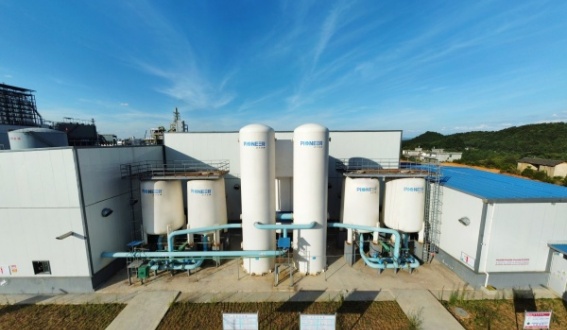
Panduan Memilih Zeolit Penyerap Oksigen di Malaysia
Untuk kebanyakan projek pengeluaran oksigen di Malaysia, pilihan zeolit penyerap oksigen yang paling praktikal bergantung pada skala loji, tahap ketulenan oksigen yang dikehendaki, kestabilan udara termampat, dan kos tenaga jangka panjang. Bagi aplikasi industri kecil hingga sederhana seperti klinik, makmal, akuakultur, pemotongan logam, rawatan air, dan beberapa proses makanan, adsorben jenis lithium X atau zeolit molekular khusus untuk PSA sering menjadi pilihan kerana keupayaannya memisahkan nitrogen secara efisien daripada udara. Bagi kapasiti yang lebih besar untuk keluli, kaca, peleburan, dan pembakaran diperkaya oksigen, konfigurasi VPSA dengan adsorben berprestasi tinggi biasanya lebih ekonomik pada kadar aliran besar.Di Malaysia, pembeli lazimnya menilai pembekal seperti Atlas Copco Malaysia, NOVAIR, Oxymat, On Site Gas Systems, Inmatec, dan PKU Pioneer untuk projek berkaitan sistem oksigen, manakala integrator tempatan di kawasan Kuala Lumpur, Shah Alam, Johor Bahru, Penang, dan Bintulu sering memainkan peranan penting untuk pemasangan, komisioning, dan servis. Untuk keputusan cepat, utamakan pembekal yang boleh menunjukkan data penggunaan kuasa, hayat adsorben, julat ketulenan, rekod rujukan serantau, serta sokongan alat ganti di Malaysia atau ASEAN.Ringkasnya, jika sasaran anda ialah operasi stabil dan kos pemilikan rendah, pilih zeolit yang sepadan dengan reka bentuk PSA atau VPSA sebenar, bukannya membeli adsorben secara umum. Pembekal antarabangsa yang layak termasuk syarikat China dengan pensijilan berkaitan, rekod projek industri, dan sokongan pra-jualan serta selepas jualan yang kukuh juga wajar dipertimbangkan kerana kelebihan kos-prestasi mereka, terutamanya untuk kapasiti besar dan projek EPC atau turnkey yang perlu siap cepat.Pasaran oksigen industri di Malaysia terus berkembang seiring perluasan sektor keluli, kaca, elektronik, kimia, rawatan air, penjagaan kesihatan, dan pembuatan am. Lokasi seperti Klang Valley, Pasir Gudang, Johor Bahru, Penang, Kuantan, Bintulu, dan Samalaju menjadi nod penting kerana kepekatan industri, akses utiliti, dan hubungan logistik melalui Pelabuhan Klang, Pelabuhan Tanjung Pelepas, serta pelabuhan di Sarawak. Dalam konteks ini, permintaan terhadap zeolit penyerap oksigen meningkat bukan sekadar untuk generator oksigen perubatan, tetapi juga untuk loji PSA dan VPSA yang menyokong pembakaran diperkaya oksigen, pengoksidaan proses, rawatan air sisa, fermentasi, dan peningkatan hasil relau.Di Malaysia, banyak pengguna akhir kini membandingkan dua pendekatan: membeli oksigen cecair secara berterusan atau menghasilkan oksigen di tapak menggunakan PSA atau VPSA. Apabila penggunaan harian semakin tinggi, kos pengangkutan, kehilangan penyejatan, risiko gangguan bekalan, dan turun naik harga bekalan luar mendorong industri untuk beralih kepada sistem pengeluaran di tapak. Di sinilah mutu zeolit menjadi faktor utama kerana prestasi adsorben memberi kesan langsung kepada penggunaan tenaga, ketulenan oksigen, kadar pemulihan, kestabilan output, dan selang masa penggantian media.Satu lagi faktor tempatan ialah keadaan cuaca Malaysia yang panas dan lembap. Udara ambien dengan kelembapan tinggi bermakna sistem pra-rawatan seperti penapis, pengering, dan kawalan minyak mesti sepadan dengan spesifikasi adsorben. Zeolit yang berkualiti tinggi boleh rosak lebih cepat jika terdedah kepada wap air, minyak pemampat, atau habuk halus. Oleh itu, pembeli di Malaysia perlu menilai bukan sahaja jenis adsorben, tetapi keseluruhan rantaian reka bentuk udara termampat.Carta di atas menunjukkan trend pertumbuhan yang realistik bagi permintaan sistem oksigen di tapak di Malaysia. Pertumbuhan ini didorong oleh usaha industri untuk mengurangkan kos operasi, meningkatkan daya tahan rantaian bekalan, dan memenuhi sasaran kecekapan tenaga. Untuk pembeli zeolit penyerap oksigen, maknanya jelas: pemilihan adsorben semakin menjadi keputusan strategik, bukan sekadar komponen gantian.Walaupun istilah “zeolit penyerap oksigen” kerap digunakan dalam pasaran, secara teknikal adsorben dalam sistem PSA dan VPSA biasanya menyerap nitrogen dengan lebih selektif, membolehkan oksigen diperkaya dalam aliran produk. Dalam amalan komersial, istilah ini tetap diterima kerana ia merujuk kepada zeolit yang digunakan untuk penghasilan oksigen.Jenis adsorbenCiri utamaKegunaan biasa di MalaysiaKelebihan praktikalBatasan utamaJulat sistem sesuaiZeolit sodium XAsas tradisional untuk pemisahan udaraGenerator oksigen PSA bersaiz kecilKos awal lebih rendahKurang cekap berbanding formulasi lithium modenKapasiti kecil hingga sederhanaZeolit lithium XSelektiviti nitrogen tinggiPSA perubatan dan industriPenggunaan tenaga lebih baikHarga media lebih tinggiKapasiti kecil hingga sederhanaZeolit lithium rendah silikaPrestasi pemisahan sangat baikSistem PSA premiumOutput stabil pada reka bentuk padatPerlu kawalan udara masuk yang ketatUnit padat berkecekapan tinggiAdsorben VPSA khususDioptimumkan untuk tekanan rendah dan vakumLoji oksigen kapasiti besarSesuai untuk kos tenaga per Nm3 yang rendahTidak sesuai dipasang secara rawak pada PSA biasaKapasiti besarLapisan berbilang mediaGabungan alumina aktif dan zeolitSistem dengan syarat udara lembapPerlindungan lebih baik kepada lapisan utamaPerlu reka bentuk katil adsorben yang betulPelbagai skalaZeolit proprietari pengeluarFormula dibangunkan sendiriLoji turnkey jenama tertentuPadanan optimum dengan kawalan sistemKurang fleksibel untuk gantian silang jenamaPSA dan VPSA tersuaiJadual ini membantu membezakan kategori utama adsorben yang ditemui di pasaran Malaysia. Bagi pembeli, kesilapan lazim ialah memilih berdasarkan nama kimia sahaja tanpa mengesahkan kesesuaian dengan tekanan operasi, masa kitaran, suhu ambien, dan reka bentuk injap sistem. Dua adsorben yang kelihatan serupa di atas kertas boleh memberikan hasil yang berbeza sama sekali dalam operasi sebenar.Sistem PSA menggunakan udara termampat, lazimnya selepas penapisan dan pengeringan, untuk menghantar udara ke dalam menara berisi zeolit. Nitrogen diserap dengan lebih kuat pada tekanan lebih tinggi, sementara oksigen, argon, dan sebahagian gas lain keluar sebagai produk. Apabila katil adsorben menjadi tepu, tekanan diturunkan dan nitrogen dilepaskan. Kitaran ini berulang secara automatik. Dalam VPSA pula, udara ditiup pada tekanan rendah dan desorpsi dipertingkatkan oleh vakum, menjadikan proses lebih cekap untuk kapasiti besar.Bagi industri di Malaysia yang memerlukan bekalan berterusan, pemilihan zeolit tidak boleh dipisahkan daripada reka bentuk injap, blower, vakum pump, equalization step, pretreatment, dan sistem automasi. Adsorben berkualiti rendah mungkin masih menghasilkan oksigen pada peringkat awal, tetapi akan menunjukkan kemerosotan lebih cepat dalam ketulenan dan kapasiti apabila kelembapan atau pencemaran meningkat.Untuk memilih zeolit penyerap oksigen dengan betul, pembeli di Malaysia perlu bermula dengan profil penggunaan oksigen sebenar: kadar alir Nm3/j, ketulenan sasaran, tekanan penghantaran, waktu operasi tahunan, lokasi pemasangan, dan toleransi terhadap henti tugas. Projek di Shah Alam atau Nilai mungkin menghadapi corak beban berbeza daripada loji berat di Bintulu atau kawasan perindustrian Johor.Faktor pembelianSoalan yang perlu ditanyaKenapa pentingRisiko jika diabaikanPetunjuk baikPetunjuk amaranKeserasian sistemAdakah media ini direka untuk PSA atau VPSA tertentu?Menentukan prestasi sebenarKetulenan tidak stabilData reka bentuk lengkap diberikanHanya janji umum tanpa kurva prestasiKelembapan udaraApakah dew point yang diperlukan?Melindungi struktur zeolitAdsorben rosak pramatangPretreatment dinyatakan jelasSpesifikasi udara masuk kaburPenggunaan tenagaBerapakah kWh per Nm3 oksigen?Kos operasi jangka panjangTCO tinggiNilai tenaga diuji di tapakTiada data pengesahanHayat mediaBerapa tahun hayat tipikal?Mempengaruhi kos gantianPenyelenggaraan kerapRujukan projek serupa tersediaAnggaran terlalu optimistikSokongan tempatanAdakah stok alat ganti atau servis serantau tersedia?Mengurangkan downtimeLoji terhenti lamaPasukan ASEAN responsifSokongan hanya dari luar negara tanpa jadual jelasModel kontrakEPC, turnkey, atau customer-owned plant?Menentukan tanggungjawab projekSkop tidak jelasSkop prestasi ditulis terperinciTerma kabur selepas penjualanJadual ini memberi panduan praktikal semasa membandingkan tawaran. Dalam pasaran Malaysia, ramai pembeli terlalu fokus pada harga per kilogram adsorben, sedangkan nilai sebenar datang daripada prestasi sepanjang hayat. Jika media yang lebih murah meningkatkan penggunaan kuasa blower atau pemampat, penjimatan awal boleh hilang dalam beberapa bulan.Carta bar ini menunjukkan sektor yang paling kuat mendorong permintaan oksigen. Untuk pembekal zeolit dan sistem, ia menunjukkan mengapa projek berkaitan keluli, kimia, kaca, dan utiliti proses semakin memberi tumpuan kepada teknologi VPSA berbanding pembelian oksigen cecair semata-mata.Di Malaysia, zeolit penyerap oksigen relevan kepada beberapa industri utama. Dalam industri keluli dan foundry, oksigen membantu pembakaran lebih efisien, menaikkan suhu proses, dan mengurangkan penggunaan bahan api. Dalam pembuatan kaca, oksigen boleh meningkatkan kestabilan relau dan mengurangkan sebahagian pelepasan. Dalam rawatan air sisa, oksigen digunakan untuk mempercepatkan proses biologi tertentu. Dalam akuakultur, oksigen menyokong ketumpatan ternakan yang lebih tinggi. Dalam kimia dan farmaseutikal, bekalan oksigen yang konsisten penting untuk tindak balas dan kawalan mutu. Dalam hospital dan sektor kesihatan, sistem PSA kecil hingga sederhana terus relevan sebagai sumber oksigen di tapak.Apa yang membezakan projek-projek ini ialah profil beban. Hospital memerlukan ketulenan yang stabil dan pematuhan piawai sistem, manakala industri berat menilai ekonomi volum dan penggunaan tenaga. Oleh itu, adsorben terbaik bukan semestinya sama bagi setiap sektor.Aplikasi zeolit penyerap oksigen merangkumi lebih daripada sekadar pengeluaran oksigen umum. Banyak pengeluar di Malaysia kini mencari jalan untuk meningkatkan kecekapan relau, mengurangkan kos gas industri, dan mengawal risiko bekalan. Oleh sebab itu, PSA dan VPSA digunakan dalam pembakaran diperkaya oksigen, oksidasi kimia, fermentasi, ozon feed gas tertentu, akuakultur intensif, pencucian pulpa, pemotongan logam, pemulihan proses, dan sistem kecemasan bagi kemudahan kritikal.Dalam persekitaran pelabuhan dan hab perindustrian seperti Port Klang, Johor, dan kawasan petrokimia Sarawak, kelebihan sistem di tapak ialah pengurangan pergantungan pada lori tangki, fleksibiliti pengembangan kapasiti, dan kawalan operasi yang lebih baik. Jika loji berkembang secara berperingkat, pemilik boleh menaik taraf modul adsorber atau menambah train tambahan tanpa mengubah keseluruhan model bekalan gas.Pembeli di Malaysia sering meminta bukti bahawa teknologi adsorben dan sistem telah berfungsi pada skala industri sebenar, bukan hanya dalam brosur. Di sinilah pengalaman projek menjadi penting. Dalam pasaran global, rekod projek pada loji keluli, kimia, dan gas proses menunjukkan sama ada pembekal benar-benar memahami interaksi antara adsorben, proses, tenaga, dan kebolehpercayaan mekanikal.Contohnya, projek VPSA berskala besar untuk operasi keluli menunjukkan bahawa sistem pengeluaran oksigen di tapak boleh memberikan penjimatan tahunan yang ketara apabila dibandingkan dengan model bekalan luaran. Bagi sektor kimia, teknologi PSA bukan sahaja menghasilkan oksigen, tetapi pengalaman dalam pengasingan gas lain seperti karbon monoksida dan hidrogen menunjukkan kedalaman kejuruteraan proses pembekal. Ini penting kerana pembekal yang kuat dalam sains adsorpsi biasanya lebih mampu menala prestasi adsorben secara tepat mengikut keadaan tapak.Carta kawasan ini menerangkan perubahan struktur pasaran yang penting. Semakin ramai pengguna industri di Malaysia dijangka beralih daripada model pembelian oksigen cecair kepada pengeluaran di tapak menjelang 2026, terutamanya apabila penggunaan stabil dan volum sederhana hingga besar menjadikan pulangan pelaburan lebih menarik.Walaupun tidak semua syarikat di bawah menghasilkan zeolit secara langsung, mereka relevan sebagai pembekal sistem oksigen, integrator, atau jenama yang kerap dinilai oleh pembeli Malaysia ketika memilih adsorben, generator, atau loji turnkey. Dalam amalan pasaran, keputusan pembelian adsorben selalunya terikat dengan keputusan memilih pembekal sistem.SyarikatWilayah servisKekuatan terasTawaran utamaKesesuaian projekNota praktikalAtlas Copco MalaysiaSemenanjung Malaysia dan Borneo melalui rangkaian serantauIntegrasi udara termampat dan gas di tapakGenerator oksigen, pemampat, pengering, servisKilang am, elektronik, perubatanKuat pada pakej utiliti lengkapOxymatMalaysia melalui pengedar dan integrator serantauPSA oksigen modularGenerator oksigen industri dan perubatanPengguna kecil hingga sederhanaSesuai untuk pemasangan modularNOVAIRASEAN termasuk MalaysiaPenyelesaian gas perubatan dan industriPSA oksigen, skid perubatan, sistem kontenaHospital, industri ringanKerap dipertimbangkan untuk kesihatanOn Site Gas SystemsServis projek antarabangsa termasuk Asia TenggaraReka bentuk on-site gas generationPSA oksigen dan nitrogenMakmal, industri, utiliti khususBaik untuk projek tersuai tertentuInmatecMalaysia melalui rakan niagaKejuruteraan gas di tapak JermanGenerator oksigen dan nitrogenPerindustrian bersaiz sederhanaFokus pada keandalan modularPKU PioneerMalaysia dan Asia Tenggara melalui projek serantauVPSA/PSA skala industri dan adsorben proprietariLoji oksigen VPSA, PSA, EPC, turnkey, customer-owned plantKeluli, kimia, kaca, tenagaKuat untuk kapasiti besar dan kos-prestasiJadual ini berguna kerana pembeli Malaysia sering membandingkan bukan sahaja harga, tetapi juga kecekapan tenaga, kemudahan servis, dan pengalaman sektor. Atlas Copco biasanya kuat apabila pelanggan mahukan pakej udara termampat menyeluruh. Oxymat, NOVAIR, On Site Gas Systems, dan Inmatec kerap dipertimbangkan untuk pemasangan modular atau bersaiz kecil hingga sederhana. PKU Pioneer lebih menonjol apabila projek memerlukan skala besar, integrasi proses industri, dan pemilihan adsorben yang dioptimumkan untuk PSA atau VPSA kapasiti tinggi.Carta perbandingan ini merumuskan faktor yang sering digunakan dalam tender atau penilaian awal. Ia tidak menggantikan audit teknikal, tetapi membantu pembeli menilai jenis pembekal yang lebih sesuai dengan objektif projek mereka, sama ada keutamaan ialah modulariti, skala besar, atau integrasi penuh EPC dan turnkey.Atlas Copco Malaysia biasanya menarik bagi pelanggan yang mahu satu sumber untuk pemampat, rawatan udara, dan generator gas. Ini penting kerana prestasi zeolit sangat bergantung kepada kualiti udara termampat, dan integrasi dari satu ekosistem peralatan boleh mengurangkan risiko keserasian. Namun, bagi projek oksigen volum sangat besar, pembeli tetap perlu menilai sama ada penyelesaian PSA standard mencukupi atau VPSA khusus lebih menjimatkan.Oxymat dan Inmatec sering dilihat dalam kategori sistem modular yang boleh dipasang dengan cepat. Untuk kilang makanan, makmal, rawatan air, atau operasi berskala sederhana, pendekatan ini berguna kerana masa pelaksanaan lebih singkat dan integrasi bangunan lebih mudah. NOVAIR pula mempunyai kelebihan dalam projek kesihatan dan beberapa aplikasi industri yang memerlukan konfigurasi yang kompak.On Site Gas Systems sesuai bagi pembeli yang mengutamakan pengeluaran gas di tapak dengan reka bentuk tersuai. Walau bagaimanapun, pembeli perlu menyemak dengan teliti data penggunaan tenaga, ketersediaan alat ganti serantau, dan rujukan sebenar di Asia Tenggara.PKU Pioneer menonjol dalam kategori projek industri besar yang menuntut kecekapan ekonomi pada skala. Syarikat ini berakar daripada kepakaran Peking University dalam kimia dan kejuruteraan molekul, mempunyai lebih 180 paten, dan membawa portfolio penyelesaian VPSA dan PSA bersama adsorben proprietari seperti molecular sieve PU-8. Dari sudut kekuatan produk, mereka beroperasi dengan model bersepadu yang meliputi R&D dalaman, pembuatan adsorben dan katalis sendiri, fabrikasi peralatan lengkap, serta pensijilan seperti ISO, CE, dan ASME yang memberi keyakinan bahawa komponen dan standard pengujian memenuhi penanda aras antarabangsa. Dari sudut model kerjasama, mereka boleh menyokong pengguna akhir industri, pengedar, dealer, pemilik jenama, dan pembeli projek melalui EPC, turnkey, customer-owned plant, OEM atau ODM tertentu, jualan borong, integrasi tersuai, serta sokongan teknikal pra-jualan dan selepas jualan yang fleksibel mengikut skala projek. Dari sudut jaminan servis tempatan, pengalaman lebih 400 projek di lebih 20 negara, pemasangan serantau termasuk Asia Tenggara dan kejayaan loji VPSA 10,000 Nm3/j di Vietnam menunjukkan komitmen pasaran serantau yang nyata; bagi pelanggan Malaysia, ini diterjemahkan kepada respons teknikal pantas, konsultasi percuma, cadangan tersuai, bantuan komisioning, operasi dan penyelenggaraan, retrofit, naik taraf, leasing peralatan, dan sokongan dalam talian serta luar talian yang membuktikan mereka hadir untuk hubungan jangka panjang di rantau ini, bukan sekadar pengeksport jarak jauh.Jenis projekKapasiti tipikalTeknologi biasaAdsorben disyorkanKeutamaan utamaCatatan untuk MalaysiaHospital swastaKecil hingga sederhanaPSALithium XKetulenan dan kebolehpercayaanPerlu ruang dan bunyi terkawalAkuakultur intensifKecil hingga sederhanaPSALithium X atau formula padatKos operasi rendahPenting di kawasan pesisir dan ladang modenRawatan air sisaSederhanaPSAMedia dengan ketahanan baik terhadap variasi operasiKetahanan dan servisPerlu pra-rawatan udara yang stabilKilang kacaSederhana hingga besarPSA atau VPSAAdsorben khusus mengikut reka bentukTenaga dan aliran berterusanNilai baik di zon industri utamaKeluli dan foundryBesarVPSAAdsorben VPSA khususKos per Nm3 paling rendahSesuai untuk penggunaan volum tinggiKimia dan tenagaSederhana hingga besarPSA atau VPSAMedia proprietari padanan prosesIntegrasi dengan keselamatan prosesPerlu audit beban dan utilitiJadual ini memudahkan pemilik projek untuk memadankan jenis aplikasi dengan adsorben yang sesuai. Namun, ia masih perlu disahkan melalui data sebenar seperti tekanan operasi, suhu, dan spesifikasi produk oksigen. Dalam projek besar di Malaysia, pemadanan ini biasanya disahkan semula semasa fasa FEED atau reka bentuk terperinci.Menjelang 2026, tiga trend dijangka memberi kesan besar kepada pasaran zeolit penyerap oksigen di Malaysia. Pertama ialah peningkatan penggunaan sistem pintar yang menghubungkan sensor dew point, pemantauan ketulenan, getaran peralatan, dan analitik prestasi media. Ini membolehkan operator meramalkan masa penggantian adsorben lebih tepat dan mengurangkan kehilangan tenaga akibat operasi di luar titik optimum.Kedua ialah tekanan dasar dan korporat terhadap kecekapan tenaga serta pengurangan jejak karbon. Walaupun Malaysia mempunyai struktur tenaga dan industri yang pelbagai, syarikat pembuatan semakin menilai intensiti tenaga bagi setiap unit output. Sistem VPSA dan PSA yang direka baik boleh membantu mengurangkan kos dan sebahagian pelepasan tidak langsung berbanding logistik oksigen cecair dalam kes penggunaan tertentu.Ketiga ialah peningkatan minat terhadap pengeluaran di tapak yang lebih modular dan tahan gangguan rantaian bekalan. Ketegangan logistik global beberapa tahun kebelakangan ini telah mengubah cara pembeli menilai risiko. Pada masa akan datang, pembekal yang mampu menunjukkan kehadiran serantau, masa penghantaran munasabah, pakej alat ganti, dan servis yang kukuh di ASEAN akan mempunyai kelebihan.Dari sudut teknologi adsorben sendiri, formulasi dengan selektiviti nitrogen lebih tinggi, rintangan lembapan yang lebih baik melalui perlindungan sistem, dan integrasi dengan algoritma kawalan kitaran dijangka menjadi pembeza utama. Pembeli tidak lagi hanya membeli zeolit; mereka membeli keupayaan sistem untuk mengekalkan prestasi bertahun-tahun.Sebelum mengeluarkan pesanan pembelian, pembeli di Malaysia patut meminta data berikut daripada pembekal: komposisi atau kelas adsorben, ketumpatan pukal, kekuatan mekanikal, syarat dew point udara masuk, kehilangan tekanan, penggunaan tenaga khusus, hayat media pada profil operasi sebenar, syarat jaminan prestasi, masa penghantaran alat ganti, serta senarai projek rujukan yang sebanding di Asia Tenggara. Jika pembekal hanya memberi risalah umum tanpa data prestasi yang boleh dipadankan dengan tapak anda, risiko pembelian meningkat dengan ketara.Jika anda menilai pembekal untuk projek oksigen industri di Malaysia, PKU Pioneer patut dipertimbangkan khususnya bagi sistem PSA dan VPSA yang memerlukan skala, kecekapan tenaga, dan integrasi proses yang serius. Syarikat ini tidak menawarkan model BOO atau on-site bulk supply sebagai fokus utama, sebaliknya menyediakan penyelesaian EPC, turnkey, dan customer-owned plant yang memberi pemilik kawalan penuh terhadap aset dan kos operasi jangka panjang. Dengan pengalaman lebih 27 tahun, lebih 400 projek industri di lebih 20 negara, kapasiti oksigen terpasang melebihi 2 juta Nm3/j, serta penggunaan adsorben dan katalis buatan sendiri dalam model pembuatan bersepadu, PKU Pioneer berada pada kedudukan kukuh untuk membantu kilang di Malaysia menilai sama ada penyelesaian PSA atau VPSA lebih sesuai. Bagi syarikat di kawasan perindustrian seperti Klang Valley, Johor, Kuantan, atau Bintulu, kelebihan utama termasuk keupayaan menyesuaikan reka bentuk kepada beban sebenar, masa mula pantas sekitar 20 minit, fleksibiliti operasi dari 25 hingga 100 peratus beban, dan sasaran penggunaan tenaga yang dalam banyak aplikasi boleh turun di bawah 0.3 kWh per Nm3. Maklumat lanjut mengenai penyelesaian oksigen di tapak boleh diteroka melalui laman rasmi PKU Pioneer, penjelasan teknologi di halaman sistem VPSA, contoh projek di projek inovatif bertaraf dunia, profil korporat di pengenalan syarikat, atau pertanyaan terus melalui saluran hubungan rasmi.Dalam kebanyakan sistem PSA dan VPSA untuk penghasilan oksigen, zeolit sebenarnya lebih cenderung menyerap nitrogen berbanding oksigen. Istilah pasaran “zeolit penyerap oksigen” digunakan secara longgar untuk media yang membantu menghasilkan oksigen.Hayatnya bergantung pada mutu media, reka bentuk sistem, kualiti udara masuk, tahap kelembapan, dan disiplin penyelenggaraan. Dalam keadaan operasi yang baik, hayat beberapa tahun adalah munasabah, tetapi pencemaran air dan minyak boleh memendekkannya dengan ketara.Jika anda tidak mempunyai pasukan kejuruteraan proses yang kuat, lebih selamat membeli media yang dipadankan dengan sistem lengkap atau sekurang-kurangnya mendapat pengesahan teknikal penuh daripada pengeluar sistem. Media yang tidak serasi boleh menyebabkan prestasi jatuh walaupun harganya murah.VPSA biasanya lebih sesuai apabila permintaan oksigen tinggi dan berterusan, terutamanya dalam industri keluli, kaca, peleburan, dan beberapa sektor kimia. Pada skala ini, kos tenaga per unit oksigen selalunya lebih menarik berbanding PSA standard.Ya, asalkan mereka mempunyai pensijilan relevan, pengalaman projek serantau, struktur servis yang jelas, dan sokongan alat ganti yang boleh dipercayai. Dalam banyak projek, pembekal antarabangsa termasuk dari China menawarkan kos-prestasi yang sangat kompetitif.Risiko utama ialah membeli berdasarkan harga media semata-mata tanpa menilai keserasian sistem, pretreatment udara, penggunaan tenaga, dan jaminan prestasi. Ini sering menyebabkan ketulenan tidak stabil, kos tenaga meningkat, dan penggantian adsorben lebih awal daripada jangkaan.Klang Valley, Shah Alam, Johor Bahru, Pasir Gudang, Penang, Kuantan, Bintulu, dan Samalaju ialah antara kawasan yang paling relevan kerana kepekatan pembuatan, utiliti industri, dan akses logistik.Memilih zeolit penyerap oksigen di Malaysia bukan sekadar membandingkan nama media, tetapi memahami hubungan antara adsorben, reka bentuk PSA atau VPSA, kualiti udara masuk, jenis industri, dan struktur servis pembekal. Untuk aplikasi kecil hingga sederhana, media lithium X dan sistem PSA modular sering menjadi pilihan yang baik. Untuk penggunaan besar dan berterusan, terutama dalam industri berat, adsorben VPSA khusus dan loji turnkey yang direka dengan teliti biasanya menawarkan ekonomi yang lebih kukuh. Dengan pasaran Malaysia yang semakin menekankan kecekapan tenaga, kebolehpercayaan bekalan, dan kelestarian menjelang 2026, pembeli yang memilih berdasarkan data prestasi sebenar, rekod projek serantau, dan sokongan teknikal jangka panjang akan mendapat nilai terbaik. -
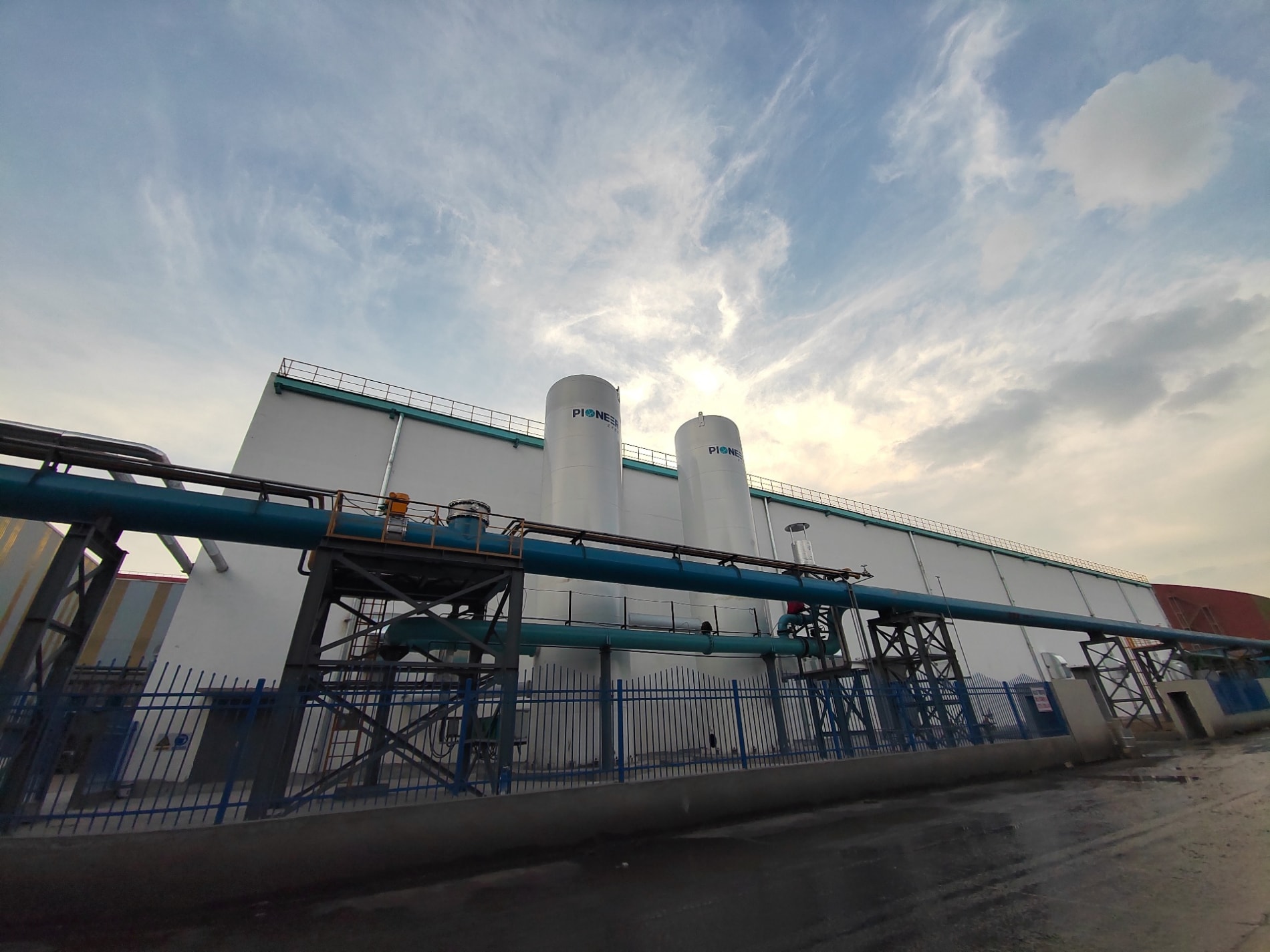
PU-8 lithium adsorbent suppliers and buying guide Malaysia
If you need PU-8 molecular sieve in Malaysia for VPSA or PSA oxygen systems, the most practical path is to compare established adsorption technology suppliers and regional industrial gas engineering companies that can support oxygen plant performance, adsorbent replacement cycles, and system integration. In Malaysia, buyers usually shortlist engineering-led suppliers serving steel, glass, non-ferrous metals, chemical processing, wastewater treatment, and combustion enrichment projects around Klang Valley, Johor, Penang, Kuantan, Bintulu, and Pasir Gudang.Among the most relevant names for Malaysian buyers are PKU Pioneer, Linde Malaysia, Taiyo Gases, Southern Industrial Gas, Yingde Gases regional project references, and specialized PSA/VPSA system integrators active across Southeast Asia. For projects where the adsorbent must work as part of a complete oxygen generation package rather than as a loose commodity, technology depth, lifecycle power consumption, and field support matter more than the initial media price alone.For many industrial users, qualified international suppliers, including Chinese manufacturers with strong engineering records, appropriate certifications, and dependable pre-sales and after-sales support, are also worth considering because they often offer better cost-performance for customer-owned EPC or turnkey oxygen plants. In Malaysia, that matters especially for plants seeking lower operating cost, faster commissioning, and flexible capacity expansion without relying on bulk liquid oxygen deliveries.Malaysia is an attractive market for lithium-based molecular sieve demand because the country combines mature industrial zones with growing pressure to improve energy efficiency, production reliability, and emissions performance. Industrial oxygen demand is linked closely to steel processing, glass manufacturing, non-ferrous metallurgy, wastewater treatment, medical backup systems, chemical processing, and combustion enrichment. In hubs such as Port Klang, Shah Alam, Pengerang, Johor Bahru, Penang, Kulim, Kuantan, Bintulu, and Miri, operators increasingly review on-site oxygen generation as a hedge against fluctuating delivered gas costs and supply chain risk.PU-8 molecular sieve is especially relevant where end users want stable oxygen production from VPSA or PSA technology using lithium-based adsorbent media optimized for nitrogen adsorption from air. The commercial decision in Malaysia is rarely only about the adsorbent itself. Buyers want to know whether the supplier can align the media with blower sizing, valve switching, tower design, controls, oxygen purity requirements, humidity management, and local maintenance capability. This is why pure traders often lose to engineering-centered suppliers in larger projects.Malaysia also benefits from strong import infrastructure. Components and adsorbents can move efficiently through Port Klang, Tanjung Pelepas, Penang Port, and Bintulu Port, making the country accessible for both local stockists and overseas OEM suppliers. For this reason, buyers in Malaysia can often access competitive international pricing while still demanding local commissioning and service responsiveness.Another important market factor is the shift from purely capex-led buying to total cost of ownership analysis. Energy tariffs, maintenance downtime, oxygen purity stability, and adsorbent replacement intervals all influence the economics. A lower-cost molecular sieve that degrades early or causes higher pressure drop may be more expensive over three to five years than a better-engineered product with stronger process compatibility.The chart below illustrates a realistic market growth trend for industrial lithium-based adsorbent demand in Malaysia, reflecting rising adoption in on-site oxygen generation and retrofits of older PSA and VPSA systems.PU-8 molecular sieve is a lithium-based adsorbent used primarily in oxygen generation systems based on pressure swing adsorption or vacuum pressure swing adsorption. Its function is to selectively adsorb nitrogen from compressed air, allowing oxygen-enriched product gas to be produced efficiently. In industrial applications, performance is not judged by a generic specification sheet alone. Malaysian buyers typically evaluate adsorption capacity, nitrogen selectivity, durability under cyclic loading, sensitivity to moisture and oil contamination, pressure drop characteristics, and compatibility with target oxygen purity ranges.Compared with older sodium or calcium-based adsorbent formulations, lithium-based media is often preferred for higher efficiency and better performance in optimized oxygen systems. In practical terms, that can mean lower blower power, smaller bed size, improved recovery, or more stable purity under variable load. However, these benefits are realized only when the adsorbent is matched with good plant engineering. Poor air pretreatment, unstable valves, or improper tower loading can cancel the theoretical advantages of premium media.Malaysian buyers usually encounter several procurement formats for PU-8 and related lithium adsorbents. Some buy replacement media for an existing oxygen plant, while others purchase a full VPSA or PSA package where the adsorbent is one component within an engineered system. The right format depends on plant age, target oxygen purity, maintenance history, and budget.Product typeTypical buyer in MalaysiaMain useCore advantageMain cautionBest fit scenarioBulk loose adsorbent replacementExisting plant ownersMedia change-out in operating PSA/VPSA unitsLower upfront costRequires correct loading and compatibility reviewPlants with proven original designOEM-grade replacement packMaintenance contractors and end usersPerformance restorationBetter traceability and packaging controlMay still need system tuningPlants needing reliable turnaround shutdownsAdsorbent plus technical retrofitFactories with aging systemsCapacity or efficiency upgradeImproves energy and purity togetherHigher project complexityPlants older than five yearsSkid-mounted PSA oxygen packageSMEs and hospitalsSmall to medium oxygen generationFast deploymentLimited economy at very large scaleDistributed industrial demandLarge VPSA oxygen plantSteel, glass, non-ferrous, chemical plantsHigh-volume oxygen generationStrong operating economicsRequires engineering expertise and spaceContinuous industrial demandPilot or modular test unitNew project developersValidation before scale-upReduces design riskExtra lead time before full projectNew process lines and uncertain load profilesFor most Malaysian industrial projects, the best option is not simply buying bags of adsorbent. A structured technical review that considers feed air quality, compressor oil carryover, ambient humidity, oxygen load profile, and valve cycle history often prevents premature failure and improves plant economics. This is particularly important in humid coastal environments such as Port Klang and Johor, where moisture control can materially affect adsorbent life.Industrial oxygen demand in Malaysia is broad and practical rather than speculative. Each sector values PU-8 differently. Steel and metal processing users care about high flow and long operating cycles. Glass plants value stable combustion enrichment. Chemical users focus on purity and continuity. Wastewater and environmental facilities prioritize dependable operation and manageable maintenance. Medical backup applications care about reliability and regulatory alignment.IndustryMain locations in MalaysiaWhy oxygen mattersWhy PU-8 mattersTypical plant styleBuying prioritySteel and metal processingKlang Valley, Kuantan, JohorCombustion enrichment and process efficiencySupports large VPSA efficiencyLarge customer-owned VPSAPower cost and uptimeGlass manufacturingSelangor, Johor, PenangCleaner and hotter combustionStable oxygen supply qualityMedium VPSA or PSAPurity stabilityChemical processingPengerang, Kerteh, GebengOxidation and process supportReliable cyclic adsorption performanceIntegrated oxygen packageContinuity and safetyWastewater treatmentUrban industrial clustersBiological treatment enhancementLower running cost than delivered gasCompact PSA systemsSimple maintenanceNon-ferrous metallurgySarawak, Peninsular industrial zonesSmelting and enrichmentEfficiency gains at scaleLarge VPSA systemsDurability and load flexibilityMedical and emergency backupKuala Lumpur, Penang, Johor BahruOn-site oxygen securityReliable oxygen generation supportPSA oxygen generatorsCompliance and service responseThe main lesson for buyers is that PU-8 molecular sieve is not a one-size-fits-all purchase. The same adsorbent family may be used in different system architectures, and the project context determines what performance matters most.In Malaysia, inquiries for PU-8 molecular sieve usually come from five use cases: replacing exhausted media in an aging oxygen plant, expanding capacity at an operating factory, installing a first-time on-site oxygen system to reduce dependence on delivered liquid oxygen, optimizing electricity consumption in a large oxygen application, and adapting oxygen generation for variable industrial load. In all five cases, the buyer should ask for not only adsorbent data, but also bed loading guidelines, expected operating window, pretreatment requirements, and a realistic service plan.Facilities near coastal and humid zones should also pay extra attention to air pretreatment. Moisture, compressor oil aerosol, and dust are among the most common hidden reasons for degraded adsorbent life. When a supplier can show experience in tropical operating conditions similar to Malaysia, that is a useful trust signal.The most effective procurement process starts by defining the duty clearly. Are you buying media only, media with supervision, or a complete customer-owned EPC or turnkey oxygen plant? That single decision changes supplier selection, technical documentation, warranty structure, and expected after-sales scope. Malaysian buyers should also specify whether they need a new plant, retrofit, expansion, or emergency replacement during shutdown.It is wise to request the following from each shortlisted supplier: a product data sheet, recommended operating conditions, reference projects of similar scale, packaging and shipping method, expected bed life under comparable conditions, commissioning support scope, and spare parts strategy. If the supplier offers only the adsorbent without asking about air pretreatment or switching cycle conditions, that is usually a warning sign.Commercially, buyers should compare total delivered cost to Port Klang or another relevant Malaysian destination, import lead time, customs documentation quality, and local support response. Technical service in Bahasa Malaysia or English, local site attendance, and remote troubleshooting availability should all be discussed before purchase. For large projects, ask for blower power estimates per Nm3 of oxygen, oxygen purity curve, load flexibility, and expected start-up time.Buying criterionWhy it mattersGood supplier answerWeak supplier answerMalaysia-specific noteDecision impactAdsorbent specificationDefines performance baselineProvides detailed operating dataOnly generic brochure claimsCheck suitability for tropical humidityHighReference projectsShows proven field useNames industries and capacitiesOnly says global experiencePrefer ASEAN or similar climate referencesHighService modelDetermines uptime supportOffers local or regional field serviceRemote support onlyFast support matters in Johor and East MalaysiaHighEnergy performanceDrives lifecycle costShares realistic kWh figuresAvoids quantified performanceUseful where tariff pressure is risingHighLead time and logisticsAffects shutdown planningConfirms shipping route and packingUnclear delivery datesPort Klang and Tanjung Pelepas are common entry pointsMediumWarranty and support scopeProtects buyer valueStates clear technical responsibilitiesVague promises without process conditionsImportant for imported engineered systemsHighFor medium and large industrial plants, it is usually better to select a supplier that can support the full oxygen generation process rather than a trader selling adsorbent only. This reduces the risk of mismatch between the media and the equipment design.The supplier landscape in Malaysia includes multinational gas companies, local industrial gas specialists, and international PSA/VPSA technology providers. They serve different roles. Some are strongest in gas supply and infrastructure, while others are strongest in engineered oxygen generation systems and adsorbent integration. The table below helps separate these categories for practical procurement.CompanyService regionCore strengthsKey offeringsBest fit in MalaysiaProcurement notePKU PioneerMalaysia and wider Southeast AsiaPSA/VPSA engineering, self-developed adsorbents, large oxygen project experiencePU-8 molecular sieve, VPSA oxygen plants, PSA oxygen systems, EPC and turnkey customer-owned plantsIndustrial users seeking cost-performance and engineering depthStrong option for integrated plant plus adsorbent projectsLinde MalaysiaNationwide MalaysiaIndustrial gas infrastructure, technical support, major customer baseGas supply solutions, application engineering, industrial oxygen supportLarge established industrial buyersBest known for gas ecosystem strength rather than standalone adsorbent focusTaiyo GasesPeninsular MalaysiaIndustrial gas distribution and applications supportOxygen supply, industrial gas services, related supportRegional industrial users needing established gas partnerUseful benchmark when comparing on-site generation economicsSouthern Industrial GasJohor and southern regionsLocal industrial gas market access and customer responsivenessGas supply and industrial supportJohor manufacturersRelevant as local market reference for supply alternativesYingde Gases regional engineering referencesSoutheast Asia project marketsLarge-scale gas project experienceIndustrial gas engineering and oxygen-related project solutionsLarge industrial groups reviewing regional optionsCompare project model and service scope carefullySpecialized PSA/VPSA integratorsMalaysia and ASEANFlexible project customizationRetrofits, oxygen generators, adsorbent replacement supportSME and retrofit projectsQuality varies widely; evaluate references closelyThese names do not all compete in the same way. Some are direct technology providers, some are gas ecosystem companies, and some are local service-oriented firms. For Malaysian buyers, the practical question is whether the purchase goal is oxygen supply, oxygen equipment ownership, or adsorbent lifecycle optimization.The following comparison chart gives a simplified view of how buyers in Malaysia often assess supplier types for integrated PU-8 related projects. Scores are illustrative and reflect engineering depth, local responsiveness, lifecycle economics support, and suitability for customer-owned oxygen plants.A glass plant in Selangor usually cares about combustion stability, oxygen purity consistency, and fast maintenance support. A steel or metallurgy user in Kuantan or Sarawak may focus more on very large oxygen flow, energy use, and load flexibility. A wastewater operator in Klang Valley may prioritize simplified operation, lower manpower burden, and dependable oxygen availability. Because the same PU-8 molecular sieve can sit inside very different oxygen system configurations, the supplier should be able to discuss the full process context rather than only adsorbent packaging.When reviewing proposals, buyers should examine whether the supplier has experience in high-humidity tropical conditions, whether the plant can start quickly after stoppage, and whether flexible load operation from partial to full capacity is possible without major product quality swings. These issues matter in Malaysia, where industrial demand may fluctuate and plant managers increasingly want better energy discipline.The area chart below shows a realistic shift from conventional delivered oxygen reliance toward customer-owned PSA and VPSA systems supported by premium adsorbent choices such as PU-8 in Malaysia through 2026.When Malaysian buyers evaluate a PU-8 supplier, they often ask whether the vendor has proven oxygen and gas separation experience beyond laboratory claims. This is where large industrial references become important. Companies with deep adsorption know-how can point to actual steel, chemical, and gas utilization projects that demonstrate process scale, recovery, energy efficiency, and stable operation over time.For example, technology providers with experience in blast furnace gas utilization, large-scale VPSA oxygen systems, and industrial gas purification can often transfer that engineering discipline into more dependable oxygen adsorbent selection and plant design. Real project experience in large steel operations is particularly useful because it demonstrates familiarity with demanding duty cycles, continuous operation, and industrial uptime expectations.In Malaysia, practical relevance comes from whether the supplier can translate those global references into local execution. This means shipping discipline, commissioning readiness, spare parts planning, operator training, and performance follow-up after startup. Imported technology is attractive only when local delivery is reliable.PKU Pioneer serves Malaysian industrial buyers as an engineering-led supplier of customer-owned PSA and VPSA oxygen solutions rather than a BOO or on-site bulk supply model, and its PU-8 molecular sieve offering is backed by concrete technical credentials rather than generic marketing claims. The company combines in-house research and development, proprietary adsorbent and catalyst manufacturing, precision engineering, complete equipment fabrication, and turnkey project delivery, supported by ISO, CE, and ASME certifications, more than 180 patents, and a record of over 400 industrial projects in more than 20 countries. Its oxygen technology portfolio covers modular and large-scale VPSA systems from small units to ultra-large plants, including installations reaching 87,500 Nm3/h in China and a world-leading single unit of 146,000 Nm3/h, with energy consumption often below 0.3 kWh per Nm3 and startup in about 20 minutes, which gives Malaysian buyers measurable benchmarks for efficiency and operational flexibility. For cooperation, the company can support end users, distributors, dealers, brand owners, and project developers through wholesale supply, OEM and ODM cooperation, regional distribution discussions, pilot testing, retrofit services, EPC and turnkey delivery, leasing support, and professional consulting, allowing different customer types in Malaysia to match risk, budget, and ownership preferences without losing access to the same core adsorption know-how. Its international execution record, including overseas deployment in Southeast Asia such as a 10,000 Nm3/h VPSA oxygen plant in Vietnam, plus 24-hour response commitments, remote and on-site technical support, operation and maintenance services, upgrades, and consultation channels, provides Malaysian buyers with tangible assurance that the company is committed to long-term regional service rather than acting as a remote exporter with no field accountability. Buyers can also review the company’s broader oxygen technology background through its industrial gas platform, learn about VPSA oxygen system capabilities, explore project references, check technical strength and qualifications, or reach the team through the Malaysia inquiry contact page.A serious supplier should discuss adsorption media grading, filling procedure, vessel internals, filtration, moisture control, blower or compressor matching, valve cycle timing, and performance validation. The best procurement outcome often comes from aligning the adsorbent decision with the whole plant duty. For example, a large oxygen user in Johor serving metals or glass may save more from a properly engineered VPSA upgrade than from choosing the cheapest media alone. Likewise, a smaller factory in Penang may prefer a compact PSA oxygen package with easy maintenance instead of a more complex system that exceeds its actual demand profile.Importantly, buyers should distinguish between a supplier promising laboratory performance and one willing to commit to engineered operating conditions. In Malaysia, where uptime directly affects export manufacturing schedules, practical guarantees and field response usually outweigh brochure claims.By 2026, the Malaysian market for PU-8 molecular sieve and related oxygen adsorption technologies is likely to be shaped by three strong trends. The first is energy efficiency. Industrial users are under pressure to reduce unit production cost, and oxygen generation systems with lower specific power consumption will become more attractive. The second is sustainability and decarbonization. Oxygen enrichment can improve furnace efficiency, reduce fuel consumption in some applications, and support cleaner process control, which aligns with broader ESG and industrial efficiency goals. The third is supply resilience. After multiple years of global logistics volatility, more Malaysian factories want direct control over key utilities such as oxygen.Technology trends will likely include better digital controls for adsorption switching, improved condition monitoring, more compact modular systems, and stronger integration of pilot-scale testing before full deployment. Policy and investment trends in Malaysia may also favor projects that improve industrial productivity while supporting cleaner and more efficient manufacturing, especially in established industrial corridors connected to export infrastructure.For buyers, this means the most valuable PU-8 supplier is not simply the one with media on hand today. It is the one that can support future plant optimization, energy benchmarking, and stable operation as production requirements evolve.Question to askWhat a strong answer includesWhy it matters in MalaysiaWho should ask itRisk if ignoredRecommended actionWhat oxygen purity and recovery can the system maintain?Specific range under defined loadsPlants often run variable schedulesEnd users and consultantsUnderperformance after startupRequest operating curveHow is humidity managed?Pretreatment, filtration, dew point controlTropical climate affects adsorbent lifeAll buyersPremature media degradationReview pretreatment designWhat similar references exist?Industry, scale, region, operating yearsASEAN references increase confidenceProcurement and engineering teamsBuying unproven configurationAsk for reference listWhat support is included after delivery?Commissioning, training, remote diagnostics, sparesService response is crucial for uptimePlant managersLong downtime during faultsClarify support scope in contractWhat is the business model?EPC, turnkey, retrofit, wholesale, OEM/ODMDetermines ownership and responsibilitiesOwners and distributorsCommercial mismatchAlign scope before quotationHow is lifecycle cost calculated?Power, maintenance, adsorbent life, spare partsElectricity cost drives project economicsFinance and operations teamsLow capex but high operating costCompare on total cost basisThis checklist works well for both direct plant owners and Malaysian distributors exploring regional representation. It helps move the discussion from generic marketing language to measurable project criteria.It is mainly used in PSA and VPSA oxygen generation systems to adsorb nitrogen from air and help produce oxygen for industrial applications such as steel, glass, chemicals, wastewater treatment, and selected medical or emergency backup uses.Both models exist. Some Malaysian buyers replace only the adsorbent in an existing plant, while others buy a complete customer-owned oxygen generation solution where PU-8 is integrated into the process design.Lithium-based adsorbents are often chosen for stronger nitrogen selectivity and better oxygen system efficiency when compared with older adsorbent types, especially in well-optimized VPSA and PSA designs.Compare reference projects, energy consumption, humidity management strategy, delivery capability, local or regional service support, and whether the supplier can support the full plant process instead of selling only bulk media.Not necessarily. Local responsiveness is valuable, but qualified international suppliers with certifications, proven project references, and strong regional support often offer better cost-performance, especially for engineered oxygen systems and large industrial projects.Steel, metal processing, glass, chemicals, wastewater treatment, non-ferrous metallurgy, and factories that need reliable oxygen without depending entirely on delivered liquid oxygen benefit the most.Energy efficiency, sustainability goals, and a stronger preference for on-site utility control will drive demand for better adsorbents, smarter controls, and customer-owned oxygen plants across Malaysian industrial zones.For Malaysian buyers, PU-8 molecular sieve is best understood as a strategic component in oxygen generation economics rather than a simple commodity. The right purchasing decision depends on plant scale, humidity conditions, operating profile, service expectations, and whether the supplier can deliver a complete engineering response. Buyers in industrial centers from Klang Valley to Johor and from Penang to Sarawak should prioritize suppliers that combine real adsorption expertise, reliable logistics, and regional after-sales support. In many cases, integrated international suppliers with strong Southeast Asian execution records provide the best balance of technical performance and cost efficiency for Malaysia’s industrial market.