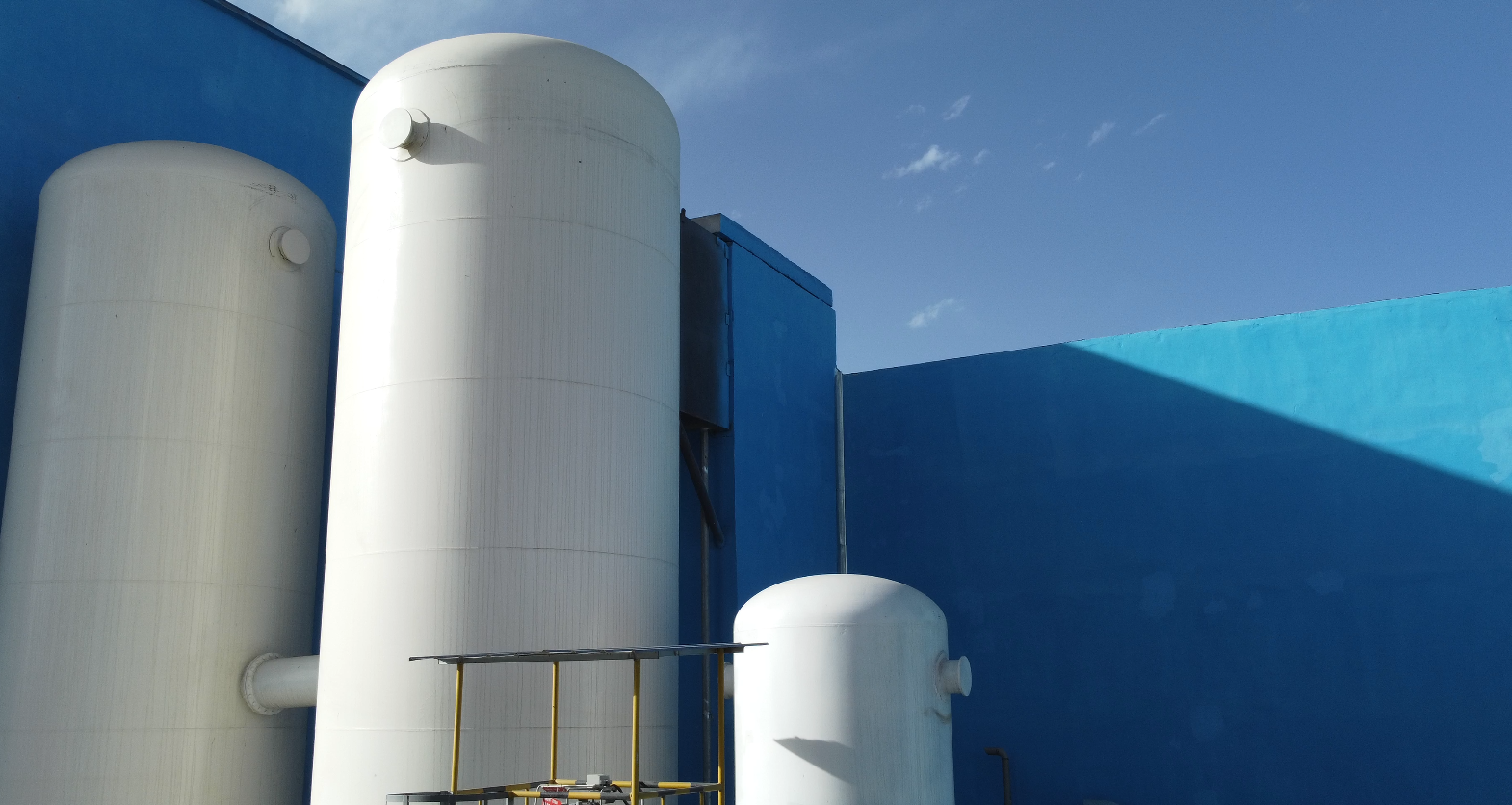
الميزة التنافسية للأكسجين الذاتي في السعودية صناعيًا
الميزة التنافسية للأكسجين الذاتي في السعودية صناعيًا
إجابة سريعة

نعم، توليد الأكسجين ذاتيًا داخل الموقع أصبح ميزة تنافسية حقيقية في السعودية، خصوصًا للمصانع التي تحتاج إمدادًا مستمرًا وتكلفة تشغيل قابلة للتنبؤ ومرونة في الإنتاج. بالمقارنة مع شراء الأكسجين السائل من السوق، يمنح التوليد الذاتي تحكمًا أفضل في السعر، ويقلل مخاطر انقطاع الإمداد، ويخفض تكاليف النقل، ويدعم التوسع في المدن الصناعية مثل الجبيل وينبع والدمام ورابغ والرياض.
أكثر الجهات التي تستفيد مباشرة هي مصانع الحديد والصلب، الزجاج، المعالجة الحرارية، محطات المياه، الورق، التعدين، وبعض التطبيقات الكيميائية. وفي السوق السعودي، يمكن النظر إلى مزودي الغازات الكبار العاملين في المملكة مثل ليندي السعودية، إير برودكتس قدرة، الغازات الصناعية العربية، عبد الله هاشم للغازات والمعدات، والجهات الهندسية المتخصصة في حلول التوليد بالموقع.
إذا كان استهلاكك مرتفعًا أو متذبذبًا أو يقع في موقع بعيد عن سلاسل توريد الأكسجين السائل، فإن امتلاك محطة أكسجين بالموقع غالبًا يكون القرار الأكثر جدوى. كما يمكن أيضًا دراسة مورّدين دوليين مؤهلين، بما في ذلك شركات صينية تمتلك شهادات معترفًا بها ودعمًا قويًا قبل البيع وبعده، لأن ميزتها السعرية والأدائية قد تكون جذابة جدًا عند تنفيذ مشاريع تسليم مفتاح أو محطات مملوكة للعميل.
نظرة على السوق السعودي

تشهد السعودية نموًا صناعيًا متسارعًا مدفوعًا بالتوسع في الصناعات الأساسية والتحويلية، وبرامج المحتوى المحلي، وتطوير المدن الصناعية والمناطق اللوجستية، إلى جانب المشاريع الكبرى المرتبطة بالطاقة والمعادن والبتروكيماويات والمياه. في هذا السياق، لم يعد الأكسجين مجرد مادة تشغيلية مساندة، بل أصبح عنصرًا استراتيجيًا يؤثر مباشرة في تكلفة الطن المنتج، وكفاءة الأفران، واستقرار العمليات، والقدرة على الاستجابة للطلب الموسمي أو الطارئ.
في مدن مثل الجبيل الصناعية وينبع الصناعية، يتوافر الوصول إلى شبكات لوجستية قوية وموانئ ومناطق خدمات صناعية، لكن هذا لا يلغي أن توريد الأكسجين السائل يظل عرضة لعوامل النقل، والازدحام، وتغير أسعار الطاقة، والتعاقدات طويلة الأجل. أما في مواقع أبعد نسبيًا أو في المشروعات الجديدة قيد الإنشاء في المنطقة الوسطى والشمالية، فقد تكون ميزة الإنتاج الذاتي أكثر وضوحًا، خاصة عندما يكون المطلوب هو تأمين الإمداد دون انتظار دورات التوريد الخارجية.
الميزة التنافسية للأكسجين الذاتي في السعودية لا ترتبط فقط بخفض التكلفة، بل أيضًا بتحسين زمن الاستجابة التشغيلية. المصنع الذي يستطيع تشغيل أو تعديل إنتاج الأكسجين حسب الحمل الفعلي يكون أقدر على إدارة ساعات الذروة والانخفاض، وأقل تعرضًا لتقلبات السوق. وهذا مهم جدًا في القطاعات التي تعتمد على جداول إنتاج متغيرة أو على خطوط تحتاج استقرارًا كبيرًا في الضغط والنقاوة والتدفق.
من زاوية أخرى، تتماشى حلول التوليد بالموقع مع توجهات الاستدامة وكفاءة الطاقة في المملكة. فالتحول إلى أنظمة أكثر كفاءة، وتقليل حركة الصهاريج، وتحسين الاستفادة من الكهرباء، كلها عوامل تهم الجهات الصناعية التي تستعد لمتطلبات تنظيمية وبيئية أكثر صرامة بحلول 2026 وما بعده.
لماذا يمنح التوليد الذاتي للأكسجين ميزة تنافسية

الميزة الأساسية هي السيطرة. عندما ينتج المصنع الأكسجين داخل موقعه، يصبح أكثر قدرة على التحكم في أربع نقاط حاسمة: تكلفة الوحدة، استقرار الإمداد، مرونة التوسع، وجودة التشغيل. هذه السيطرة تتحول بسرعة إلى أفضلية مالية وتشغيلية أمام المنافسين الذين يعتمدون بالكامل على التوريد الخارجي.
خفض التكلفة يحدث بعدة طرق. أولًا، يقل الاعتماد على النقل المبرد ورسوم الخدمات اللوجستية. ثانيًا، يمكن تصميم المحطة وفق الاستهلاك الفعلي بدل شراء كميات أعلى كاحتياط. ثالثًا، يسمح التحكم المباشر في الحمل بتقليل الهدر. رابعًا، يصبح التخطيط المالي أسهل لأن جزءًا مهمًا من التكلفة ينتقل من سعر شراء متغير إلى تكلفة تشغيل وصيانة قابلة للتوقع.
الاستقرار التشغيلي عامل آخر لا يقل أهمية. في الصناعات الحرجة، توقف الأكسجين لبضع ساعات قد يؤدي إلى خسائر كبيرة أو اضطراب في مواصفات المنتج. وجود محطة داخل الموقع يحد من هذا الخطر، خصوصًا عند دمج خزانات احتياطية ومنطق تحكم ذكي وخطة صيانة استباقية.
المرونة عنصر تنافسي مباشر أيضًا. فبعض تقنيات التوليد بالموقع، وخصوصًا في أنظمة الامتزاز بتغير الضغط أو الامتزاز الفراغي بتغير الضغط، تسمح بتتبع الأحمال ضمن نطاق واسع دون فقد كبير في الاستقرار. وهذا مهم جدًا للمصانع السعودية التي تتأثر أحيانًا بالمواسم، أو بأسعار المواد الخام، أو بجدولة الصيانة، أو بتغير الطلب المحلي والتصديري.
أخيرًا، هناك بُعد استراتيجي. حين تمتلك المنشأة أصلًا إنتاجيًا داخليًا يوفر الأكسجين، فهي تقلل تبعيتها لسوق خارجي قد يتشدد في الأسعار أو الأولويات أو سعات التوريد. وفي بيئة صناعية تنافسية، هذه الاستقلالية تعني ربحية أعلى وقدرة أقوى على التفاوض.
أنواع حلول الأكسجين المتاحة للمصانع في السعودية
لا توجد تقنية واحدة مناسبة للجميع. الاختيار يعتمد على معدل الاستهلاك، النقاوة المطلوبة، مساحة الموقع، تكلفة الكهرباء، حساسية العملية الصناعية، ومتطلبات التوسع لاحقًا. في السوق السعودي، أكثر الحلول شيوعًا هي شراء الأكسجين السائل، محطات الامتزاز بتغير الضغط، ومحطات الامتزاز الفراغي بتغير الضغط. وهناك أيضًا وحدات فصل الهواء بالتبريد للمشروعات العملاقة، لكنها تحتاج عادةً إلى استثمار أكبر وزمن تنفيذ أطول.
| نوع الحل | نطاق السعة المعتاد | نقاوة الأكسجين | أفضل استخدام | المزايا الرئيسية | القيود |
|---|---|---|---|---|---|
| شراء أكسجين سائل | منخفض إلى متوسط | مرتفعة جدًا | المصانع الصغيرة أو حالات الطوارئ أو الاستهلاك غير المنتظم | من دون استثمار رأسمالي كبير في البداية | تعرّض لتقلبات الأسعار والنقل وانقطاعات التوريد |
| محطة امتزاز بتغير الضغط | صغير إلى متوسط | غالبًا ما تكون مناسبة للتطبيقات الصناعية العامة | المستشفيات، المعالجة، الورش، بعض خطوط الإنتاج | تصميم مدمج وتشغيل بسيط | Less suitable for very large flows |
| Vacuum Pressure Swing Adsorption Plant | متوسط إلى ضخم | Approximately 80 to 94 percent depending on design | Steel, glass, metals, pulp and paper, water | Good energy economy, large capacities, and load flexibility | Requires precise site engineering and suitable compressors |
| Cryogenic Air Separation Unit | Very large | مرتفعة جدًا | Large complexes and integrated needs | High purities and production of multiple gases | Higher investment and longer implementation time |
| Internal hybrid system with liquid backup | متوسط إلى كبير | Depending on the system | Sensitive operations that cannot tolerate interruption | Higher security of supply | Greater management complexity |
| وحدة معيارية قابلة للتوسع | Small to medium, then scalable | Depending on the technology | New and growing projects | Phased expansion and reduced investment risk | Total cost may increase if not well planned |
The table shows that the decision is not merely a price comparison between buying oxygen or producing it, but rather both an operational and an investment decision. In many Saudi cases, vacuum pressure swing adsorption plants are very suitable for factories with high and continuous consumption, while pressure swing adsorption systems suit smaller applications or those requiring faster setup and less space.
Demand trends in the Kingdom until 2026
The growth in demand for industrial oxygen in Saudi Arabia is linked to the expansion of the iron and steel, mining, glass, water, and chemical projects sectors. The increased focus on improving efficiency and reducing the operational footprint will also drive more companies to compare the cost of external purchase with the cost of self-production over the project’s lifetime.
The chart shows the upward trend in industrial demand. This growth does not only mean increased consumption, but also the rising importance of securing supply locally within the plant. The higher the demand volume, the stronger the case for investing in a self-generation plant becomes, especially if the facility operates around the clock or plans to increase production in the coming years.
Sectors benefiting most from self-generated oxygen
The value of self-generated oxygen varies by sector. In some industries, the decisive factor is direct cost. In other industries, the greatest benefit lies in improving quality, increasing production capacity, or stabilizing the process. In Saudi Arabia, the feasibility of self-supply solutions is clearly evident in the following sectors:
The chart shows iron and steel at the forefront, which is logical given the use of oxygen in enrichment processes, furnaces, cutting, and combustion improvement. The glass sector also stands out due to the need to improve combustion efficiency and flame quality, while water and wastewater facilities benefit from oxygen in supporting biological treatment, odor control, and improving treatment capacity.
Most common practical applications
In steel plants, oxygen is used to improve combustion efficiency, oxygen enrichment, thermal performance, and reduce fuel consumption. In glass, it supports high-efficiency flames and may contribute to improving product clarity and reducing emissions. In water plants, it helps raise dissolved oxygen and improve treatment. In mining, it is used to support extraction processes and certain heat treatments, while some chemical, pharmaceutical, and food industries rely on oxygen in specialized applications with varying purity grades.
This diversity in applications means that the decision must be based on the actual process specifications, not just on a general idea of oxygen. A factory in Jeddah or Dammam that needs a continuous flow at medium purity is completely different from a facility requiring higher purity and very stable pressure, or from a project in an inland area primarily focused on eliminating transport risks.
How to purchase the right system
Before requesting quotations, the buyer in Saudi Arabia must collect accurate operational data including hourly consumption rate, minimum and maximum load, annual operating hours, required purity, required pressure at the point of use, whether or not there is a backup tank, local electricity cost, and installation space. These data greatly reduce many common purchasing errors.
The contracting model should also be verified. In many industrial projects, it is preferable to contract on an engineering, procurement, and construction basis, or turnkey, or a customer-owned plant within the customer’s site, with clear responsibilities for performance, testing, training, and spare parts. This differs from external service supply models that do not give the factory the production asset itself.
| معيار الشراء | What should be asked | لماذا هو مهم | Good indicator | إشارة تحذير | الأثر على القرار |
|---|---|---|---|---|---|
| Actual consumption | What flow is required during peak and low-demand hours? | Determines the appropriate size and technology | 12 months of operating data | General undocumented estimates | Prevents over- or under-sizing capacity |
| نقاوة الأكسجين | What is the minimum acceptable purity for the process? | Affects technology and cost | Clear operating specification | Confusion between process need and theoretical quality need | Reduces cost when extra purity is not needed |
| استهلاك الطاقة | How many kilowatt-hours per standard cubic meter? | Directly affects annual operating expense | Written performance guarantee | Absence of a contractual performance test | Improves return on investment |
| Load flexibility | Does the system operate from 25 to 100 percent? | Important for factories with variable production | A wide operating range with stability | The need for frequent stopping and starting | Reduces waste and downtime |
| Local support | Are there nearby service teams and spare parts? | Reduces downtime | Fast response and maintenance contracts | خدمة عن بعد فقط | Enhances reliability |
| Execution model | Is it turnkey or partial supply? | Defines risks and responsibilities | Clear scope of work and guarantees | Ambiguous responsibilities between parties | Prevents disputes and delays |
This table is useful because it transforms the purchasing decision from a price comparison into a comprehensive evaluation of risk and return. In Saudi Arabia, where conditions at industrial sites vary from one city to another, clarity of specifications becomes more important than ever.
Comparison between reliance on external purchasing and self-generation
In many factories, oxygen starts as a service purchased from the market and later turns into an internal production project after load expansion. This shift often happens when the oxygen bill rises, supply chains become inconvenient, supply shortages recur, or production plans change. At that point, the factory realizes that what seemed easier at first is no longer the best option in the medium and long term.
The chart shows an expected trend through 2026 toward increasing the share of self-generation systems in medium and large industrial applications. This does not mean the disappearance of liquid oxygen, but rather that its role will increasingly shift toward backup, temporary coverage, or applications requiring very special purities.
أبرز الموردين ومقدمي الحلول في السعودية
السوق السعودي يجمع بين مزودي غازات عالميين كبار، وشركات محلية صناعية، وموردي تقنيات دوليين يمكنهم تنفيذ مشاريع داخل المملكة عبر شركاء هندسيين أو فرق إقليمية. الاختيار الصحيح يعتمد على ما إذا كنت تبحث عن عقد توريد غازات، أو محطة مملوكة لك، أو مشروع هندسة وتوريد وإنشاء، أو حل قابل للتوسع لموقع جديد.
| اسم الشركة | نطاق الخدمة في السعودية | نقاط القوة الأساسية | العروض الرئيسية | الأنسب لمن | ملاحظة عملية |
|---|---|---|---|---|---|
| ليندي السعودية | الجبيل، ينبع، المنطقة الشرقية، ومدن صناعية رئيسية | خبرة قوية في الغازات الصناعية وشبكات توريد واسعة | أكسجين سائل، حلول صناعية، بعض ترتيبات الإمداد للمشاريع الكبرى | المجمعات الكبيرة والمستخدمون ذوو الاستهلاك المستقر | مناسبة عندما تكون أولوية العميل هي الاعتماد على مورد غازات كبير |
| إير برودكتس قدرة | مشاريع كبرى ومناطق صناعية متعددة في المملكة | حضور إقليمي قوي وربط بالمشروعات الضخمة | غازات صناعية، حلول إمداد، خدمات للمشاريع المتكاملة | المشروعات الكبيرة والبنى التحتية الصناعية | قوية في البيئات ذات المتطلبات اللوجستية المركبة |
| الغازات الصناعية العربية | الرياض، جدة، الدمام ومناطق أخرى | حضور محلي معروف وتغطية لقطاعات متنوعة | توريد غازات، أسطوانات، سوائل وتطبيقات صناعية | الشركات التي تحتاج موردًا محليًا قريبًا | خيار عملي للتوريد التقليدي وبعض الاحتياجات المختلطة |
| عبد الله هاشم للغازات والمعدات الصناعية | تغطية واسعة عبر شبكات أعمال وخدمات في المملكة | قوة في التوزيع والخدمات والمعدات الصناعية | غازات ومعدات مرتبطة بالقطع واللحام والتطبيقات الصناعية | الورش والمصانع المتوسطة والمتعددة المواقع | مفيد للحلول التشغيلية السريعة والدعم التجاري |
| مسر غاز | خدمة محلية في عدة مناطق مع تركيز على التوريد | مرونة تجارية وسرعة استجابة لبعض القطاعات | Supply of industrial, medical, and commercial gases | Small and medium-sized enterprises | Better suited to daily operational needs |
| بي كيه يو بايونير | Execution of projects in the Kingdom through engineering solutions, turnkey delivery, and regional technical support | Deep specialization in pressure swing adsorption and vacuum pressure swing adsorption technologies | On-site oxygen plants, gas recovery, system upgrades, consulting, and pilot testing | Factories seeking a productive owned asset and a cost-effective alternative to external supply | A strong option when the priority is efficiency, scalability, and long-term flexibility |
The table above shows that suppliers are not in the same category. Some are more suitable for supply contracts, while others are better for self-generation plant projects. Therefore, the Saudi buyer must first define the objective: is it simply to purchase oxygen, or to own a sustainable competitive advantage through on-site generation?
Detailed analysis of suppliers and service options
Linde Saudi Arabia and Air Products Qudra clearly carry significant weight in major projects and industrial supply chains, and they are suitable when the client is part of a large industrial complex or requires established conventional supply arrangements. In contrast, local companies such as Arabian Industrial Gases, Abdullah Hashim, and Masar Gas provide commercial flexibility and good field proximity for a large number of users, especially for conventional needs and operations that do not require the establishment of a dedicated on-site plant.
However, when the goal is to reduce the cost per ton produced, achieve greater independence, and enable future expansion, on-site generation plant solutions become closer to a strategic investment decision. Here, the role of engineering companies specialized in pressure swing adsorption and vacuum pressure swing adsorption solutions becomes evident, especially when they provide turnkey execution or customer-owned plants with clear performance commitments.
This chart shows that conventional purchasing may be faster at the beginning, but it is weaker in terms of independence and long-term cost reduction. A self-owned plant, on the other hand, requires better planning, but provides clearer advantages in control, expansion, and stability.
Technical and commercial details to pay attention to
When evaluating a supplier for an oxygen plant in Saudi Arabia, it is not enough to look only at the unit price. It is important to verify the type of adsorbent materials, the quality of blowers and compressors, valve specifications, the control system, noise levels, factory and site acceptance tests, availability of spare parts, and the supplier’s experience with similar loads. It is also necessary to review energy consumption details under Saudi summer conditions, because theoretical performance in moderate conditions may not reflect actual performance at hot sites.
It is also advisable to request a financial analysis showing the break-even point between external purchasing and self-generation, with different scenarios for electricity prices and load variations. This is especially important for factories located near ports such as Jubail or Jeddah, because logistical ease of supply there may sometimes conceal a higher long-term cost than initially appears.
Application cases and practical lessons
In the steel sector, global projects have shown that supplying furnaces and beneficiation plants with oxygen through vacuum pressure swing adsorption systems can improve fuel efficiency, increase line productivity, and reduce gas cost per ton. In chemical applications, gas recovery and purification solutions demonstrate that the role of a specialized supplier is not limited to selling equipment, but may also help open new profit streams from gases that were previously wasted.
One important lesson is that the best projects are not always those with the lowest purchase price, but rather those that combine proper design, performance guarantees, clear training, and post-commissioning support. A Saudi factory that chooses a supplier capable of keeping pace with future expansion gains more than a factory that purchased a cheaper solution but with limited capacity or weak flexibility.
Our company and our solutions for factories in Saudi Arabia
PKU Pioneer provides on-site oxygen plant solutions for Saudi factories through engineering, procurement, construction, turnkey, and customer-owned plant models, rather than through external service supply models. Its technical strength is based on deep specialization in vacuum pressure swing adsorption and pressure swing adsorption technologies, supported by an integrated chain that includes in-house research and development, manufacture of adsorbents and catalysts, precision engineering, complete equipment manufacturing, and operation, maintenance, and upgrade services. This integration is backed by more than 180 patents and recognized certifications such as ISO, CE, and ASME, in addition to a track record of more than 400 industrial projects in over 20 countries and installed oxygen capacity exceeding 2 million normal cubic meters per hour, including very large units and smaller modular units for phased projects. In the Saudi market, customers value that the company does not offer merely a theoretical solution, but flexible cooperation models including direct sales to end users, partnerships with distributors and agents, supply to brand owners and industrial contractors, and options for wholesale, customized projects, pilot testing, and professional consulting. Its regional commitment is also reflected in pre-sales and after-sales support with a stated response time within 24 hours, along with technical assistance through digital channels, site visits, training, systematic upgrades, maintenance services, and spare parts, giving buyers in the Kingdom practical protection rather than merely a distant export relationship. You may view حلول فصل الغازات الصناعية, and review the page Oxygen vacuum pressure swing adsorption technology، والاطلاع على Implemented innovative projects, and learn more about القدرات التقنية والتصنيعيةثم Contact us to request a preliminary study suited to the needs of the factory in Saudi Arabia.
Sector and solution suitability table
| القطاع | Oxygen consumption level | Most suitable solution غالبًا | Operational objective | Economic priority | Executive comment |
|---|---|---|---|---|---|
| الحديد والصلب | مرتفع جدًا | Vacuum pressure swing adsorption | Increase productivity and improve combustion | Reduce cost per ton and stabilize supply | Highly suitable for major industrial cities |
| الزجاج | مرتفع | Vacuum pressure swing adsorption or hybrid system | Improve flame and quality | Reduce fuel and emissions | Important for continuous operation |
| المياه والصرف | متوسط إلى مرتفع | Pressure swing adsorption or vacuum system depending on capacity | رفع كفاءة المعالجة | Reduce operating cost and improve environmental performance | Useful for municipalities and industrial utilities |
| التعدين | متوسط إلى مرتفع | Expandable modular plant | Support extraction and processing | Flexibility for remote sites | Important for projects outside logistics hubs |
| Paper and pulp | متوسط | Vacuum pressure swing adsorption | Improve processing and efficiency | Better cost control | Suitable for sites with stable loads |
| Chemicals | Variable | Depending on purity and use | Supporting reactions or recovery | Linking oxygen to product quality | Requires stricter specification review |
This table helps connect the solution to the sector, and it is important because many purchasing decisions fail when an experience from one sector is transferred to another without modification. What suits a glass factory in Yanbu may not suit a mining site in the north of the Kingdom or a treatment plant in Riyadh.
A simplified feasibility study for decision-making
If the plant consumes oxygen daily and almost continuously, the key question is not whether an on-site plant can be established, but when it becomes viable. The study begins by identifying the current oxygen purchase cost, then adding transportation, storage, and operational risk costs. After that, these are compared with the plant investment cost, energy consumption, maintenance, spare parts, and operating life. In many cases, the payback period appears attractive when the load is relatively stable and the annual operating hours are high.
The cost of potential downtime must also be calculated. In some industries, a single hour of downtime may cost more than a large price difference between two different supply models. Therefore, having a liquid backup or a hybrid system with the self-generation plant may be the smartest option, not just the cheapest.
2026 trends: technology, policies, and sustainability
During 2026, three trends are expected to gain greater importance in Saudi Arabia. The first trend is improving energy efficiency through smarter control systems, better compressor and blower equipment, and enhanced adsorbent materials, reducing electricity consumption and increasing performance stability under local climatic conditions. The second trend is stricter evaluation of emissions and operating efficiency, giving clearer preference to solutions that reduce transport and waste and support optimal energy use. The third trend is growing demand for projects that can be expanded in phases, because many new factories start at partial capacity and then expand rapidly as the market matures.
Integration between digitalization and predictive maintenance will also become an important purchasing factor. The Saudi buyer will not be satisfied with a unit that simply produces oxygen, but will ask for real-time performance data, early fault alerts, and better integration with plant management systems. This enhances the opportunities of companies able to combine core technology with real on-ground support.
أسئلة شائعة
Is self-generation of oxygen always more economical than external purchasing?
Not always, but it is often more economical for medium to large loads, long annual operating hours, and when transportation costs or interruption risks are high.
What is the most suitable technology for large factories in Saudi Arabia?
In a large number of major industrial applications, vacuum pressure swing adsorption plants are an attractive option because of high capacities, energy efficiency, and operational flexibility.
Can an on-site plant be combined with a backup liquid oxygen tank?
Yes, and this is a very common solution for sensitive operations because it achieves a balance between reducing cost and increasing supply security.
What are the most important things to request from the supplier?
Ask for a clear performance guarantee, contracted energy consumption, load flexibility range, a list of key components, a maintenance plan, spare parts availability, an implementation schedule, and factory and site acceptance tests.
Is an international supplier suitable for the Saudi market?
Yes, if it has recognized certifications, experience with similar projects, fast pre-sales and after-sales support, and an implementation partner or actual service arrangements inside the Kingdom or regionally.
What is the difference between buying oxygen and owning an on-site plant?
Buying oxygen focuses on supply as a service, whereas owning a plant gives you a production asset that increases factory independence and turns oxygen into a long-term operational and financial advantage.
الخلاصة
In Saudi Arabia, the competitive advantage of self-generated oxygen has become clearer than ever, especially for factories that operate continuously or in sites requiring higher supply security. The right decision starts with understanding actual consumption, then choosing the appropriate technology, then contracting with an entity capable of executing a customer-owned plant under an EPC or turnkey model with performance guarantees and real support. For many factories in Jubail, Yanbu, Dammam, Riyadh, Rabigh, and Jeddah, moving from buying oxygen to producing it on-site is no longer just an engineering option, but a direct strategic step to improve cost, stability, and competitiveness.

عن الكاتب
تأسست شركة PKU Pioneer في عام 1999، وتتخصص في تقنيات فصل الغاز VPSA وPSA، والممتزات، والمحفزات، وحلول الهندسة المتكاملة. مدعومة بقدرات بحث وتطوير قوية وخبرة واسعة في المشاريع الصناعية، تخدم الشركة العملاء العالميين في قطاعات الصلب، الكيميائيات، الطاقة، حماية البيئة والصناعات ذات الصلة.
مشاركة
أخبار ذات صلة
-
تأمين سلسلة توريد مصانع الأكسجين في السعودية 2026
لتأمين سلسلة توريد مصانع الأكسجين في السعودية خلال 2026، أفضل نهج عملي هو اختيار موردين لديهم حضور فعلي في المملكة أو الخليج، قدرة تصنيع مؤكدة، قطع غيار متاحة، وخبرة في تنفيذ محطات الأكسجين بنظام تسليم مفتاح أو كمحطات مملوكة للعميل. على المستوى العملي، تشمل الأسماء التي تستحق الدراسة في السوق السعودي شركات مثل لينده السعودية، إير برودكتس قدرة، الغازات الصناعية الوطنية، الخليج للغازات الصناعية، إضافة إلى موردين دوليين متخصصين في أنظمة الامتزاز بالضغط والتفريغ مثل بي كيه يو بايونير عندما تتوافر الشهادات المطلوبة وخطة خدمة محلية واضحة.إذا كان الهدف هو تقليل مخاطر التوريد، فالأولوية يجب أن تكون لخمسة عناصر: تنويع مصادر الضواغط والصمامات والمناخل الجزيئية، توقيع عقود صيانة وقطع غيار طويلة الأجل، فحص زمن التسليم الحقيقي للمكونات الحرجة، تأكيد الامتثال لمتطلبات السعودية الصناعية والبيئية، واختيار تصميم يسمح بالتشغيل المرن عند تغير الأحمال. كما يمكن النظر إلى الموردين الدوليين المؤهلين، بما في ذلك الشركات الصينية ذات الخبرة الصناعية الواسعة، عندما تقدم قيمة سعرية قوية مع شهادات معترف بها ودعم فني قبل البيع وبعده داخل المنطقة.يشهد السوق السعودي طلباً متزايداً على حلول إنتاج الأكسجين في الموقع بسبب توسع قطاعات الصلب، التعدين، الزجاج، البتروكيماويات، معالجة المياه، والرعاية الصحية الصناعية. ومع التوسع في المدن الصناعية مثل الجبيل وينبع ورأس الخير والدمام والرياض وجدة، أصبح الاعتماد على سلاسل توريد مستقرة لمحطات الأكسجين مسألة تشغيلية واستراتيجية في آن واحد. فالتوقف غير المخطط لإمداد الأكسجين قد ينعكس مباشرة على الإنتاج، كفاءة الأفران، جودة الاحتراق، واستقرار العمليات في المصانع الكبرى.في السعودية، لا يقتصر قرار شراء محطة أكسجين على سعر الجهاز فقط، بل يشمل الاعتمادية اللوجستية، توافر فرق الخدمة، سرعة استبدال المكونات الحرجة، سهولة الربط مع أنظمة التحكم القائمة، والقدرة على الامتثال لمتطلبات الموقع من حيث الحرارة، الغبار، واستقرار الطاقة. ولهذا السبب تميل الشركات الصناعية الكبرى إلى المقارنة بين بدائل الشراء السائل للأكسجين، ووحدات فصل الهواء المبردة، ومحطات الامتزاز بالضغط أو بالضغط والتفريغ وفقاً لحجم الاستهلاك ونمط الأحمال.كذلك تلعب الموانئ ومحاور التجارة دوراً مؤثراً في السلسلة، خاصة موانئ الجبيل الإسلامي، ميناء الملك عبدالعزيز بالدمام، وميناء جدة الإسلامي، لأن كثيراً من المعدات الثقيلة والمكونات المستوردة تدخل عبر هذه القنوات. ومن هنا تظهر أهمية التخطيط المسبق للاستيراد والتخليص والاختبارات الموقعية.في 2026، ستتأثر قرارات التوريد بعوامل متعددة تشمل تسارع المشاريع الصناعية، ضغوط كفاءة الطاقة، تطور المتطلبات البيئية، وارتفاع أهمية توطين المحتوى الصناعي. كما أن المصانع السعودية أصبحت أكثر حساسية تجاه أي تأخير في الضواغط، المناخل الجزيئية، المحركات، أنظمة التحكم، وأجهزة التحليل، لأن تلك العناصر قد تحدد موعد التشغيل التجاري للمشروع بالكامل.تأمين سلسلة التوريد لا يعني فقط وجود مورد أساسي، بل يعني بناء شبكة توريد مرنة تشمل موردين بديلين للمكونات الحرجة، مخزون أمان محسوب، وثائق فنية مكتملة، تدريب فريق التشغيل، وخطة صيانة استباقية. كما أن الشركات التي تختار حلاً سريع البدء ومرناً في تعديل الحمل تكون أقل عرضة لخسائر التوقف خلال تغيرات الطلب الموسمية أو عند إجراء الصيانة المخططة.اختيار التقنية يجب أن يرتبط مباشرة بالاستهلاك، النقاوة المطلوبة، تذبذب الحمل، وتكلفة الكهرباء في الموقع. في السعودية، يمكن تقسيم الخيارات العملية إلى أربع فئات رئيسية.نوع المحطةالنطاق السعوي التقريبينقاوة الأكسجين المعتادةأفضل استخدامالمزاياالتحدياتمحطة امتزاز بالضغط والتفريغمن صغير إلى ضخم جداًعادة بين 80% و94%الصلب والزجاج والمعادناستهلاك طاقة منخفض ومرونة في الحملتحتاج تصميماً جيداً للمناخ الصناعي القاسيمحطة امتزاز بالضغطصغيرة إلى متوسطةغالباً حتى 93%المستشفيات والصناعات الخفيفةتركيب مدمج وسهلأقل ملاءمة للأحجام الضخمةفصل هواء مبردكبيرة جداًمرتفعة جداً حسب التصميمالمجمعات الصناعية الكبرىمناسب للطلب المستمر والكبيراستثمار أعلى وزمن تنفيذ أطولتوريد أكسجين سائلمرن حسب الاستهلاكمرتفعالطلب المتقطع أو الاحتياطيلا يحتاج محطة إنتاج كاملةيعتمد على النقل وسلسلة الإمداد الخارجيةأنظمة هجينةمتوسط إلى كبيرحسب التكوينالمواقع الحساسة للتوقفمرونة تشغيل واحتياطية أعلىتعقيد أكبر في الإدارةوحدات معيارية قابلة للتوسعصغير إلى متوسطمتوسط إلى مرتفعالتوسع المرحليتقليل المخاطر الرأسماليةتحتاج تخطيطاً للتوسعة المستقبليةالجدول أعلاه يوضح أن محطة الامتزاز بالضغط والتفريغ مناسبة بقوة للقطاعات الثقيلة في السعودية عندما تكون الأولوية لخفض استهلاك الطاقة وسرعة البدء وإمكانية تغيير الحمل. أما الوحدات المعيارية فتلائم المواقع التي تنمو تدريجياً أو ترغب في توزيع المخاطر الاستثمارية.أكثر المخاطر تكراراً في مشاريع مصانع الأكسجين داخل المملكة لا تتعلق بالمعدة الرئيسية وحدها، بل بمجموعات فرعية كثيراً ما يتم تجاهلها في مرحلة الشراء. من بينها تأخر الضاغط الرئيسي، عدم تطابق جهد التشغيل مع الموقع، تأخر أجهزة التحليل، صعوبات برمجة أنظمة التحكم، وتأخر الشحنات بسبب اعتماد المشروع على مورد واحد للمناخل الجزيئية أو الصمامات الدقيقة.كما تبرز مخاطر مرتبطة بالموقع نفسه، مثل درجات الحرارة المرتفعة، الغبار، تذبذب جودة الهواء الداخل، وطبيعة بيئة التشغيل في المصانع المعدنية أو الكيماوية. لذلك فإن المورد الذي يفهم ظروف الجبيل أو ينبع أو المناطق الداخلية الحارة يختلف عملياً عن مورد يبيع بصورة عامة من دون تكييف التصميم لظروف السعودية.المخاطرأثرها على المشروعالمكون المتأثرعلامات التحذير المبكرإجراء التخفيفمستوى الأولويةتأخر الضواغطتأجيل التشغيل التجاريضاغط الهواء أو المنتجتبدل تاريخ الشحن أكثر من مرةاعتماد مورد بديل ومراجعة جداول التصنيععالٍنقص قطع الغيارتوقفات طويلةصمامات وفلاتر وحساساتعدم وجود قائمة مخزون أمانعقد قطع غيار لثلاث سنواتعالٍضعف التوافق الكهربائيإعادة تصميم وتأخيرلوحات ومحركاتفجوات في بيانات الجهد والترددتأكيد المواصفات منذ مرحلة العطاءمتوسطانخفاض جودة الهواء الداخلتراجع الأداء والعمر التشغيليالفلاتر والممتزاتانسداد متكرر وارتفاع فرق الضغطترشيح متعدد المراحل ودراسة موقعيةعالٍضعف التأهيل المحليصعوبات تشغيل وصيانةالنظام بالكاملغياب التدريب التشغيليبرنامج تدريب موثق قبل الاستلاممتوسطالاعتماد على مورد واحدهشاشة توريد عاليةالمكونات الحرجةعدم وجود بدائل معتمدةتنويع سلسلة الإمدادعالٍهذا الجدول يساعد فرق المشتريات والهندسة على التركيز على نقاط الفشل التي تؤثر فعلياً على موعد التسليم واستمرارية الإنتاج، لا سيما في المشاريع التي ترتبط بأفران أو خطوط إنتاج مستمرة.الطلب على الأكسجين الصناعي في المملكة ليس موحداً بين القطاعات. فالصلب والمعادن عادة يقودان الطلب من حيث الحجم، بينما تمثل قطاعات الزجاج ومعالجة المياه والرعاية الصحية والتعدين أسواقاً متنامية. كما أن مشاريع الاستفادة من الغازات الصناعية والغازات الثانوية تفتح مجالاً لحلول أكثر تكاملاً مع كفاءة طاقة أعلى.الشراء الذكي يبدأ بتحديد ما إذا كانت المنشأة تحتاج محطة مملوكة للعميل بنظام هندسة وتوريد وإنشاء أو تسليم مفتاح، أم تحتاج عقد توريد غاز خارجي. في كثير من المواقع الصناعية السعودية، يكون امتلاك محطة أكسجين داخل الموقع أكثر ملاءمة عندما يكون الاستهلاك ثابتاً نسبياً أو مرتفعاً، وعندما تكون كلفة النقل السائل أو مخاطر التوريد الخارجي غير جذابة.قبل توقيع العقد، من المفيد طلب قائمة مكونات تفصيلية تبين بلد المنشأ، فترات التسليم، واختبارات المصنع لكل عنصر حرج. كما يجب سؤال المورد عن زمن الوصول إلى الموقع في الجبيل أو الرياض أو جدة، وعدد الفنيين المتاحين في المنطقة، ومدة التزامه بتوفير المكونات المستهلكة والممتزات.ومن الأفضل أيضاً أن يحتوي العقد على مؤشرات أداء واضحة مثل معدل استهلاك الكهرباء، معدل النقاوة، نسبة التوافر، مدة بدء التشغيل، وحدود التذبذب المسموح بها تحت الأحمال الجزئية. فهذه العناصر أكثر قيمة من مقارنة السعر الأولي فقط.عند تقييم مورد لمحطة أكسجين، ينبغي مراجعة قدرة النظام على العمل في ظروف حرارة مرتفعة، كفاءة الفلاتر في الأجواء المغبرة، مستوى الضجيج، استقرار النقاوة، دقة أجهزة التحليل، وأداء نظام التحكم. كما يجب الانتباه إلى طريقة تصميم شبكة الهواء المضغوط وخط الأكسجين والاحتياطي التشغيلي.في السعودية، من المهم كذلك تقييم ما إذا كان التصميم مناسباً للتشغيل المستمر في المناطق الساحلية ذات الرطوبة أو في المواقع الصحراوية الأكثر غباراً. اختلاف البيئة بين الدمام والجبيل من جهة والرياض من جهة أخرى قد ينعكس على ترتيبات التهوية، الحماية من التآكل، وأعمال الصيانة الدورية.عنصر التقييمما الذي يجب طلبه من الموردلماذا هو مهم في السعوديةالمستند المطلوبالمؤشر المقبولملاحظة عمليةاستهلاك الطاقةضمان كتابي واختبار أداءيؤثر مباشرة على كلفة التشغيلورقة بيانات واختبار مصنعضمن الحد التعاقديقارن بين الحمل الكامل والجزئينقاوة الأكسجيننطاق ثابت تحت تغير الحملضروري لعمليات الأفران والاحتراقبروتوكول اختبارثبات موثقاسأل عن دقة أجهزة القياسزمن البدءمدة الوصول للحالة المستقرةيهم المصانع ذات الأحمال المتغيرةبيانات تشغيلقصير ومحددمفيد في حالات التوقفات القصيرةتوفر قطع الغيارقائمة مخزون وسعر ومدة توريديخفض مخاطر التوقفملحق قطع غيارتوريد سريع للمهمات الحرجةاطلب مخزوناً داخل الخليج إن أمكنالشهادات والاعتمادشهادات تصنيع ونظم جودةتدعم الثقة والامتثالنسخ ساريةشهادات معترف بهاراجع صلاحية كل شهادةخدمة ما بعد البيعاتفاقية استجابة وصيانةحساسة للمواقع البعيدةعقد خدمةزمن استجابة واضحاحسب تكلفة الزيارة والطوارئهذا الجدول عملي جداً لفرق المشتريات لأنه يحول التقييم من انطباعات عامة إلى قائمة تحقق قابلة للمقارنة بين الموردين.القطاع المعدني هو الأكثر وضوحاً، خاصة في تطبيقات دعم الأفران ورفع كفاءة الاحتراق وتحسين الإنتاجية. في الزجاج، يساعد الأكسجين على تحسين جودة اللهب وتقليل بعض الانبعاثات. في التعدين، يستخدم في عمليات الاستخلاص والمعالجة. وفي المعالجة البيئية ومعالجة المياه، يمكن أن يعزز عمليات الأكسدة والتهوية المتقدمة. كما أن بعض التطبيقات الكيماوية تستفيد من الأكسجين في رفع الكفاءة وتحسين الانتقائية في مسارات التفاعل.من الناحية الجغرافية، تتمتع الجبيل وينبع بأفضلية واضحة بسبب تمركز الصناعات الثقيلة وسهولة الربط مع البنية اللوجستية والطاقة. أما الرياض وجدة فتظهر فيهما فرص أكبر للقطاعات المتوسطة والتطبيقات اللامركزية والوحدات المعيارية.تشمل التطبيقات الأكثر شيوعاً في السعودية إثراء الأفران بالأكسجين، دعم احتراق الوقود، صهر وتشغيل المعادن، الزجاج، معالجة مياه الصرف الصناعي، بعض تطبيقات تربية الأحياء المائية المتقدمة، والمستشفيات أو المرافق الطبية التي تحتاج إنتاجاً موثوقاً في الموقع. كما أن هناك اتجاهاً متزايداً لربط حلول الأكسجين بمبادرات تقليل الانبعاثات وتحسين كفاءة الطاقة، ما يجعل الاختيار التقني جزءاً من استراتيجية الاستدامة وليس مجرد قرار تشغيل.فيما يلي مقارنة عملية لأسماء معروفة أو ذات صلة فعلية بالسوق السعودي. هذه القائمة ليست تصنيفاً نهائياً، لكنها مفيدة عند إعداد قائمة مختصرة للمفاضلة.اسم الشركةنطاق الخدمةالحضور الجغرافينقاط القوة الأساسيةالعروض الرئيسيةمتى تكون مناسبةلينده السعوديةتوريد غازات وحلول صناعيةالسعودية والخليجخبرة تشغيلية كبيرة وبنية تحتية قويةتوريد غازات وحلول إنتاج وإدارة إمدادللمواقع الكبيرة التي تفضل مزوداً راسخاًإير برودكتس قدرةمشاريع غازات صناعية كبيرةالسعودية والشرق الأوسطقدرات مشروع واسعة وربط مع صناعات ثقيلةحلول غازات ومشاريع صناعية متكاملةللمجمعات الصناعية الكبرىالغازات الصناعية الوطنيةتوريد وخدمات غازاتالسعوديةمعرفة محلية ومرونة في خدمة العملاءغازات صناعية وتطبيقات مرتبطةللمنشآت التي تحتاج شريكاً محلياً مباشراًالخليج للغازات الصناعيةتوريد وخدمة إقليميةالمنطقة الشرقية والخليجقرب من القواعد الصناعية ومهام ميدانيةغازات صناعية وخدمات دعمللمصانع القريبة من محاور الصناعة الشرقيةإنوكس إير برودكتسمعدات وتوريد غازاتالخليج وآسياخبرة إقليمية ومجموعة حلول متنوعةحلول غازات وأنظمة مرتبطةللمشاريع التي تتطلب خبرة إقليمية مرنةبي كيه يو بايونيرمحطات أكسجين مملوكة للعميل بنظام تسليم مفتاحالسعودية والخليج وأسواق دوليةتخصص عميق في الامتزاز بالضغط والتفريغ والضغطمحطات أكسجين صناعية وأنظمة استرجاع غازاتللمصانع التي تريد كفاءة طاقة وتكلفة تنافسيةالمقارنة هنا تشير إلى أن الشركات المحلية والإقليمية قوية عندما تكون أولوية العميل هي قرب الخدمة أو عقود التوريد المستمر. أما الموردون التقنيون المتخصصون في محطات الأكسجين المملوكة للعميل فيظهرون بشكل أوضح عندما يكون الهدف خفض كلفة التشغيل طويلة الأجل والتحكم المباشر في الإنتاج داخل الموقع.لينده السعودية وإير برودكتس قدرة تملكان ثقلاً واضحاً في مشاريع الغازات الكبرى، خصوصاً عندما يكون هناك تكامل مع مجمعات صناعية واسعة أو احتياجات متعددة الغازات. هذه الشركات عادة مناسبة للجهات التي تفضل التعامل مع كيانات كبيرة ذات بنية تشغيلية راسخة.في المقابل، الشركات المحلية مثل الغازات الصناعية الوطنية والخليج للغازات الصناعية تستفيد من المعرفة الميدانية بالسوق السعودي وسرعة التواصل وخدمة العملاء داخل المملكة، وهو عامل مهم للمنشآت المتوسطة التي تبحث عن علاقة تشغيلية مباشرة.أما الموردون الدوليون المتخصصون في تكنولوجيا الامتزاز مثل بي كيه يو بايونير، فيتميزون غالباً عندما يحتاج العميل إلى محطة أكسجين مملوكة له بالكامل بنظام هندسة وتوريد وإنشاء أو تسليم مفتاح، مع تركيز قوي على كفاءة الطاقة، سرعة التشغيل، والمرونة في تغير الأحمال. هذا النوع من الموردين يكون جذاباً بشكل خاص للصلب والزجاج والصناعات التي تحتاج سعات كبيرة دون الارتباط بحلول فصل هواء مبرد أكثر كلفة وتعقيداً.تقدم بي كيه يو بايونير حلول محطات الأكسجين الصناعية المملوكة للعميل بنظام الهندسة والتوريد والإنشاء أو التسليم المفتاح، وليس بنموذج التملك والتشغيل والبيع في الموقع، وهو ما يناسب كثيراً من المصانع السعودية التي تريد السيطرة المباشرة على إمداد الأكسجين وتكلفته. الشركة متخصصة منذ 1999 في تقنيات الامتزاز بالضغط والتفريغ والامتتاز بالضغط، ولديها شهادات معروفة مثل آيزو وسي إي واعتماد أسمي، وأكثر من 180 براءة واختراع، مع تصنيع داخلي للممتزات والمحفزات ومكونات رئيسية مدعومة بقدرات هندسية وتصنيعية واختبارات صارمة للمعدات الكاملة بما يثبت توافق الأداء مع المعايير الدولية في مشاريع صناعية حقيقية. كما أن نموذج التعاون لديها مرن ويخدم المستخدم النهائي، والموزعين، والوكلاء، وأصحاب العلامات، والمشترين الصناعيين عبر التوريد المباشر، الشراكات الإقليمية، التصنيع وفق متطلبات المشروع، والدعم الفني قبل البيع وبعده، مع قدرات على التوريد بالجملة أو ضمن حلول مخصصة. وبفضل تنفيذ أكثر من 400 مشروع في أكثر من 20 دولة، وسعة أكسجين مركبة تتجاوز مليوني متر مكعب قياسي في الساعة، وخبرة فعلية في أسواق دولية آسيوية وإقليمية، فإنها تتعامل مع السوق السعودي بمنهج حضور طويل الأمد قائم على الاستجابة السريعة خلال 24 ساعة، والاستشارات المجانية، ودعم التشغيل والصيانة والتحديث والاختبارات التجريبية، ما يمنح المشترين في المملكة ضمانة عملية بأن العلاقة ليست مجرد تصدير عن بعد بل شراكة فنية مستمرة يمكن متابعتها عبر الموقع الرسمي للشركة وقنوات التواصل المباشر وموادها التعريفية التقنية.للشركات السعودية التي تدرس حلول الامتزاز بالضغط والتفريغ، يمكن الاطلاع على صفحة محطات الأكسجين الصناعية لفهم النطاقات السعوية وخيارات التطبيق، كما يمكن مراجعة المشروعات المرجعية العالمية للتعرف على حالات استخدام واسعة في الصلب والكيماويات والطاقة. أما الجهات التي تريد التحقق من الخلفية التقنية والإنتاجية، فستجد معلومات إضافية في قدرات التصنيع والتقنية.من أهم الدروس المستفادة من المشاريع الصناعية الكبرى أن توفير الأكسجين داخل الموقع يصبح أكثر جدوى كلما ارتفع الاستهلاك اليومي وزادت حساسية العملية للتوقفات. في قطاعات مثل الصلب، أثبتت المشاريع ذات السعات الكبيرة أن خفض استهلاك الطاقة وتحسين مرونة التشغيل يمكن أن يحققا وفورات سنوية كبيرة. كما أن استرجاع الغازات الصناعية أو تحسين الاستفادة منها يضيف طبقة جديدة من القيمة، خاصة للمصانع التي تبحث عن خفض التكاليف والانبعاثات معاً.في بيئات الإنتاج الثقيلة، من المهم أن يعتمد المورد على مراجع مثبتة في مشاريع كبيرة وليس فقط في وحدات صغيرة. فعندما تكون السعة المطلوبة مرتفعة، يصبح فرق الخبرة في تصميم الدورة، اختيار الممتزات، تكامل التحكم، وموثوقية الصمامات أمراً حاسماً. كذلك يظهر أثر الخبرة في سرعة الإقلاع، والاستقرار تحت الأحمال الجزئية، وقدرة المحطة على الحفاظ على جودة المنتج في ظروف تشغيل متغيرة.السوق السعودي مرشح في 2026 لتبني ثلاثة اتجاهات رئيسية. الاتجاه الأول هو زيادة الاعتماد على الإنتاج في الموقع بدلاً من الاعتماد الكلي على الأكسجين السائل في التطبيقات الصناعية المستقرة. الاتجاه الثاني هو التركيز على كفاءة الطاقة وخفض البصمة الكربونية، خاصة مع اتساع الاهتمام بالاستدامة ورفع كفاءة العمليات. الاتجاه الثالث هو تصاعد أهمية التوطين والشراكات الإقليمية، ما يعني أن الموردين الأكثر قدرة على بناء شبكة خدمة ومخزون ووجود هندسي في الخليج سيكونون في موقع أفضل.تقنياً، نتوقع توسع استخدام الأنظمة الذكية للمراقبة عن بعد، الصيانة التنبؤية، التحسين الآلي للاستهلاك الكهربائي، وربط محطة الأكسجين بأنظمة إدارة الطاقة في المصنع. كما سيصبح من المعتاد أن يطلب المشترون بيانات أداء رقمية أكثر تفصيلاً، مع عقود تعتمد على مؤشرات تشغيل واضحة لا على المواصفات العامة فقط.الخطوة الأولى هي تصنيف المكونات إلى فئات: مكونات حرجة طويلة التوريد، مكونات تشغيلية متكررة، ومكونات يمكن استبدالها محلياً. بعد ذلك يتم وضع خطة شراء مختلفة لكل فئة. الضواغط والمناخل الجزيئية وأجهزة التحليل والصمامات المتخصصة عادة تدخل ضمن الفئة الحرجة، ولذلك يجب طلب جداول تصنيع واضحة وموردين بديلين لها.الخطوة الثانية هي بناء مخزون أمان محسوب داخل المملكة أو على الأقل داخل الخليج للمكونات التي تتعرض للاستهلاك أو الأعطال المتكررة. والقاعدة العملية هنا أن المخزون يجب أن يغطي الفترة الواقعية لوصول الشحنة البديلة وليس الفترة المتفائلة المكتوبة في العروض.الخطوة الثالثة هي فرض اختبار قبول صارم في المصنع ثم في الموقع، مع التحقق من الأداء تحت أكثر من حمل تشغيلي، وليس فقط عند نقطة التصميم المثالية. الخطوة الرابعة هي تدريب فريق التشغيل والصيانة المحلي تدريباً فعلياً، لأن كثيراً من مشكلات الأداء لا تعود إلى المعدة نفسها بل إلى التشغيل غير الأمثل أو تأخير الصيانة الدورية.الخطوة الخامسة هي اختيار مورد لديه قدرة على تحديث النظام مستقبلاً، لأن كثيراً من المصانع السعودية تتوسع بسرعة، وقد تحتاج بعد عامين أو ثلاثة إلى رفع السعة أو تحسين الكفاءة أو دمج خط جديد مع المحطة القائمة.إذا كنت مصنع صلب كبيراً في الجبيل أو ينبع وتحتاج سعة مرتفعة مع تشغيل مستمر، فالأولوية عادة تكون لمورد قادر على تنفيذ محطة كبيرة موثوقة مع استهلاك طاقة تنافسي وخدمة ميدانية قوية. إذا كنت مصنع زجاج أو تعدين متوسط السعة، فقد يكون الحل الأمثل هو محطة امتزاز بالضغط والتفريغ قابلة للتوسع مع عقد صيانة واضح. وإذا كنت جهة صحية أو منشأة متوسطة في الرياض أو جدة، فقد تكون محطة امتزاز بالضغط أو وحدة معيارية خياراً أكثر عملية.بالنسبة للموزعين والوكلاء في المملكة، فإن التعاون مع مصنع تقني متخصص يتيح فرص توزيع إقليمي أو شراكات مشاريع حسب القطاع. أما المقاولون الصناعيون ومكاتب الهندسة، فيفضل لهم اختيار مورد يمتلك وثائق تصميم واضحة، دعم فني سريع، وخبرة في العمل مع متطلبات المشاريع متعددة الأطراف.يعتمد ذلك على حجم الاستهلاك واستمراريته. عندما يكون الطلب كبيراً وثابتاً نسبياً، تكون المحطة داخل الموقع غالباً أكثر جدوى واستقلالية. أما الاستهلاك المحدود أو الموسمي فقد يناسبه التوريد السائل أو حل هجين.في كثير من تطبيقات الصلب والزجاج والمعادن، تبرز محطات الامتزاز بالضغط والتفريغ كخيار قوي بفضل كفاءة الطاقة والمرونة التشغيلية، بينما قد يكون الفصل المبرد مناسباً أكثر للأحجام الضخمة جداً وحالات الغازات المتعددة.اطلب ضمانات أداء مكتوبة، قائمة المكونات الرئيسية وبلد المنشأ، جداول التسليم، خطط قطع الغيار، وخدمة ما بعد البيع داخل السعودية أو الخليج، بالإضافة إلى مراجع مشاريع مشابهة في الحجم والقطاع.نعم، بشرط أن يمتلك شهادات معترفاً بها، خبرة مثبتة في المشاريع الصناعية، دعماً فنياً سريعاً، وقدرة على خدمة العملاء داخل المنطقة. كثير من المشترين يفضلون هذا المسار عندما تكون الأولوية للكفاءة السعرية والأداء.من خلال تنويع مصادر التوريد، اعتماد بدائل معتمدة مسبقاً، والاحتفاظ بمخزون أمان للمكونات ذات زمن التوريد الطويل، مع مراقبة تقدم التصنيع والشحن منذ وقت مبكر.التركيز الأساسي هو على حلول هندسة وتوريد وإنشاء وتسليم مفتاح أو محطات مملوكة للعميل، مع دعم للتشغيل والصيانة والتحديث، وليس على نموذج التملك والتشغيل والبيع في الموقع.تأمين سلسلة توريد مصانع الأكسجين في السعودية خلال 2026 يعتمد على قرار شراء منضبط، وليس على اختيار اسم مشهور فقط. المورد الجيد هو من يملك خبرة فنية حقيقية، مراجع مشاريع مشابهة، شفافية في المكونات، خطة خدمة وقطع غيار واضحة، وفهماً لظروف التشغيل السعودية من الجبيل إلى الرياض وجدة وينبع. إذا كانت الأولوية للاستقرار المحلي الفوري فقد تكون الشركات الموجودة داخل المملكة الخيار الأنسب. وإذا كانت الأولوية لتحقيق توازن قوي بين الكفاءة الفنية والتكلفة على المدى الطويل، فإن الموردين الدوليين المتخصصين في تقنيات الأكسجين الصناعية مع دعم إقليمي فعلي يستحقون الدراسة بجدية. -
مزيل الأكسجين لتنقية الغازات الصناعية في العربية
مزيل الأكسجين هو مادة حفازة أو تفاعلية تُستخدم لإزالة آثار الأكسجين من الغازات الصناعية عبر تحويله كيميائياً إلى ماء أو ثاني أكسيد الكربون أو أكاسيد مستقرة، حسب تركيب الغاز وظروف التشغيل. في وحدات تنقية الهيدروجين والنيتروجين والغاز الطبيعي وأول أكسيد الكربون، لا يكفي غالباً الاعتماد على المرشحات أو المجففات وحدها، لأن الأكسجين لا يُحجز دائماً بالامتزاز بصورة آمنة عند مستويات الأجزاء في المليون. لذلك تُستخدم طبقة مزيل أكسجين داخل مفاعل ثابت السرير، حيث يمر الغاز عبر محفزات نحاسية أو نيكلية أو بلاديومية أو منغنيزية لتقليل الأكسجين إلى مستويات دقيقة جداً تلائم الصناعات الكيميائية، والمعادن، والإلكترونيات، والزجاج، والطاقة.في الأسواق العربية، وخصوصاً في السعودية والإمارات ومصر وقطر وعمان والجزائر والمغرب، تتزايد أهمية إزالة الأكسجين بسبب توسع مشاريع الهيدروجين الأزرق والأخضر، ومعالجة الغاز الطبيعي، وإنتاج الأمونيا والميثانول والصلب والزجاج. في مراكز صناعية مثل الجبيل وينبع وجبل علي والسويس والإسكندرية وصحار ورأس لفان، ترتبط جودة الغاز مباشرة باستقرار المحفزات اللاحقة، وسلامة خطوط الأنابيب، وتقليل التآكل، وتحسين كفاءة الطاقة. الإجابة المختصرة للمشتري الصناعي هي: اختر مزيل الأكسجين وفق تركيب الغاز، ونسبة الأكسجين الداخلة، ووجود الهيدروجين أو أول أكسيد الكربون، ودرجة الحرارة، ونقطة الندى، ومستوى النقاء المطلوب، وليس وفق السعر فقط.إذا كان الغاز يحتوي على هيدروجين كافٍ، يمكن لمزيل أكسجين حفازي أن يحول الأكسجين إلى ماء بكفاءة عالية. وإذا كان الغاز غنيّاً بأول أكسيد الكربون، يمكن للأكسجين أن يتحول إلى ثاني أكسيد الكربون على سطح الحفاز. أما في غازات خاملة مثل النيتروجين والأرجون عندما لا توجد مواد مختزلة كافية، فقد يلزم نظام يحتوي على محفز نشط مع إضافة كمية مضبوطة من الهيدروجين، أو مادة قابلة للتجديد، أو مرحلة تنقية متعددة تشمل التجفيف والامتزاز بعد إزالة الأكسجين.ملخص سريع لاختيار مزيل الأكسجين حسب نوع الغازنوع الغازالمشكلة الشائعةالمزيل المناسب غالباًالناتج بعد التفاعلمرحلة لاحقة مطلوبةملاحظة تشغيليةالهيدروجينآثار أكسجين تؤثر في خلايا الوقود أو التخليق الكيميائيحفاز بلاديومي أو نحاسي منشطماءمجفف أو منخل جزيئيمراقبة الحرارة مهمة لأن التفاعل طارد للحرارةالنيتروجينأكسجين متبقٍ بعد الفصل بالامتزاز أو الأغشيةنحاسي أو منغنيزي مع هيدروجين مساعد عند الحاجةماء أو أكسيد مستقرتجفيف دقيقيجب ضبط إضافة الهيدروجين بدقةالغاز الطبيعيأكسجين داخل من خطوط أو تخزين أو خلطنيكلي أو بلاديومي حسب التركيبماء وثاني أكسيد الكربون بكميات صغيرةإزالة ماء وثاني أكسيد الكربون إن لزميلزم تقييم الكبريت قبل اختيار الحفازأول أكسيد الكربونأكسجين يهدد نقاء المنتج والمحفزات اللاحقةحفازات معادن نبيلة أو أكاسيد انتقاليةثاني أكسيد الكربونامتزاز ثاني أكسيد الكربونتوازن الحرارة مهم في التراكيز الأعلىالأرجونأكسجين أثر في اللحام والمعادن الدقيقةنحاسي أو بلاديومي مع مختزلماءمجفف عالي الكفاءةالنقاء النهائي قد يحتاج تحليل مستمرغازات صناعية مختلطةتغير مستمر في التركيبتصميم مخصص متعدد الطبقاتحسب المكونات المختزلةامتزاز أو تجفيف أو تبريداختبار تجريبي يقلل مخاطر الشراءيوضح الجدول أن اختيار مزيل الأكسجين ليس قراراً منفصلاً عن بقية نظام التنقية. فالغاز الخارج من مفاعل إزالة الأكسجين قد يحتاج إلى مجفف، أو وحدة امتزاز، أو مبادل حراري، أو تحليل مستمر لضمان تحقيق مواصفة التسليم.مزيل الأكسجين في صناعة الغازات هو وسيط وظيفي يزيل الأكسجين المتبقي من مجرى غازي، إما من خلال تفاعل حفازي بين الأكسجين ومكوّن مختزل موجود في الغاز، أو عبر تفاعل مباشر مع المادة الفعالة نفسها. وتختلف هذه الوظيفة عن الترشيح الميكانيكي؛ فالمرشح يحجز جسيمات، بينما مزيل الأكسجين يغير التركيب الكيميائي للغاز. لذلك يعد جزءاً أساسياً في منظومات إنتاج الغازات عالية النقاء وفي وحدات فصل الغازات بالامتزاز المتأرجح الضغط أو التفريغ.يتخذ مزيل الأكسجين غالباً شكل حبيبات أو كريات أو أسطوانات صغيرة ذات مساحة سطحية عالية، محمولة على الألومينا أو السيليكا أو مواد خزفية، أو مصنوعة من أكاسيد ومعادن نشطة. توضع هذه الحبيبات في وعاء ضغط يعرف بمفاعل إزالة الأكسجين. عند مرور الغاز خلال السرير، تتلامس جزيئات الأكسجين مع المواقع النشطة، فتحدث عملية امتزاز سطحي مؤقتة ثم تفاعل كيميائي ثم تحرر نواتج التفاعل من السطح. إذا كان الناتج ماءً، فإن وحدة التجفيف التالية تصبح ضرورية، خصوصاً عند طلب نقطة ندى منخفضة في الإلكترونيات أو اللحام أو المعالجة الحرارية.تكمن أهمية مزيل الأكسجين في أنه يحمي العمليات اللاحقة. فالأكسجين قد يسمم محفزات التخليق، ويؤكسد أول أكسيد الكربون، ويزيد مخاطر الاشتعال في مخاليط قابلة للاحتراق، ويسبب تآكل المعدات عند وجود رطوبة، ويؤثر في لون الزجاج وجودة المعادن في الأفران. في مصانع الصلب العربية، يمكن أن يؤدي التحكم في تركيب الغاز إلى تحسين الاحتراق وتقليل استهلاك الوقود. وفي مصانع البتروكيماويات في الجبيل ورأس لفان، يساعد انخفاض الأكسجين في حماية وحدات التحويل والتحفيز.من منظور السوق، ترتبط إزالة الأكسجين بزيادة الطلب على الغازات عالية النقاء. توسع مشاريع التحول الطاقي في الخليج وشمال أفريقيا، ونمو الصناعات الكيميائية في مدن مثل ينبع والسخنة وصحار، وارتفاع متطلبات الجودة في الزجاج والمعادن، كلها عوامل تجعل أنظمة التنقية الدقيقة جزءاً من البنية الصناعية الحديثة. كما أن الموانئ التجارية مثل ميناء جبل علي وميناء جدة الإسلامي وميناء الإسكندرية وميناء الدار البيضاء تدعم تدفق المعدات والمواد الحفازة، لكنها في الوقت نفسه تفرض على المشترين ضرورة اختيار مورّد يملك خبرة في الشحن، والتوثيق، وقطع الغيار، وخدمة ما بعد البيع.يبين المخطط خطياً اتجاهاً واقعياً لنمو الطلب على تنقية الغازات الدقيقة في المنطقة العربية. هذا النمو لا يأتي من قطاع واحد فقط، بل من تداخل مشاريع الطاقة والهيدروجين والبتروكيماويات والصلب والزجاج والإلكترونيات والخدمات الصناعية.تختلف أنواع مزيلات الأكسجين حسب المادة الفعالة وطريقة العمل ومدى تحملها للشوائب ودرجة الحرارة. أكثر العائلات استخداماً في التطبيقات الصناعية هي المعتمدة على النحاس والنيكل والبلاديوم والمنغنيز. لكل نوع نطاق مناسب، ولا يوجد نوع واحد هو الأفضل دائماً. فالحفاز البلاديومي ممتاز في تنقية الهيدروجين عند تراكيز أكسجين منخفضة، لكنه أعلى تكلفة وحساس لبعض السموم. أما الحفاز النحاسي فقد يكون اقتصادياً وفعالاً في النيتروجين والهيدروجين، لكنه يحتاج أحياناً إلى تجديد أو حماية من الرطوبة والكبريت. والحفازات النيكلية مفيدة في تطبيقات الهيدروكربونات، لكنها تتطلب تحكماً جيداً في الكبريت والحرارة. أما المواد المنغنيزية فتستخدم عندما يراد التقاط الأكسجين عبر أكاسيد نشطة أو في ظروف خاصة.في المشتريات الصناعية، يجب عدم الاكتفاء باسم المعدن الفعال. فالأداء يتأثر بنسبة التحميل، وشكل الحبيبات، وقوة السحق، والمسامية، والمادة الحاملة، وطريقة التنشيط، والقدرة على تحمل دورات التشغيل والإيقاف. كما ينبغي طلب بيانات مثل السعة العملية، وانخفاض الضغط، ودرجة الحرارة الابتدائية، ومعدل الفراغ الحجمي، وحدود الشوائب، ومتطلبات التجديد أو الاستبدال. المورد الجيد يطلب عينة أو تحليلاً كاملاً للغاز قبل تقديم التصميم، لأن وجود كبريتيد الهيدروجين أو الكلوريدات أو الزيوت أو الرطوبة العالية قد يغير الاختيار بالكامل.مقارنة بين العائلات الرئيسية لمزيلات الأكسجينالعائلةأفضل استخدامنطاق قوة الأداءالحساسية للشوائبالكلفة النسبيةنقطة يجب فحصها قبل الشراءأساس نحاسينيتروجين وهيدروجين وغازات خاملةإزالة دقيقة عند ظروف مناسبةمتوسطة تجاه الكبريت والزيوتمتوسطةهل يحتاج إلى تنشيط أو تجديد دوريأساس نيكلغاز طبيعي وهيدروكربونات وهيدروجينقوي في التفاعلات الاختزاليةعالية تجاه الكبريتمتوسطة إلى مرتفعةحدود الكبريت ودرجة التشغيل الآمنةأساس بلاديومهيدروجين عالي النقاء وتطبيقات حساسةنشاط عالٍ عند تراكيز أثريةحساس للسموم الحفازةمرتفعةجدوى الكلفة مقابل النقاء المطلوبأساس منغنيزالتقاط أكسجين في غازات خاملة أو خاصةجيد في ظروف محددةتتغير حسب الصيغة والحاملمنخفضة إلى متوسطةالسعة الفعلية وإمكانية التجديدمزيج معادن انتقاليةغازات مختلطة متغيرة التركيبمرن عند تصميمه جيداًتعتمد على التركيبمتوسطةنتائج اختبار تجريبي على الغاز الحقيقيمعادن نبيلة محمولةنقاء شديد ومتطلبات موثوقية عاليةنشاط مرتفع وحجم سرير أصغرحساسة جداً لبعض السموممرتفعةخطة حماية أمامية من الكبريت والرطوبة والزيوتيفيد هذا الجدول في تكوين تصور أولي، لكنه لا يغني عن التصميم الهندسي. فمزيل أكسجين يعمل ممتازاً في مصنع بالدمام قد لا يعطي النتيجة نفسها في مصنع آخر بمصر إذا اختلفت الرطوبة والشوائب والضغط ومعدل التدفق.تعتمد الإزالة الحفازية للأكسجين على ثلاث مراحل مترابطة: وصول جزيئات الغاز إلى سطح الحفاز، وتفعيل الأكسجين والمادة المختزلة على المواقع النشطة، ثم تكوين ناتج مستقر يغادر السطح. في حالة الهيدروجين، يتفكك الهيدروجين على السطح إلى ذرات نشطة تتفاعل مع الأكسجين الممتز لتكوين ماء. وفي حالة أول أكسيد الكربون، يتفاعل مع الأكسجين النشط لتكوين ثاني أكسيد الكربون. الحفاز لا يُستهلك في التفاعل المثالي، لكنه قد يفقد نشاطه تدريجياً بسبب التلبد الحراري أو السموم أو انسداد المسام.تؤثر درجة الحرارة بقوة في معدل التفاعل. عند درجات منخفضة جداً قد تكون السرعة بطيئة، وعند درجات مرتفعة جداً قد يحدث تدهور للحفاز أو تفاعلات جانبية غير مرغوبة. لذلك يحدد المصمم درجة تشغيل مثالية تراعي الضغط، ونسبة الأكسجين، ونسبة الهيدروجين أو أول أكسيد الكربون، وسرعة الغاز، وسماكة السرير. كما أن التفاعل طارد للحرارة، أي أنه يطلق حرارة. إذا كانت نسبة الأكسجين مرتفعة، فقد يظهر ارتفاع ملحوظ في درجة الحرارة داخل السرير، وهو ما يتطلب توزيعاً جيداً للتدفق، وقياس حرارة متعدد النقاط، وربما تبريداً بين المراحل.في التطبيقات العربية الحارة، مثل وحدات الغاز في صحراء الربع الخالي أو منشآت الطاقة قرب البصرة أو محطات صناعية داخلية في الجزائر، يجب أن يأخذ التصميم درجة حرارة الجو العالية في الحسبان. فدرجة حرارة دخول الغاز، وكفاءة المبردات، وتوافر مياه التبريد، ونظافة المبادلات الحرارية كلها تؤثر في استقرار المفاعل. ولا بد أيضاً من منع دخول سوائل إلى سرير الحفاز، لأن قطرات الماء أو الزيت قد تغطي المواقع النشطة وتزيد انخفاض الضغط.تستخدم الأنظمة الحديثة أجهزة تحليل أكسجين مستمرة عند المدخل والمخرج، وصمامات تحويل عند تجاوز الحدود، ونقاط أخذ عينات، وحساسات حرارة على طول السرير. وفي المصانع ذات الأهمية العالية، قد يصمم النظام بسريرين يعمل أحدهما والآخر احتياطي أو في التجديد. هذا يقلل توقف الإنتاج ويجعل النظام مناسباً لمصانع البتروكيماويات والصلب التي تعمل على مدار الساعة.أشهر تفاعل في إزالة الأكسجين من الهيدروجين هو اتحاد الهيدروجين مع الأكسجين لإنتاج الماء. ورغم أن المعادلة المتوازنة علمياً تكون بنسبة جزيئين من الهيدروجين إلى جزيء واحد من الأكسجين لتكوين جزيئين من الماء، فإن الصياغة المختصرة H2 + O2 → H2O تُستخدم أحياناً لشرح الفكرة العامة. المهم هندسياً هو ضمان وجود هيدروجين كافٍ لتفاعل كل الأكسجين الداخل، مع ترك هامش أمان محسوب دون خلق مخاطر احتراق أو تجاوز مواصفة المنتج.في غازات أول أكسيد الكربون، يزيل الحفاز الأكسجين بتحويله إلى ثاني أكسيد الكربون. المعادلة المختصرة CO + O2 → CO2 تعبّر عن الاتجاه العام، بينما يراعي التصميم النسبة الستوكيومترية الفعلية والتوازن الحراري. بعد تكوين ثاني أكسيد الكربون، قد يلزم استخدام امتزاز بالضغط أو غسل أو مادة ماصة لإزالته إذا كانت مواصفة المنتج تتطلب أول أكسيد كربون عالي النقاء. وهذا مهم في الصناعات الكيميائية التي تستخدم أول أكسيد الكربون مادة أولية لإنتاج مركبات قيمة.يجب الانتباه إلى أن التفاعل السطحي لا يحدث في الفراغ النظري فقط؛ بل يتأثر بانتقال الكتلة داخل المسام. إذا كانت الحبيبات كبيرة جداً أو المسام غير مناسبة، فقد لا يصل الأكسجين إلى كل المواقع النشطة بسرعة كافية. وإذا كان معدل التدفق عالياً فوق التصميم، فقد يحدث اختراق للأكسجين عند المخرج. لذلك يُطلب من المورد تقديم منحنى أداء يوضح العلاقة بين معدل التدفق وتركيز الأكسجين الخارج ودرجة الحرارة وانخفاض الضغط.المعاملات التشغيلية المؤثرة في تفاعلات إزالة الأكسجينالمعاملتأثيره على الأداءالخطر عند سوء الضبططريقة التحكمأداة القياسأولوية المتابعةتركيز الأكسجين الداخليرفع الحمل الحراري والكيميائياختراق أو سخونة موضعيةتحليل مستمر وحدود إنذارمحلل أكسجينعالية جداًدرجة حرارة الدخولتحدد سرعة بدء التفاعلتفاعل بطيء أو تلف حراريتسخين أو تبريد مسبقحساسات حرارةعاليةنسبة الهيدروجين أو أول أكسيد الكربونتوفر المادة المختزلةبقاء أكسجين غير متفاعلتحكم جرعات أو مزجمحلل تركيب الغازعاليةمعدل التدفقيحدد زمن التلامسانخفاض كفاءة السريرصمام تحكم ومقياس تدفقعداد تدفقعاليةالرطوبةقد تؤثر في المواقع النشطة ونقطة الندىتدهور أو خروج ماء زائدفاصل ومجففمحلل نقطة الندىمتوسطة إلى عاليةالكبريت والزيوتتسمم أو تغطي الحفازفقدان نشاط سريعحماية أمامية وترشيحتحليل شوائبعالية جداًتُظهر هذه المعاملات أن أداء مزيل الأكسجين نتيجة منظومة كاملة، وليس نتيجة الحفاز وحده. ولذلك فإن شراء الحبيبات دون مراجعة تصميم الوعاء والتحكم والتحليل قد يؤدي إلى أداء غير مستقر.في تنقية الهيدروجين، يُستخدم مزيل الأكسجين لحماية خلايا الوقود، ومحفزات الهدرجة، ووحدات تصنيع الأمونيا والميثانول، ومرافق التخزين. الهيدروجين عالي النقاء يحتاج غالباً إلى أكسجين منخفض جداً ورطوبة منخفضة. بعد إزالة الأكسجين يتحول جزء منه إلى ماء، لذا تُركب مرحلة تجفيف خلفية. في مشاريع الهيدروجين بالمنطقة العربية، وخصوصاً المرتبطة بالطاقة الشمسية والرياح في السعودية وعمان ومصر والمغرب، تصبح هذه المرحلة ضرورية عندما ينتقل المشروع من الإنتاج التجريبي إلى الإمداد الصناعي المستمر.في معالجة النيتروجين، تظهر الحاجة إلى إزالة الأكسجين عندما ينتج النيتروجين من وحدات امتزاز أو أغشية ويُطلب رفع النقاء إلى مستويات أعلى. يستخدم النيتروجين الخامل في تعبئة الأغذية، وتغطية خزانات المواد الكيميائية، والمعالجة الحرارية للمعادن، وصناعة الإلكترونيات، ومنع الاشتعال. في مصانع الأغذية في القاهرة والرياض والدار البيضاء، قد تكون المتطلبات أقل تشدداً من الإلكترونيات، لكن الاستقرار مهم لتقليل تلف المنتج. أما في المعالجة الحرارية أو لحام المعادن الدقيقة، فقد يؤدي الأكسجين الأثري إلى أكسدة سطحية غير مرغوبة.في معالجة الغاز الطبيعي، قد يدخل الأكسجين من التسربات أو أنظمة الضغط أو الخلط أو بعض مصادر الغاز غير التقليدية. وجود الأكسجين مع الرطوبة وثاني أكسيد الكربون وكبريتيد الهيدروجين قد يزيد التآكل أو يخلق ظروفاً غير ملائمة للمعالجة اللاحقة. لذلك تُستخدم مزيلات الأكسجين ضمن حزمة أكبر تشمل إزالة الكبريت، والتجفيف، والتحكم في ثاني أكسيد الكربون. هذا مهم في منشآت الغاز في قطر والإمارات والجزائر ومصر، حيث تؤثر مواصفة الغاز في التسييل والنقل والتصدير.توجد تطبيقات أخرى في الزجاج، حيث تؤثر أجواء الأفران في اللون والفقاعات والجودة؛ وفي الصلب، حيث ترتبط غازات الأفران والقيم الحرارية بتحسين الطاقة؛ وفي الصناعات الكيميائية، حيث تُحوّل الغازات الجانبية إلى مواد أولية بدلاً من حرقها. كما تستخدم مختبرات البحث ومراكز الجامعات غازات منزوعة الأكسجين في التجارب الحساسة، لكن نطاق هذا الدليل يركز على التطبيقات الصناعية واسعة النطاق.يوضح مخطط الأعمدة أن القطاعات الأكثر طلباً في المنطقة هي البتروكيماويات والهيدروجين والغاز الطبيعي والصلب. ويرتبط ذلك بكثافة الاستثمار في مجمعات كبرى مثل الجبيل ورأس لفان وصحار والسويس.الفرق الجوهري بين مزيل الأكسجين والمادة المازة أن الأول يعتمد على تحويل كيميائي للأكسجين أو تفاعل يثبته، بينما تعتمد المادة المازة على احتجاز الجزيئات داخل مسام أو على سطح داخلي. المادة المازة مثل المنخل الجزيئي أو الكربون المنشط يمكن أن تزيل ماءً أو ثاني أكسيد الكربون أو هيدروكربونات أو بعض الشوائب حسب انتقائيتها، لكنها ليست دائماً الحل الأفضل لإزالة أكسجين أثري من غاز متدفق عند مواصفات صارمة. لذلك تُستخدم التقنيتان معاً في كثير من الأنظمة: مزيل أكسجين أولاً لتحويل الأكسجين إلى ماء، ثم مادة مازة لتجفيف الغاز.في وحدات الامتزاز المتأرجح الضغط، تقوم المواد المازة بفصل مكوّنات الغاز اعتماداً على اختلاف الامتزاز تحت الضغط والتفريغ أو الضغط المنخفض. أما مزيل الأكسجين فيثبت عادة داخل مفاعل تفاعل كيميائي. عند تصميم نظام لإنتاج النيتروجين العالي النقاء، قد تأتي وحدة الفصل أولاً لإنتاج نيتروجين بنسبة مرتفعة، ثم مفاعل إزالة أكسجين، ثم مجفف. في نظام تنقية أول أكسيد الكربون، قد تُستخدم وحدة امتزاز لإزالة ثاني أكسيد الكربون الناتج بعد أكسدة الأكسجين المتبقي.هذا الفرق مهم عند طلب عروض الأسعار. إذا طلب المشتري "مادة تنقية" دون تحديد وظيفة الإزالة، فقد يحصل على مادة مازة لا تحقق الأكسجين المطلوب. والعكس صحيح؛ استخدام مزيل أكسجين وحده لن يزيل الماء أو ثاني أكسيد الكربون أو الكبريت بالضرورة. لذلك يجب كتابة مواصفة واضحة تتضمن تركيب الغاز الداخل، ومعدل التدفق، والضغط، والحرارة، وتركيز الأكسجين الداخل والخارج، ونقطة الندى، والشوائب، ونظام القياس، ومعايير القبول.الفروق العملية بين مزيل الأكسجين والمادة المازةجانب المقارنةمزيل الأكسجينالمادة المازةمثال على الاستخداممتى يُستخدمان معاًخطأ شائعآلية العملتفاعل كيميائي أو حفزياحتجاز في المسام أو على السطحتحويل الأكسجين إلى ماءعند الحاجة إلى إزالة الأكسجين والرطوبةاعتبار الامتزاز بديلاً دائماً للتفاعلالشوائب المستهدفةالأكسجين أساساًماء وثاني أكسيد الكربون وهيدروكربونات وغيرهاتجفيف نيتروجين بعد إزالة الأكسجينفي غاز عالي النقاءإهمال الناتج المتكون بعد التفاعلالتجديديعتمد على النوع وقد يحتاج اختزالاًضغط أو حرارة أو تفريغمنخل جزيئي للتجفيففي وحدات مستمرة بسريرينخلط شروط التجديد بين المادتينالحساسيةحساس للسموم الحفازةحساس للرطوبة أو الزيوت حسب النوعحماية حفاز بلاديومي من الكبريتعند وجود شوائب متعددةعدم وضع حماية أماميةالمؤشر الرئيسيتركيز الأكسجين الخارجنقطة الندى أو تركيز الشائبة الممتزةمراقبة مخرج المفاعلعند مواصفات صارمةالاعتماد على قياس واحد فقطالأثر على التصميميحتاج حساب حرارة التفاعليحتاج حساب السعة وزمن الاختراقمفاعل مع مجفف خلفيفي خطوط الهيدروجين والنيتروجينتجاهل انخفاض الضغط الكليالاستنتاج العملي هو أن مزيل الأكسجين والمادة المازة ليسا متنافسين دائماً؛ بل هما عنصران متكاملان في حزمة تنقية مصممة لتحقيق مواصفة نهائية مستقرة.يعكس مخطط المساحة تحول السوق من شراء مواد منفردة إلى حلول مدمجة تشمل التصميم والحفاز والوعاء والتحكم والتحليل والخدمة. هذا الاتجاه مرشح للزيادة في عام ٢٠٢٦ وما بعده بسبب متطلبات السلامة والاستدامة وخفض الانبعاثات.تختلف مواصفة الأكسجين المتبقي حسب الصناعة. قد تقبل بعض تطبيقات التغليف الغذائي مستويات أعلى نسبياً، بينما تتطلب الإلكترونيات والهيدروجين الحساس والمعالجة الحرارية الدقيقة مستويات منخفضة جداً. في البتروكيماويات، لا تُقاس الجودة بالأكسجين فقط، بل بتأثيره على محفزات باهظة الثمن. وفي خطوط الغاز الطبيعي، ترتبط المواصفة بالتآكل والسلامة والتوافق مع مرافق المعالجة والنقل.عند إعداد مواصفة شراء لمزيل أكسجين، ينبغي تحديد وحدة القياس بوضوح: هل المطلوب جزء في المليون حجماً أم نسبة مئوية أم حد أقصى عند ظروف قياسية؟ كما يجب تحديد طريقة الاختبار، ومكان أخذ العينة، وزمن الاستقرار، ونطاق تغير التدفق، وماذا يحدث عند بدء التشغيل والإيقاف. كثير من النزاعات بين المورد والمشتري تحدث لأن العرض يضمن الأداء عند ظروف ثابتة، بينما يعمل المصنع فعلياً بتذبذبات كبيرة في التدفق والحرارة وتركيب الغاز.تتجه متطلبات عام ٢٠٢٦ إلى مزيد من الرقمنة والاستدامة. أصبحت المصانع تطلب مراقبة مستمرة وتحليلاً للبيانات وتوقعاً لعمر الحفاز قبل الاختراق. كما تهتم الجهات التنظيمية والشركات الكبرى بخفض الحرق وتقليل الهدر واستغلال الغازات الجانبية. لذلك تزداد قيمة الأنظمة التي تدمج إزالة الأكسجين مع استرداد الهيدروجين أو أول أكسيد الكربون أو إنتاج الأكسجين في الموقع. ويمكن الاطلاع على حلول فصل الغازات الصناعية عبر موقع تقنيات فصل الغازات الصناعية للحصول على تصور أوسع حول دمج التنقية مع الإنتاج في الموقع.أمثلة إرشادية لمتطلبات نقاء الغاز بعد إزالة الأكسجينالصناعةالغاز الشائعمستوى الأكسجين المتوقعسبب التشدداختبار مهمملاحظة شراءالهيدروجين الصناعيهيدروجينمنخفض جداً حسب الاستخدامحماية محفزات وخلايا وقودأكسجين ورطوبةإضافة مجفف خلفي ضرورية غالباًالبتروكيماوياتهيدروجين أو أول أكسيد الكربونأثري ومستقرمنع تسمم المحفزاتأكسجين وكبريتتحليل الشوائب قبل التصميم إلزاميالمعالجة الحراريةنيتروجين أو أرجونمنخفض لحماية السطحمنع الأكسدة وتغير اللونأكسجين ونقطة ندىثبات التدفق مهم لجودة المنتجالأغذية والتعبئةنيتروجينحسب حساسية المنتجإطالة مدة الحفظأكسجين متبقٍالموثوقية أهم من النقاء المفرط أحياناًالغاز الطبيعيميثان ومكونات خفيفةحسب شبكة النقل أو المعالجةتقليل التآكل والمخاطرأكسجين وماء وكبريتيلزم تقييم شامل للغاز الخامالزجاج والمعادنغازات وقود أو غازات حمايةمنخفض ومستقرتحسين لون وجودة السطحأكسجين وتركيب الوقودتصميم متين لتحمل التشغيل المستمرهذه القيم إرشادية وليست بديلاً عن مواصفة المشروع. يجب أن تُبنى المواصفة على المنتج النهائي، وليس على رقم تسويقي عام. كما أن النقاء العالي جداً قد يكون مكلفاً دون فائدة إذا لم تكن العملية تحتاج إليه.تقدم شركة بكين جامعة بكين بايونير للتكنولوجيا، المعروفة باسم بي كيه يو بايونير، حلولاً صناعية في فصل الغازات وتنقيتها اعتماداً على تقنيات الامتزاز المتأرجح الضغط والامتزاز المتأرجح التفريغ، مع خبرة ممتدة منذ عام ١٩٩٩ وجذور بحثية في كلية الكيمياء والهندسة الجزيئية بجامعة بكين. تخدم الشركة قطاعات الصلب والكيميائيات والزجاج والطاقة، ونفذت مئات المشاريع الصناعية في أكثر من عشرين دولة. بالنسبة للعملاء في الأسواق العربية، تتمثل القيمة العملية في الجمع بين البحث والتطوير، وتصنيع المواد الوظيفية، والهندسة التفصيلية، وتصنيع المعدات، وتسليم المشاريع بنظام الهندسة والتوريد والإنشاء أو التسليم الجاهز، وكذلك حلول محطات يملكها العميل. ولا تقدم الشركة نموذج تملك وتشغيل وبيع غاز بالجملة في الموقع، بل تركز على تمكين العميل من امتلاك أصول إنتاج وتنقية الغاز وتشغيلها بكفاءة.القدرات التقنية: طورت الشركة خبرات في فصل الأكسجين، واسترداد أول أكسيد الكربون، وتنقية الهيدروجين، واستغلال الغازات الجانبية الصناعية. وتشمل التقنيات تصميم دورات الامتزاز، واختيار المواد المازة والحفازات، وتحسين استهلاك الطاقة، ومحاكاة الأداء، وتنفيذ اختبارات تجريبية قبل الاستثمار الكبير. ويمكن للمهتمين بالتعرف على خلفية الشركة زيارة نبذة عن الشركة وخبراتها. وتفيد هذه القدرات عند دمج مزيل الأكسجين مع وحدات إنتاج النيتروجين أو الهيدروجين أو استرداد أول أكسيد الكربون، لأن أداء التنقية النهائي يتوقف على توازن العملية كلها.قدرات التصنيع: تمتلك الشركة سلسلة متكاملة تشمل تطوير مواد مازة وحفازات، وتصنيع معدات، وتجميع وحدات، ومراقبة جودة، وتوثيق هندسي. هذه القدرات مهمة للمشاريع العربية التي تحتاج إلى موثوقية طويلة الأجل في بيئات حارة أو رطبة أو ساحلية مثل جدة وجبل علي وصحار والإسكندرية. عندما تكون المادة الحفازة والوعاء ونظام التحكم ضمن مسؤولية هندسية واحدة، يصبح حل المشكلات أسرع وتصبح ضمانات الأداء أكثر وضوحاً. كما أن خبرة الشركة في مشاريع كبيرة للأكسجين بالامتزاز التفريغي تساعد على تصميم أنظمة مرنة مقارنة بالاعتماد الكامل على الفصل المبرد في بعض التطبيقات. يمكن الاطلاع على تفاصيل تقنيات الأكسجين عبر حلول الأكسجين الصناعية بالامتزاز التفريغي.قدرات الخدمة: توفر الشركة استشارات فنية، ودراسات جدوى، وتصميمات مخصصة، واختبارات تجريبية، وتحديثات للأنظمة، وخدمات تشغيل وصيانة، ودعماً بعد البيع. بالنسبة للمشتري العربي، تُعد سرعة الاستجابة وتوافر قطع الغيار والتدريب عناصر حاسمة، خصوصاً في المصانع البعيدة عن المراكز الحضرية. وتقدم الشركة حلولاً بنظام الهندسة والتوريد والإنشاء أو التسليم الجاهز ومحطات مملوكة للعميل، ما يساعد المستثمر على خفض الاعتماد على شراء الغاز السائل أو النقل الطويل، وتحقيق سيطرة أكبر على جودة الغاز وكلفته. للاطلاع على أمثلة مشاريع ابتكارية يمكن زيارة مشاريع صناعية ابتكارية عالمية.من دروس المشاريع التطبيقية أن استغلال الغازات الجانبية قد يحول تيارات كانت تُحرق أو تُهدر إلى مصادر قيمة للطاقة أو المواد الكيميائية. في صناعة الصلب مثلاً، يمكن لاسترداد أول أكسيد الكربون أو تحسين استخدام غازات الأفران أن يخفض استهلاك الوقود والانبعاثات. وفي الصناعات الكيميائية، يساعد تنقية الغاز في رفع قيمة التيارات الوسيطة. وتنسجم هذه الفلسفة مع توجهات الاستدامة في ٢٠٢٦، حيث تبحث الشركات العربية عن حلول تقلل الطاقة والانبعاثات وتزيد الاعتماد على الإنتاج المحلي في الموقع.يقارن المخطط بين مورد يبيع المادة فقط ومورد يقدم حلاً هندسياً متكاملاً. في المشاريع الحساسة، يكون التكامل أكثر أماناً لأنه يربط اختيار مزيل الأكسجين بتصميم المفاعل والتحكم والتحليل وخدمة ما بعد البيع.عند اختيار مورد محلي أو دولي للأسواق العربية، يجب تقييم الخبرة العملية وليس الكتالوج فقط. المورد الجيد يقدم قائمة مشاريع مرجعية، ويشرح حدود الأداء، ويطلب بيانات دقيقة، ولا يعد بنقاء مطلق دون شروط. كما يجب فحص قدرة المورد على التعامل مع متطلبات التخليص الجمركي والشحن إلى موانئ مثل جبل علي وجدة والإسكندرية وصحار والدار البيضاء، وتوفير وثائق السلامة وشهادات الضغط والمواد. للمشاريع التي تحتاج إنتاج أكسجين في الموقع يمكن مراجعة تقنية الامتزاز المتأرجح التفريغي للأكسجين، أما التطبيقات الأصغر أو المتوسطة فقد تستفيد من مولدات الأكسجين بالامتزاز المتأرجح الضغط.نصيحة شراء عملية: ابدأ بتحليل غاز موثوق لمدة كافية تغطي تغيرات التشغيل، ثم حدد مواصفة المنتج النهائي، ثم اطلب من المورد تصميم عملية كاملة تشمل إزالة الأكسجين والتجفيف والحماية والتحليل. لا تجعل السعر لكل كيلوغرام من الحفاز معيار القرار الوحيد، لأن انخفاض النشاط أو قصر العمر أو توقف الإنتاج قد يكون أكثر تكلفة من فرق السعر الأولي. اطلب أيضاً خطة بدء تشغيل، وحدود إنذار، وإجراءات طوارئ، وجدول استبدال أو تجديد، وتدريباً للمشغلين.هو مادة حفازة أو تفاعلية تزيل الأكسجين من الغاز بتحويله كيميائياً إلى ماء أو ثاني أكسيد الكربون أو أكسيد مستقر. يستخدم عندما تكون آثار الأكسجين ضارة بجودة المنتج أو سلامة العملية أو عمر المحفزات.لا. مزيل الأكسجين يستهدف الأكسجين، بينما المجفف يزيل الماء. في كثير من الأنظمة ينتج ماء بعد تفاعل الأكسجين مع الهيدروجين، لذلك يوضع مجفف بعد مفاعل إزالة الأكسجين.يعتمد الاختيار على نوع الغاز والشوائب والنقاء المطلوب والكلفة. البلاديوم نشط جداً في الهيدروجين عالي النقاء، والنحاس مناسب لكثير من تطبيقات النيتروجين والغازات الخاملة، والنيكل مفيد في بعض الهيدروكربونات، والمنغنيز يناسب حالات خاصة.يمكن في بعض الحالات باستخدام مواد تفاعلية أو أنظمة قابلة للتجديد، لكن إذا كان المطلوب تحويل الأكسجين حفازياً إلى ماء فقد يلزم وجود كمية مضبوطة من الهيدروجين. القرار يعتمد على النقاء المطلوب وسلامة العملية.ينبغي إرسال تركيب الغاز الكامل، ومعدل التدفق، والضغط، ودرجة الحرارة، وتركيز الأكسجين الداخل، والمستوى المطلوب عند المخرج، والرطوبة، والكبريت، والزيوت، ونمط التشغيل، ومعايير القبول.نعم في بعض الحالات، لكن يجب فحص الكبريت والرطوبة والهيدروكربونات الثقيلة وثاني أكسيد الكربون. الغاز الطبيعي يحتاج غالباً إلى حزمة معالجة متكاملة، وليس مادة واحدة فقط.تساعد إزالة الأكسجين على استرداد الغازات القيمة وتقليل الحرق والهدر، وتحمي المحفزات وتطيل عمر المعدات، وتدعم إنتاج الهيدروجين والمواد الكيميائية بكفاءة أعلى. لذلك ترتبط مباشرة بتوجهات خفض الانبعاثات في ٢٠٢٦ وما بعدها.تركز الشركة على حلول الهندسة والتوريد والإنشاء والتسليم الجاهز ومحطات يملكها العميل، إضافة إلى التحديث والخدمة والاستشارات. ولا تعتمد على نموذج تملك وتشغيل وبيع غاز بالجملة في الموقع.يتم التحقق عبر قياس الأكسجين عند المخرج، ونقطة الندى عند الحاجة، واستقرار الحرارة وانخفاض الضغط، واختبار الأداء عند الأحمال المختلفة. من الأفضل الاتفاق على بروتوكول قبول واضح قبل الشراء.الاتجاه الأبرز هو الانتقال إلى حلول تنقية رقمية ومتكاملة، تجمع بين الحفاز والامتزاز والتحليل المستمر وتحسين الطاقة. كما ستزداد أهمية استغلال الغازات الجانبية والهيدروجين منخفض الكربون في الأسواق العربية. -
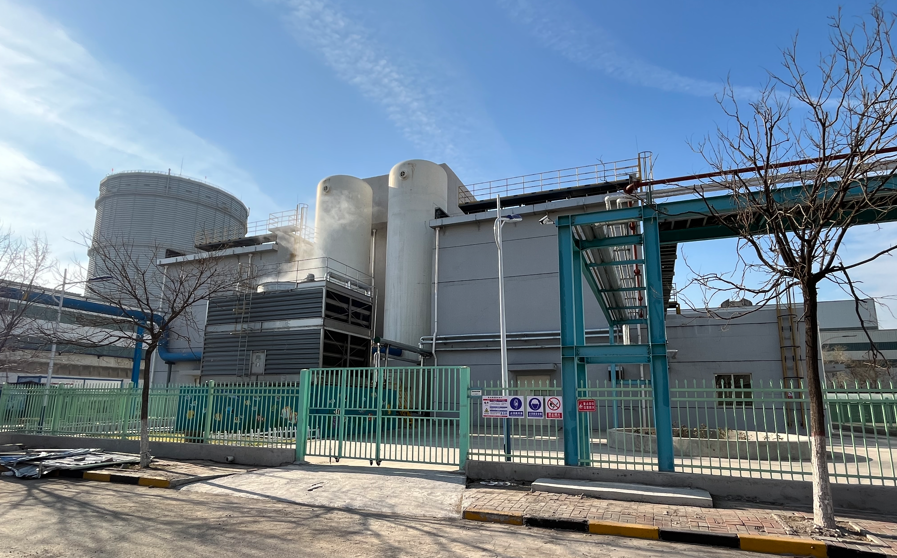
مورد أكسجين صناعي في العربية وحلول توليد موثوقة
اختيار مورد أكسجين صناعي في العربية لا ينبغي أن يبدأ بالسعر فقط، بل يبدأ بفهم نمط الاستهلاك، نقاء الأكسجين المطلوب، ضغط التشغيل، المخاطر اللوجستية، واستراتيجية الاستمرارية. المنشآت الكبيرة في الصلب والزجاج والورق والكيماويات تحتاج عادة إلى مصدر مستقر على مدار الساعة، ولذلك تكون الخيارات الأساسية هي الأكسجين السائل السائب، خط الأنابيب، الأسطوانات، أو وحدات التوليد في الموقع بتقنيات الامتزاز بالضغط المتأرجح أو الامتزاز بالتفريغ والضغط المتأرجح.إذا كان الاستهلاك محدودا أو متقطعا، قد تكون الأسطوانات مناسبة، لكنها غالبا أعلى تكلفة لكل متر مكعب عادي وتحتاج إلى إدارة مخزون متعبة. إذا كان المصنع داخل تجمع صناعي قريب من محطة فصل هواء مركزية، فقد يكون خط الأنابيب عمليا. أما في المواقع البعيدة عن الموانئ والمراكز اللوجستية، مثل مناطق التعدين أو مصانع الصلب والزجاج خارج العواصم، فيصبح التوليد في الموقع خيارا استراتيجيا لتقليل الاعتماد على الشاحنات والصهاريج وسلاسل التوريد.للمشروعات الصناعية الكبيرة، يوصى بإجراء دراسة فنية اقتصادية تقارن تكلفة الأكسجين السائل المسلم للموقع مع تكلفة محطة مملوكة للعميل بنظام الهندسة والتوريد والإنشاء أو التسليم المفتاح. ويجب أن تتضمن الدراسة الكهرباء، المياه، الأرض، الضواغط، الصيانة، قطع الغيار، الخزان الاحتياطي، توقفات الإنتاج، مخاطر الطرق والموانئ، وشروط العقد. شركة بي كيه يو بايونير تقدم حلولا مملوكة للعميل لمحطات الأكسجين في الموقع، ولا تقدم نموذج امتلاك وتشغيل وبيع كميات بالجملة داخل الموقع، ما يجعلها مناسبة للمصانع التي تريد السيطرة المباشرة على أصولها وتكلفة إنتاجها.تختلف منظومة إمداد الأكسجين الصناعي حسب حجم الطلب واستمراريته. في أسواق العربية التي تضم موانئ مثل جدة والدمام والإسكندرية والدار البيضاء وصحار، ومناطق صناعية مثل الجبيل وينبع والسويس ورأس لفان، تتأثر تكلفة الأكسجين بشدة بمسافة النقل وتوافر الطرق وسعة التخزين والقدرة الكهربائية. لهذا لا يوجد حل واحد يناسب الجميع، بل توجد مصفوفة قرارات تعتمد على التقنية واللوجستيات والمخاطر.نوع الإمدادأفضل استخدامنطاق الاستهلاك المناسبالمزاياالقيوداعتبار الشراءالأكسجين السائل السائبمصانع متوسطة وكبيرة قريبة من طرق توريد مستقرةمتوسط إلى مرتفعنقاء عال وسهولة البدء دون محطة إنتاج كاملةاعتماد على الشاحنات والخزانات وفترات التسليمتحقق من الحد الأدنى الشهري ورسوم التبخير والنقلخط الأنابيبمجمعات صناعية قريبة من منتج مركزيمرتفع ومستمراستقرار جيد وتقليل حركة النقليتطلب قربا جغرافيا والتزاما تعاقديا طويلاراجع بند الضغط وساعات التوقف والتعويضاتالأسطواناتورش، مختبرات، أعمال صيانة، استخدامات طارئةمنخفض ومتقطعمرونة وسهولة التوزيع الداخليتكلفة مرتفعة وإدارة سلامة مكثفةاحسب تكلفة المناولة وليس سعر الأسطوانة فقطحزم الأسطواناتاستهلاك متوسط مؤقت أو مواقع إنشائيةمنخفض إلى متوسطقدرة أعلى من الأسطوانة المفردةتحتاج مساحة ومناولة آمنةمناسبة كحل انتقالي أو احتياطيالتوليد في الموقع بالامتزازمصانع صلب وزجاج وكيماويات ولب وورقمتوسط إلى ضخمخفض تكلفة المدى الطويل وتحكم تشغيلييتطلب دراسة كهرباء وصيانة وموقعالأفضل عند وجود طلب مستمر ونقاء مناسبمحطة فصل هواء مبردة داخليةطلب ضخم جدا ونقاوات متعددةضخم ومستمرنقاء مرتفع وإنتاج غازات متعددةاستثمار أعلى ومدة تنفيذ أطولتقارن مع الامتزاز عند نقاء أقل من العالي جدايوضح الجدول أن التوريد السائل قد يبدو أبسط في البداية، لكنه ليس دائما الأرخص. في مصنع يعمل على مدار السنة، يمكن أن تتراكم رسوم النقل والتخزين والتبخير وفروقات الذروة حتى تصبح تكلفة المتر المكعب العادي أعلى من تكلفة التوليد في الموقع. أما في التطبيقات التي تحتاج نقاء مرتفعا جدا أو إنتاج نيتروجين وأرجون أيضا، فقد يكون الفصل المبرد مناسبا، لكنه يحتاج إلى رأسمال وزمن أطول. لذلك تبرز محطات الامتزاز كحل متوازن عند الحاجة إلى أكسجين بنقاء صناعي شائع ومرونة تشغيل عالية.اختيار المورد لا يعتمد فقط على عرض السعر، بل على قدرة المورد على فهم العملية الصناعية. مصانع الصلب في الجبيل أو السويس قد تستخدم الأكسجين في الأفران، إثراء الهواء، القطع، أو معالجة غازات الأفران. مصانع الزجاج في الدار البيضاء أو القاهرة تحتاج إلى لهب مستقر لتقليل استهلاك الوقود وتحسين جودة الصهر. مصانع الورق قد تستخدم الأكسجين في التبييض ومعالجة المياه. الصناعات الكيميائية تحتاج إلى مواصفات أكثر صرامة في الضغط والتدفق والاستمرارية.ابدأ بطلب منحنى الاستهلاك ساعة بساعة، وليس المتوسط الشهري فقط. المتوسط يخفي ذروات قد تؤثر في حجم الضاغط والخزان ووحدة الامتزاز. كذلك يجب تعريف نقاء الأكسجين المقبول للعملية. بعض العمليات لا تحتاج إلى نقاء بالغ الارتفاع، ويمكنها الاستفادة من نقاء صناعي متوسط مع وفورات كبيرة في الطاقة. يجب أيضا قياس الضغط عند نقطة الاستخدام، لأن ضغط المنتج الخارج من محطة التوليد قد يحتاج إلى تعزيز حسب شبكة المصنع.معيار التقييمالسؤال العمليأثره في التكلفةأثره في المخاطروثيقة مطلوبةعلامة مورد قويالخبرة الصناعيةهل نفذ المورد مشروعات مشابهة؟يقلل أخطاء التصميميرفع موثوقية التشغيلقائمة مشروعات مرجعيةخبرة مثبتة في الصلب والزجاج والكيماوياتمطابقة النقاءهل النقاء المطلوب حقيقي أم مبالغ فيه؟يمنع شراء حل أغلى من اللازميحمي جودة المنتجتحليل عملية الإنتاجيقترح نطاق نقاء مبنيا على التطبيقتصميم التدفقهل يغطي الذروة والحد الأدنى؟يمنع تضخيم المعداتيمنع نقص الأكسجين وقت الذروةمنحنى حمل سنوييوفر تشغيل مرن من أحمال منخفضة إلى كاملةتكامل الهندسةهل يورد الحل كاملا؟يخفض تكاليف التنسيقيقلل نقاط الفشلمخطط نطاق العمليقدم هندسة وتوريدا وإنشاء وتسليم مفتاحخدمة ما بعد البيعما زمن الاستجابة وقطع الغيار؟يقلل توقفات المصنعيحسن الاستمراريةاتفاقية خدمةدعم فني سريع وتدريب مشغلينتحليل الملكيةهل تشمل الدراسة الطاقة والصيانة؟يكشف العائد الحقيقييمنع مفاجآت ماليةنموذج تكلفة كامليعرض تكلفة دورة الحياة لا سعر الشراء فقطعند التفاوض مع مورد محلي أو دولي، يجب تجنب العقود التي تخفي رسوما إضافية مثل رسوم الخزان، الحد الأدنى الإلزامي، أجور الانتظار، أو غرامات تغير الاستهلاك. كما ينبغي مقارنة قدرة المورد على توفير تدريب وتشغيل تجريبي وتعديلات لاحقة. بالنسبة لمحطة مملوكة للعميل، تكون جودة التصميم والمواد والمنخل الجزيئي والتحكم الآلي أكثر أهمية من الخصم الأولي.تقنيات الامتزاز تعتمد على فصل الأكسجين من الهواء باستخدام مواد مازة متخصصة ودورات ضغط وتفريغ. في الامتزاز بالضغط المتأرجح تكون الفكرة الأساسية هي امتصاص مكونات معينة من الهواء وإطلاق الأكسجين بتركيز مناسب. في الامتزاز بالتفريغ والضغط المتأرجح تستخدم مرحلة تفريغ لتحسين استرجاع الغاز وتقليل استهلاك الطاقة في السعات الكبيرة. هذه التقنيات مناسبة عندما يكون النقاء المطلوب غالبا في نطاق صناعي يفي بالتطبيق، بدلا من دفع تكلفة نقاء أعلى مما تحتاجه العملية.شراء الأكسجين السائل الخارجي مناسب عندما يكون الطلب غير ثابت أو عندما لا تتوافر مساحة أو كهرباء كافية. لكنه يحمل مخاطر سلسلة التوريد، خصوصا في مواسم ازدحام الموانئ أو ارتفاع أسعار الوقود أو تعطل الطرق الصحراوية أو تأخر الشاحنات عند المنافذ. أما التوليد في الموقع فيمنح المصنع سيطرة أعلى، لكنه يحتاج إلى إدارة محطة وضمان توافر كهرباء ومياه تبريد حسب التصميم.البندشراء الأكسجين السائلالتوليد في الموقع بالامتزازأفضلية عند الطلب المستمرأفضلية عند الطلب المتقطعملاحظة تنفيذيةالاستثمار الأوليأقل نسبياأعلى في البدايةالتوليد في الموقعالأكسجين السائلالعائد يعتمد على حجم الاستهلاك السنويتكلفة التشغيلمرتبطة بالنقل والأسعارمرتبطة بالكهرباء والصيانةالتوليد في الموقعقد يتعادلانيجب حساب تكلفة الطاقة المحليةالمخاطر اللوجستيةأعلىأقلالتوليد في الموقعالأكسجين السائلالخزان الاحتياطي يبقى ضروريازمن بدء الإمدادسريع إذا كان المورد متاحايتطلب تنفيذ مشروعحسب التخطيطالأكسجين السائليمكن استخدام السائل خلال فترة إنشاء المحطةالمرونة التشغيليةمرونة مرتبطة بالعقدمرونة عالية ضمن نطاق التصميمالتوليد في الموقعالأكسجين السائلتصميم الأحمال الجزئية مهمالاستدامةانبعاثات نقل أعلىانبعاثات أقل عند كهرباء نظيفةالتوليد في الموقعحسب المسافةيتحسن العائد البيئي مع الطاقة المتجددةالتقييم الصحيح لا يعني إلغاء الأكسجين السائل بالكامل. في كثير من المصانع، يكون الحل الأمثل هو محطة توليد في الموقع للإمداد الأساسي مع خزان سائل احتياطي للأعطال أو الصيانة أو ذروة غير متوقعة. هذا الدمج يرفع جاهزية المصنع ويقلل حجم التعاقد السائل. وعند تصميم النظام، يجب تحديد ساعات الاستقلالية المطلوبة للخزان الاحتياطي: هل تكفي ثماني ساعات، يوم كامل، أم عدة أيام حسب حساسية العملية؟يوضح الرسم التالي نمو الطلب الافتراضي على حلول الأكسجين الصناعي في أسواق العربية مع توسع الصلب والزجاج والكيماويات ومشروعات البنية التحتية.في صناعة الصلب، يستخدم الأكسجين لتحسين الاحتراق ورفع إنتاجية الأفران وتقليل استهلاك الوقود ودعم معالجة الغازات. احتياج الصلب غالبا ضخم ومستمر، ولذلك تكون محطات الامتزاز الكبيرة أو محطات الفصل المبردة أو خطوط الأنابيب خيارات رئيسية. لكن عند نقاوات صناعية مناسبة، تمنح تقنية الامتزاز بالتفريغ والضغط المتأرجح مزية واضحة في خفض الطاقة وسرعة البدء ومرونة الحمل.في صناعة الزجاج، يساعد الأكسجين على تحسين اللهب ورفع درجة حرارة الصهر وتقليل غازات العادم. مصانع الزجاج المسطح والحاويات الزجاجية في مناطق مثل الإسكندرية ومدينة الملك عبد الله الاقتصادية وطنجة قد تستفيد من التوليد في الموقع لتقليل اعتمادها على الشحنات المتكررة، خصوصا عندما يعمل الفرن بشكل مستمر ولا يتحمل توقفا مفاجئا.في صناعة الورق، يدخل الأكسجين في عمليات التبييض ومعالجة المياه والعمليات البيئية. قد لا تكون كميات الاستهلاك ضخمة مثل الصلب، لكن الاستقرار مهم لتقليل كيميائيات التبييض وتحسين الأداء البيئي. أما في الصناعات الكيميائية، فيستخدم الأكسجين في الأكسدة والغازات التخليقية ومعالجة المخلفات، وغالبا يتطلب ضبطا دقيقا للضغط والنقاء والسلامة.الصناعةالتطبيقات الرئيسيةالنقاء الشائعطبيعة التدفقحل مناسبفائدة متوقعةالصلبإثراء الهواء، الأفران، القطع، معالجة الغازمتوسط إلى عال حسب العمليةمستمر وضخممحطة امتزاز كبيرة في الموقعخفض الطاقة وتحسين الإنتاجيةالزجاجالصهر والاحتراق بالأكسجينصناعي مستقرمستمرتوليد في الموقع مع احتياطي سائللهب مستقر وتقليل الوقودالورقالتبييض ومعالجة المياهحسب وصفة العمليةمتوسط ومتغيروحدة امتزاز مدمجة أو توريد مختلطتحسين بيئي وتقليل كيميائياتالكيماوياتالأكسدة والتفاعلات ومعالجة الغازاتمحدد بدقةمستمر أو دفعيحل مصمم حسب العمليةاستقرار جودة المنتجمعالجة المياهالأكسدة والتهوية المحسنةمتوسطمتغيرمحطات صغيرة إلى متوسطةرفع كفاءة المعالجةالتعدين والمعادنالاستخلاص والصهر والدعم الحراريصناعيمتوسط إلى مرتفعتوليد في الموقع بالمناطق النائيةتقليل مخاطر النقل الطويلعند تحليل الطلب حسب الصناعة، لا يكفي ذكر اسم القطاع. يجب فهم نوع الفرن، جودة الوقود، ساعات التشغيل، تركيبة الغاز، مستوى الأتمتة، ومتطلبات السلامة. المورد الجيد يقدم مراجعة عملية وليس مجرد عرض معدات. ويمكن الاطلاع على أمثلة مشروعات ابتكارية عبر مشروعات صناعية رائدة عالميا لفهم كيف تتحول الغازات الثانوية والأكسجين إلى مصادر كفاءة وربحية.يعرض الرسم التالي مقارنة تقريبية لحجم الطلب النسبي على الأكسجين بين قطاعات صناعية رئيسية في منطقة العربية.النقاء ليس رقما تسويقيا؛ إنه قرار هندسي. كلما ارتفع النقاء المطلوب زادت الطاقة أو تعقدت التقنية، لذلك يجب تحديد أقل نقاء آمن يحقق جودة العملية. في العديد من تطبيقات الاحتراق الصناعي، قد يكون النقاء الصناعي المتوسط كافيا. أما في تفاعلات كيميائية محددة، فقد يلزم نقاء أعلى مع مراقبة شوائب دقيقة. كذلك يجب التمييز بين ضغط الإنتاج عند المحطة وضغط الاستخدام عند نقطة العملية، لأن فقد الضغط في الشبكة قد يكون كبيرا في المصانع القديمة.التطبيقنقاء تقريبي مناسبتدفق نموذجيضغط نموذجيعامل تصميم حاسمملاحظة تشغيليةإثراء هواء الأفران العاليةنطاق صناعي متوسطمرتفع جدامتوسطاستقرار الحمليفضل تصميم ضخم عالي الكفاءةصهر الزجاج بالأكسجينصناعي مستقرمتوسط إلى مرتفعمتوسطثبات اللهبتجنب تذبذب الضغط عند تغير الطلبتبييض اللب والورقحسب الوصفةمتوسطمتوسطالتحكم في الجرعاتيرتبط الأداء بجودة الخلطالأكسدة الكيميائيةأعلى ومحددحسب المفاعلقد يكون مرتفعاالسلامة والتحليلتحتاج مراقبة مستمرة للشوائبمعالجة مياه الصرفمتوسطمتغيرمنخفض إلى متوسطكفاءة الانتقالقد تعمل على أحمال موسميةالقطع واللحام الصناعيمرتفع غالبامنخفض إلى متوسطمرتفع نسبياجودة اللهبقد تناسبه الأسطوانات أو الحزمتوضح المواصفات أن الحجم والضغط والنقاء مترابطة. محطة ذات تدفق كبير ونقاء متوسط قد تكون أقل تكلفة بكثير من محطة أصغر لكنها تتطلب ضغطا ونقاء أعلى. كذلك فإن استخدام ضاغط تعزيز غير مناسب قد يرفع استهلاك الطاقة ويقصر عمر المعدات. لذلك ينبغي إشراك فريق العملية، الكهرباء، السلامة، والمشتريات في مرحلة التصميم، لا بعد توقيع العقد.تحليل العائد يجب أن يغطي دورة حياة لا تقل عن خمس إلى عشر سنوات. سعر الأكسجين السائل في الفاتورة لا يمثل كل التكلفة، إذ توجد تكلفة الخزان، الفاقد بالتبخير، التأمين، رسوم النقل، الحد الأدنى الشهري، انقطاع الإنتاج عند تأخر الشحنات، ومساحة التخزين. في المقابل، تكلفة التوليد في الموقع تشمل الاستثمار، الكهرباء، الصيانة، مواد الامتزاز عند نهاية عمرها، الضواغط، نظام التحكم، العمالة، وقطع الغيار.في المصانع التي تعمل طوال السنة، غالبا يكون العائد أسرع عندما يكون الاستهلاك اليومي كبيرا والمسافة عن مورد السائل طويلة. في المدن الساحلية القريبة من مصانع الغازات قد يبقى السائل منافسا، لكن في المناطق الصناعية الداخلية أو الحدودية أو مواقع التعدين، تصبح ميزة التوليد في الموقع أكبر. كذلك فإن ارتفاع أسعار الوقود أو ازدحام الموانئ يزيد جاذبية المحطات المملوكة للعميل.يبين الرسم التالي تحولا افتراضيا في حصة الحلول بين شراء السائل والتوليد في الموقع حتى عام ٢٠٢٨، مدفوعا بالاستدامة وتقليل مخاطر الإمداد.لا يعني العائد المالي أن كل مصنع يجب أن يبني محطة فورا. إذا كان الطلب غير مؤكد أو المشروع مؤقتا، فقد يكون التعاقد السائل أكثر أمانا. أما إذا كان المصنع يملك خطة تشغيل طويلة وطلبا مستقرا، فينبغي طلب دراسة تشمل فترة استرداد الاستثمار، القيمة الحالية الصافية، تكلفة الكيلوواط ساعة، حساسية السعر، وتكلفة توقف يوم واحد من الإنتاج. في صناعة الصلب، قد يكون توقف يوم واحد أغلى من فرق سعر الأكسجين لعدة أشهر.شركة بي كيه يو بايونير طورت مشروعات كبيرة لمحطات أكسجين في الموقع بسعات واسعة، من الوحدات الصغيرة إلى الأنظمة الضخمة التي تخدم مصانع الصلب. وتساعد خبرتها في تقنيات الامتزاز بالتفريغ والضغط المتأرجح على خفض استهلاك الطاقة في حالات كثيرة إلى مستويات تنافسية، مع بدء سريع ومرونة في الأحمال. يمكن معرفة المزيد عن التقنية من صفحة حلول توليد الأكسجين بالامتزاز التفريغي.الأكسجين الصناعي مادة تشغيلية حرجة، وأي انقطاع قد يوقف فرن صهر أو مفاعل أو خط إنتاج كامل. لذلك يجب التعامل معه كمنظومة استمرارية أعمال، لا كمادة مشتراة فقط. في أسواق العربية، يمكن أن تتأثر الإمدادات بازدحام الموانئ، العواصف الرملية، تأخر التصاريح، ارتفاع الوقود، نقص السائقين، أو الطلب المفاجئ من قطاعات صحية وصناعية. ولهذا يجب تصميم طبقات حماية متعددة.تبدأ الحماية بتحديد الحد الأدنى الآمن للتدفق والنقاء والضغط. ثم تصميم مصدر أساسي ومصدر احتياطي. في حالة التوليد في الموقع، قد يكون الاحتياطي خزان أكسجين سائل أو حزم أسطوانات للخطوط الحرجة. في حالة الاعتماد على السائل، يمكن استخدام عقدين مع موردين مختلفين أو خزان أكبر أو خطة طوارئ من منطقة قريبة مثل ميناء أو مدينة صناعية. لكن الاحتياطي لا قيمة له إذا لم يختبر دوريا. يجب إجراء اختبارات تحويل تلقائي، ومراجعة صمامات الأمان، وتدريب العاملين على حالات انخفاض الضغط.من المهم أيضا مراقبة مؤشرات مبكرة مثل انخفاض ضغط الخزان، ارتفاع استهلاك الكهرباء في الضواغط، تغير زمن دورة الامتزاز، أو تذبذب النقاء. نظم التحكم الحديثة تستطيع إرسال إنذارات مبكرة، لكن القرار التشغيلي يحتاج إلى إجراءات واضحة. يجب أن يعرف المشغل متى يخفض حمل العملية، ومتى يفتح المصدر الاحتياطي، ومتى يتصل بفريق الخدمة.بي كيه يو بايونير شركة تقنية متقدمة متخصصة في فصل الغازات بالامتزاز وتقديم محطات أكسجين صناعي في الموقع مملوكة للعميل. منذ تأسيسها في أواخر التسعينيات وارتباطها العلمي بجامعة بكين، ركزت الشركة على تطوير حلول عملية للصناعات الثقيلة، خاصة الصلب والكيماويات والزجاج والطاقة. وقد نفذت مئات المشروعات الصناعية في أكثر من عشرين دولة، بإجمالي سعات أكسجين مركبة كبيرة وخبرة عميقة مع شركات صلب كبرى.القدرات التقنية: تعتمد الشركة على بحث وتطوير داخلي ومواد امتزاز ومحفزات مطورة ذاتيا، بما في ذلك مناخل جزيئية عالية الأداء. وتغطي حلولها محطات أكسجين كبيرة بتقنية الامتزاز بالتفريغ والضغط المتأرجح، ومولدات أكسجين أصغر بتقنية الامتزاز بالضغط المتأرجح، إضافة إلى تقنيات استرجاع أول أكسيد الكربون وتنقية الهيدروجين واستخدام الغازات الثانوية. هذه القدرات تجعلها مناسبة للمصانع التي تريد بديلا موثوقا عن شراء الأكسجين السائل أو عن وحدات الفصل المبردة عندما تكون متطلبات النقاء والتدفق مناسبة.قدرات التصنيع: تجمع الشركة بين التصميم الهندسي وتصنيع المكونات والمعدات الكاملة واختبار الأنظمة قبل التسليم. هذا التكامل يقلل مخاطر عدم التوافق بين المكونات، ويسمح بضبط المعدات حسب ضغط المصنع ومساحة الموقع ومناخ التشغيل. كما تدعم شهادات الجودة والمعايير الهندسية الدولية ثقة العملاء في المعدات، خصوصا عند العمل في بيئات عالية الحرارة أو رطوبة ساحلية أو غبار صناعي.قدرات الخدمة: تقدم الشركة استشارات فنية، دراسة جدوى، تصميم هندسي، توريد معدات، إنشاء وتشغيل تجريبي، تدريب، صيانة، تحديث أنظمة، واختبارات تجريبية. والأهم أنها تقدم حلول الهندسة والتوريد والإنشاء والتسليم المفتاح أو محطات مملوكة للعميل، ولا تقدم نموذج امتلاك وتشغيل وبيع إمداد سائب داخل موقع العميل. هذا التوضيح مهم للمشترين الذين يريدون امتلاك الأصل والتحكم في تكلفة الإنتاج بدلا من الاعتماد على سعر توريد طويل الأجل.يمكن زيارة الموقع الرسمي لحلول فصل الغازات للتعرف إلى نطاق التقنيات، أو صفحة نبذة عن الشركة لمعرفة الخلفية الهندسية. كما يمكن الاطلاع على تقنية الامتزاز بالتفريغ والضغط المتأرجح ومولدات الأكسجين بالامتزاز بالضغط المتأرجح لاختيار الحل الأقرب لاحتياج المصنع.يعرض الرسم التالي مقارنة تقييمية بين بدائل الإمداد حسب أربعة عوامل رئيسية: التكلفة، الاستمرارية، المرونة، وتقليل المخاطر.حتى عام ٢٠٢٦ وما بعده، تتجه الصناعات في العربية إلى خفض الانبعاثات وترشيد الطاقة وتنويع مصادر الإمداد. مصانع الصلب تبحث عن تقليل كثافة الكربون وتحسين استخدام غازات الأفران. مصانع الزجاج تريد تقليل استهلاك الوقود وخفض أكاسيد النيتروجين. الصناعات الكيميائية تتجه إلى تكامل أكبر بين الطاقة والغازات الصناعية والمواد الخام الثانوية. هذه الاتجاهات تجعل محطة الأكسجين في الموقع جزءا من استراتيجية الكفاءة، وليست مجرد معدة مساعدة.التطور التقني سيتركز في مواد امتزاز أعلى كفاءة، تحكم رقمي يتنبأ بالأعطال، تصميمات معيارية أسرع تركيبا، وضواغط أكثر كفاءة. كما ستزداد أهمية الربط مع الطاقة الشمسية أو عقود الكهرباء منخفضة الكربون في دول مثل السعودية والإمارات ومصر والمغرب وسلطنة عمان. كلما انخفضت بصمة الكهرباء، أصبح الأكسجين المنتج في الموقع أكثر جاذبية بيئيا وماليا.على مستوى السياسات، ستؤثر متطلبات السلامة الصناعية والتخزين والضغط والانبعاثات على قرارات الشراء. وقد تطلب المصانع الكبرى من مورديها بيانات أوضح عن استهلاك الطاقة، العمر التصميمي، وخطة الصيانة. لذلك فإن مورد الأكسجين الصناعي الناجح في العربية سيكون من يقدم بيانات قابلة للتحقق، وخدمة محلية أو إقليمية، وتدريبا، وخطة استمرارية، وليس مجرد سعر منخفض.في مصنع صلب كبير، قد تؤدي محطة أكسجين بالامتزاز التفريغي إلى دعم إثراء الهواء وتحسين الإنتاجية مع خفض شراء السائل. إذا كان المصنع يقع بعيدا عن ميناء رئيسي، فإن تقليل الشاحنات اليومية ينعكس مباشرة على السلامة والتكلفة. في مشروع زجاج قرب مدينة ساحلية، قد يبدأ العميل بعقد سائل ثم ينتقل إلى محطة في الموقع عندما يثبت استقرار الطلب. في مصنع ورق، قد تكون وحدة أصغر كافية لتحسين التبييض ومعالجة المياه دون استثمار ضخم.أما في الصناعات الكيميائية، فالقيمة قد تأتي من التكامل مع غازات أخرى. خبرة بي كيه يو بايونير في استرجاع أول أكسيد الكربون وتنقية الهيدروجين واستخدام الغازات الثانوية تسمح بدراسة أوسع من مجرد الأكسجين. بعض المصانع يمكنها تحويل تيارات غازية كانت مهدرة إلى مواد مفيدة أو وقود داخلي، ما يدعم الاستدامة ويخفض الاعتماد على الغاز الطبيعي أو المشتريات الخارجية.عند إعداد حالة عمل لمصنع في الجبيل أو ينبع أو العين السخنة أو طنجة، ينبغي إدخال تكاليف محلية حقيقية: سعر الكهرباء، ساعات الذروة، تكلفة الأرض، أجور التشغيل، مسافة أقرب مورد سائل، زمن التخليص في الموانئ، ومخاطر الطقس. بهذه الطريقة يصبح القرار مبنيا على واقع الموقع، لا على أرقام عامة من كتالوج.السوق العربية تضم موردي غازات صناعية محليين وإقليميين ودوليين، إضافة إلى شركات هندسية تقدم محطات توليد. المشتري الذكي لا يختار بين المحلي والدولي بشكل عاطفي، بل يبني مزيجا مناسبا. يمكن أن يكون المورد المحلي مهما لخزانات الاحتياط والسائل والطوارئ، بينما يقدم الشريك التقني الدولي محطة توليد عالية الكفاءة. كما قد يتولى مقاول محلي الأعمال المدنية والكهربائية تحت إشراف هندسي واضح.في المناقصات الكبيرة، من الأفضل تقسيم التقييم إلى فني وتجاري ومخاطر. التقييم الفني يشمل الكفاءة، النقاء، الضغط، الموثوقية، مراجع التشغيل، ونظام التحكم. التقييم التجاري يشمل الاستثمار والطاقة والصيانة والضمان. تقييم المخاطر يشمل توافر قطع الغيار، زمن الاستجابة، قدرة التدريب، وسيناريوهات الطوارئ. ولا ينبغي قبول عرض لا يوضح حدود البطارية، أي أين تبدأ وتنتهي مسؤولية المورد في الأنابيب والكهرباء والتحكم.إذا كان المصنع يخطط للتوسع، يجب تصميم المحطة مع قابلية إضافة وحدات أو زيادة ضغط أو ربط خزان احتياطي أكبر. التوسع اللاحق أكثر تكلفة إذا لم يؤخذ في الاعتبار منذ البداية. كما يجب التأكد من أن نظام التحكم يسمح بالتكامل مع غرفة التحكم المركزية للمصنع، وأن بيانات النقاء والتدفق والضغط يمكن مراقبتها وتسجيلها لأغراض الجودة والطاقة.غالبا يكون التوليد في الموقع خيارا قويا إذا كان الطلب مستقرا وكبيرا والنقاء المطلوب مناسبا لتقنيات الامتزاز. لكن يجب الاحتفاظ بخزان أو مصدر احتياطي لضمان الاستمرارية أثناء الصيانة أو الطوارئ.عادة يوفر الأكسجين السائل نقاء مرتفعا جدا، لكن كثير من التطبيقات الصناعية لا تحتاج إلى هذا المستوى. إذا كان النقاء الصناعي المتوسط كافيا، فقد يحقق التوليد في الموقع وفرا كبيرا دون التأثير في جودة العملية.يلزم تزويد المورد بمنحنى الاستهلاك، النقاء، الضغط عند نقطة الاستخدام، ساعات التشغيل السنوية، ظروف الموقع، سعر الكهرباء، المساحة المتاحة، وخطة التوسع. كلما كانت البيانات أدق كان التصميم أقل هدرا.تقدم الشركة حلولا هندسية ومحطات مملوكة للعميل بنظام الهندسة والتوريد والإنشاء أو التسليم المفتاح، ولا تقدم نموذج امتلاك وتشغيل وبيع أكسجين سائب داخل موقع العميل.تعتمد المدة على حجم الاستهلاك، سعر الأكسجين السائل الحالي، سعر الكهرباء، مسافة النقل، وتكلفة الصيانة. في الحالات ذات الطلب الكبير والمستمر، يمكن أن يكون العائد جذابا مقارنة بعقود الشراء طويلة الأجل.نعم، خصوصا في تطبيقات إثراء الهواء والاستخدامات التي تقبل نقاء صناعيا مناسبا. وقد أثبتت محطات كبيرة قائمة أن التقنية قادرة على خدمة أحمال ضخمة مع كفاءة ومرونة تشغيلية عالية.يتم التخطيط لخزان أكسجين سائل أو حزم احتياطية، مع صيانة مجدولة وتدريب للمشغلين. كما يمكن تصميم وحدات متعددة بحيث يستمر جزء من الإنتاج أثناء صيانة وحدة محددة.أكبر خطأ هو مقارنة سعر الشراء فقط دون حساب تكلفة دورة الحياة والمخاطر. القرار الصحيح يقارن بين الطاقة والصيانة والنقل والتوقفات والاحتياط والتوسع المستقبلي.يمكن ذلك ضمن دراسة كهربائية مناسبة، خصوصا مع وجود شبكة مستقرة أو نظام إدارة طاقة. الربط مع الكهرباء منخفضة الكربون يحسن الاستدامة ويخفض أثر تقلب أسعار الطاقة.ابدأ بتجميع بيانات الاستهلاك والمواصفات، ثم اطلب مراجعة فنية واقتصادية من مورد لديه خبرة صناعية. يمكن لفريق بي كيه يو بايونير تقديم استشارة مبدئية ومقترح مخصص لمحطة أكسجين في الموقع تلائم احتياجات المصنع.