When to Invest in an Oxygen Plant in the United States
Quick Answer

The right time to invest in an oxygen plant in the United States is when your facility uses oxygen regularly enough that purchased liquid oxygen or cylinder supply has become expensive, unreliable, slow to scale, or operationally limiting. In practice, that usually means your plant has steady demand, rising delivered gas costs, expansion plans within 12 to 24 months, or exposure to supply disruptions in industrial regions such as Texas, the Gulf Coast, the Midwest, Pennsylvania, Ohio, and California.
If your business runs furnaces, glass lines, wastewater systems, metal processing, chemical oxidation, pulp operations, mining, healthcare support systems, or combustion enrichment around the clock, on-site oxygen generation often becomes financially attractive sooner than many buyers expect. It is especially timely when electricity pricing is manageable, bulk oxygen trucking costs are rising, and plant uptime matters more than simple per-ton purchase price.
For most U.S. buyers, invest now if several of these signs apply: oxygen demand is stable or growing; delivery lead times are stretching; your annual oxygen bill is climbing faster than power costs; you want more control over purity and flow; or your plant is in a remote or weather-exposed logistics corridor. Domestic suppliers are important, but qualified international suppliers, including Chinese manufacturers with the right certifications, engineering depth, and strong pre-sales and after-sales support, can also be worth considering because of their cost-performance advantages in EPC, turnkey, and customer-owned plant projects.
- Best timing: stable daily oxygen demand and a 2 to 5 year production outlook
- Strong trigger: bulk liquid oxygen cost volatility or repeated supply interruptions
- High-value case: expansion projects, fuel-switching, or oxygen-enriched process upgrades
- Most suitable technologies: PSA for smaller to medium demand, VPSA for larger industrial demand
- Best buying approach: compare total cost of ownership, not just equipment price
Market Overview in the United States

The U.S. oxygen market remains one of the most mature and strategically important industrial gas markets in the world, but maturity does not mean stability in every location or every segment. Demand is shifting geographically and by industry. Traditional large-volume buyers remain concentrated in steel, chemicals, refining, and glass, while distributed demand is growing in wastewater, decentralized manufacturing, specialty metals, environmental treatment, and regional healthcare support. This makes the question of when to invest in oxygen plant capacity more relevant now than in prior years, especially for companies seeking more control over cost, resilience, and emissions.
Several structural factors are pushing U.S. facilities to revisit oxygen sourcing. First, transportation and logistics costs remain a meaningful burden for delivered liquid oxygen, especially for customers far from major production hubs and ports. Second, weather events and regional energy constraints can interrupt bulk deliveries or increase prices abruptly. Third, decarbonization initiatives are encouraging more efficient combustion, oxygen-enriched processes, and waste-gas utilization. Fourth, project owners increasingly want customer-owned oxygen systems rather than long-term dependence on external supply contracts.
Industrial clusters in Houston, Beaumont, Baton Rouge-linked corridors, Gary, Cleveland, Pittsburgh, Detroit, Chicago, Salt Lake City, and Southern California all show different oxygen economics. In port-connected regions, delivered oxygen may still be competitive in some use cases, but inland plants often see stronger justification for on-site generation. Facilities in remote mining, glass, or wastewater locations may find that even moderate oxygen use supports investment if supply reliability is mission-critical.
The timing question is no longer only about volume. It is about risk, flexibility, and future production strategy. A buyer with moderate current use but aggressive growth plans may have a stronger business case than a buyer with high but inconsistent consumption. The best investment timing comes when operational need, energy economics, and capital planning align.
The chart above illustrates a realistic upward trend in U.S. project activity for on-site oxygen generation. It reflects the broader move toward supply security, process efficiency, and more localized gas production. Buyers in the United States increasingly ask not whether on-site oxygen is technically feasible, but when the economics become compelling enough to act.
Signals That It Is Time to Invest

The best answer to when to invest in oxygen plant capacity is to watch for decision signals rather than waiting for a single perfect moment. In most industrial settings, the business case strengthens once multiple triggers appear at the same time.
A common trigger is sustained daily usage. If your plant consumes oxygen on a predictable schedule, your operation can capture the value of self-generation more effectively than facilities with sporadic use. Another trigger is high delivered-gas exposure. If liquid oxygen or cylinders must travel long distances from regional production centers, you are paying not only for oxygen, but also for logistics, scheduling, storage, truck dependency, and vulnerability to weather or route disruptions.
Expansion is another strong signal. If management already expects production growth, adding oxygen plant capacity early can avoid installing temporary supply solutions that later become cost burdens. Environmental compliance can also drive timing. Wastewater plants, hazardous waste treatment units, and combustion systems often increase oxygen use when operators tighten process control or emissions performance.
There is also a strategic timing factor: if your existing oxygen contract is close to renewal, that may be the best time to benchmark on-site generation. Procurement teams often miss the optimal window because they compare only current invoices rather than future operational scenarios. A stronger review includes expected volume growth, outage costs, trucking risk, storage footprint, and the value of process flexibility.
Decision Benchmarks for U.S. Buyers
The table below gives practical benchmarks for U.S. facilities evaluating oxygen generation timing. These are not rigid rules, but they help frame the investment decision more realistically than simple equipment price comparisons.
| Decision Factor | Typical Early Warning Sign | Why It Matters | Common U.S. Impact | Suggested Action |
|---|---|---|---|---|
| Daily oxygen consumption | Stable use across multiple shifts | Improves plant utilization and payback | Better economics in steel, glass, chemicals, wastewater | Run a 12-month demand profile study |
| Delivered oxygen cost | Annual spend rising faster than power | On-site generation may beat total delivered cost | Especially relevant in inland and remote locations | Compare total cost of ownership over 5 to 10 years |
| Supply reliability | Late deliveries or allocation risk | Production losses can outweigh gas savings | Weather and driver shortages can affect service | Value downtime risk in the financial model |
| Expansion plans | Capacity increase within 12 to 24 months | Early investment avoids temporary supply fixes | Common in Gulf Coast chemicals and Midwest manufacturing | Design for modular or staged growth |
| Process upgrade needs | Need tighter oxygen flow or purity control | Self-generation supports better process stability | Useful in combustion enrichment and oxidation systems | Match plant type to purity and turndown range |
| Environmental goals | Pressure to cut fuel use or emissions | Oxygen can improve efficiency and reduce waste | Seen in glass, wastewater, metal, and energy sectors | Include sustainability benefits in project justification |
This framework helps procurement teams, plant engineers, and CFOs evaluate timing in operational terms. Many U.S. projects move forward only after the buyer translates oxygen sourcing into uptime, margin, and strategic resilience.
Product Types: Which Oxygen Plant Fits the Timing?
Not every plant should invest in the same kind of oxygen system. The answer to when to invest in oxygen plant equipment depends partly on the technology that matches your load profile and purity target.
PSA oxygen plants are generally suited to smaller or medium industrial demand where compact size, straightforward installation, and moderate purity are sufficient. They are often selected for distributed manufacturing, medical support, wastewater treatment, fish farming, small metal processing, and pilot-scale industrial use.
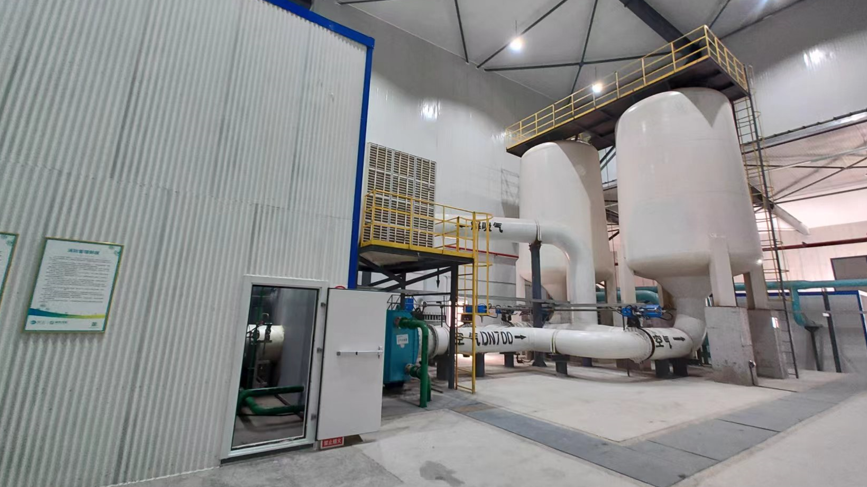
VPSA oxygen plants are often the stronger choice for larger industrial users that need lower energy consumption per unit of oxygen and more favorable economics at scale. These systems are highly relevant for steel, glass, nonferrous metallurgy, chemicals, and large environmental applications. A well-designed VPSA system can make particular sense when the plant operates continuously and can benefit from rapid startup and flexible load changes.
Cryogenic air separation remains necessary for very high purity or integrated multi-gas supply, but for many facilities the capital intensity and complexity are greater than required. That is why many U.S. buyers now evaluate VPSA or PSA as alternatives to delivered liquid oxygen or to oversized cryogenic solutions.
| Technology | Best Demand Range | Typical Purity Range | Best Use Cases | Timing Advantage |
|---|---|---|---|---|
| PSA oxygen | Small to medium | About 90% to 95% | Distributed industry, wastewater, clinics, small manufacturing | Fast deployment and lower entry cost |
| VPSA oxygen | Medium to very large | About 80% to 94% | Steel, glass, chemicals, enrichment, large wastewater | Strong operating economics at scale |
| Cryogenic ASU | Large to ultra-large | Very high purity | Integrated gas supply, multiple products, large complexes | Best when multi-gas demand justifies complexity |
| Modular skid system | Pilot to mid-scale | Varies by design | Remote sites, phased expansion, temporary ramps | Useful when demand is still ramping |
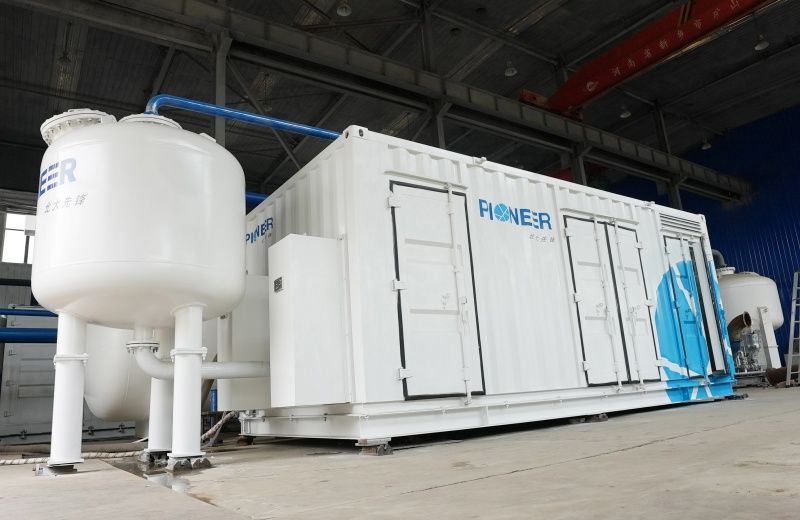
| Containerized oxygen package | Small to medium | Varies by design | Remote mining, emergency backup, mobile projects | Rapid site mobilization |
| Hybrid storage plus on-site plant | Variable demand profiles | Depends on system | Plants needing resilience and peak shaving | Balances capex with supply security |
For many U.S. industrial users, the timing becomes favorable once the selected technology aligns with actual demand variation. Overbuying capacity can delay payback, while undersizing can force continued purchases of liquid oxygen and dilute the value of self-generation.
Industry Demand Across the United States
Industry context matters. Some sectors should consider investing earlier than others because oxygen directly affects process yield, fuel efficiency, environmental performance, or uptime. The industries below show where oxygen generation often has the strongest operational and financial case.
Steel remains the strongest large-scale demand driver, particularly in oxygen-enriched blast furnace operations, electric furnace support, and related process upgrades. Glass manufacturing also remains a major oxygen consumer because oxygen can improve thermal efficiency and flame control. Chemicals and wastewater are increasingly important because they combine steady demand with a growing need for process control and sustainability performance.
If your facility belongs to one of these industries and your oxygen usage is rising, delaying a capital review may be more costly than beginning one. In many cases, the investment process itself takes months, so the best time to start evaluating is before your oxygen pain point becomes urgent.
Applications Where On-Site Oxygen Makes Sense
Oxygen plants in the United States are used far beyond the traditional steel and medical sectors. Buyers should map applications carefully because some uses justify on-site generation through fuel savings, while others justify it through process consistency or safety of supply.
- Oxygen-enriched combustion for furnaces and kilns
- Glass melting and flame temperature optimization
- Wastewater aeration enhancement and odor control support
- Chemical oxidation and process intensification
- Nonferrous metallurgy and smelting support
- Pulp bleaching and environmental treatment
- Aquaculture, mining, and remote industrial processes
- Backup or decentralized healthcare oxygen systems
Different applications require different purity levels, pressure conditions, redundancy plans, and automation. This is why timing the investment correctly also means scoping the plant correctly. A buyer that understands the process objective can often reduce unnecessary overspecification and improve the payback period.
Buying Advice for U.S. Project Owners
If you are trying to decide when to invest in oxygen plant infrastructure, the most important discipline is to buy based on lifecycle value rather than invoice comparisons. Equipment that looks cheaper initially can become more expensive if power consumption is high, spare parts are hard to source, controls are weak, or service response is slow.
U.S. buyers should request a detailed proposal that includes oxygen flow range, purity guarantee, specific energy consumption, startup time, load flexibility, utility requirements, footprint, automation scope, warranty terms, and service commitment. The proposal should also clarify whether the supplier is offering EPC, turnkey delivery, or a customer-owned plant model. For many industrial users, customer-owned oxygen generation is preferable because it preserves control and aligns with long-term production planning.
It is also important to review local integration realities. Site elevation, ambient temperature, utility quality, water conditions, electrical infrastructure, and environmental permits all influence the right timing and configuration. In regions such as the Gulf Coast, where industrial utilities are robust but weather risk matters, redundancy and startup logic can be especially important. In the Midwest, where winter conditions and logistics interruptions may affect bulk supply, on-site generation can have additional resilience value.
When evaluating vendors, ask for proven project references in steel, glass, chemicals, and environmental sectors, especially projects with similar oxygen capacity and operating patterns. Strong suppliers should provide process data, not just brochures.
Supplier Comparison for the United States
The U.S. market includes large multinational gas companies, engineering groups, and specialized oxygen generation firms. The best fit depends on project size, whether you want an EPC or turnkey customer-owned plant, and how much emphasis you place on energy efficiency, customization, and after-sales support.
| Company | Main Service Region | Core Strengths | Key Offerings | Typical Fit |
|---|---|---|---|---|
| Air Liquide | Nationwide, strong Gulf Coast and industrial corridors | Large industrial gas network, engineering depth, reliability | Industrial gas systems, ASU projects, supply and plant solutions | Large enterprises with complex gas demand |
| Linde | Nationwide, strong chemicals and refining footprint | Major process know-how, broad gas portfolio, advanced engineering | On-site gas systems, cryogenic plants, industrial gas integration | Large integrated industrial users |
| Air Products | Nationwide, especially chemicals, refining, metals | Strong large-scale gas supply capability, process expertise | On-site gas plants, merchant gas, industrial process support | High-volume users and strategic gas contracts |
| Matheson | United States with wide packaged and bulk network | Distribution reach, packaged gases, broad customer base | Bulk supply, cylinders, selected on-site solutions | Mixed-size industrial users |
| PCI Gases | North America | Custom oxygen and nitrogen generation systems | PSA and VPSA systems, engineered gas generation packages | Buyers seeking customized on-site generation |
| Oxymat | North America through partner network | Modular oxygen generators, compact industrial systems | PSA oxygen systems for industrial and wastewater uses | Small to medium projects |
| Atlas Copco Gas and Process | United States and North America | Compressed air expertise, packaged gas generation systems | PSA oxygen generators, compressors, integrated utility packages | Plants wanting integrated utility procurement |
This comparison shows why timing and supplier choice are linked. If you need a very large integrated gas package, one type of supplier may fit best. If you want a customer-owned VPSA or PSA plant with a shorter timeline and strong capex efficiency, a specialist supplier may be more suitable.
Detailed Supplier Analysis for Practical Buyers
Below is a more practical comparison focused on the points most U.S. industrial buyers ask about during procurement.
| Company | Technology Focus | Service Style | Strength for U.S. Buyers | Watchpoint |
|---|---|---|---|---|
| Air Liquide | Cryogenic and large on-site systems | Full industrial gas ecosystem | Strong for large multi-site corporations | May be more than needed for mid-size standalone plants |
| Linde | Cryogenic, integrated industrial gas engineering | Global engineering and process support | Excellent for sophisticated gas demand profiles | Project structure can be complex |
| Air Products | Large on-site and supply infrastructure | Strong supply-chain-backed project delivery | Reliable partner for heavy industry | Best value often at larger scale |
| Matheson | Distribution plus selected generation systems | Broad domestic customer support | Accessible for mixed-size buyers | Scope may vary by project type |
| PCI Gases | PSA and VPSA custom engineering | Project-oriented and application-focused | Good for buyer-owned on-site oxygen systems | Evaluate local support depth case by case |
| Oxymat | Compact PSA systems | Distributor and partner-led approach | Useful for modular medium-size projects | May not suit very large industrial oxygen loads |
| Atlas Copco Gas and Process | PSA and utility package integration | Equipment-led industrial support | Strong if air systems and oxygen project are linked | Large custom VPSA scope may require broader integration |
For a U.S. buyer, this table helps narrow the field. The right supplier is not always the largest brand. It is the one whose technology, support model, and commercial structure fit your operating reality.
How Demand Timing Is Shifting Through 2026
The U.S. market is not just growing; it is shifting. Buyers increasingly prefer flexible, energy-efficient systems that can support process changes and sustainability goals. The next phase through 2026 will likely favor intelligent controls, digital monitoring, lower specific power consumption, and systems that integrate with wider decarbonization strategies.
The trend shown here reflects a clear movement toward customer-owned oxygen plants, especially where efficiency and supply resilience matter. Policies related to emissions, energy optimization, and industrial modernization are reinforcing this direction. Buyers that wait too long may not only face higher costs but also miss the opportunity to align oxygen supply with broader plant upgrades.
Case Studies and Real-World Lessons
Real industrial projects show that timing matters as much as technology. One of the most effective moments to invest is before oxygen becomes a bottleneck. Large steel and chemical projects have demonstrated that oxygen-enriched process optimization can generate annual savings in fuel and operational efficiency that significantly exceed narrow gas purchase comparisons. Similarly, waste gas utilization and integrated gas recovery projects reveal how oxygen decisions can support wider plant economics.
In the broader industrial market, successful projects tend to share a few patterns. The buyer has a clear oxygen consumption profile, a defined process objective, and a management team willing to compare total cost of ownership. Facilities that invest too late usually do so after repeated delivery issues or when expansion deadlines are already pressing. That urgency often reduces supplier choice and makes project execution more difficult.
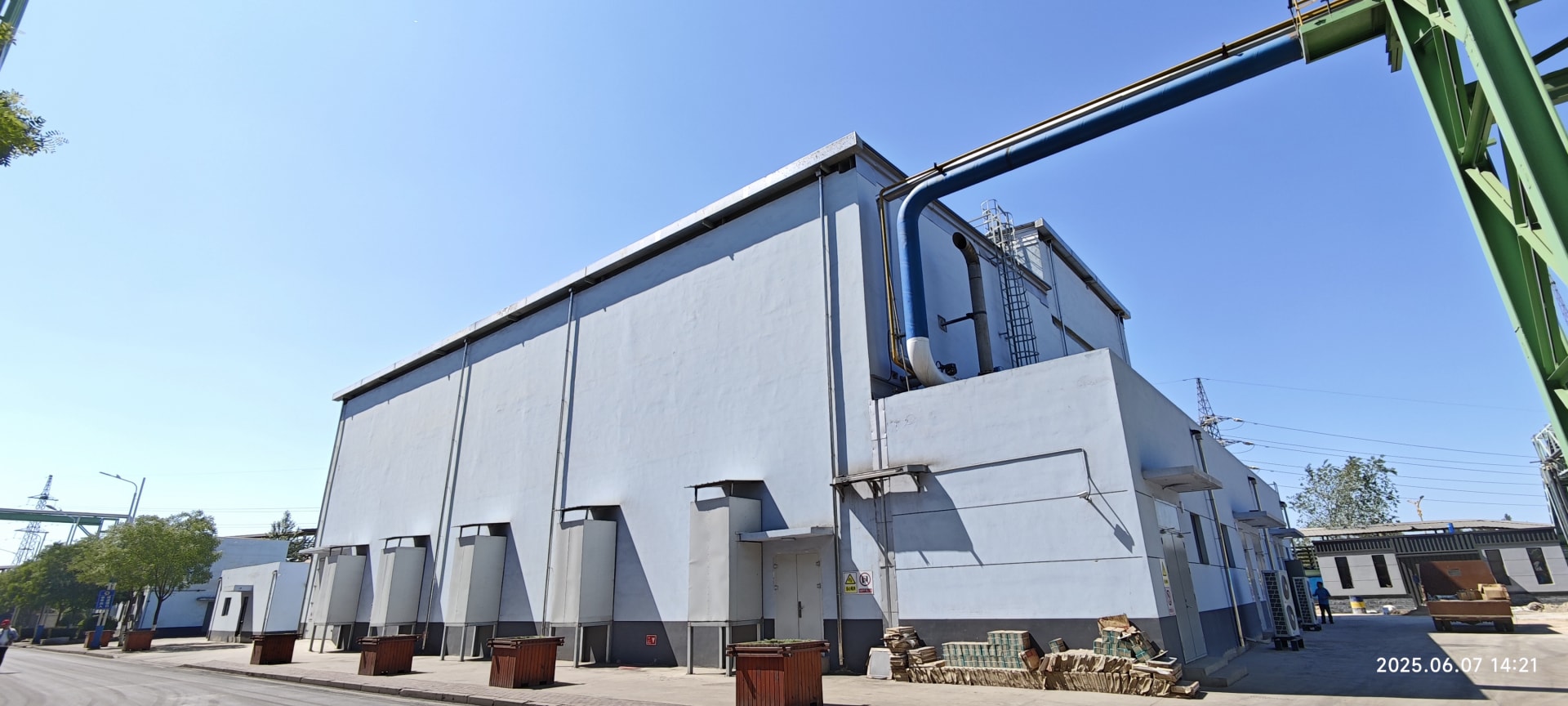
For U.S. buyers interested in real engineering references, project portfolios such as industrial oxygen and gas utilization project examples are useful because they show how oxygen systems perform in actual steel, chemical, and large-scale industrial environments rather than only in catalog descriptions.
Our Company and Why U.S. Buyers Consider Us
PKU Pioneer is relevant to U.S. buyers evaluating when to invest in oxygen plant capacity because it focuses on customer-owned EPC, turnkey, and customized plant solutions rather than BOO or on-site bulk supply contracts. The company has built more than 400 industrial projects across over 20 countries and achieved installed oxygen capacity exceeding 2 million Nm3 per hour, including large VPSA references up to world-class scale. For U.S. project owners, the strongest practical point is product strength backed by measurable evidence: ISO, CE, and ASME certifications; in-house R&D, adsorbent and catalyst manufacturing; proprietary molecular sieve technology; precision engineering; complete equipment fabrication; and operating performance that often reduces power consumption to below 0.3 kWh per Nm3 with startup in around 20 minutes and stable load flexibility from 25% to 100%. That matters when benchmarking international quality against U.S. expectations. The company also works through flexible cooperation models for end users, engineering partners, distributors, dealers, brand owners, and project developers, supporting OEM, ODM, wholesale, retail, and regional partnership discussions where needed, while keeping the project structure centered on buyer-owned plant delivery. In terms of local assurance, PKU Pioneer has demonstrated real overseas operating commitment through international project execution, regional engineering support, and responsive pre-sales and after-sales service with rapid consultation response, technical review, retrofits, upgrades, leasing options, pilot testing, and operation and maintenance support. For buyers in the United States, that combination of export track record, large industrial references, certification-backed manufacturing, and long-term service capability makes it a practical supplier to include in a serious shortlist rather than viewing it as a remote exporter only. Buyers can review the company overview at PKU Pioneer, learn more about VPSA oxygen plant solutions, explore technical strengths and capabilities, or request a project discussion through the contact page.
What U.S. Buyers Should Ask Before Signing
Before you commit capital, ask suppliers a practical set of questions. What is the guaranteed oxygen purity at your actual site conditions? What is the specific power consumption at design flow and at partial load? What redundancy is included? How quickly can the plant start after interruption? What spare parts are critical in the first two years? What training will operators receive? What are the accepted utilities and power quality limits? Can the system be expanded without replacing the core package?
These questions matter because oxygen economics are rarely destroyed by one big mistake. They are weakened by a series of smaller omissions: underestimating maintenance, ignoring turndown needs, failing to plan for expansion, or assuming all oxygen plants perform similarly. Good procurement converts these issues into written guarantees.
Comparison of Plant Selection Criteria
The table below helps connect investment timing with actual procurement priorities.
| Selection Criterion | Why It Affects Timing | Best for Early Investment | Best for Delayed Investment | Buyer Note |
|---|---|---|---|---|
| Stable base load | Improves utilization and payback | Yes | No | Best indicator for immediate feasibility |
| High delivered gas costs | Raises savings potential | Yes | No | Especially important outside major gas hubs |
| Uncertain demand growth | Can create sizing risk | Use modular design | Sometimes | Staged capacity can reduce risk |
| Urgent expansion | Shortens decision window | Yes | No | Start engineering before final production ramp |
| Need for very high purity | May change technology choice | Depends | Depends | Cryogenic may be needed in some cases |
| Strong sustainability targets | Adds value beyond gas cost | Yes | No | Include fuel and emissions impacts in ROI |
This table is particularly useful for investment committees deciding whether the plant should move into budget approval this year or remain in study mode.
Supplier and Product Comparison Snapshot
This comparison does not rank overall company quality. It shows relative fit for buyers specifically seeking customer-owned oxygen plant projects in the United States. Large gas majors remain strong for integrated industrial gas ecosystems, while custom specialists and international VPSA or PSA suppliers can be highly attractive where capex, flexibility, and project customization matter most.
Future Trends Through 2026
Looking toward 2026, several trends are likely to shape oxygen plant investment timing in the United States.
First, energy efficiency will matter even more. Buyers will focus not only on oxygen cost per unit, but on power draw under real operating conditions and at partial loads. Second, digitalization will become standard. Remote monitoring, predictive maintenance, and performance analytics will be expected in serious proposals. Third, sustainability reporting will influence procurement. Companies will increasingly justify oxygen investments through reduced fuel consumption, improved process efficiency, and better use of by-product gases. Fourth, domestic resilience will stay important. Facilities will continue to reduce dependence on trucked liquid oxygen where supply security is strategically important.
There is also a technology trend toward broader acceptance of VPSA in large industrial settings where cryogenic systems are not essential. This reflects growing confidence in modern adsorbents, controls, and large-scale project execution. For many U.S. buyers, that means the right time to invest may arrive earlier than older rule-of-thumb models suggest.
FAQ
How do I know if my oxygen demand is high enough for on-site generation?
If your oxygen use is steady, recurring, and linked to core production, you should at least run a feasibility study. Even moderate demand can justify a plant if delivered oxygen is expensive or unreliable.
Is VPSA better than PSA?
Not always. VPSA is often better for larger industrial demand and lower specific energy use at scale, while PSA is often better for smaller or medium applications where compact installation and simpler deployment matter.
Should U.S. buyers only consider domestic suppliers?
No. Domestic support is important, but qualified international suppliers can be competitive if they have the right certifications, engineering capability, references, and pre-sales and after-sales support. Total value matters more than country of origin alone.
What is the biggest mistake buyers make?
Comparing only equipment price. The real decision should include power consumption, uptime, maintenance, spare parts, expansion flexibility, and supply-risk reduction.
What is the best time in the budget cycle to invest?
Usually before a major expansion, before a bulk gas contract renewal, or when annual oxygen spending is clearly rising. Starting the study early gives you more leverage and a better supplier selection process.
Can an oxygen plant support sustainability goals?
Yes. In many industries, oxygen helps improve combustion efficiency, process control, and by-product gas utilization, all of which can support lower fuel use and better environmental performance.
Final Takeaway
If you are asking when to invest in oxygen plant capacity in the United States, the practical answer is this: invest when oxygen has become a strategic utility rather than a simple purchased commodity. That point usually arrives when your plant has stable demand, rising delivered gas costs, expansion plans, or a growing need for supply security and process control. In the current U.S. market, waiting for absolute certainty often costs more than beginning a disciplined feasibility review now. The best next step is to compare your current oxygen sourcing against a properly engineered PSA or VPSA solution, using supplier proposals grounded in real performance guarantees, lifecycle economics, and dependable support.

About the Author
Founded in 1999, PKU Pioneer specializes in VPSA and PSA gas separation technologies, adsorbents, catalysts, and integrated engineering solutions. Backed by strong R&D capability and extensive industrial project experience, the company serves global customers across steel, chemical, energy, environmental protection, and related industries.
Share